+44 20 7836 3715
Open: Tue-Sat 11am-6pm (Wed until 9pm), Sun 11am-4.30pm
Visit
Open: Tue-Sat 11am-6pm (Wed until 9pm), Sun 11am-4.30pm
2 Temple Place, WC2R 3BD, London, United Kingdom
Open: Tue-Sat 11am-6pm (Wed until 9pm), Sun 11am-4.30pm
Visit
The Weight of Being: Vulnerability, Resilience and Mental Health in Art
Two Temple Place, London
Sat 24 Jan 2026 to Sun 19 Apr 2026
2 Temple Place, WC2R 3BD The Weight of Being: Vulnerability, Resilience and Mental Health in Art
Tue-Sat 11am-6pm (Wed until 9pm), Sun 11am-4.30pm
Two Temple Place presents The Weight of Being: Vulnerability, Resilience and Mental Health in Art. The flagship exhibition dives deep into mental health and the human condition.
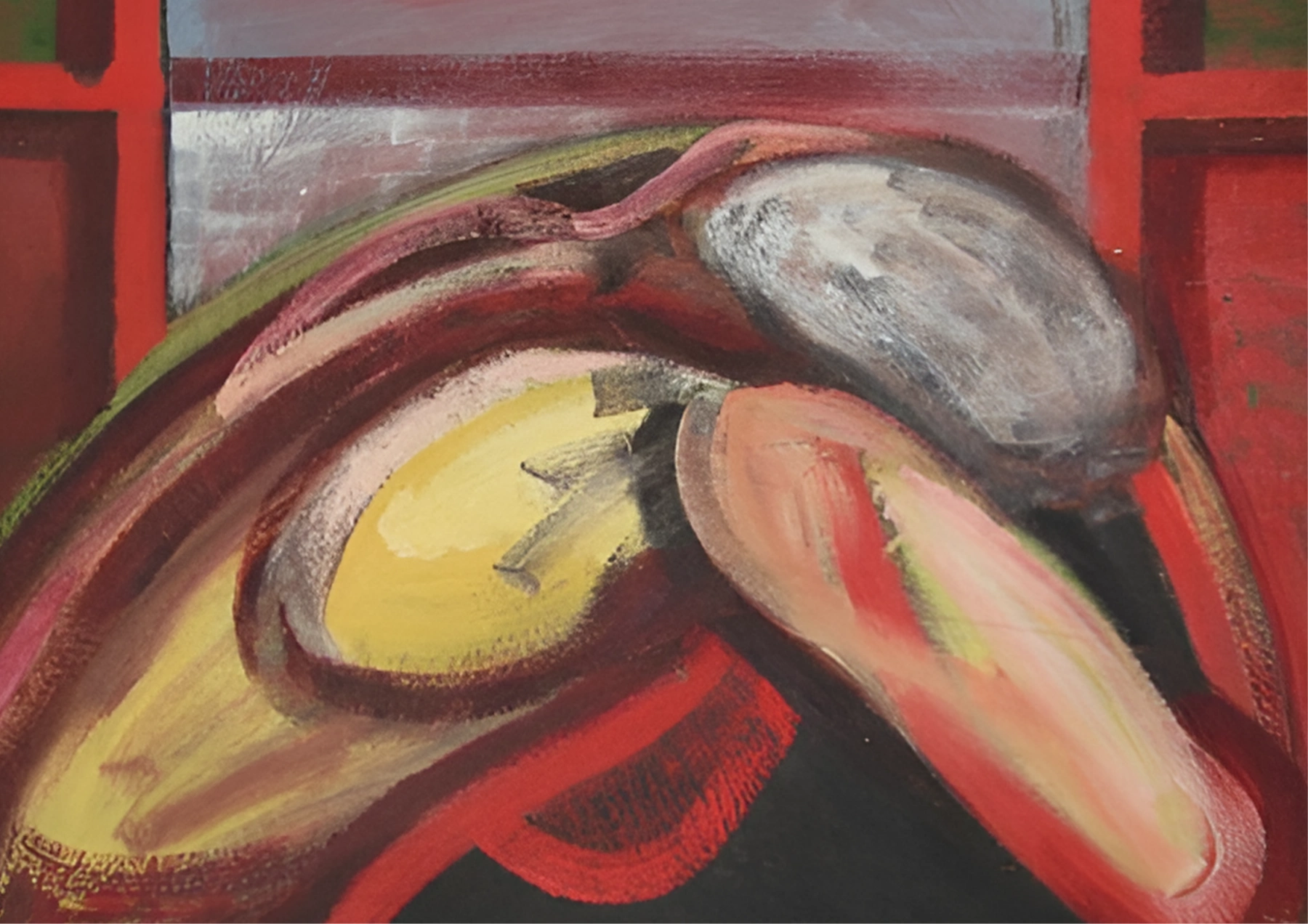

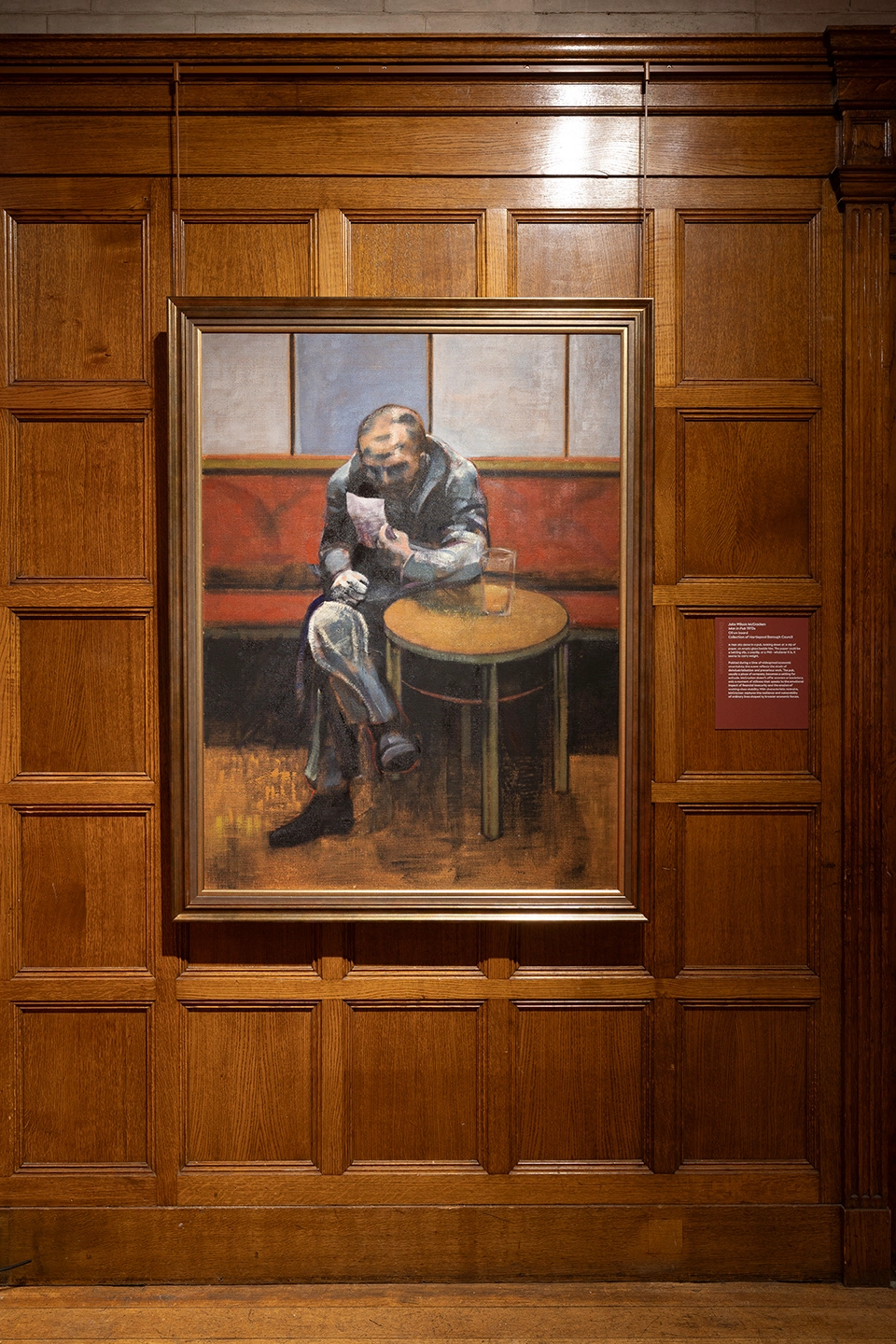
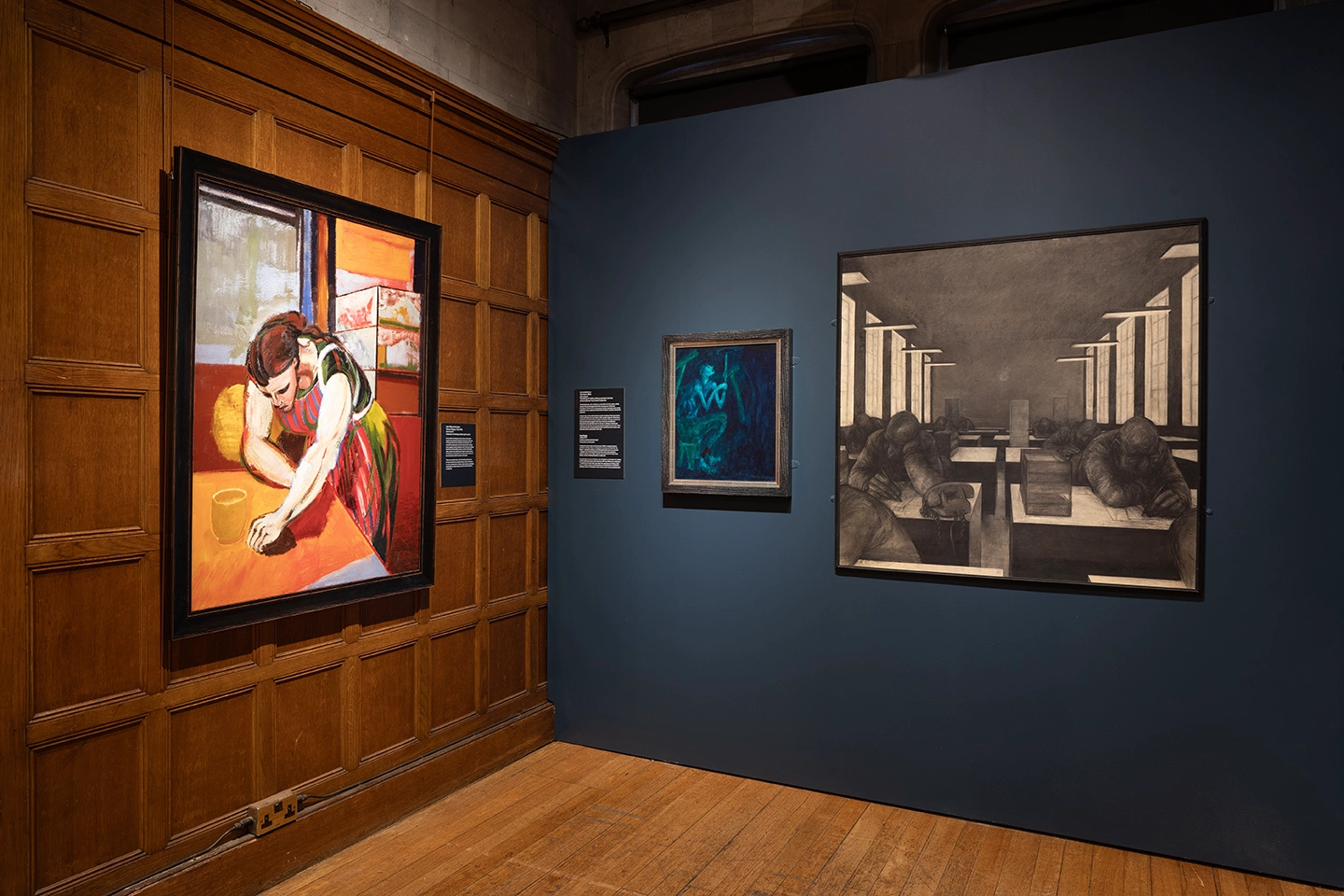
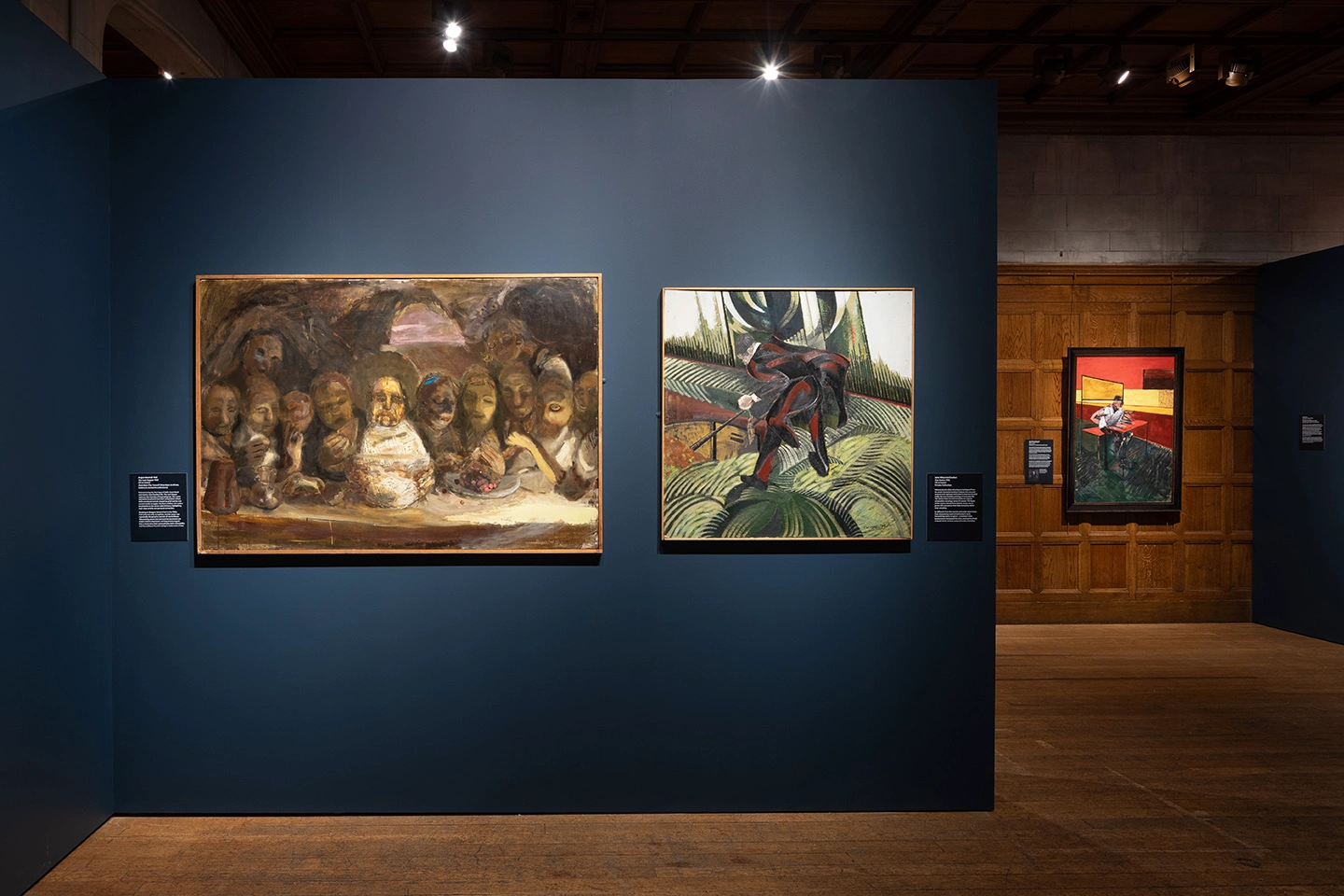
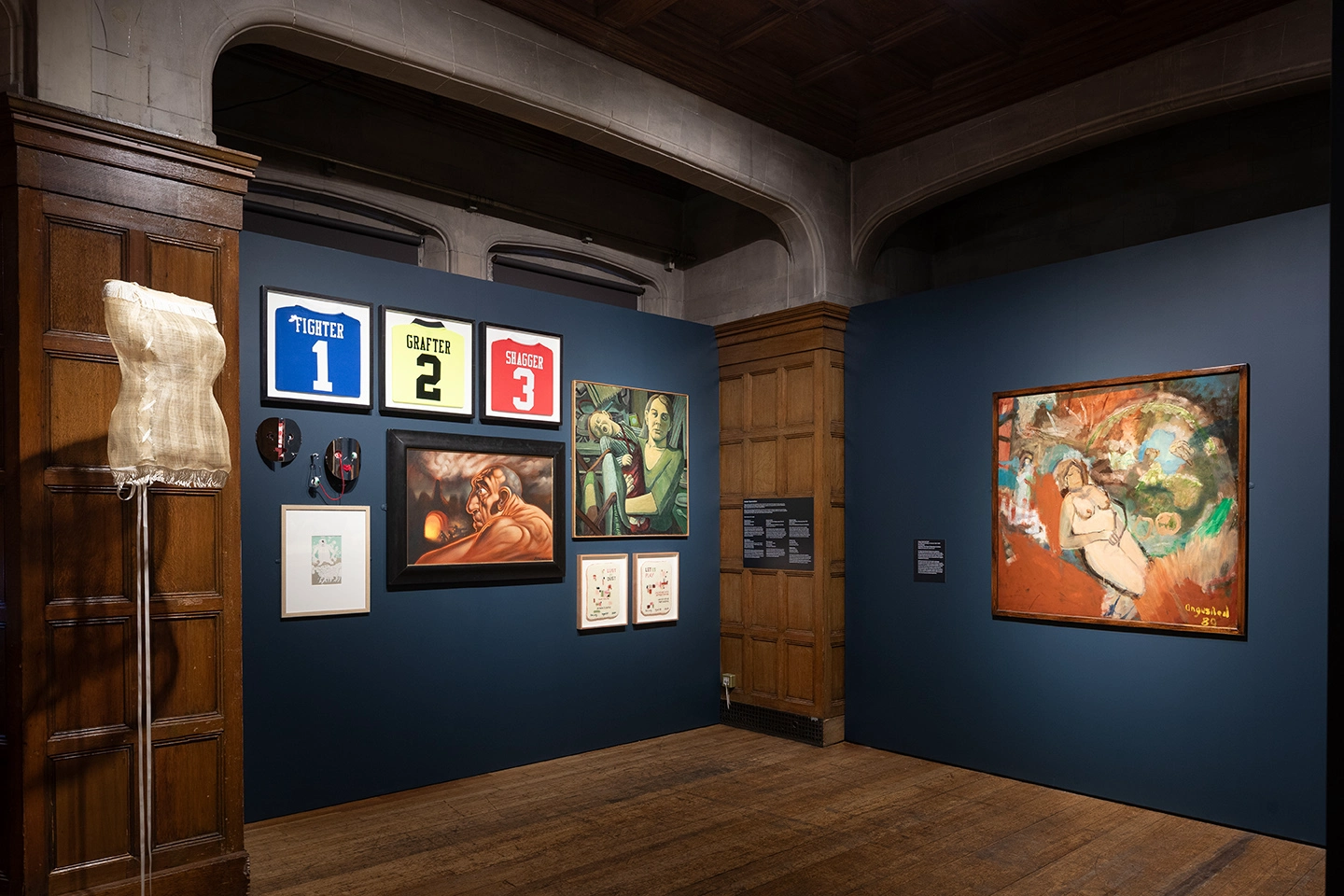
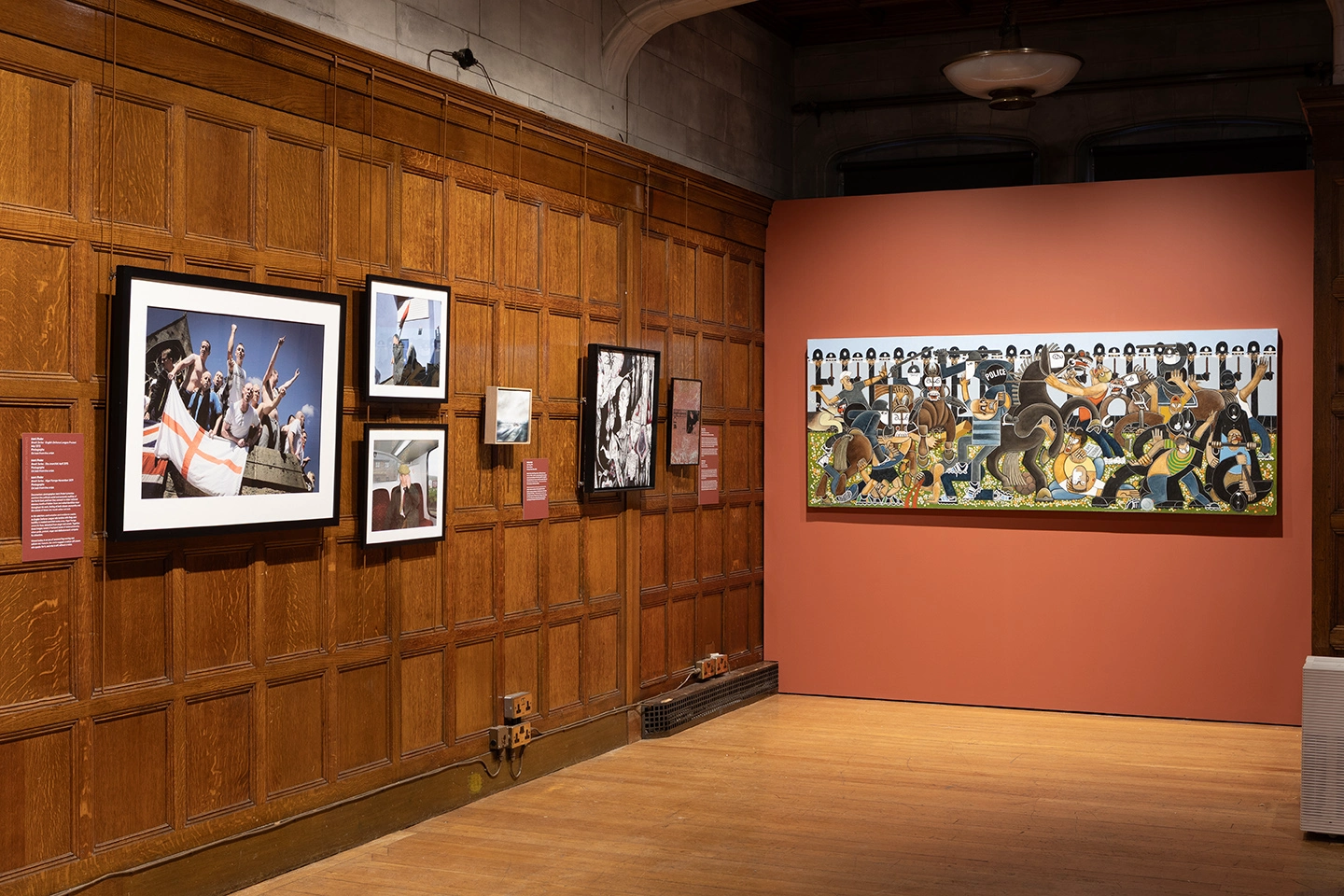
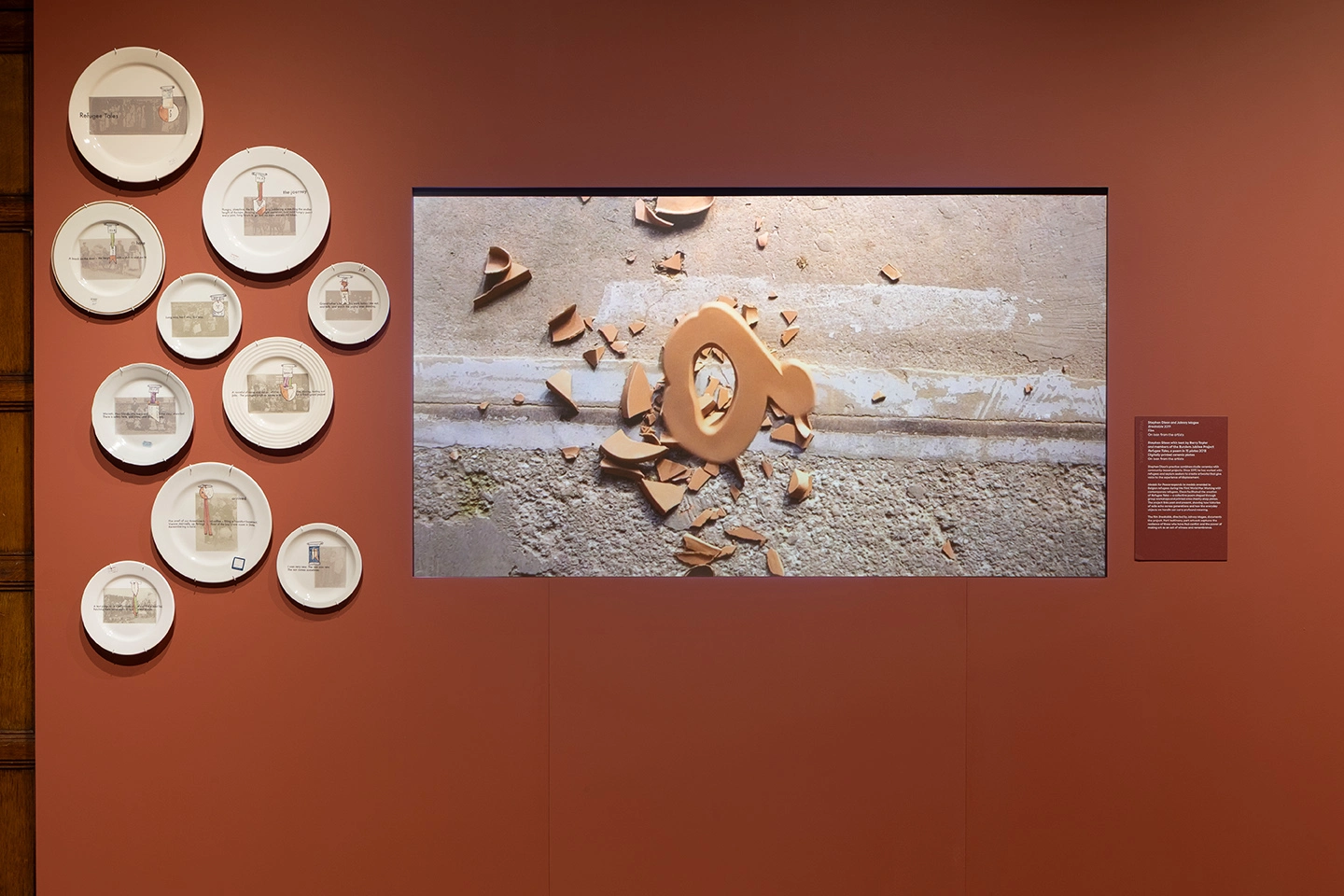
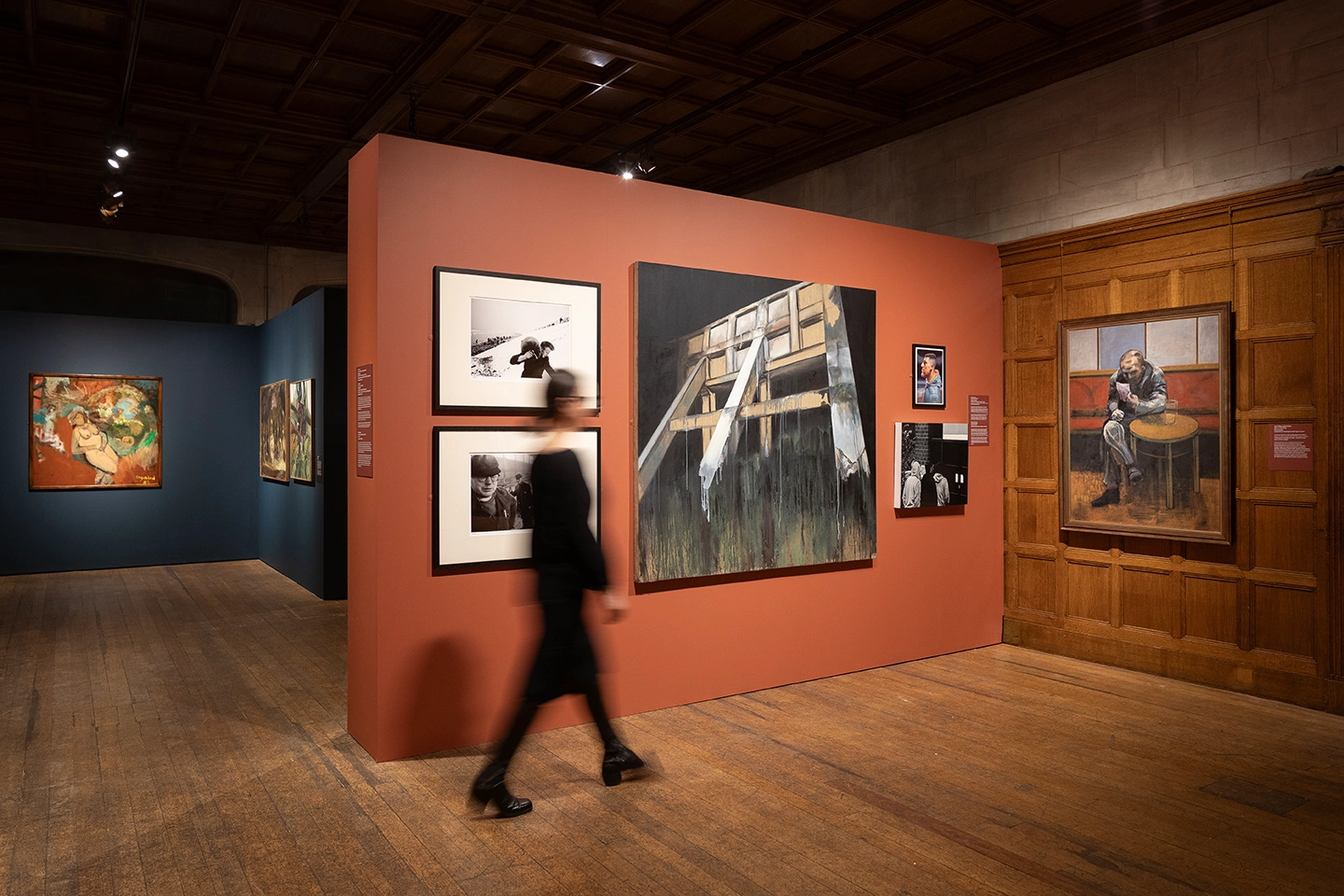
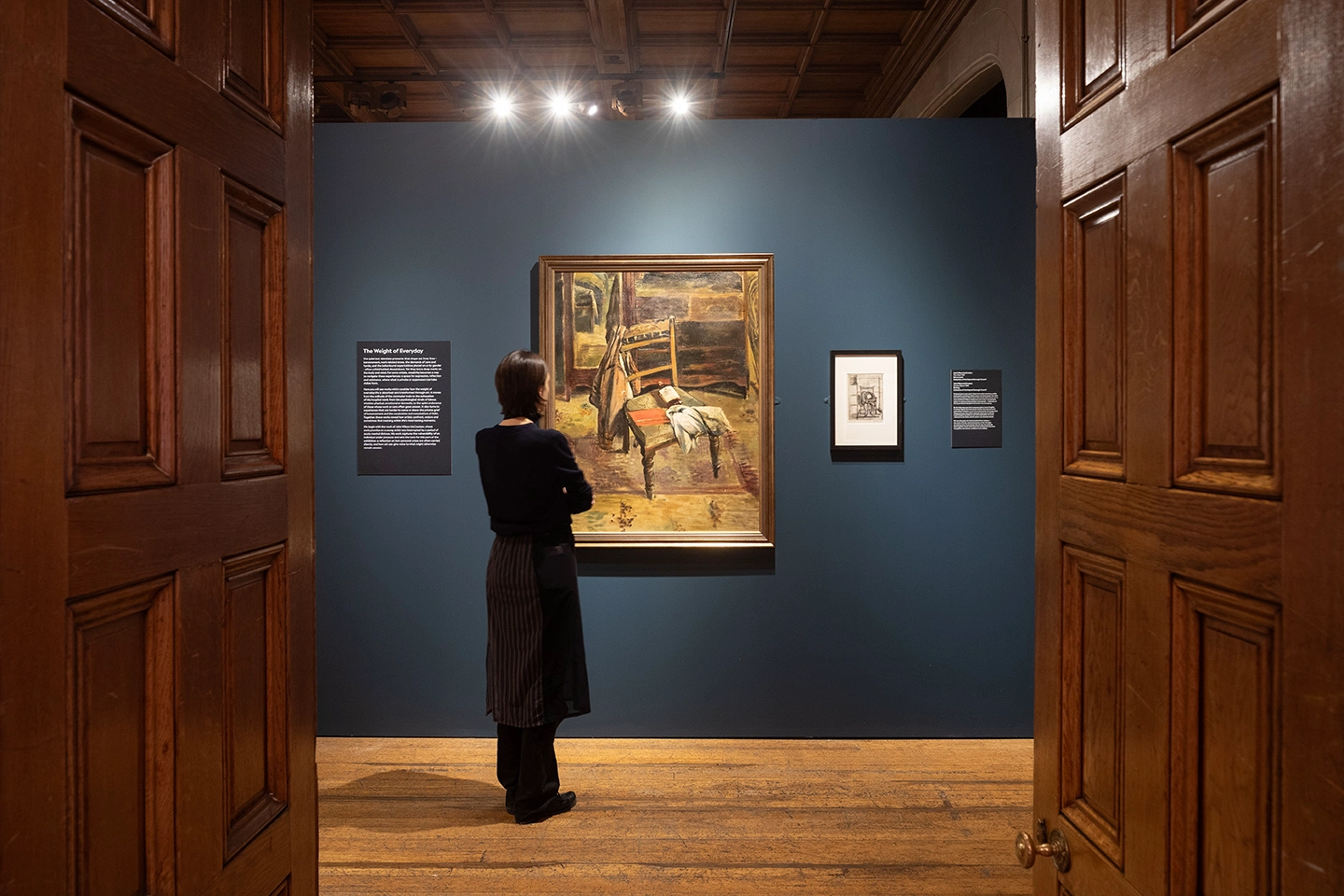
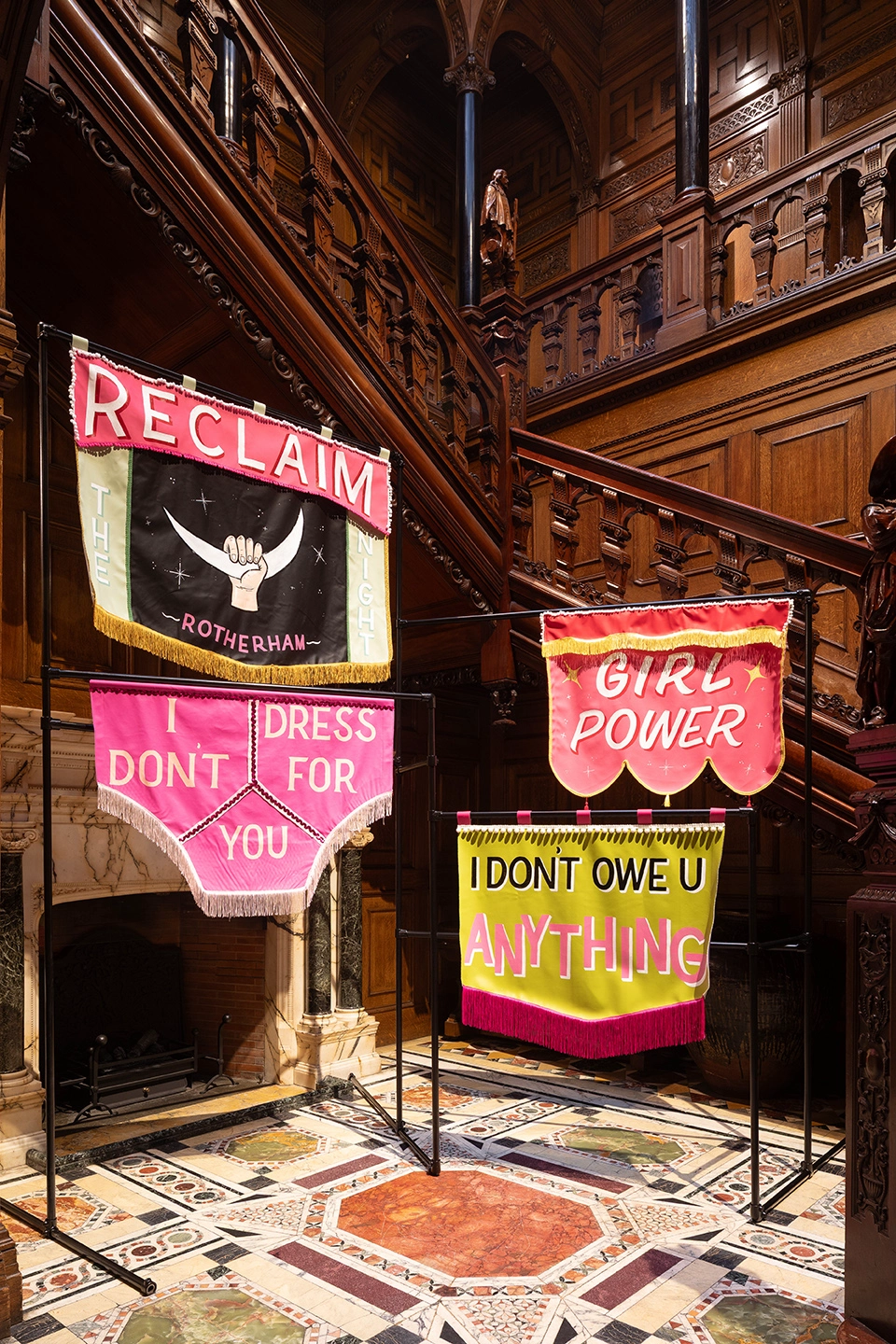
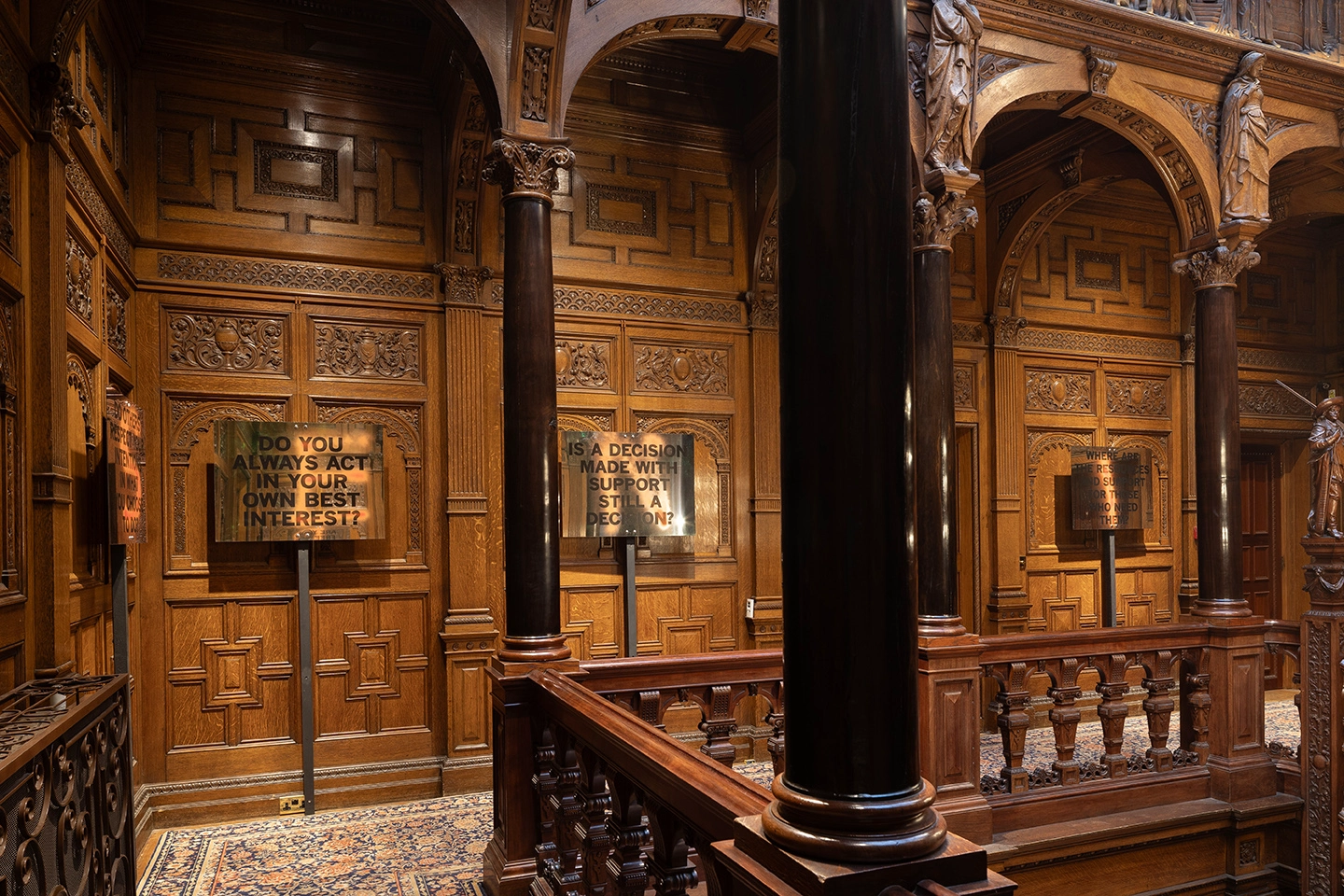
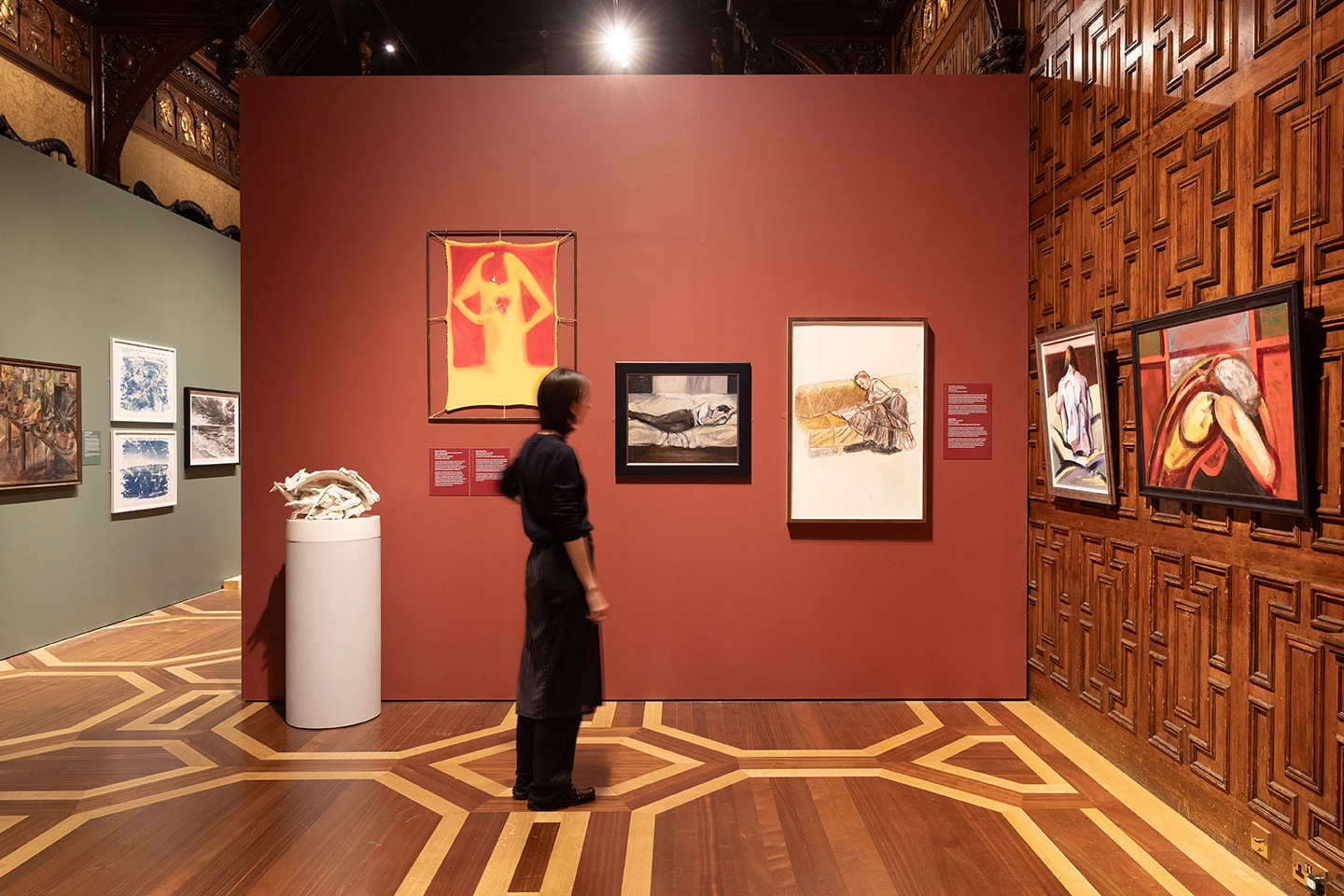
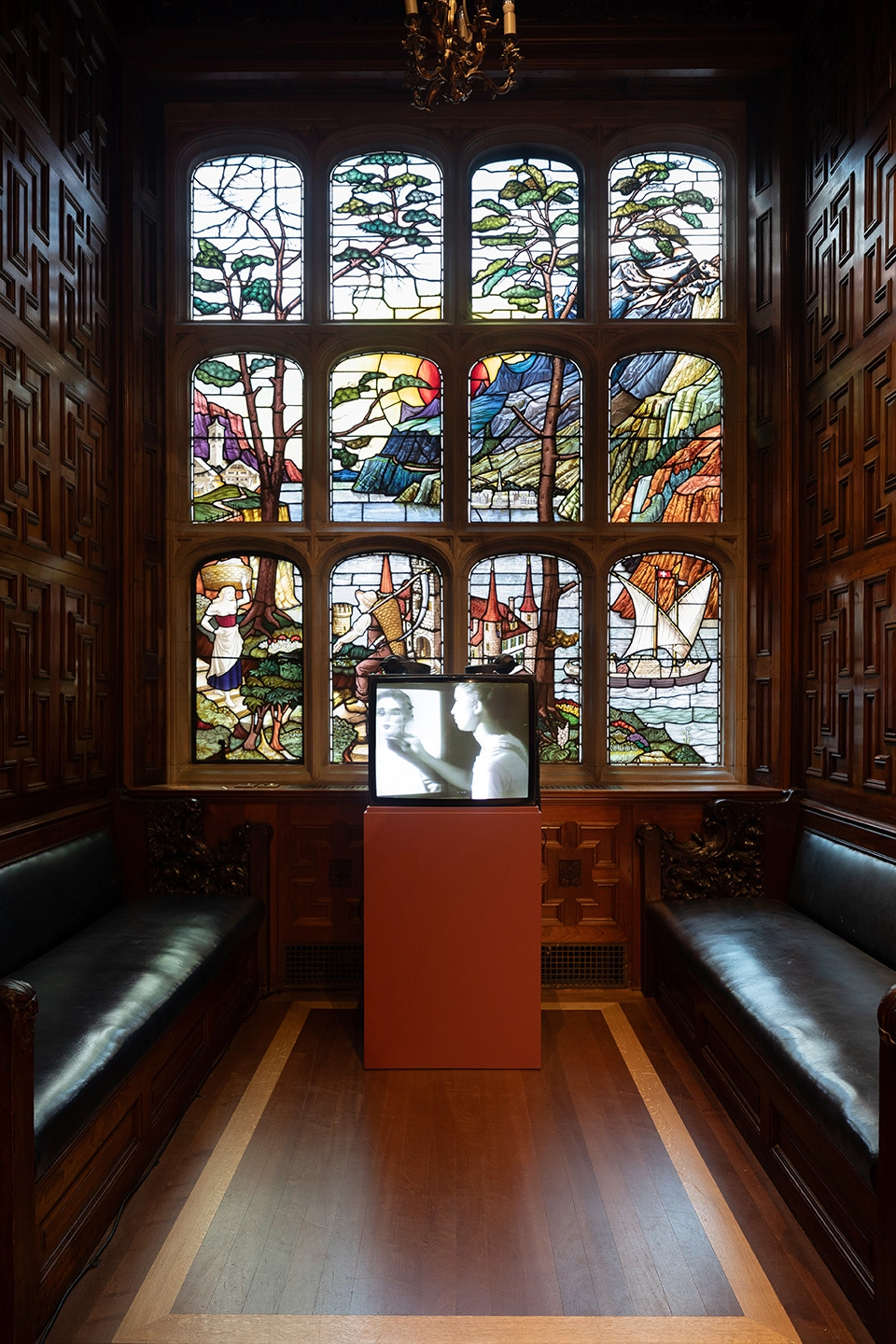
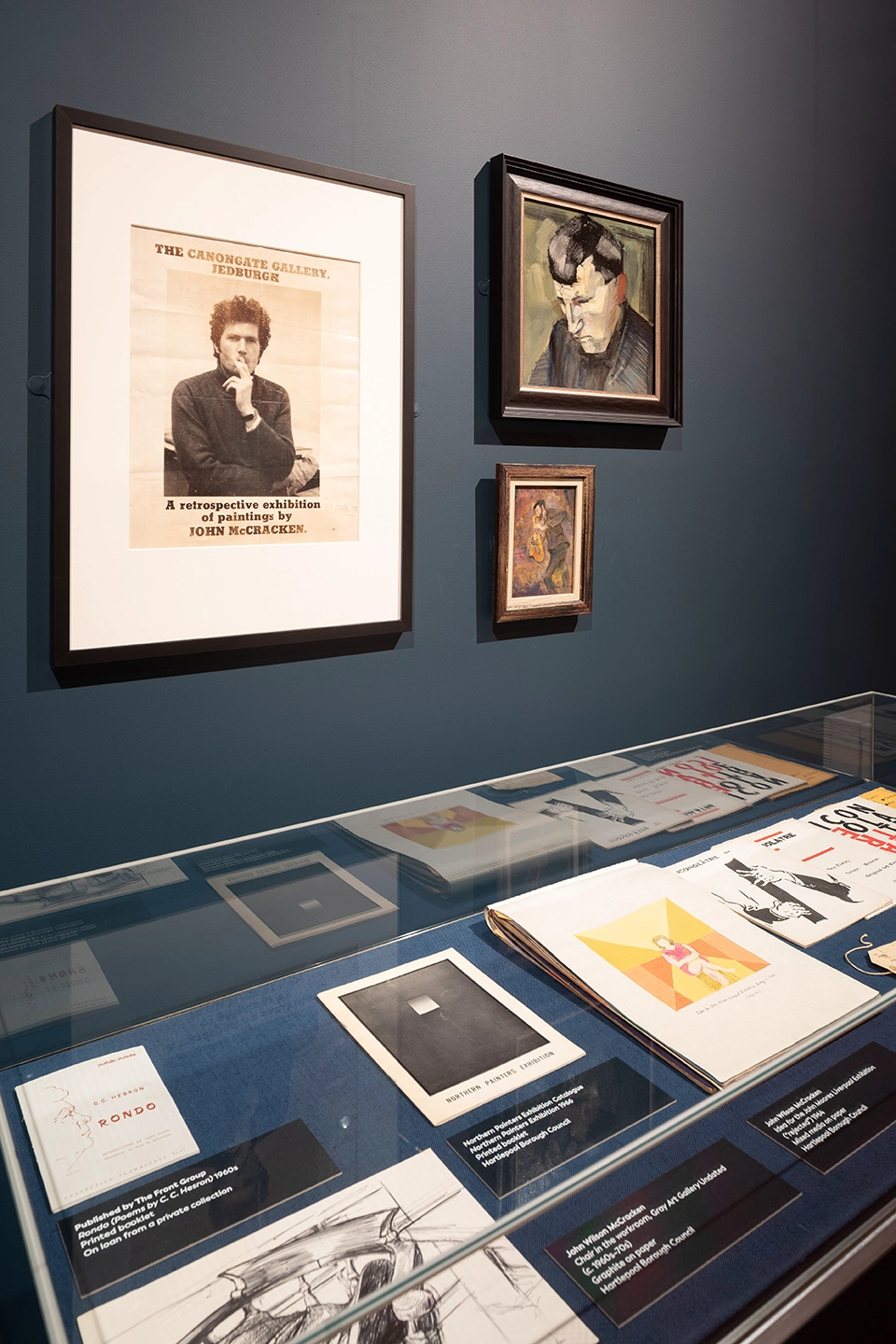
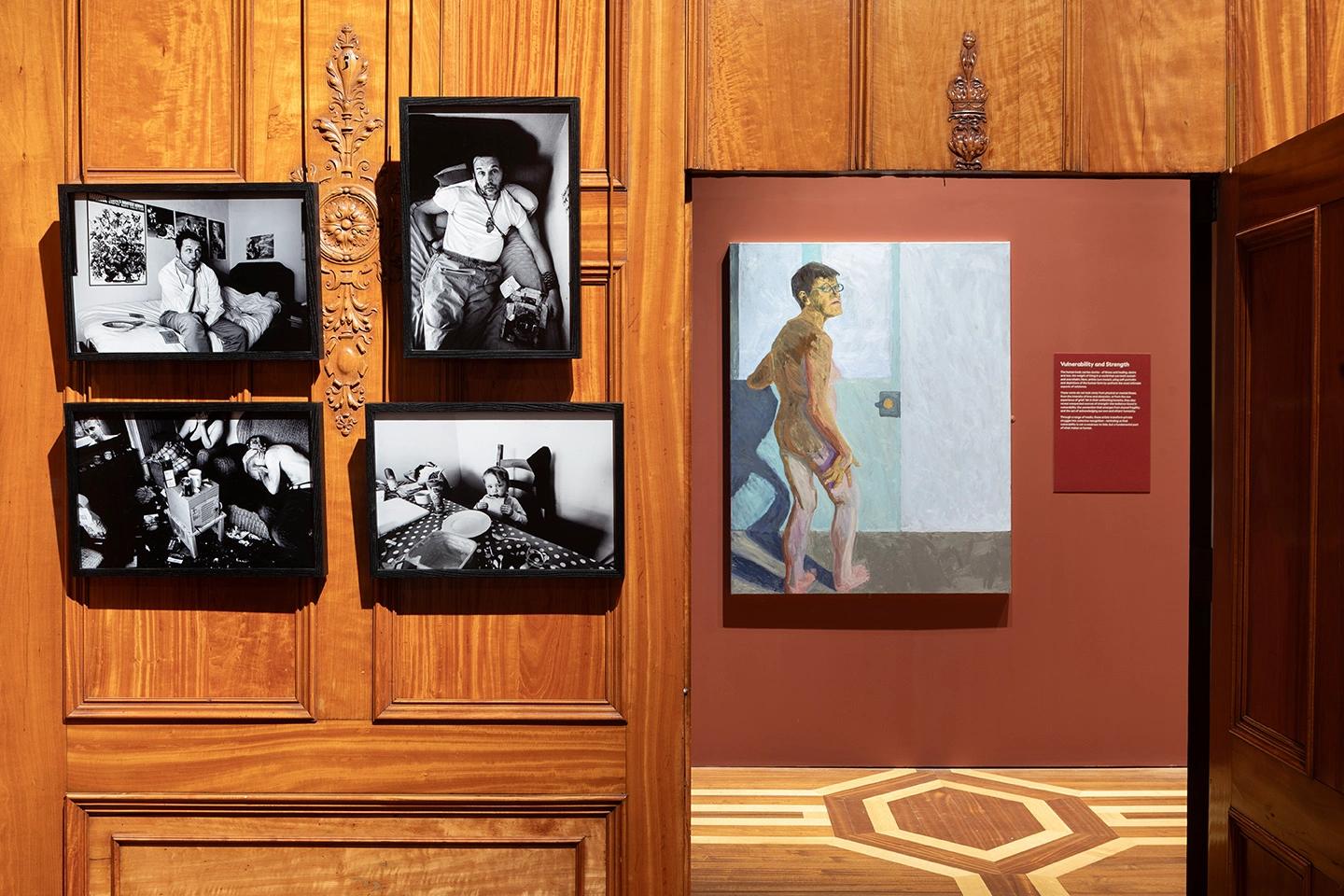
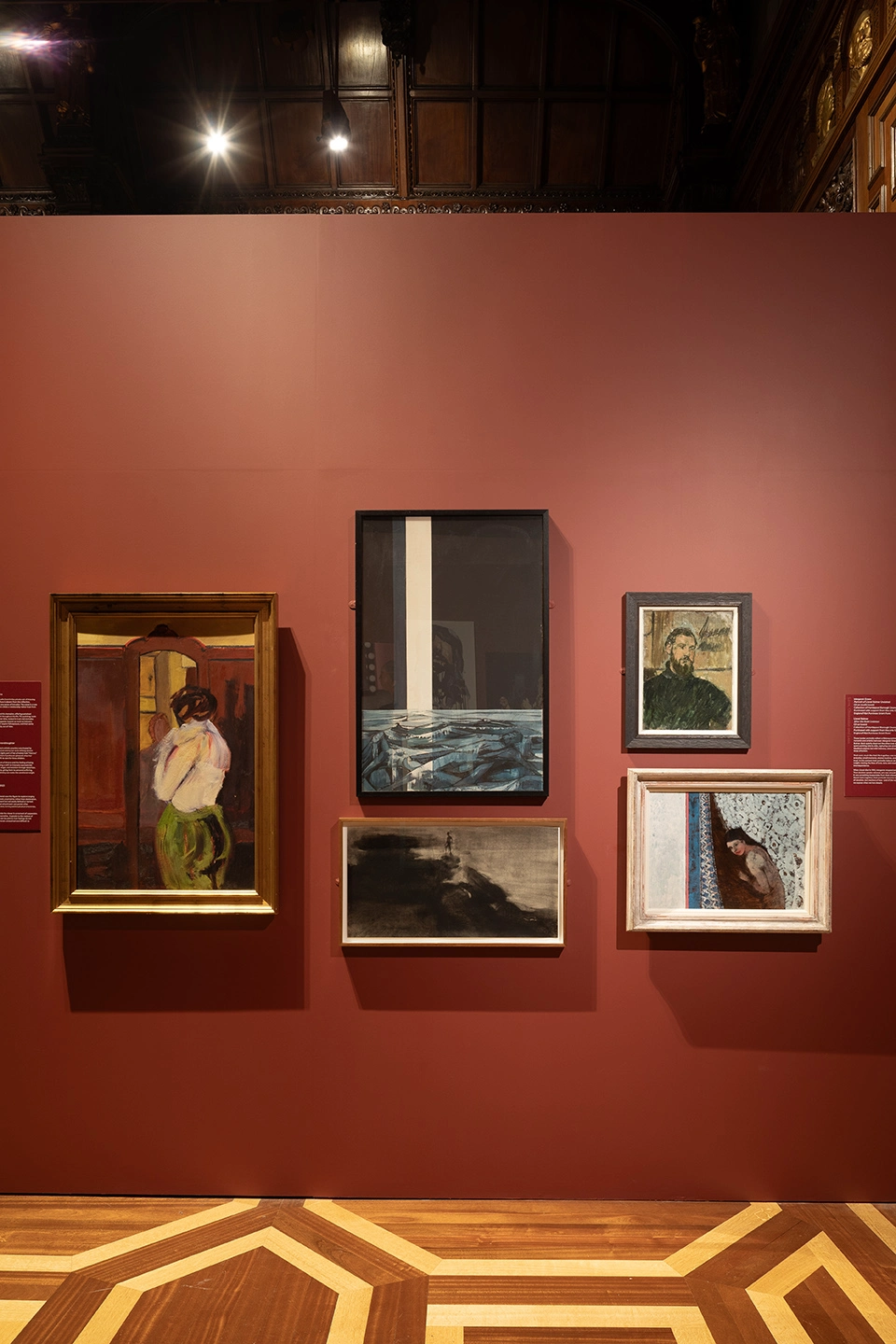
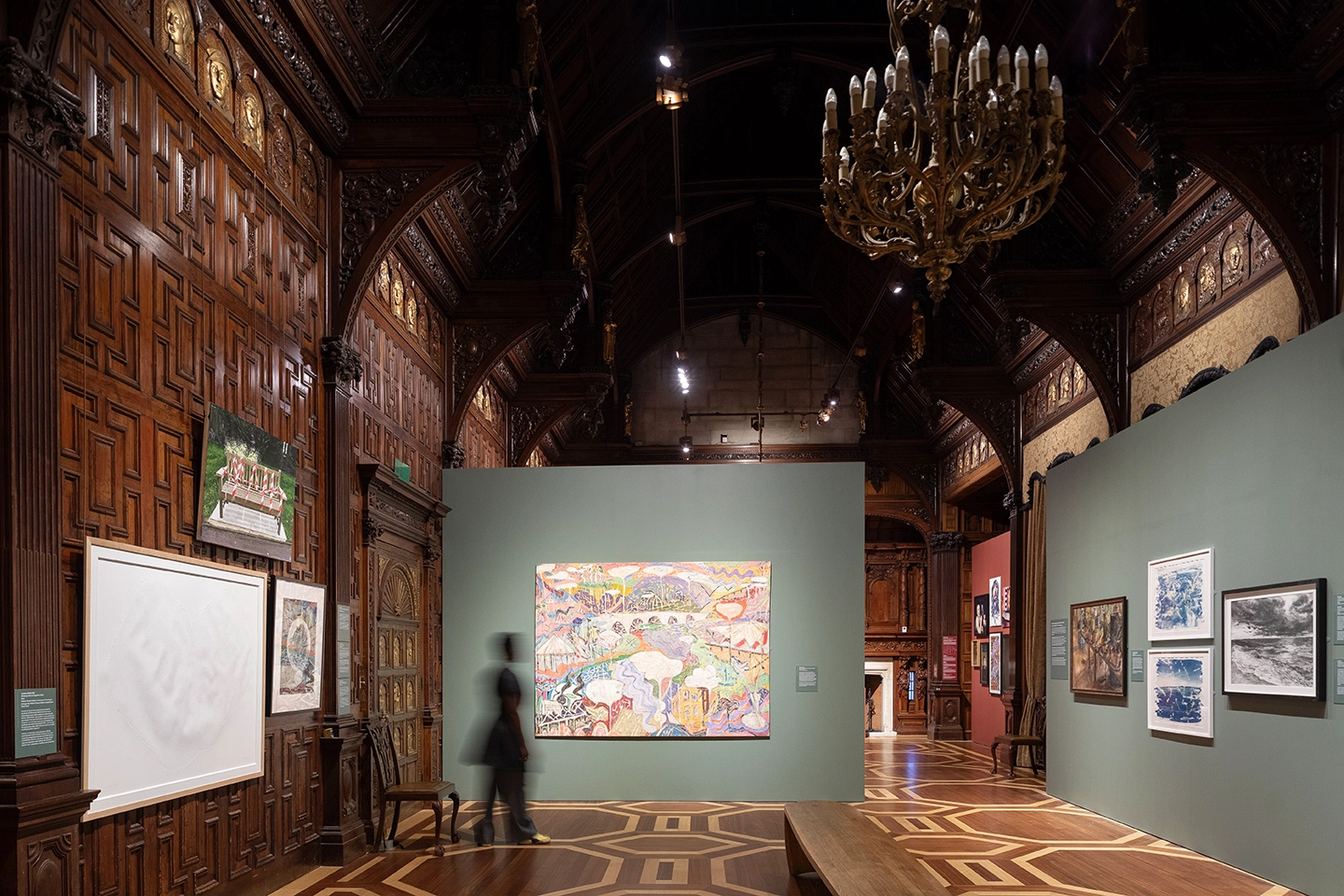
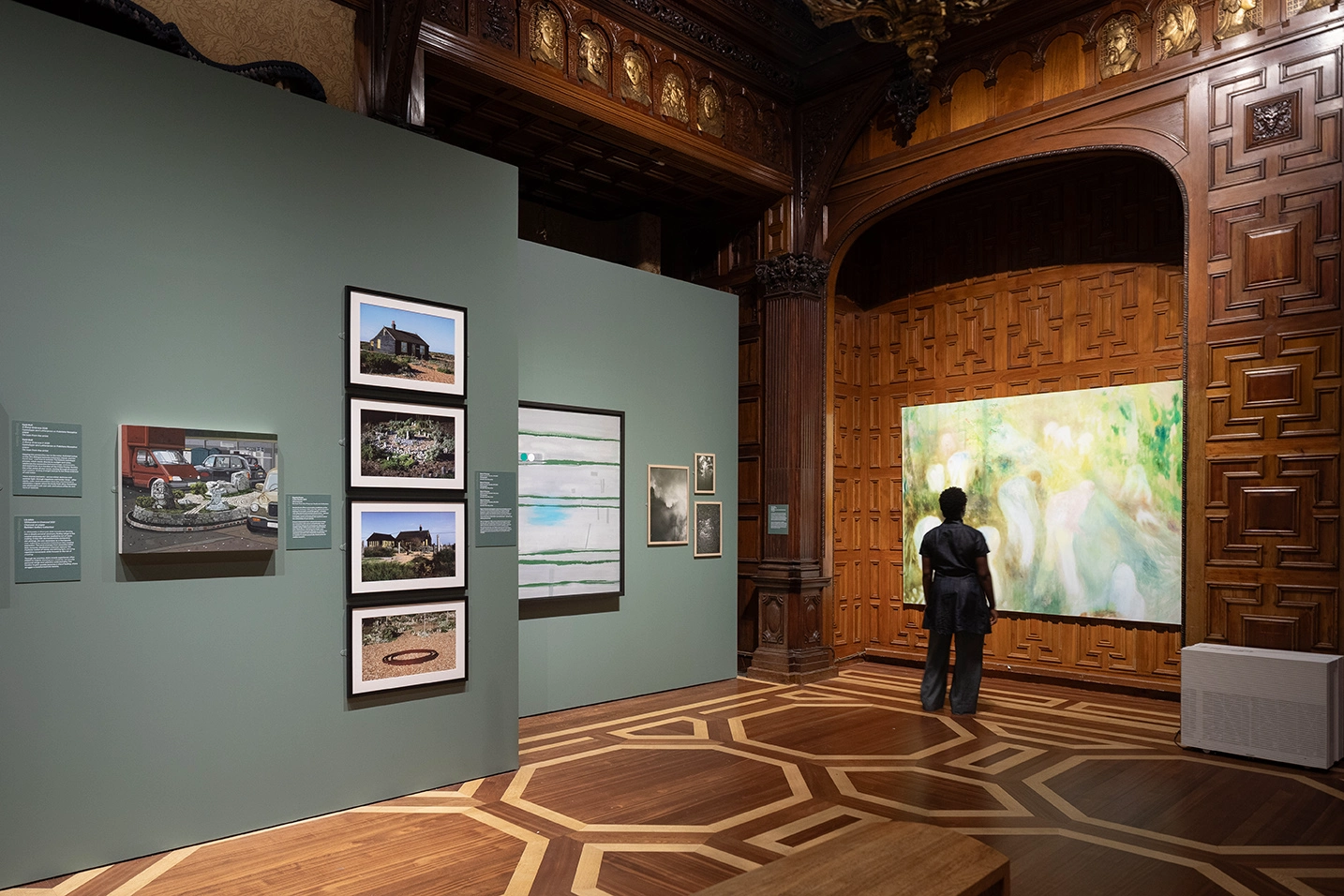
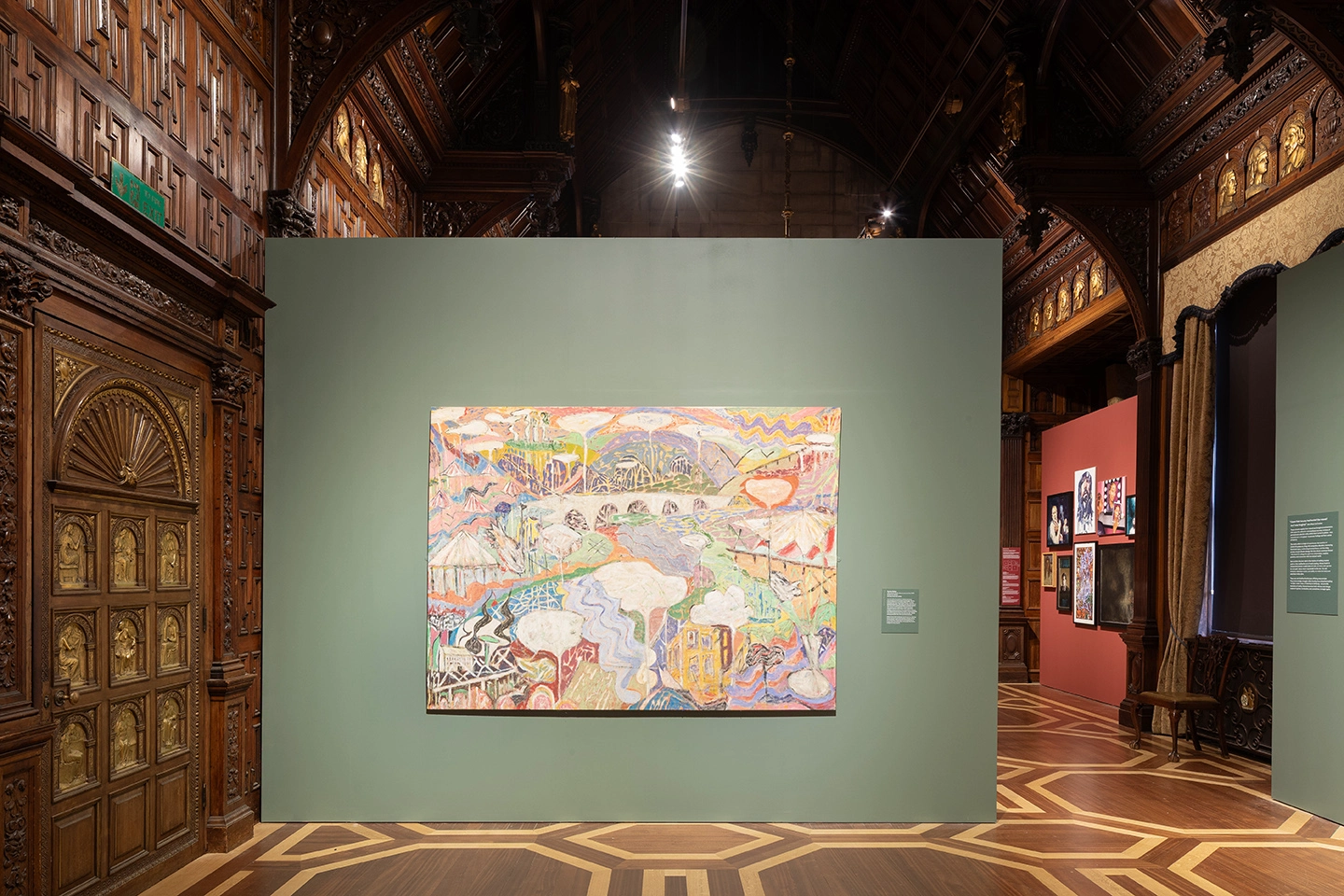
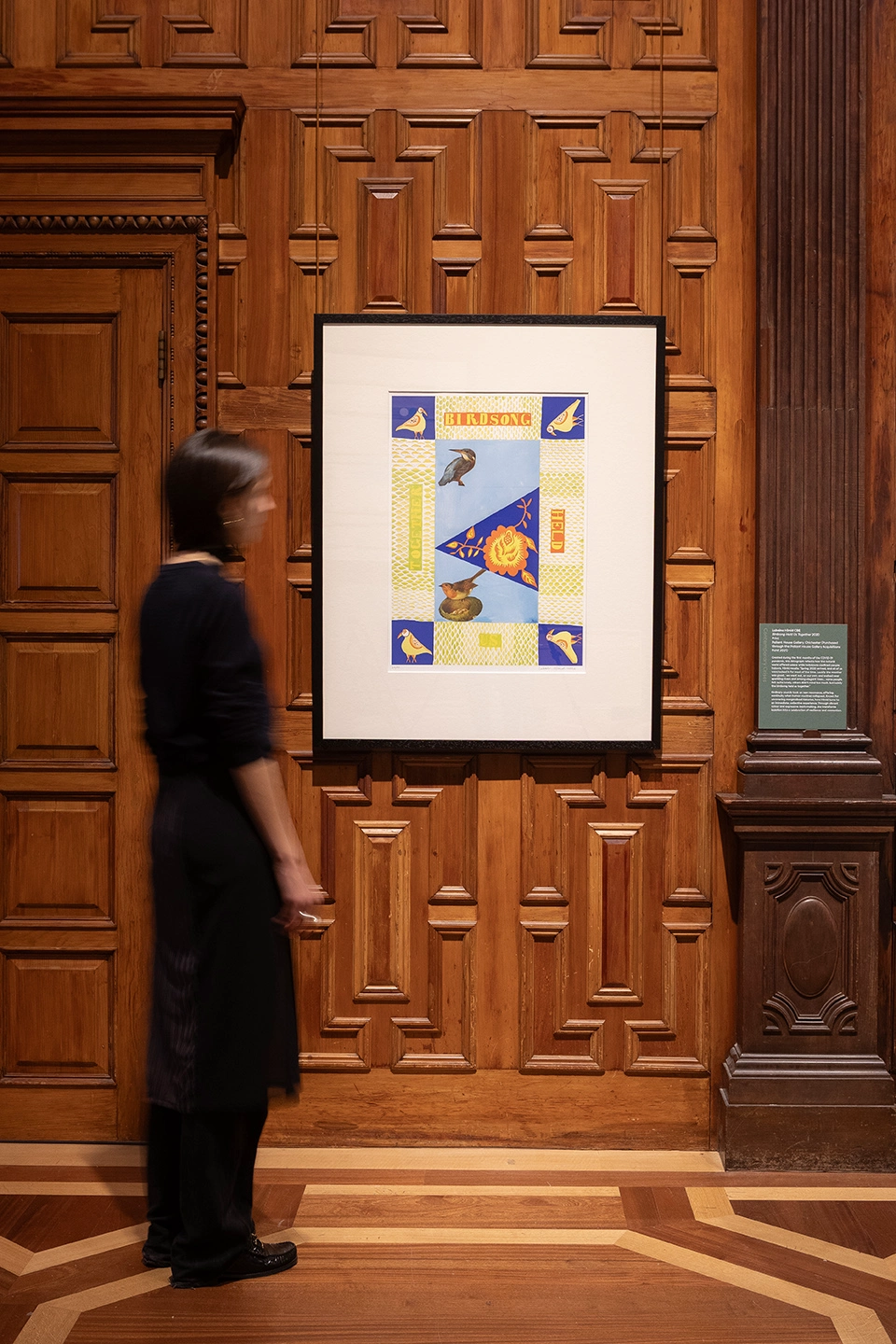
Life carries weight – some burdens are private and individual, while others are shaped by and connected to the world around us. Two Temple Place’s 2026 exhibition The Weight of Being considers the relationship between the personal pressures on the individual and the universal challenges faced by humanity as whole.
Following the success of Lives Less Ordinary, Two Temple Place’s 2025 exploration of working class life in British art, the London venue is engaging with mental health for its 2026 cultural and community programme and exhibition.
The Weight of Being is a focal point in a year-round programme of cultural and community events, including partnerships with mental health charities, community groups, state-funded schools and regional collections and museums. The programme builds on curator Angela Thomas’ work at Hartlepool Art Gallery and their ongoing collaboration with suicide-prevention charity Andy’s Man Club on the connection between art and mental health.
The Weight of Being considers mental health as a connecting thread that links all humanity, rather than an othering experience. Drawing on a diverse selection of contemporary and 20th-century British artists, the show explores the profound ways in which mental health can shape artistic expression, navigating the intersection of resilience, vulnerability, creativity, identity and societal change. Through a range of work across media, the exhibition will examine how individuals and communities navigate oppression, economic hardship, war and displacement, as well as everyday challenges to our mental wellbeing.
Through depictions of deeply personal expressions and collective experiences, the exhibition showcases the various ways in which different artists capture vulnerability, resilience, and the search for solace. Whether reflecting on the weight of everyday life, the struggles shared by whole communities, the threats faced by the natural world, or the fragile nature of the human condition, the works displayed invite viewers to consider how art helps us process, endure and find refuge from trauma, and connection in community.
A journey in five stages
The exhibition is divided into five thematic parts, divided across Two Temple Place’s gallery spaces, inviting visitors to journey through the challenges of self and society to the solace of art.
1. The Weight of Everyday centres on the impact of personal struggles on individual mental health and creative expression, probing the inner conflicts sparked by these pressures, and the creative expression that can emerge in response.
2. Collective Struggles demonstrates the strength and resilience of communities as they navigate the effects of significant societal and political events, such as deindustrialisation, migration crises and social movements, on everyday life. This section frames art as an act of representation and resistance in the face of hardship.
3. Environment gathers works that reveal how place shapes the psyche. Whether through the comfort of home, the hardship of poverty, or the tension of cultural complexity, they show how environments can nurture or constrain, and how people respond to the places they inhabit.
4. Human Vulnerability explores the portrayal of physical and mental illness through self-portraits and representations of the human form, addressing themes of love, obsession and loss, and the strength to be found in empathy and compassion.
5. Sanctuary and Solitude examines how landscapes – both real and imagined – serve as spaces for reflection, offering solace from urban and societal stressors. Whether facing post-war upheavals or dealing with contemporary crises such as COVID-19 and climate change, artists have turned to the outdoor world as a means of processing both collective anxieties and personal struggles.
Shining a spotlight on John Wilson McCracken
Alongside dozens of artworks drawn from galleries and collections across the UK, the portraits, landscapes, and figurative studies of the lesser-known artist John Wilson McCracken (1936–1982) are woven throughout, providing a starting point for the exhibition and a connecting thread for its themes.
Denied the opportunity to return to the Slade School of Art following a period of hospitalisation for mental health reasons, McCracken spent much of his career in Hartlepool, producing work that reflects a profound sensitivity to the emotional and social pressures of his time. Shaped by personal and collective struggles, his art offers a deeply human perspective on the exhibition’s themes, revealing how external forces imprint themselves on the mind, body, and creative spirit.
By placing McCracken’s work in dialogue with that of his contemporaries, The Weight of Being explores the ways in which artists depict and process trauma, identity, and resilience, offering an intimate reflection on the intersection of mental health and artistic expression.
Intended to spark thought and conversation about resilience and emotional well- being, Two Temple Place’s 2026 season offers a timely and profound reflection on the relationship between art and mental health, and the strength found in shared experiences.
“The Weight of Being does not offer solutions. It does not pretend that art can cure, fix, or neatly resolve. Instead, it invites us to sit with vulnerability and hope, and to see how they coexist.”
- Angela Thomas, curator