+44 20 7229 3477
Open: Tue-Thu 11am-4pm
Visit
Open: Tue-Thu 11am-4pm
The Old Sorting House, 46 Essex Road, N1 8LN, London, United Kingdom
Open: Tue-Thu 11am-4pm
Visit
The Hudson Transparencies
Osh Gallery, London
Tue 21 Apr 2026 to Thu 11 Jun 2026
The Old Sorting House, 46 Essex Road, N1 8LN The Hudson Transparencies
Tue-Thu 11am-4pm
Artist: Charles Thomas Hudson
-
THU 07
MAY
The latest exhibition at Osh reveals a fascinating window into the unseen world of Victorian science. The Hudson Transparencies celebrates the work of naturalist Charles Thomas Hudson, a pioneer in the world of microscopy and the Great-Great Grandfather of Pentagram Partners Luke Powell and Jody Hudson-Powell.
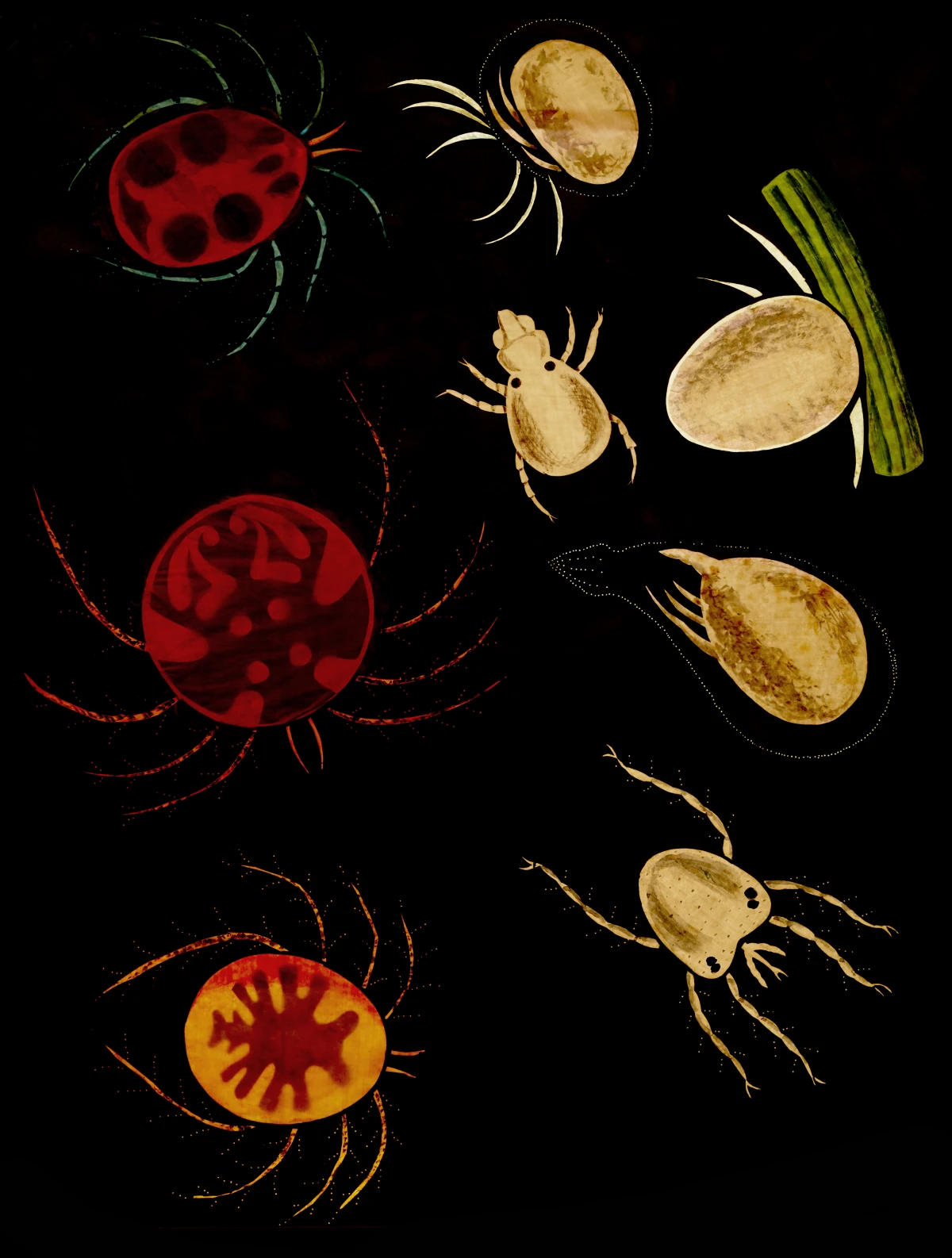
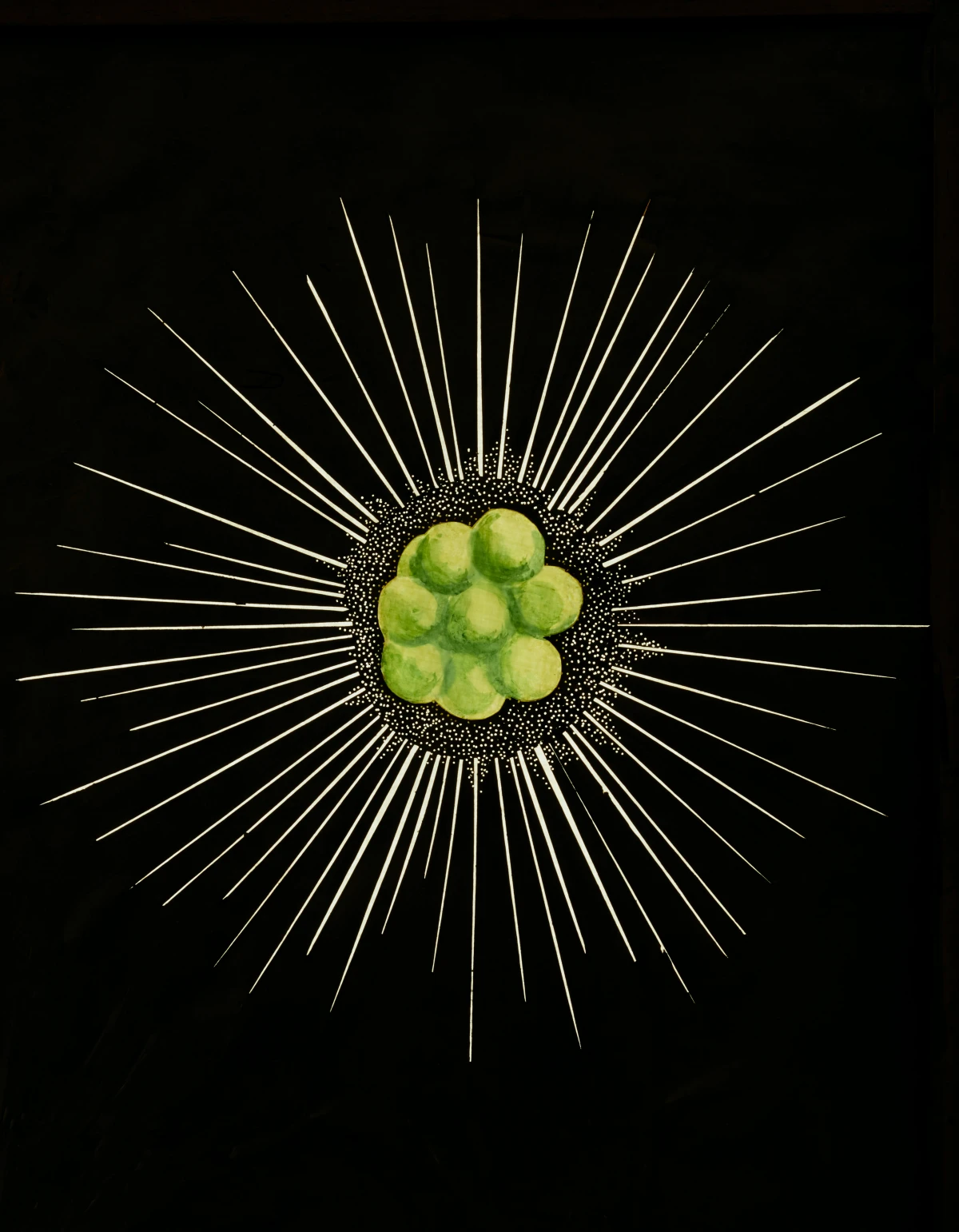
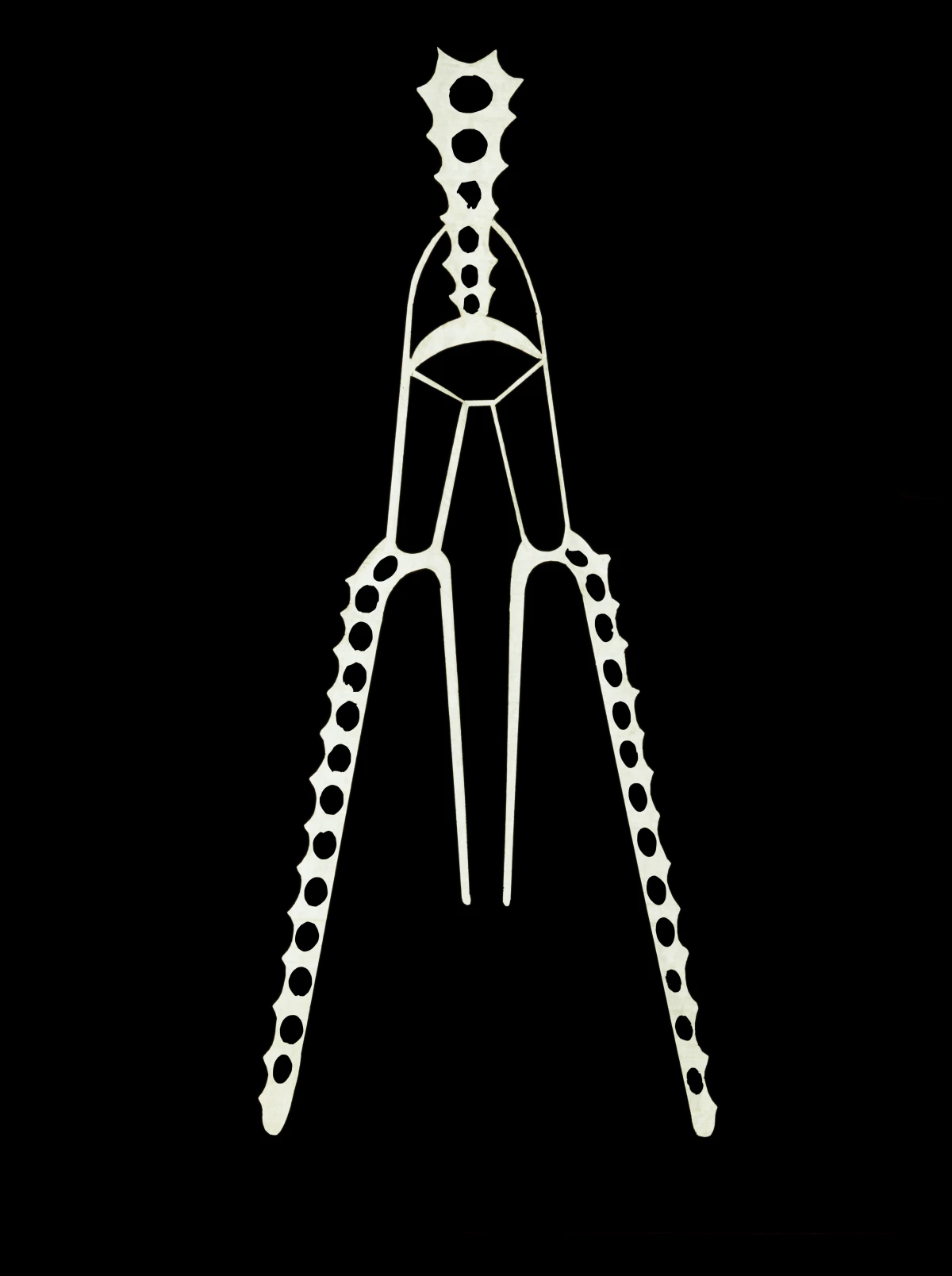
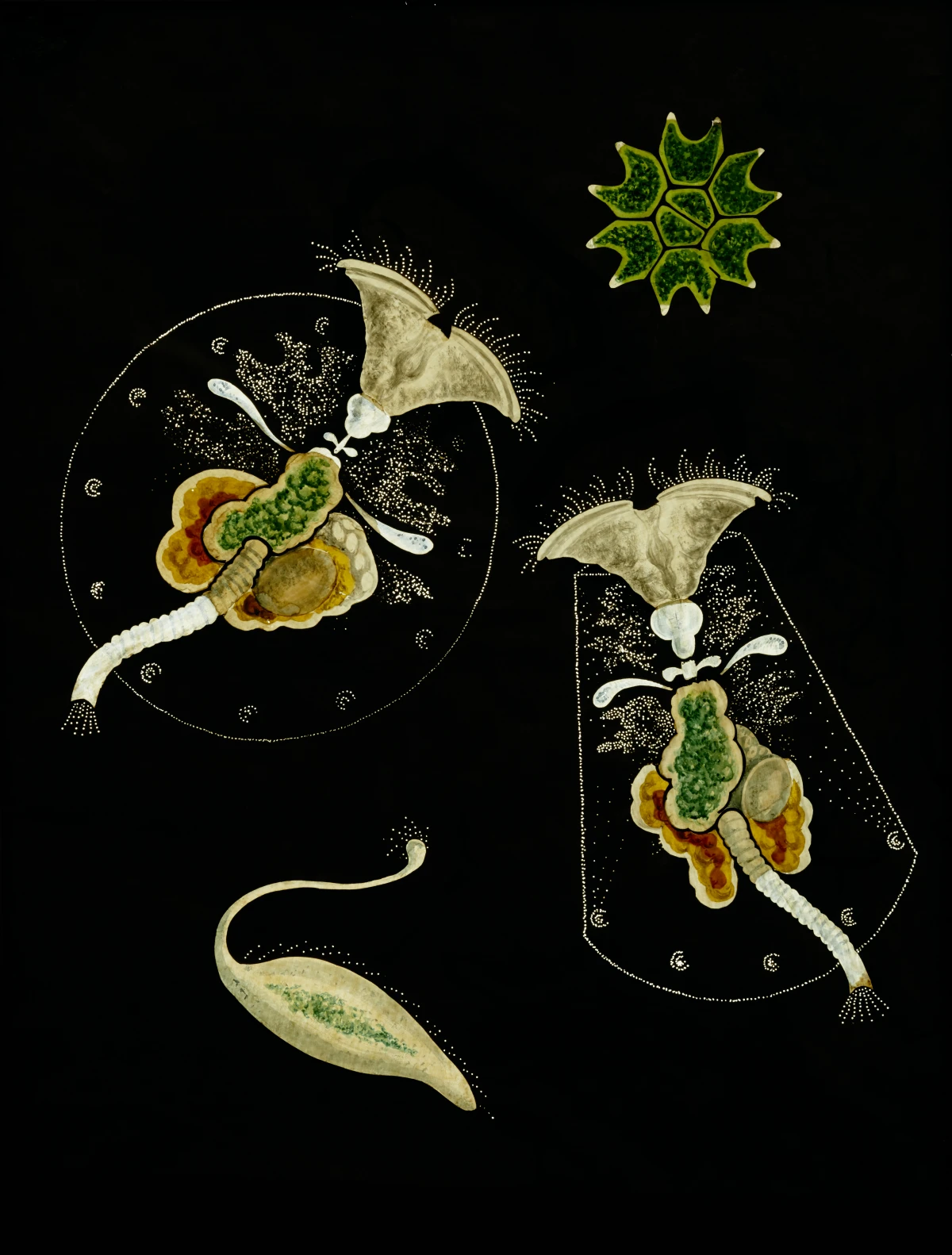
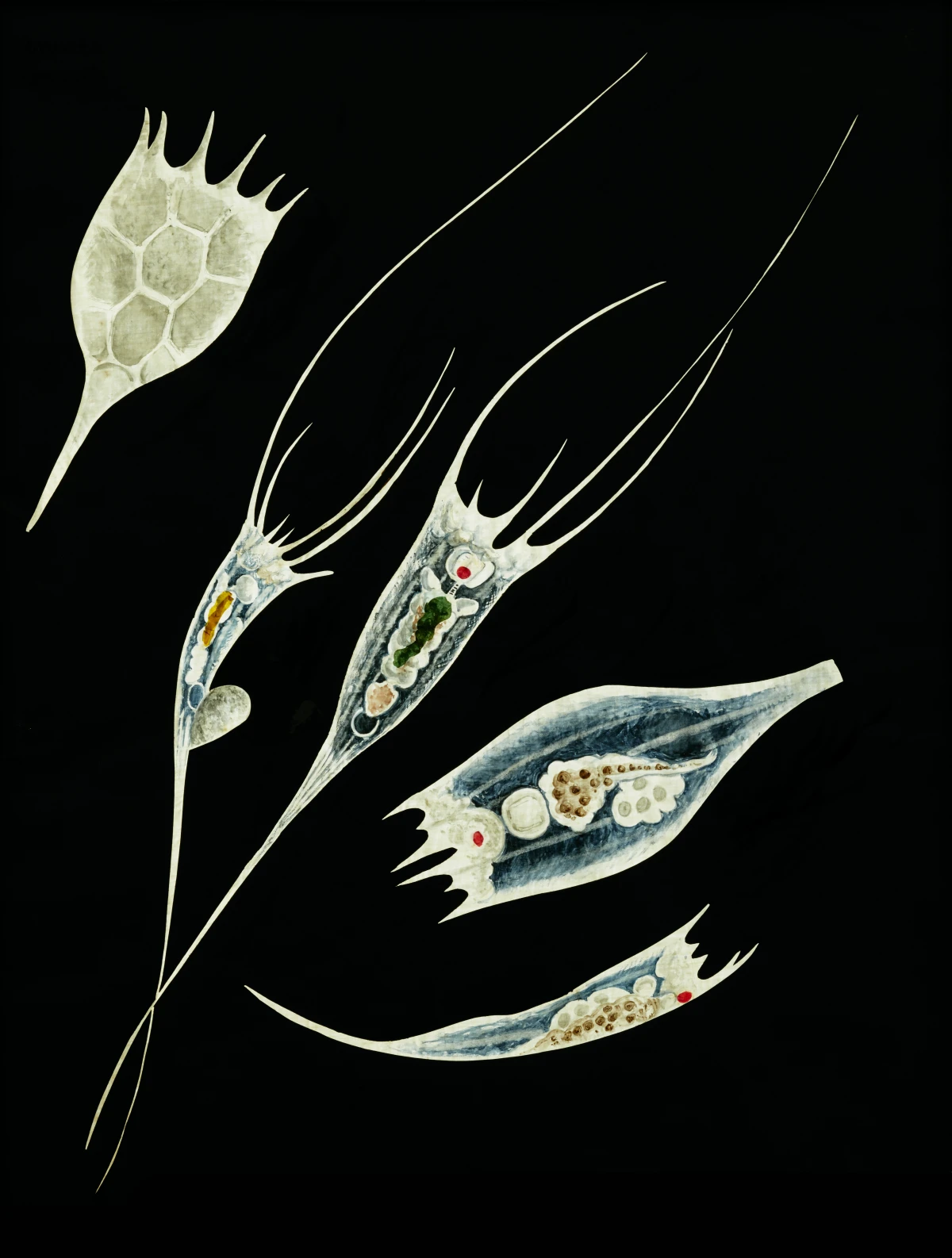
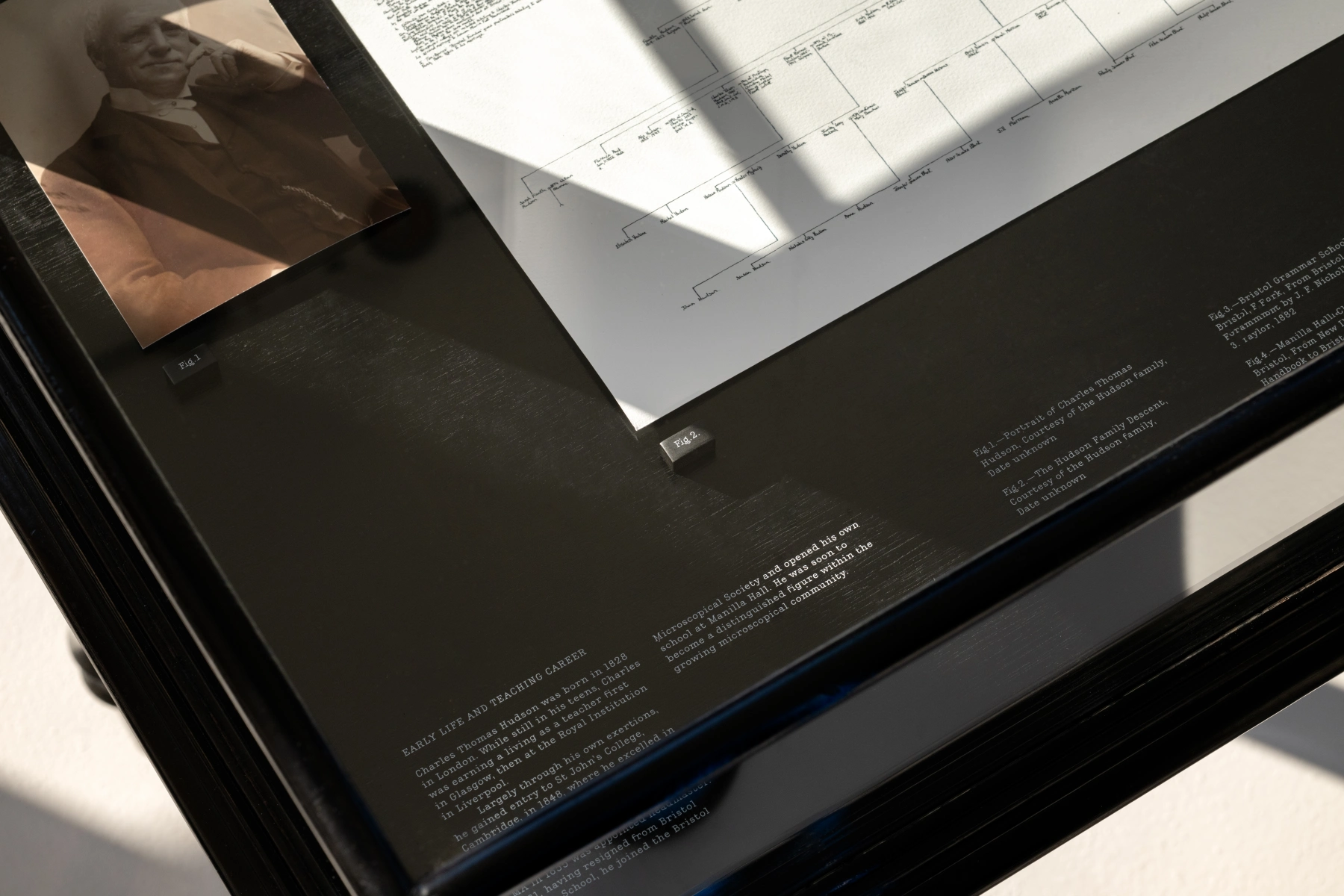
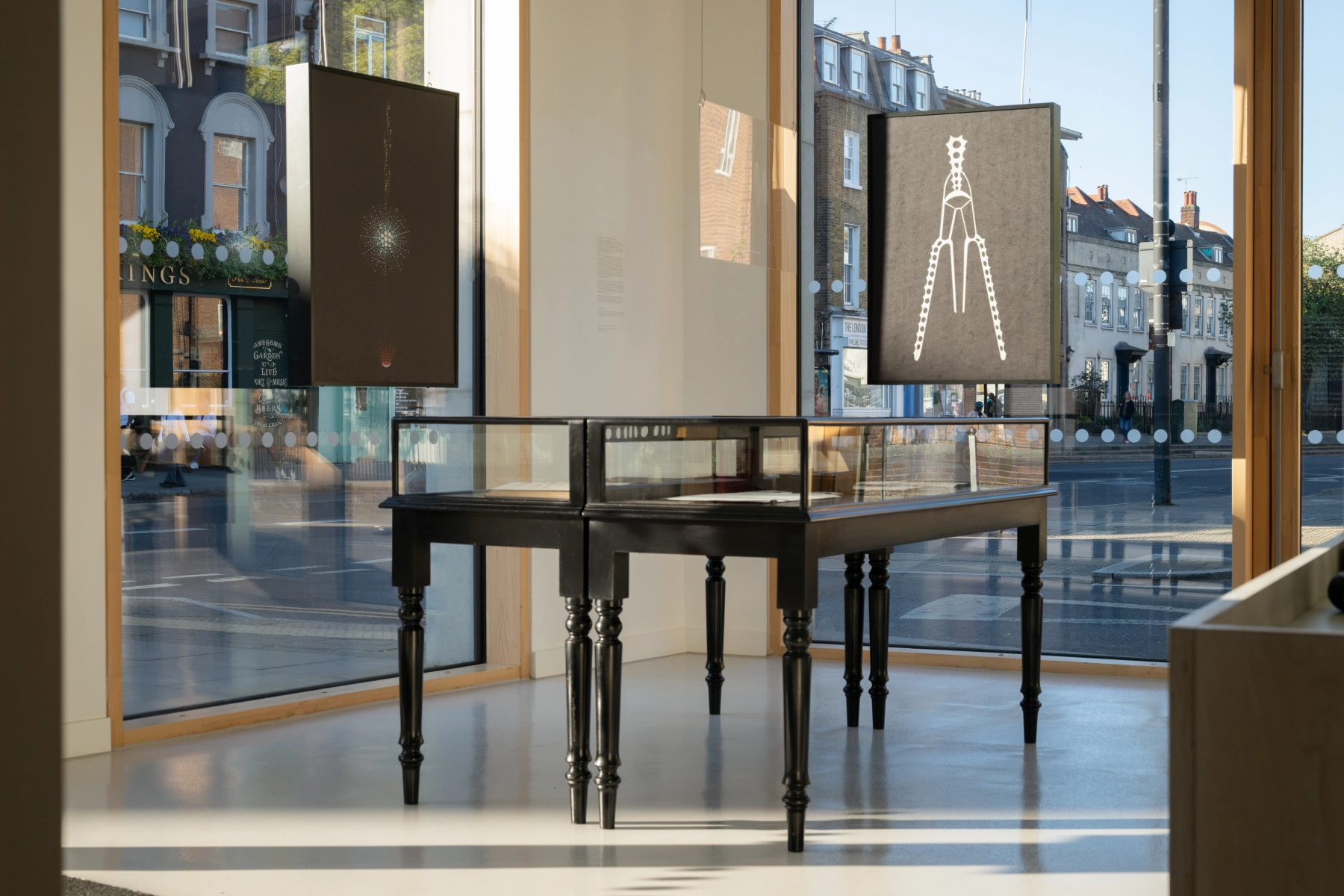
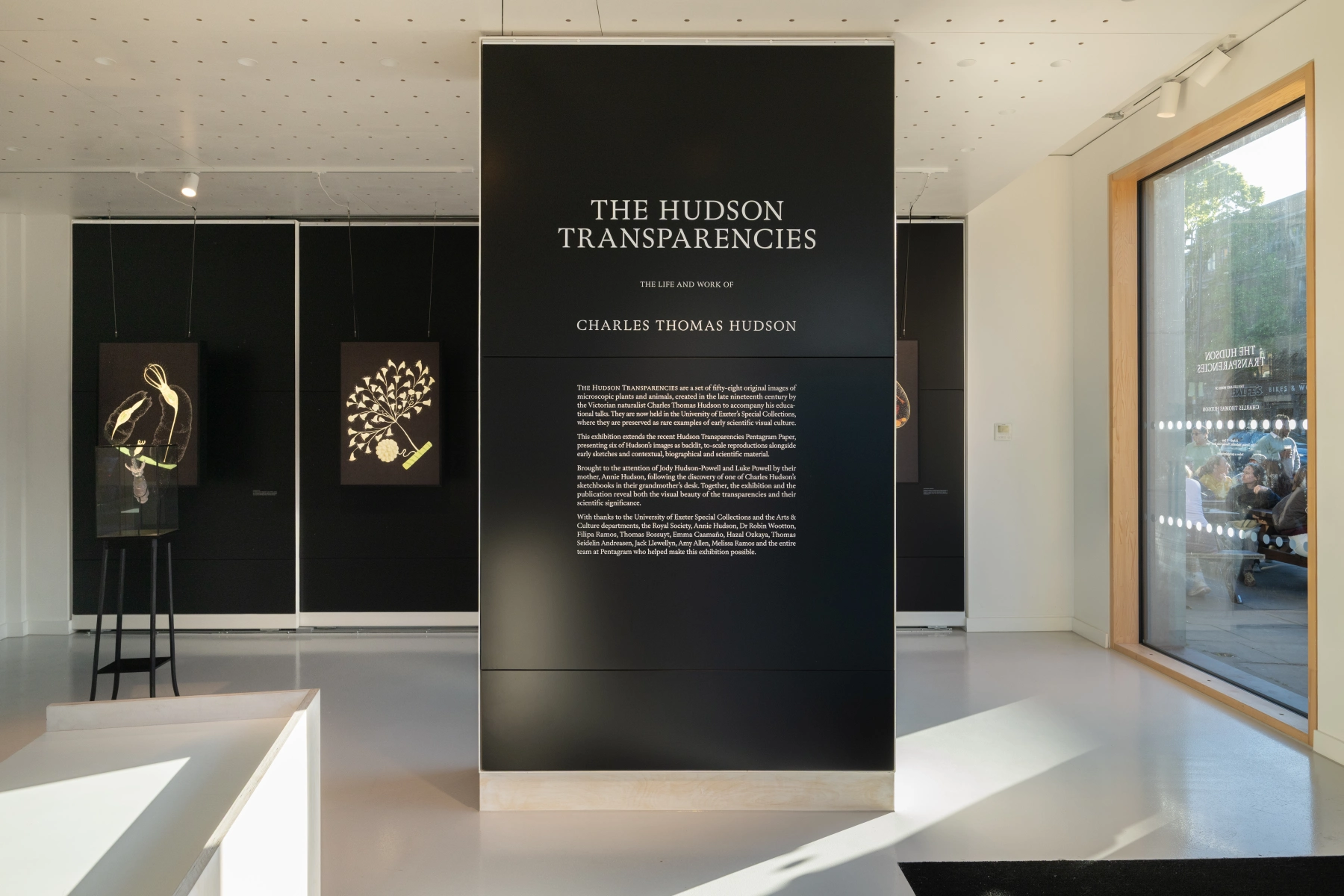
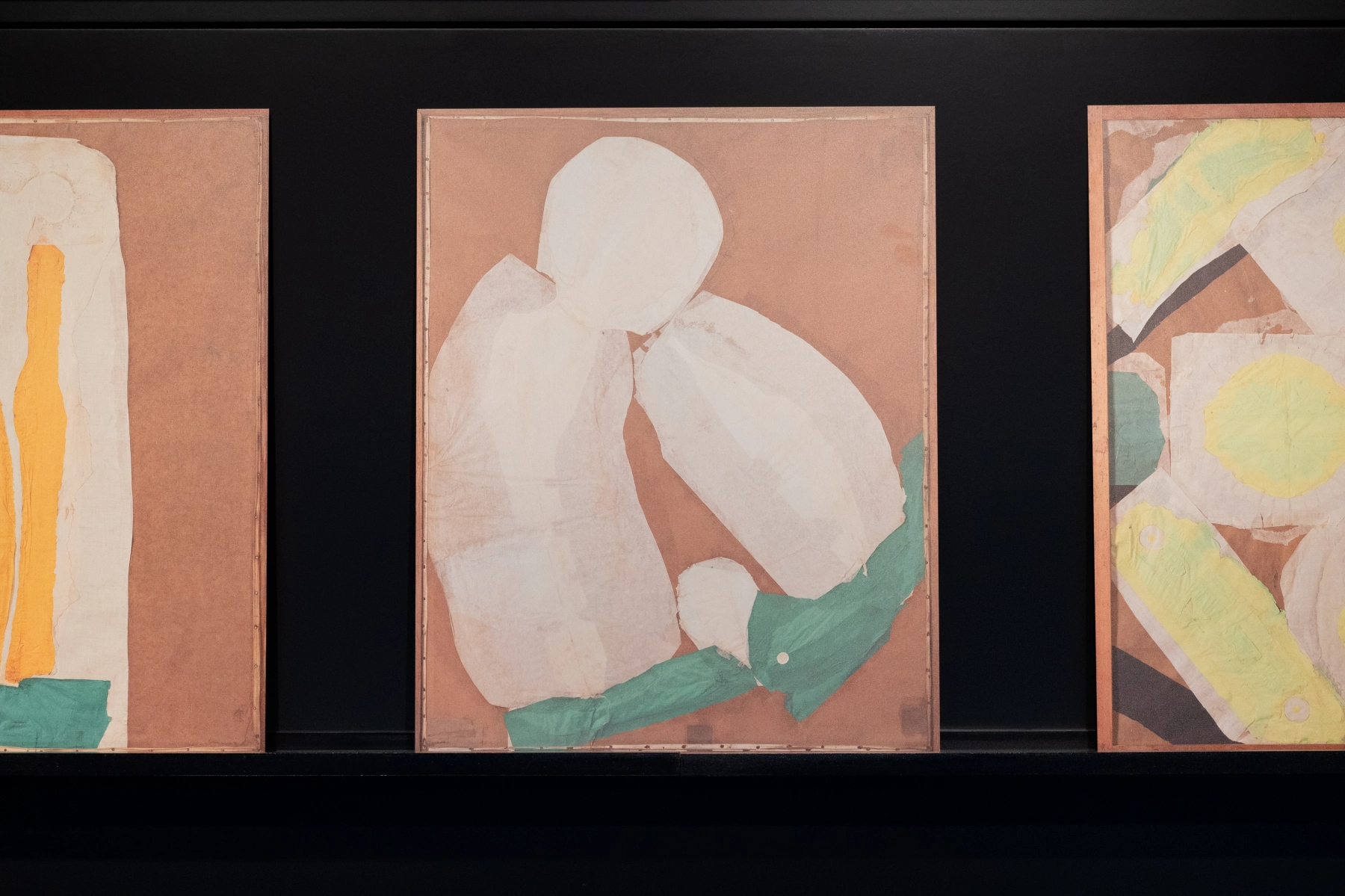
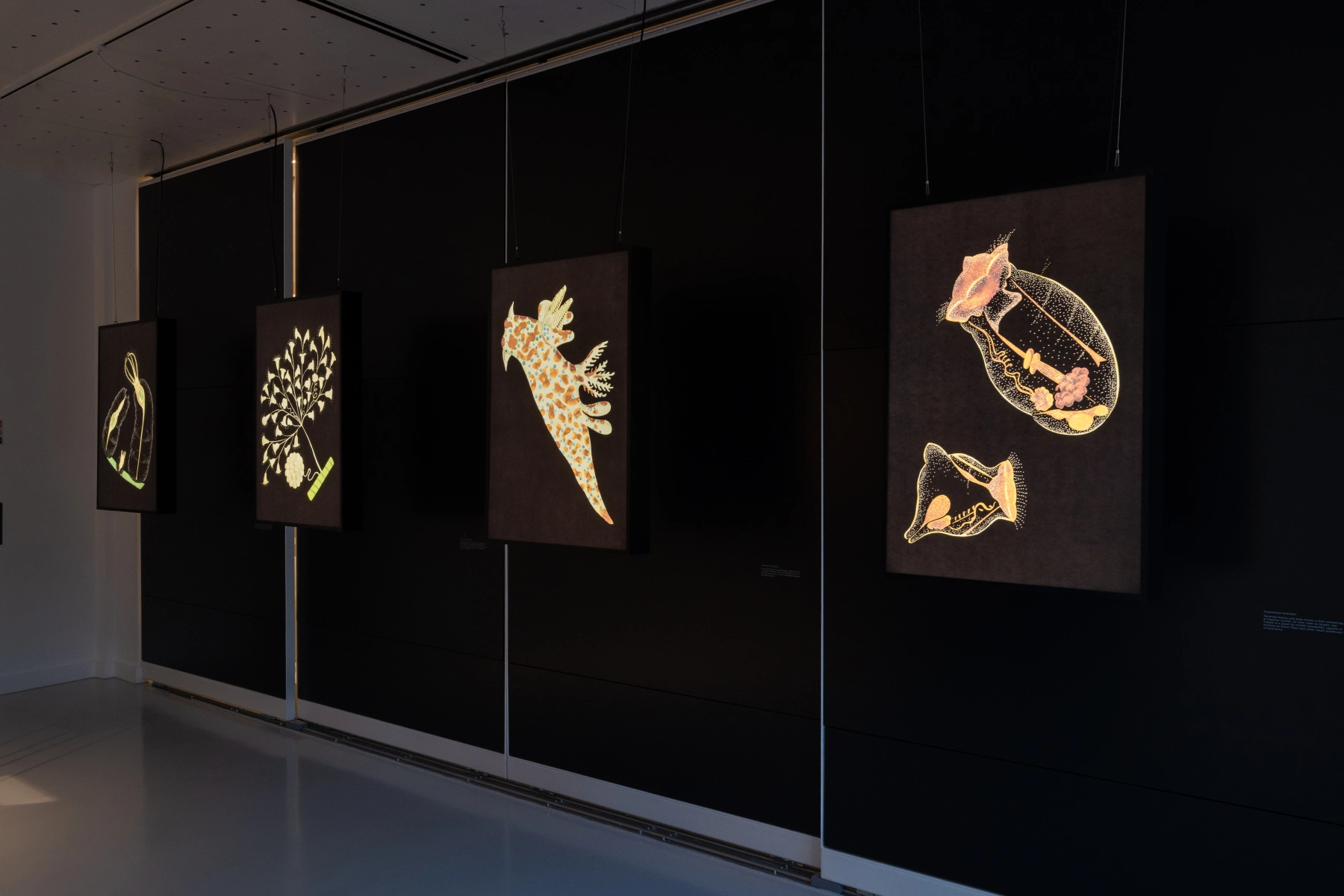
Originally designed to accompany Charles Hudson’s public lectures, by day the Hudson Transparencies appear quite unfinished, but when lit from behind these intricate works transform into magical visions of life previously only glimpsed when viewed under a microscope.
Curated by brothers Luke Powell and Jody Hudson-Powell, the exhibition offers visitors a unique opportunity to experience how Charles Hudson’s transparencies would have appeared to his captivated audiences. From swirling protozoa and delicate algae, to the mesmerising forms of rotifers (the tiny ‘wheel-bearing’ animals that would become something of an obsession for Hudson), the back-lit, specially printed images help recreate a moment when cutting-edge science and visual culture met to stunning effect.
Charles Hudson was born in London in 1828, and worked primarily in education, first as a teacher, then headmaster. In Victorian Britain the growing enthusiasm for microscopy (the study of objects that are too small to be seen by the naked eye) was driven by advances in optical technology that opened up entirely new areas of scientific research and discovery. Microscopy became a popular gentleman’s activity, and these scholarly amateur scientists and enthusiasts formed societies and shared their findings in lecture halls across the country. As President of the Royal Microscopical Society and a Fellow of the Royal Society, Hudson was a leading figure in this growing scientific community.
Hudson was renowned for both his pioneering research and his ability to communicate the wonders of the microscopic world to wider audiences, notably through these unique handcrafted artefacts. The 58 original transparencies are housed in simple wooden frames, covered with thick brown paper. They measure 37.8 × 29.5 inches (96 × 75 cm), enlarging the microorganisms to gigantic proportions – the equivalent of drawing ants the size of elephants. The animal and plant forms are created using areas of painted paper that are perforated with intricate lines and clusters of pinholes, and when these unassuming-looking paper pieces are lit from behind and viewed in a dark environment, they are transformed into objects of scientific discovery and beauty.
A small number of the transparencies feature plants, but Hudson was primarily a zoologist and animals dominate the collection. While not all of these are microscopic, it was the tiniest animals that are almost or entirely invisible to the naked eye that particularly fascinated Hudson. One group of animals in particular, the Rotifera (whose name means ‘wheel-bearing’), became the subject matter for some of his most decorative slides. He became an international authority on them, publishing twenty-six papers and co-authoring, with the great Victorian naturalist Philip Henry Gosse, the definitive nineteenth-century two-volume monograph on the microscopic creatures.
The exhibition also features ephemera including Hudson’s original sketchbook and family tree, and is accompanied by the latest Pentagram Paper. Designed by Luke, Jody and their team at Pentagram it brings together all 58 transparencies for the first time in print.
Luke Powell explains: “Our practice has always existed at an intersection between function and aesthetics. Never beauty for beauty's sake – nor function to the point of being disengaging, and always looking for a balance in which each supports and enhances the other. Our great-great-grandfather’s images of Rotifer sit on a similar intersection, between something magical, to be in awe of – and something more tangible and immediately understood.
Initially brought to our attention by our mother Annie Hudson, we hadn’t thought of publishing or exhibiting Charles Thomas Hudson’s work beyond a short post on social media back in 2020. The response we received from friends and contemporaries, however, encouraged us to explore his work more deeply, drawing the conclusion that the work was not only of interest both artistically (in its draftsmanship) and mechanically (in its construction), but that the transparencies’ unique position between creativity and rigour, fact and fiction, performance and presentation was in itself a space which feels as relevant now to contemporary art and design practice as ever, and warranted the gathering and presentation of his work to a wider audience.”
Osh Programme Curator Angus Hyland adds: “We’re really excited to present The Hudson Transparencies as the fourth exhibition at Osh, and the second in our 2026 programme. Alongside its connections to the wider Pentagram family, it’s an intriguing subject and a great example of our commitment to showcasing design in all its many varied and wonderful forms.”
In an age dominated by HD digital imaging and high-powered microscopes, The Hudson Transparencies invites us to reflect on how we visualise and understand the natural world. The beautiful handmade transparencies remind us of a much earlier moment of scientific discovery, led by dedicated amateur scientists and driven by both ingenuity and curiosity.