+44 20 7494 2577
Open: Mon-Fri 10am-6pm
Visit
Open: Mon-Fri 10am-6pm
2 Cork Street, W1S 3LB, London, United Kingdom
Open: Mon-Fri 10am-6pm
Visit
Mon 1 Jun 2026 to Fri 17 Jul 2026
2 Cork Street, W1S 3LB Tête à tête: Joan Miró & Pablo Picasso
Mon-Fri 10am-6pm
Artists: Pablo Picasso - Joan Miró
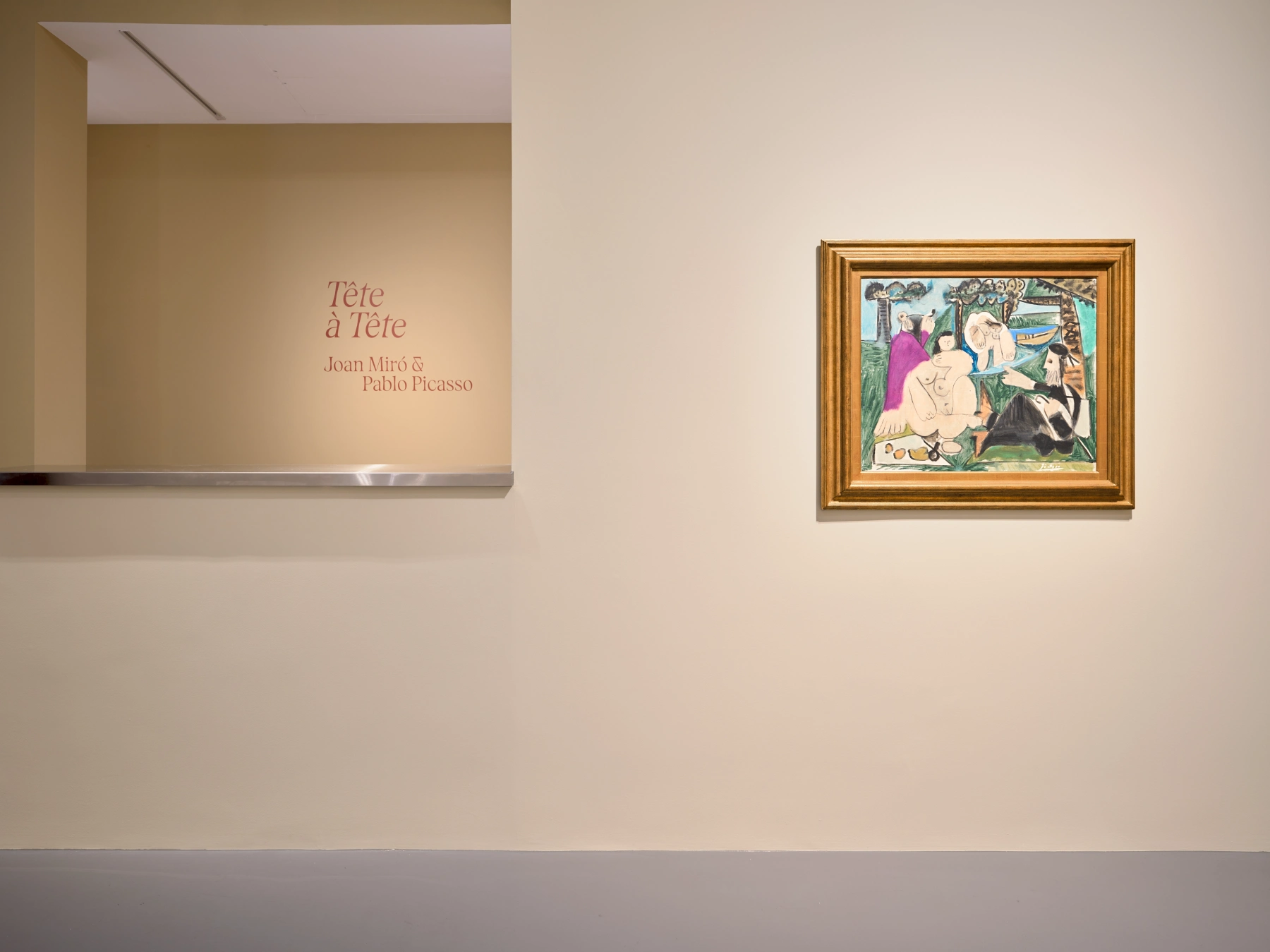
Helly Nahmad Gallery | Nahmad Projects present ‘Tête à tête: Joan Miró & Pablo Picasso’.
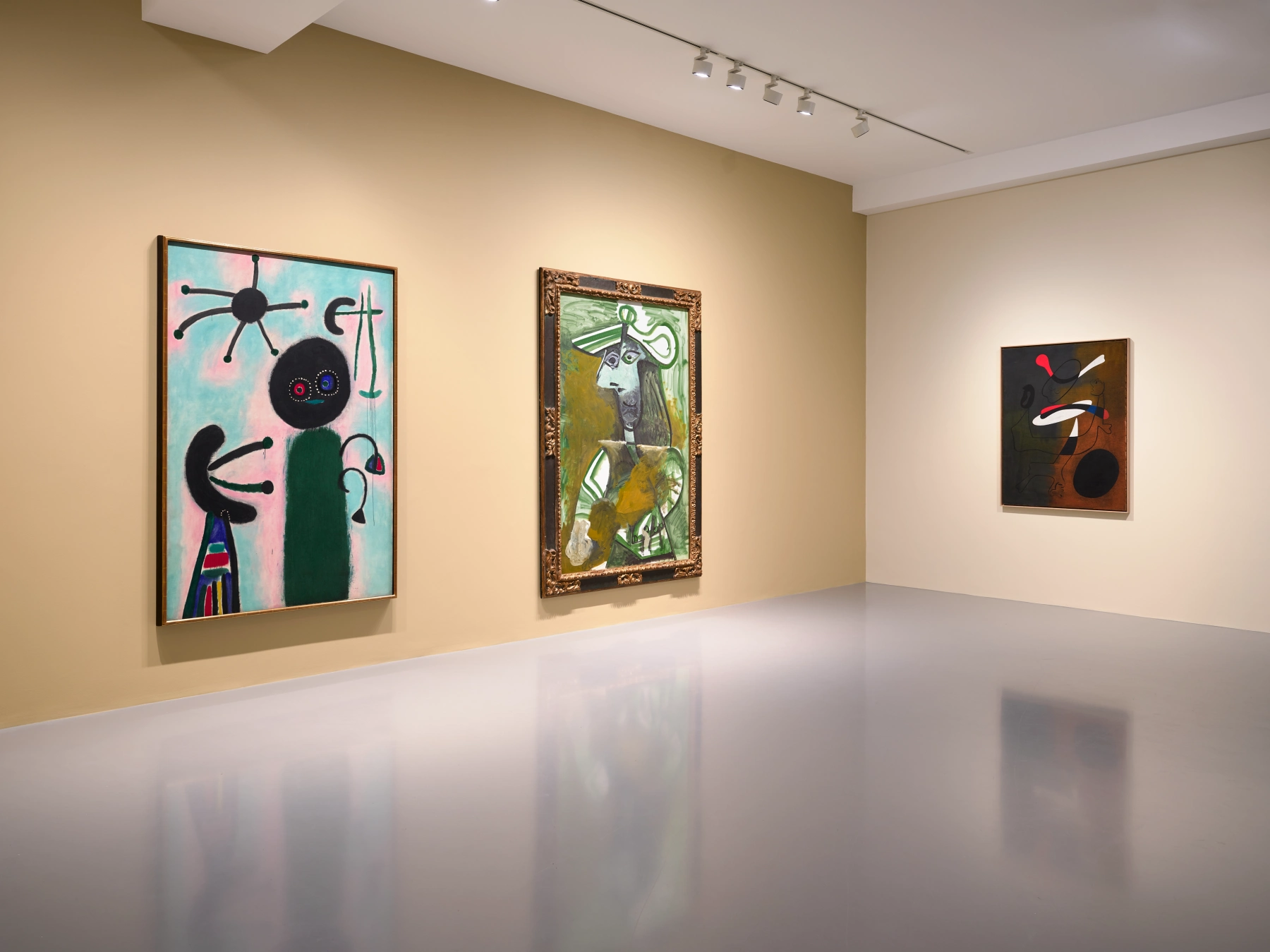
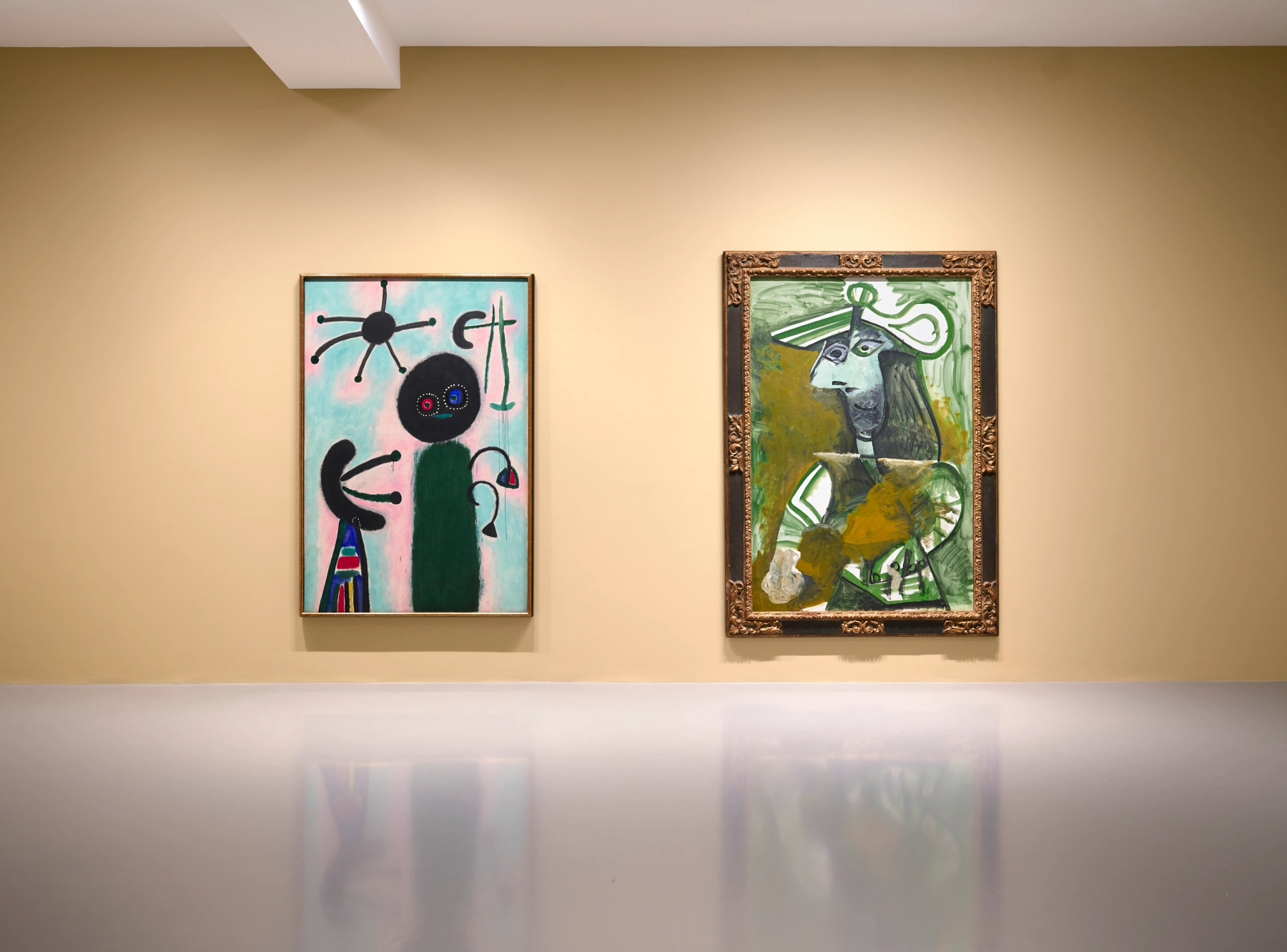
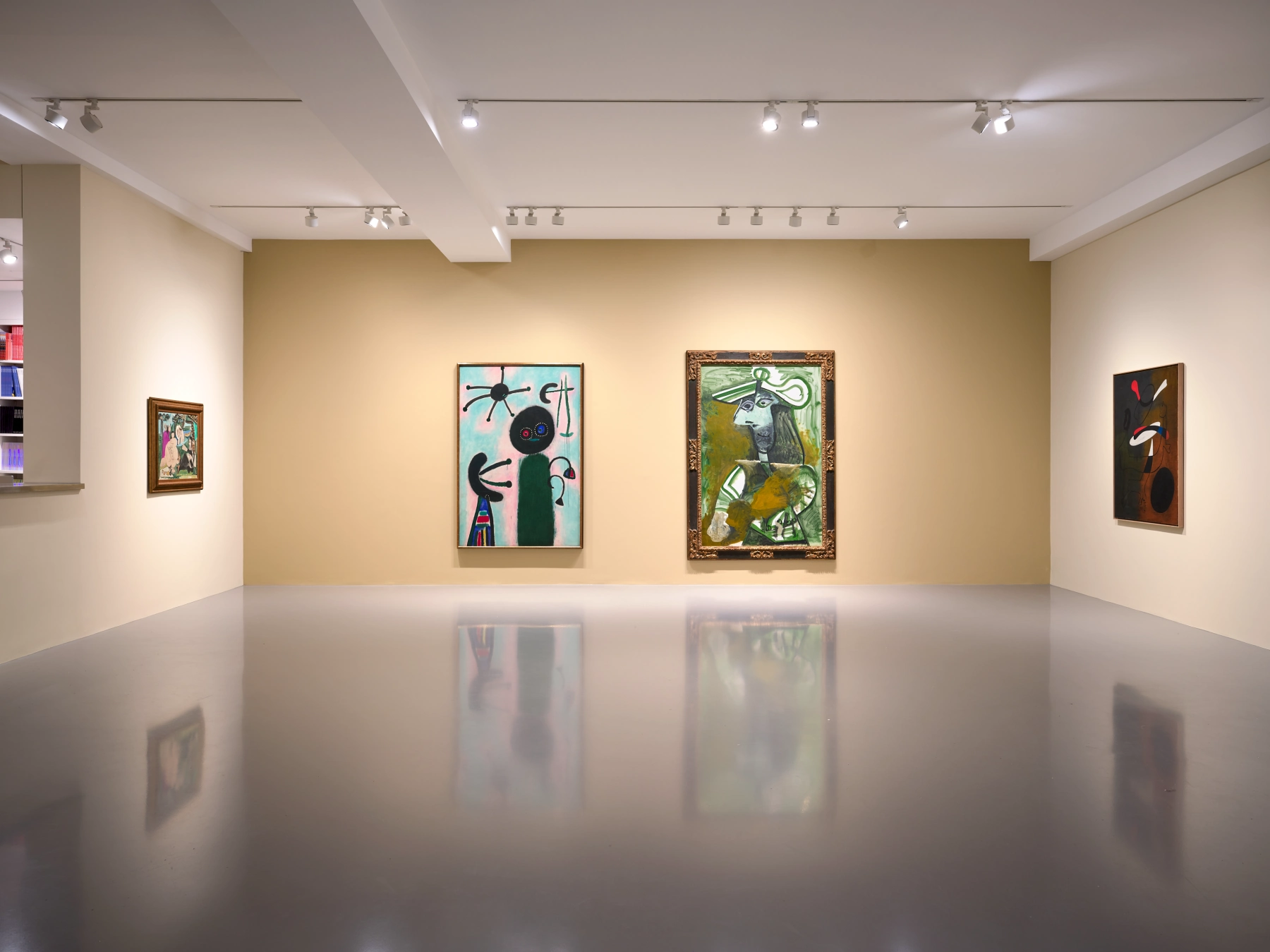
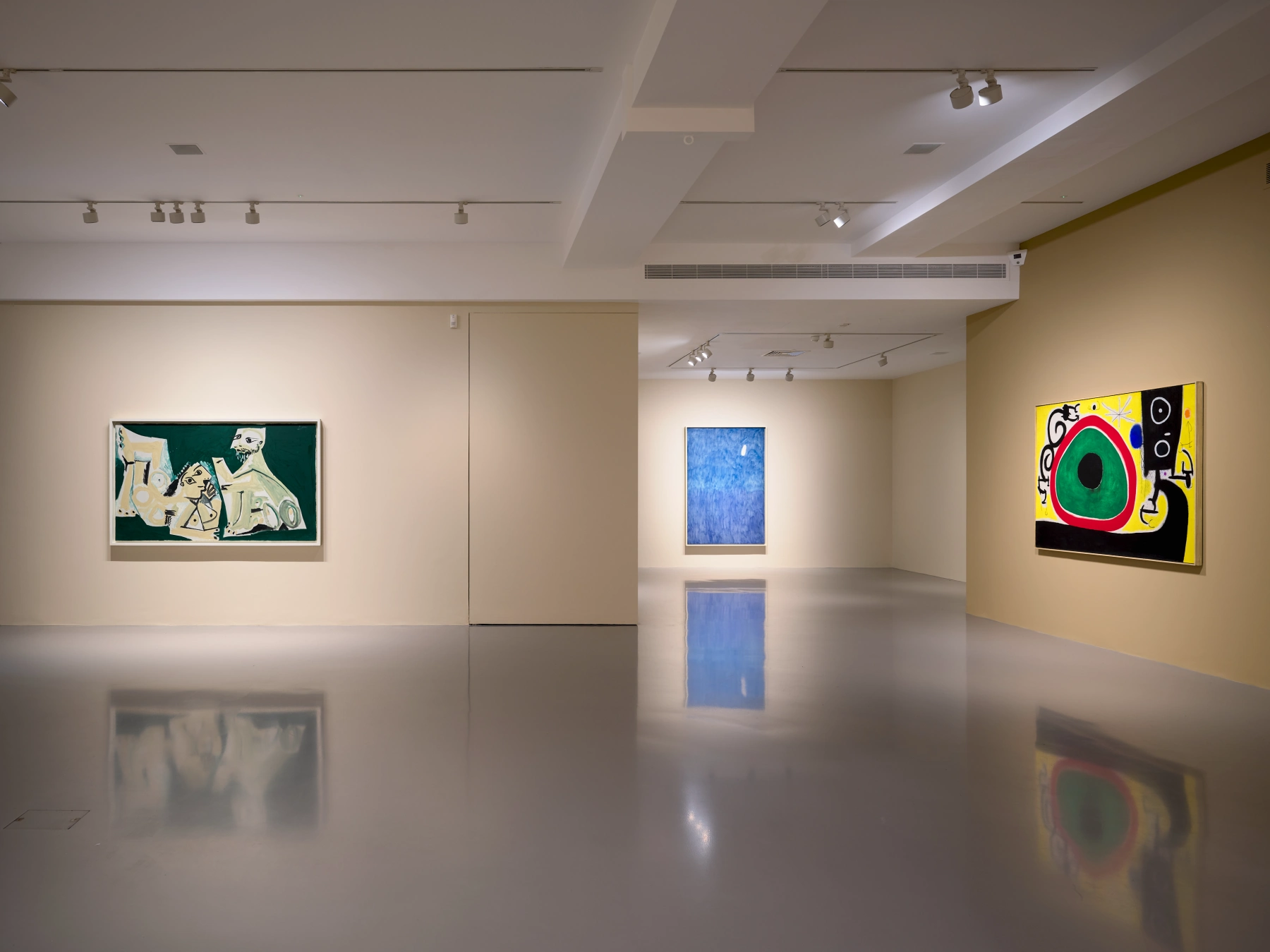
It all started with a pastry. In 1920, the young Joan Miró (1893-1983) arrived in Paris carrying an ensaimada from Pablo Picasso's (1881-1973) mother in Barcelona. The Catalonian capital meant everything to both of them. Miró was born there, Picasso spent his formative years there (1895-1904), and in the end, both men gave large portions of their life’s work back to it. It was an unlikely introduction to one of the great friendships in modern art, one that would last more than fifty years.
The two artists could hardly have been more different. Picasso was restless, prolific, and larger than life, Miró was quiet, precise, and regimented, yet each seemed to bring out something essential in the other. Picasso championed Miró to dealers and collectors; Miró kept a photograph of Picasso in every studio he ever worked in.
Their art reflects this same productive tension. Miró's works are meditative and dreamlike; floating birds, stars, and organic shapes that feel closer to poetry than painting. Picasso's span an extraordinary range, from intimate domestic interiors to bold reinterpretations of art history, always restless, always searching. What they shared was a refusal to follow the rules of art history, and a belief that painting had no limits.
When Picasso died in 1973, Miró responded the only way he knew how: with a painting. 'Woman, Bird, Star (Homage to Pablo Picasso)’, part of the permanent collection of the Museo Nacional Centro de Arte Reina Sofía in Madrid, is less a farewell than a continuation, proof that some conversations never really end.
‘Tête à tête’ presents four works by each artist, celebrating the pairs joint refusal to follow the rules of art history, and shared belief that painting had no limits.