+44 20 7287 2300
Open: Tue-Sat 10am-6pm
Visit
Open: Tue-Sat 10am-6pm
23 Savile Row, W1S 2ET, London, United Kingdom
Open: Tue-Sat 10am-6pm
Visit
Roni Horn. Seizure of Hope
Hauser & Wirth, London
Thu 21 May 2026 to Sat 1 Aug 2026
23 Savile Row, W1S 2ET Roni Horn. Seizure of Hope
Tue-Sat 10am-6pm
Artist: Roni Horn
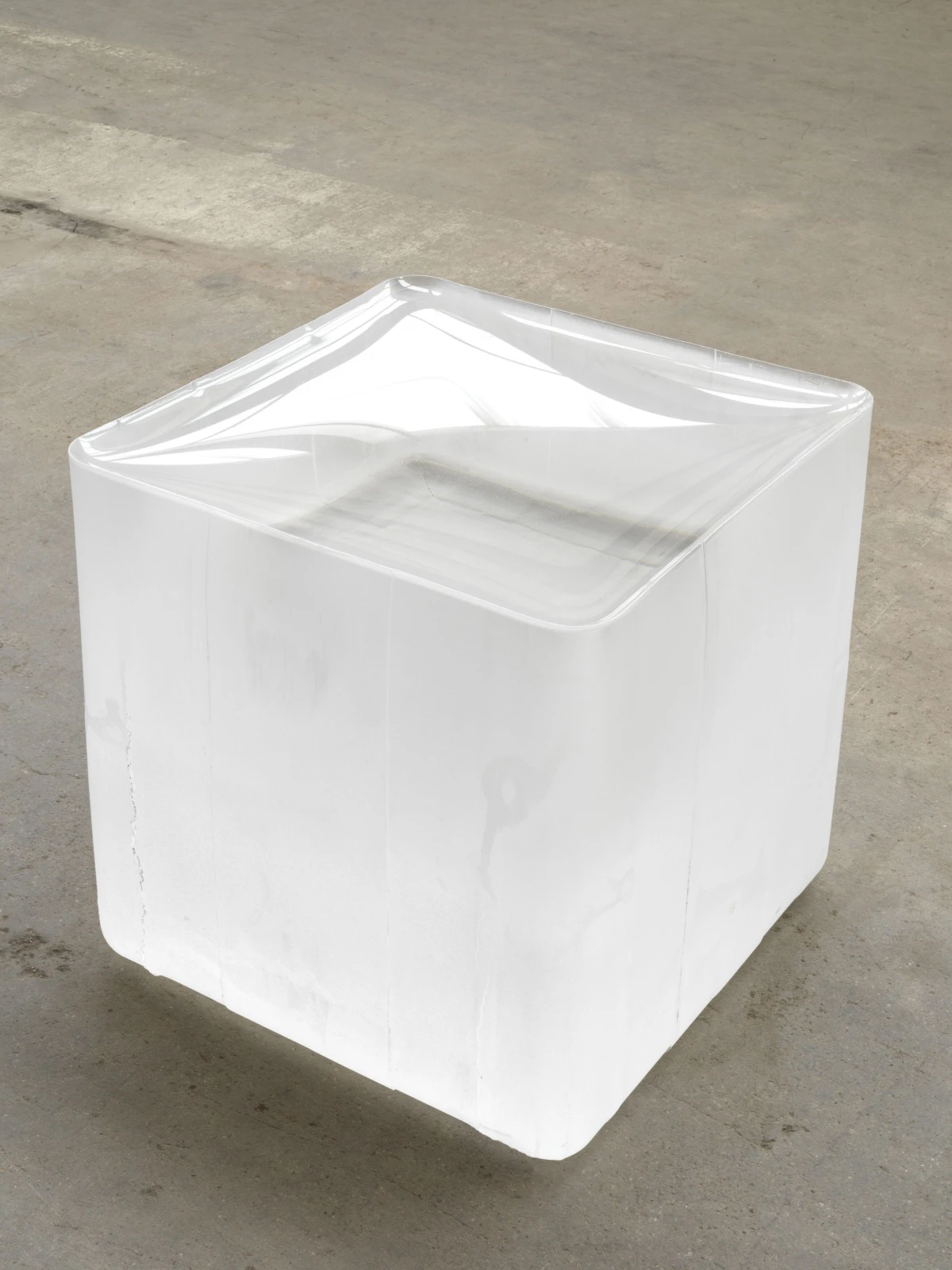
For her first solo exhibition in London in a decade, Roni Horn will present works on paper from her new Seizure of Hope series, which explores her preoccupation with repetition and the utilization of the written word as a medium. Accompanying the artist’s drawings is one of her renowned glass sculptures; taking the form of a cube, the work is a rare example of Horn’s cast objects. The exhibition is accompanied by the limited-edition title ‘Seizure of Hope’ (2026) by Hauser & Wirth Publishers, an artist’s book that reproduces her drawings in precise detail.
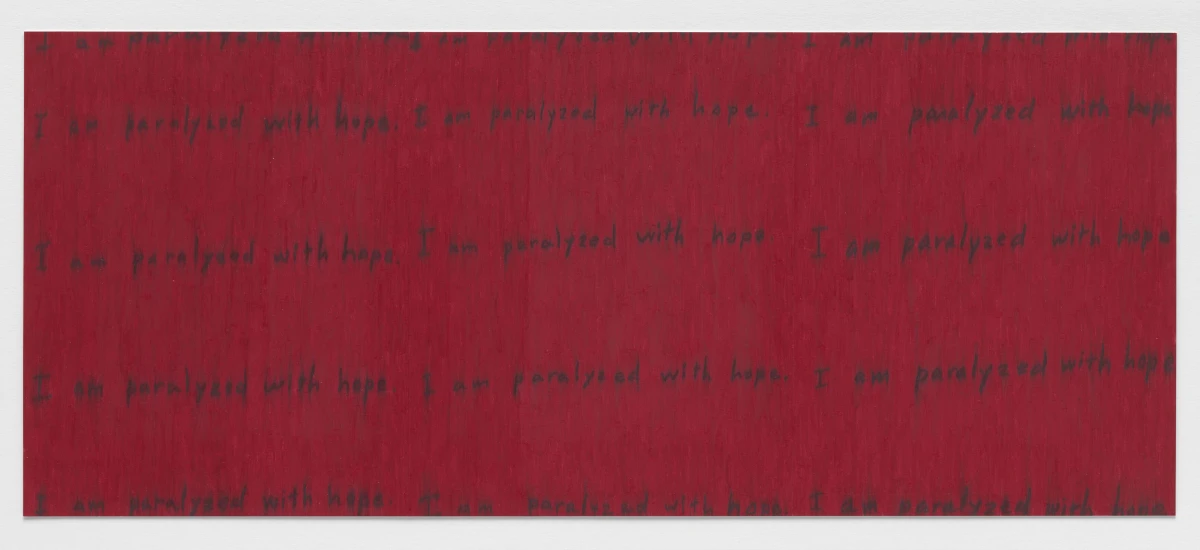
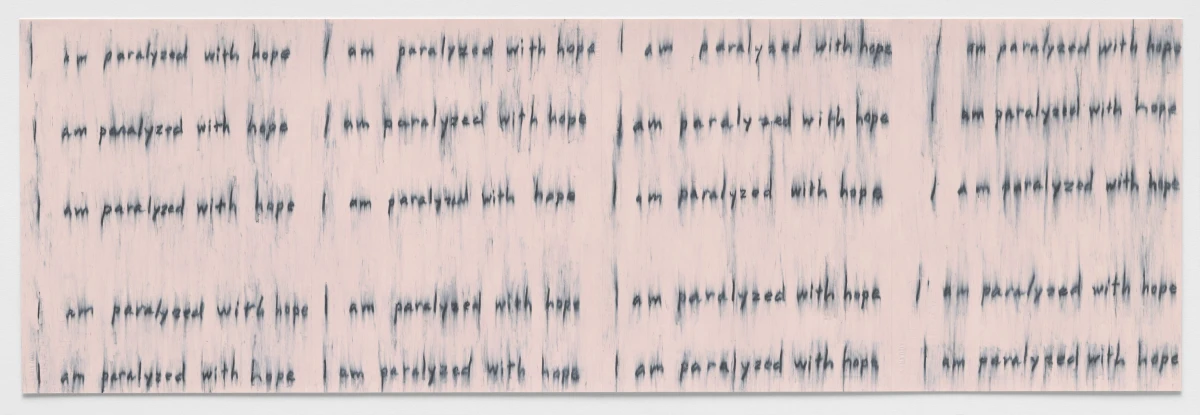
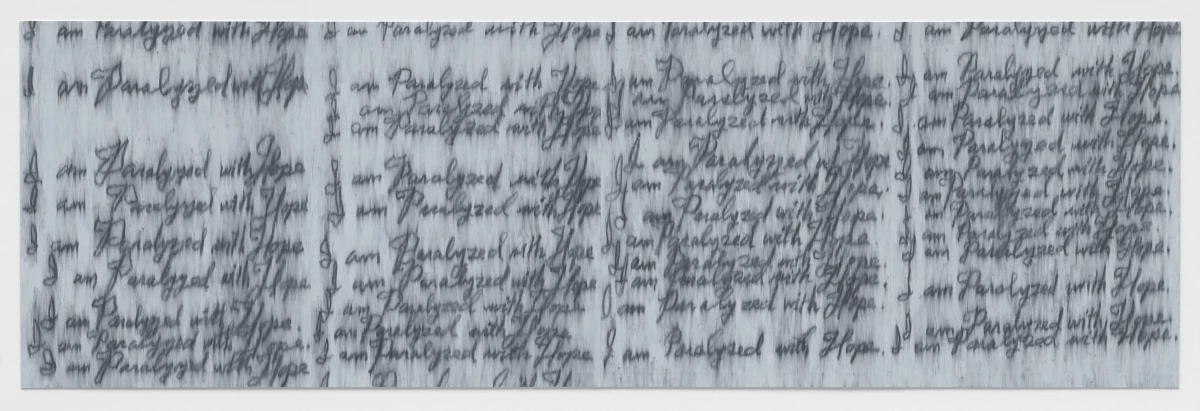
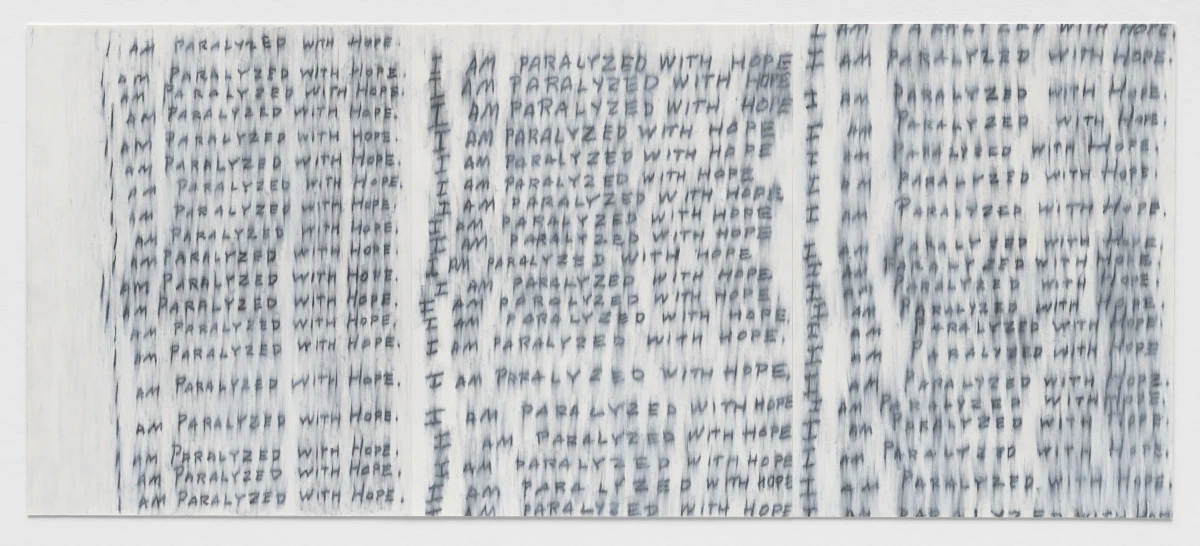
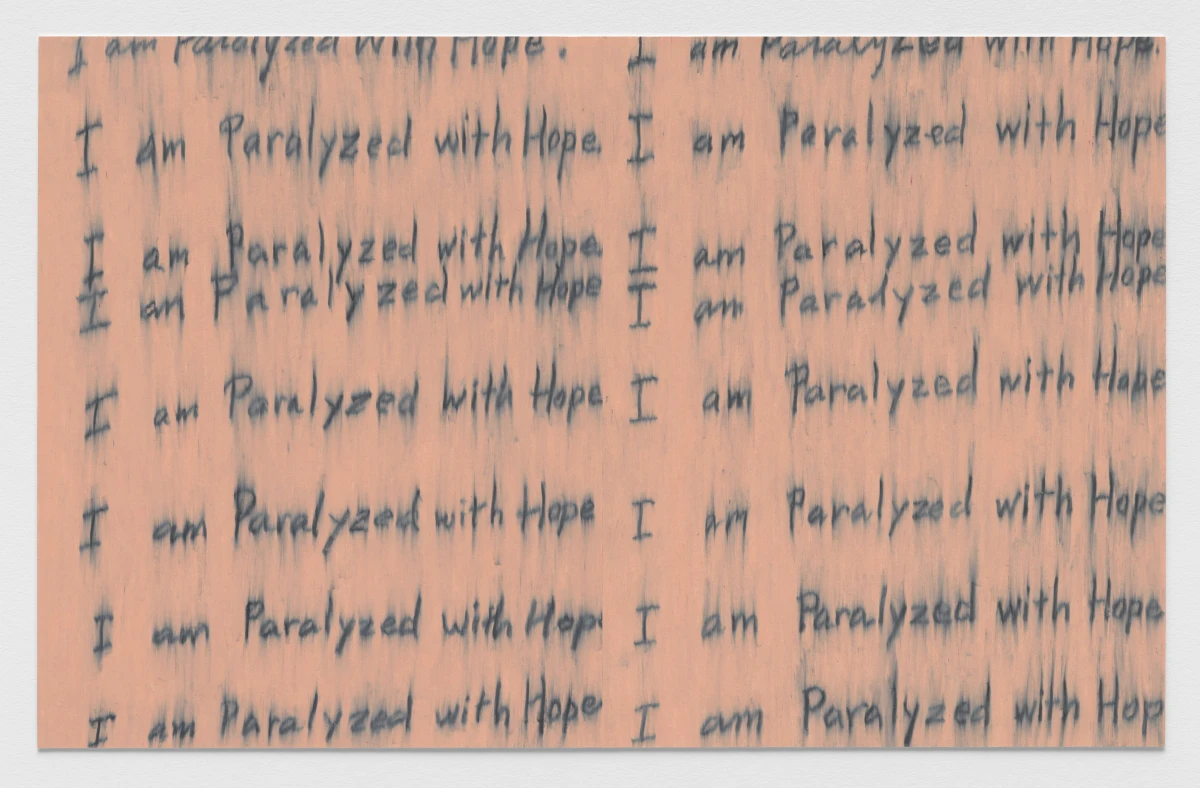
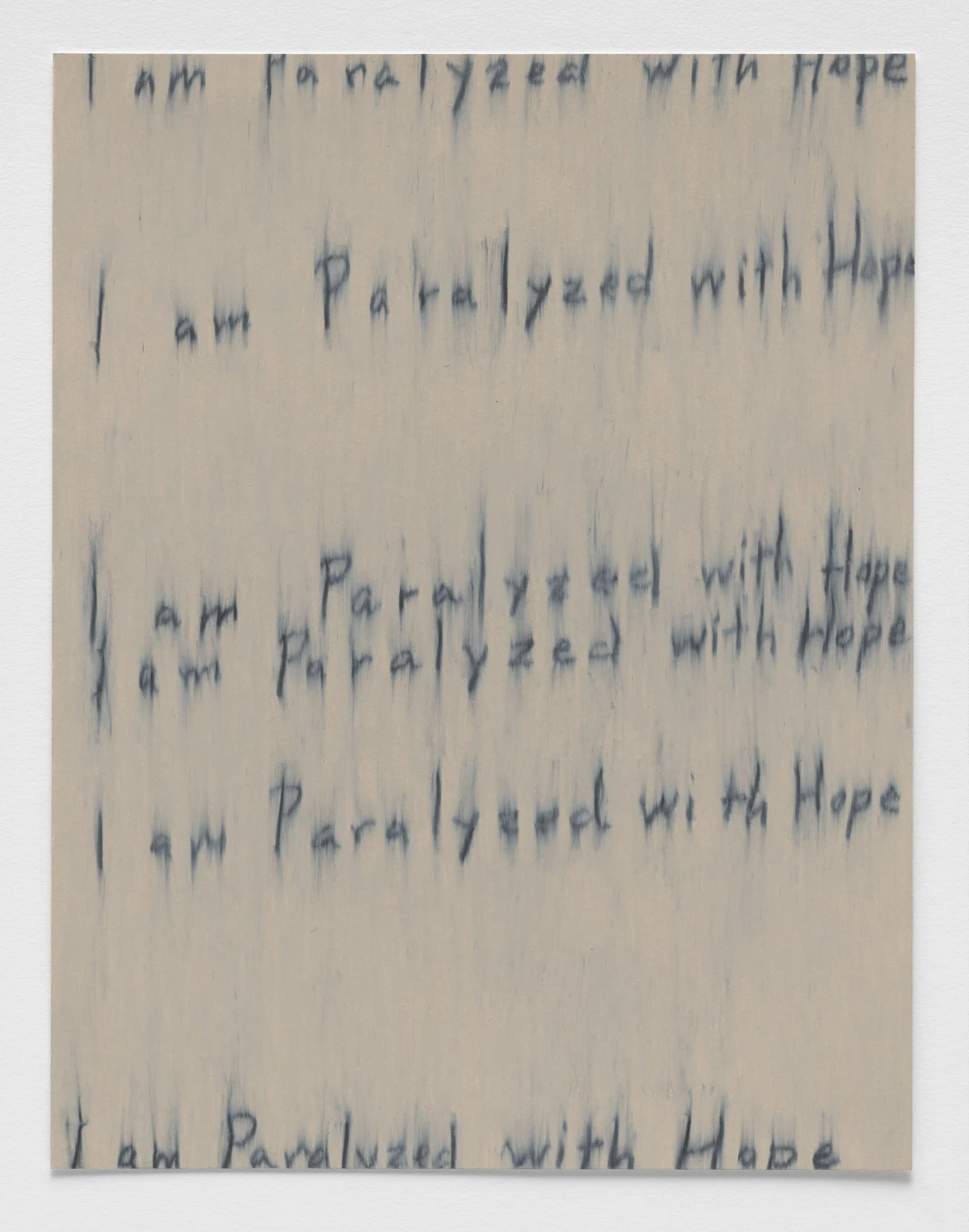
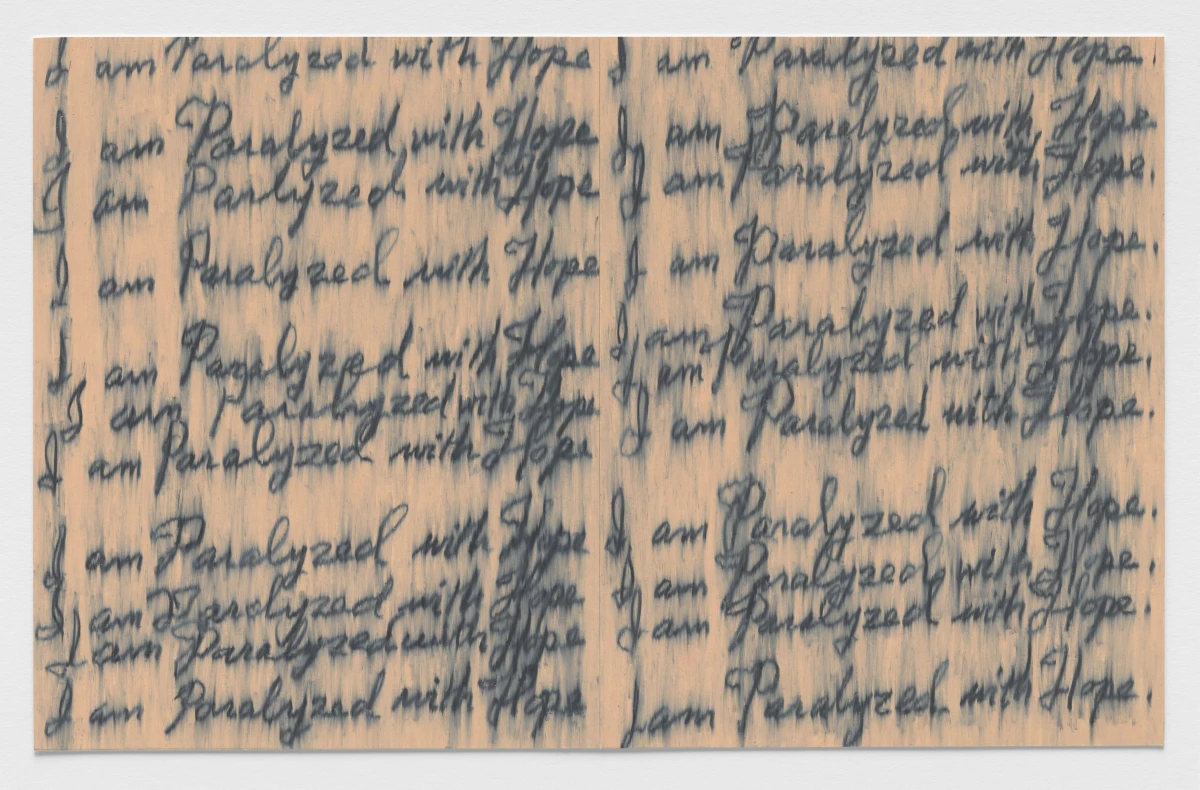
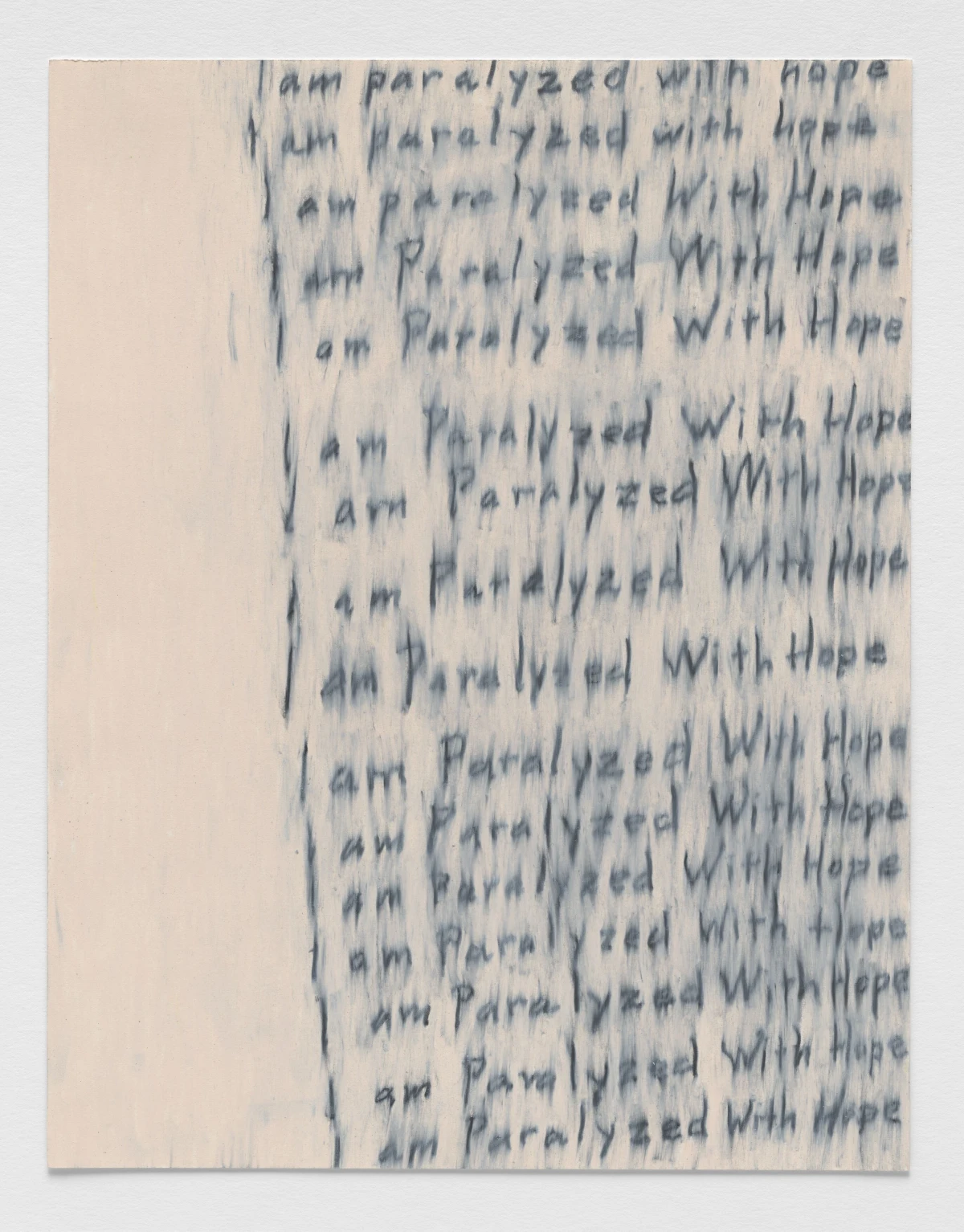
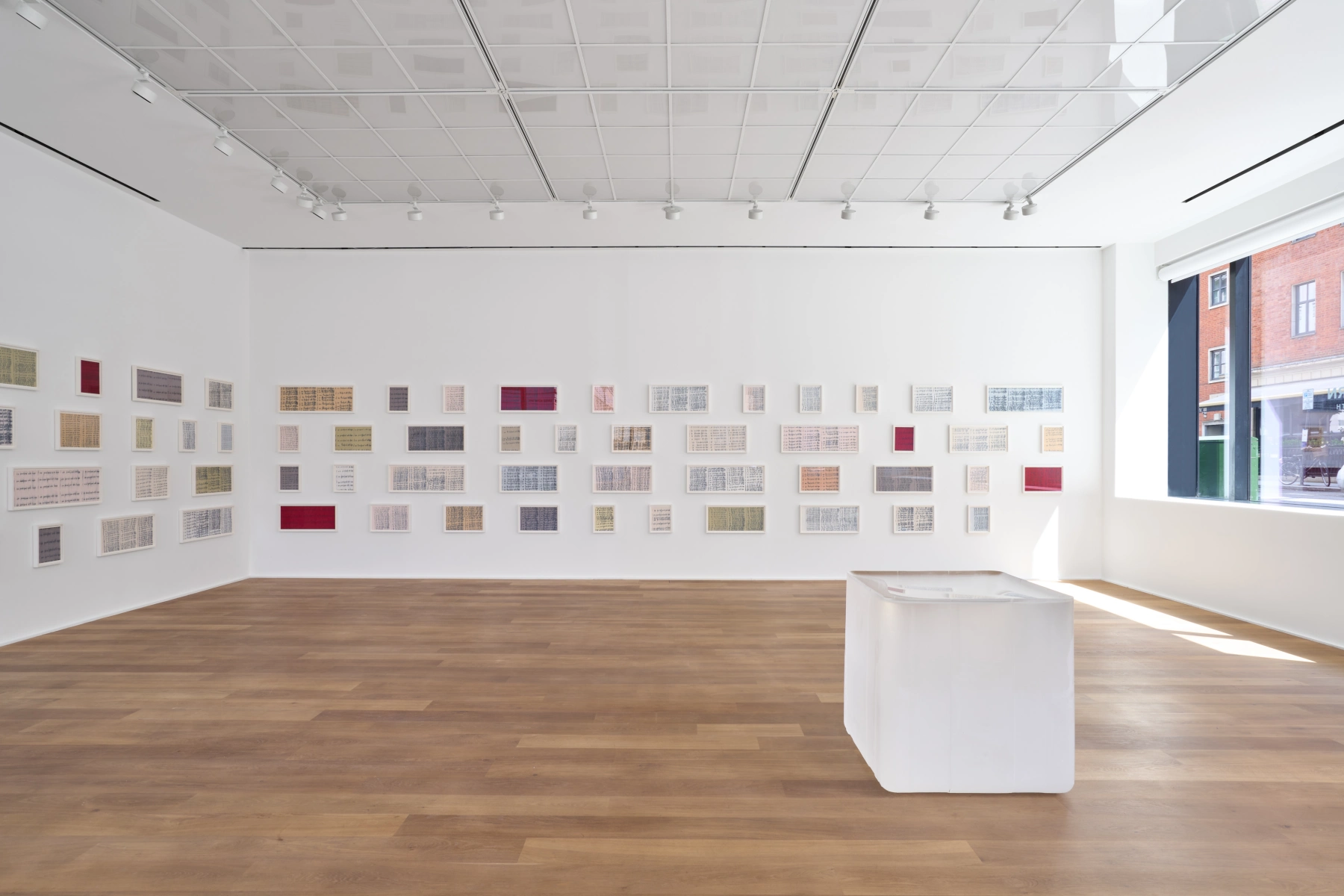
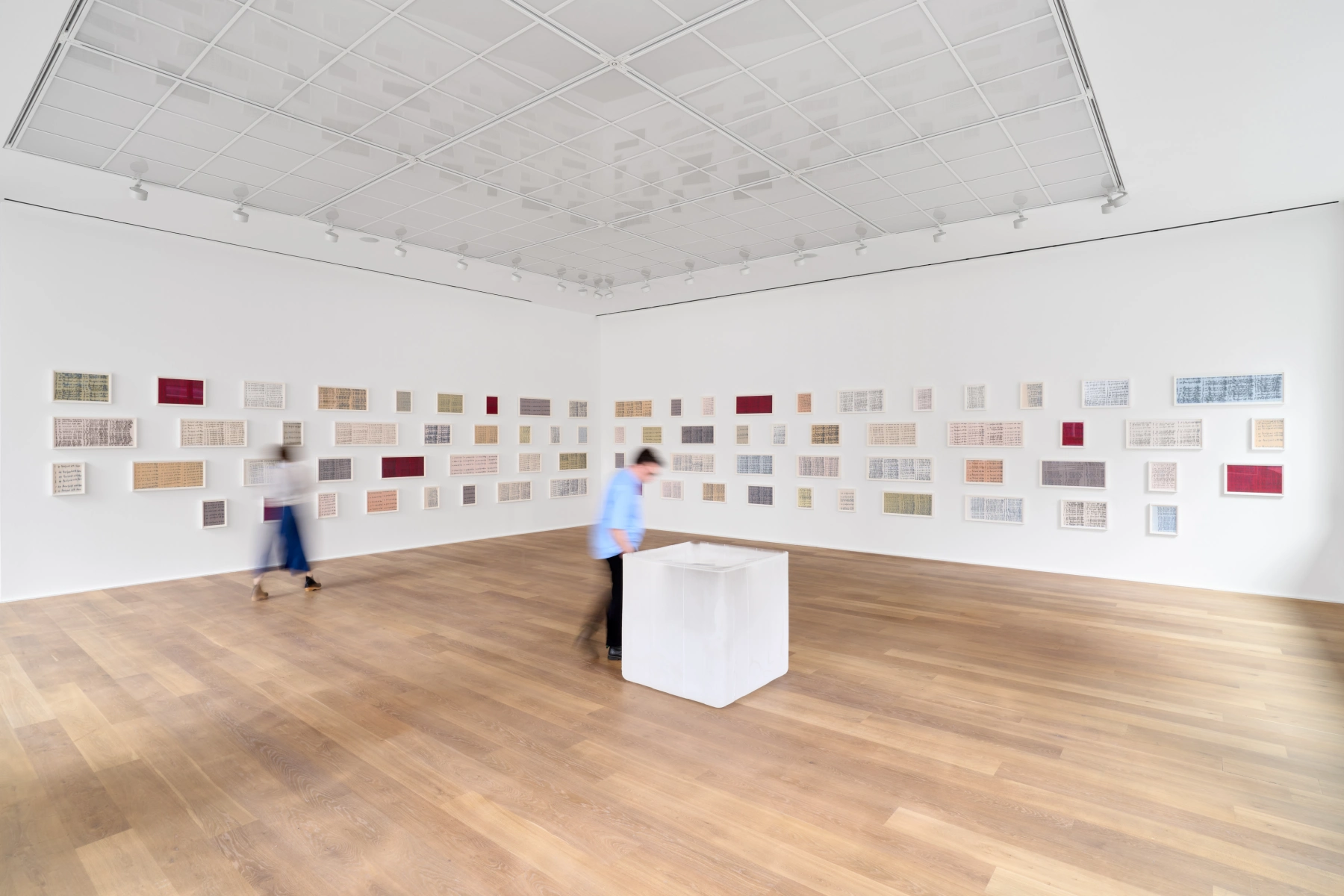
Underpinning her wider practice, drawing is a primary activity that has been integral to Horn’s oeuvre for nearly 40 years. The artist’s engagement with language permeates her Seizure of Hope series, relentlessly writing and rewriting the words ‘I am paralyzed with hope’ throughout the works on view. The phrase comes from a performance by the stand-up comedian Maria Bamford and was first used by Horn in her 2021 work ‘LOG (March 22, 2019–May 17, 2020),’ a large-scale installation comprised of 406 individual works on paper that function as a record of the world around her. The artist has described Bamford’s phrase as a ‘poignant connection to our time with regards to politics and the environment and now, of course, in relation to the pandemic.’
Evolving into the series on view, the words read as a stream of consciousness spilling across the paper, resonating with the contemporary anxieties of today. By drawing over the statement with a wax crayon, Horn allows the letters to bleed and appear indeterminate, as if being viewed underwater. The shifting handwriting styles are suggestive of various identities and invite the viewer to locate themselves within the work. With over 45 examples from the series on display, the idea of multiplicity is further articulated and the viewer is completely surrounded by the phrase. The abundance of the inscription and sheer volume of drawings both mirror the sentiment expressed by the words ‘I am paralyzed with hope’, where hope accumulates to the point of immobilization.
Evoking water damaged ink, the text is at once legible and blurred. Her cast-glass sculpture ‘Untitled (“What happens to the hole when the cheese is gone?”)’ (2022) similarly balances solidity and fluidity, its glossy top recalling the crystal-clear surface of an undisturbed pool of water. Water is a constant theme for Horn, stating she is ‘fascinated by this idea of water as a form of perpetual relation, not so much a substance but a thing whose identity was based on its relation to other things [...] Rather than an object, water becomes a metaphor for consciousness—of time, of physicality, of the human condition.’
Exposed to the reflections from the sun or to the shadows of an overcast day, Horn’s glass sculpture relies upon natural elements like the weather to manifest her binary experimentations in weight and lightness. The endless subtle shifts in the work’s appearance place it in an eternal state of mutability, as it refuses a fixed visual state. The changing form of both the sculpture and the written word positions identity as something that is unstable, fluid and continually in formation.
‘Roni Horn: Seizure of Hope’ by Hauser & Wirth Publishers
This meticulously designed, limited-edition publication coincides with the artist’s exhibition in London, focusing on her series of drawings inspired by a line from a performance by the American comedian Maria Bamford: ‘I am paralyzed with hope.’ Making use of numerous gatefolds to reproduce the artist’s expansive, multi- sheet drawings in precise detail, ‘Seizure of Hope’ is a spectacular record of Horn’s arresting meditation on language, emotion and the nature of hope. ‘Seizure of Hope’ is the eighth installment in a series of artist’s books by Horn and the fourth to be published by Hauser & Wirth Publishers, following celebrated titles such as ‘bird’ (2008), ‘aka’ (2010) and ‘Wit’s End’ (2021).