+39 081 4976072
Open: Mon-Sat 10am-7pm
Visit
Open: Mon-Sat 10am-7pm
Piazza dei Martiri 58, 80121, Naples, Italy
Open: Mon-Sat 10am-7pm
Visit
Robert Barry: Another Time
Alfonso Artiaco, Naples
Mon 9 Mar 2026 to Sat 2 May 2026
Piazza dei Martiri 58, 80121 Robert Barry: Another Time
Mon-Sat 10am-7pm
Artist: Robert Barry
Alfonso Artiaco presents the sixth solo exhibition by Robert Barry at the gallery.
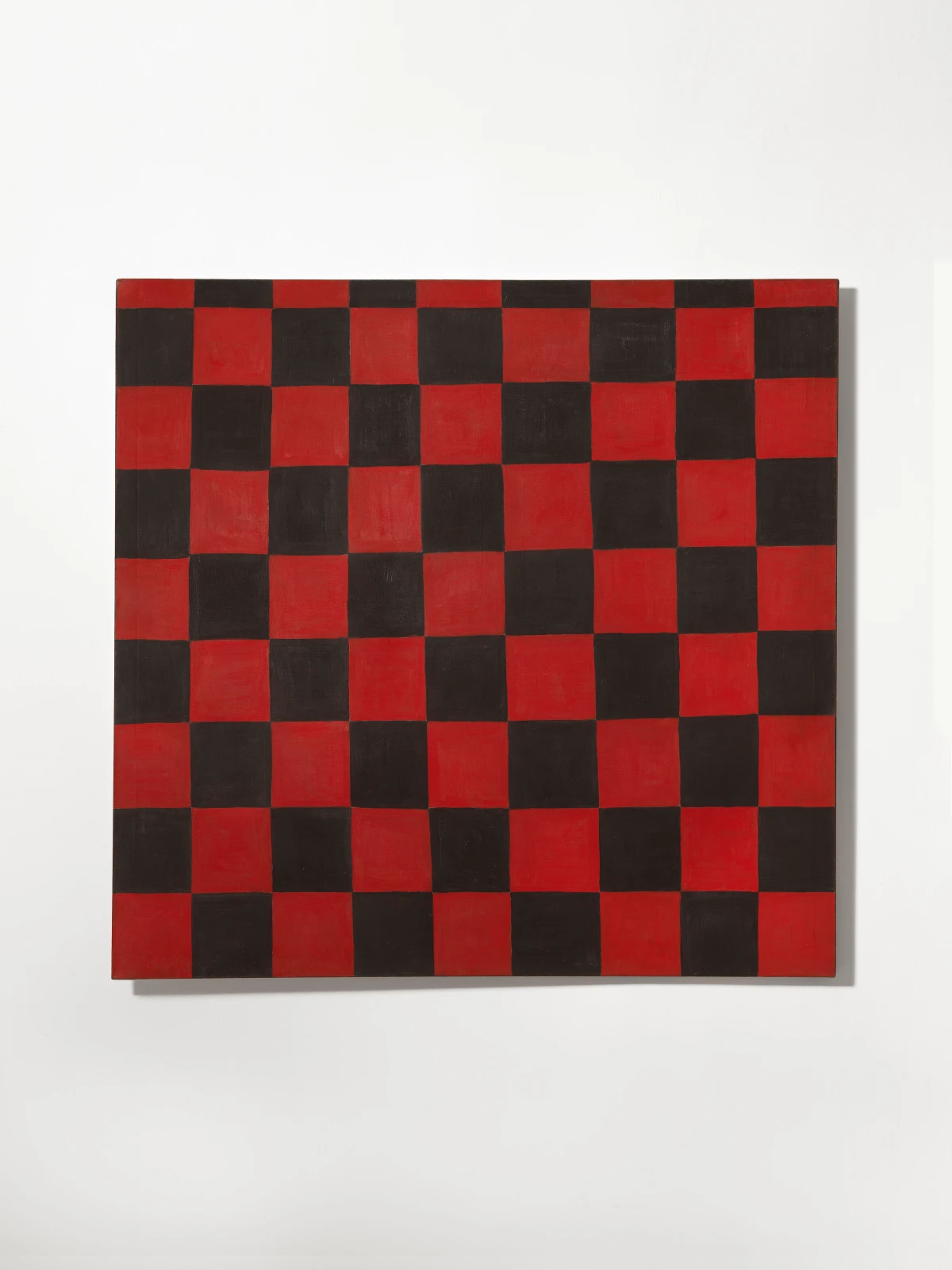
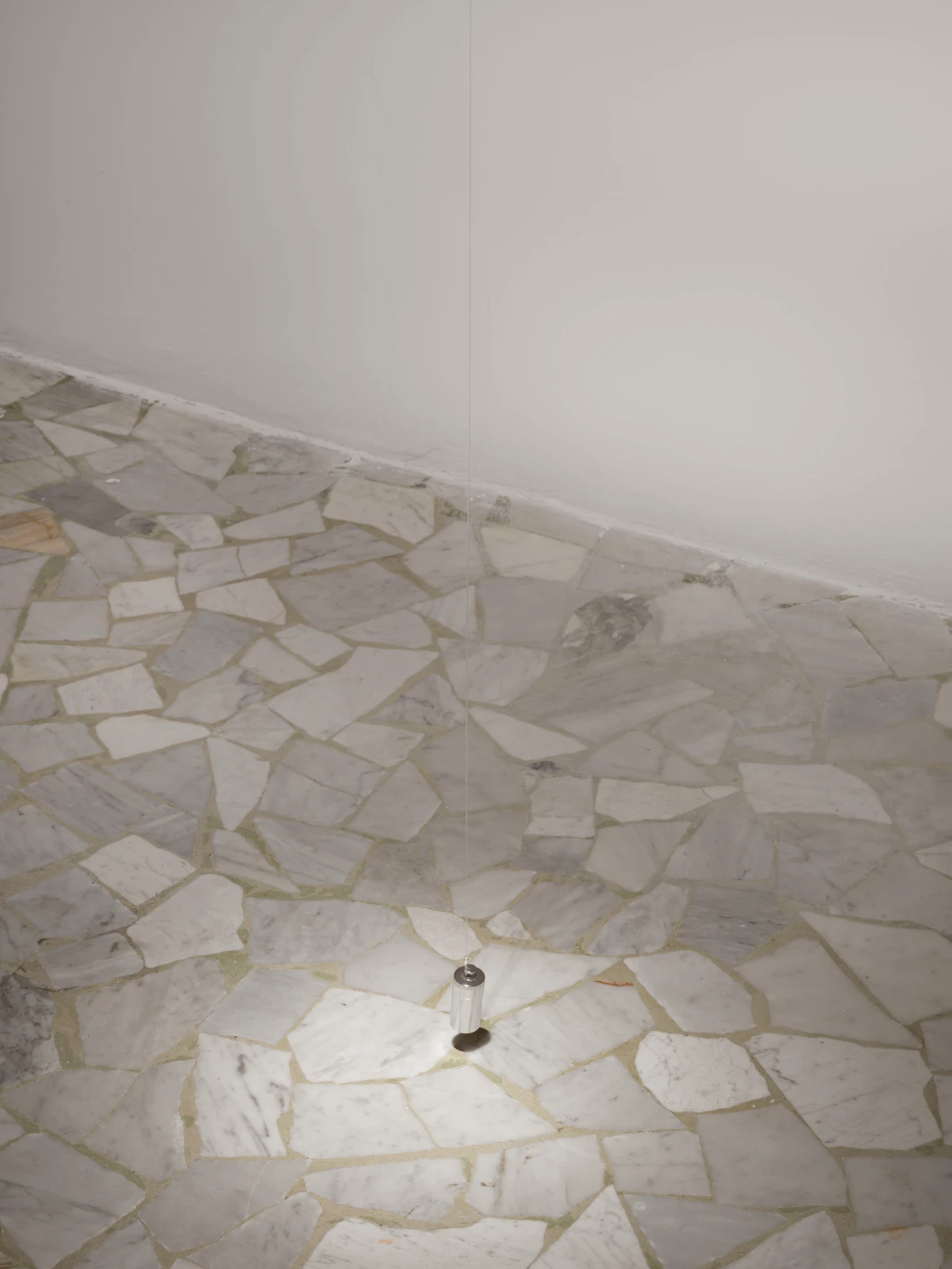
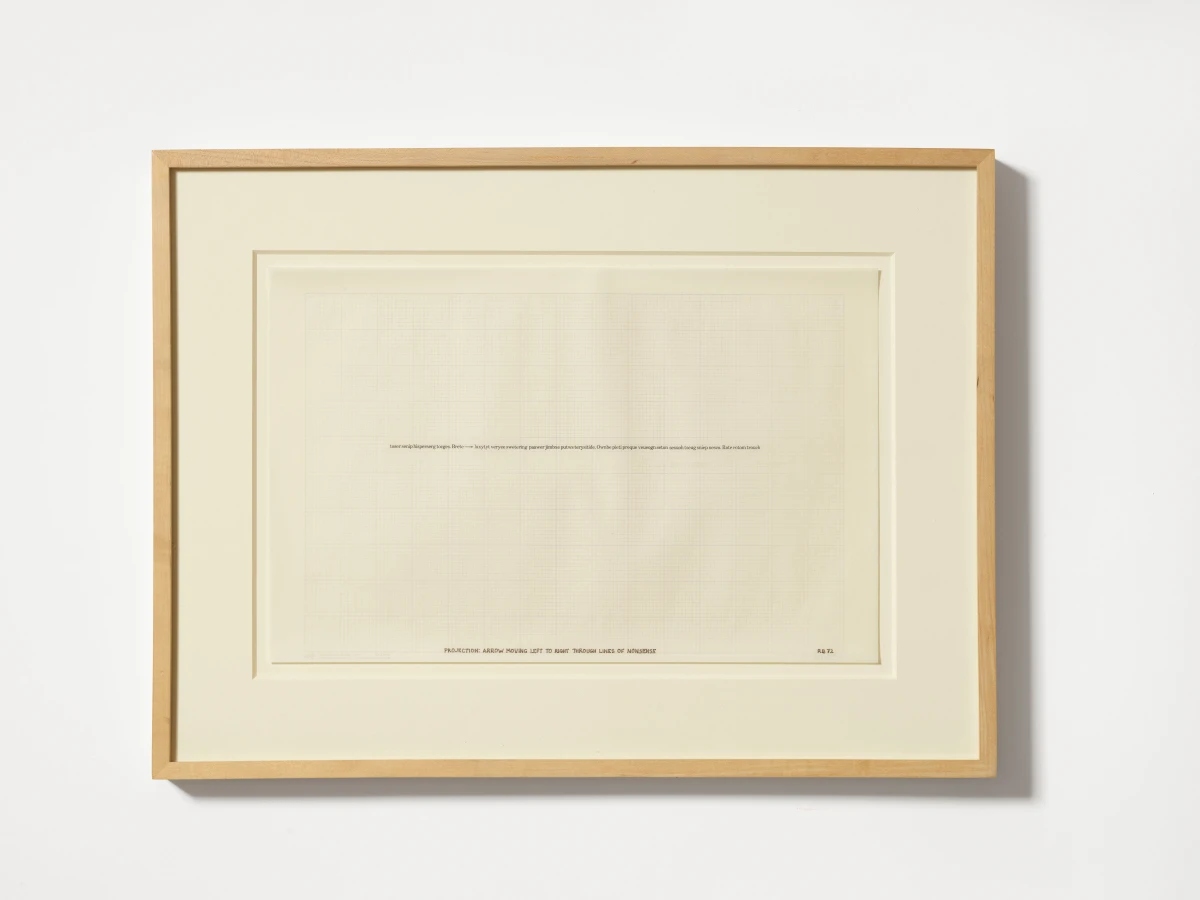
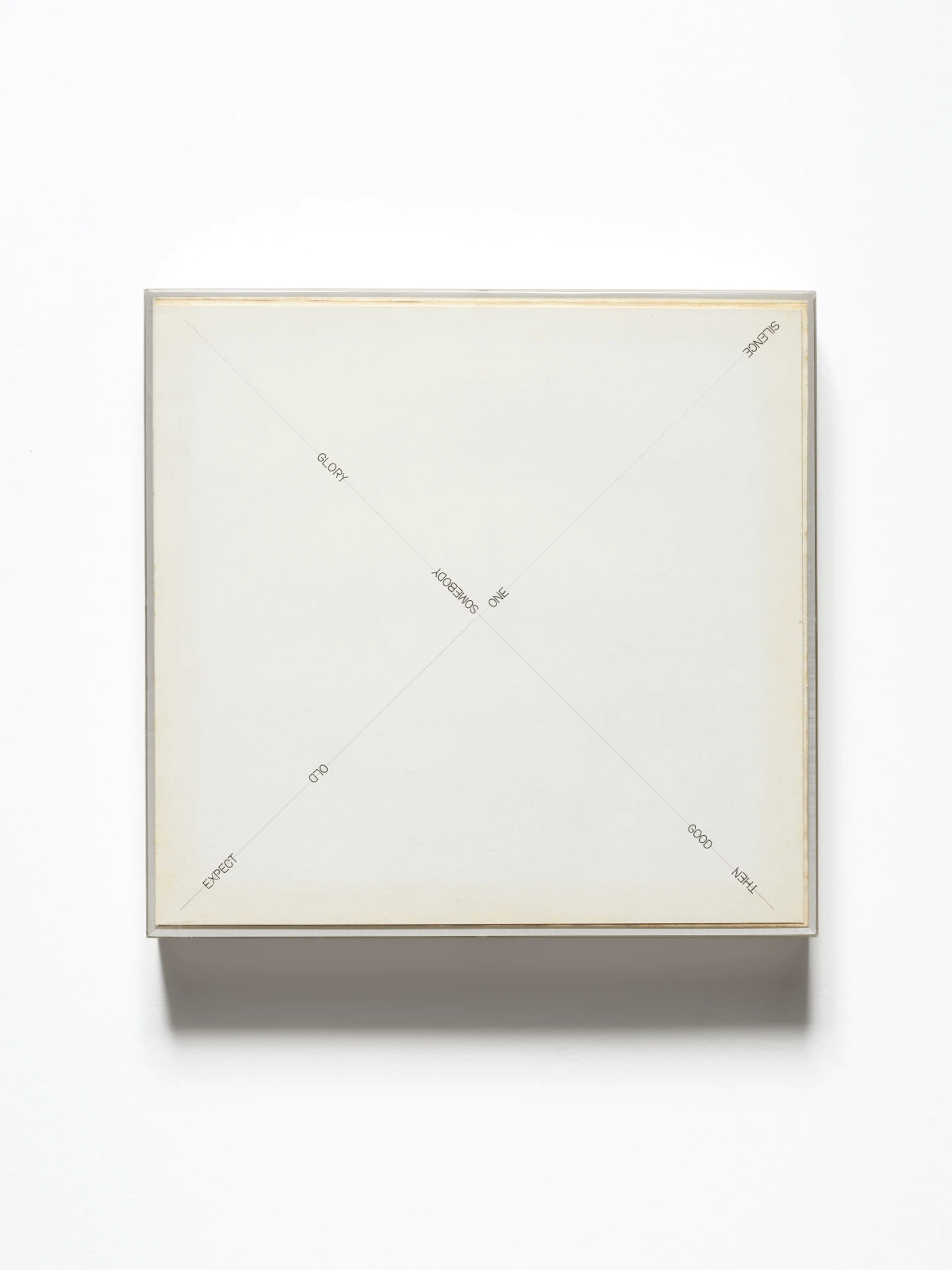
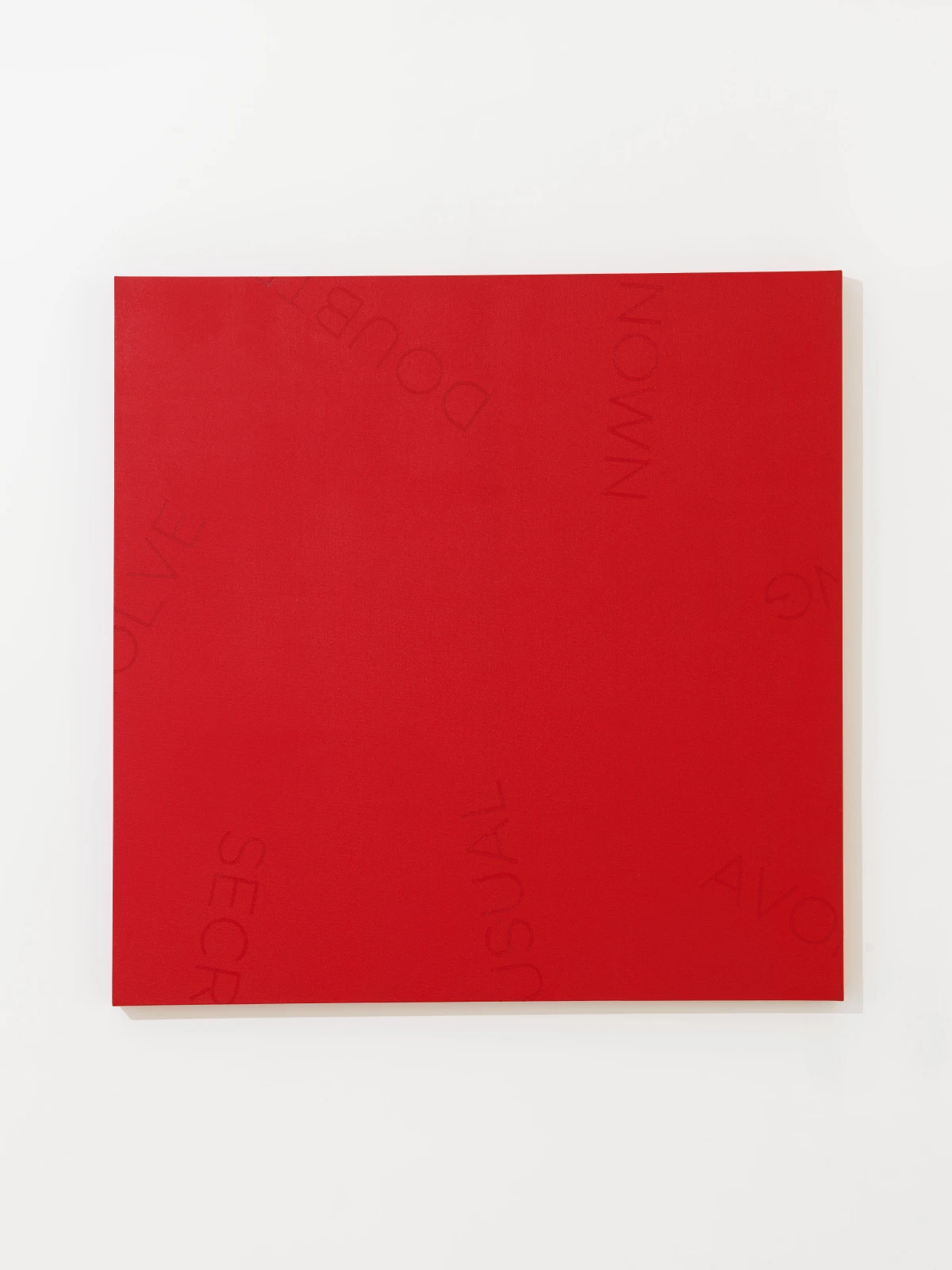
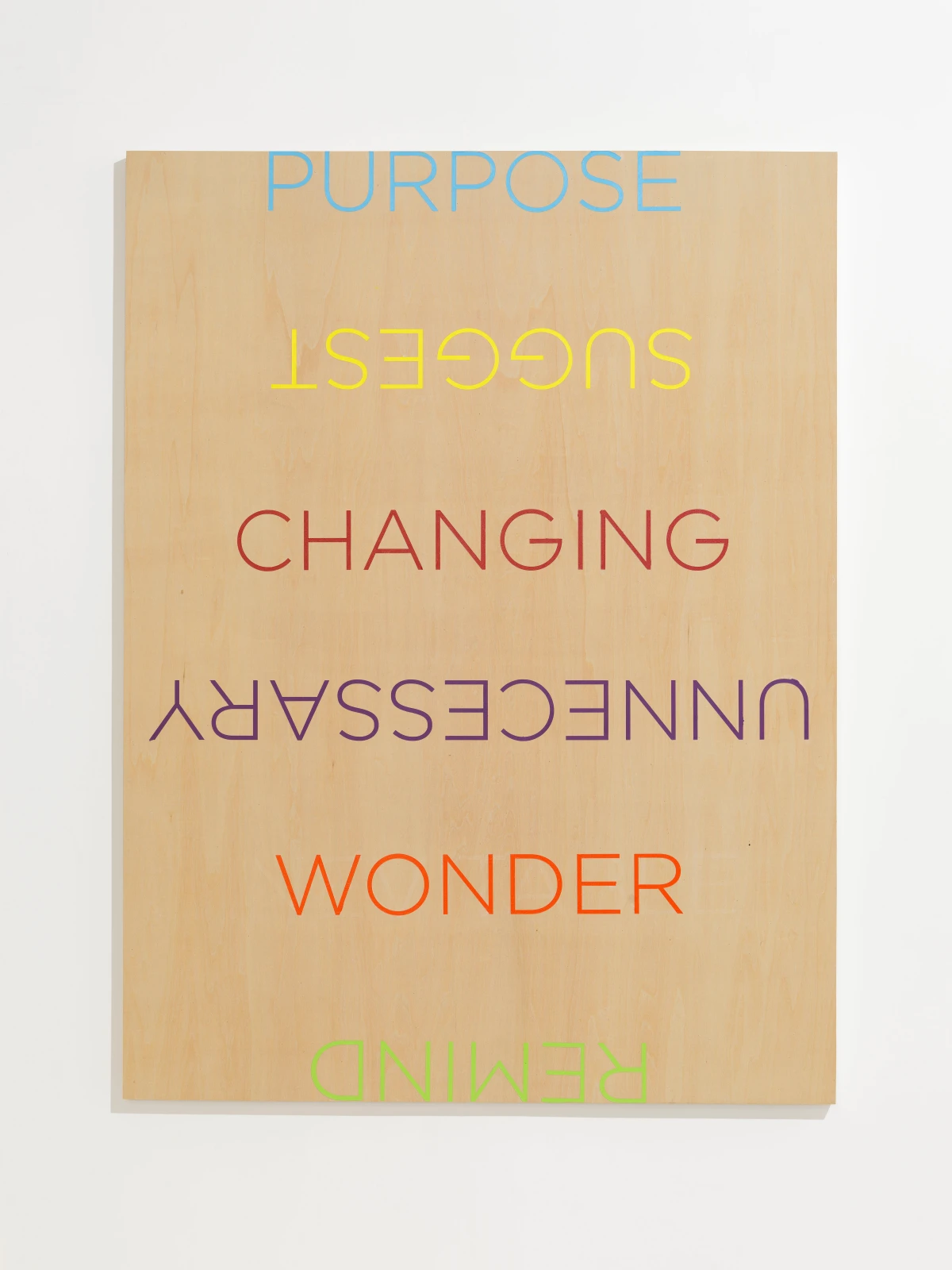
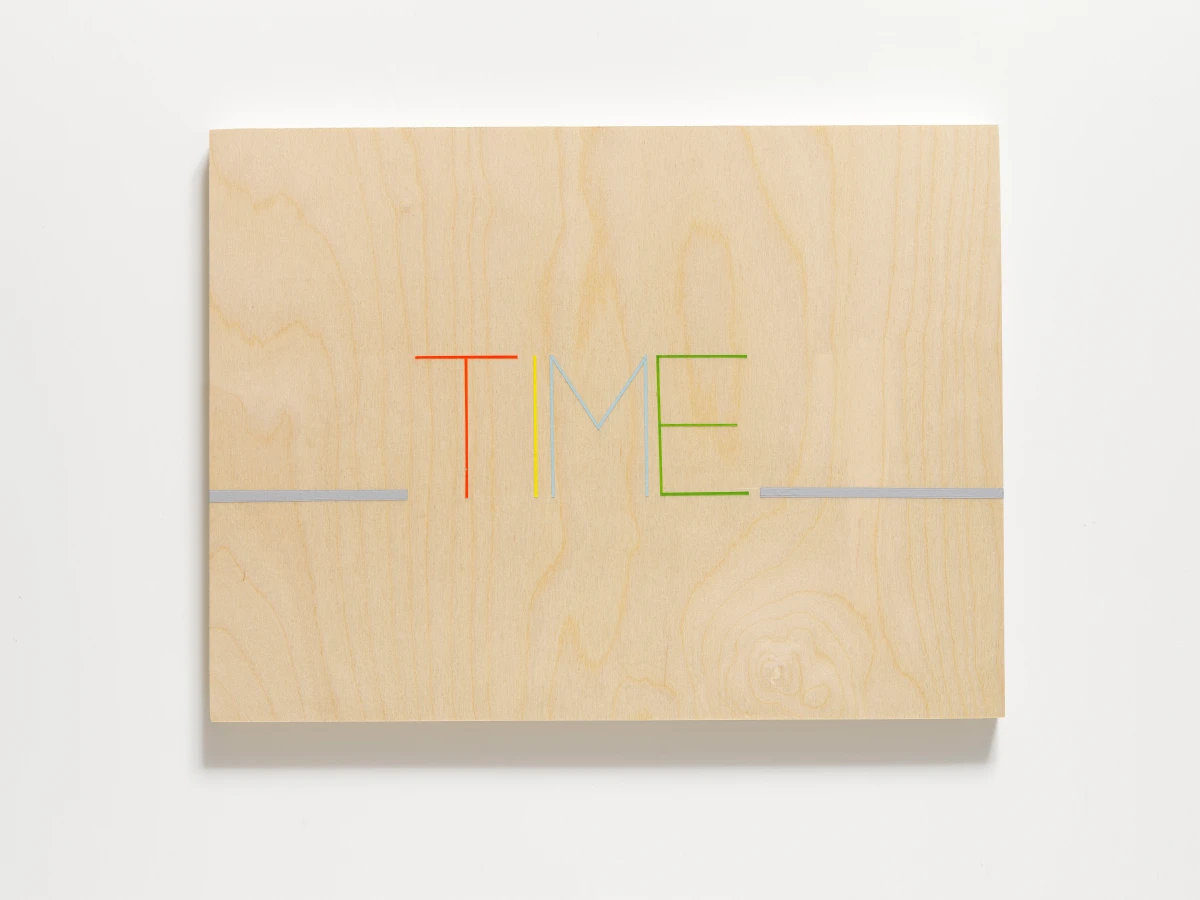
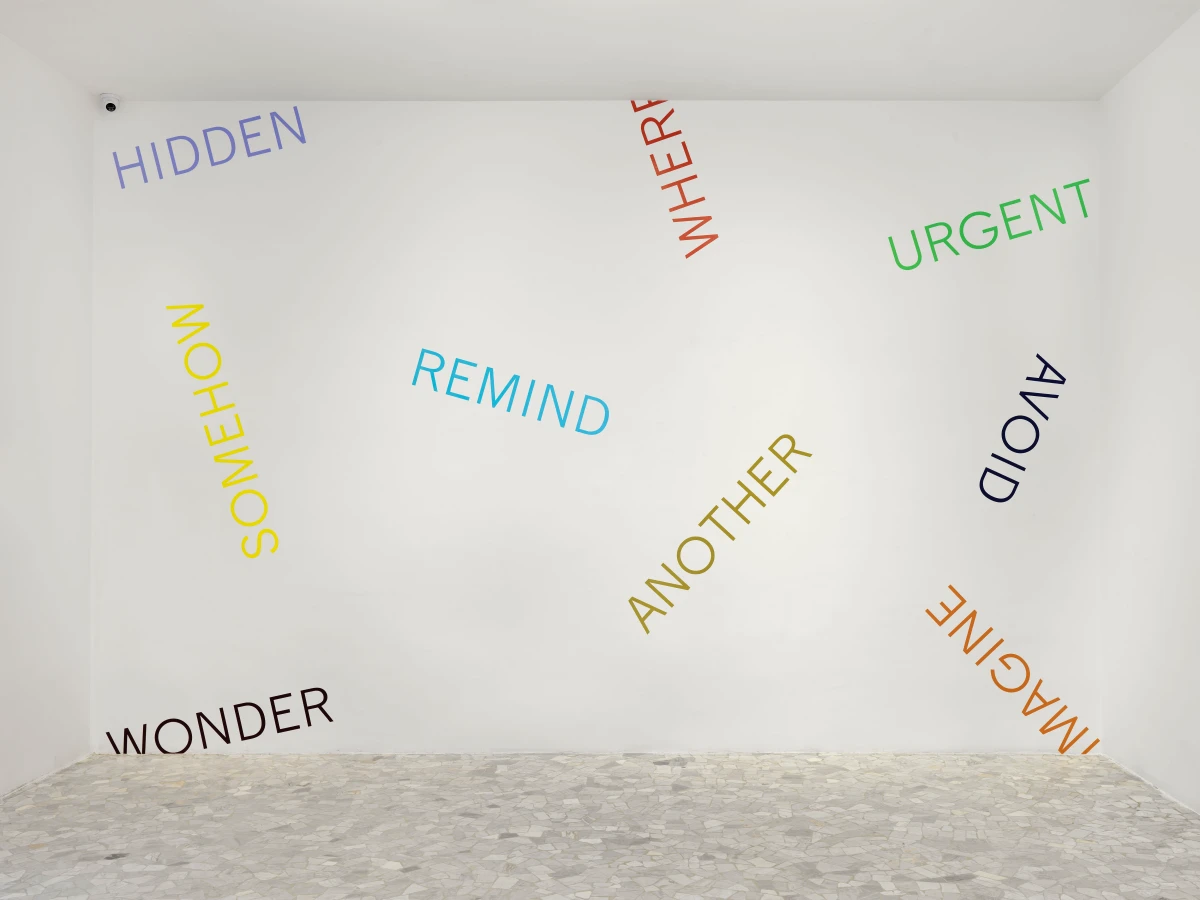

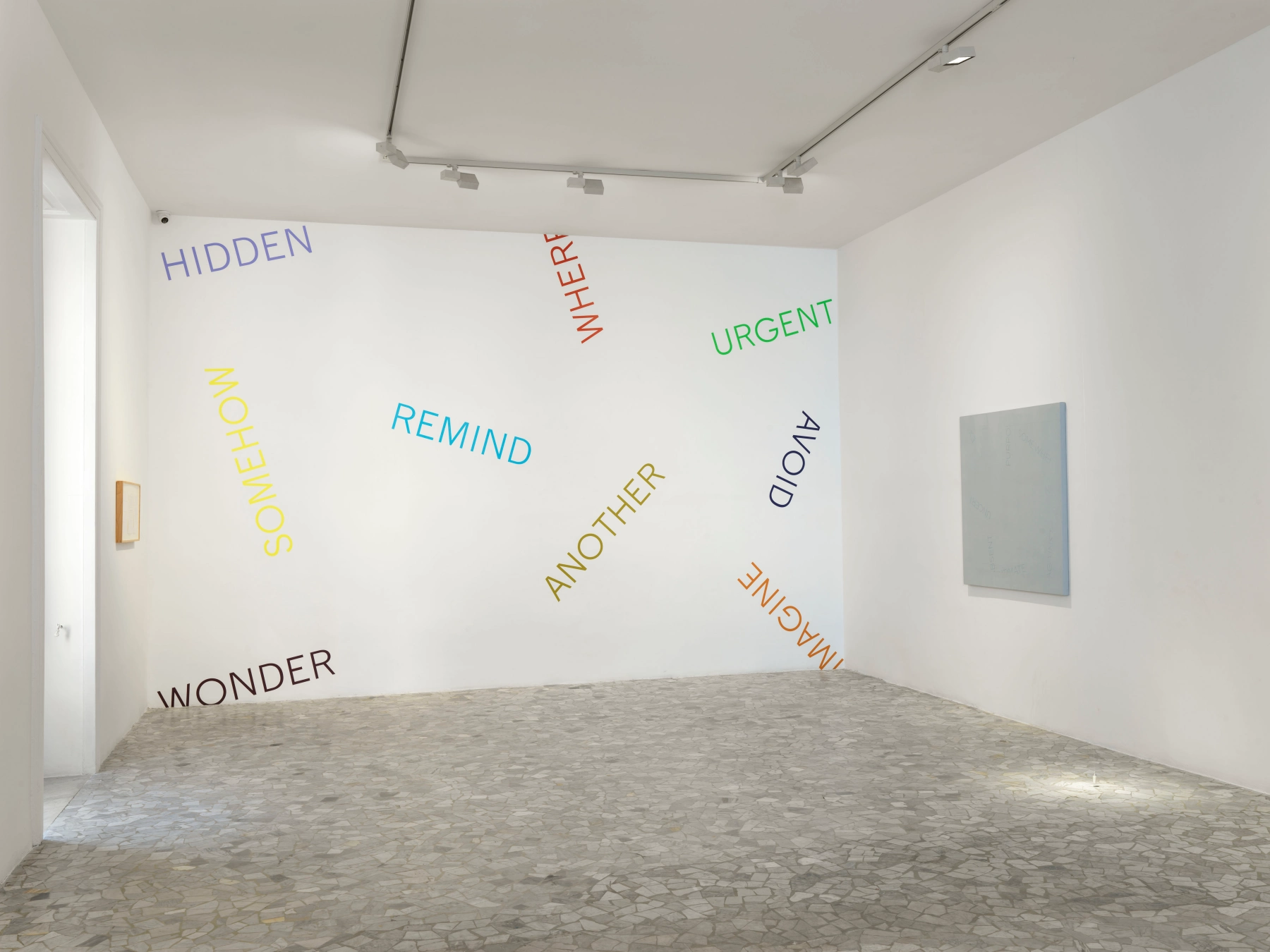
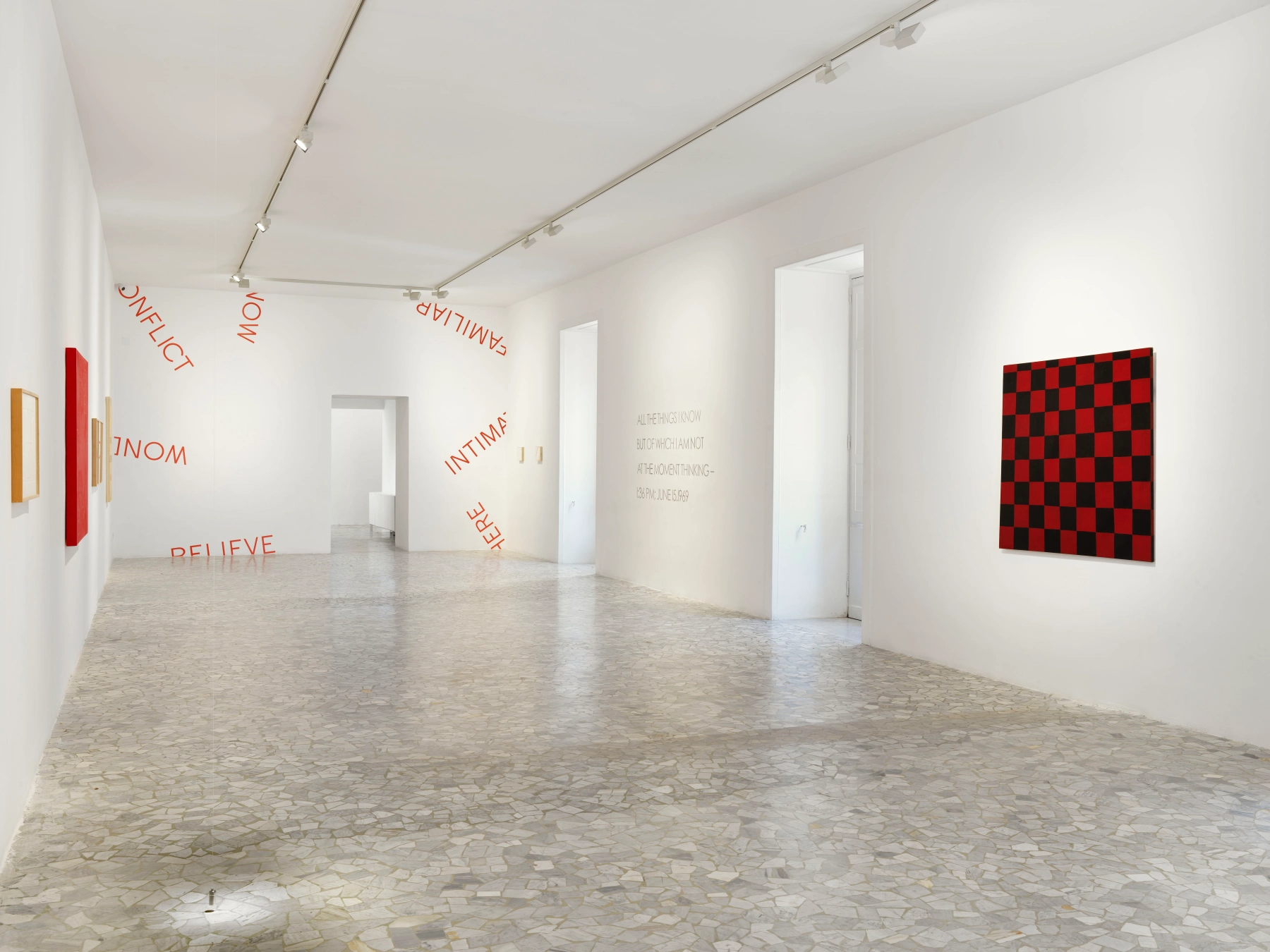
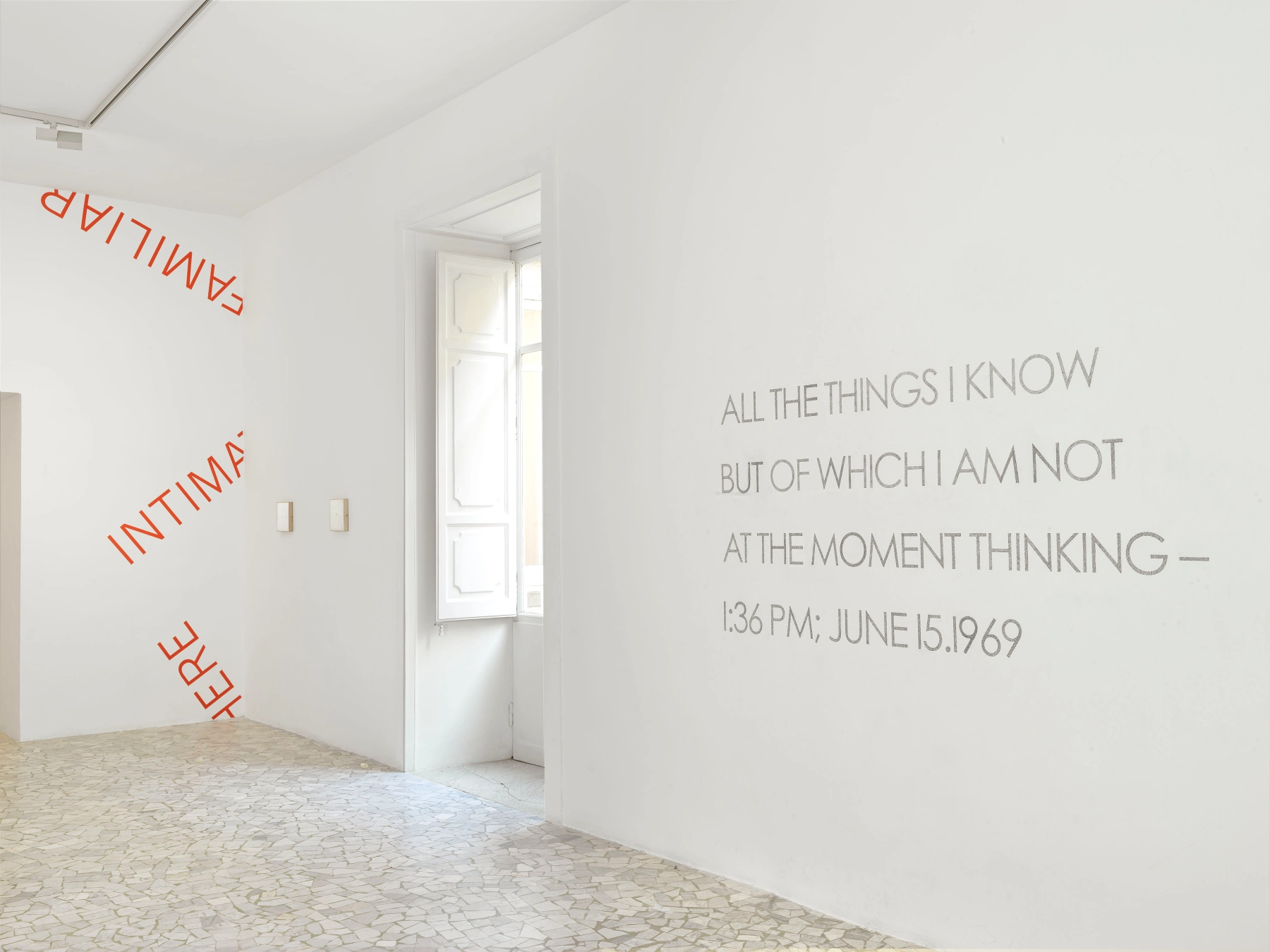
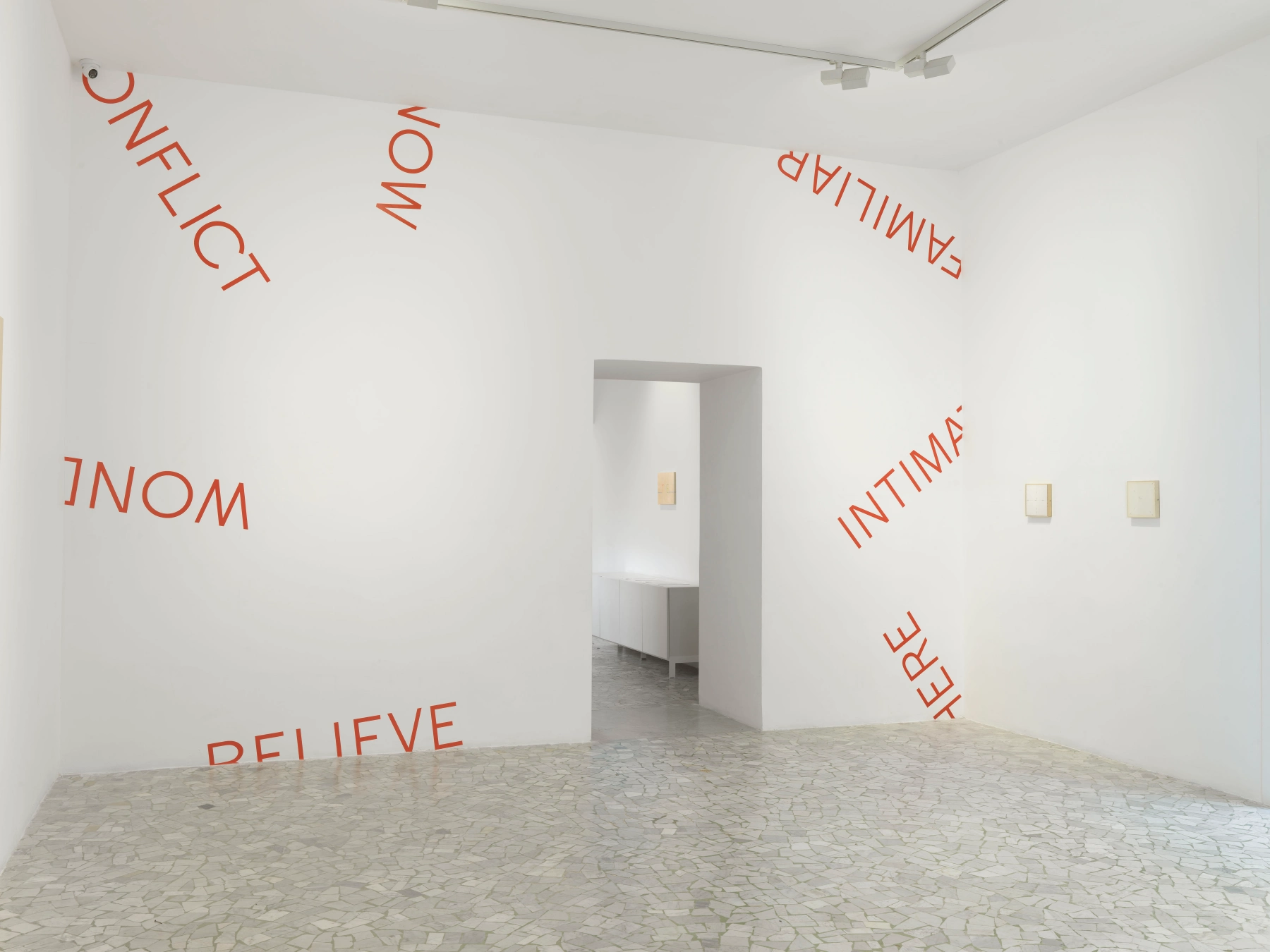
The exhibition engages a transversal investigation into the use of language. Throughout the 1970s, and even more clearly in the 1980s, language became the defining element of Robert Barry’s practice, establishing itself as his primary and ultimately exclusive medium. Barry explores the limits and nature of perception, focusing on the act of perceiving rather than on the object perceived. After early experiments with ultrasonic sound, inert gases, and magnetism, he turned to the word as a singular vehicle of meaning and a privileged tool of communication.
Within this framework, the exhibition brings together works spanning from the late 1960s to the present, tracing the continuity of Robert Barry’s inquiry across more than five decades. The earliest piece on view, dating from 1969, stands as one of the most seminal statements of his conceptual research. Conceived for 557,087, curated by Lucy Lippard at the Seattle Art Museum Pavilion, the work addresses a mental content that cannot be known or represented, affirming the primacy of thought over its material form. Its inclusion anchors the exhibition historically and establishes the conceptual ground from which the subsequent works unfold, underscoring the enduring coherence of Barry’s practice, as extensively documented in The Defining of it.., edited by Mathieu Copeland.
From this early articulation onward, the word emerges as an artistic material in its own right, capable of replacing and surpassing figurative representation. Language is not only a medium, but the central field of an inquiry into time and space. Words are placed on canvas, wall, wood, or paper, carefully spaced apart, forming archipelagos suspended between their evocative charge and their relation to the surrounding environment. Each work can be understood as both a register of the artist’s research and a trace of its moment of inscription, a sign that marks a profound connection to time and therefore to change.
We are thus faced with a circular sense of time, without beginning or end. It is sustained by the past and intensified by the present.
This archipelago of words acquires a heightened evocative force through the activation of thought. The experience unfolds both spatially and mentally. Signifier and signified enter a dialogue between the individual and the collective, between interior experience and exhibition space. Thought becomes an active form of understanding that is both physical and perceptual, grounded in time, space, and reality.
Barry’s vocabulary is deliberately limited, comprising less than 300 words drawn from different sources, including adverbs and verbs. This lexicon is often connected to the specific context in which the works are presented. Meaning emerges through a fragmented yet potentially coherent syntax, suggesting sentences that remain open and unresolved.
“In my work, language for itself is not art. I use language as a sign to indicate that there is art, the direction in which it exists, to prepare for it.”
This essential vocabulary refers to attitudes and conditions rather than objects. Words such as “actual,” “intimate,” or “familiar” point to what is in flux and resists fixation. In this way, Barry invites the viewer into a space of fertile and shifting uncertainty, where each term changes according to the time and space it inhabits. His work moves attention away from the image and toward thought, becoming a means to read reality rather than an object to contemplate.