+44 20 7734 2066
Open: Mon-Fri 10am-6pm
Visit
Open: Mon-Fri 10am-6pm
23 Heddon Street, W1B 4BQ, London, United Kingdom
Open: Mon-Fri 10am-6pm
Visit
Sprovieri presents Paint Me a Body, a group exhibition with works by Giorgio Andreotta Calò, Fortunato Depero, Jimmie Durham, Celia Hempton, Marisa Merz, Ohad Meromi, Pablo Picasso, Daniel Silver, Elinor Stanley and Sandra Vásquez de la Horra.
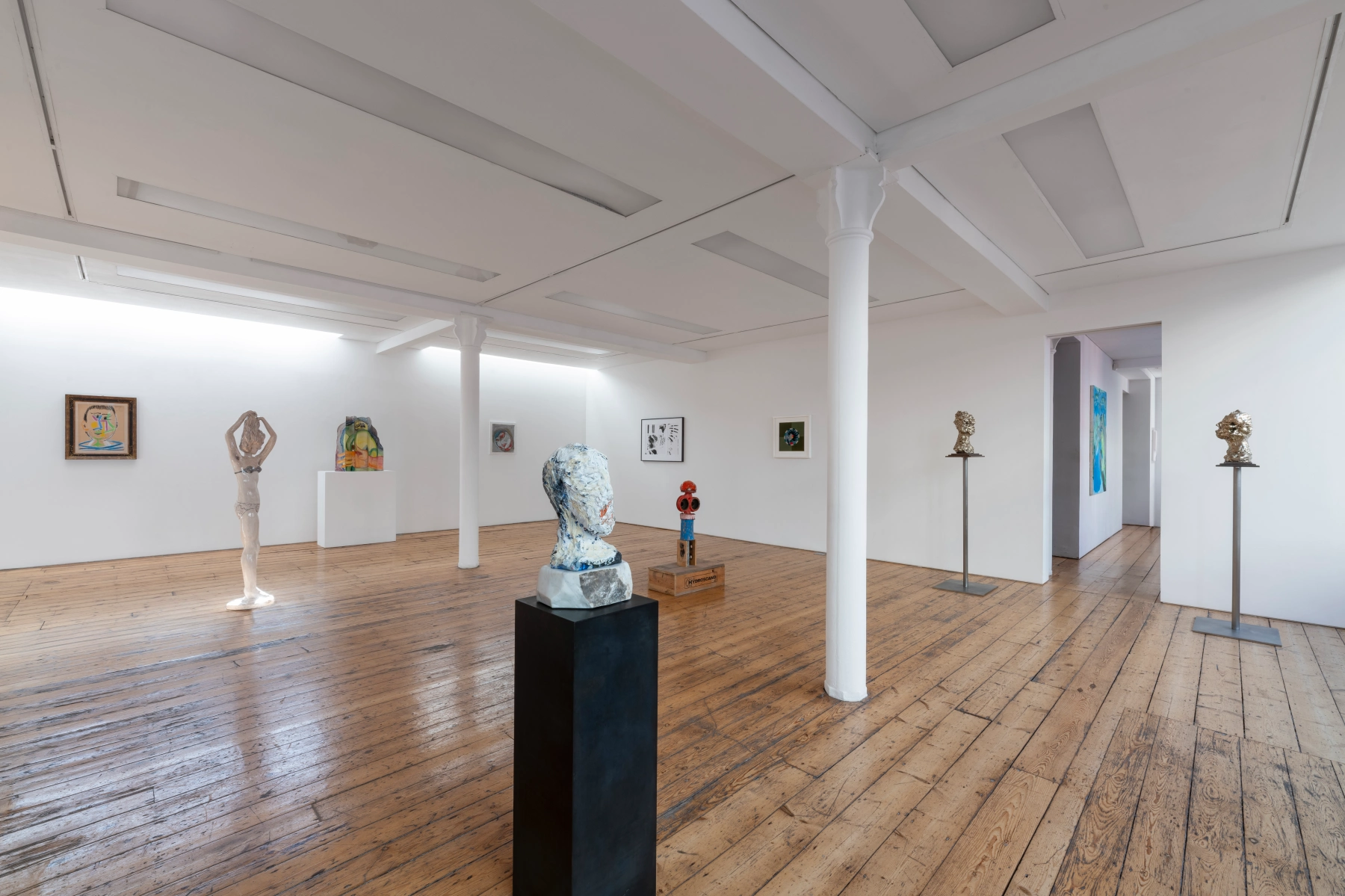
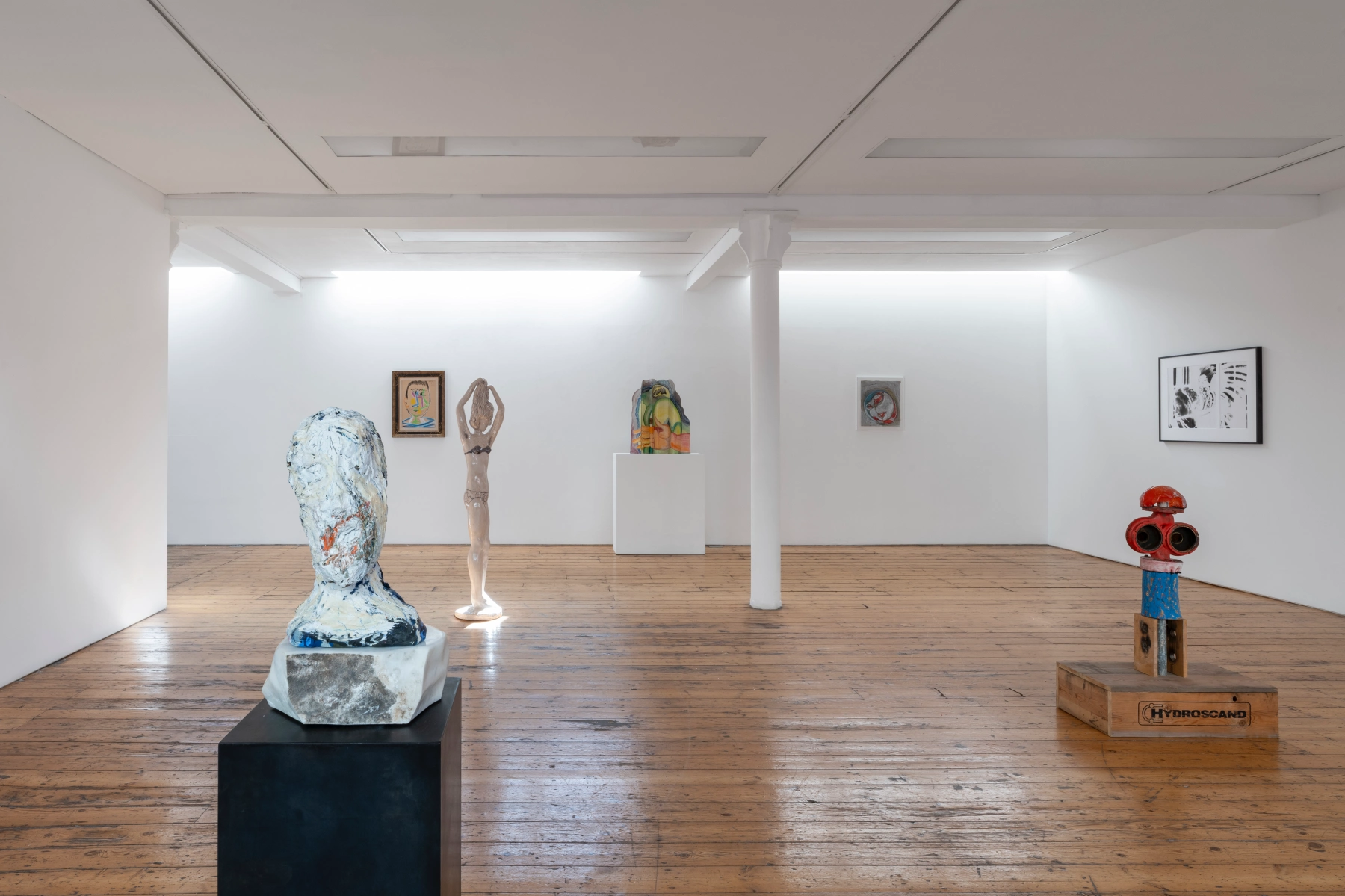
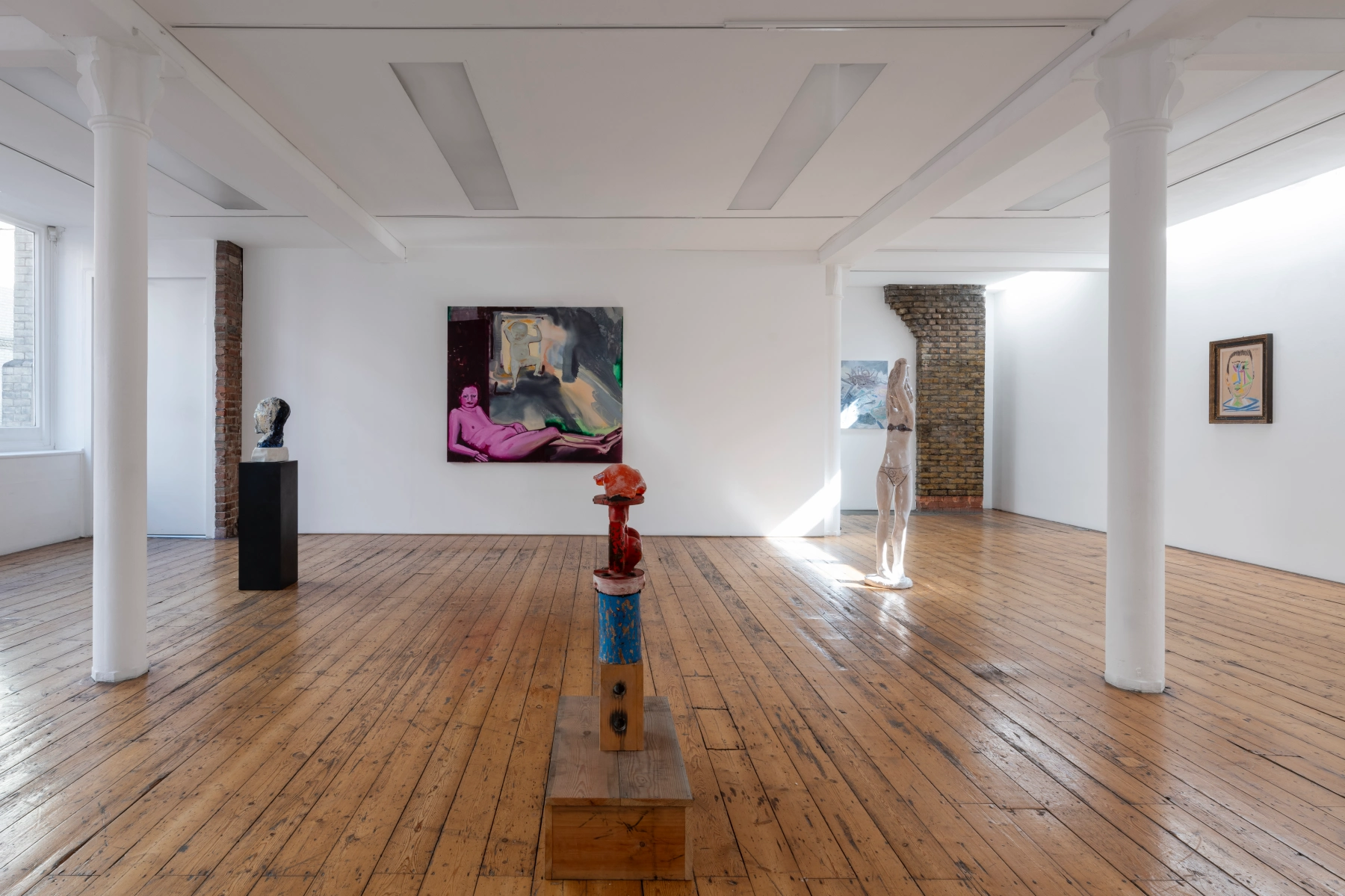
The exhibition begins with a simple question: what happens when the body becomes both subject and surface? Rather than focusing on literal depiction, it considers the body as a site of gesture, material, and presence, something evoked through trace, memory, and suggestion.
Across generations and practices, the invited artists share a sensitivity to material and the human condition. Whether approached directly or obliquely, the works explore the body through drawing, mark, fragment, and presence. Rather than a fixed narrative, Paint Me a Body unfolds as a conversation between intimacy and abstraction, image and gesture, and the physical and imagined body.
Giorgio Andreotta Calò (b. 1979, Italy) commingles multiple historical narratives and conjoins them through ritual performance or physical act, uniquely morphing the physical, symbolic and spiritual to create experiences that emotionally affect the viewer.
Fortunato Depero (1892–1960, Italy) was a leading figure of Italian Futurism, working across painting, sculpture, design, theatre, textiles and advertising. His practice expanded the possibilities of the avant-garde into everyday life, combining dynamic forms, bold colour and a radical approach to modern visual culture.
Jimmie Durham (1940–2021, United States) was an artist, writer and activist whose work challenged ideas of history, identity and power. Working across sculpture, installation, performance and text, he combined natural materials — stone, wood, bone — with found objects, exploring the relationships between culture, place and the human condition.
Celia Hempton (b. 1981, Stroud, UK; lives and works in London) works across painting, performance, and installation. Her work challenges historical genres of the nude, portrait, and landscape by exploring themes of human interference, displacement, and control through depictions of buildings and bodies drawn from life and live webcam streams.
Marisa Merz (1926–2019, Italy) was a key figure associated with Arte Povera. Working with materials such as copper wire, wax, clay, textiles and paper, she created an intimate and poetic body of work that explored domestic space, material fragility, the body and everyday life.
Ohad Meromi (b. 1967, Kibbutz Mizra, Israel; lives and works in Brooklyn) works across sculpture, installation, drawing and performance, combining modernist forms with references to craft, design and communal structures. His work investigates collective identity, participation and the social dimensions of everyday life.
Pablo Picasso (1881–1973, Spain) was one of the most influential artists of the twentieth century. Working across painting, sculpture, drawing, printmaking and ceramics, he transformed the representation of the body through constant formal experimentation, from Cubism to later works centred on myth, desire and transformation.
Daniel Silver (b. 1972, England) makes sculpture that investigates the psychological and physical condition of the human figure through fragmented forms and immersive installations. Drawing on antiquity, archaeology, modernism, and Freudian theory, his work explores memory, identity and the unconscious.
Elinor Stanley (b. 1992, London) uses painting to amplify and heighten psychological experience; the figurative focus of a painting shifts as a confused eye might. Colour is pitched at a high frequency, huge heads swim, perspective lurches, bodies repeat.
Sandra Vásquez de la Horra (b. 1967, Chile) works primarily in drawing, sculpture and printmaking, creating enigmatic figures and dreamlike narratives that draw on personal experience, mythology, religion and psychoanalytic thought. Her distinctive wax-coated drawings combine the intimate, the fantastical and the unsettling.