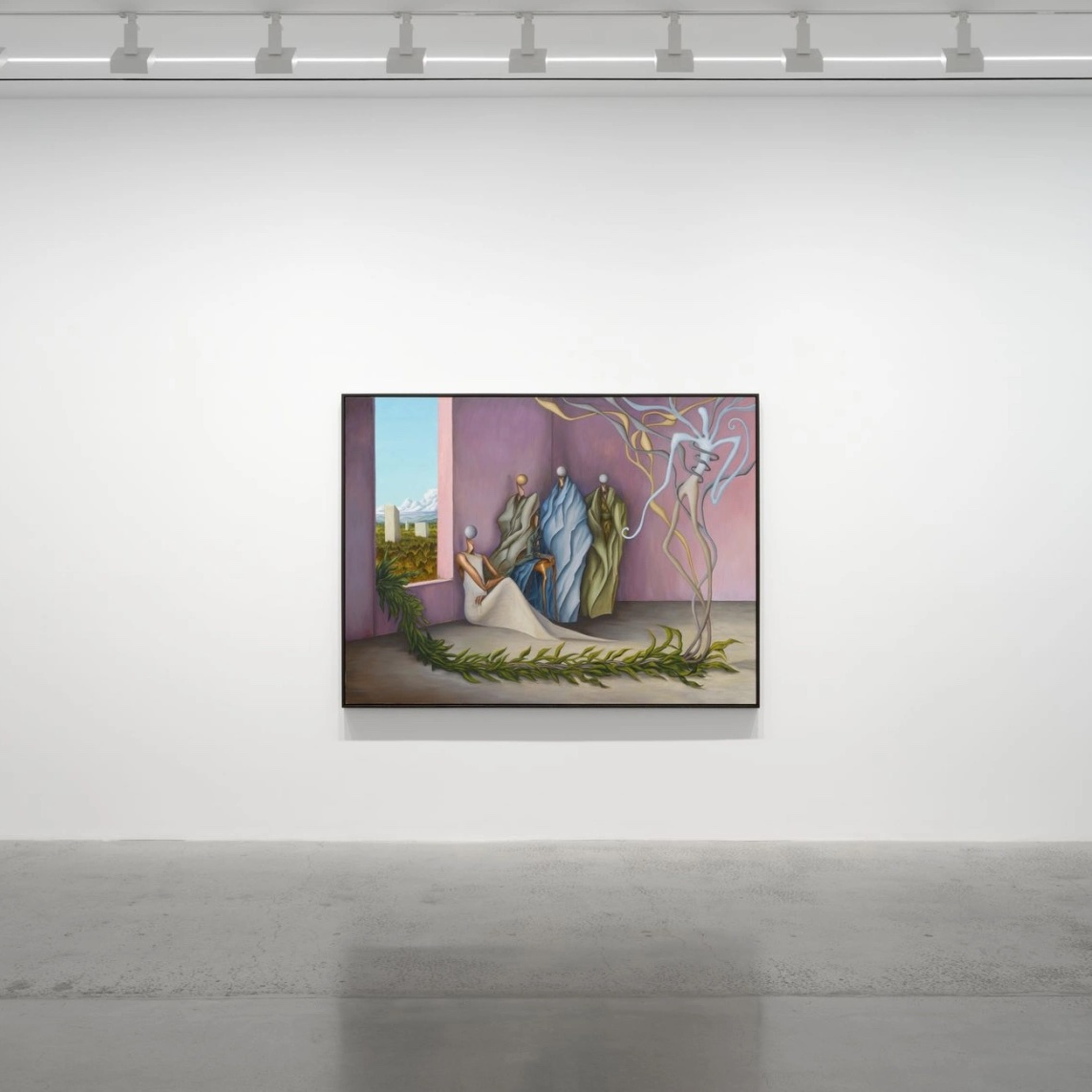
4, passage Sainte-Avoye, 75003, Paris, France
Open: Tue-Fri 10am-6pm, Sat 11am-7pm
Sat 25 Apr 2026 to Sat 20 Jun 2026
4, passage Sainte-Avoye, 75003 Michel François
Tue-Fri 10am-6pm, Sat 11am-7pm
Artist: Michel François
version française ici
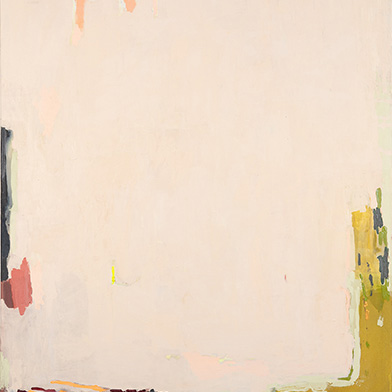
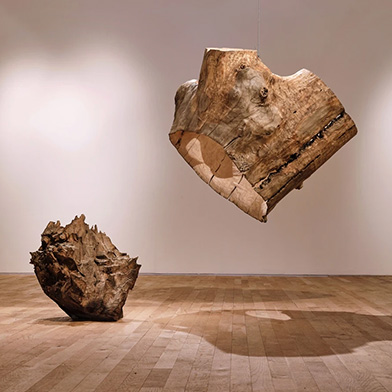
Art : Concept welcomes Michel François to the gallery’s roster of artists. Born in Sint-Truiden (Belgium) in 1956, Michel François lives and works in Brussels. Since the 1980s, he has developed a body of work in which sculpture serves as a structuring practice, inspiring photography, video, art installations, performance, curatorial projects, and, more recently, painting. This freedom in the choice of medium is matched by a rigorous reflection on space, matter, volume, and the conditions under which forms appear and disappear.
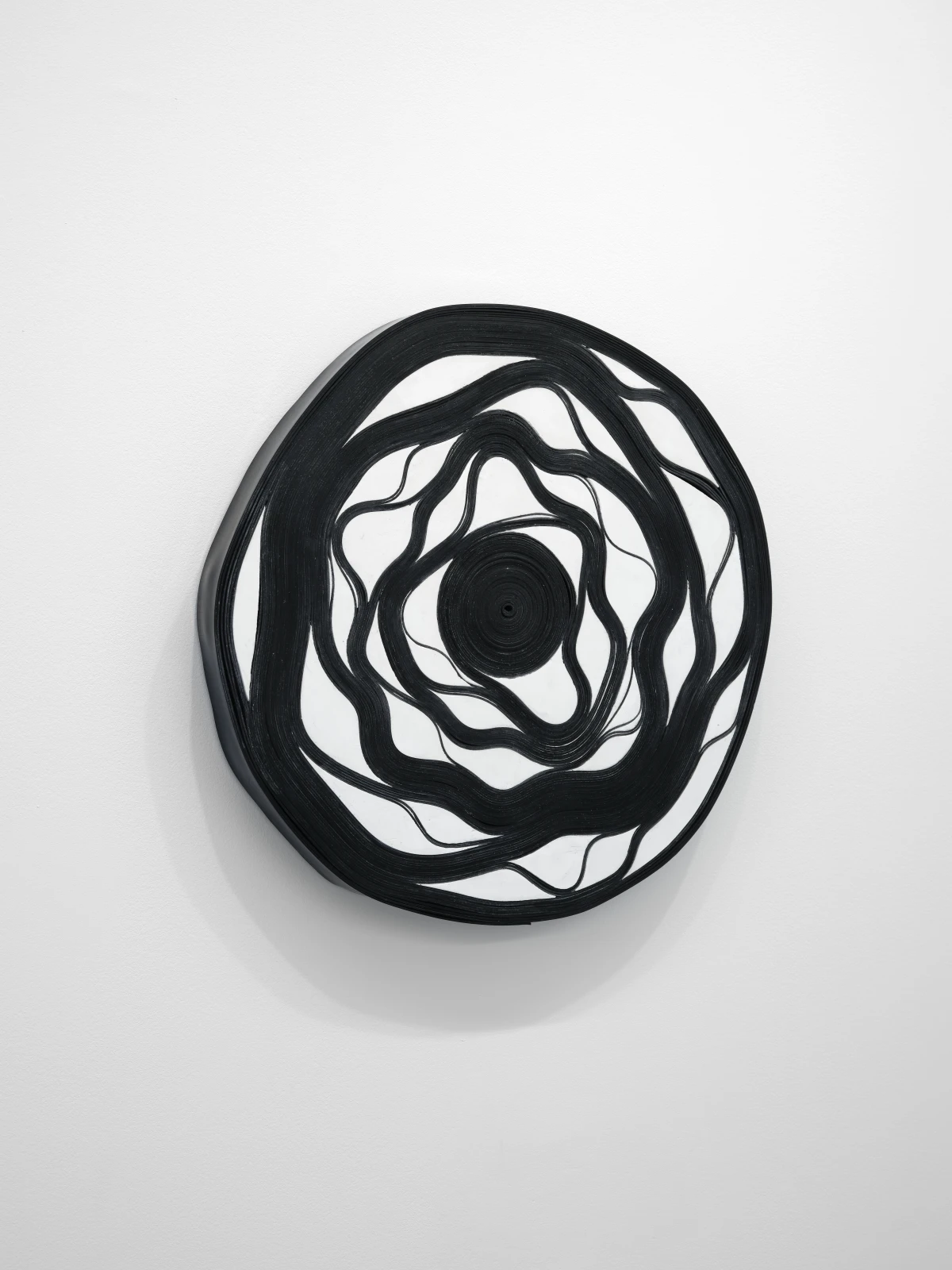
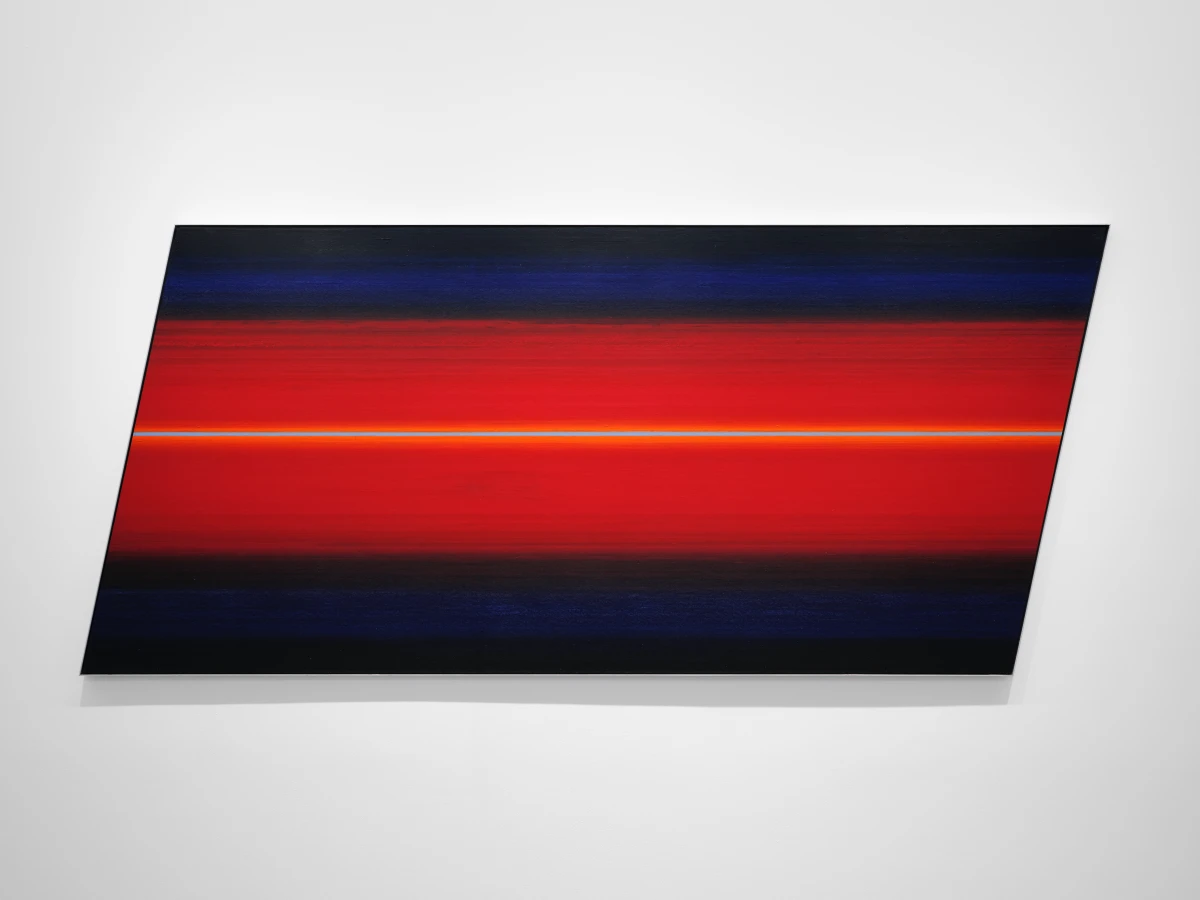
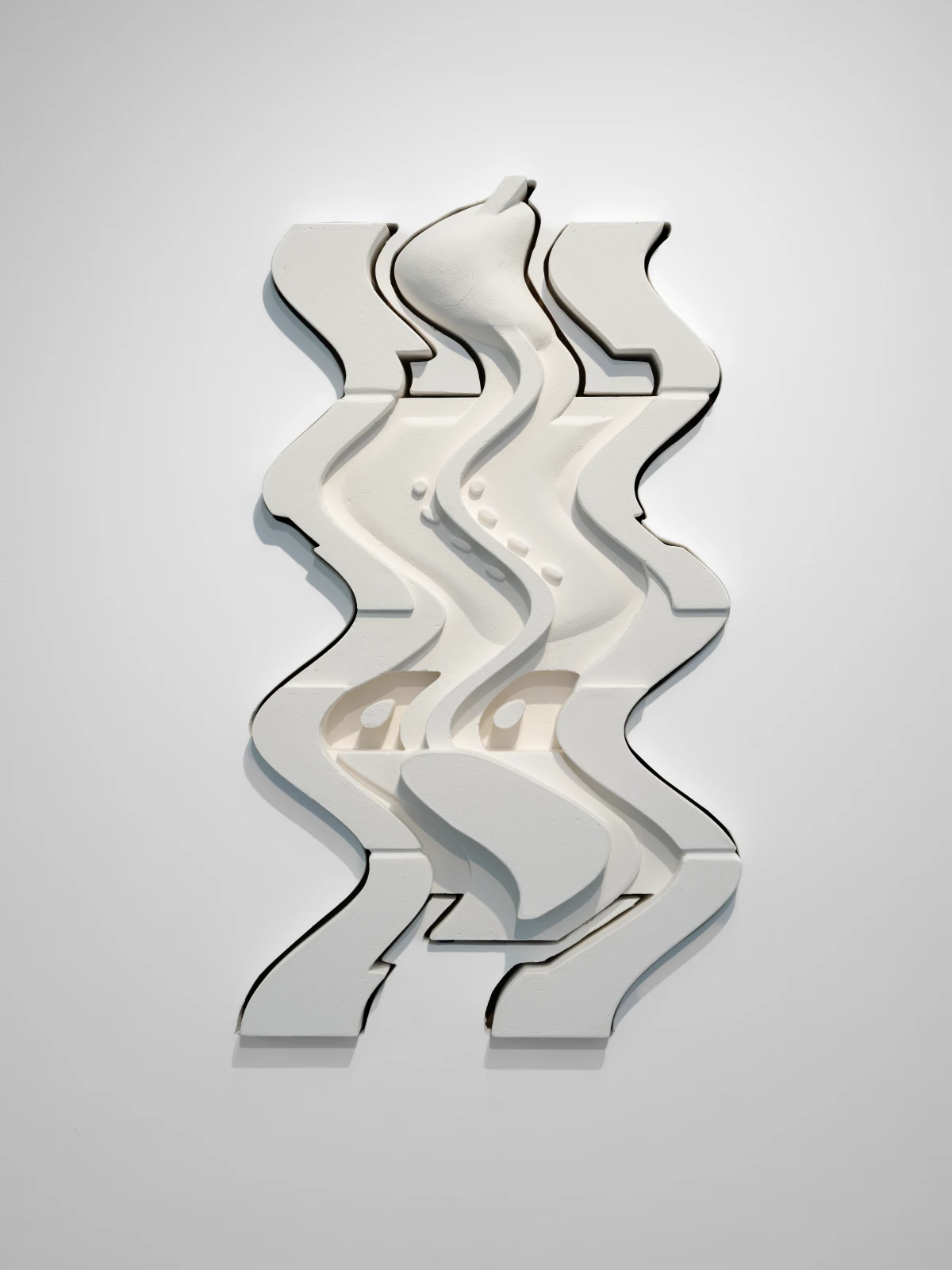
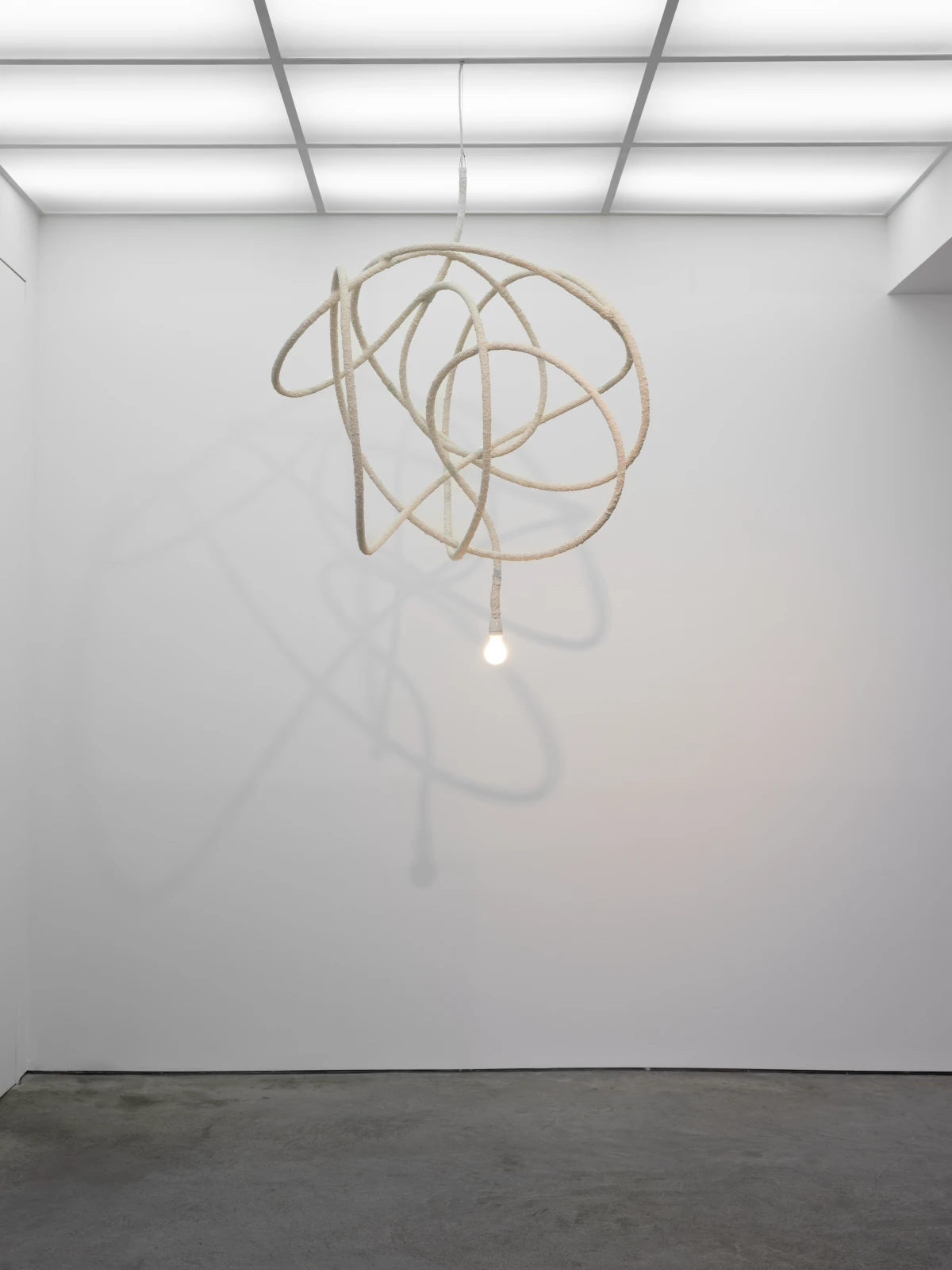
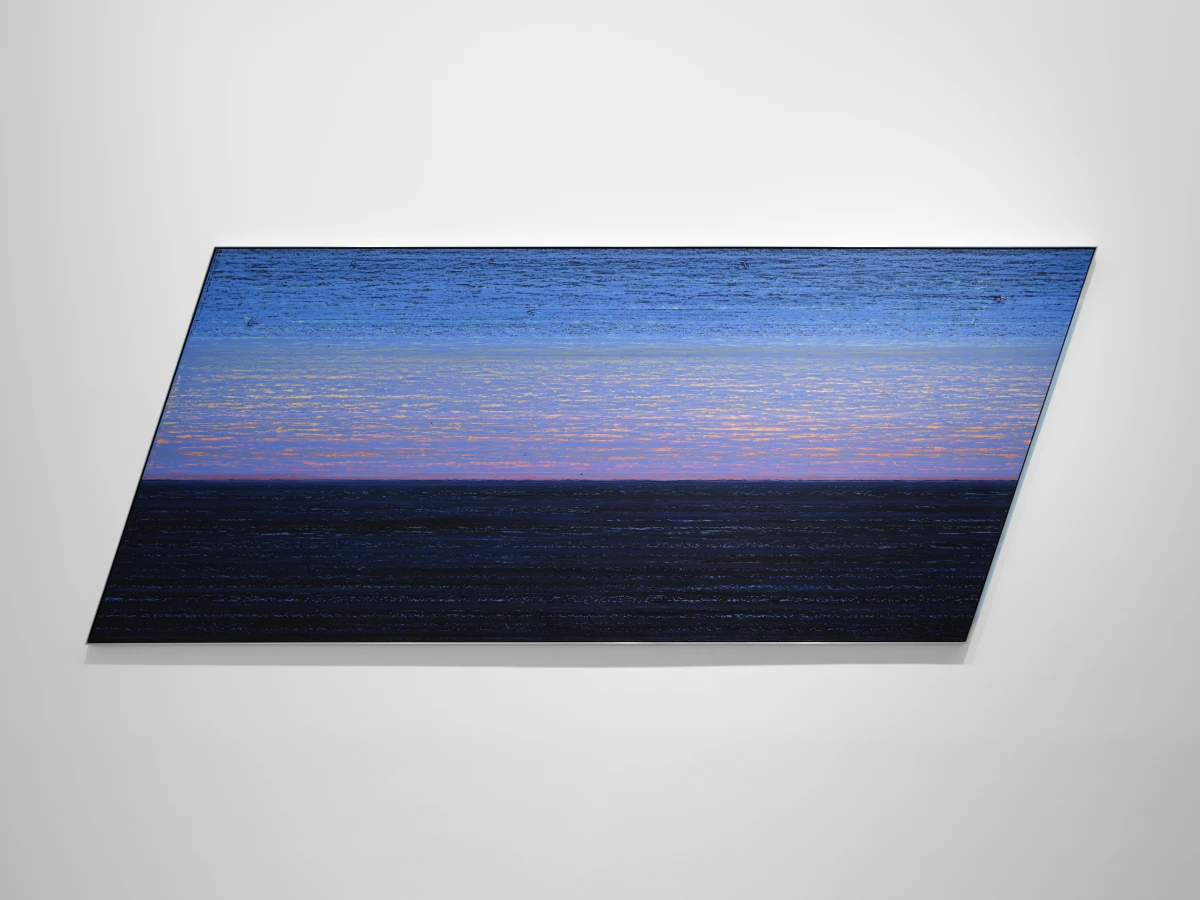
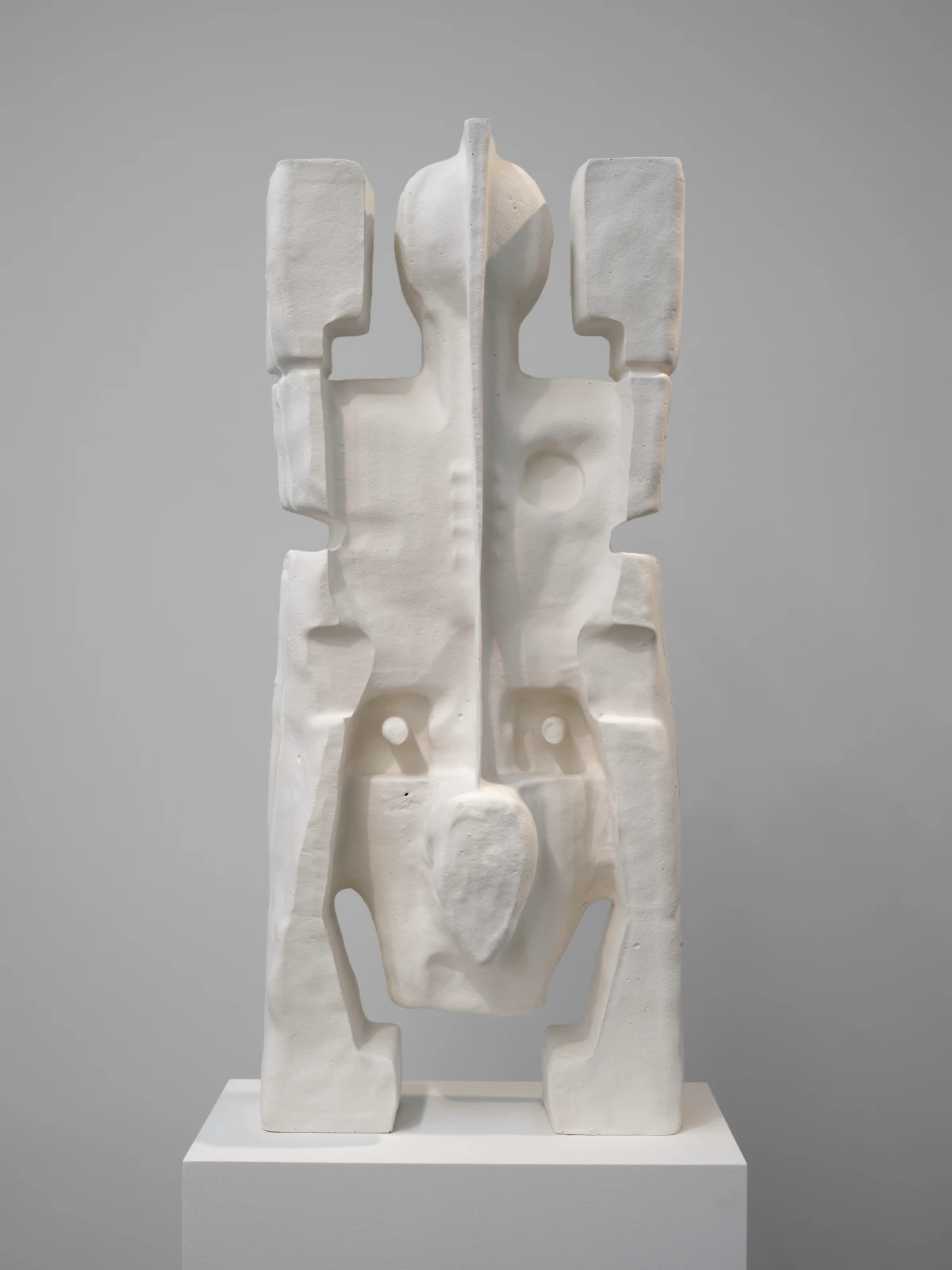
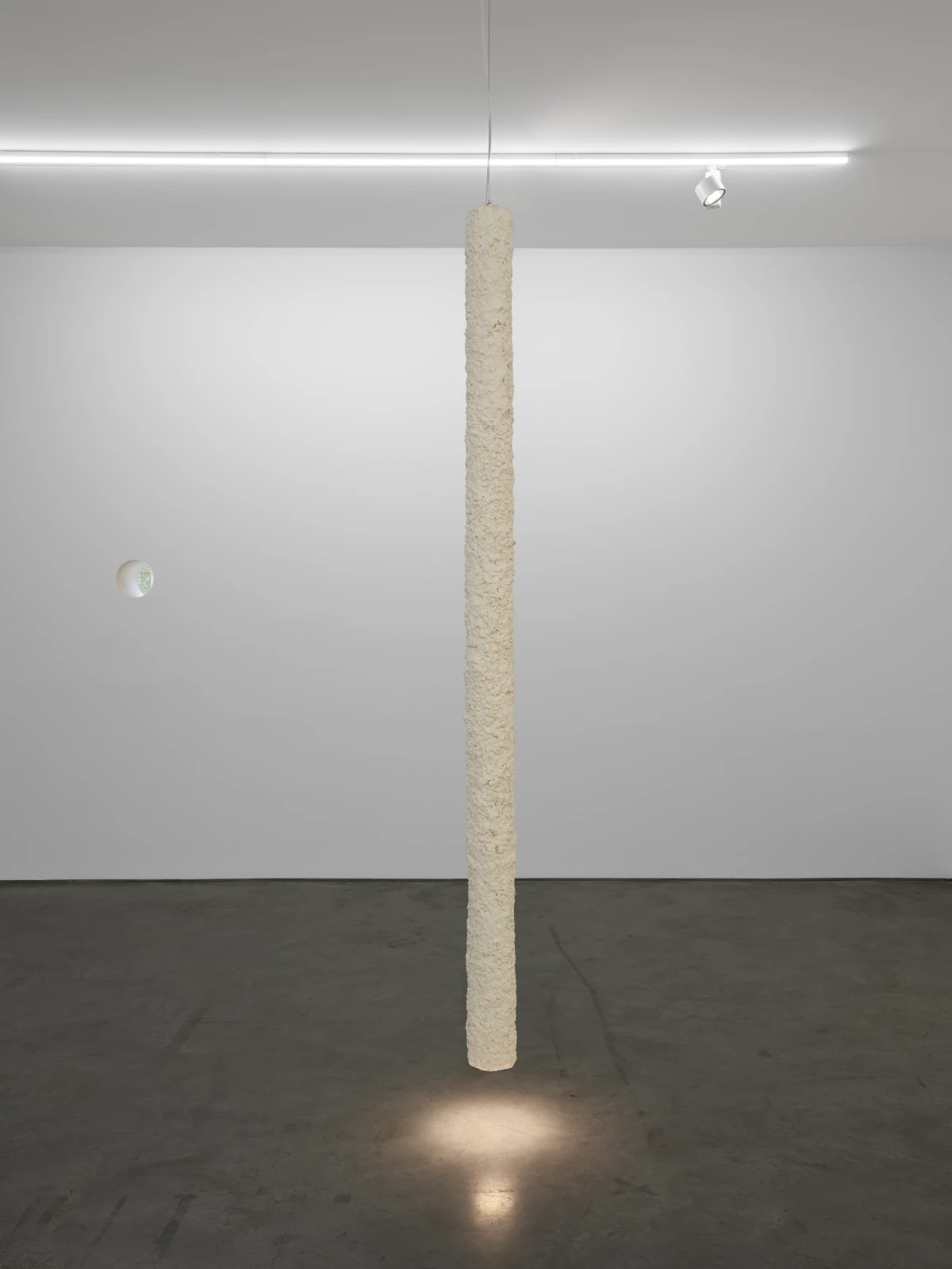
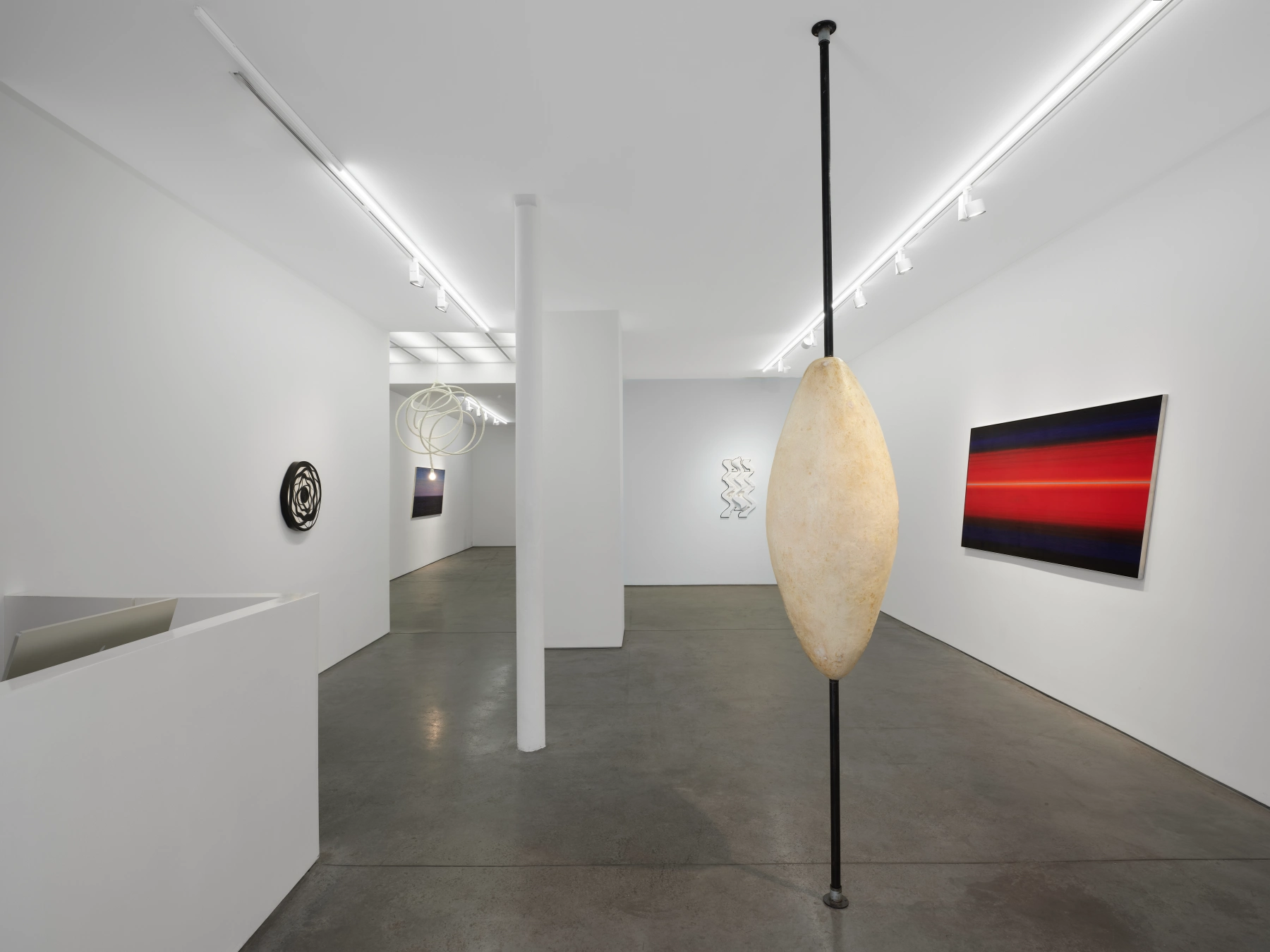
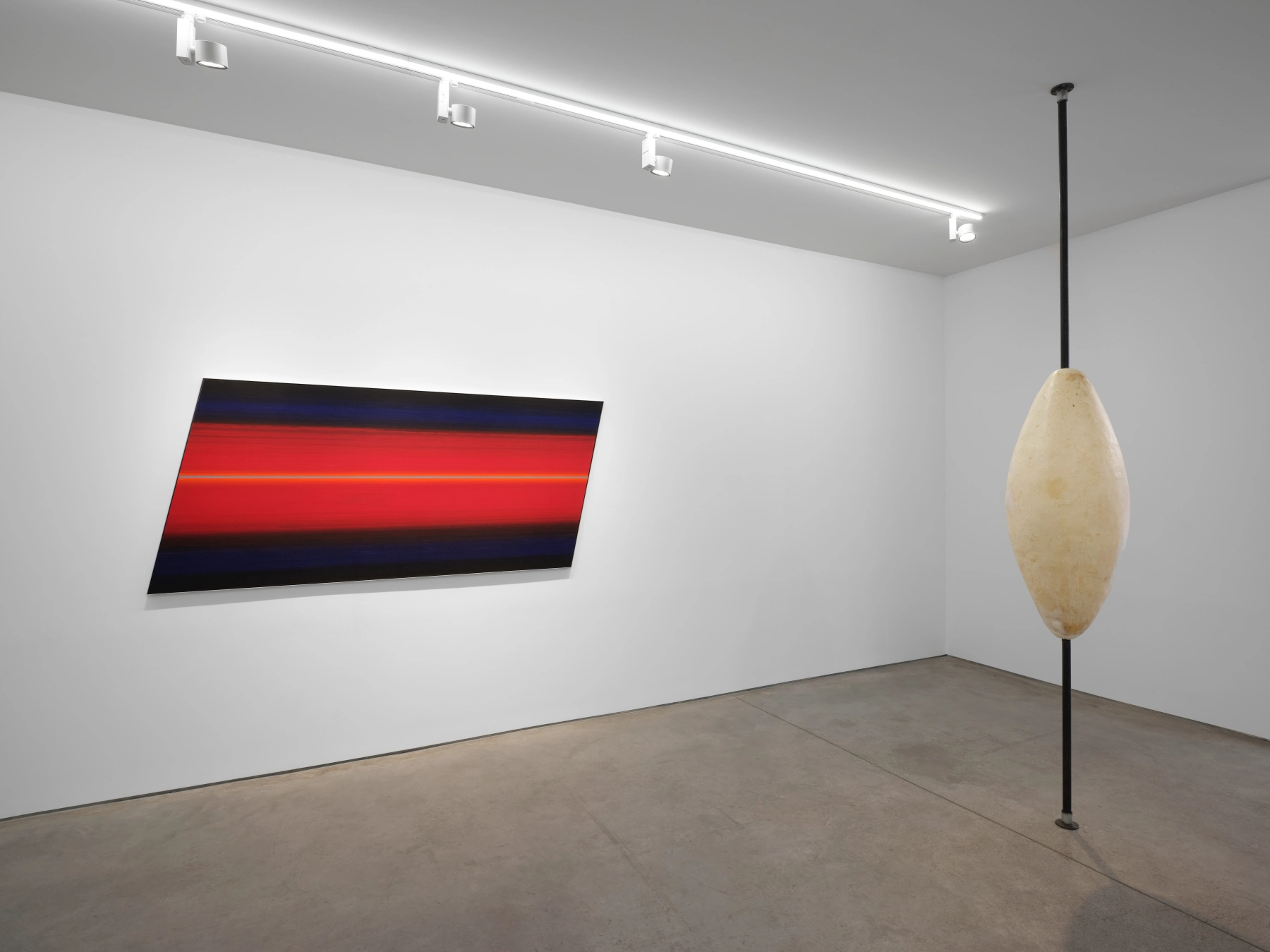
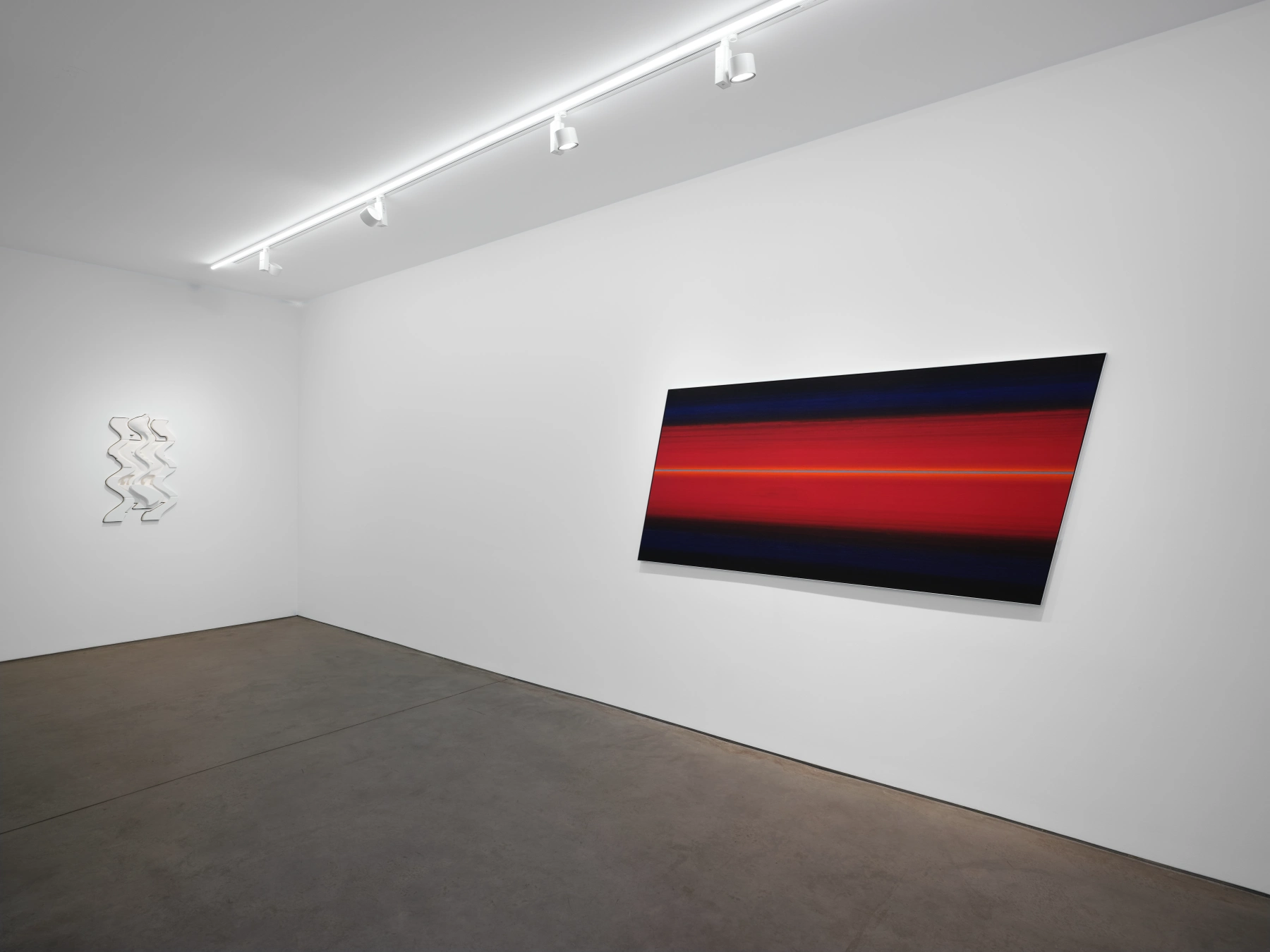
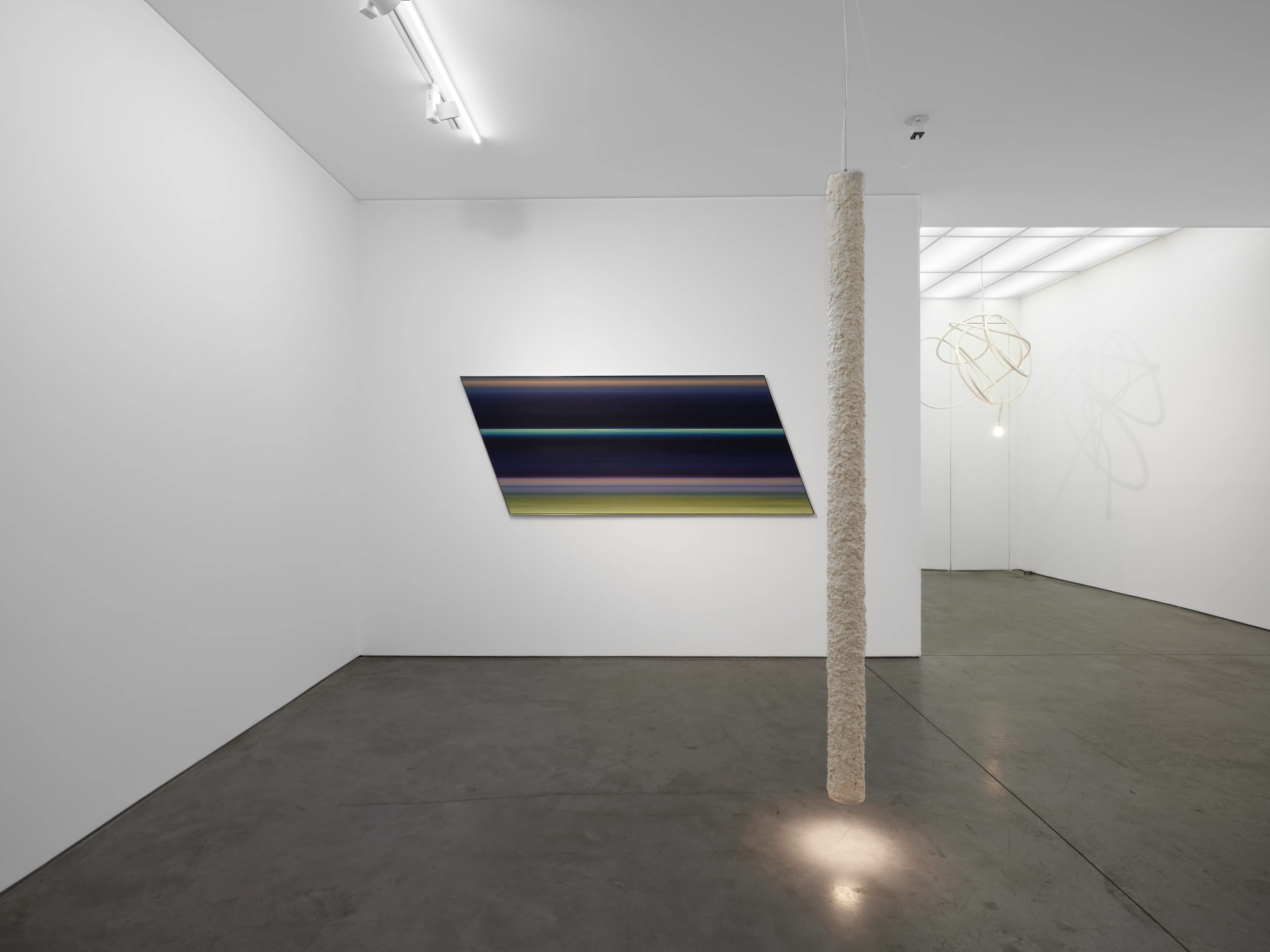
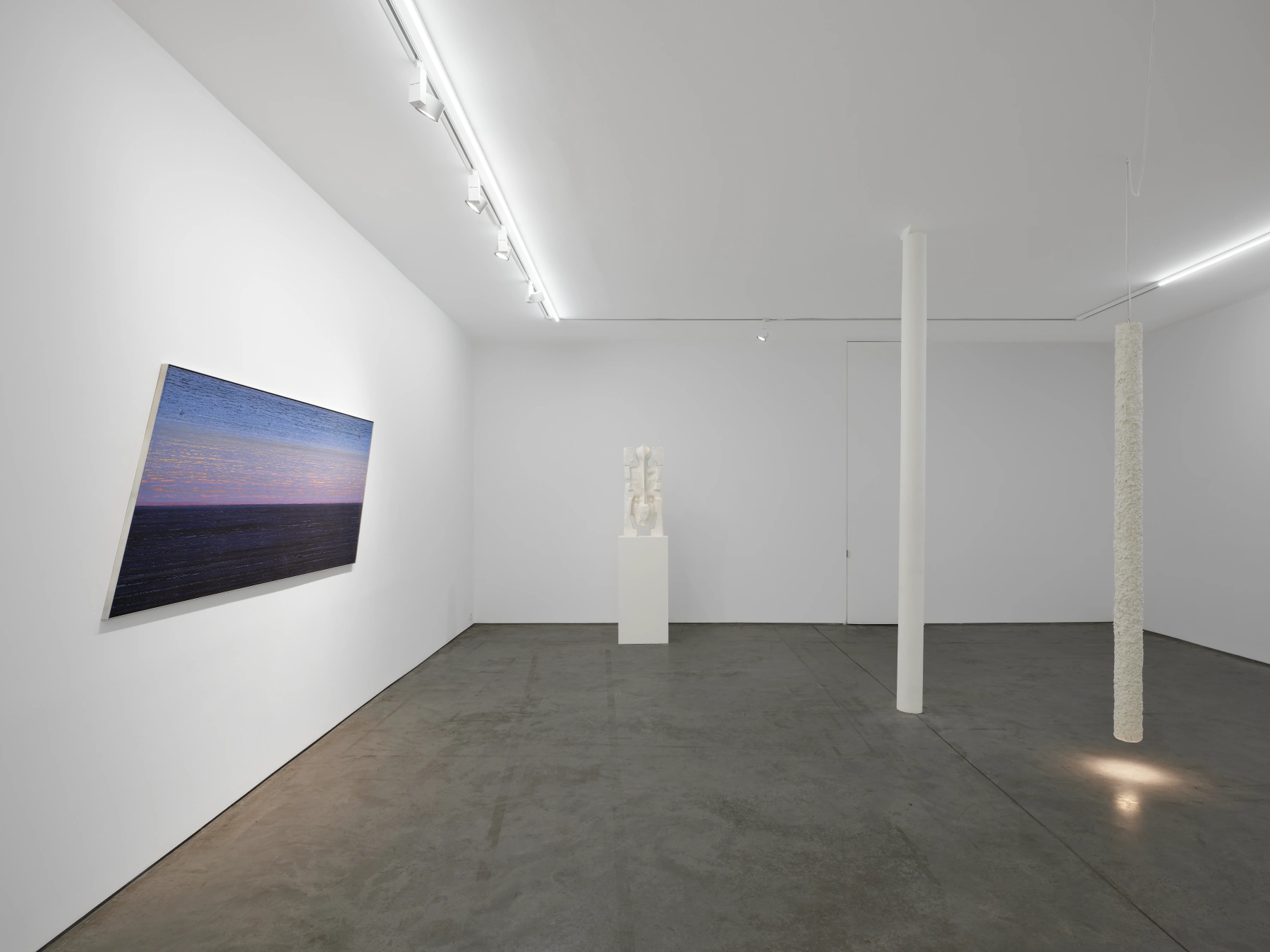
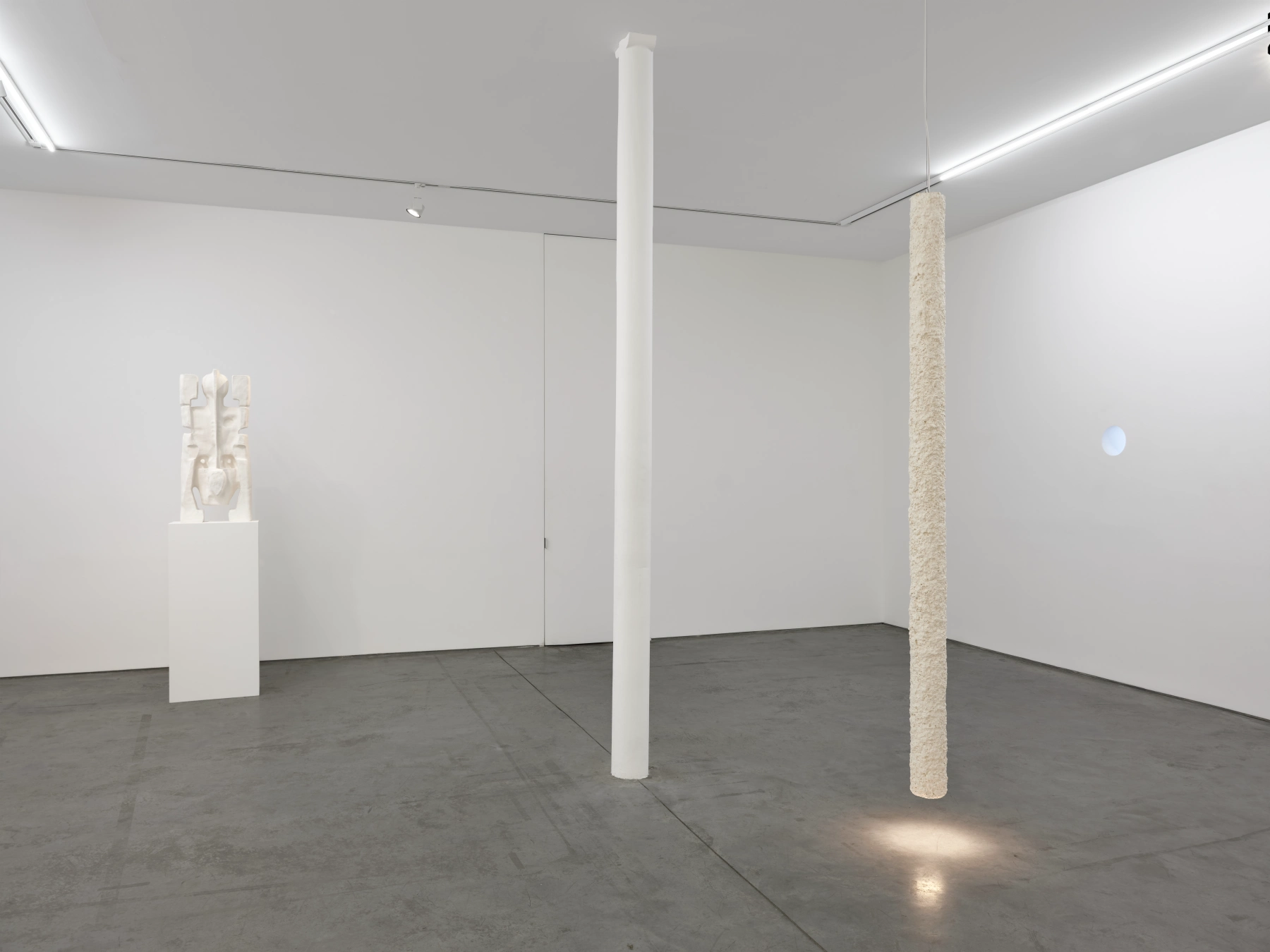
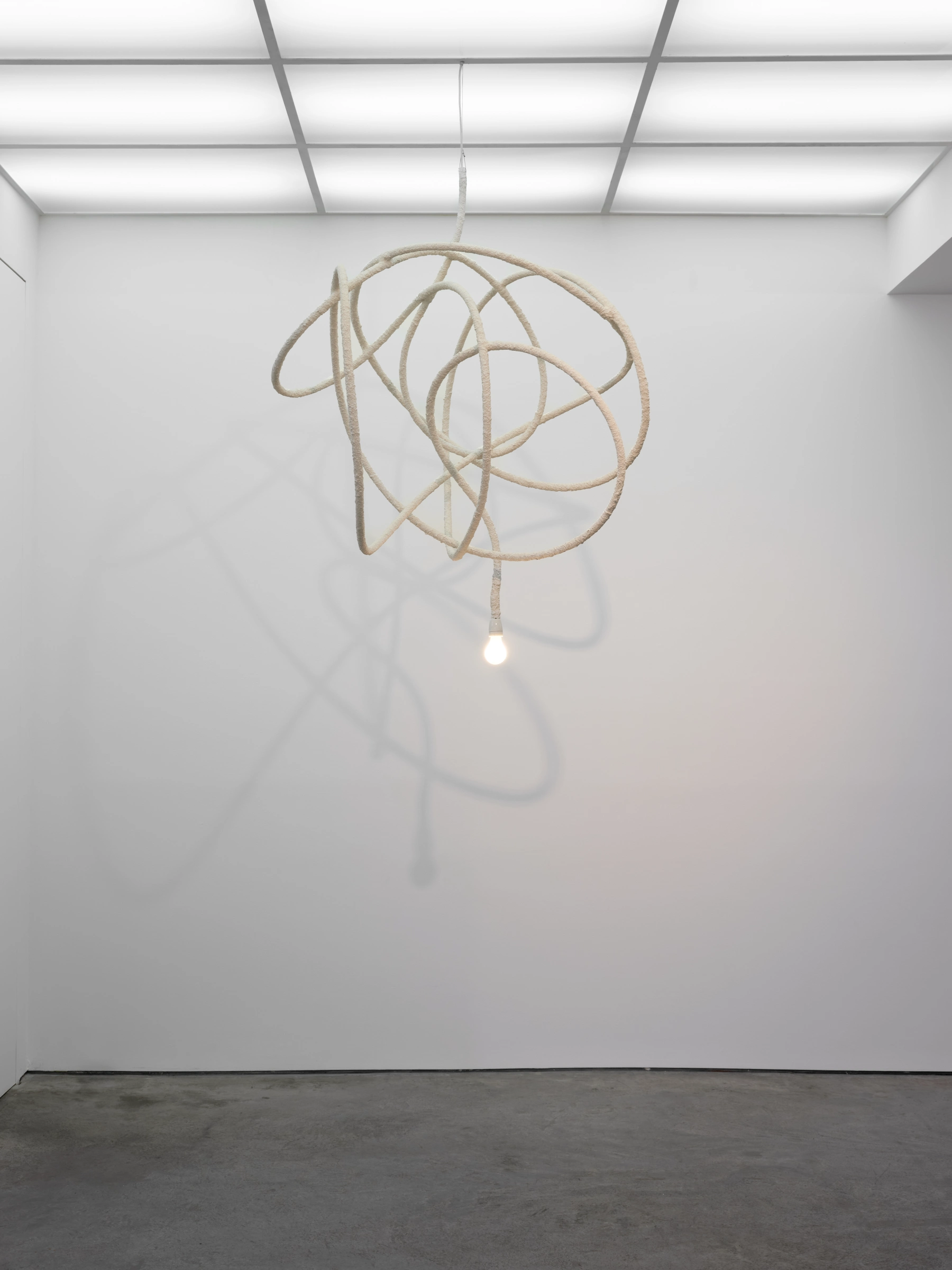
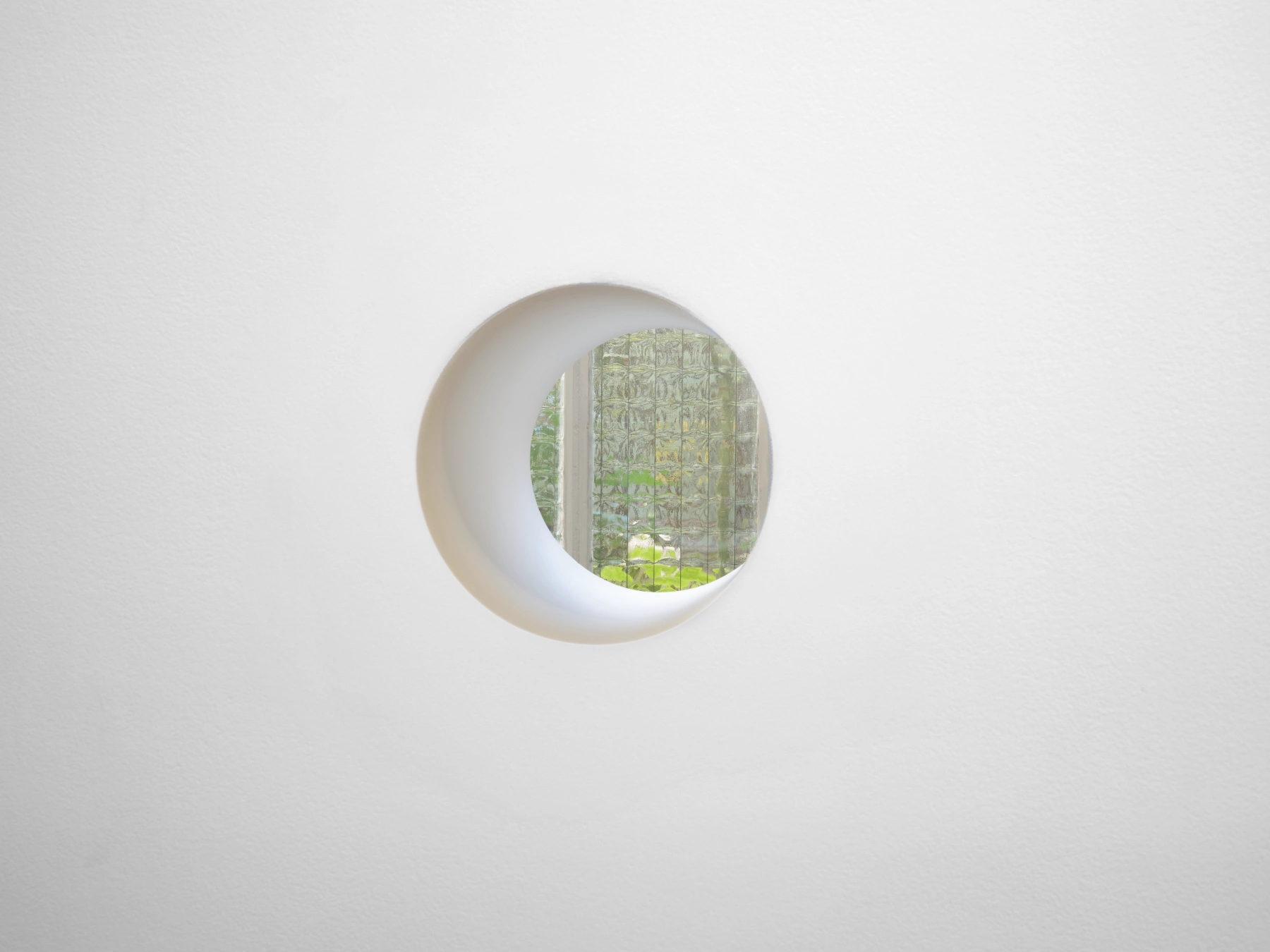
Far from being considered solely as an autonomous entity, the artwork is conceived here as part of a network of relations. Embedded in a system of resemblances and analogies, the works refer to one another and, together, engage with the space of representation. The exhibition thus becomes a site of interdependencies where the works and their environment give rise to unstable configurations.
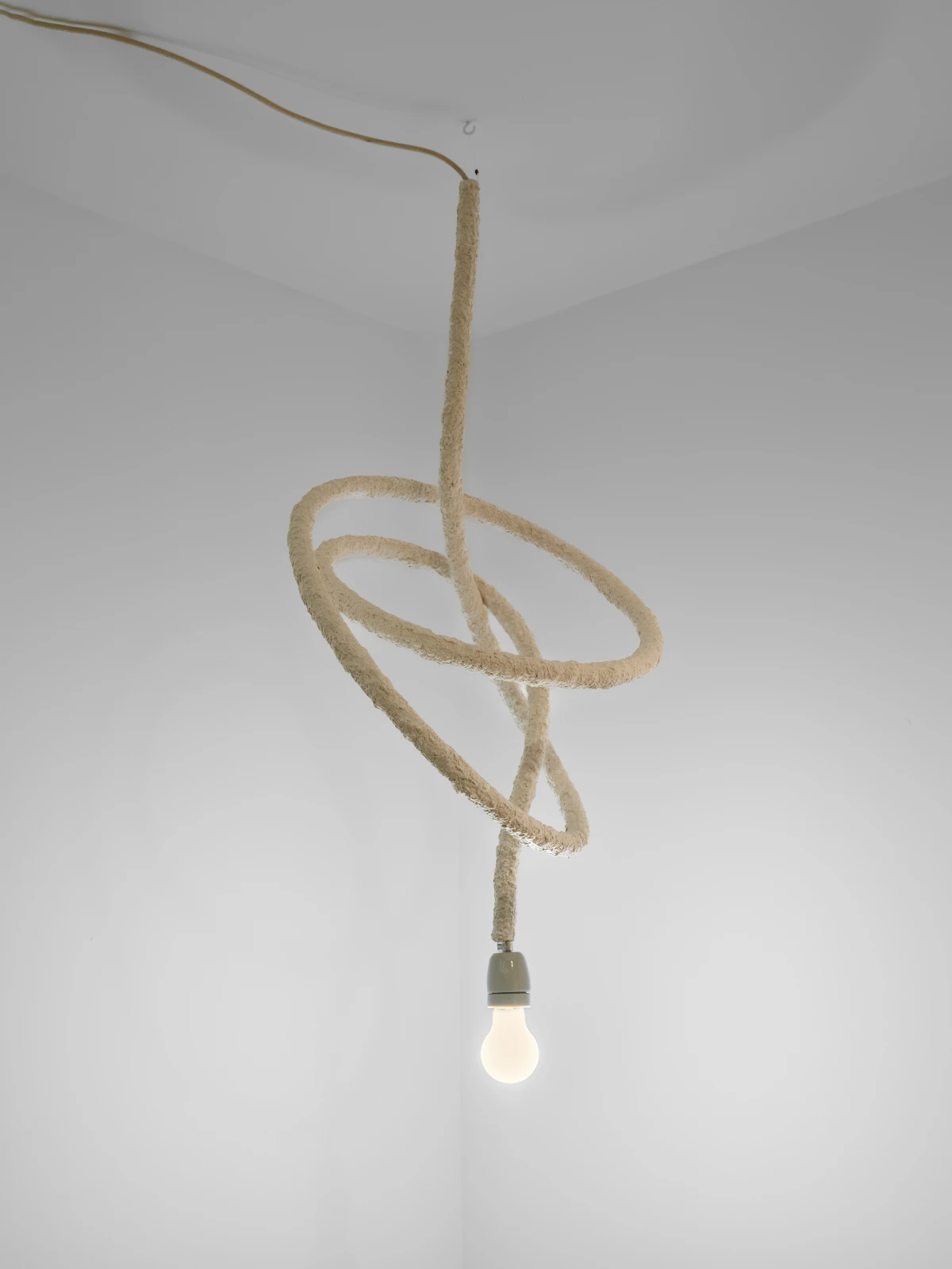
What might, at first glance, appear to be a dispersed collection in fact follows an organic, plural, and rhizomatic logic. The artist favours processes of arrangement and disarrangement through which works of art escape any attempt at categorisation. As seen in his Scribbles or Enroulements, forms emerge from gestures that are at times uncontrolled, proliferating, evolving in intermediate states — between compressed and scattered, whole and undone, presence and absence.
Through these dynamics, Michel François explores a form of entropy: the dispersion of elements, the complexity of relations, and the slow degradation of materials. The works seem to be subject to a process of wear and tear in which time acts as an agent of transformation: erasure becomes an active modality of form. Even in their titles, the Peintures d’usure or Rotopaintings bear witness to this modus operandi. This principle recurs in the constantly renewed use of these elements, giving rise to works that are replayed, reactivated, and reconfigured according to context, within an open, ever-evolving structure.
‘Traditionally, sculpture is either about adding matter or removing matter [...]. In my case, it’s true that I have always been more interested in things that have been removed [...]. I have always thought of the practice of sculpture as an activity that retraces an activity that has already taken place, like a trace — something that remains after the sculptor has withdrawn and left behind things that could make sculpture.’*
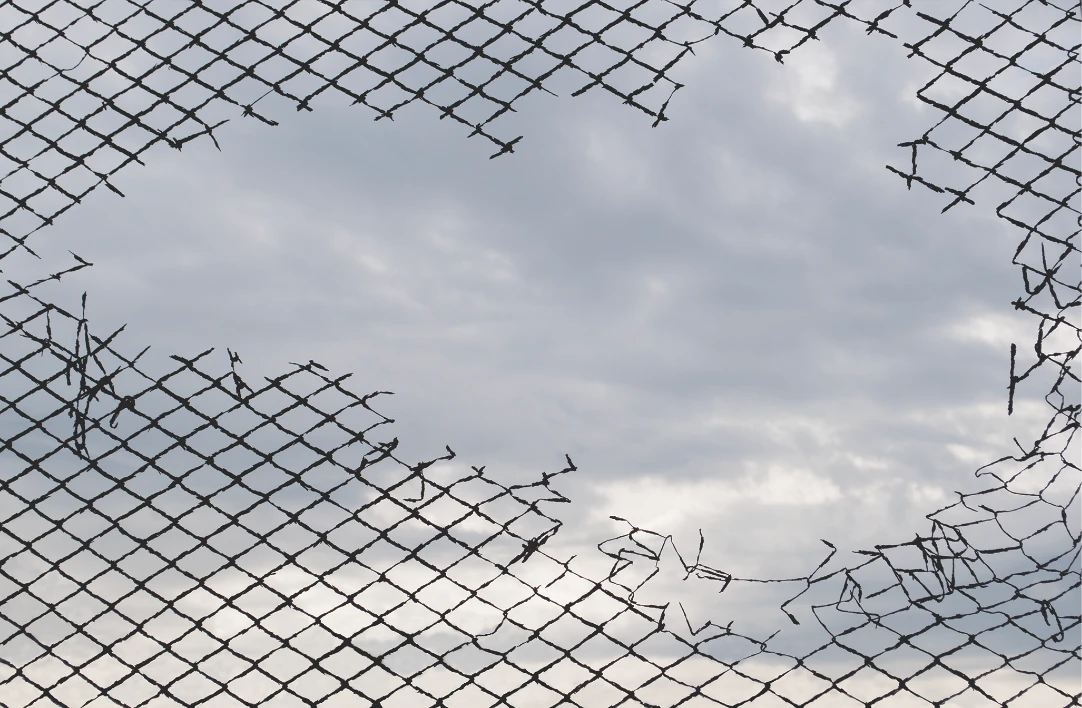
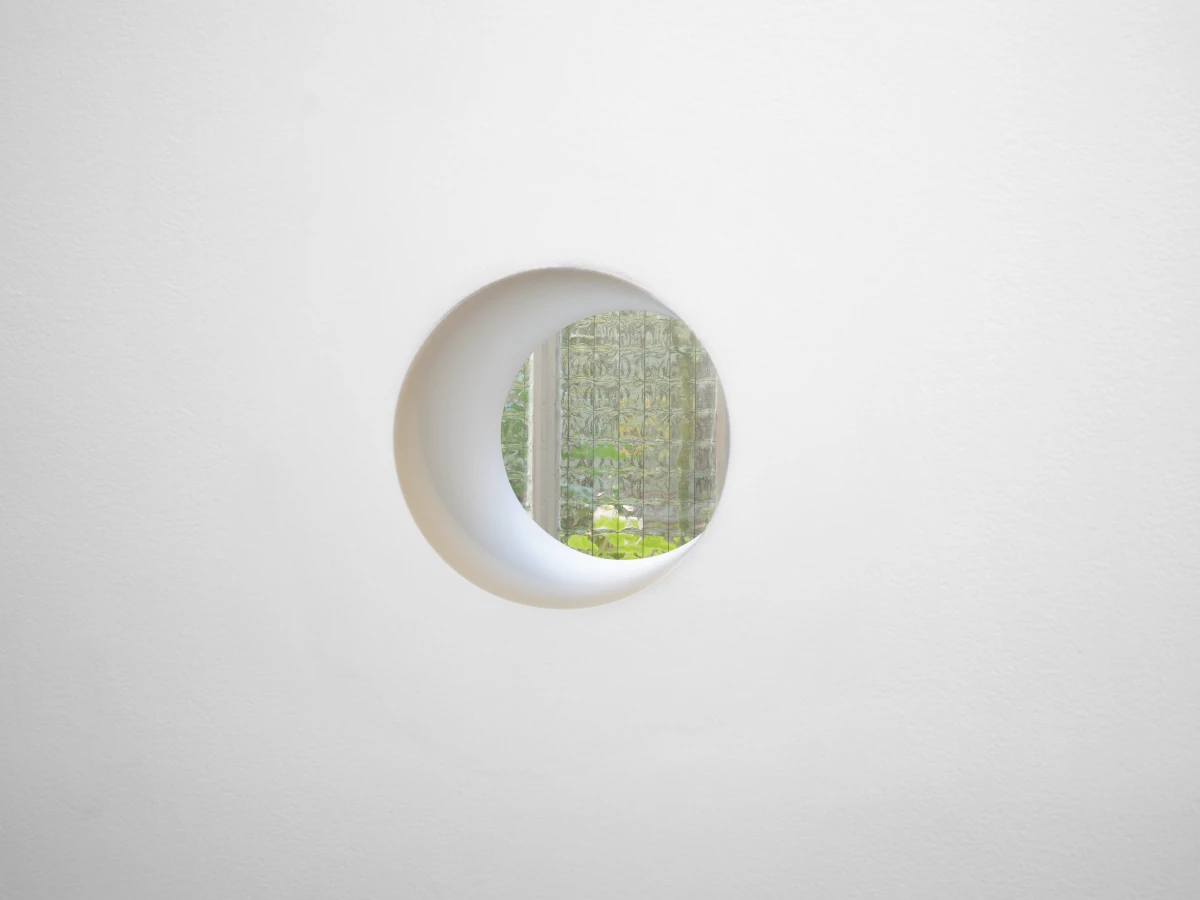
In this interval between the infinitely large and the infinitely small, his works often arise from a seemingly insignificant event — an ‘everyday miracle’ (such as a bar of soap or a hole in a wall) — which, with a degree of openness and imagination, comes to reconfigure our perception of the world. It engages the artist, to whom it appeared, as much as it engages us, calling for an experience that is at once sensory, situated, and universal.
By expanding the possibilities of space and thought, Michel François’s work traces an ode to escape — a way of withdrawing from constrained systems, of introducing playfulness into established structures. Nature, time, and their effects appear here as forces that put physical bodies and certainties to the test, exposing them to their own limits.
Ida Simon-Raynaud
Proofreading: Ginger Clark
*Michel François & Ann Veronica Janssens in conversation. Video Xavier Hufkens, YouTube, April 2026
----
Art : Concept a le plaisir d’accueillir Michel François parmi les artistes de la galerie.
Né à Saint-Trond (Belgique) en 1956, Michel François vit et travaille à Bruxelles. Depuis les années 1980, il développe une œuvre où la sculpture est une pratique structurante, inspirant aussi bien la photographie, la vidéo, l’installation, la performance, les projets curatoriaux et, récemment, la peinture. À cette liberté dans le choix du médium, répond une réflexion exigeante sur l’espace, la matière, le volume, ainsi que sur les conditions d’apparition et de disparition des formes.
Loin d’être uniquement considérée comme une entité autonome, l’œuvre d’art est ici pensée dans un réseau de relations. Intégrées dans un système de ressemblance et d’analogies, les œuvres font référence les unes aux autres et, ensemble, se confrontent à l’espace de la représentation. L’exposition devient ainsi un lieu d’interdépendances où les œuvres et leur environnement produisent des configurations instables.
Ce qui pourrait alors apparaître comme un ensemble dispersé répond en réalité à une logique organique, plurielle et rhizomatique. L’artiste privilégie les processus d’agencement et de désagencement où l’œuvre échappe à toute tentative de catégorisation. À l’image des Scribbles ou des Enroulements, les formes émergent de gestes parfois incontrôlés, proliférants, évoluant dans des états intermédiaires, entre compressé et éparpillé, plein et délié, présence et absence.
À travers ces dynamiques, Michel François explore une forme d’entropie : dispersion des éléments, complexification des relations, lente dégradation des matériaux. Les œuvres semblent traversées par un régime d’usure et d’épuisement où le temps agit comme un agent de transformation : l’effacement devient une modalité active de la forme. Jusque dans leur titre, les Peintures d’usure ou Rotopaintings témoignent de ce mode opératoire. Ce principe se retrouve dans l’usage constamment renouvelé de ces éléments, donnant lieu à des œuvres rejouées, réactivées et reconfigurées selon les contextes, au sein d’une structure ouverte, en devenir.
« Traditionnellement, la sculpture, soit on ajoute de la matière, soit on retire de la matière [...]. Dans mon cas, c’est vrai que je me suis toujours plus intéressé à des choses qui étaient retirées [...]. J’ai toujours pensé la pratique de la sculpture comme une activité qui retraçait une activité qui avait eu lieu, comme une trace, quelque chose qui reste après que le sculpteur s’est retiré et a laissé derrière lui des choses qui pouvaient faire sculpture. »*
Dans cet intervalle entre infiniment grand et infiniment petit, ses œuvres naissent souvent d’un événement parfois infime, un « miracle du quotidien » (comme un savon ou un trou dans le mur) qui, avec un peu d’ouverture d’esprit et d’imagination, vient reconfigurer notre perception du monde. Il engage l’artiste, à qui il est apparu, autant qu’il nous engage, appelant à une expérience à la fois sensible, située et universelle.
En élargissant les possibilités de l’espace et de la pensée, le travail de Michel François dessine un éloge de la fuite, une manière de se soustraire aux régimes contraints, d’introduire du jeu dans les structures établies. La nature, le temps et leurs effets y apparaissent comme des forces mettant à l’épreuve les corps physiques autant que les certitudes en les exposant à leurs propres limites.
Ida Simon-Raynaud
*Michel François & Ann Veronica Janssens in conversation. Video Xavier Hufkens, YouTube, April 2026
Sign Up & Never Miss a Show