Roche Court
, SP5 1BG, Salisbury, United Kingdom
Open: Daily 11am-4pm
Artist: Mary Potter
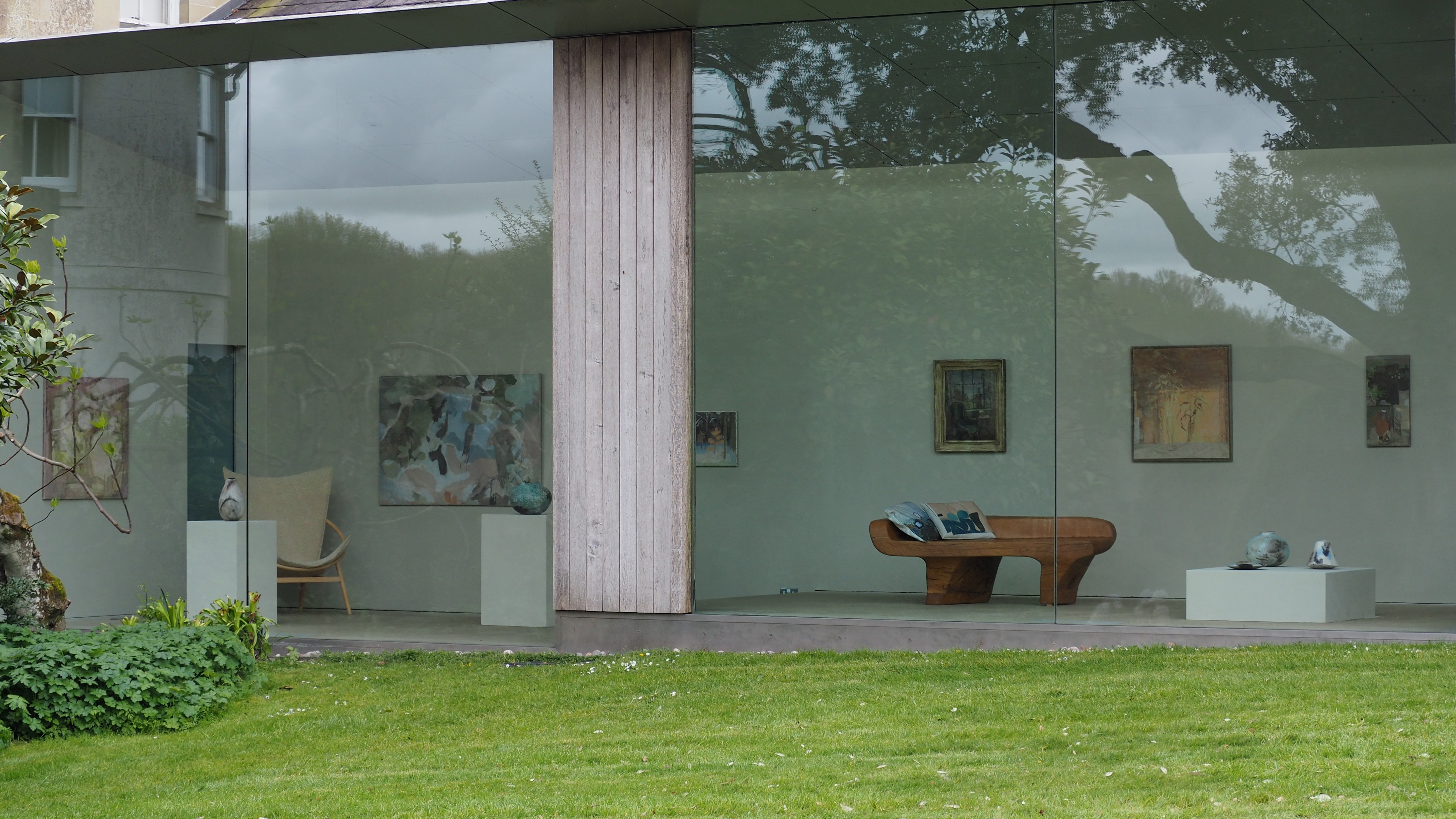
On 18 April, the New Art Centre opened a new exhibition of paintings by Mary Potter from 1944-1977. The exhibition is accompanied by the functional sculpture of Katie Walker and Nigel Ross as well as ceramics by Adam Buick and Frances Marr. This exhibition celebrates an extraordinary period spanning nearly 60 years, during which the New Art Centre has presented the work of Mary Potter. It marks the fifteenth exhibition since the artist’s first show with the gallery - then on Sloane Street - in 1967. Early works show an academic yet painterly commitment, whilst later works show how her forms beginning to atmospherically dissolve.
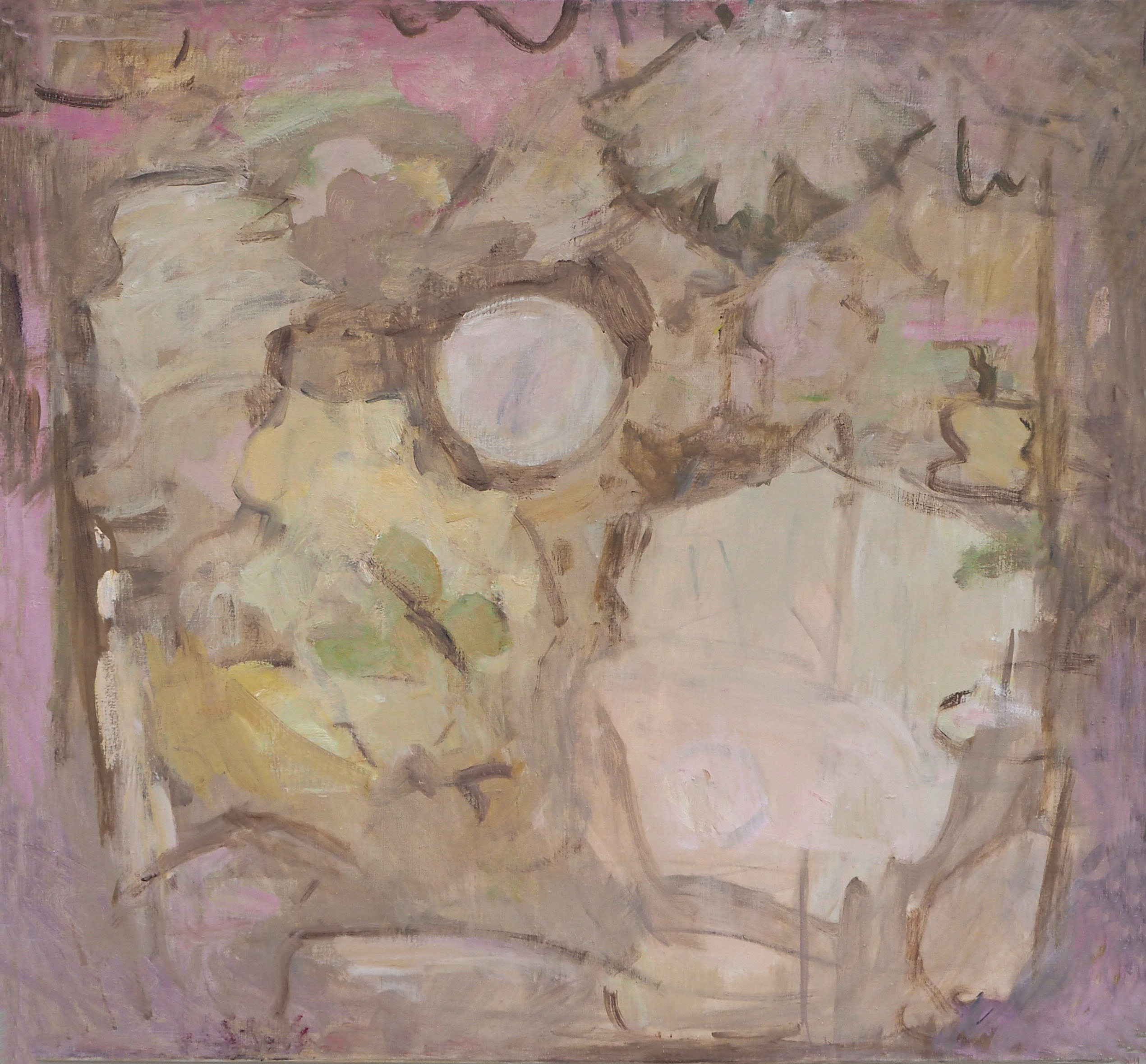
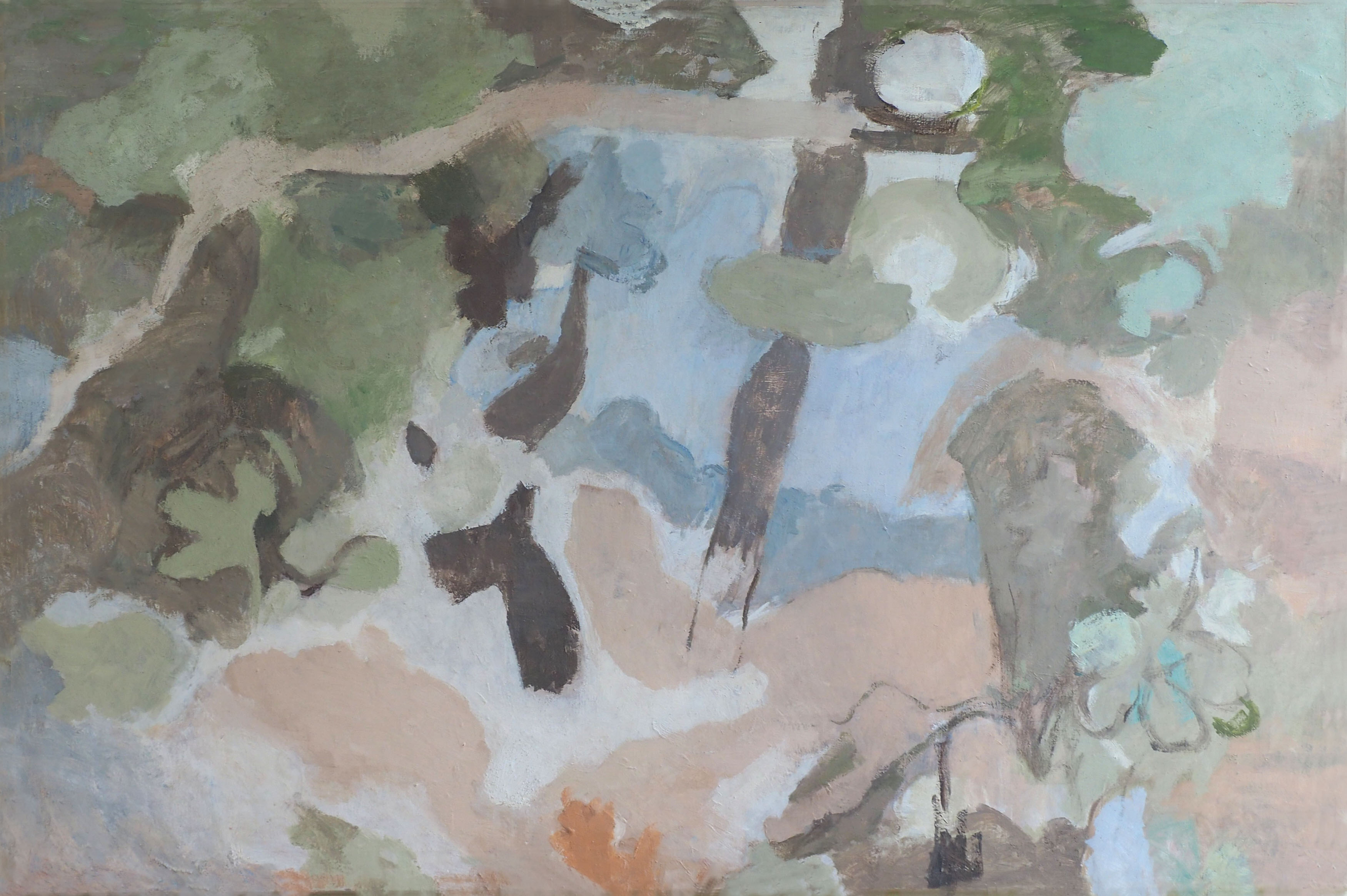
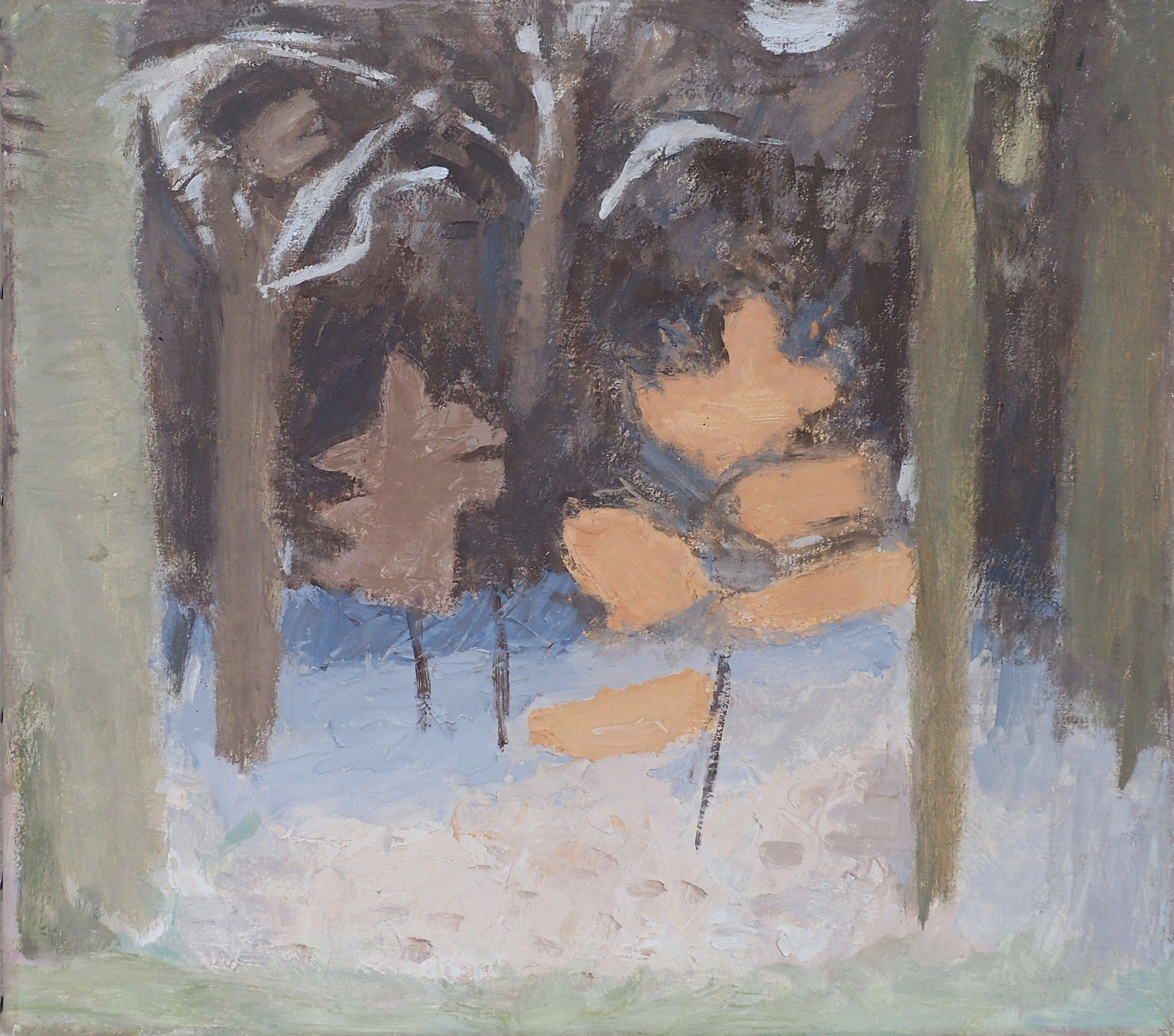
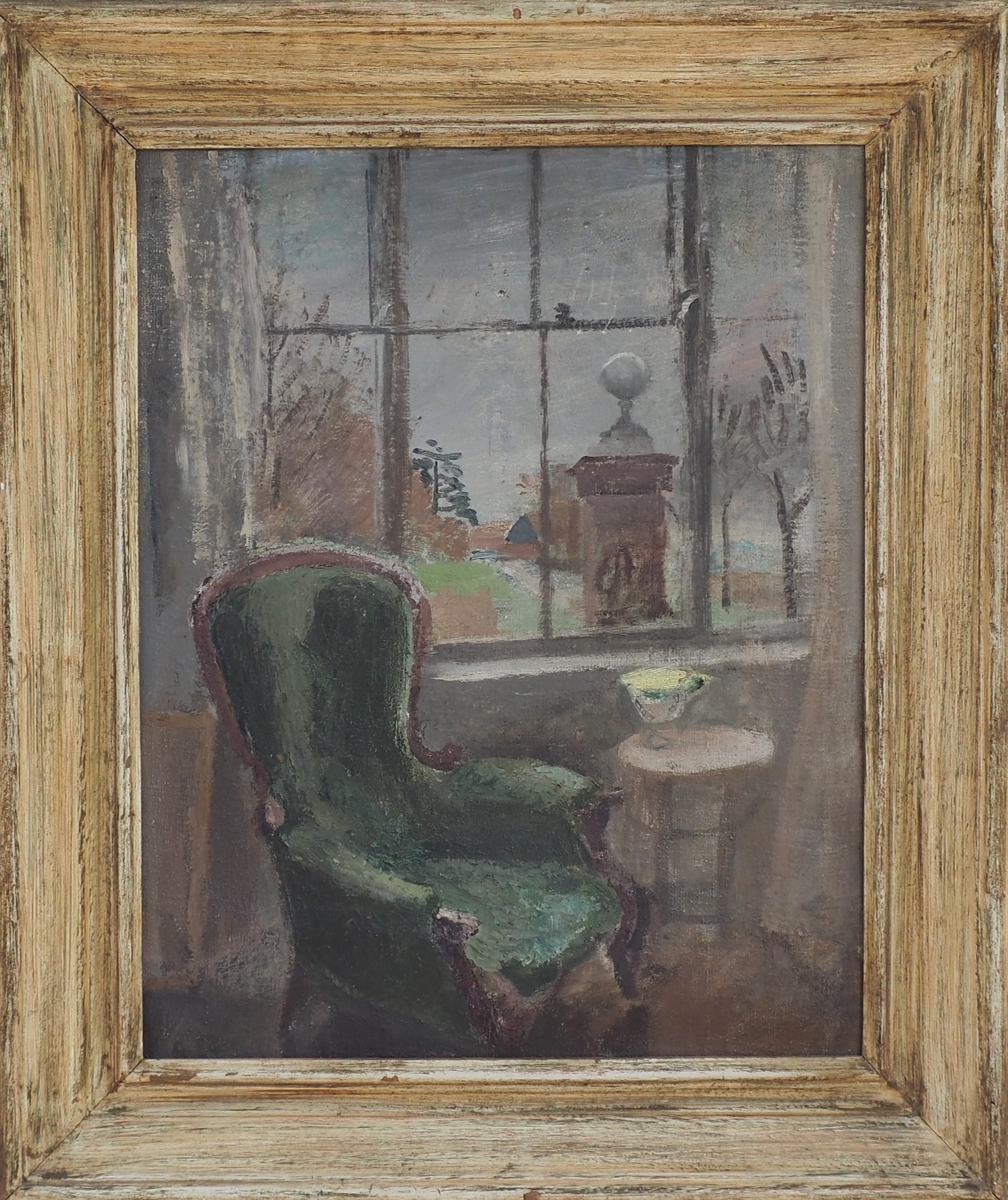
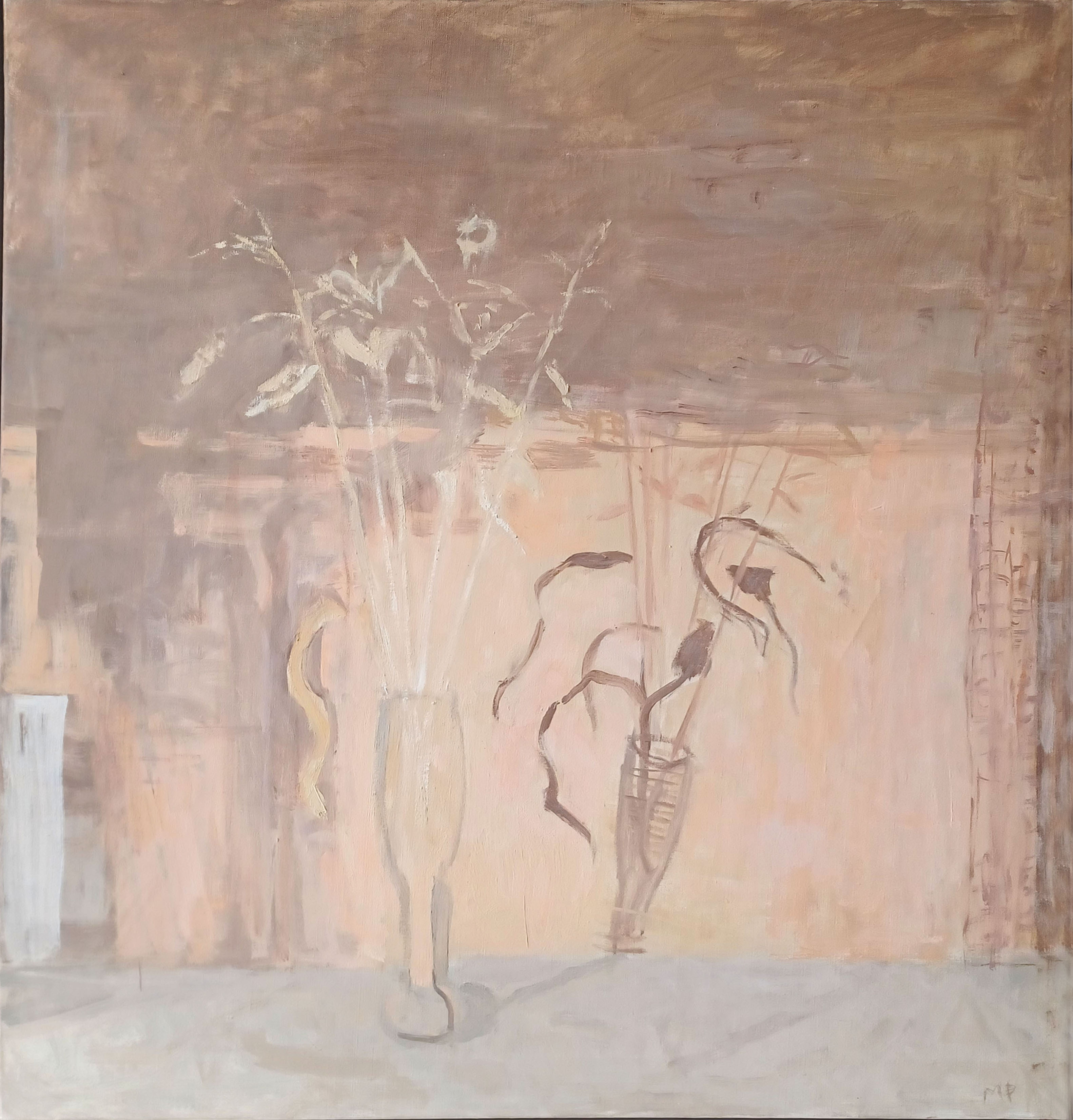
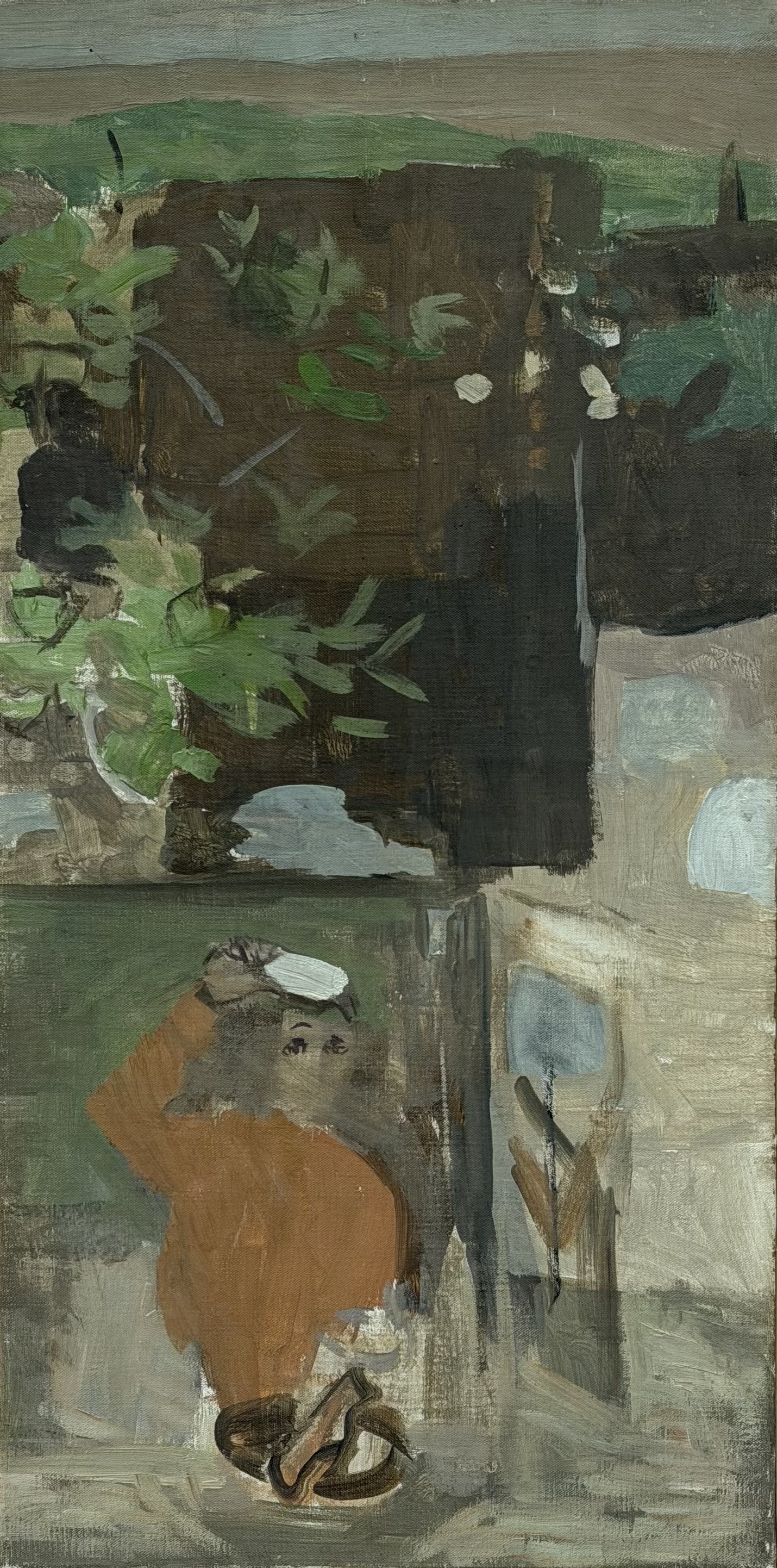
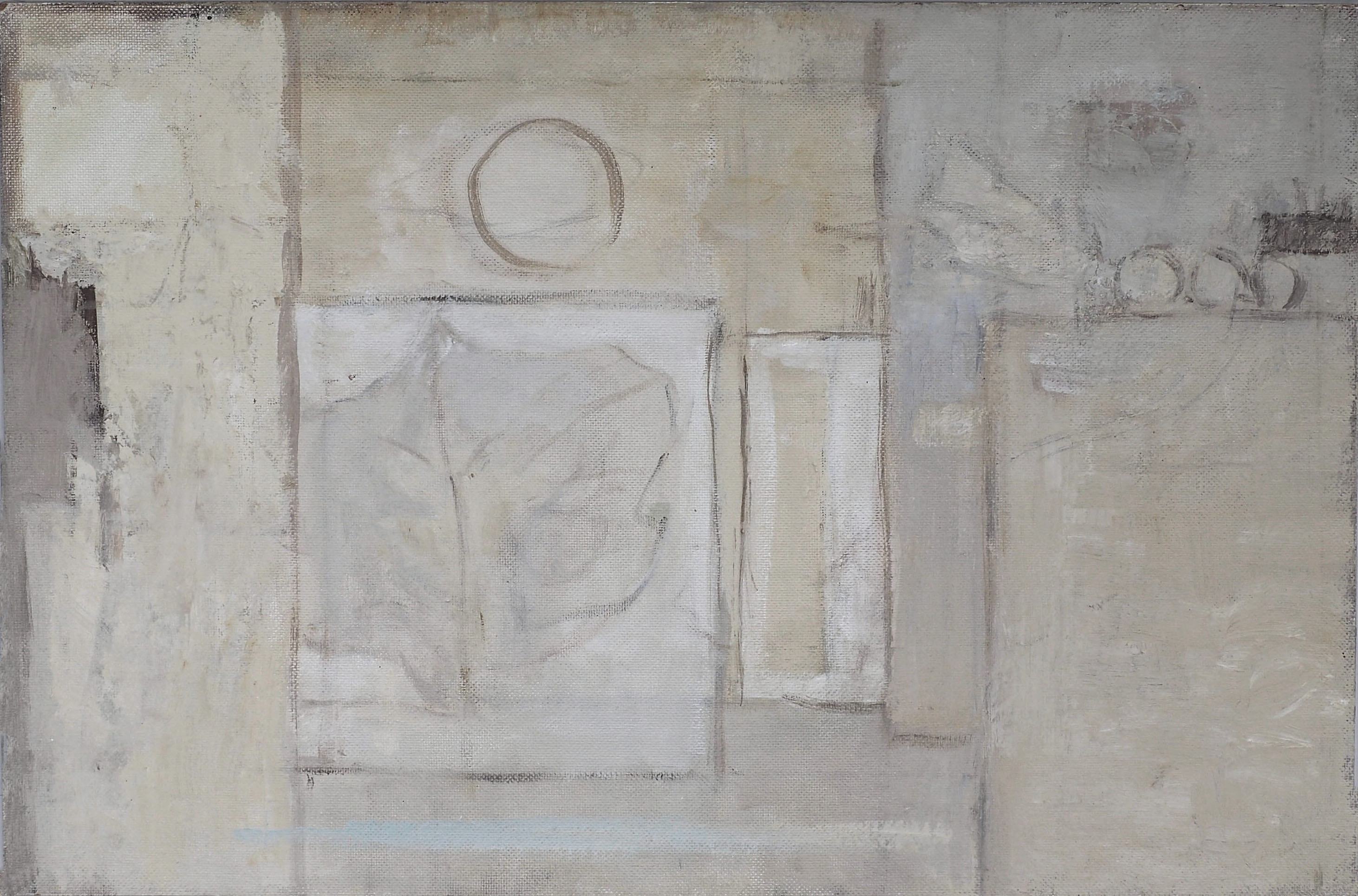
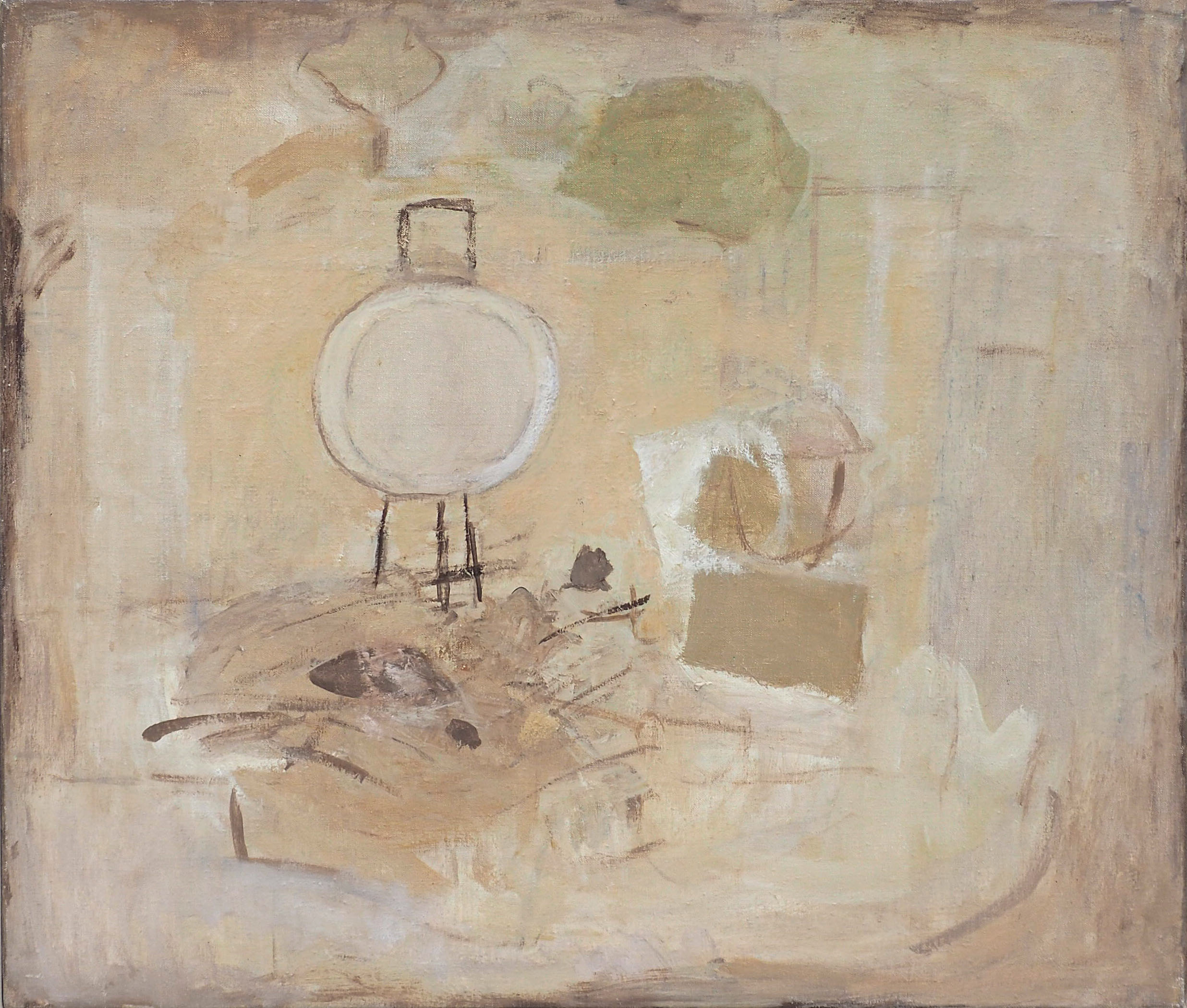
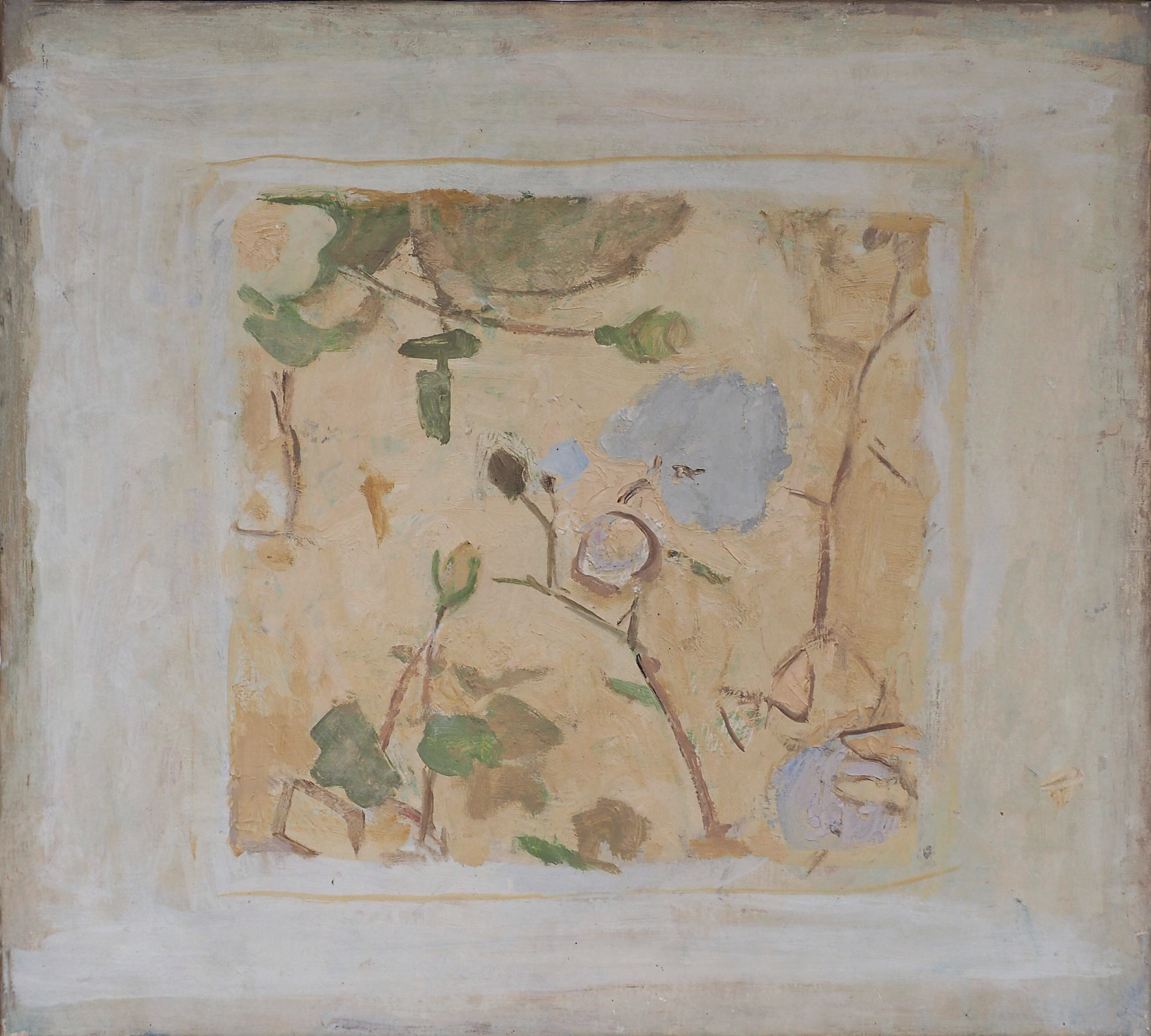
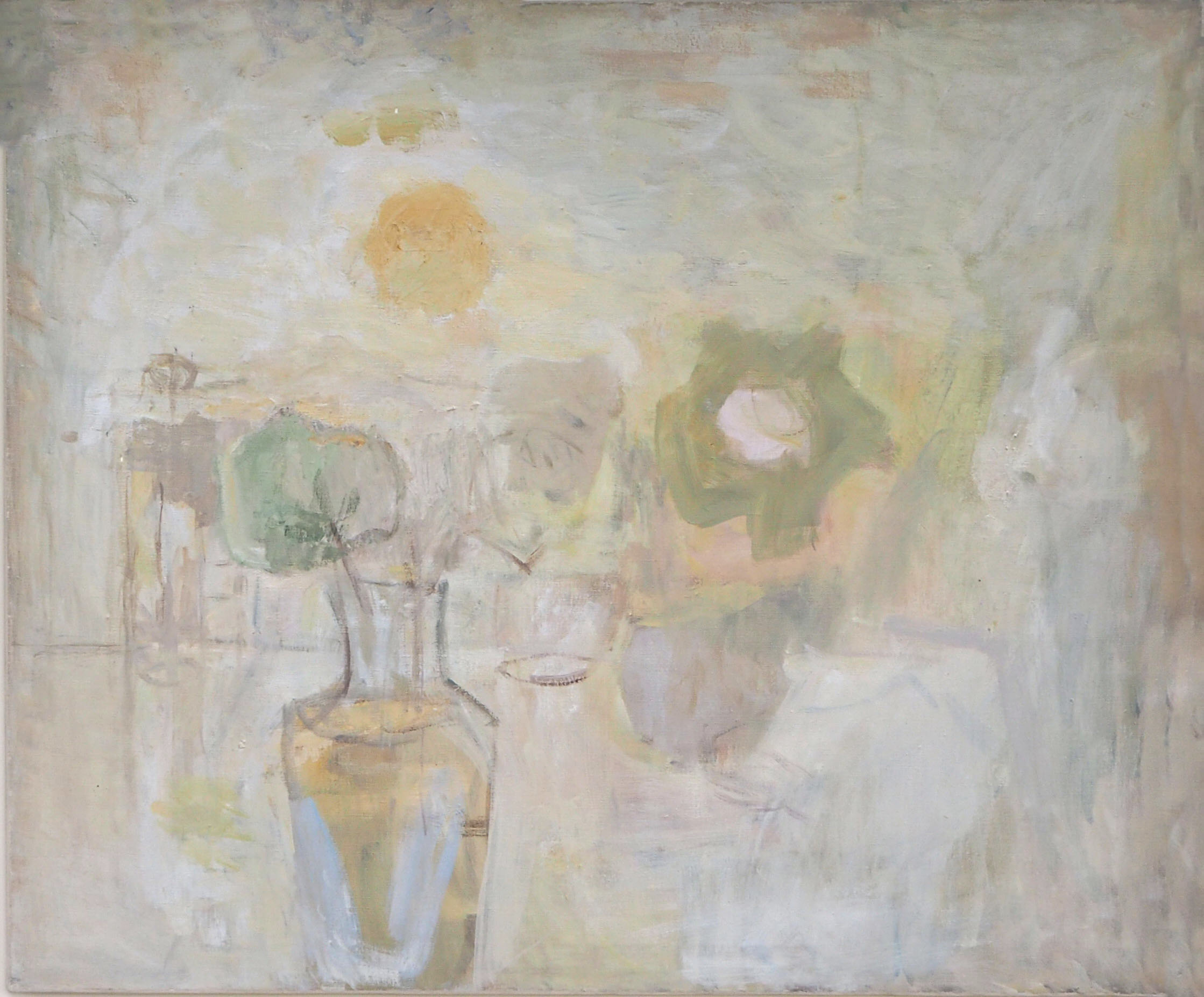
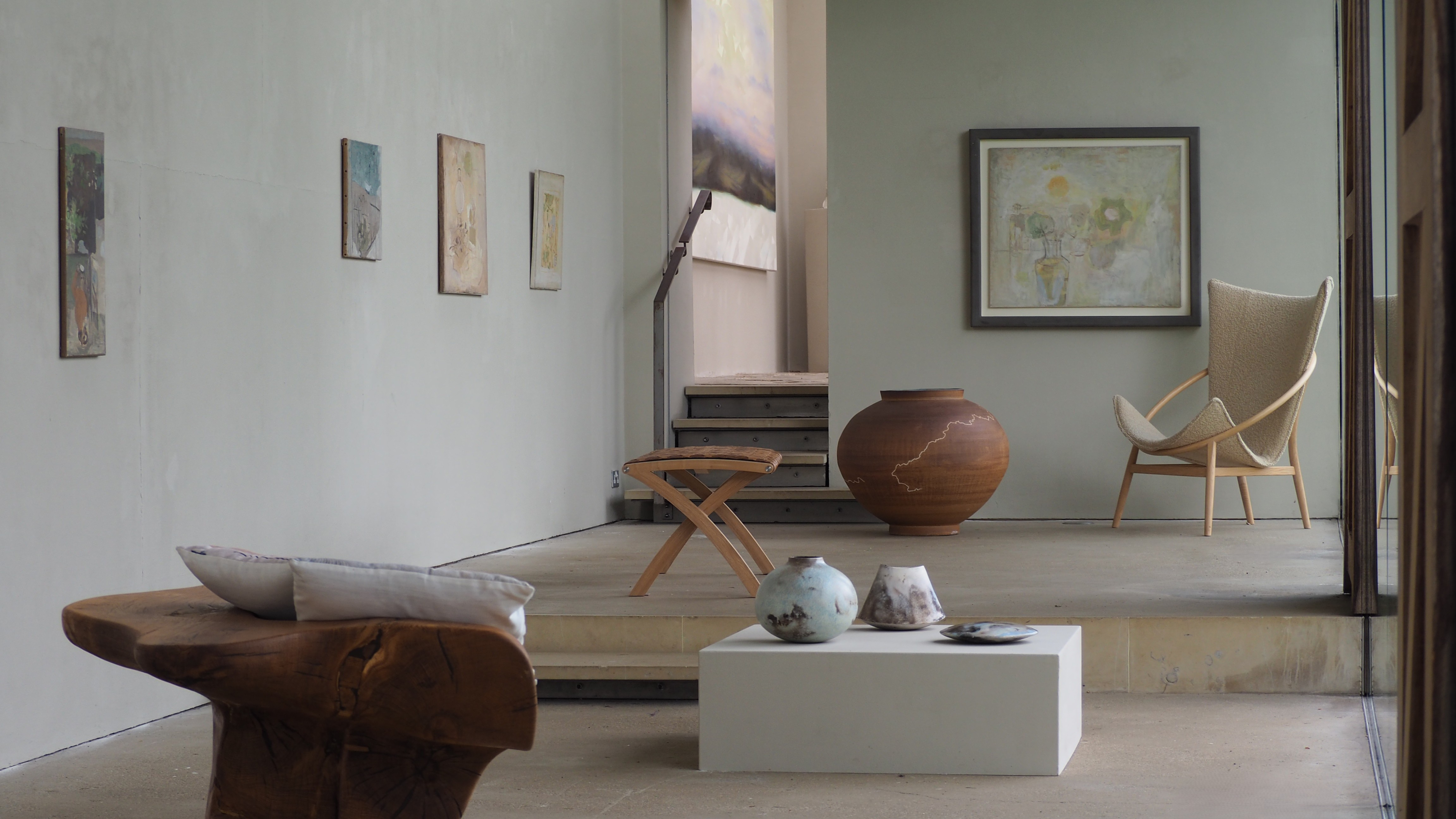
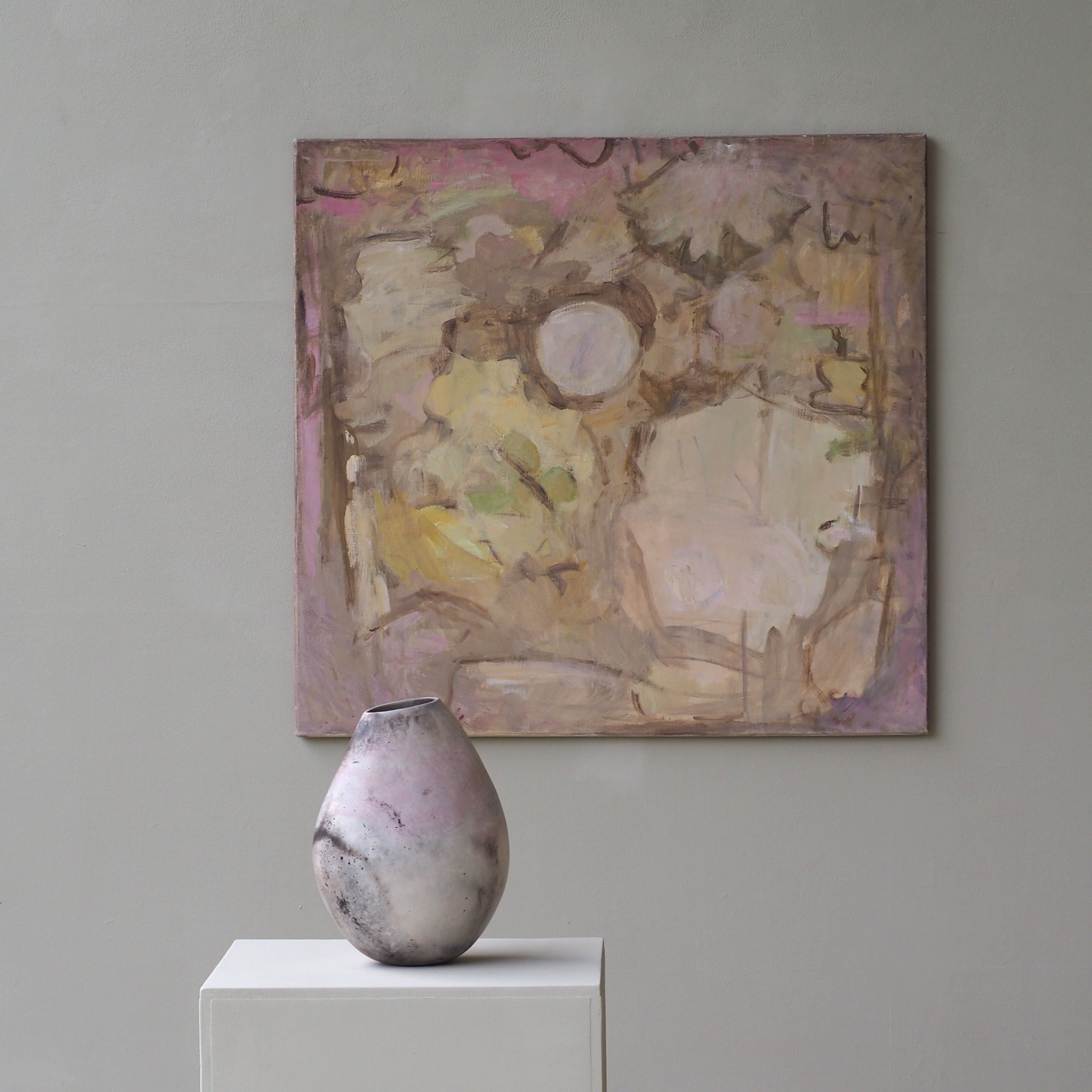
The exhibition was opened by Dr Timothy Revell of the National Gallery, who read Kenneth Clark’s tribute to Mary Potter, originally written to accompany her 1964 solo exhibition at the Whitechapel Gallery, which was curated by Bryan Robertson. Kenneth Clark wrote that Mary Potter’s pictures ‘exist in a domain of seeing and feeling’ and were ‘exactly right in the same way we know a singer to be perfectly in tune’. Only a few years later, Kenneth Clark introduced Mary Potter to the New Art Centre. Clark himself was a founder-patron of the gallery, established in 1958 by Madeleine Ponsonby and Caryl Hubbard. Hubbard had previously worked as a researcher for his influential book The Nude: A Study in Ideal Form.
When Potter began her studies at the Slade School of Fine Art in 1918, she rose to prominence in her class and won first prize in a portrait painting competition. She became a favoured pupil of Henry Tonks of the New English Art Club, who demanded realism from his students. We may observe the echoes of his teaching in the earliest of Potter’s works on display, Winter Afternoon (1944) as a testament to her skill, but moreover as a microcosm for the career that would unfold in years to come.
Potter’s journey into abstraction was accelerated by her move to the Red House in Aldeburgh in 1951; the Suffolk coast and its light informed much of her work. The Red House also allowed Potter time to establish a routine, wherein she would paint throughout the morning, and then a walk, tennis, or a second stint of painting would take up the afternoon. It was at this time that Potter began her lifelong friendship with Benjamin Britten and Peter Pears, who lived in Crag House. Britten introduced Potter to the organisers of the newly established Aldeburgh Festival, and by 1954 she was on the Festival’s Council. The Aldeburgh Music Club was founded by Britten and Pears in 1952, yet after the North Sea floods of 1953, which made Crag House inaccessible, Potter’s drawing room at the Red House became a regular venue for the group. The influence of music, the establishment of routine and the pale, bright Suffolk light all worked in tandem to allow Potter’s movement into abstraction. She sold paintings directly from her studio, particularly during the Aldeburgh Festival.
In the autumn of 1963, Mary Potter moved into the Red Studio, a studio-bungalow built for her by Benjamin Britten. Faithfully, she painted the view from the large, north-facing window. Now in her mid-sixties, with established support from the New Art Centre in London where she regularly exhibited, Potter began to lean heavily into abstraction, experimenting with new forms.
Mary Potter’s paintings will be on display in the Main Gallery until Sunday 14th June. To book a visit, or to find out more, please visit our website or email nac@sculpture.uk.com


Sign Up & Never Miss a Show