+44 20 3206 7600
Open: Mon-Thu 10am-6pm, Fri 10am-4pm
Visit
Open: Mon-Thu 10am-6pm, Fri 10am-4pm
5 Hanover Square, W1S 1HQ, London, United Kingdom
Open: Mon-Thu 10am-6pm, Fri 10am-4pm
Visit
Fri 5 Jun 2026 to Fri 7 Aug 2026
5 Hanover Square, W1S 1HQ Kenjiro Okazaki: Never could be any other way — anagnorisis
Mon-Thu 10am-6pm, Fri 10am-4pm
Artist: Kenjiro Okazaki
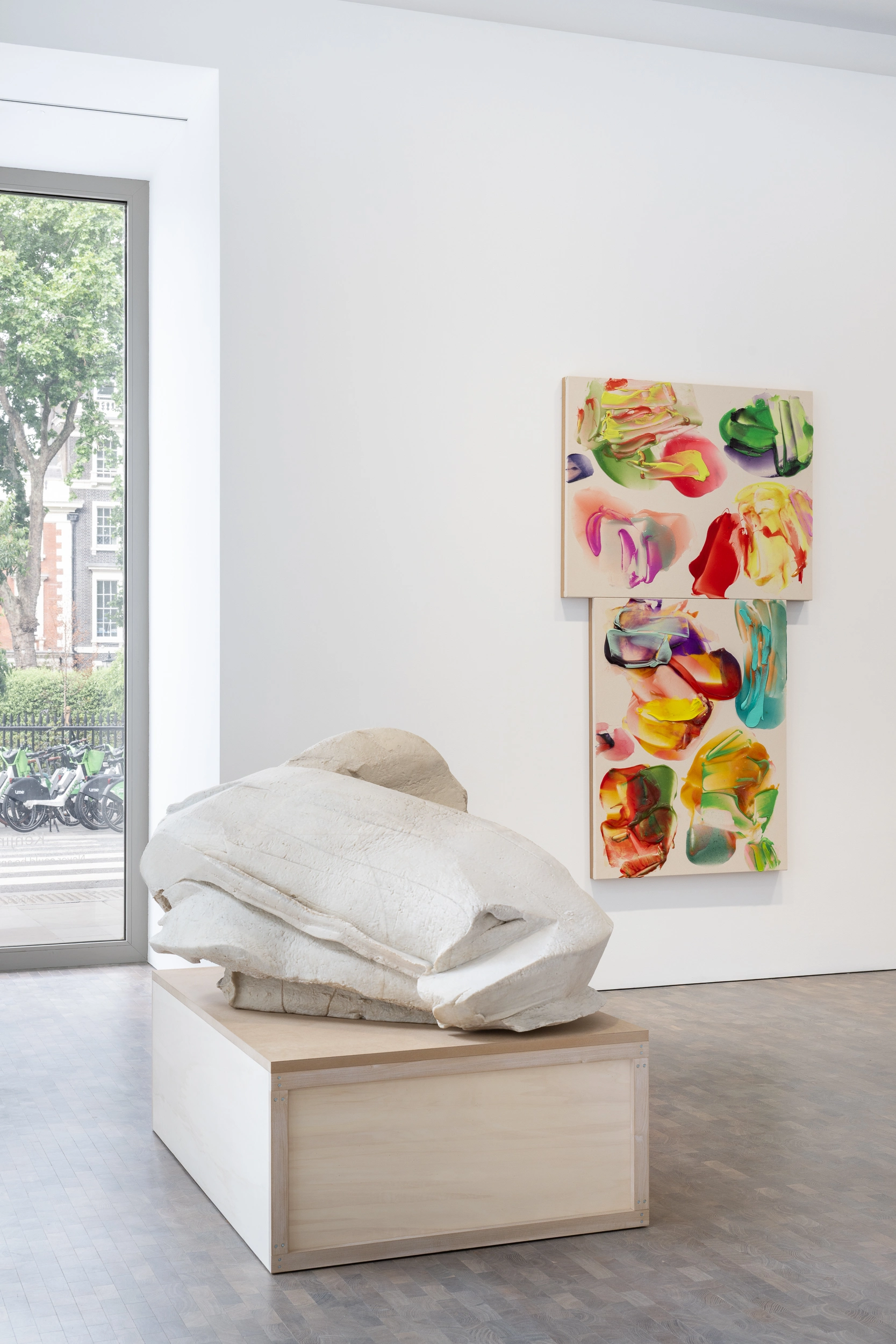
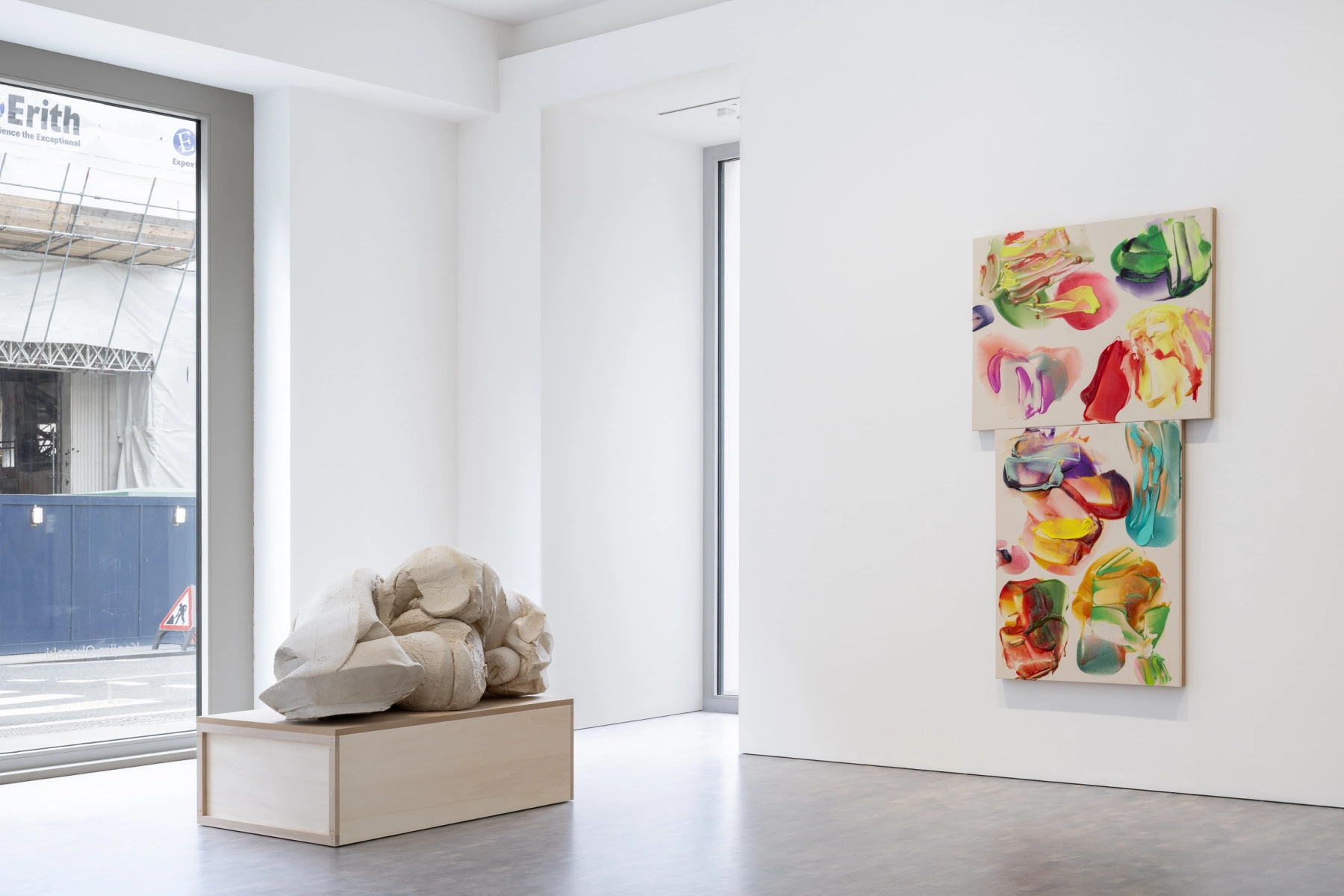
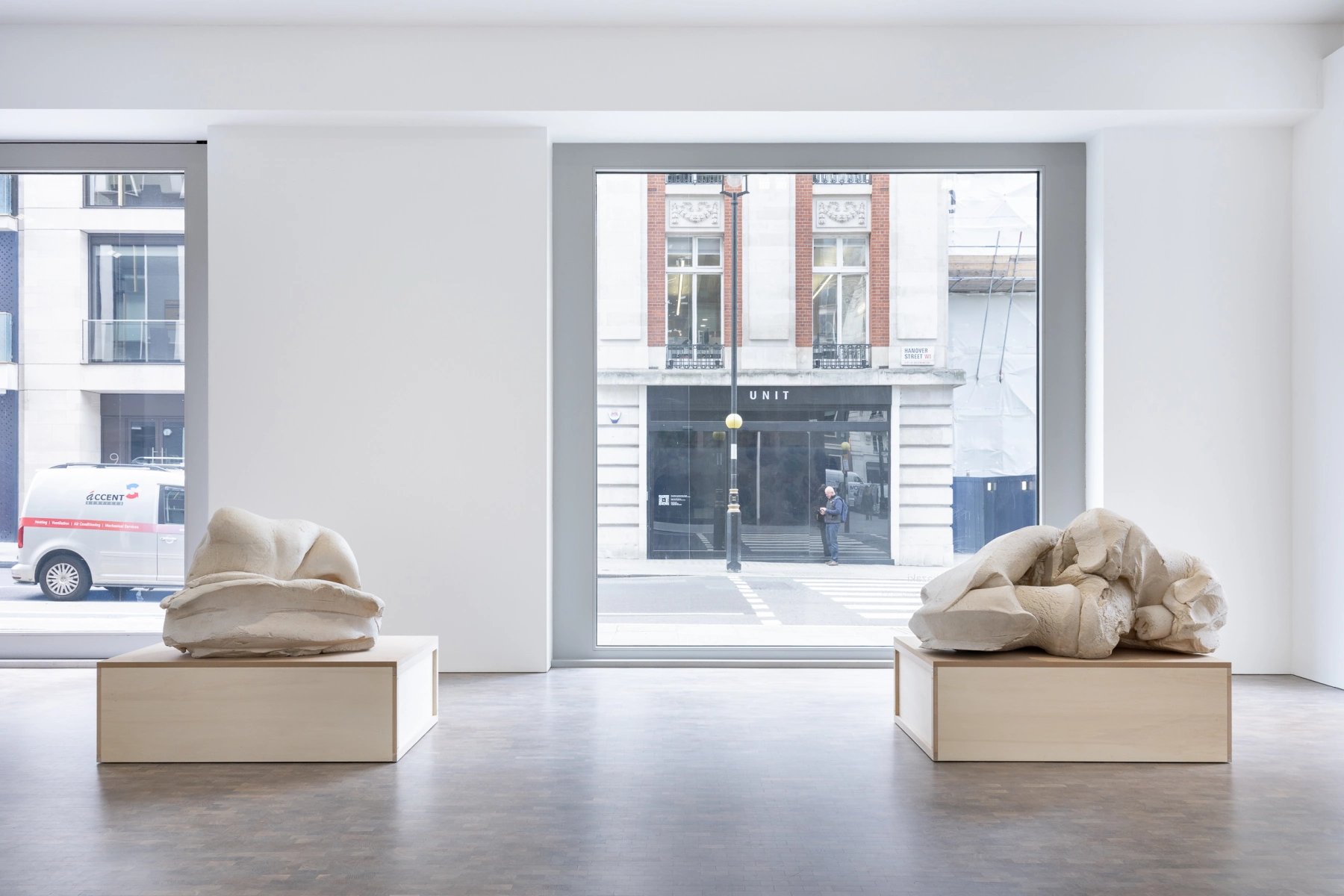
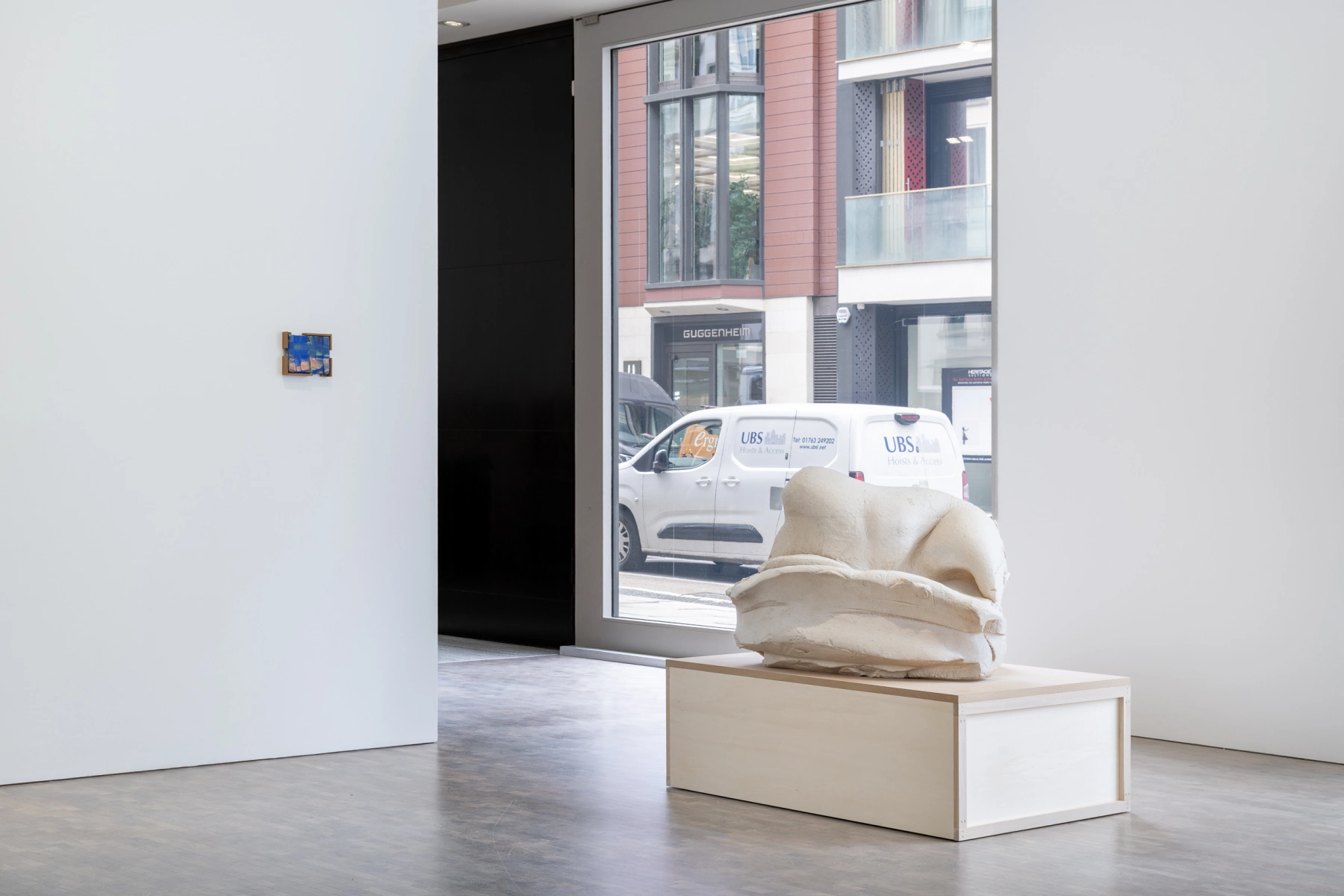
Pace presents Kenjiro Okazaki’s first-ever solo exhibition in the UK at its London gallery. Titled Never could be any other way — anagnorisis, the presentation brings together sculptures, large-scale paintings, and a selection of the artist’s delicately framed Zero Thumbnail series.
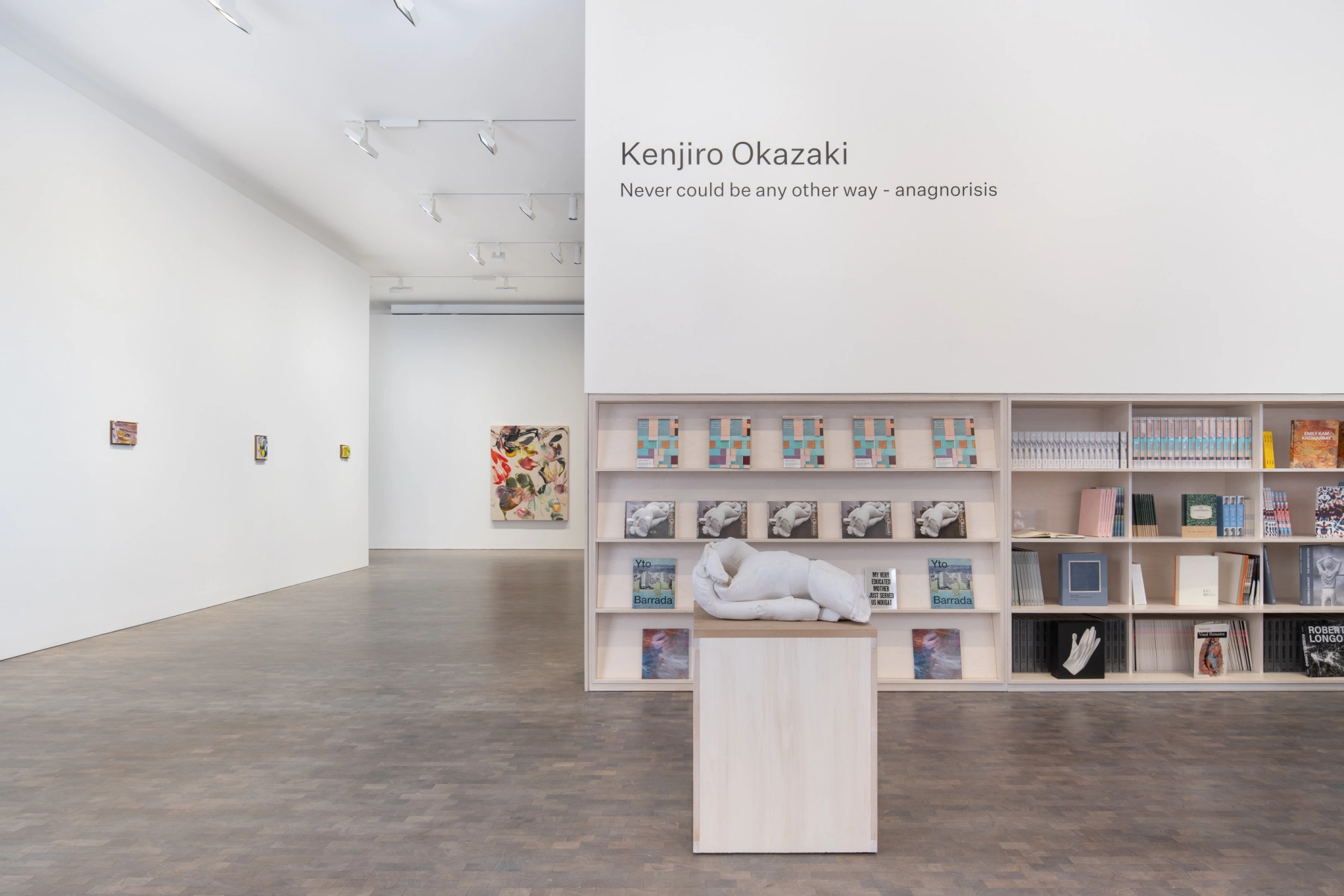
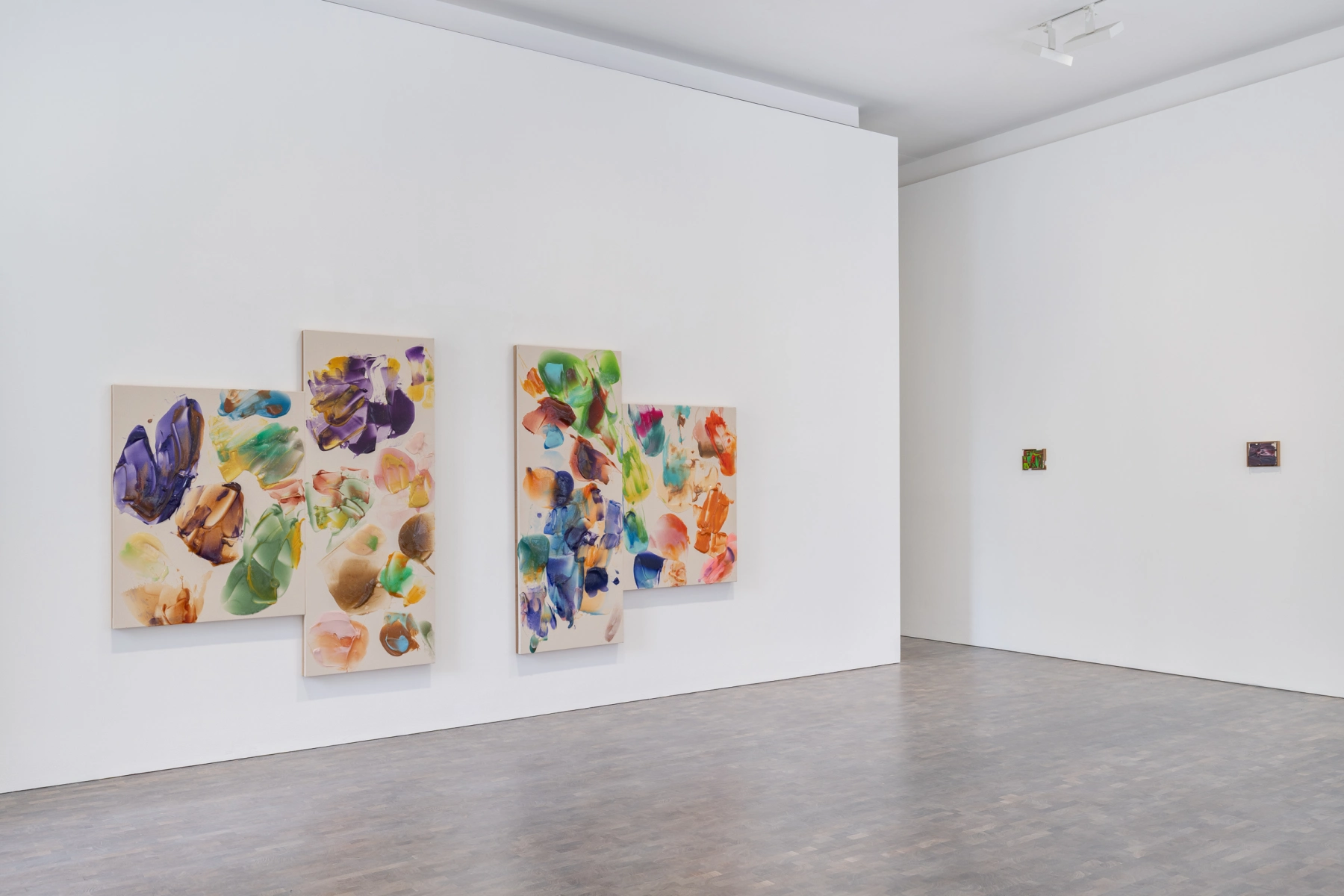
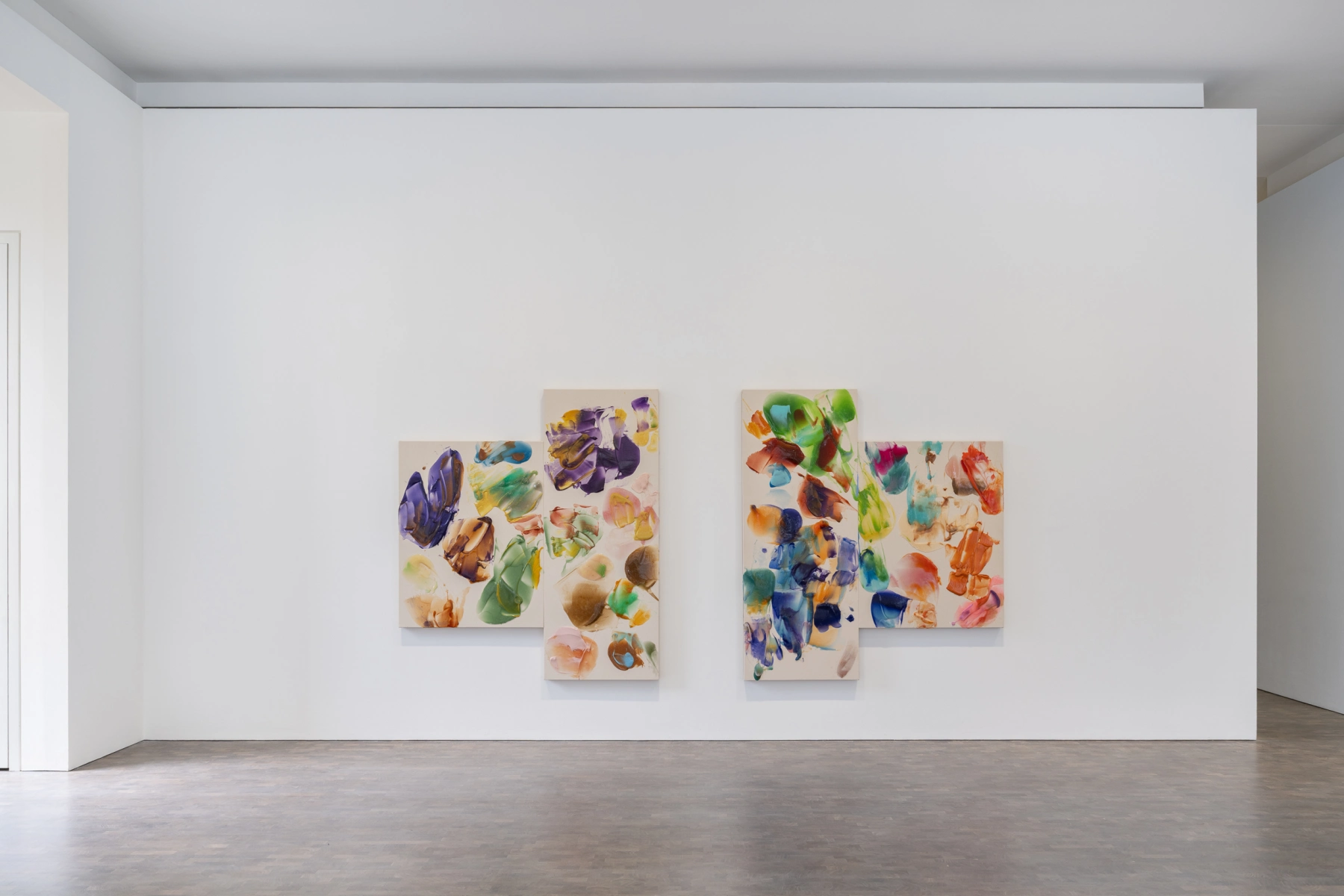
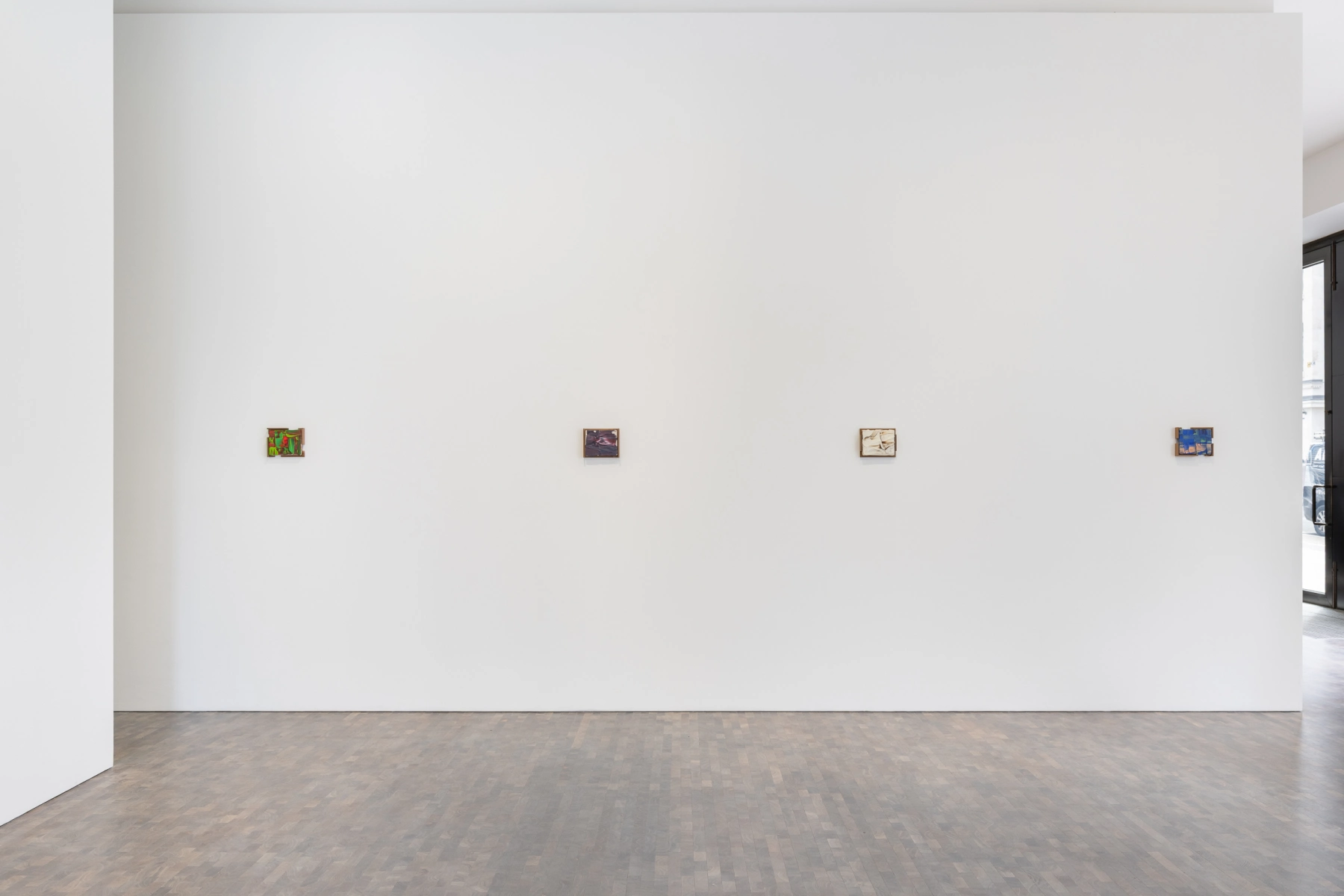
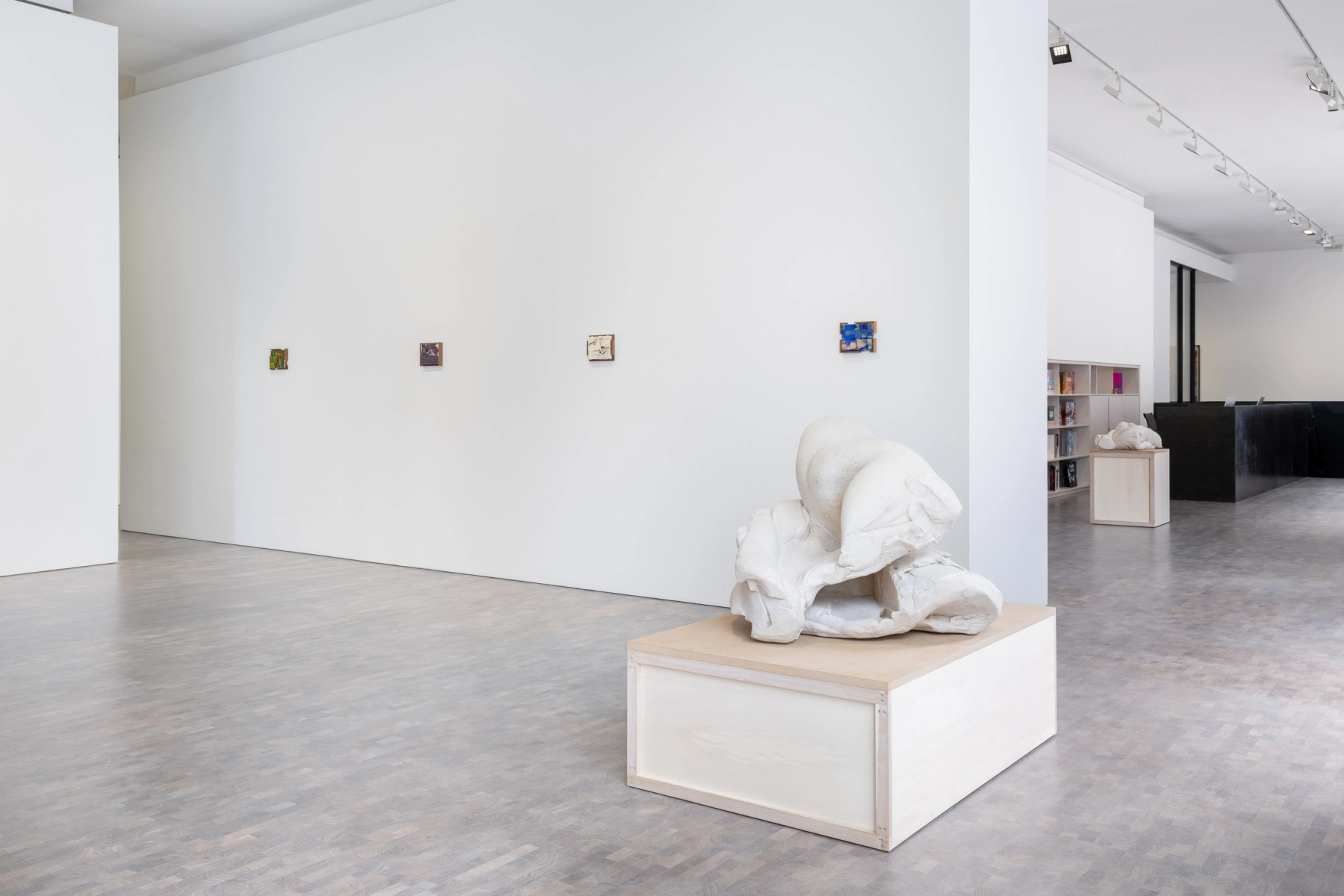
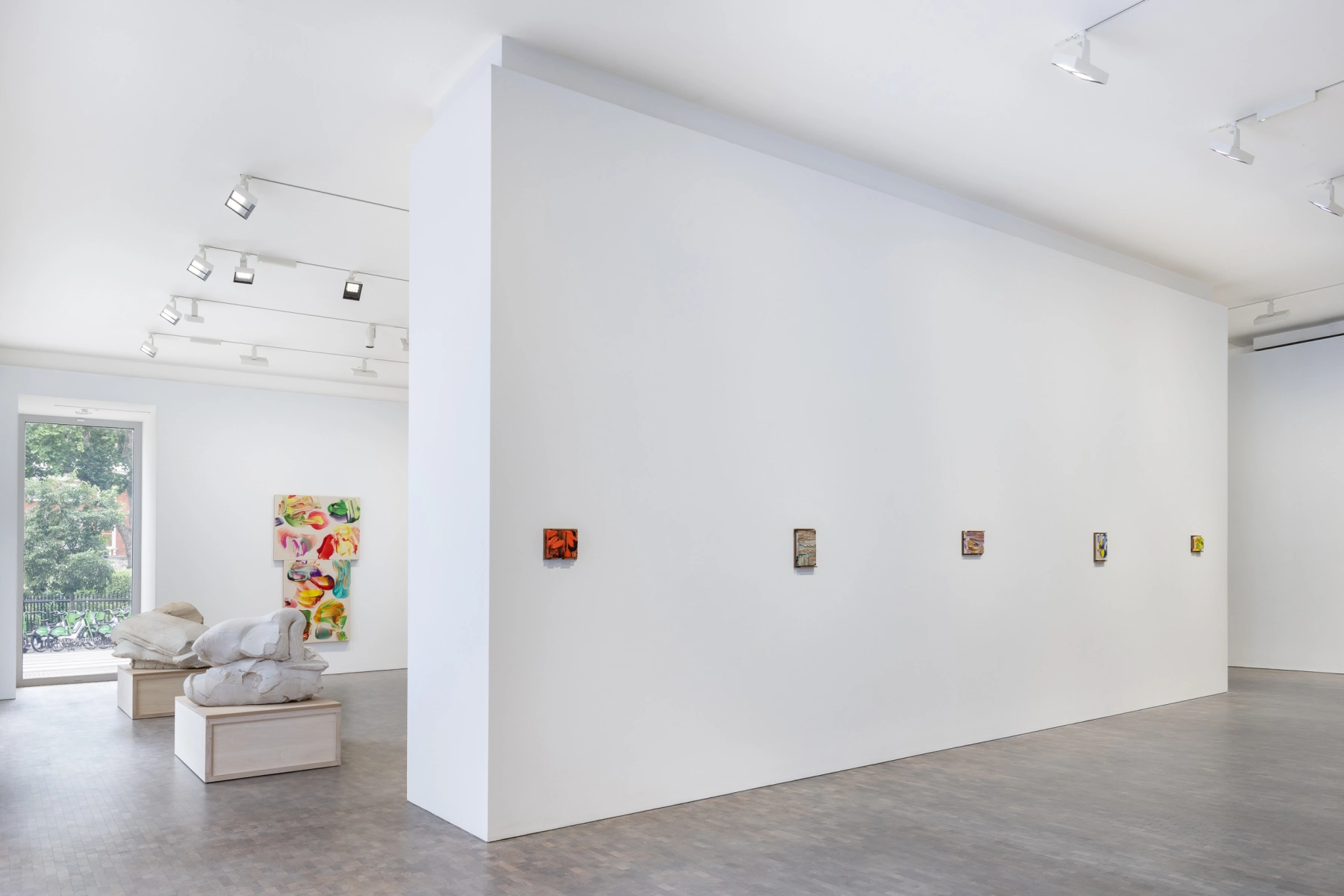
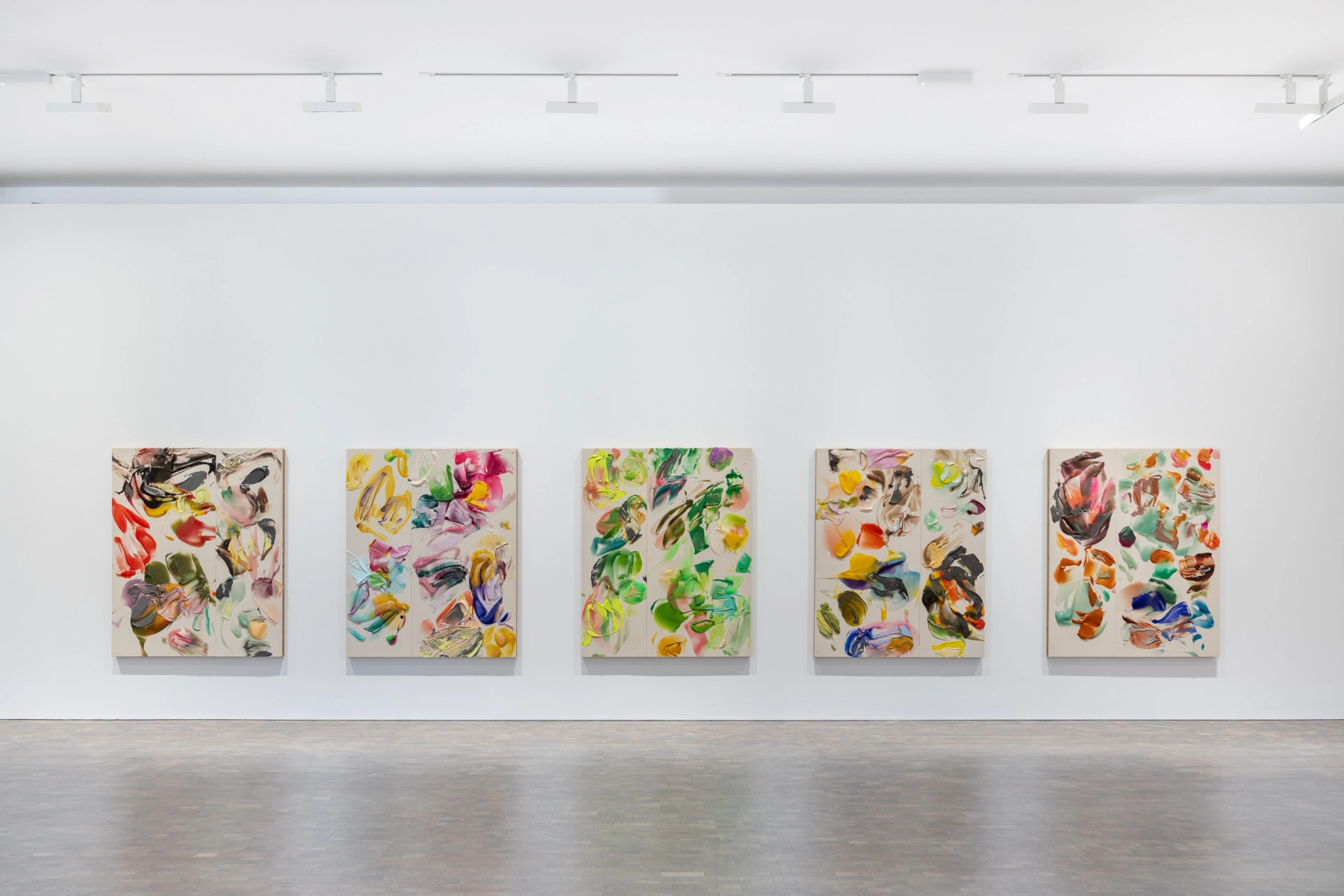
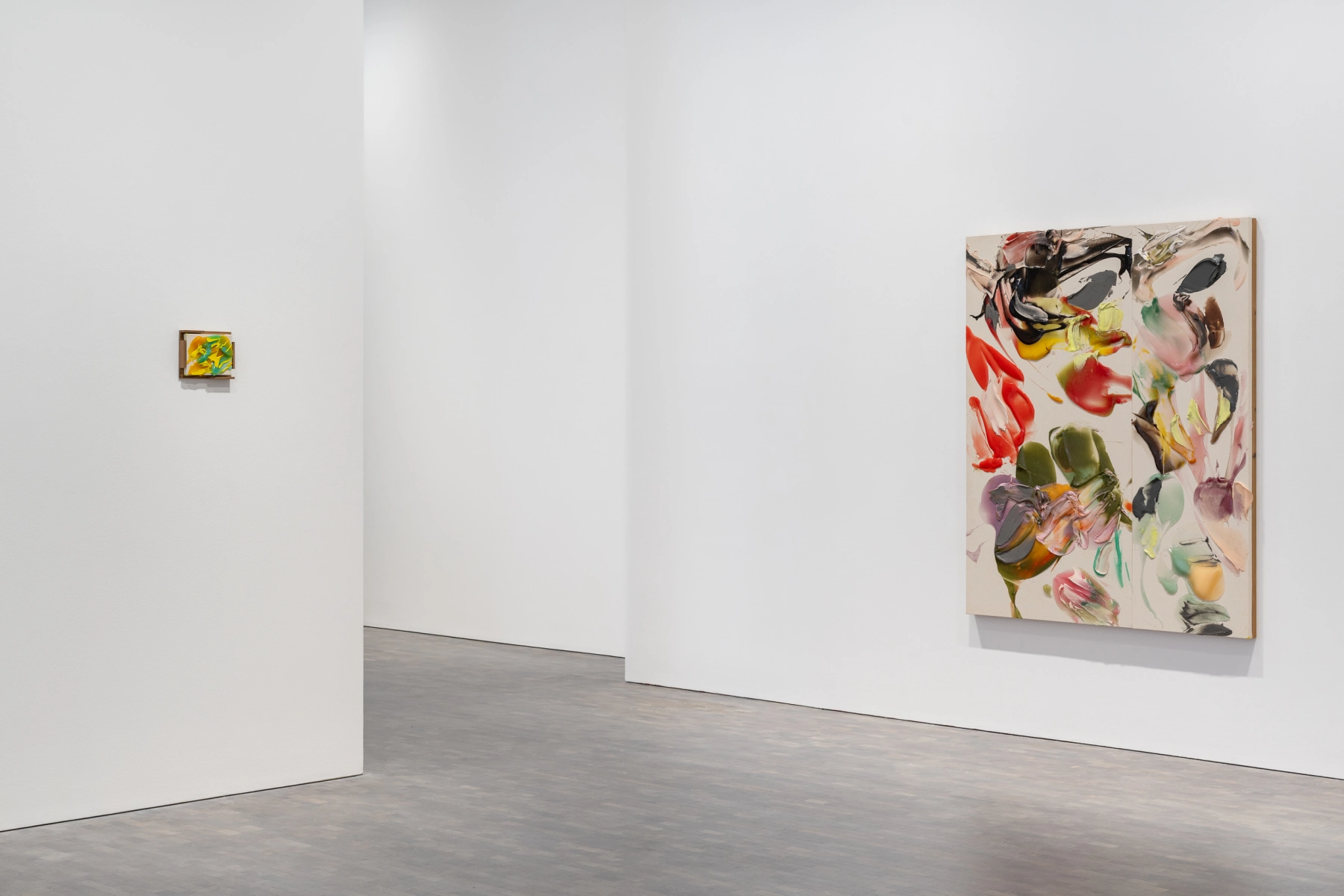
The first part of the exhibition’s title, “Never could be any other way”, is the phrase inscribed in the run-out groove of The Beatles’ Sgt. Pepper’s Lonely Hearts Club Band (1967), buried in the infinite loop after “A Day in the Life.” The second part, anagnorisis (ἀναγνώρισις), is Aristotle’s term from the Poetics for the moment of tragic recognition—the retroactive discovery that what has happened could only have happened this way. Both name the same structure, which is the central thesis of Okazaki’s forthcoming book The Discovery of Art (Film Art-sha, June 2026).
Okazaki is an acclaimed artist, architect, and theorist whose multifarious practice spans painting, sculpture, robotics, costume and set design, and architecture. One of Japan’s leading contemporary artists, he examines the relationship between temporality and human perception. Central to his practice is the concept of zōkei (plastic arts): the making of form from substance. Asserting that our engagement with the universe is as malleable as the materials that constitute it, Okazaki positions zōkei as a practice through which perception and the world itself are brought into relation.
The artist’s theoretical project draws on mathematics, quantum physics, art history, poetry, music, and literature. At its center is a conception of time as a constraint—one that art makes visible in order to overcome it. This idea was already central to Okazaki’s practice well before his stroke in 2021 and the six months of rehabilitation that followed; that experience gave it new concreteness. For Okazaki, rehabilitation is not the recovery of lost movement, but the discovery, after the fact, that the movement was there all along.
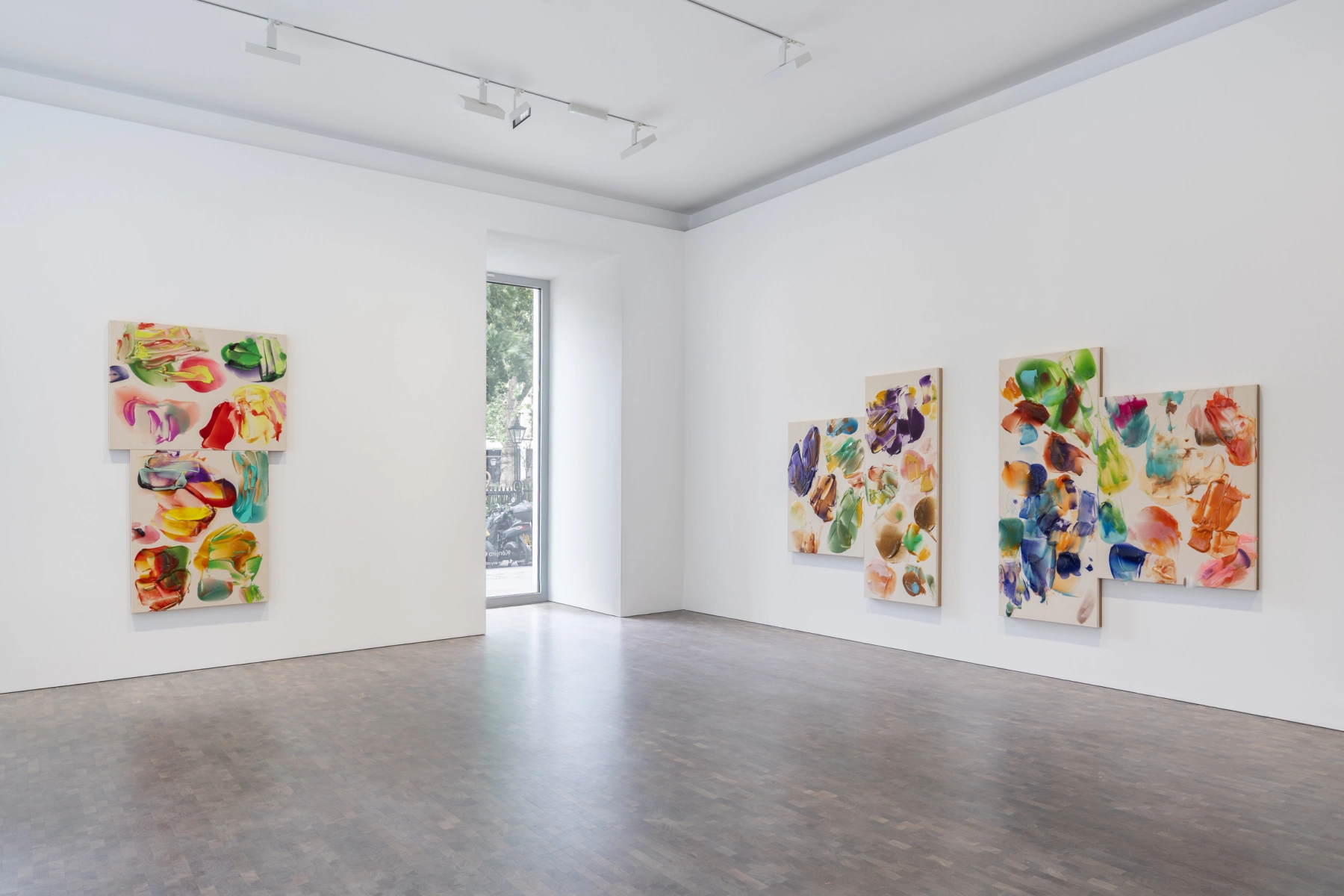
Okazaki produces his multi-panel abstract paintings—figuring in this exhibition as diptychs and quadriptychs—using richly hued acrylic paints, thickly daubed onto the surface. As with the work of Paul Cézanne, a key source of inspiration for the artist, the gaps between brushstrokes emphasize that their proximity is contingent and open. Each island-like block of color is created within a single unit of continuous time, while the intervals between their making can vary from half a day to several months. Okazaki calls these units of color “giornata” (a day’s work), borrowing the Italian term used in buon fresco painting to describe how much work can be completed in a single day.
At first glance, the paintings’ clusters of color, texture, and shape appear distinct and independent. Through sustained looking, mirrored gestures and complementary or analogous color combinations map relationships across the panels, unfolding into an ever-expanding set of possibilities.
This relational logic extends beyond the visual field and into language. Okazaki’s long, narrative titles—often assuming poetic or fragmentary literary form—further expand the paintings’ potential for meaning. As the artist has explained, the titles belong to an “expressive sequence distinct from that of the work itself, functioning to subject the visual to the order of language.” For Okazaki, the encounter between two autonomous sequences—the visual and the textual—interrupts their internal logic and, in doing so, produces a “network structure” of meaning.
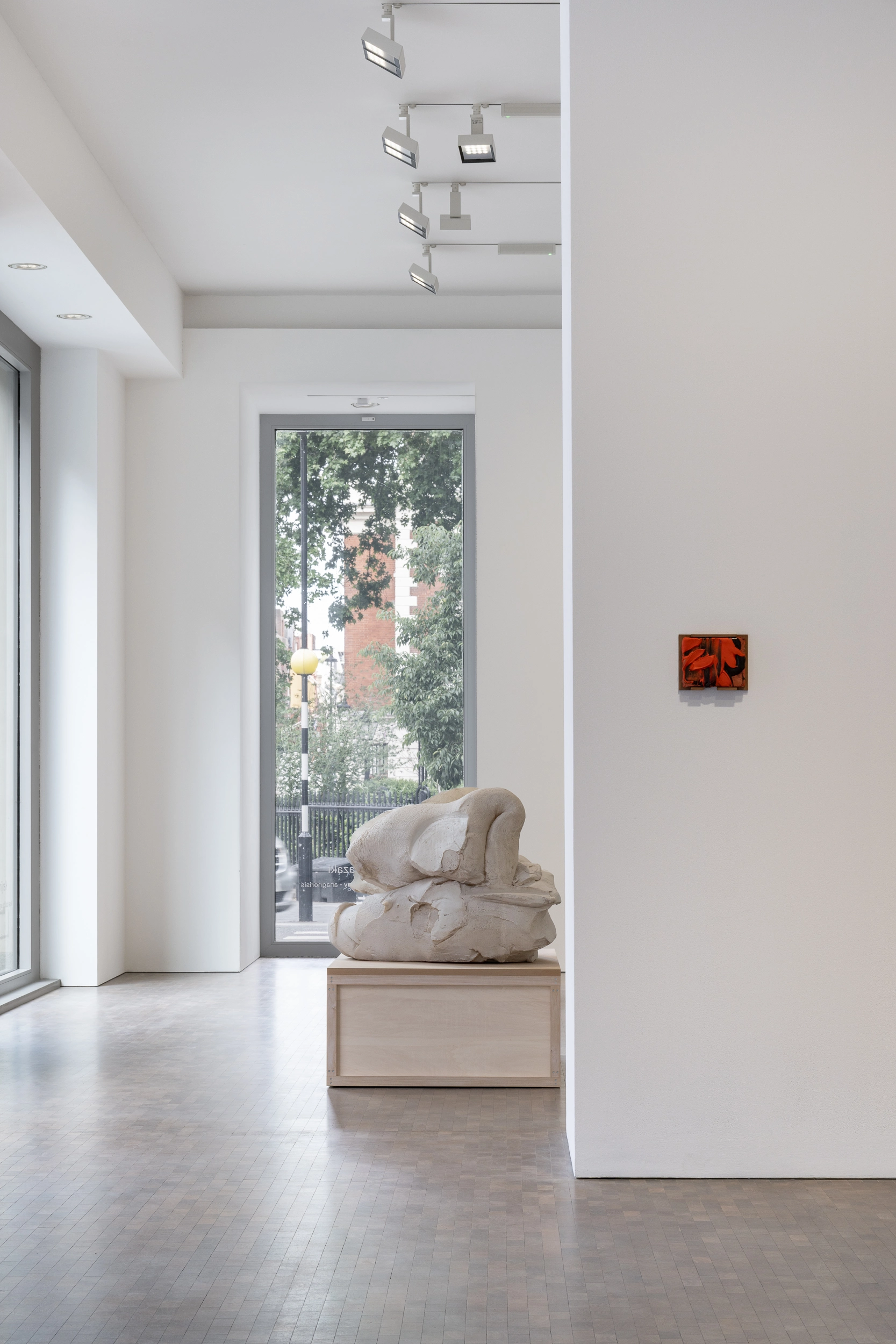
A selection of small-scale paintings from Okazaki’s Zero Thumbnail body of work, begun in 2005, will also be included in the exhibition. Working within a fixed scale and format, these condensed compositions allow for a wide range of painterly decisions. In some works, thin coats of paint create a near-translucent effect; in others, the acrylic’s jelly-like viscosity evokes a tactile sensation, as if the viewer’s own hands were implicated in the painting’s creation. The wooden frames Okazaki makes for the Zero Thumbnail works—marked by cut apertures and pronounced variations in grain—are conceived in direct relation to the compositions they enclose. In dialogue with the paintings, the frames both extend and compress the artist’s gestures. At an intimate scale, the works articulate the visual intensity of Okazaki’s practice.
Three sculptures, including one made this year, will also feature in the exhibition. These large, resin and synthetic marble forms possess an organic, almost fleshy sense of motion. Bearing the marks of manipulation—compression, expansion, contraction, and fracture—the sculptures give material form to a foundational principle of Okazaki’s work: the making of form from substance.
The Discovery of Art, Okazaki’s forthcoming book examining art through the lens of AI and the Socratic method, will be published by Film Art-sha on June 26. Concurrent with the exhibition in London, his solo presentation, Tender Buttons, opens at the Naoshima New Museum of Art on the island of Naoshima in Japan, on June 7. Later this year, the artist will unveil Nakatsukuni Lykeion, a new museum in Haizuka (Shōbara, Hiroshima Prefecture), Japan. The museum builds upon the Haizuka Earthwork Projects, initiated in 1994, and will include Tsukuyomi-dō (Chapelle Lunette), a pavilion designed by Okazaki. Nakatsukuni Lykeion is shaped by the same principles as Okazaki’s theoretical project, placing rehabilitation theory into practice alongside art, ecology, and learning.
With a unifying emphasis on form, Kenjiro Okazaki (b. 1955, Tokyo) explores themes related to time, space, and the human experience through a postmodernist lens. In the vein of artists such as Sophie Taeuber-Arp, Paul Klee, Tomoyoshi Murayama, Filippo Brunelleschi, and John Cage, Okazaki’s work is rooted in an investigation of the perception and reconstruction of time. In addition to his artistic practice, he is a critic renowned for his efforts in redefining abstraction. Over the course of his four-decade career, his richly varied oeuvre has cemented the artist as an important voice in the cultural landscape of Japan and beyond.
In 2002, Okazaki was named Director of the Japanese Pavilion at the 8th International Architecture Exhibition at the Venice Biennale. In 2007, he created the costumes and set design for Trisha Brown’s dance performance I love my robots, which premiered at Montclair State University, New Jersey, before embarking on a world tour including performances at the University of California, Berkeley (2007); Montpellier Dance Festival, France (2007); De Singel, Antwerp, Belgium (2008); and The Joyce Theater, New York (2008). In 2014, he received the Smithsonian Artist Research Fellowship at the Hirshhorn Museum and Sculpture Garden, Smithsonian Institution, Washington, D.C. Okazaki’s first solo exhibition was held at Muramatsu Gallery, Tokyo, in 1981, and important solo exhibitions of his work include Kenjiro Okazaki, Galerie Medianne Elko, Paris (1982); Toki no Katachi, Setagaya Art Museum, Tokyo (1989); Kenjiro Okazaki, Musée des Beaux-Arts d’Agen, France (1994); Abstract Arts Can Become Concrete Tools, Toyota Municipal Museum of Art, Japan (2017); Kenjiro Okazaki: Retrospective Strata, Toyota Municipal Museum of Art, Japan (2019–20); and Kenjiro Okazaki: 而今而後 Time Unfolding Here, Museum of Contemporary Art Tokyo (2025).
Works by Okazaki are held in important collections worldwide, including Benesse Art Site, Naoshima, Japan; Hiroshima City Museum of Contemporary Art; Museum of Contemporary Art, Tokyo; Museum of Modern Art, Toyama, Japan; National Museum of Modern Art, Tokyo; The Rachofsky House, Dallas, Texas, among others. Okazaki lives and works in Tokyo, Japan.