32 East 57th Street, 2nd Floor, NY 10022, New York, United States
Open: Mon-Fri 10am-6pm
Wed 3 Jun 2026 to Wed 15 Jul 2026
32 East 57th Street, 2nd Floor, NY 10022 John Ferren: Spatial Ambiguity
Mon-Fri 10am-6pm
Artist: John Ferren
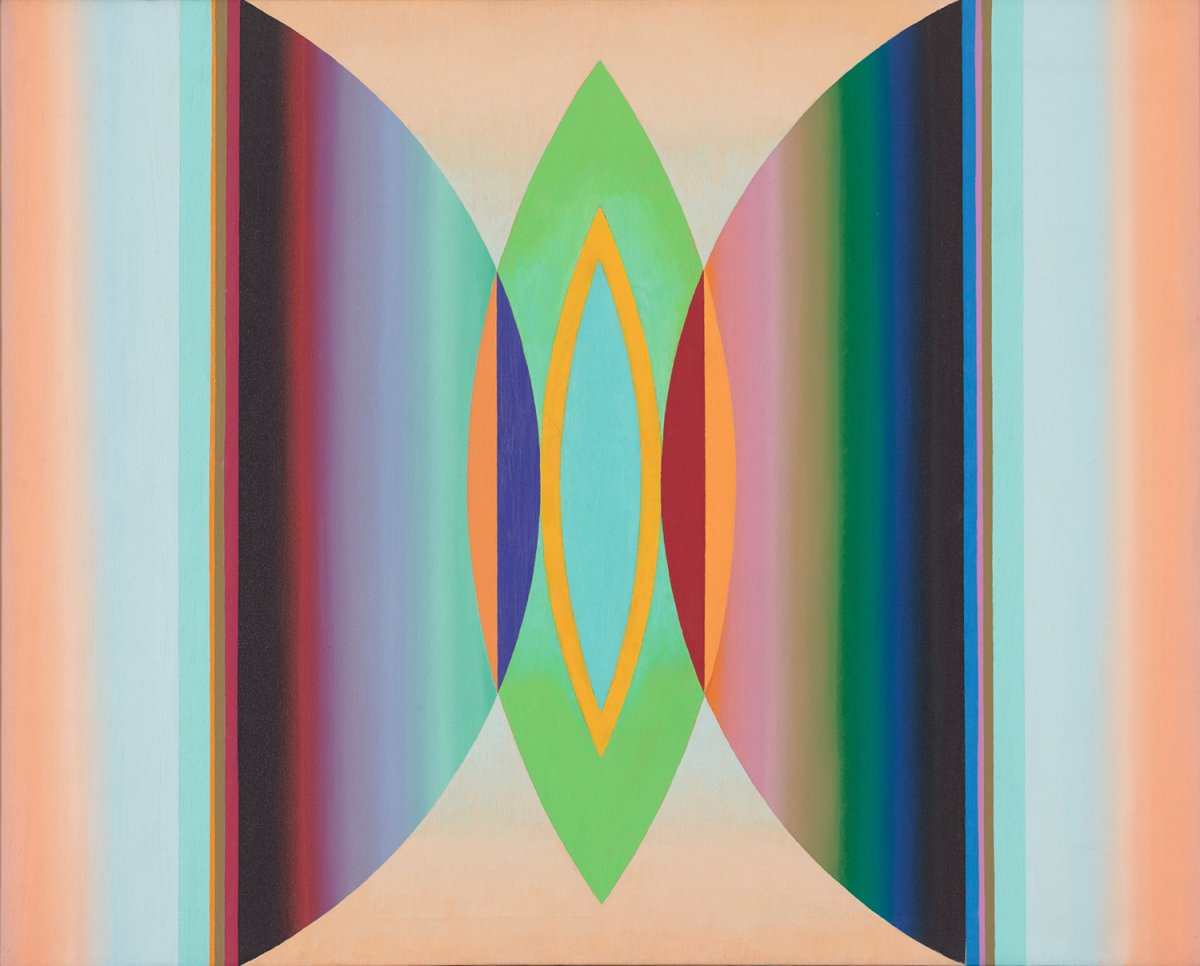
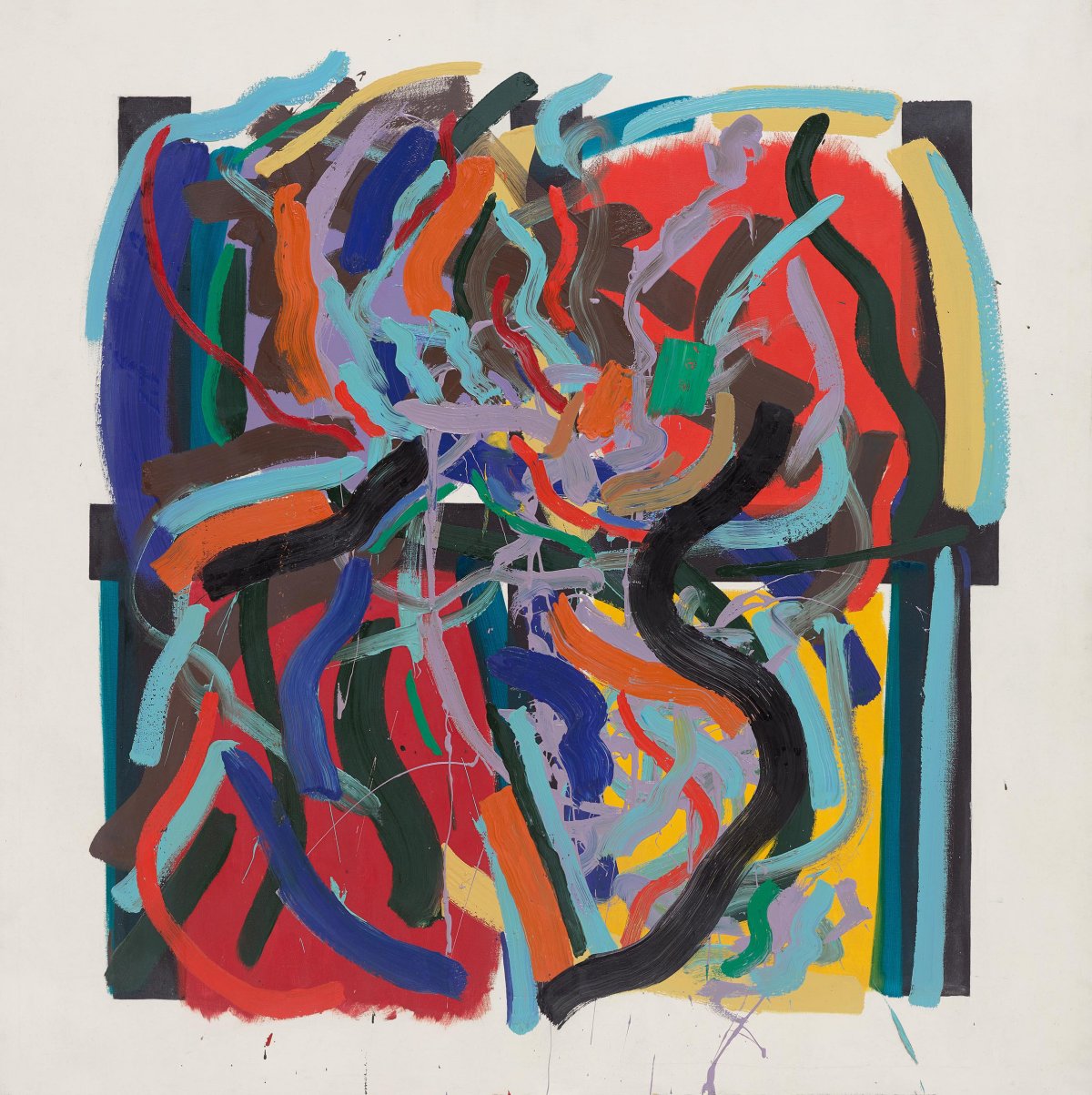
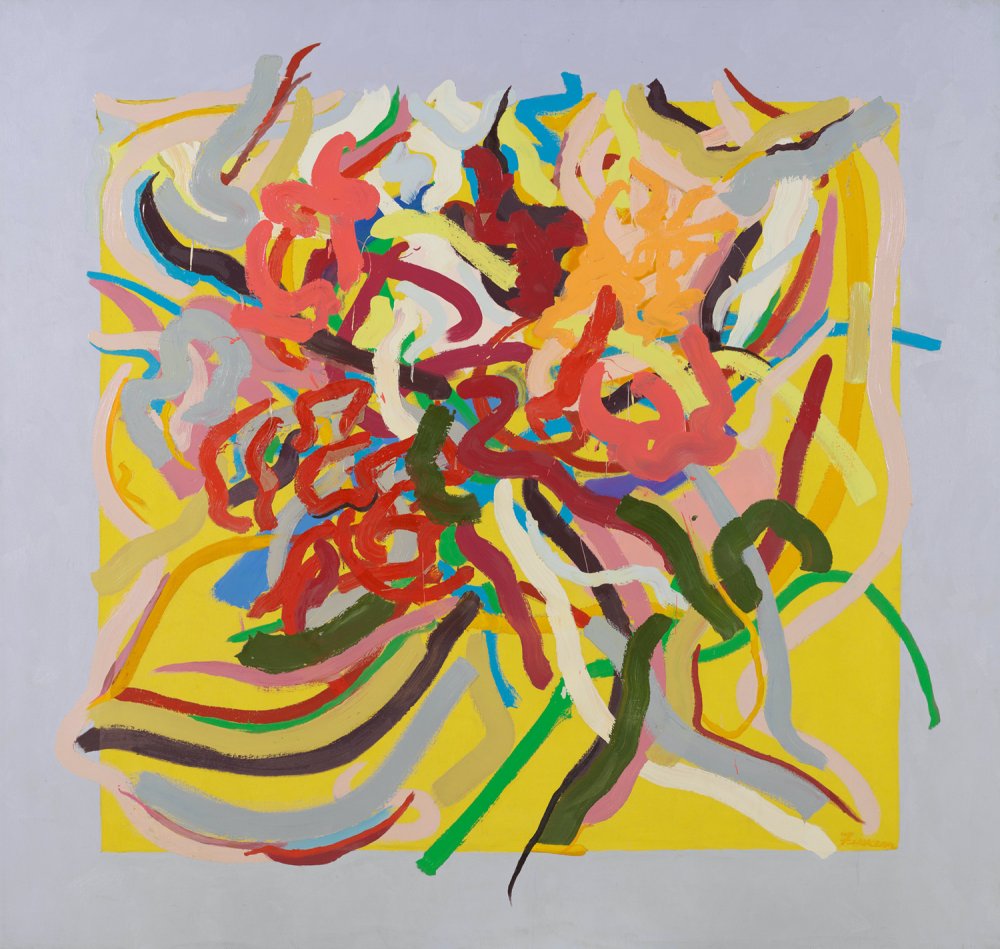
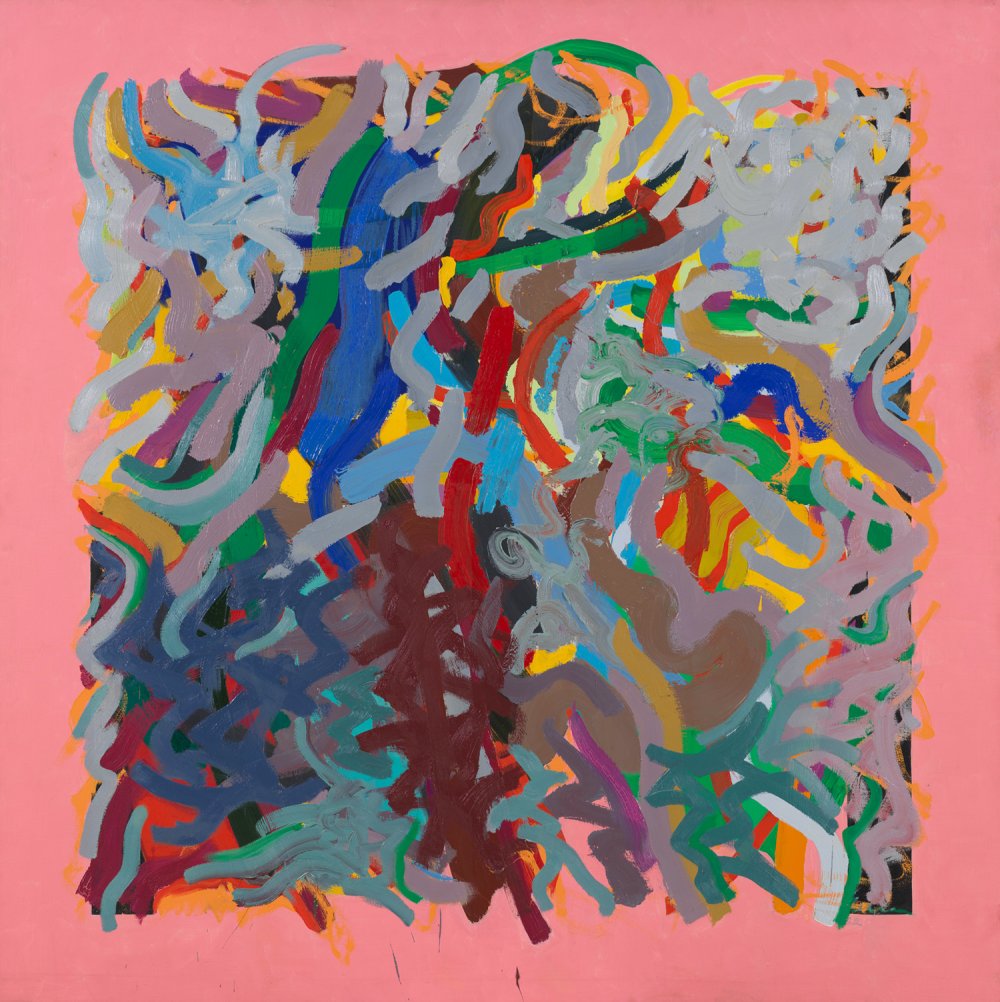
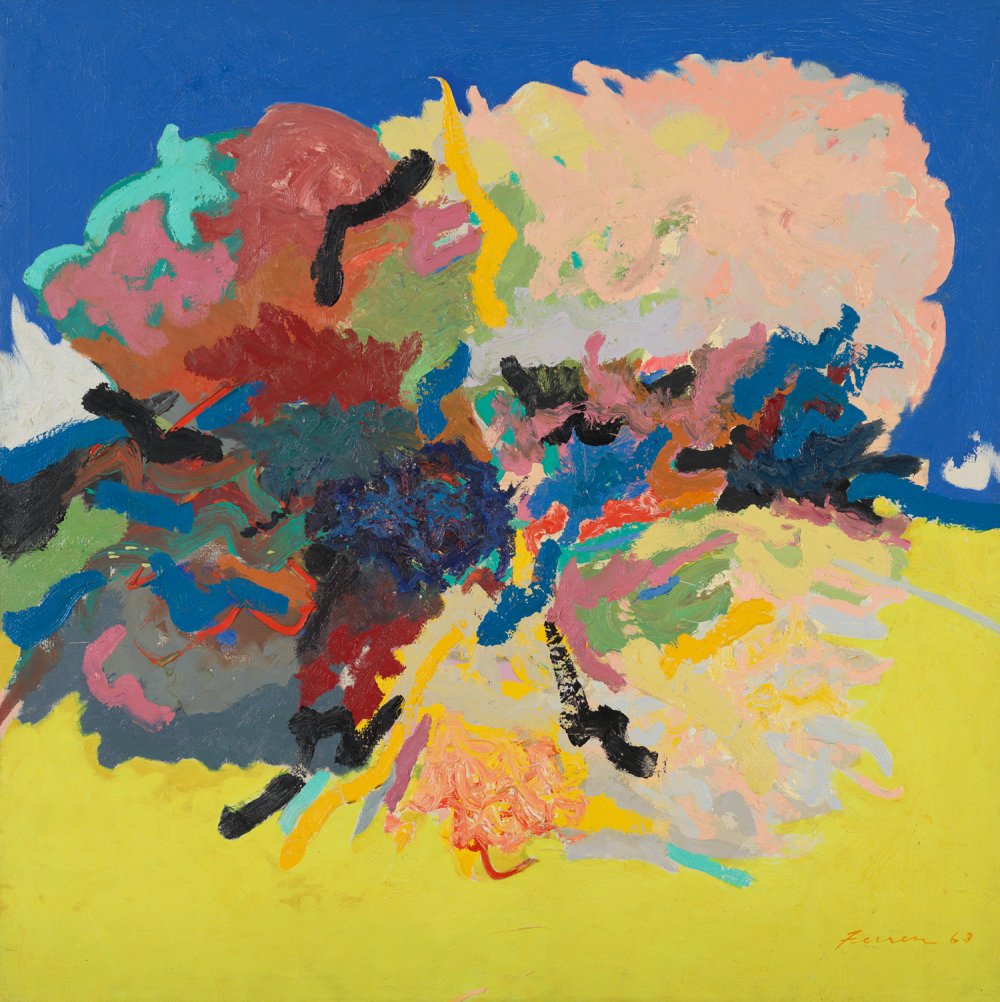
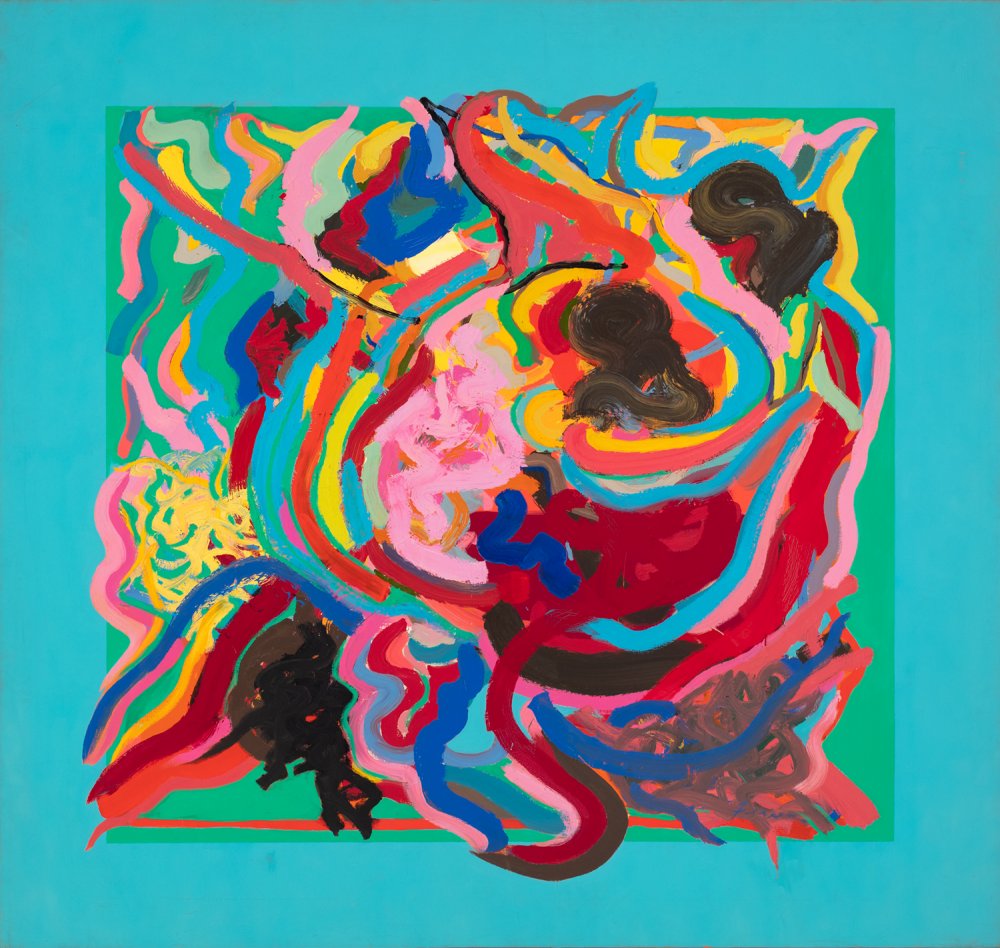
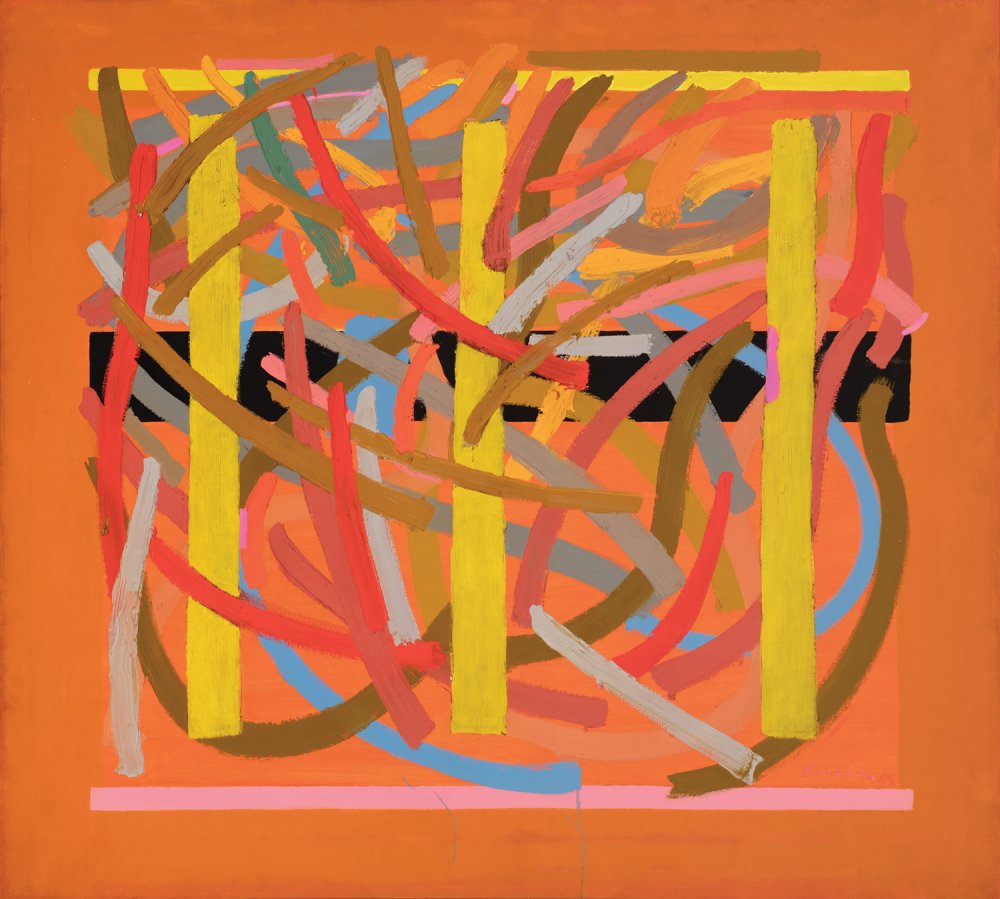
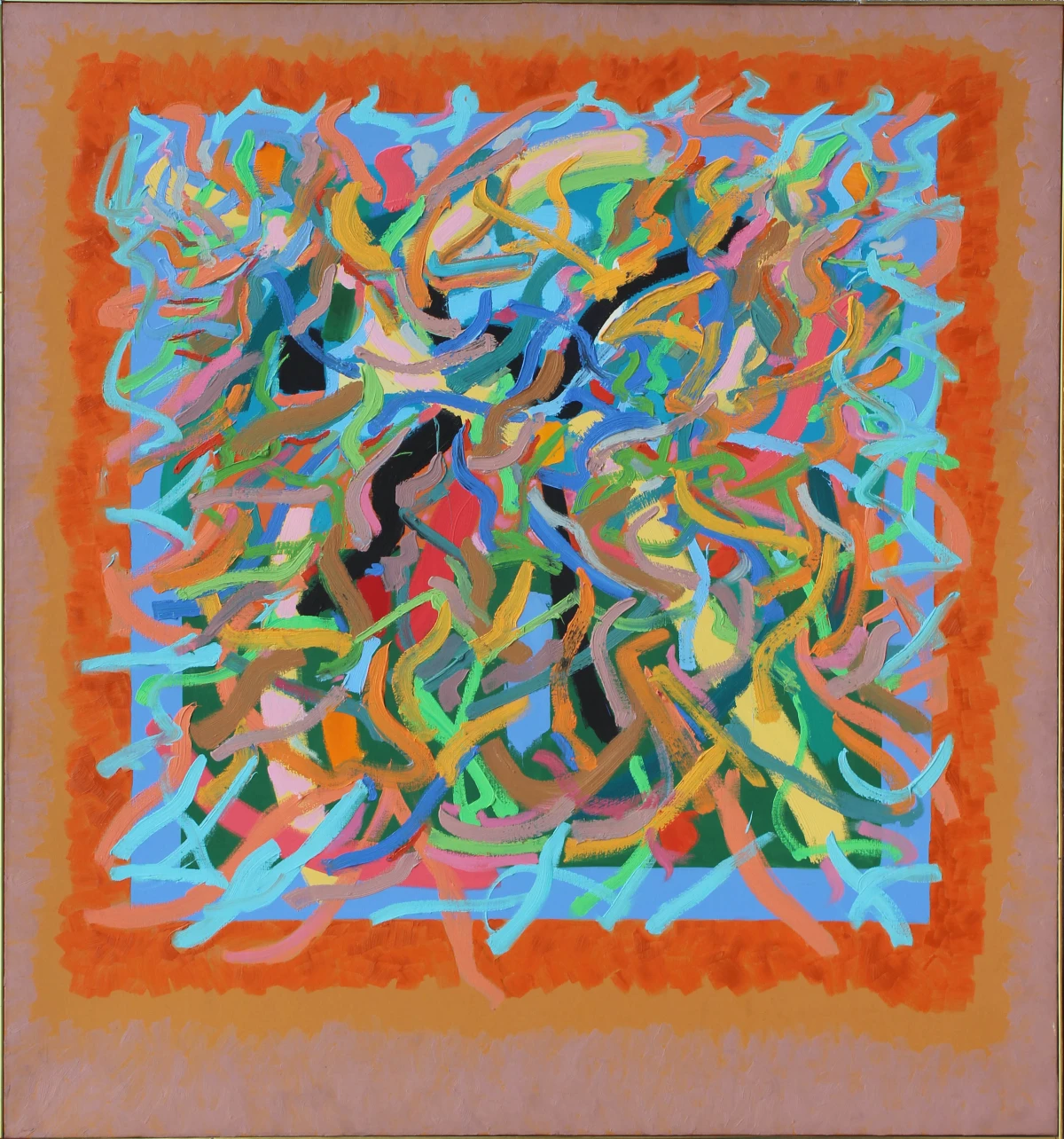
John Ferren’s works of the early 1960s reveal an artist at a richly mature point in his career. Their lattice-like structures and interlacing fields of color suggest both order and openness, construction and release. These paintings do not belong to a beginning, but to a moment of refinement — a period in which Ferren drew together the discipline of his European modernist formation and the expressive energy of postwar New York painting.


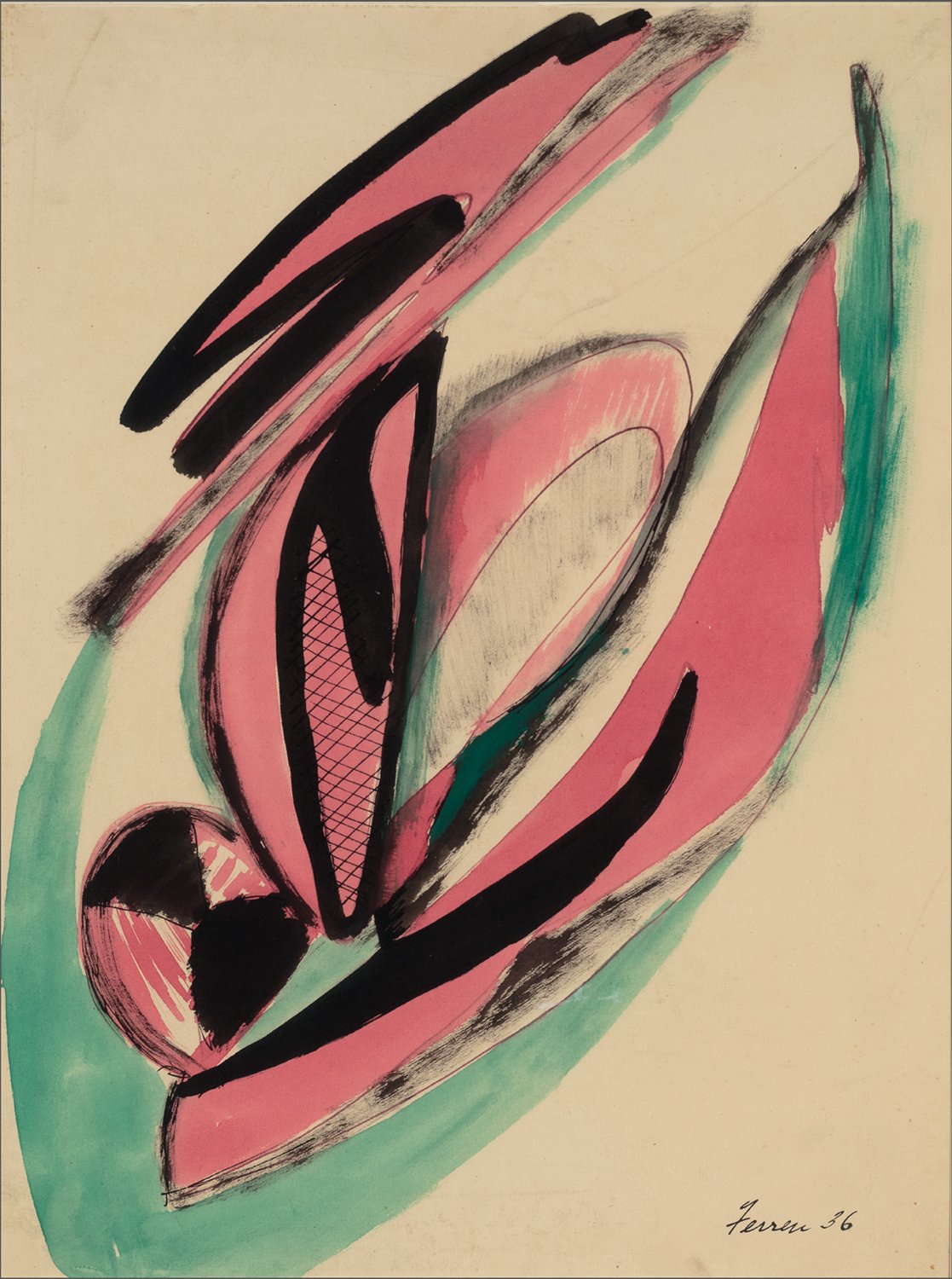
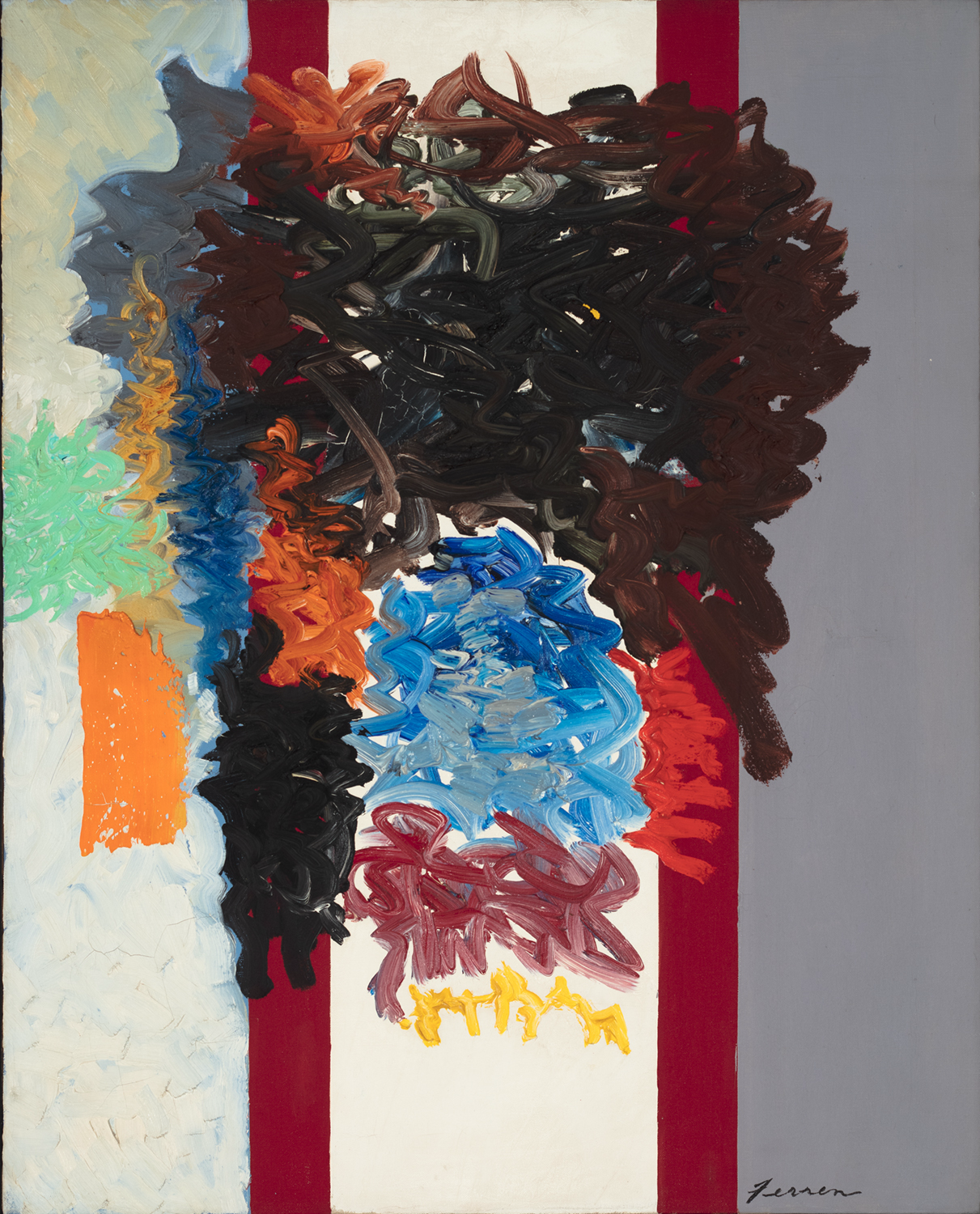
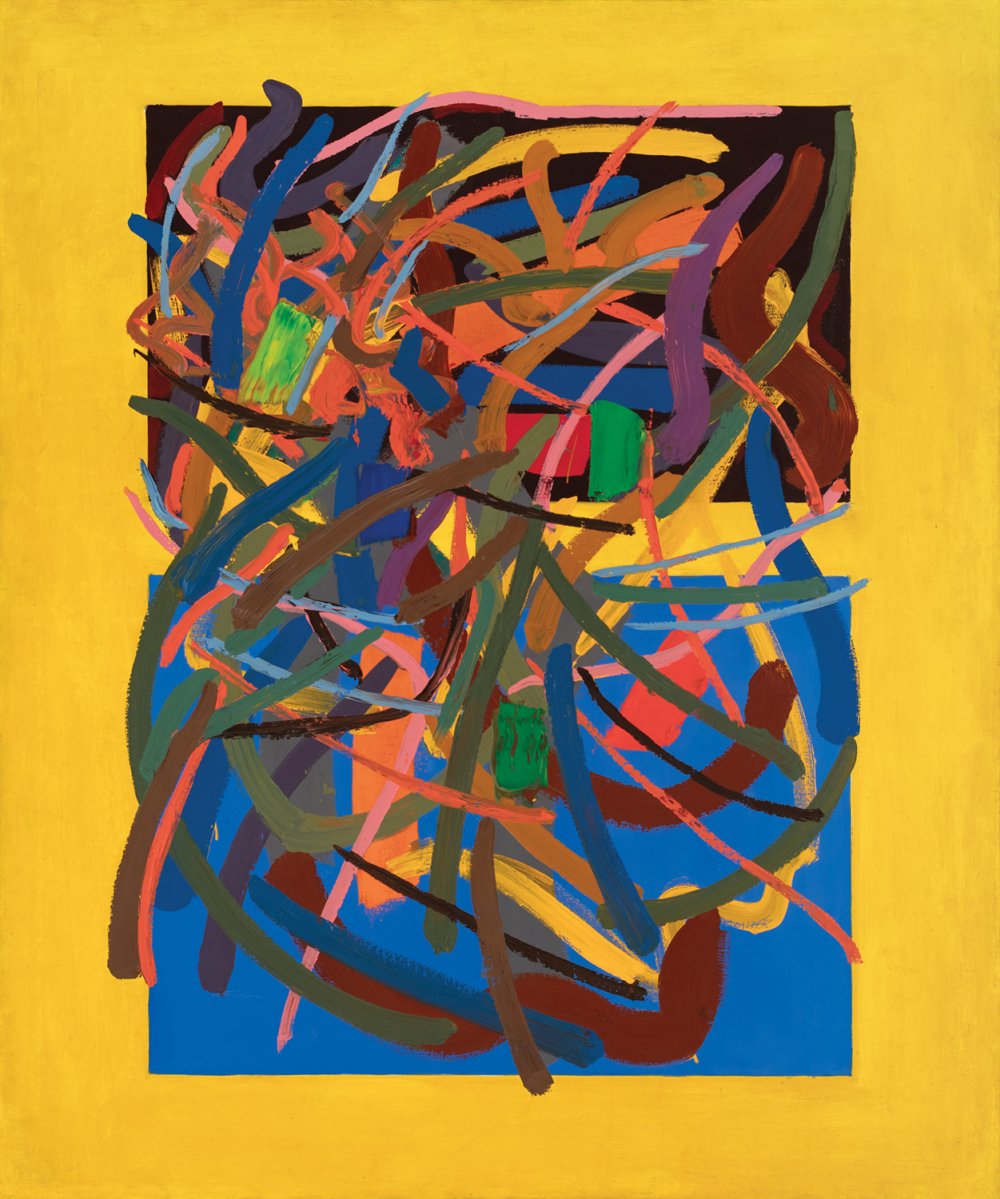
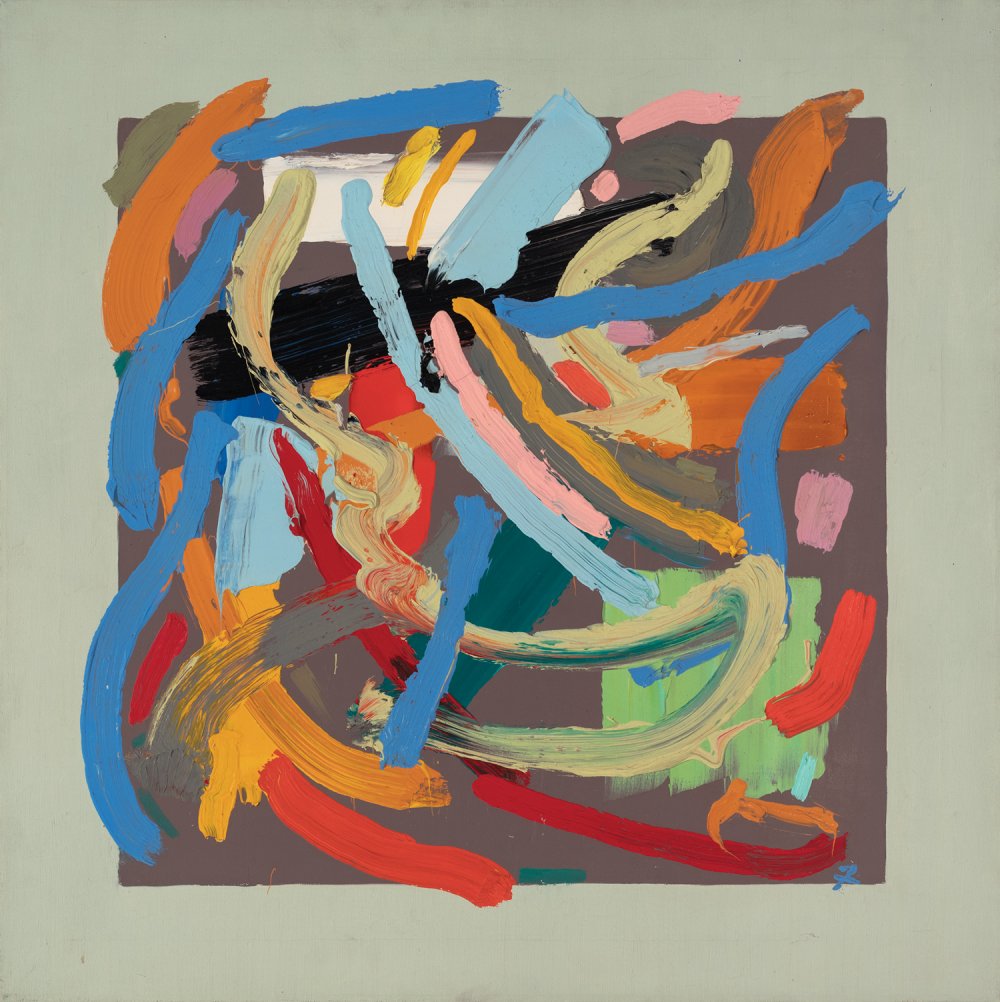

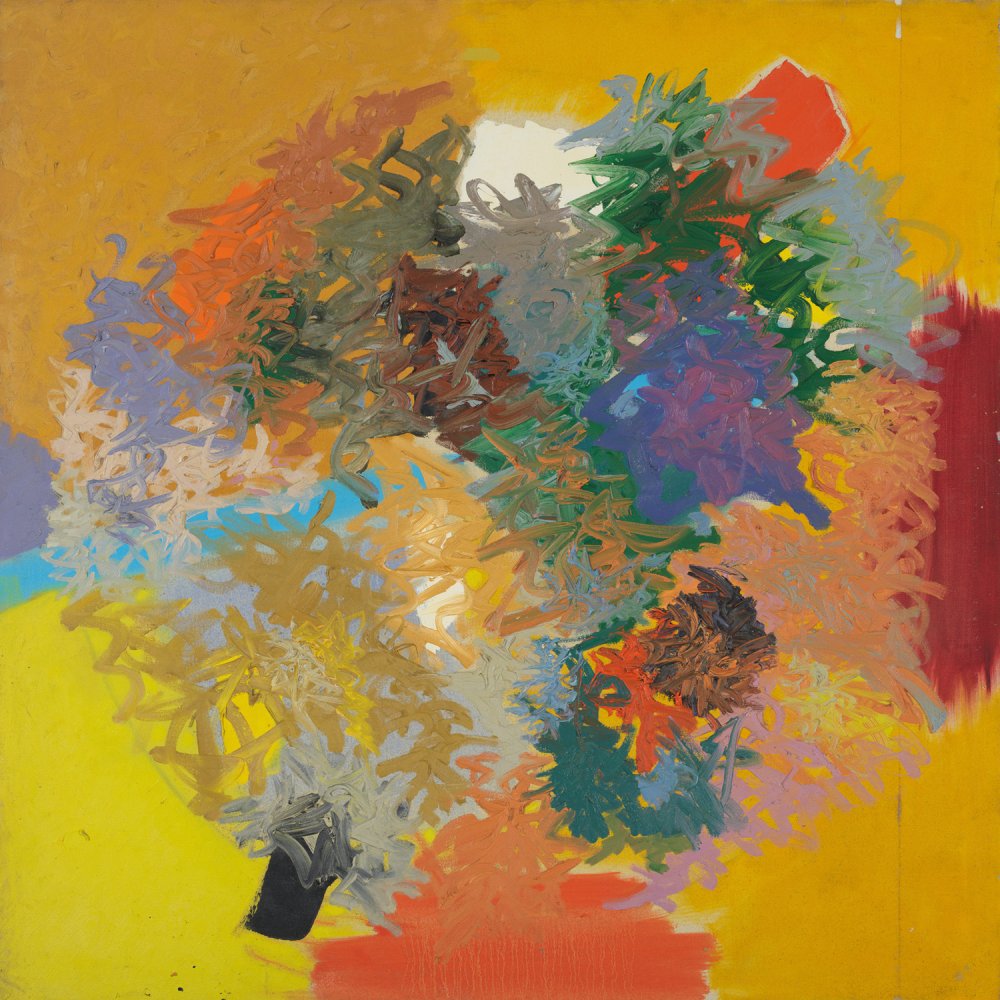
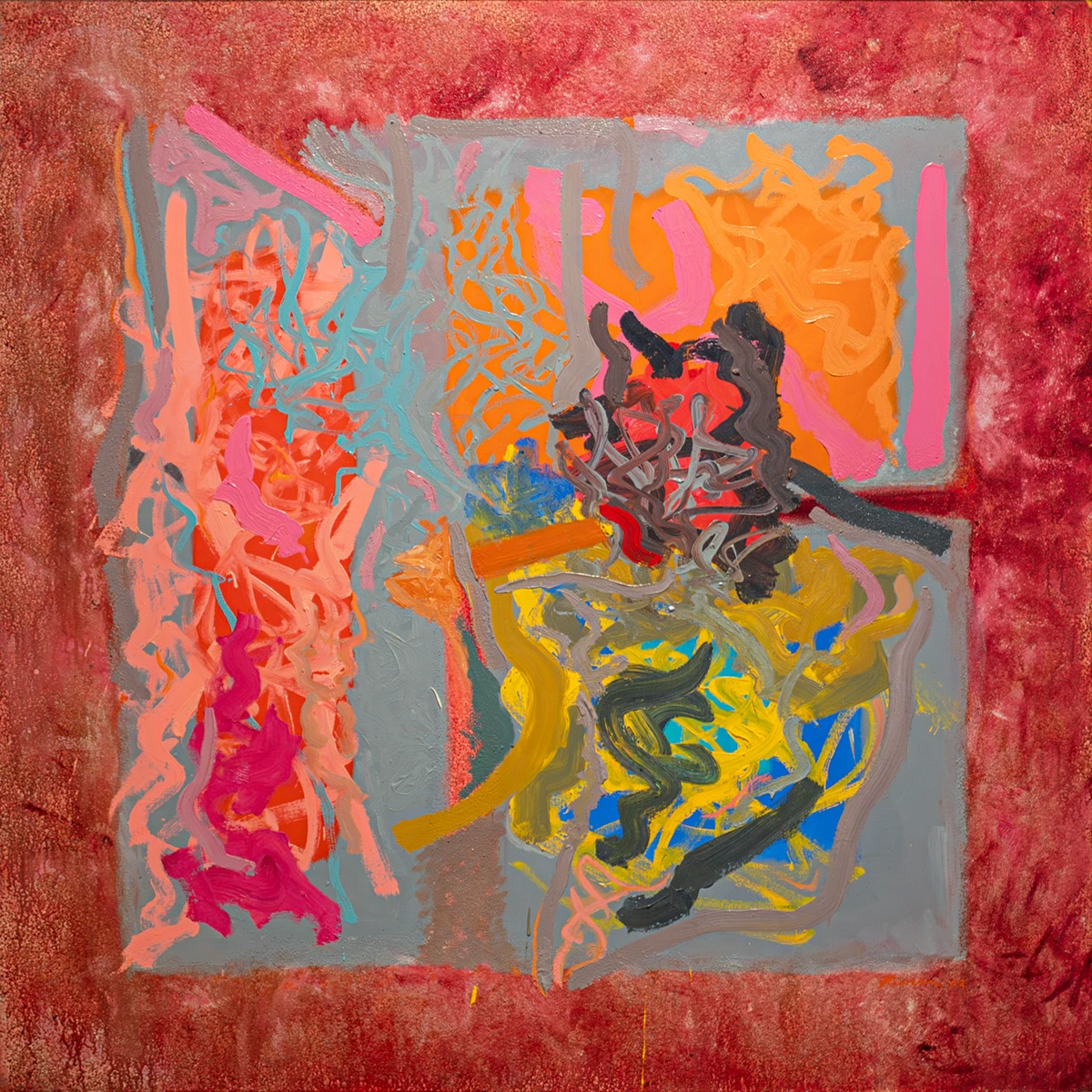
Born in Oregon in 1905, Ferren first developed his sense of form through material and craft, apprenticing to an Italian stonecutter in San Francisco before turning fully to painting. In the 1930s, he lived in Paris, where he became part of the international modernist circle, exhibiting with Abstraction-Création, studying printmaking at Atelier 17, and moving among artists including Joan Miró, Piet Mondrian, Jean Hélion, and Pablo Picasso. Gertrude Stein famously described him as “the only American painter foreign painters in Paris consider a painter and whose painting interests them,” a striking acknowledgment of his position within the European avant-garde.
After the Second World War, Ferren returned to New York and entered the charged atmosphere of the emerging New York School. He taught at the Brooklyn Museum Art School, Cooper Union, and Queens College, and in 1955 became president of The Club, the influential gathering place for Abstract Expressionist artists and writers. His work was included in important exhibitions, including Abstract Painting and Sculpture in America at The Museum of Modern Art in 1951 and Abstract Expressionists and Imagists at the Solomon R. Guggenheim Museum in 1961.
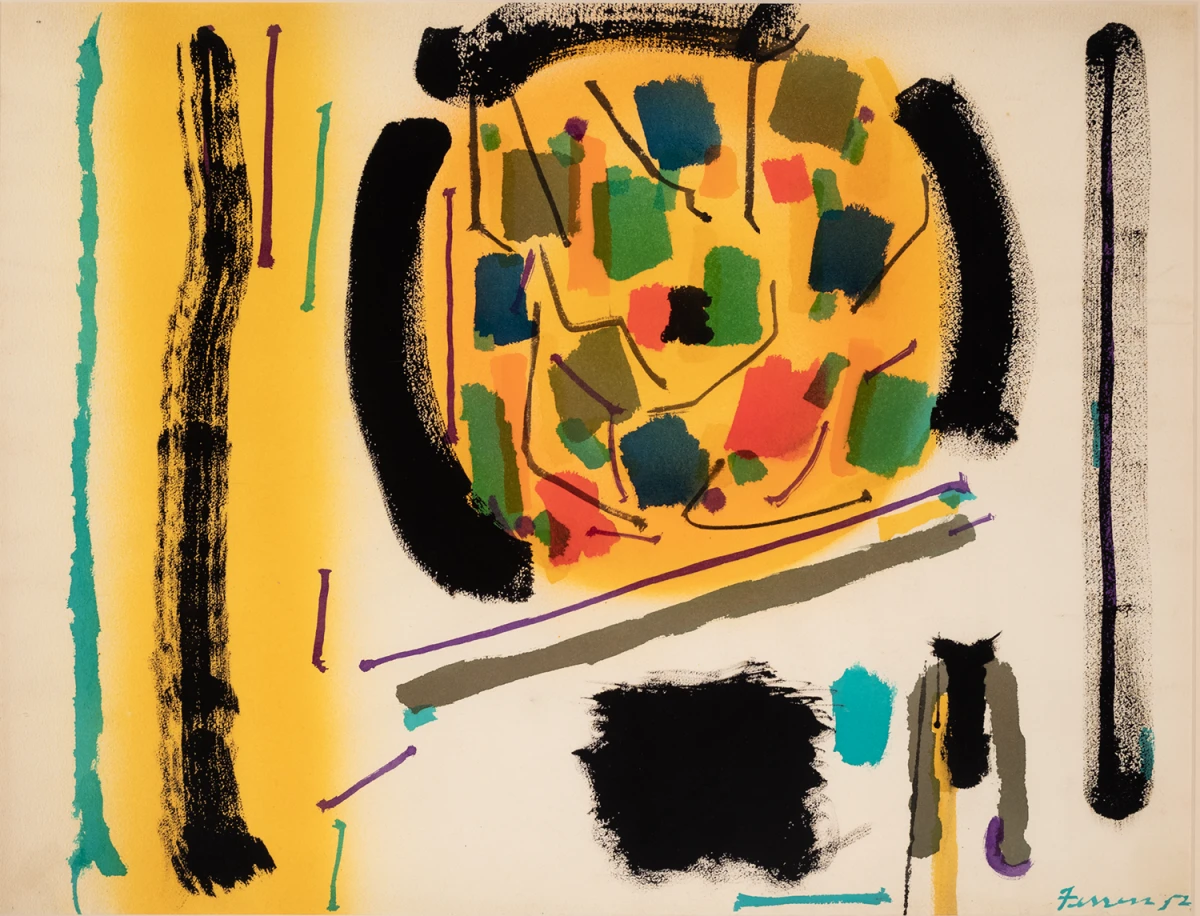
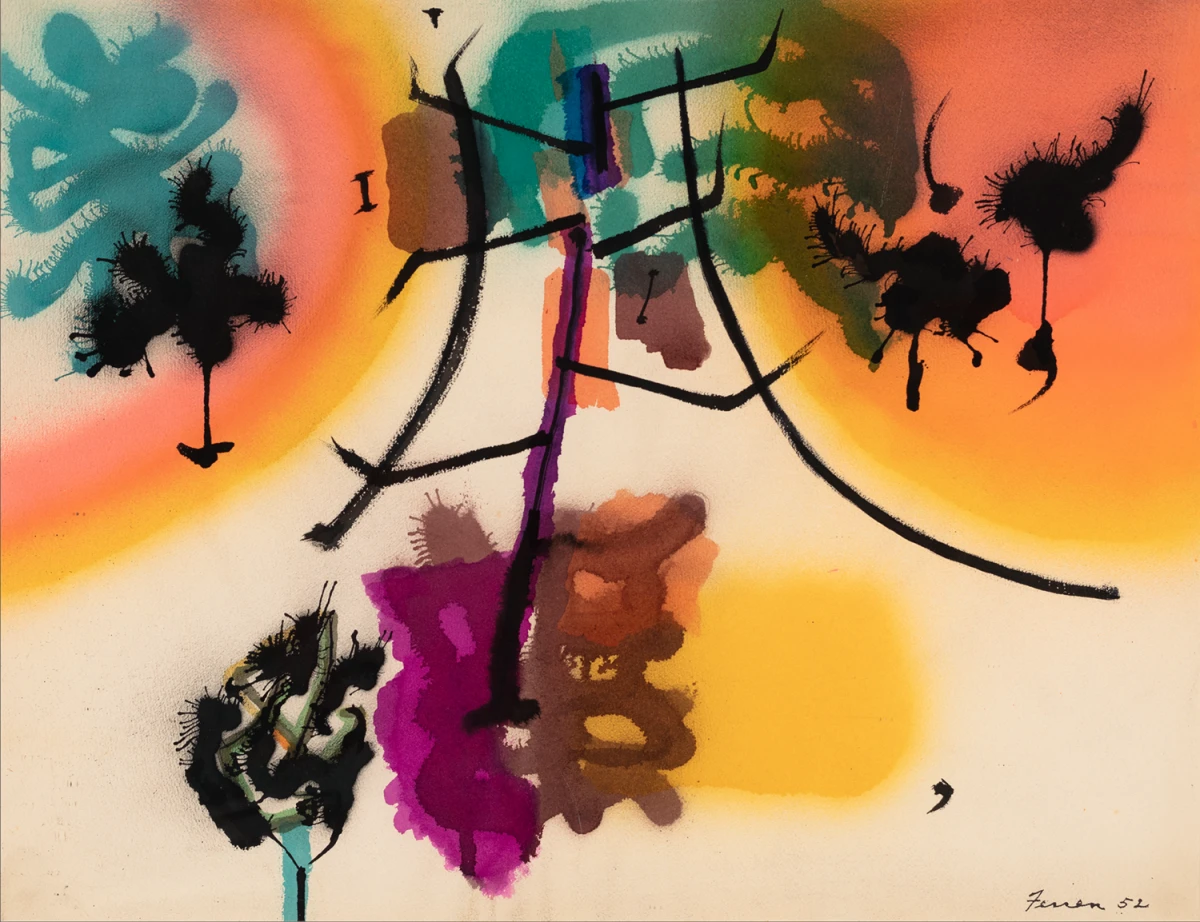
The paintings gathered here extend from this history while standing firmly in Ferren’s mature period. A 1953 review in Art News described his canvases as animated by “crystal, cross, thorn and lattice” motifs — a phrase that remains useful for understanding the visual intelligence of these later works. Their lines do not simply divide space; they create a living armature through which color, rhythm, and movement unfold.
In the early 1960s, Ferren’s abstraction became increasingly open and resonant. Structure remained essential, but it was softened by atmosphere, gesture, and chromatic warmth. These paintings carry the memory of Paris, the urgency of New York, and Ferren’s own belief in the quiet authority of color and control. They are works of balance and passage — revealing an artist who continued to test the relationship between freedom and form with remarkable sensitivity.
Sign Up & Never Miss a Show