+ 33 1 85 76 55 55
Open: Tue-Sat 10am-7pm
Visit
Open: Tue-Sat 10am-7pm
28 rue du Grenier-Saint-Lazare, 75003, Paris, France
Open: Tue-Sat 10am-7pm
Visit
Jitish Kallat: Point of Incidence
Templon, Paris
Sat 21 Mar 2026 to Thu 7 May 2026
28 rue du Grenier-Saint-Lazare, 75003 Jitish Kallat: Point of Incidence
Tue-Sat 10am-7pm
Artist: Jitish Kallat
Jitish Kallat returns to Paris with POINT OF INCIDENCE, a new body of works exploring our relationship to the universe and the ways humankind has sought to inhabit and shape it.
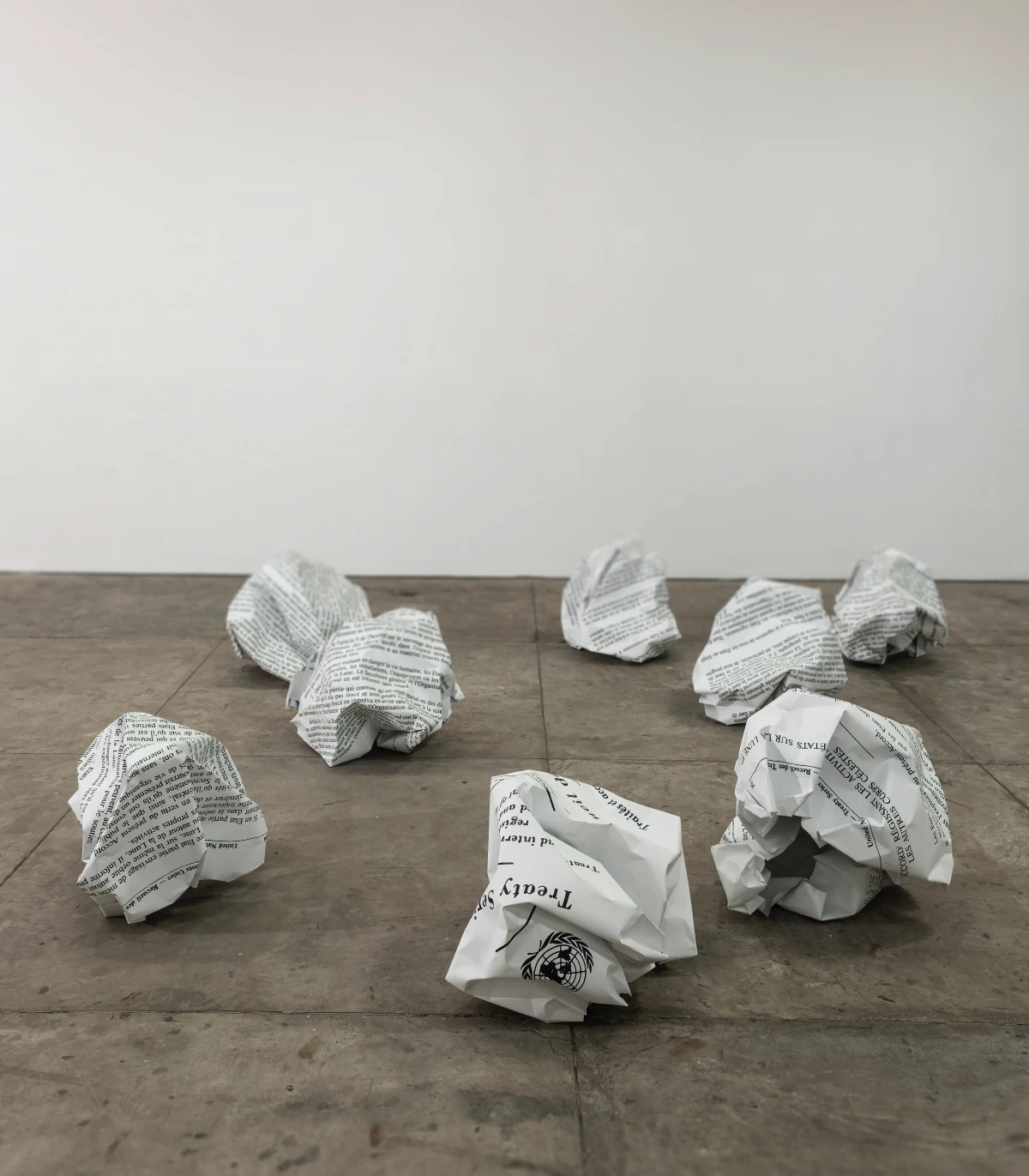

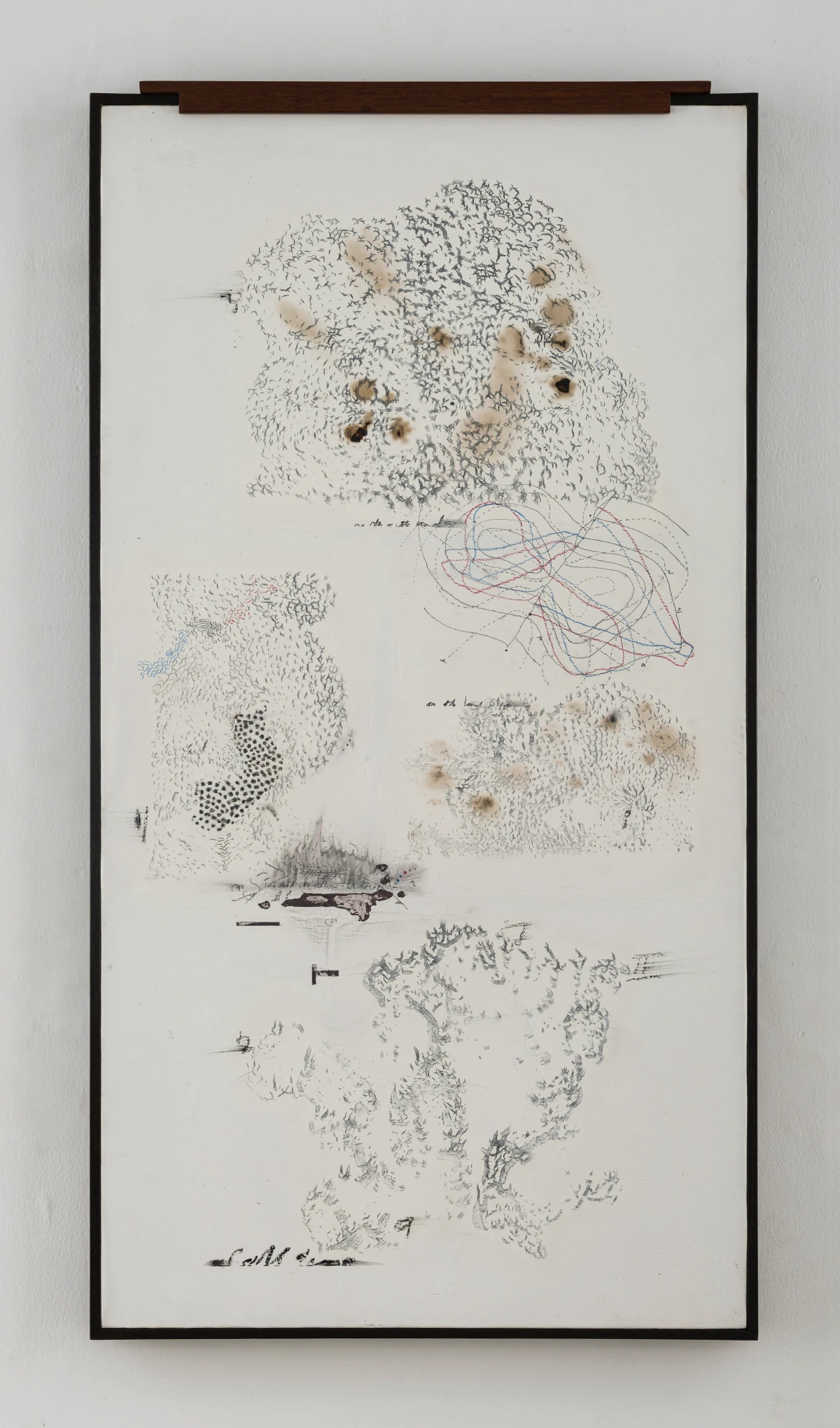
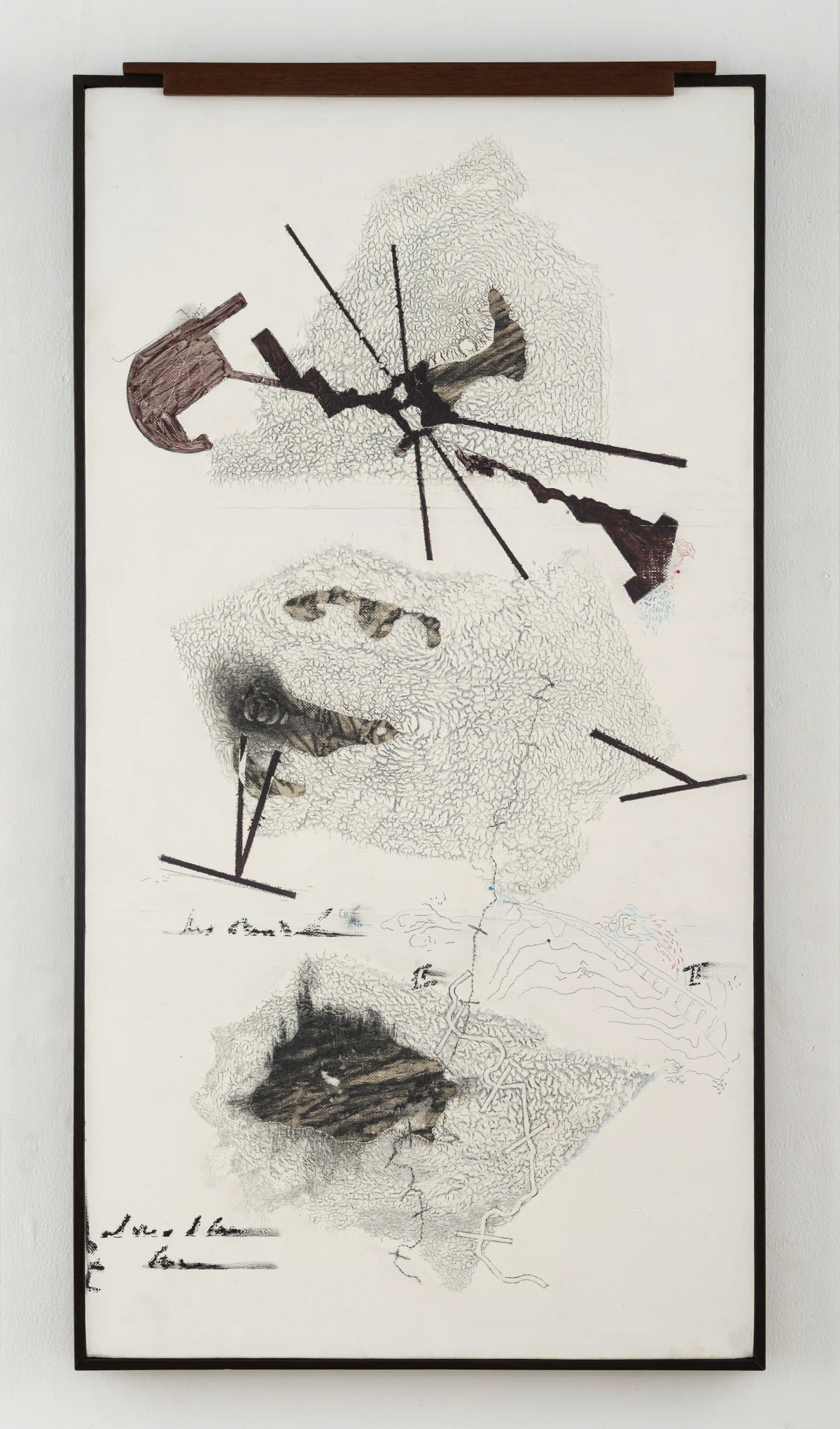
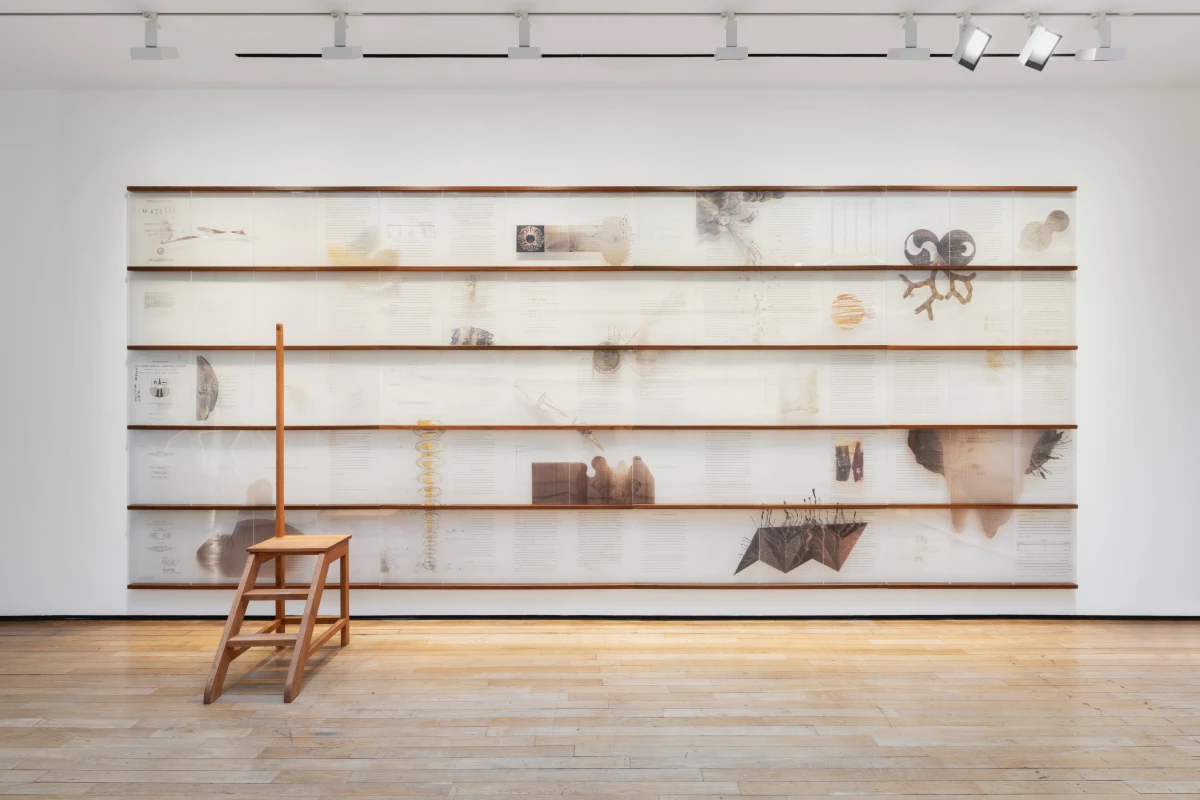

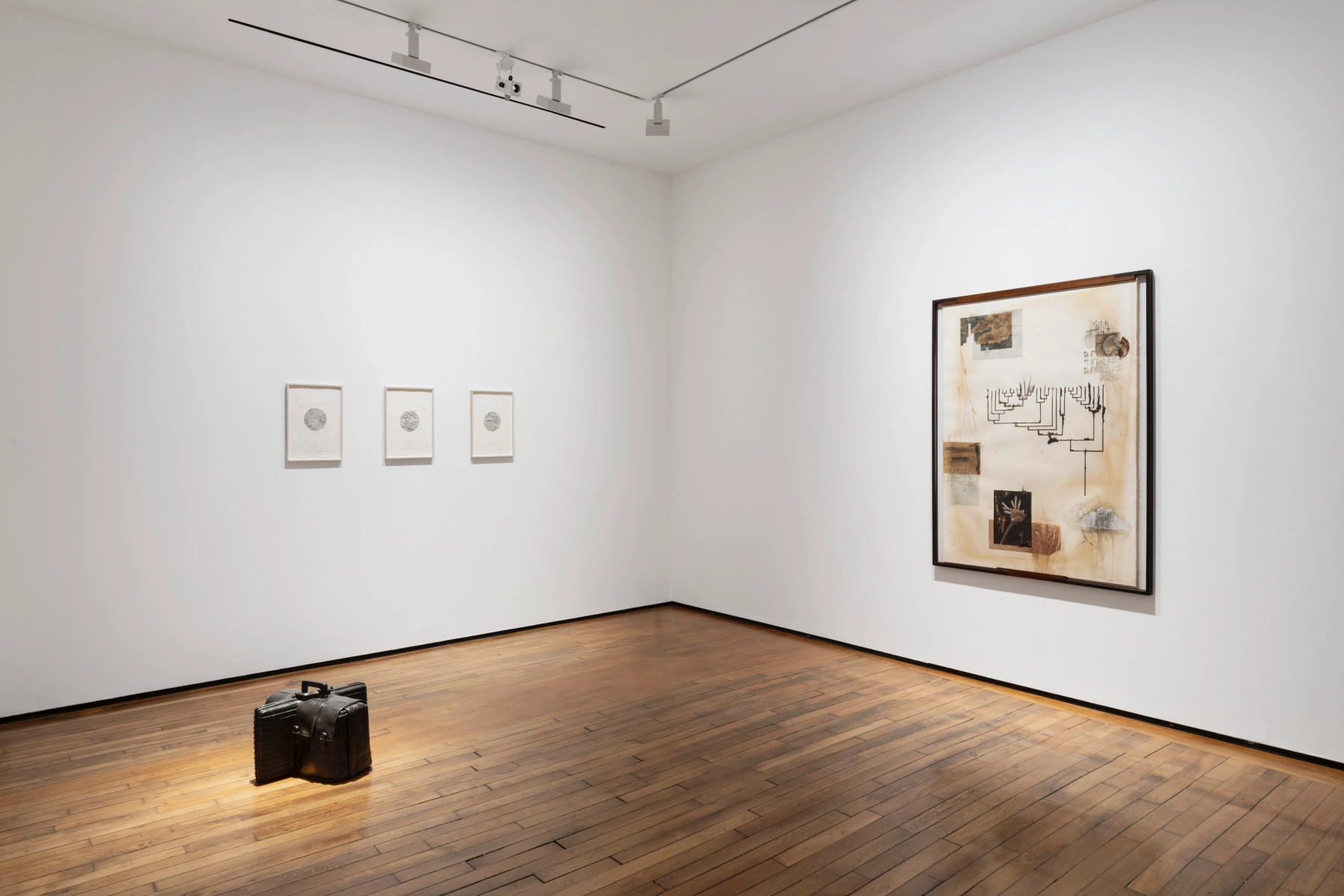
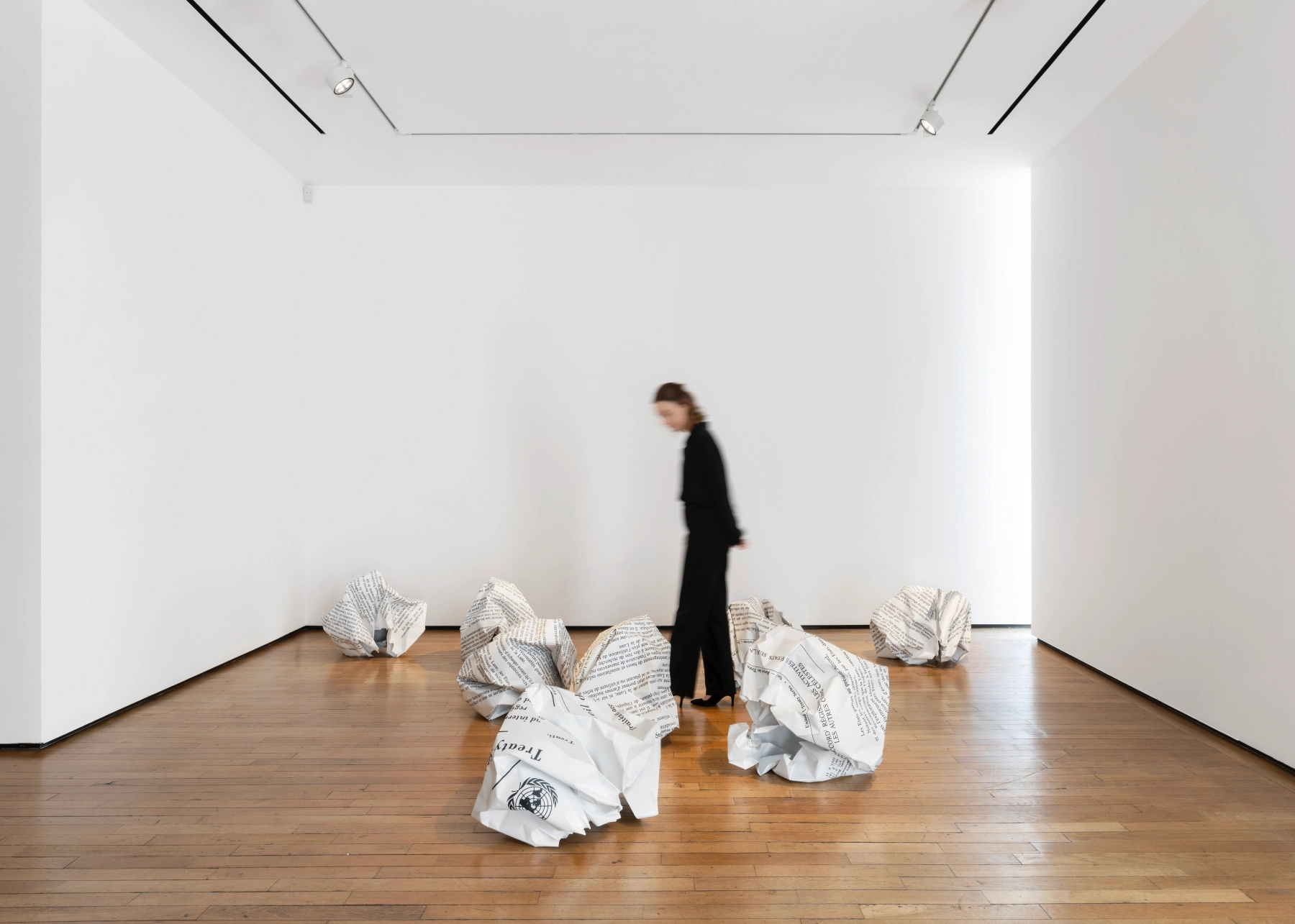
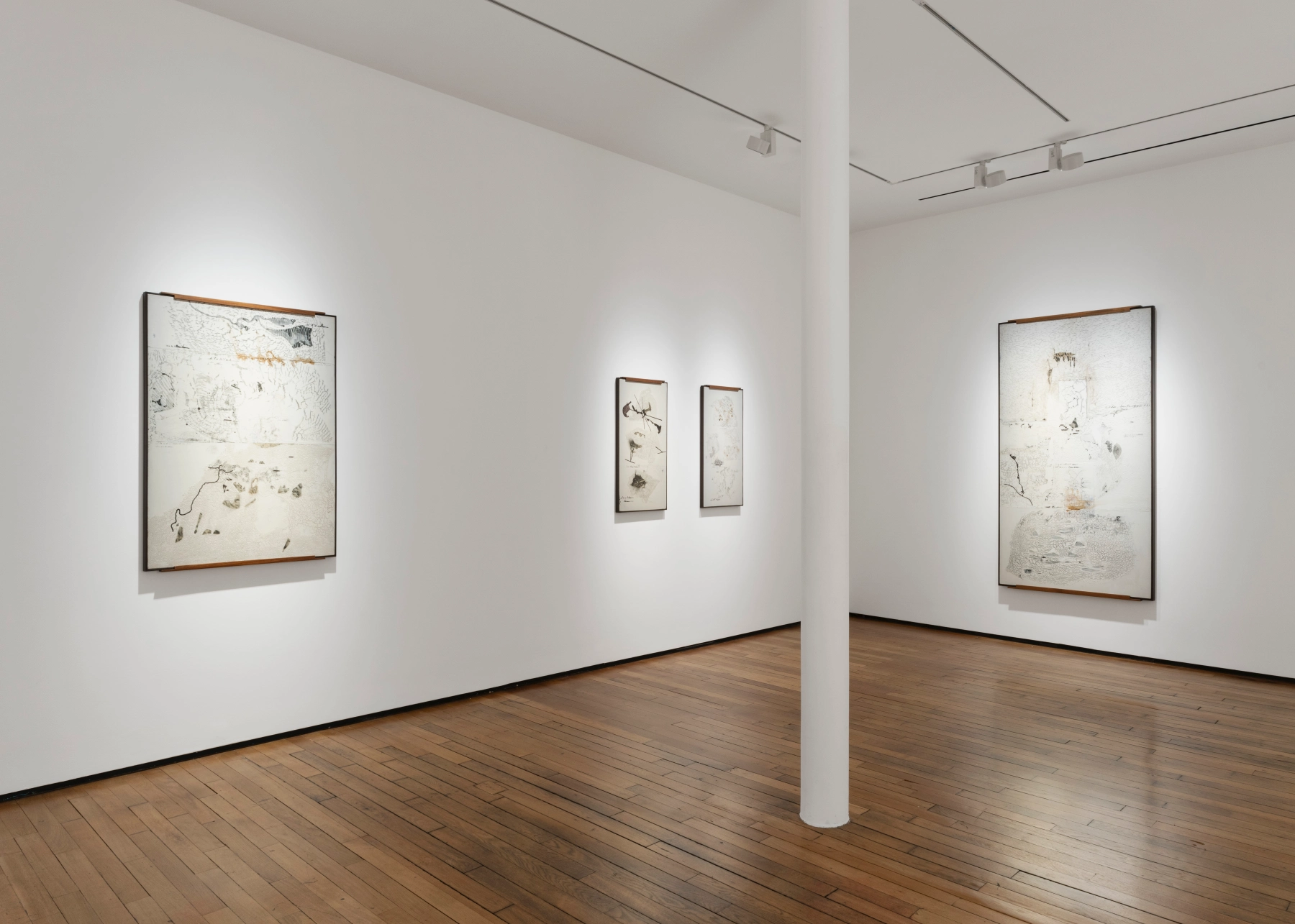
POINT OF INCIDENCE is structured around an Earth–Moon axis, bringing into dialogue two central works, Albedo (Point of Incidence) and Lunar Redux, alongside a constellation of related pieces. While neither Earth nor Moon are directly depicted, the exhibition traces a passage from planetary materiality to celestial speculation, where human thought, law, and imagination intersect.
The journey begins with Moon Treaty, a sculptural work derived from the unratified United Nations Moon Treaty (1979), introducing questions of shared planetary responsibility and extraterrestrial law. Declaring the Moon the “common heritage of mankind,” the treaty articulated a vision of shared stewardship. Its limited adoption revealed the widening gap between international principle and geopolitical reality at the threshold of space exploration. Rendered as crumpled, globe-like forms, its pages appear as discarded covenants, marking the exhibition’s ethical ground.
Lunar Redux unfolds as an open archive in the main room of the gallery. Composed of 190 lenticular panels, the work translates the declassified Cold War document Project A119, a proposal to detonate a nuclear device on the Moon, into a field of visual instability. As images and texts appear and vanish, the archive is redacted and dissolved, turning methodical speculation into flicker, afterimage, and perceptual uncertainty.
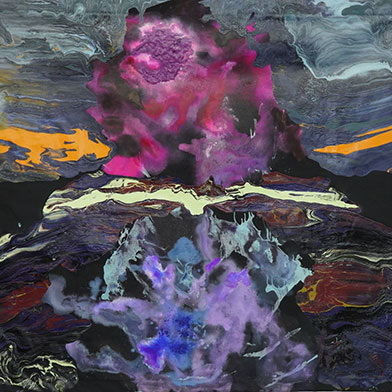
Further on, Albedo (Point of Incidence) turns inward. Here, painting becomes a process akin to terraforming. Layers of water-based road-marking paint, thermochromic pigment, and gesso respond to air, heat, and time, producing surfaces that echo erosion, melt and weathering. Rather than depicting Earth itself, these works enact its conditions of change, registering planetary flux and human intervention.
The series reflects on the delicate equilibrium of Earth’s ecosystems through speculative abstraction, guided by intuitions of light, temperature, reflection, and renewal. The title refers to ‘albedo’, the measure of how much light a surface reflects rather than absorbs, an index central to Earth’s shifting energy balance as the planet retains more heat than it releases. The diffused whiteness of the surfaces forms a fragmented atlas of planetary processes, evoking melting glaciers, deluge, drought, and geological flux, while quietly tracing cycles of decay and renewal.
Continuing downward, Hexalemma (Earthling Chant) anchors the exhibition in the human register. A propositional assembly of imagery drawn from the artist’s research notes and studio references intertwines with a coded interstellar message, staging a planetary address sent from a divided world. An abstracted phylogenetic tree, normally a symbol of evolution and lineage, is caught in an invisible gust, its linear logic of descent disturbed. Fasciated flowers, nuclear blast cavities, and hands molding soil converge with visions of planetary upheaval, evoking precarity, mutation, and paradox through a cosmic lens. The composition is suffused with a warm, time-weathered hue known as cosmic latte, the term astronomers use to describe the average color of light emitted by the observable universe. Cut-out symbols derived from Cosmic Call, an interstellar message transmitted from the Yevpatoria radio telescope in Ukraine, perforate the surface, reflecting humanity’s impulse toward connection alongside its capacity for self-destruction. Across shifting scales of time and space, Jitish Kallat invites reflection on humanity’s imprint on Earth and its aspirations beyond it.