+44 7526033690
Open: Wed-Sat 10am-6pm
Visit
Open: Wed-Sat 10am-6pm
193 Fleet Street, EC4A 2AH, London, United Kingdom
Open: Wed-Sat 10am-6pm
Visit
Jason Shulman: Moving Pictures
Ashley Saville, London
Wed 13 May 2026 to Sat 4 Jul 2026
193 Fleet Street, EC4A 2AH Jason Shulman: Moving Pictures
Wed-Sat 10am-6pm
Artist: Jason Shulman
Ashley Saville presents Moving Pictures, an exhibition of works by Jason Shulman. The exhibition’s title is a wide bracket that alludes to time and motion, as well as to an implied dramatic intensity. It is one of three exhibitions featuring Shulman’s work this summer, alongside those at the Oscar Niemeyer Museum in Brazil and the Warehouse Dallas Art Foundation in Texas.
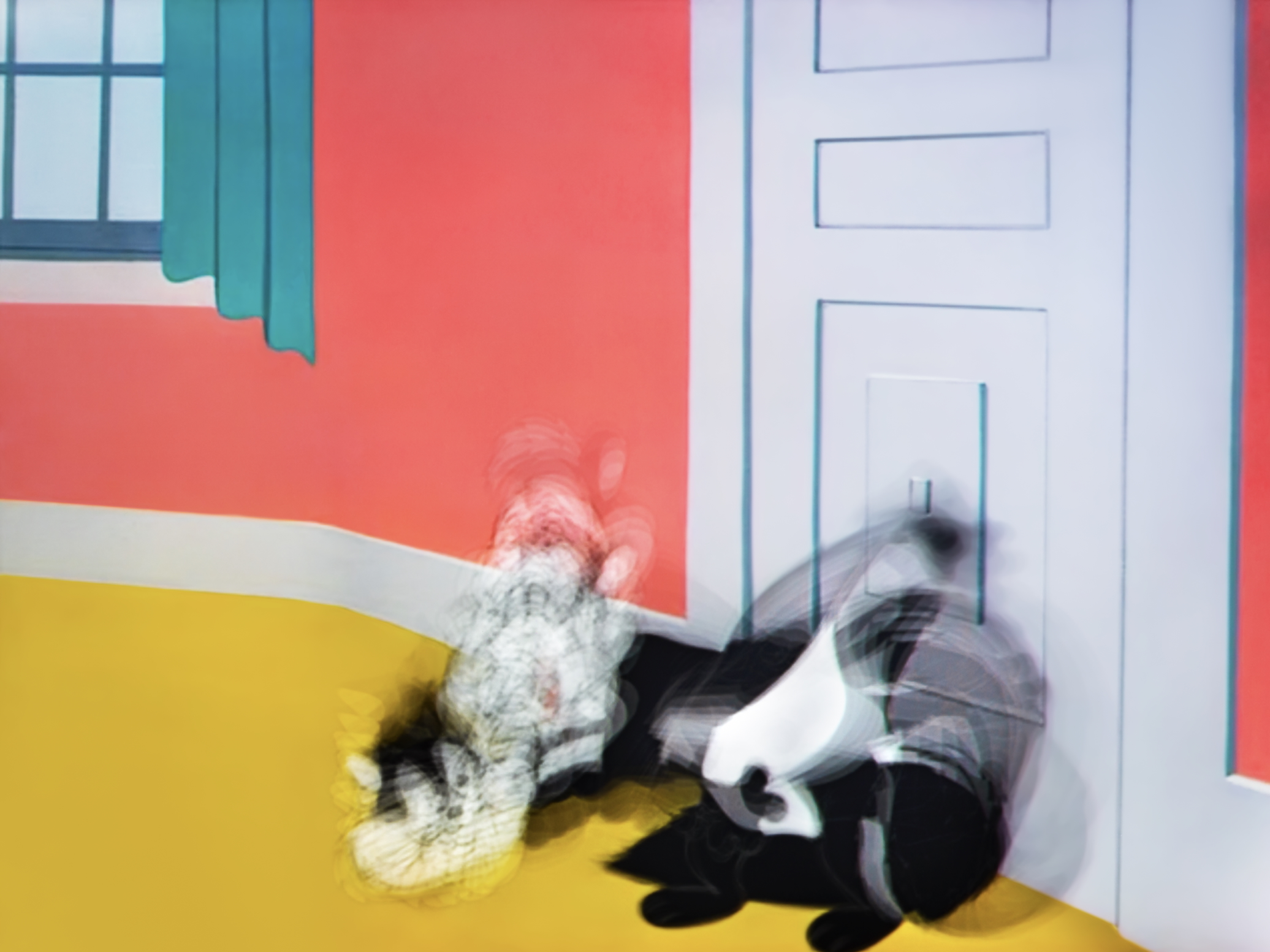
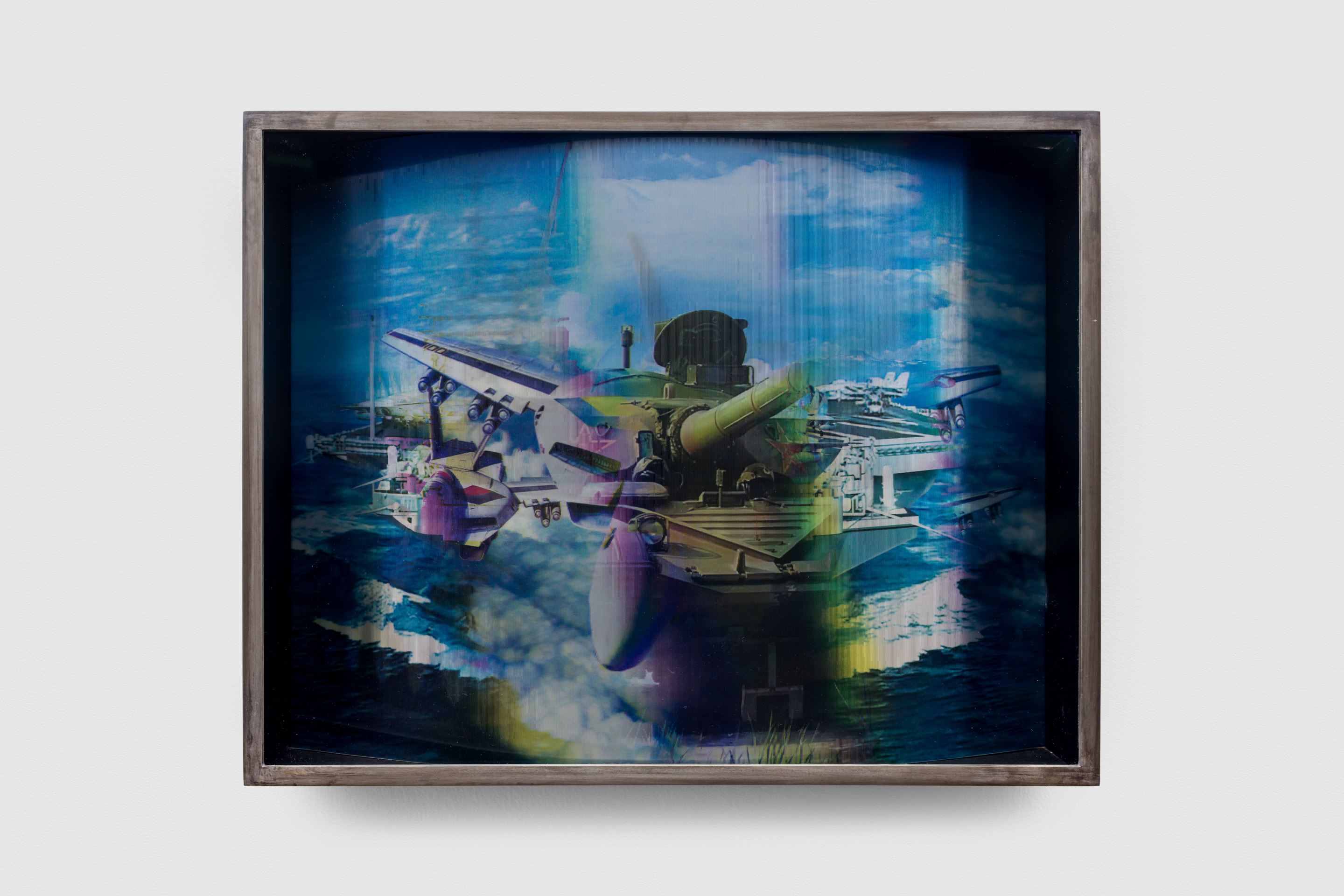
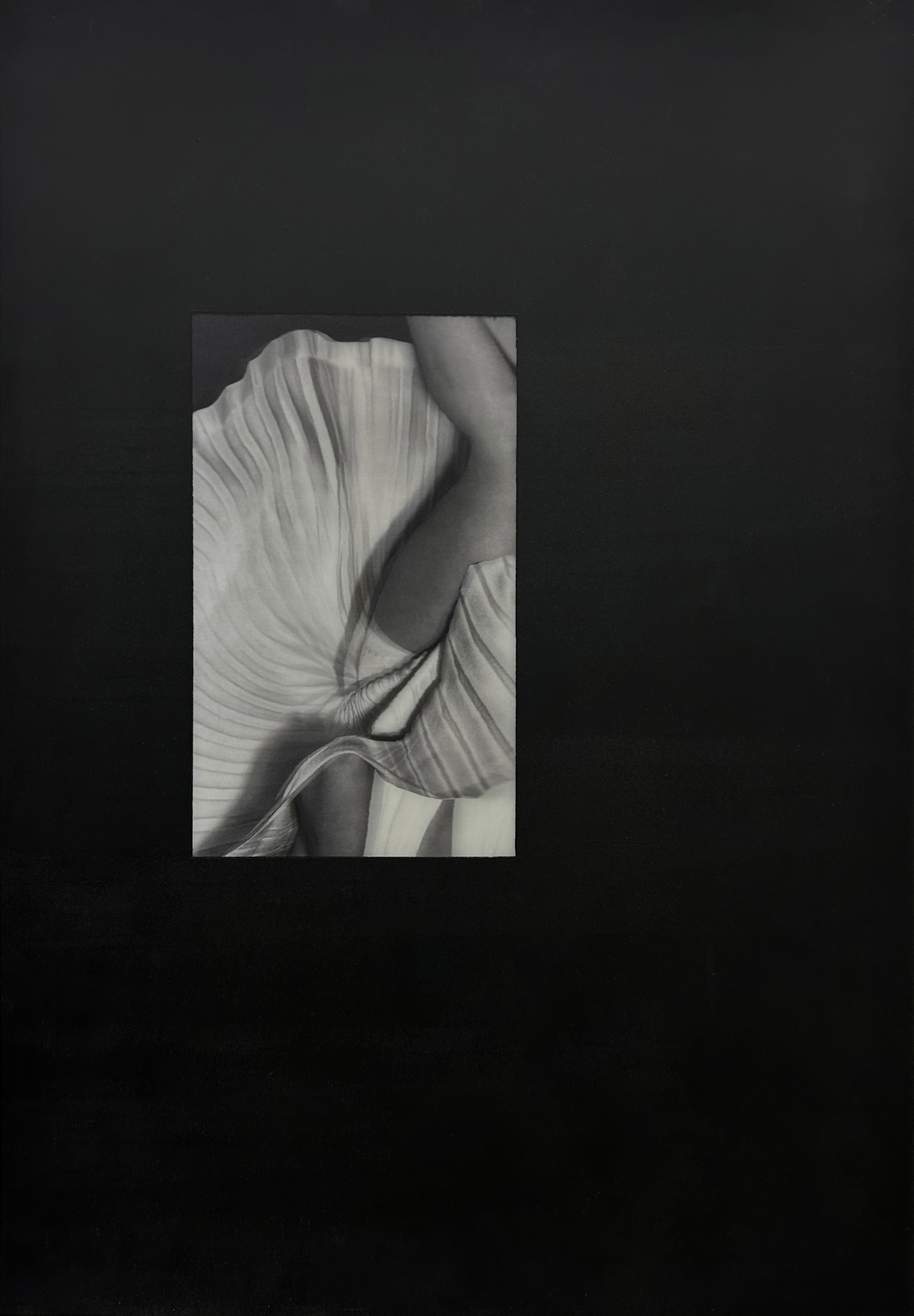
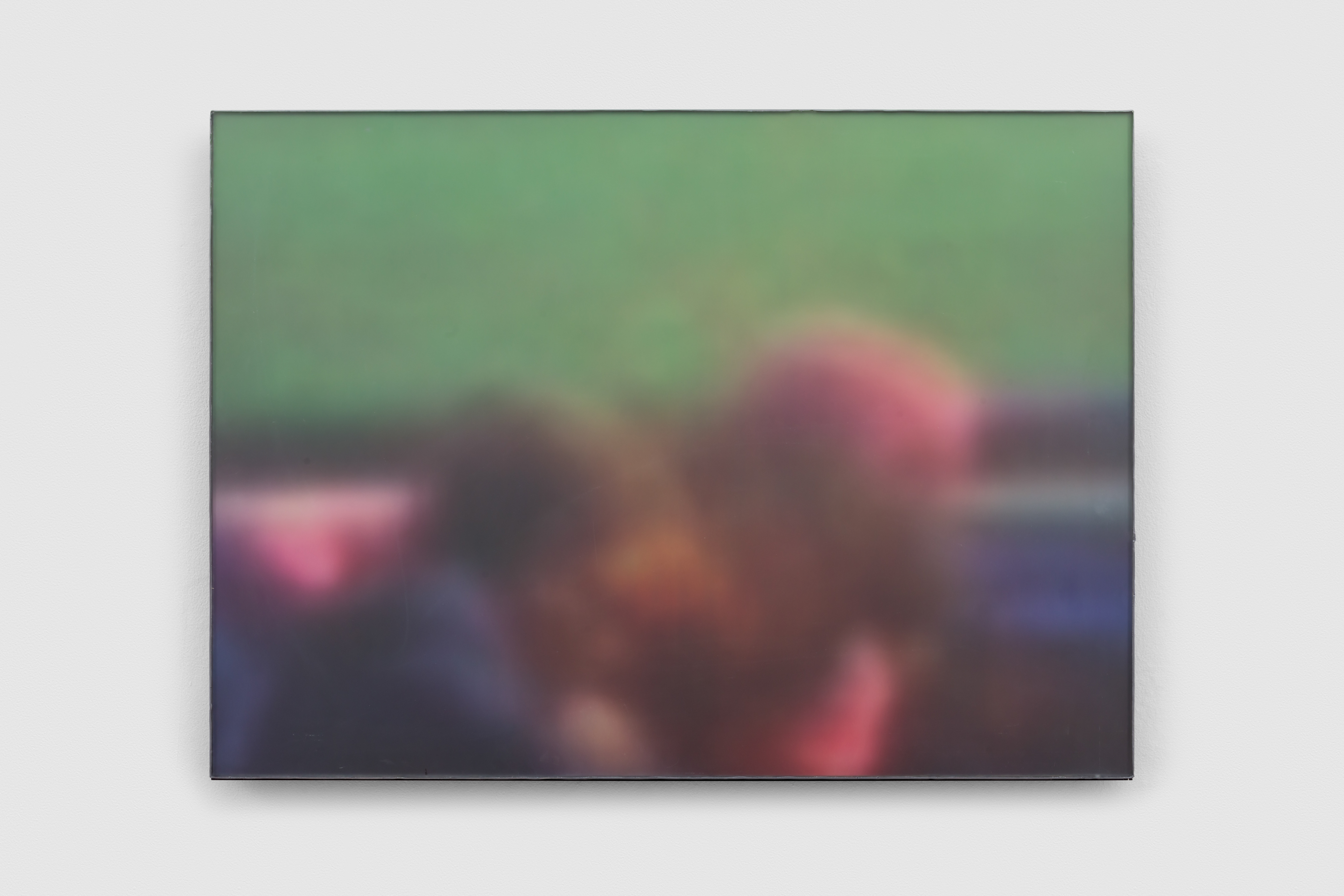
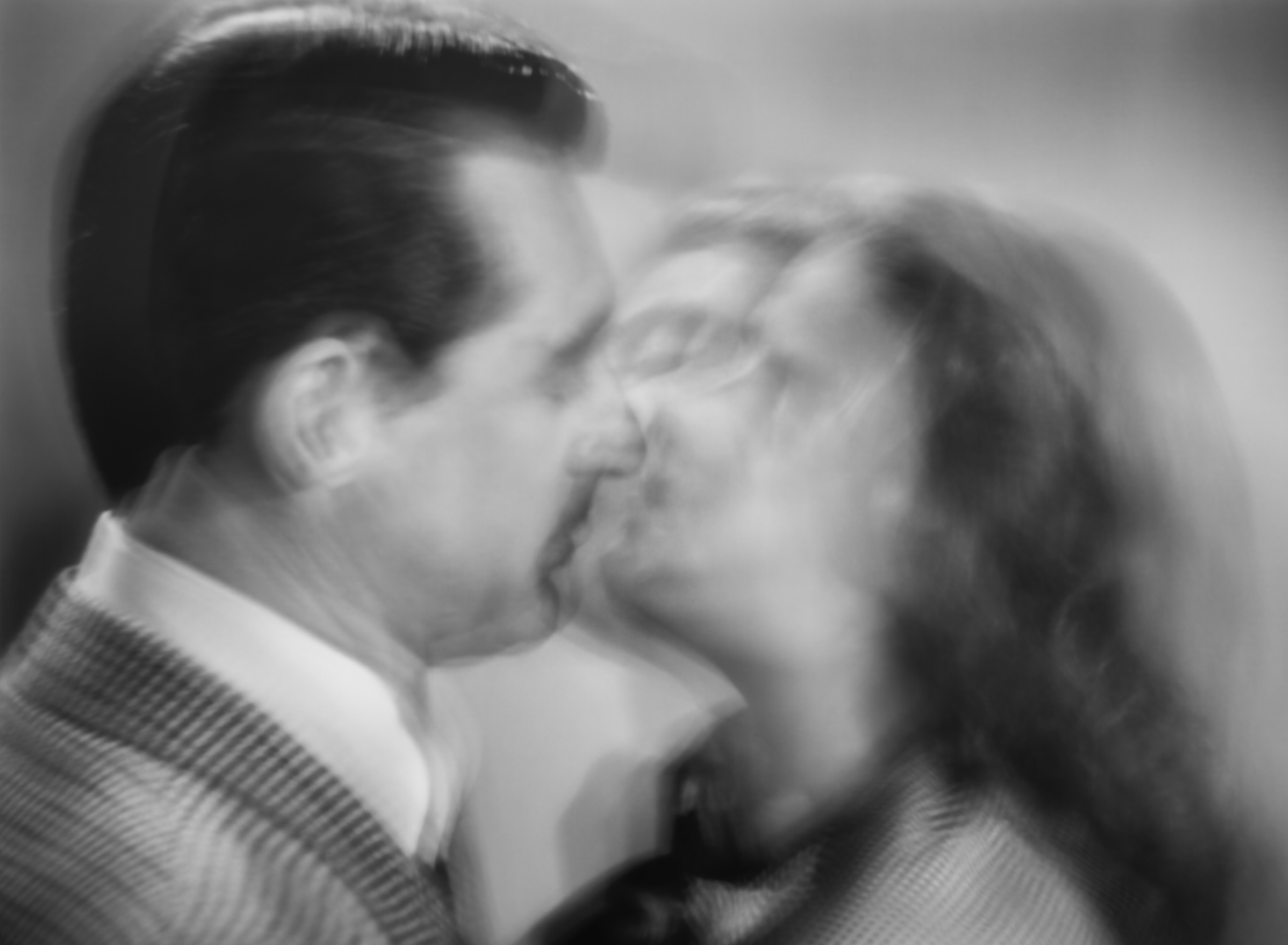
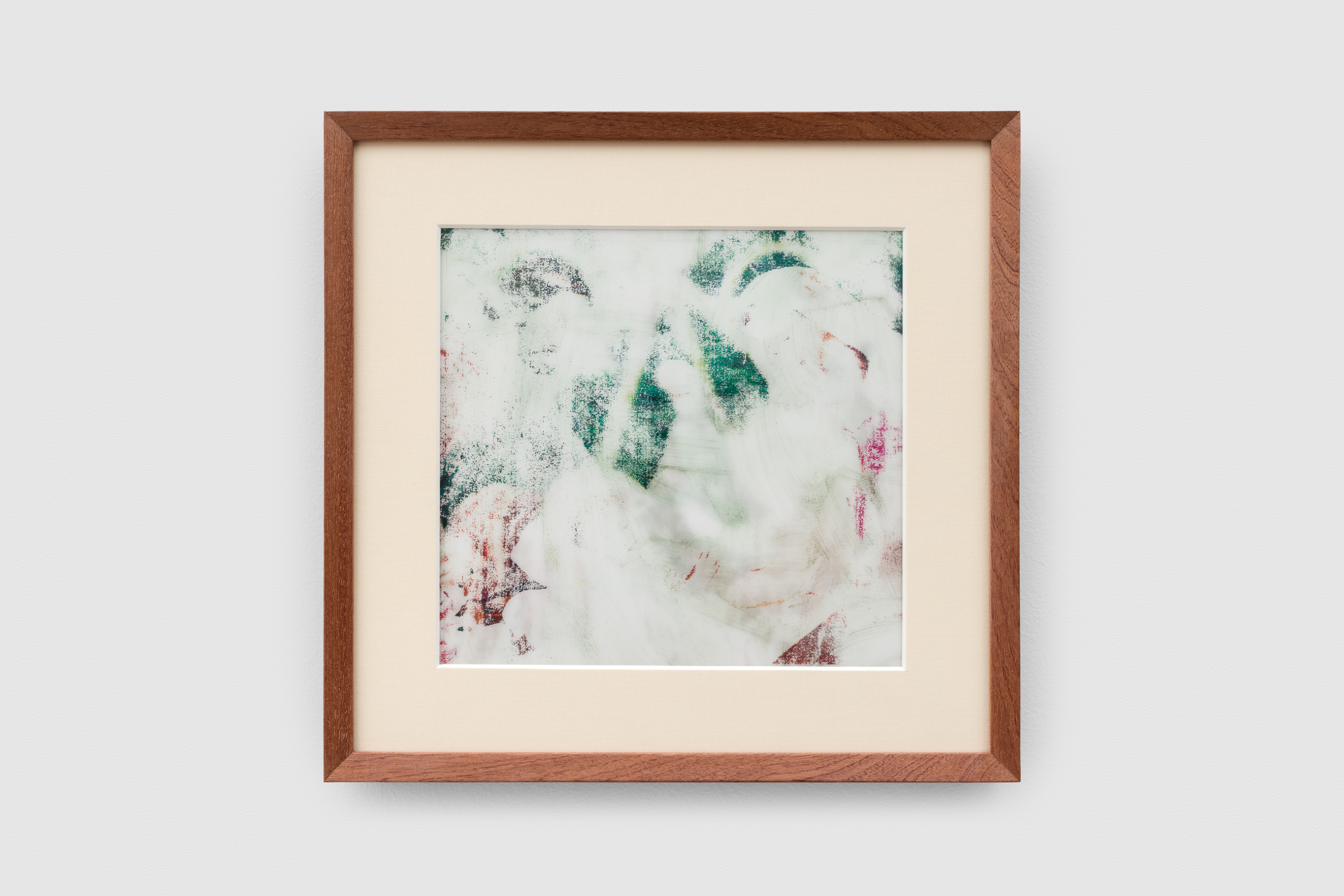
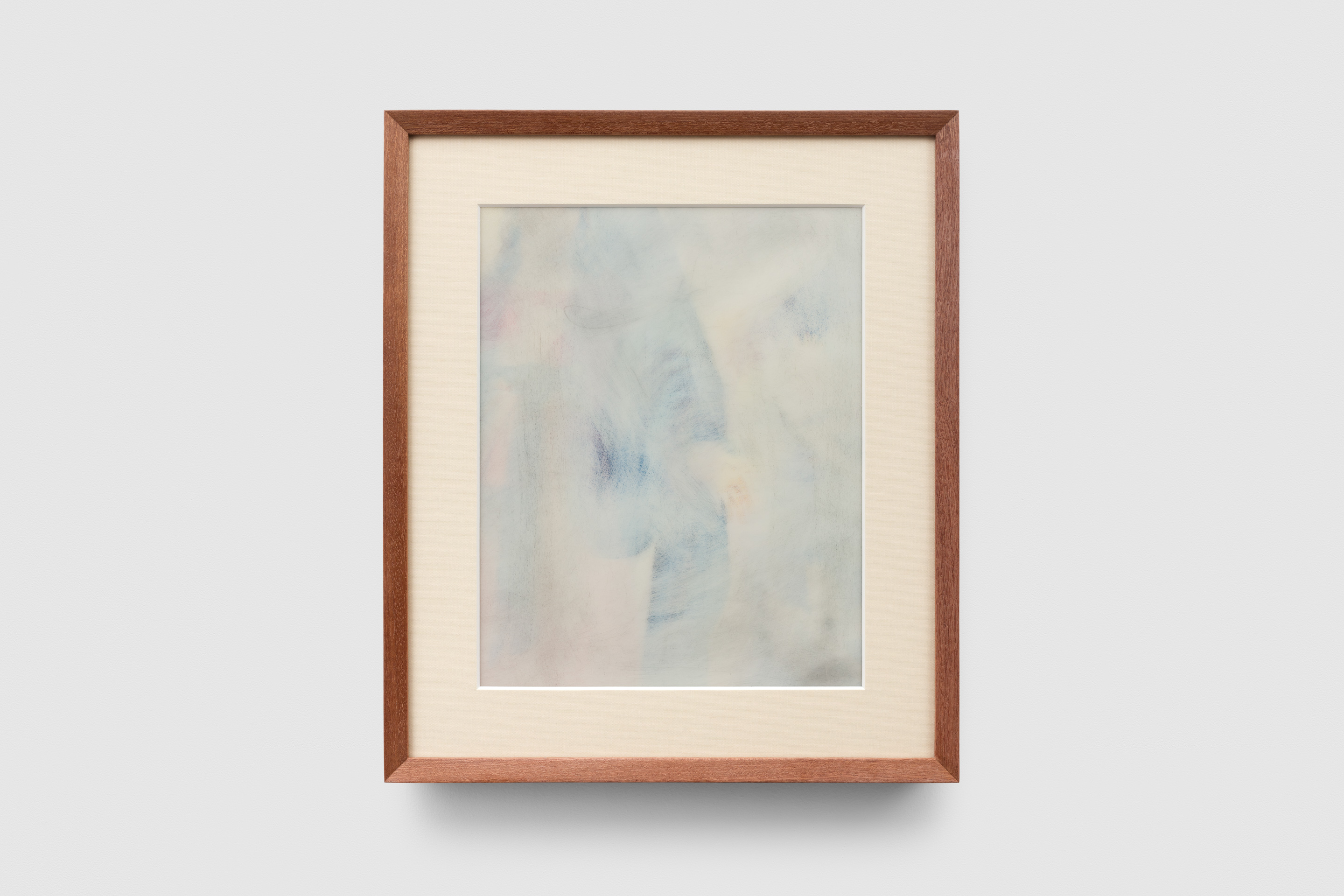
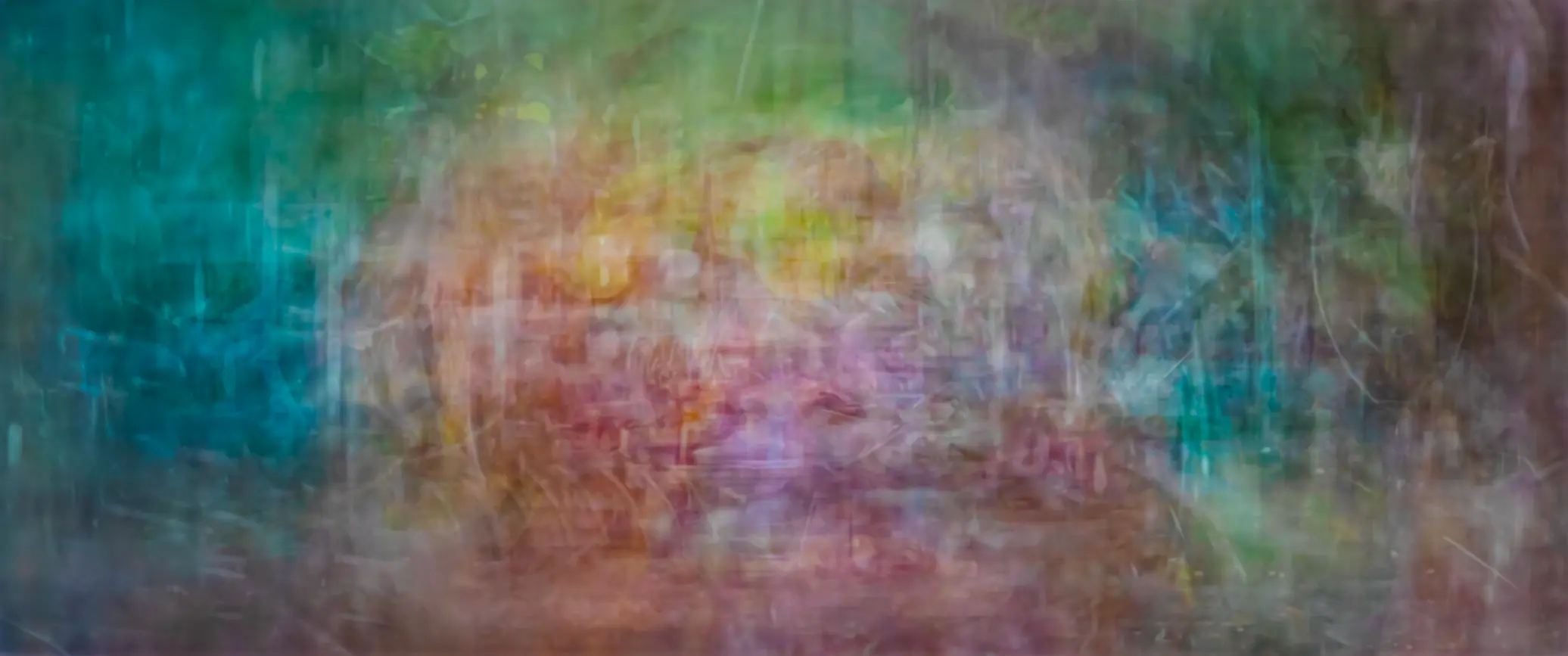

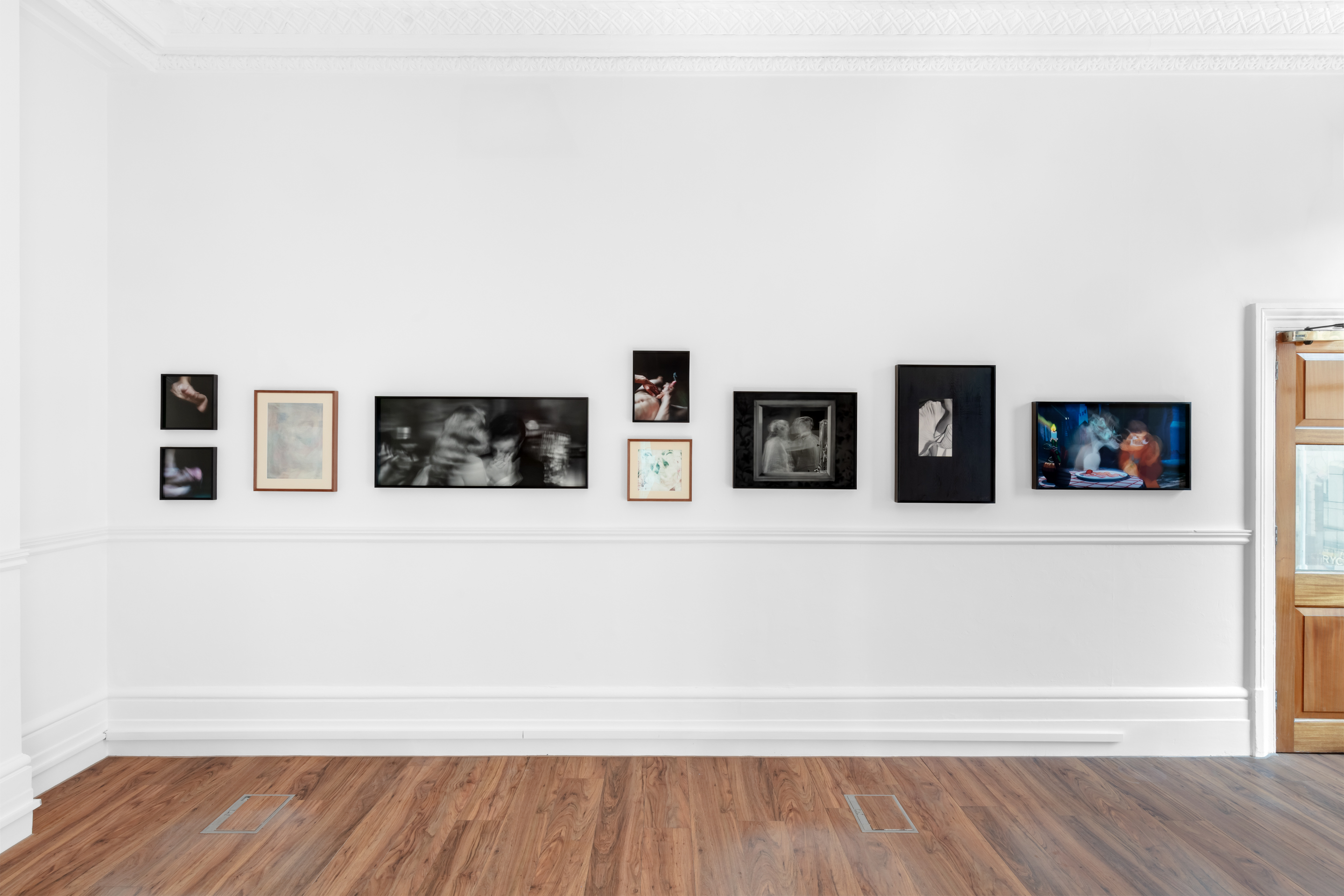
Jason Shulman is a romantic artist. His themes – loss, memory, nostalgia, death, the porous membrane between joy and pain, time and space, forgetting and remembering, would be familiar to the poet, John Keats. He has never worked with nature, yet he persistently invokes its essence, and the feelings of awe and delighted melancholy that it produces in us.
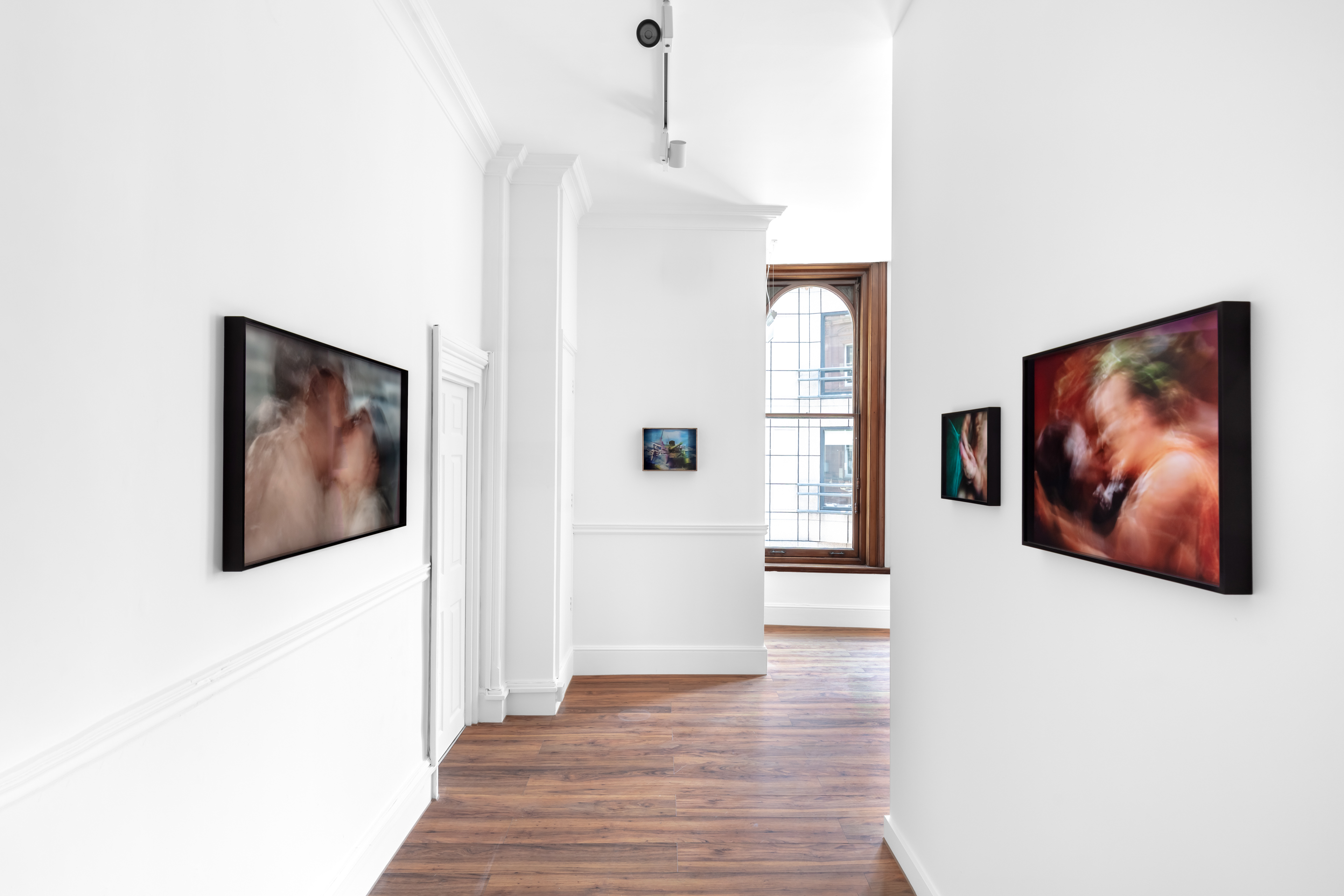
Moving Pictures shows the development of these themes into his fourth decade as an artist. Working, as often before, with light and illusion to produce his representations of the ungraspable, he shows a group of photographs that collapse passages of time, reverse them, or concentrate their span into images that attempt to contain them.
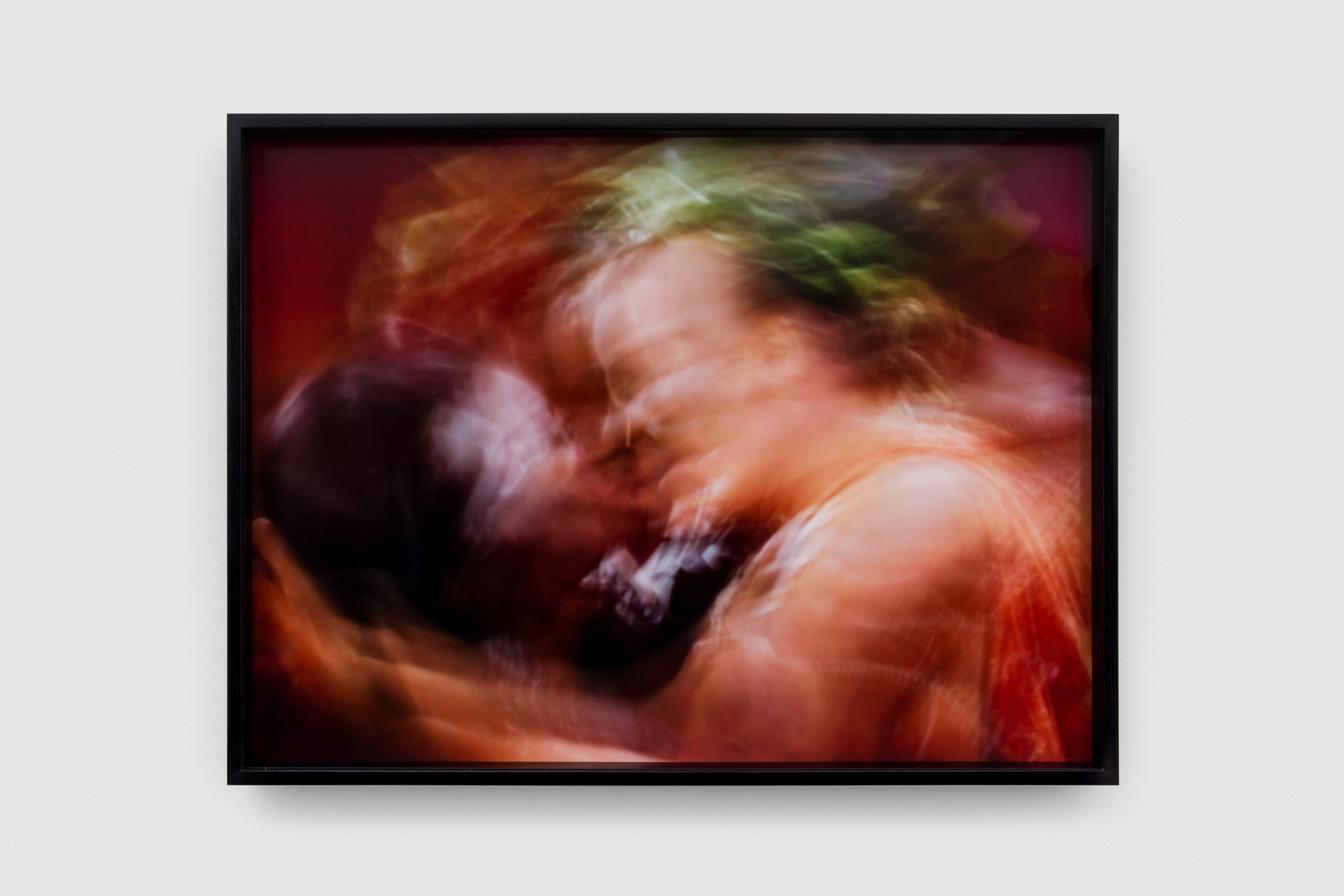
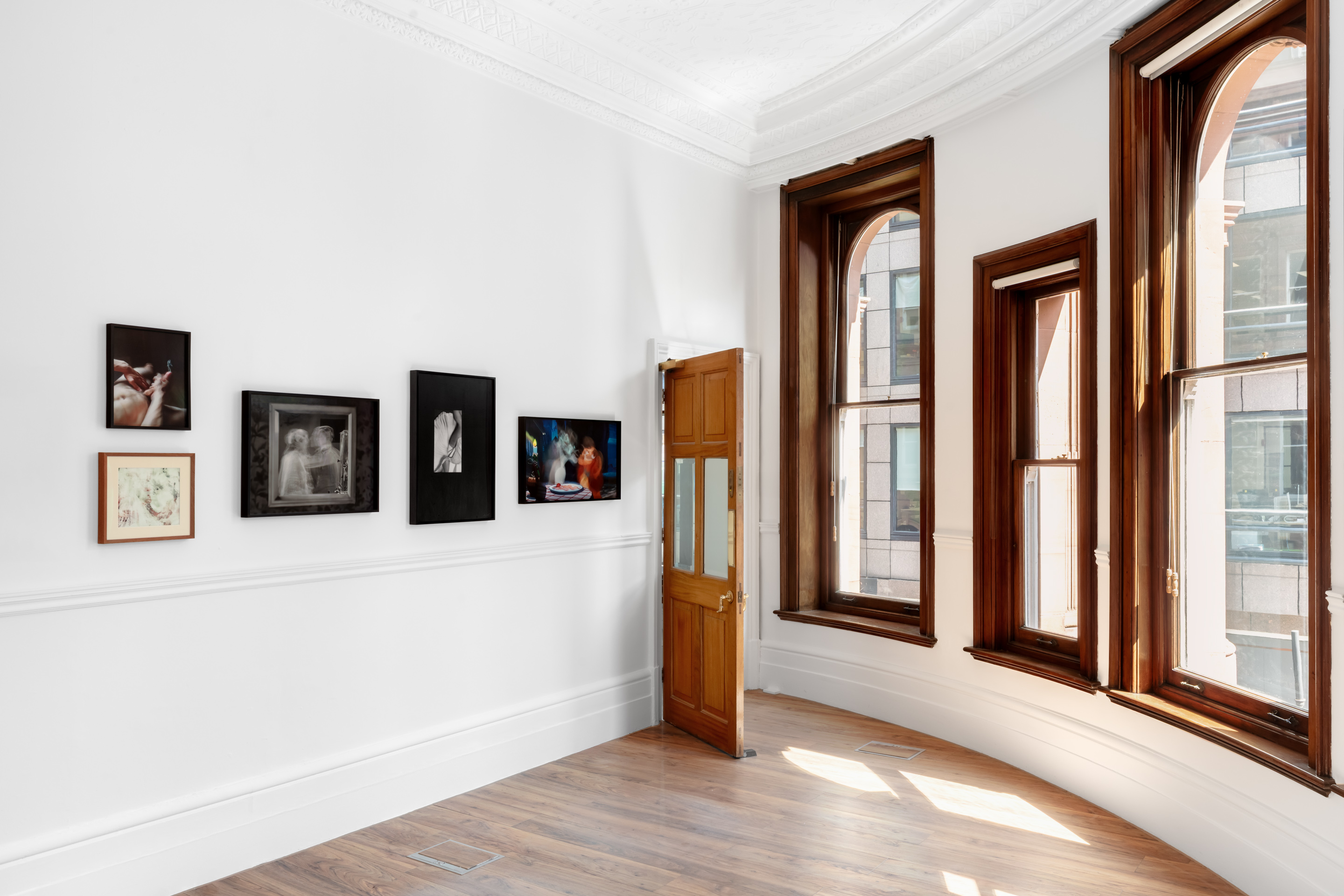
His first photographic work along these lines was the well-known Photographs of Films series, in which he gathers the entirety of a feature film into a single image. The ‘kiss’ photographs shown today are a refinement of this idea. By subjecting screen kisses to this process, he shows us the essence, not just the image, of a kiss – the impulse as well as the consummation: so the face of the unkissed, the not-yet kissed co-exists with the kiss itself.
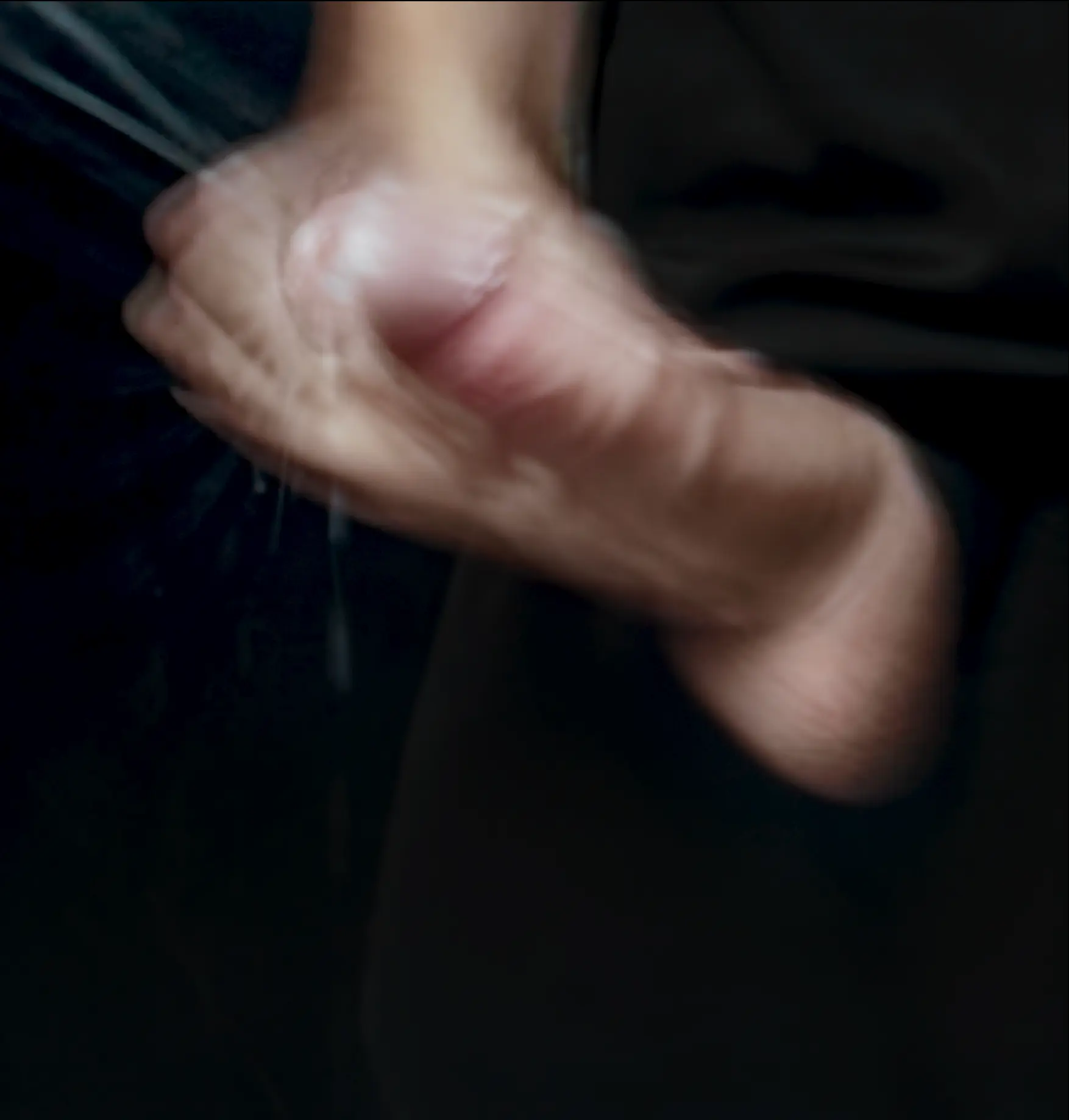
Romantic, yes, in every sense of the word. But why these slurred clips of masturbating men at the moment of climax? For Shulman, these are his contribution to the tradition of what he calls ‘Old Man Art’: the overripe nudes of late Picasso and Renoir, for instance, where the artist’s lament for the failing of his own flesh is inscribed in the taunting images of bodies that are now beyond his physical comprehension. There is a wistful beauty to these portraits of stout penises, the careless power and plenty of their ejaculate, that Shulman eyes with the nostalgic envy of one who has suffered two bouts of prostate cancer. The cum, too, describing delicate arabesques in the air, evokes the ribbons of cigarette smoke that decorate old movies and, indeed, remembered scenes from our own younger lives. In the case of Cum Shot III, the pearly flesh-tones and red curtain gestures more explicitly to that famous work of Old Man Art, Velazquez’s mature-period The Rokeby Venus, where the image of unobtainable womanhood manifests in the physically impossible pose of the model.
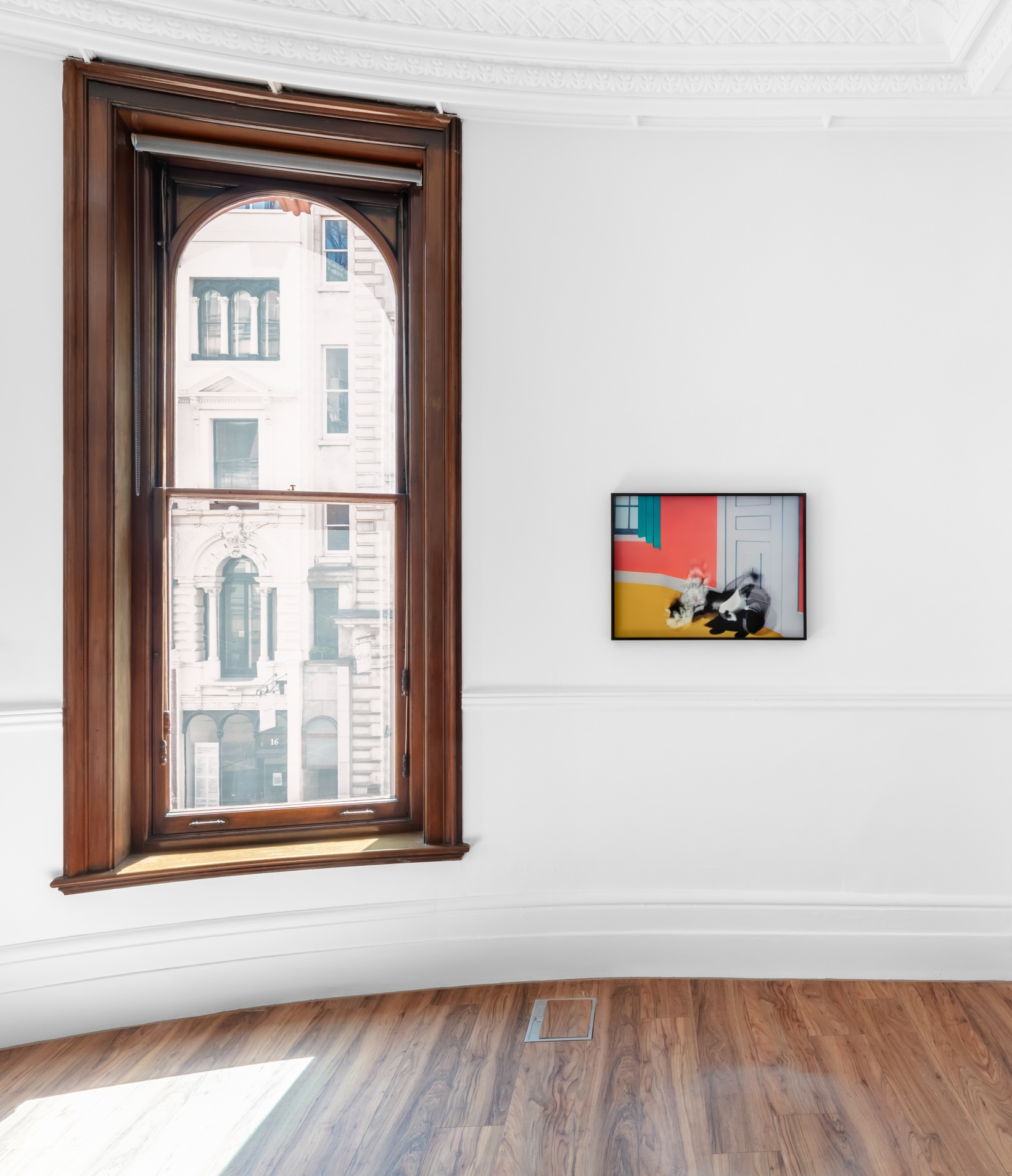
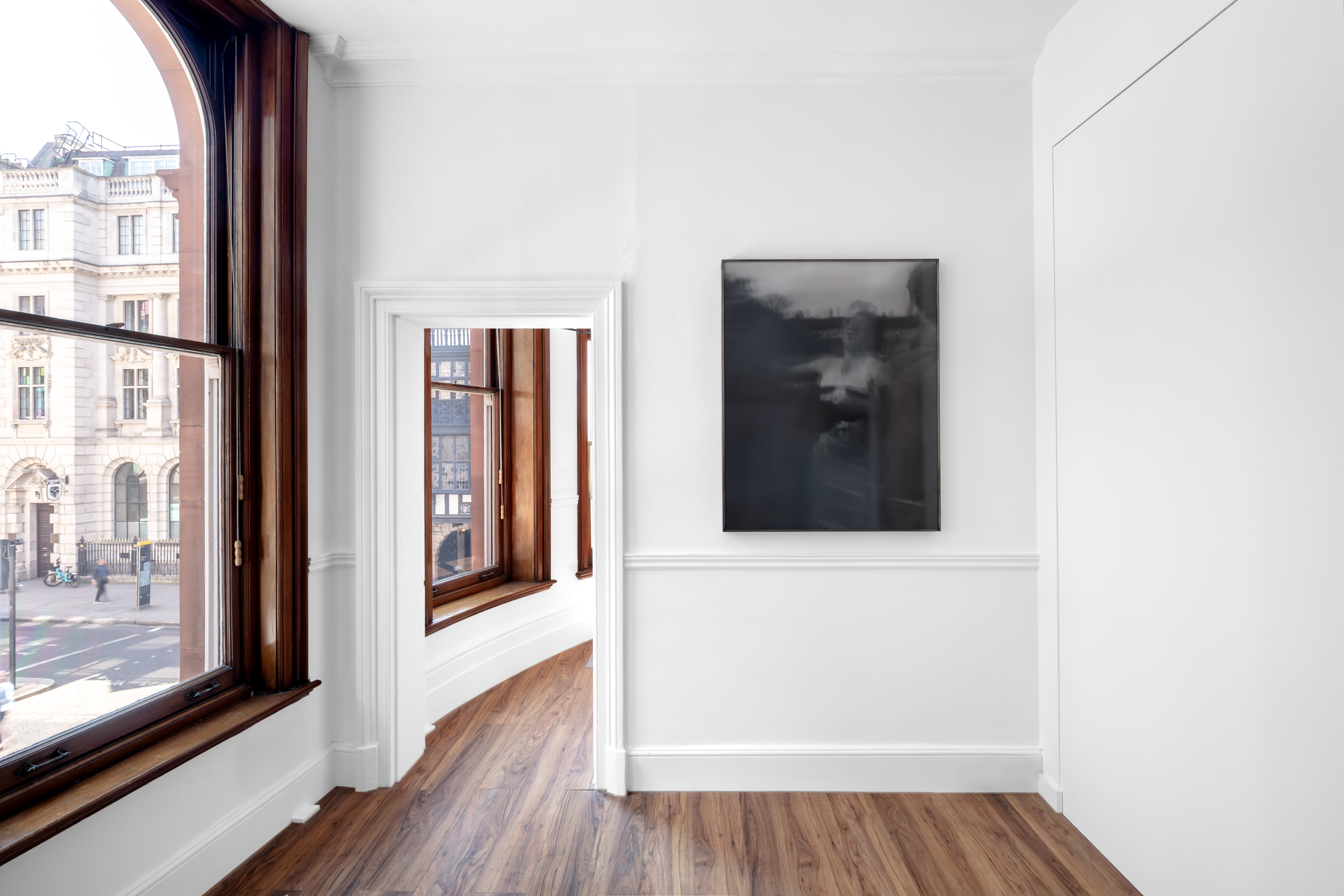
Shulman is ‘not at all uncomfortable’ with his small masturbators. ‘Everyone does it. Why are we so weird about it?’ What does make him uncomfortable is the lenticular image, shown here, of the moment when when the second bullet emptied the contents of President John F. Kennedy’s brain into his wife’s pink tweed jacket. It’s one of a series of lenticulars where the chasm dividing the ‘until-then from the ever-since’, as Rilke has it, is caught forever in a dance between the latent and the consummate. Another one exhibited here shows Roger Bannister breaking the four-minute mile with a face of agonised ecstasy. The action of the lenticular makes it possible to go back to the time of the about-to-happen, when the thing might yet not happen, and forward to the moment when that door has closed.
In the case of JFK, Shulman offers his image as a portrait of his own misgivings about the celebrity of this image. ‘This was a husband, a father, a man’, as he says, whose death has been served up to us for us to construct our own fantasies and conspiracies upon. Accordingly, he’s cropped the original framing and manipulated the colour values to give the image more consumer appeal: turned up the pinks and reds to a gelatinous, sugary richness that feeds our unappeasable appetite for this disaster.
Finally, we have a beautifully serene sequence of images made from cheap mementoes sold to sell the catholic church. Here, Shulman treats these pieces of religious tat in such a way as to produce the ghostly look of half recovered medieval frescoes. Subjecting them to the erosions of an imaginary time, they become venerable and dignified works of art.
Written by Nicola Shulman