+ 33 1 42 72 14 10
Open: Tue-Sat 10am-7pm
Visit
Open: Tue-Sat 10am-7pm
30 rue Beaubourg, 75003, Paris, France
Open: Tue-Sat 10am-7pm
Visit
Thu 21 May 2026 to Sat 18 Jul 2026
30 rue Beaubourg, 75003 Jan Van Imschoot: Le Chant du Pommier
Tue-Sat 10am-7pm
Artist: Jan Van Imschoot
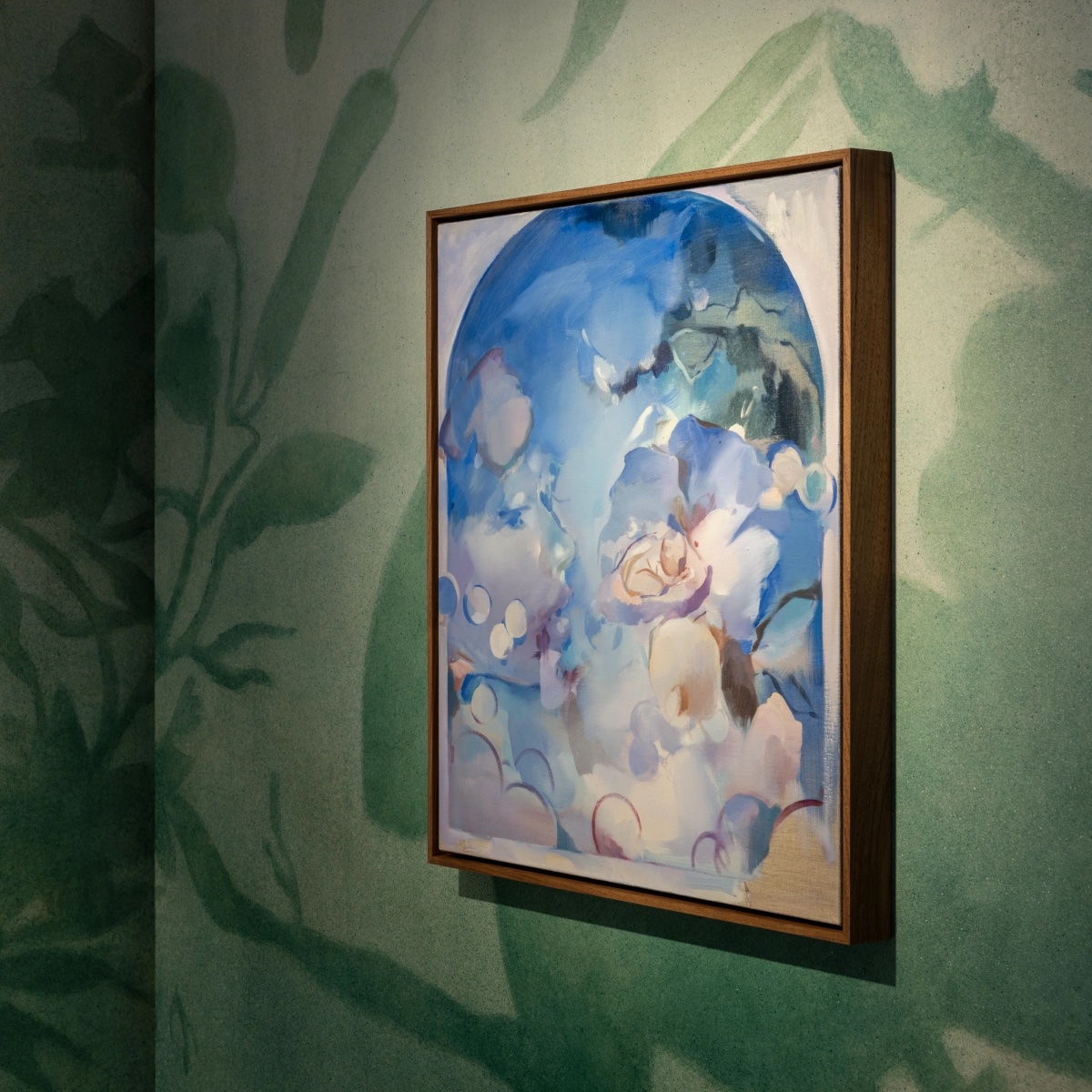
Belgian painter Jan Van Imschoot unveils “Le Chant du Pommier” [The Song of the Apple Tree], a new series of nineteen paintings dedicated to French women whose images, variously mythologized, instrumentalized, or obscured, have shaped our collective imagination. From Joan of Arc and Brigitte Bardot to Sonia Delaunay, Olympe de Gouges, Simone Veil, and Louise Michel, these works go far beyond a simple gallery of portraits. Through painting, they probe how myths are constructed and how the authority of the gaze transforms complex lives into enduring icons.
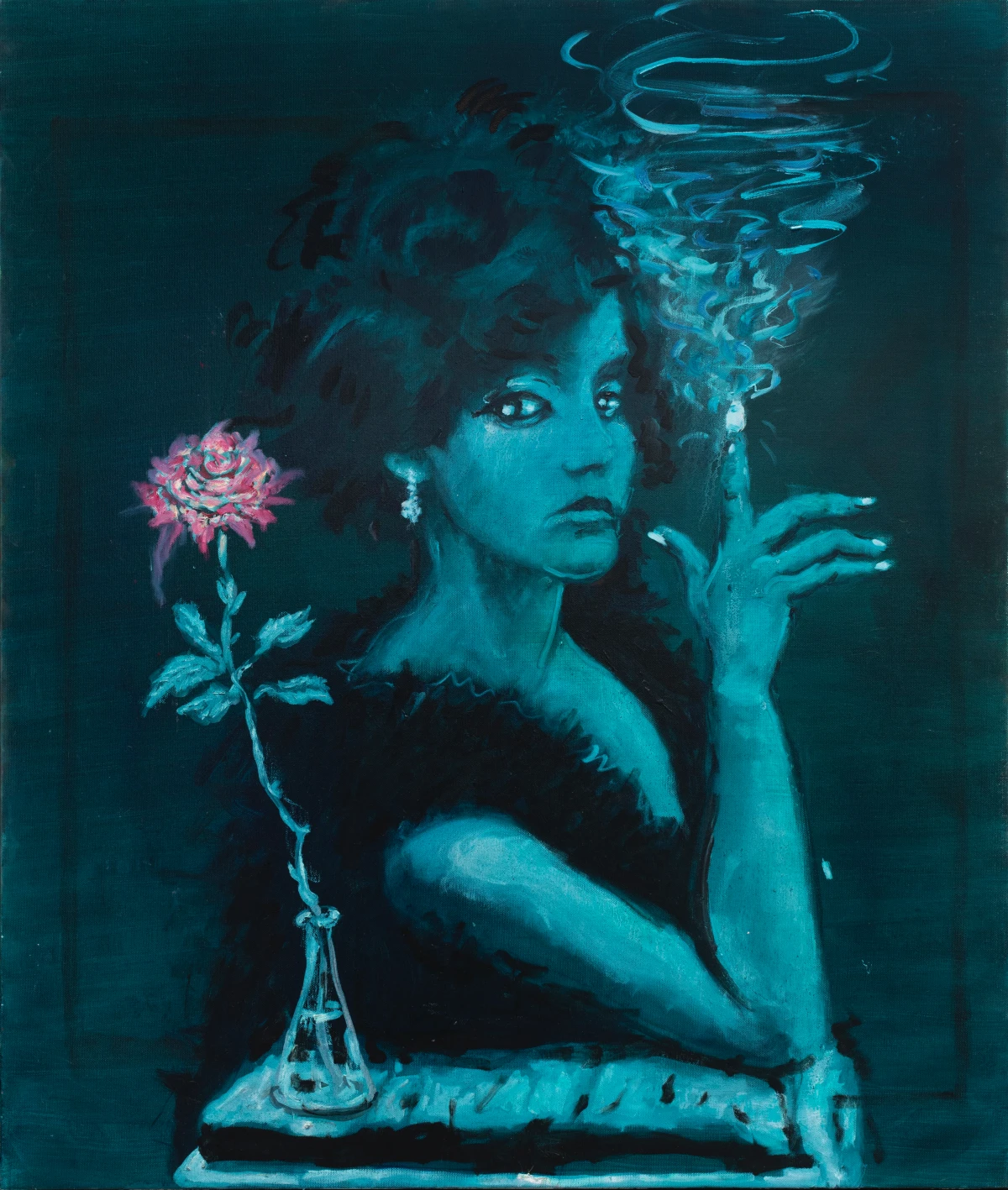
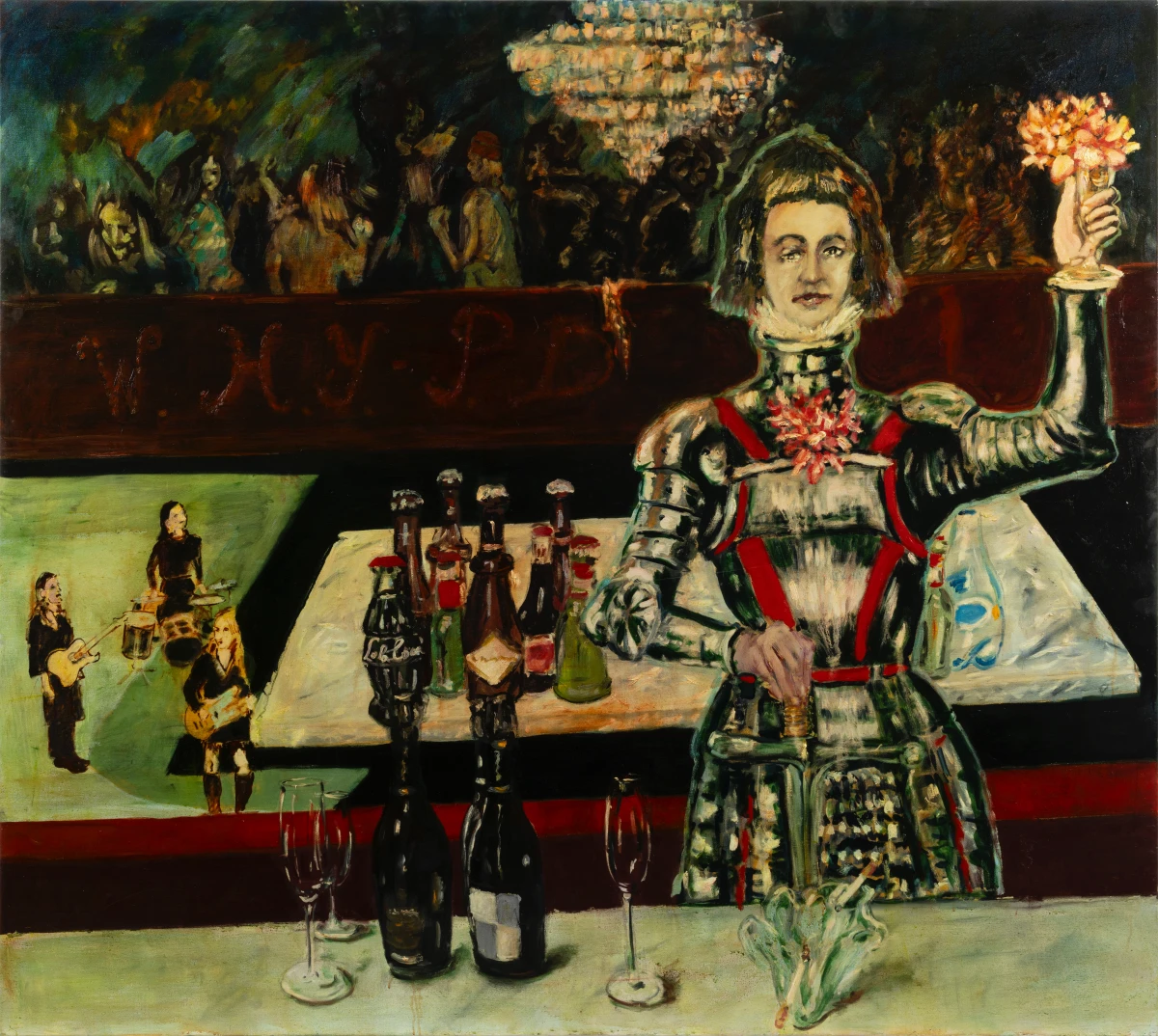
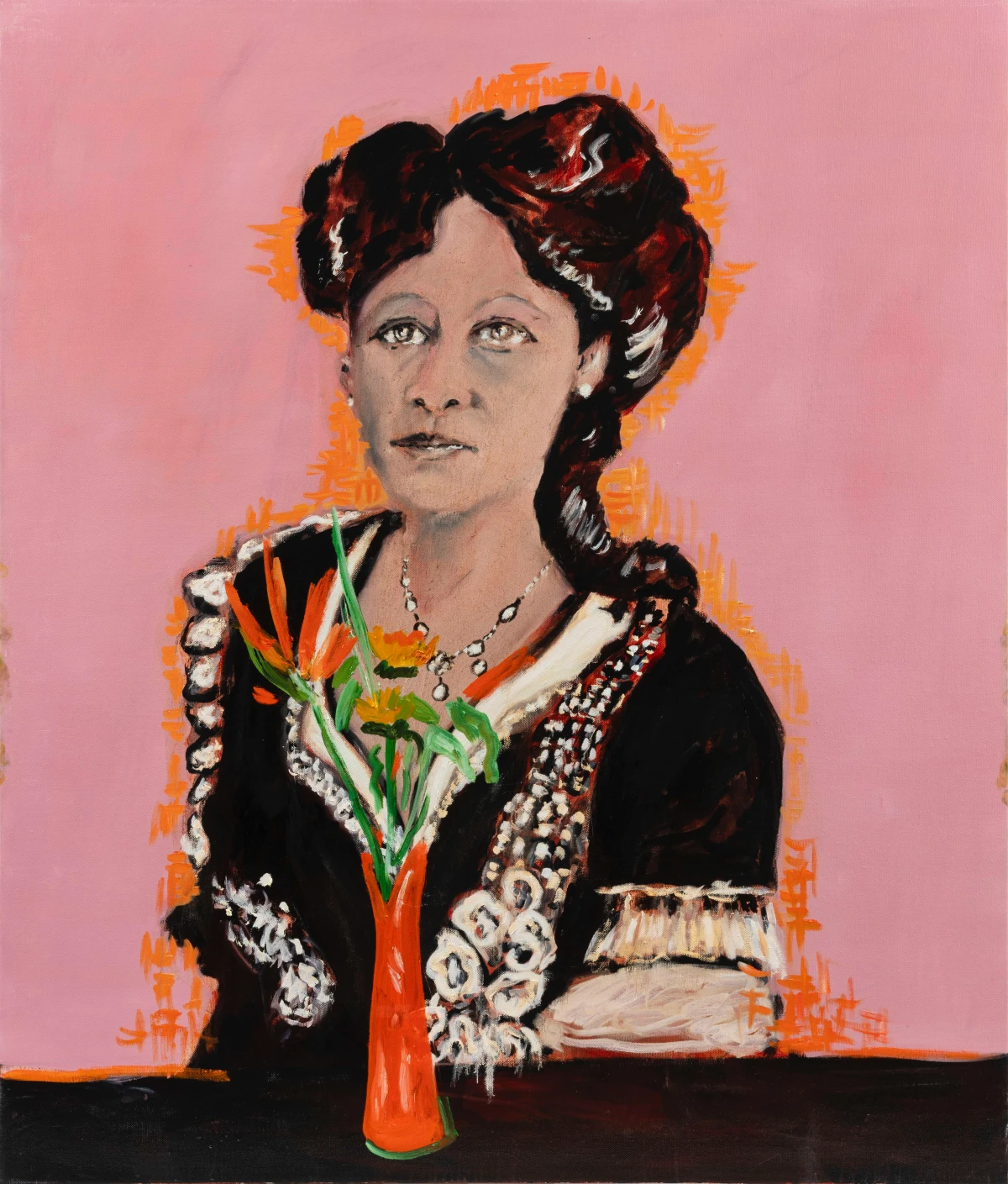
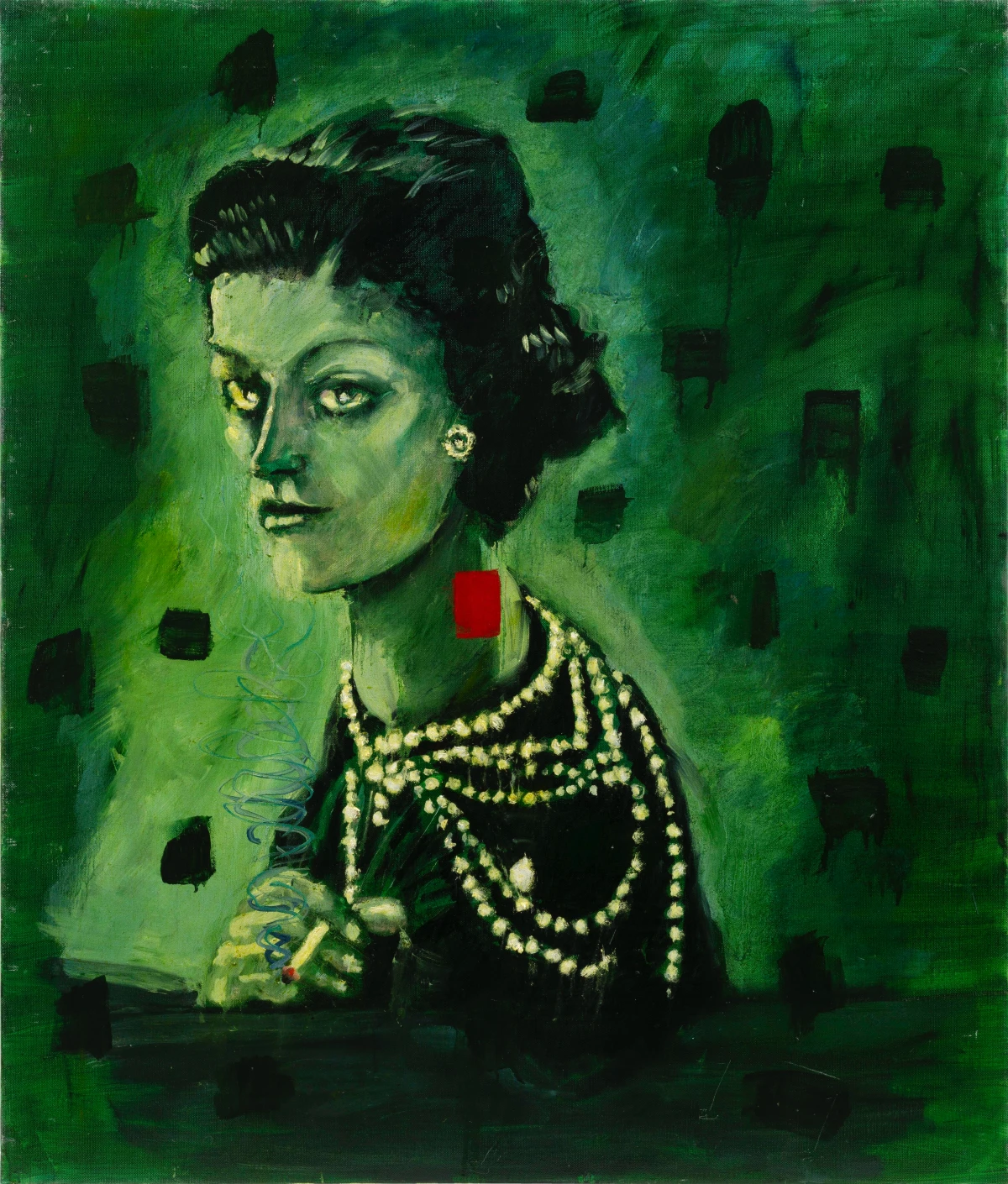
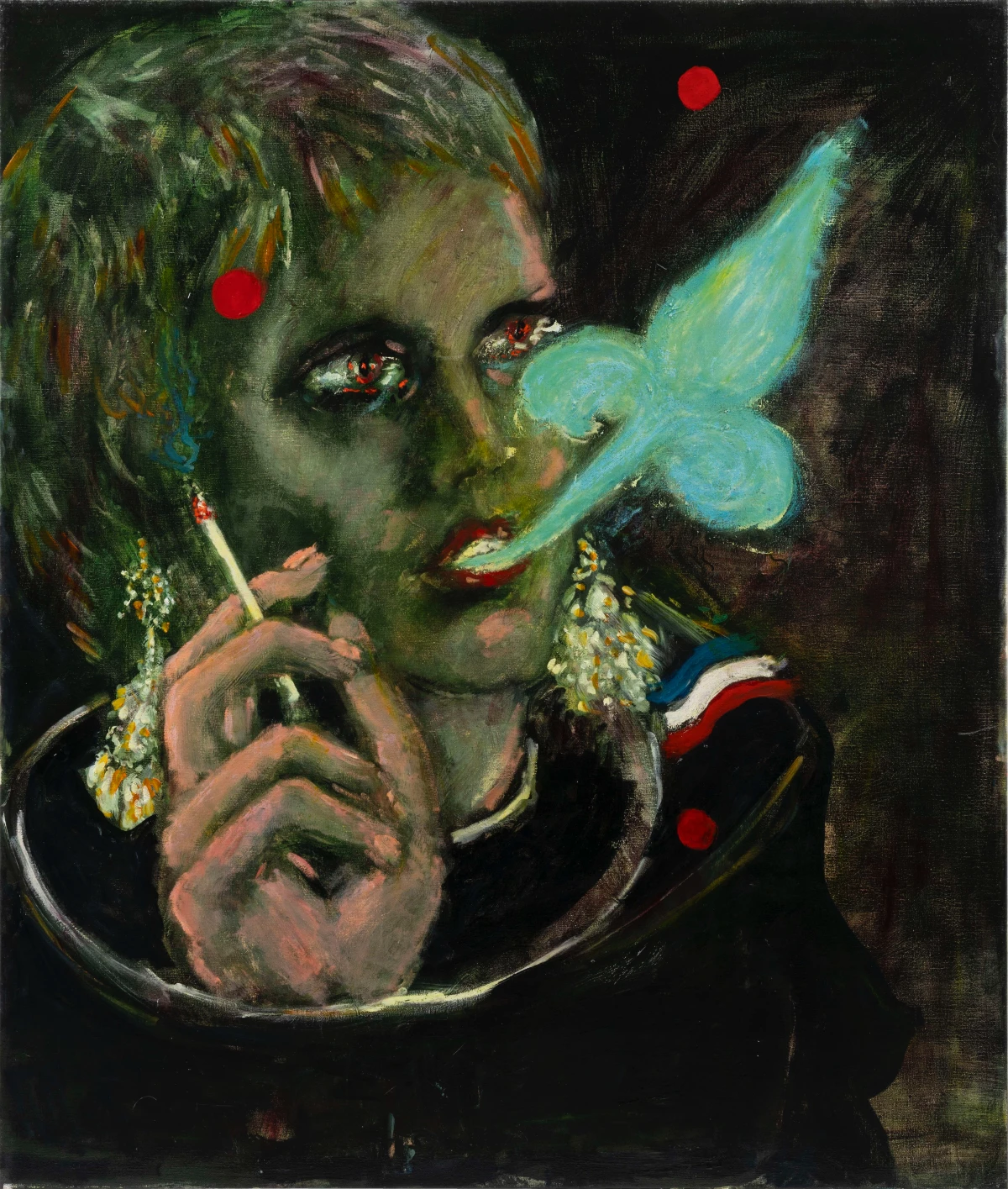
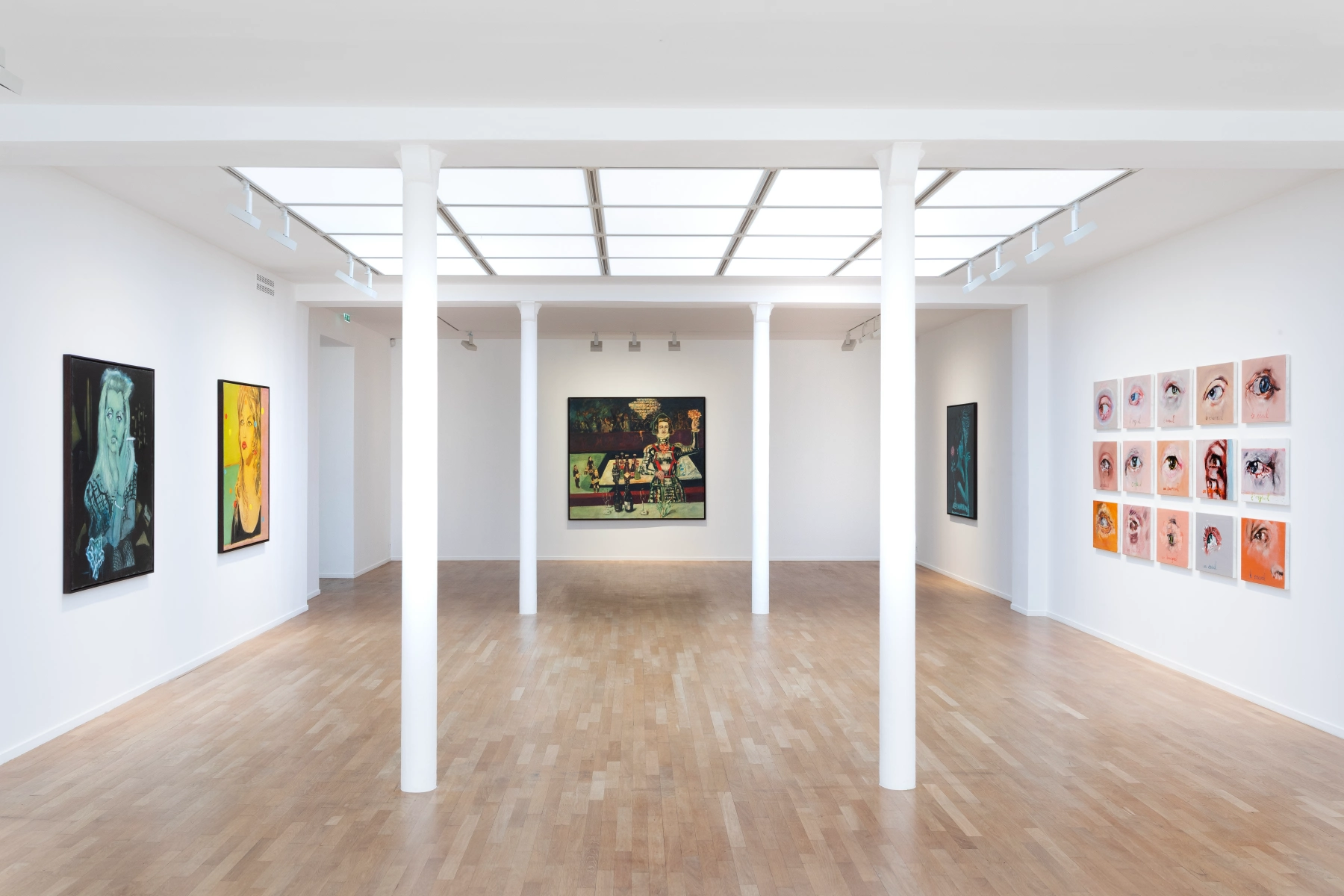
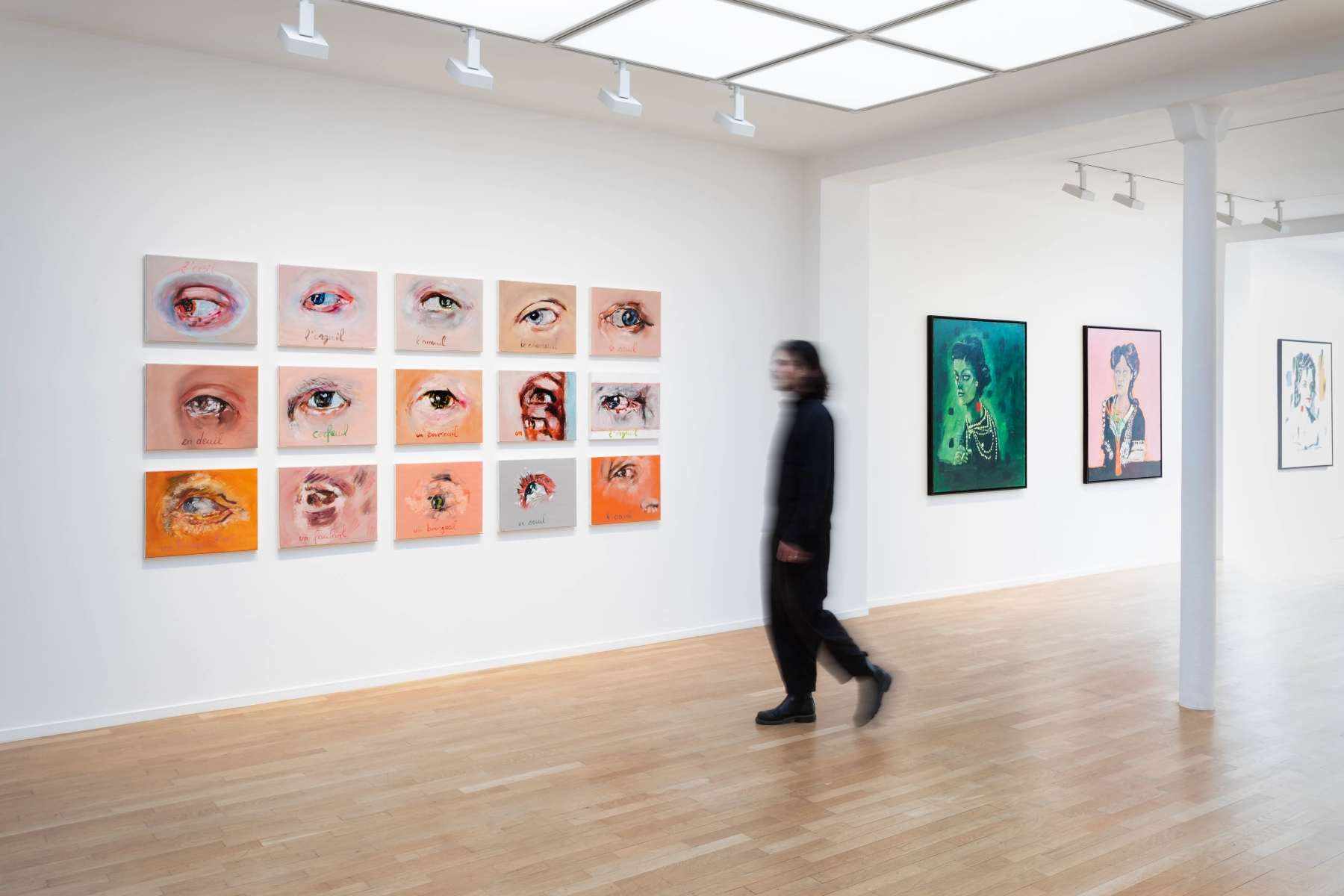
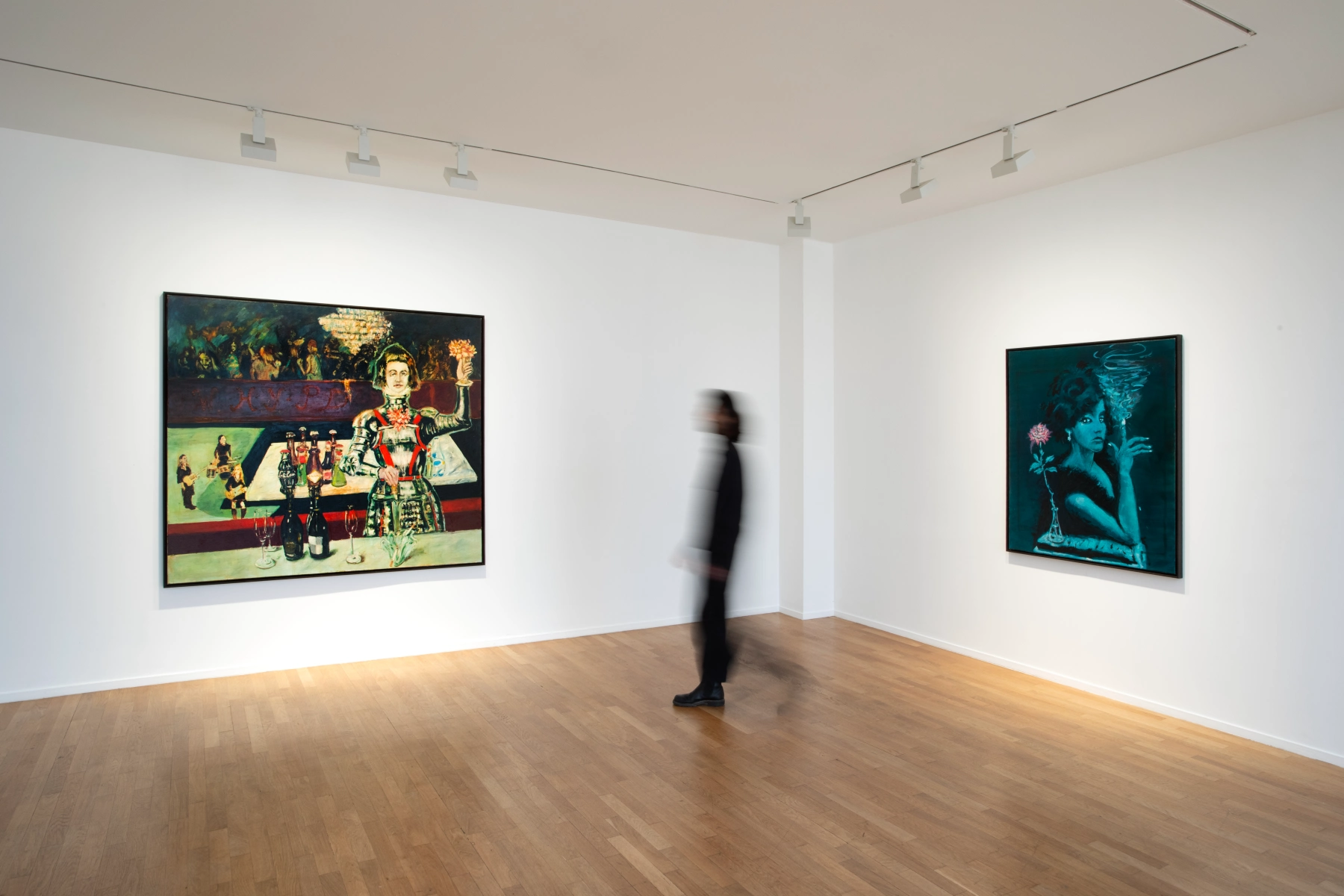
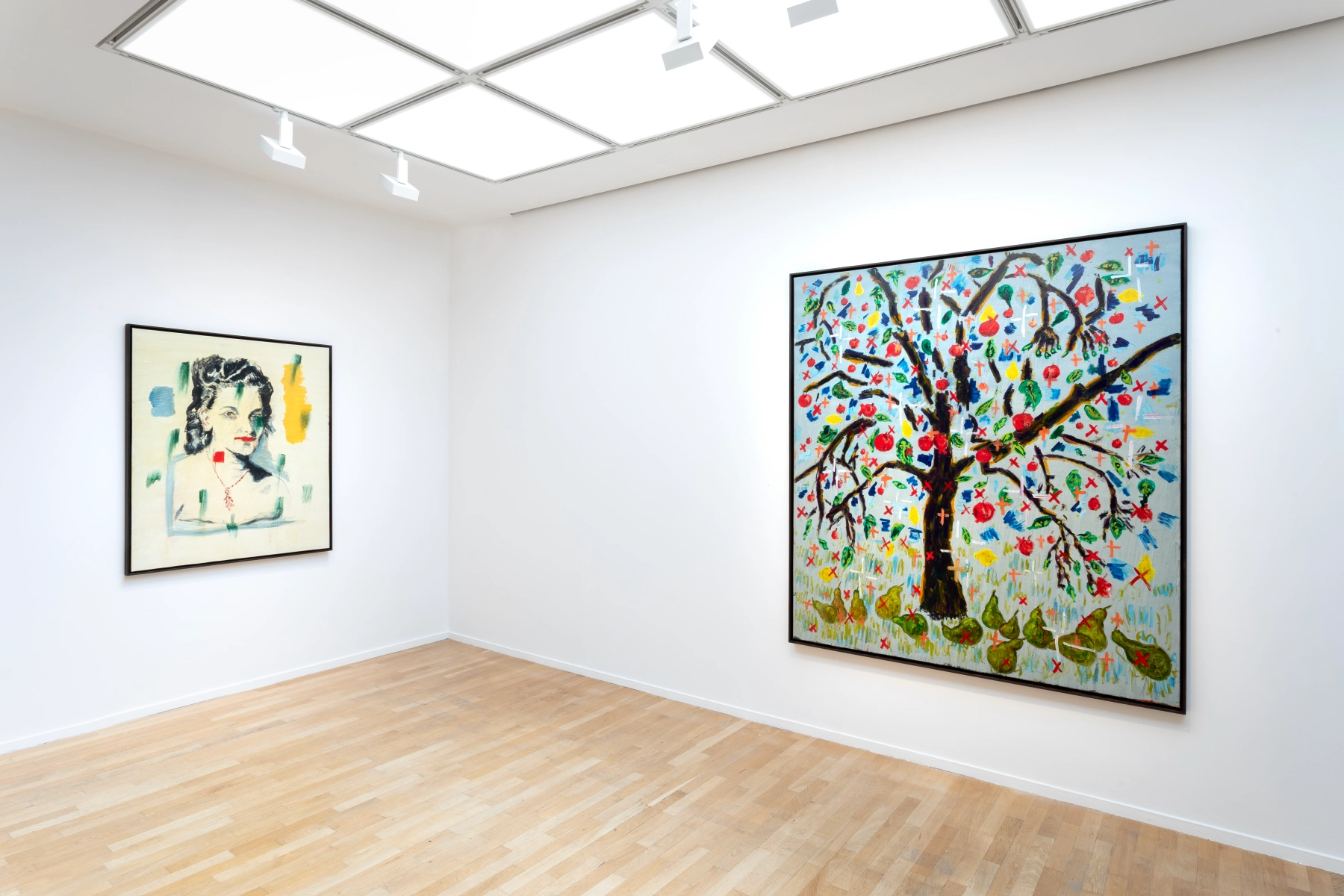
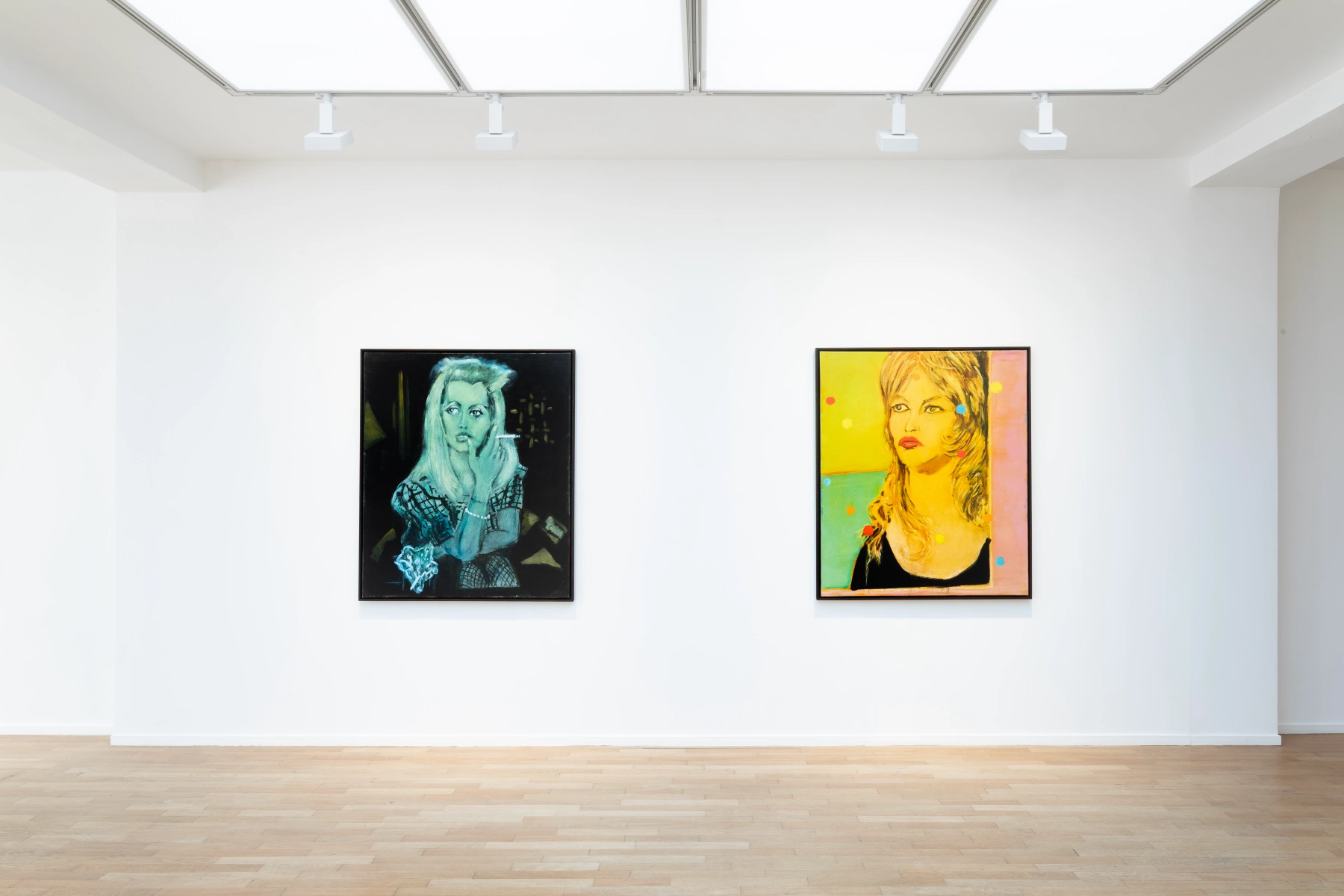
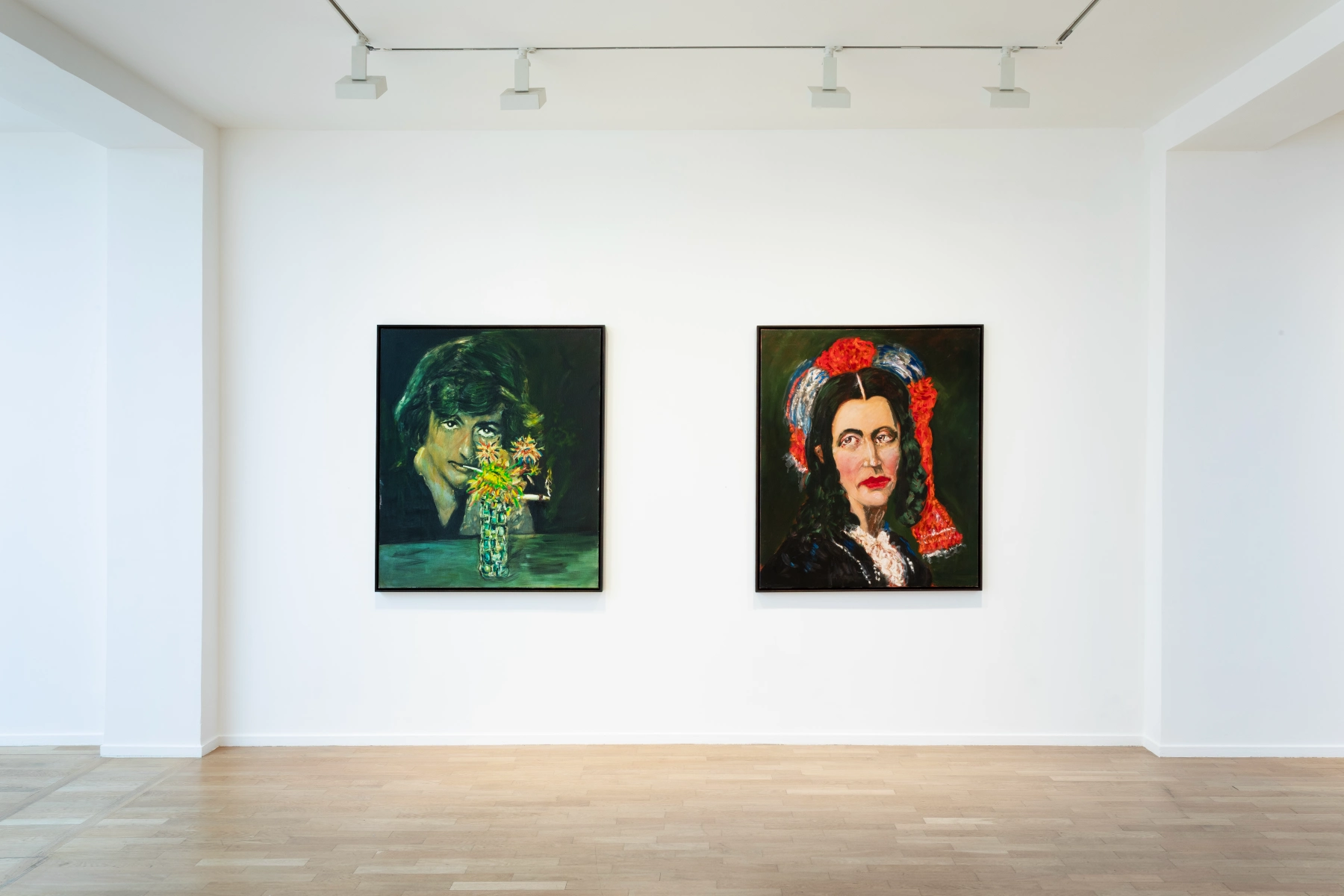
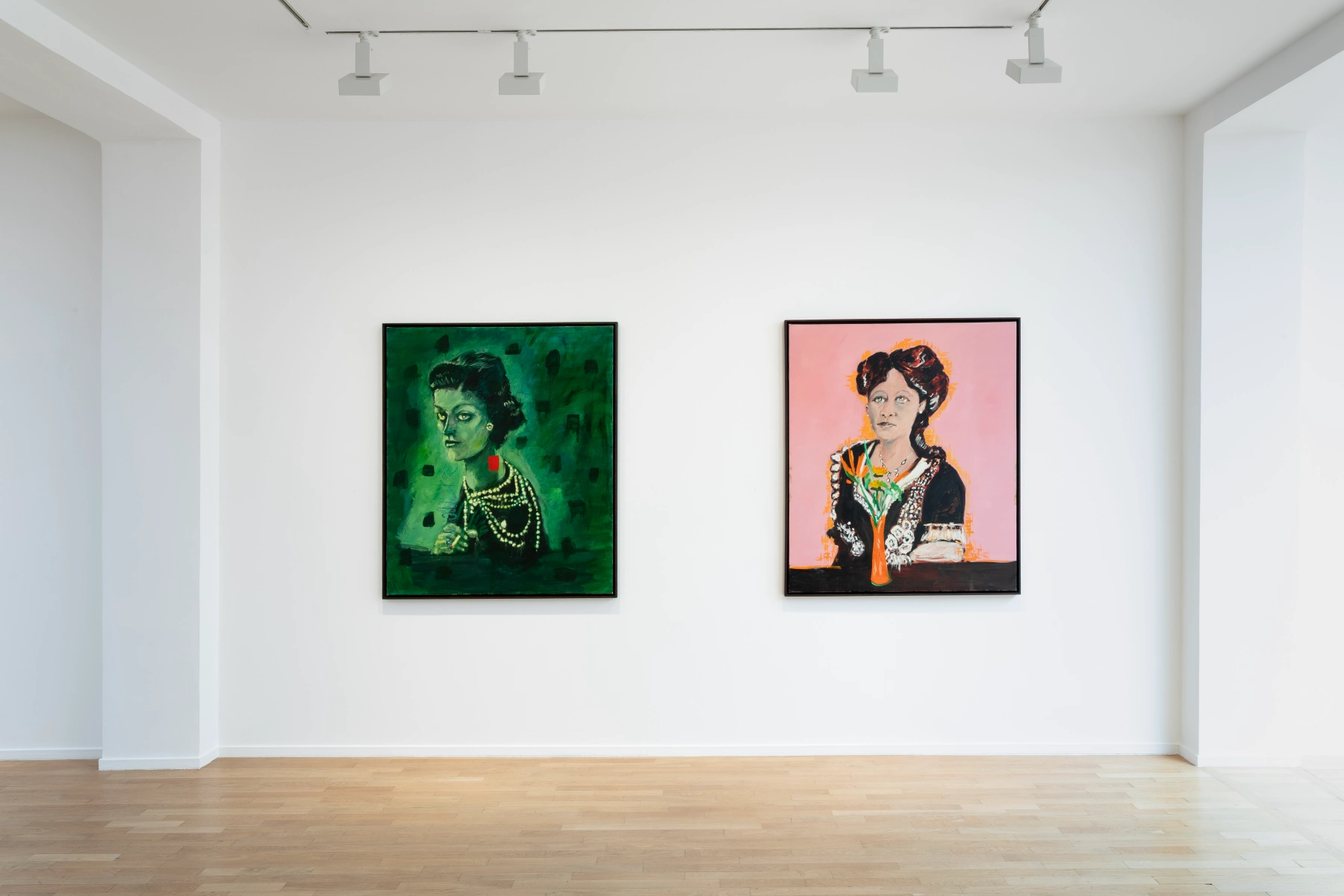
Continuing his earlier portrait work, most notably his depiction of Alice Guy, widely regarded as the first filmmaker in cinema history, Van Imschoot revisits historical figures whose representations have hardened into fixed images in the collective memory. He shifts their contours, restores their ambiguities, and reasserts their individuality, pushing back against sanitized or instrumentalized narratives. Under his brush, these women emerge as fully realized subjects, each carrying her own history and force.
At the heart of his inquiry lies the figure of Joan of Arc, long reduced by the Church to the image of a humble shepherd girl. Yet historical accounts suggest a different reality, one less impoverished than legend would have it, with a stone house, land, and property. The exhibition opens with Jehanne à travers le temps [Joan Across Time] (2024), a reinterpretation of a Belle Époque portrait by French painter Albert Lynch (1860–1950). Van Imschoot displaces the sainted warrior from her original setting, reimagining her at the bar of Manet’s Folies-Bergère. Below, a punk rock band electrifies the crowd: Jehanne becomes contemporary, moving freely across eras. Saint, military heroine, feminist icon—she becomes a screen onto which anyone can project their own narrative. Her face keeps changing, revealing less about who she was than about what we expect her to be.
Across these works, it is a whole history of seeing that comes into view. The gaze that shapes, condemns, idealizes, and surveils. La guerre des yeux [The War of Eyes] (2025), a group of fifteen small-scale paintings, extends this exploration of symbolic surveillance. The gaze is no longer only historical or religious; it is also digital—the ever-present, voyeuristic eye of social media. From this constant visibility emerges a new form of confinement.
As Van Imschoot puts it, “Le Chant du Pommier” is “a true ‘femmage’ to powerful figures [...] Women who traverse the centuries never reach us intact: the public appropriates them, projecting its expectations and interpretations, turning complex lives into symbols.” Their polished images both reassure and fascinate, while their flaws, contradictions, and desires fade behind the icon, leaving collective memory to preserve only the legend.
This journey does not celebrate myth, it lays bare its mechanisms, inviting viewers to question their own gaze. What do we choose to see, to remember, to erase?
Biography
Born in Ghent in 1963 and exhibited both in Belgium and internationally, Jan Van Imschoot has lived in France since 2013. In recent years, his work has been shown at the Kunstpalast in Düsseldorf (2005), the Museum Dhondt-Dhaenens in Deurle (2008), the National Art Museum of China in Beijing (2010), and the Fondazione Volume! in Rome (2012). In 2018, he took part in the group exhibition Sanguine/Bloedrood, curated by Luc Tuymans for the MHKA in Antwerp and the Fondazione Prada in Milan, and in 2019 in Feast of Fools: Bruegel Rediscovered at Gaasbeek Castle in Belgium. In 2020, the Roger Raveel Museum hosted the 7th Biennial of Painting on the theme of interiors, presenting four large-scale works from his Interiors series. In 2023, his work was the subject of the retrospective The End is Never Near at S.M.A.K. in Ghent.
Jan Van Imschoot has been represented by Galerie Templon since 2015.