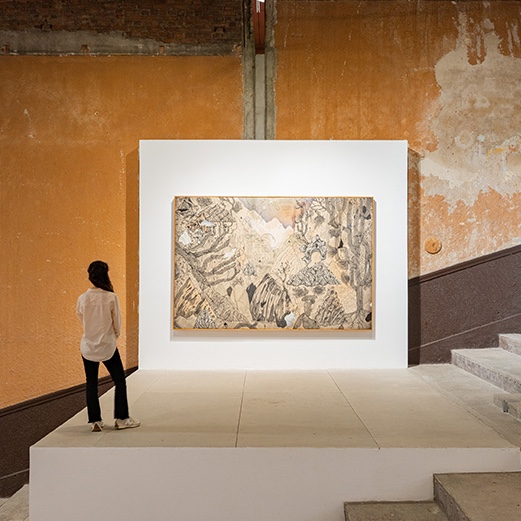
Wielandstraße 34, 10629, Berlin, Germany
Open: Mon-Sat 10am-6pm
Artists: Bernard Heesen - Massimo Micheluzzi - Ritsue Mishima
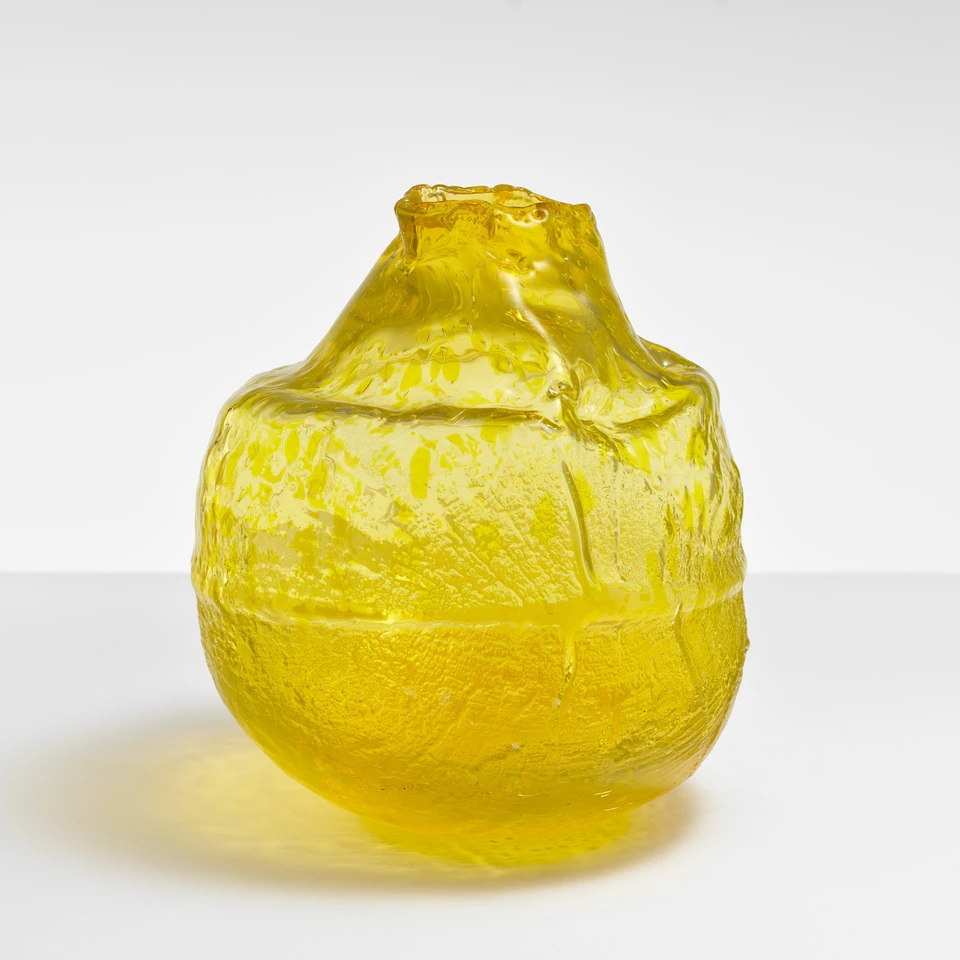
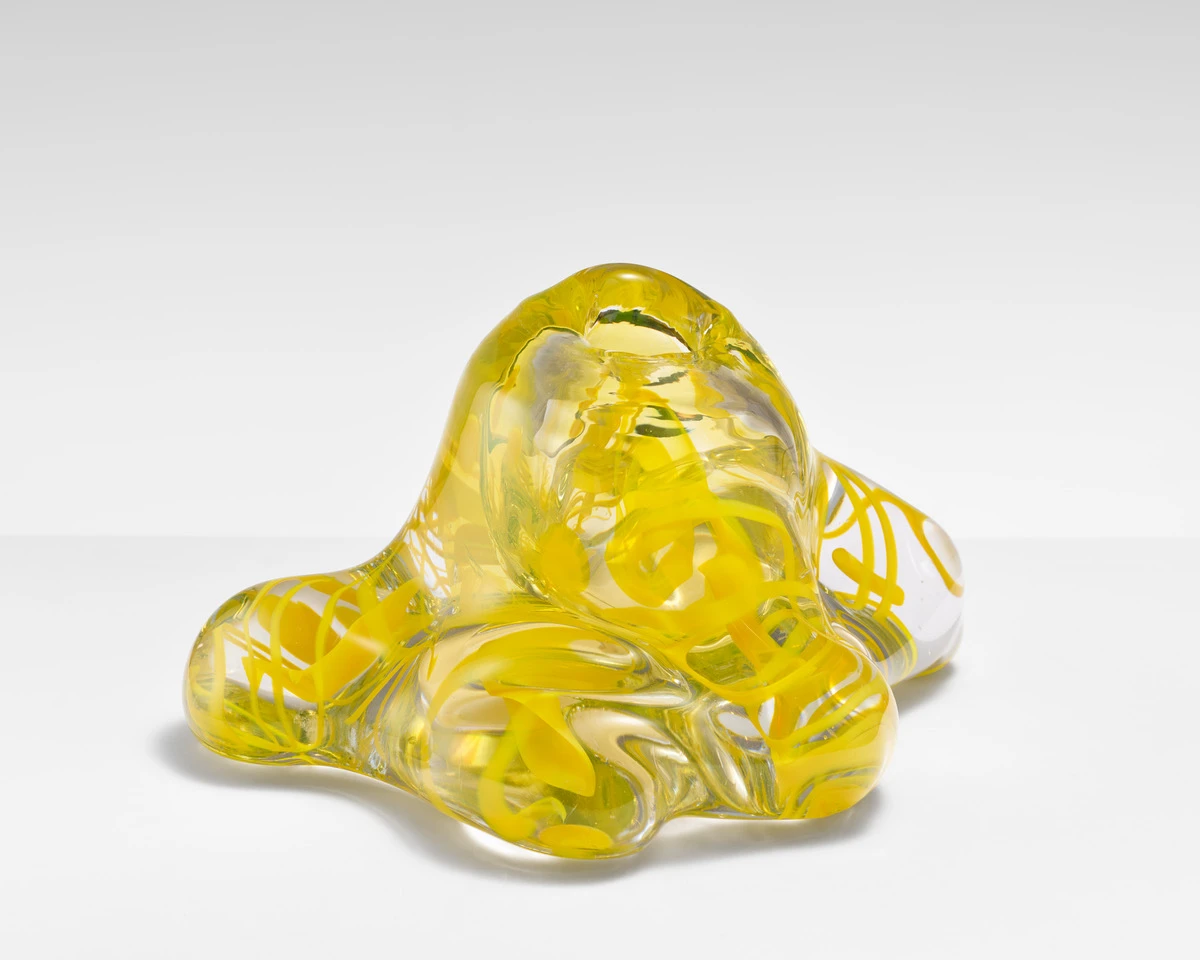
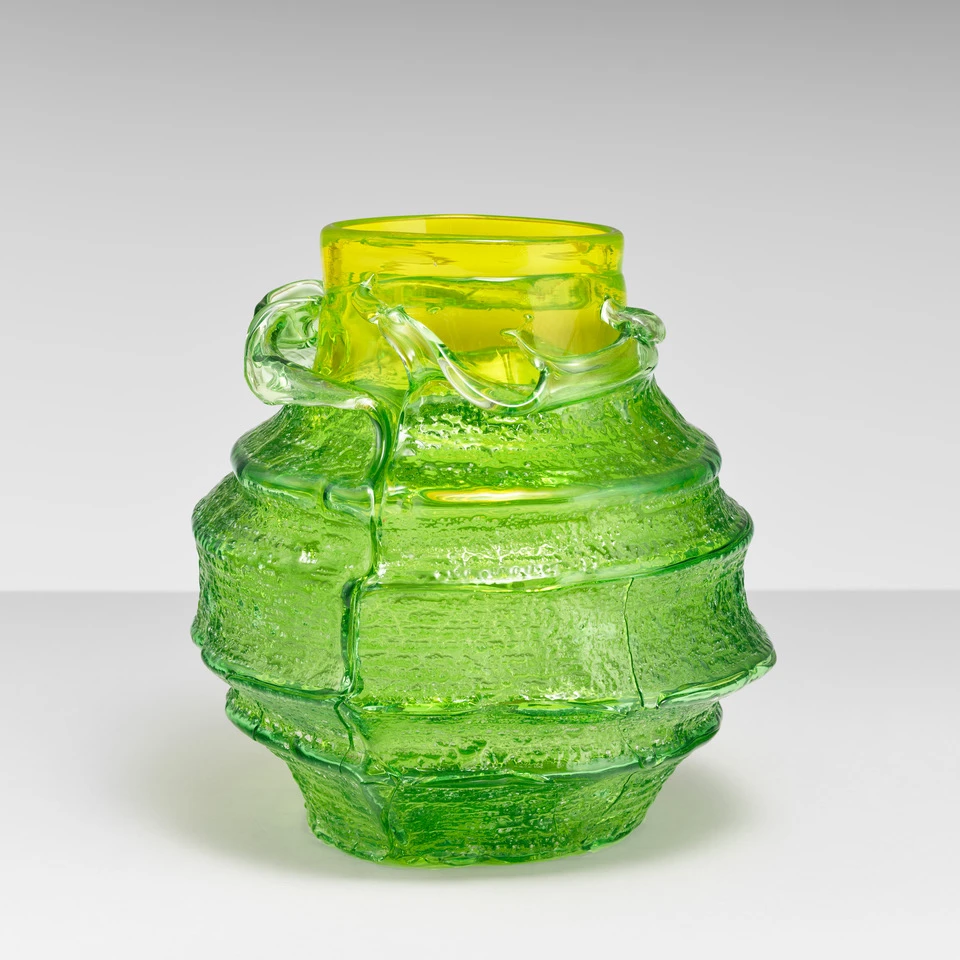
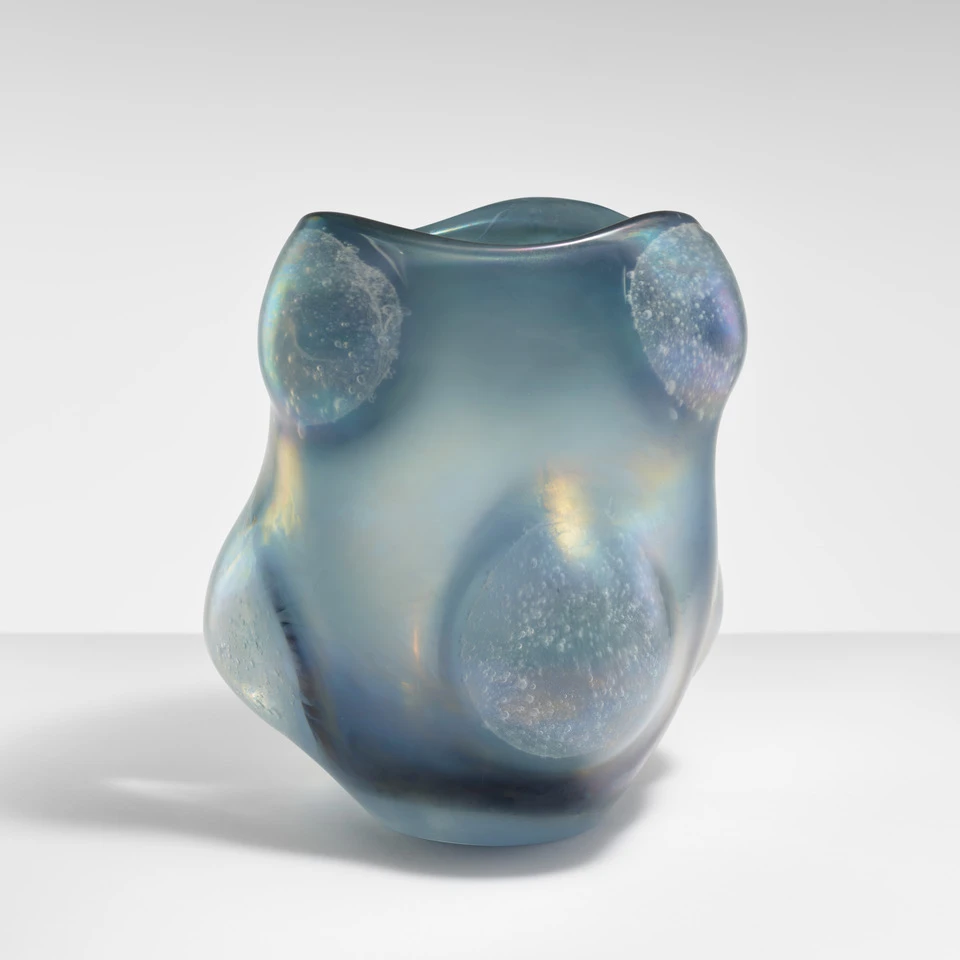
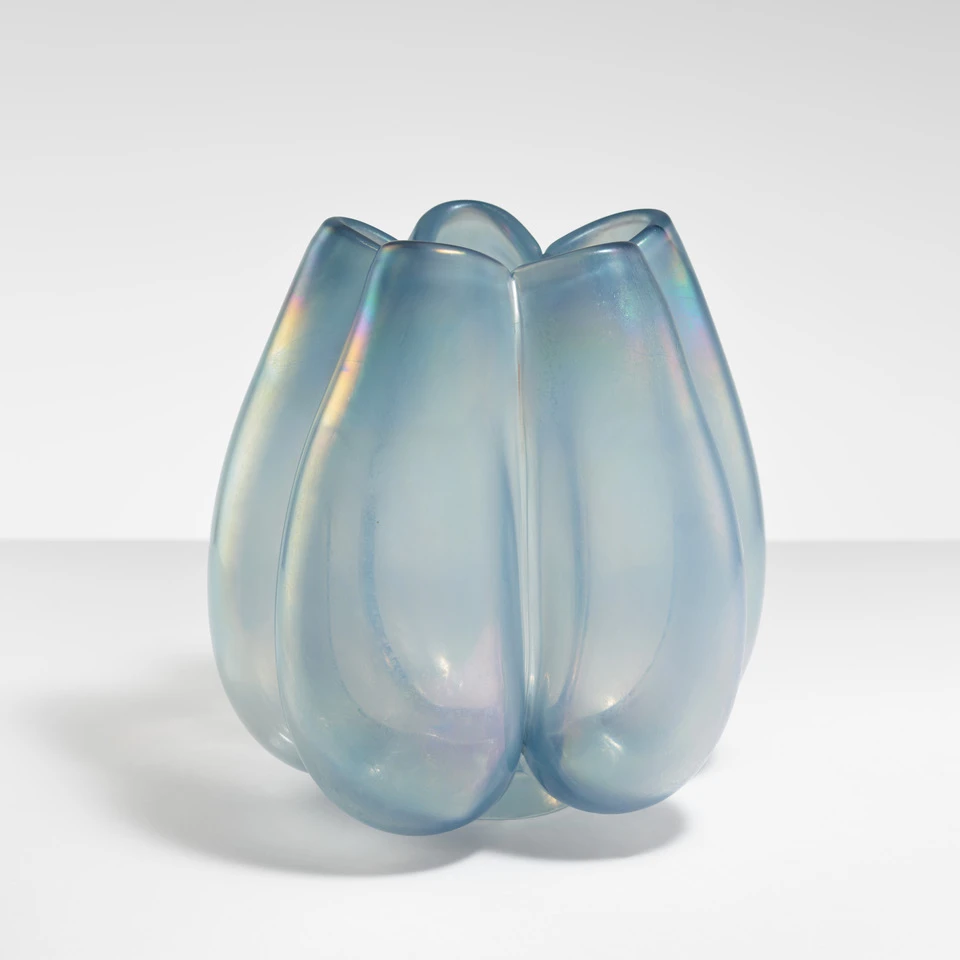
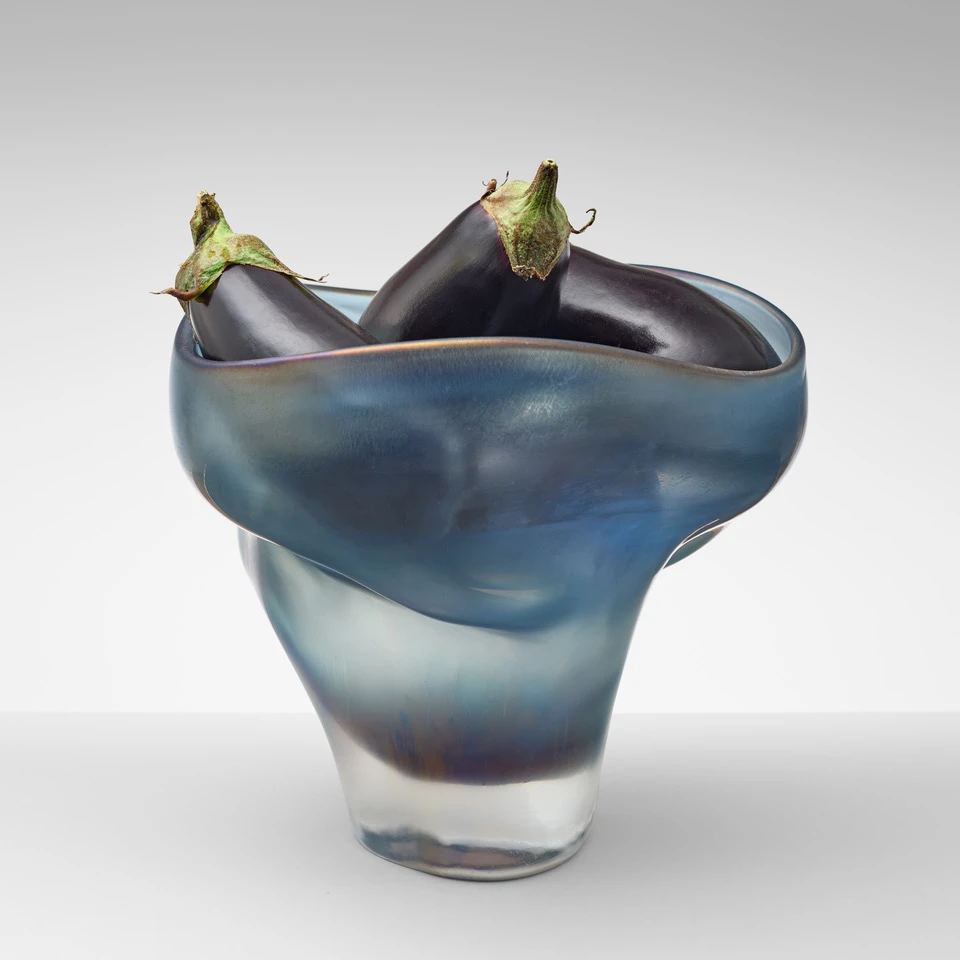
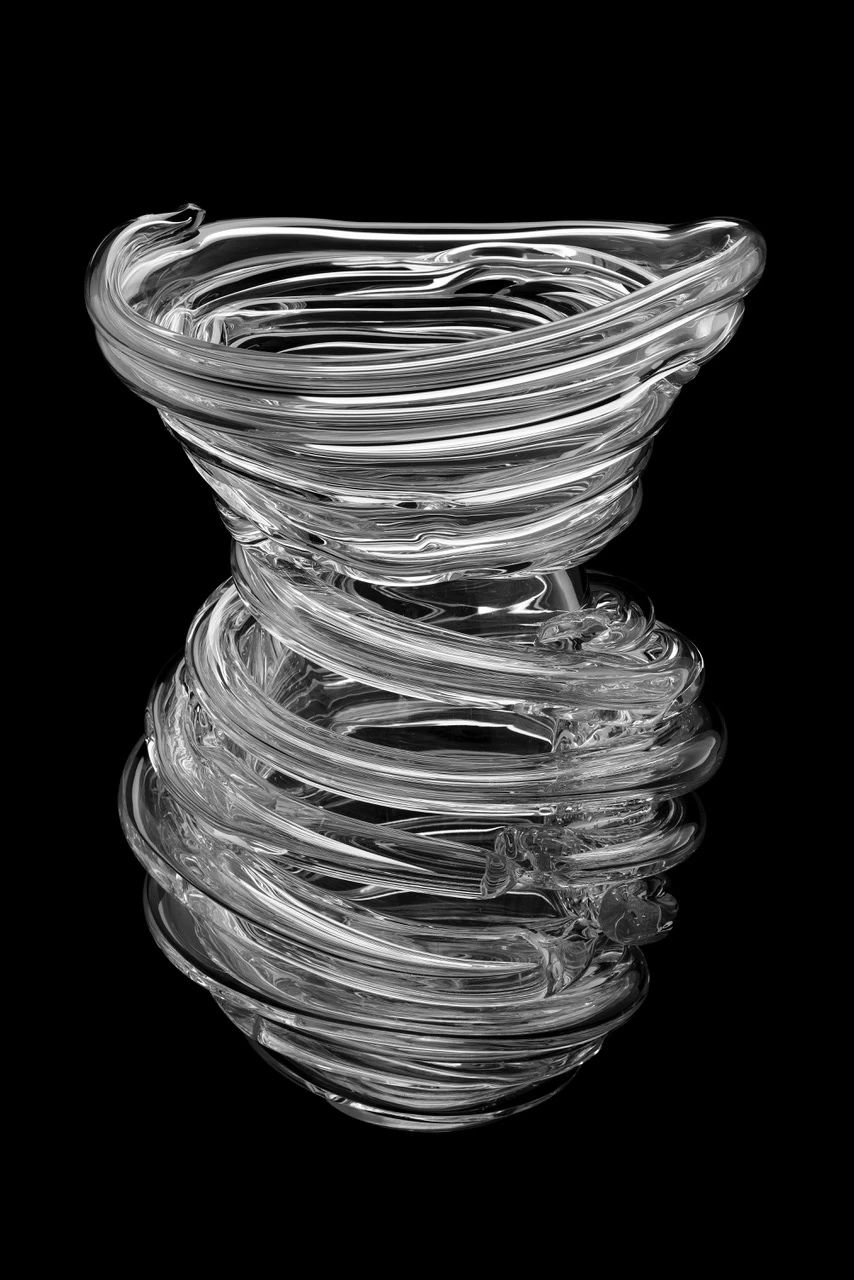
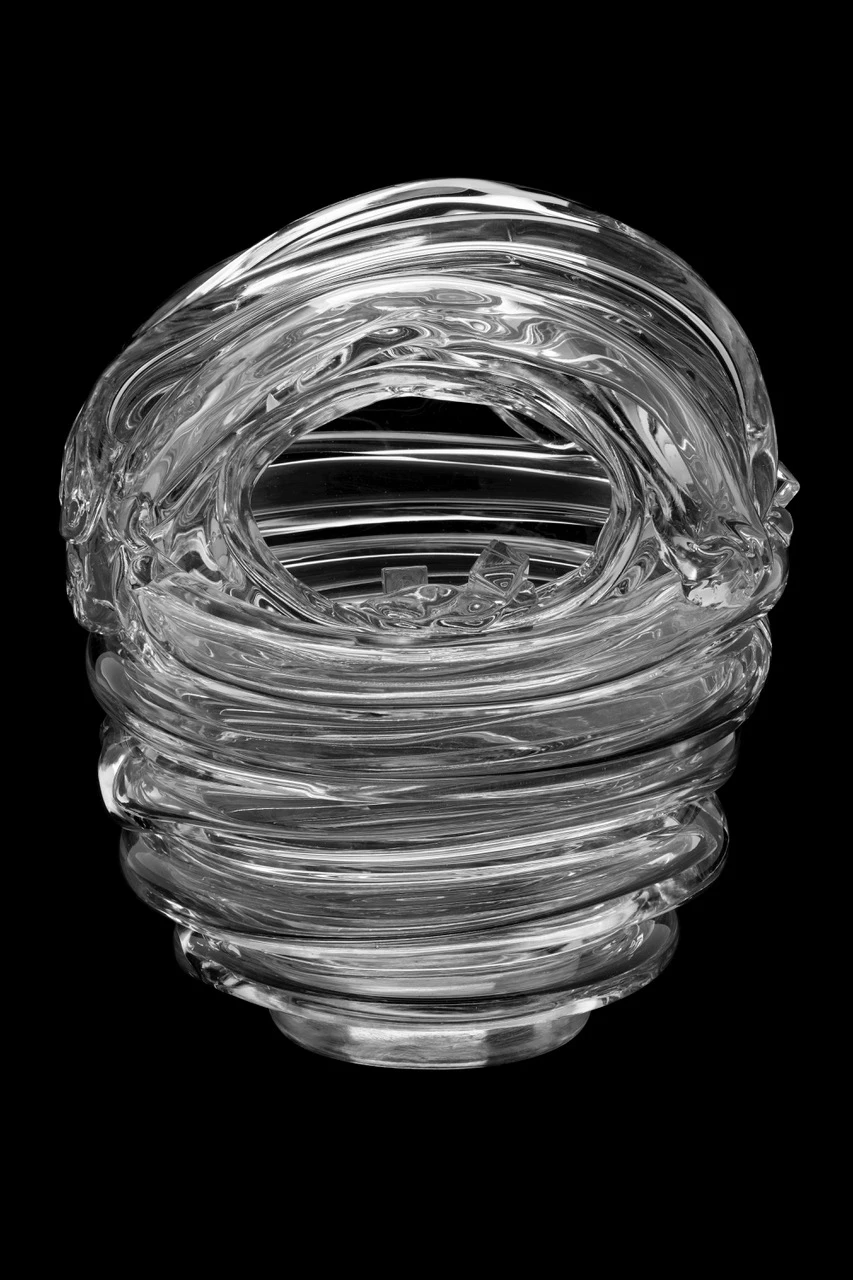
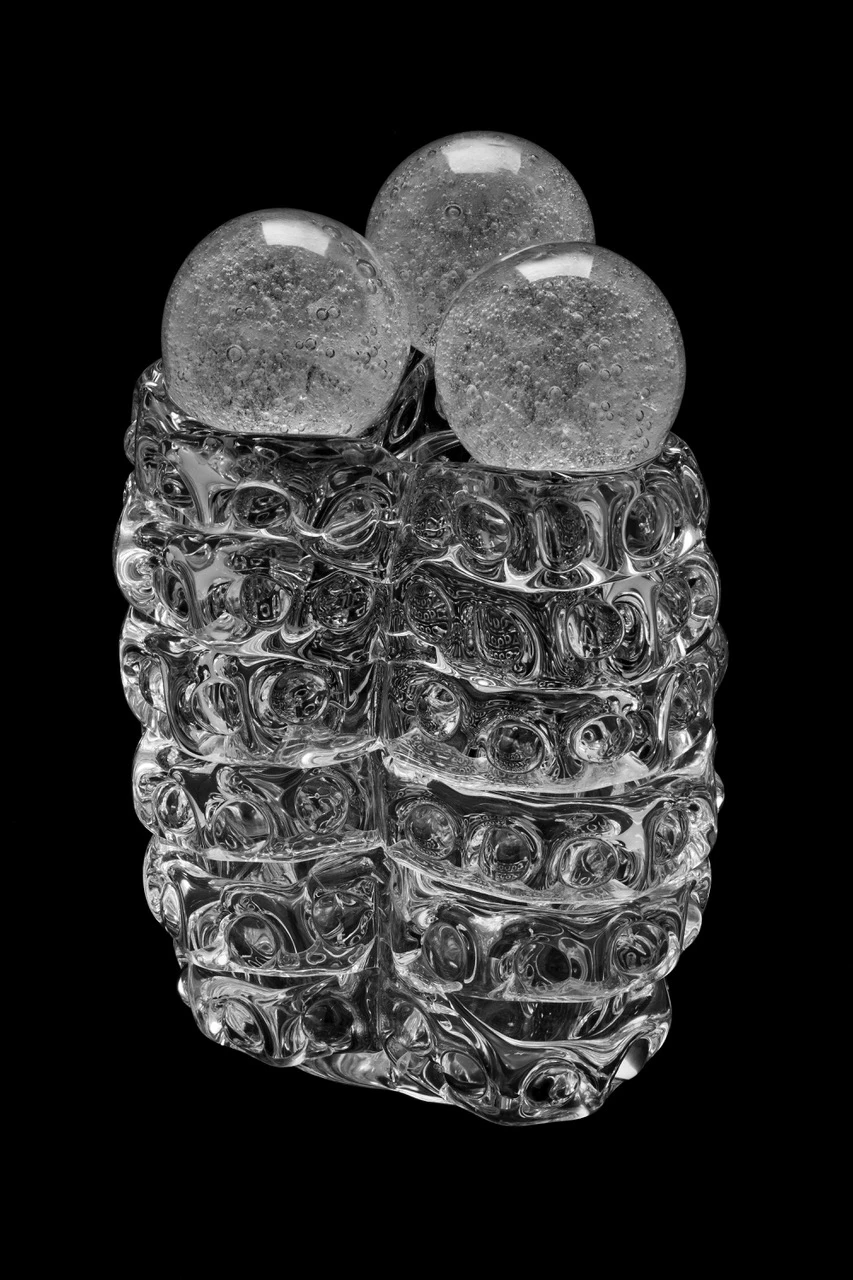
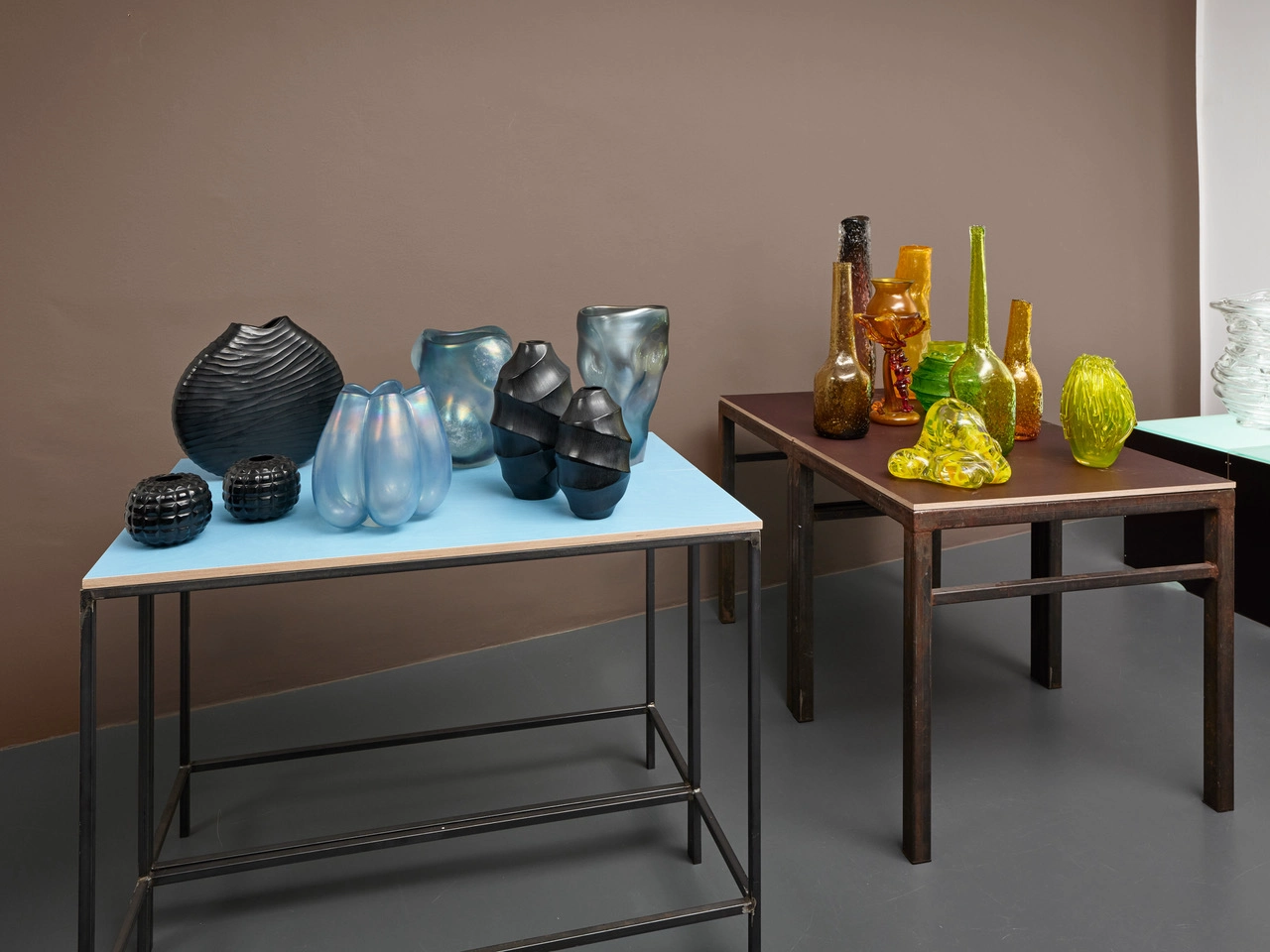
In fact, a vase is only half a work of art. The iartwork is only complete when flowers are placed in it. In Western art, this dialogue is virtually unknown. The vase is exclusively functional as a water container to prolong the life of cut flowers. However, if we look at ikebana, the Japanese art of flower arranging, we see that one cannot exist without the other. The dialogue between the vase and its contents is precisely the basis of the work of art.
“Bernard Heesen’s work is often, perhaps unjustly, called controversial because it does not meet expectations. For him it is more about expressing a vision and cultivating a rarely accepted, very personal signature. Bernard Heesen prefers to strip glass of its intrinsic, enchanting beauty. The glass must cool as fluidly as possible, without tinkering with it too much. Specialties over the years have been internal craquelé, soap bubbles of thinly colored glass that have burst on the scorching glass and colors in combinations that evoke discomfort.”
The multi-facetted work of Massimo Micheluzzi evinces the beauty of his native Venice to no small degree. His legendary murrina vessels evoke the reflections on the waters of the city with its manifold textures, the grey of a cloudy day or the silver lustre of the lagoons. “I wanted to convey a sense of motion by means of a static material, like a Canaletto painting”. Today, he is one of the few glass artists on Murano who still has mastery of the elaborate murrina technique. Equally unique are his battuto glasses recalling beaten silver.
It takes a lot of effort to get opinionated Venetian master glass-blowers to work in samurai discipline and Japanese minimalism. Ritsue Mishima literally wields the baton in these history-drenched workshops, coaxing them to embody her drawings as crystalline sculptures, massive yet filigree, which seem to trap the light. Fantasies of the lagoon come to life, achromatic and thus more poetic – a nudge back to the glory of Murano’s eleventh-century clear-glass origins.


Sign Up & Never Miss a Show