3F, 97 Sec. 2 DunHua S. Road, 106, Taipei, Taiwan
Open: Wed-Sat 12.30-6.30pm
Sat 25 Apr 2026 to Sat 6 Jun 2026
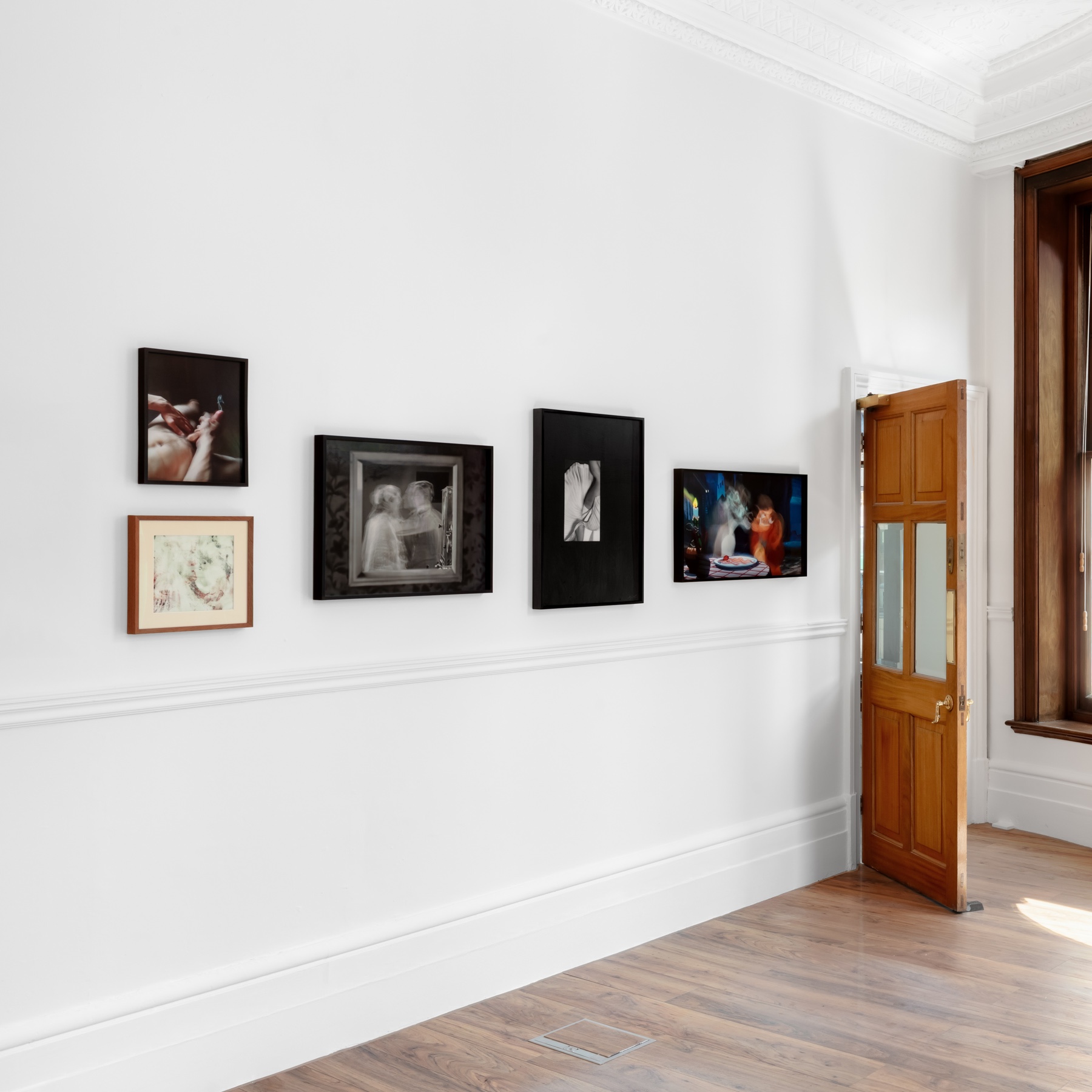
3F, 97 Sec. 2 DunHua S. Road, 106 Intellectual Structures: Trigger, Judgment, and Decision
Wed-Sat 12.30-6.30pm
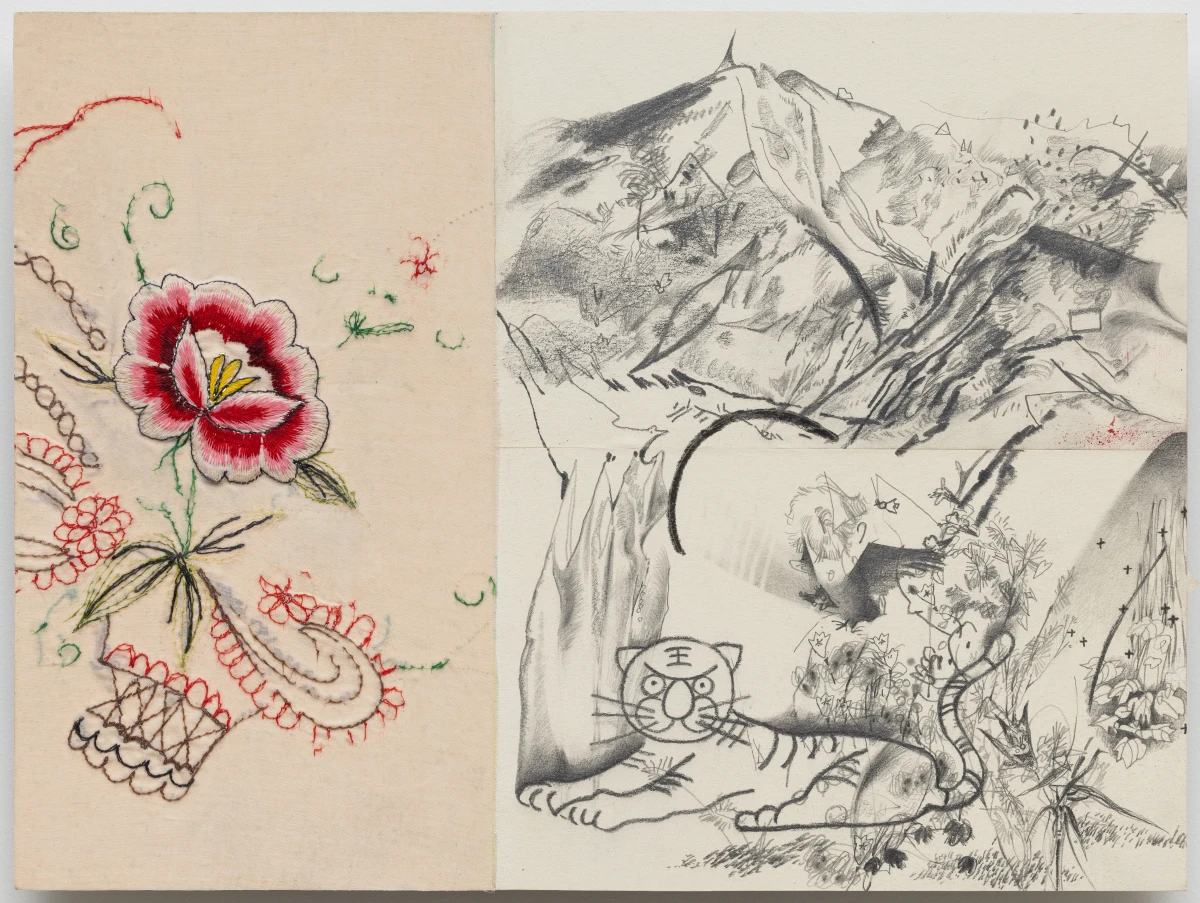
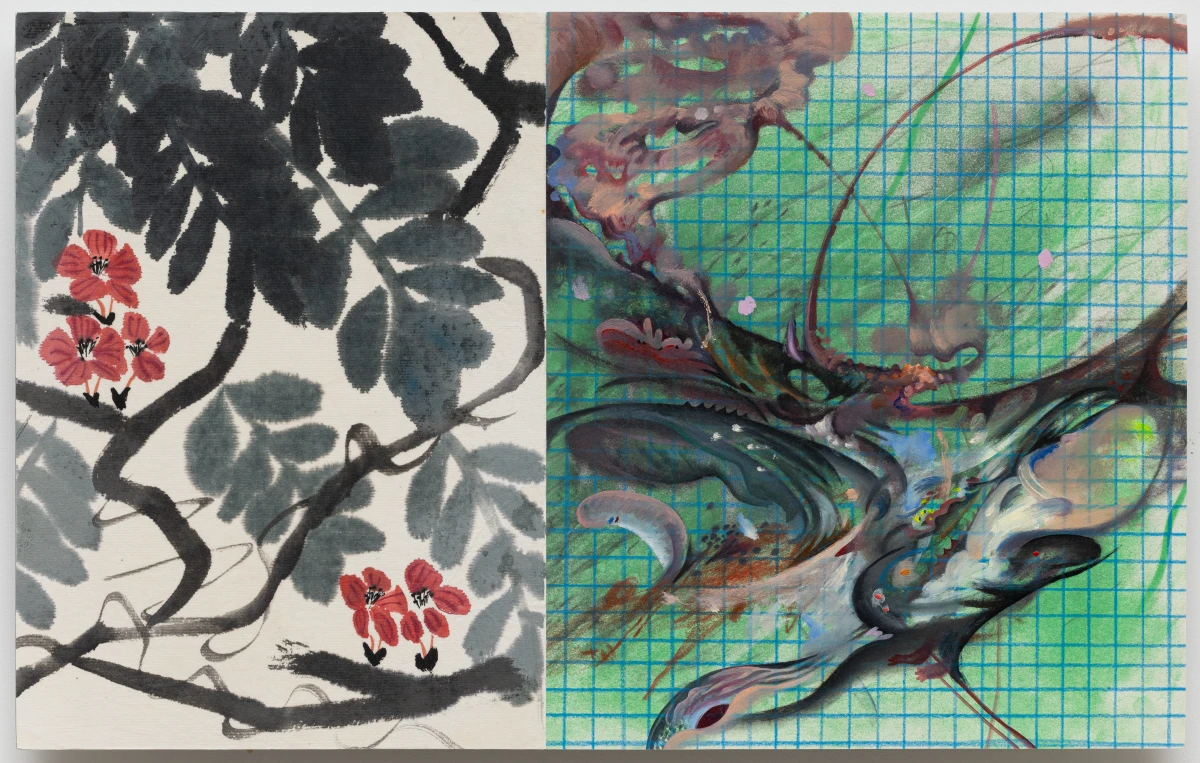
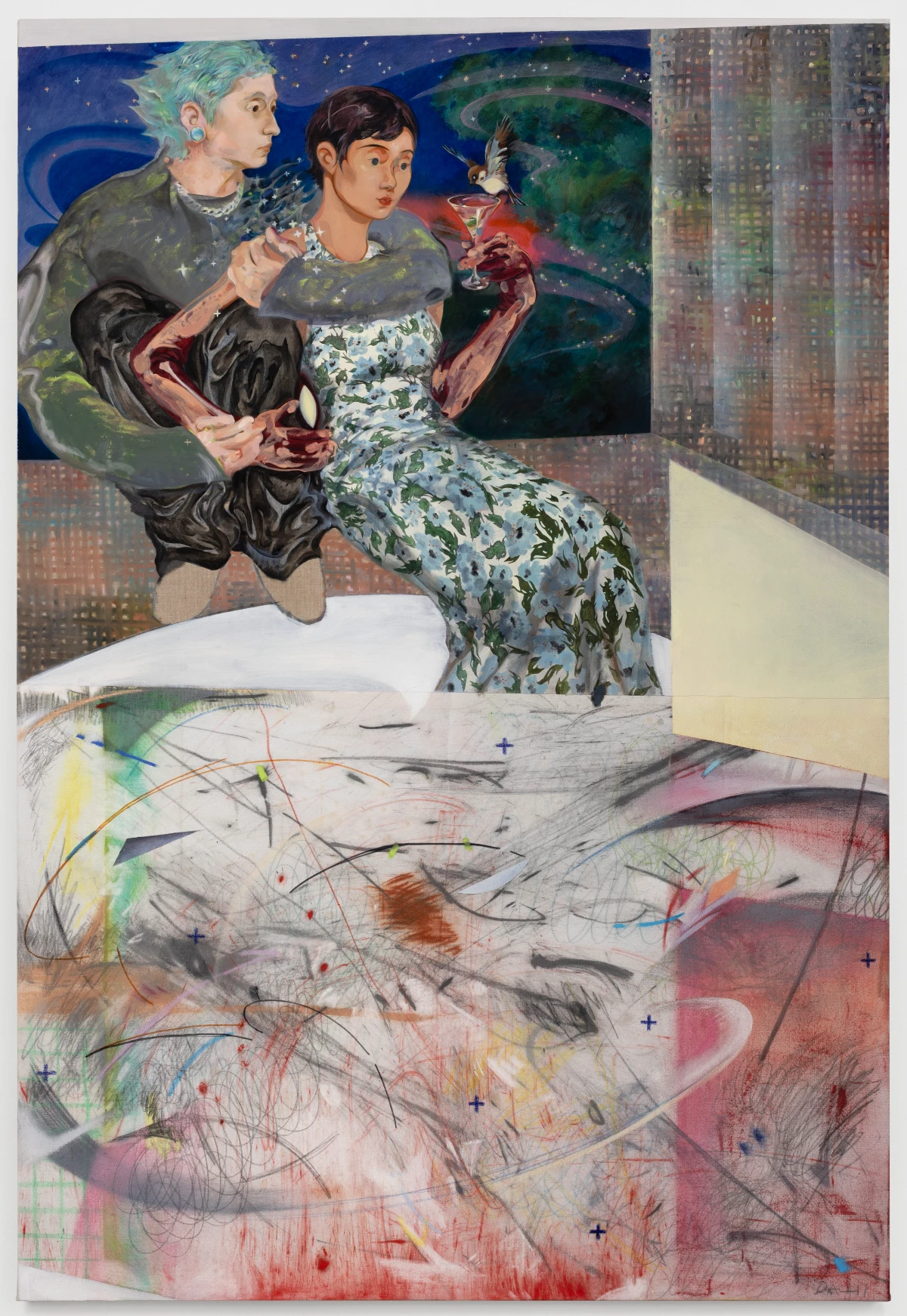
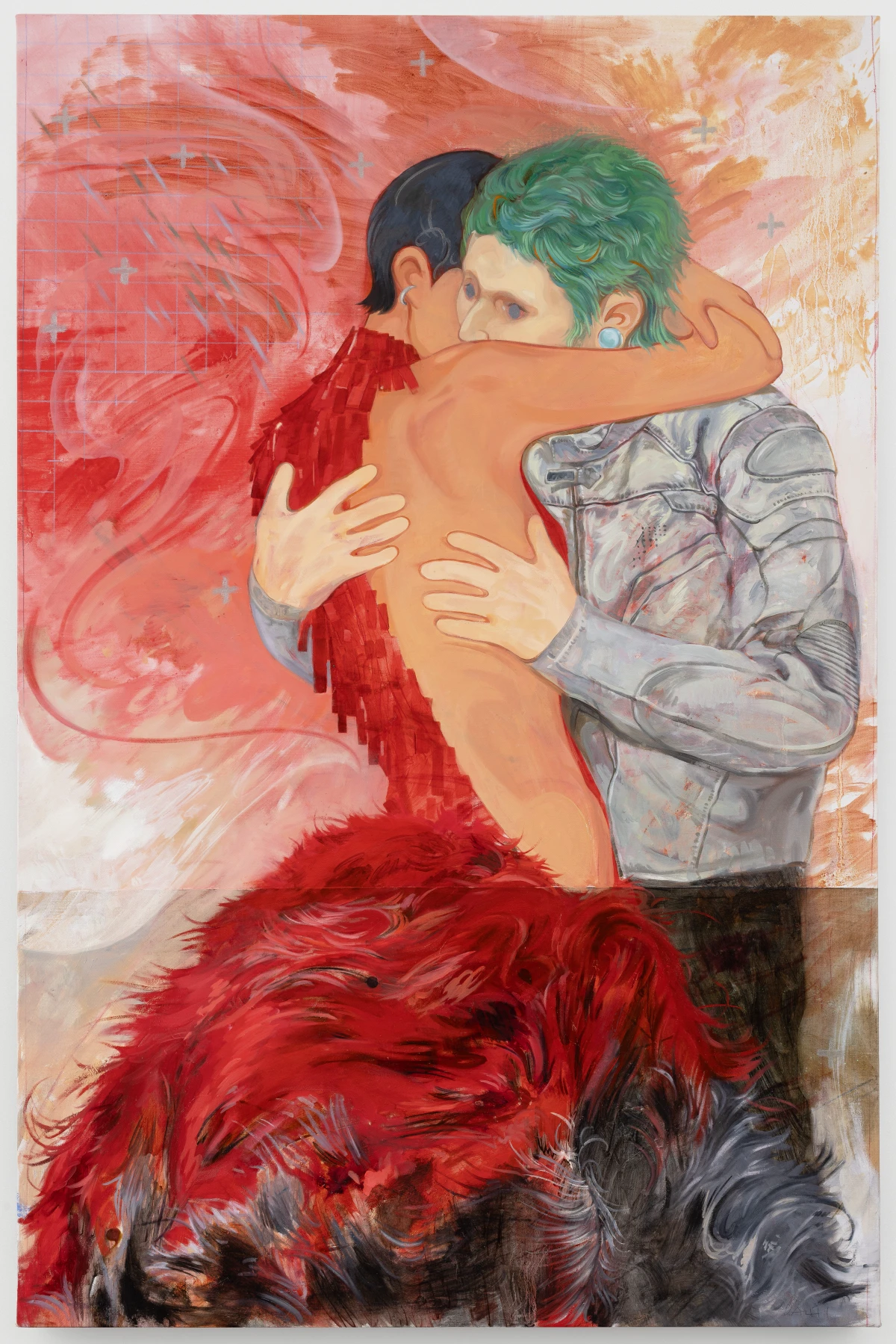
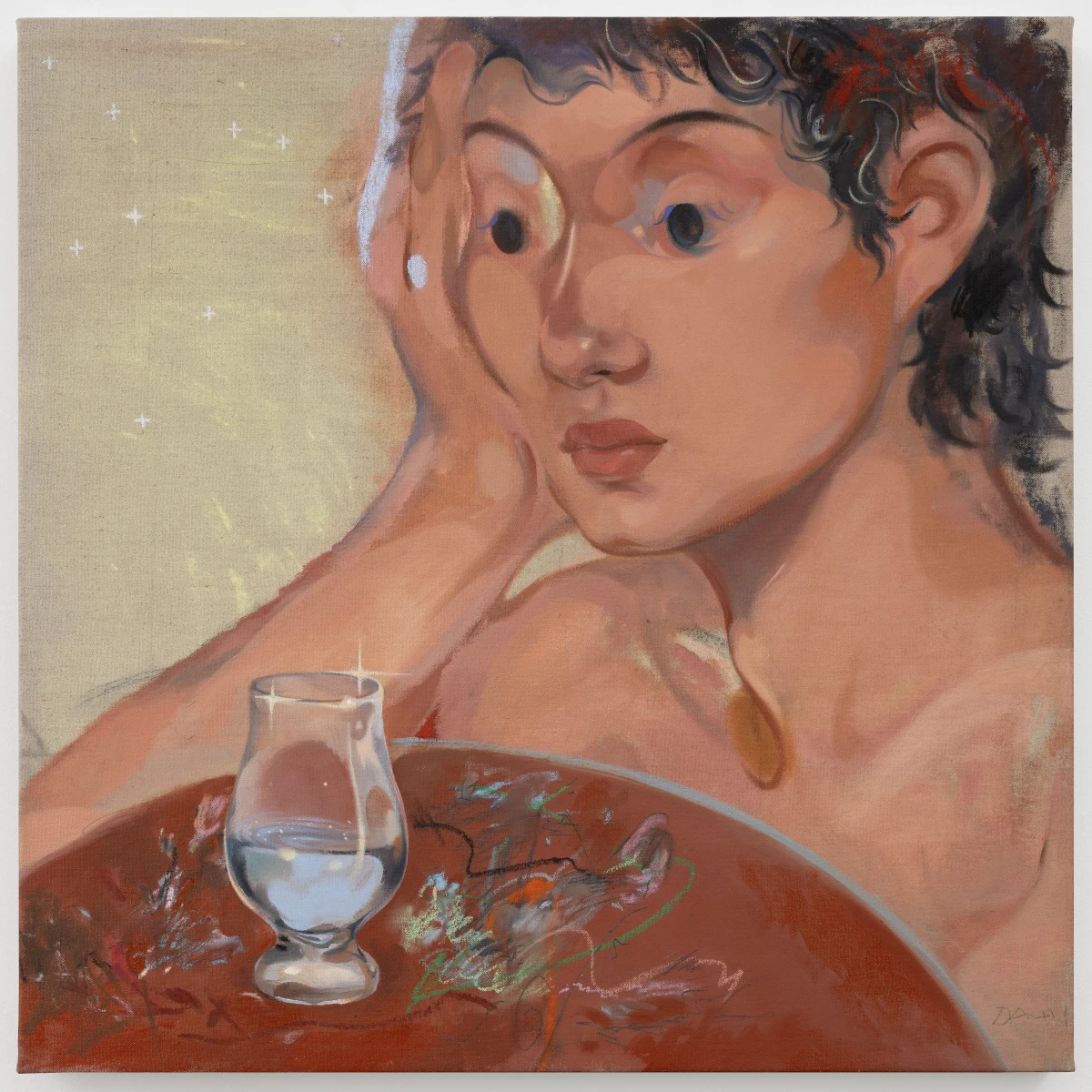
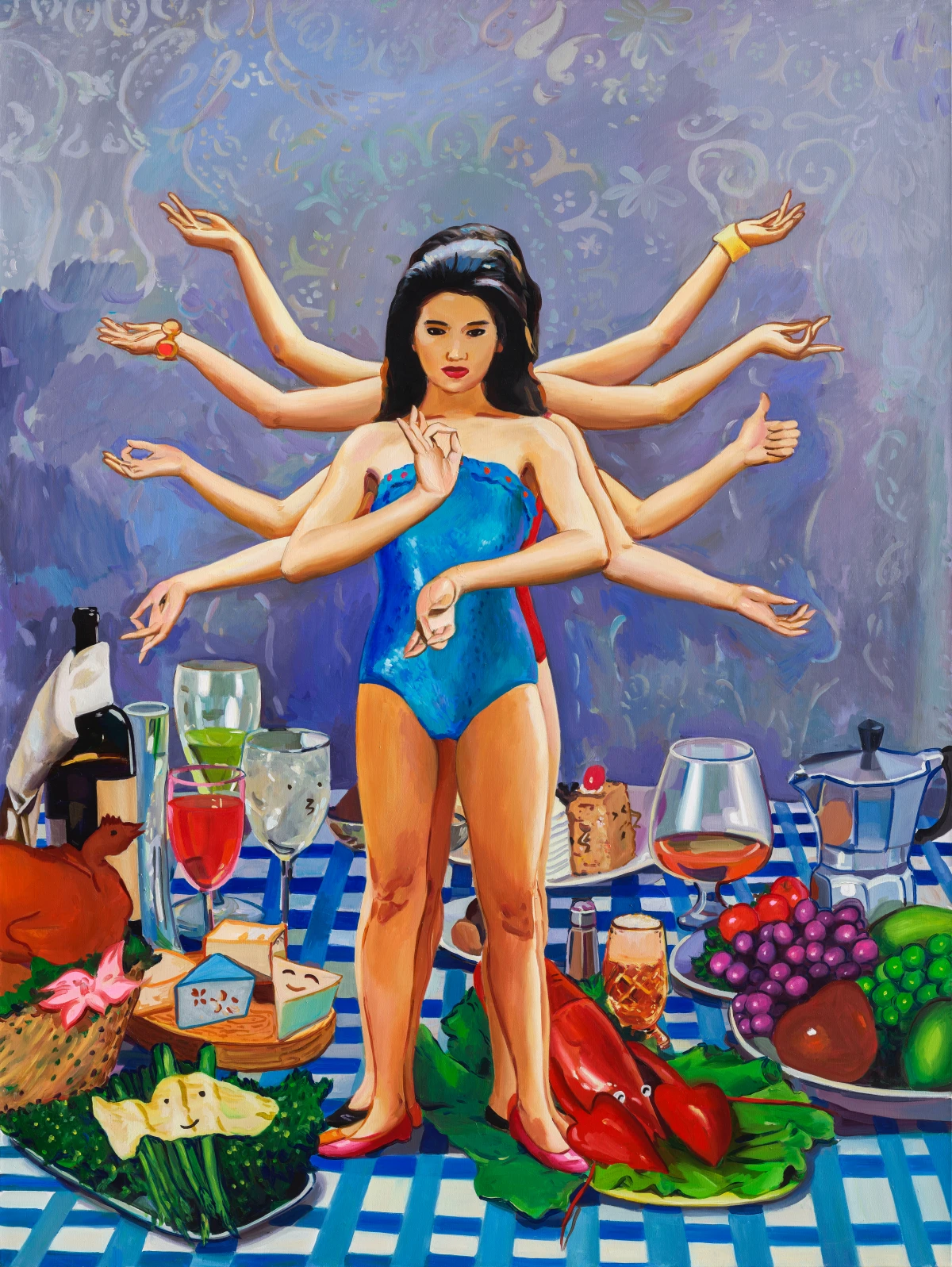
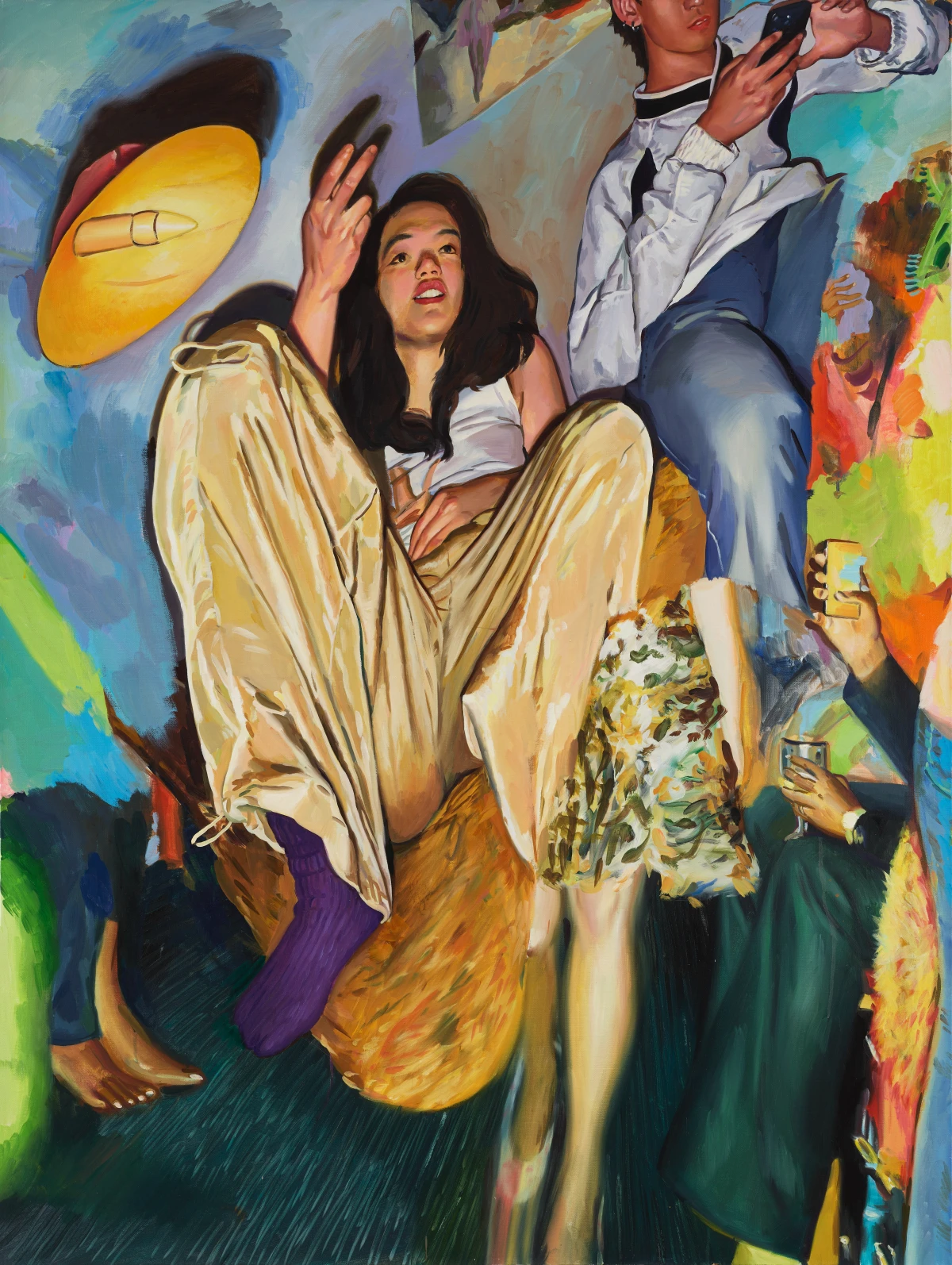
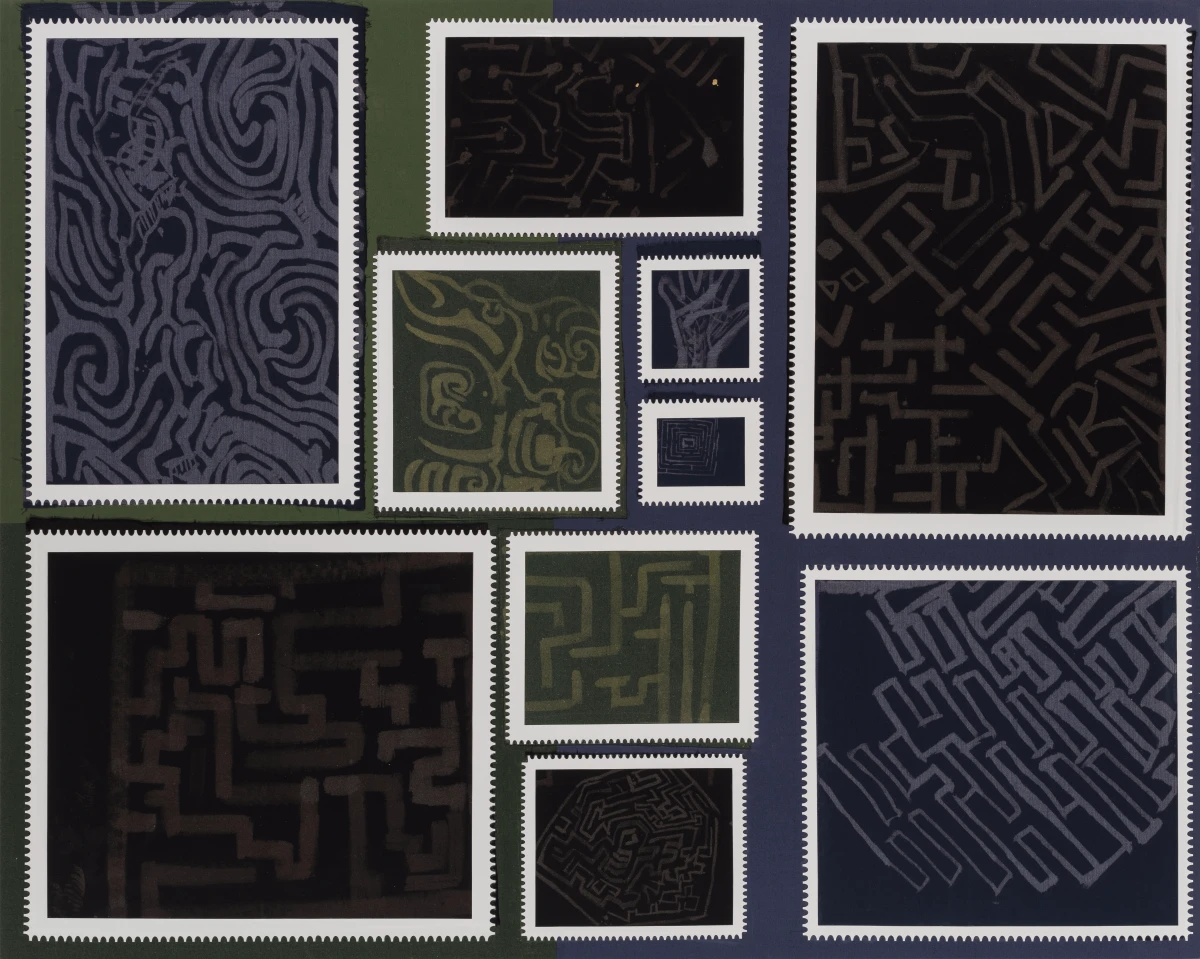
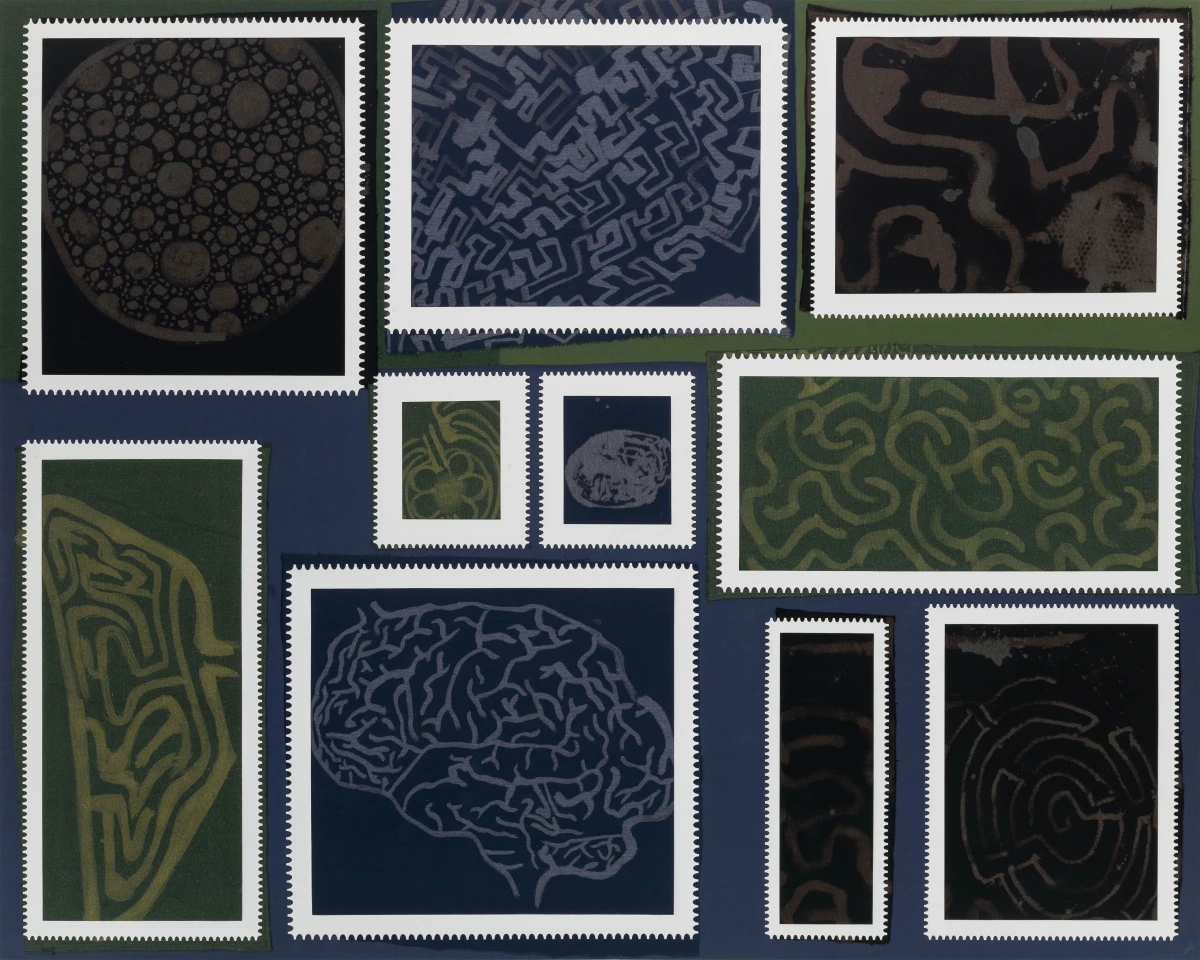
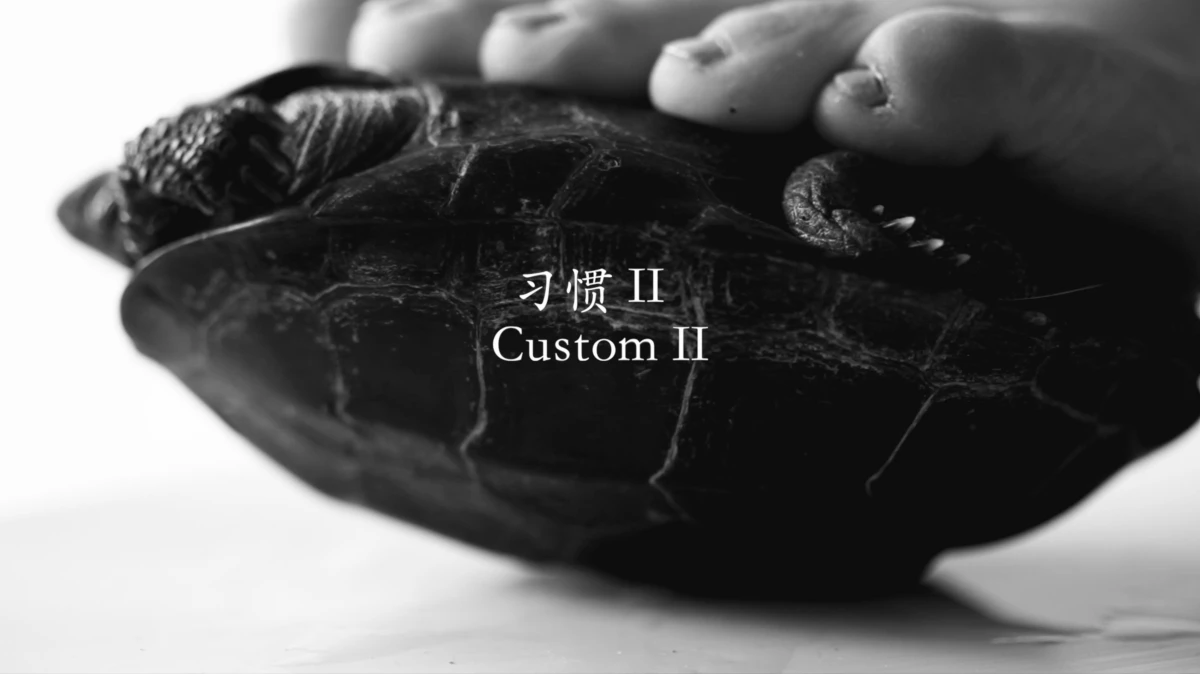
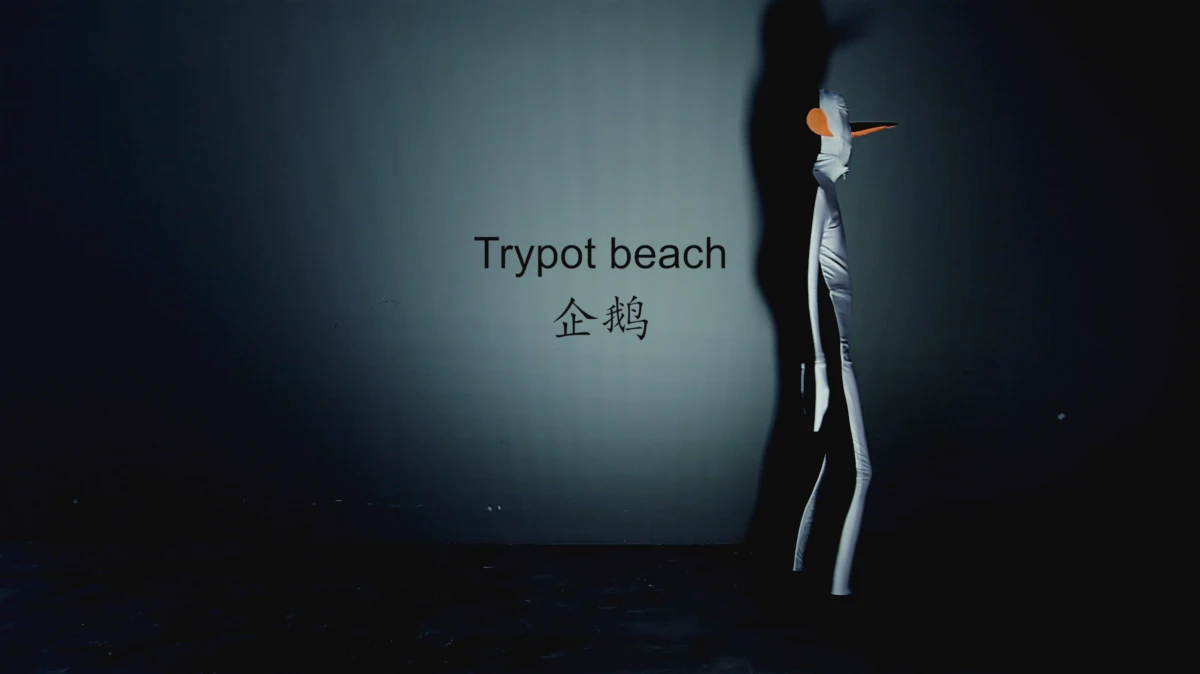
Artists: DAZHI - Ding HongDan - Jing Ao - Liang Yuanwei - WenJue - Xu Qu
curated by Qi Chao
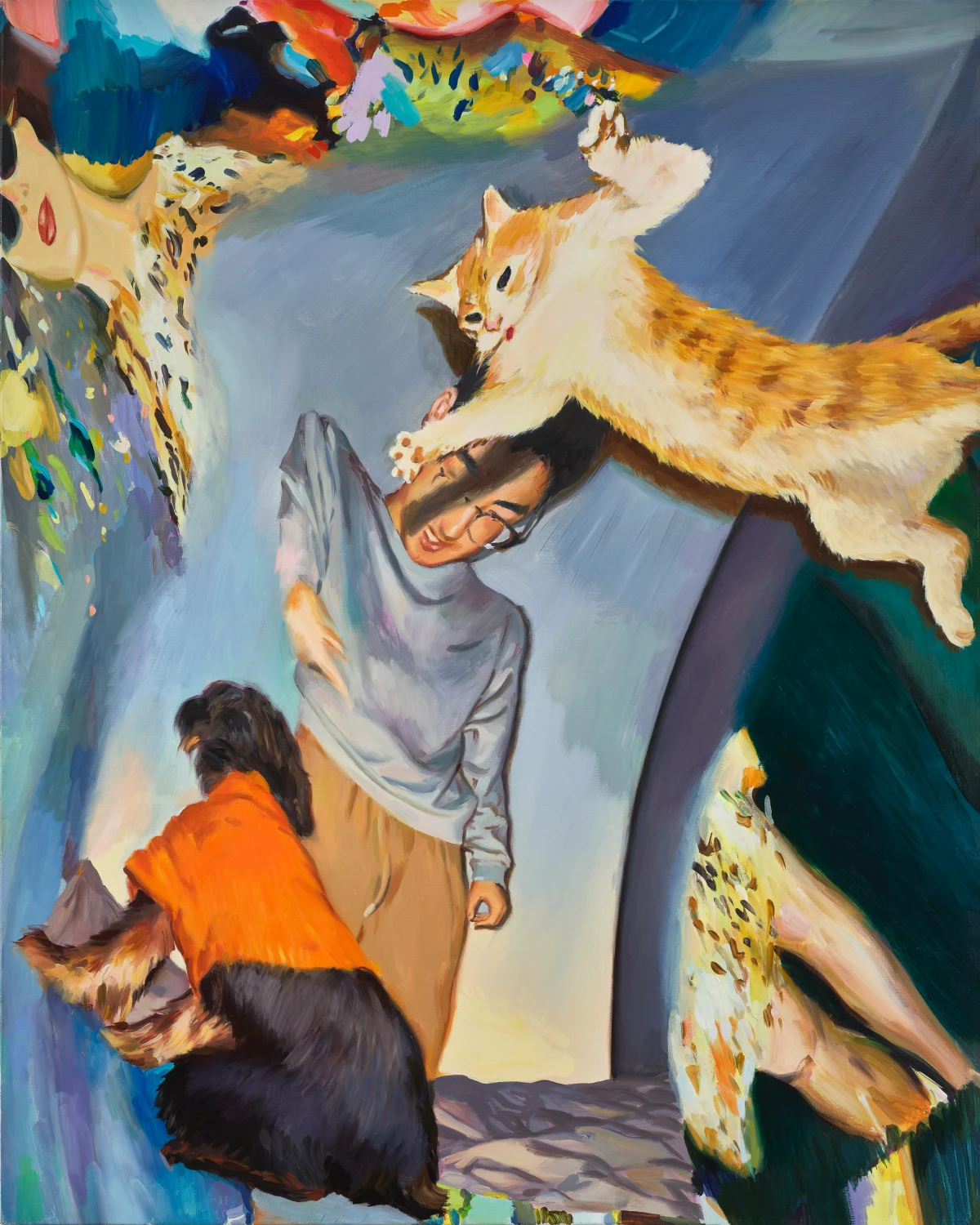
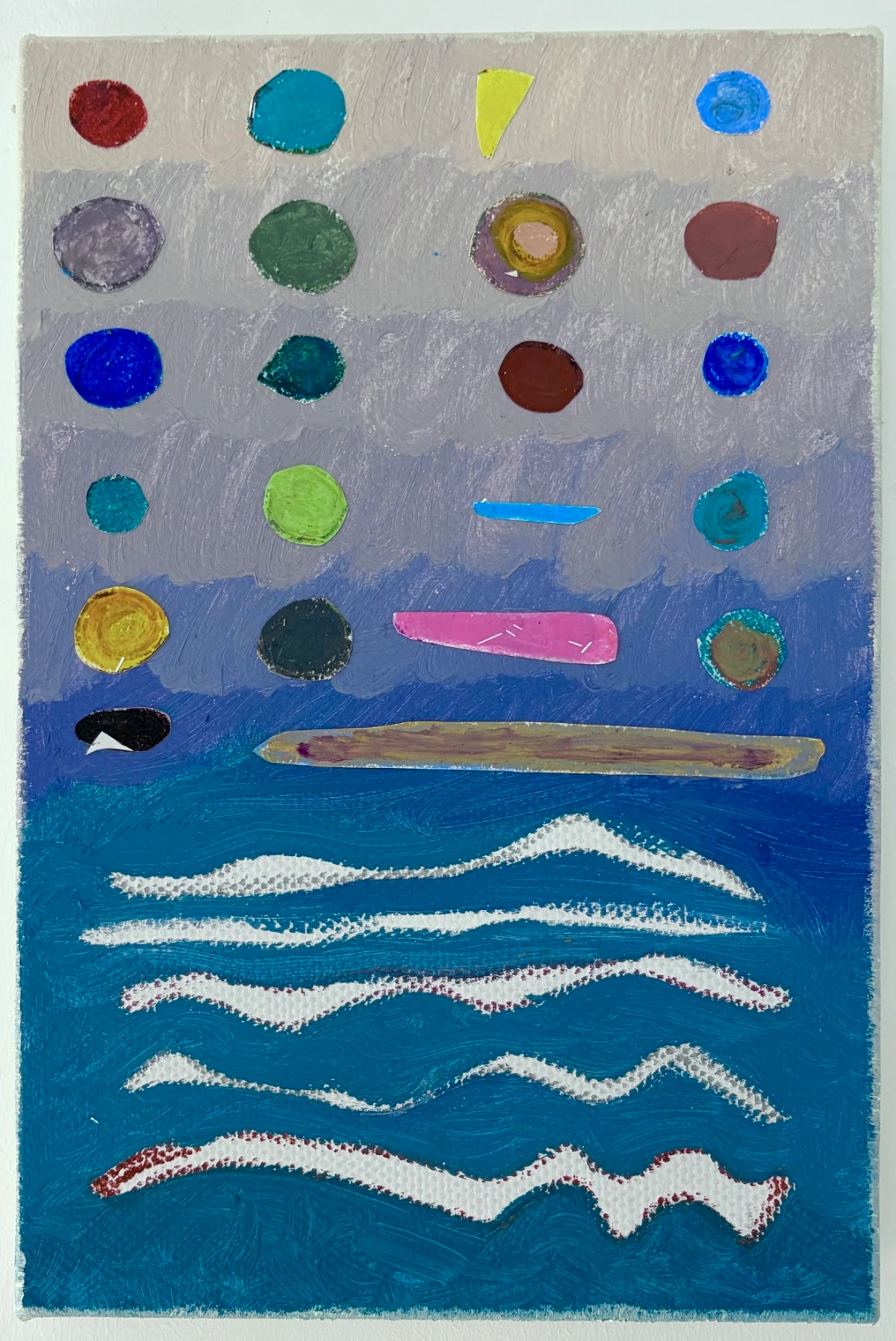
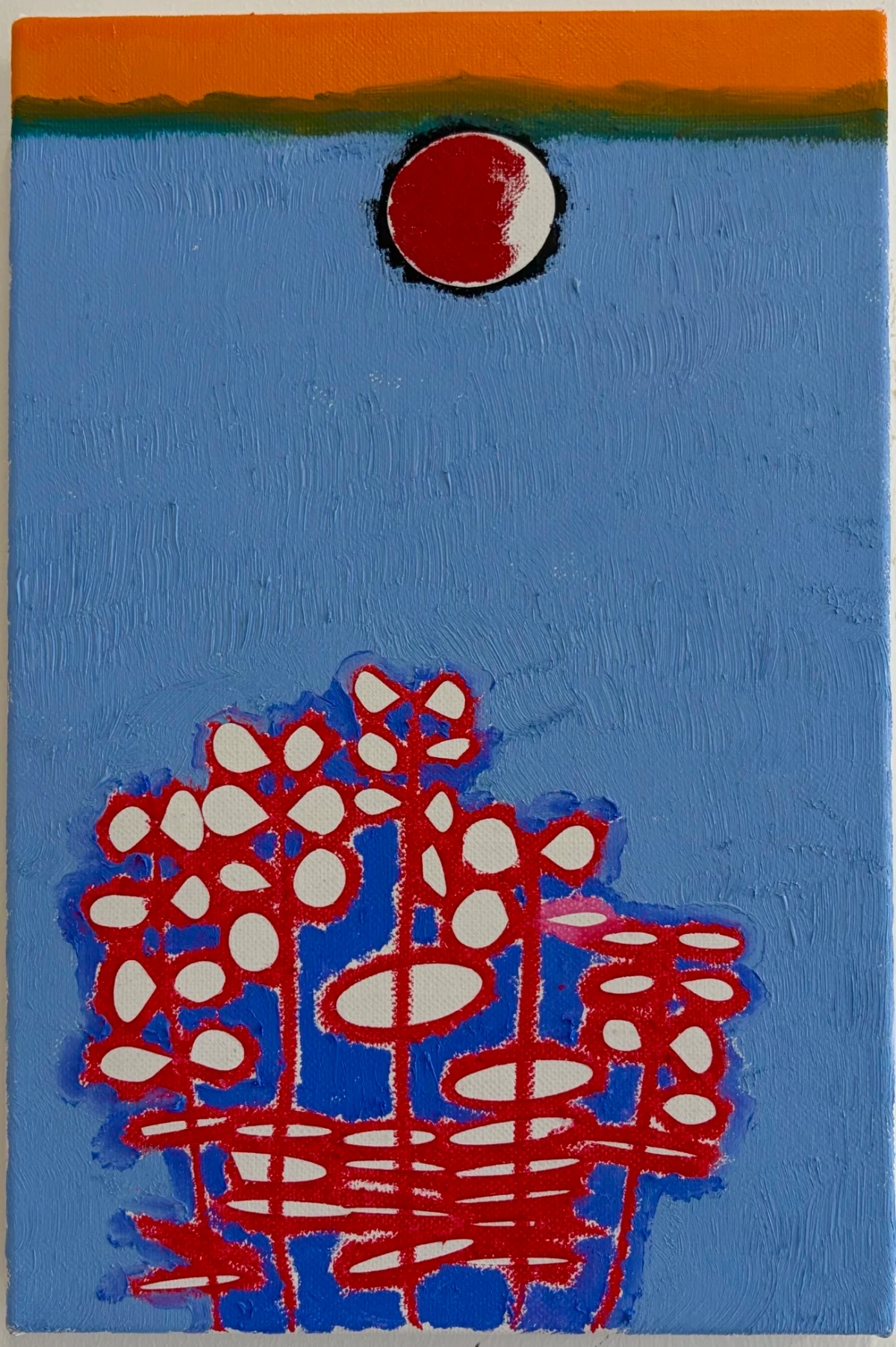
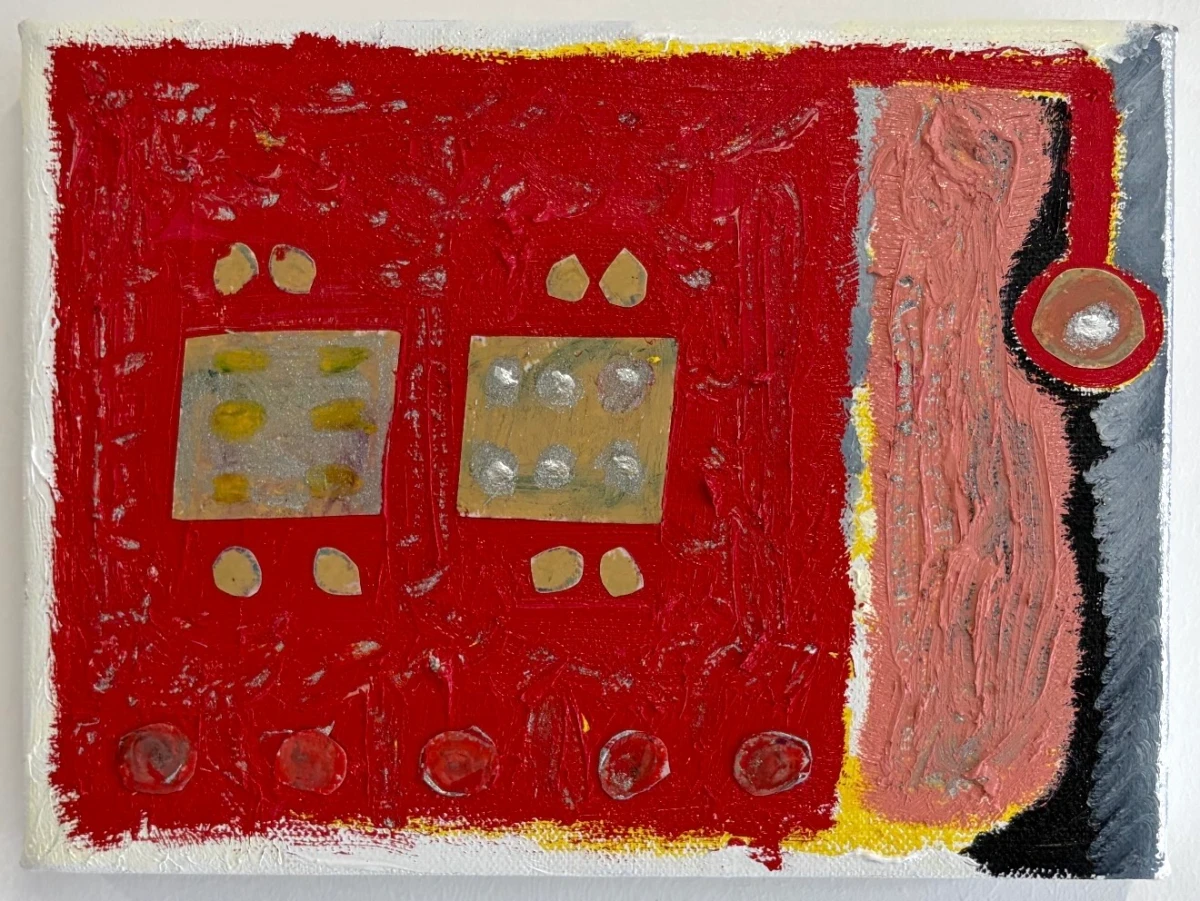
Curatorial Essay / Qi Chao
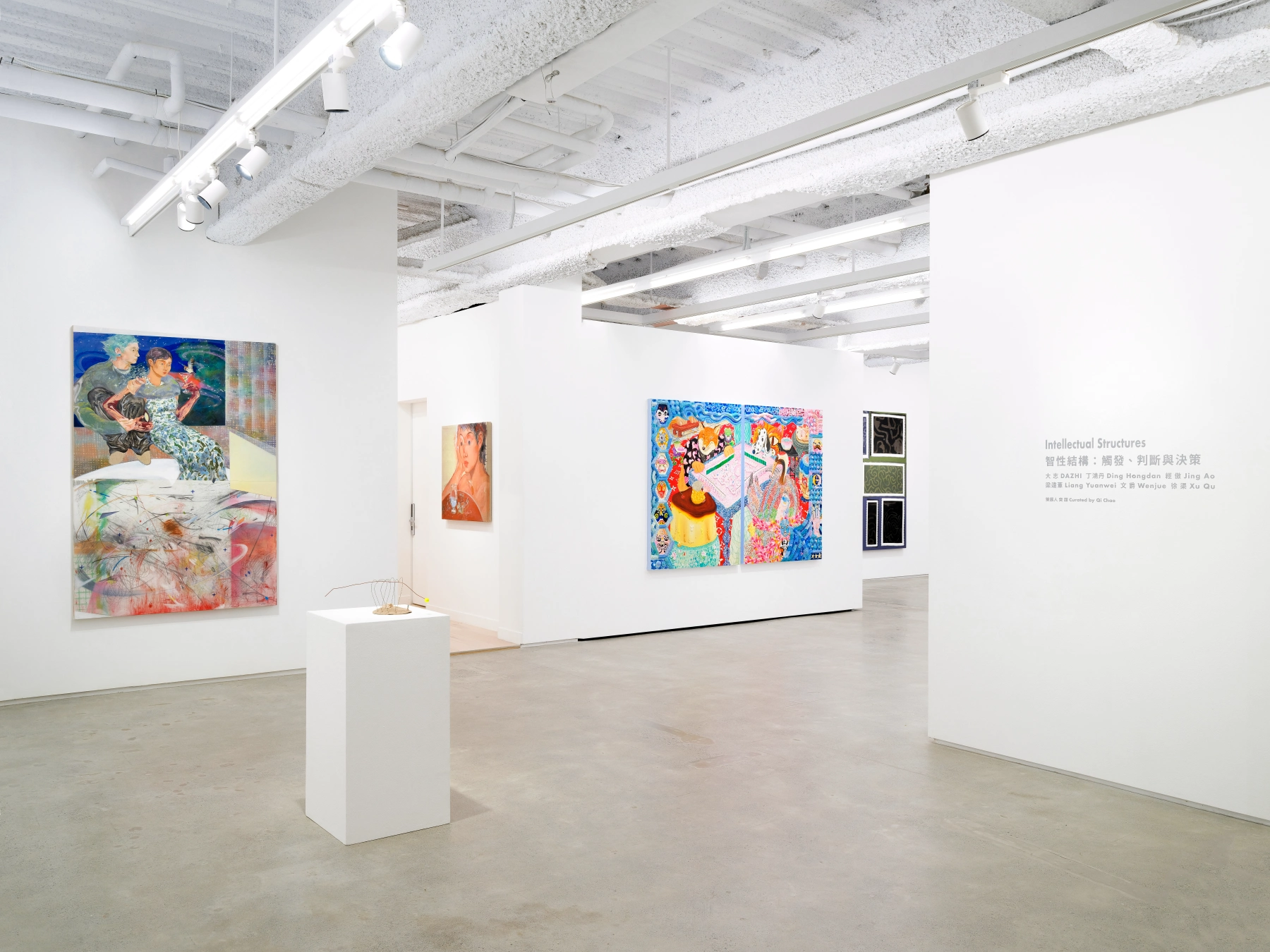
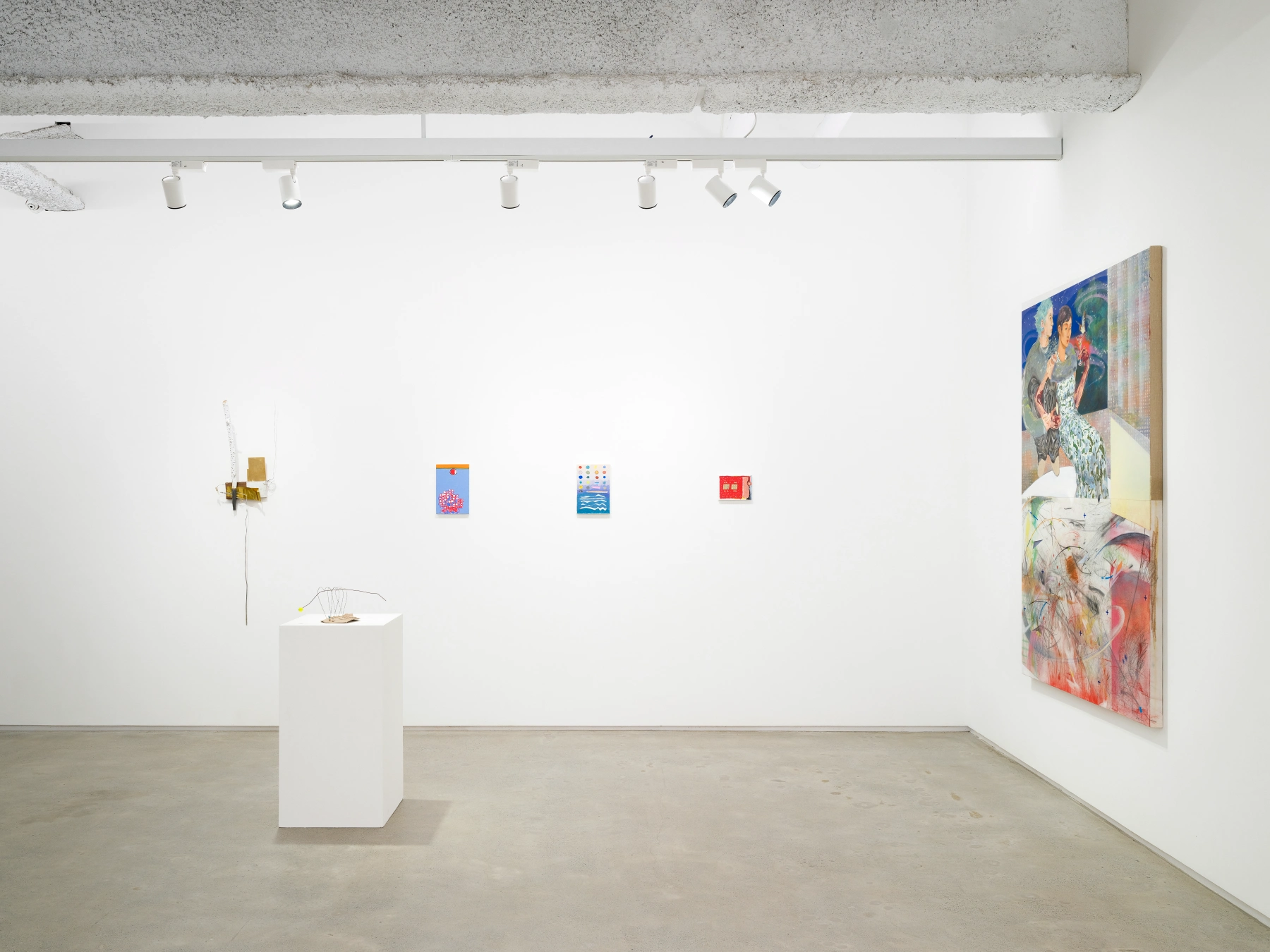
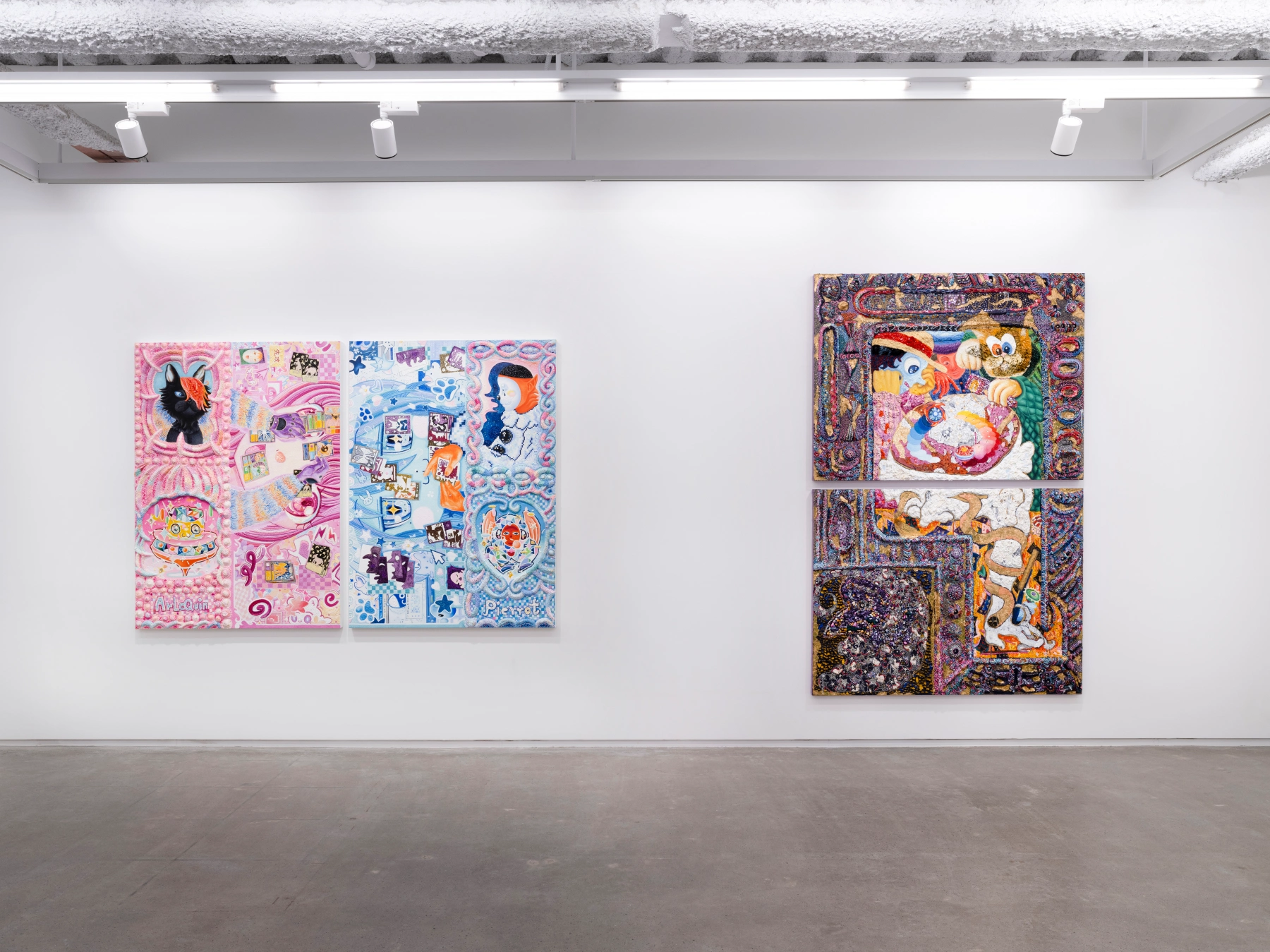
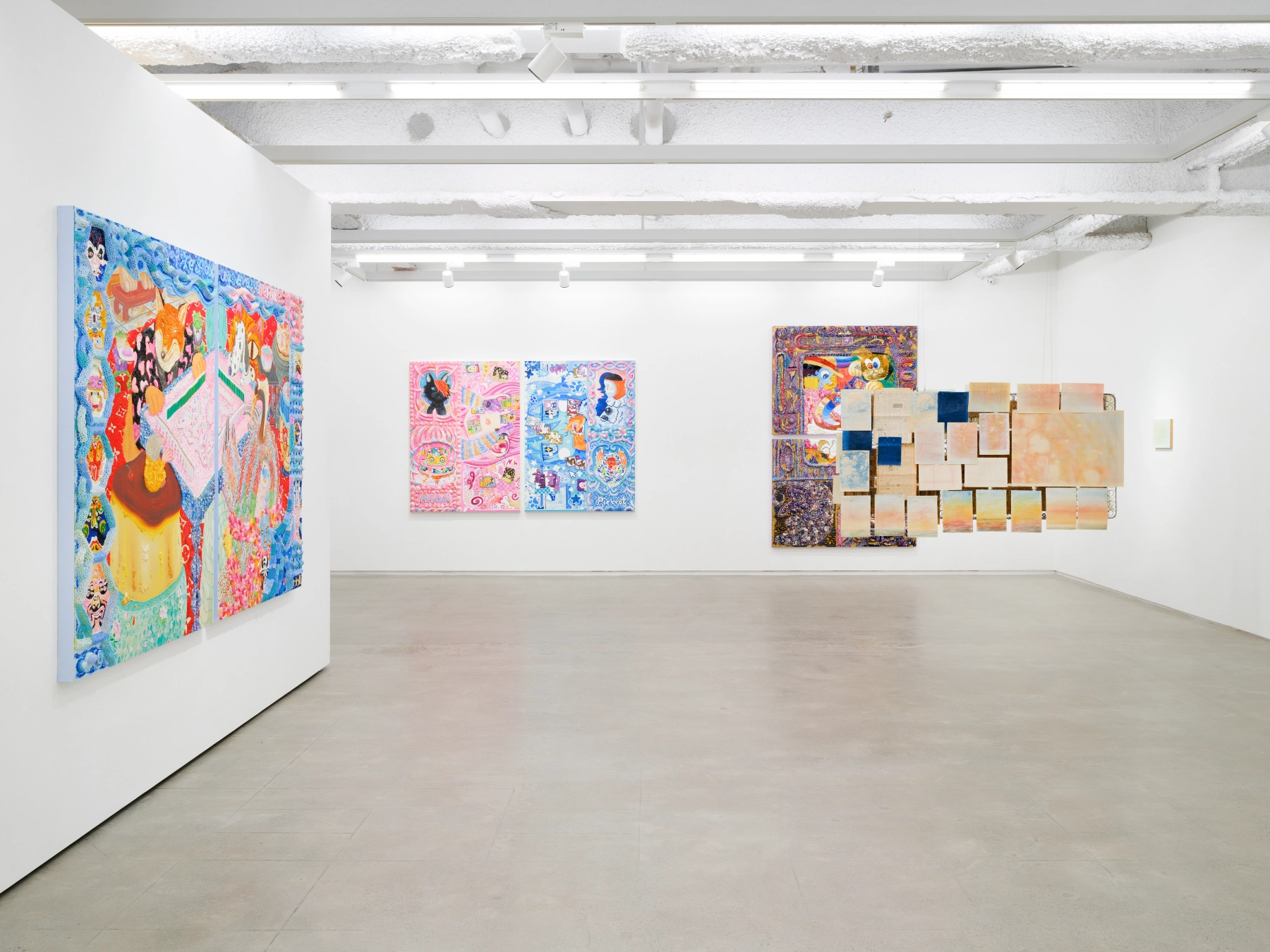
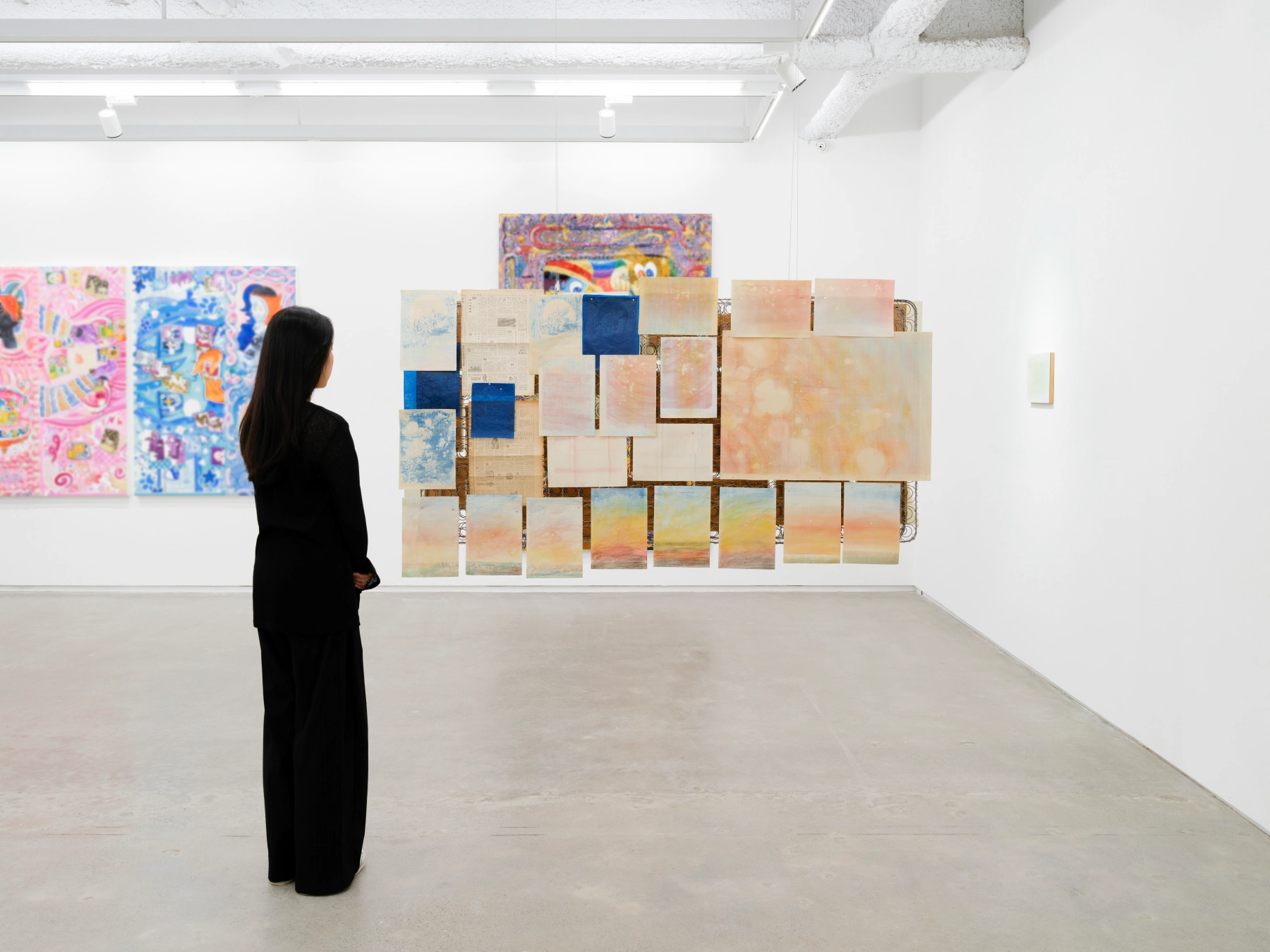
Each Modern and I present Intellectual Structures, a group exhibition featuring DAZHI, Ding Hongdan, Jing Ao, Liang Yuanwei, Wenjue, and Xu Qu, two years after our prior collaboration. Instead of directly engaging with the growing impact of artificial intelligence on labor, perception, and value, the exhibition probes a deeper question: what aspects of human thought and artistic creation remain uniquely human?
This exhibition focuses on the intellectual structures of artists, not AI itself. Contemporary art, heavily reliant on concepts since World War II, originates from the complex human brain. The exhibition aims to display the neural algorithms by which artists transform inspiration into works. This involves triggering senses and knowledge, judgment as a competition between experience and transcendence, and decision-making as the conclusion of reason and emotion, forming unique artistic truths rooted in the human brain's thought process.
To encounter these works is, in essence, to observe how the mind encodes the world. As Theodor Adorno described art as a “negative knowledge” of reality, and Ernst Gombrich articulated the tension between “schema and correction,” this exhibition translates such abstract thinking into a visible circuit of cognition. Through the practices of six artists, it attempts to reveal the underlying “source code” of artistic production.
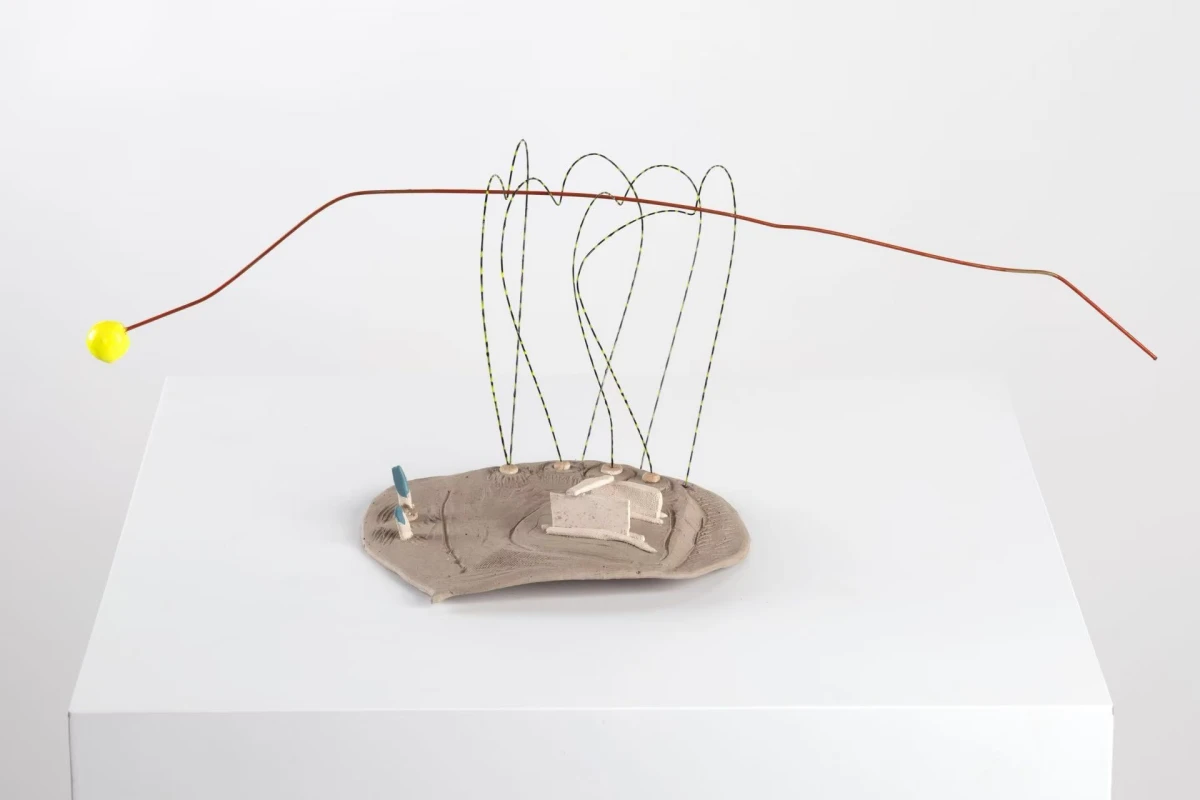
Inspiration, often arriving unexpectedly from the hidden corners of everyday life, is the "trigger" that ignites the creative impulse. While some artists downplay the role of inspiration in their work, the question remains: what sparks the human drive to create? Gilles Deleuze's concept of the "rhizome" offers a perspective, suggesting a nonlinear connectivity arising from seemingly random points. Artists like DAZHI find these triggers in the nuances of emotional relationships, translating intimacy into conceptual forms through a variety of materials. Liang Yuanwei's triggers stem from indirect sources, rooted in her early encounter with the “Wu Se Tu(Five-Colored Soil)” column of the Beijing Evening News, evolving through a process of rumination involving diverse media and philosophical considerations. Jing Ao, on the other hand, discovers triggers in material and existential sensitivity, assembling everyday objects into arrangements that resonate with a primal connection to nature.
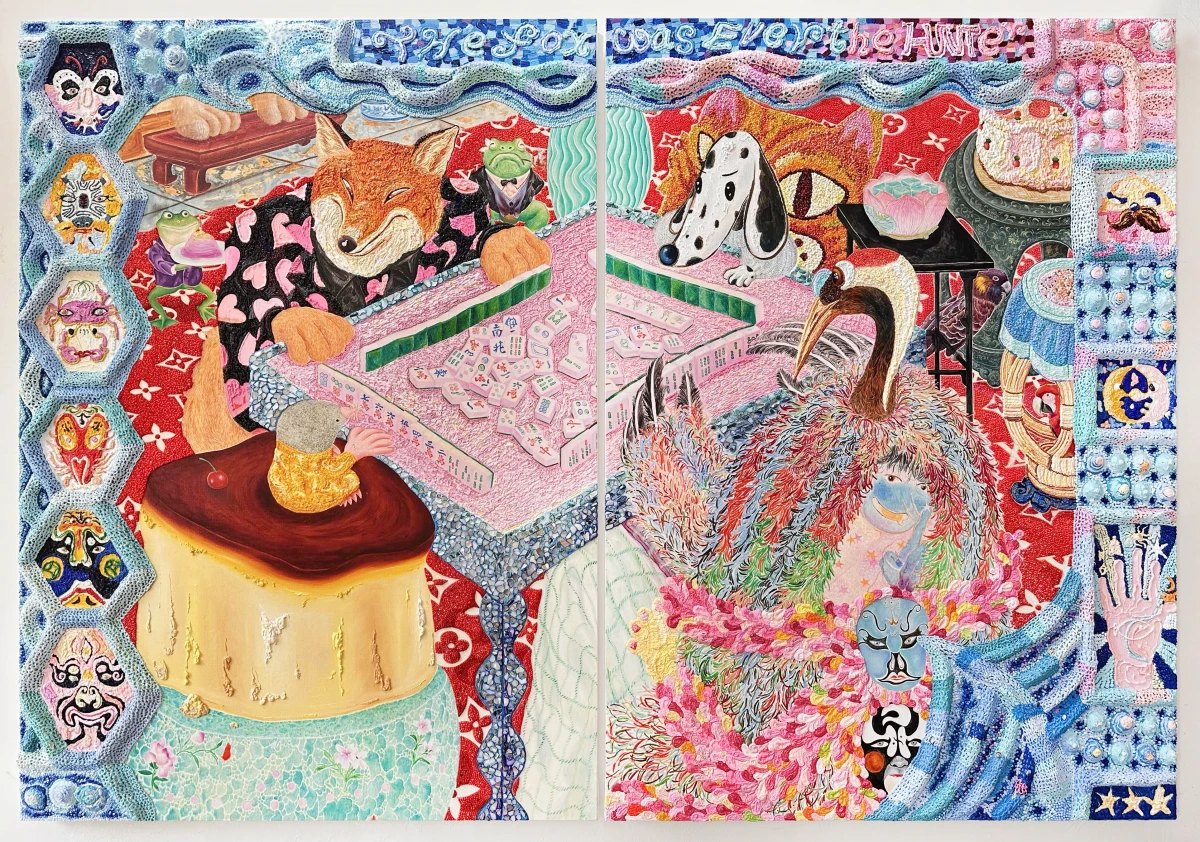
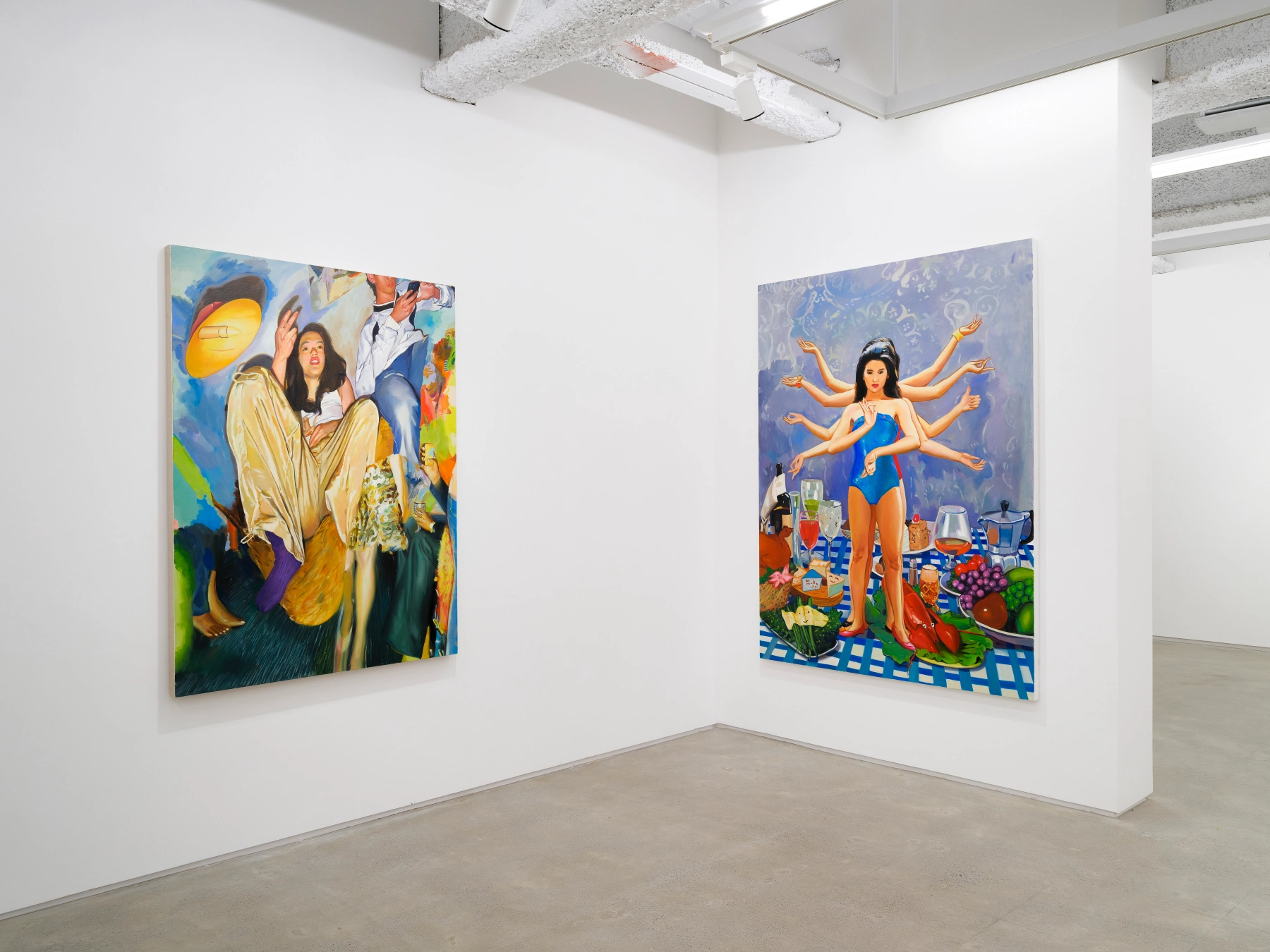
"Judgment" serves as a crucial counterbalance to inspiration, demanding a delicate balance between honoring the initial spark and potentially extinguishing it. Clive Bell's theory of "Significant Form" emphasizes the importance of finding resonance between form and emotion. Ding Hongdan's "private painting" exemplifies this, using provocative imagery to challenge grand narratives and reveal an "imperfect real." Xu Qu's judgment operates with meticulous precision, acknowledging the force of inspiration while insisting on exacting artistic realization. He believes art should retain a certain "badness" and that art history should be approached with skepticism, requiring a simultaneous extension and overturning of experience.
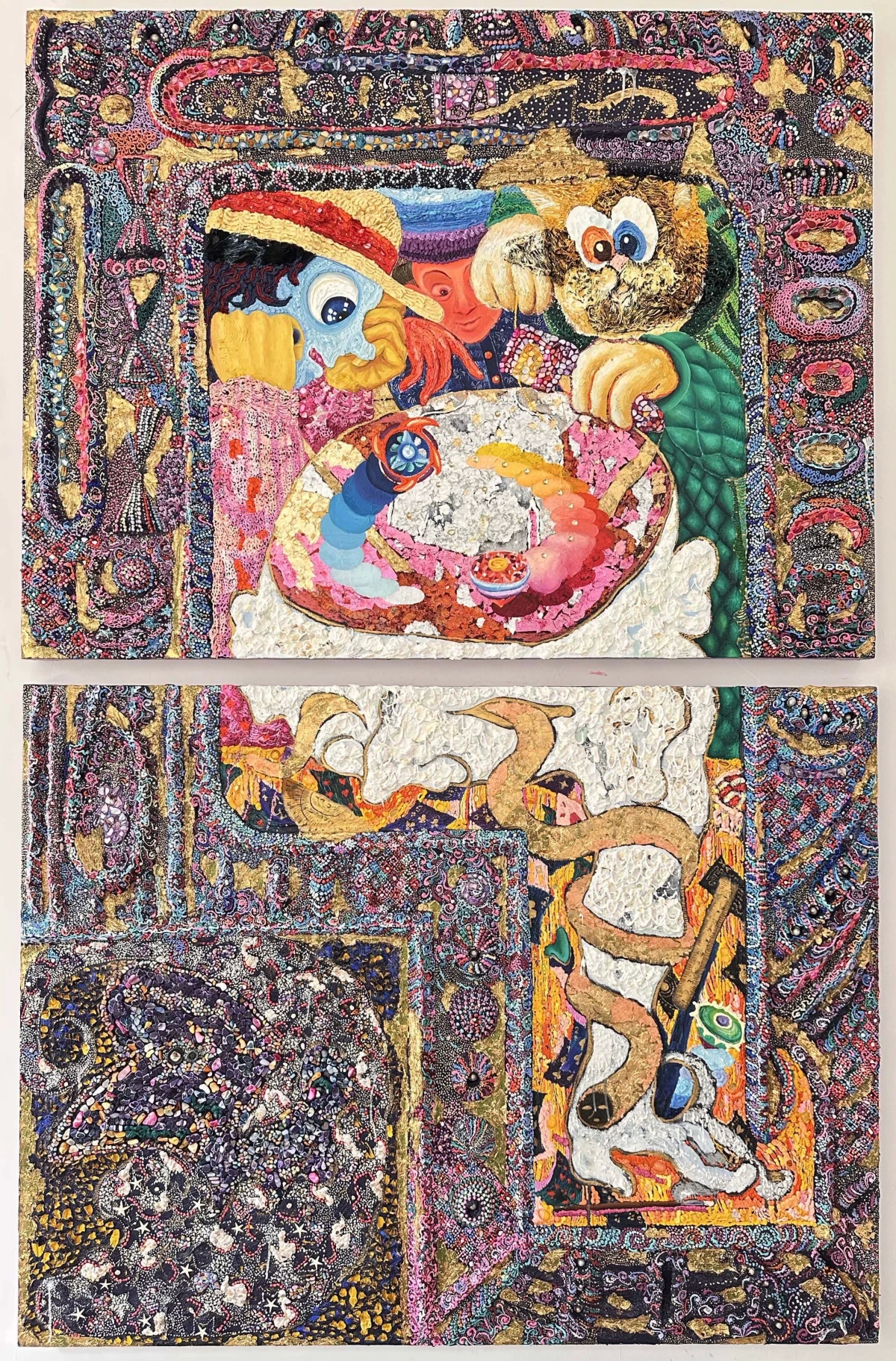
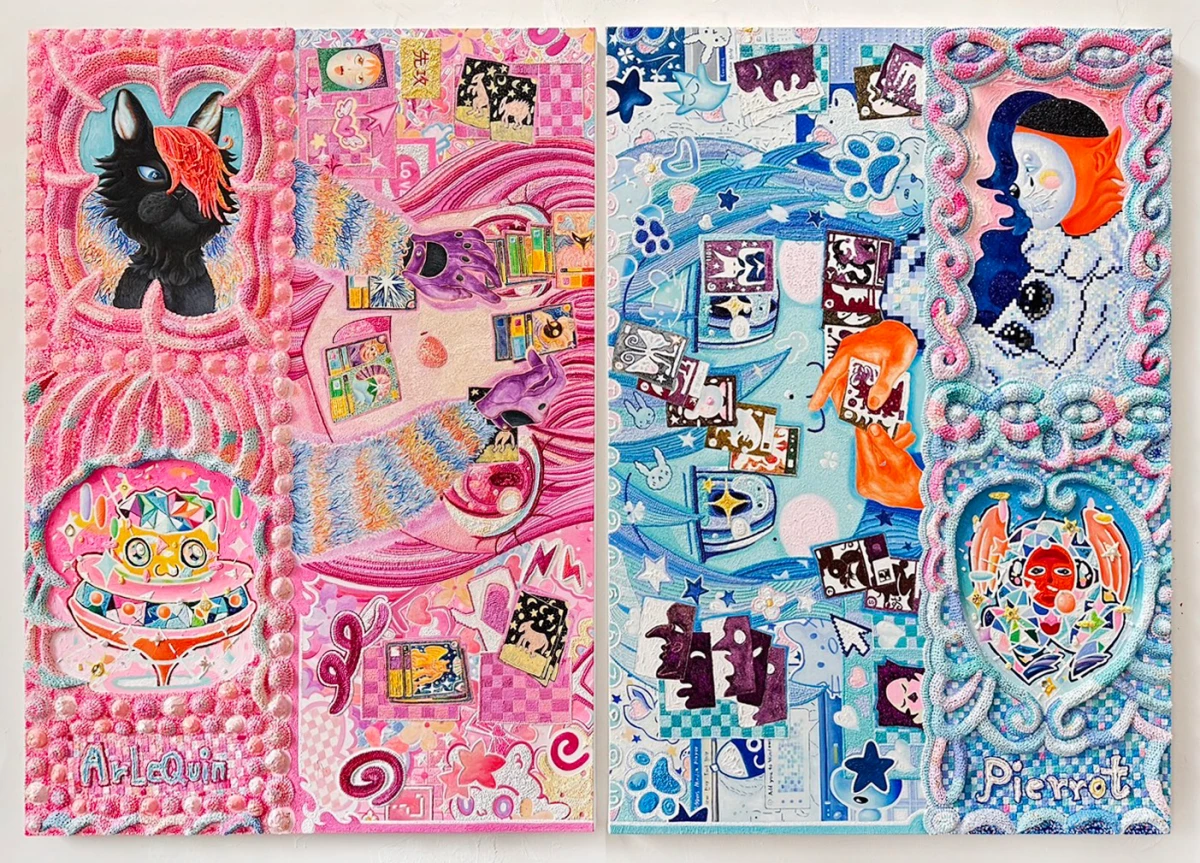
Ultimately, "decision" resolves the creative process. Whether it originates in the fingertips, the retina, or the neurons, this decision involves profound negotiation and risk. Its simplicity is deceptive, often defying articulation, which is why viewers are often drawn to the narratives surrounding artworks. Wenjue's work exemplifies this, creating a "phantom theater" through cross-cultural triggers, blending anime, cyberpunk, and medieval imagery. This synthesis reflects a globalized visual landscape and a conscious integration of media, revealing the artist's intellectual structure and cognitive tendencies.
Finally, “decision” marks the moment of resolution—where multiple possibilities collapse into a singular form. It may appear intuitive or even opaque, yet it contains within it a complex negotiation of risk, knowledge, and instinct.
This exhibition seeks to foreground this often invisible stage: the hesitation, revision, and internal conflict that precede the finished work.
In essence, these six practices reveal intellectual structure as a dynamic process rather than a fixed concept. Trigger, judgment, and decision create a perpetual cycle that characterizes both artistic creation and human thought. In a world increasingly influenced by artificial systems, the exhibition suggests that art's worth resides not in flawlessness but in the exposure of thinking itself: tentative, fluctuating, and inherently human.
Singapore, April 3, 2026
Sign Up & Never Miss a Show