+44 7724 145648
Open: Wed-Sat 11am-6pm
Visit
Open: Wed-Sat 11am-6pm
31 Windmill Street, W1T 2JN, London, United Kingdom
Open: Wed-Sat 11am-6pm
Visit
Headcanon
Pipeline, London
Artists: Anaïs Comer - Zachary Merle - Esther Gamsu - Anna Pederson
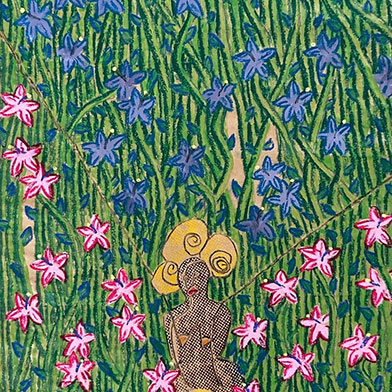
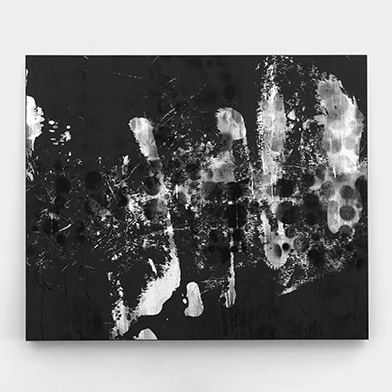
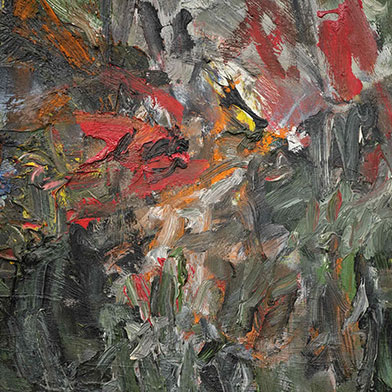
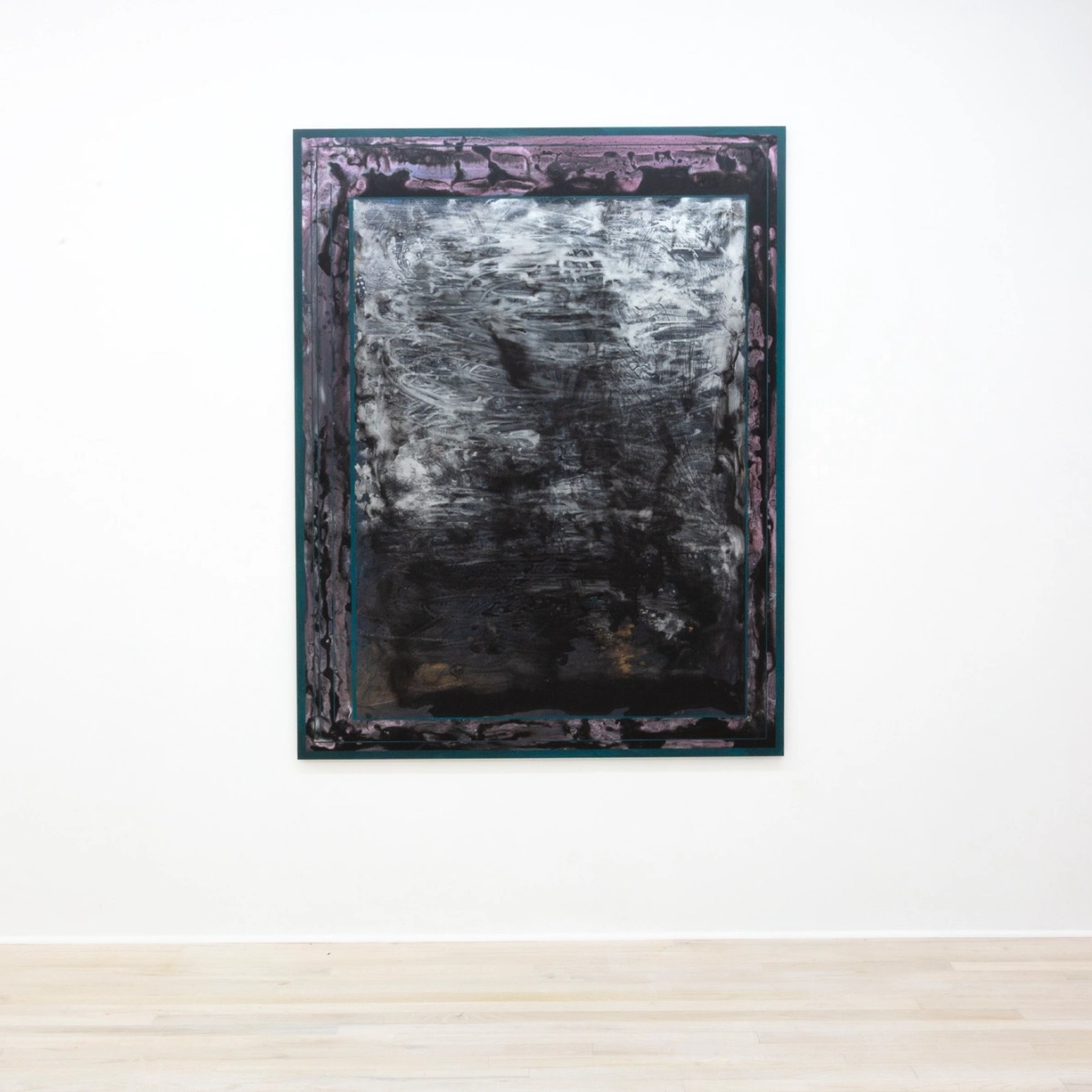
Headcanon brings together four artists who approach repetition as a method of revision. Borrowed from fan culture, the term "headcanon" describes a personal version of a story, one that diverges from its official narrative. The exhibition uses this idea as a framework to explore how repeated gestures, processes, and images allow for small shifts to emerge through sustained attention.
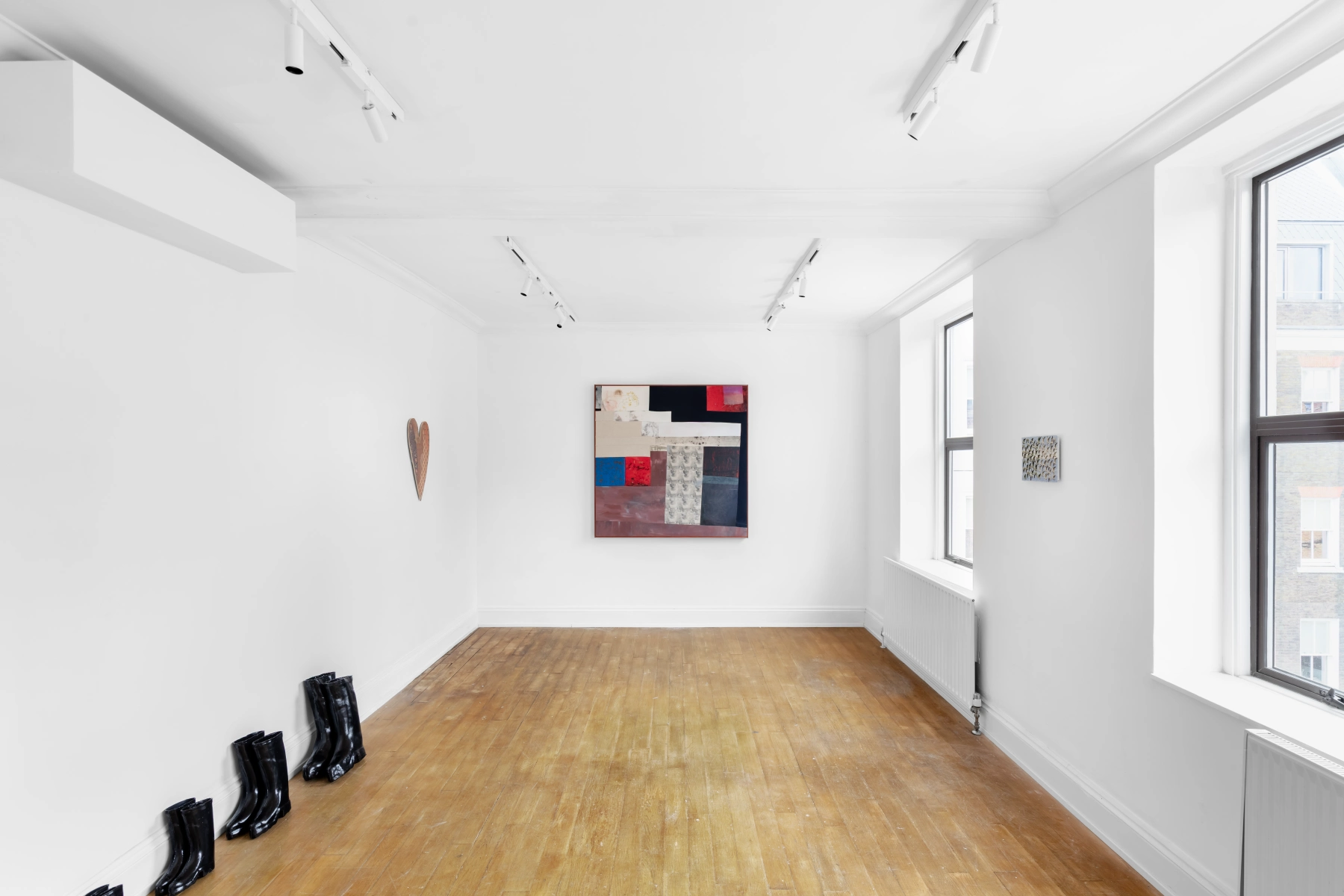
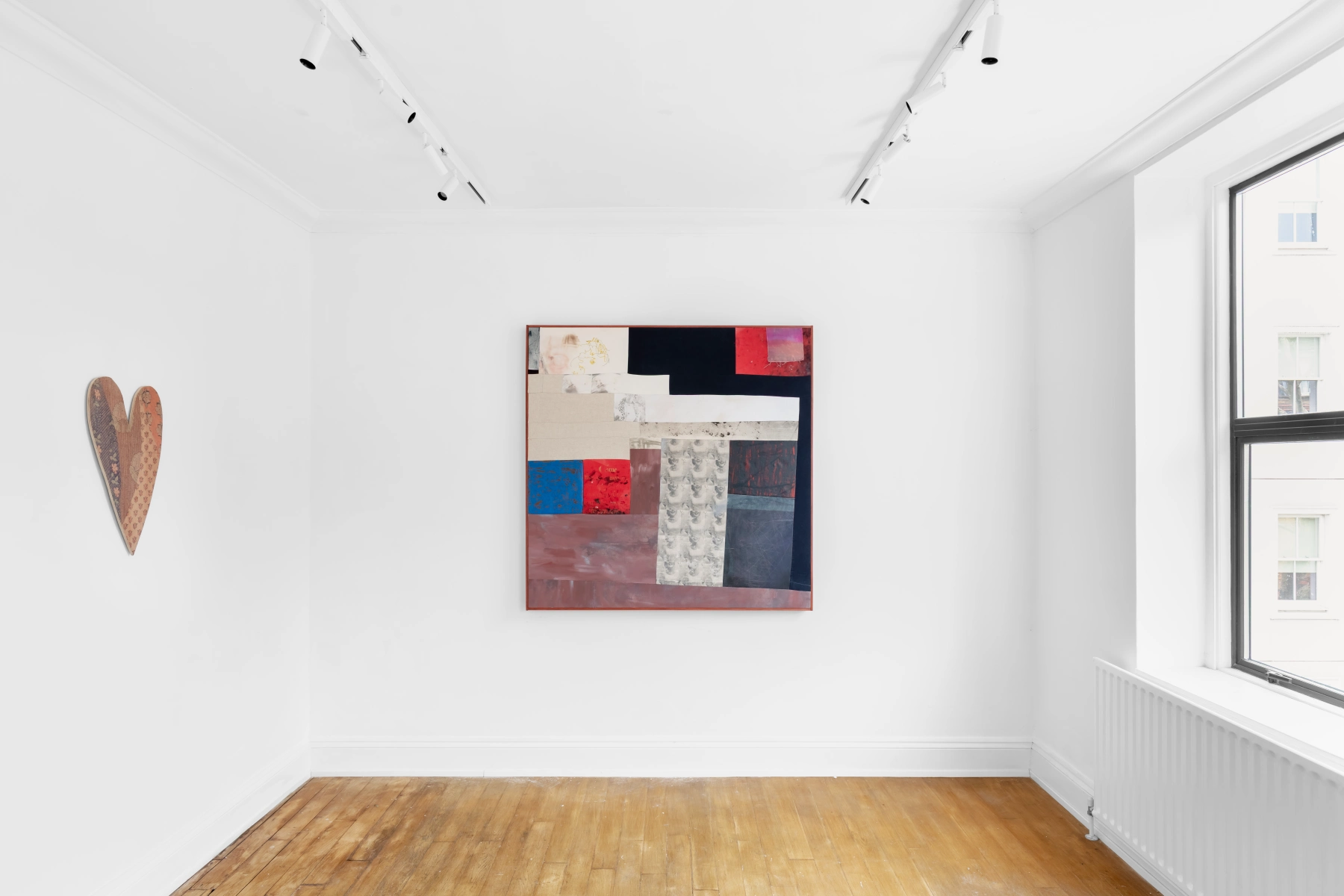
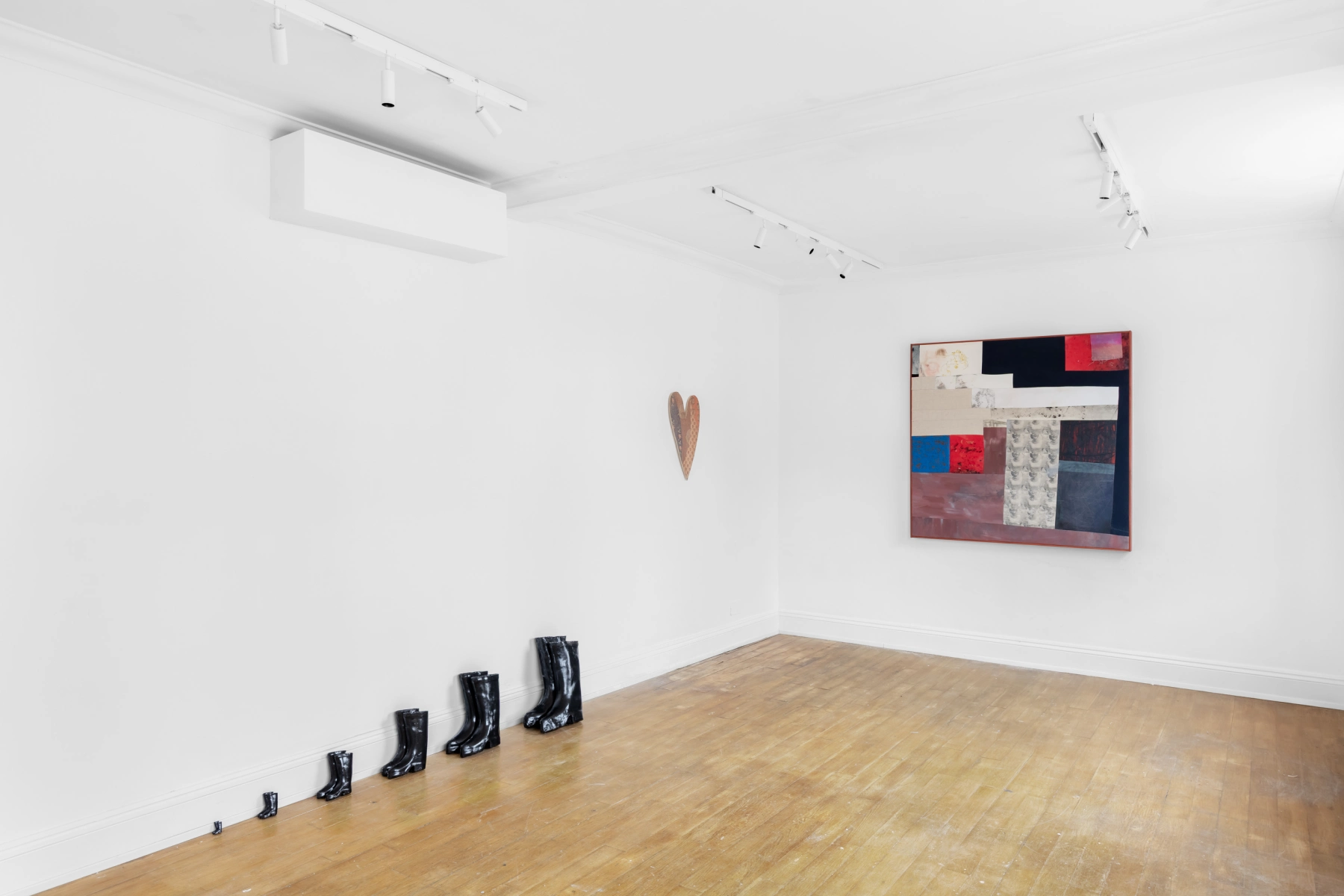
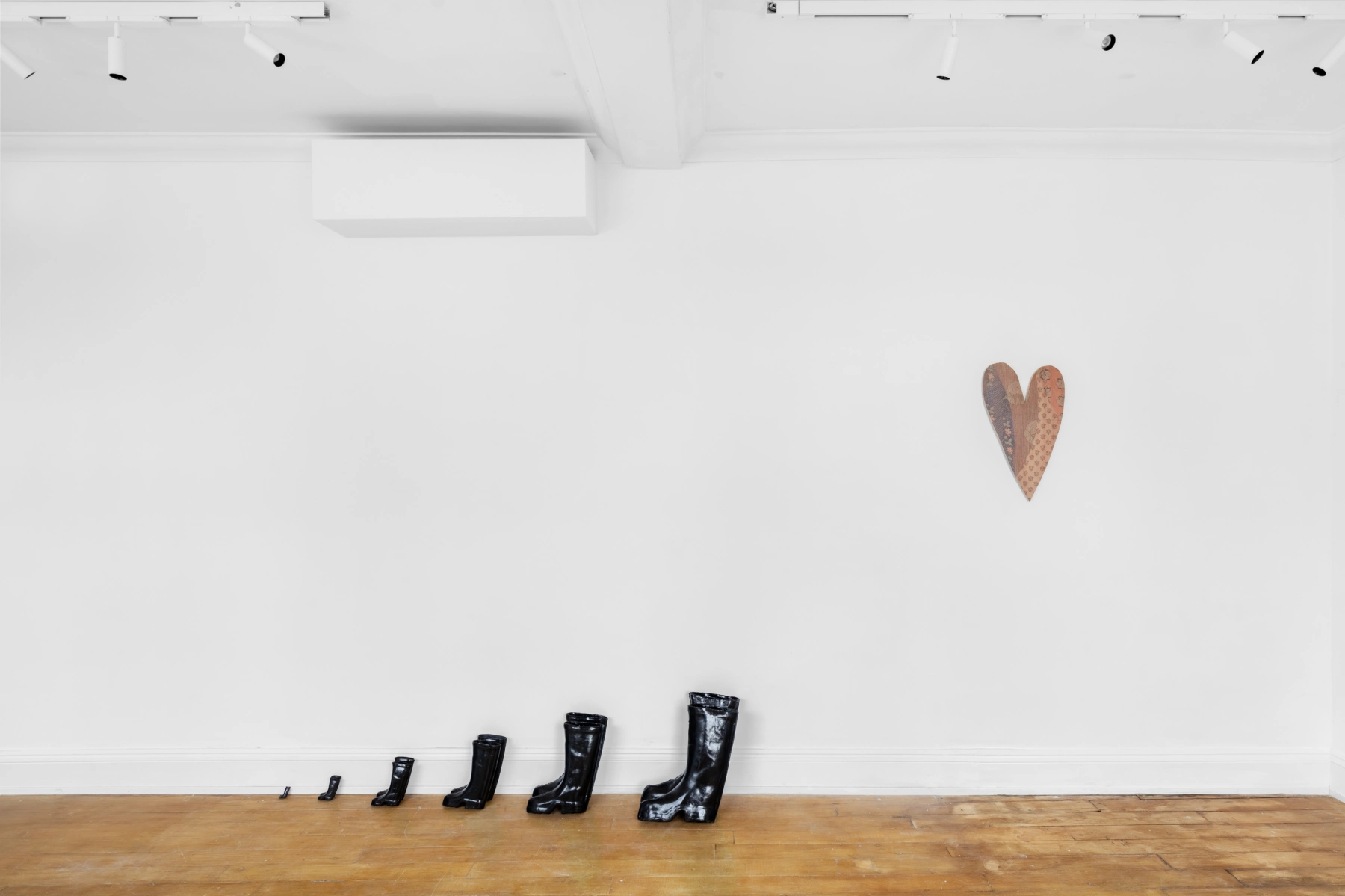
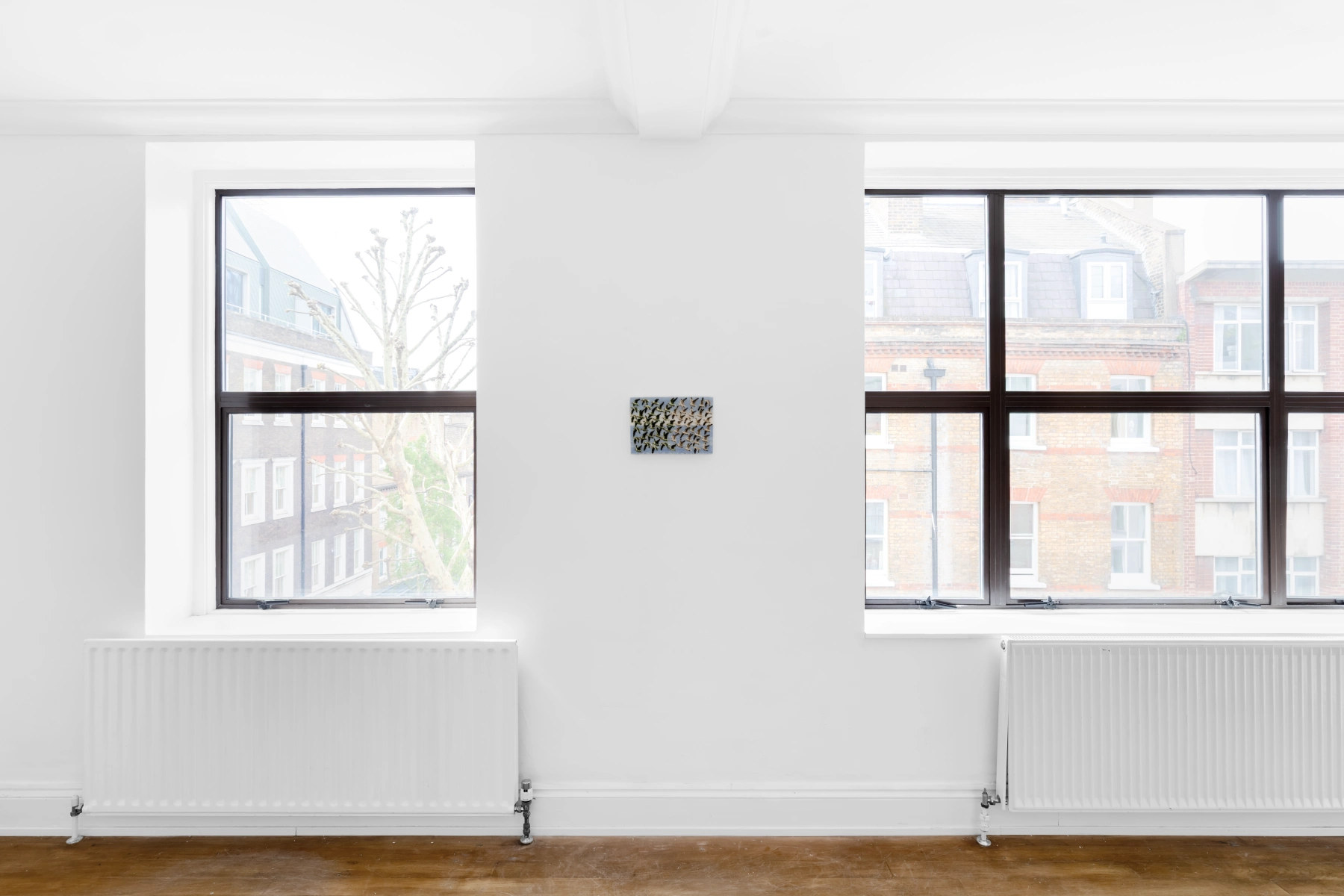
Anais Comer approaches repetition through the language of doodling. Her work builds through small, repeated marks borrowed from idle drawings made in notebooks or margins.
By treating these gestures as a site of careful attention, Comer reveals the labour and care embedded within these seemingly throwaway moments.
Interested in fan culture, Esther Gamsu recent works begin with doll-like objects that she repeatedly remakes at increasing scales. Through repetition and enlargement, Gamsu explores how a familiar object can become increasingly strange when removed from its original reference.
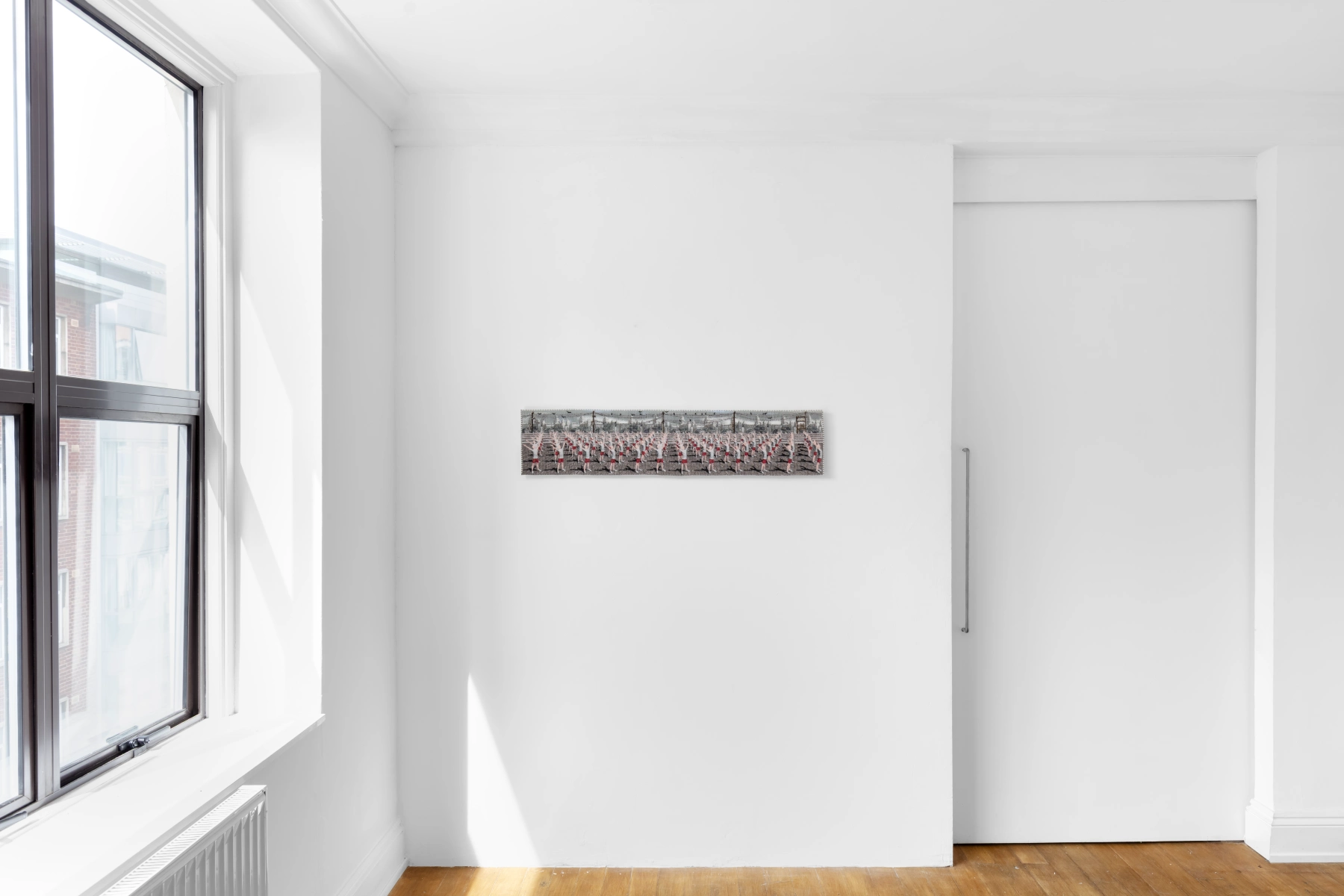
In Anna Pederson's practice, images move through stages of digital compression and abstraction before being translated into bead embroidery. This process allows for the image to move off the screen and into a physical, manual space, no longer purely digital but materially present.
For Zachary Merle, repetition is a way of revisiting memory. Beginning with fragments of archival family photographs, Merle transfers and reworks the image through a pigment transfer process. In repeatedly handling an image it slowly degrades, exposing the instability of memory rather than preserving it.
The works in Headcanon present repetition as both rhythmic and destabilising. Working across distinct mediums, the group of artists demonstrate how repetition can transform images and meaning in radically different ways. Each material introduces its own pace, resistance, and form of labour. Rather than reinforcing a stable image or meaning, these variations reveal the limits of sameness and allow for images and objects to drift away from their original forms.