Abdijstraat 20 Rue de l’Abbaye, 1050, Brussels, Belgium
Open: Tue-Sat 11am-7pm
Wed 22 Apr 2026 to Sat 27 Jun 2026
Abdijstraat 20 Rue de l’Abbaye, 1050 Ha Chong-Hyun
Tue-Sat 11am-7pm
Artist: Ha Chong-Hyun
Almine Rech Brussels presents Ha Chong-Hyun’s sixth solo exhibition with the gallery.
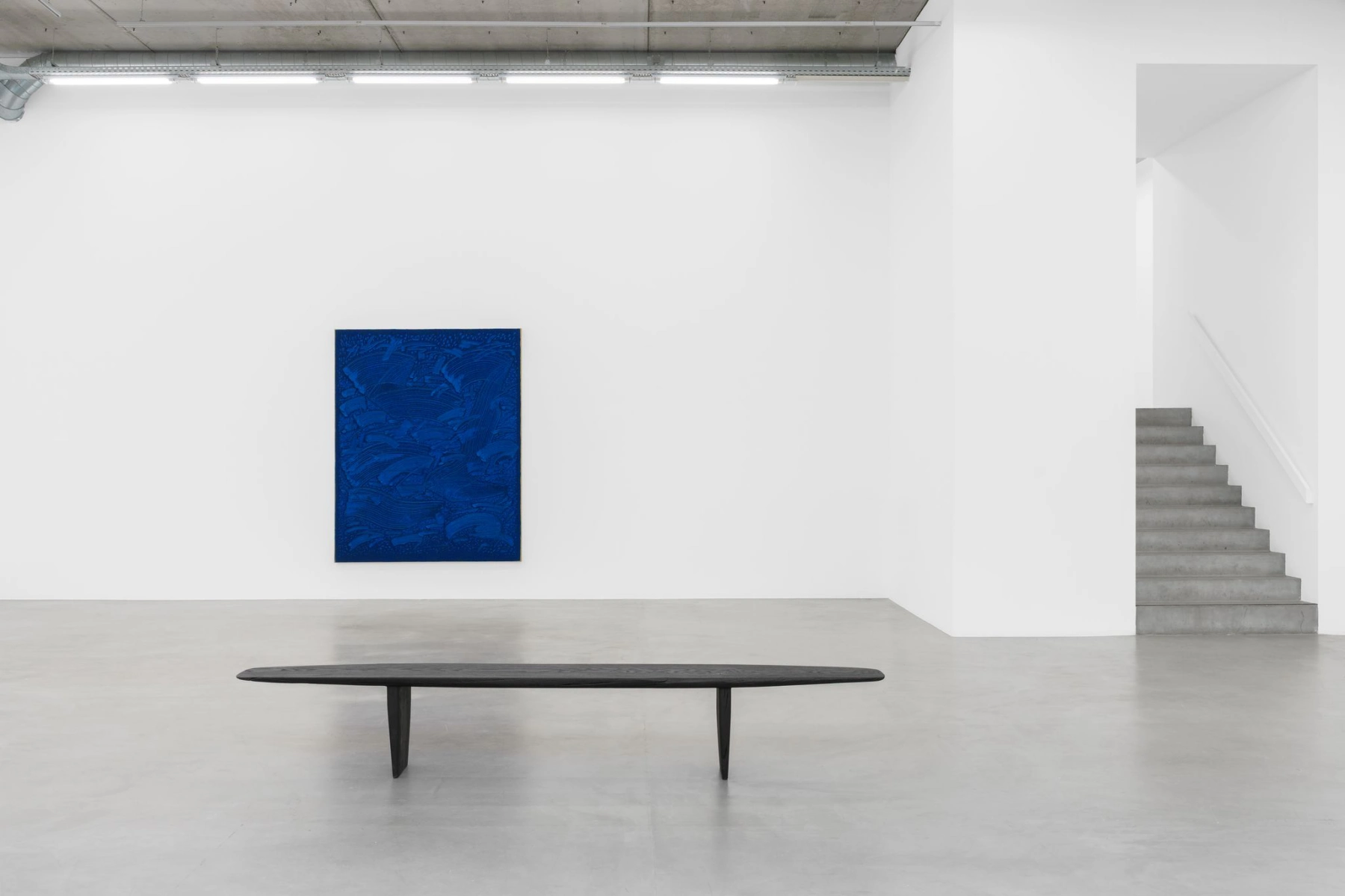
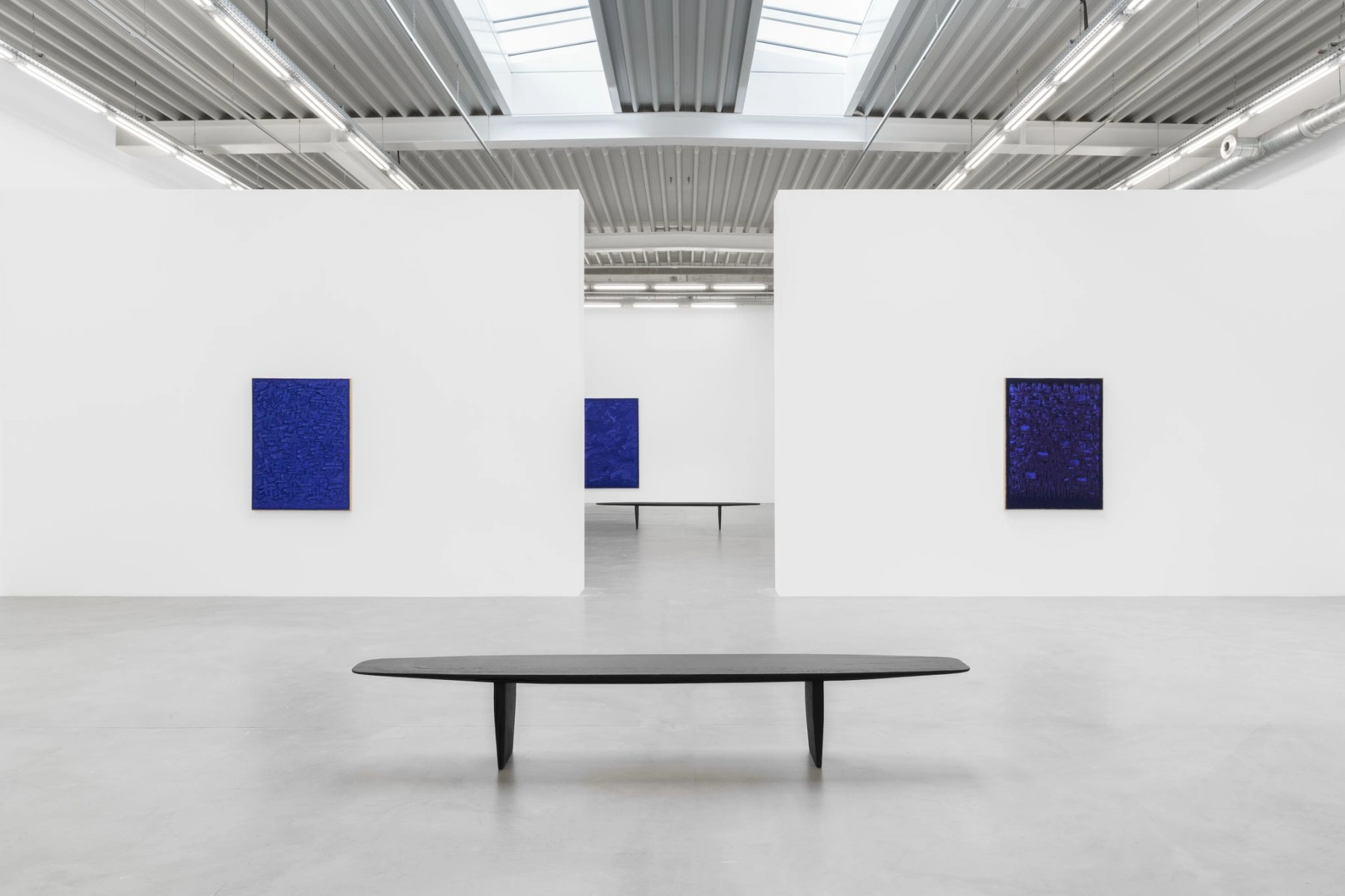
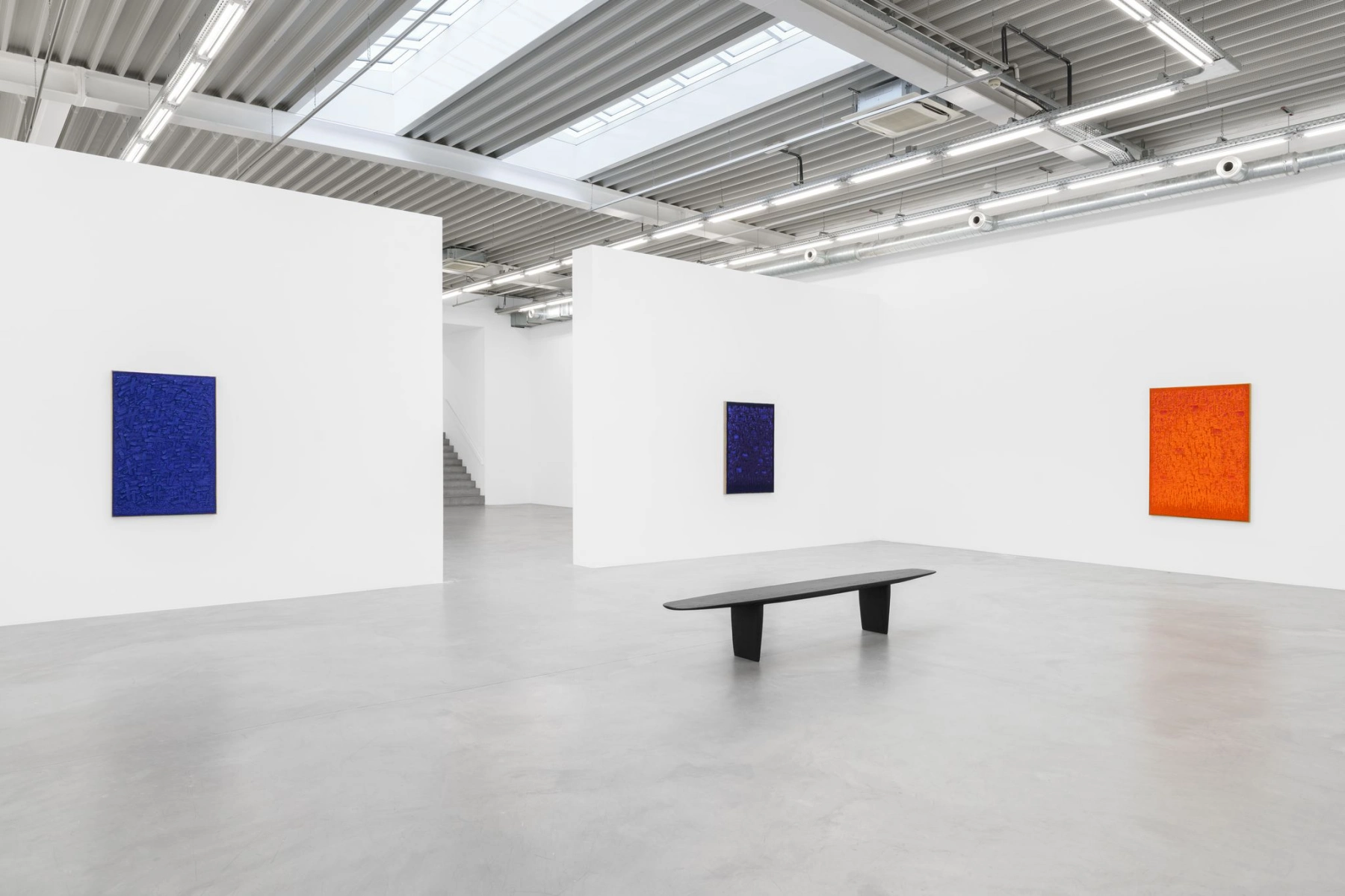
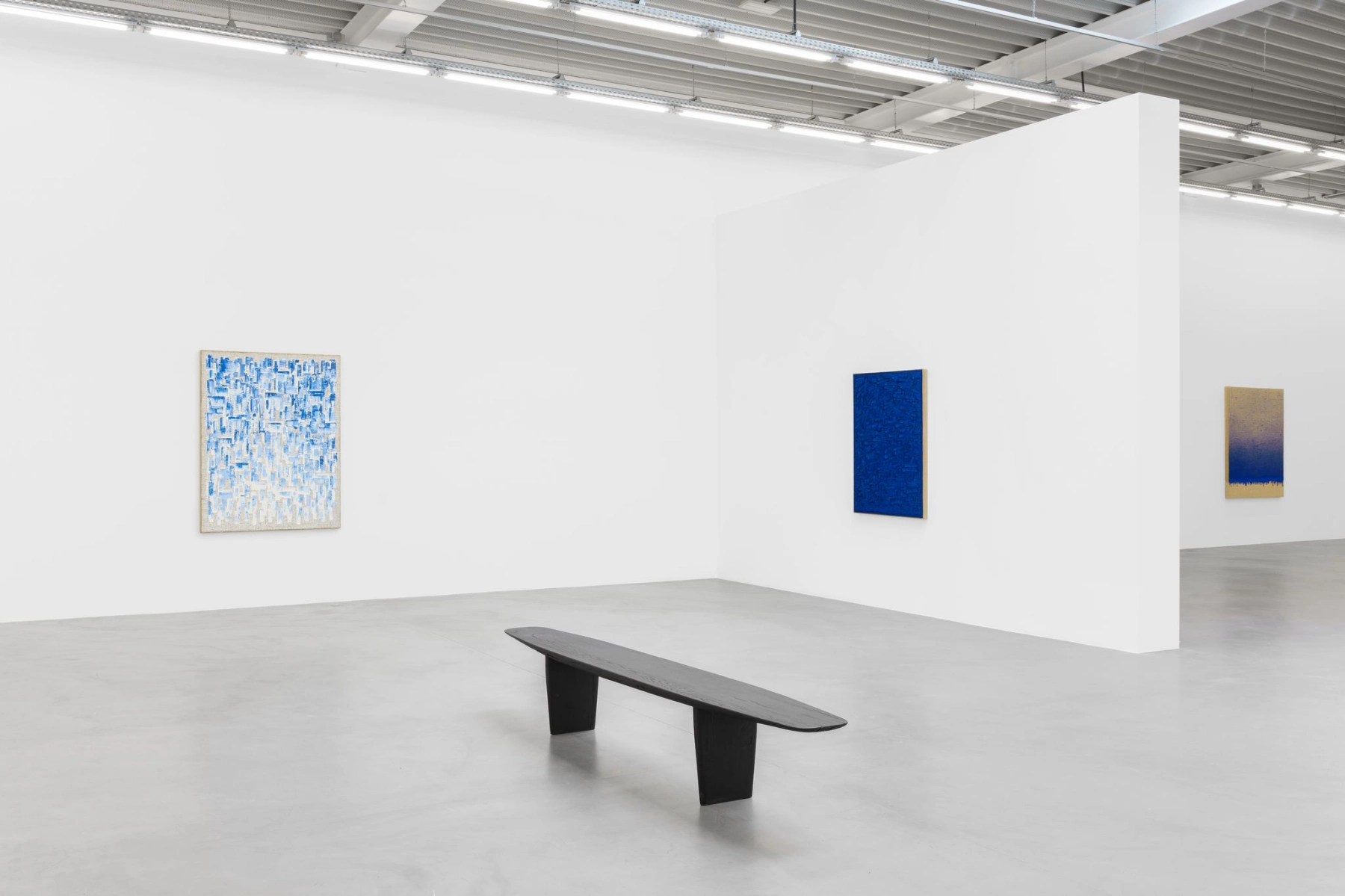
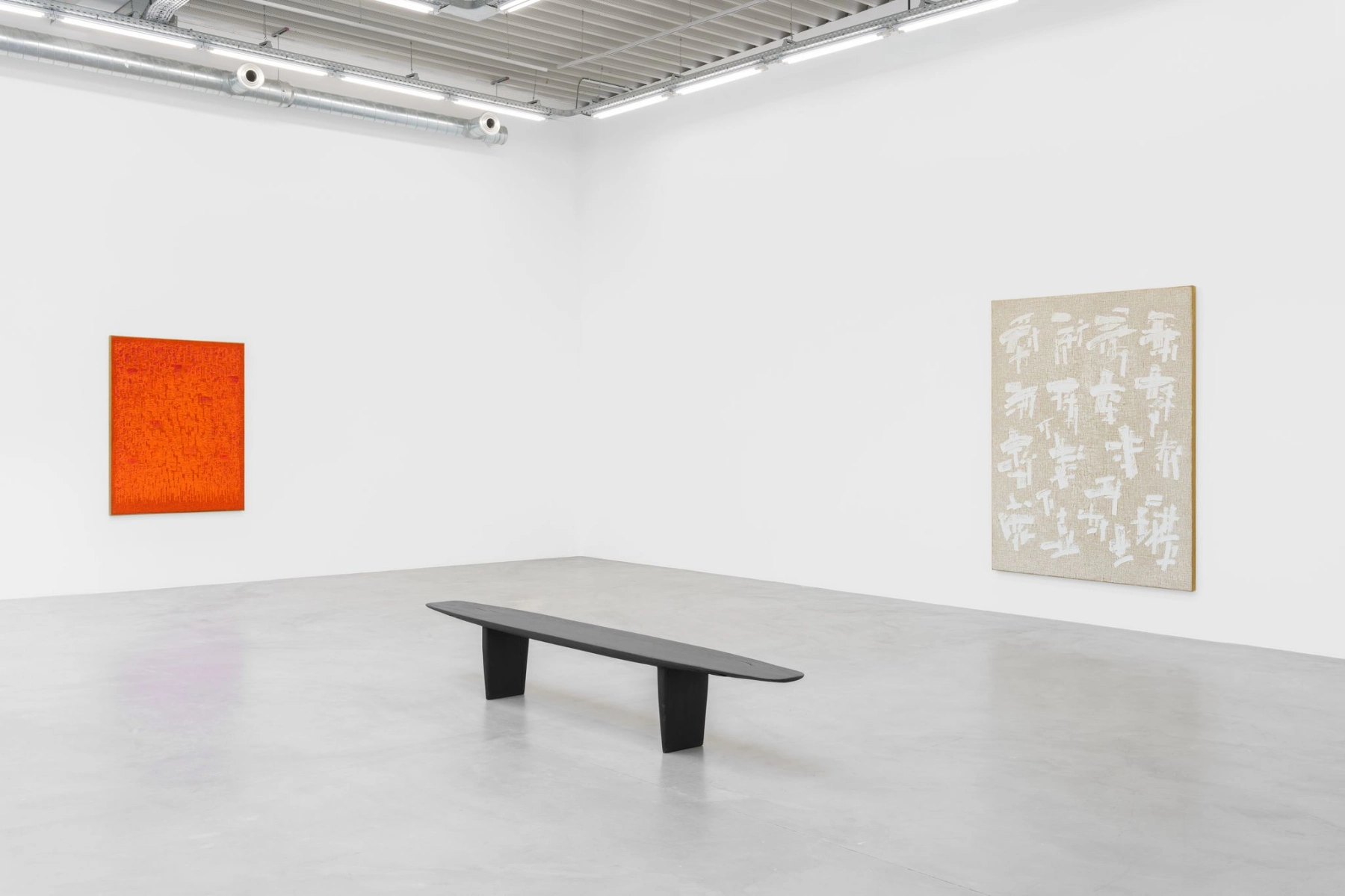
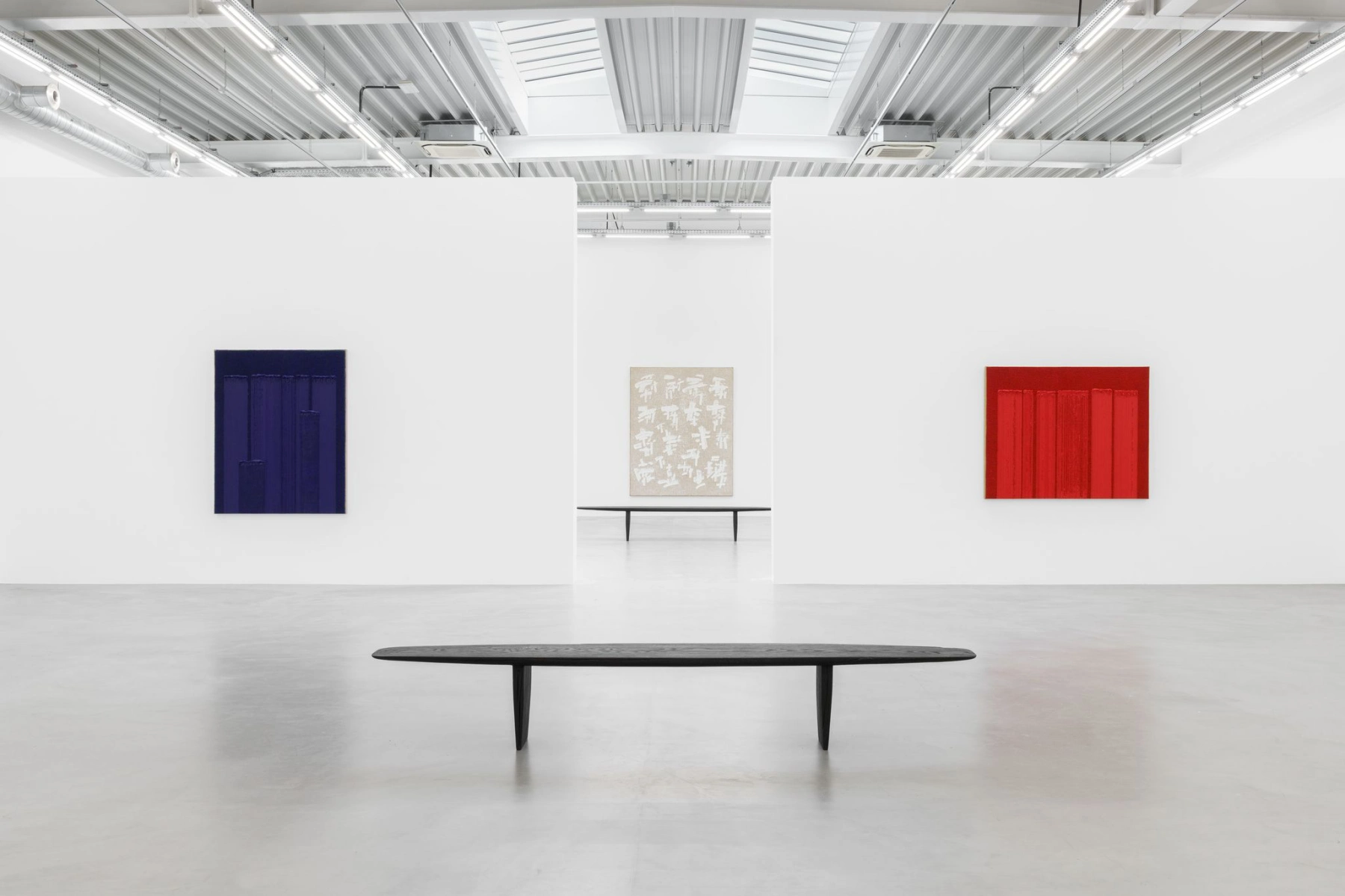
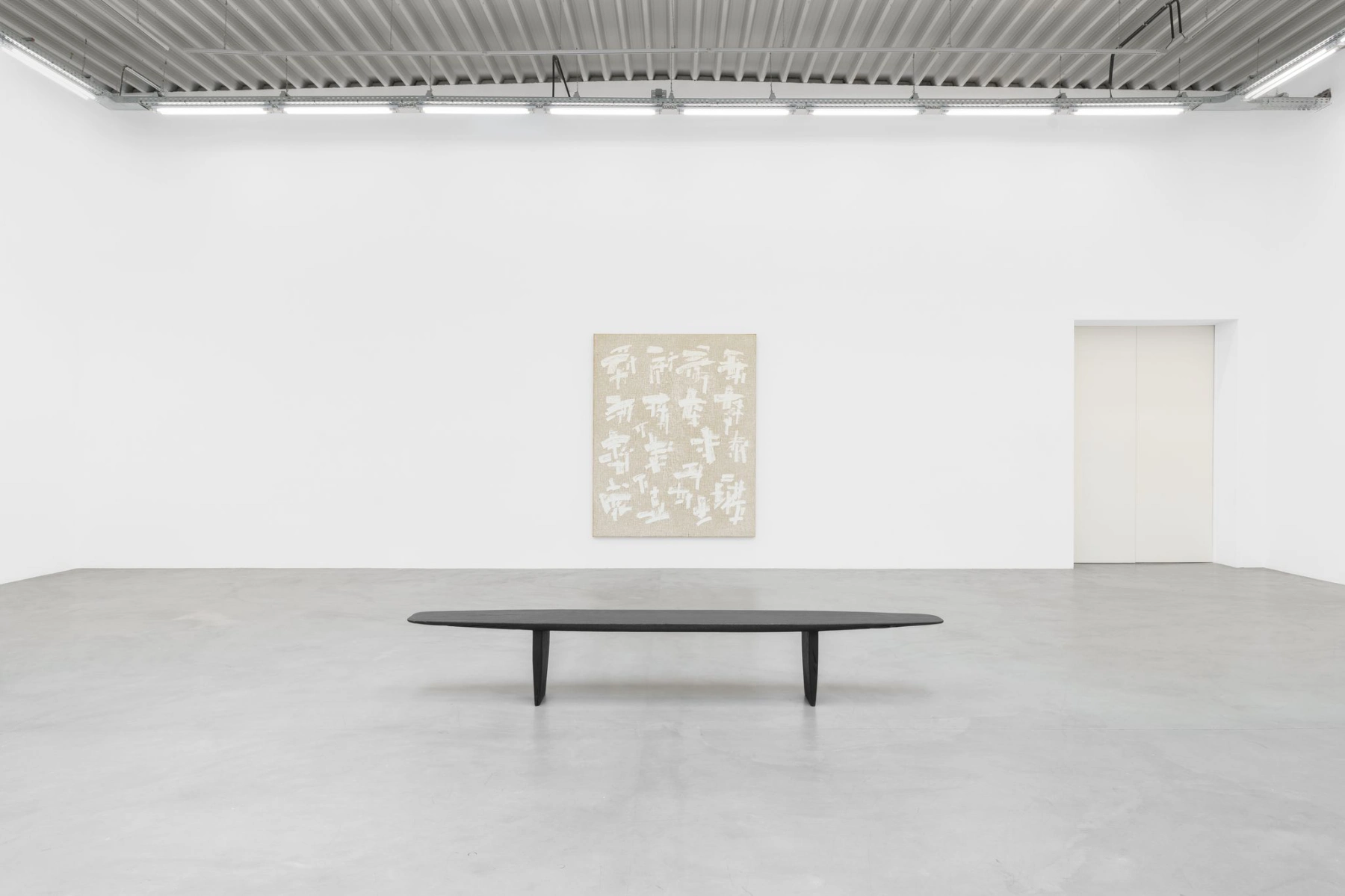
Abstraction and figuration are foundational terms in the context of modern and contemporary art, yet their meanings are all too often taken for granted. The work of Korean artist Ha Chong-Hyun invites us to reconsider these categories beyond simple binaries. In much of Western aesthetic thought, abstraction and figuration are positioned as diametric opposites along the axis of representation. Central to this opposition is the notion of “likeness”, that is, the degree to which an image resembles the subject it depicts. From this perspective, abstraction appears detached from reality, while figuration is assumed to mirror it more truthfully. The problem with this distinction is that it presupposes an ontological primacy of mind over matter, embedded in the conception of the image as a “window” onto reality rather than as a material entity.
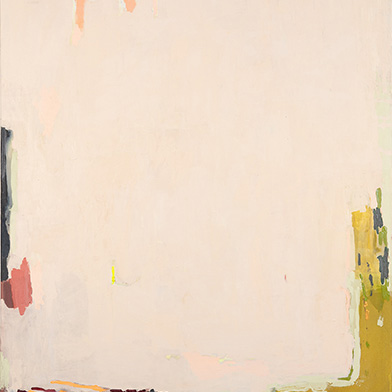
Ha Chong-Hyun’s practice challenges these assumptions at their very core. His works investigate abstraction as something deeply grounded in materiality, where repeated gestures – dragging, piercing, pressing – give rise to “figures” in their own right. This approach resonates with European Art Informel, but is primarily representative of the Korean Dansaekhwa movement, of which Ha Chong-Hyun is a central figure. Dansaekhwa has long been undervalued, reductively framed as tardive or derivative in relation to Western movements such as Minimalism or Abstract Expressionism. Such readings severely overlook the movement’s distinct material sensibility and the sociopolitical conditions under which it emerged.
Ha Chong-Hyun’s artistic development has been shaped by events with a profound impact on his life: Japanese colonial rule during his childhood, the Korean War (1950-53), decades of military dictatorship (1961-87), and the economic recovery and rapid industrialization that followed. These experiences not only shaped his worldview but also informed his choice of materials, anchoring his abstraction in the social and economic realities of postwar Korea. While drawing inspiration from the Informel movement early on in his career, the 1970s marked a search of many Dansaekhwa artists for a distinctly Korean form of abstraction, consciously rejecting European or Japanese styles.
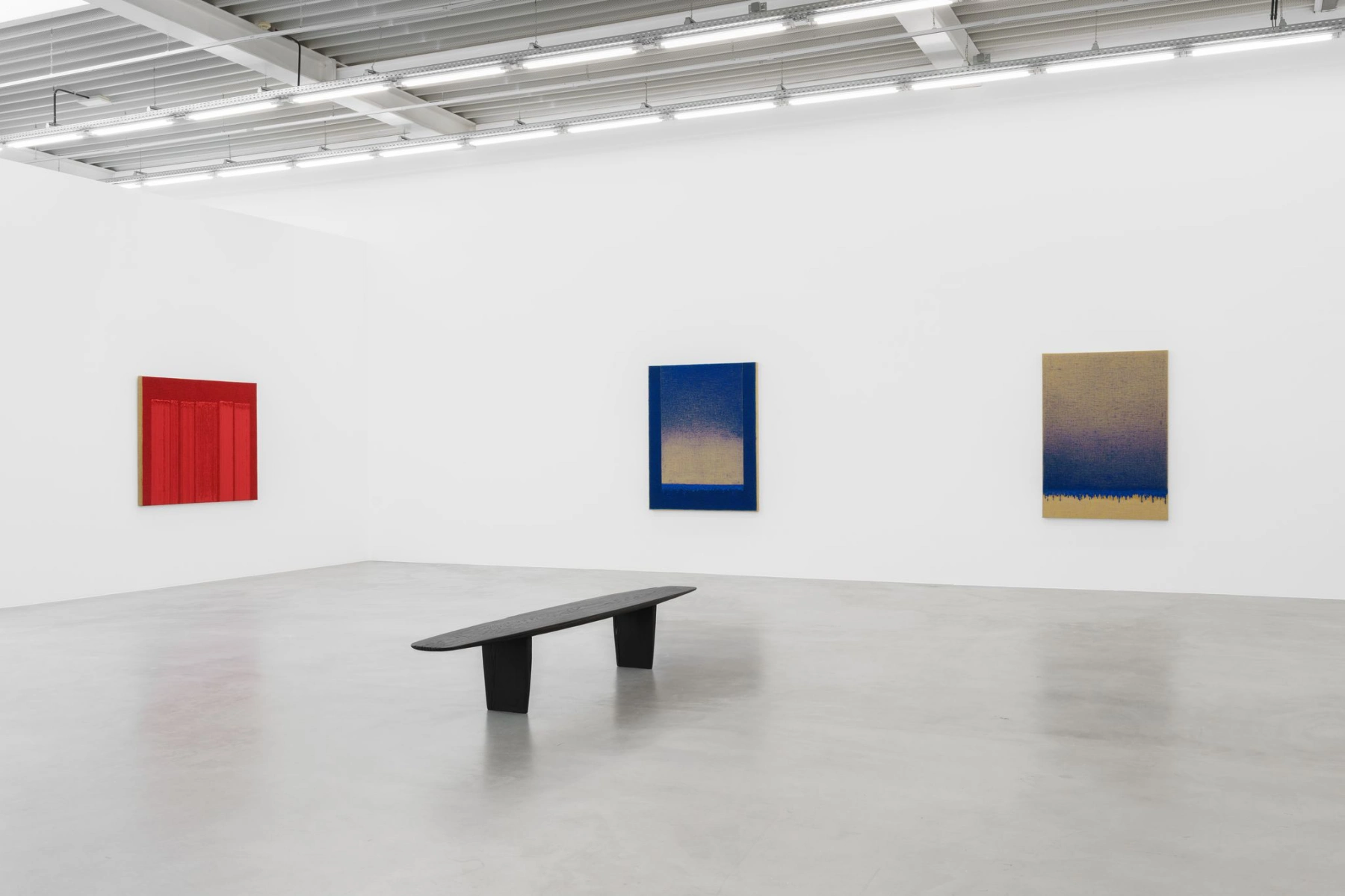
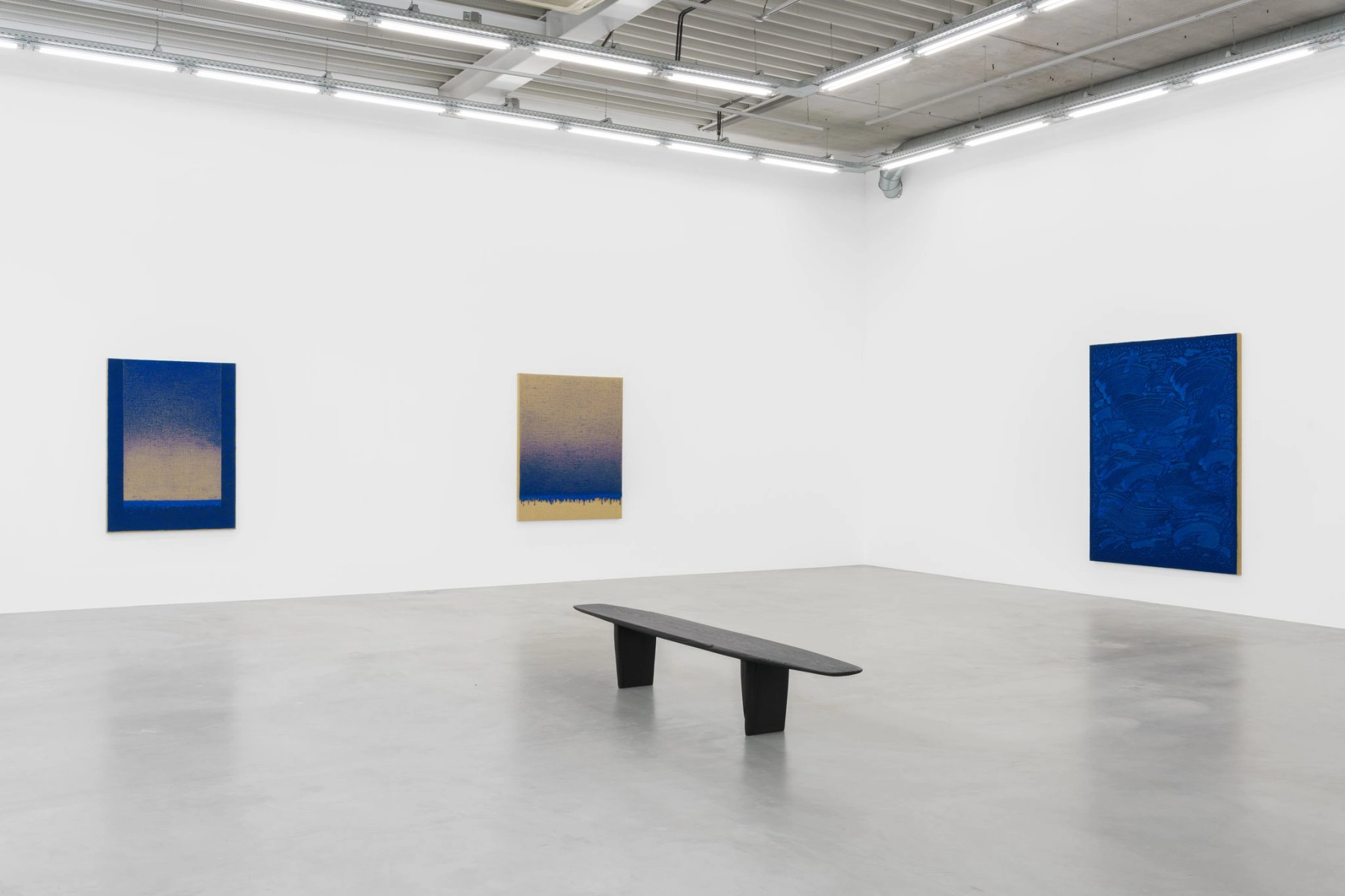
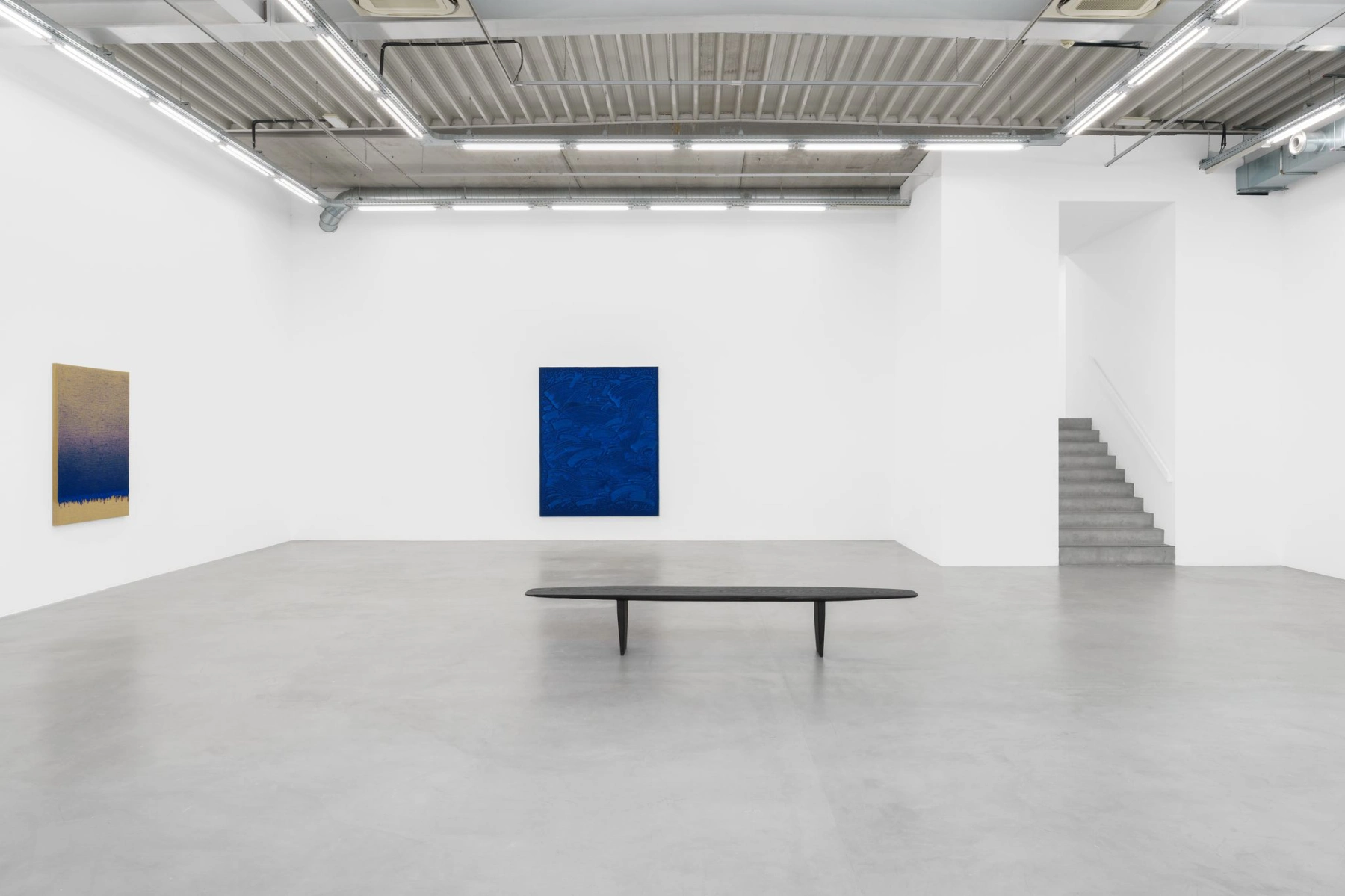
Ha’s use of burlap, for instance, originated in the hemp sacks used to store grain supplied by the United States during periods of scarcity. This material was integral to the genesis of his seminal Conjunction series, which began in the early 1970s and continues to this day. The works are predicated on his signature back-pressure method (baeapbeop), in which paint is pushed through the reverse side of loosely woven burlap. The title of the series refers to the connective gesture: an energetic encounter between spirit and performance, painting and sculpture, two- and three-dimensional. As the paint pierces through the canvas, it engenders a sculptural plasticity that varies according to pressure, resistance, and the tools employed.
This gesture of conjunction is crucial to understanding the body of work that Ha Chong-Hyun has been developing for over six decades. His method is not based on grand, heroic acts but on daily, persistent exercises of repetition and dedication, prioritizing materiality over the artist’s ego. Acts of meditation, one could say, but in a strictly phenomenological sense: an attentiveness to the subtle emergence of form, texture, and surface as they appear through sustained gestures. Dansaekhwa, the art-historical label literally meaning “monochromatic painting”, proves misleading in that respect. Ha’s work is not simply a reduction to a single color; its chromatic complexity stems from the procedural nature of the artist’s gesture and from how the pieces interact with their surroundings, including the viewer.
Although Dansaekhwa artists initially pursued abstraction as a reaction against the figurative art favored by the prevailing political regime, they consistently maintained a deep connection to their cultural tradition. This is evident in Ha Chong-Hyun’s earlier color palette, developed from a fascination with Korean ceramics – most notably the white porcelains of the Joseon dynasty – as well as the muted, dark earth pigments of traditional Korean roof tiles. As such, his entire oeuvre can be regarded as a meticulous investigation into the elusive essence of color.
In recent years, Ha Chong-Hyun has introduced more vivid hues into his acclaimed Conjunction series, as seen in the works on view at the gallery. While firmly rooted in the same creative principles, each piece offers a distinct chromatic tonality, rhythm, composition, and sense of volume. The stunning, wide-ranging array of visual variations arises from the intricate interplay between the oil paint and the hemp canvas substrate. Ha Chong-Hyun continues to push the boundaries of abstraction beyond clear-cut conceptual apprehension, inviting the viewer into a direct encounter where mind and matter meet.
- Pieter Vermeulen, art critic, lecturer, researcher, and curator
Sign Up & Never Miss a Show