Open: Wed-Sat 11am-6pm

110 New Cavendish Street, W1W 6XR, London, United Kingdom
Open: Wed-Sat 11am-6pm


Visit    

Guy Haddon Grant: Fata Morgana

NISO, London

Thu 21 May 2026 to Fri 17 Jul 2026

110 New Cavendish Street, W1W 6XR Guy Haddon Grant: Fata Morgana

Wed-Sat 11am-6pm

Artist: Guy Haddon Grant

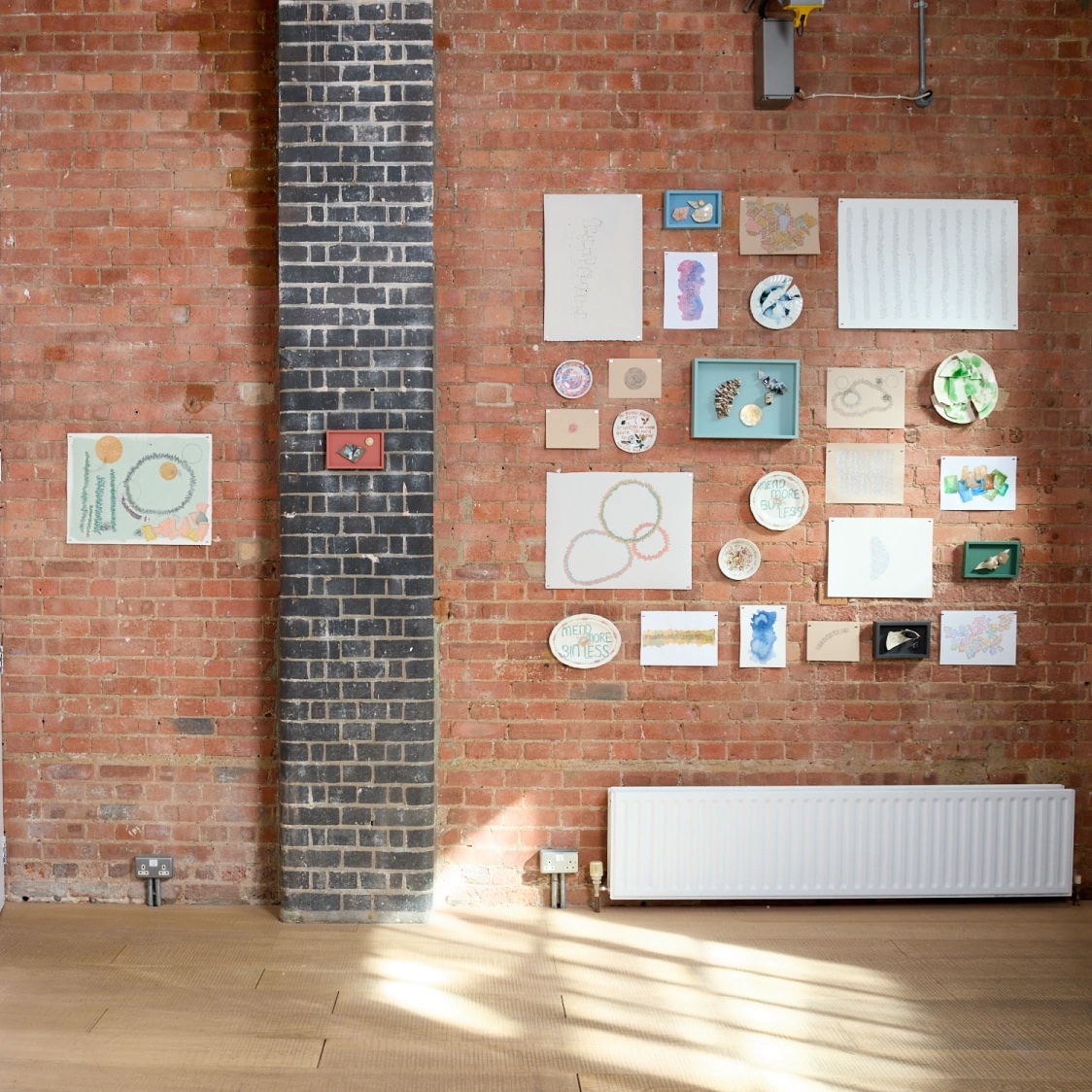
NISO presents Fata Morgana, an exhibition by Guy Haddon Grant, continuing the gallery’s focus on practices where form functions as a structure of thought, and image takes shape through process and relation. The exhibition’s title refers to the optical mirage known as ‘fata morgana’, suggesting a condition in which the perceived image remains unstable - appearing, shifting, and never fully settling. In his second solo exhibition with the gallery, Haddon Grant presents a new body of work including drawings, vitrines, and studio panels.

Installation Views

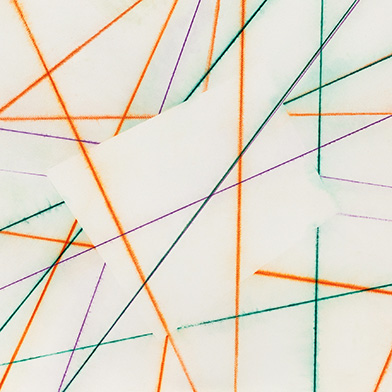
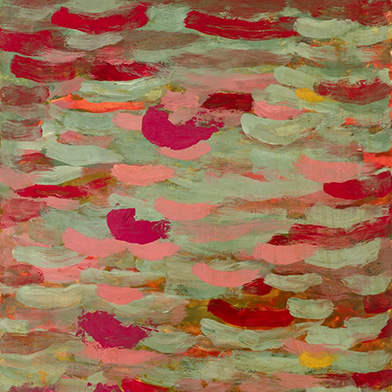
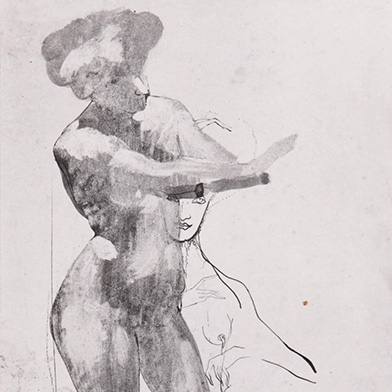
Guy Haddon Grant’s practice explores the conditions under which an image comes into being. Although his work begins with recognizable elements - heads, hands, feet, organic structures, or sculptural motifs— he leads them into situations where representation loses its stability and comes to be constructed through material, optical, and perceptual relationships. The drawings constitute an initial matrix in which images appear as a series of constantly shifting events. Their consistent framing and format establish a common structure while allowing the meaning of each image to remain unresolved. The elements depicted emerge while remaining partially fluid, forming part of a still unstable typological vocabulary. These typologies operate as fields in which forms repeat, shift, and transform.

As in a cabinet of curiosities, coherence does not arise from a predetermined order but from the gradual formation of relationships between varied elements. Haddon Grant’s practice extends this logic, allowing images and objects to acquire significance through accumulation, proximity, and duration. Initially conceived as structures of containment and unification, the vitrines also assume an optical function. Fluted glass introduces distortions that transform the appearance of the objects inside, softening material differences and allowing diverse elements to coexist. The image shifts—at times legible, at times elusive, never fully fixed. From certain angles, forms recede; at others, fragments and details amplify and repeat. Sculpture retains its condition as object, while its presence depends on the viewer’s position, light, and the mediation of the device. Perception moves between clarity, distortion, and disappearance. The studio panels introduce a third register—accumulative, contingent, and extended in time. Present in the studio of the artist for more than a decade, they bear traces of drawings, notes, and fragments arranged through use, impulse, and necessity. Functioning as surfaces of ongoing thought, they bring the temporal and procedural dimensions of the practice directly into the exhibition space.

Drawings, vitrines, and panels operate in parallel within a shared structure. Image, fragment, and residue interact within an open system without producing a fixed resolution. Each instance of fixation introduces new combinations and variations that merge into the viewer’s experience. Seeing becomes a process of adjustment and reorientation in which the image remains in formation. The work moves away from stable definition while remaining present—held in fluctuation, always partially open.

Installation view of Fata Morgana, May 2026. Photo: Ollie Hammick

By using GalleriesNow.net you agree to our use of cookies to enhance your experience. Close