+41 43 547 18 99
Open: Tue-Sat 10am-6pm
Visit
Open: Tue-Sat 10am-6pm
Bahnhofstrasse 1, 8001, Zürich, Switzerland
Open: Tue-Sat 10am-6pm
Visit
Franz Gertsch
Hauser & Wirth Bahnhofstrasse 1, Zürich
Artist: Franz Gertsch
Hauser & Wirth presents an exhibition of selected and significant works by Swiss artist Franz Gertsch (1930–2022). Curated by Tobia Bezzola, the exhibition features medium-format and monumental woodcuts, as well as one of the artist’s key paintings from the late 1970s.
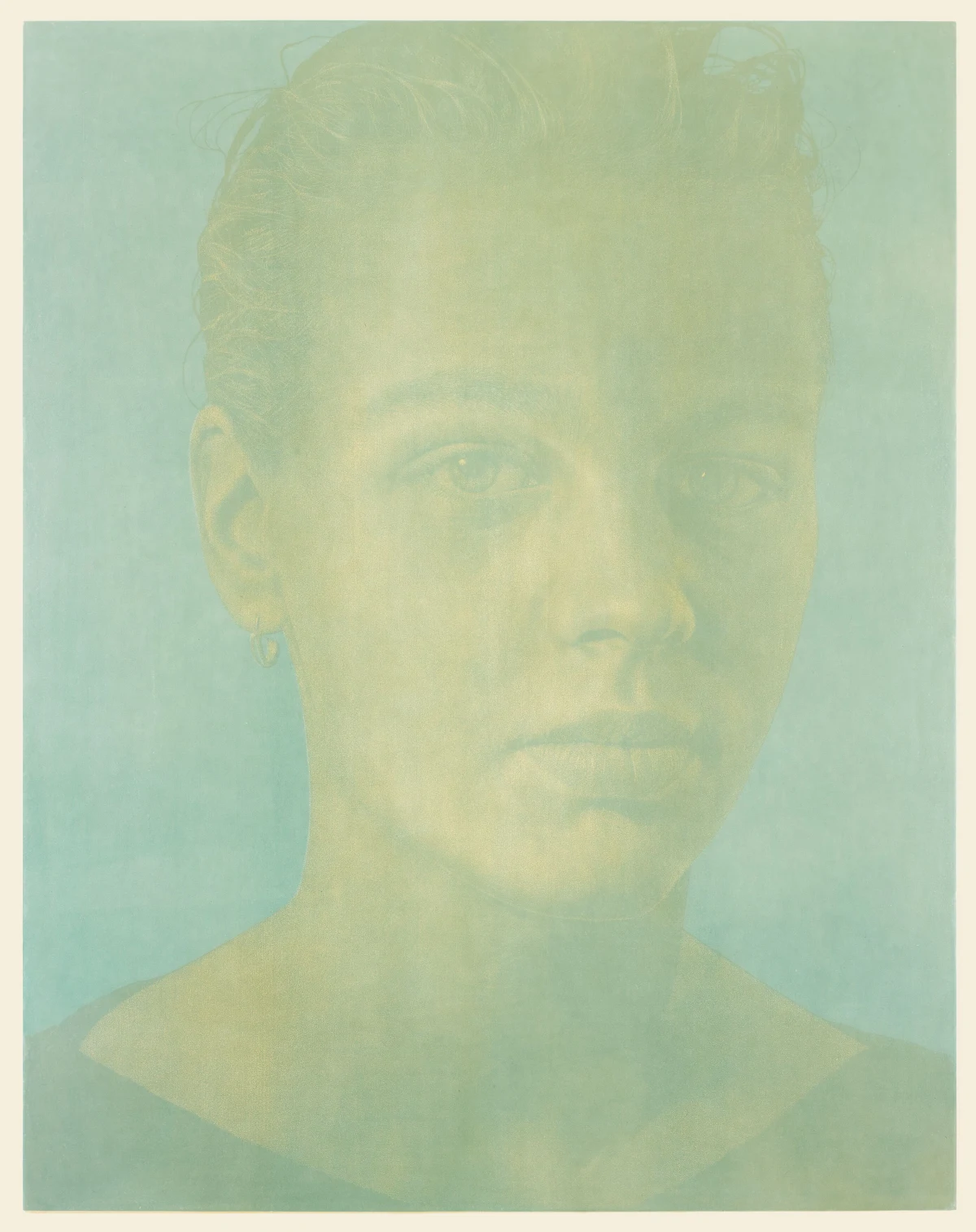
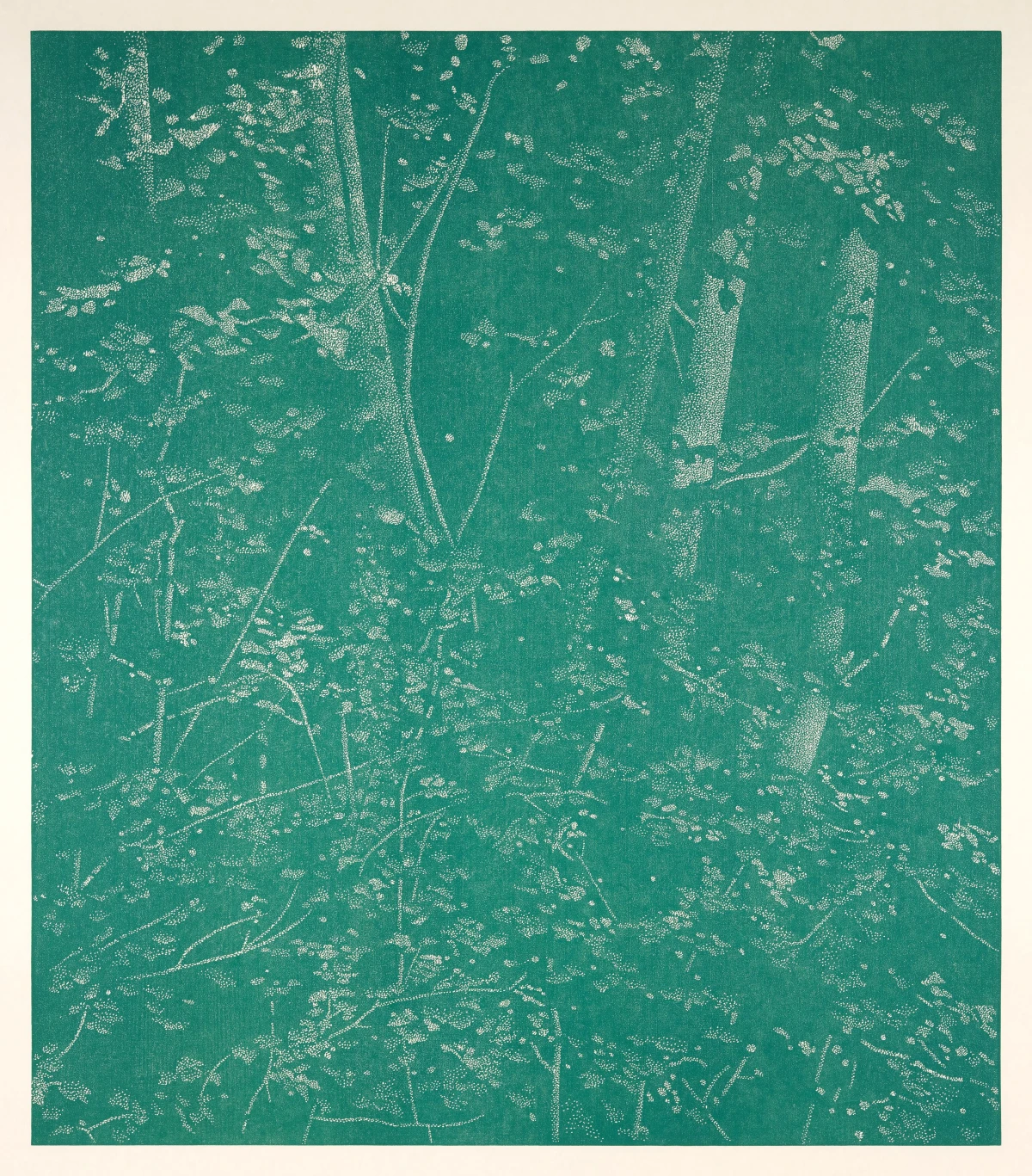
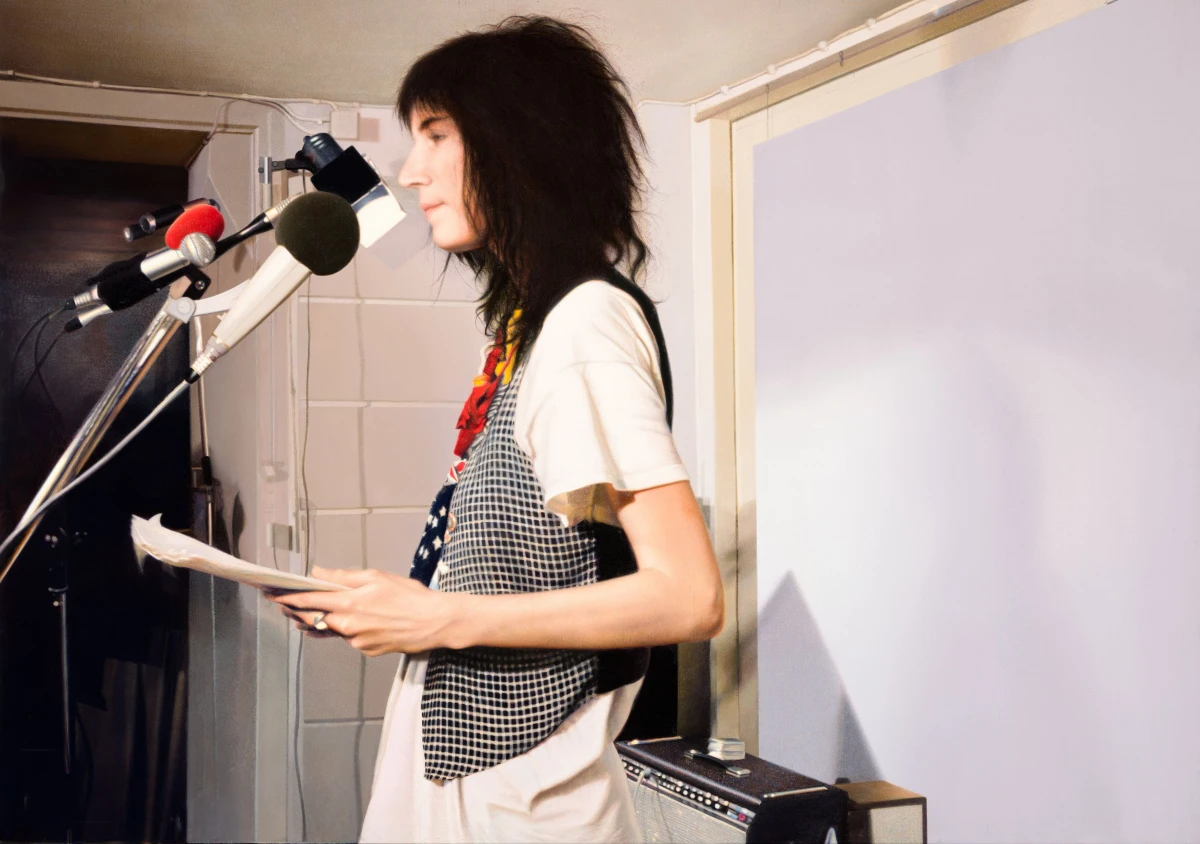
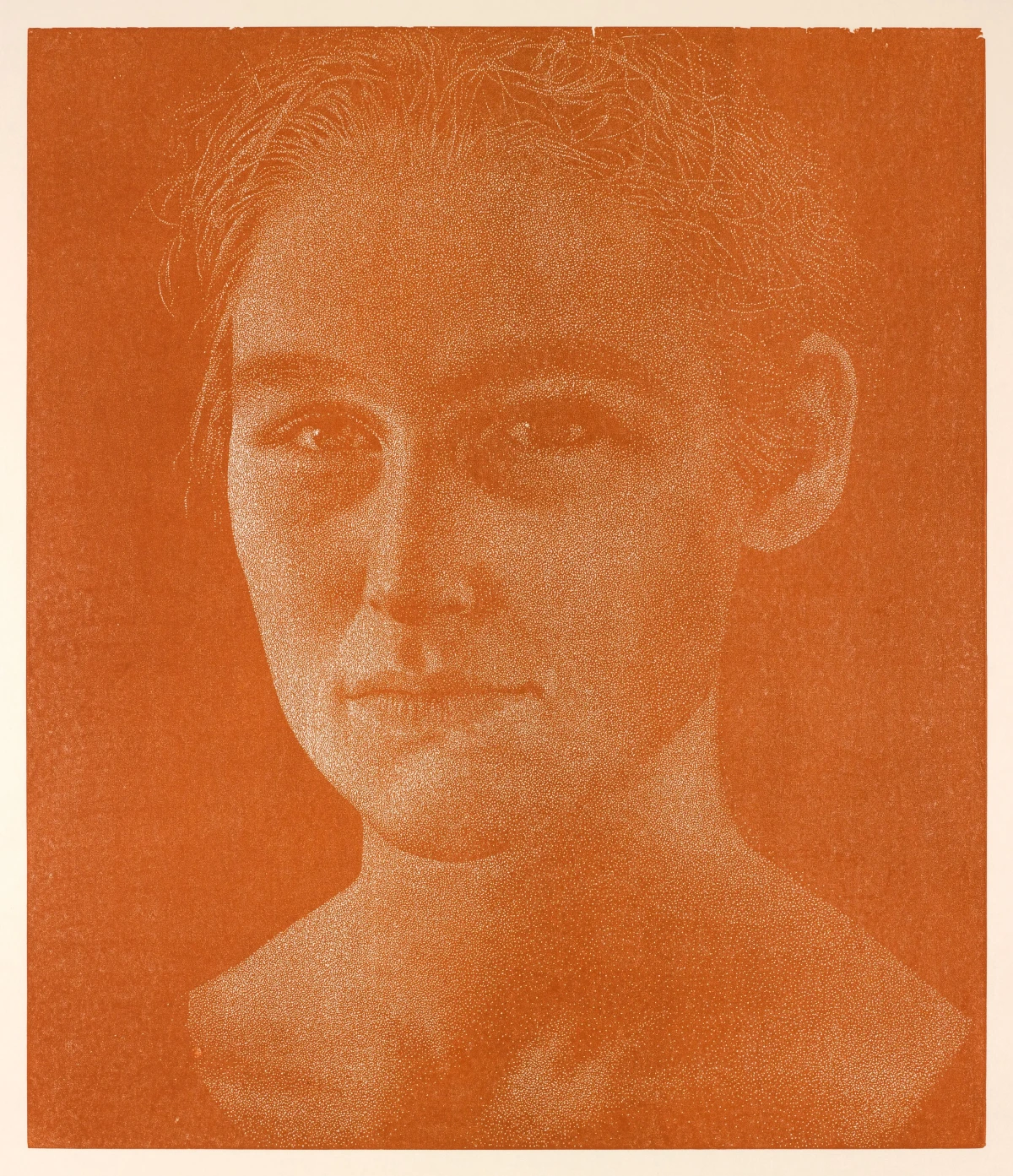
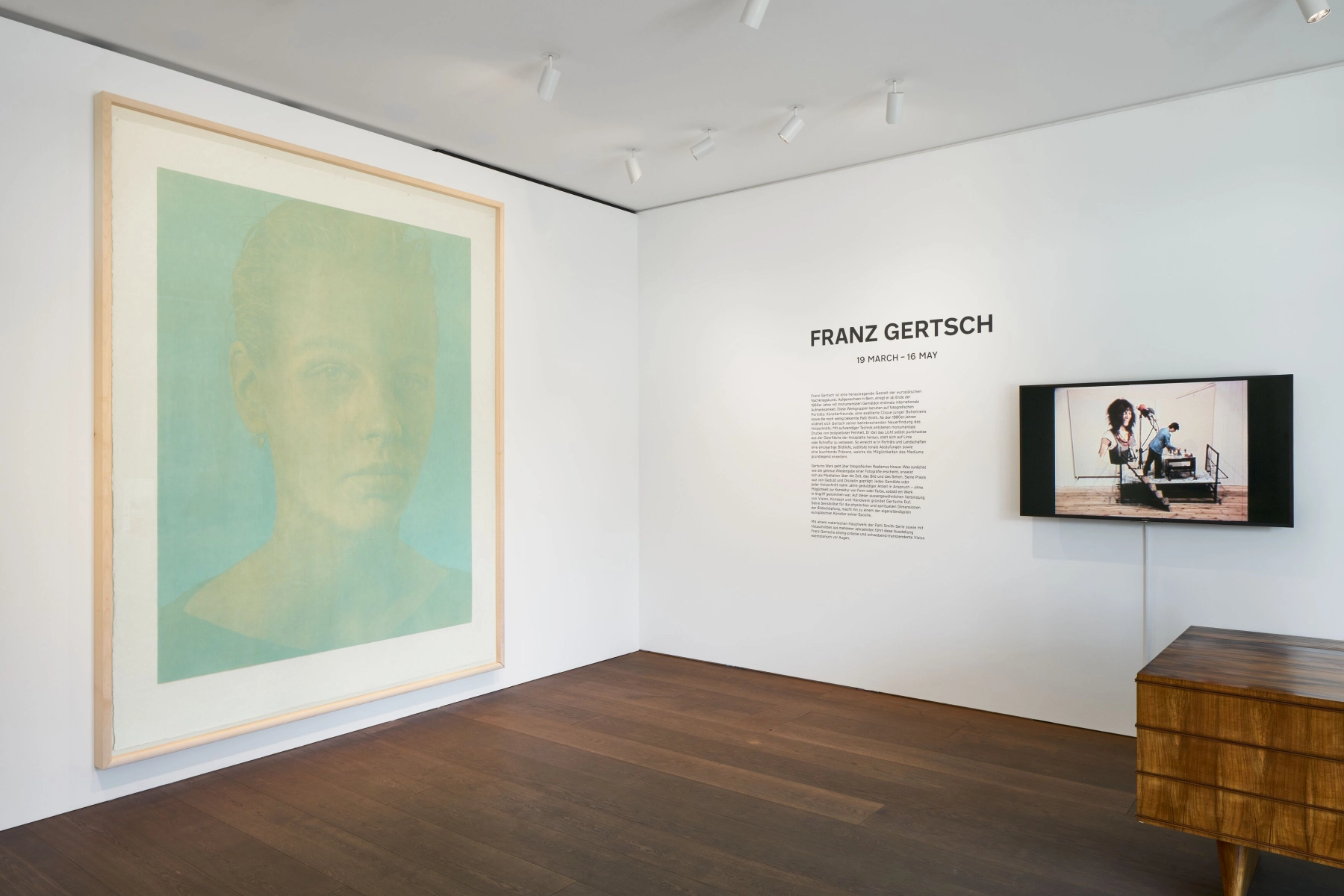
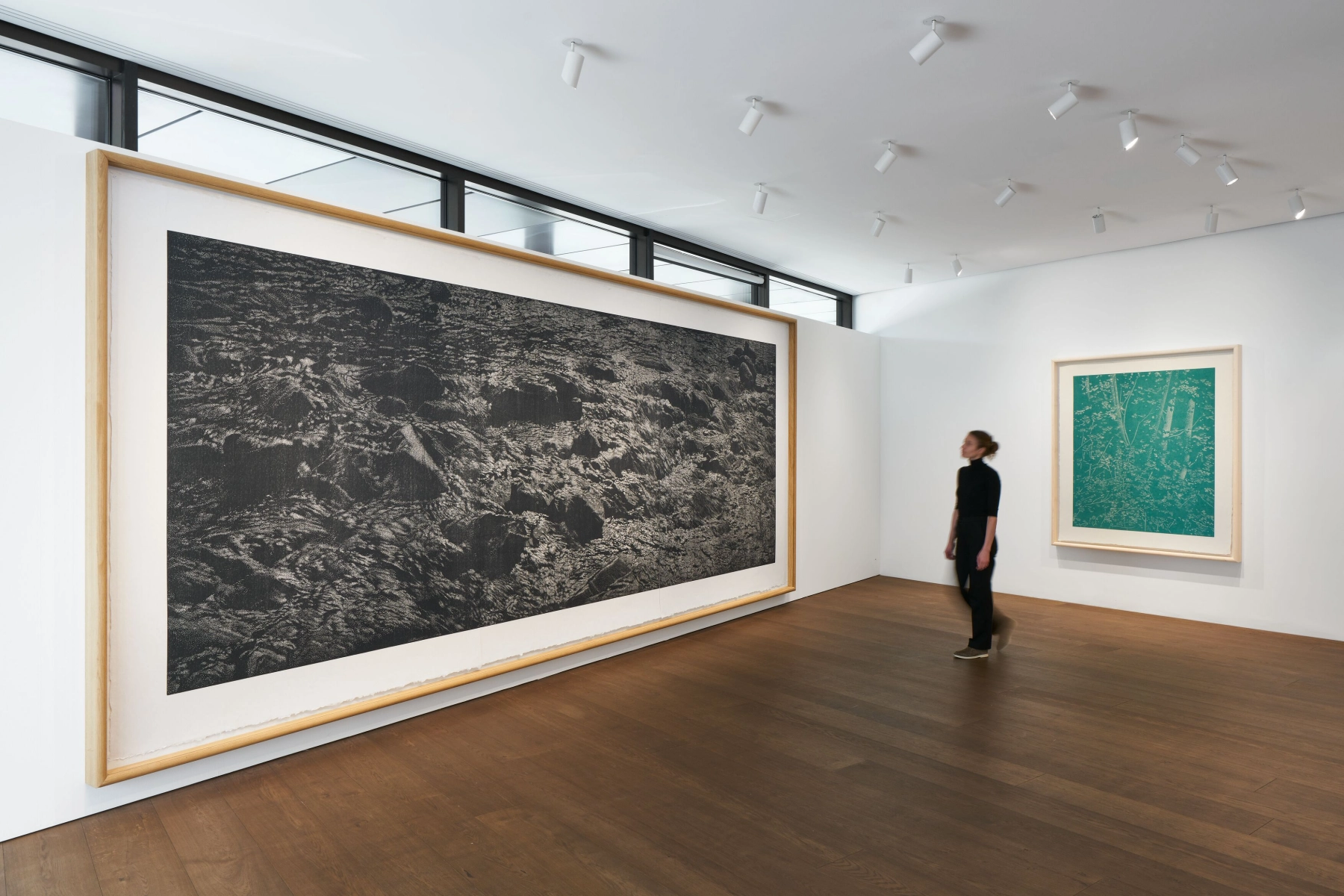
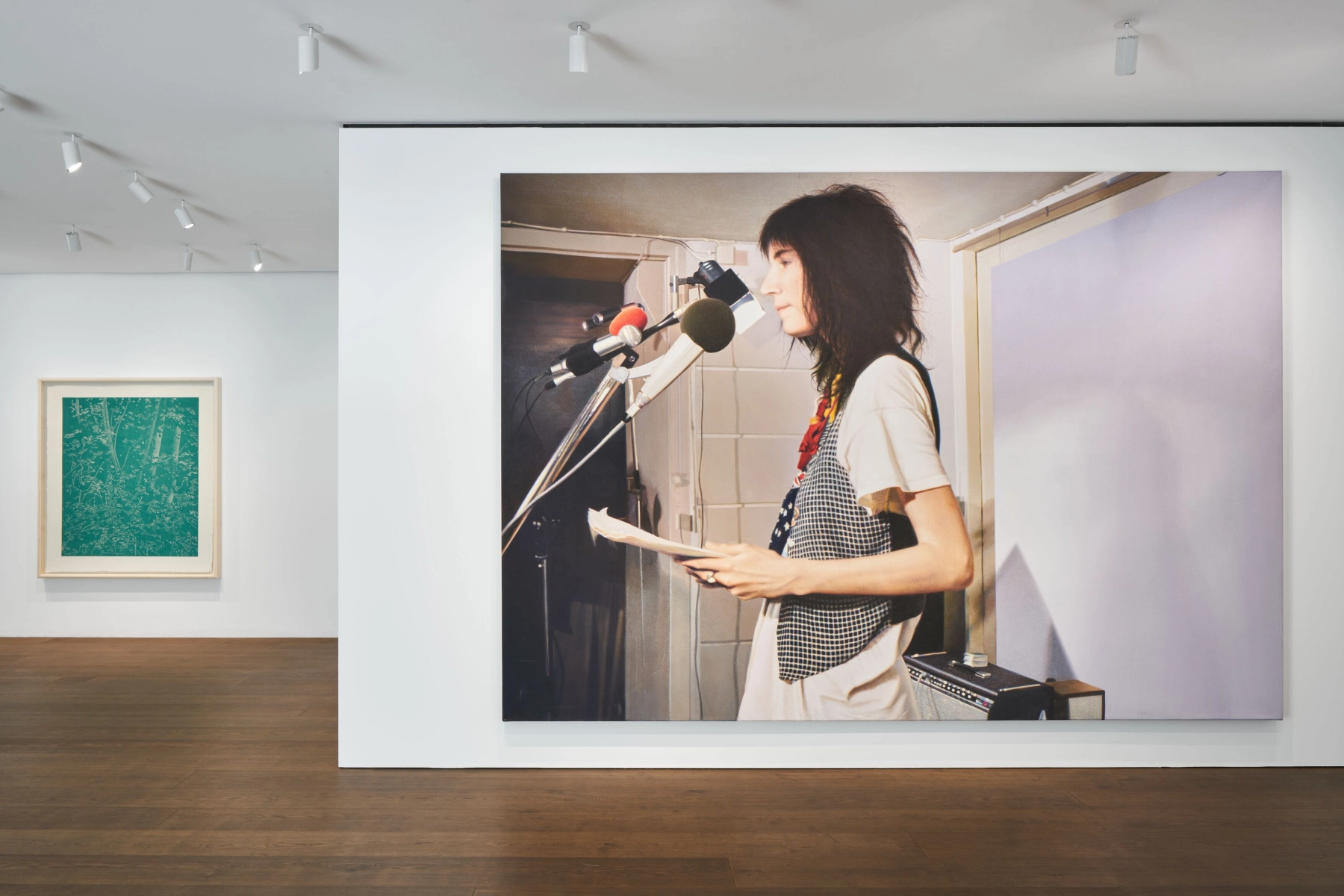
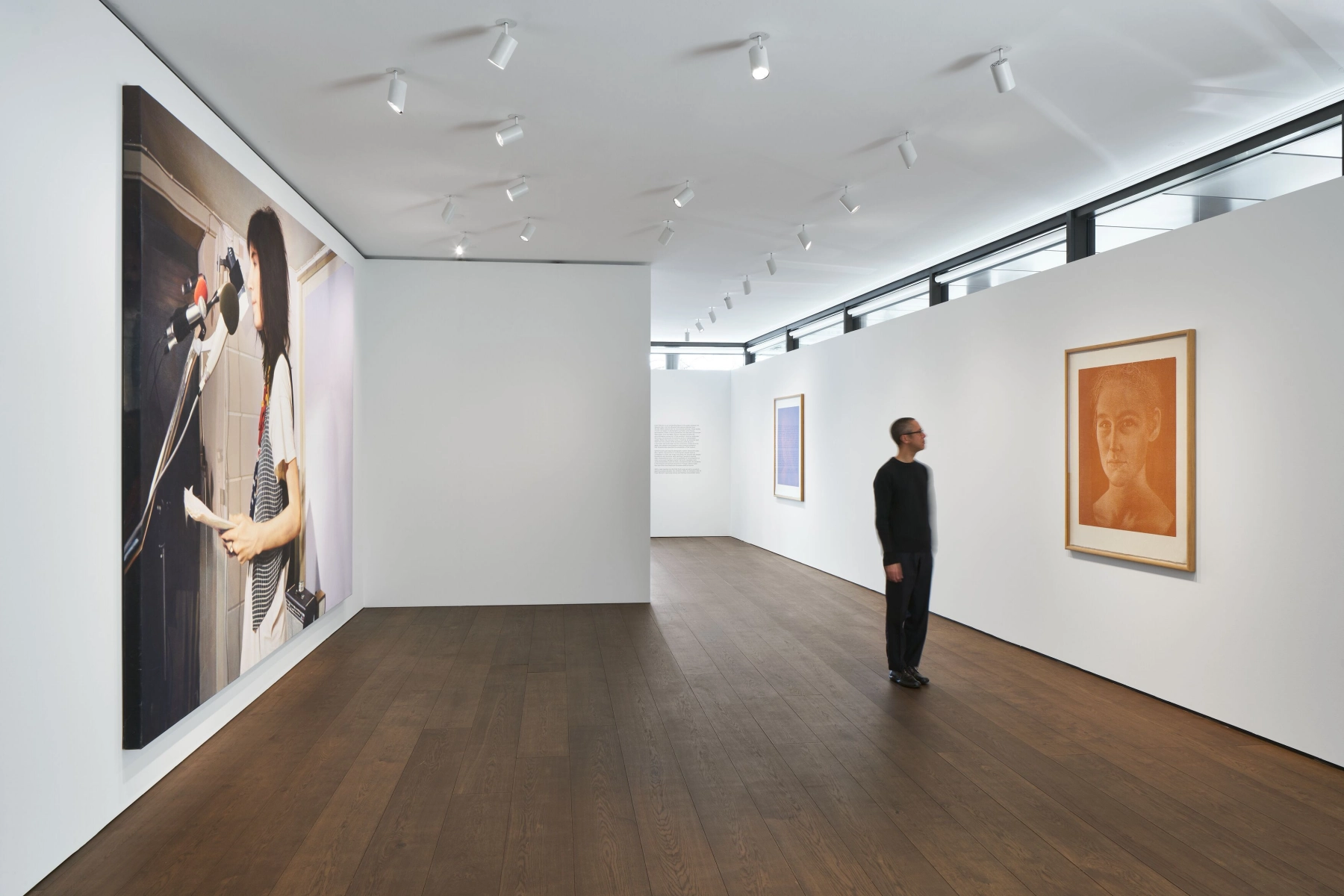

Gertsch’s work astonishes and surprises through its apparent simplicity: what at first may look like a mere reproduction of photographic reality conceals an innovative artistic practice in which Gertsch goes far beyond the capabilities and limits of photography. Ultimately, his work aims to preserve the essence of a fleeting moment through a long, complex and precise process of material transformation. His woodcuts and paintings often play with photographic effects such as motion blur and the eye’s never fully fixable adaptation to subtly differing depths of field across various image zones and focal planes. Gertsch deliberately employs this as a stylistic device in a continually shifting play of sharpness that the eye can never completely hold still. His unique technique bears witness to an untiring pursuit of a depiction of lived reality that is faithful to human vision—alive and never static. In this way, it redefines the boundaries of realism. This first comprehensive presentation of Gertsch’s work by Hauser & Wirth in Switzerland offers the opportunity to experience the distinctive visual and emotional impact of his art.
About the exhibition
‘Patti Smith III’ (1979) is one of a series of five monumental paintings based on photographs Gertsch took in 1977 during a performance by Patti Smith in Cologne. The portrait shows the performer in sharp detail; her expressive face and hands are rendered with striking clarity. Painted with meticulous precision, the work emphasises not only her charismatic presence, but also the subtle interplay of light, texture and atmosphere. In this way, ‘Patti Smith III’ transcends pure realism and becomes a meditative study of time, intensity and individuality—elevating a fleeting photographic instant into a timeless image.
Even more complex and demanding than his painting technique was Gertsch’s unique method of woodcut. From preparing the wooden panels and making his gouges, to mixing his own printing inks from natural pigments and binders; from using handmade Japanese paper and rubbing the ink onto the blocks, to the laborious printing process—every smallest step of this complex technique had to be perfected. The lengthy and physically demanding process of carving out thousands of individual points of light realised Gertsch’s radical artistic vision: the idea of creating monumental, veristic images through the woodcut technique.
‘Natascha IV’ (1987–88) is one of the most striking early examples. A large-format portrait based on a photographic template shows a young woman with remarkable clarity and emotional restraint. Every detail—from the texture of her skin and individual strands of hair to the subtle expression of her face—is worked out with astonishing precision. Set against a neutral background, the figure appears timeless and contemplative. ‘Natascha IV’ transforms a fleeting moment into a quiet, monumental presence and invites an intimate yet enigmatic encounter with the sitter.
In Gertsch’s first landscape woodcut, ‘Rüschegg’ (1988-89), compositional traditions of 19th-century European landscape painting still resonate. The vertical format is loosely structured into foreground, middle ground and background. The flowing gradation of outlines, the subtle modelling of plant forms and the elegant balance between emotional tenor and accurate observation of nature already point toward the dissolution into an atmospheric fragment of nature, in the spirit of the great masters of 19th-century Swiss painting. In the years that followed, Gertsch increasingly focused his gaze on ever more closely cropped sections of nature’s indivisible whole, and the spatiality of the surface replaced depth of view: a patch of forest, a riverbed, a water surface, grasses in the wind—leading finally to close-up, highly detailed plant studies. Gertsch’s distinctive understanding of the paysage intime is realised exemplarily in the monumental triptych ‘Schwarzwasser II’ (1993–94).
About the artist
Swiss artist Franz Gertsch (1930–2022) is internationally known for his monumental photorealist paintings and woodcuts. Since his international breakthrough at documenta 5 in Kassel in 1972, he created a broad spectrum of paintings and woodcuts that received wide acclaim. Gertsch’s work explores the passage of time, perception and surface, and blurs the boundary between photography and painting. He represented Switzerland at the Venice Biennale in 1999. The major retrospective ‘Blow up’ was shown in 2024 first at the Louisiana Museum in Humlebæk near Copenhagen and at the Deichtorhallen in Hamburg; in a slightly modified form it will be presented this year at the Museum Franz Gertsch in Burgdorf and at the Kunstmuseum Bern.