Open: Tue-Sat 11am-7pm
8 Queen’s Road, Central, Hong Kong, Hong Kong
Open: Tue-Sat 11am-7pm
Visit
Frank Bowling. Like Water
Hauser & Wirth, Hong Kong
Thu 11 Jun 2026 to Sat 29 Aug 2026
8 Queen’s Road, Central Frank Bowling. Like Water
Tue-Sat 11am-7pm
Artist: Frank Bowling
‘...when I opened my eyes at 5am on the day I was born, I saw the western hemisphere, the rivers, the sky above. That has lodged in my physical self and needs to be out there to be free and expressive.’
—Frank Bowling
‘Frank Bowling. Like Water,’ the artist’s first solo exhibition in East Asia, brings together a selection of works from the 1960s to 2020, showcasing his mastery of surface texture. Sir Frank Bowling OBE RA is regarded as one of Britain’s most significant living artists. For over six decades, Bowling has rigorously pursued a practice which boldly expands the possibilities and properties of paint. At the age of 92, Bowling continues to paint every day in his South London studio.
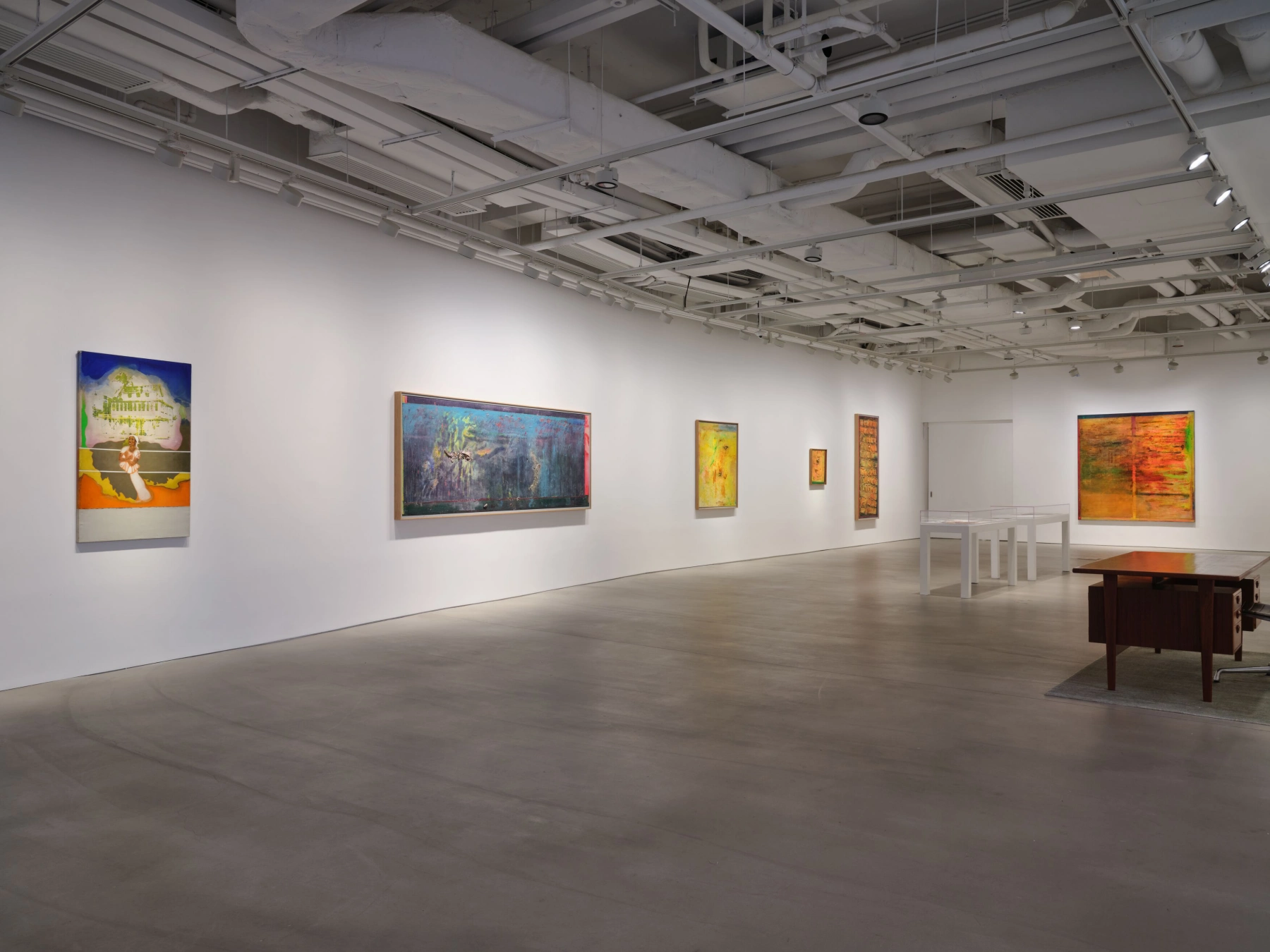
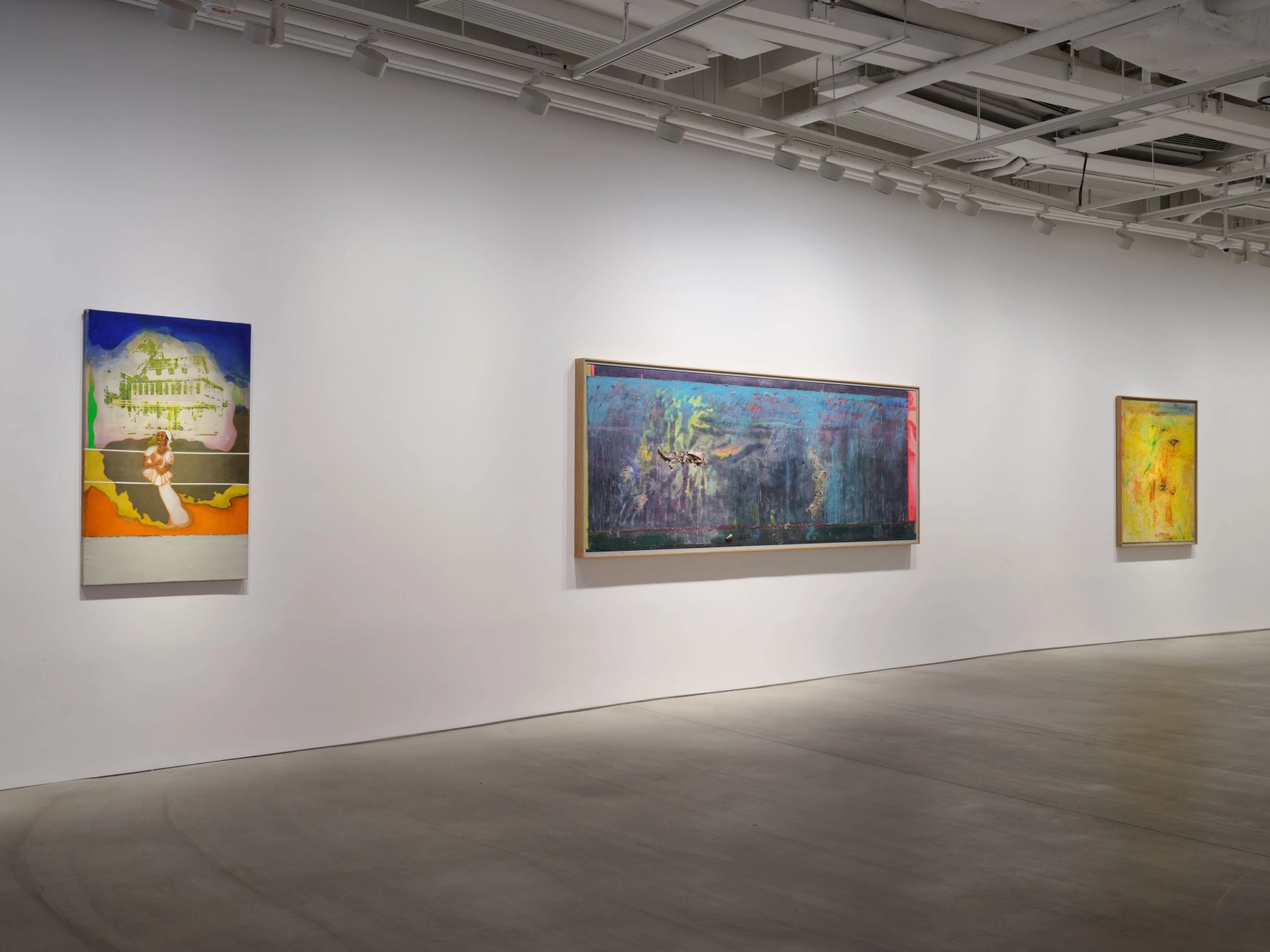
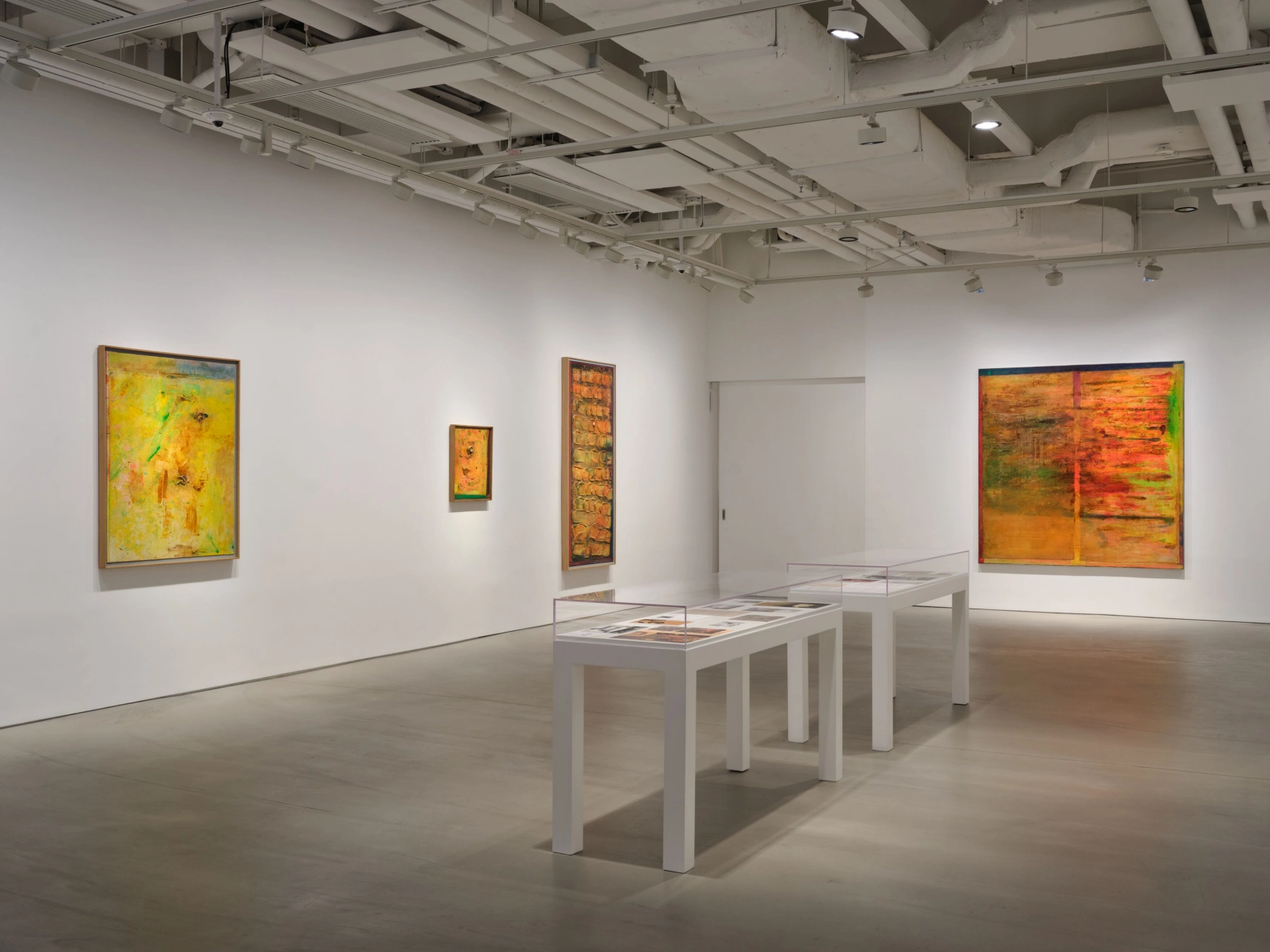
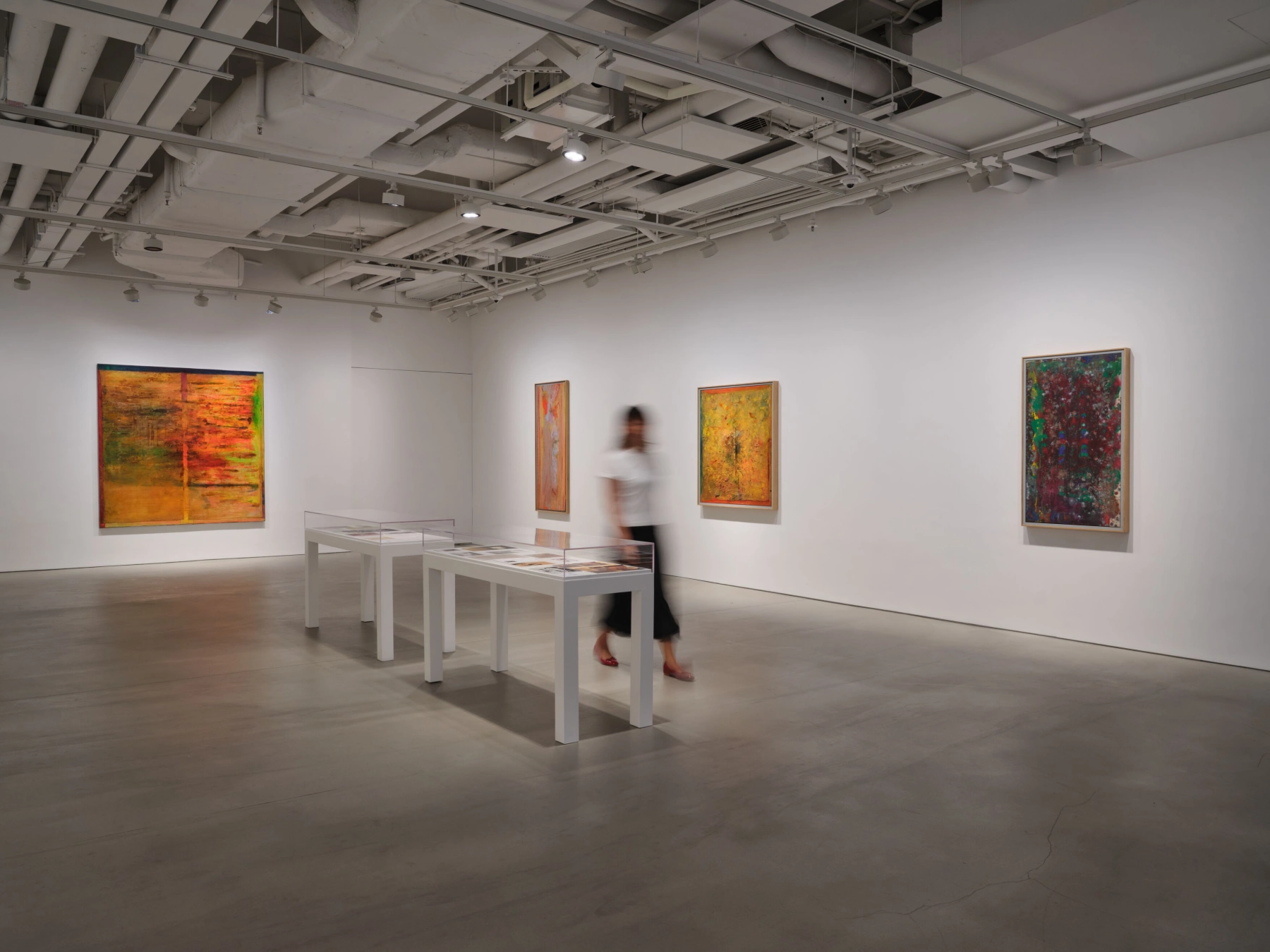
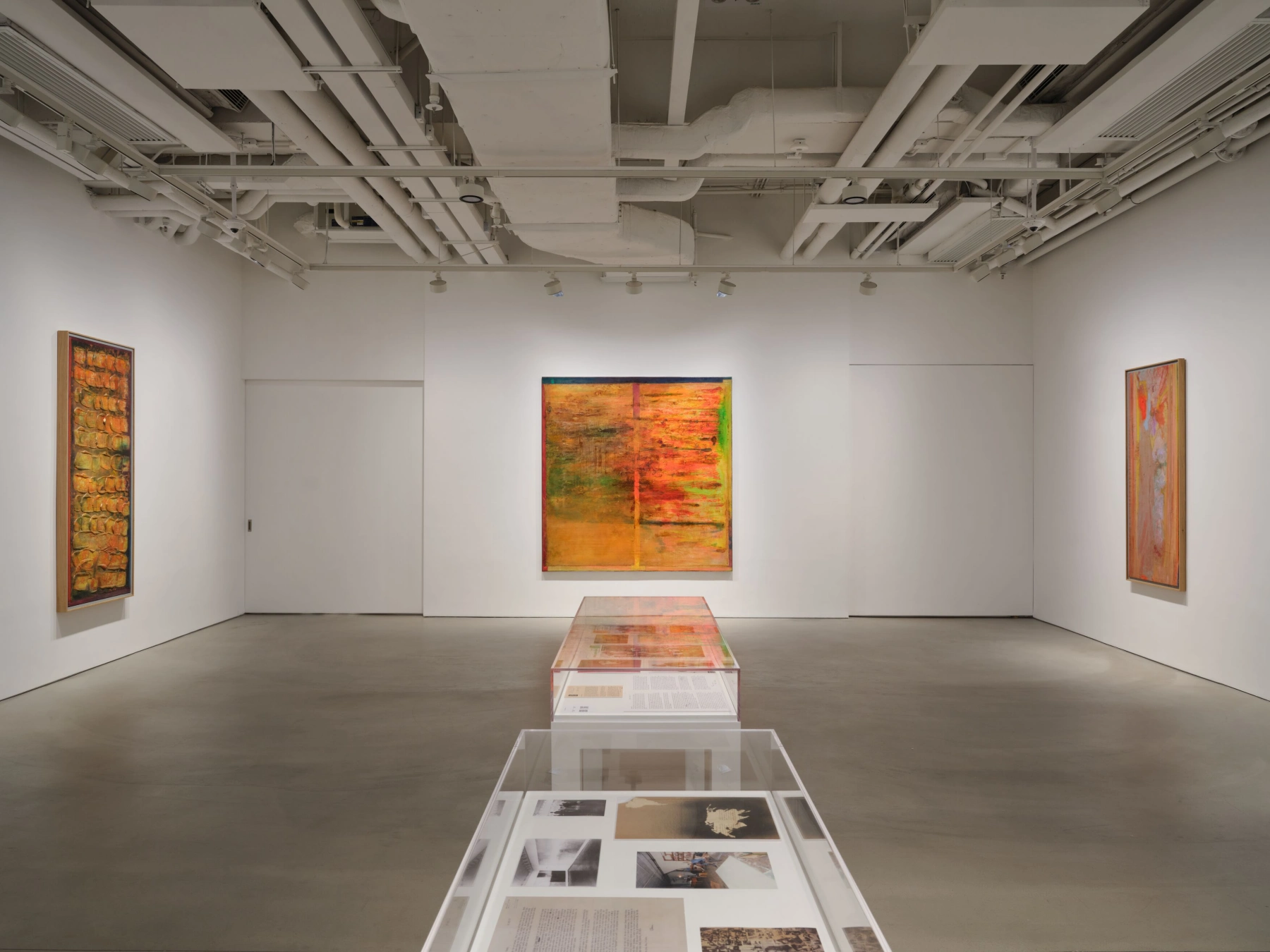
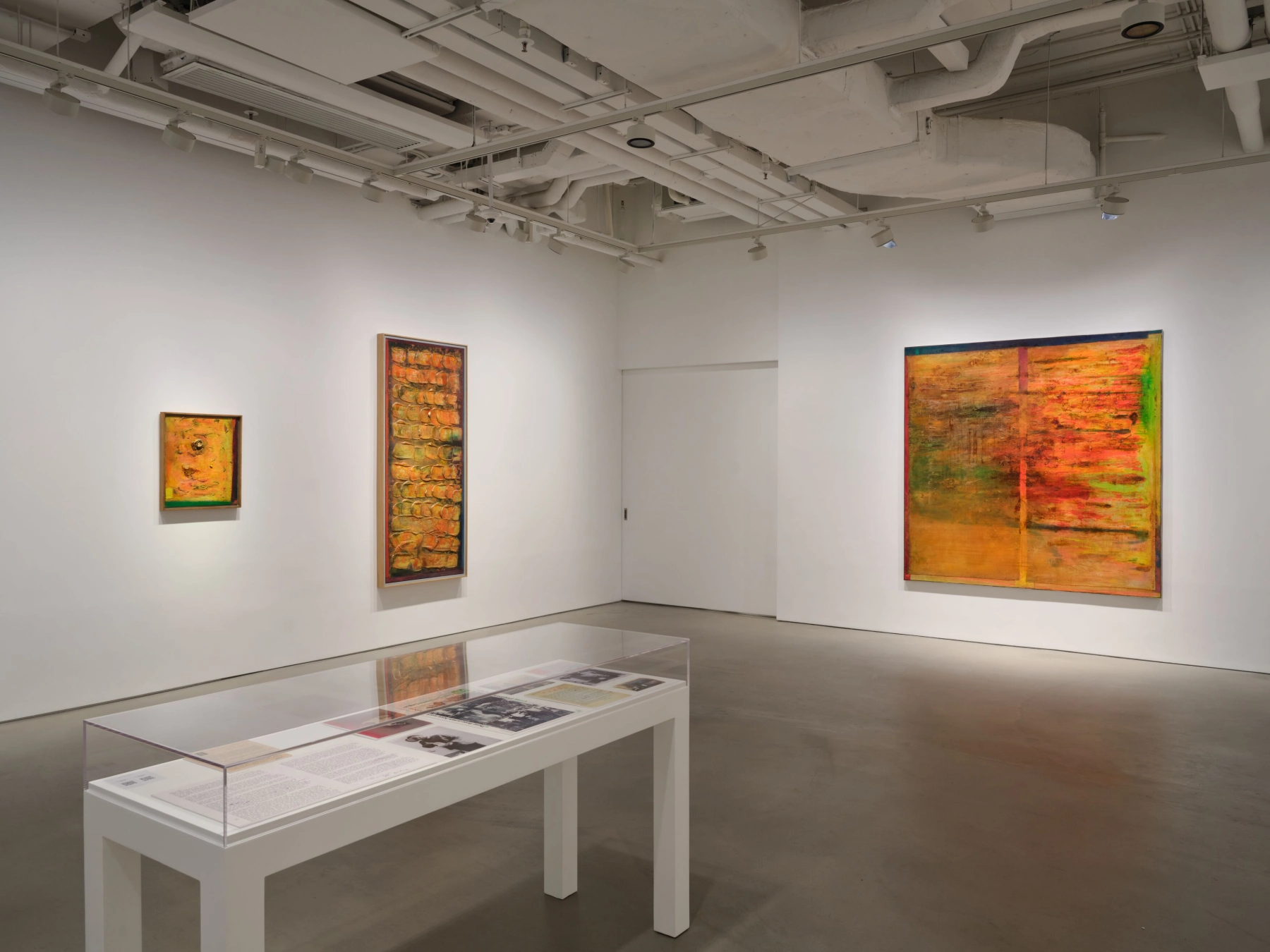
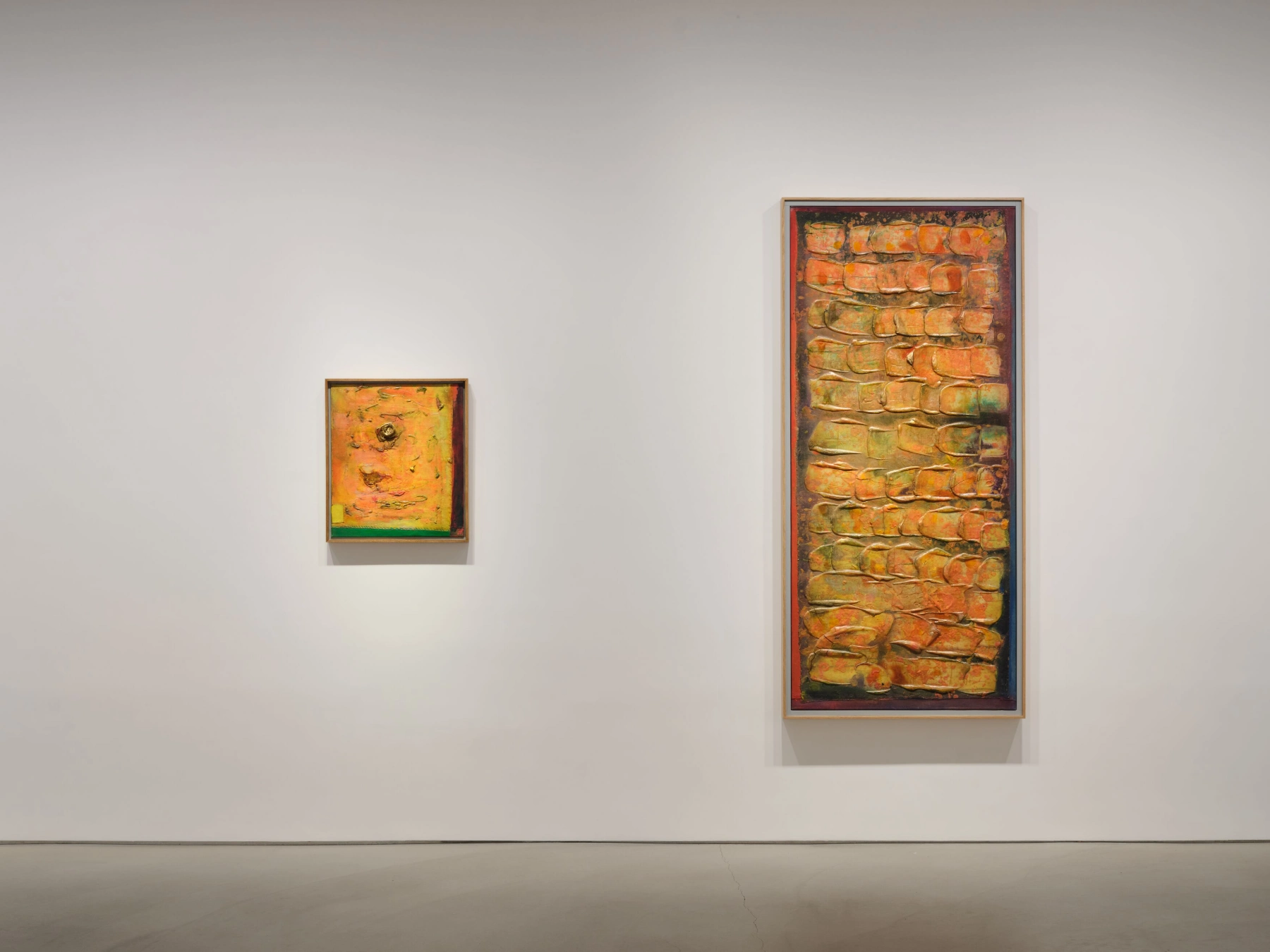
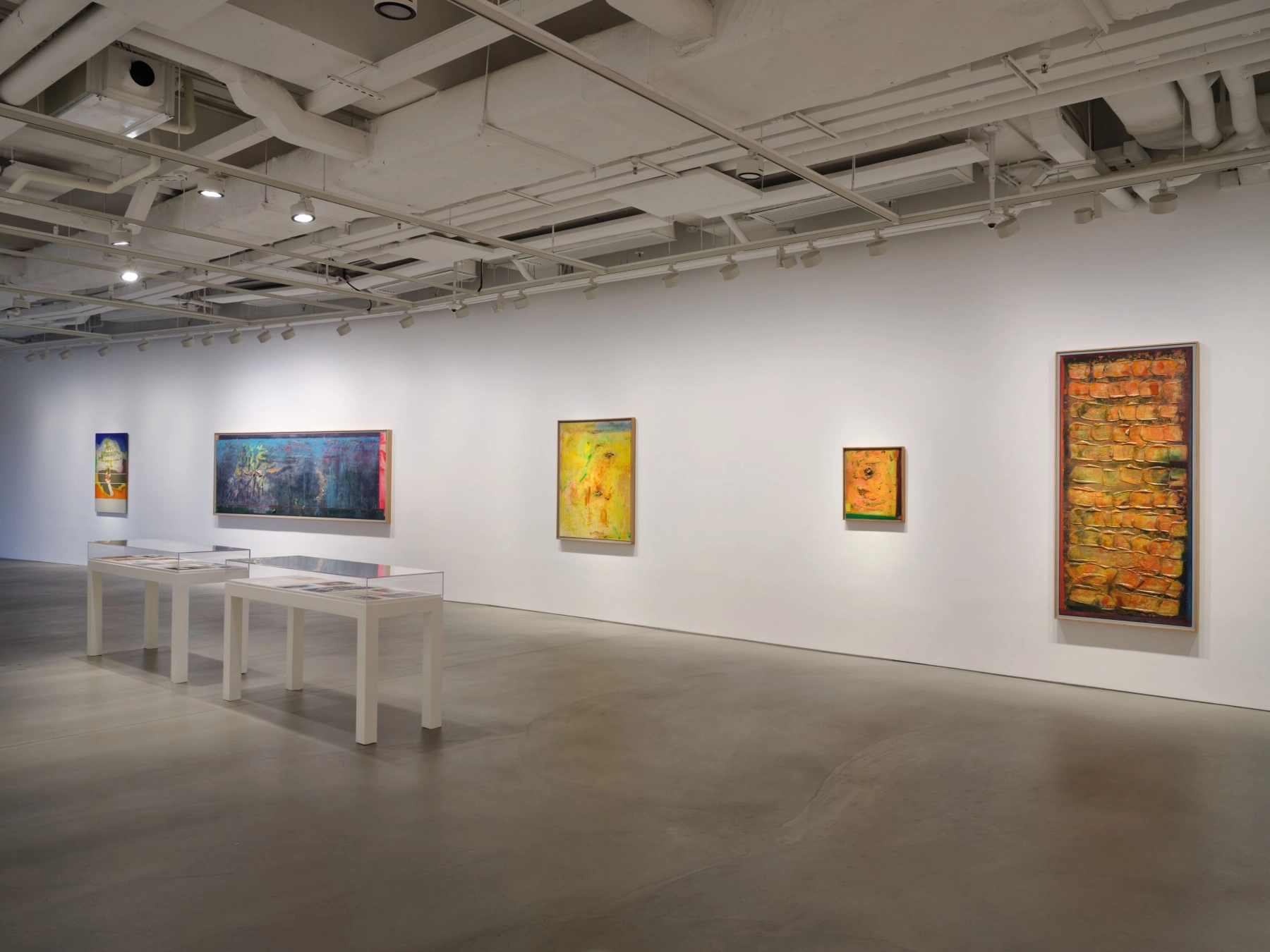
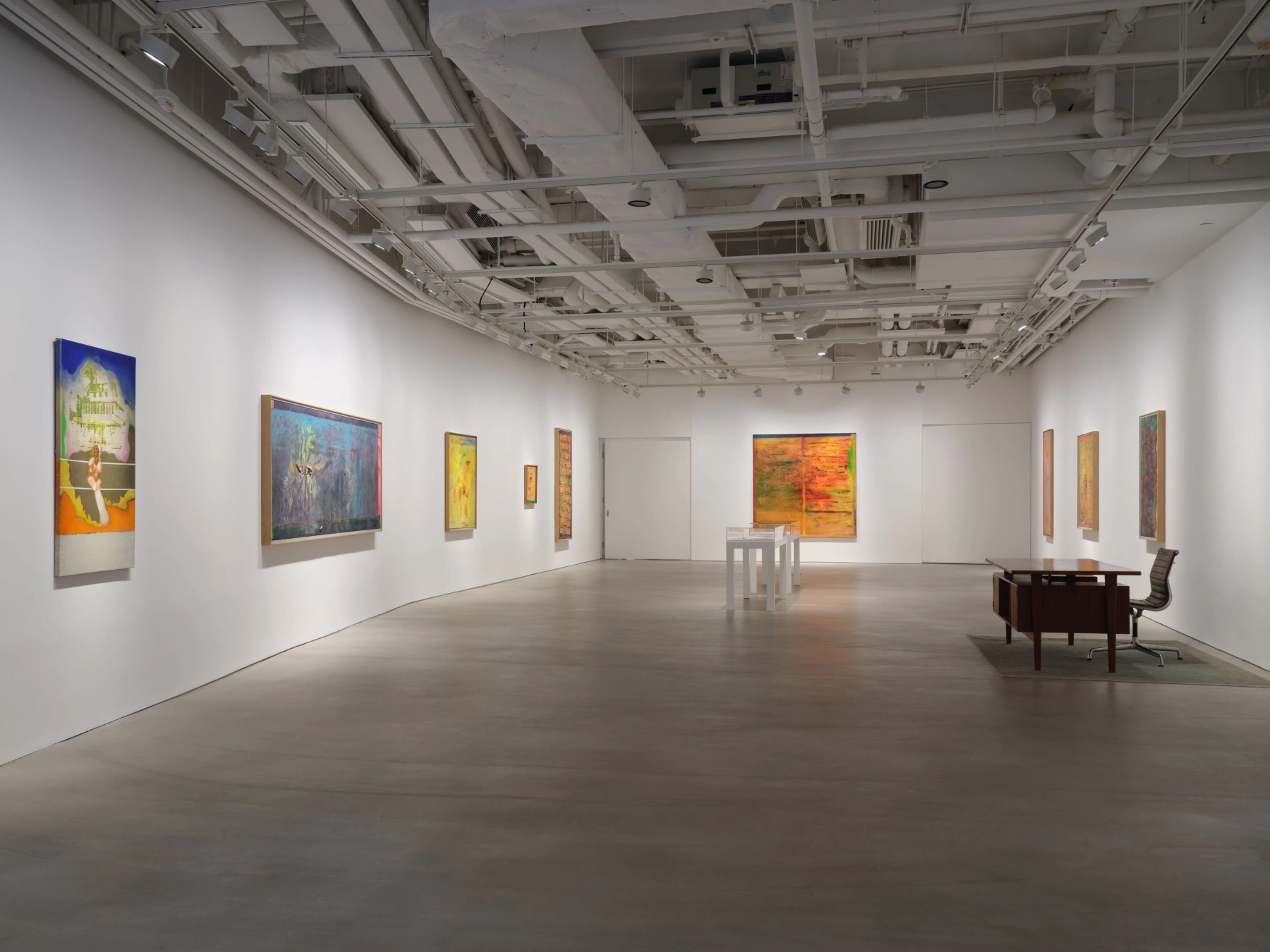
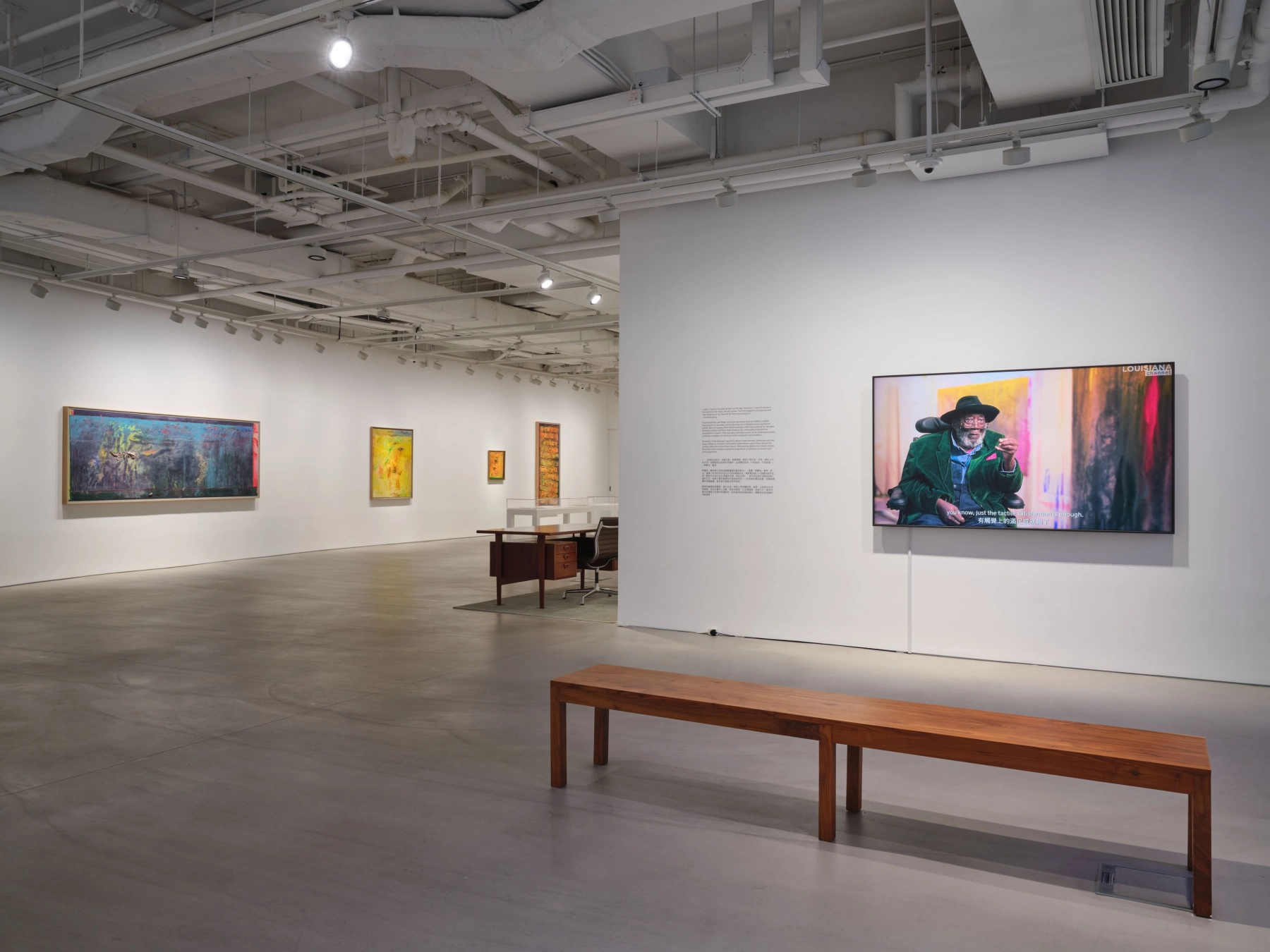
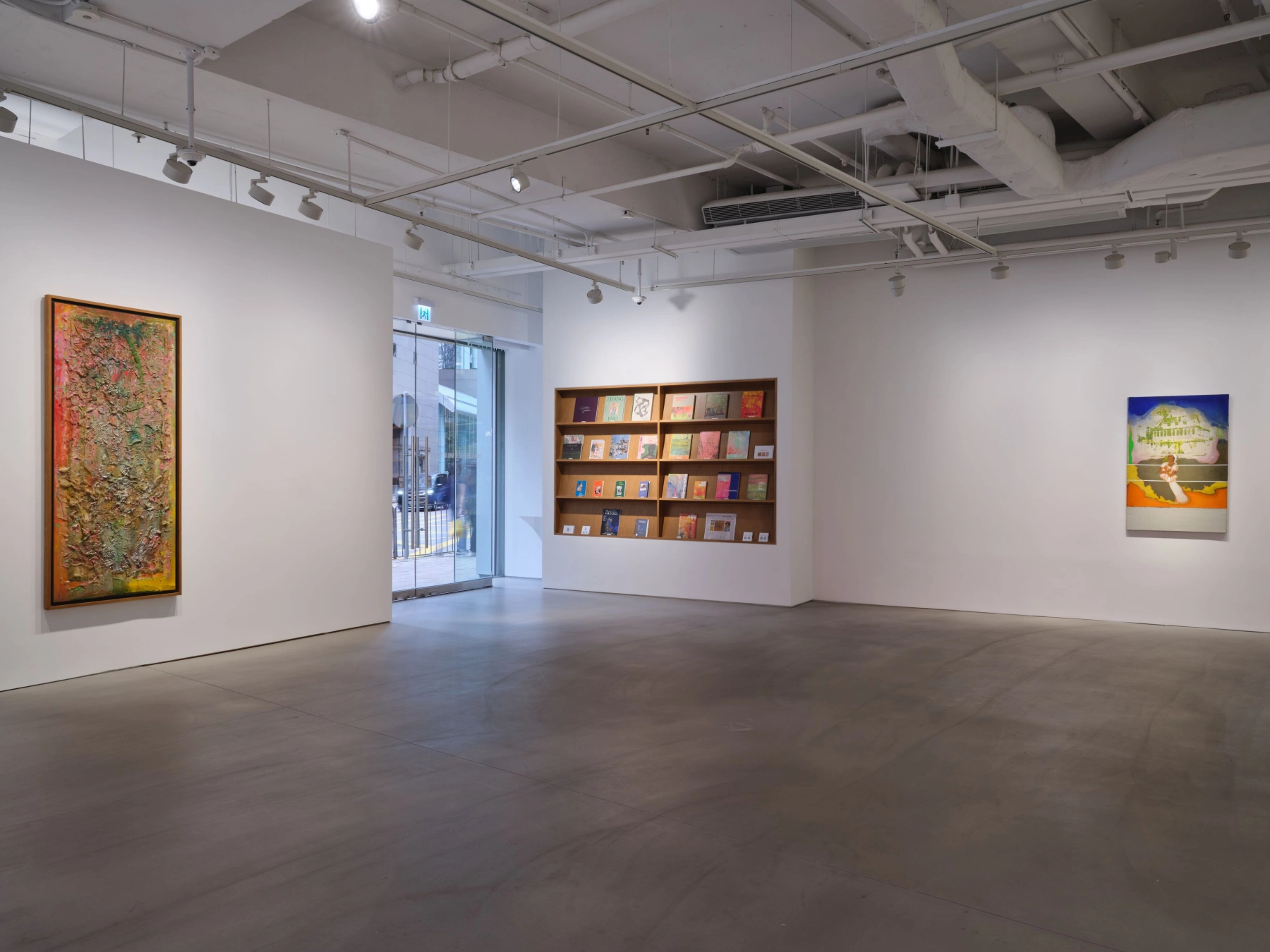
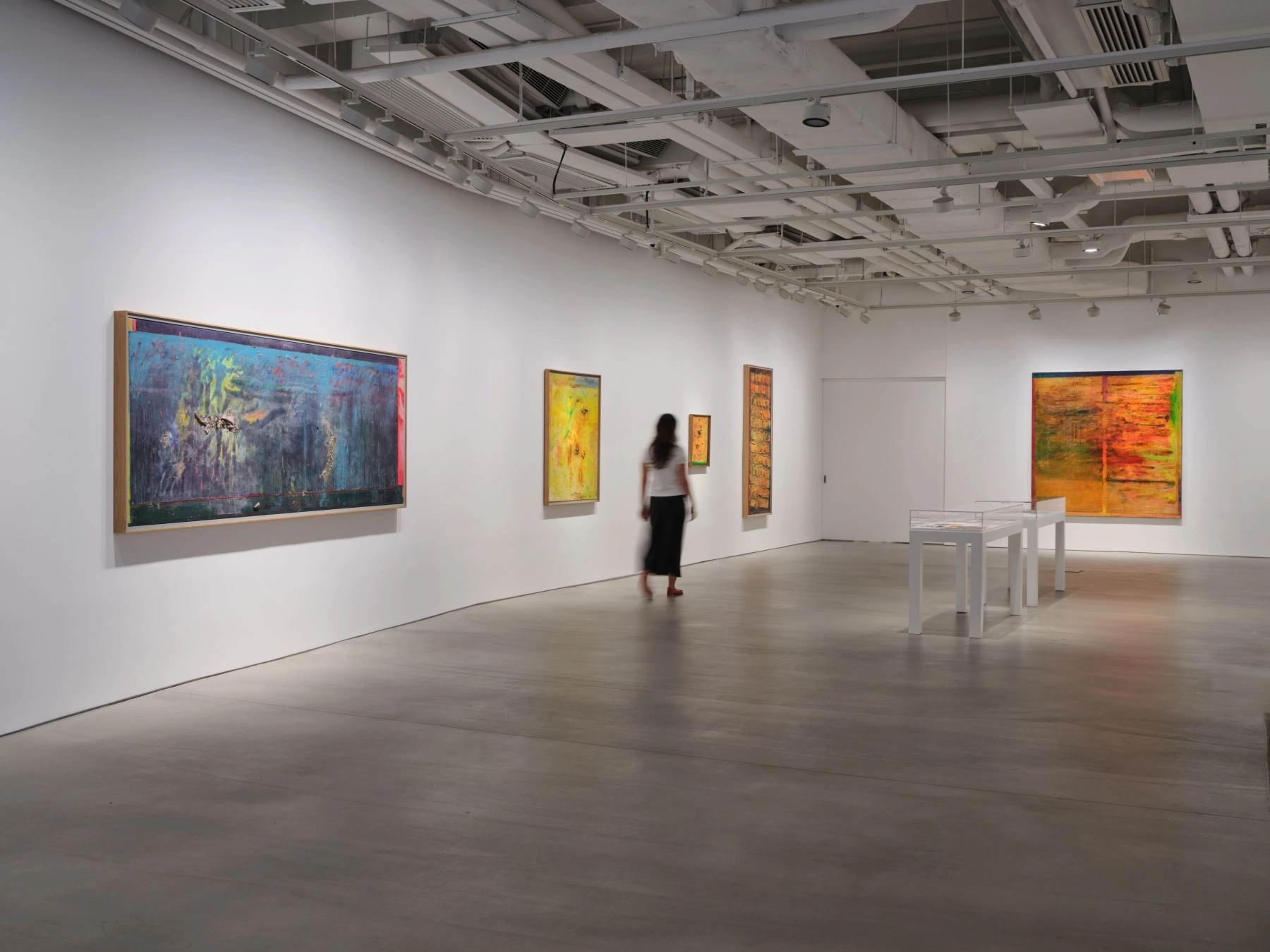
Born in British Guiana (now Guyana) in 1934, Bowling arrived in London in 1953, graduating from the Royal College of Art with the silver medal for painting in 1962. By the early 1960s, he was recognized as an original force in London’s art scene with a style combining figurative, symbolic and abstract elements. ‘Untitled (Mother’s House)’ (1966) is a powerful testament to Bowling’s formative memories of his relationship to home and interest in color, shape and structure. The phantom-like print of his mother’s house carries a deep emotional resonance while earthy tones of blues, greens and reds conjure the Guyanese landscape that shaped him.
After moving to New York in 1966, Bowling’s commitment to modernism meant he was increasingly focused on material, process and color. By 1971, he had abandoned the use of figurative imagery and around 1973 he began creating his iconic Poured Paintings, where he leaned into the evocative nature of water-like flow. By tilting a custom platform, he allowed paint to cascade across the surface, achieving a masterful balance of control and chance that mimics the natural movement of a tide. One of the more unconventional works from the series, ‘Crevice Reflecting Morning Light’ (1977) conveys Bowling’s deep fascination with light and dimensionality. The sky-blue aperture creates a hazy mirage, where billowing swirls of paint emanate downward, showcasing how his techniques masterfully captures the translucency of a morning sky reflecting off water.
Bowling returned to London in 1975 but continued to spend significant periods in New York. His sculptural paintings of the 1980s started to include embedded objects such as newsprint, plastic and foam. These thickly textured canvases have been described as evoking landscapes, riverbeds and geological strata. In opposition to minimalism, his paintings from the 1990s, such as ‘Shoal’ (1991), were built-up layer by layer, illustrating the sensory richness of his work and his perception of life as inherently layered. Bowling’s works from this period made use of marouflage, first introduced into his practice in the 1980s, which serves as a framing device for the compositions. Divided into three sections and framed by several strips of marouflage, ‘And SN’s Bookmark II’ (1998) exemplifies this technique and provides an insight into other processes that characterized his practice, such as his use of ‘found geometry’. Discovering this artistic device when working on the floor, Bowling realized that the outline of the studio floorboards would imprint on the canvas, producing a record of the environment that surrounds him.
Like several of Bowling’s works in the 2000s, ‘Shrill’ (2002) utilizes layers of gels, paint and varnish to form a palimpsest, obscuring any direct narrative. Originally one piece, the canvas has been cut down the middle and marouflaged to produce a formalist square frequently seen in Bowling’s work. Despite its title, ‘Spawn (Cold as a Dog’s Nose)’ (2007) is an immensely warm painting that evokes multiple landscapes experienced by Bowling. With a sky-blue horizon line featured at the top and a meadow-like depiction of yellow, green and pink dabs below, his memories intersect here to spawn something that feels both familial and new.
In the monumental ‘There Be Dragons’ (2020), washes of rich blues and greens pull the viewer into a deep, otherworldly space. Shimmers of gold leaf catch the light like sun on a current, blurring into luminous, watery reflections that suggest the heads of dragons beneath the surface. Ambitious in scale and scope, Bowling’s dynamic engagement with the materiality of his chosen medium and its evolution in the broad sweep of art history, has resulted in paintings of unparalleled originality and power.
In an accompanying essay, curator Hou Hanru examines Bowling’s lifelong engagement with water, drawing parallels between the artist’s experimental techniques and traditional Chinese aesthetic and philosophical ideals.