227 East Street, SE17 2SS, London, United Kingdom
Open: Thu-Sat 12-6pm, Sun 12-4pm
Thu 28 May 2026 to Sat 4 Jul 2026
227 East Street, SE17 2SS Ted Le Swer: Comrades, Sleep Faster!
Thu-Sat 12-6pm, Sun 12-4pm
Artist: Ted Le Swer
Soup presents the gallery’s twentieth exhibition, Ted Le Swer’s solo exhibition ‘Comrades, Sleep Faster!’. Le Swer (b. 1995, Nottingham) is a British artist living and working in London. He graduated with a BA in Fine Art from Chelsea College of Art and Design in 2017, and will begin his postgraduate studies at the Royal Academy Schools in September 2026. Soup has previously included work by Le Swer in group exhibitions ‘All The Small Things II’ (2025) and ‘Welcome To The Island Of Misfit Toys’ (2024).
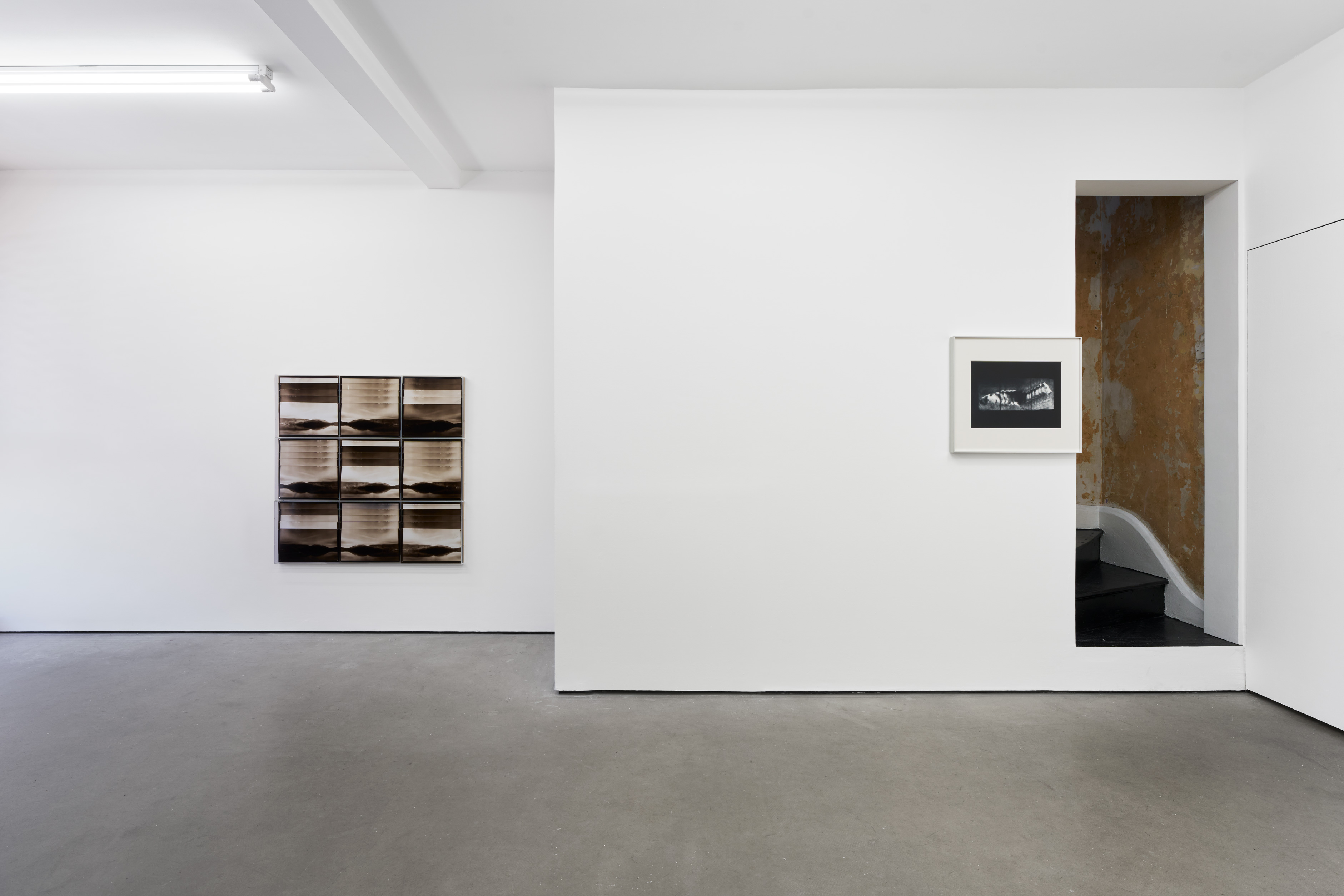
![Ted Le Swer, Image Sequence [UK Weather Surveillance Camera, day], 2026](https://www.galleriesnow.net/wp-content/uploads/2026/06/Ted-Le-Swer-Image-Sequence-UK-Weather-Surveillance-Camera-day-45-Silver-gelatin-prints-fixed-with-sulphur-aluminium-panel-magnets-in-custom-vitrine-108cm-x-108cm-x-5cm-2026.jpg)
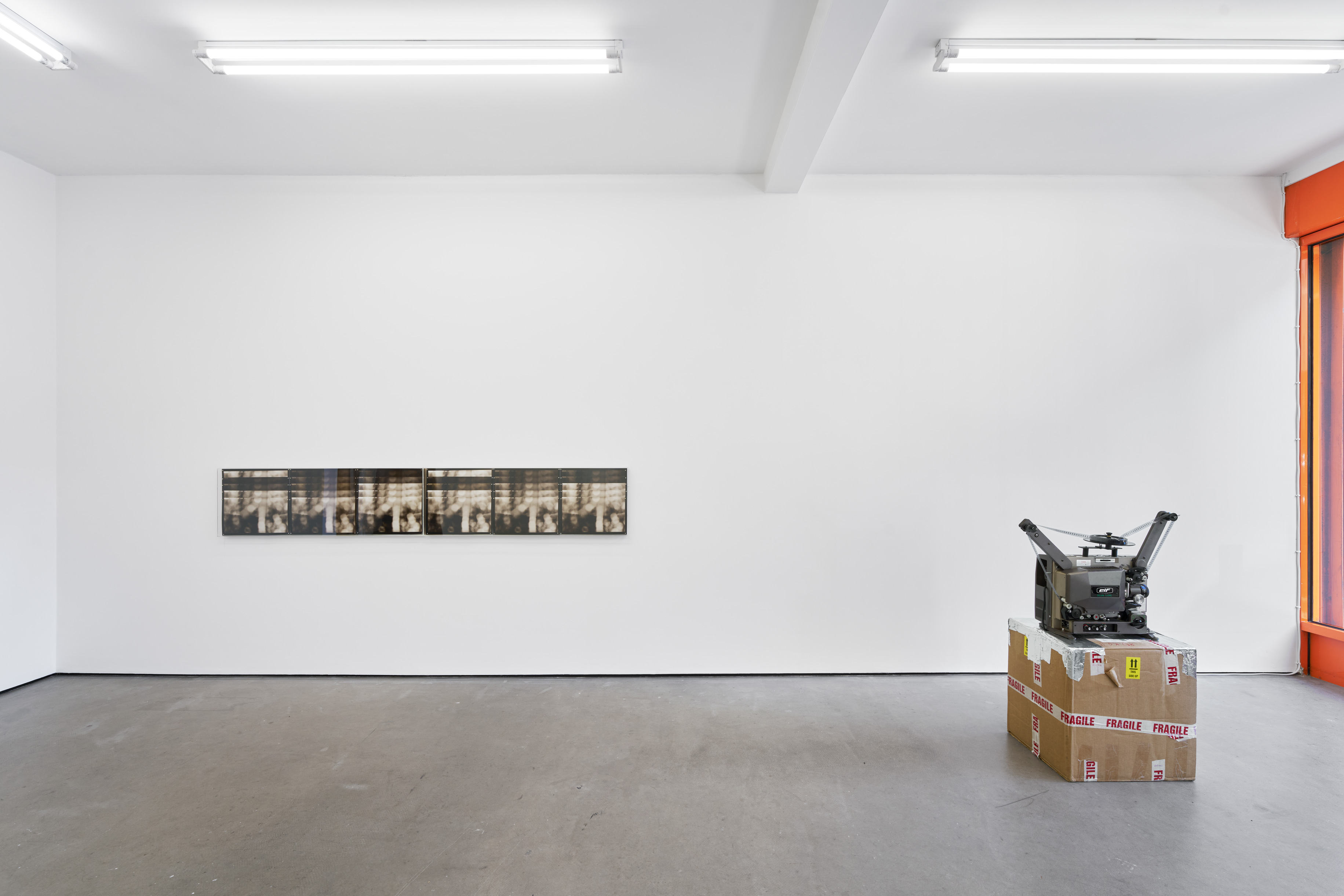
![Ted Le Swer, Image Sequence [UK Weather Surveillance Camera, night], 2026](https://www.galleriesnow.net/wp-content/uploads/2026/06/Ted-Le-Swer-Image-Sequence-UK-Weather-Surveillance-Camera-night-30-Silver-gelatin-prints-fixed-with-sulphur-aluminium-panel-magnets-in-custom-vitrine-36cm-x-215.5cm-x-5cm-2026.jpg)
![Ted Le Swer, Friesian Cow [Static], 2026](https://www.galleriesnow.net/wp-content/uploads/2026/06/Ted-Le-Swer-Friesian-Cow-Static-Silver-gelatin-print-in-artist-frame-51cm-x-56.5cm-x-3.5cm-2026.jpg)
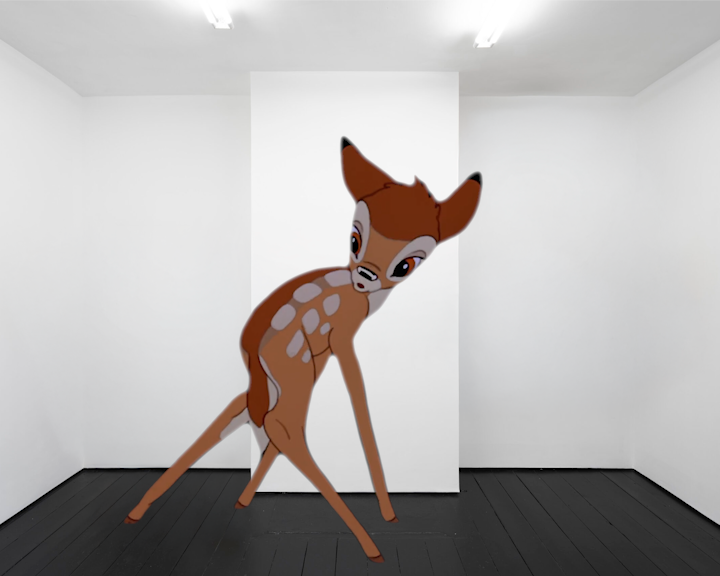
![Ted Le Swer, Friesian Cows [Motion],, 2026](https://www.galleriesnow.net/wp-content/uploads/2026/06/Ted-Le-Swer-Comrades-Sleep-Faster-Soup-Gallery-3.jpg)
Le Swer creates image sequences that employ VFX, wet photography and sculptural processes, as part of a research-based and often site-specific practice. Prompted by an interest in how ecological systems are mediated, he examines how these systems intersect with, and are shaped by, ideological, physical and technological frameworks.
Comrades, Sleep Faster! borrows its title from Ilf and Petrov’s 1920s satirical twist on the soviet propaganda slogan Comrades, Work Faster!, with their version encouraging you to sleep through the present and awaken to the promise of a better tomorrow. A quiet survey, the exhibition observes the labour of three actors - Friesian cows, weather surveillance cameras and Disney’s Bambi (1942) - captured by customised time-based technologies - 16mm film stock, homemade pinhole cameras and VFX post-production workflows respectively. Through the latent traces existing within image production, their time is accumulated, measured and performed.
A laying Friesian cow, famed for its apocryphal ability to sense changes in atmospheric pressure, is filmed through a 16mm Bolex camera. Localising post-production within the technology of capture, employing physical masking to edit the footage in-camera through a series of re-exposures, Le Swer traces the cows’ folkloric labour over time. Alongside, archival vitrines - themselves a comment on the bureaucratic nurturing of time - house sequences of a single repeated silver gelatin print. A still image from a UK weather surveillance camera, photographed from a computer monitor in Le Swer’s dark room studio using a pinhole camera with long exposure. Ceaselessly monitoring weather and change, the labour of such cameras - maintained by meteorologists or grassroots organisations - is rendered with varying exposure times, allowing for an oscillation between legibility and obscurity, with rhythm arising from duration and visibility.
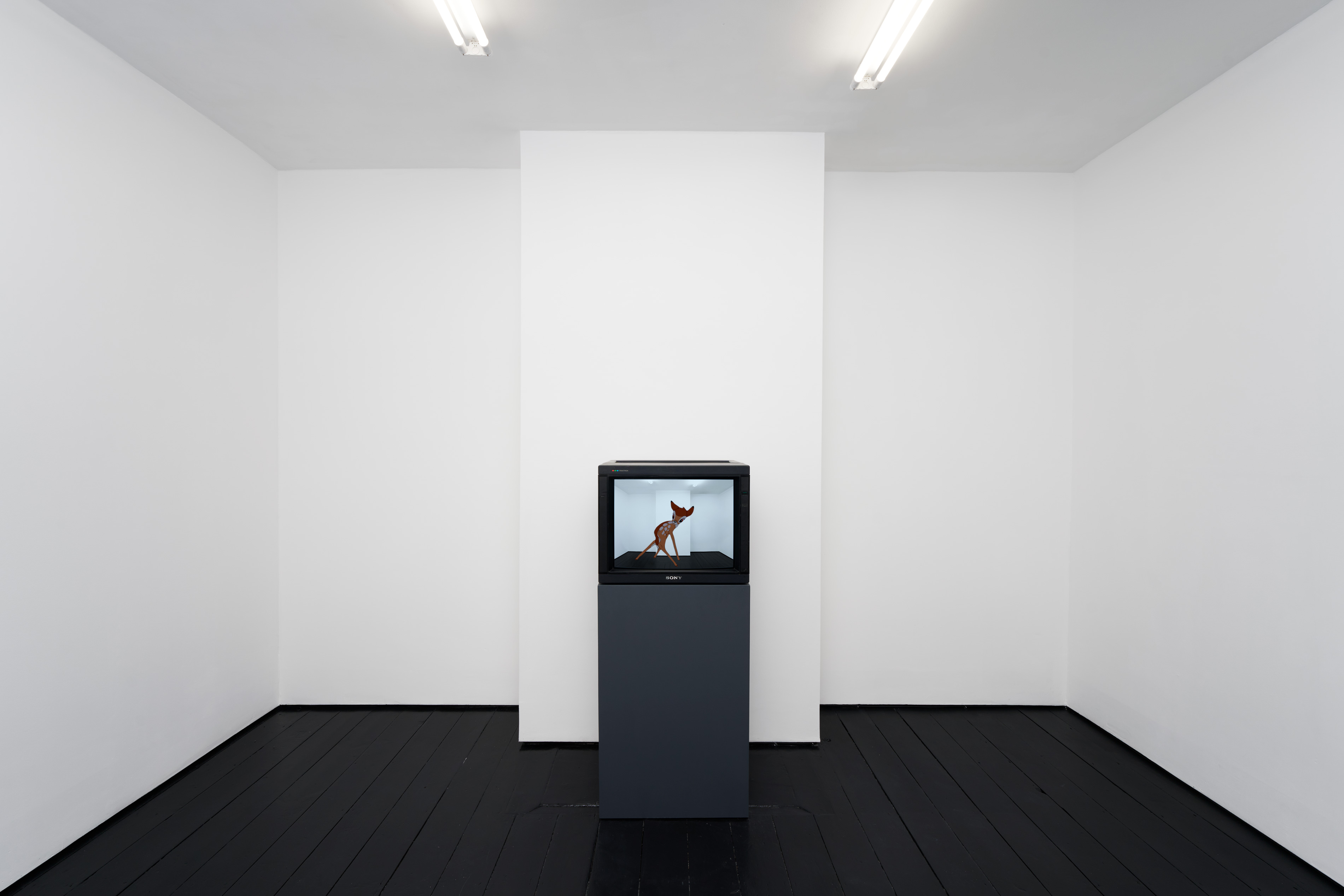
Upstairs, the feature-length film After, Bambi sees the readymade icon released from the confines of his original context through both enduring cultural memory and Le Swer’s hacking of the classic motion picture into a VFX composite. Rotoscoped from his animated, illustrated environment, Bambi appears restaged within the pre-existing gallery space, resequenced to perfectly action his entire on-screen performance. His labour persists, unfixed from the vessel that originally housed him.
Rather than accelerating towards an imagined, imminent future, Le Swer’s cast of organic, mechanical and animated actors suspend its arrival. The labour of their bodies, images and environments exposed as metrics of time, attention and perception. Performing an alternative production of the present, to be gently ghosted into the exhibition.
Sign Up & Never Miss a Show