+49 30 3087 4646
Open: Mon-Sat 10am-6pm
Visit
Open: Mon-Sat 10am-6pm
Wielandstraße 34, 10629, Berlin, Germany
Open: Mon-Sat 10am-6pm
Visit
Clay II
Brutto Gusto, Berlin
Artists: Johanna Schweizer - Wietske van Leeuwen - Freeba Omidi-Sabet
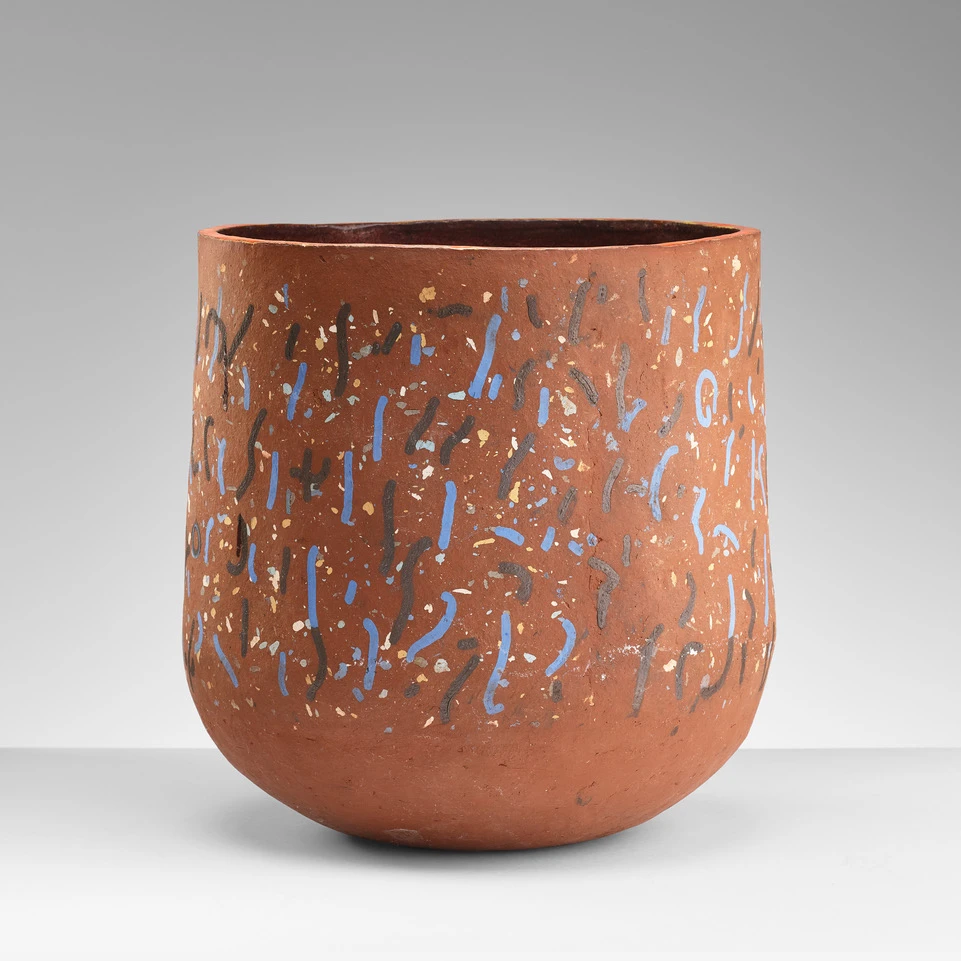
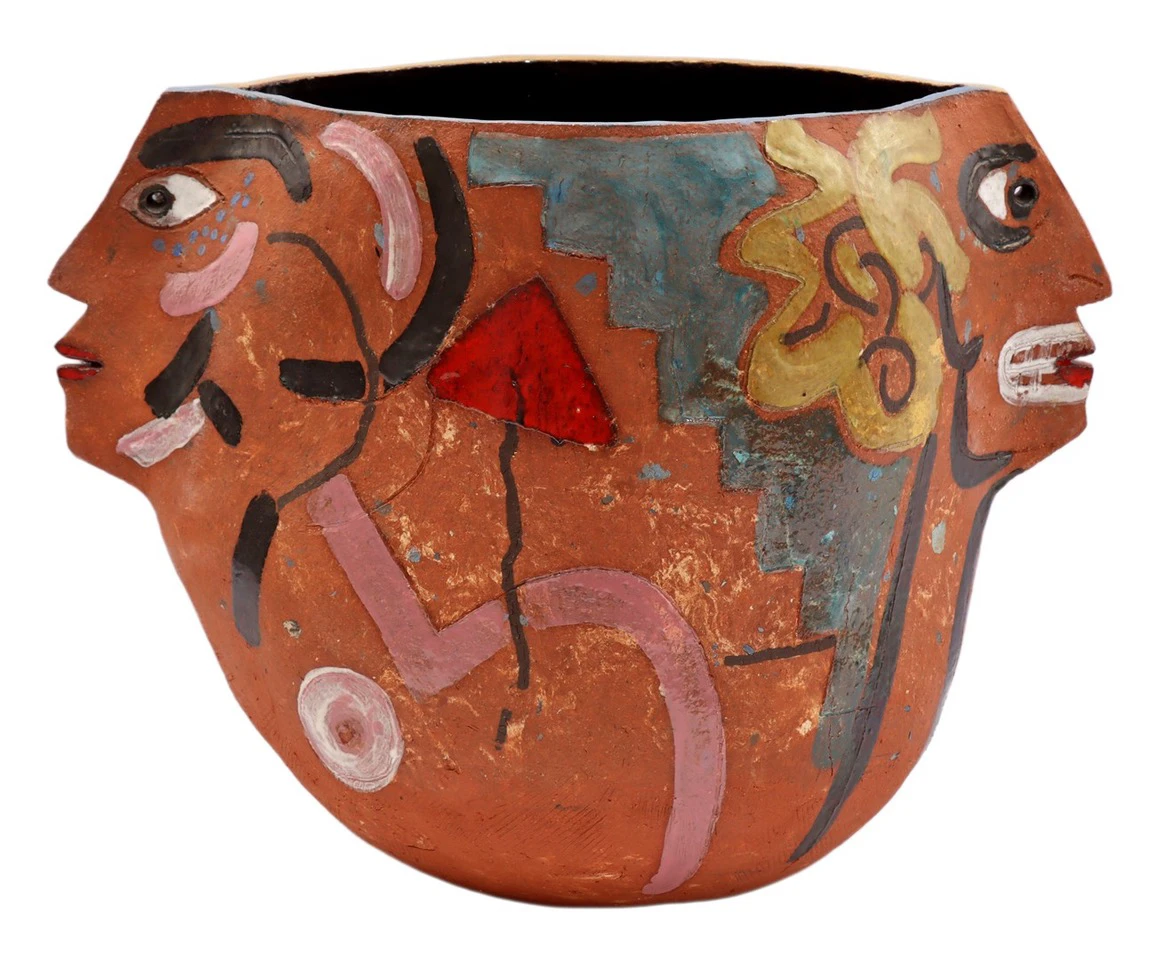
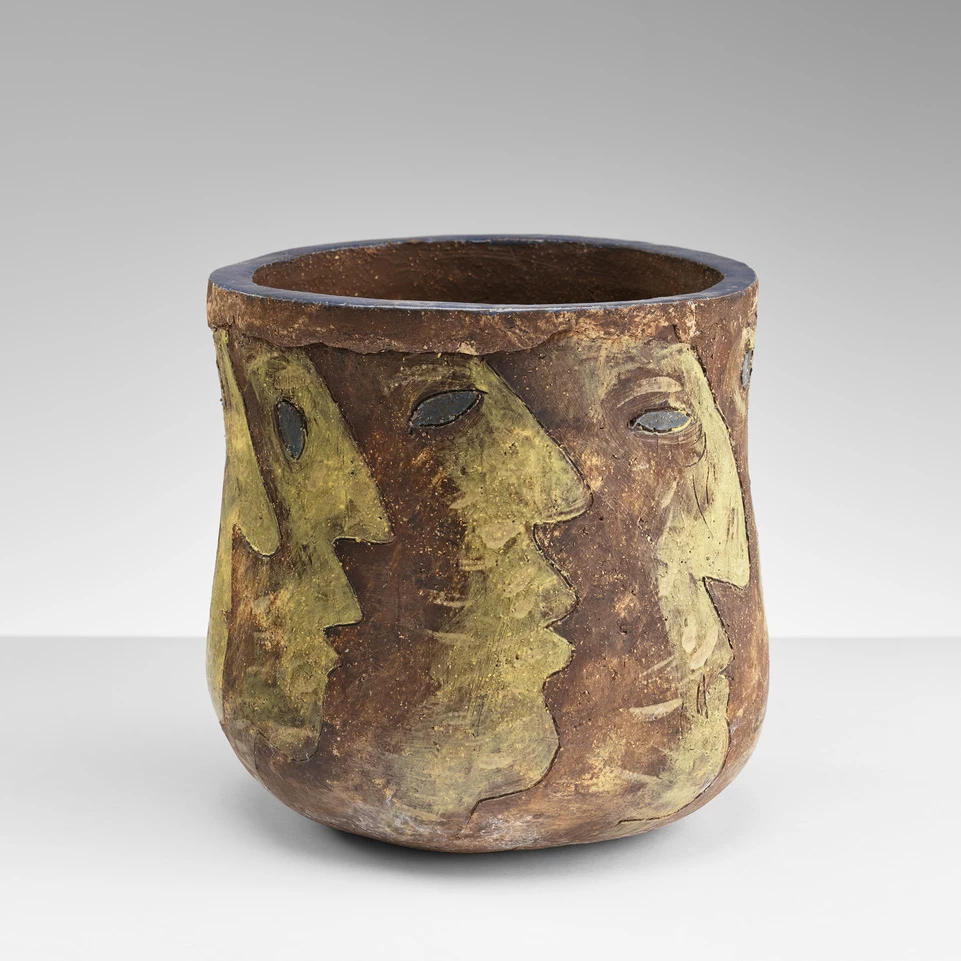
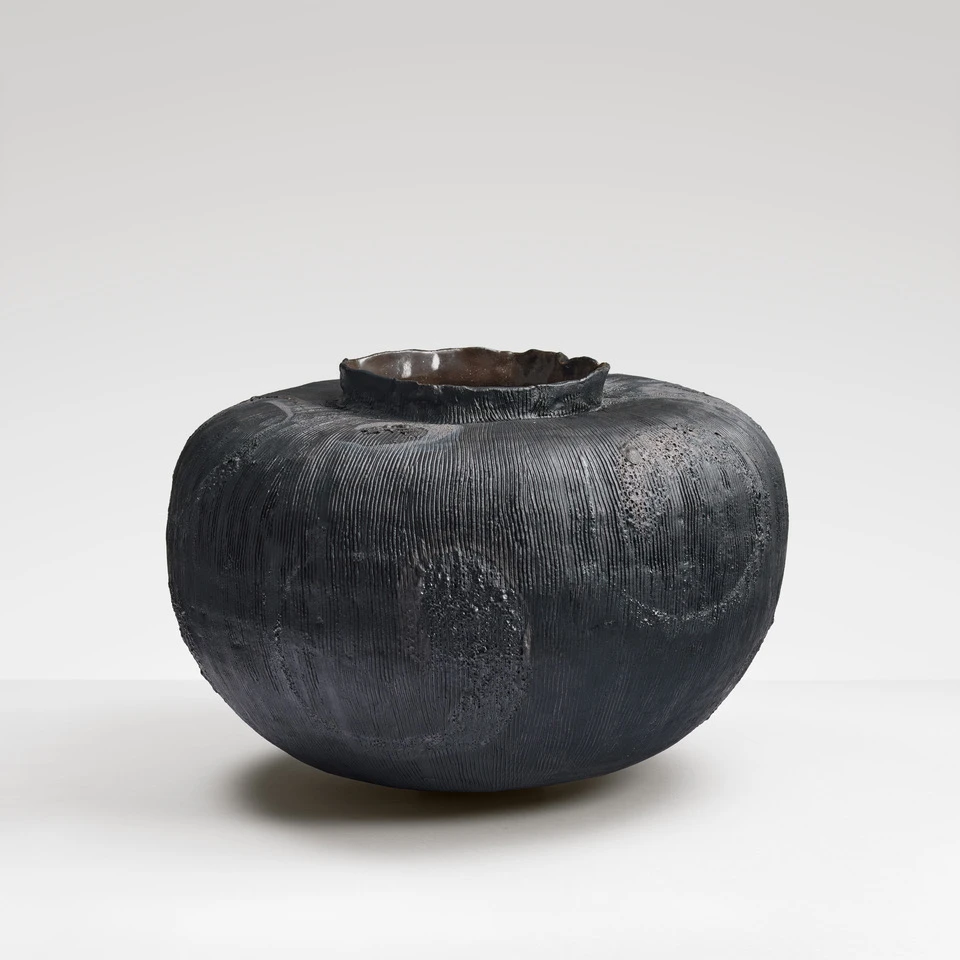
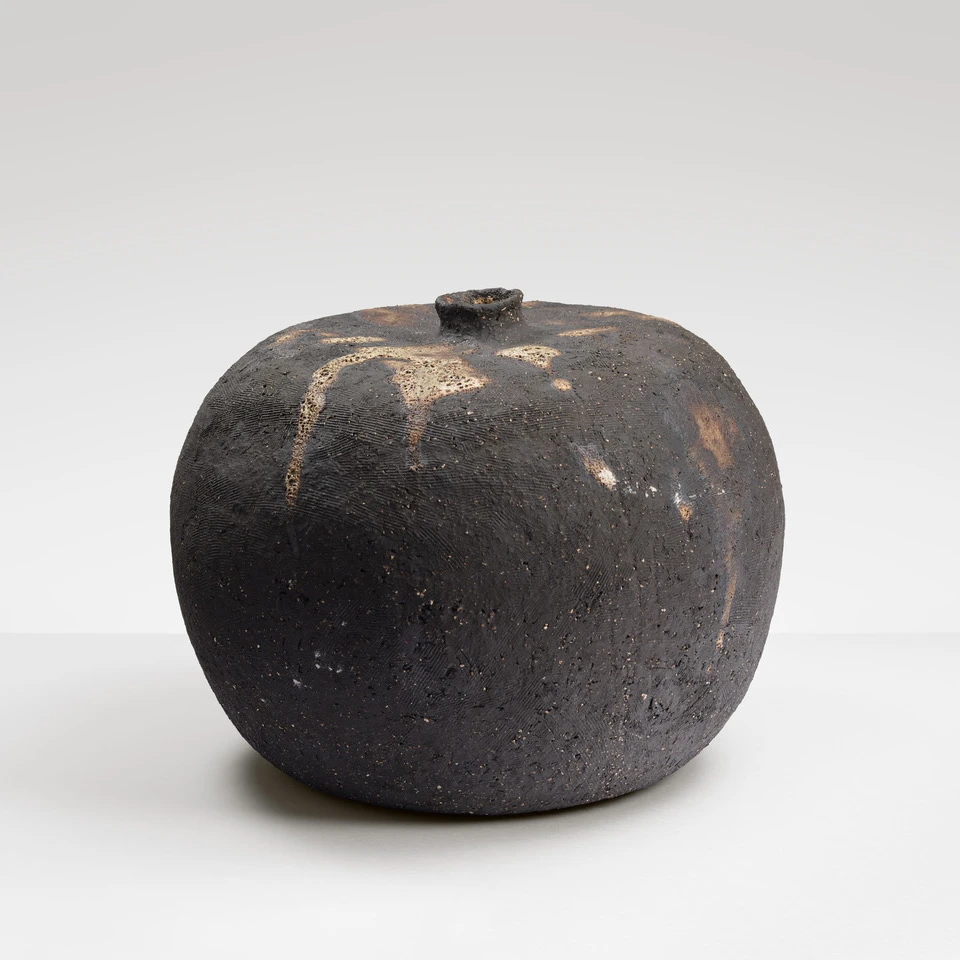
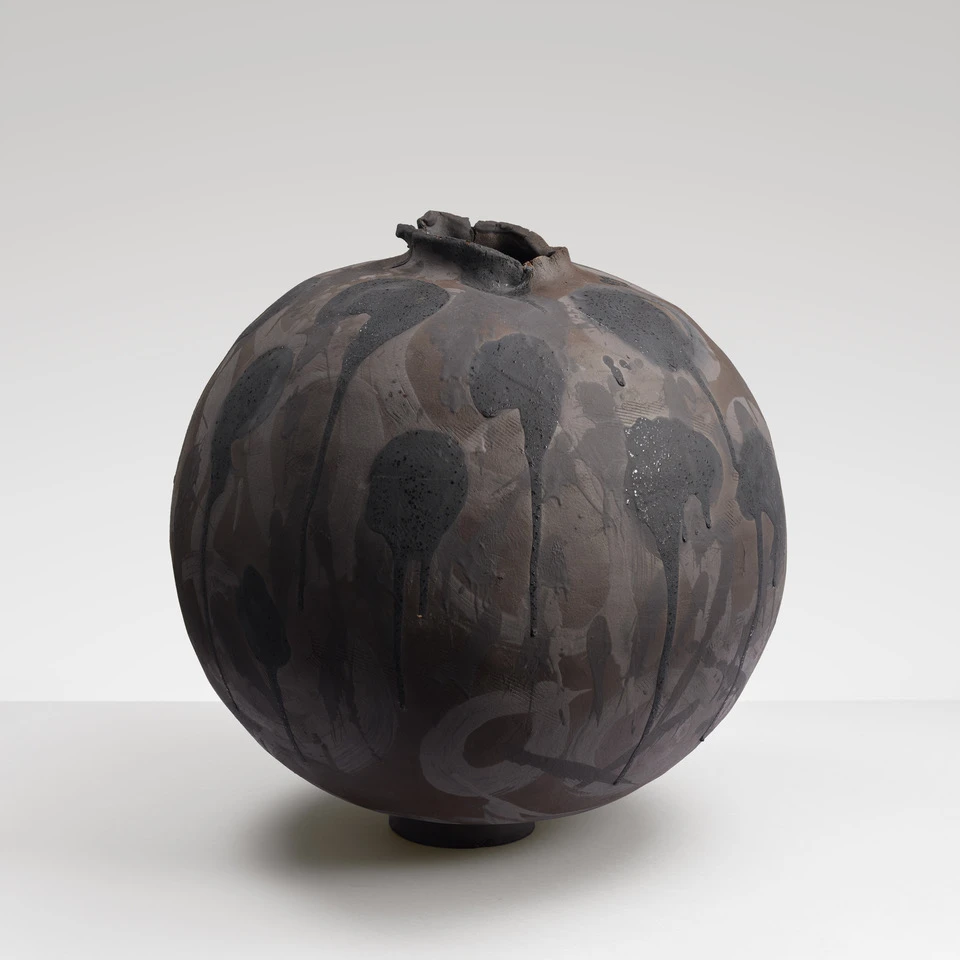
The ceramics of Johanna Schweizer (1946) do not belong to the functional movement. However, her boxes, vases and cups bear recognisable similarities to vessel forms, and although they give the impression of being functional, her objects tend more towards ceramic sculpture.
Her work is based on personal notions of tradition, aesthetics and the craft of ceramics, reinforced by an instinctive affinity for clay. This, combined with her sources of inspiration in the formal language and decorative traditions of ancient and non-Western cultures, has contributed to Schweizer’s work being in a state of constant flux and possessing a unique expressiveness, as well as a coherent dialogue between form and surface treatment.
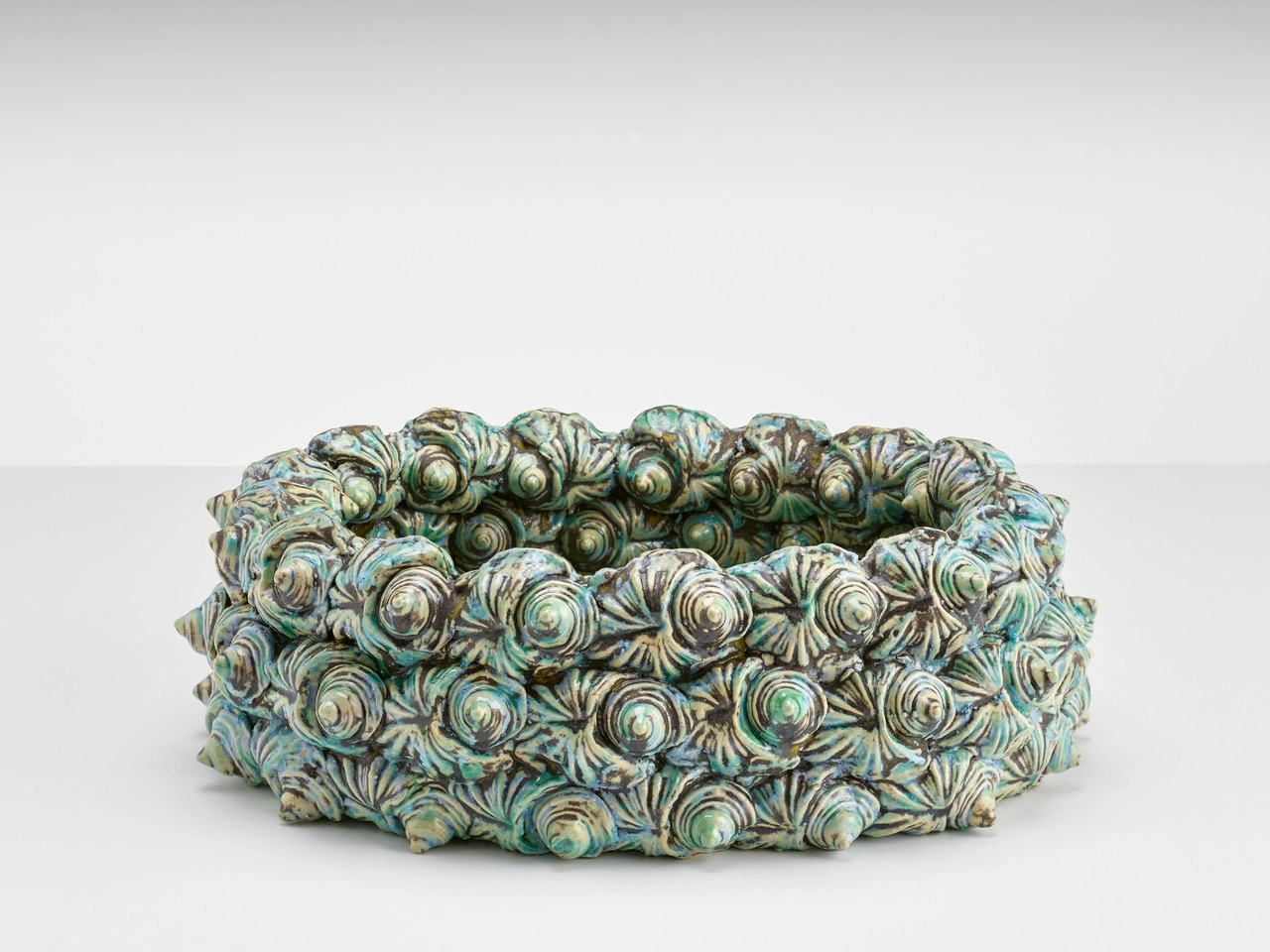
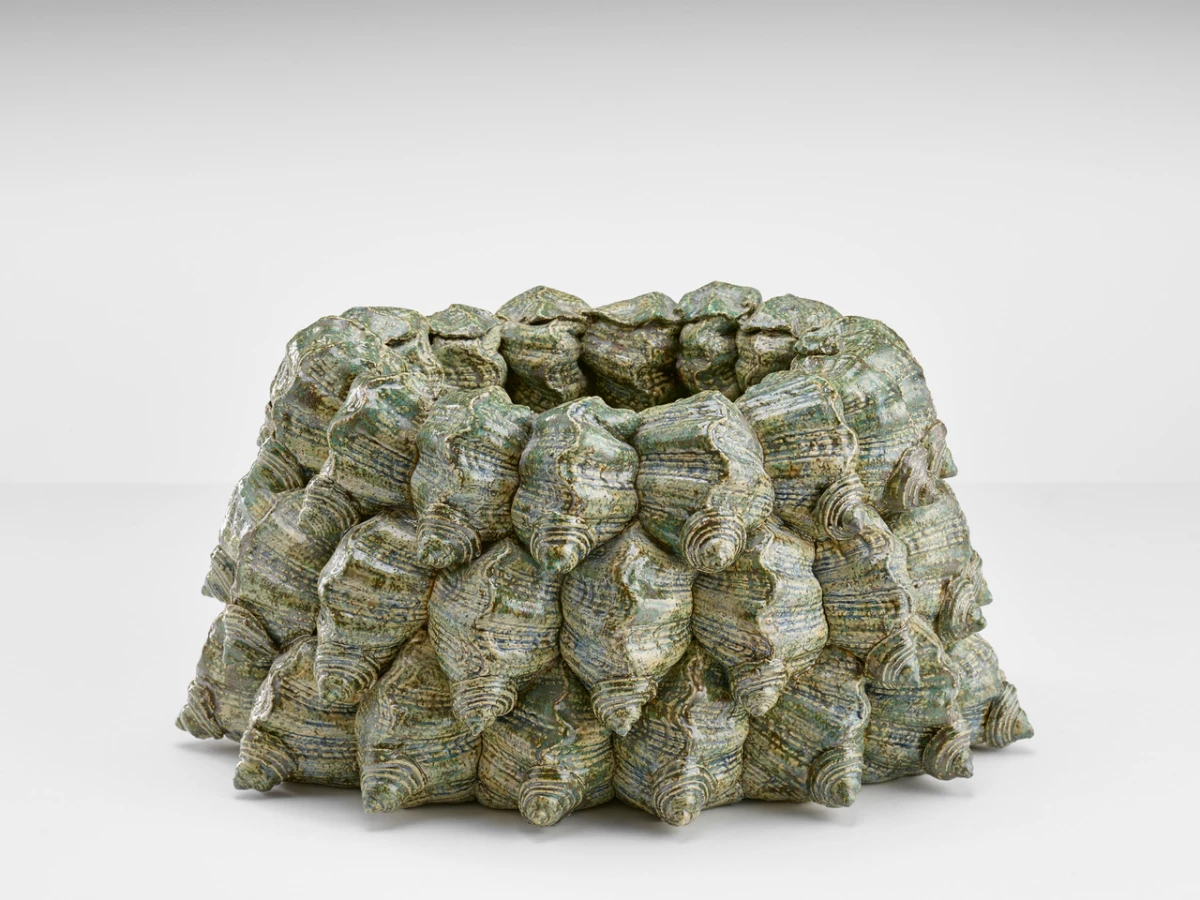
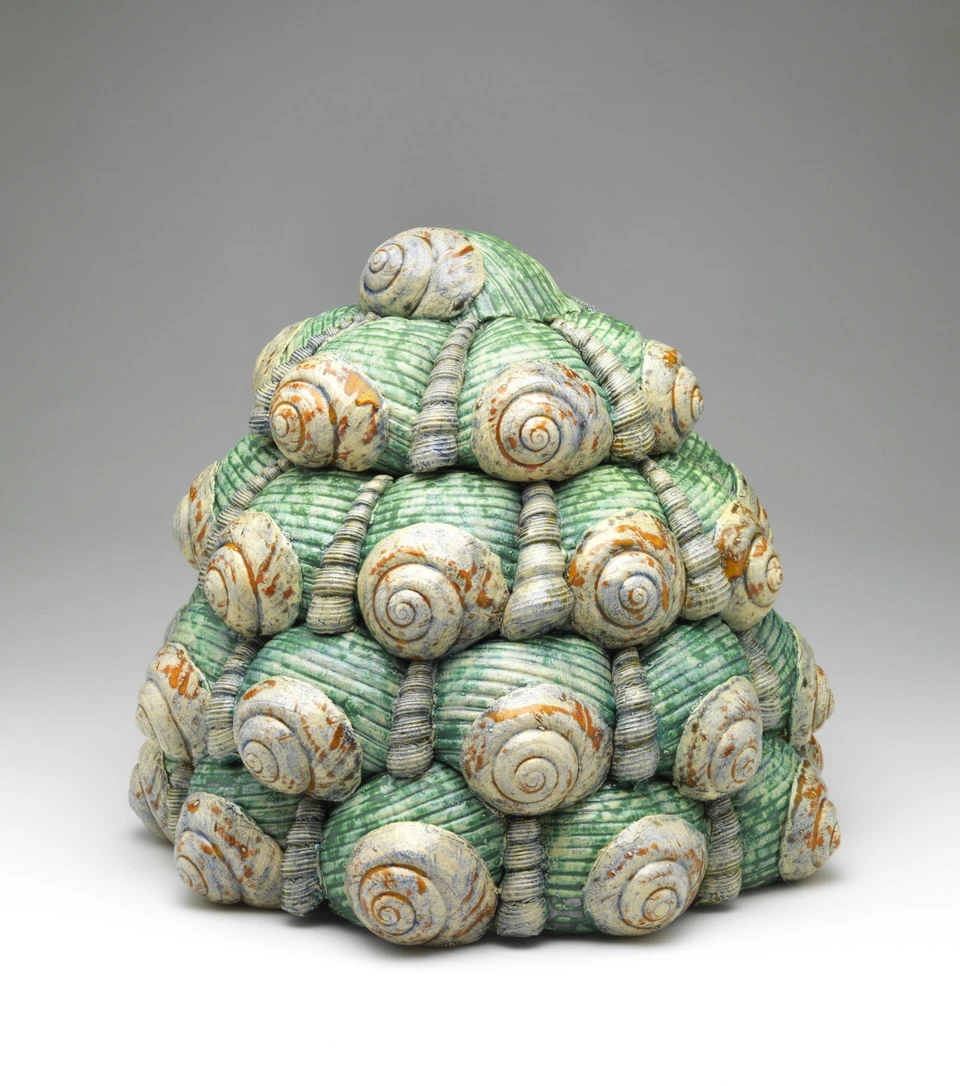
Wietske van Leeuwen (1965) has been creating three-dimensional ceramic collages, known as assemblages, for many years. She has no use for shapeless clay. She must first mould objects and fruits into it before she begins her work. Among other things, she uses the stalks of beetroot, shells, lemons and peppers, as well as coiled rope and the stalks of weeds such as hogweed. The objects that emerge in rows from these assemblages and stackings are, without exception, bowls and lidded vessels. This makes her a classical ceramicist with a style all of her own. Critics usually compare her work to patisserie. In reality, however, they are more like decorative objects or table centrepieces that serve as conversation starters.
Freeba Omidi-Sabet is an Afghan ceramicist who discovered her passion for art in Germany, the country that has been her second home since she was thirteen.
Whilst studying fashion, she developed her ceramic skills as a self-taught artist. In doing so, Freeba applied the techniques of draping and construction she had learnt during her studies to her sculptural works.
This self-chosen path enabled her to find a distinctive artistic language, characterised by a deep connection with the materials and boundless creativity. Through her preference for oriental, minimalist forms, Freeba developed a particular passion for designing Moon Jar vases.


