+41 44 446 8050
Open: Tue-Fri 11am-6pm, Sat 11am-5pm
Visit
Open: Tue-Fri 11am-6pm, Sat 11am-5pm
Limmatstrasse 270, CH-8005, Zürich, Switzerland
Open: Tue-Fri 11am-6pm, Sat 11am-5pm
Visit
Avery Singer. War_overlays
Hauser & Wirth, Zürich
Fri 12 Jun 2026 to Sat 5 Sep 2026
Limmatstrasse 270, CH-8005 Avery Singer. War_overlays
Tue-Fri 11am-6pm, Sat 11am-5pm
Artist: Avery Singer
Coinciding with Zurich Art Weekend 2026, New York-based artist Avery Singer presents new paintings alongside a site-specific architectural intervention transforming the gallery’s upper floor into a casino-like environment – a space charged by surveillance. Incorporating AI-based tools into her painting process for the first time, ‘War_overlays’ examines how media and accelerating technologies shape our consciousness, destabilizing the boundaries between perception and reality. Following on from Singer’s body of work reconciling with her personal memories of 9/11, the new paintings reflect on the artist’s experience growing up amid televised conflict in the early 2000s, using distorted, AI-influenced imagery to evoke the mediated violence of the era.
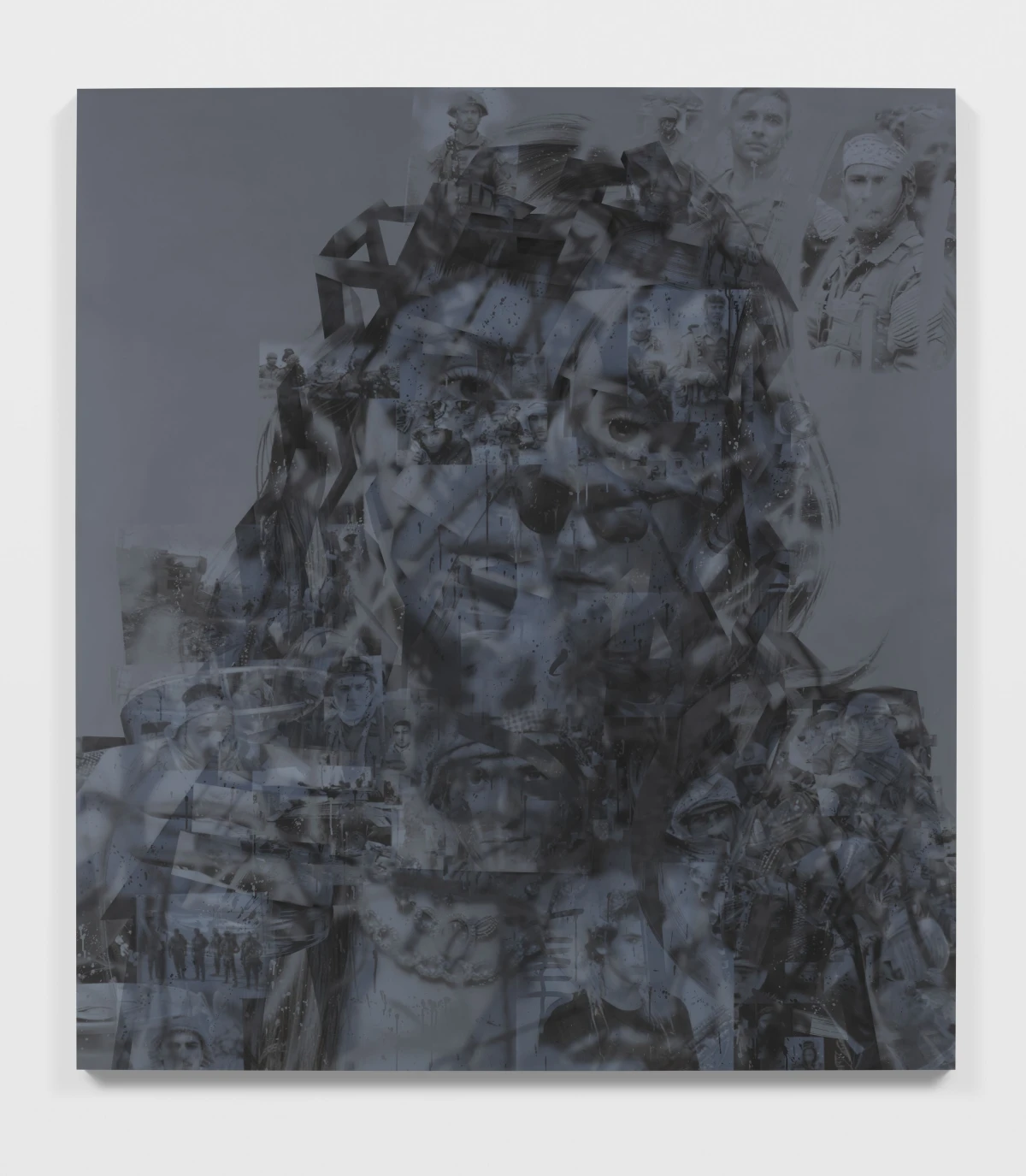
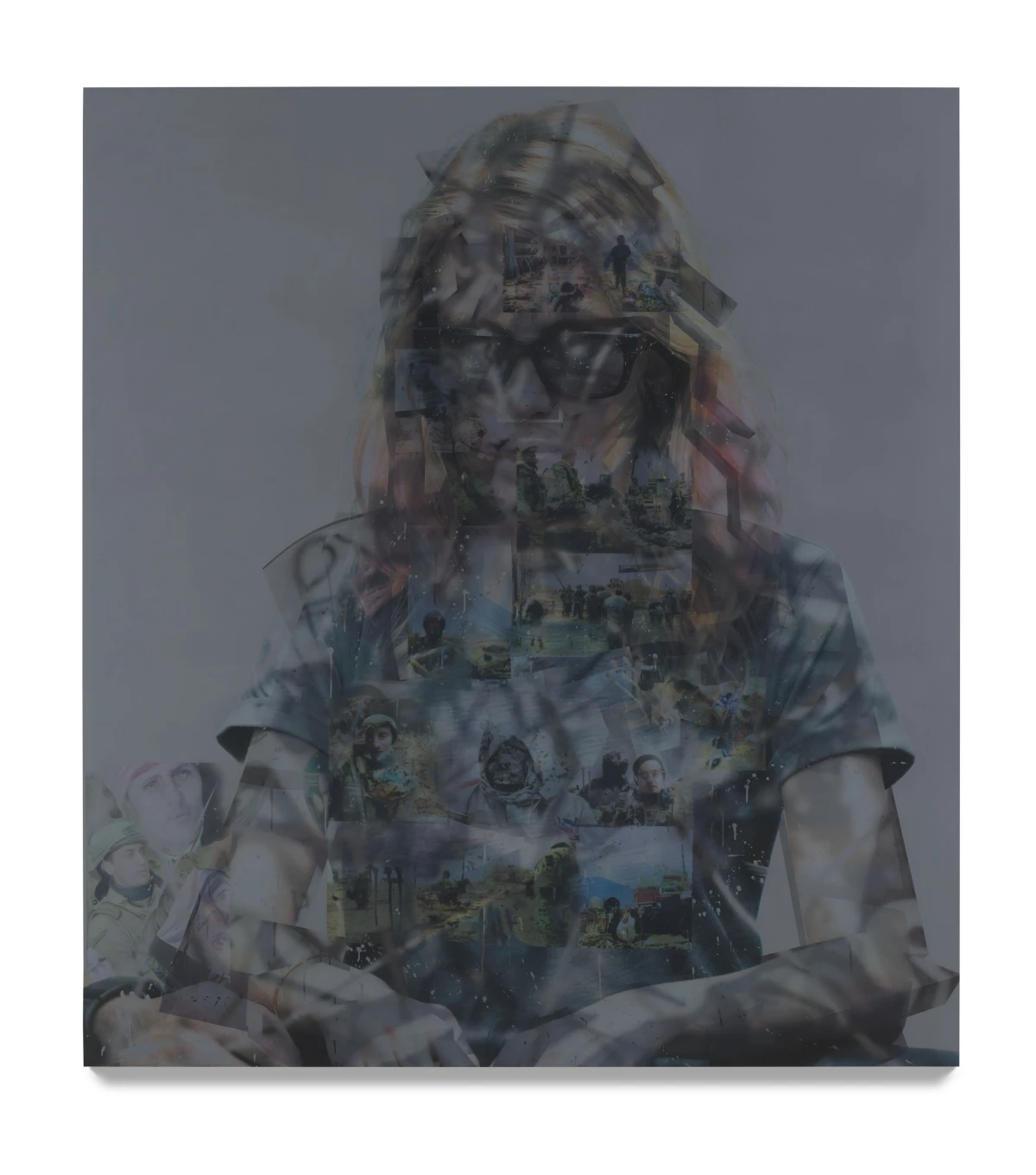
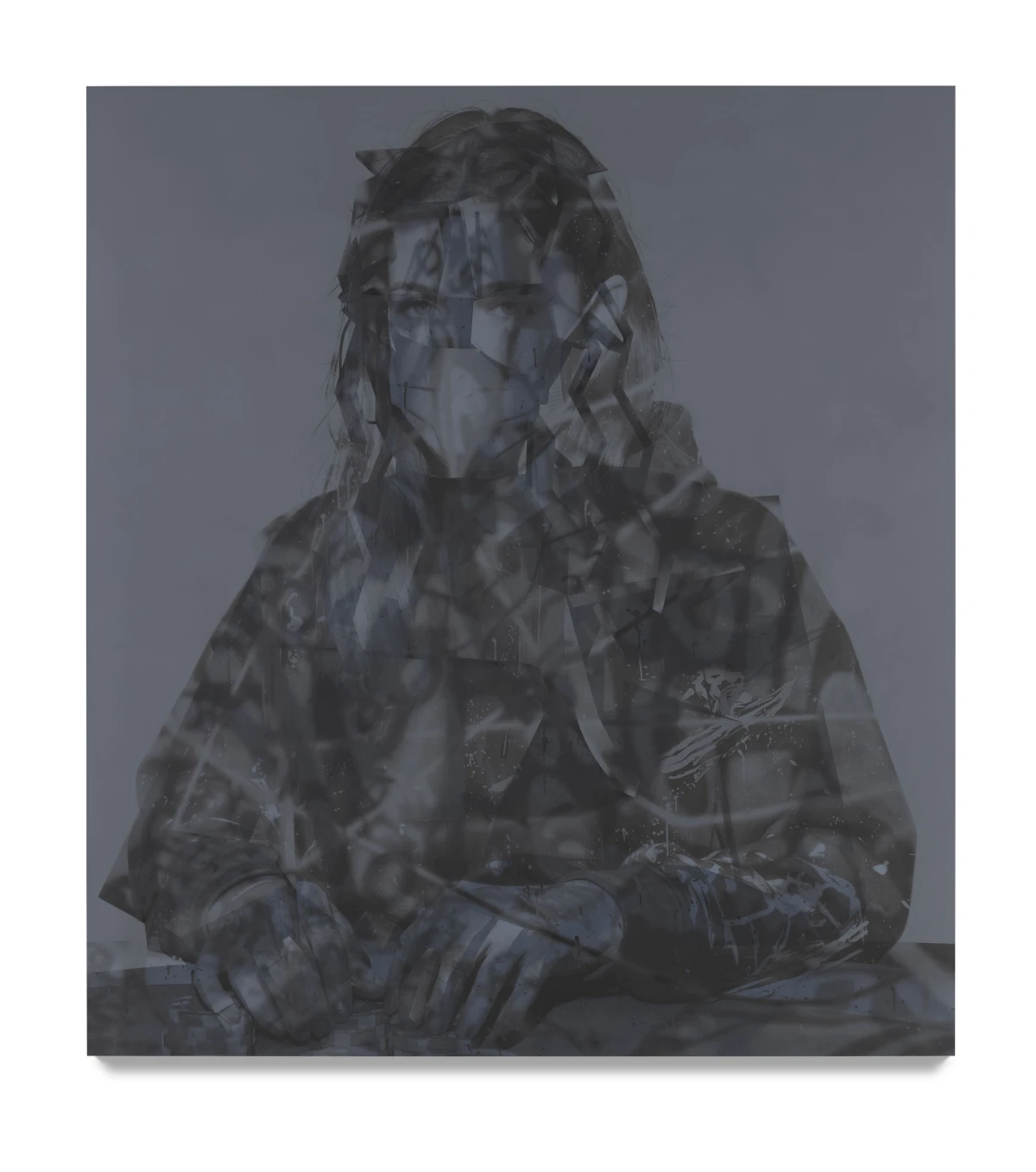
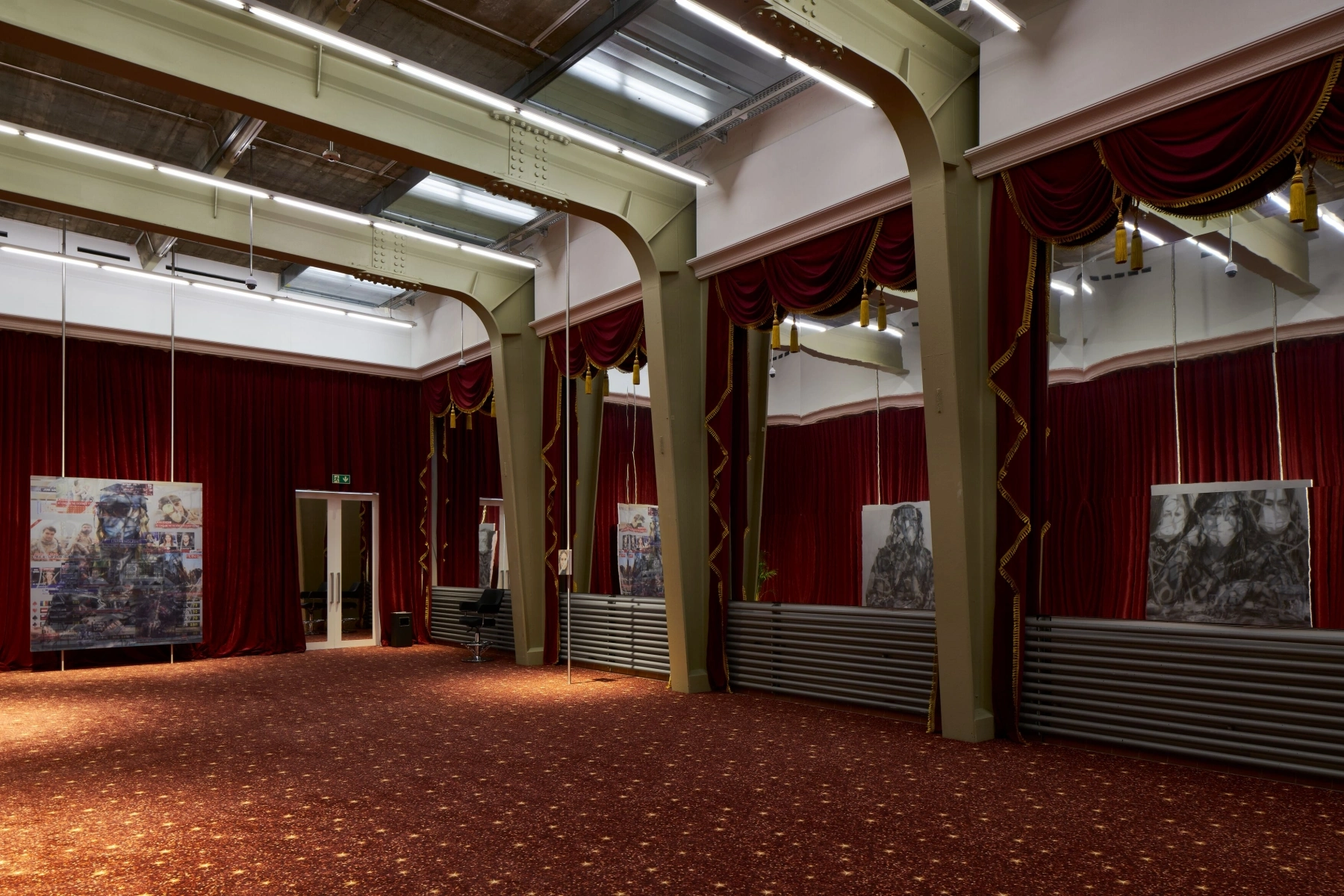
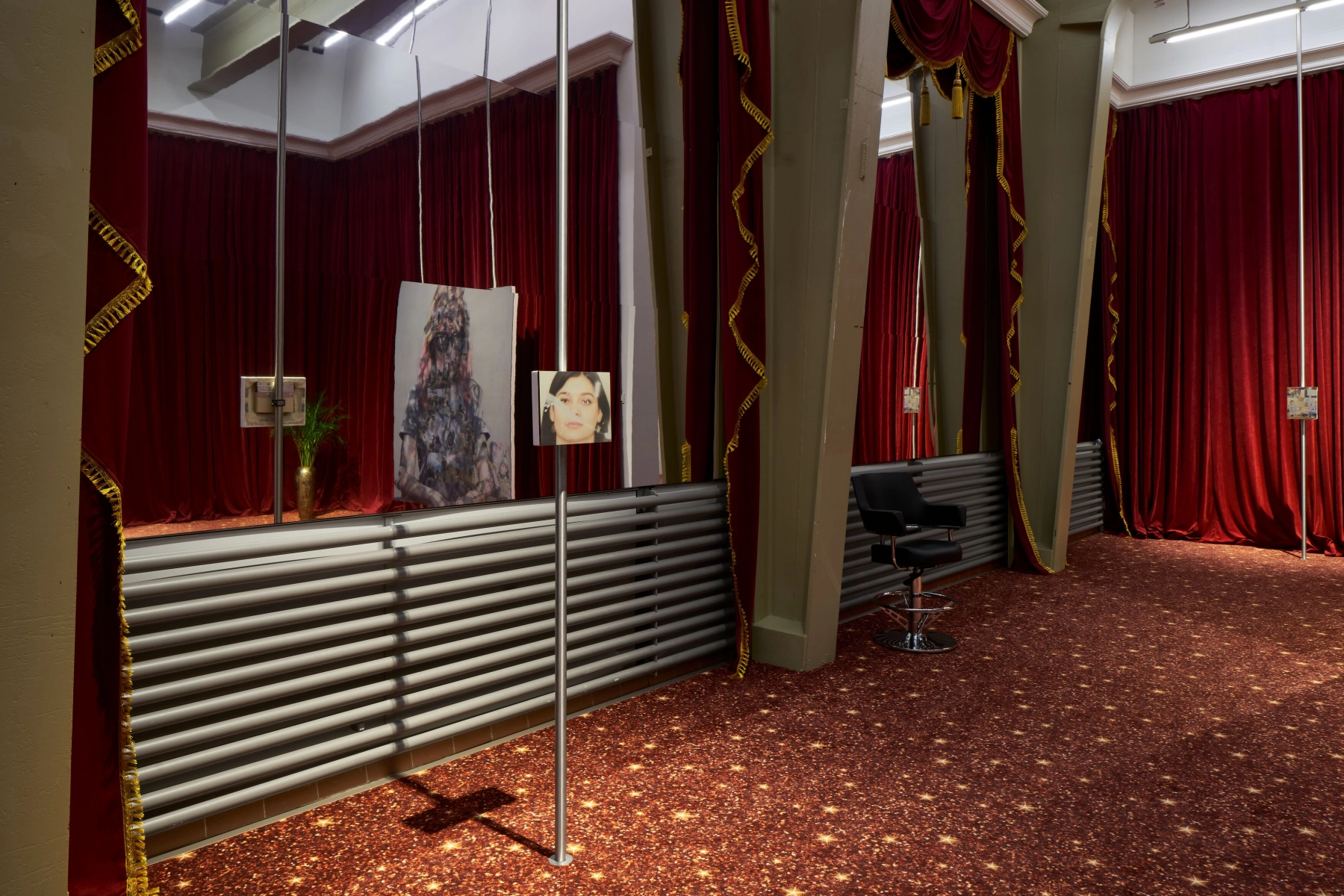
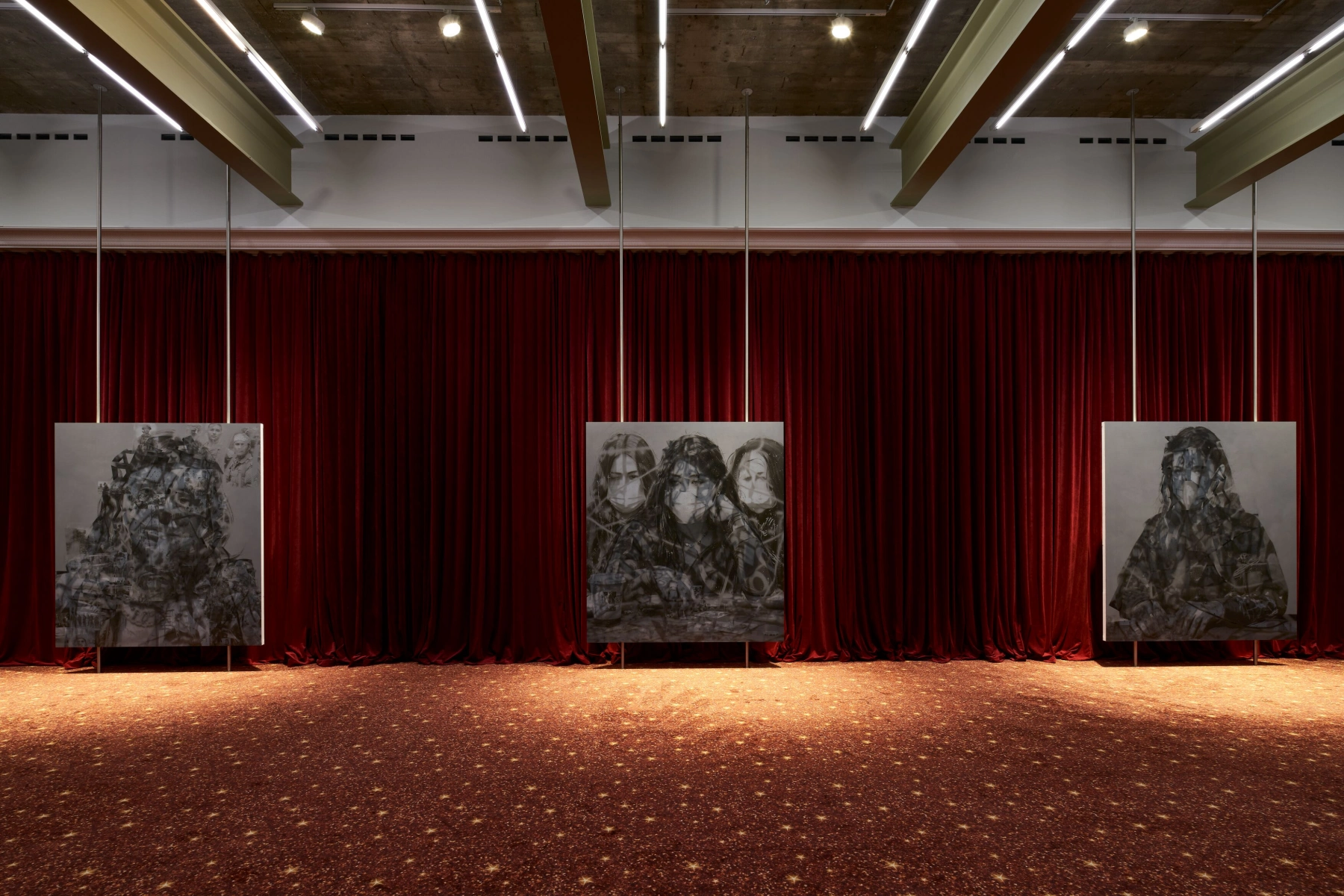
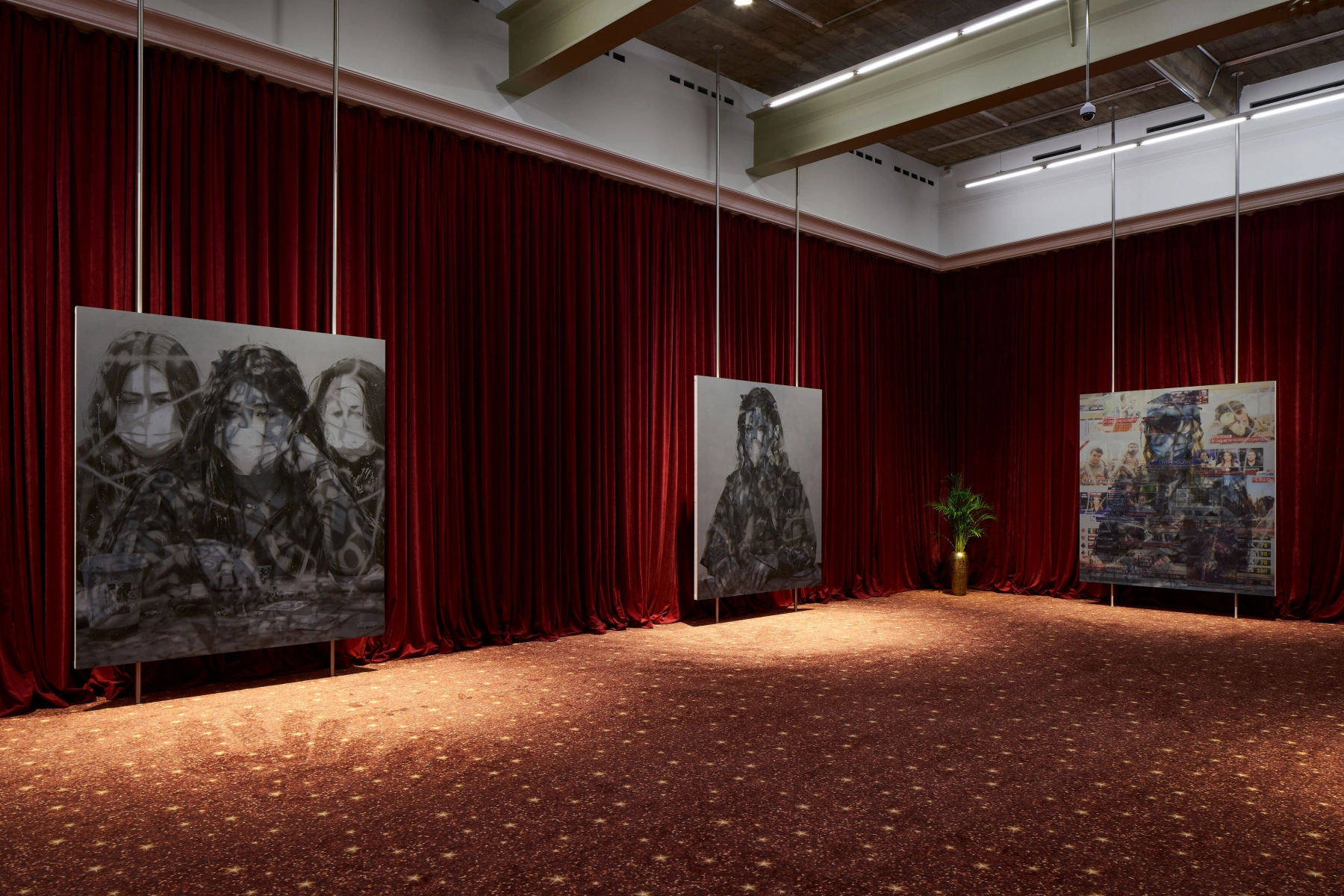
Influenced by Jean Baudrillard’s writings on the Gulf War, the exhibition considers how conflict in the West is primarily experienced as a media spectacle, constructed and construed through images rather than direct encounters. This dissonance is heightened by the seemingly disparate nature of the casino setting, complete with long red curtains, tiled carpet and staged CCTV cameras, and the unsettling content of Singer’s paintings. Throughout the works, Singer’s Poker Player motif recurs as a central figure: a stand-in for the artist who navigates risk by reading patterns, anticipating outcomes and perceiving what others overlook. This figure is overlaid with a mosaic of AI-influenced imagery drawn from images of contemporary warfare, bringing into focus the harsh realities that persist beyond the studio – or casino – yet are easily ignored in everyday life.
Singer’s use of AI to develop the prompts and keywords that initiate aspects of the image generation process further implicates themes of memory, truth and knowledge, underlining the paradoxes of the digital era. The resulting images are characterized by what Singer terms an ‘AI slop aesthetic,’ revealing uncanny distortions that underscore the limits of algorithmic systems (for example, in the work ‘Solver’ (2026), a U.S. marine is depicted wearing a keffiyeh).
Working initially in ComfyUI, the artist develops custom LoRAs trained on individuals to create a base character. These subjects are further refined before becoming the painting’s central figure. The tiled imagery across the surface comes from training AI models to mash together specific imagery with AI slop aesthetics: war fetishization, LAN parties and other aspects of real world, digital culture, alongside semi-autobiographical subject matter. As Singer states on the final outcome, ‘I thought it would be interesting if the viewers could look at the paintings and recognize an AI system that was malfunctioning. Maybe there’s poetry to be found in the breakdown of this highly developed technology:’
‘Strong uncanny valley feeling throughout. Unsettling artificial humanity, collapsed identities, synthetic memory fragments, psychological collage of historical trauma and chaos. Appears generated by a broken AI system trained on corrupted military archives, damaged war photography databases, low-resolution sources, and misaligned facial data. Full AI slop—unsettling, almost real, deeply wrong.
The mosaic tiles clip through her skin and clothing. They float at inconsistent depths across her face, and torso. They overlap incorrectly with no regard for her anatomy. U.S. soldiers, militants, battlefield scenes, and distorted faces recur chaotically throughout the overlay.
The system does not attempt reconciliation. There is no blending between the sharp, well-lit casino broadcast and the corrupted war documentation mosaic. No narrative explanation. No aesthetic harmonization. The failure is categorical: a clean poker tournament frame has been contaminated with an entirely wrong, deeply broken photographic archive.
The sharp focused well lit background is filled with spectators/audience like in a poker tournament, completely untouched by the overlay corruption.’
Singer’s work explores possibilities in the convergence of painting, architecture and technology. Her highly distinctive oeuvre incorporates both autobiographical and fictional narratives, reflecting upon the art world today and the wider sweep of art history that she has inherited as a painter. Her compositions are airbrushed onto canvas both manually and digitally using a complex layering process. This includes the use of liquid masking which is removed after the airbrushing stage to reveal the artist’s hand within these digital manifestations. Singer’s pioneering techniques are deployed to question the ways in which images and their distribution in our contemporary world are increasingly informed by new media and technologies.
Solo institutional exhibitions of Avery Singer’s work include ‘run_it_back.exeˇ’ at the Museu de Arte Contemporânea de Serralves in Porto (2025); ‘Avery Singer: Unity Bachelor’ at ICA Miami (2023); ‘Schultze Projects #2’ at Museum Ludwig, Cologne (2019); ‘Sailor’ at Kölnischer Kunstverein, Cologne and the Vienna Secession in Vienna (2017); ‘Scenes’ at the Stedelijk Museum, Amsterdam (2016); ‘Hammer Projects: Avery Singer’ at the Hammer Museum in Los Angeles (2015) and ‘Pictures Punish Words’ at Kunsthalle Zürich. Singer’s work is held in major international museum collections including the Museum of Modern Art, the Metropolitan Museum of Art, the Whitney Museum of American Art, and the Guggenheim Museum in New York; the Los Angeles County Museum of Art; Tate, London; the Stedelijk Museum, Amsterdam; Museum Ludwig, Cologne; and Kunsthalle Zürich.