+39 081 1892 0545
Open: Tue-Fri 11am-7pm, Sat 12-7pm
Visit
Open: Tue-Fri 11am-7pm, Sat 12-7pm
Via Francesco Crispi, 69 (1º Piano), 80122, Naples, Italy
Open: Tue-Fri 11am-7pm, Sat 12-7pm
Visit
Atlante
Thomas Dane Gallery, Naples
Tue 3 Feb 2026 to Tue 5 May 2026
Via Francesco Crispi, 69 (1º Piano), 80122 Atlante
Tue-Fri 11am-7pm, Sat 12-7pm
Artists: Igshaan Adams - Teju Cole - Luigi Ghirri - Emma McNally - Claudio Parmiggiani - Anri Sala - Tatiana Trouvé - Akram Zaatari
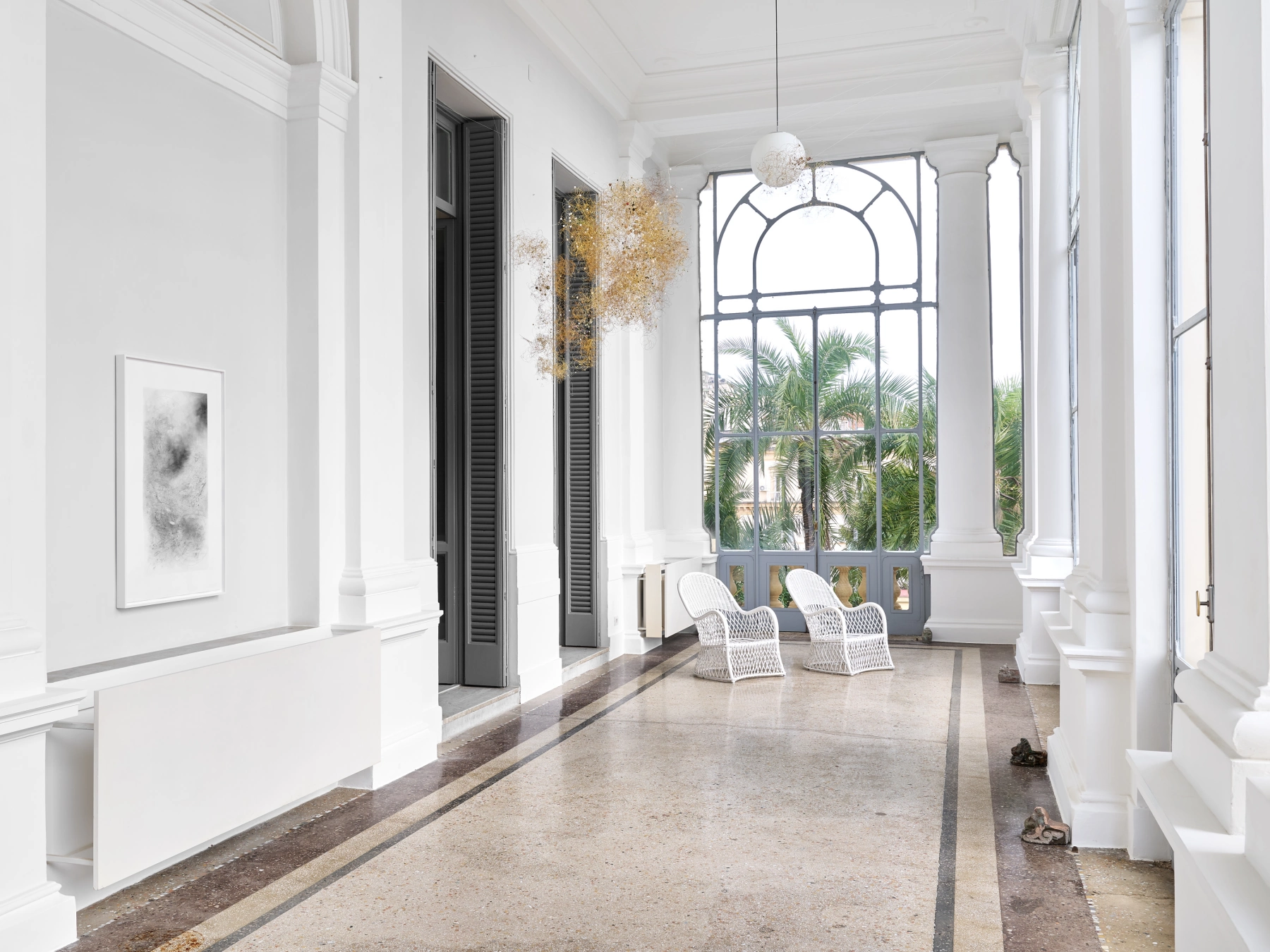
Thomas Dane Gallery in Naples presents Atlante, an exhibition curated by James Lingwood.
![Akram Zaatari, [YM KTBT] Alphabet Sea, 2025](https://www.galleriesnow.net/wp-content/uploads/2026/01/2025_AZ_TDA18039_YM-KTBT-Alphabet-Sea_3_ph-Roberto-Salomone-2.webp)
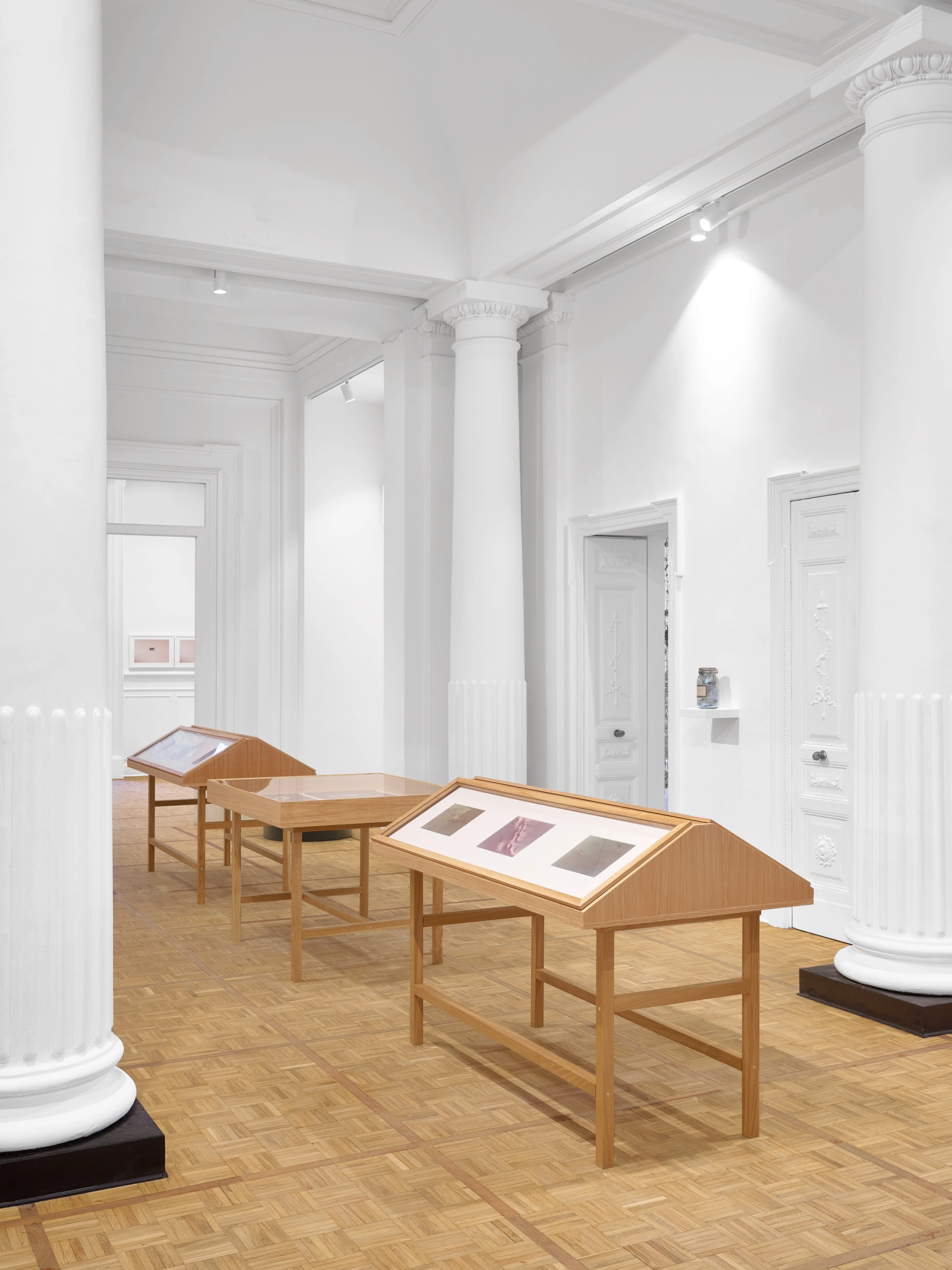
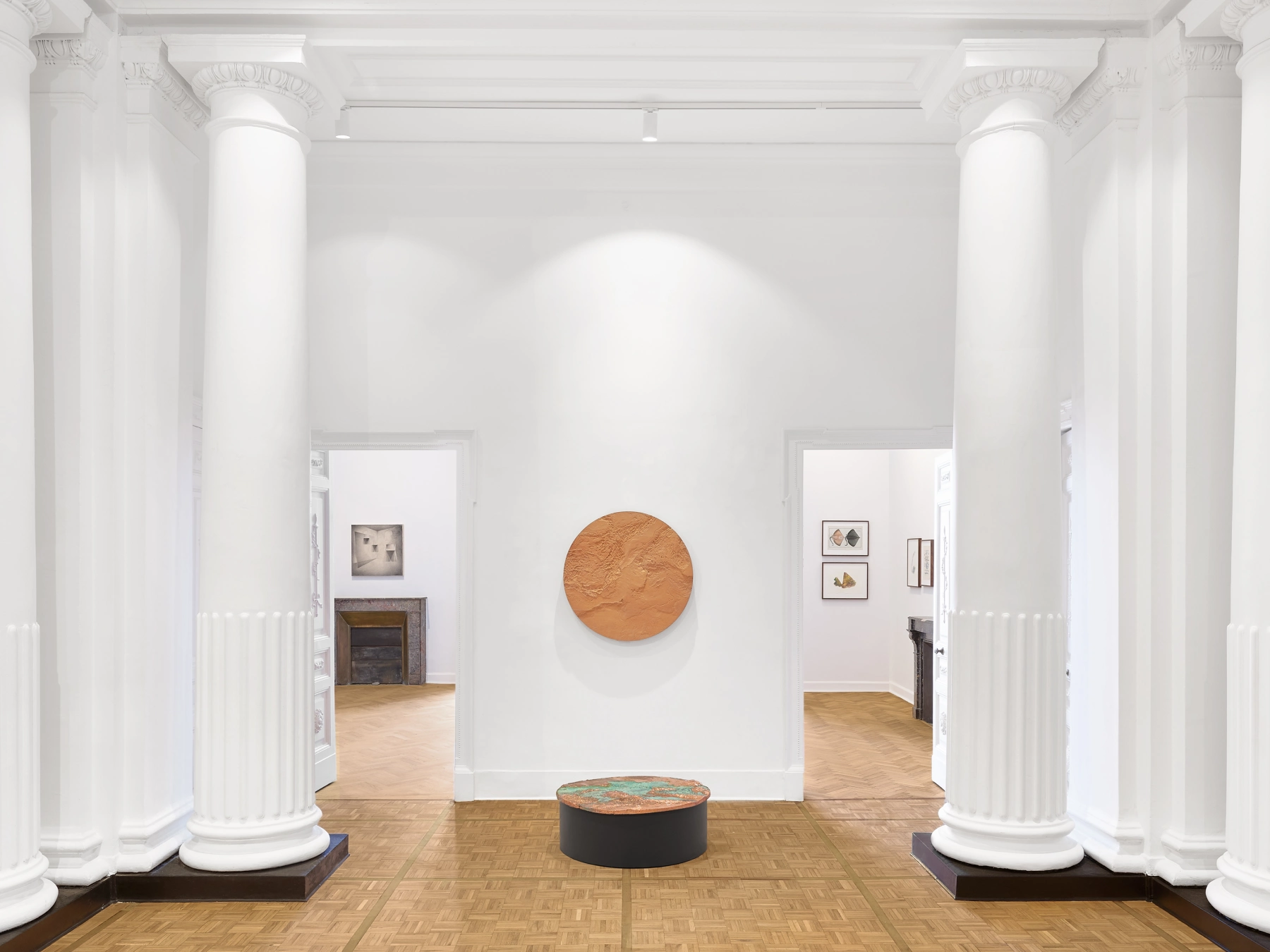
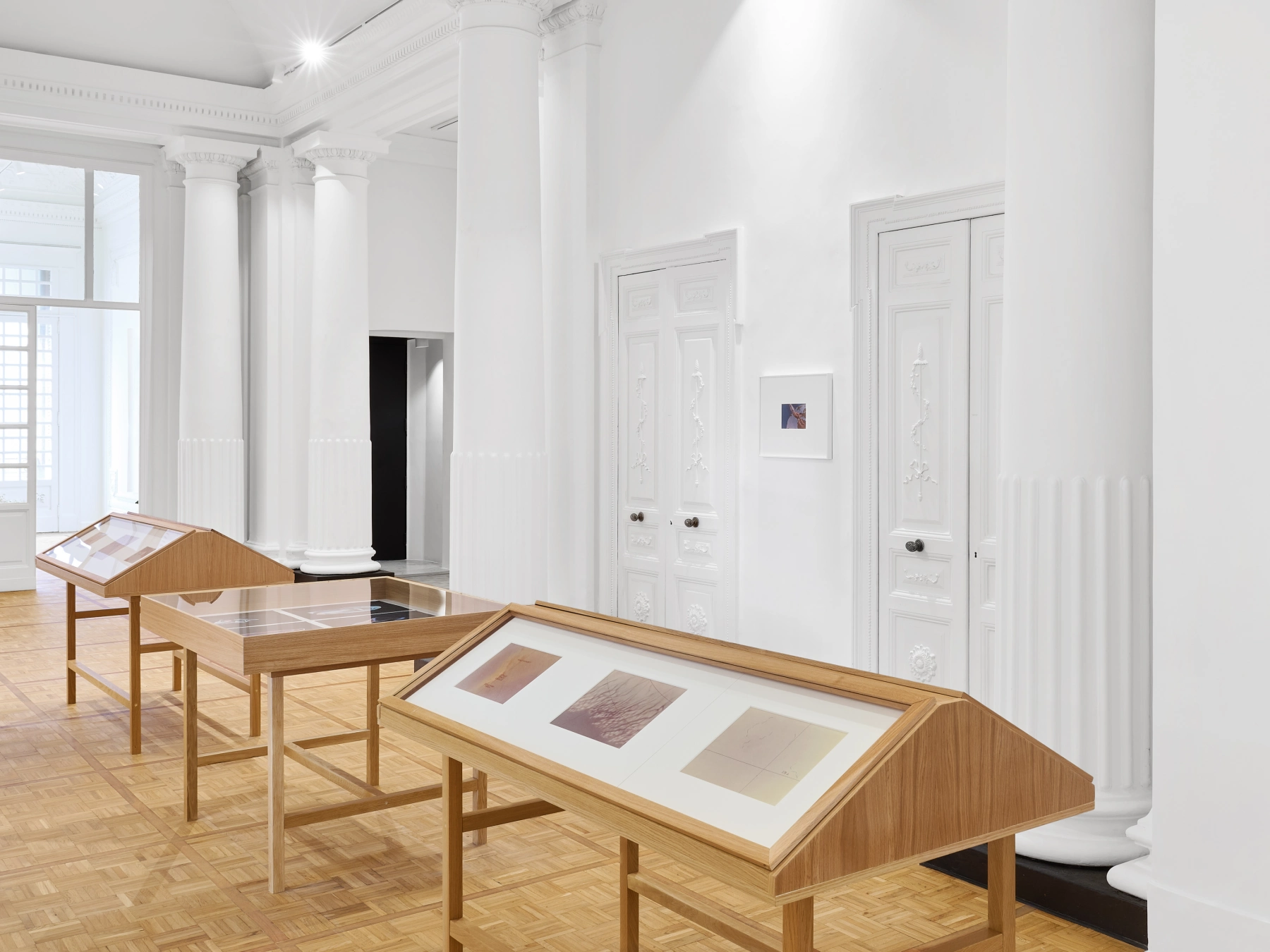
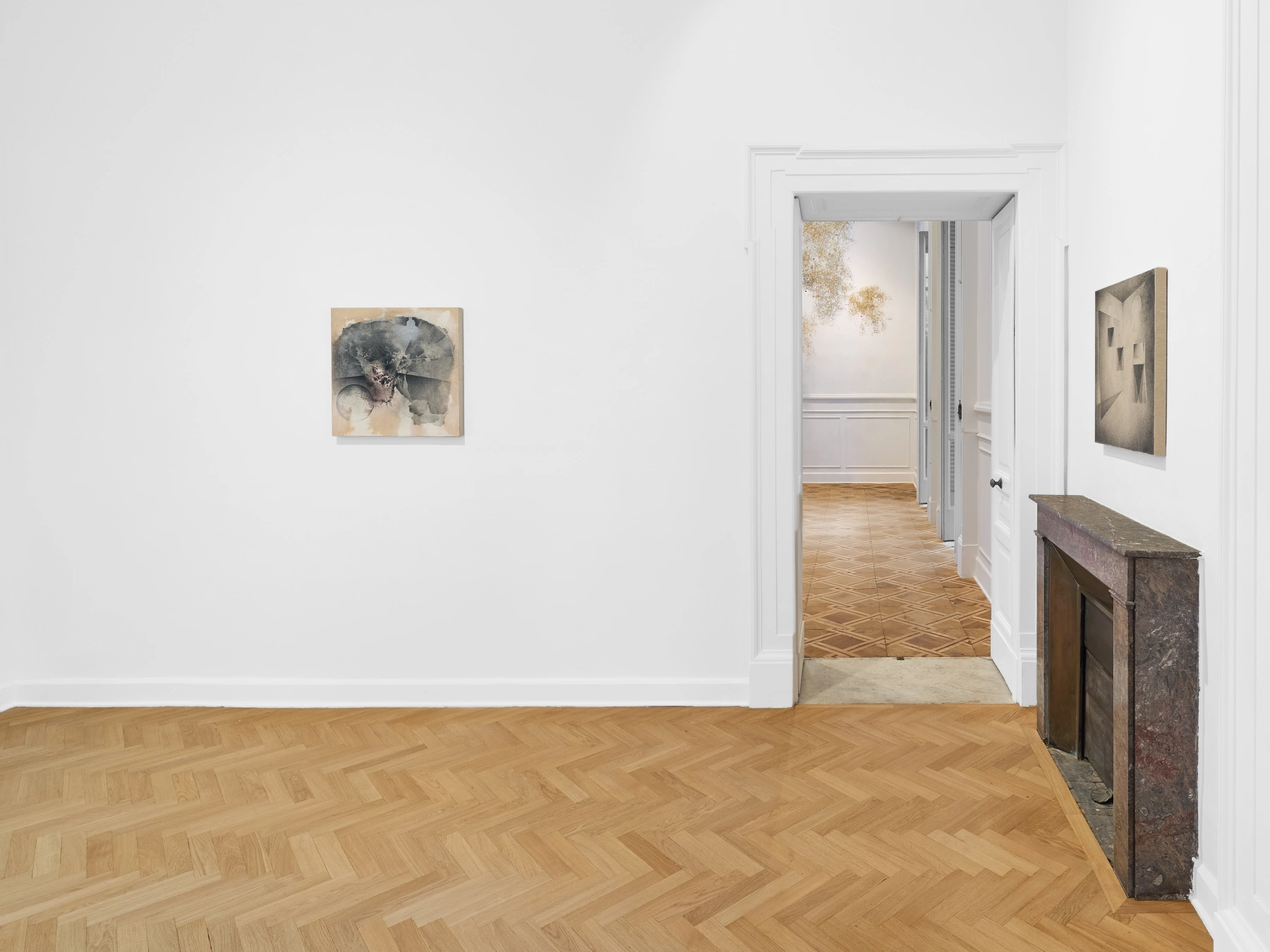
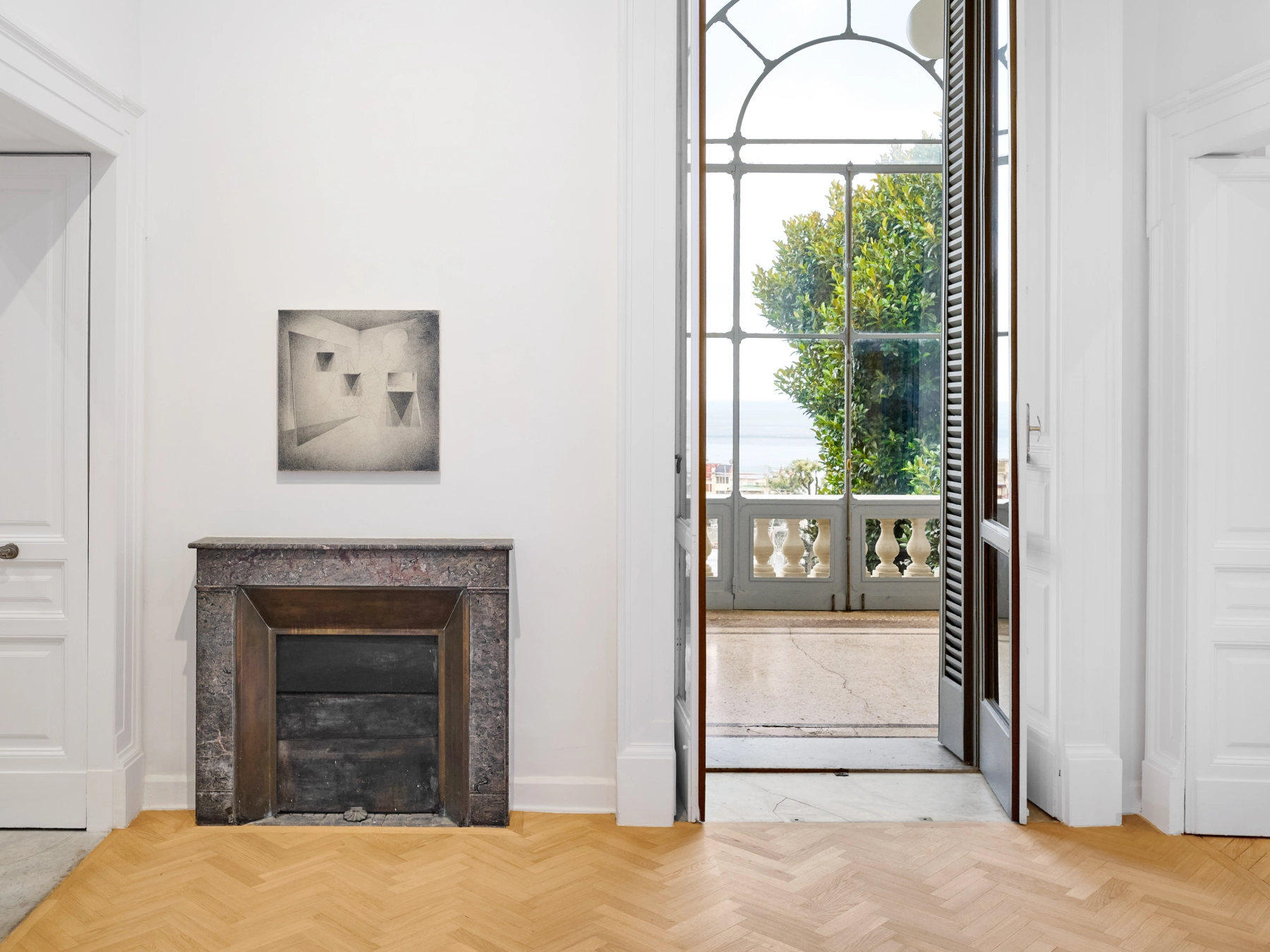
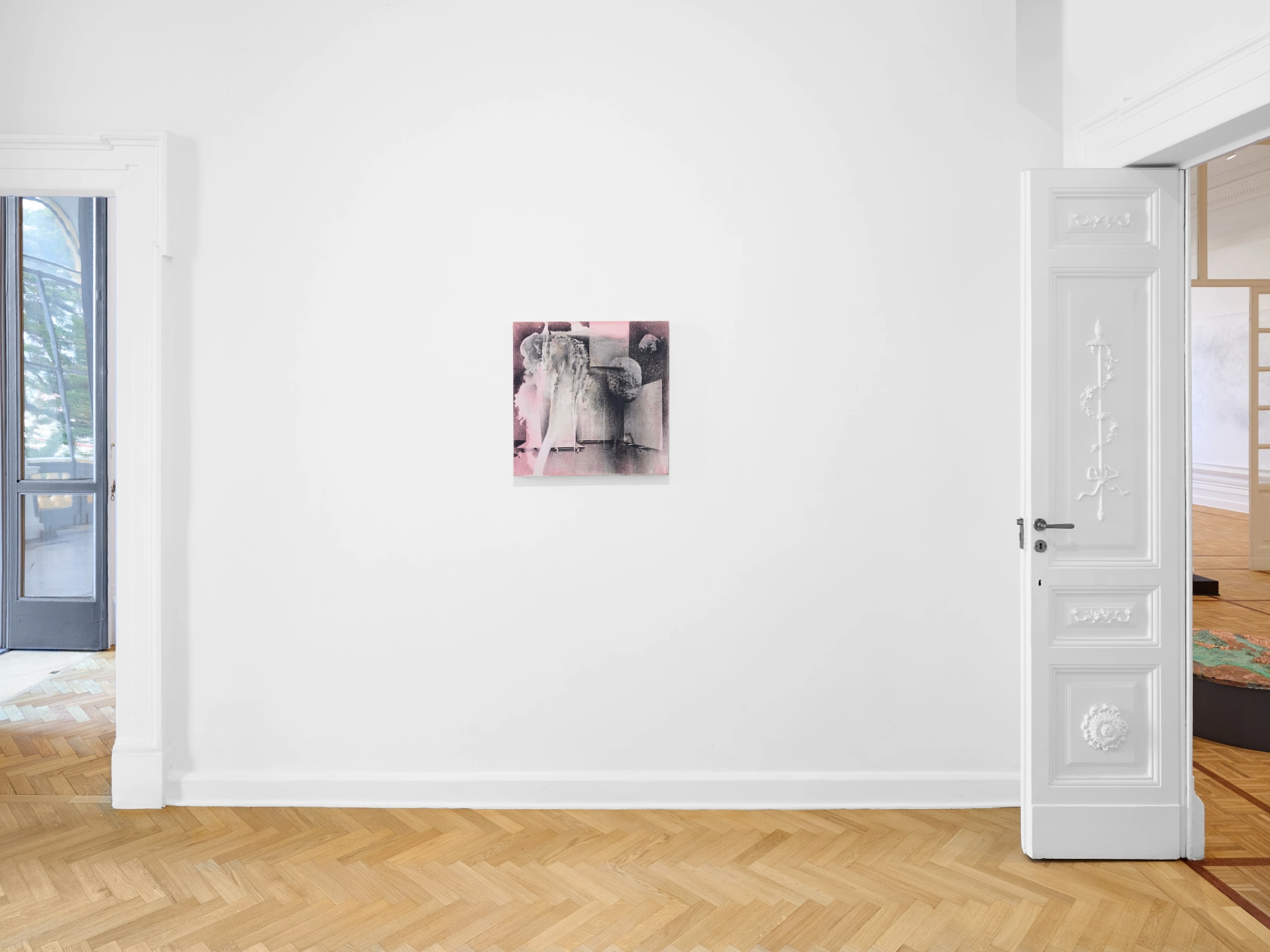
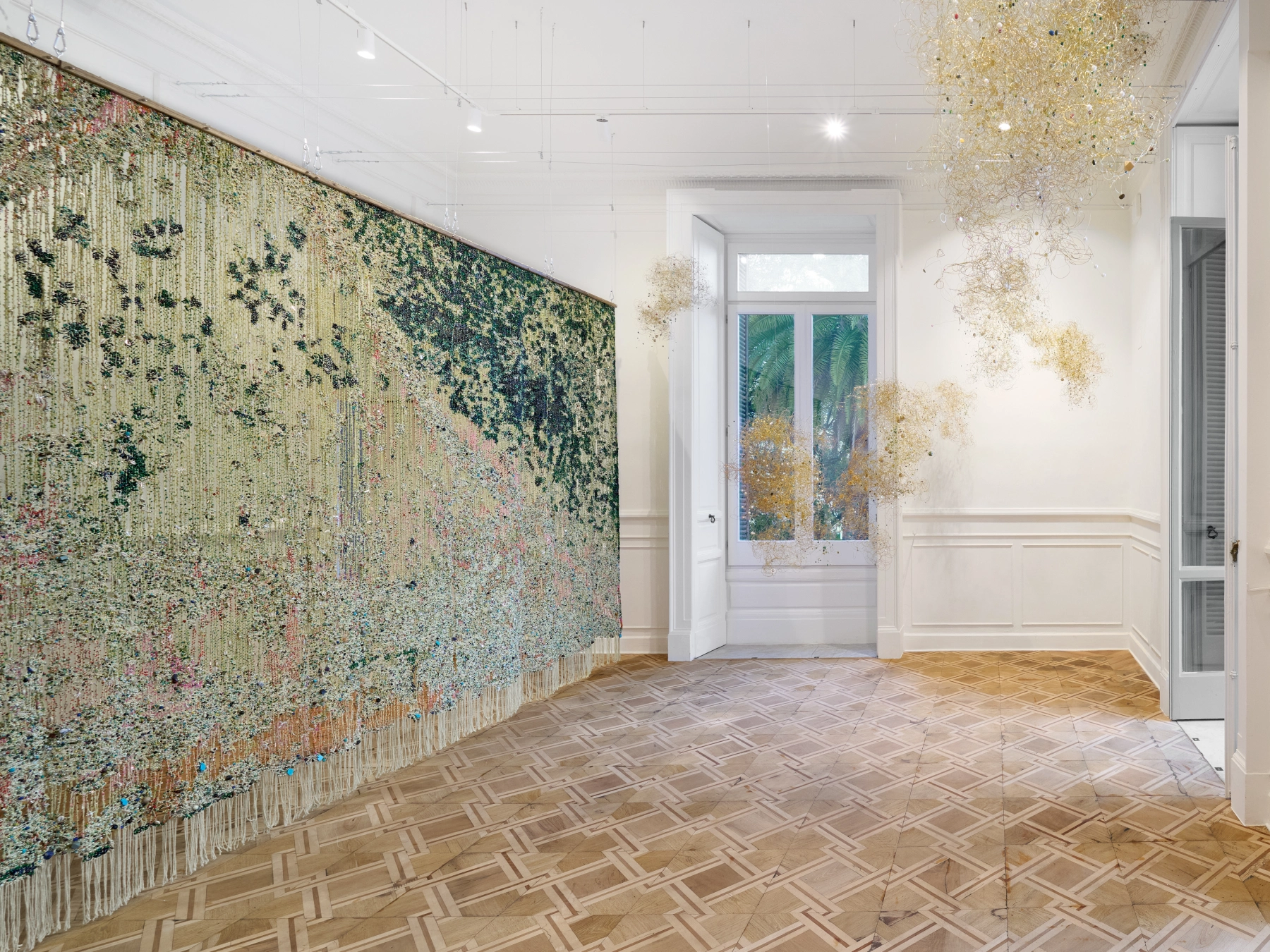

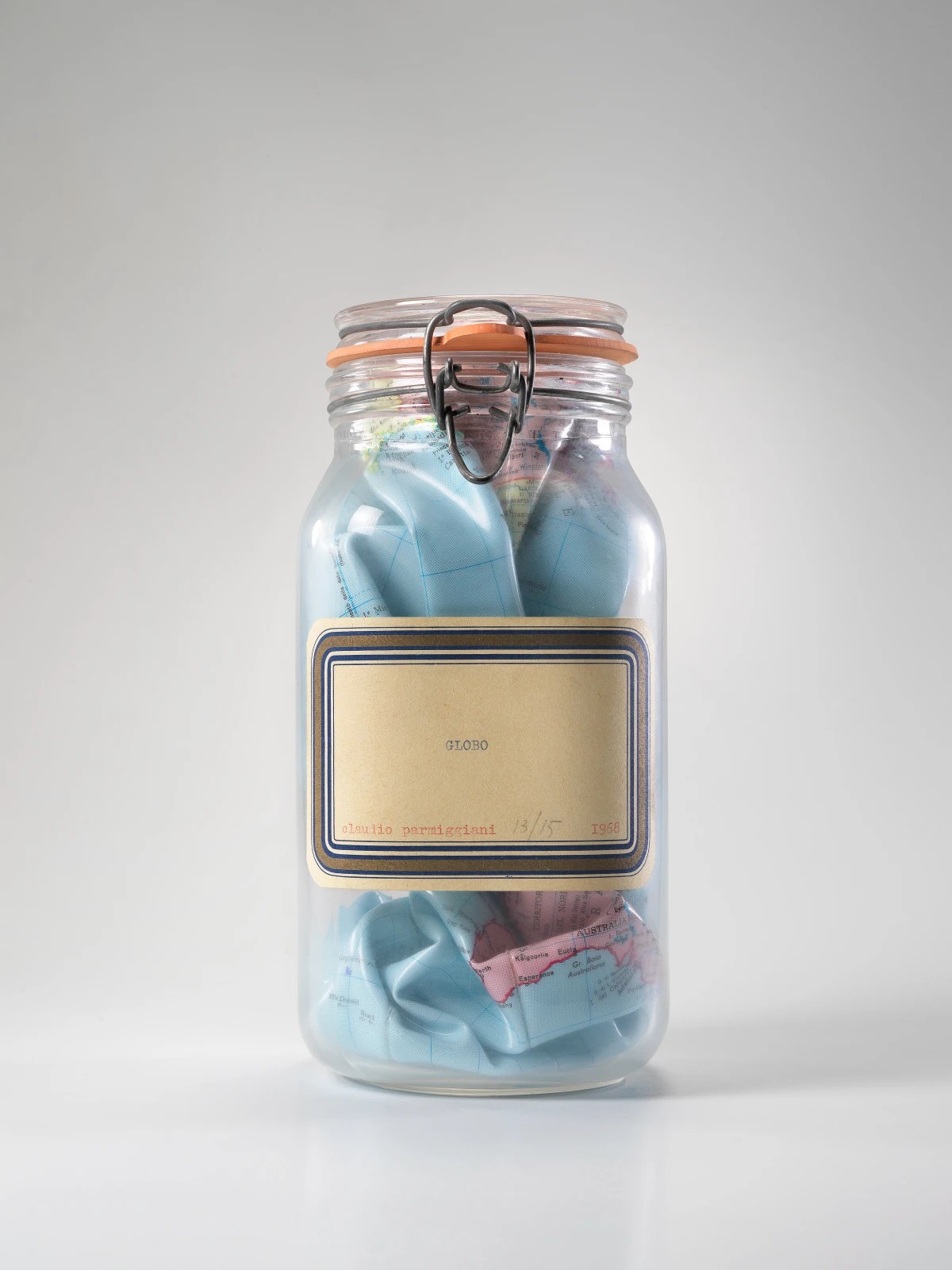
In 1968, Claudio Parmiggiani made a group of works with maps and globes. He painted the shapes of continents onto the sides of cows, squeezed an inflatable globe into a glass jar, and photographed another, deflated, for a portfolio titled Atlante (1970).
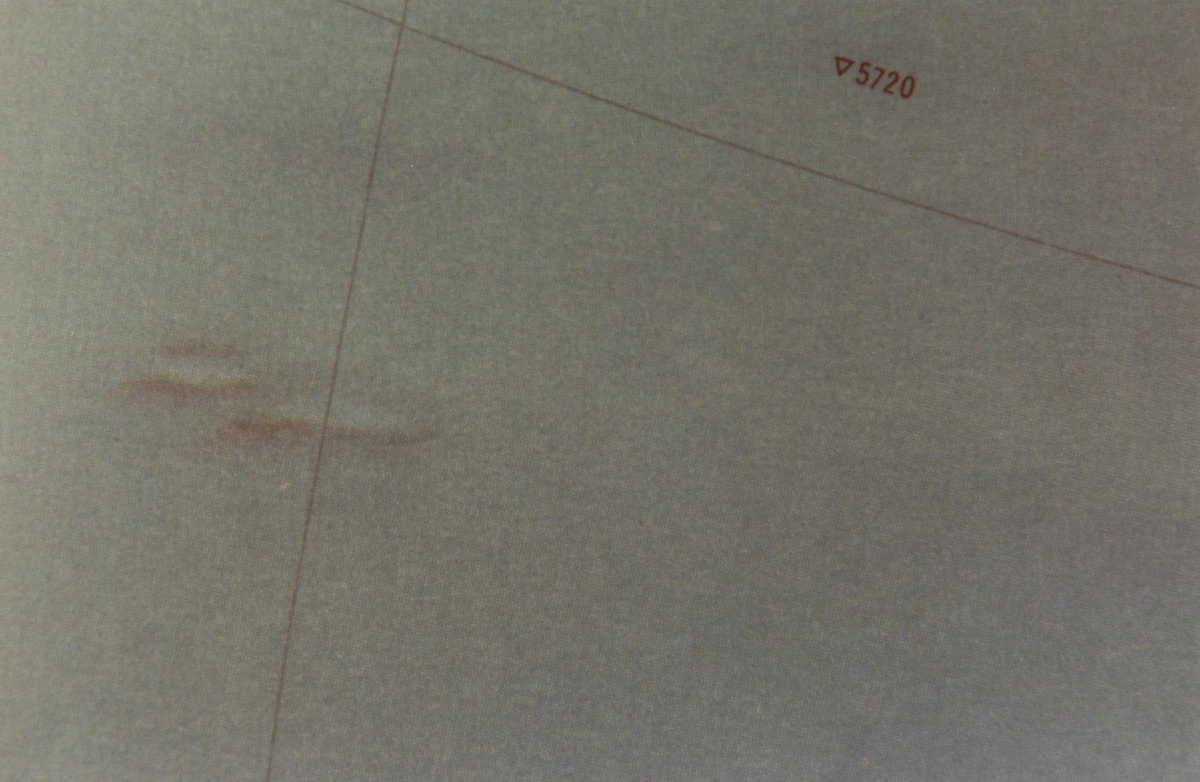
The photographs for Parmiggiani’s work were taken by another young Italian artist, Luigi Ghirri. Three years later, Ghirri took photographs from pages of his own atlas for an important work of his own, which he also called Atlante (1973). The photographs of oceans, islands, deserts and mountains are so close-up that the images become unmoored from conventional cartography and drift away from representation towards reverie.
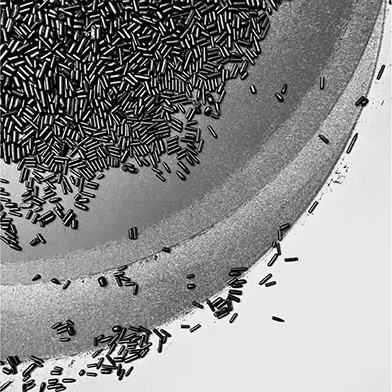
Akram Zaatari also takes the diagrammatic map as a starting point, in his case the Mediterranean, for his series of paintings YM (2024–25). He foregrounds the fluid space of the sea, rather than the fixed entity of the land, as the site for the movement and exchange of people, goods, and ideas. The wooden tondos in Zaatari’s Mediterranean Ruins series (2024 – ongoing), similarly evoke maps of cities and territories around the Mediterranean.
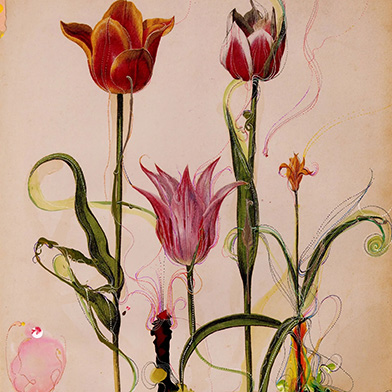
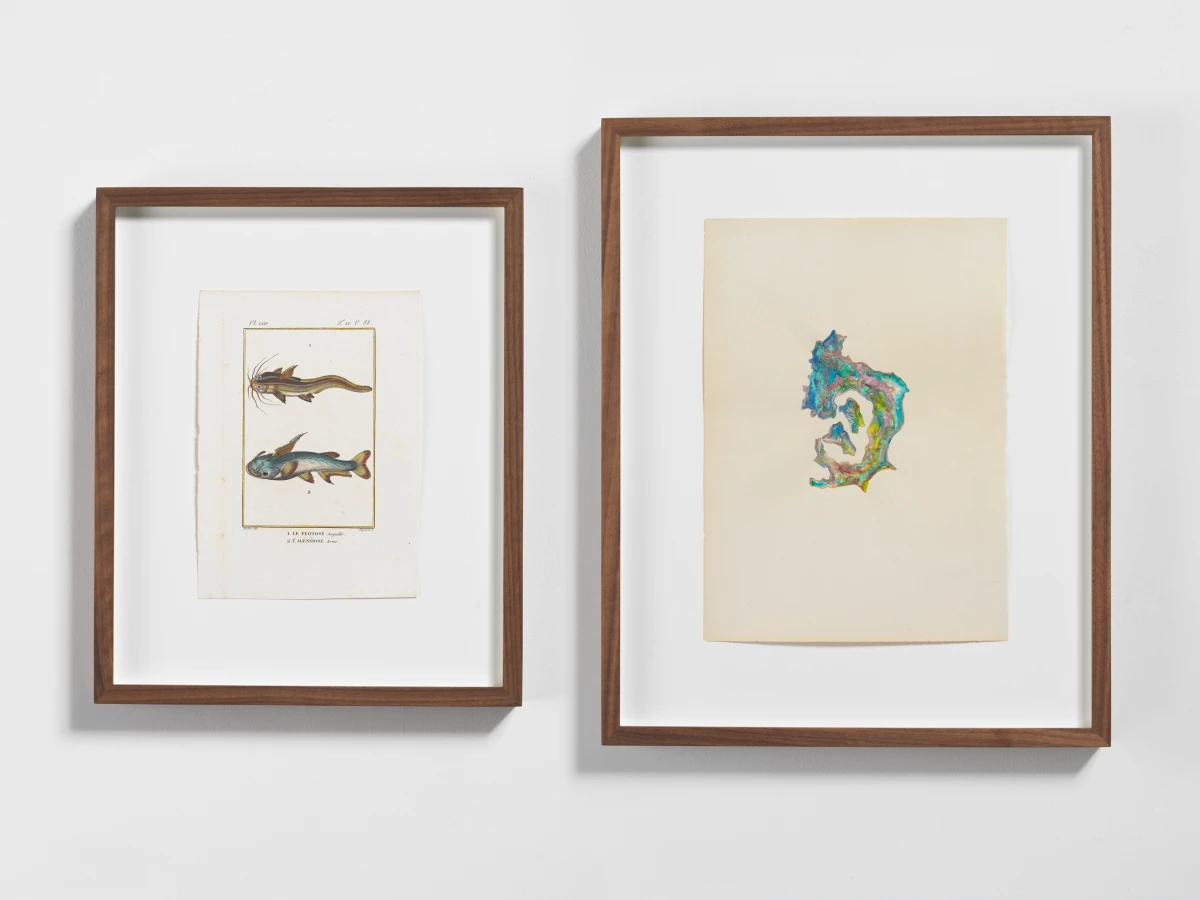
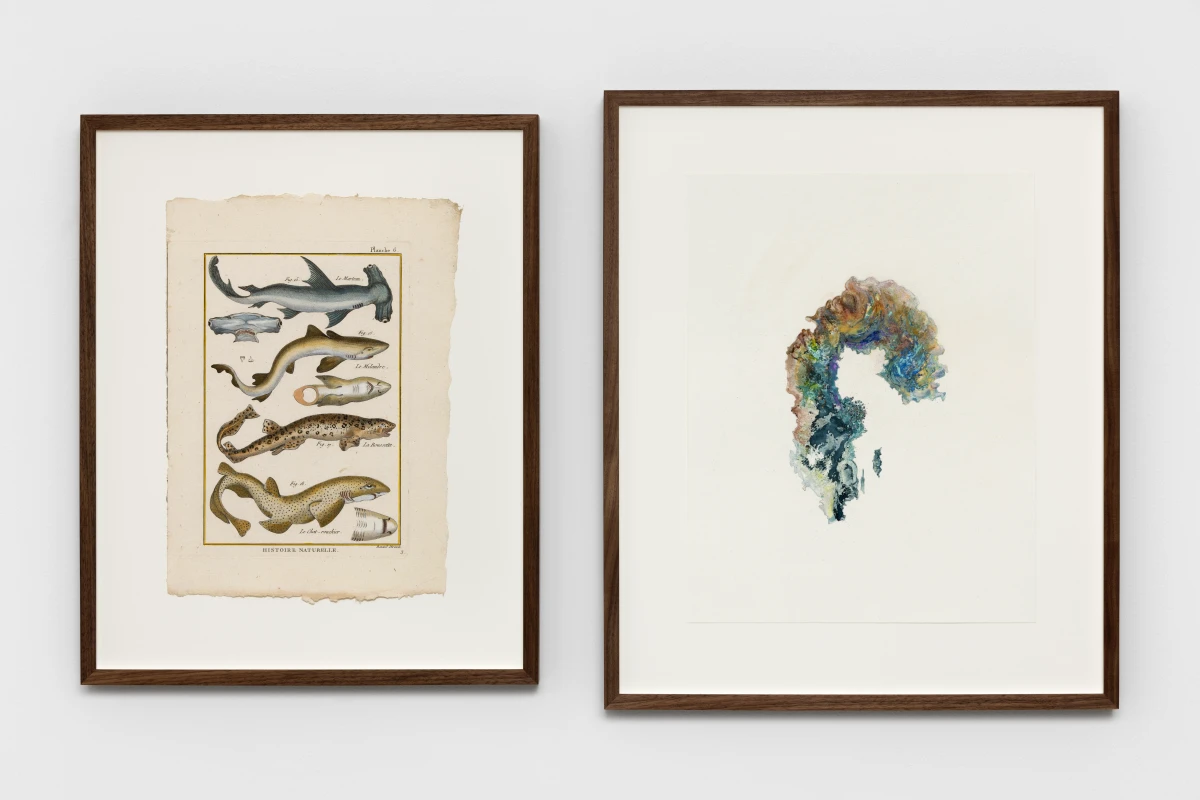
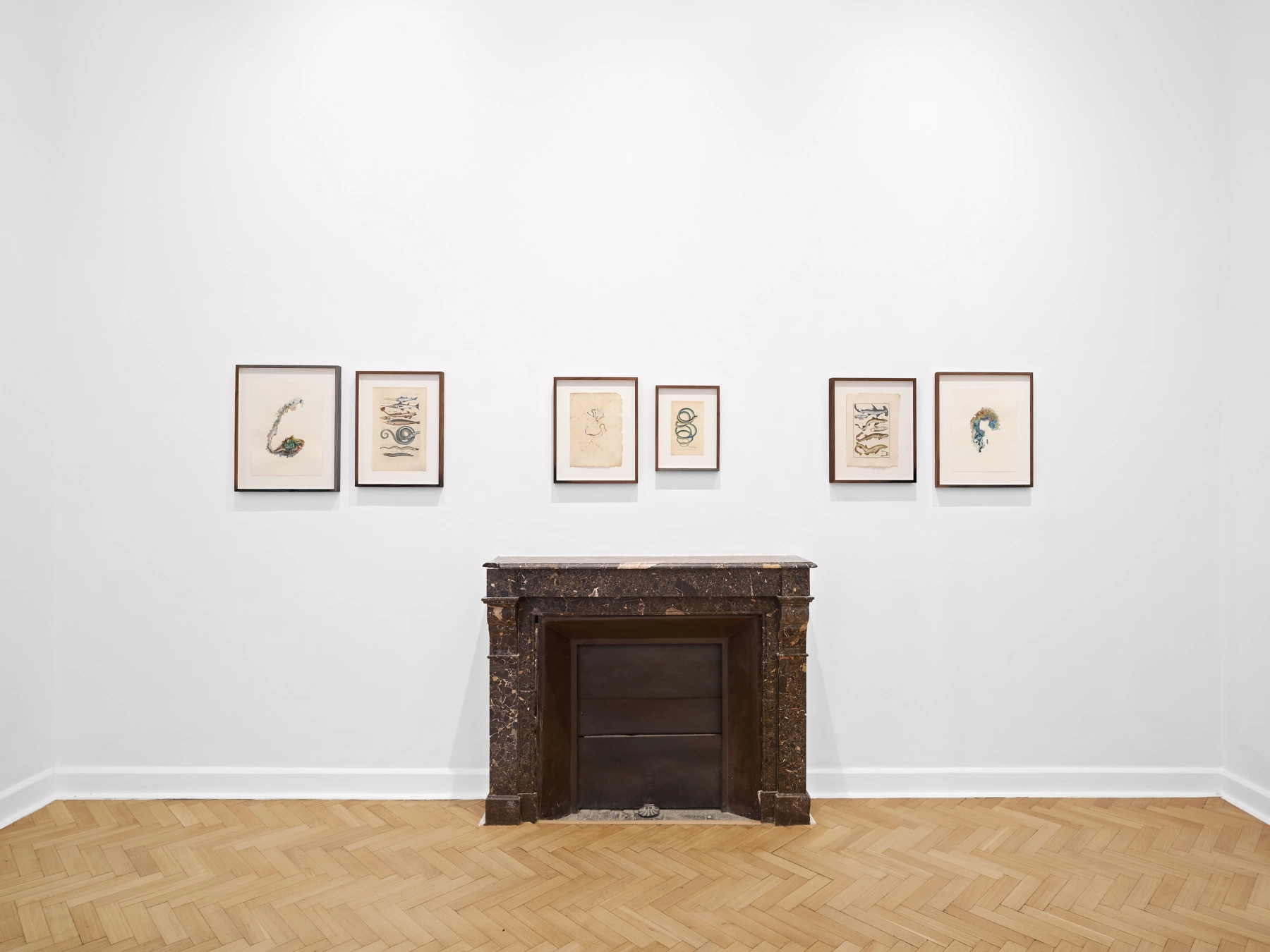
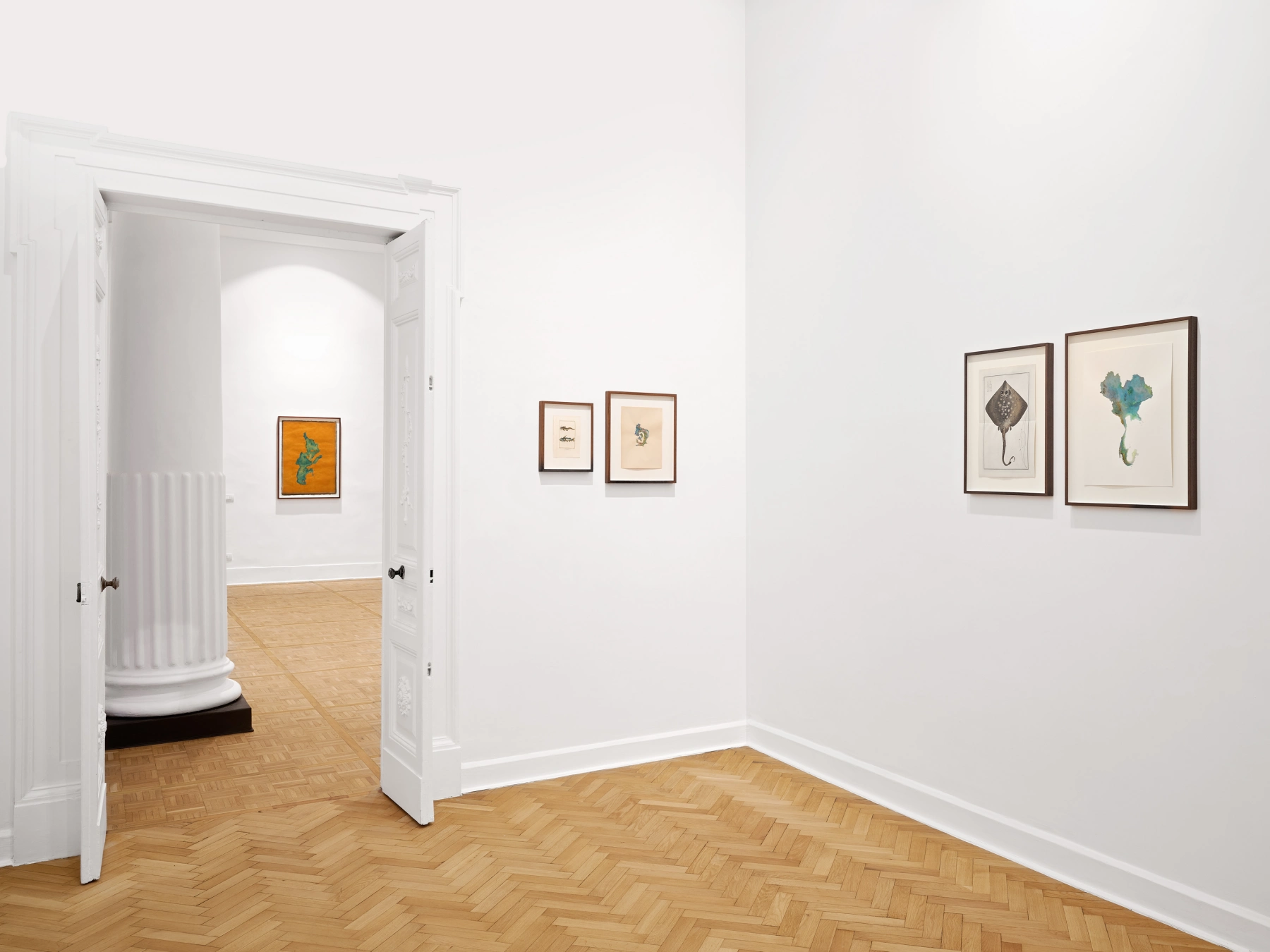
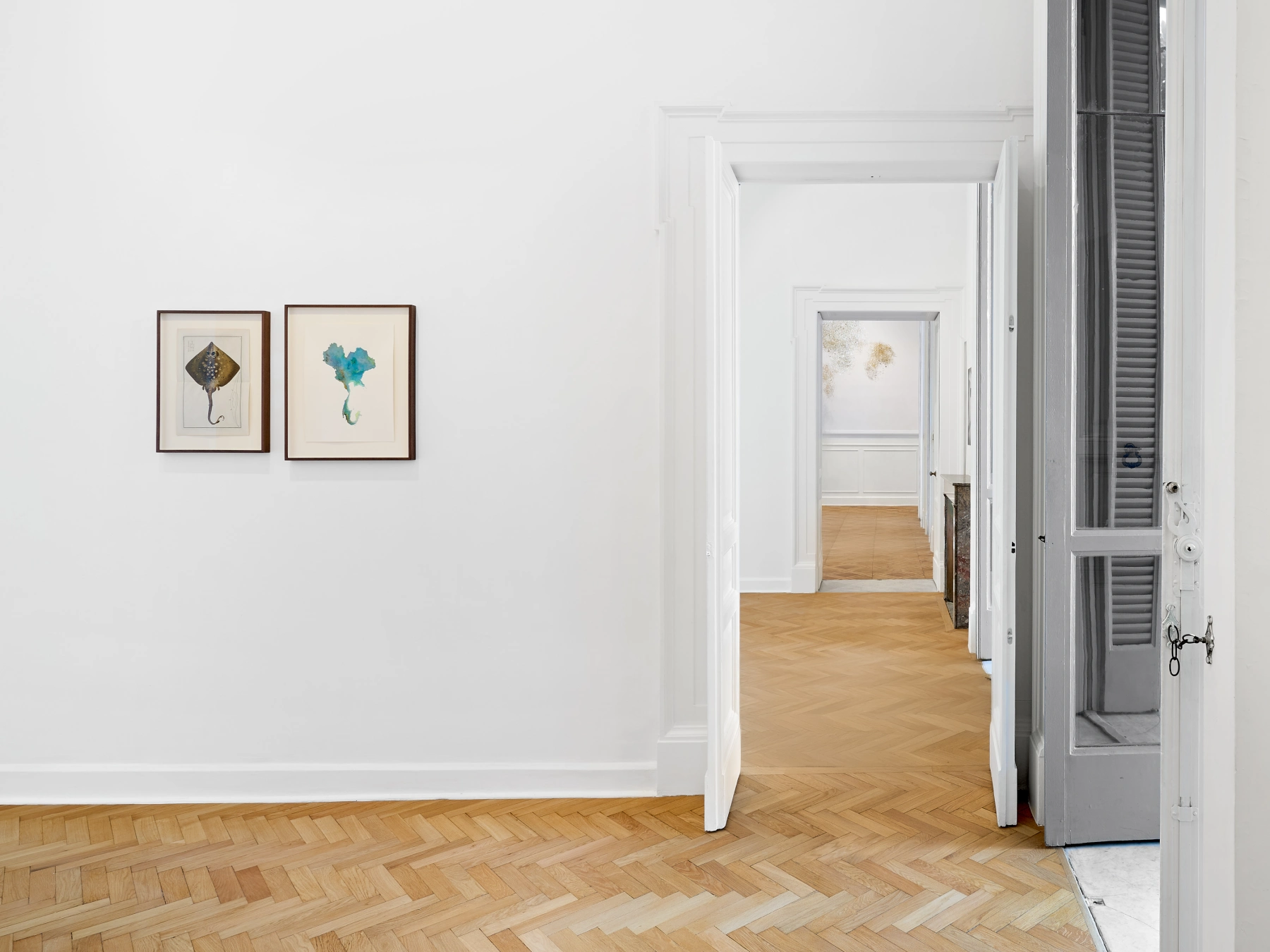
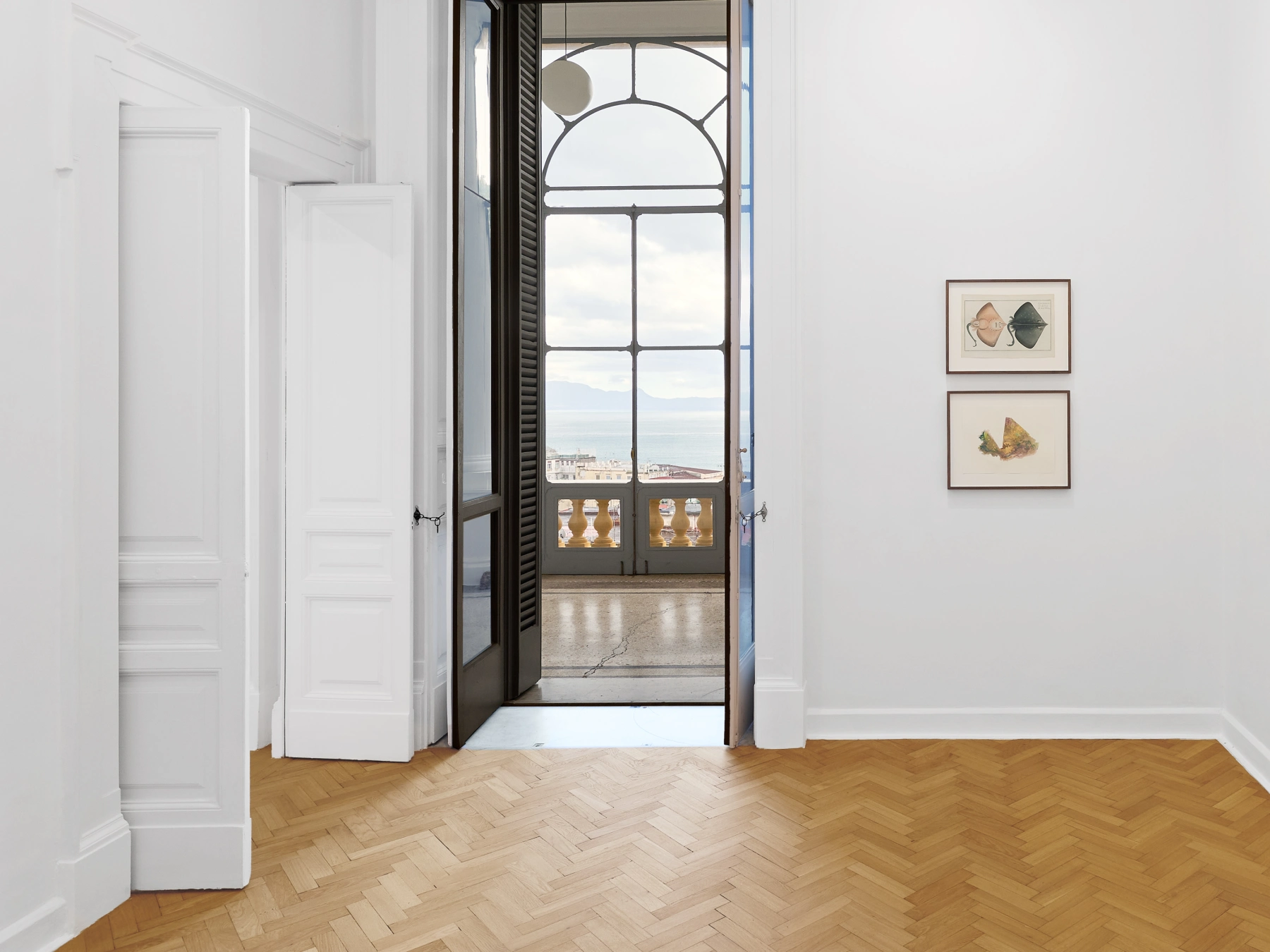
In his series Maps/Species (2014 – ongoing), Anri Sala brings together engravings of fish and other sea creatures from 18th and 19th century natural history books with his own ink and pastel drawings of nation states. In the drawings, Sala distorts the familiar contours of countries, their borders defined both by coastal geography and imperial power. Their ‘unnatural’ shapes mimic the descriptions of sea creatures, contorted to fit into the rectangle of the print.
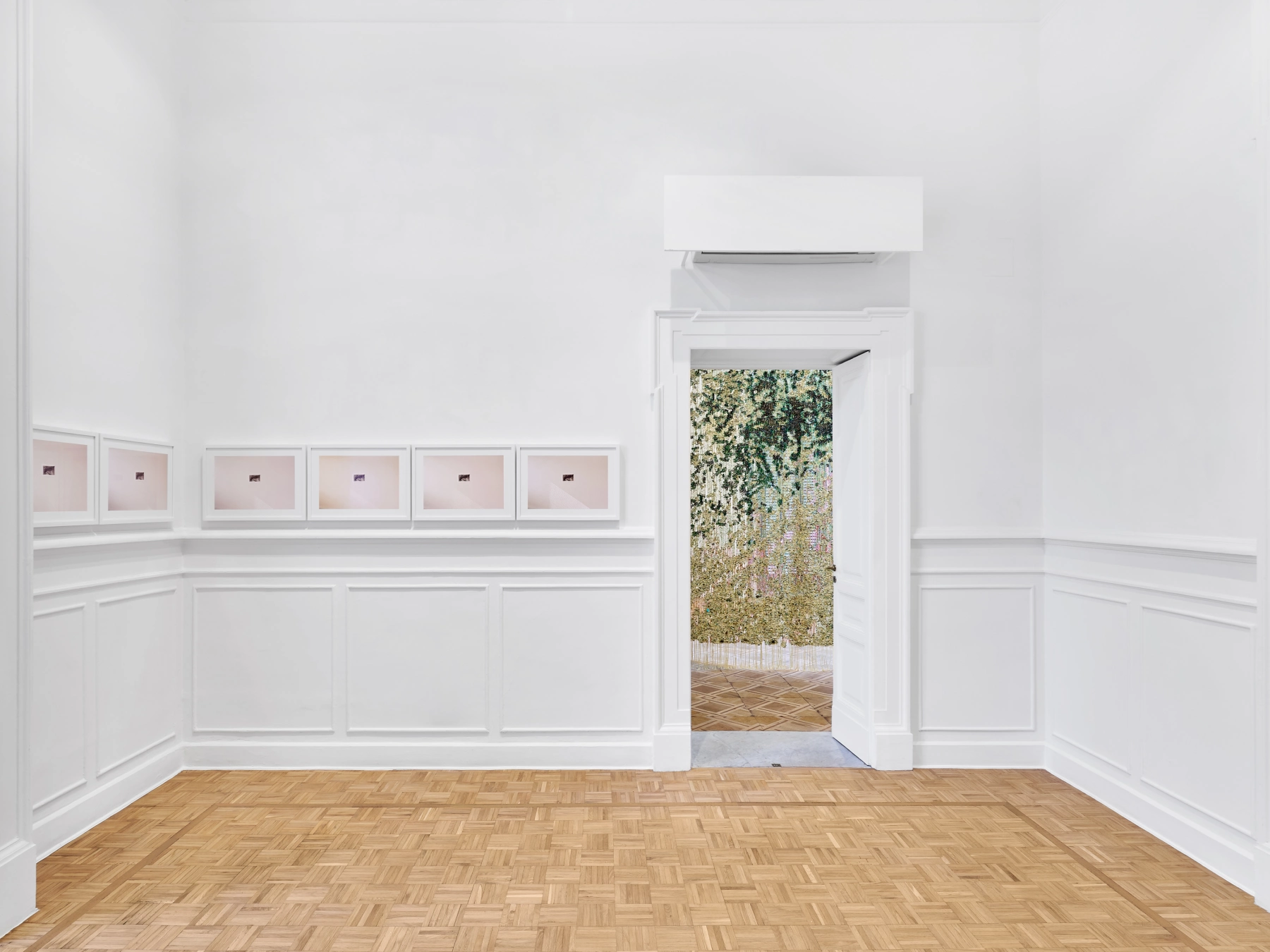
The movement from conventional cartography to a more singular kind of mapping finds a compelling form in Igshaan Adams’s large-scale woven works. Adams uses Google Maps satellite views to chart the ‘desire lines’ of the inhabitants of townships in Cape Town as they move through contested public space. In a large new tapestry Keeping Light (2025), the fixed coordinates of a map are transformed into fluid evocations of memory, and a cluster of floating ‘clouds’ woven with gold wire accentuates the sensation of movement and drift.
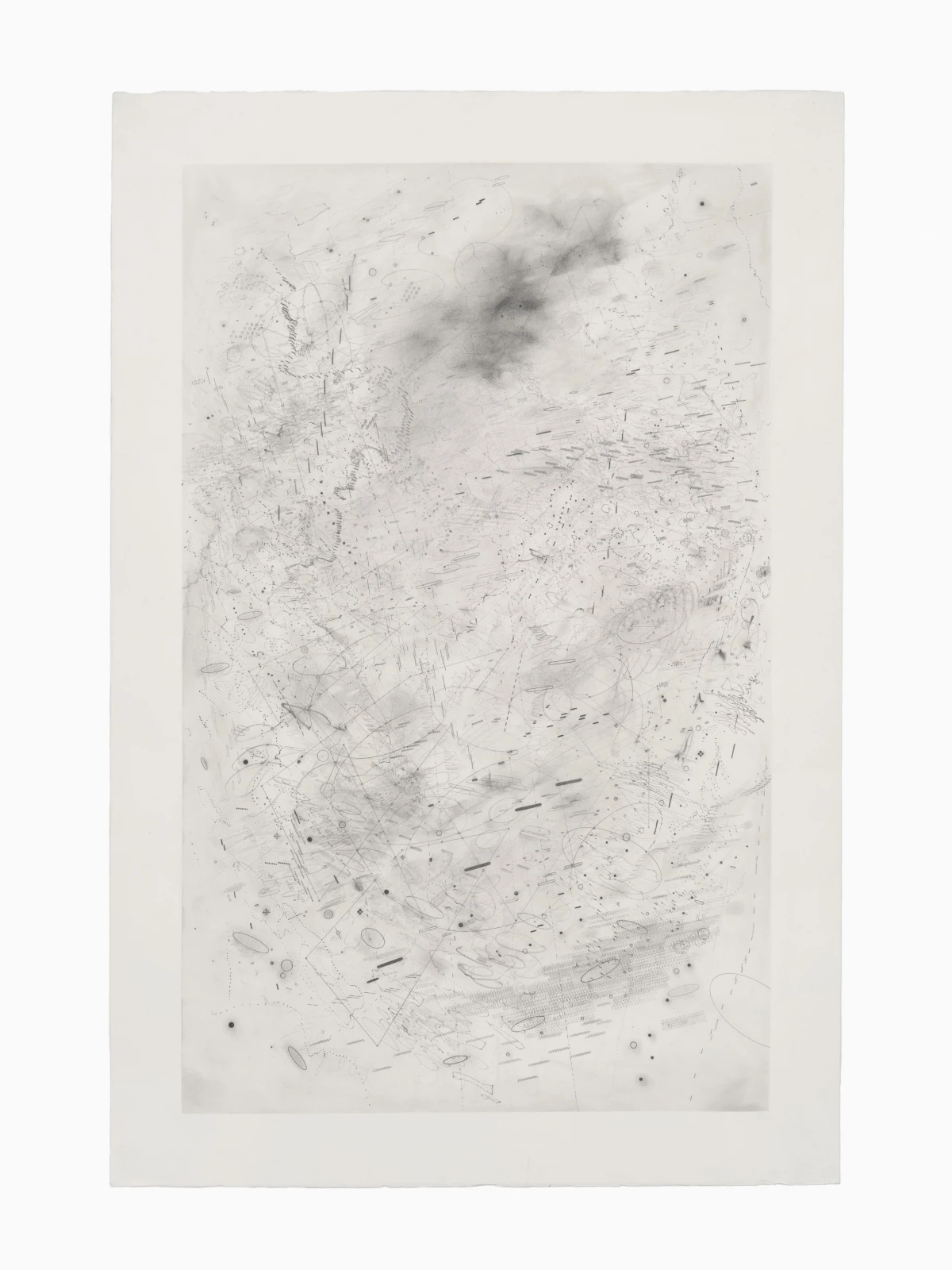
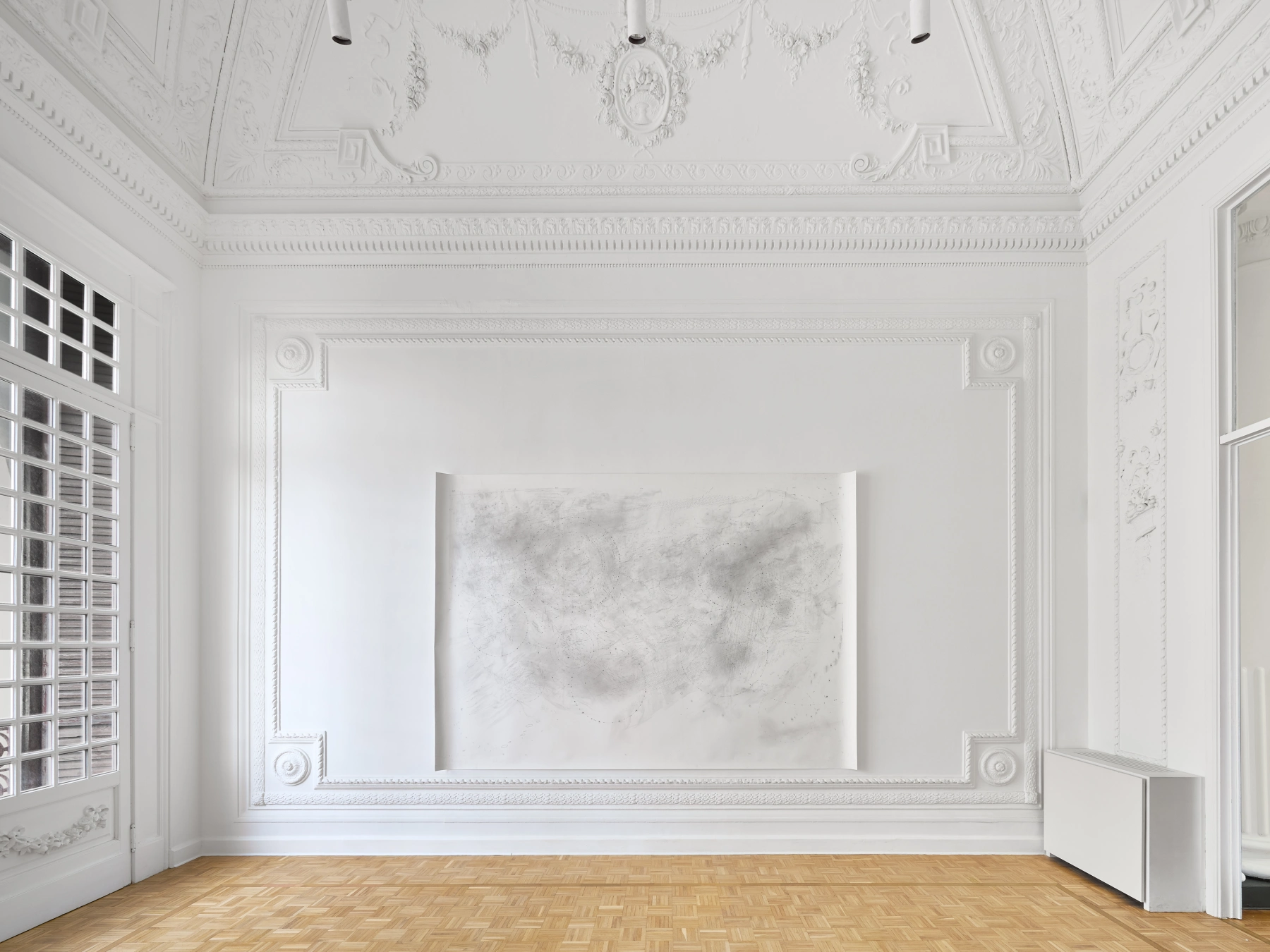
In her Choral Fields series, Emma McNally charts movement of various kinds—tectonic, oceanic, sonic, atomic—in large-scale graphite drawings. She overlays a range of marks, lines, some diagrammatic, others more fugitive, to build a swirling cartography that exceeds conventional forms of mapping to chart the turbulent geo-political weather of the present.
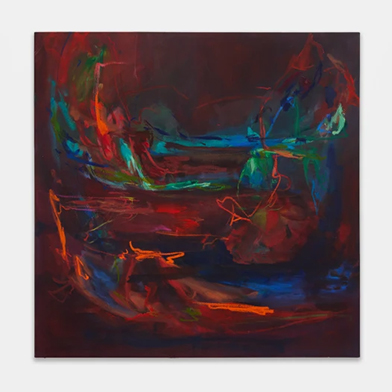
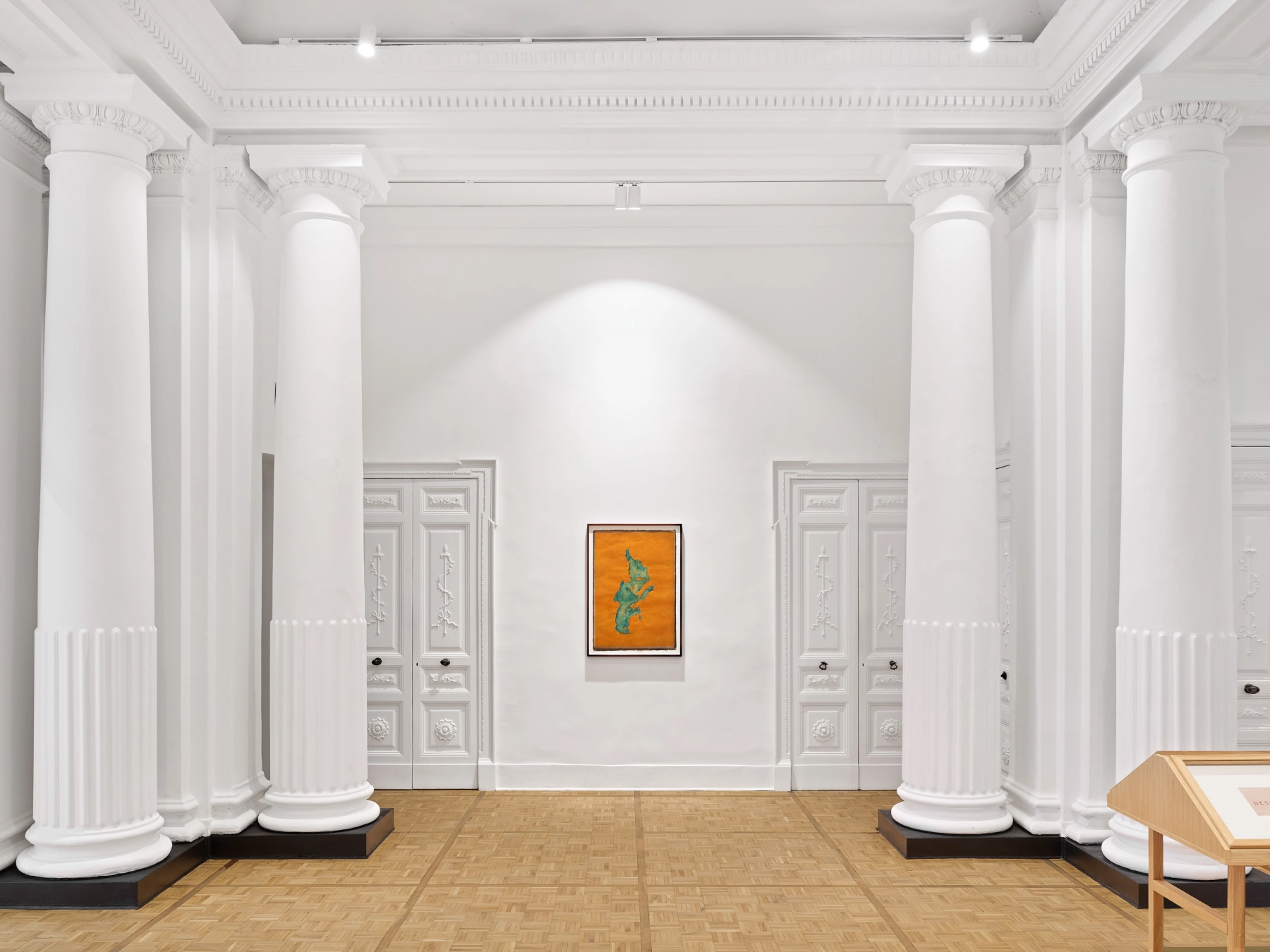
The co-ordinates of Tatiana Trouvé’s drawings similarly map not so much a place as a journey back and forth between interior and exterior worlds. In three new drawings from her series Les Dessouvenus (2025–26)—the word refers to a Breton term for the ‘unremembered’—Trouvé draws on shifting abstract shapes formed by the action of bleach poured on to coloured paper to build imaginary worlds that are as vivid, and as elusive, as dreams.
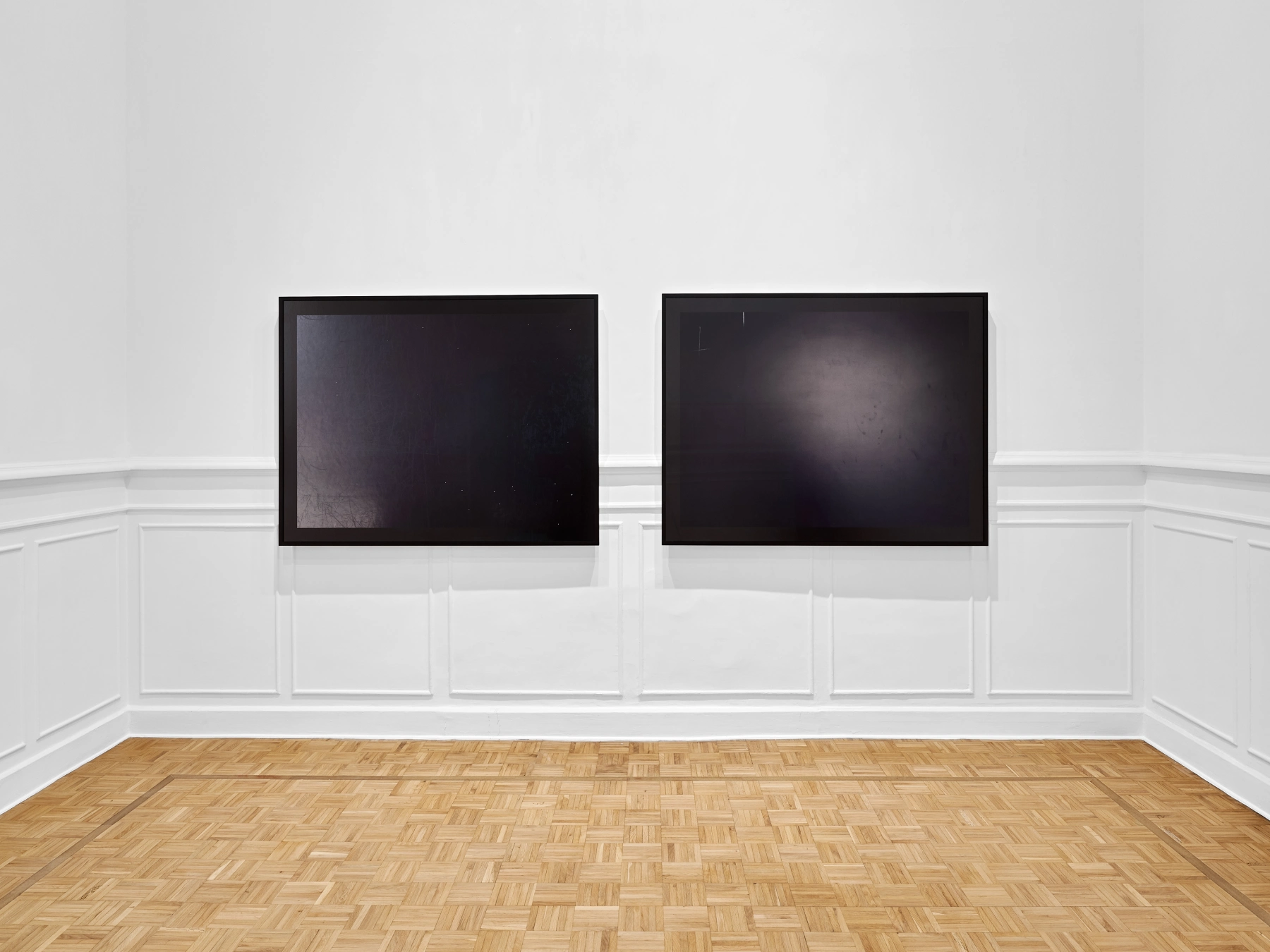
In the series Light Sleeper (2019–2025), Teju Cole draws out the information latent in the erased blackboards of the classrooms in which he teaches at Harvard. The resulting large-scale photographs, in which scratches, stains and fugitive chalkmarks hint at the grids and starfields of celestial maps, raise questions about who speaks and who is silenced in an increasingly turbulent world; a turbulence charted by each contemporary artist in Atlante, just as it was by Claudio Parmiggiani and Luigi Ghirri in their works from the early 1970s after which this exhibition is named.