+39 081 4976072
Open: Mon-Sat 10am-7pm
Visit
Open: Mon-Sat 10am-7pm
Piazza dei Martiri 58, 80121, Naples, Italy
Open: Mon-Sat 10am-7pm
Visit
Mon 11 May 2026 to Fri 31 Jul 2026
Piazza dei Martiri 58, 80121 Adam Pendleton + Antoni Tàpies
Mon-Sat 10am-7pm
Artists: Adam Pendleton - Antoni Tàpies
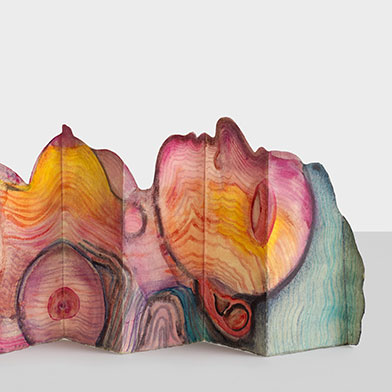
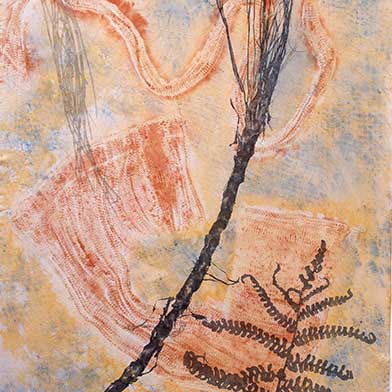
Alfonso Artiaco presents the first joint exhibition by Adam Pendleton and Antoni Tàpies at the gallery, in presence of the artist and Antoni Tàpies Estate’s representative, his son Antoni Tàpies Barba and wife Natasha Hébert.
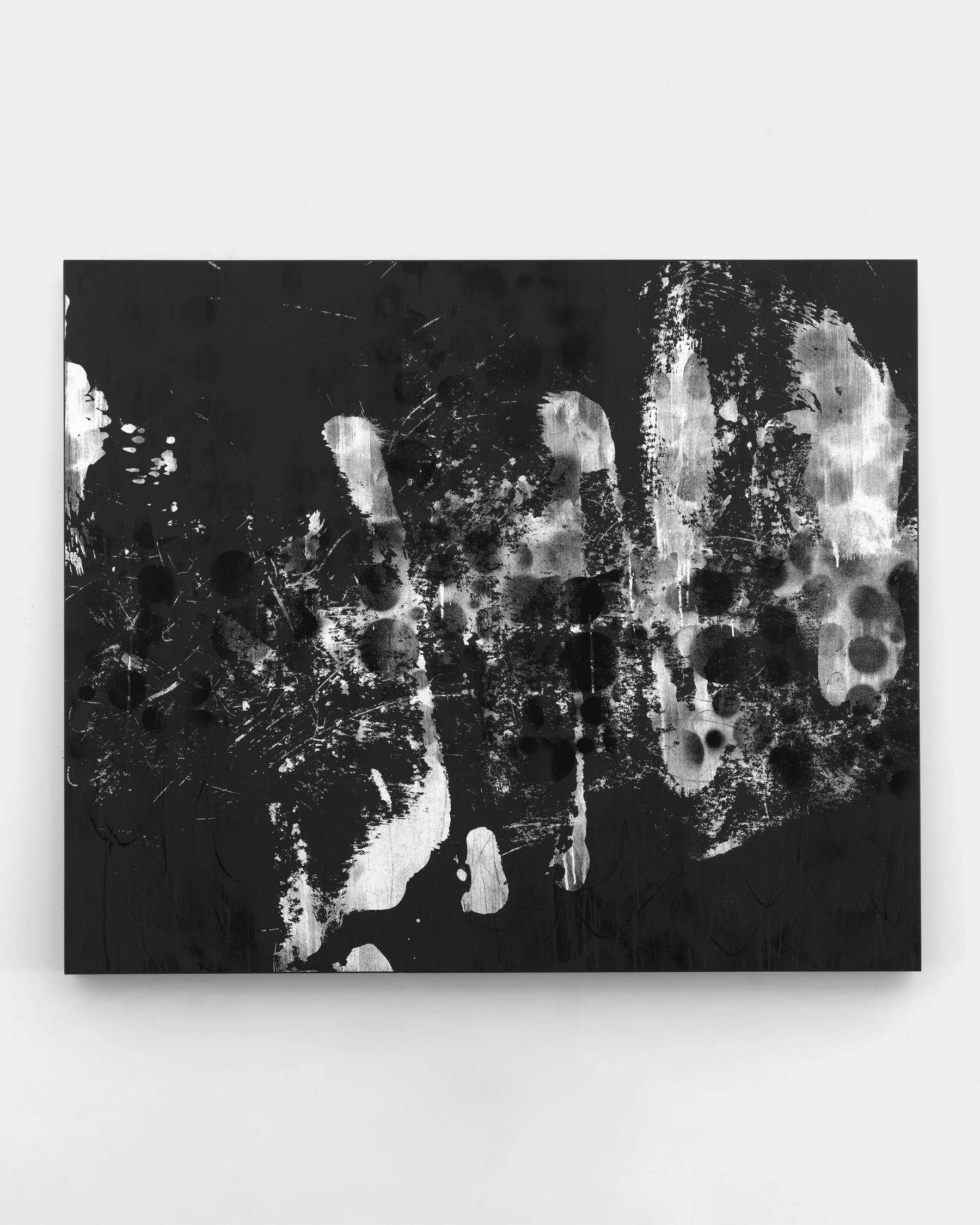
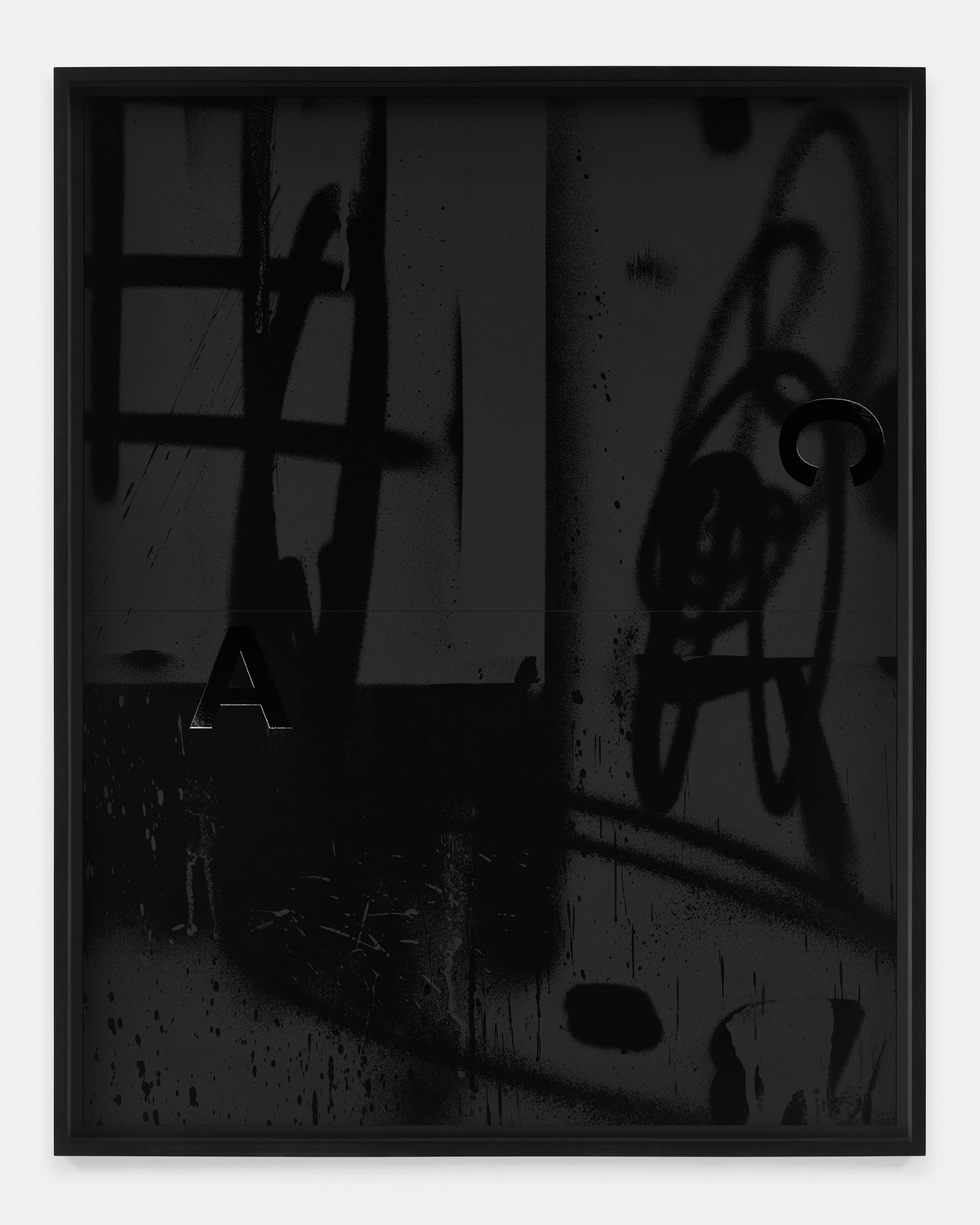
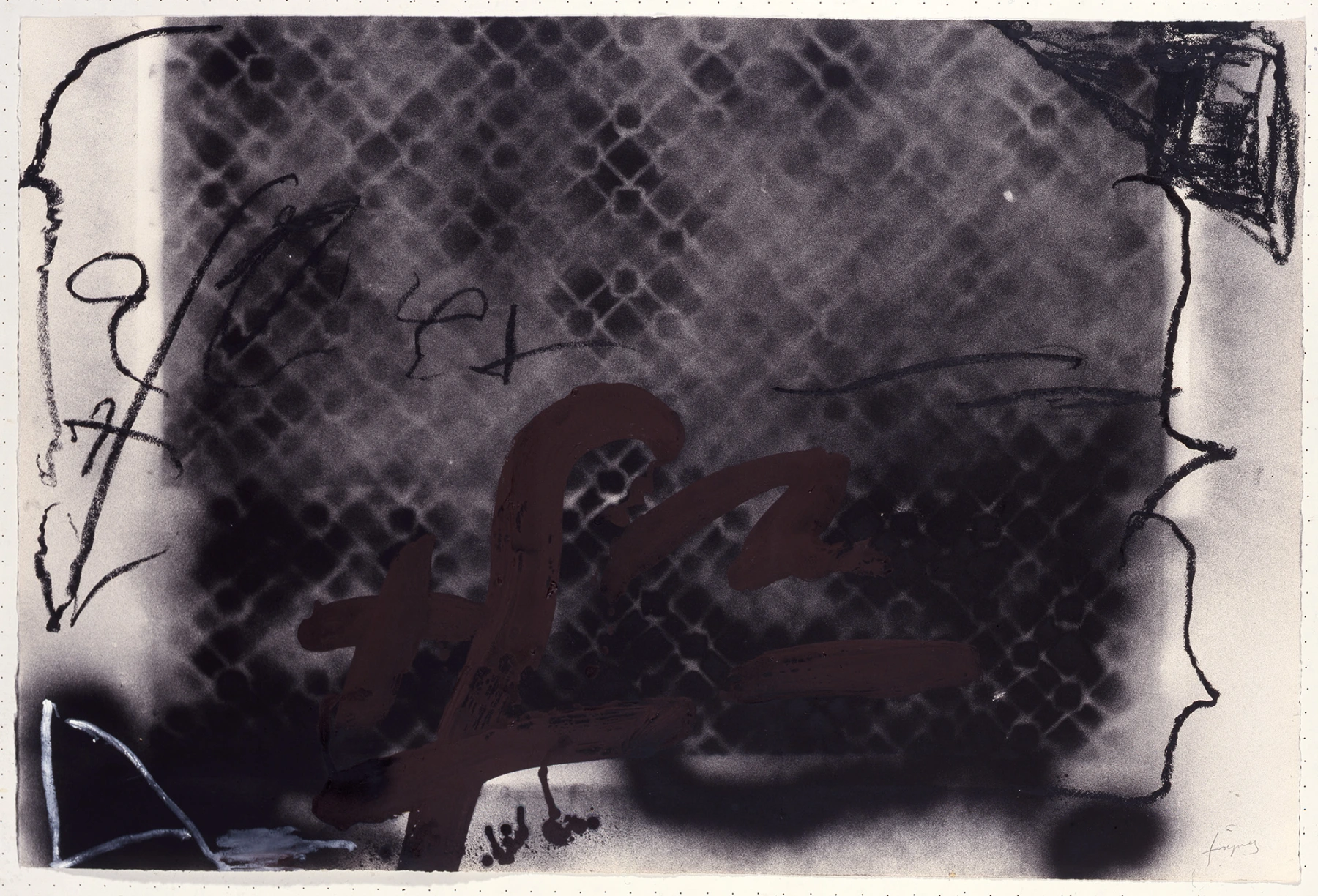
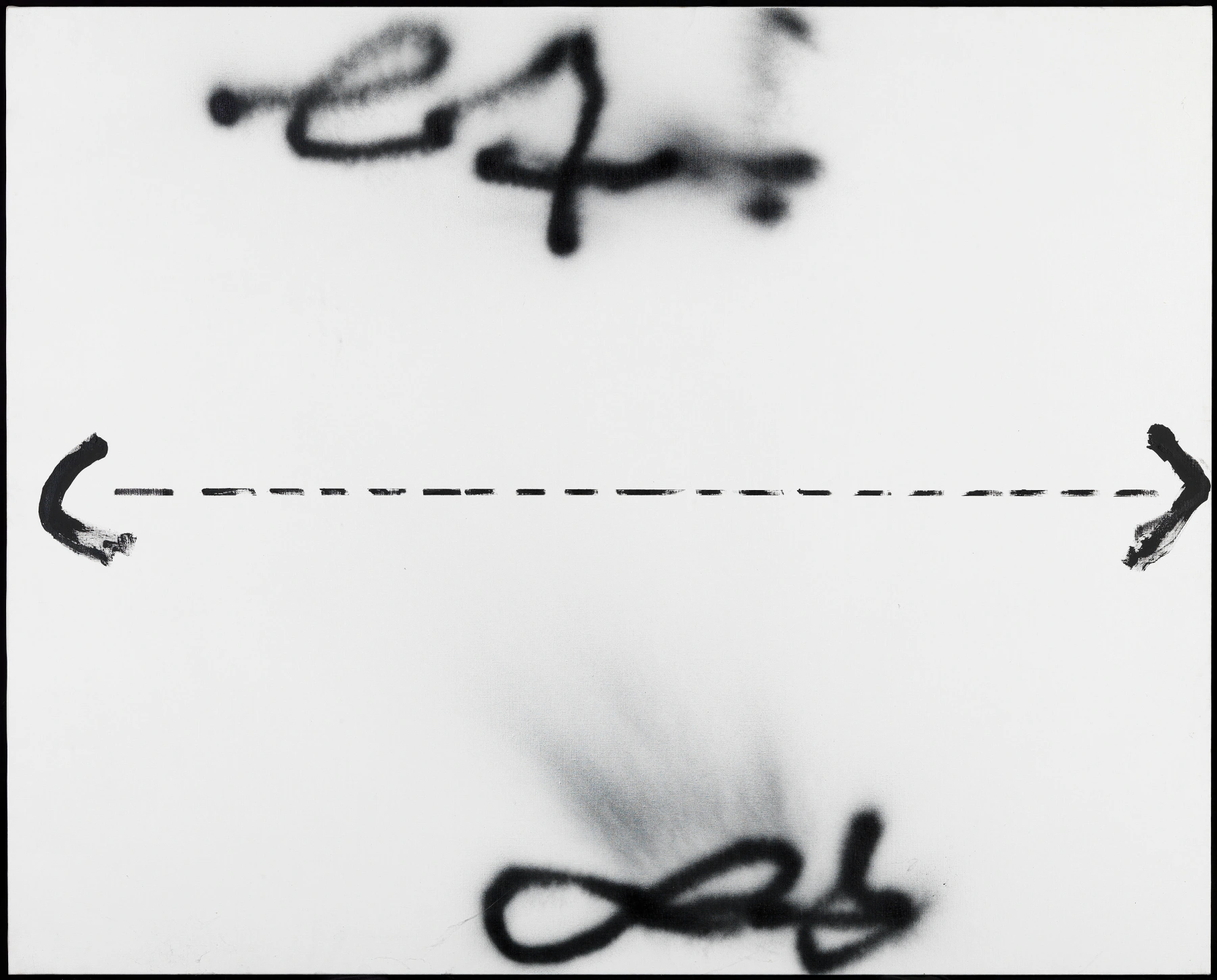
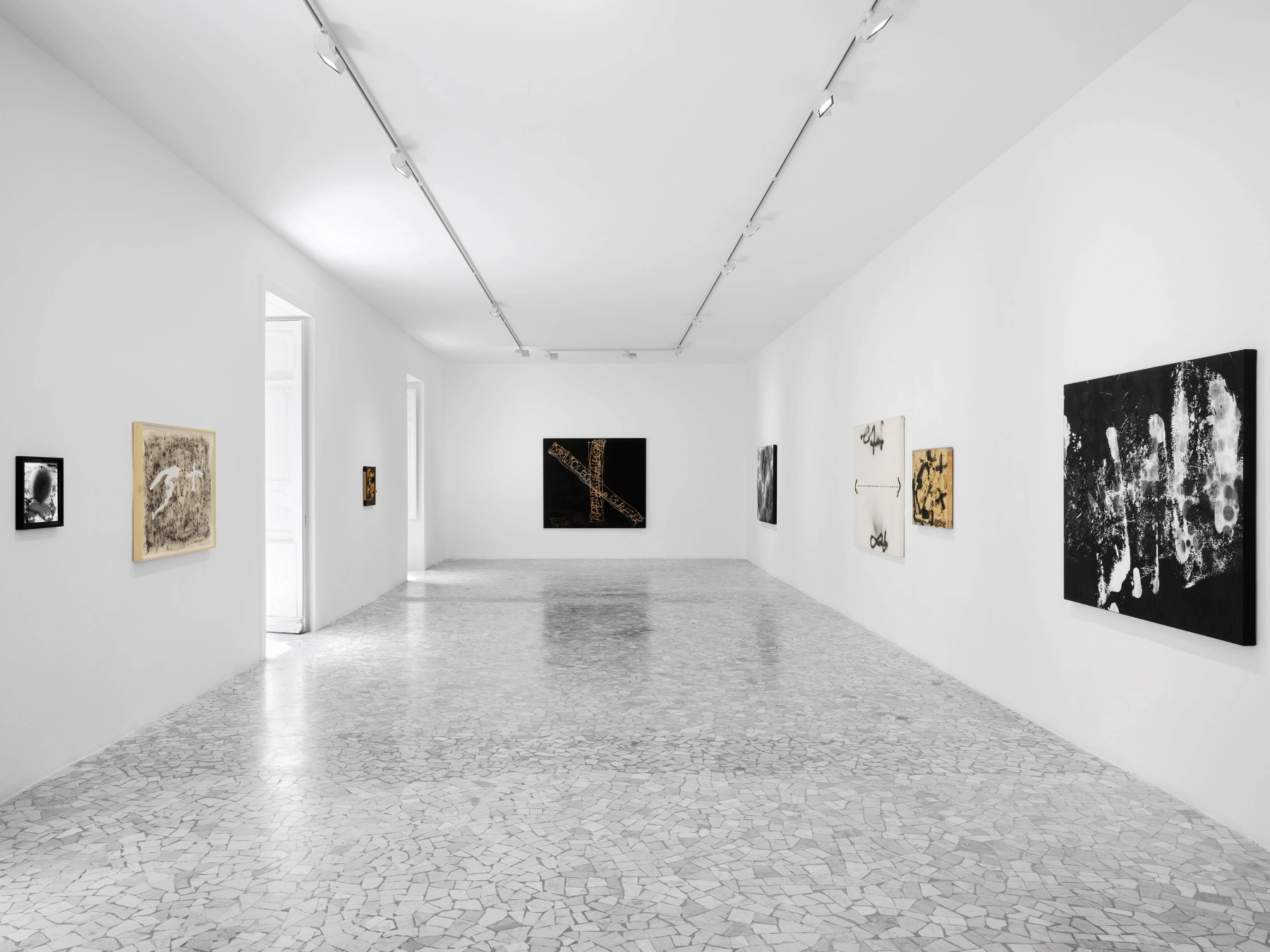
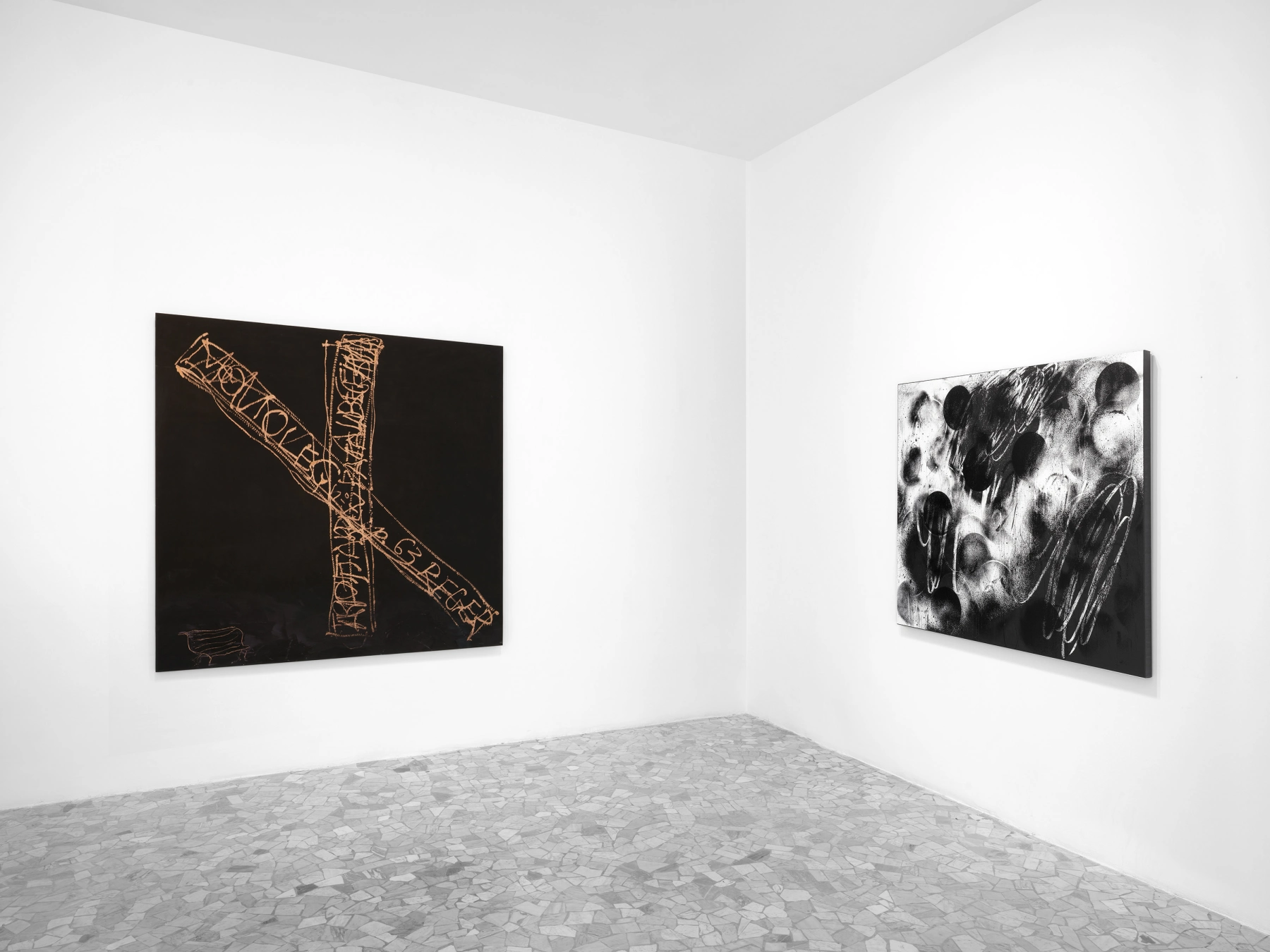
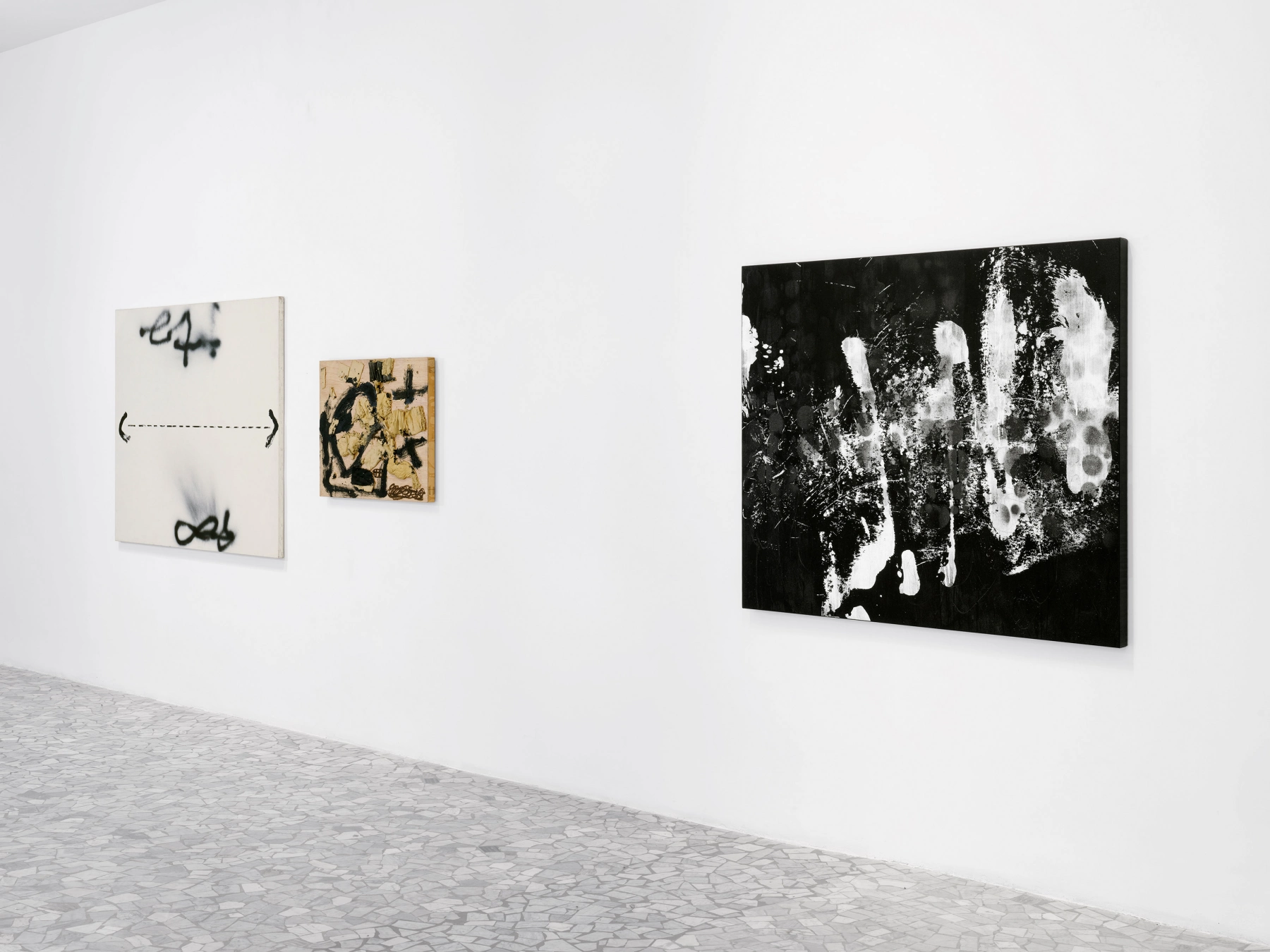
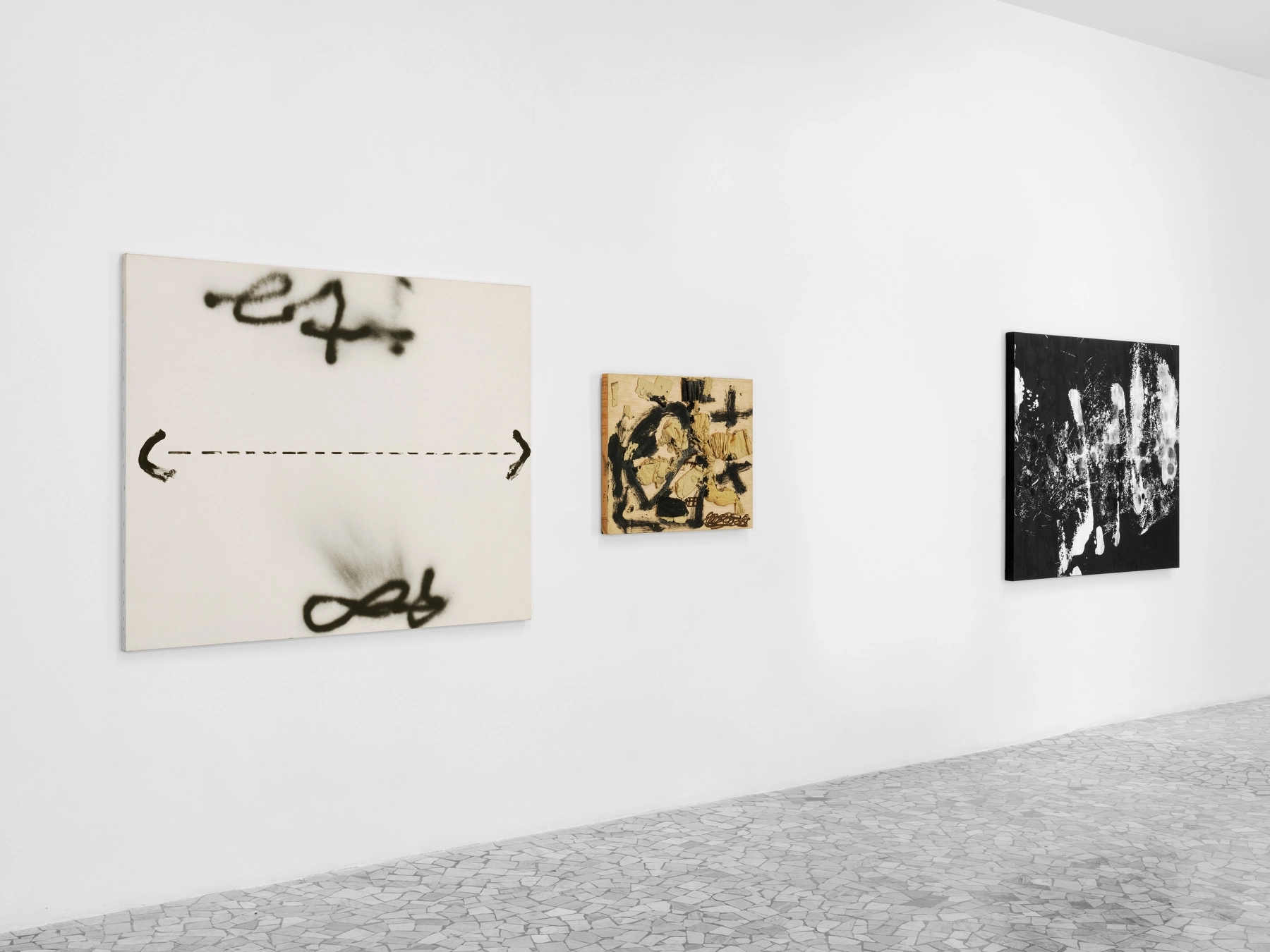
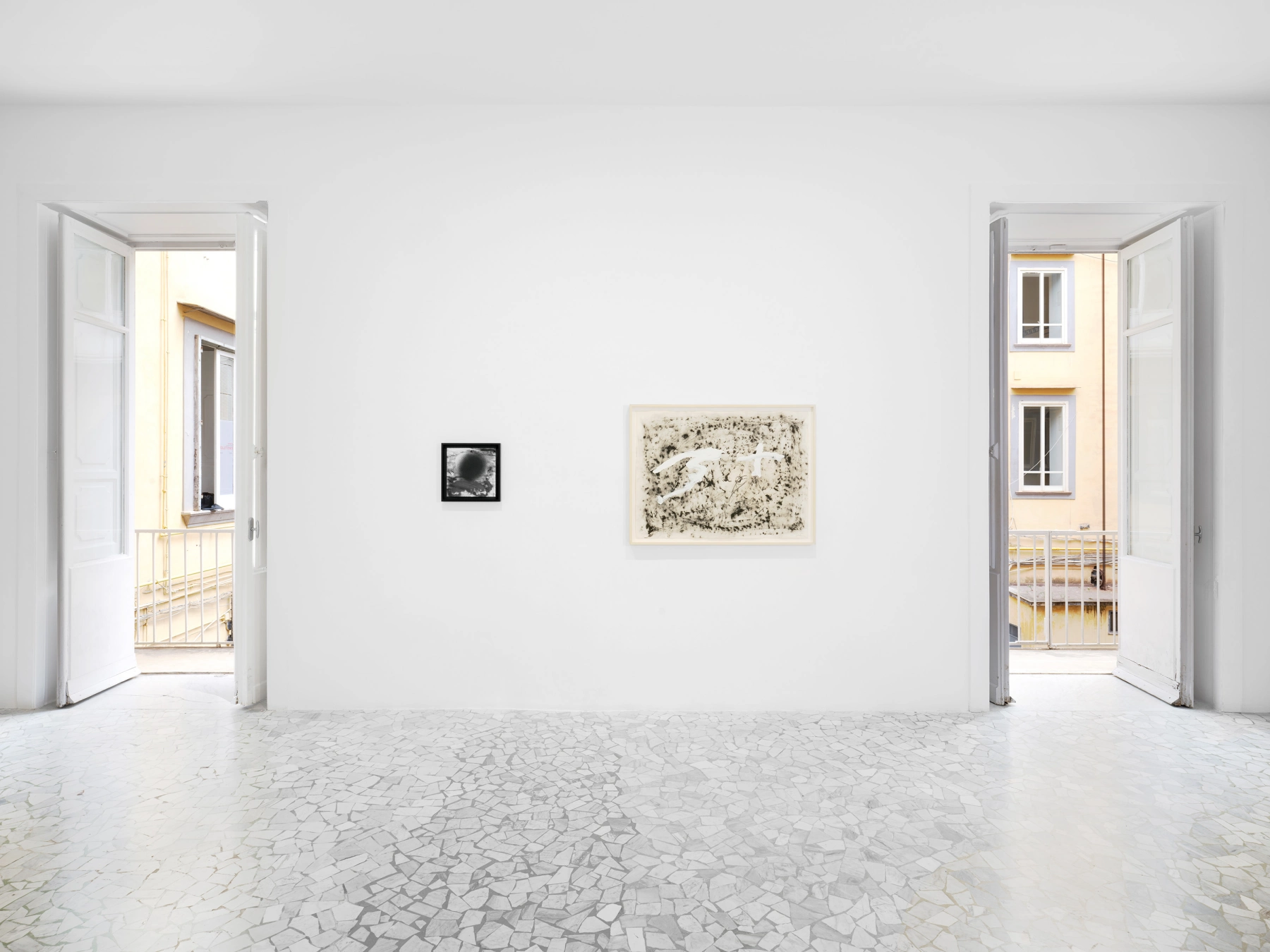
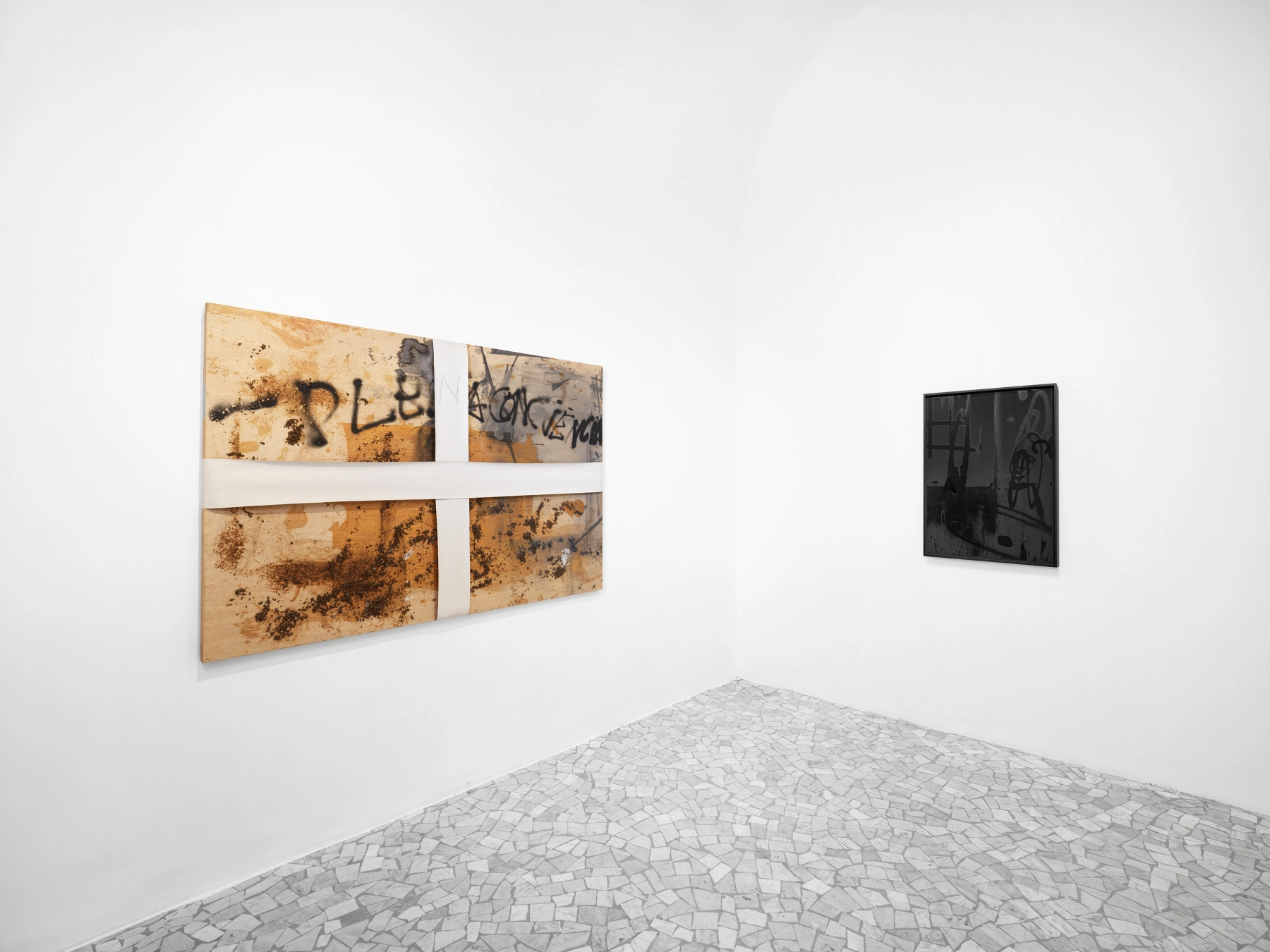
This two-person exhibition brings the work of Adam Pendleton into dialogue with that of Antoni Tàpies, one of the most influential figures in postwar European abstraction. Across generations and geographies, both artists approach painting as a field where language, material, and history intersect. Tàpies’s charged surfaces – marked by signs, letters, and tactile accumulations – redefined the possibilities of painting in the second half of the twentieth century. Pendleton, a central figure in contemporary painting, similarly treats gesture, fragment, and typography as structural elements, using them to expand the formal and conceptual possibilities of abstraction.
Presented together, their works reveal unexpected affinities: an insistence on the surface as a site of inscription, a sustained engagement with text and symbol, and a shared interest in how abstraction can carry cultural, philosophical, and political weight. Rather than proposing a direct lineage, the exhibition stages a cross-generational conversation in which painting emerges as an open system – one capable of absorbing language, history, and material experimentation while continually renewing its own terms.
Adam Pendleton, a central figure in contemporary abstract painting, is known for works that push the boundaries of the medium through a sustained engagement with process, language, and form. He extends non-linear compositional traditions rooted in twentieth- and twenty-first-century painting. His work, a distilled layering of gesture and fragment, is marked by a precision reminiscent of Conceptual and Minimal art. In 2008, he began to define the working method for which he is now widely recognized as Black Dada – a critical framework that explores the relationship between Blackness, abstraction, and the historical avant-gardes.
Working in the aftermath of the Spanish Civil War and throughout the years of Francoist Spain, Antoni Tàpies developed a practice that reshaped the possibilities of painting in postwar Europe. Closely associated with the Catalan avant-garde and the group Dau al Set, his work centers on matter as both substance and sign. Incorporating materials such as sand, marble dust, earth, and fabric, Tàpies transformed the condition of the pictorial surface. His works operate as sites of accumulation, abrasion, and inscription, where letters, symbols, and marks oscillate between writing and image, legibility and erasure.