Open: Mon-Fri 11am-3pm, Sat by appointment
Carrer de Can Sanç 13, 07001, Palma de Mallorca, Spain
Open: Mon-Fri 11am-3pm, Sat by appointment
Visit
Tirar del Hilo
Baró Galeria, Palma de Mallorca
Sat 21 Mar 2026 to Fri 29 May 2026
Carrer de Can Sanç 13, 07001 Tirar del Hilo
Mon-Fri 11am-3pm, Sat by appointment
Artists: Amparo de la Sota - Elisa Pardo Puch - Eugenio Espinoza - Mano Penalva - Néstor García
Baró Galeria presents Tirar del Hilo, a group exhibition curated by Esmeralda Gómez Galera, opening in March 2026 at the gallery’s space in Palma de Mallorca, on the occasion of Art Palma Brunch 2026. The exhibition brings together works by Amparo de la Sota, Elisa Pardo Puch, Eugenio Espinoza, Mano Penalva and Néstor García, approaching textile practice as both metaphor and gesture.
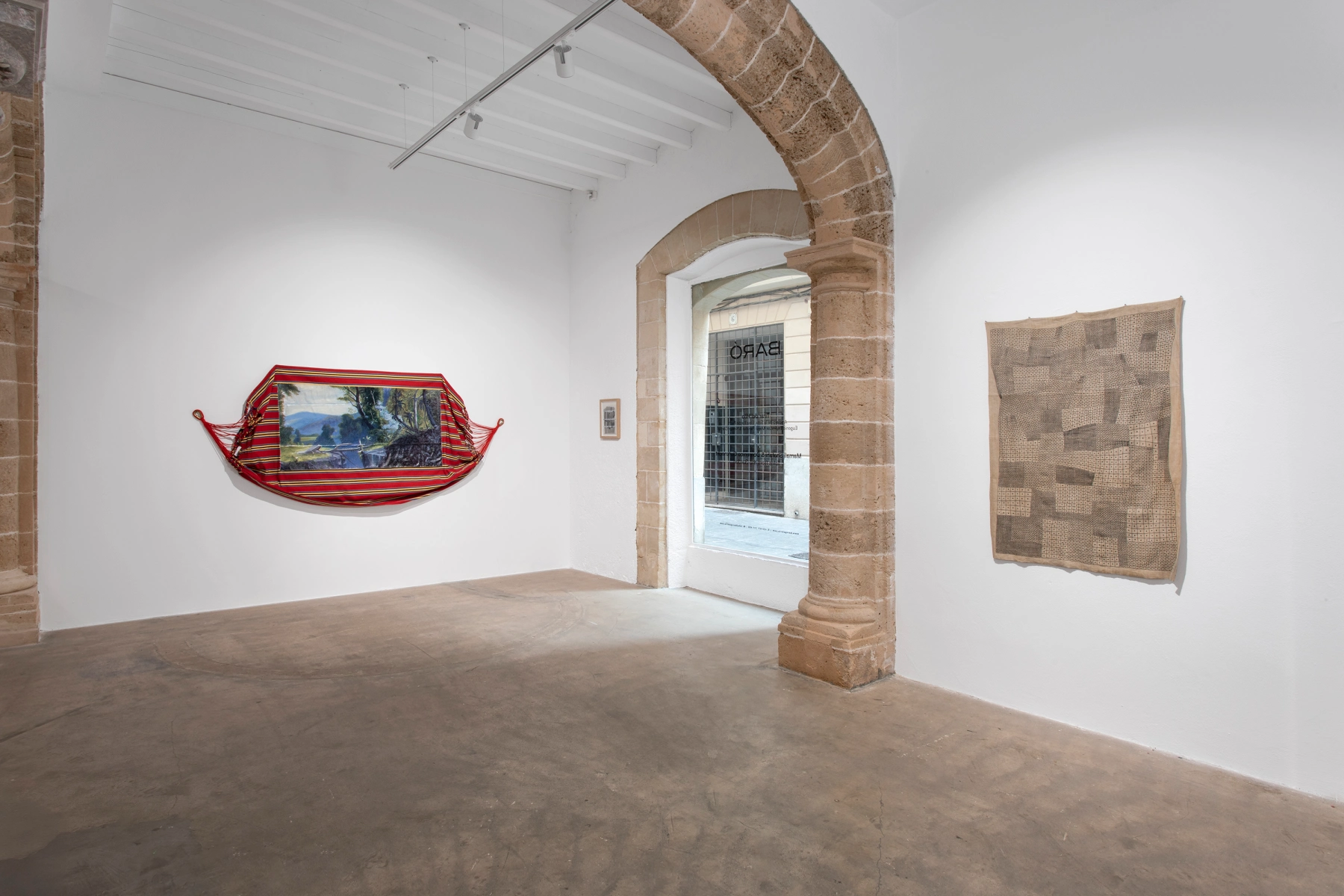
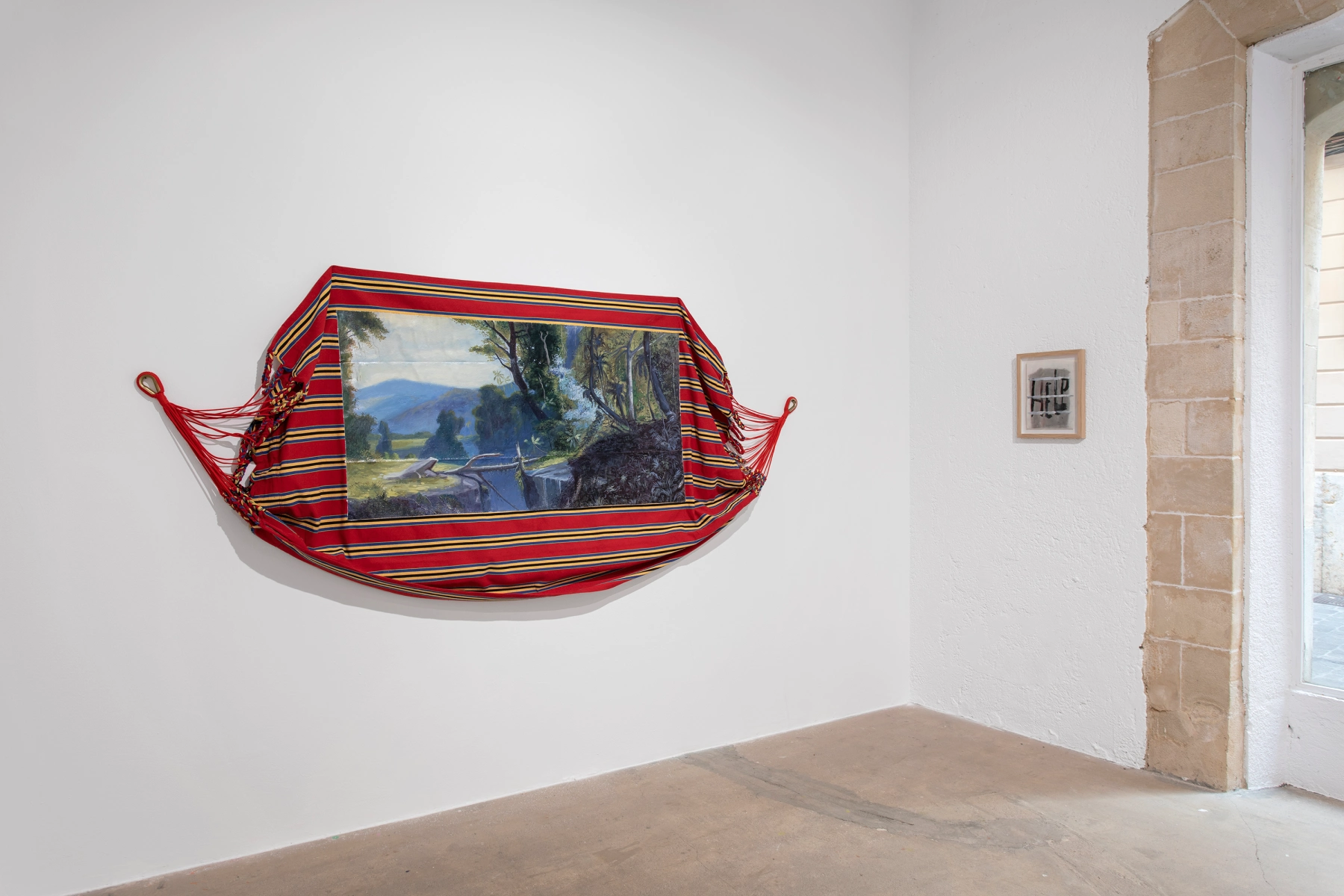
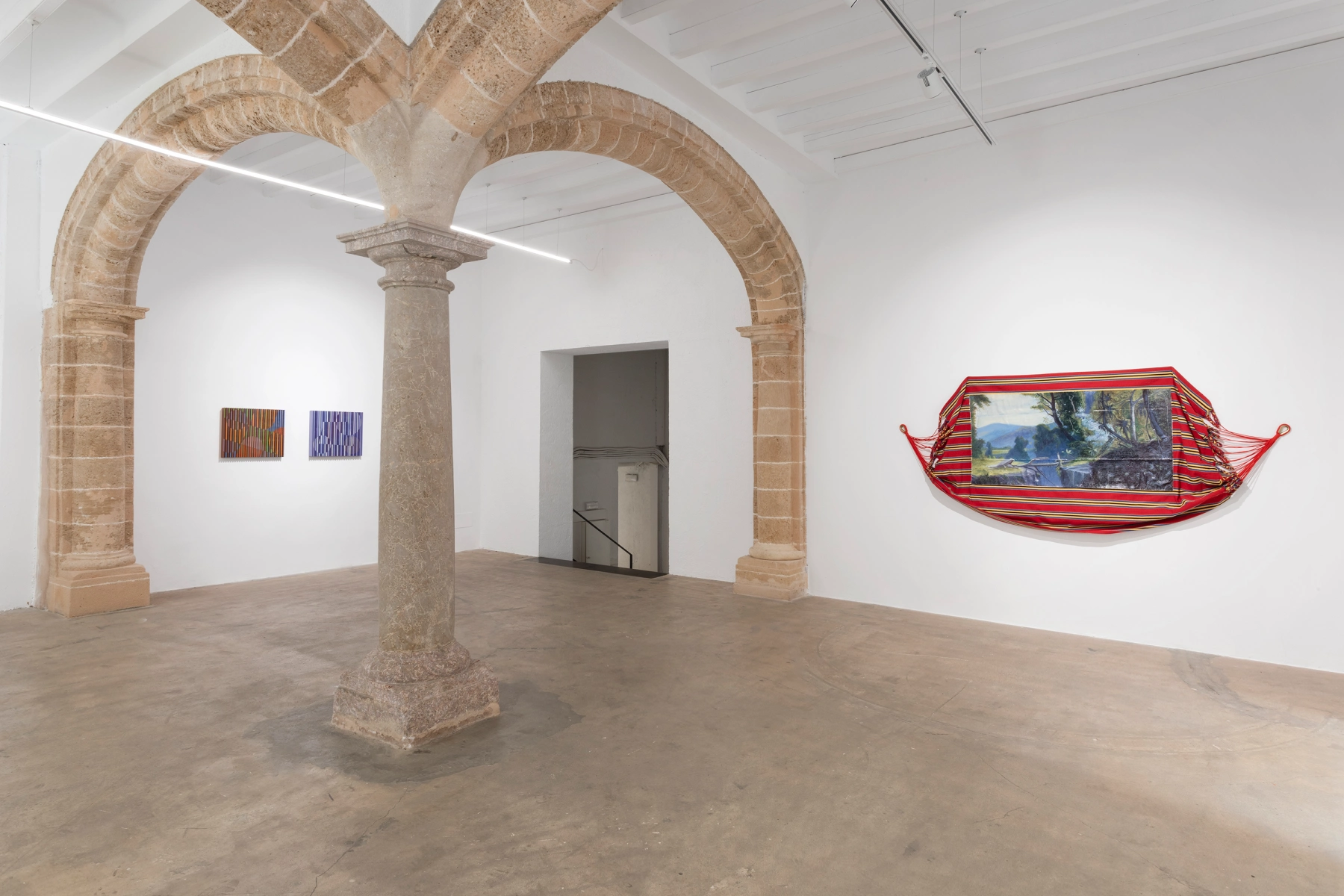
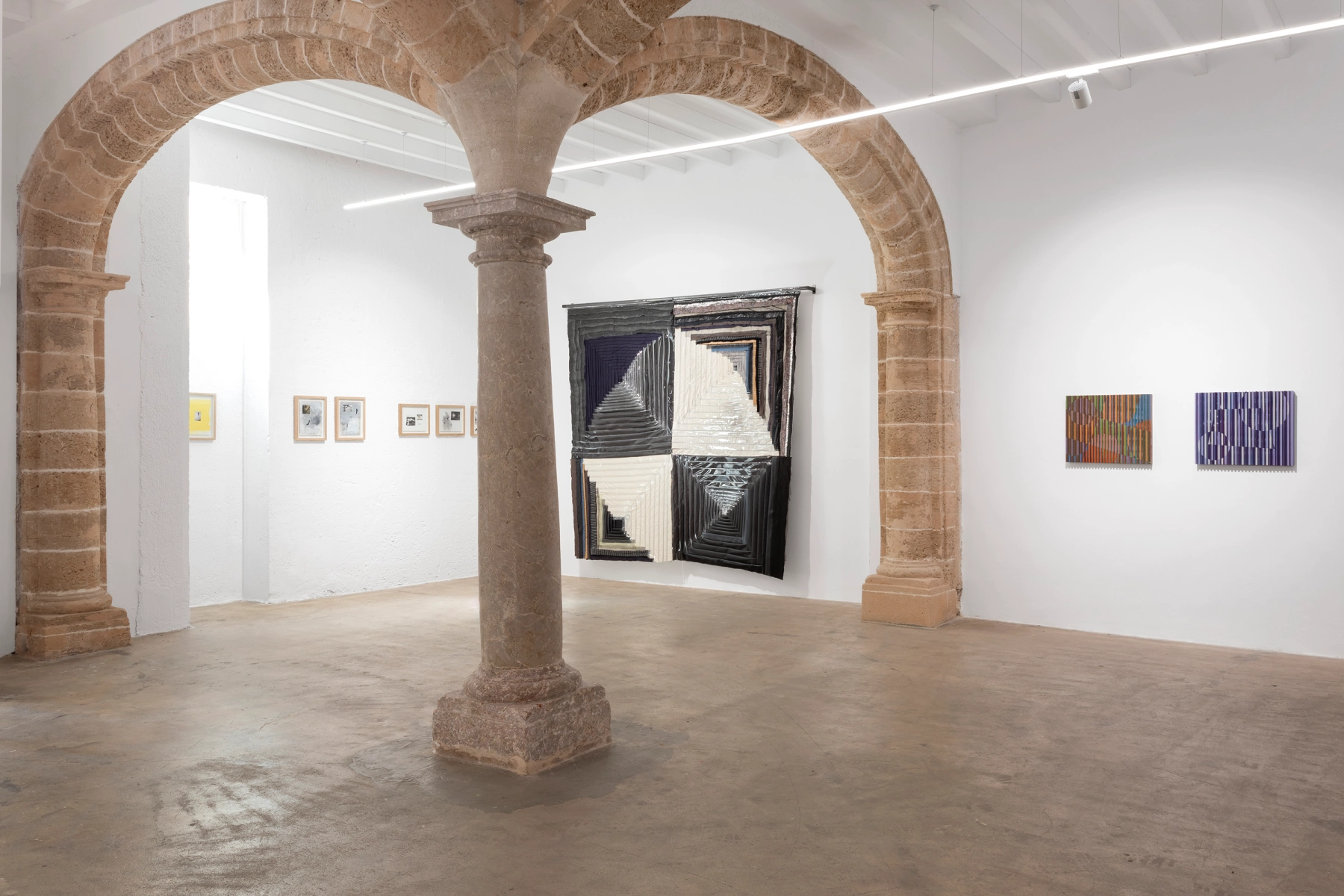
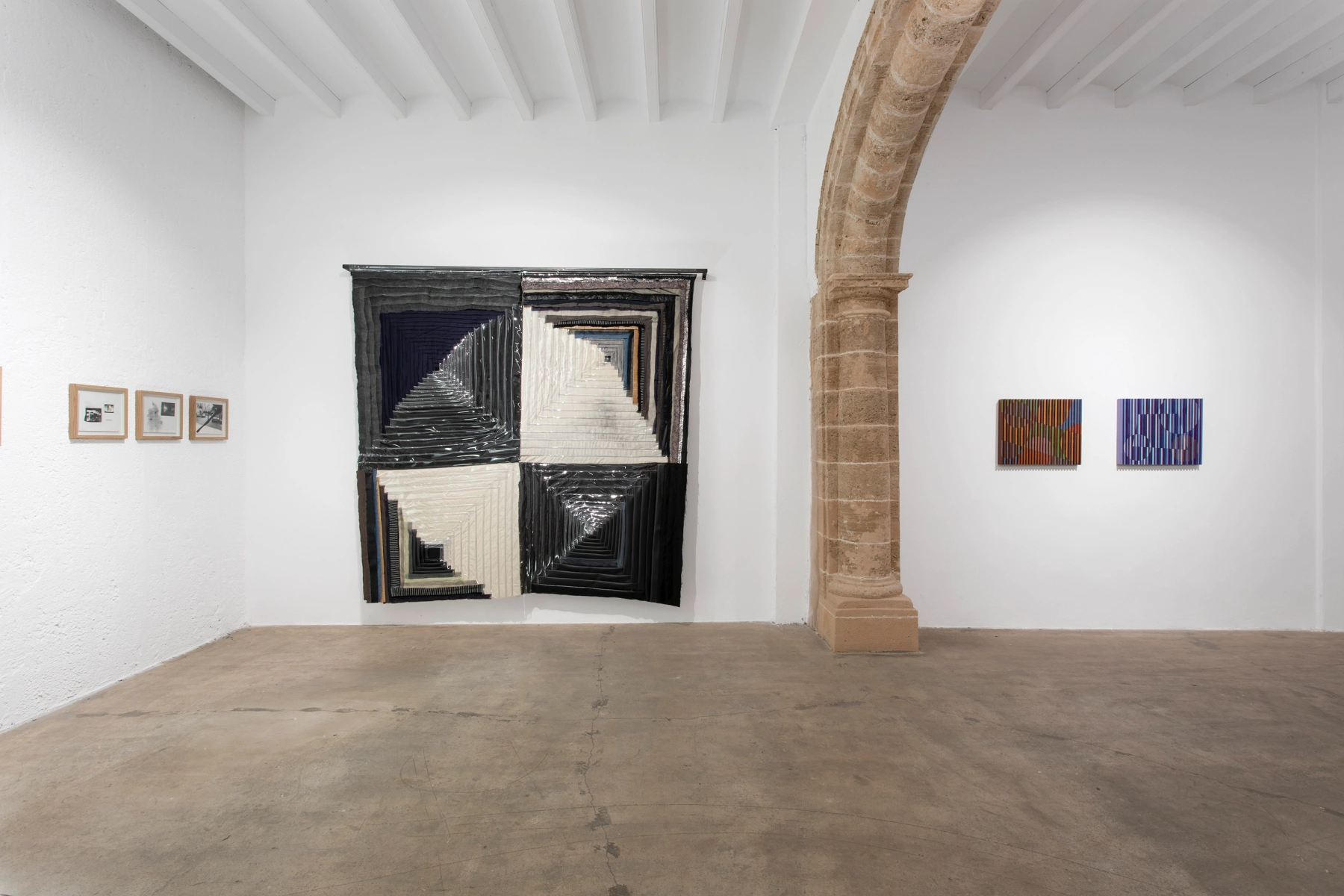
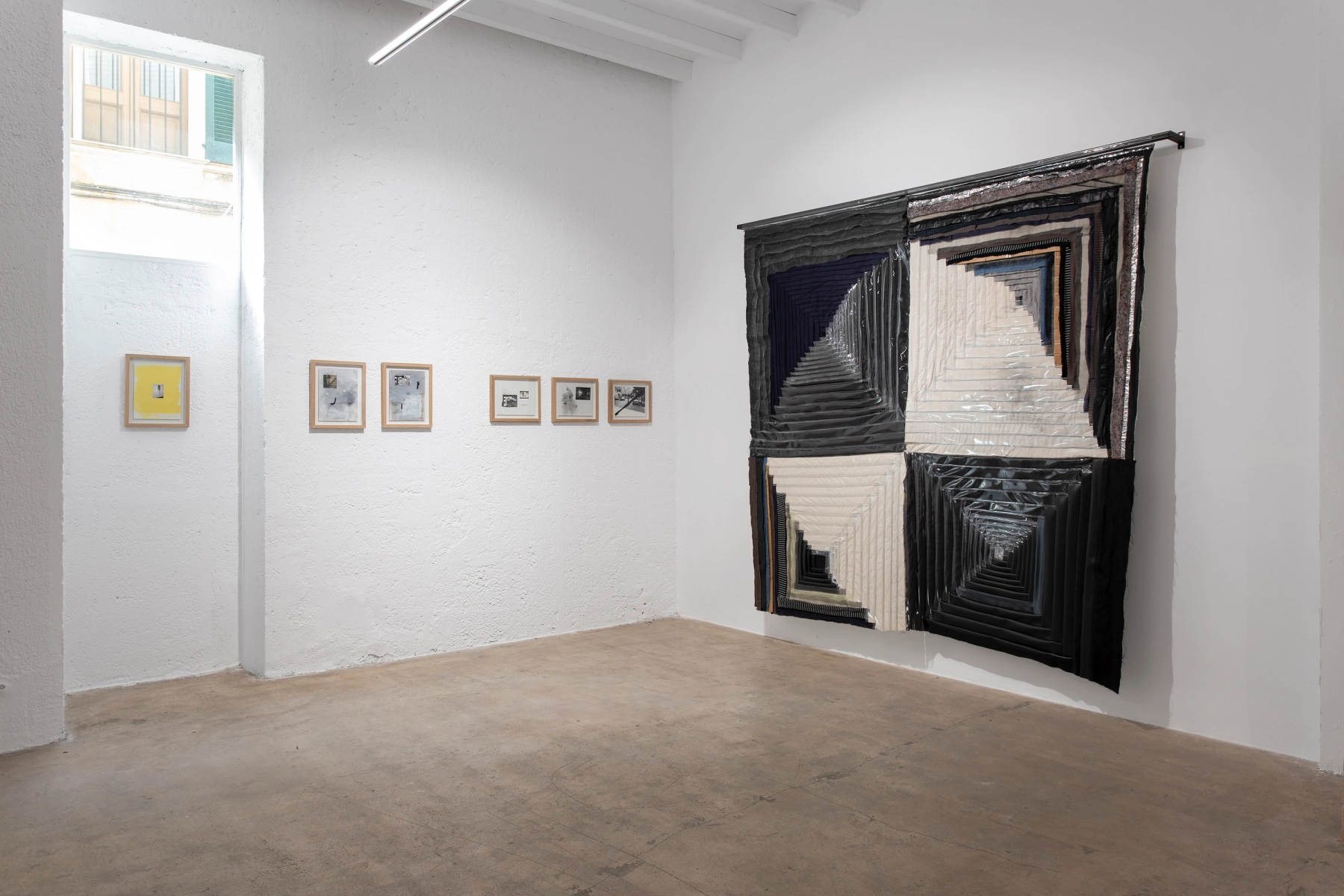
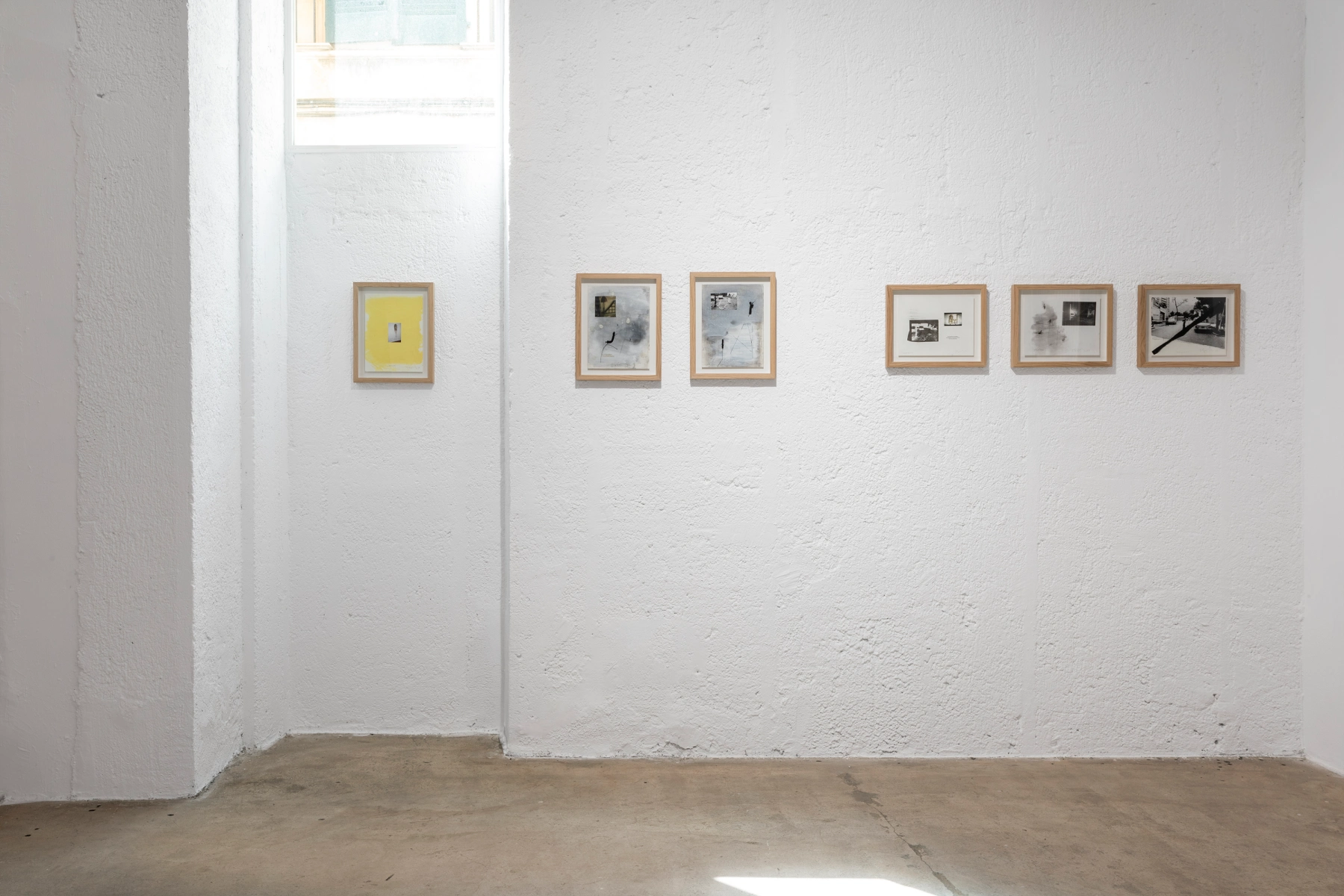
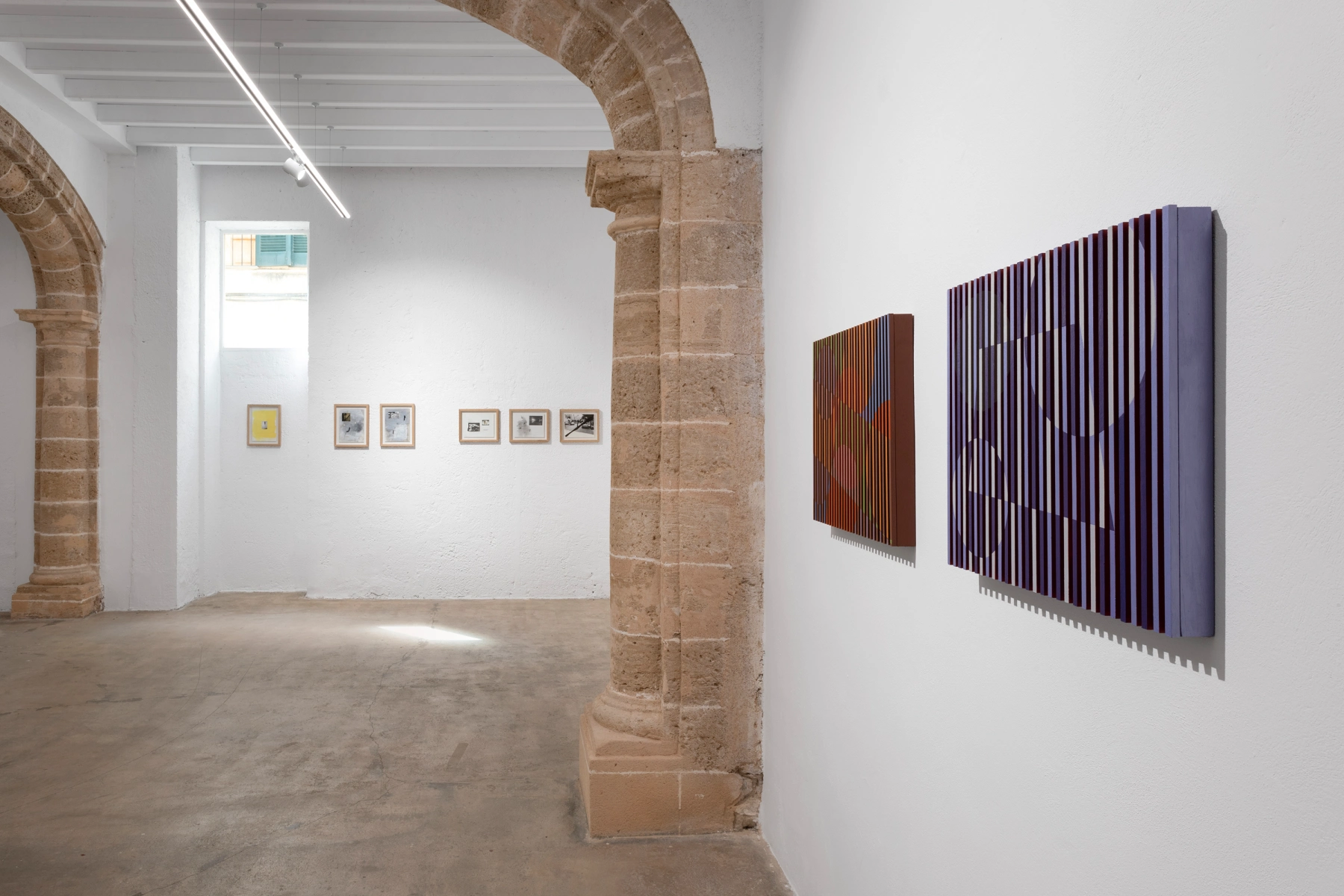
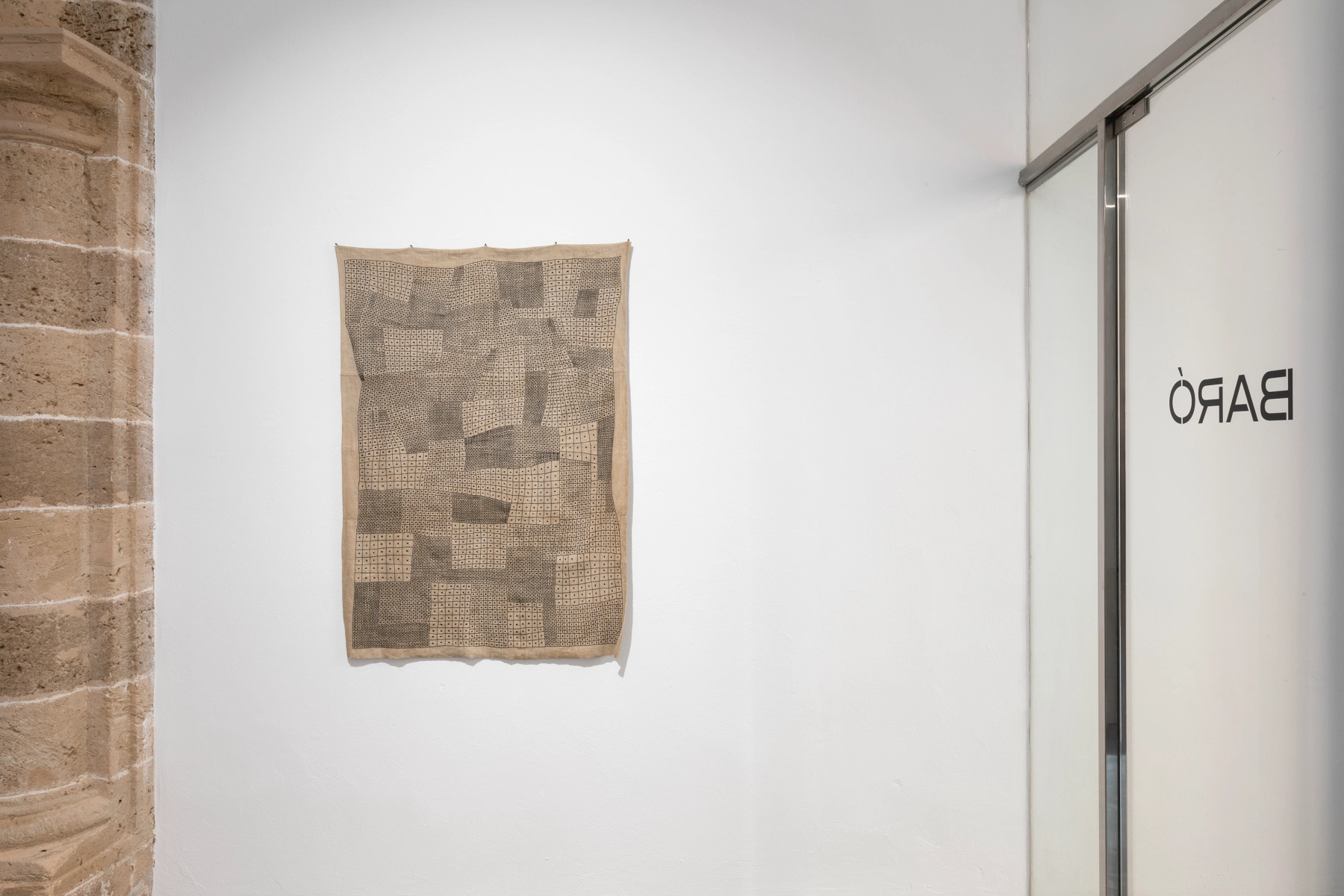
Pulling a thread (Tirar del Hilo) is understood as the beginning of a process that leads to the discovery of something still unknown, guided by intuition and contingency, while also functioning as an everyday action with the potential to undo structures. The exhibition frames textile as an expanded contemporary practice that intersects painting, assemblage, repetition, landscape and manual gesture, foregrounding process, materiality and instability. Modern grids are displaced and fragmented, surfaces are built through insistence and accumulation, landscapes reveal latent colonial histories and slow artisanal techniques introduce time as a material element.
The title condenses this dual condition of discovery and dismantling, suggesting a collective fabric in which every structure remains open to being unraveled.
Amparo de la Sota (1968, Spain) creates delicate textile works linked to memory, language and political inheritance, employing repetition and slowness to construct unstable systems that question accelerated models of productivity.
Elisa Pardo Puch (1981, Spain) develops a research based practice grounded in the recovery of artisanal techniques such as almazuela, using repetition, accumulation and insistence to explore time, structure and the visibility of process.
Eugenio Espinoza (1950, Venezuela) investigates the grid as a structural element of modern thought, displacing, fragmenting and extending it through works on paper, painting and process based actions that reveal the limits of rational systems of perception.
Mano Penalva (1977, Brazil) works with assemblages of textiles, objects and found materials, constructing fragile material relationships in which joining becomes a form of tactile and affective thinking.
Néstor García (1978, Venezuela) uses textile support as a site of dialogue with painting, landscape and the past, where apparently decorative surfaces reveal latent colonial narratives embedded in representations of the tropical landscape.


