23 Savile Row, W1S 2ET, London, United Kingdom
Open: Tue-Sat 10am-6pm
Thu 5 Feb 2026 to Sat 11 Apr 2026
23 Savile Row, W1S 2ET Takesada Matsutani. Shifting Boundaries
Tue-Sat 10am-6pm
Artist: Takesada Matsutani
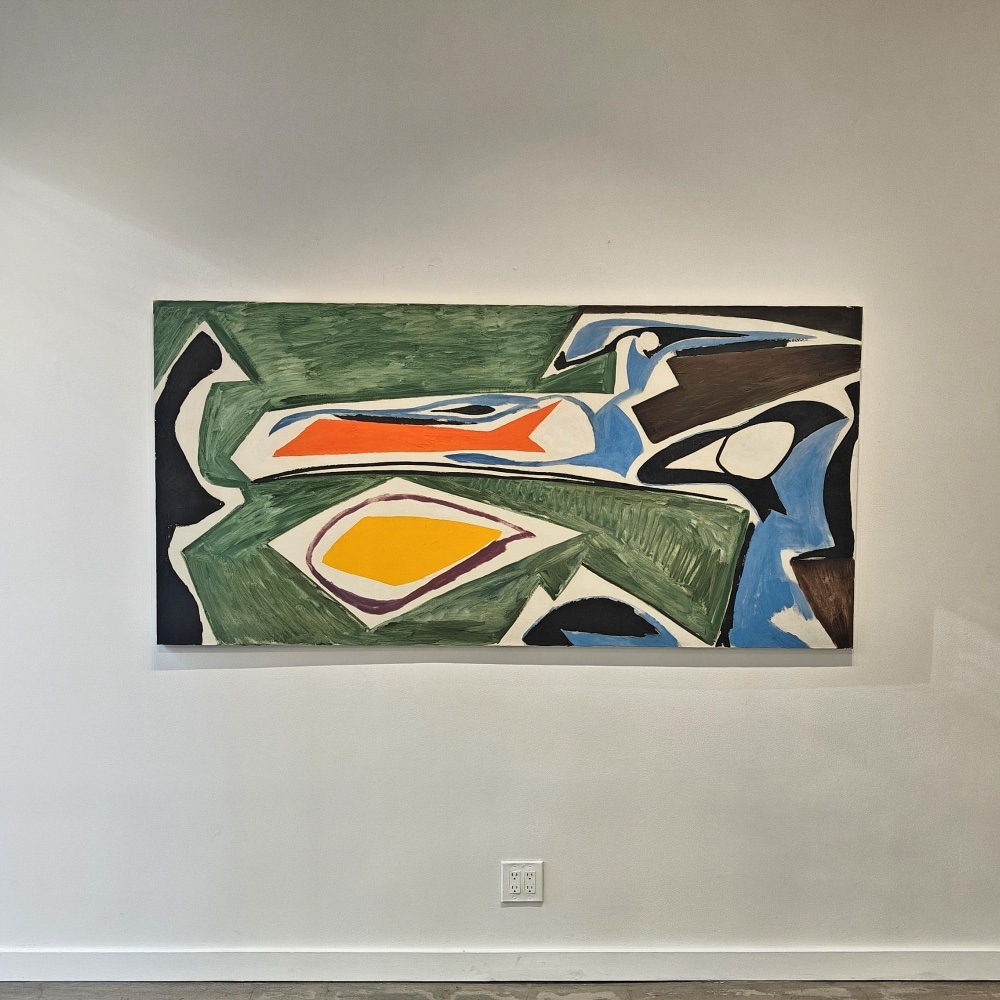
The Ōsaka-born artist Takesada Matsutani takes over the North Gallery for his first exhibition in London, UK in over a decade, coinciding with his 60th year of living and working in Paris, France. The artist’s diverse practice is concerned with the reshaping of matter, from transforming acrylic, oil paint and graphite to more unconventional materials like vinyl glue and cotton. This exhibition, organized with Olivier Renaud-Clement, ranges from the sensational sculpture ‘The Magic Box’ (1988), which will be shown in Europe for the first time, to brand-new works that epitomize his experimentation with vinyl glue.
A key member of the Japanese avant-garde collective the Gutai Art Association, Matsutani moved to Paris in 1966 after receiving a grant from the French government as a result of winning first prize in the 1st Mainichi Art Competition. One of the last surviving members of the Gutai group, he turns 89 in January 2026 yet he still maintains a daily studio practice, evident in the relentless energy that continues from his historic works to the new canvases on view.
The 60th anniversary of Matsutani’s time in Paris is concurrent with the 10th Prix Matsutani, an initiative from the SHŌEN endowment fund founded by Takesada Matsutani and his wife Kate Van Houten with the goal of supporting artists and their work, as well as a commission by the artist for Musée Cernuschi, which will be revealed in September 2026.
Running alongside Matsutani’s exhibition will be a solo show on Tetsumi Kudo (1935 – 1990) in the South Gallery. Kudo was a key player of Tokyo’s anti-art movement as well as the nouveau realisme movement in France. Though the two artists were part of different movements, they are united by their relocation from Japan to Paris, France in the 1960s, where they became acquainted with each other, and by their rejection of established modes of making.
Sign Up & Never Miss a Show