+ 49 30 2408 8130
Open: Tue-Sat 11am-6pm
Visit
Open: Tue-Sat 11am-6pm
Karl-Marx-Allee 45, D-10178, Berlin, Germany
Open: Tue-Sat 11am-6pm
Visit
Georg Herold f.
Capitain Petzel, Berlin
Artist: Georg Herold
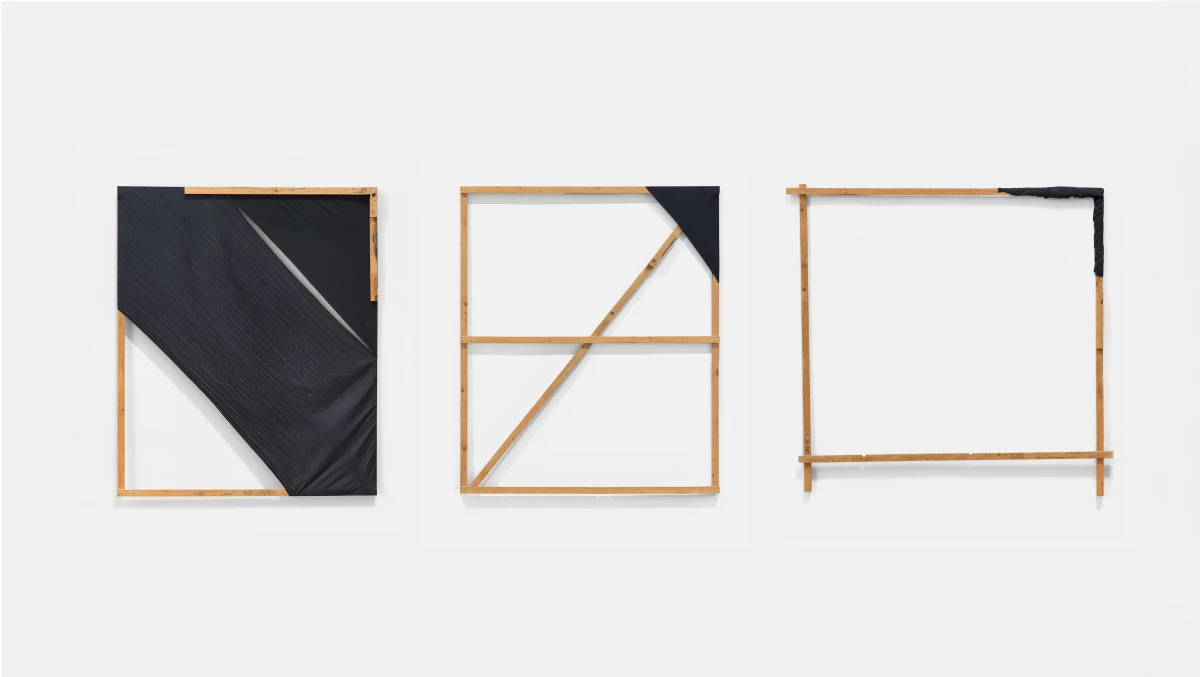
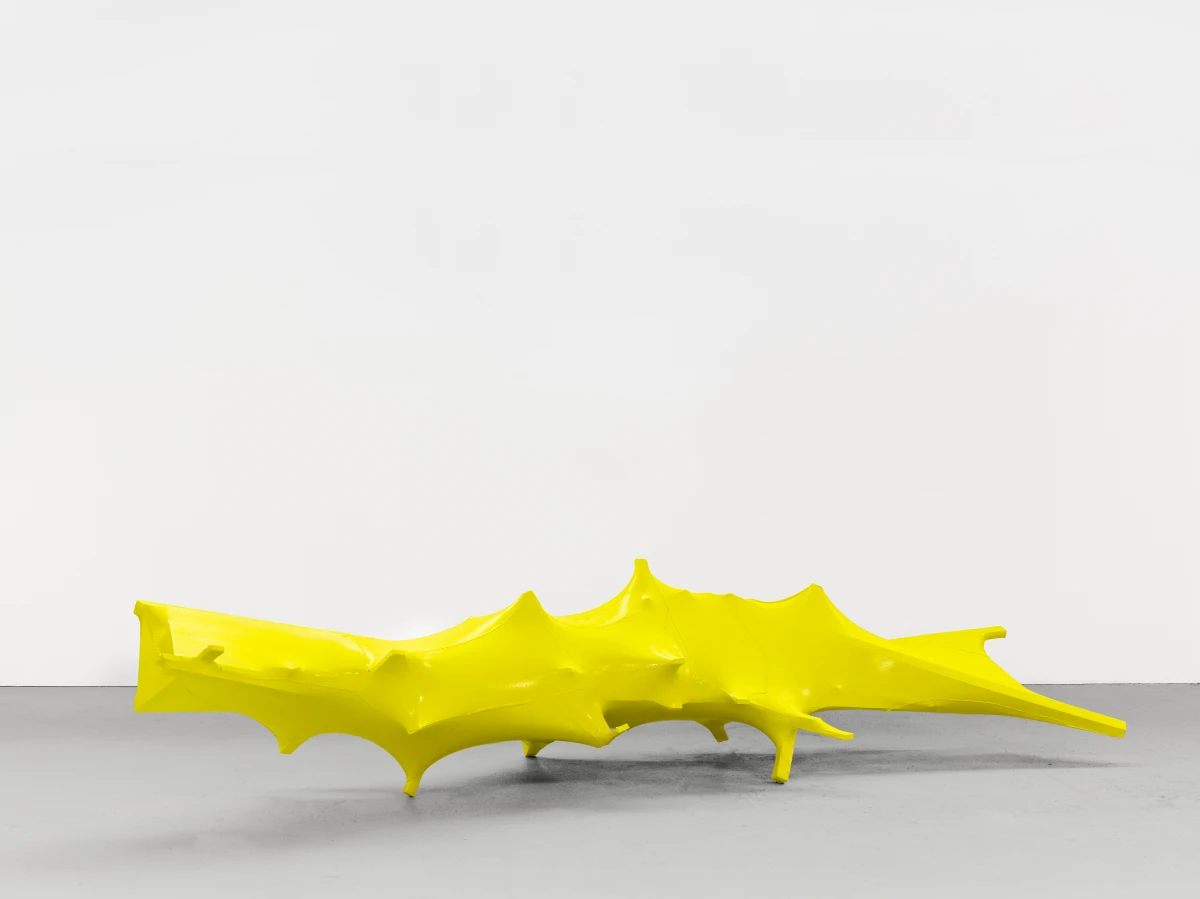
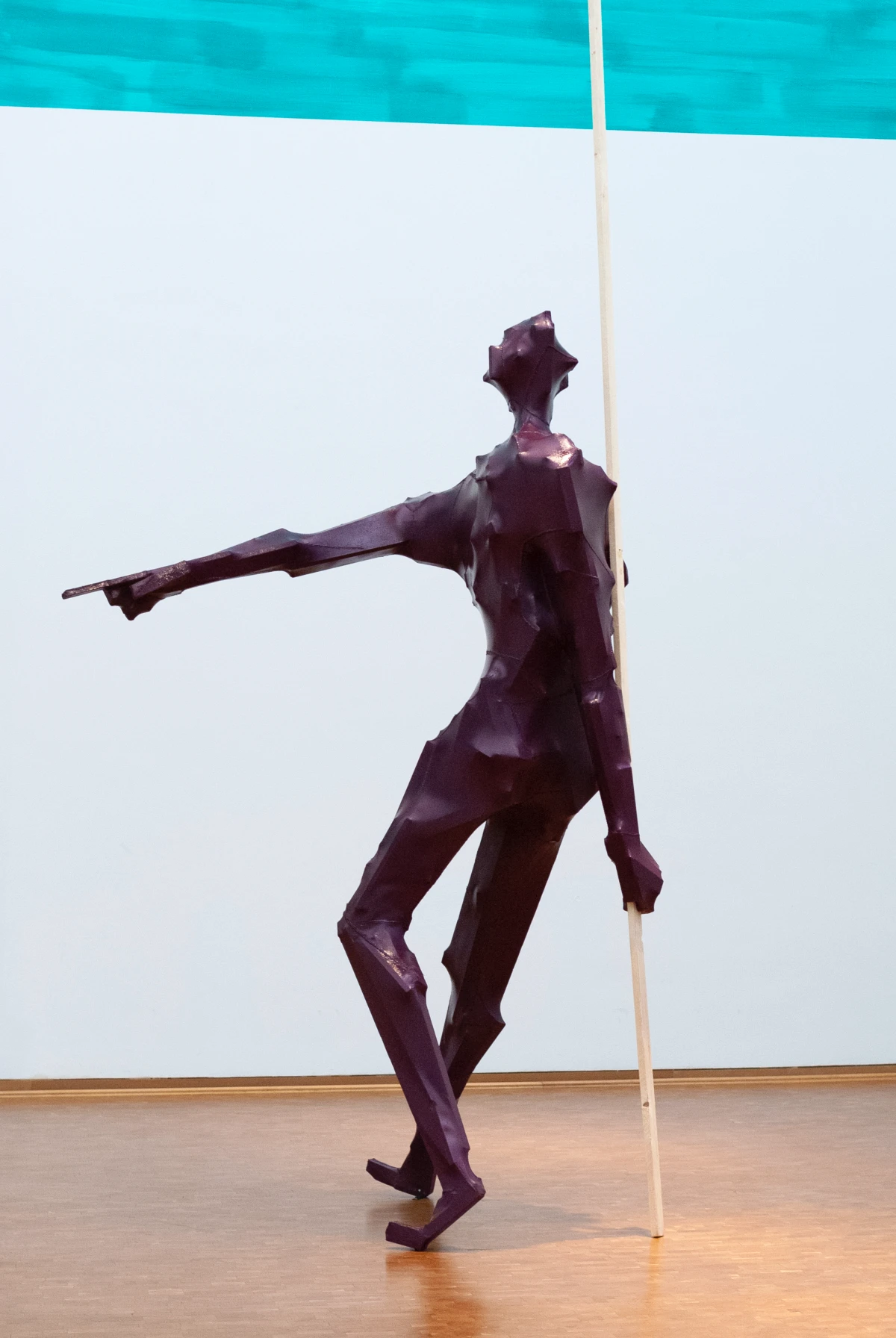
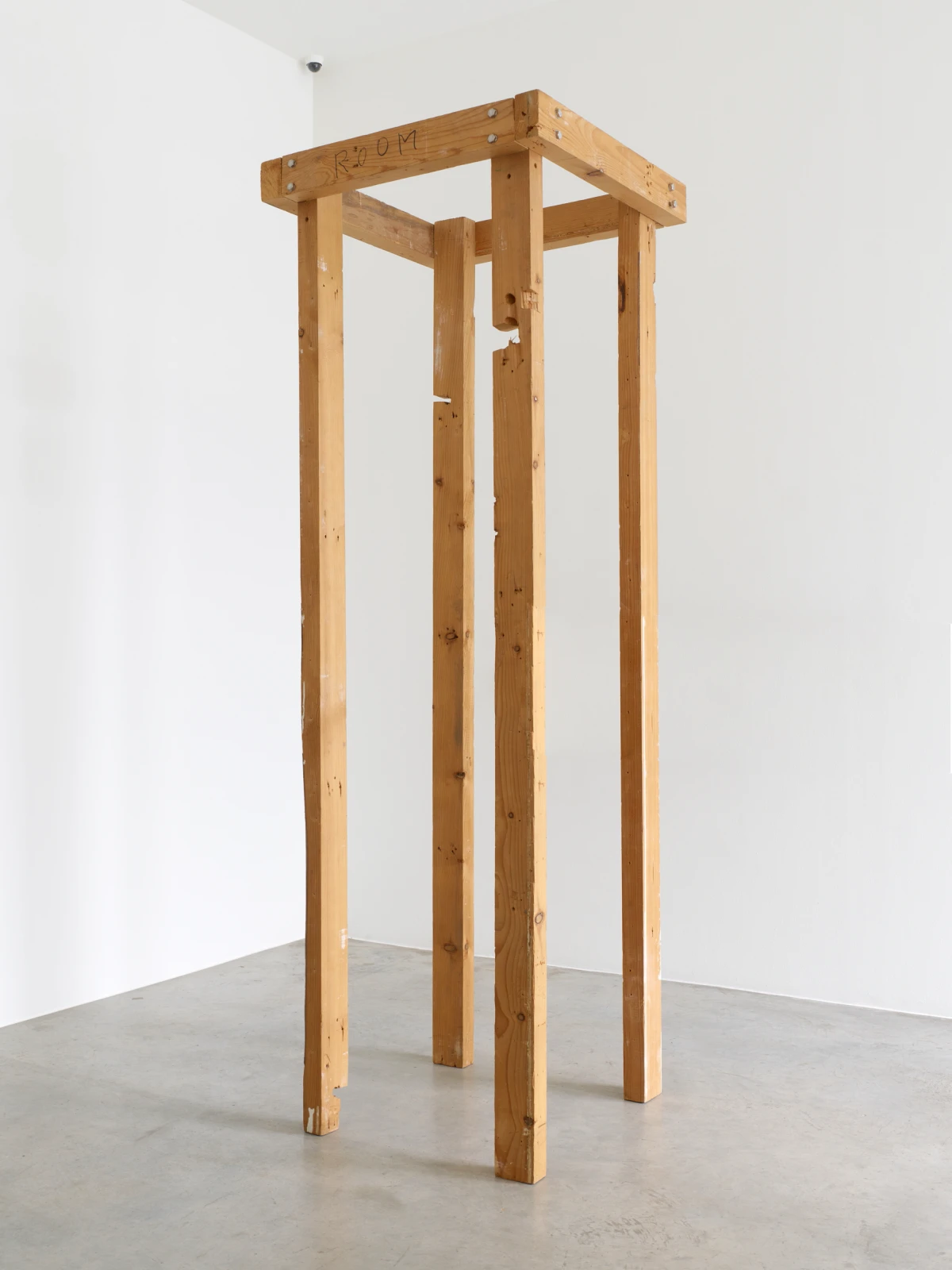
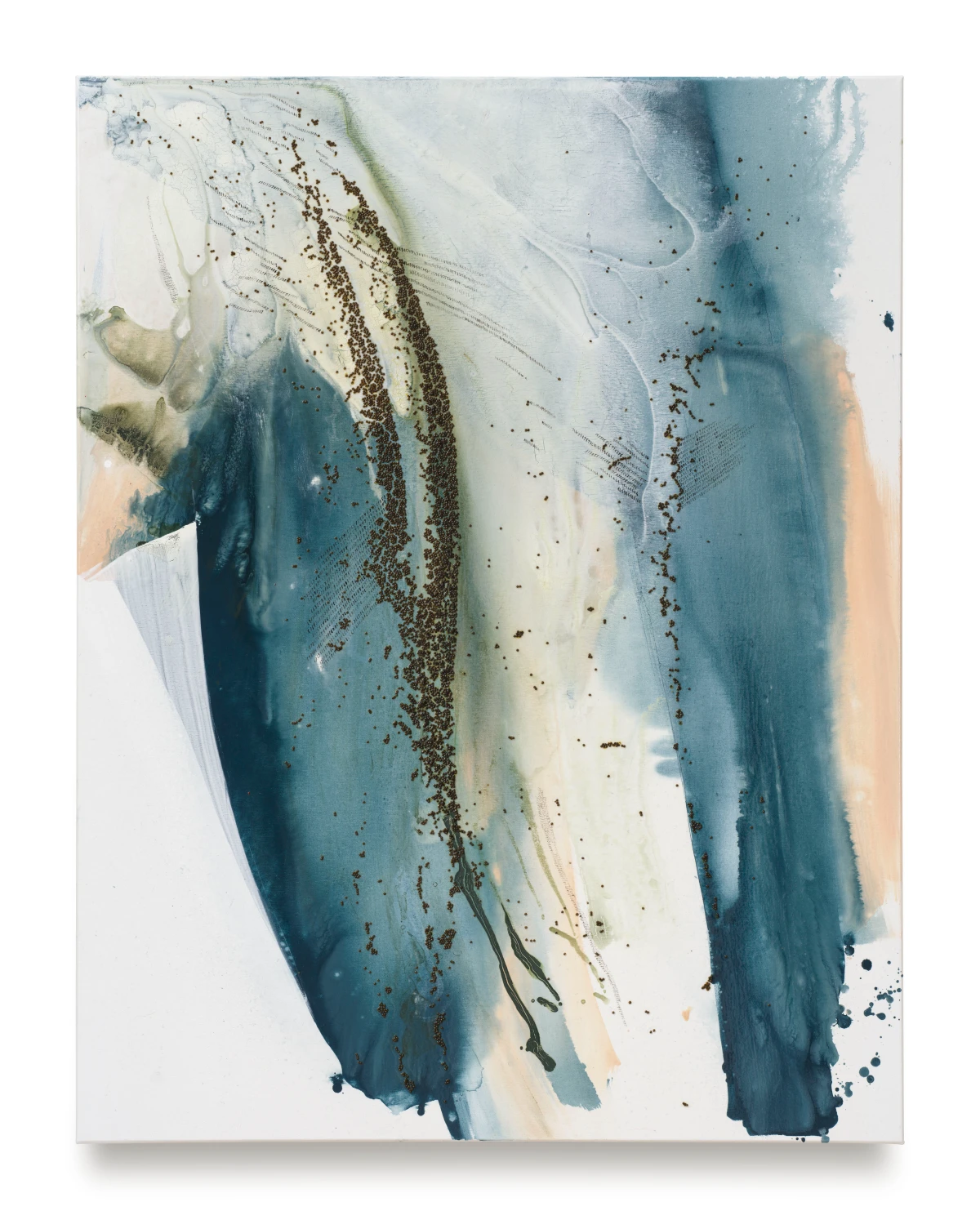
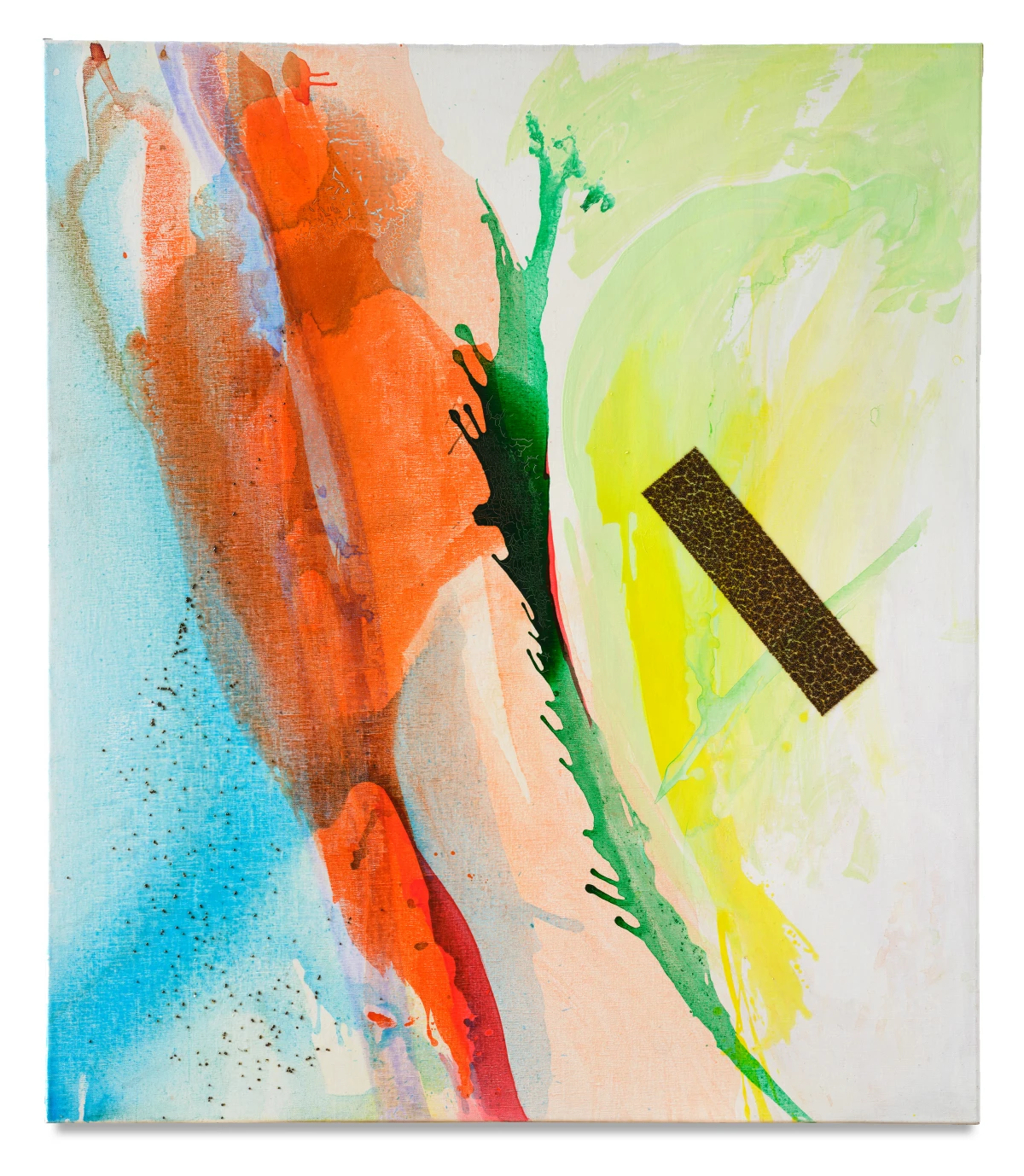
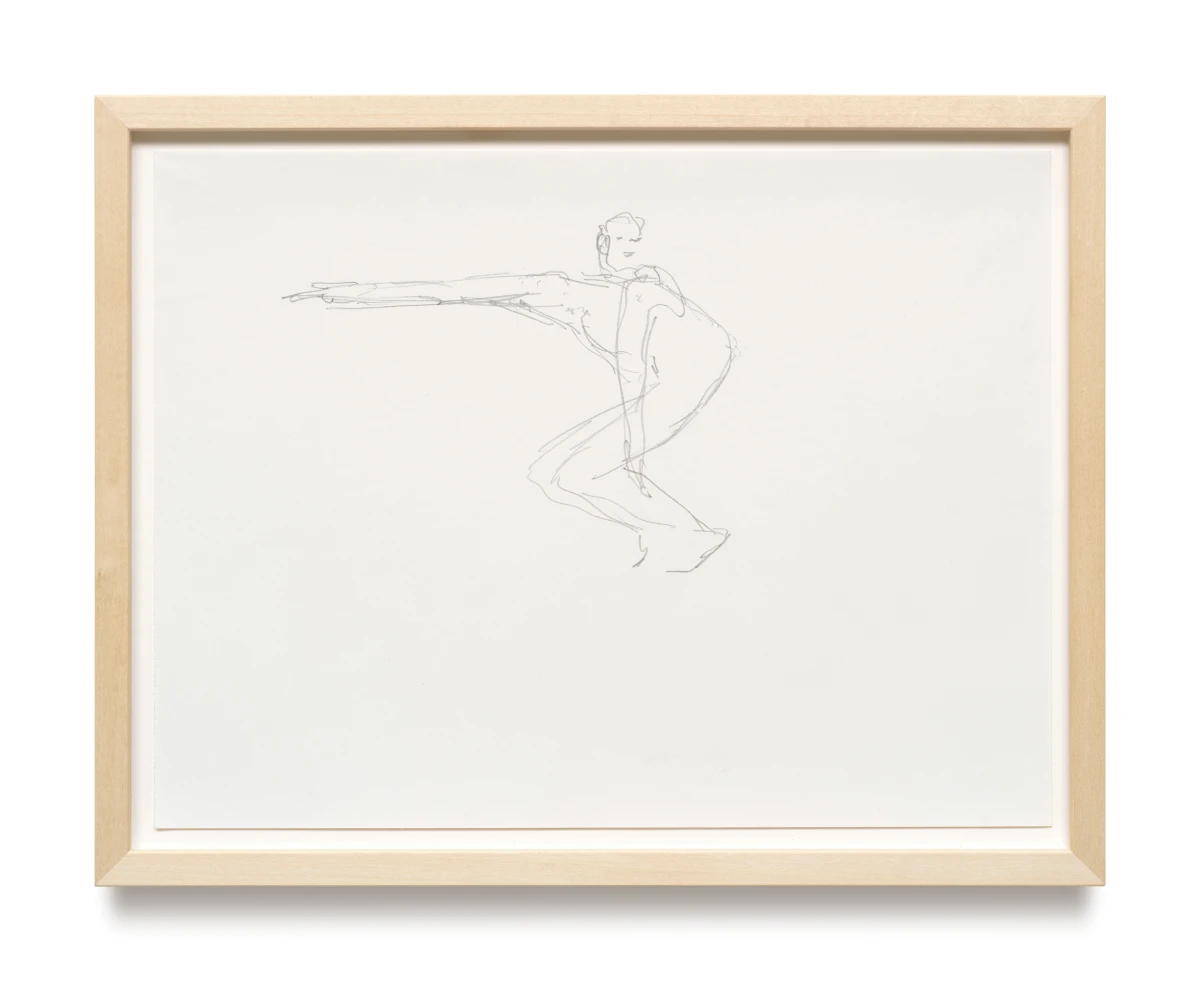
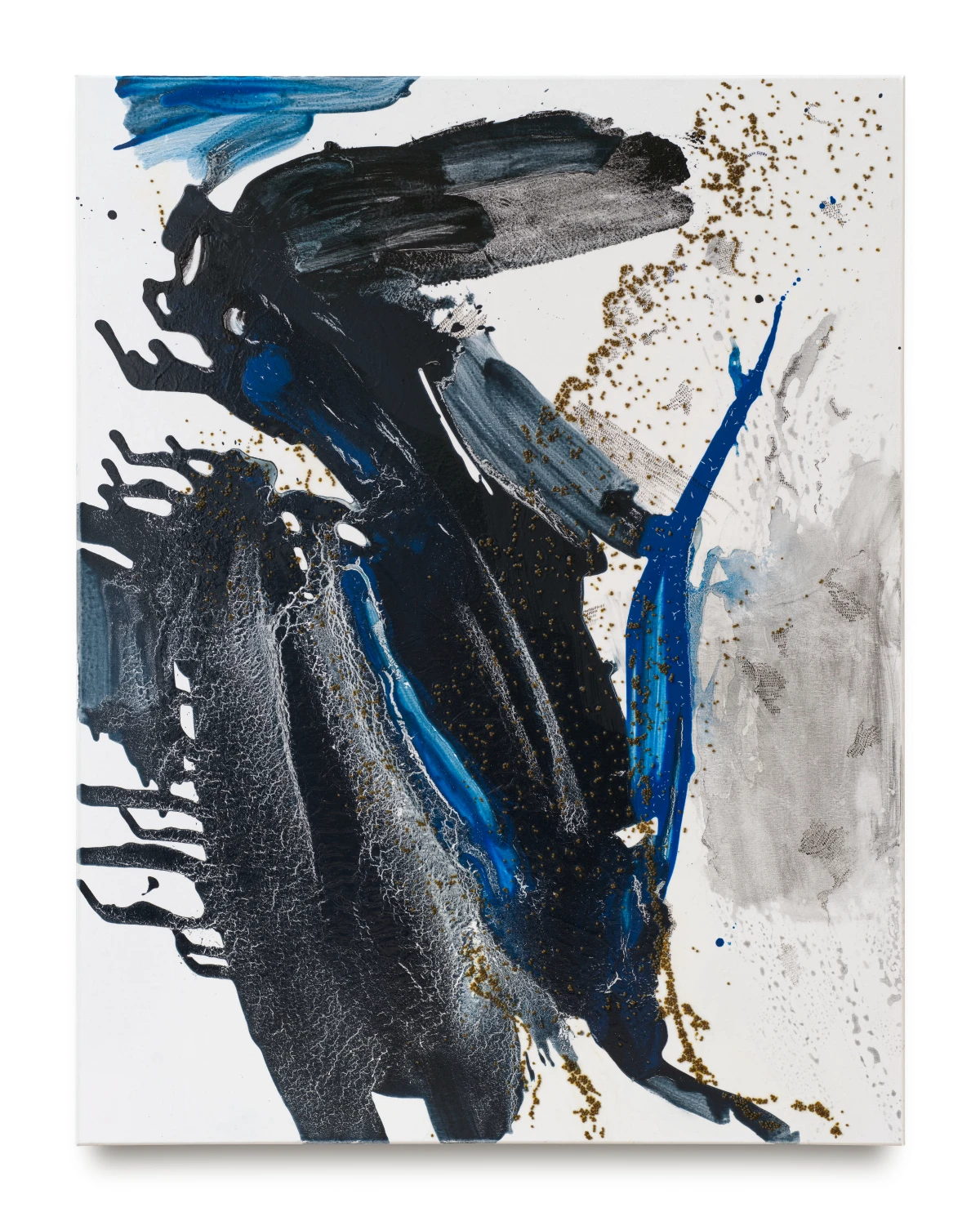
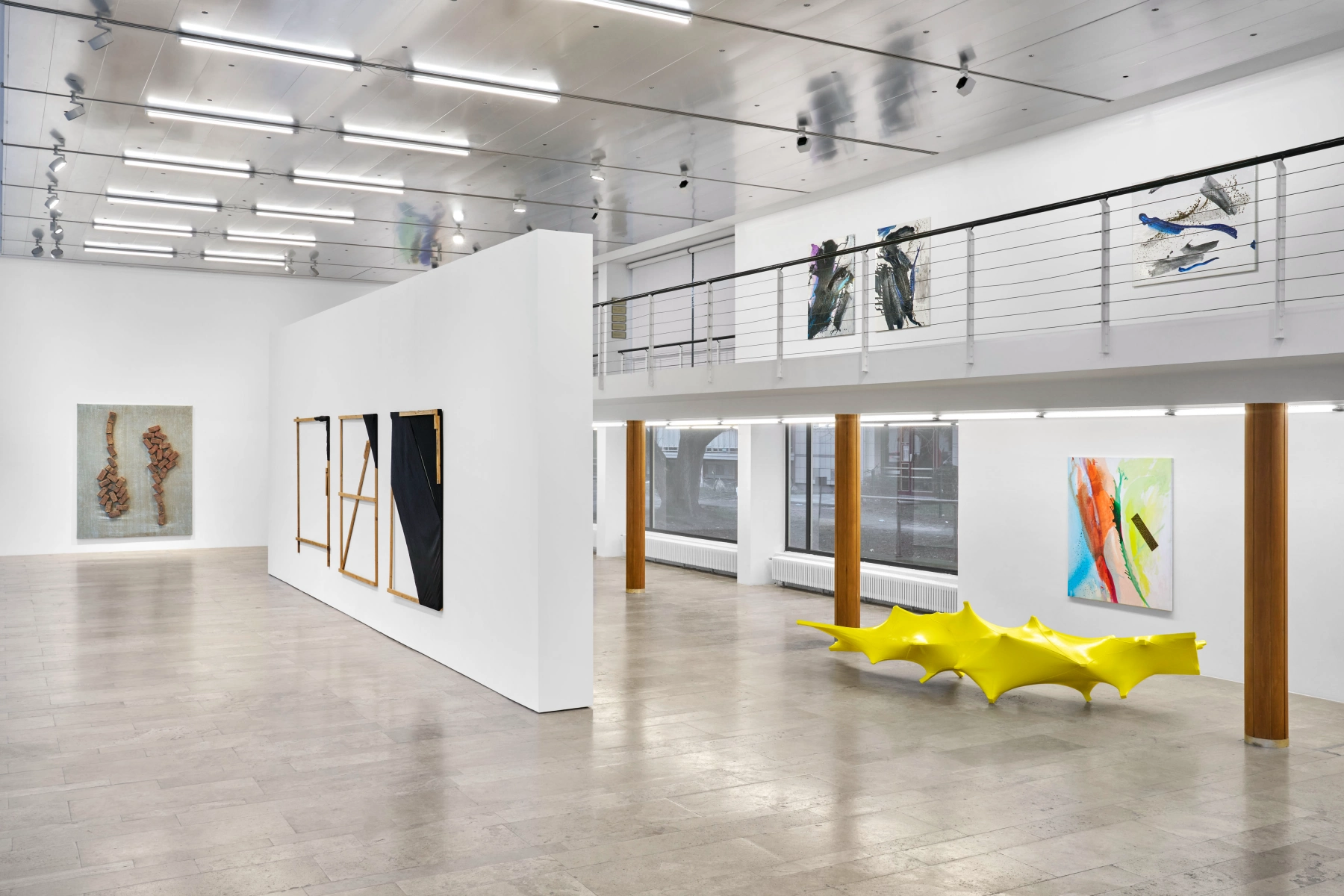

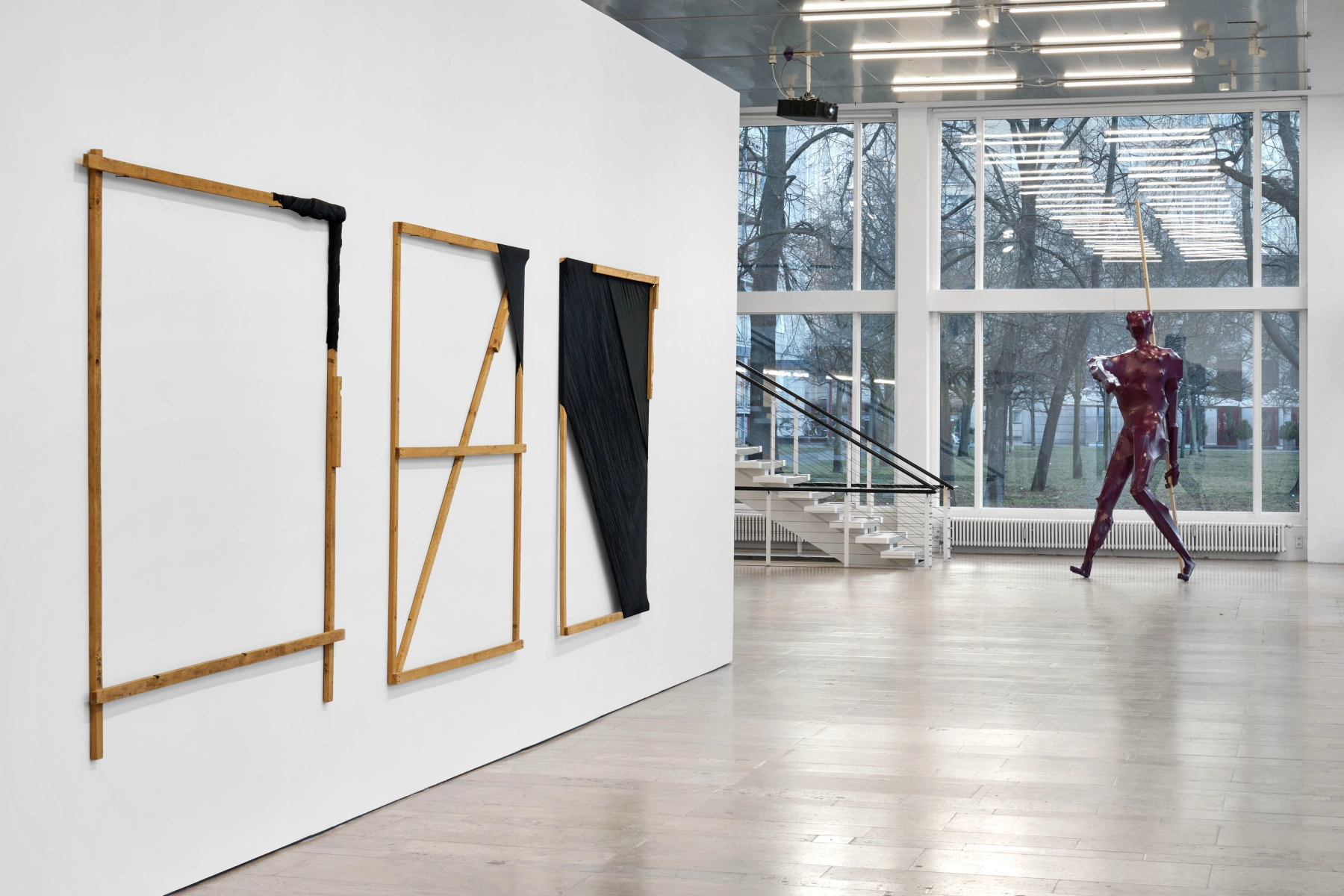
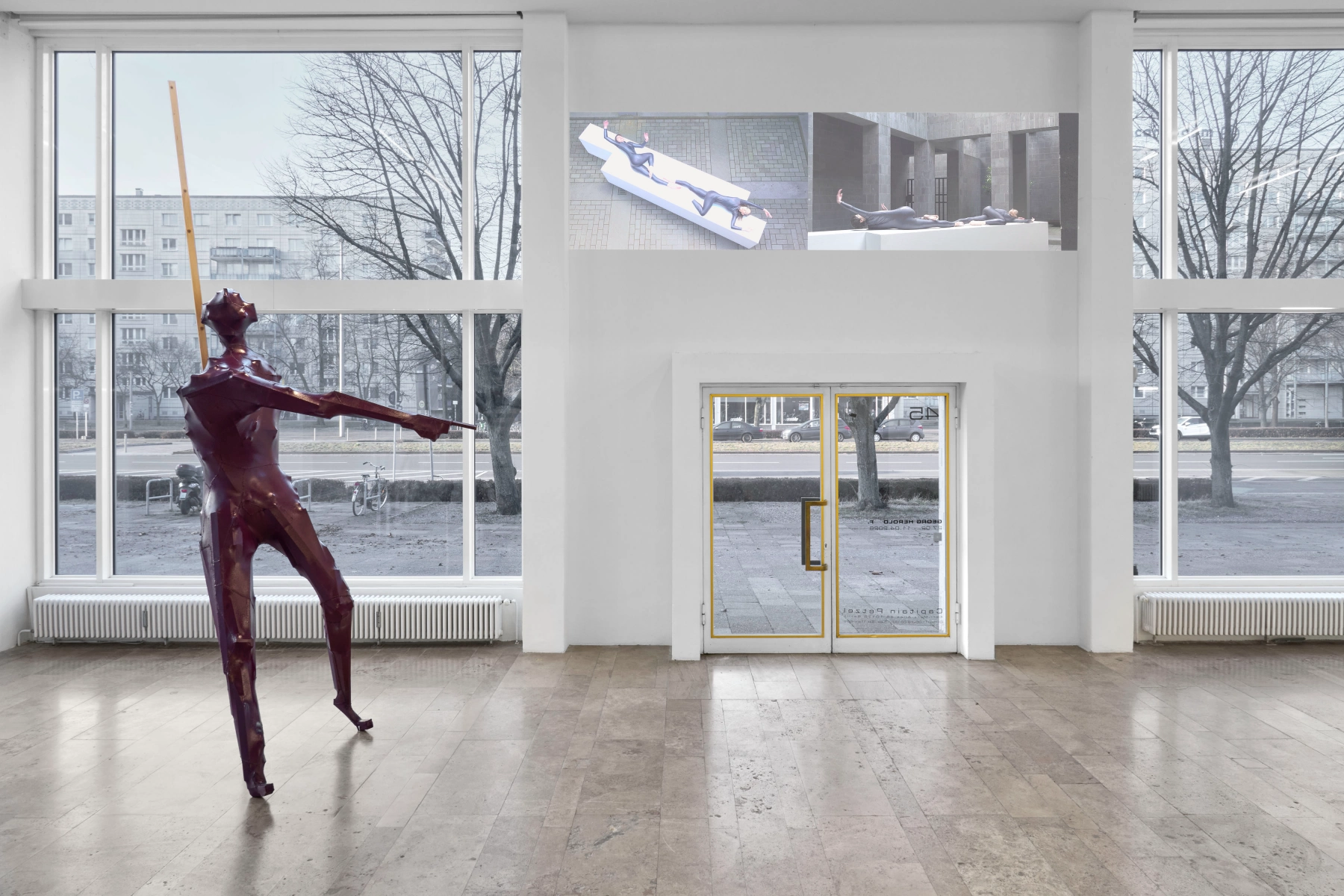
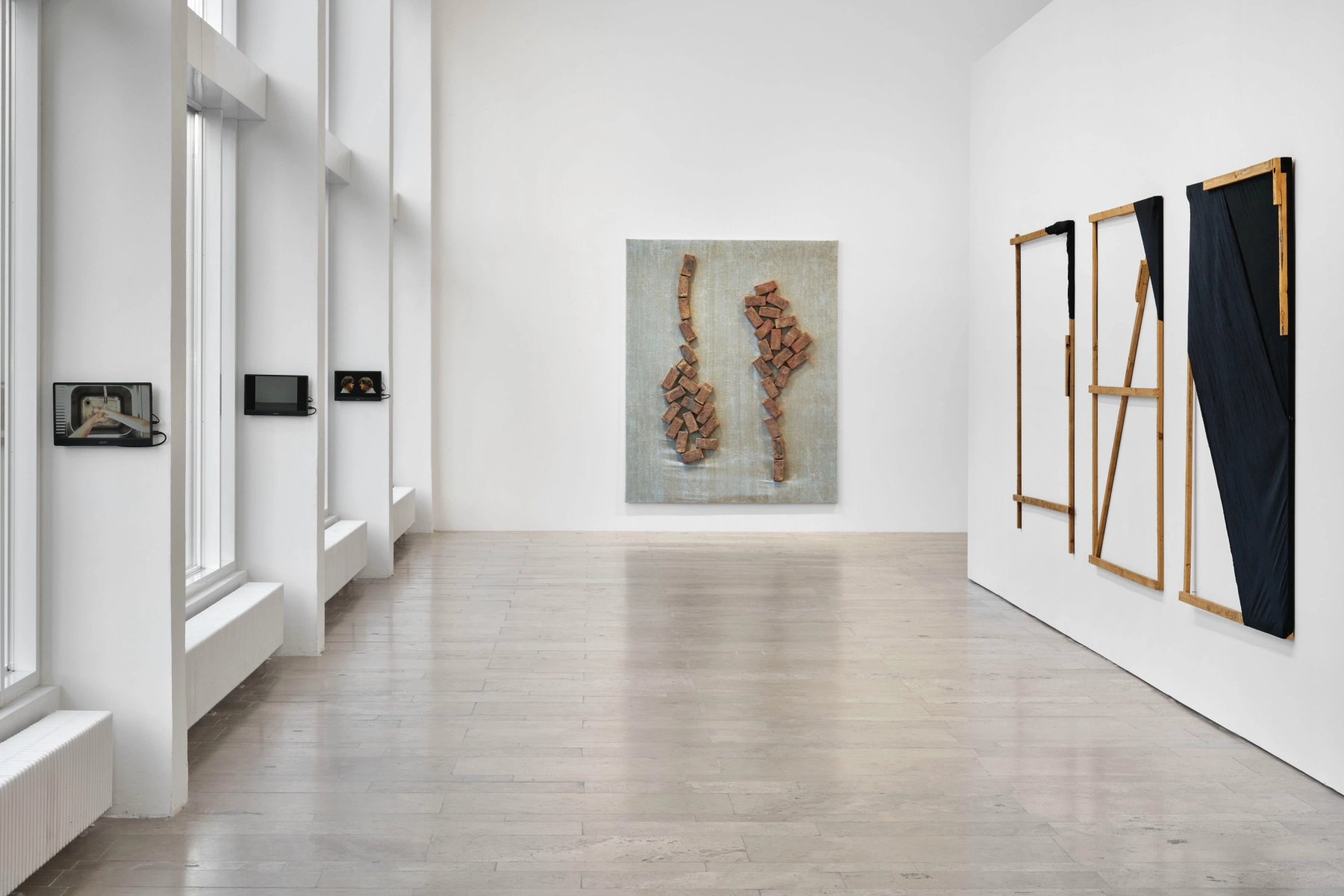
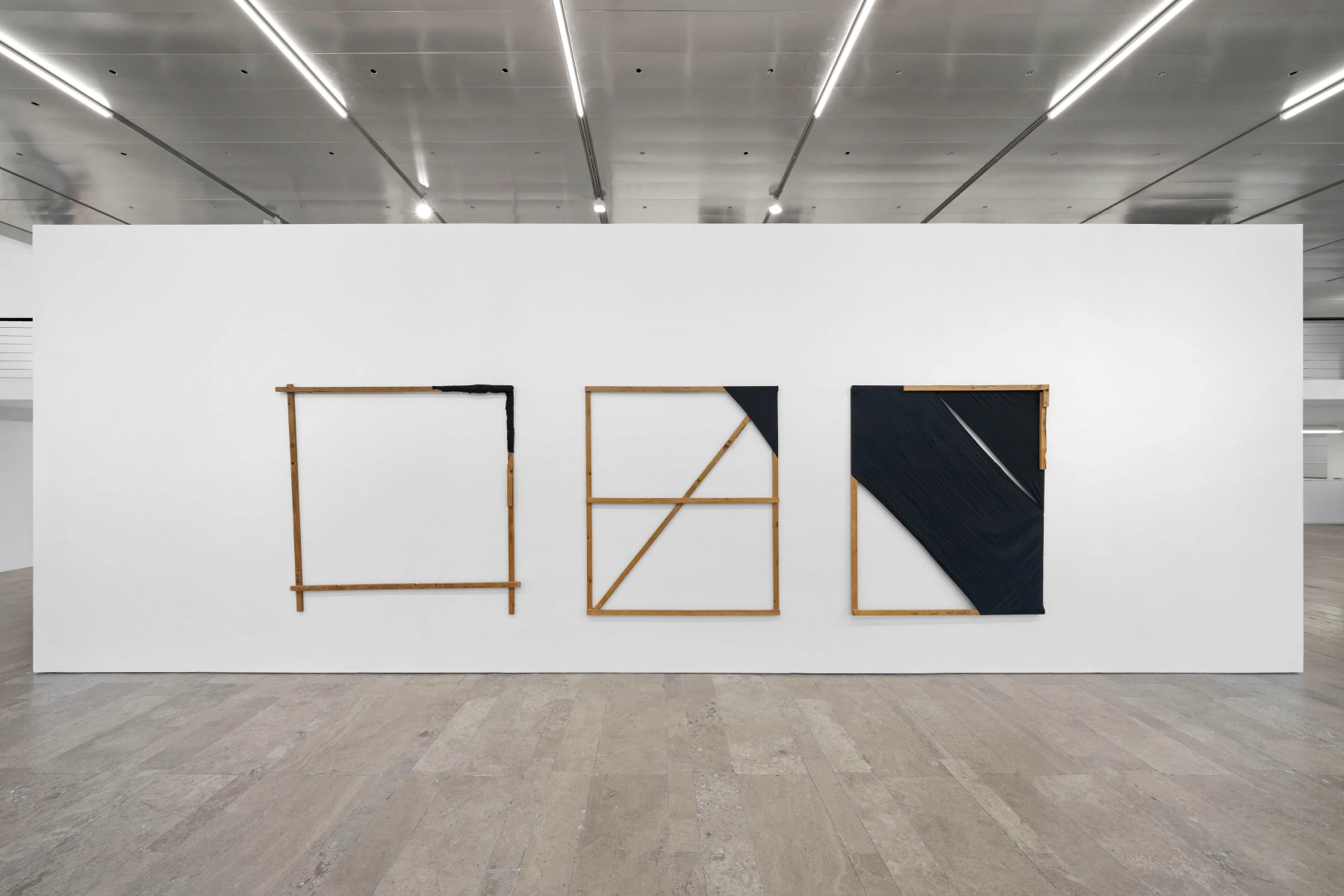
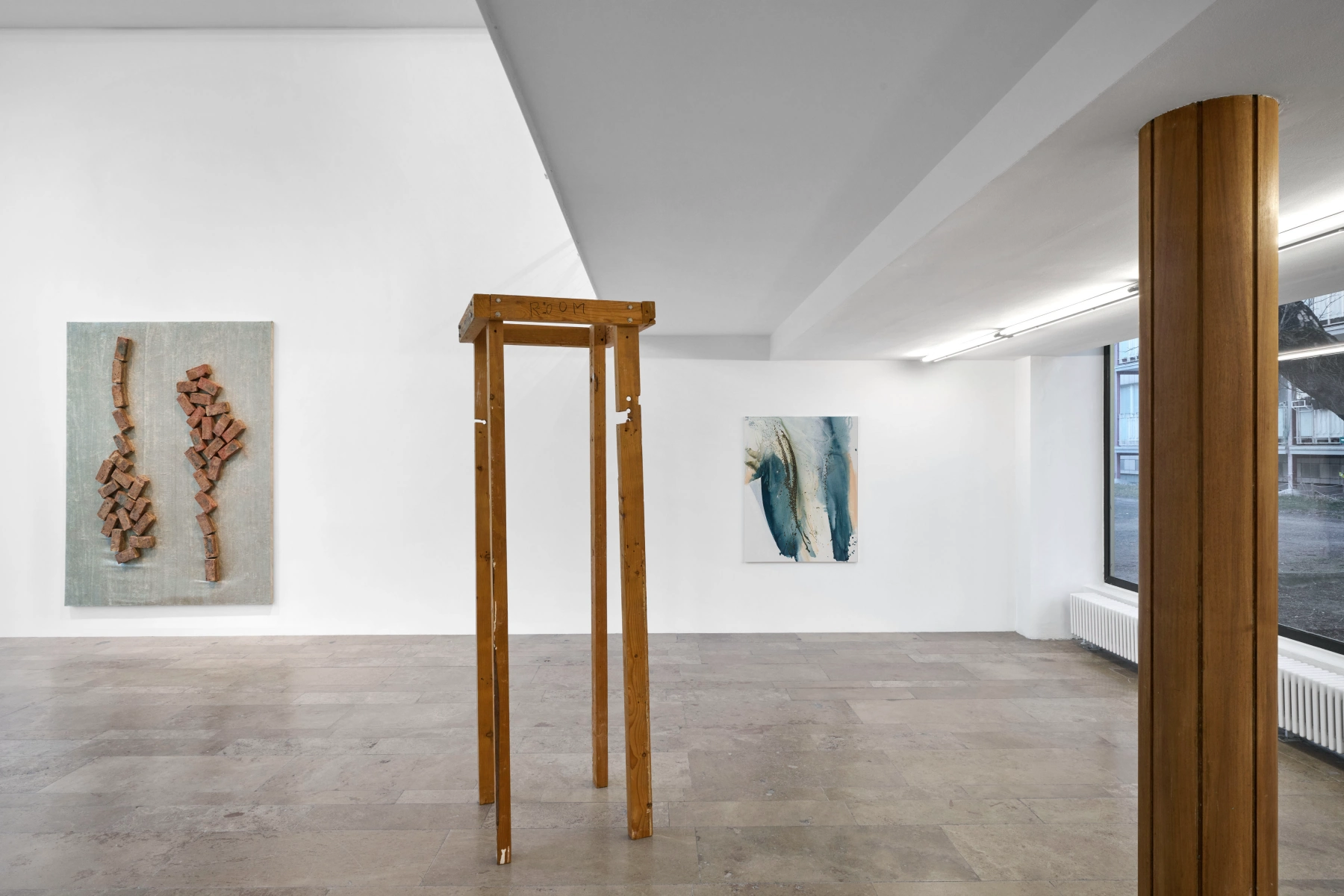
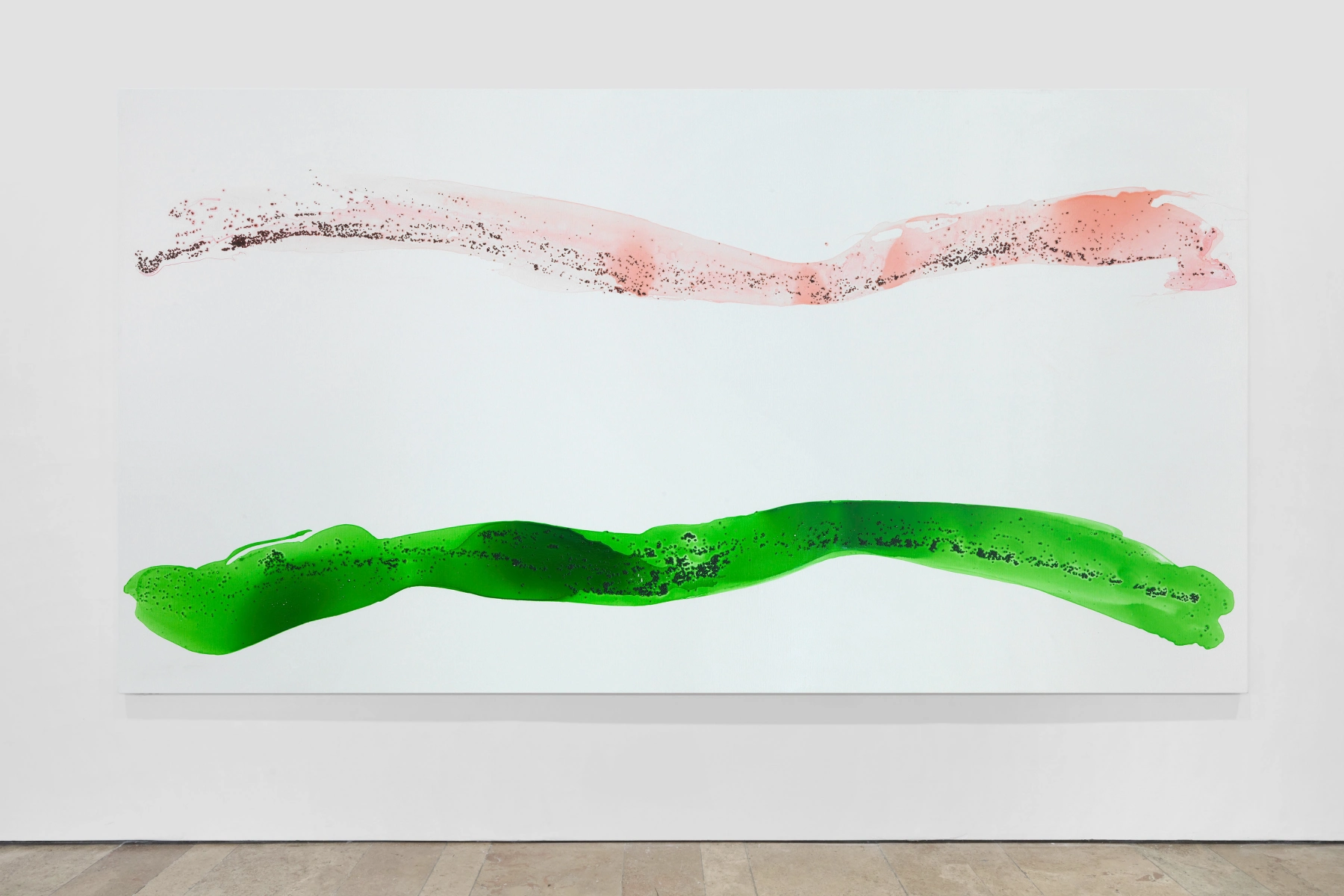
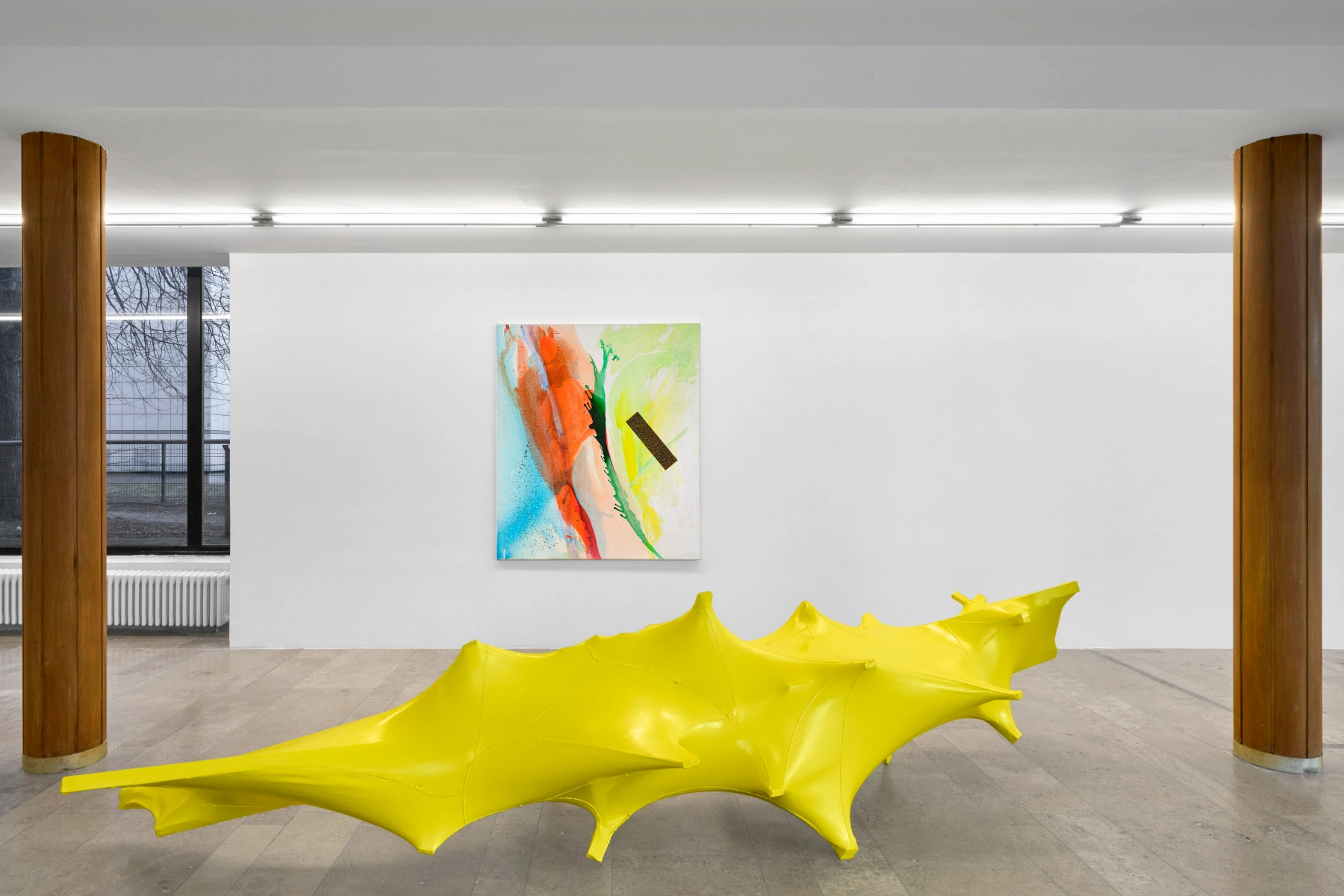
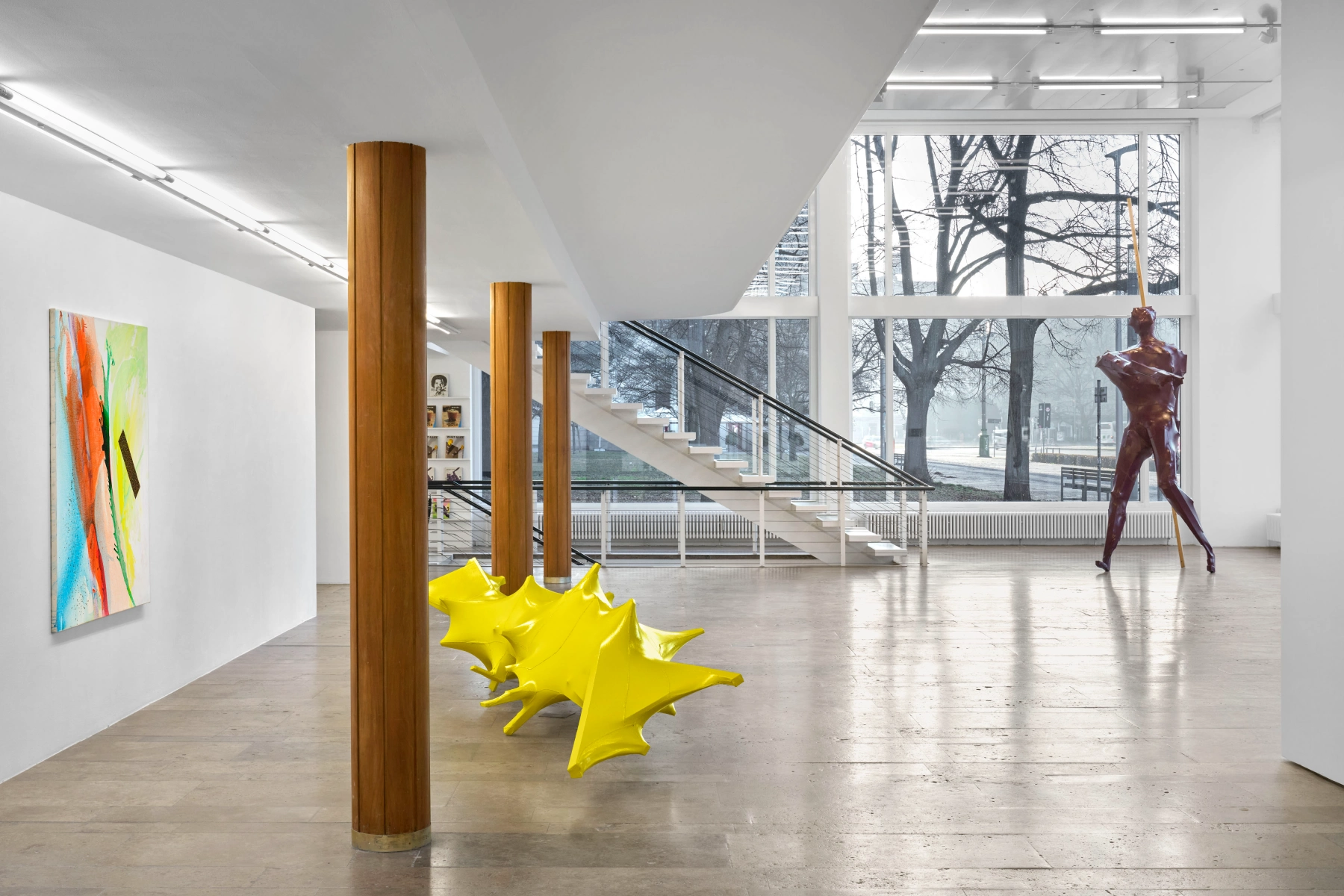
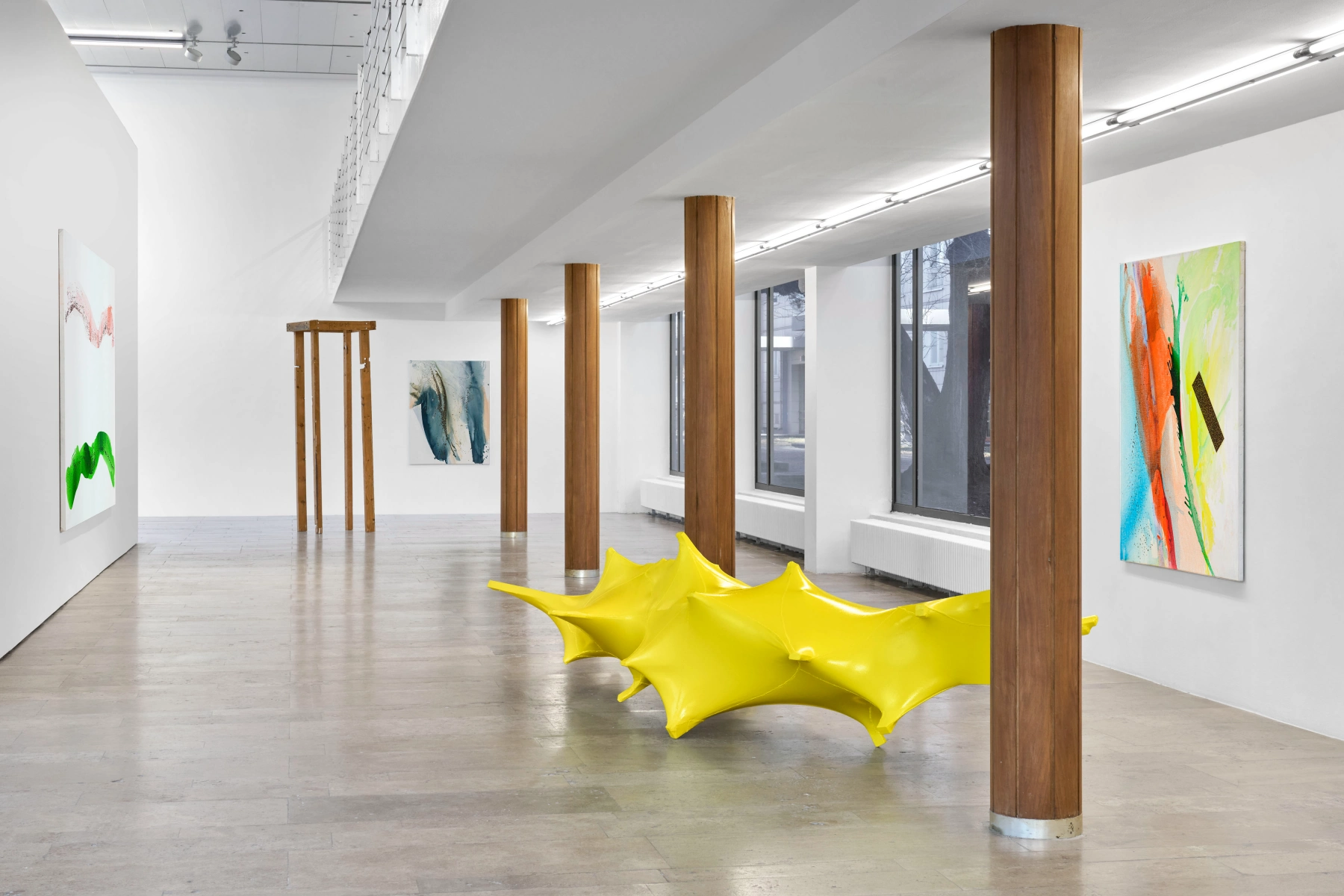
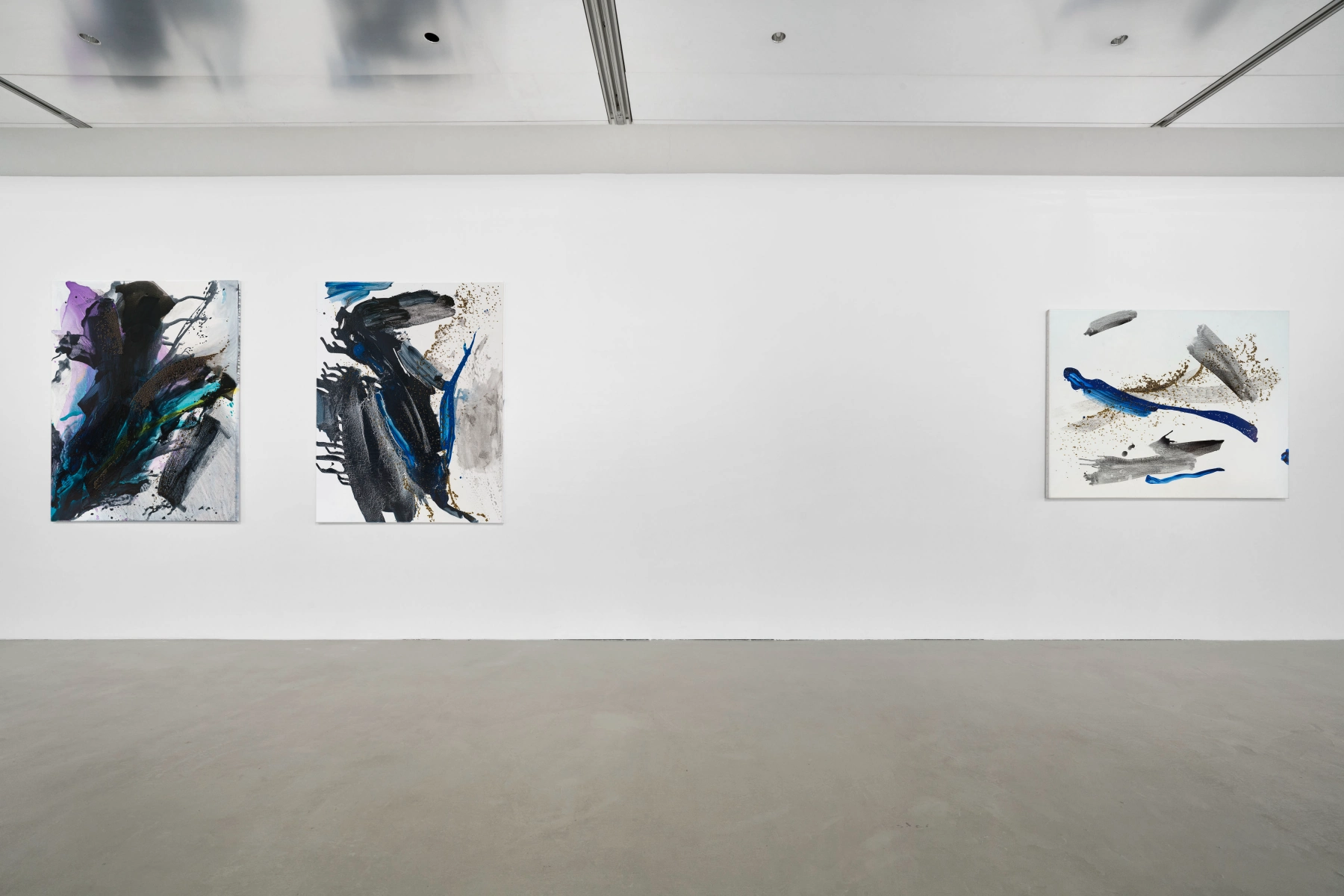
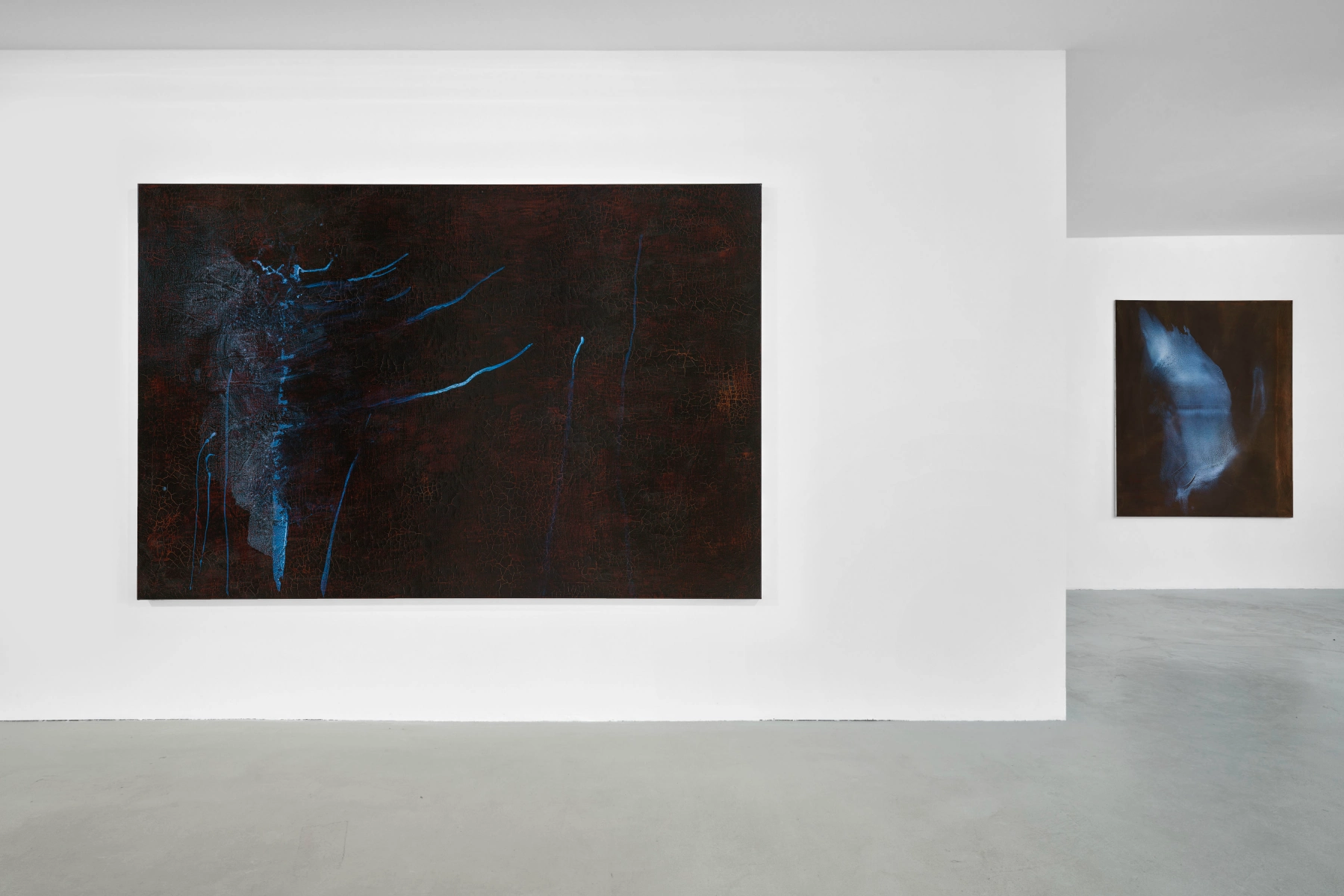
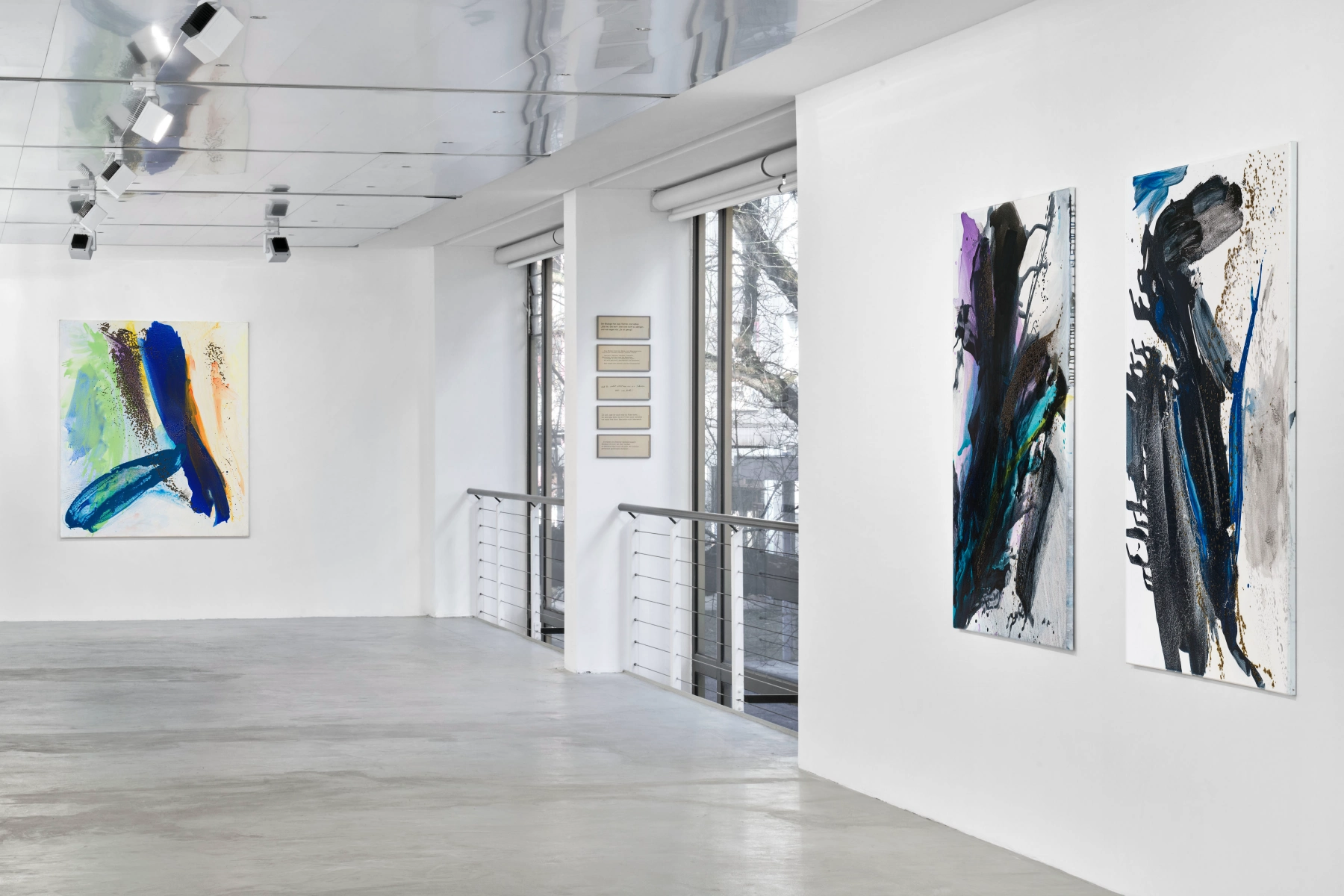
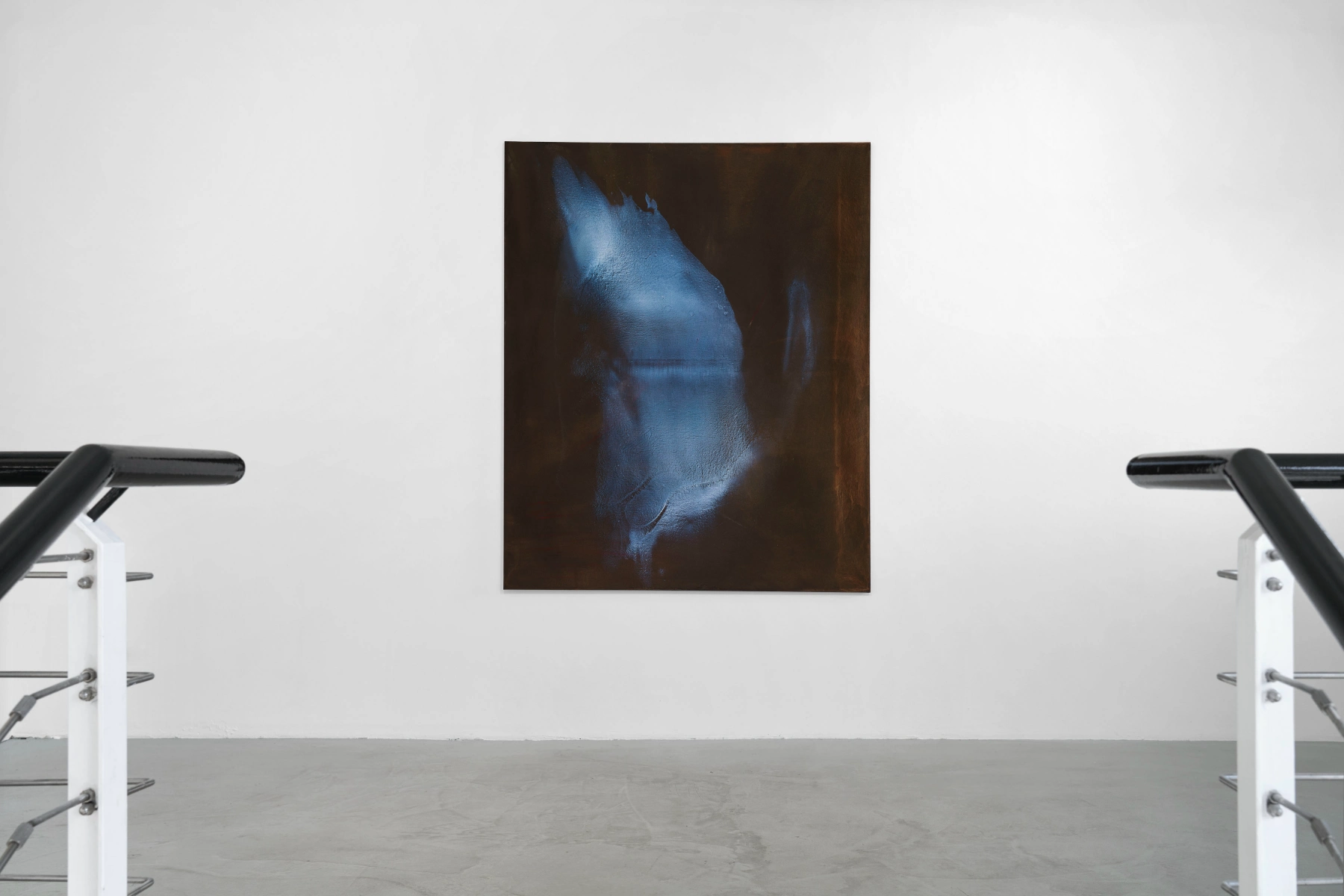
In 1985, Georg Herold presented his Kunstraub [Art Theftology] series in the exhibition Unschärferelation [Uncertainty Principle] at the Realismusstudio of the Neue Gesellschaft für Bildende Kunst (nGbK) in Berlin. At the core of the group are three roof-batten frames of roughly equal size, more or less crudely nailed together and covered with black fabric panels of varying dimensions. In Kunstraub I (1985), the fabric is draped in elegant folds, leaving ample openings that allow the viewer to see through large parts of the frame – a nonchalant undoing of Suprematist transcendence. Kunstraub II (1985) appears as a literal enactment of Sigmar Polke’s famous directive, Higher Beings Command: Paint the Upper Right Corner Black! – just as a dutiful student might carry it out (Herold studied under Polke from 1977 to 1981 at the Hochschule für bildende Künste Hamburg). In Kunstraub III (1985), only the upper right corner of the frame is wrapped in black fabric like a gauze bandage – if you like, an image of healing long before that term gained currency in the art world. This sequence of ever “lesser” paintings playfully engages with the intellectual history of modern art. The works oscillate between a utopian notion of painting, artistic inspiration, and deskilling, without committing to any one position. Taken literally, however, the series’ title points to a question that is at once banal and fundamental: who has stolen from whom? And where, exactly, was the art before it disappeared? In the picture? In front of it? Behind it?
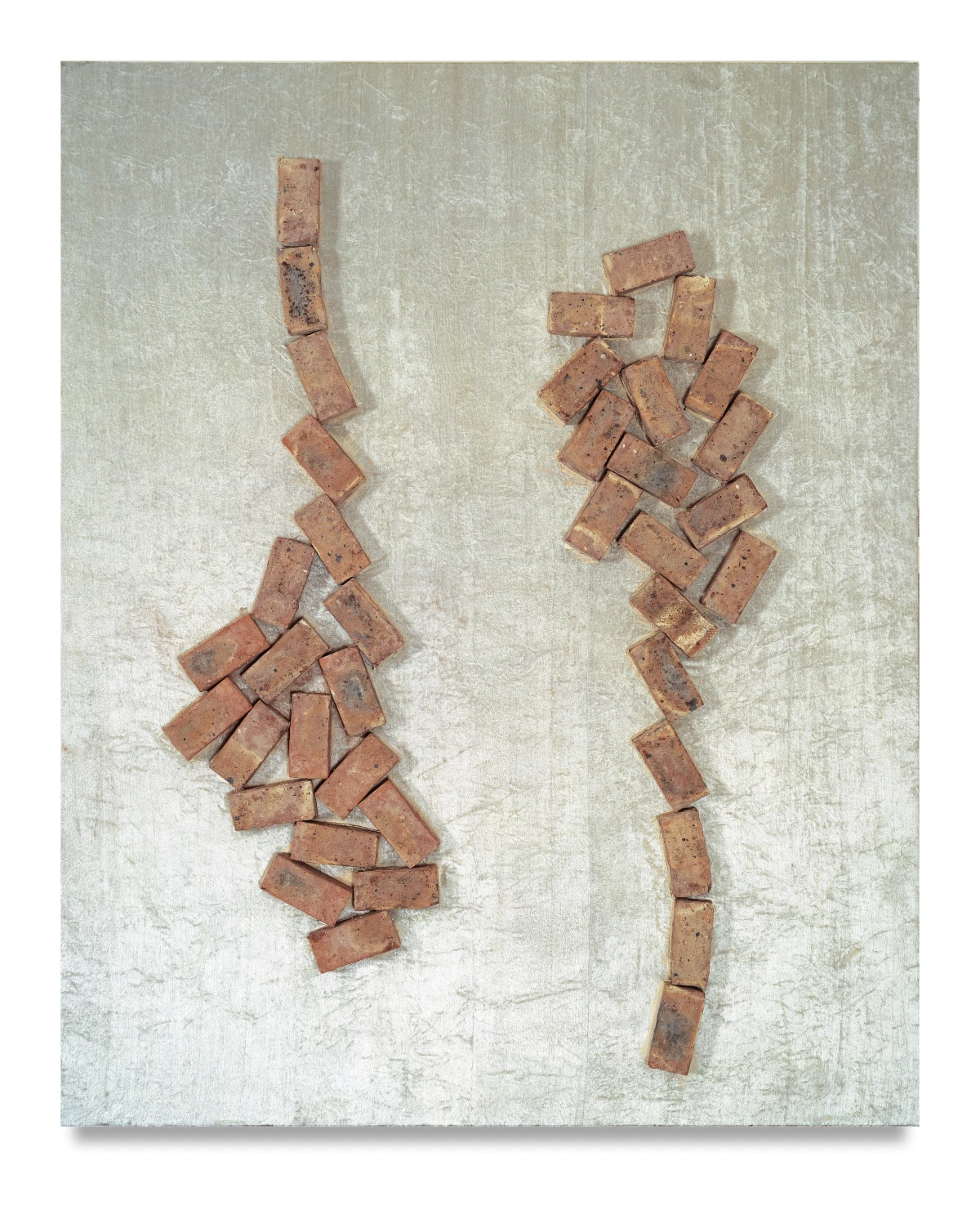
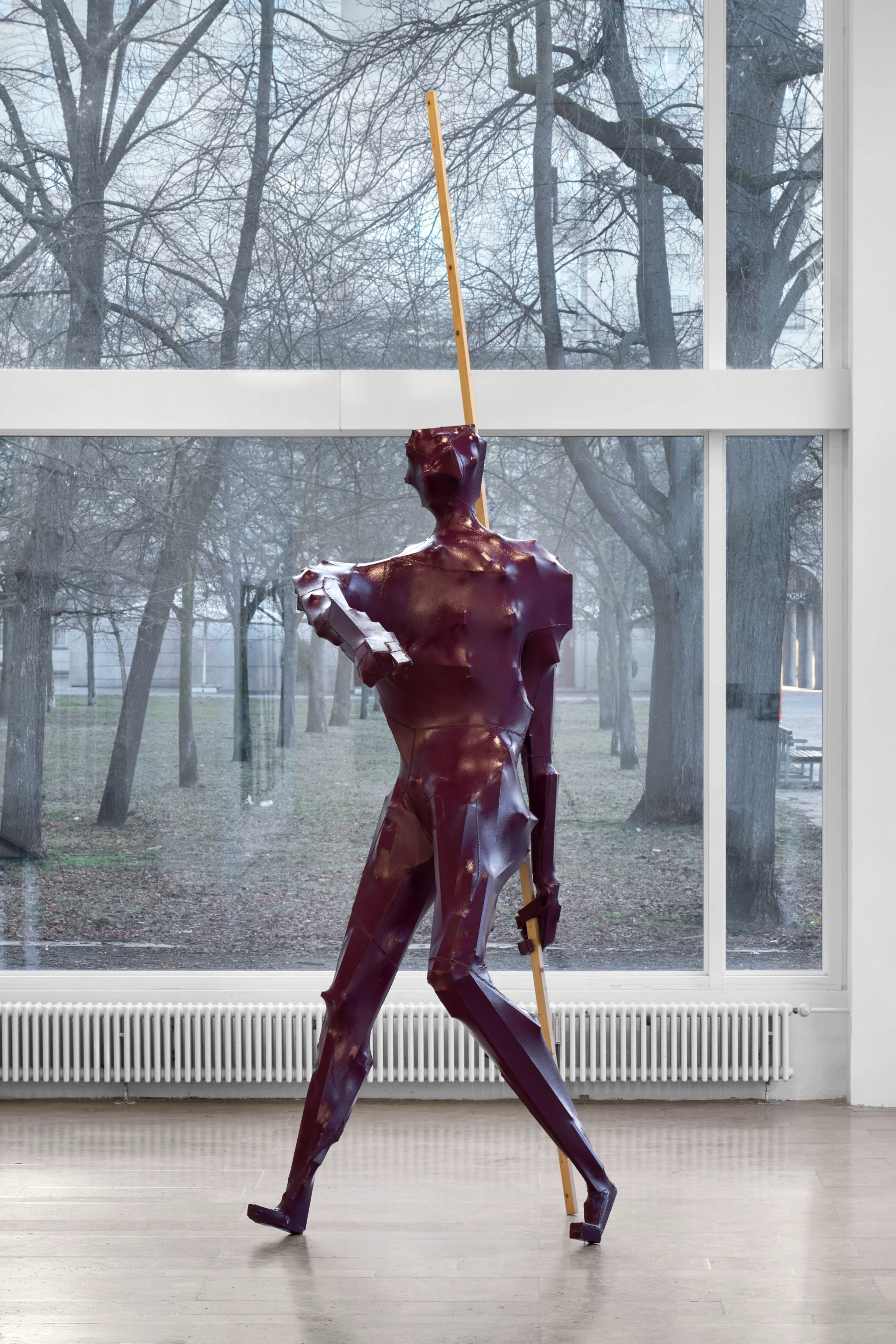
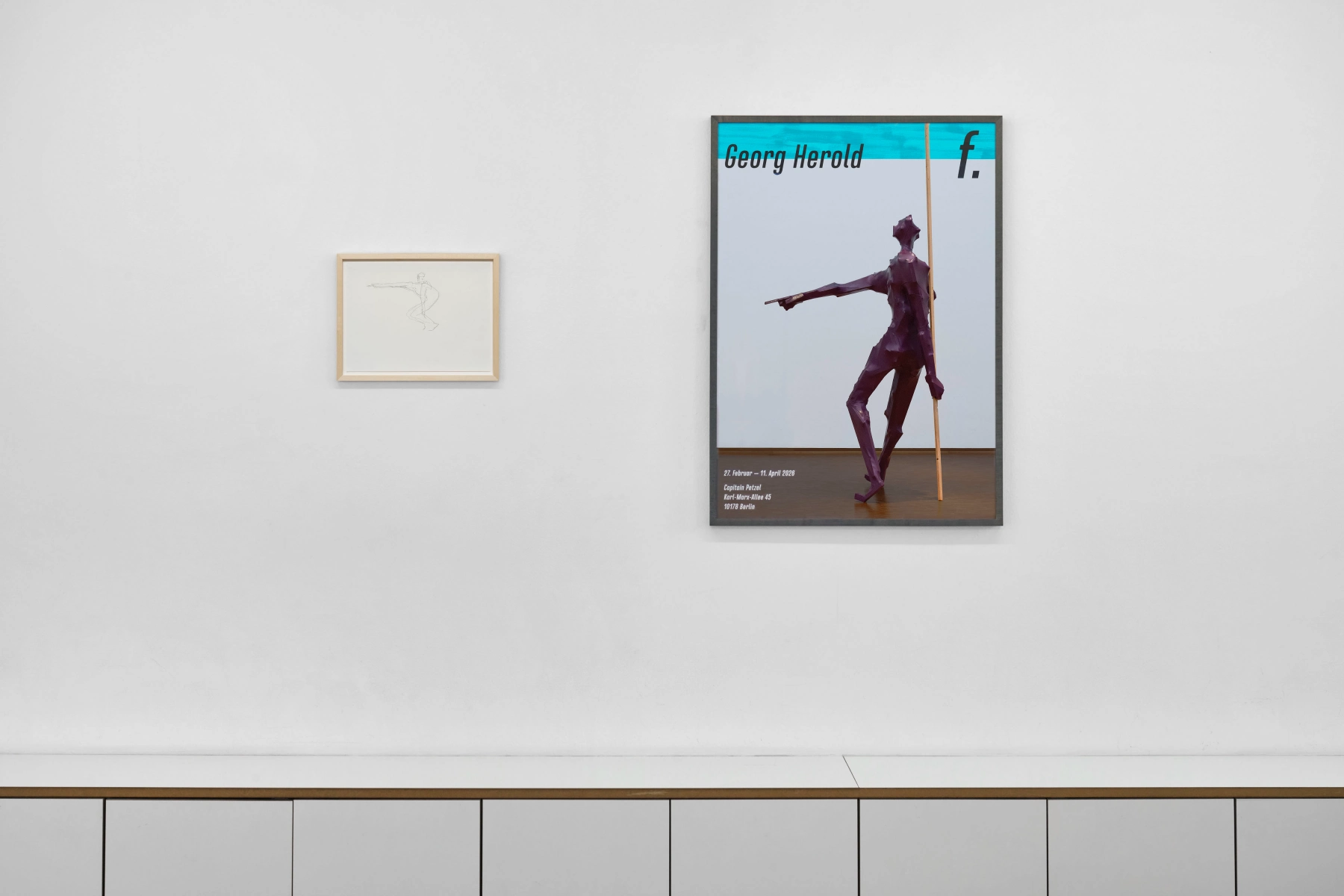
What unites Georg Herold’s early roof-batten works is a logic of exposure. Everything is laid open; there is no secret. Room Enough (1986), which also exists in several variations, already reveals itself through its bare materials alone. In the large objects of the 2000s, sewn into heavy canvas, this logic seems to have been turned on its head. Tightly stretched and coated in colored lacquer, the fabric clings to complex roof-batten constructions that oscillate between biomorphic structure (Untitled, 2007) and figurative representation in Der Zeiger [The Accuser, 2007]. The interior that determines the form is entirely concealed. These works are far more elaborate in their production; the demand for precision and perfect fit is visibly higher. (In an early precursor of the yellow sculpture, Pfannkuchentheorie [Pancake theory], (1986), the textile skin still gathered in folds around its roof-batten core.) And yet they are nothing more – and nothing less – than what they are: roof battens under stretched canvas. No metaphorical depth, no deceptive play. Perhaps these different bodies of work are not so dissimilar in essence as they might first appear. In both cases, one is confronted with the challenge of sheer, visible fact. Whether through total exposure or concealed form, the urge to interpret leads one astray.
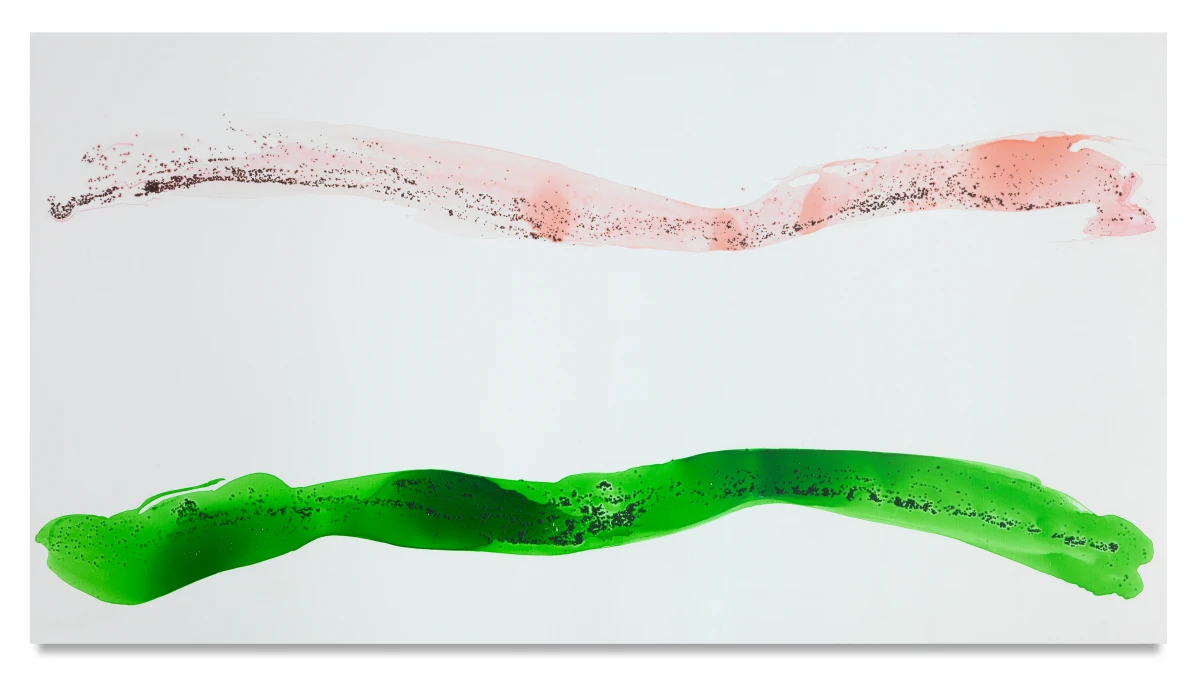
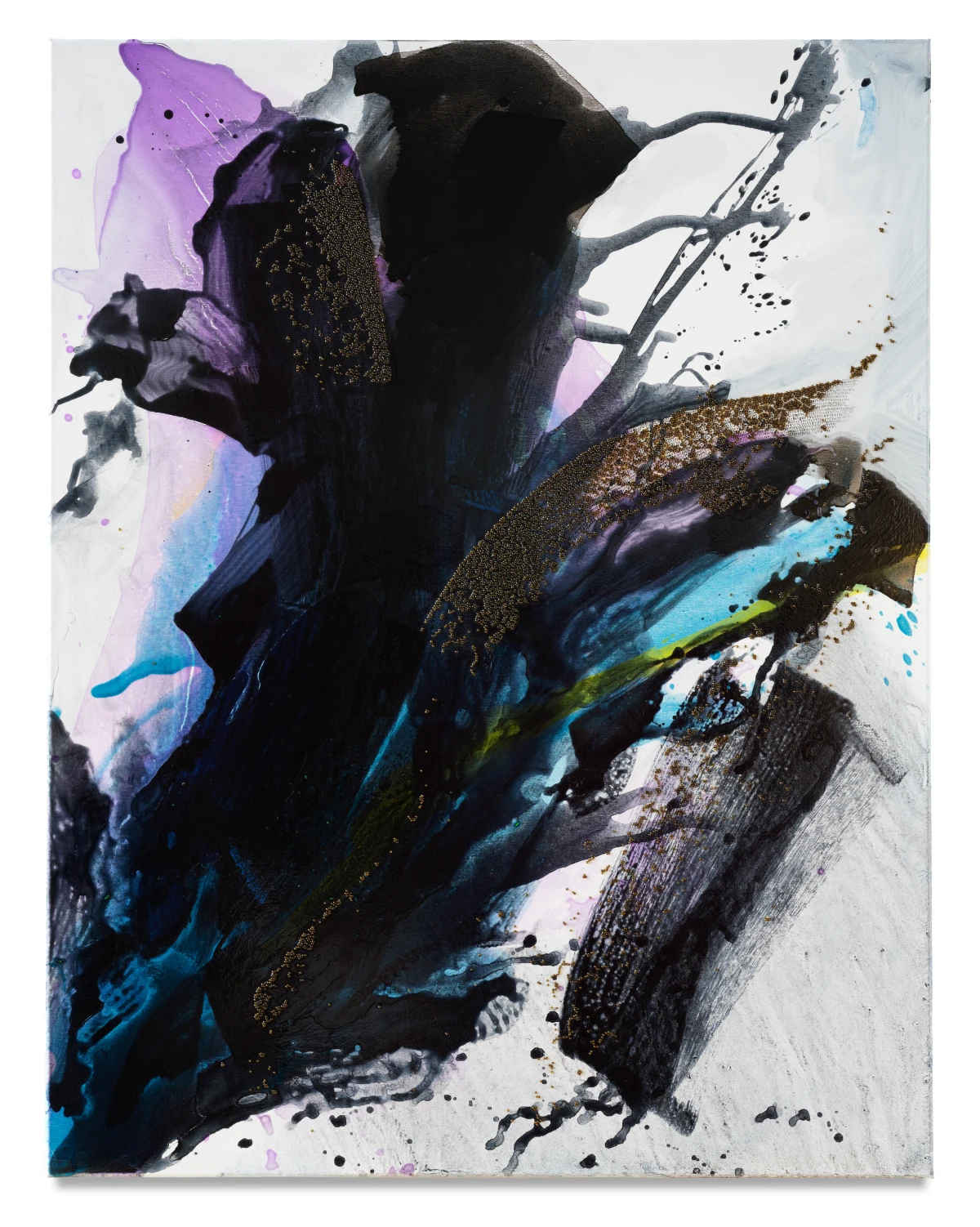
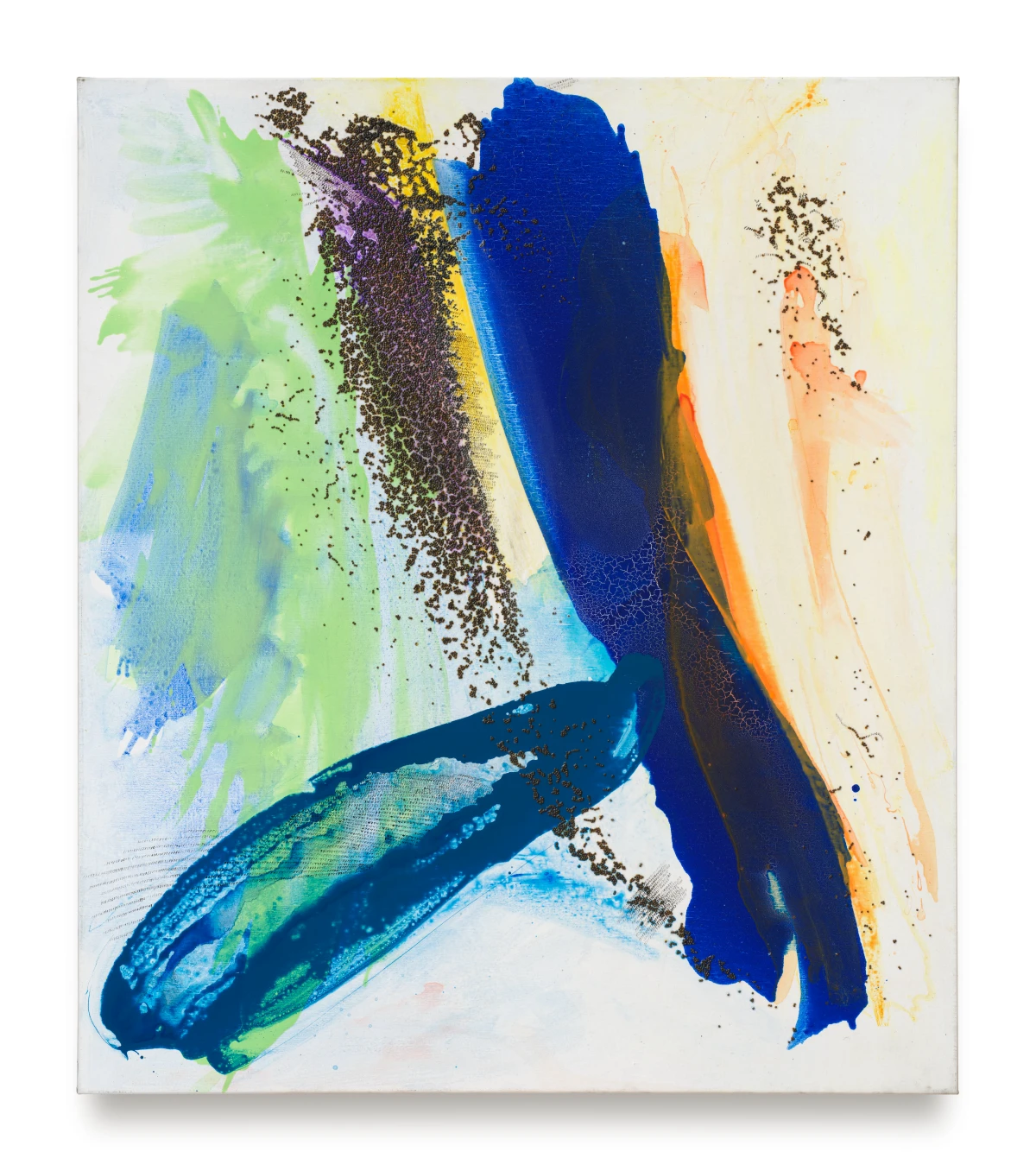
The all-too-human urge to cement meaning through interpretation also accompanies the caviar paintings that Georg Herold has produced since the late 1980s – which comes as little surprise, given how closely luxury and the profane converge in them. They can certainly be read as a wry commentary on the value of art, and on the tendency to measure a work’s significance by its material worth – especially within a system in which factors such as canvas size or the so-called “artist factor”, based on reputation and influence, determine a painting’s market price. Caviar as currency, then. Yet for Herold, caviar is above all one thing: an exceptional painting medium. Enhanced with mica or mother-of-pearl, it becomes visible as it floats in the binder across the surface, settles, accumulates, and condenses, forming contours and shapes that the expansively gestural application of paint alone could not produce. Sequences of numbers – hovering between code and numerology (and once involving the meticulous counting of every single grain of caviar) – complete the compositions with delicate shades of grey. Viewing Herold’s paintings, one oscillates between reading, seeing, and sensing the trace of physical movement. Which brings us back to the uncertainty principle: the insight that, at the smallest scale of quantum reality, material things fluctuate between different states of observation – between particle and wave, position and momentum. Never can both be determined at once. In such a system, the desire to locate stable meaning is something each of us must bear. For as in quantum physics, so too in Herold’s paintings: there is no ultimate truth. Nowhere.
Patrizia Dander
Georg Herold has been one of the defining figures of German contemporary art since the 1980s. He first gained recognition for his distinctive and often ironic visual language, in which he employs everyday materials such as roof battens, bricks, or banknotes, translating them into conceptual and sculptural contexts. His work moves fluidly between painting, sculpture, and installation, reflecting – often with subversive humor – on questions of value, authorship, and social order. Combining formal rigor with playful provocation, Herold has established a singular position within the international art world.
Major solo exhibitions have been dedicated to his work at institutions including Kunstmuseum Bonn; Museum Brandhorst, Munich; Museum Ludwig, Cologne; S.M.A.K. Stedelijk Museum voor Actuele Kunst, Ghent; Kunsthalle Baden-Baden; Kunstverein Hannover; Kunstmuseum Wolfsburg; Kunsthalle Zürich and the Museum of Modern Art, New York. Herold has also participated in important international group exhibitions such as documenta IX in Kassel, Skulptur Projekte Münster, and the 52nd Biennale di Venezia. Presentations at the Centre Pompidou, Paris; Hamburger Bahnhof, Berlin; Tate Liverpool; the Stedelijk Museum Amsterdam and the New Orleans Museum of Art attest to the broad international reception of his work.
Herold’s works are held in numerous major public collections, including the San Francisco Museum of Modern Art; the Centre Pompidou, Paris; and Tate, London. In Germany, his work is represented in prominent collections such as Sammlung Brandhorst, Munich; the Museum für Moderne Kunst, Frankfurt; Museum Ludwig, Cologne; the Nationalgalerie – Staatliche Museen zu Berlin; Sammlung Falckenberg, Hamburg; and Kunstmuseum Wolfsburg.