+33 143 26 12 05
Open: Tue-Sat 11am-7pm
Visit
Open: Tue-Sat 11am-7pm
95, rue du Faubourg Saint-Honoré, 75008, Paris, France
Open: Tue-Sat 11am-7pm
Visit
Centro Fly Milano 1966: Ettore Sottsass & Andy Warhol
Galerie Mitterrand St-Honoré, Paris
Fri 13 Feb 2026 to Sat 9 May 2026
95, rue du Faubourg Saint-Honoré, 75008 Centro Fly Milano 1966: Ettore Sottsass & Andy Warhol
Tue-Sat 11am-7pm
Artists: Ettore Sottsass - Andy Warhol
Mitterrand presents the exhibition Centro Fly Milano 1966: Ettore Sottsass & Andy Warhol, based on the principle conceived by Ettore Sottsass for the Centro Fly in Milan in 1966: to present the furniture from the Mobili Fly collection in direct dialogue with contemporary artworks, notably paintings by Andy Warhol.
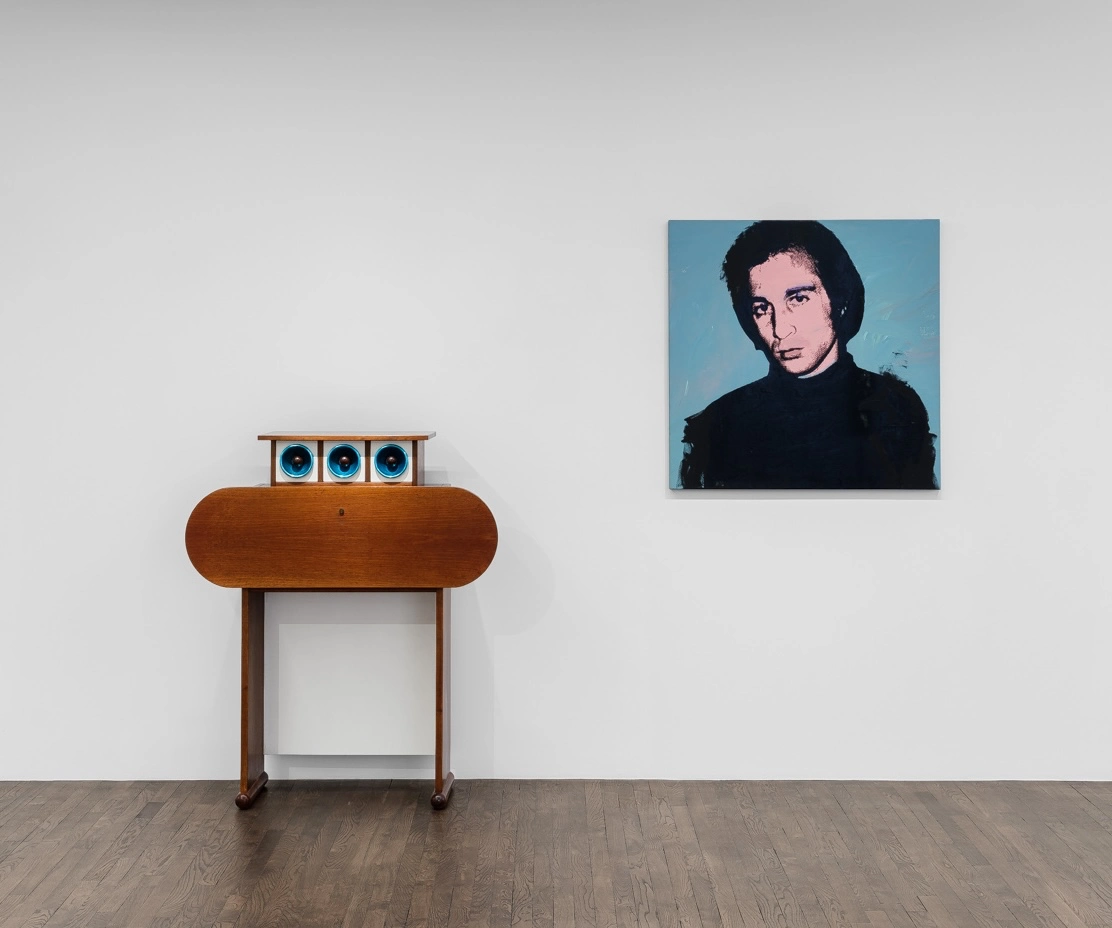
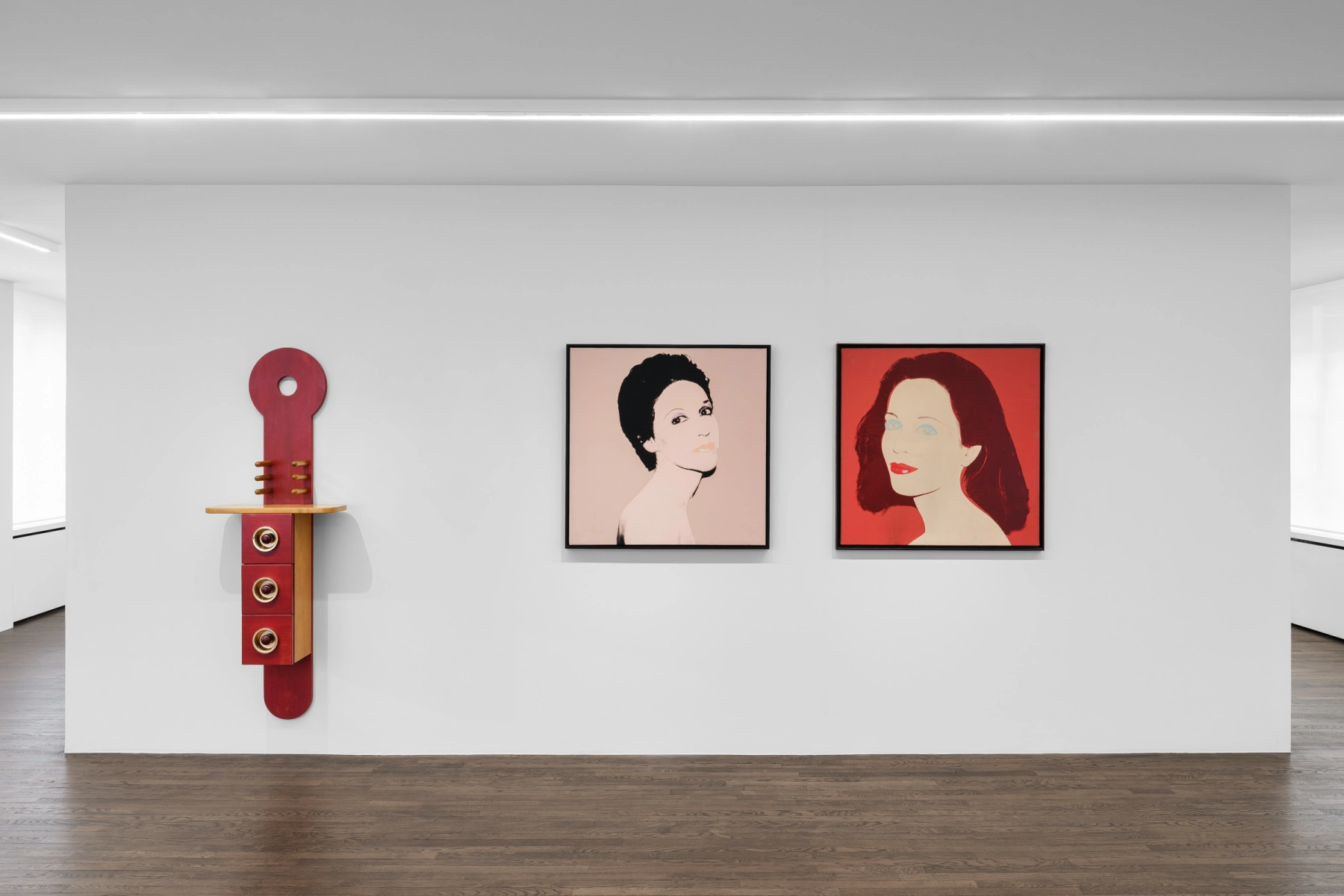
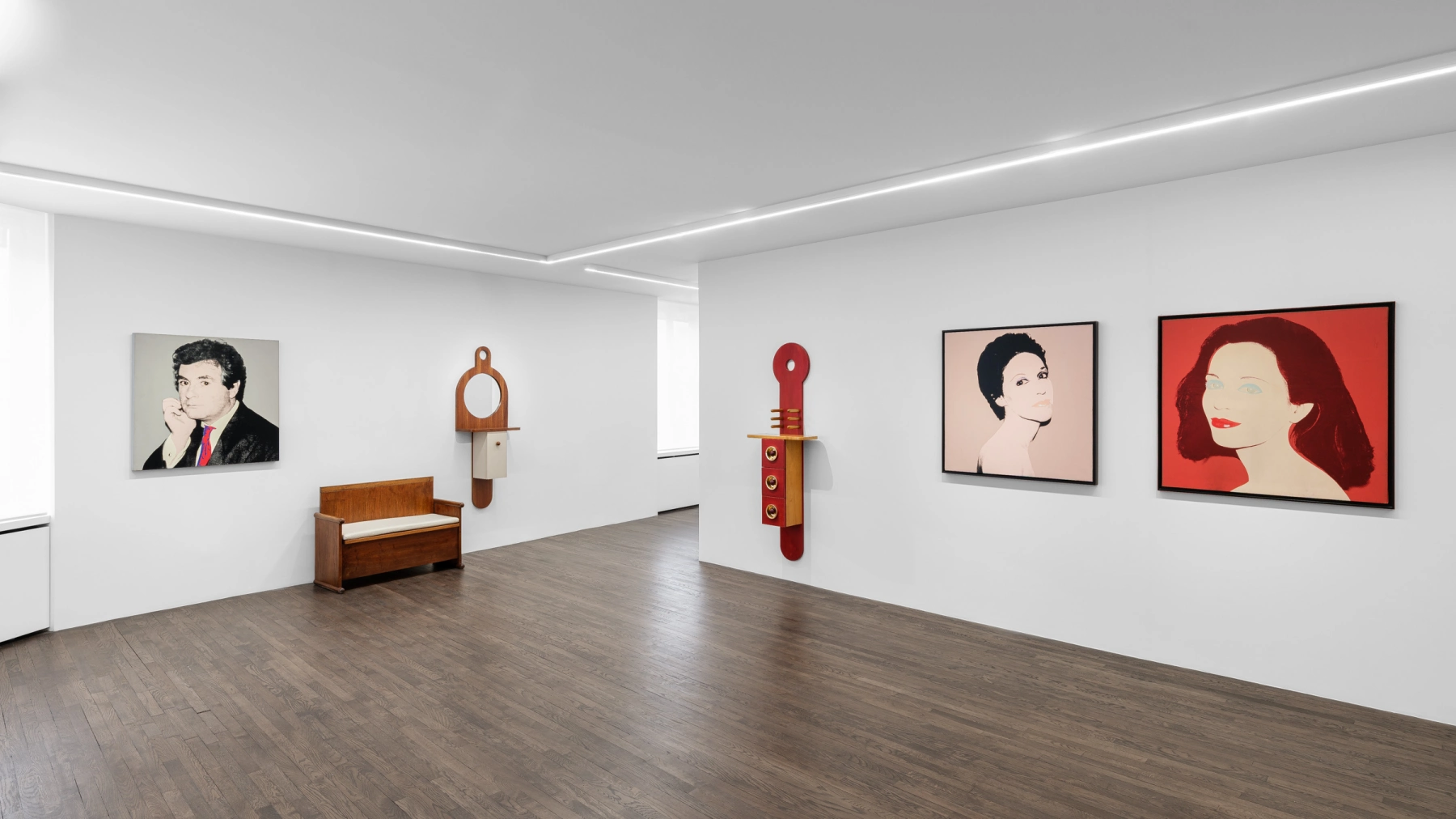
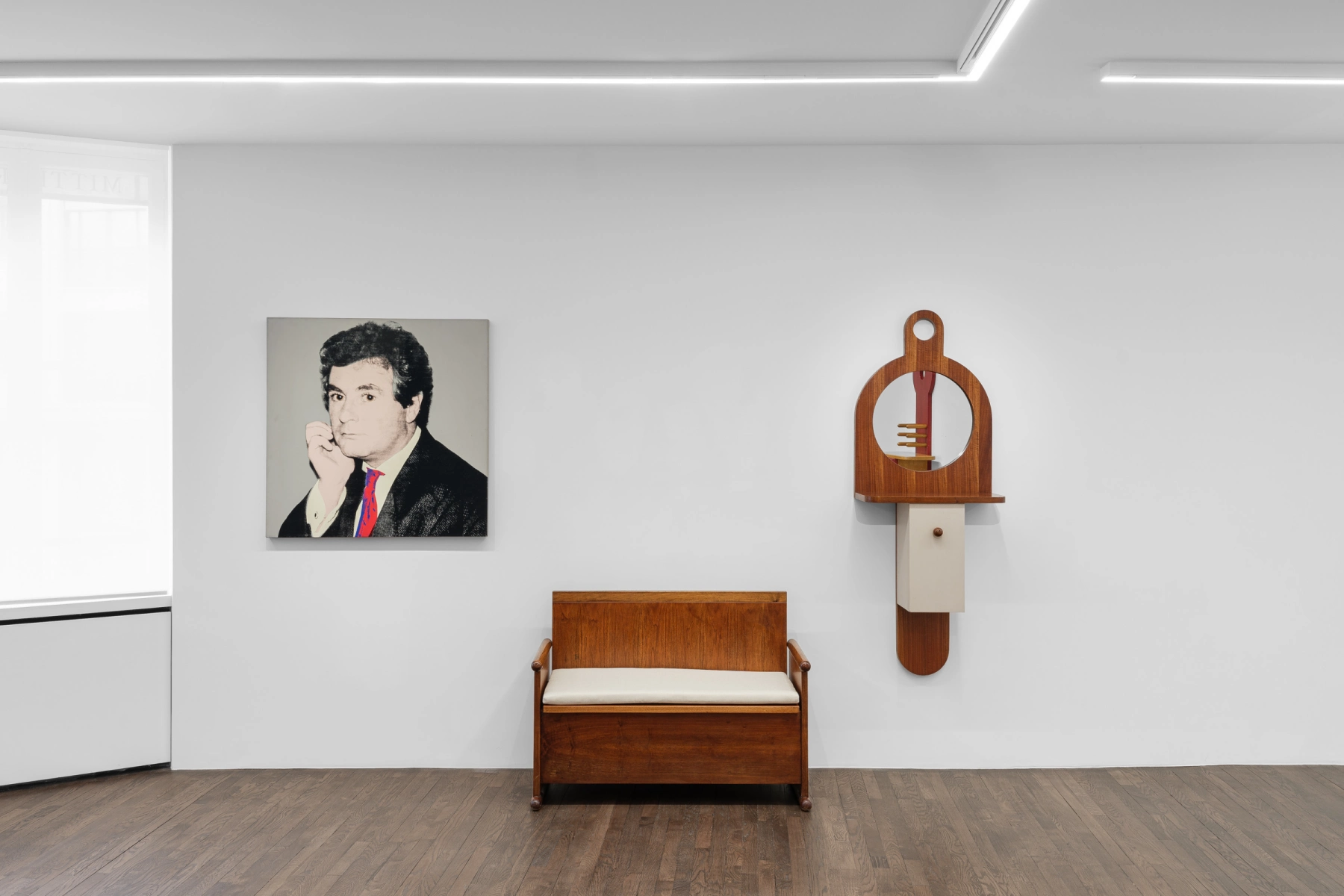
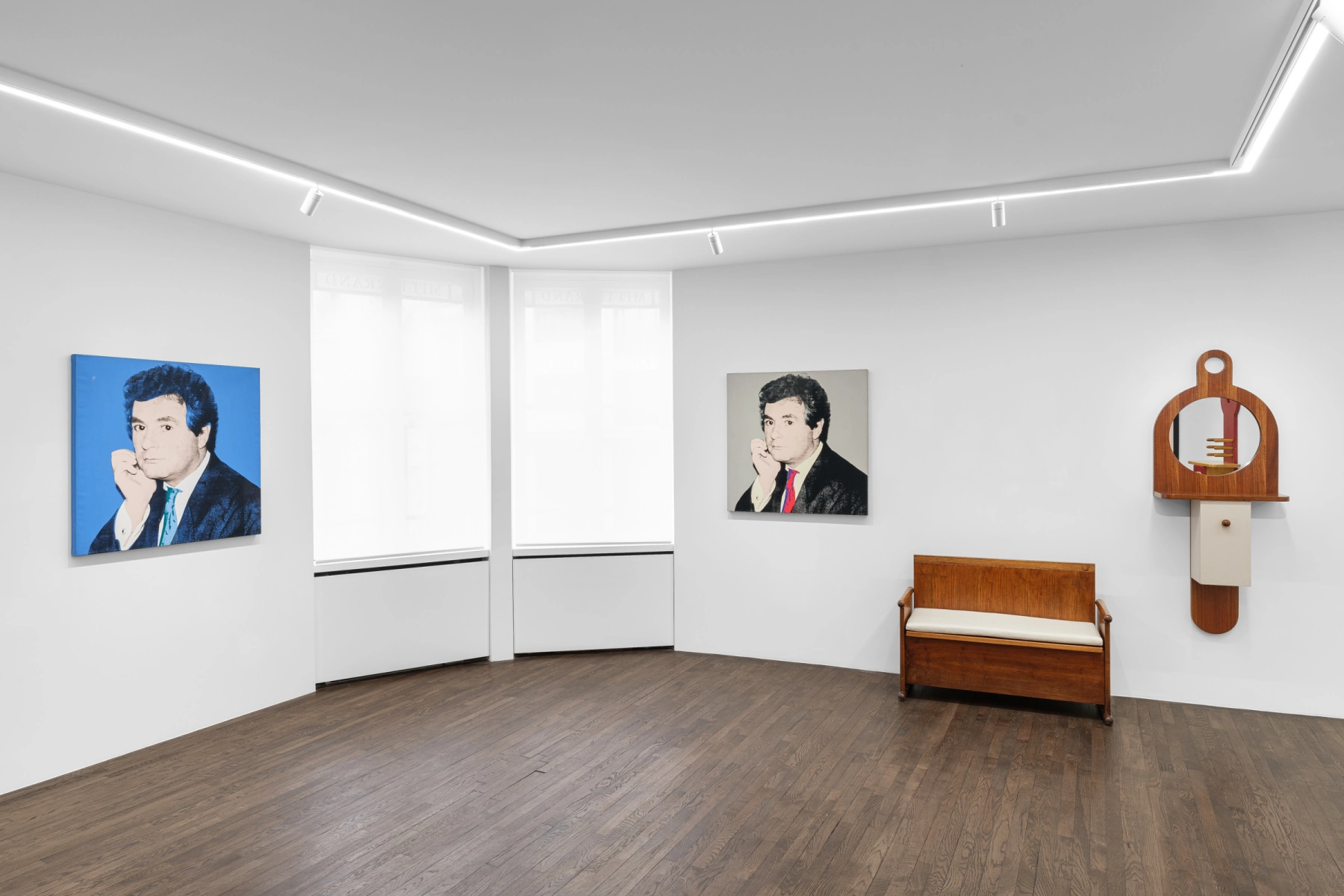

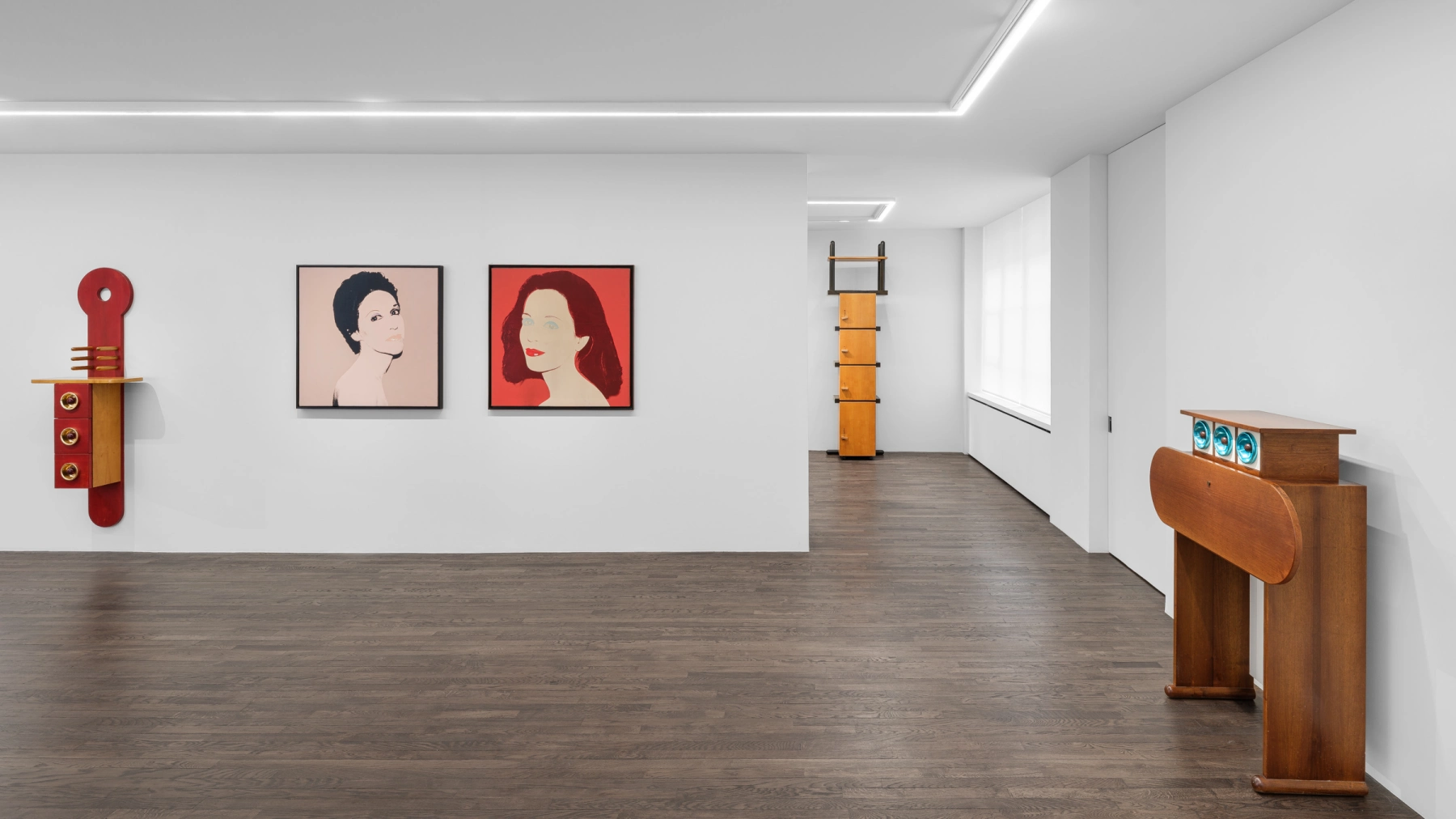
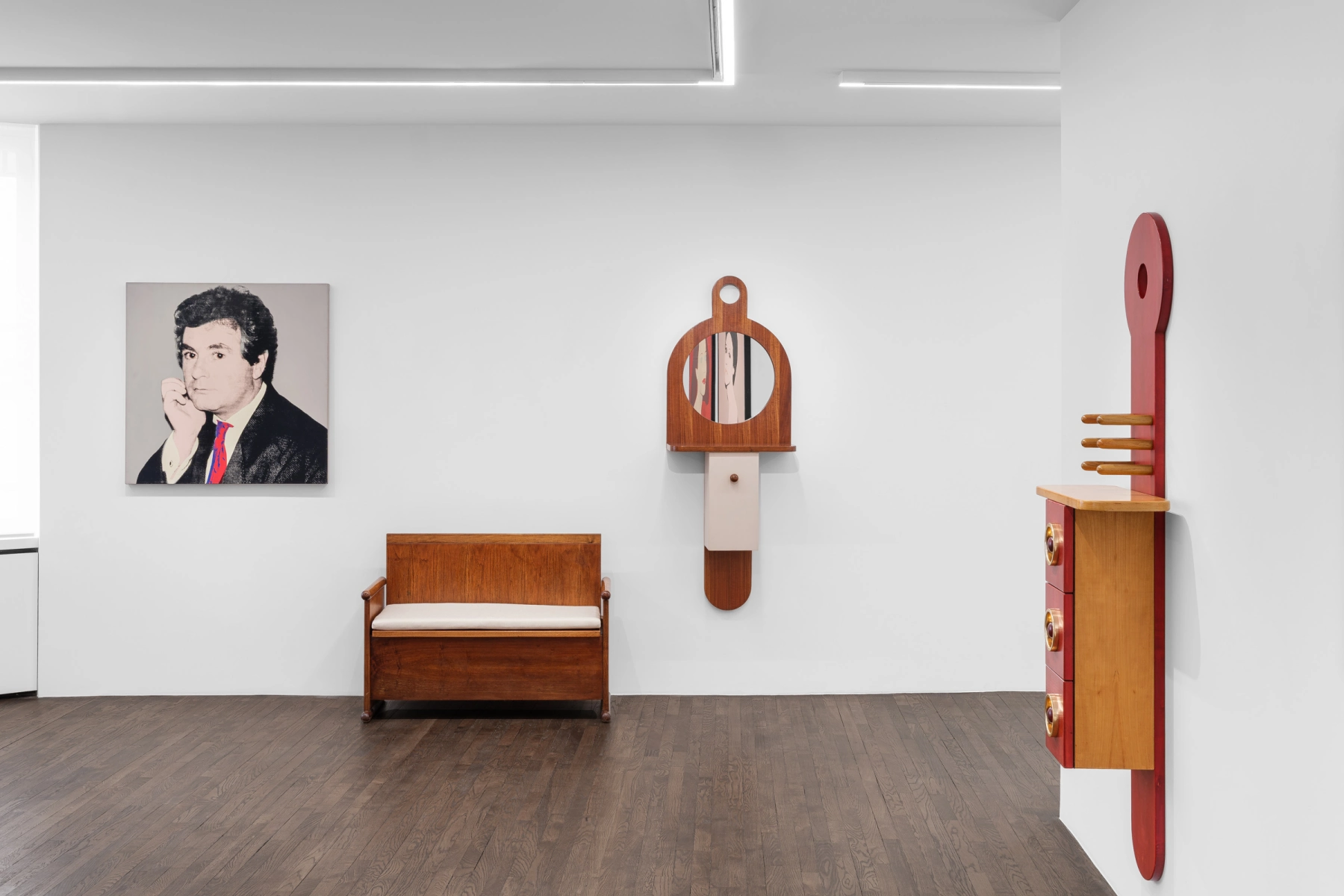
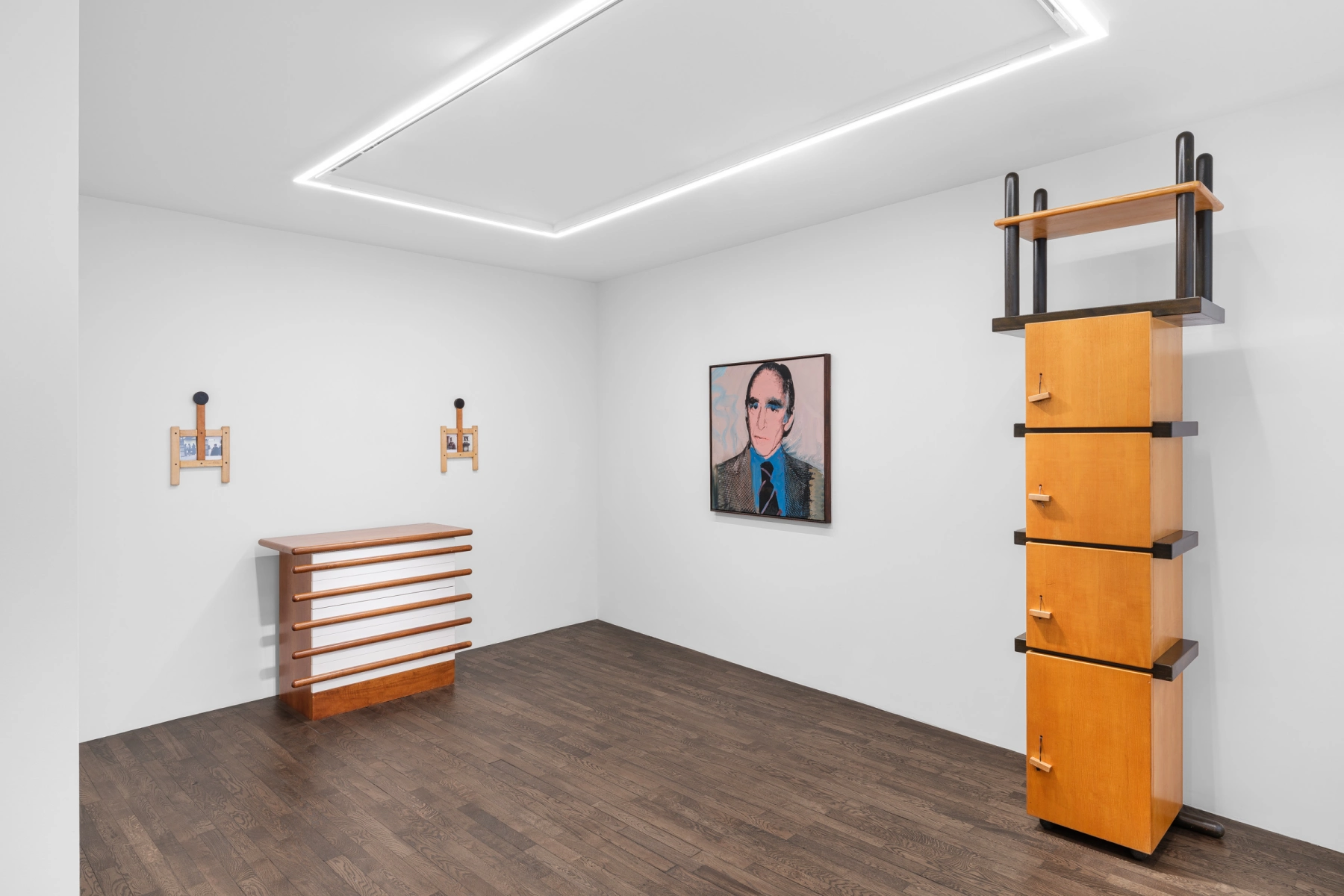
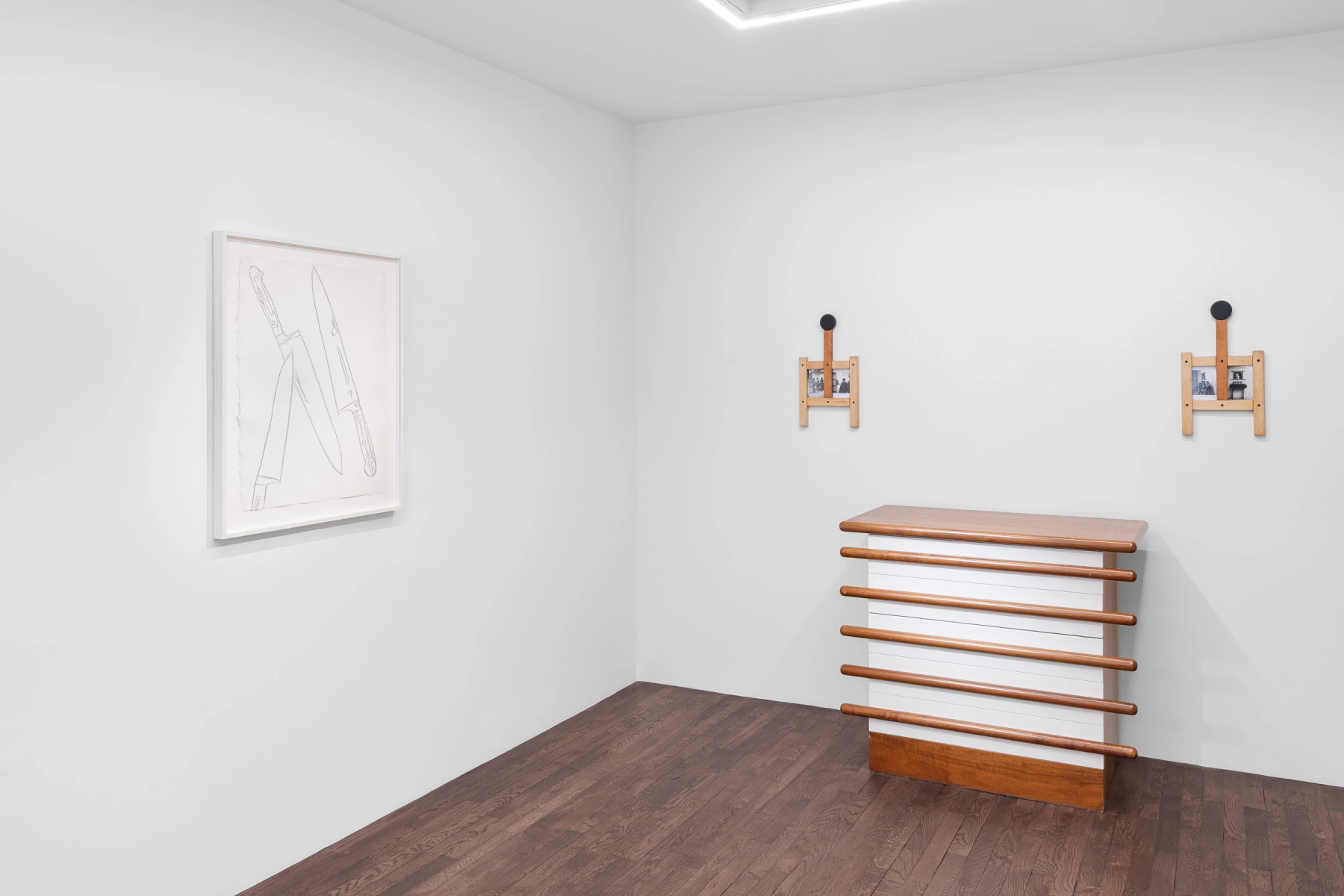
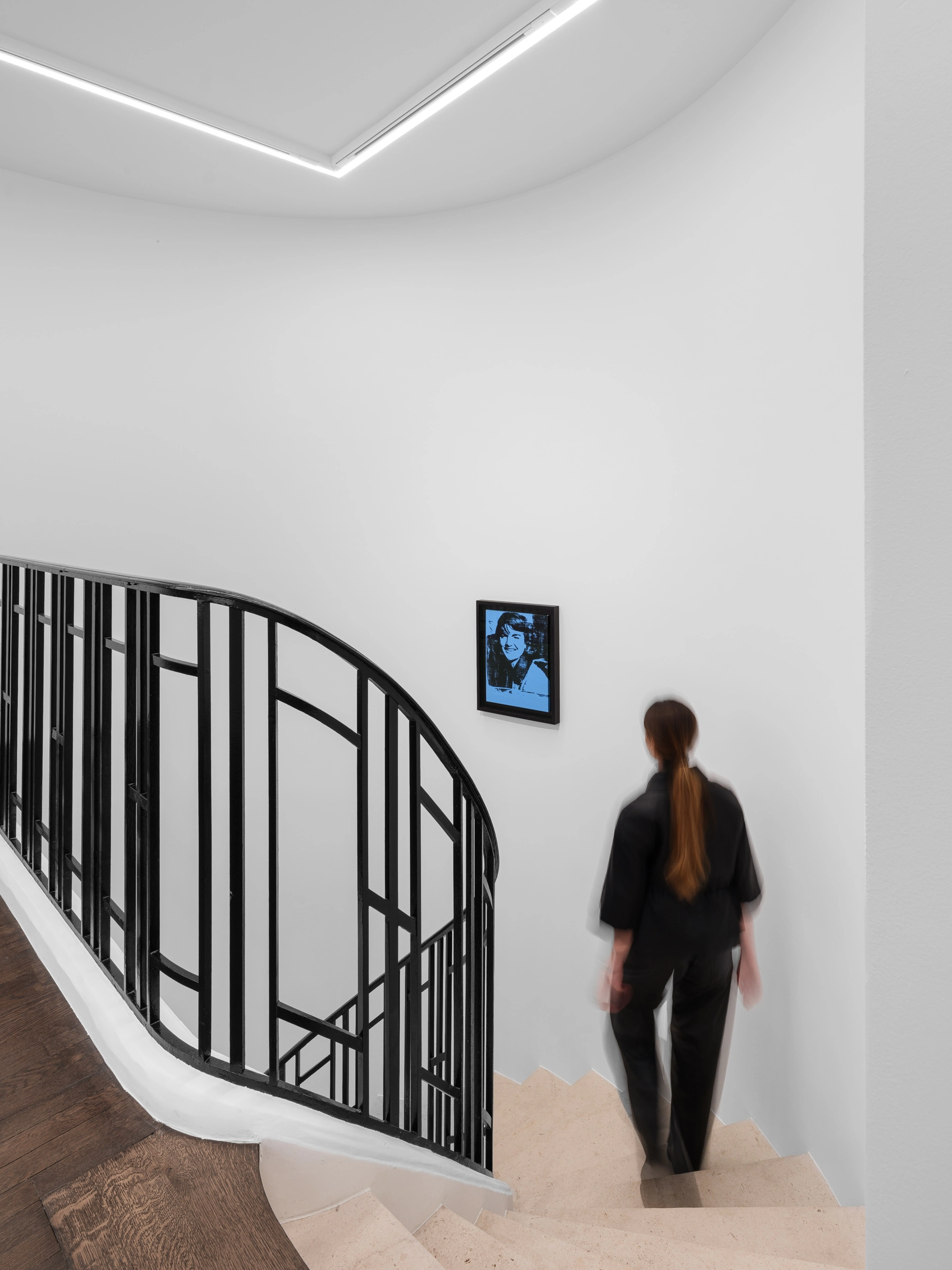
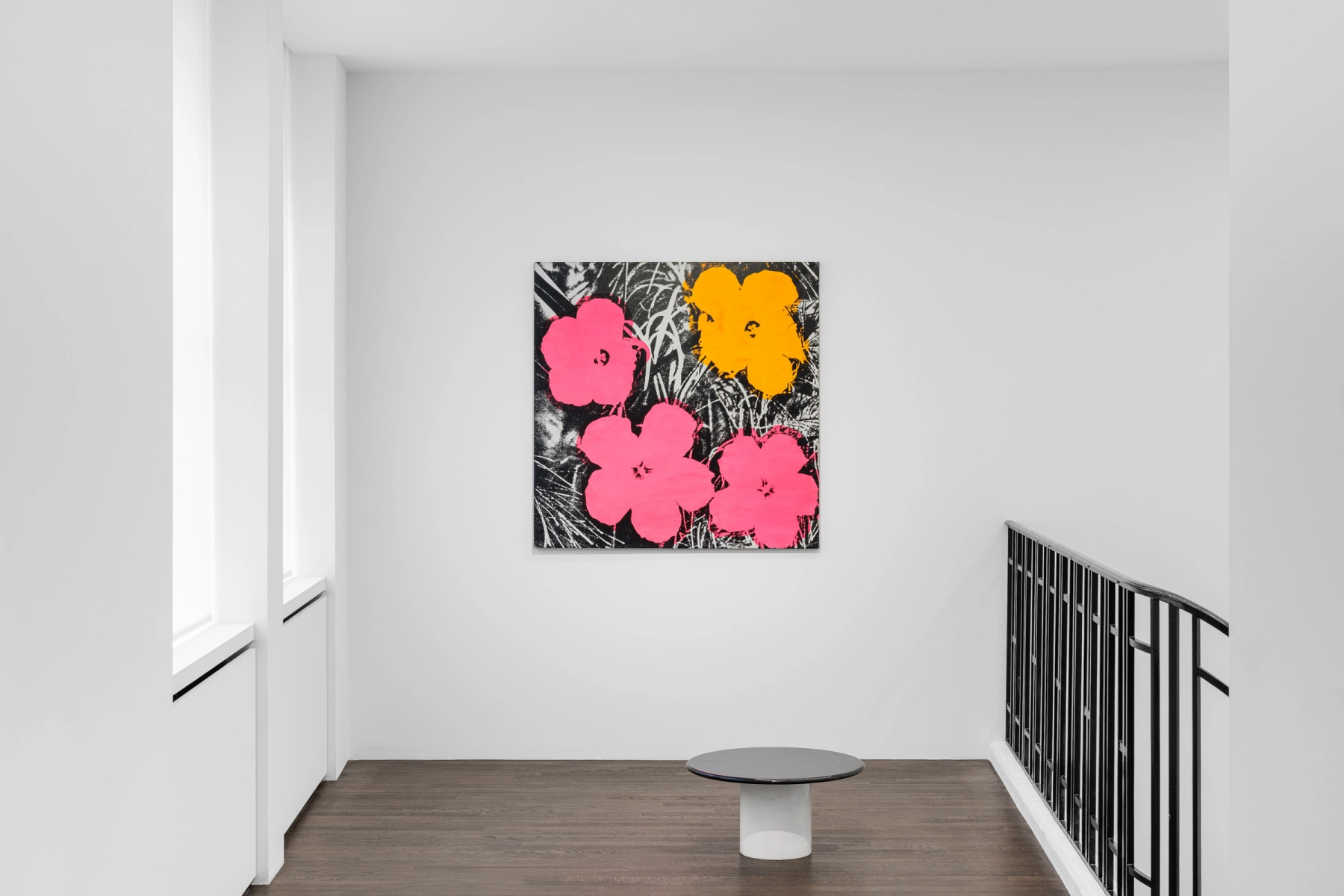
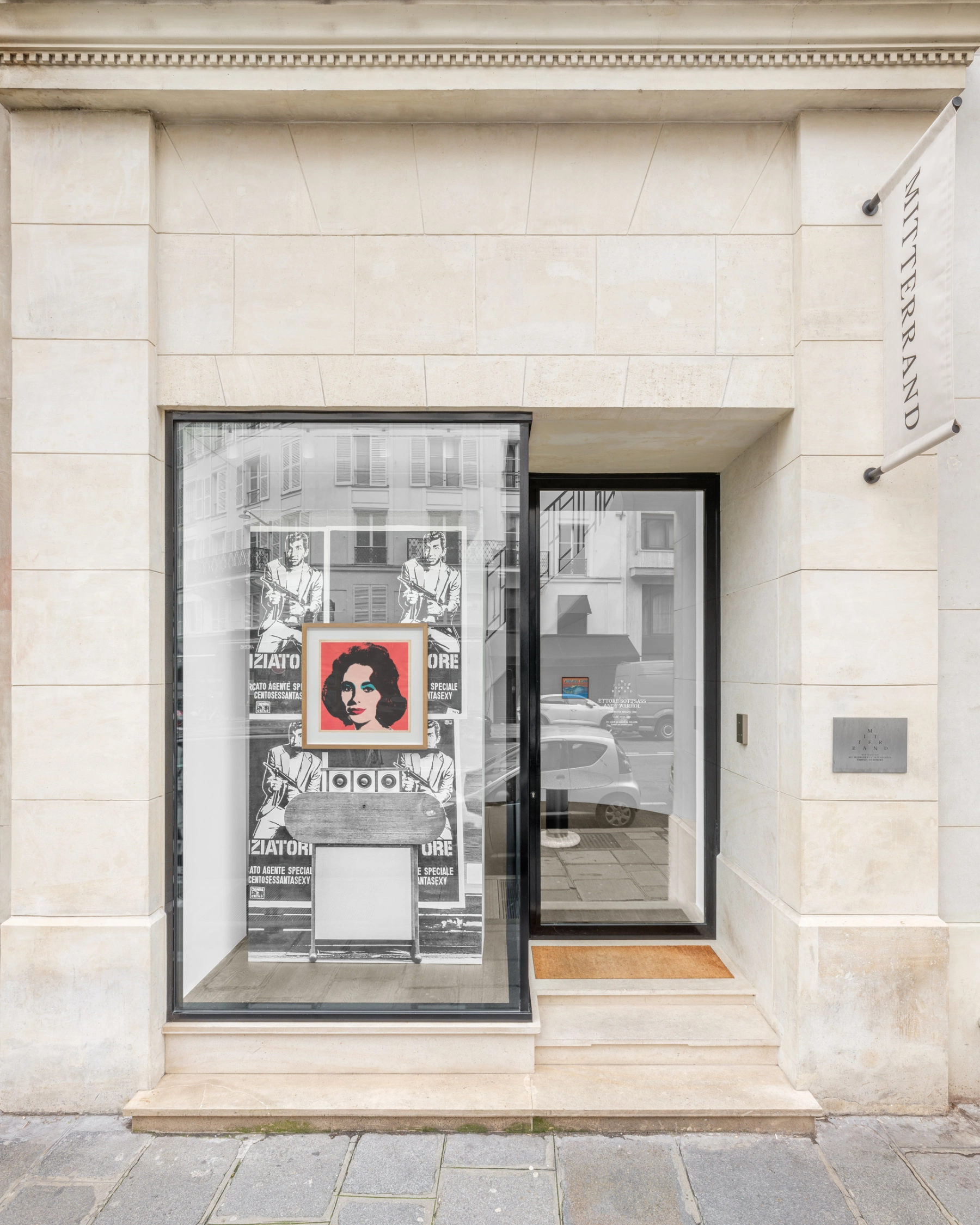
In this exhibition, Sottsass puts forward a radical vision of furniture, conceived no longer as a purely functional object but as an expressive presence, capable of generating images and symbols and of shaping behavior.
Through their totemic forms and frontal presence, the pieces from the Mobili Fly collection assert themselves within the domestic space as true figures, situated at the intersection of sculpture and architecture.
The Paris exhibition at Mitterrand brings together these same historic pieces of furniture and places them in relation to a major group of works by Andy Warhol, a central figure of contemporary art in the second half of the twentieth century.
On view are, in particular, an iconic Flowers (1963), a Jackie (1964)—a portrait of Jacqueline Kennedy Onassis—as well as a group of Social Portraits, including the portrait of the renowned art dealer Leo Castelli.
In Warhol’s work, the image does not illustrate—it asserts itself. Through repetition, frontal composition, and silkscreen printing, the artist transforms images drawn from the media, politics, and the art world into autonomous icons, detached from any narrative. These works question celebrity, violence, and power, confronting the viewer with the silent force of the image.
This position finds a direct echo in Sottsass’s work. Like Warhol’s images, the Mobili Fly furniture suspends its immediate function in order to affirm a presence. Rather than blending into space, these pieces impose themselves as cultural signs, engaging the viewer in an attentive, almost ceremonial relationship with their use.
By reactivating the historic dialogue between design and Pop Art, the exhibition at Mitterrand offers a contemporary reading of a key moment in the 1960s, when furniture and art shared the same ambition: to transform everyday objects and images into forms capable of reshaping our perception, our habits, and our relationship to the world.