Herengracht 254A, 1016 BV, Amsterdam, Netherlands
Open: Fri-Sat 1-6pm
Artists: André de Jong - Beppie Gielkens
Screening & Meet the Artists: André de Jong & Beppie Gielkens
3-5pm
The Merchant House, Herengracht 254A, 1016 BV
part of André de Jong and His Theater
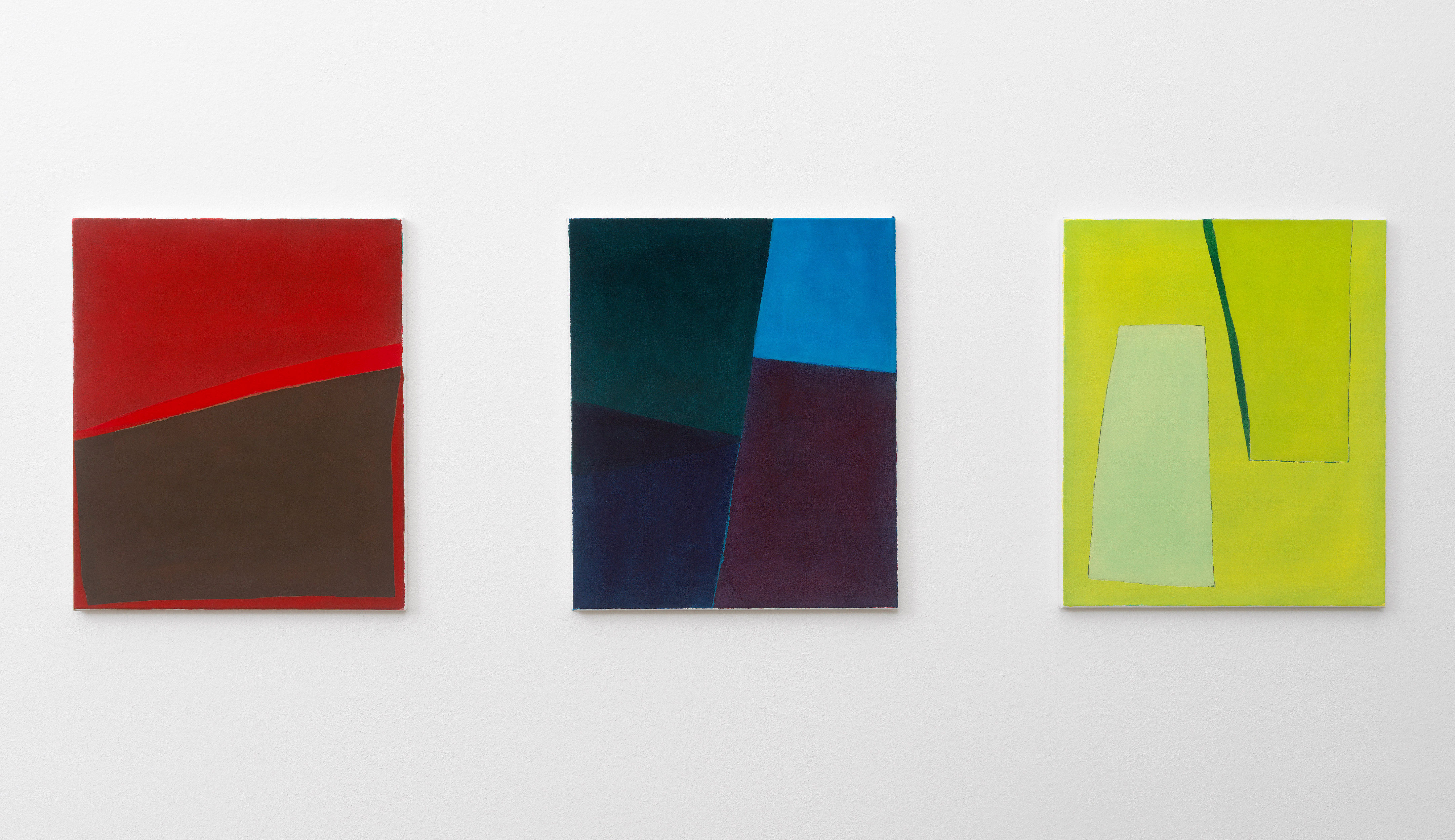
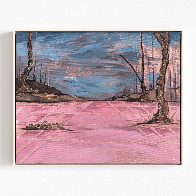
add to calendarWith “André de Jong and His Theater,” The Merchant House (TMH) presents new works by the distinguished Dutch artist André de Jong (b. 1945). De Jong's fifth major exhibition at TMH, the show reflects one of the most prolific periods of his career—which has encompassed drawing as well as photography, sculpture, and land art—and poses the question: What is it about drawing, above all, that has continued to fascinate André de Jong for over five decades? This time, there is also a dedication: to painting, with works of Beppie Gielkens (b. 1942), de Jong’s partner and also artist of TMH. The inclusion of paintings of Gielkens acknowledges the important role that painting plays in their artistic life, as well as the significance that painting holds for him. Exhibition opens during Amsterdam Art Week 2026.
With "André de Jong and His Theater," The Merchant House (TMH) is pleased to present new works by the distinguished Dutch artist André de Jong (b. 1945). His fifth major exhibition at TMH, it reflects one of the most prolific periods of his career—which has encompassed drawing as well as photography, sculpture, and land art—and poses the question: What is it about drawing, above all, that has continued to fascinate André de Jong for over five decades?
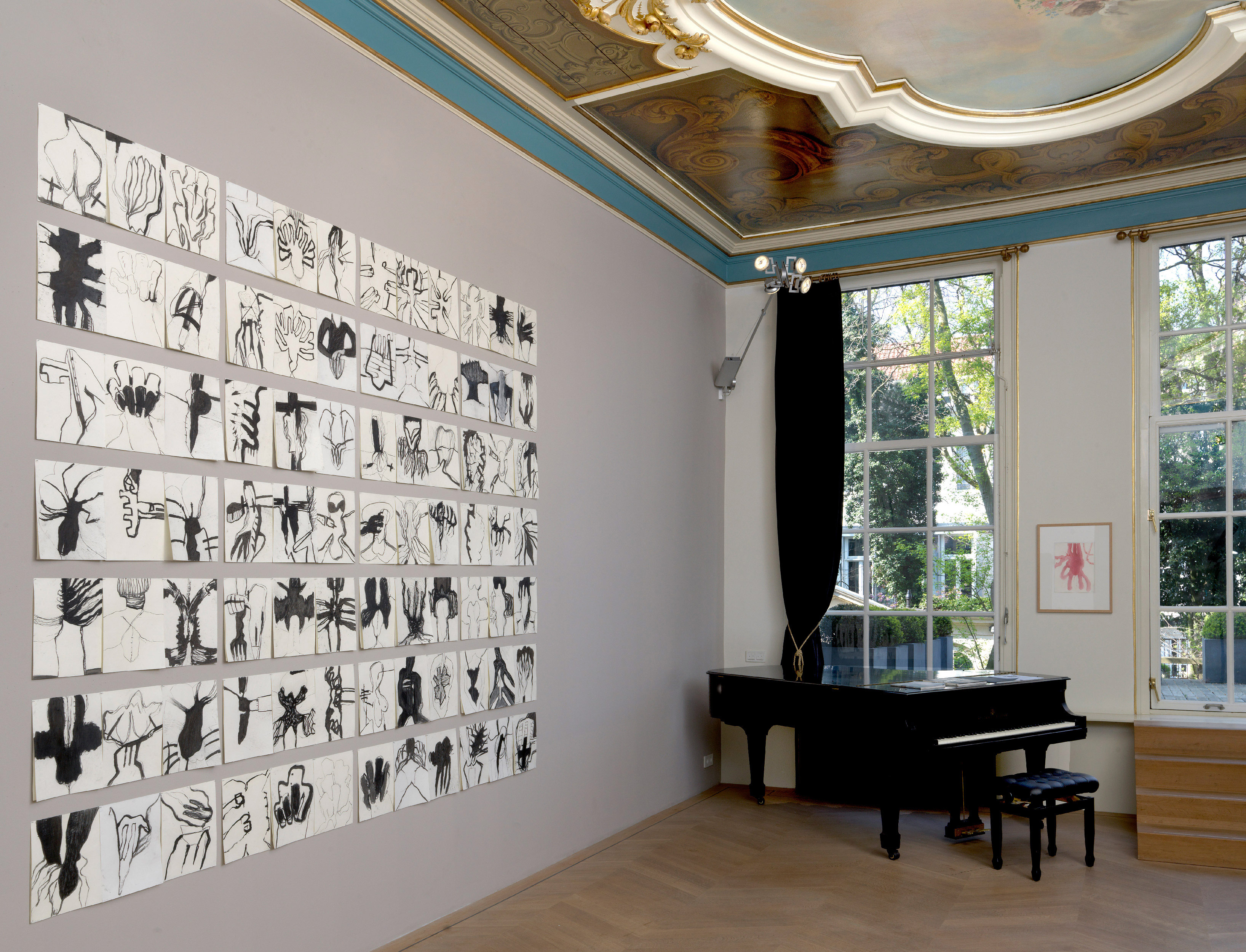
We see unquestionable value in de Jong’s works, which seem to defy the limits of the line’s graphic force. For de Jong, the value is in his method: “I enact a performance, grab a sketchbook…” Taking the theatrical to heart, the installation for "André de Jong and His Theater" fills the walls of the gallery with unframed, overflowing paper panels from his new body-landscape series and other drawings. The effect is double, as always with de Jong: the drawings belong together, and each nevertheless comes across as an event in de Jong’s universe.
Every exhibition of de Jong is an occasion to discover what his long days of inquiry and his unrehearsed studio “performances” might yield. This time, there is also a dedication: to painting, with works of Beppie Gielkens (b. 1942, NL), de Jong’s partner and also artist of TMH. The inclusion of paintings of Gielkens in the exhibition is an acknowledgement of the role played by painting in their shared artistic life—and of the place that painting occupies for him. But what we see in the works of de Jong, with Gielkens’s lush color surfaces in counterpoint, is the line itself, front and center.
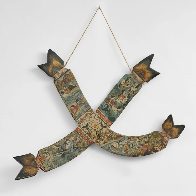
Working with de Jong on the monograph "André de Jong: Acts of Drawing" (published by TMH, 2021, sponsored by the Mondrian Fund) brought to light that, for him, drawing cannot be merely about representation. Judging from what he reveals in some of his photographs (a critical part of his method), we are led to believe that, as familiar objects shift realms in his studio to become props—arrows, lace, string, flowers—an essential transformation of both the identity of the object and the artist’s body takes place. “Drawing is a kind of breaking out [of the body].” "André de Jong and His Theater" aims to bring this transformation into view: from his studio performances and inspections in their actuality, through to his sketchbooks’ theater of memory—captured in initial lines—and finally to the drawings themselves, which speak to us as an ensemble of physical acts.
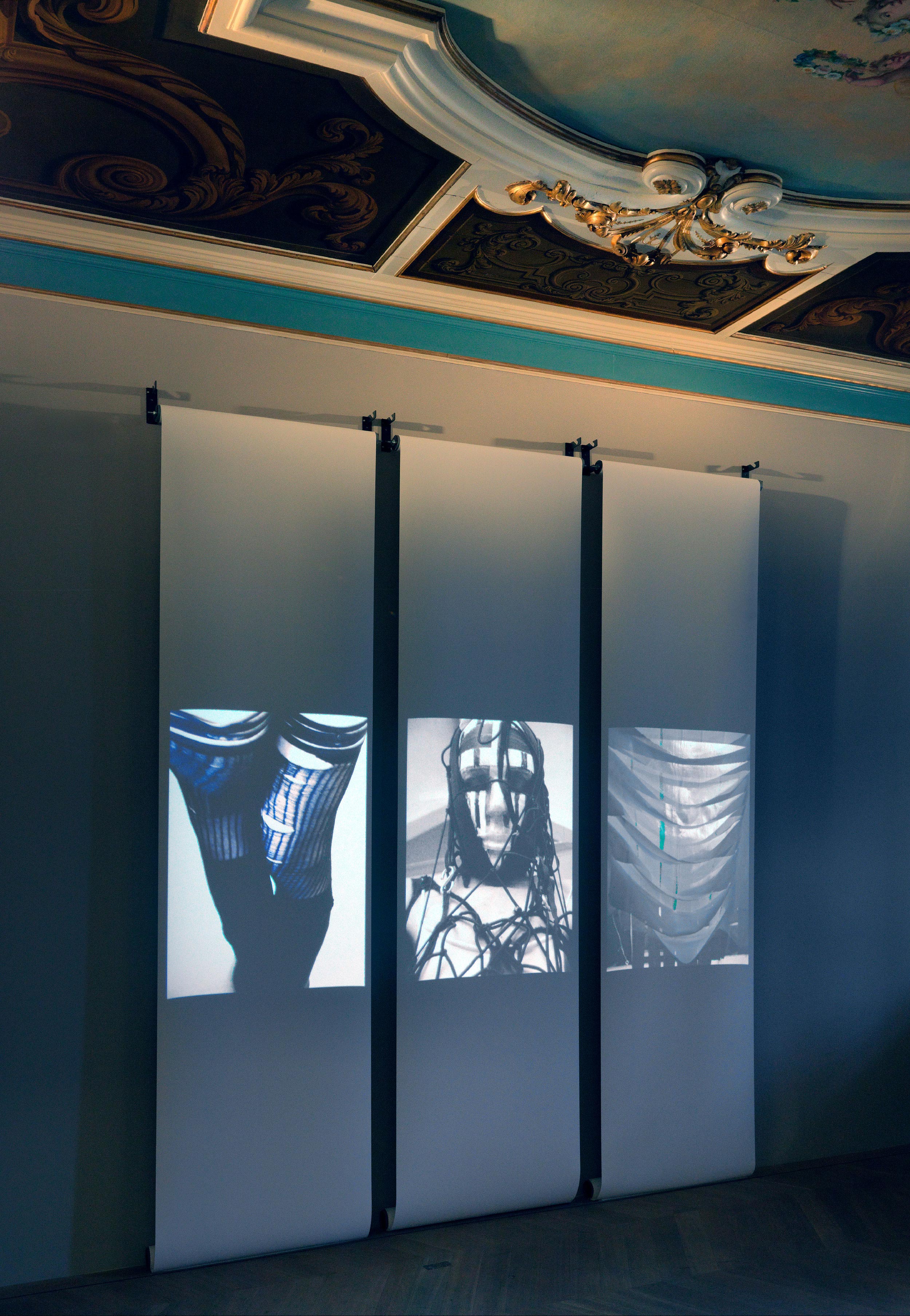
"André de Jong and His Theater" presents several of de Jong’s new open-ended drawing series, together with photography, sketchbooks, selected objects, and a commissioned video work. In the gallery-wide installation, de Jong’s epic forms in black on white (in ink, pencil, graphite, and charcoal on an array of his favorite papers) unfold in sequences that do not seem to have a particular end and confirm that the very practice of their making constitutes its own theory. He finds the forms that perform. We cannot help but marvel at the imagination behind these works and the desire to register one’s life in drawing—the very qualities that continue to fascinate us in art.
Sign Up & Never Miss a Show