+86 21 6330 6166
Open: Tue-Sun 10am-7pm
Visit
Open: Tue-Sun 10am-7pm
No. 133 Sichuan Middle Rd., Huangpu Dist., Shanghai, China
Open: Tue-Sun 10am-7pm
Visit
Void & Volume
Bluerider ART Shanghai, Shanghai
Sat 15 Aug 2026 to Sun 18 Oct 2026
No. 133 Sichuan Middle Rd., Huangpu Dist. — Google
Tue-Sun 10am-7pm
Bluerider ART Shanghai·The Bund presents, following the spring 2026 opening of “Pupil & Pulse”, the first chapter of “An East-West Dialogue of Perception” in Los Angeles, the second chapter, “Void & Volume”, in Shanghai·The Bund. From the measured space of Renaissance perspective to the East’s millennia-old philosophy of emptiness; from the presence of volume to the generative force of void — this exhibition brings together twelve contemporary artists from East and West to explore space, perception, and the many possibilities of existence, moving between what is void and what is real.
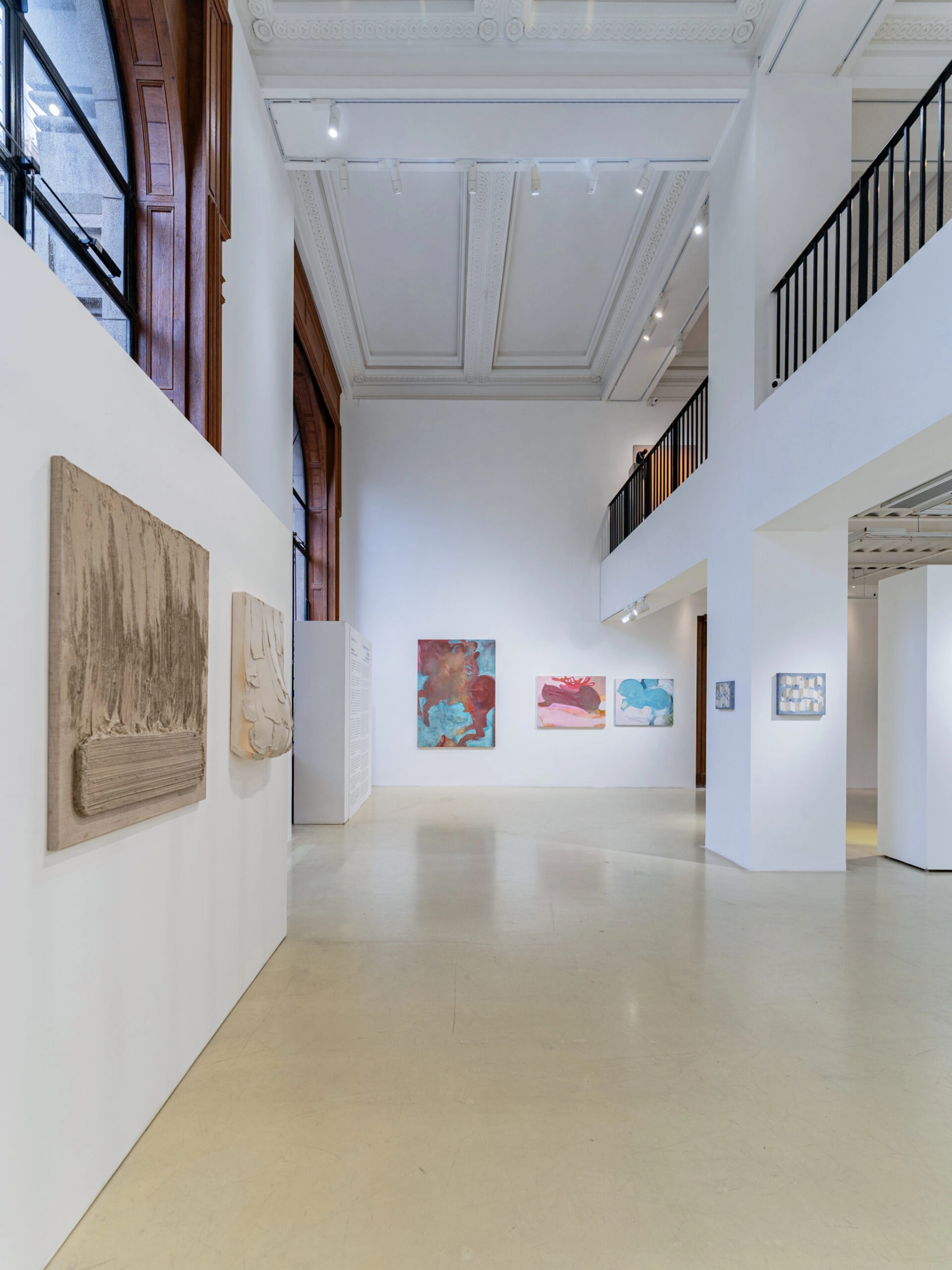
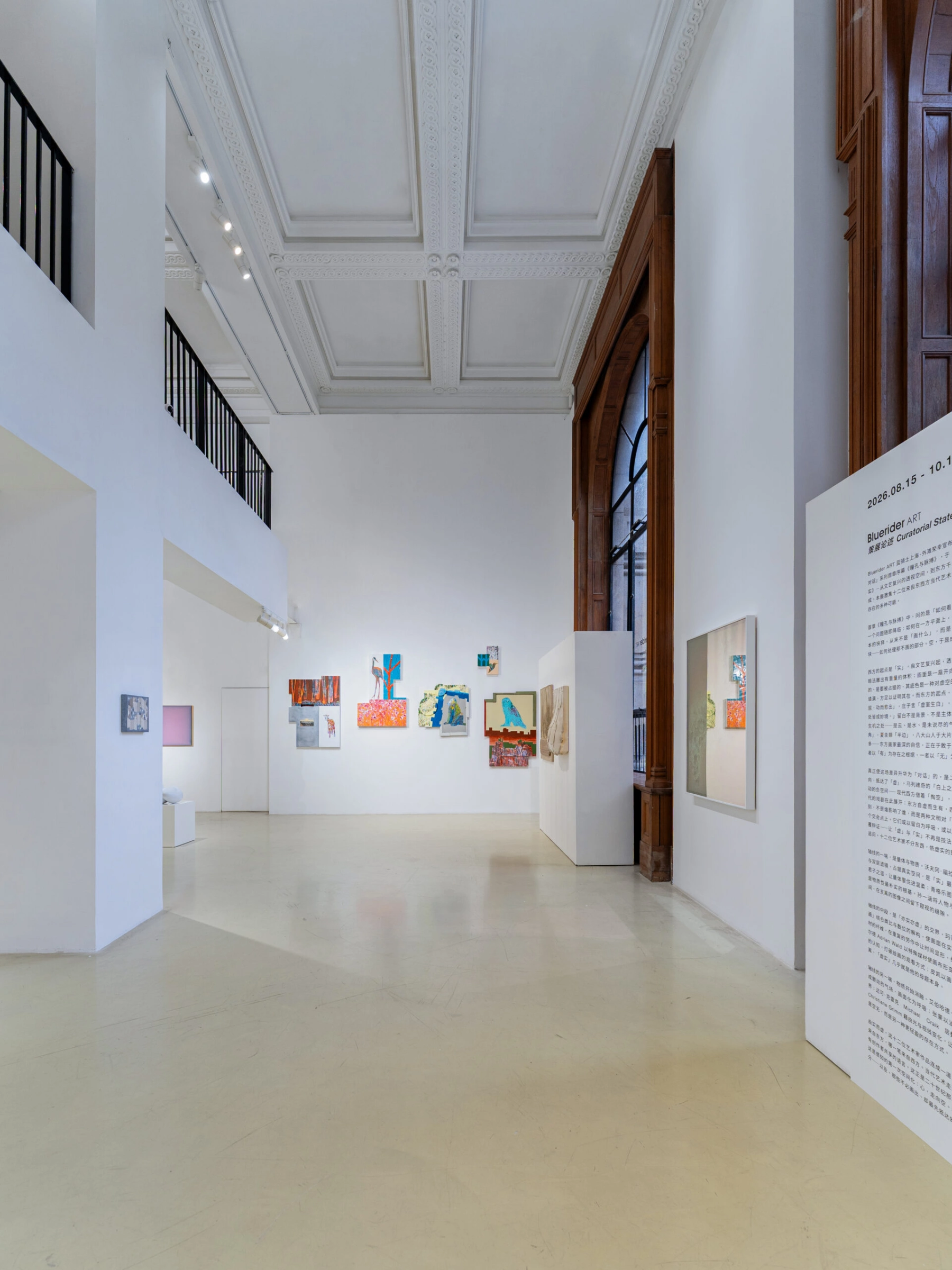
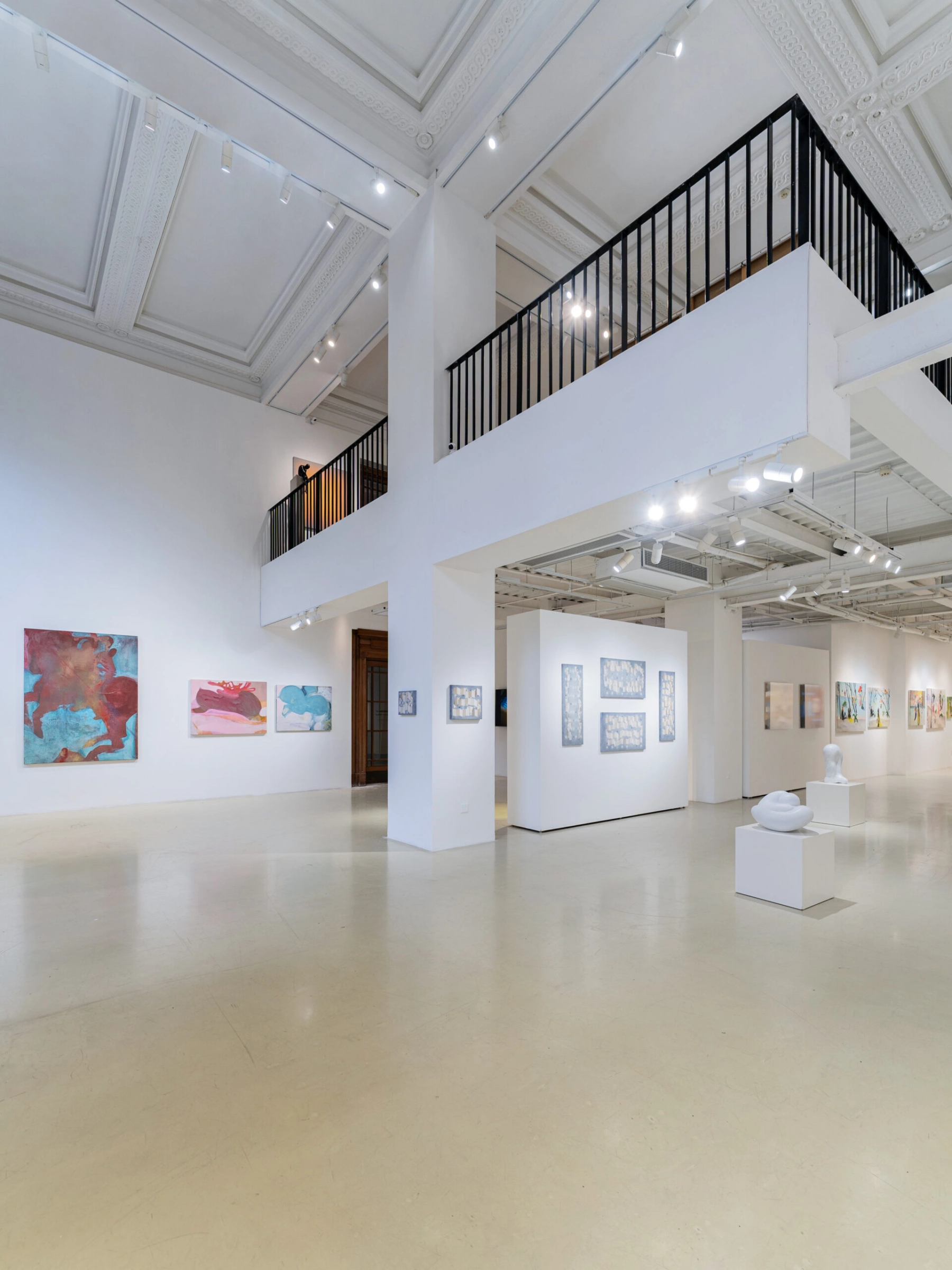
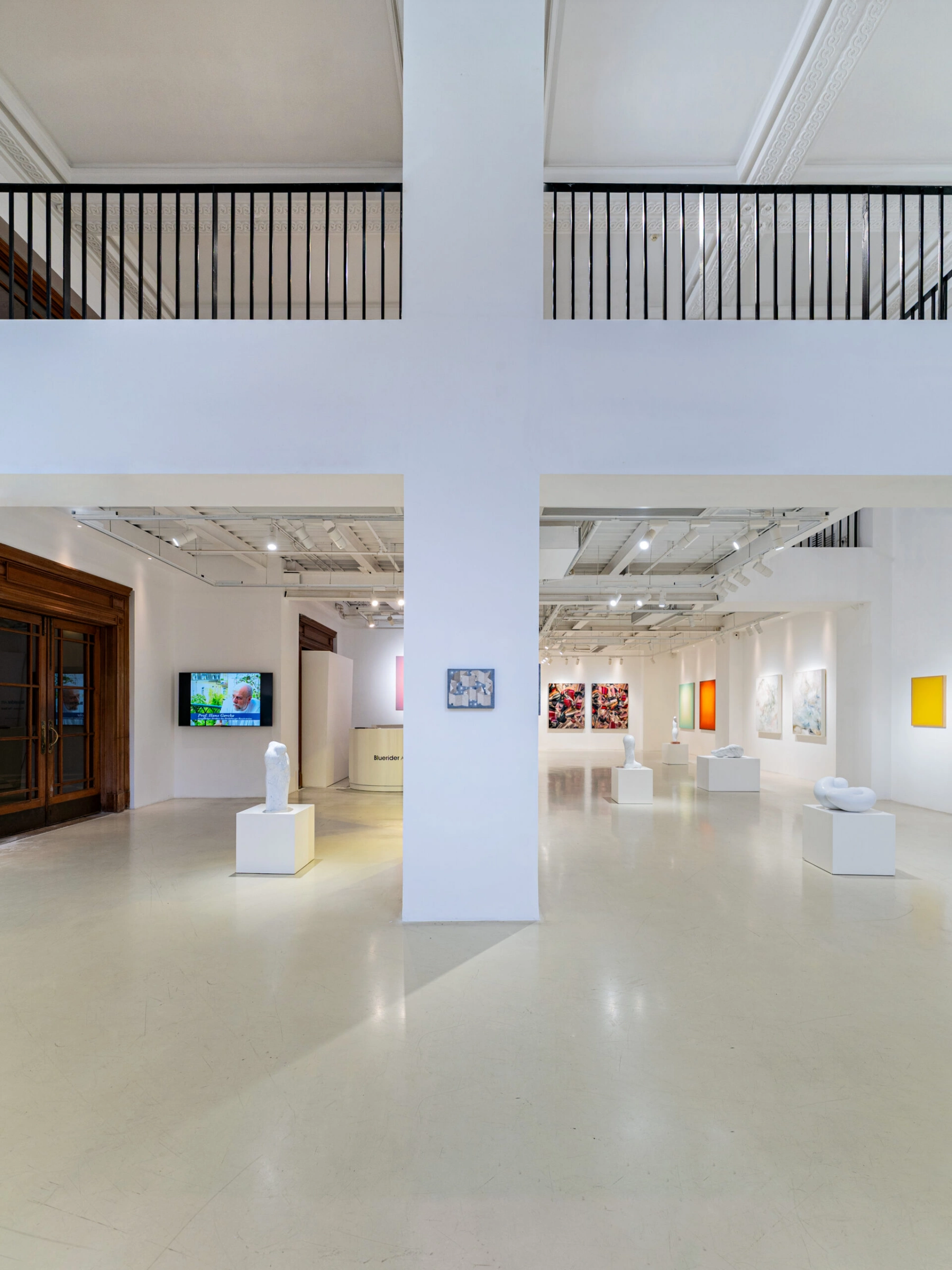
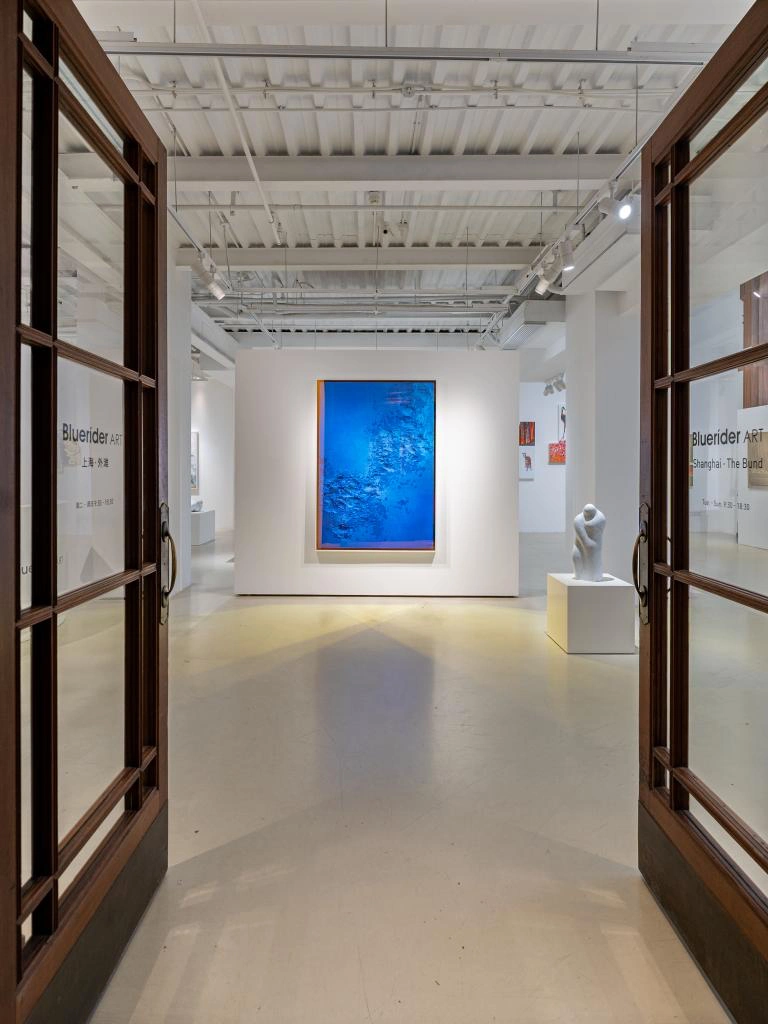
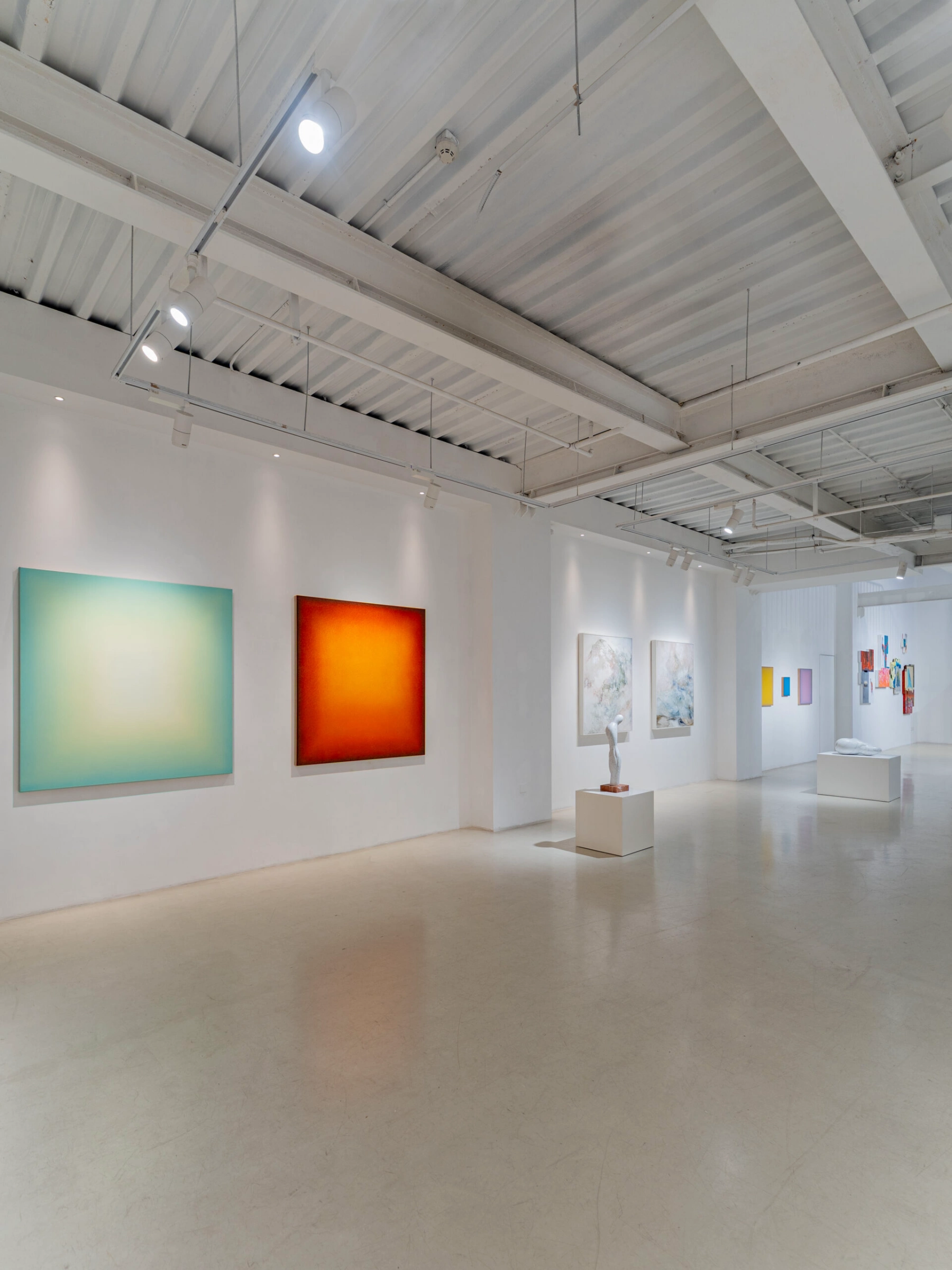
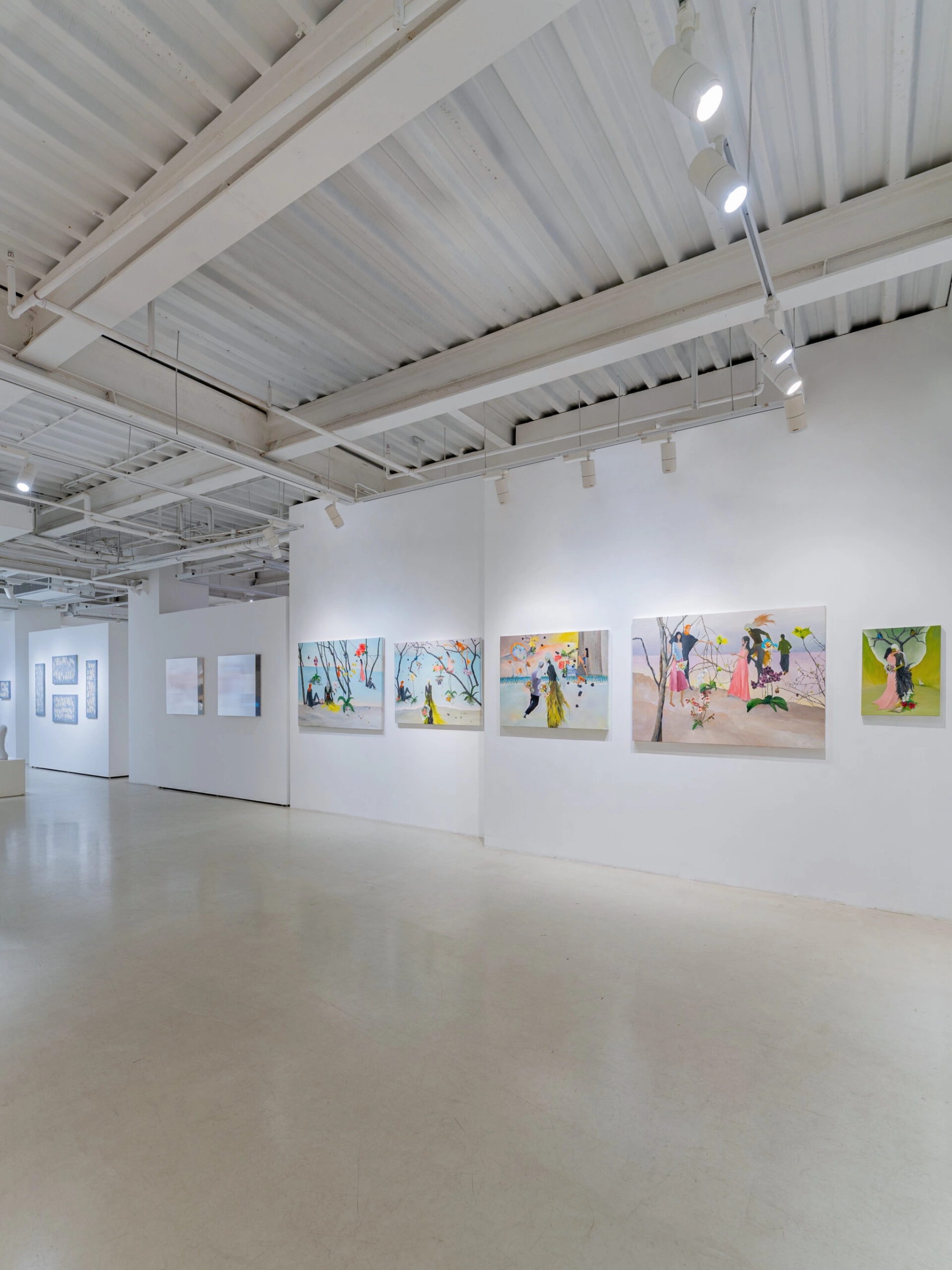
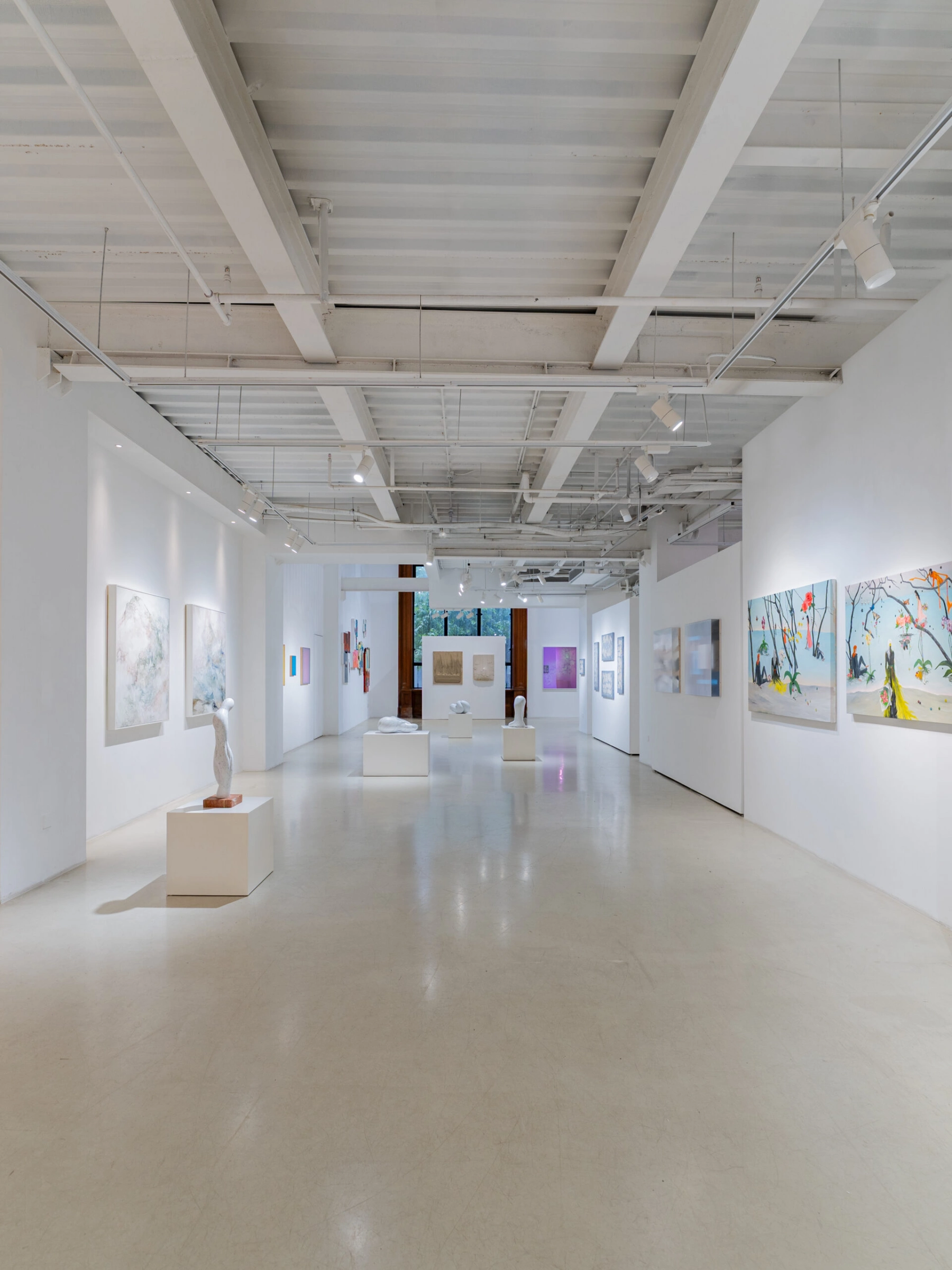
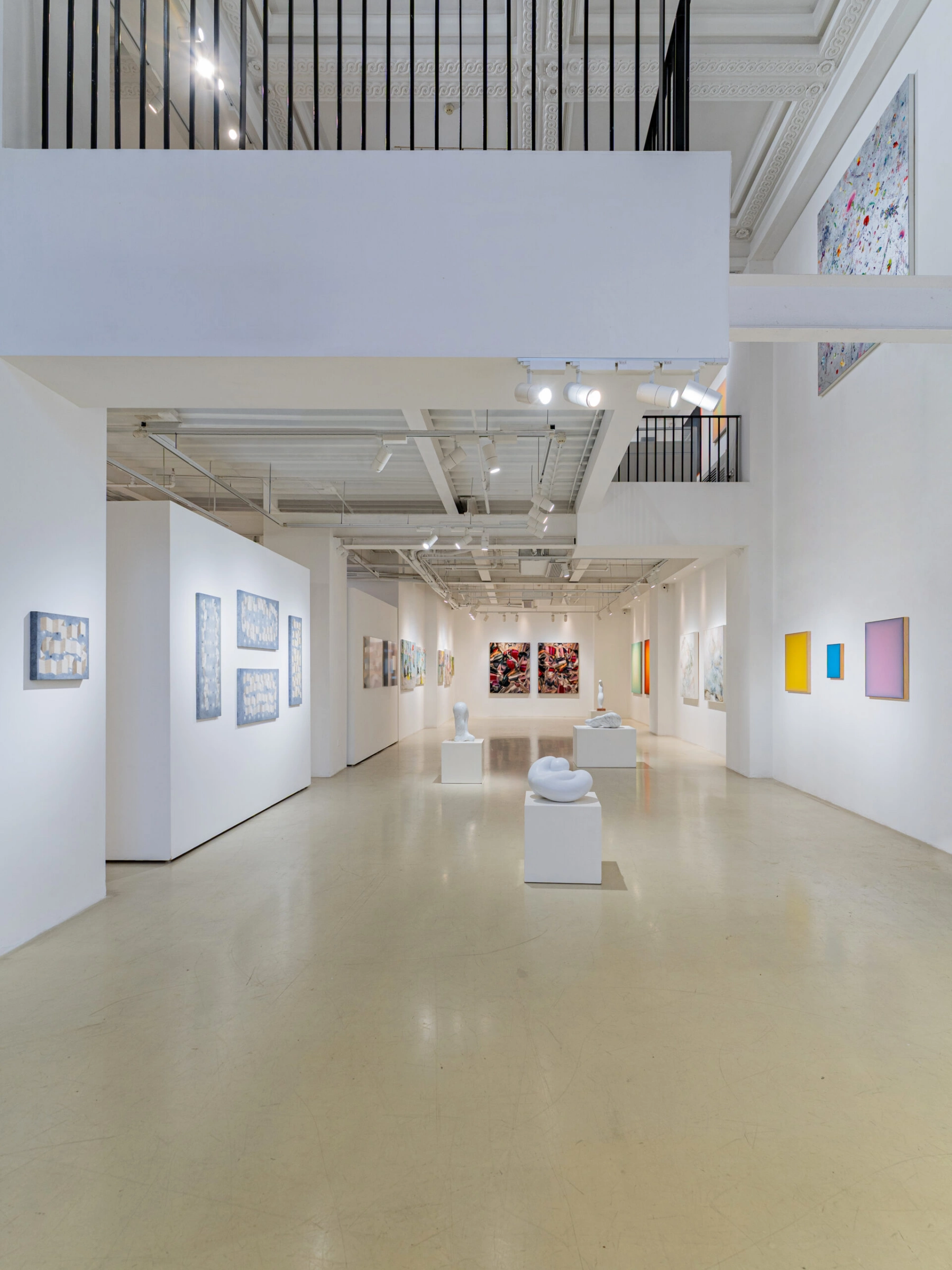
Chapter I, “Pupil & Pulse”, asked how we see—once something is seen, the next question follows: how does one settle what has been seen onto a flat plane? And the most essential part of a painting is often the part left empty—how to handle what is not painted. Emptiness, then, becomes the starting point of all composition.
The West’s starting point is presence. Since the Renaissance, perspective has treated space as a measurable vessel awaiting fullness; chiaroscuro sculpts volume with weight; the picture plane becomes a window opening onto three-dimensional reality. In this tradition, space is positive, meant to be occupied—its undertone a fear of the void, horror vacui. To exist is to be filled. The East’s starting point, by contrast, is void. Laozi wrote that “being and non-being give rise to each other,” that emptiness “never exhausted, yields more the more it moves.” Zhuangzi spoke of “the empty chamber that gives birth to light.” Blank space is not background, nor the leftover after the subject is fixed in place—it is the most alive, most vital part of the picture: cloud, water, breath left unspoken. Bada Shanren sets a single fish, a single bird, against a vast expanse of nothing. To command substance through void, to achieve more with less—the deepest confidence of Eastern painters lies precisely in their courage not to paint. The two views of space are, at root, two metaphysics: one grounds existence in being, the other grounds all things in non-being.
What truly elevates this difference into a “dialogue” is a twentieth-century encounter that ran in reverse. The West arrived at void from the opposite direction. Malevich’s “White on White,” Rothko’s color fields, the negative space reactivated within abstract painting—modern Western art, through the act of hollowing out, found itself standing where the East had stood all along. And so the drama of our own moment unfolds: the East moves from void toward being, the West from being into void, the two paths meeting midway. This is not a matter of influence in either direction, but of two civilizations independently arriving at each other through their separate reckonings with emptiness. The works in this chapter stand at that meeting point—some breathing through blank space, some structured by negative space, some caught in a running dialectic between fullness and emptiness, density and permeability—so that void and substance are no longer merely a matter of technique, but a contemporary inquiry into being and nothingness itself. The twelve artists, regardless of East or West, are arranged along a single spectrum measured by degrees of void and substance.
At one end of the axis lies volume and matter. Wolfgang Flad’s organic paintings, built from regenerated materials and double-layered glass filters, occupy real space—the most direct declaration of “substance.” Yang Yang’s white marble sculptures carry the gentleness of the noble character within the weight of stone, letting tenderness inhabit mass. Chingltu’s mineral pigments are ground from the artist’s own cultural origins into color itself—the most elemental grounding of materiality. Sun Yihan frames figures and animals within grid-like wooden structures, cutting through time and space, leaving gaps of voyeuristic possibility between fragmented images.
At the midpoint of the axis lies the border where substance and void are both true at once. Martina Ziegler’s “layered paintings” combine analog and digital deconstruction, so the image folds repeatedly between the real and the illusory. Bay Tang Jiaxin picks apart the fibers of paper with a needle, letting time surface through repetitive labor—within the material of paper itself, a latent space rises. Adrian Wald distorts the canvas with unconventional materials, challenging the viewer’s assumptions about a picture’s “authenticity” and “materiality,” unsettling the very act of viewing painting. Pi Kai divides reality from the virtual across the picture plane, his figures drifting between the two realms—void and substance are, for him, almost the subject itself.
At the far end of the axis, matter begins to dissolve. Eberhard Ross weaves a trembling field of energy from dense, repeated brushstrokes, until the picture itself seems to breathe. Zhang Meng’s oils bleed cloud and freedom, forms releasing their edges into haze. Michael Craik layers thin washes until matter recedes into light. Christiane Grimm transforms geometric imagery into flowing color through shifts of light and sightline. Here, void is no longer emptiness, but a lighter way of being.
From substance to void, the twelve artists’ works form a single continuous spectrum—and what is most compelling is that one need not identify which brushstroke came from East, which from West. Contemporary art today has moved past the point where void and substance mark a civilizational boundary; they are now a shared language among all who create. This is the final fruit of that twentieth-century encounter run in reverse. Void and substance, inner and outer—this is perception’s first spatialization: the heart moving toward emptiness. Having seen, our hearts learn to hold what cannot be seen—and those things that need not be painted, yet arrive first of all.
Participatipating artists:
Eberhard Ross
Martina Ziegler
Michael Craik
Wolfgang Flad
Adrian Wald
Christiane Grimm
Chingltu
Yang yang
Bay Tang Jiaxin
皮凱 Pikai
Zhang Meng
Sun Yihan