390 Broadway, NY 10013, New York, United States
Open: Mon-Fri 10am-6pm, Sat 12-5pm
Artist: Thomas Hart Benton
Schoelkopf Gallery presents a retrospective exhibition of the work of Thomas Hart Benton, spanning five decades of the artist’s storied career. The exhibition opens as part of the gallery’s 25th anniversary program and coincides with the United States Semiquincentennial.
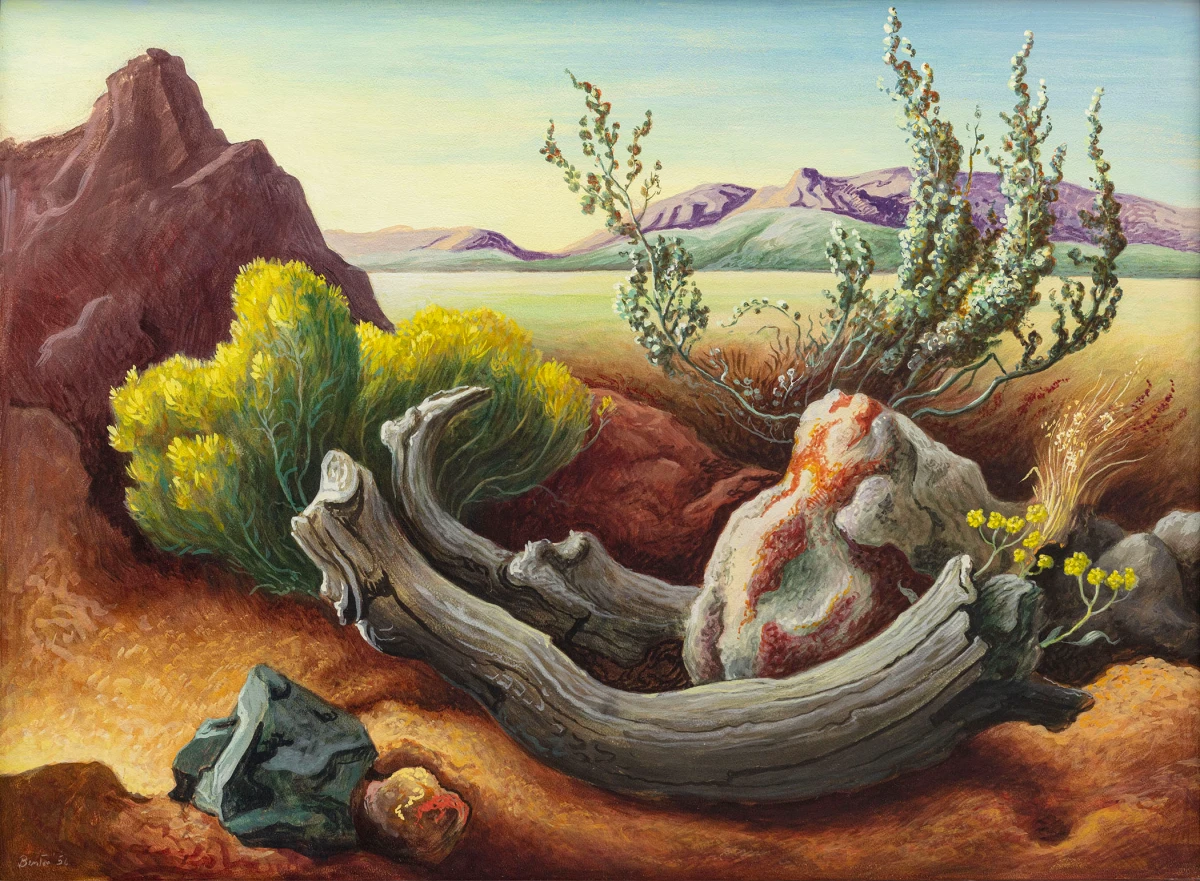
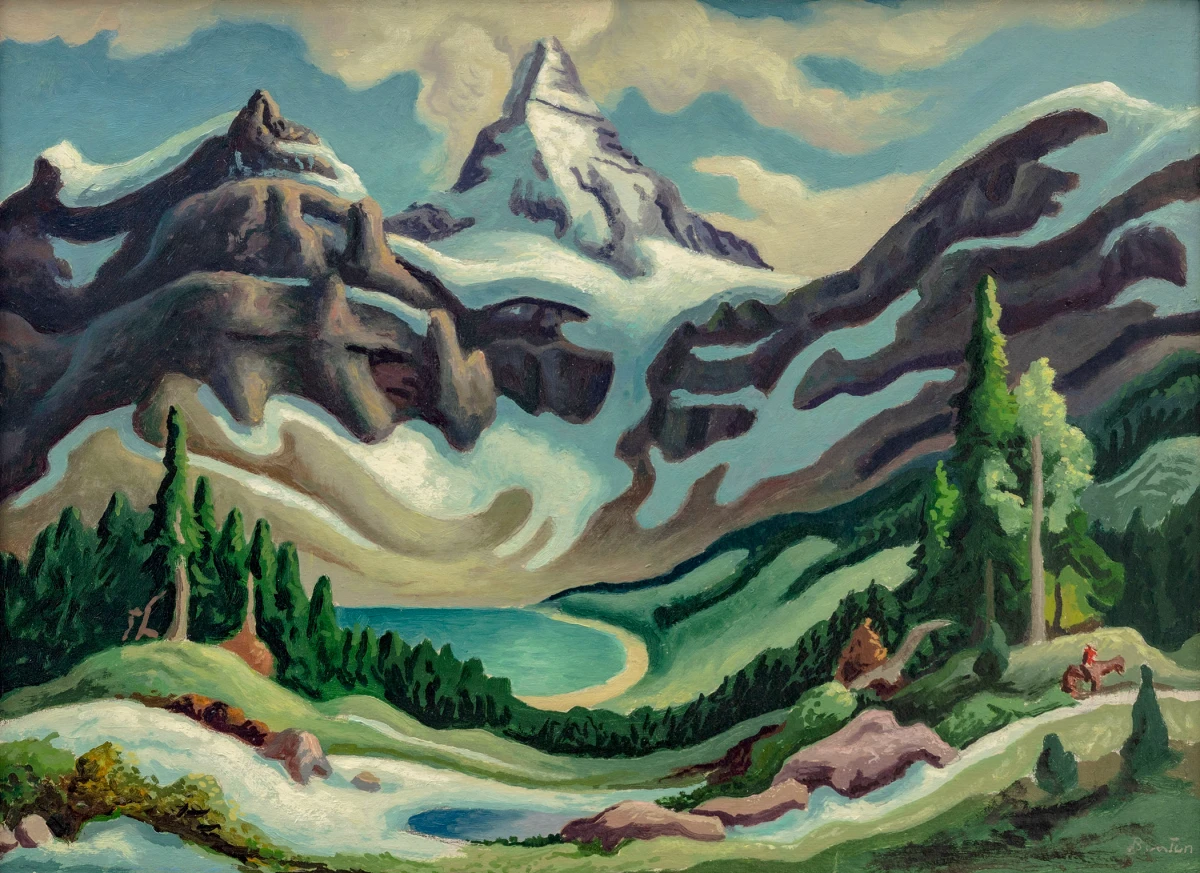
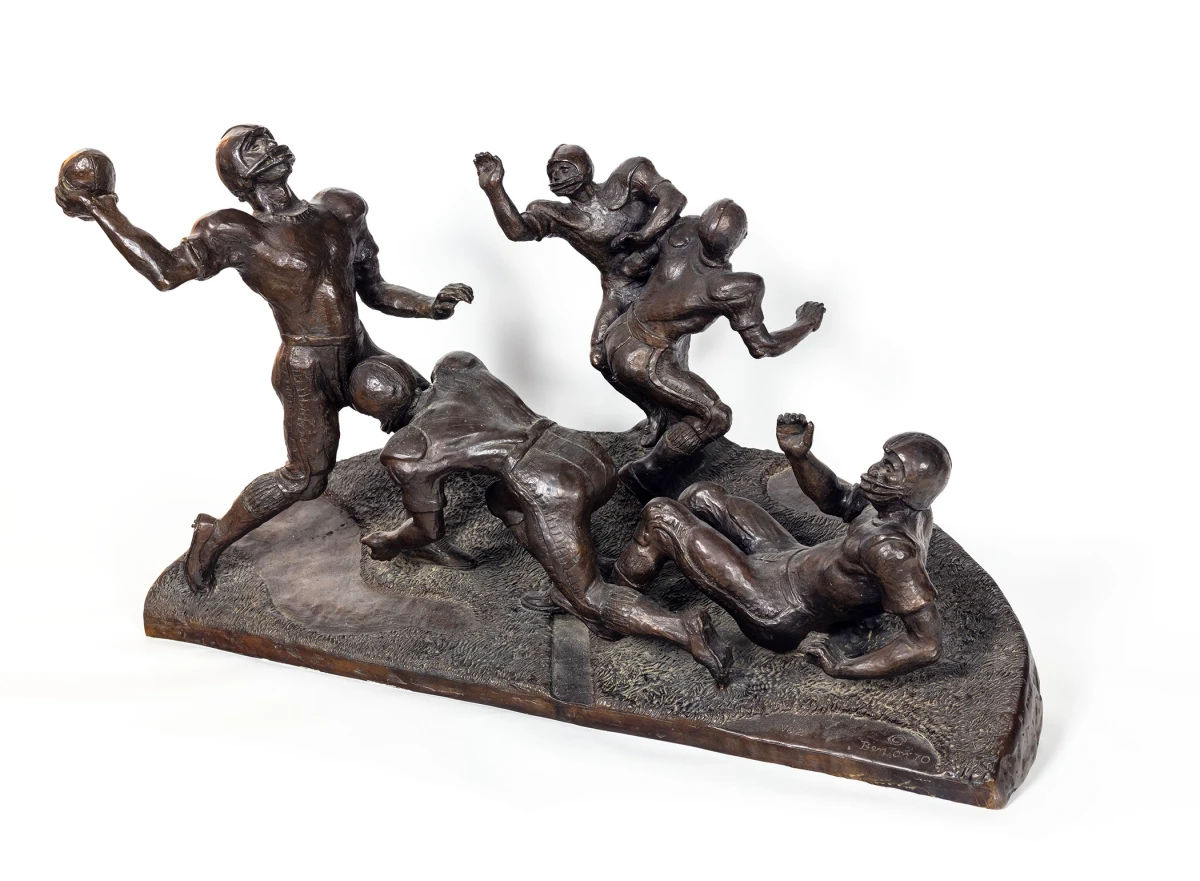
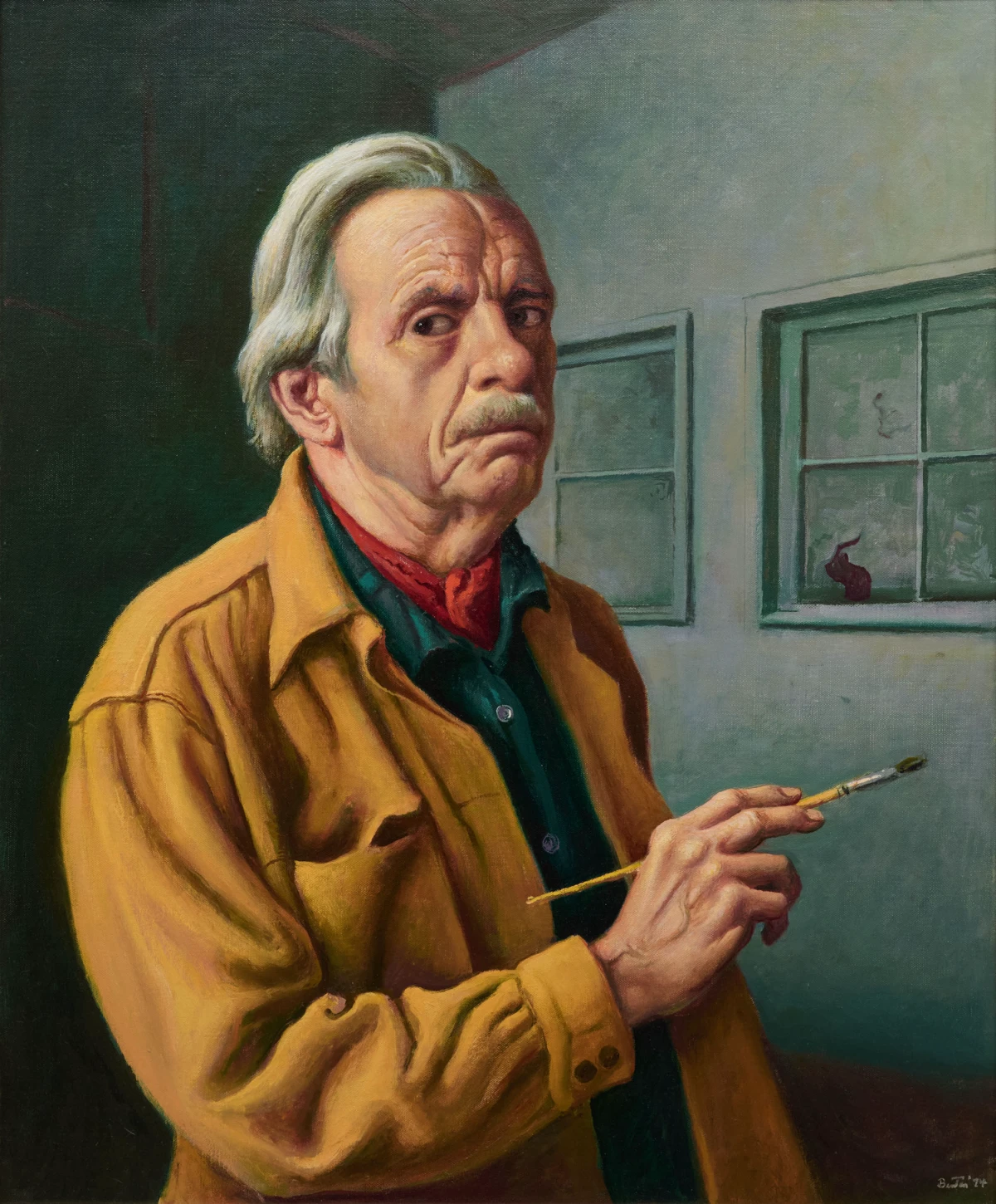
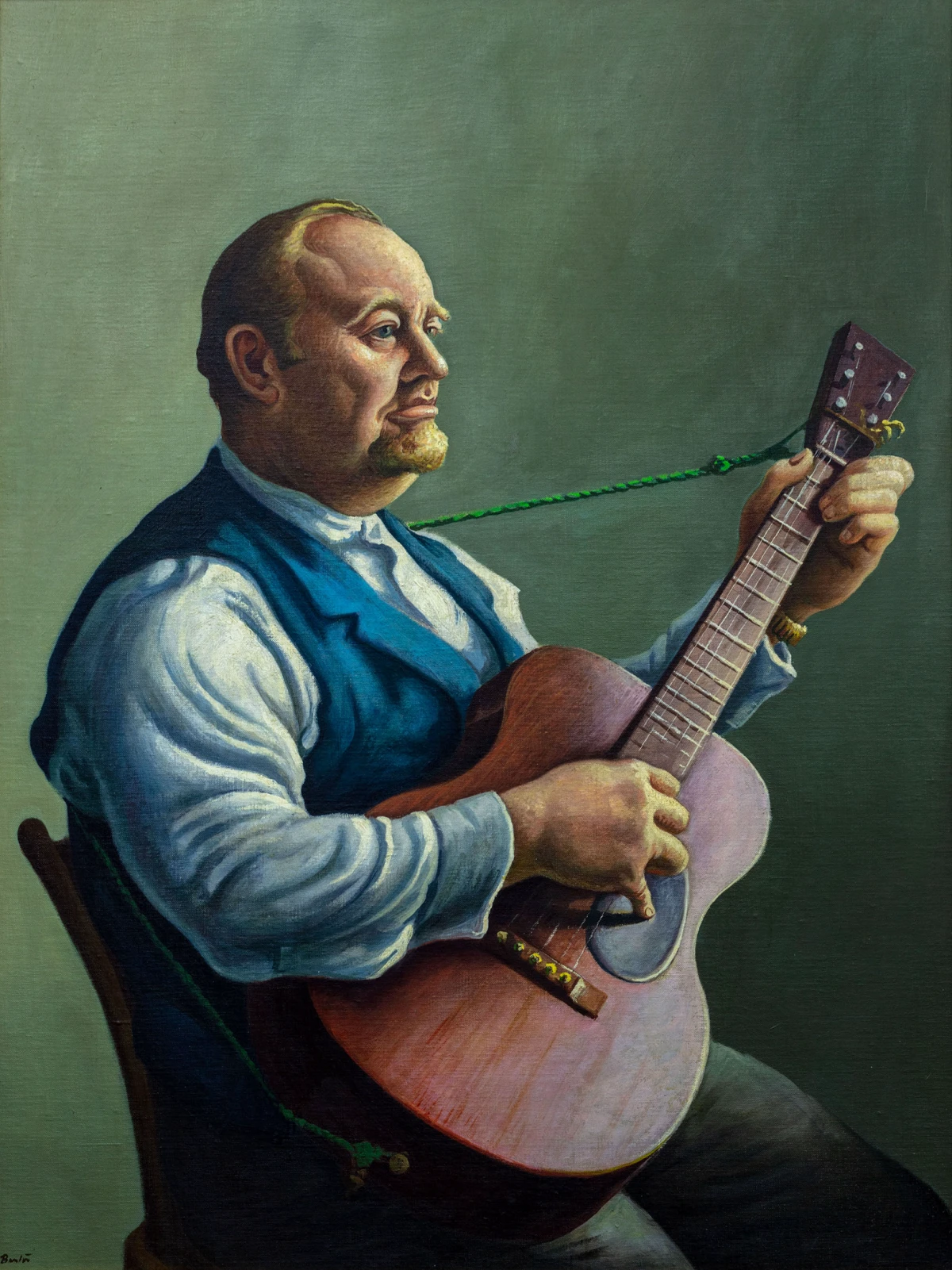
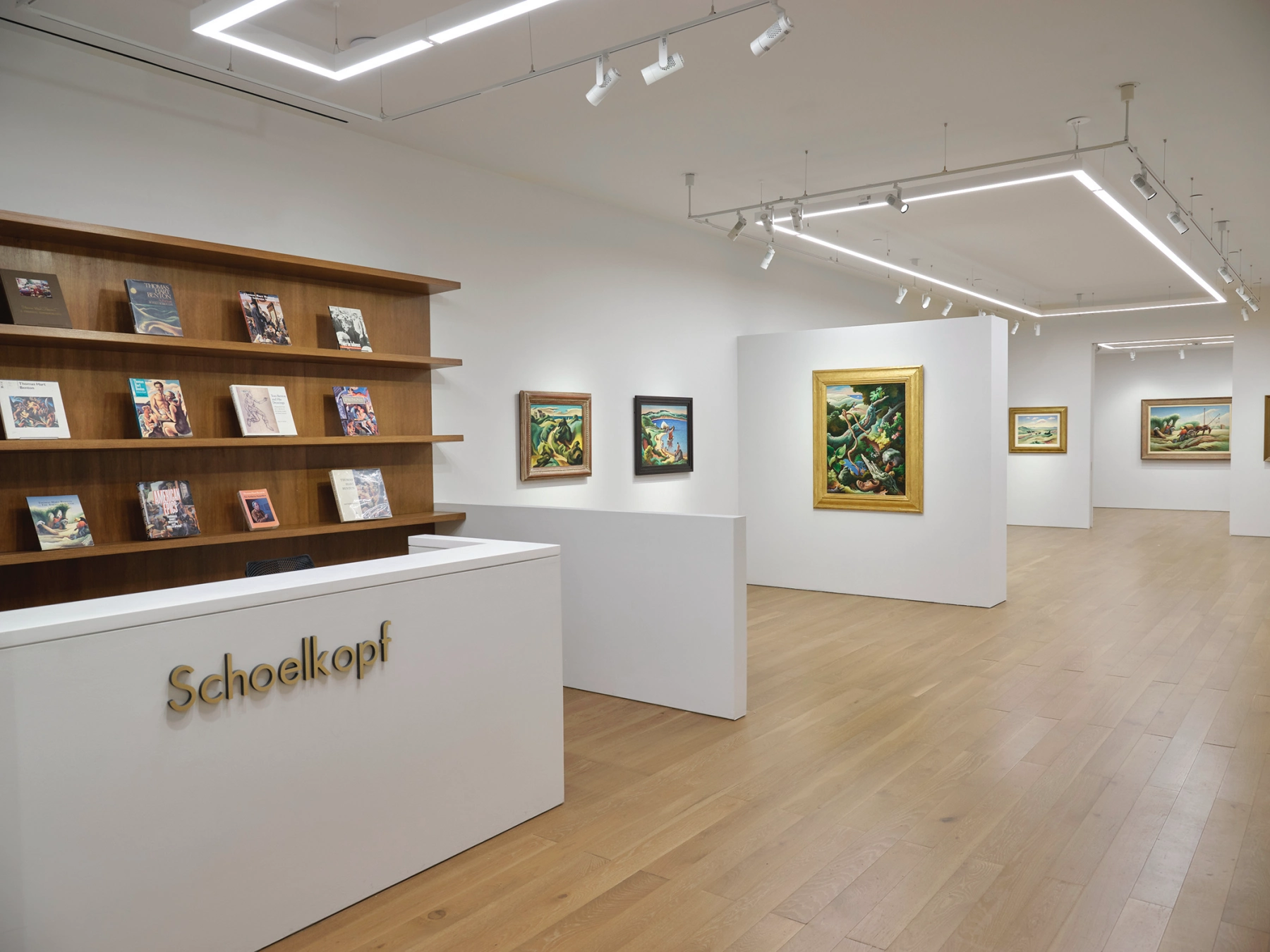
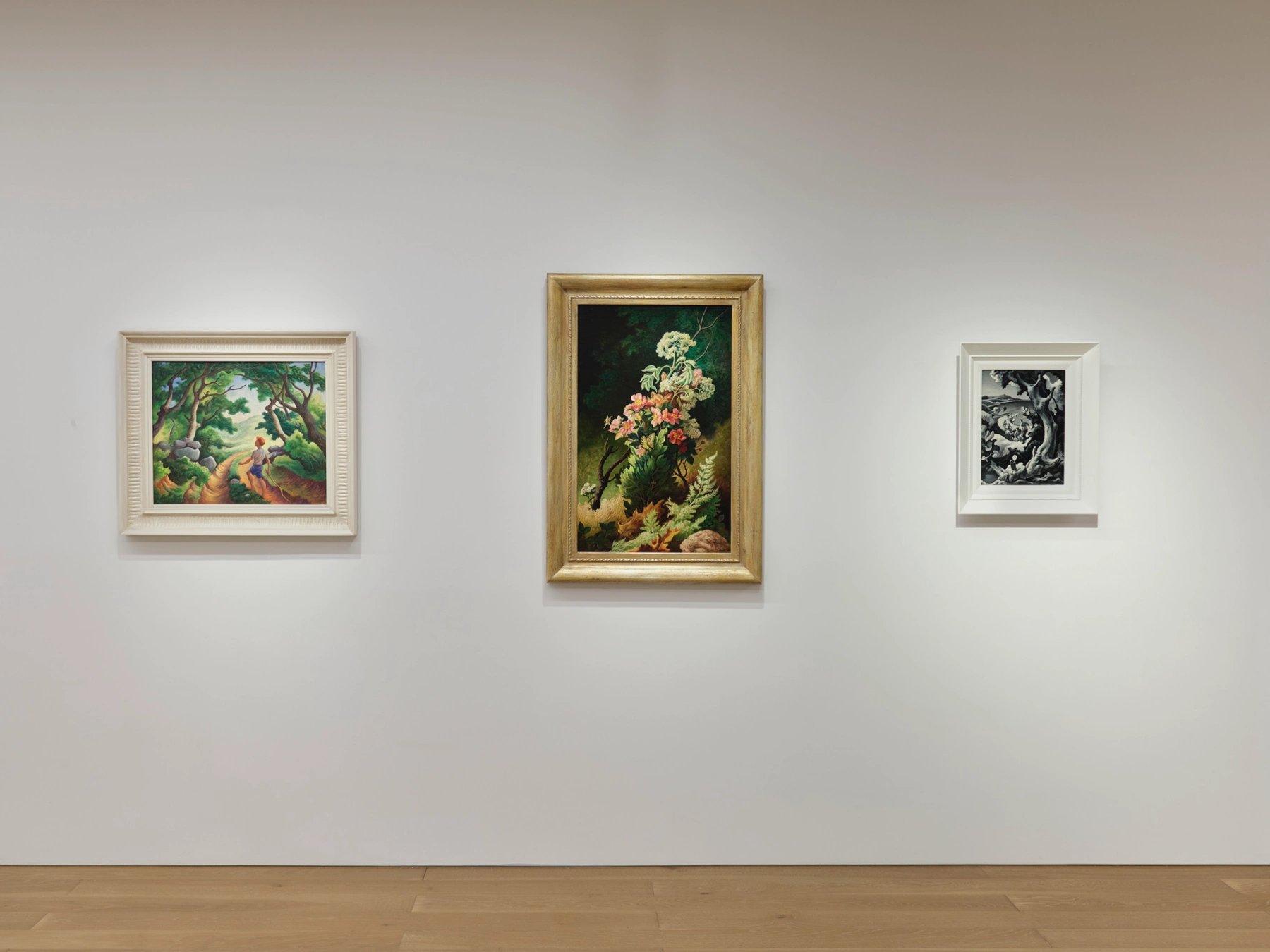
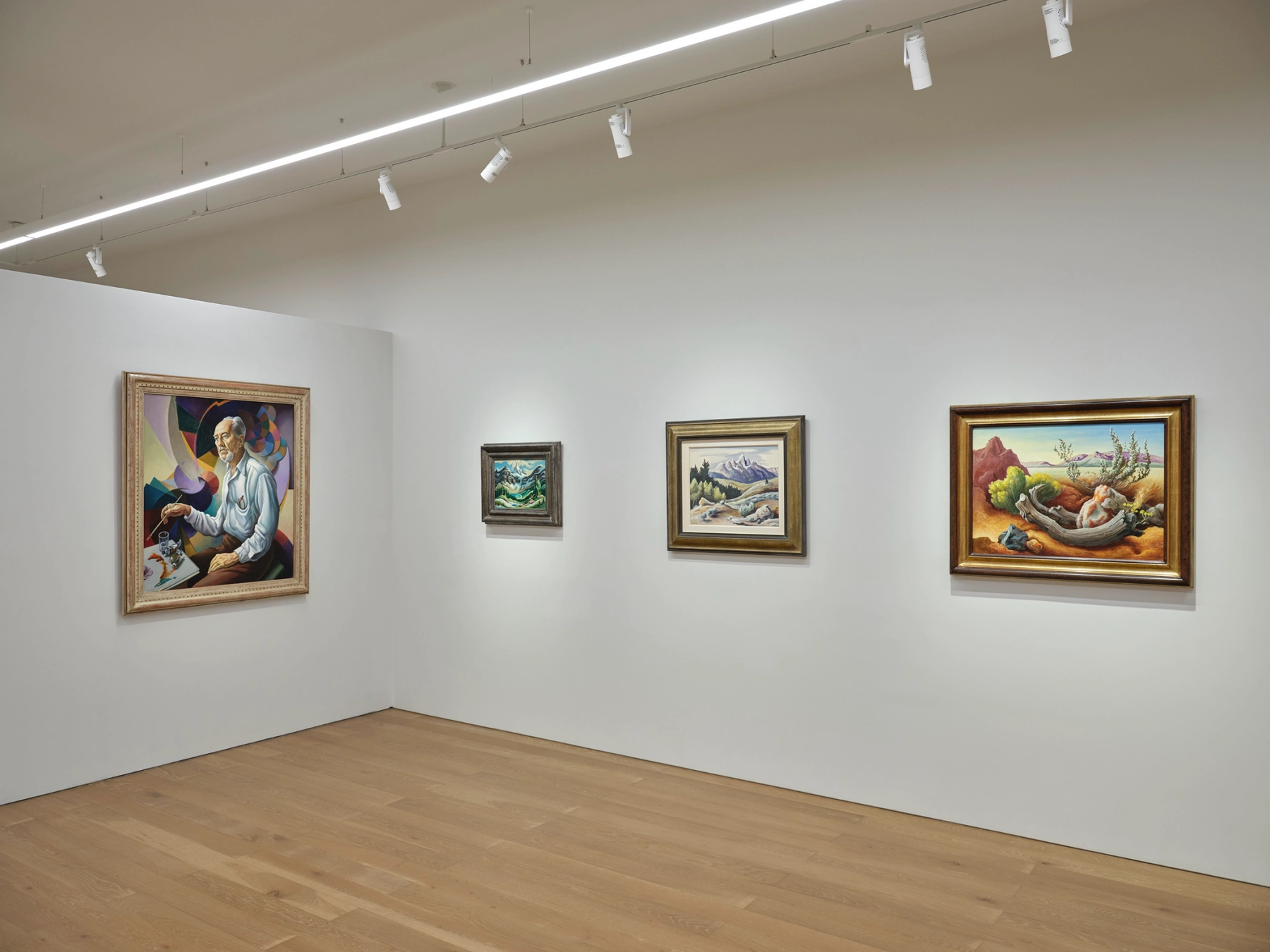
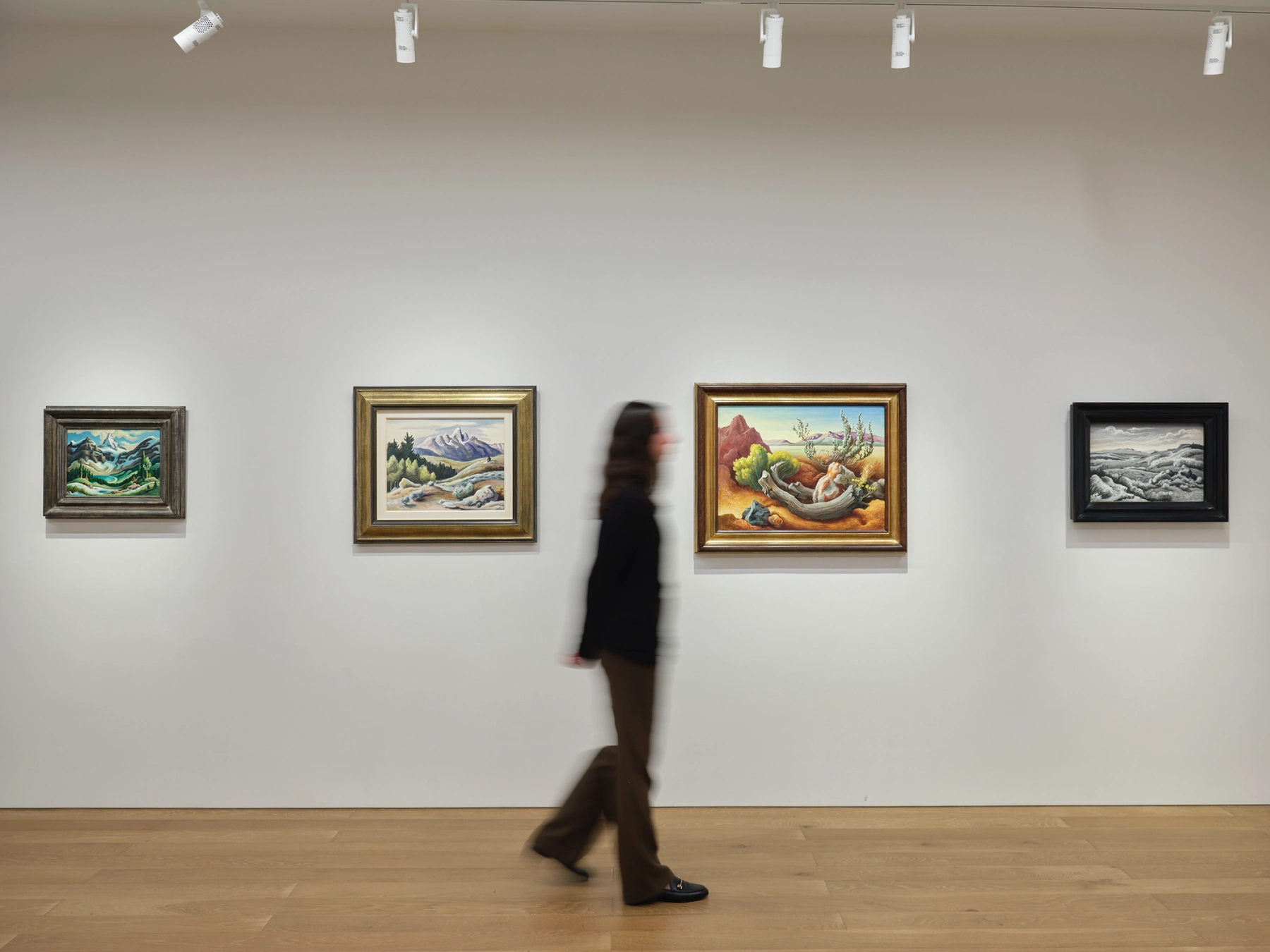
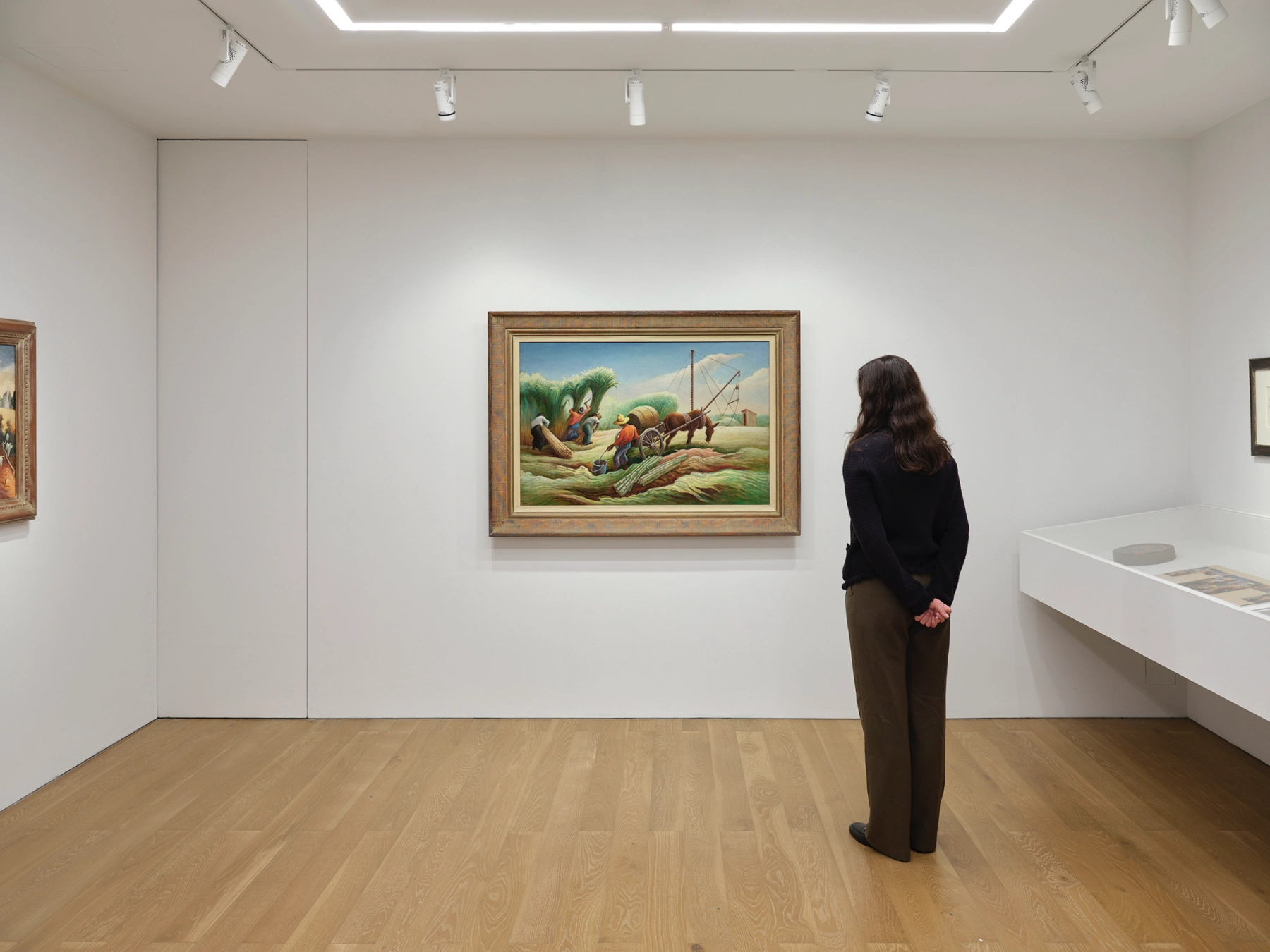
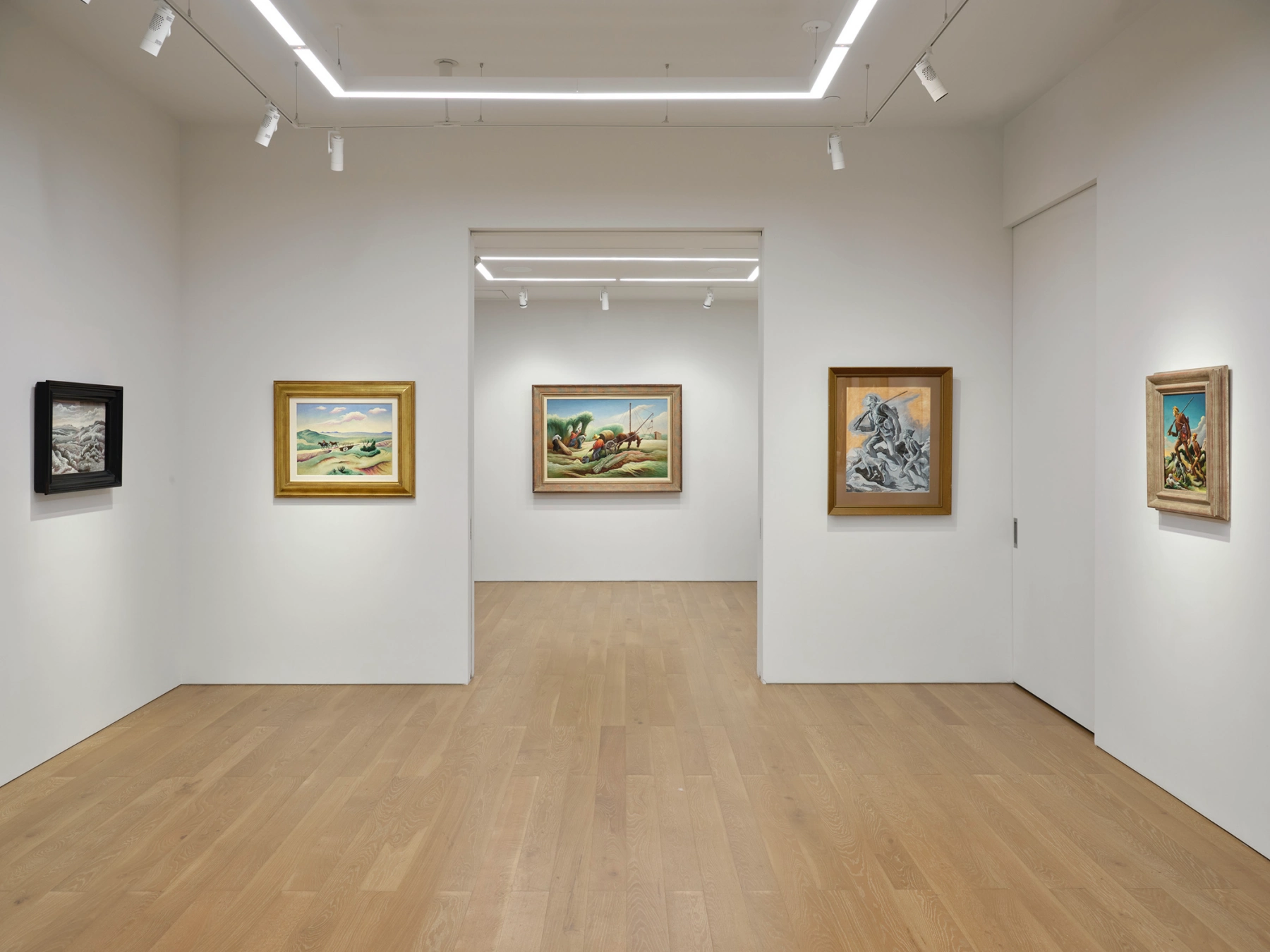
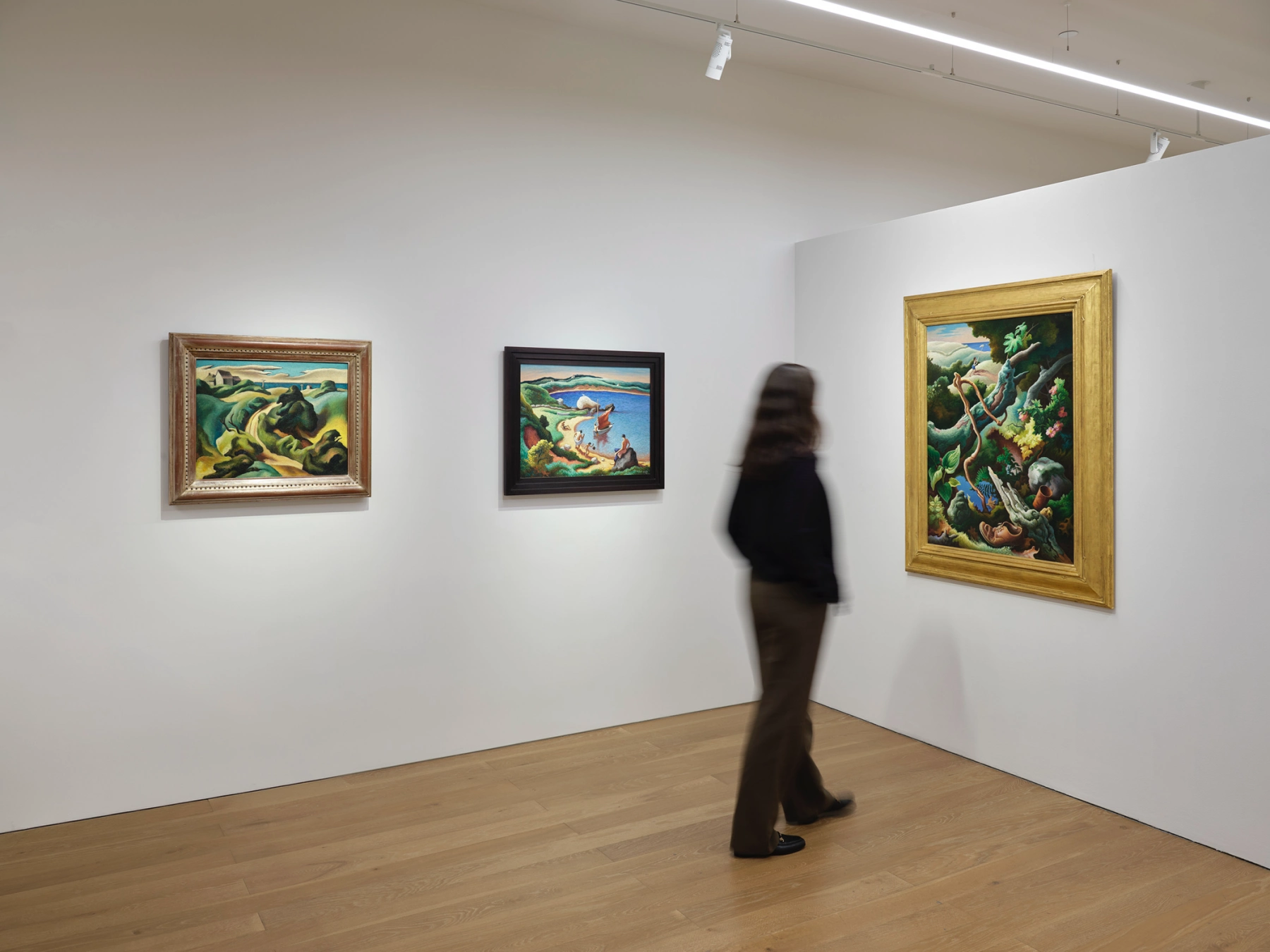
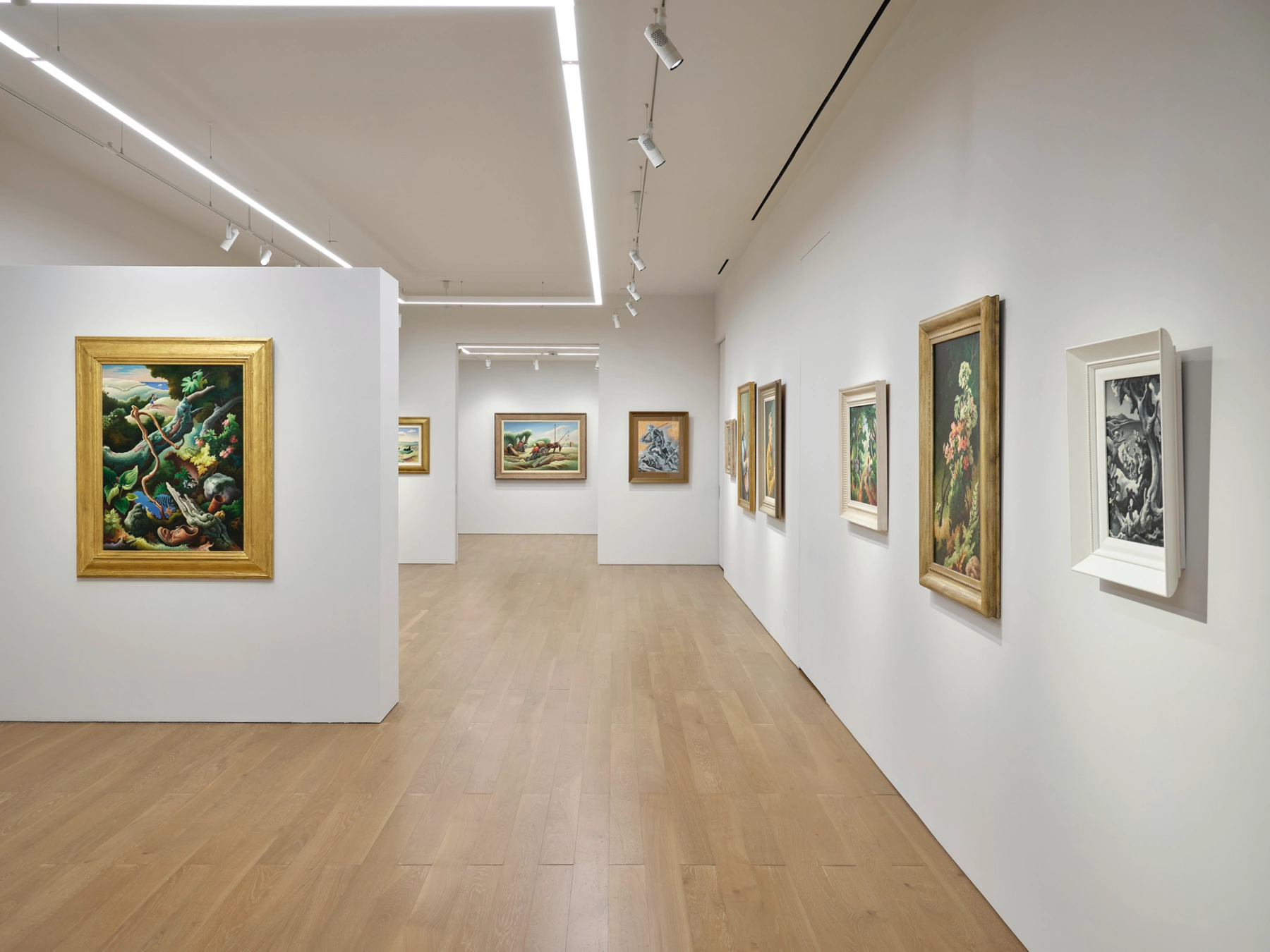
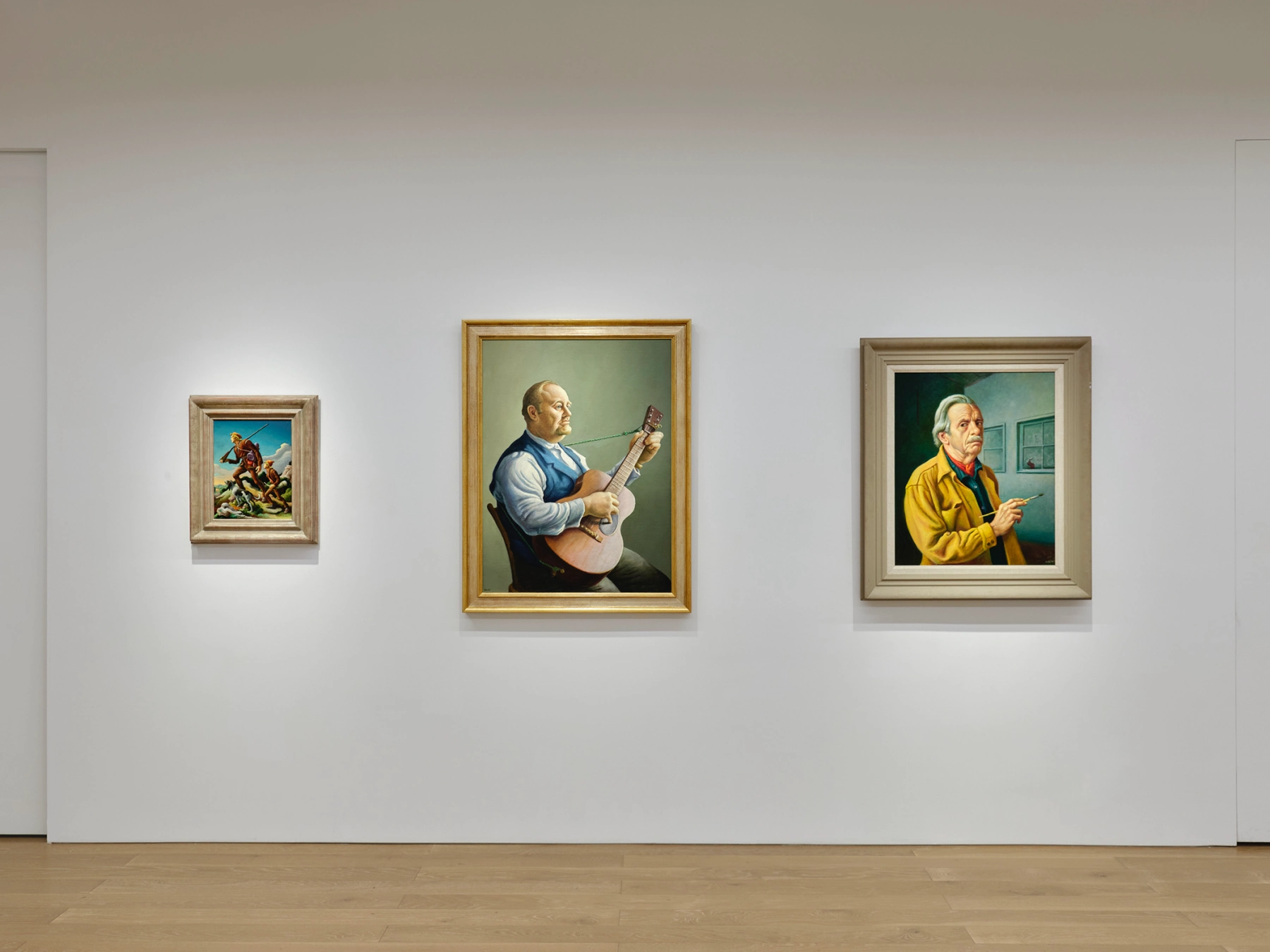
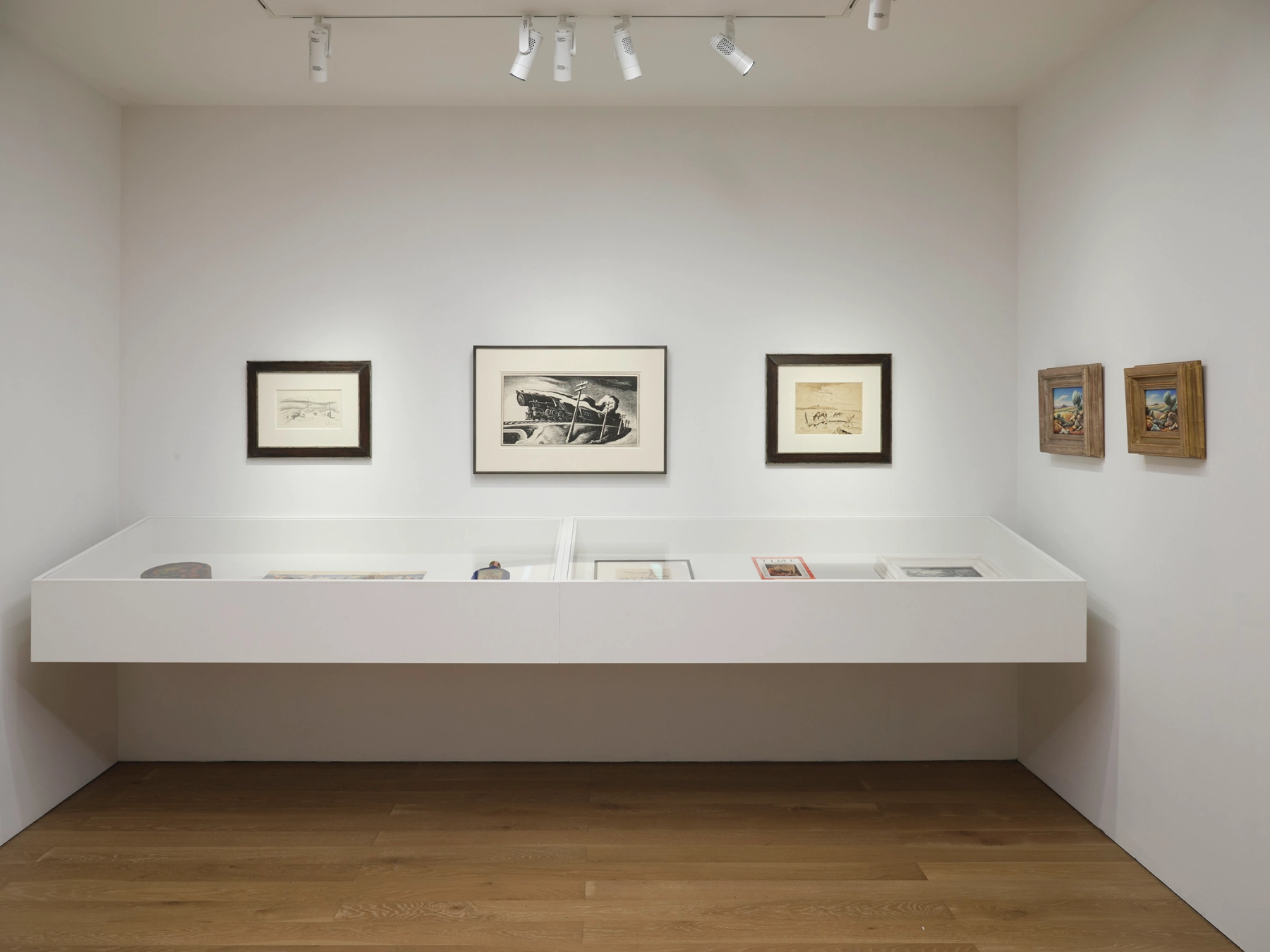
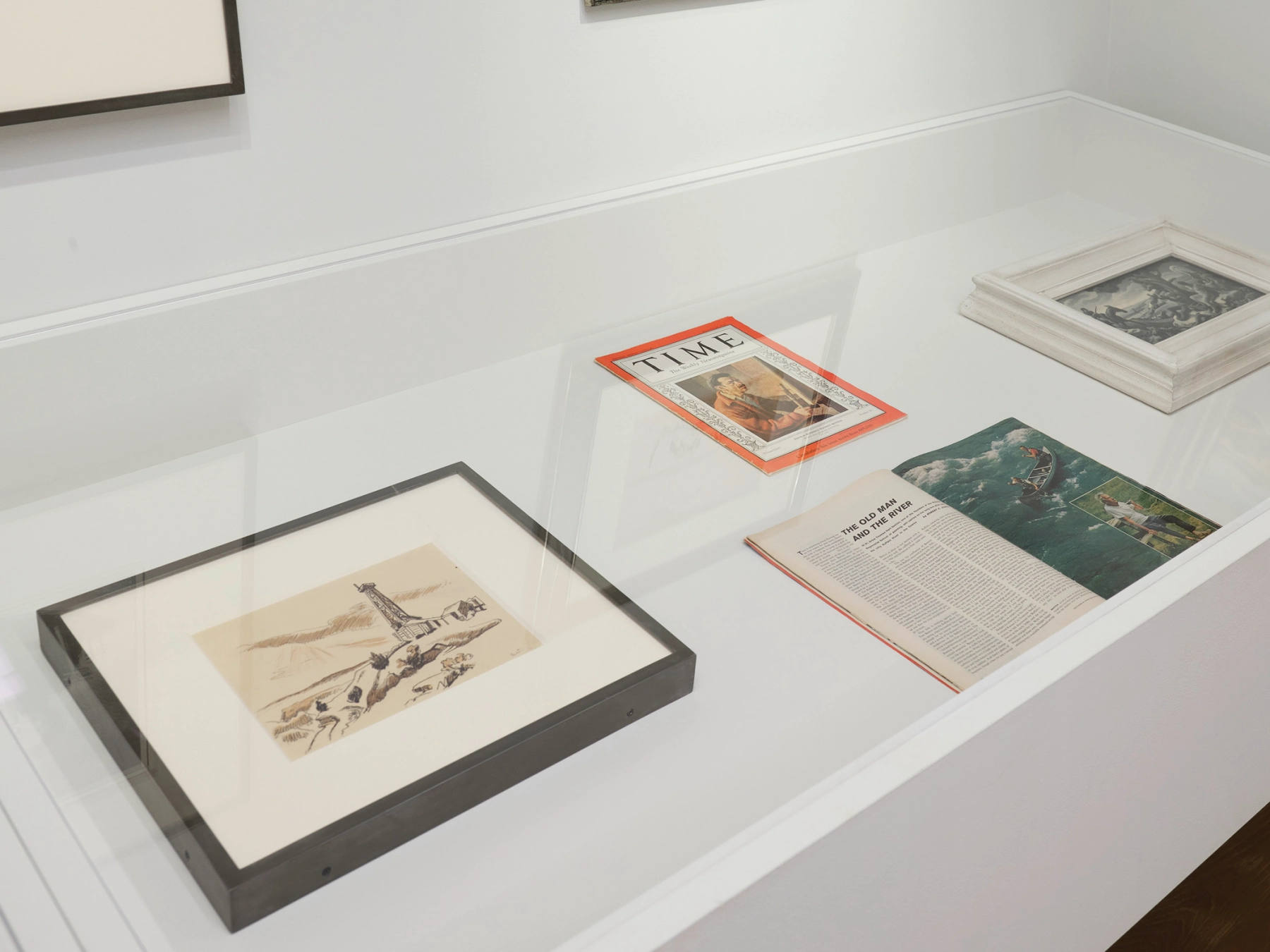
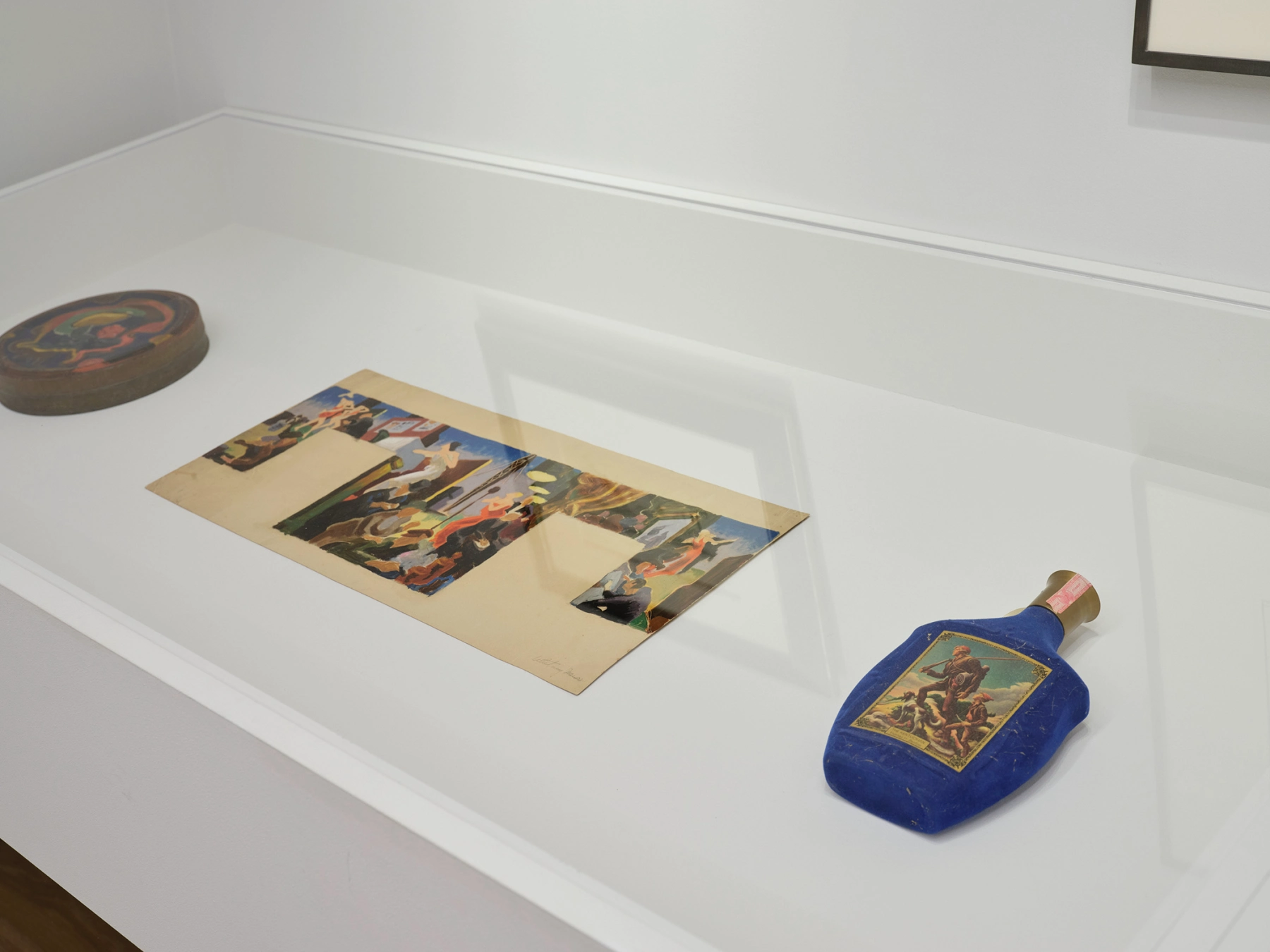
This is the first major solo exhibition of Benton’s work in New York in over a decade, following the unveiling of the installation of his iconic mural America Today (1930–31) at The Metropolitan Museum of Art in 2014.
Thomas Hart Benton emerged in the 1930s as the leading figure in the telling of American stories. In this sweeping tribute to one of the most quintessential visual narrators of the American experience, A Picture of America in its Entirety speaks to Benton’s role as a principal storyteller of 20th century American history and as one of the nation’s greatest artists.
Benton’s work was distinctly American in its colorful and dynamic representations of people’s everyday lives and labor. Inspired by his wide-ranging and frequent travel across the country, Benton sought to convey what he described as “a picture of America in its entirety.”
The exhibition traces Benton’s numerous journeys across the United States, where he absorbed the grandeur of the land and the character of its people. Benton’s dynamic compositions, marked by sweeping landscapes, rhythmic movement, and impassioned figures, embody the physical and emotional terrain of a nation in flux. His ambitious work chronicles the complex social changes of the 20th century, bearing witness to the effects of war, racism, oppression, technological progress, politics, music, and culture. Through public murals, museum commissions, and portrait paintings, Benton’s work has helped shape the framework of America’s cultural identity.
As art historian Erika Doss notes, “Benton’s bold and animated style of art was a distinct brand of American modernism, a mix of new methods of form construction, color harmony, and points of view combined with new subjects and fresh themes including urban life and modern industry, folklore and popular culture, and highly personalized interpretations of the American landscape. Overall, Benton aimed to convey the energy and intensity of modern times.”
Thomas Hart Benton was born in Neosho, Missouri in 1889 into a prominent political family. His father, Colonel Maecenas Benton, was elected to Congress four times as a representative of Missouri and named his son after his great uncle, Thomas Hart Benton, who had served as a Missouri senator for three decades. The younger Benton’s choice to become an artist was an unexpected departure from his family’s strong political tradition, yet like his forebears, Benton’s life and work were deeply engaged with the culture, mythology, and identity of the United States.
Benton studied at the Art Institute of Chicago and later at the Académie Julian in Paris. While living in New York in the 1910s, Benton held various jobs in the film industry painting movie backdrops and sets in black and white. In 1916, Benton became a member of the People’s Art Guild, an organization dedicated to bringing art to the working class. His connections at the Guild led Benton to become a director at the Chelsea Neighborhood Art Gallery the following year. He presented his first solo exhibition there and taught free art classes at the Gallery. Most of his students were immigrants, including the Italian-born Rita Piacenza, who Benton married in 1922.
During World War I, Benton served in the Navy and was stationed in Norfolk, Virginia. He worked as an architectural draftsman and later as a camouflage painter. His realistic depictions of shipyards during this time strongly influenced his later artistic style.
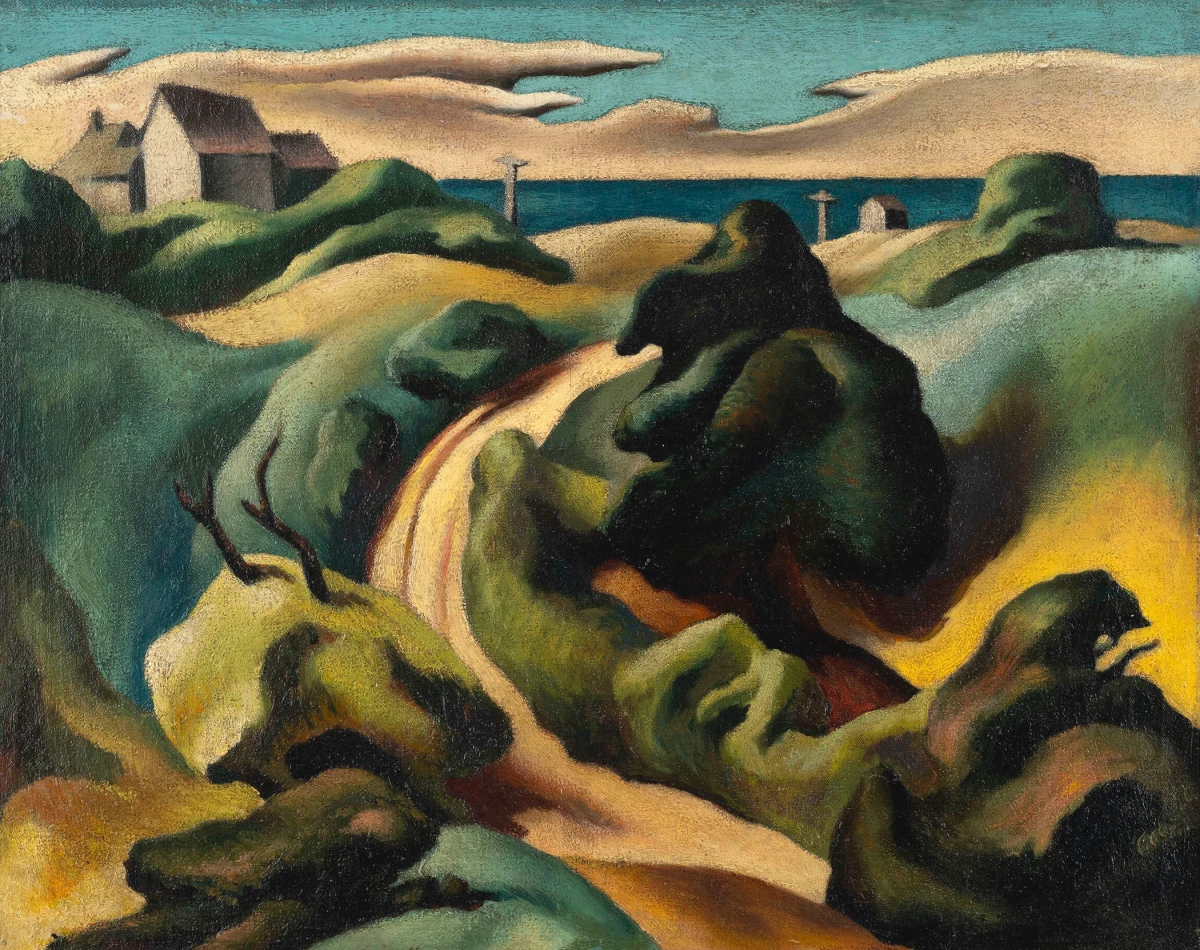
In 1920, Piacenza invited Benton to spend the summer in Chilmark, Massachusetts, a village on Martha’s Vineyard. Benton would return to Martha’s Vineyard every summer for the rest of his life.
Between 1926 and 1936, Benton taught painting at the Art Students League of New York. His most famous student is Jackson Pollock, who studied under Benton from 1930 to 1933.
By the 1930s, Benton emerged as a pioneer and the outspoken leader of American Regionalism, an art movement that consciously rejected European abstraction in favor of depicting realistic, everyday American life. Traveling widely across the Midwest and the South, he sketched working-class people, farmers, and changing industrial landscapes.
In 1934, Benton was the first artist to appear on the cover of Time magazine, marking what may have been the apex of his recognition in popular culture. The following year, Benton returned to his home state of Missouri, where he spent decades teaching at the Kansas City Art Institute and mentoring future masters of American art.
Benton achieved his greatest fame through his sweeping, narrative murals, such as America Today and The Arts of Life in America, which captured the vitality and struggles of a nation rebuilding during the Great Depression. His public works were frequently controversial for their raw, socially conscious commentary, refusing to whitewash the unpleasant chapters of American history.
Benton continued to paint with immense vitality up until his final moments, passing away in his studio in 1975 after placing the finishing touches on his final masterpiece for the Country Music Hall of Fame.
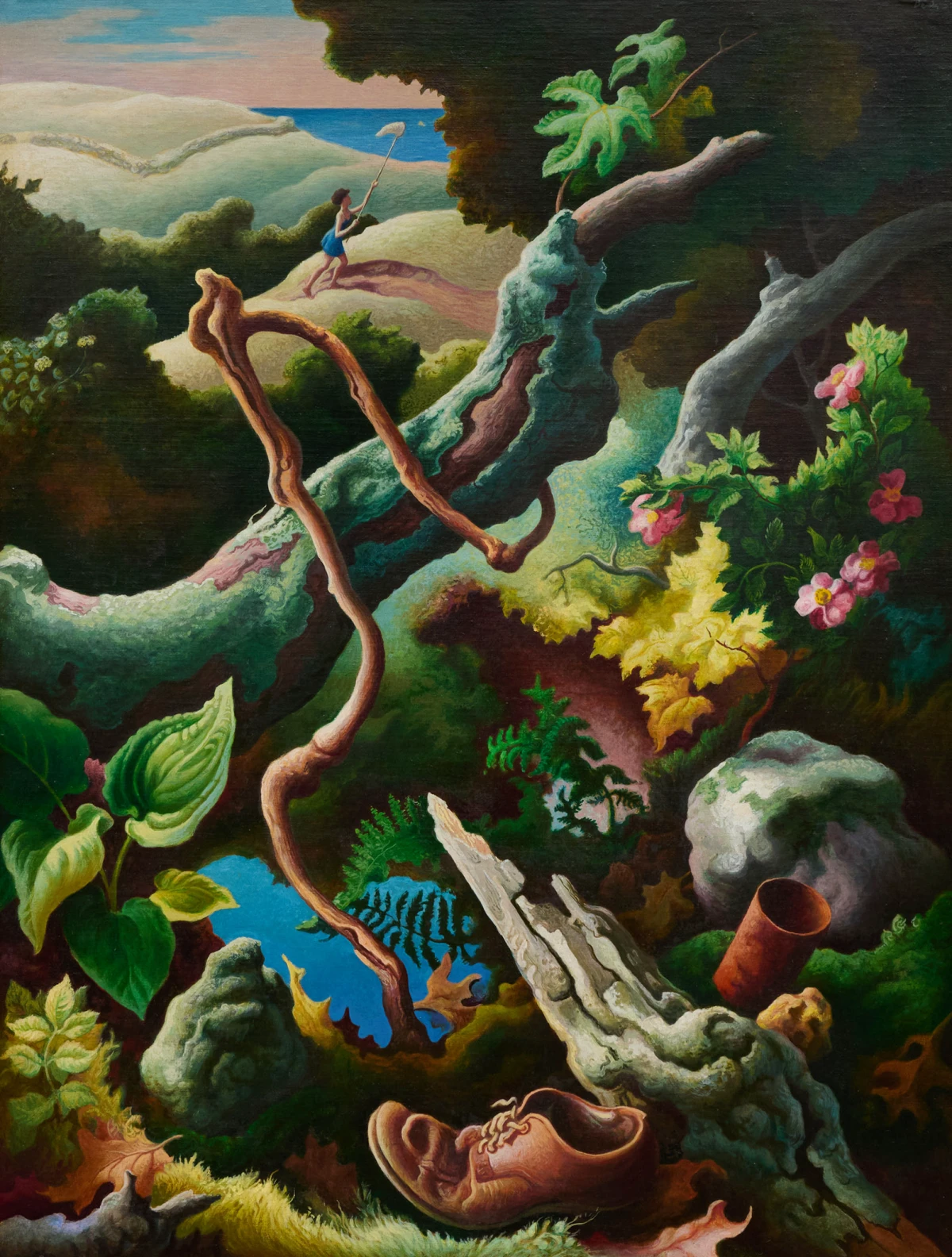
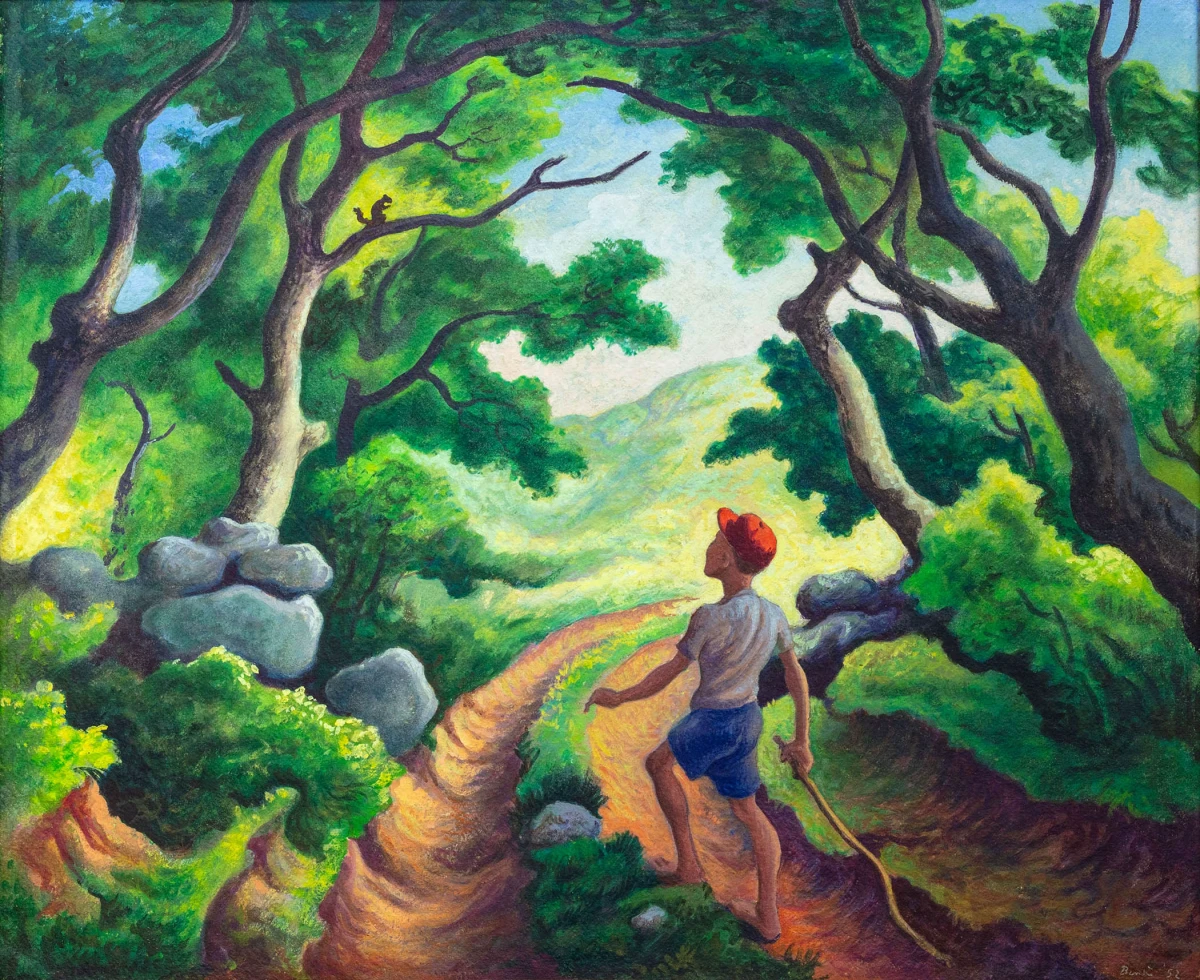
The Schoelkopf Gallery exhibition features many significant works, including Benton’s 1951 masterpiece, Butterfly Chaser. A deeply personal painting, Butterfly Chaser has remained in the artist’s family since its execution. Benton created the work as a birthday gift for his daughter, Jessie. For her twelfth birthday, he painted Jessie chasing a butterfly in a bucolic Martha’s Vineyard setting.
While Benton’s landscape may seem idyllic, an old shoe and a rusty tin can nestled along a tree stump evoke the passage of time, making Butterfly Chaser a memento mori, a classic painting archetype the 17th century.
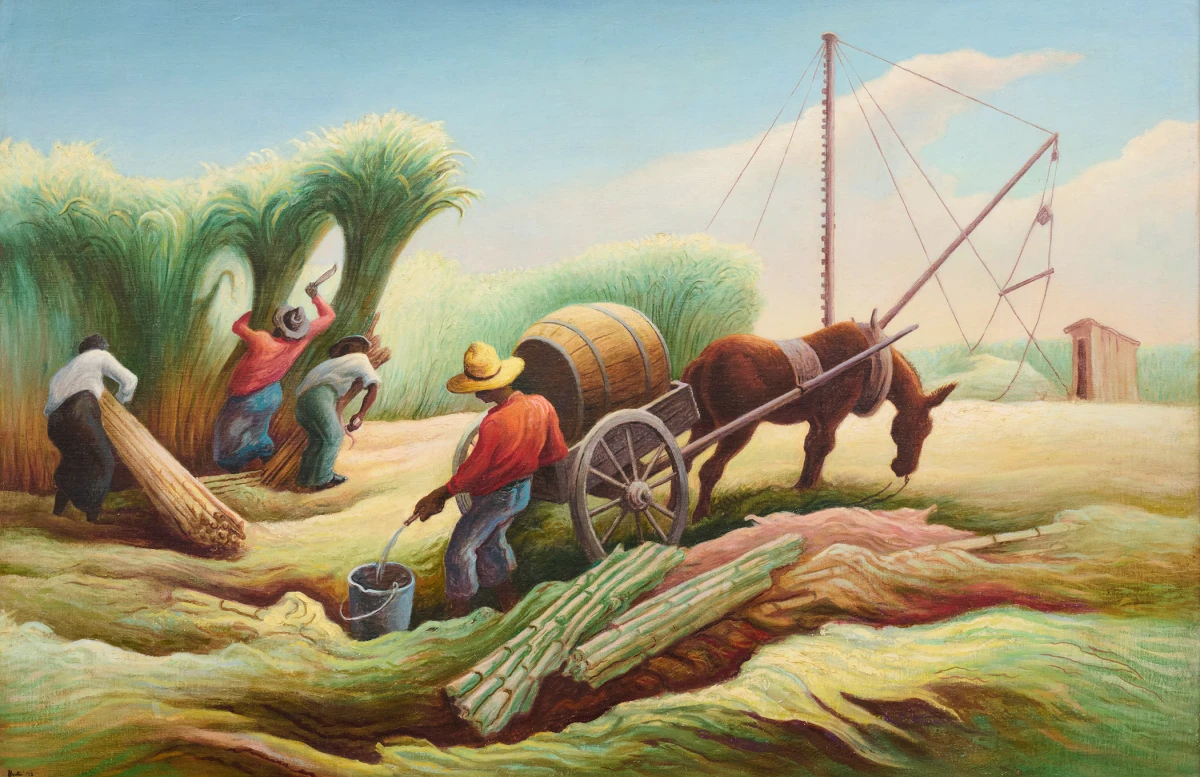
In 1943, Benton traveled to southern Louisiana to complete a series of commissions in support of the American war effort. The painter had made road trips a regular part of his artistic practice since 1926, but this was his first journey to the sugar belt along the lower Mississippi River from Baton Rouge to New Orleans.
Art historian Lauren Kroiz notes, “In Sugar Cane’s unique crop, Benton brings together the agricultural and the industrial, engaging in the artistic challenge of depicting the region’s historic and ecological complexity alongside the technical advancements of modern wartime strategic production.”
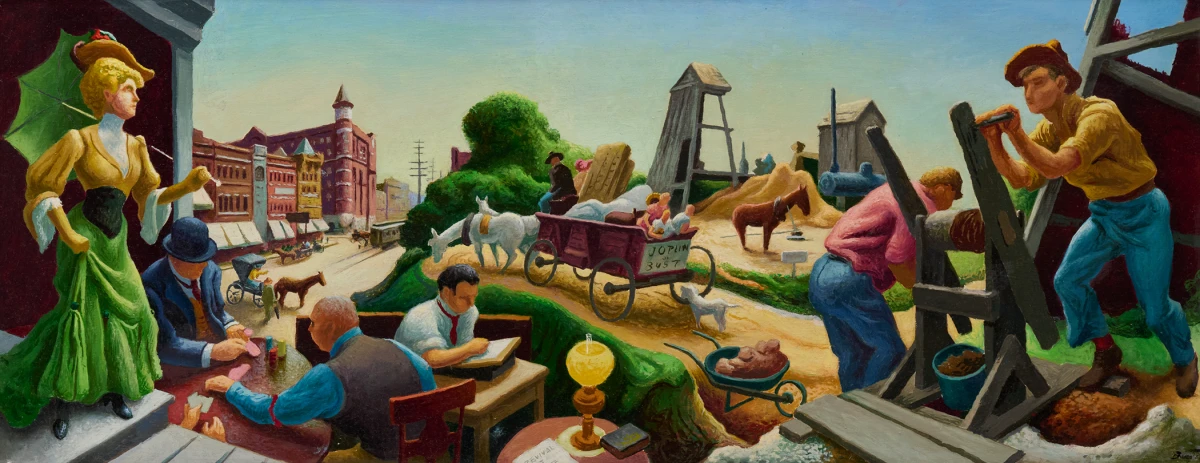
This exhibition features several studies for Benton’s renowned murals, including one related to Joplin at the Turn of the Century (1972). Commissioned by the city council of Joplin, Missouri, Benton's mural depicts a bustling city street, showcasing a mix of social classes and the city's mining industry. The mural incorporates many autobiographical elements, including a figure at the center left of the composition that represents the artist’s younger self working as a cartoonist. The Joplin mural was completed in April 1972 and was unveiled during the city's centennial celebration the following year.
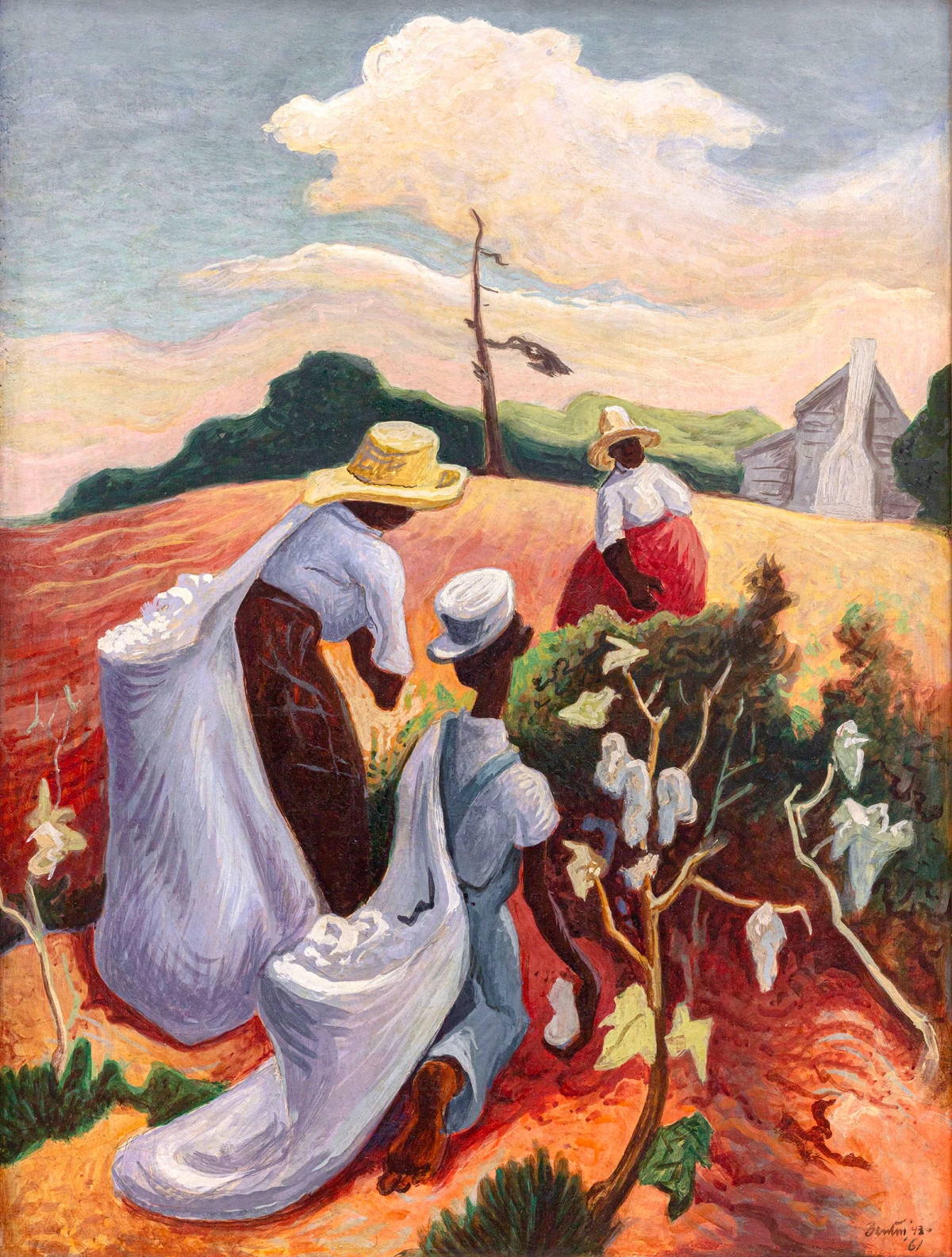
Throughout his career, Benton remained committed to painting scenes of American life and labor and frequently positioned his work as a means through which to examine and challenge the nation's history. The subject of cotton pickers, for instance, is a recurring motif in the artist’s work. Benton first encountered people picking cotton in Georgia on a trip in the late 1920s, and he returned to the subject over the subsequent decades, as seen in Edge of the Field (Cotton Pickers).
Cotton sharecropping developed in the United States following the Civil War as a way for wealthy landowners to rent to poor farmers in exchange for a percentage of their harvest, an exploitative practice that became widely understood as a reflection of a racially unjust system. In 1943, when this painting was begun, sharecropping was beginning to recede in the United States.
The Schoelkopf Gallery exhibition demonstrates that Benton’s work is more than representational. It is experiential, offering a vision of America that is inclusive, complex, and deeply human. While long celebrated in the United States, Benton’s contributions to the art historical canon are now gaining broader international recognition, reaffirming his lasting impact on modern art.
Sign Up & Never Miss a Show