Fredsgatan 12, 111 52 Stockholm, Stockholm, Sweden
Open: Tue-Fri 12-5pm, Sat 12-4pm
Artist: Thomas Broomé
Galleri Magnus Karlsson presents Thomas Broomé’s eighth solo exhibition at the gallery. False Idols features a series of new paintings and a spatial light installation. Lotten Wiklund, a science journalist and PhD candidate at Umeå University, has written an essay on the works, which you can read below.
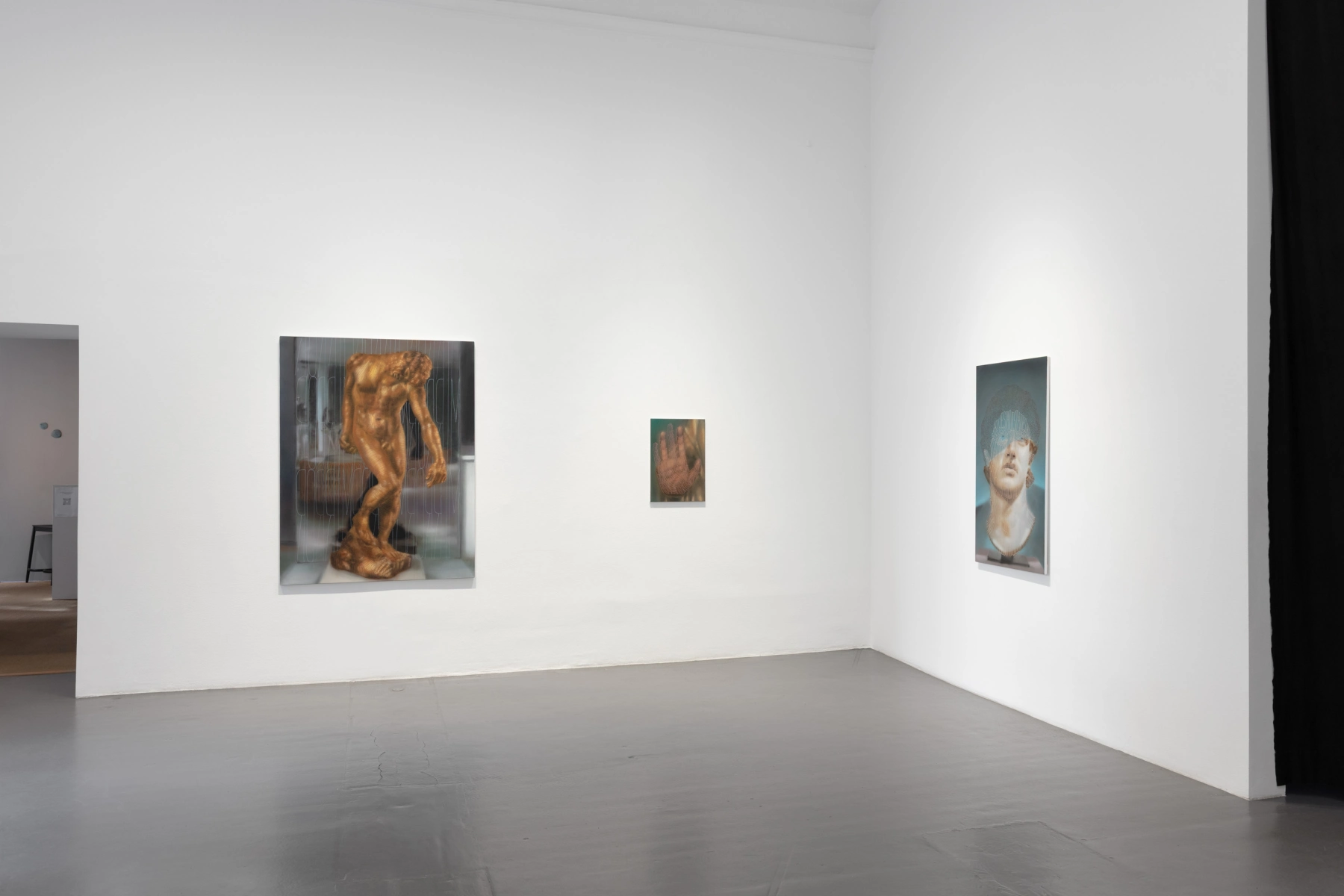
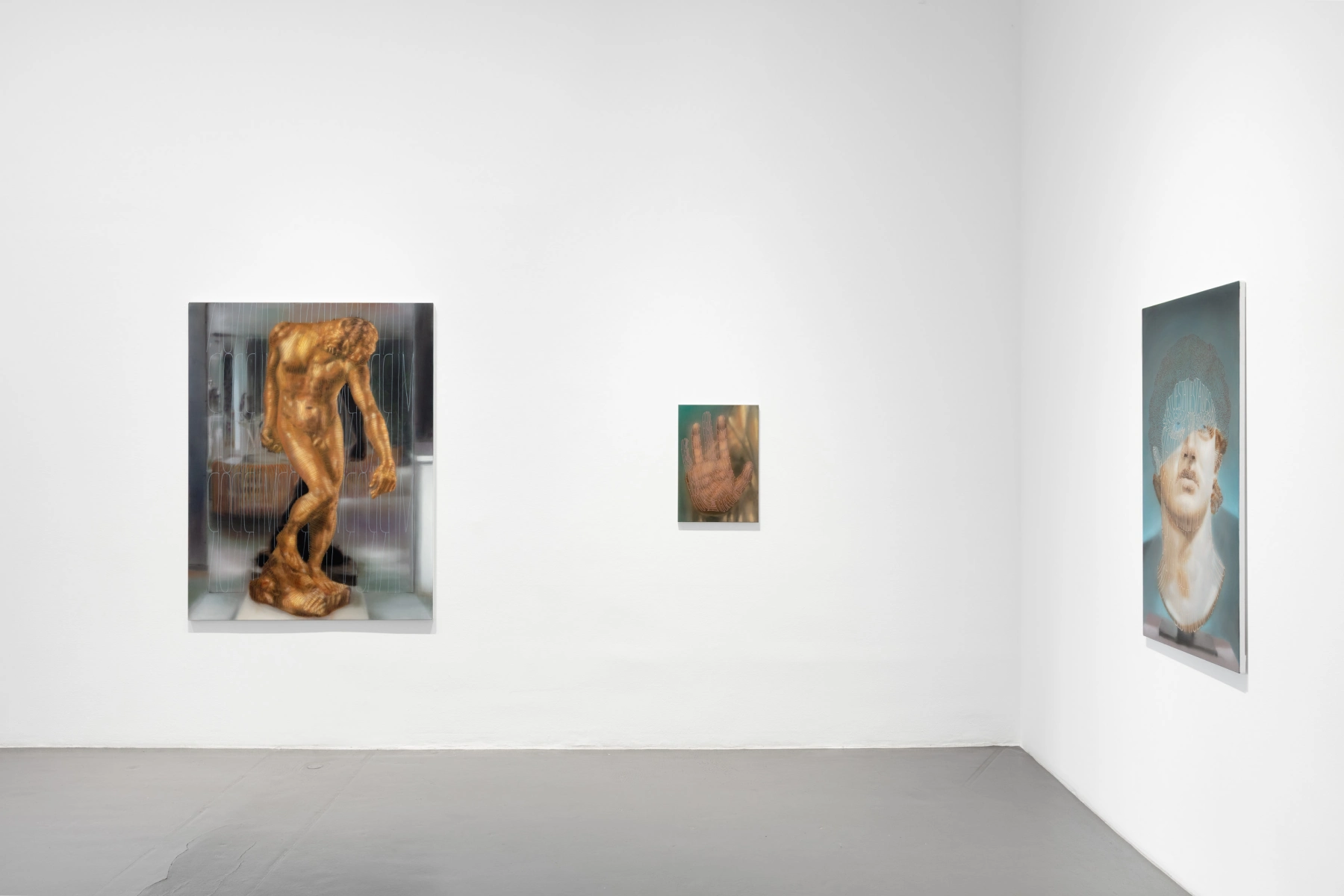
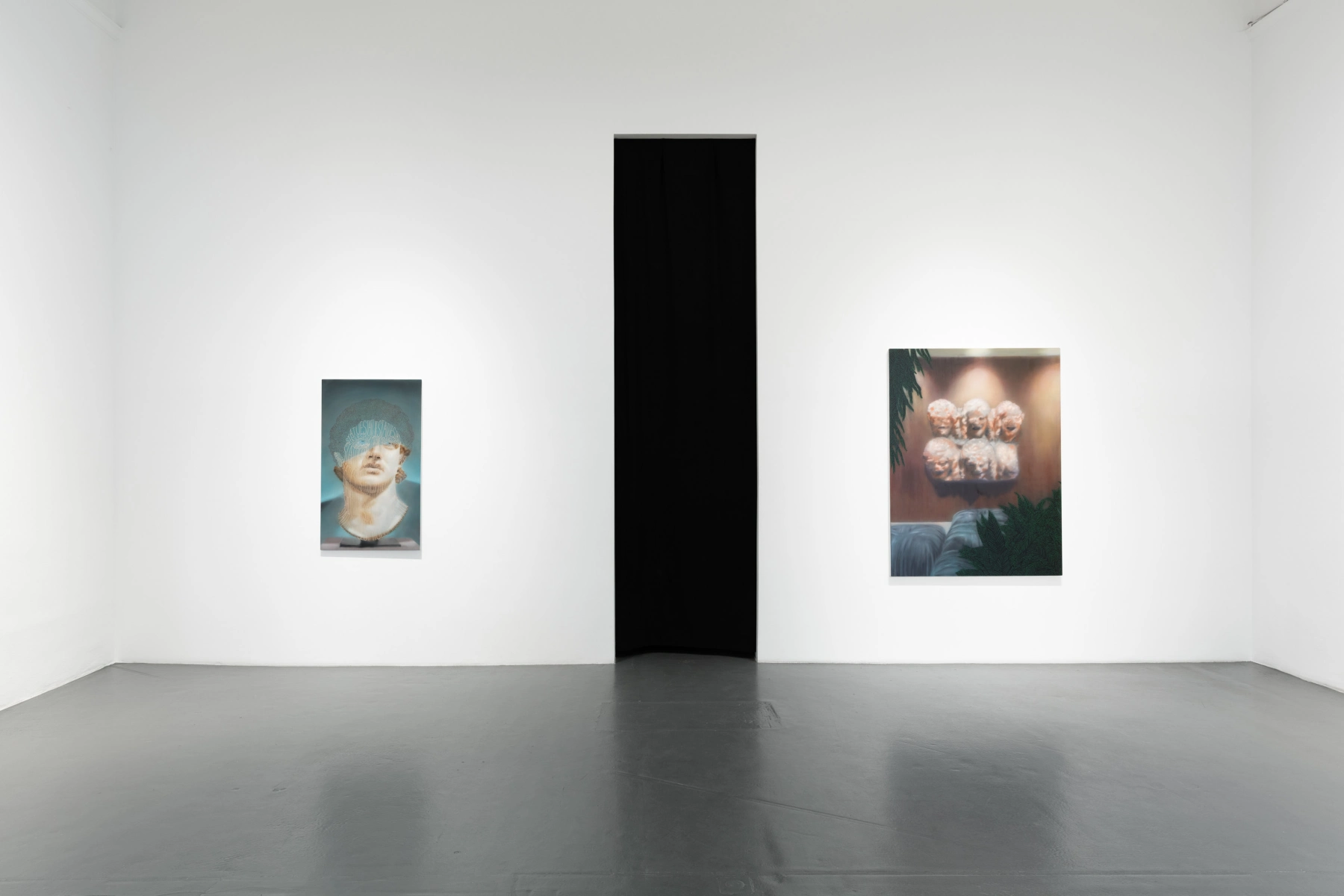
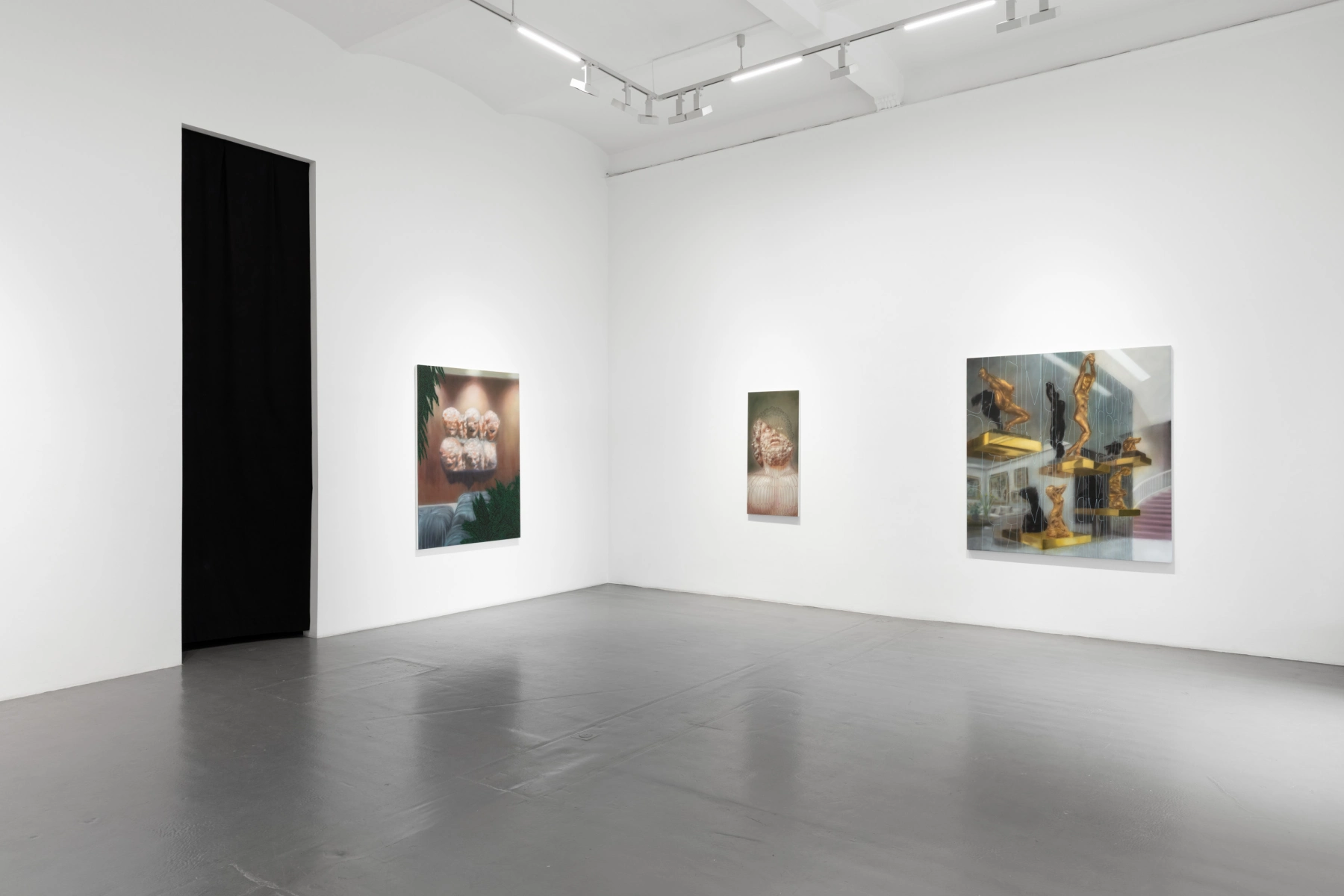
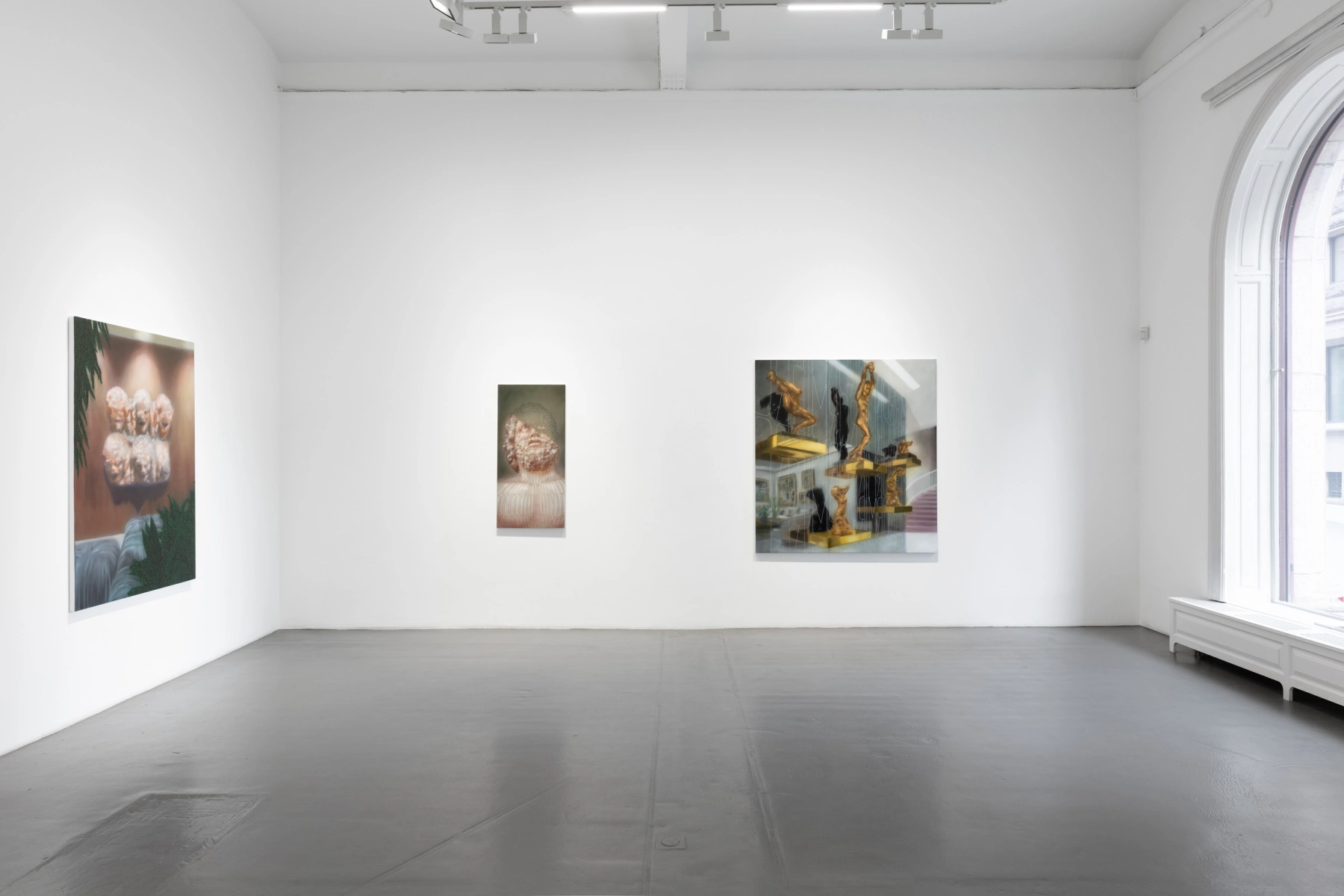
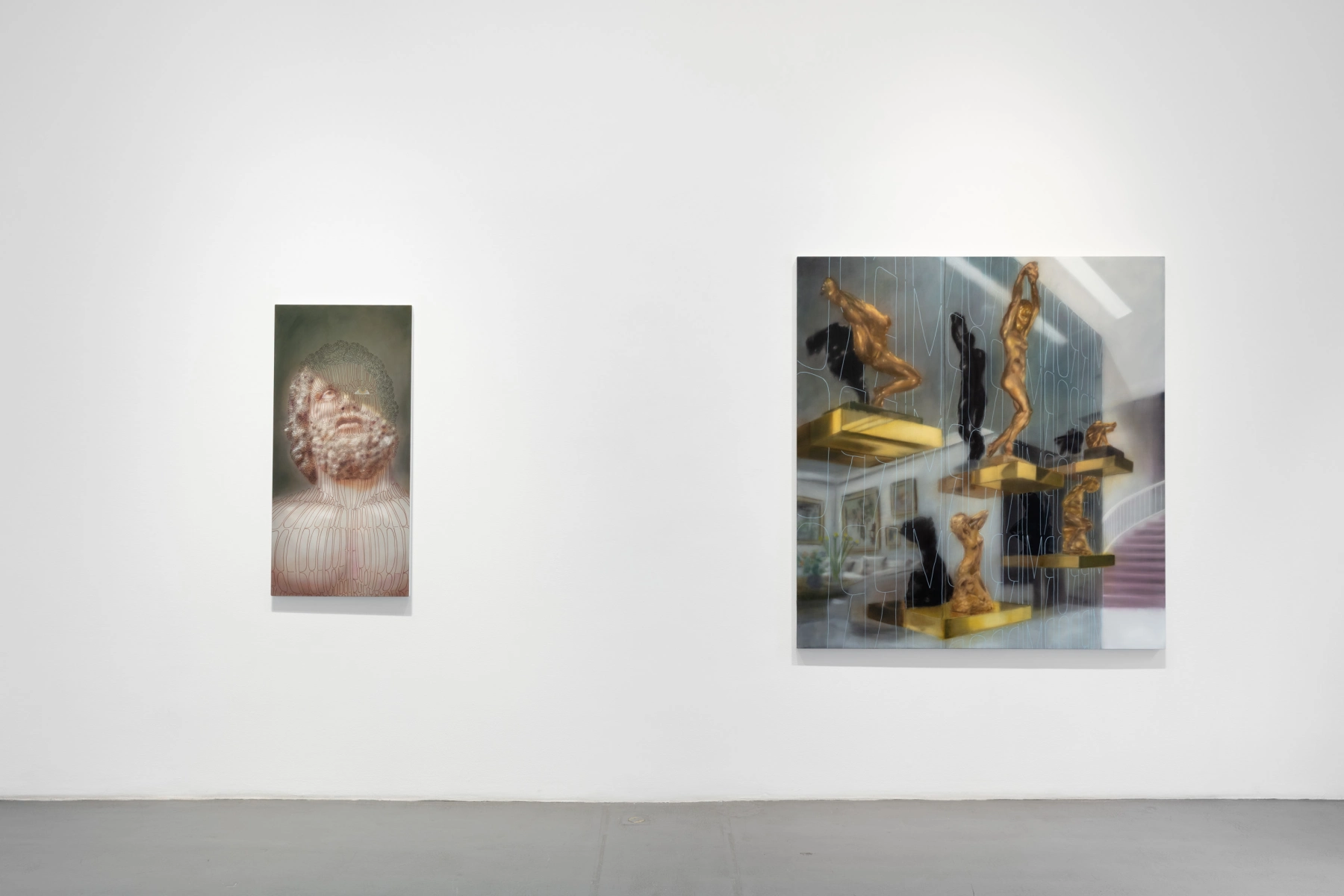
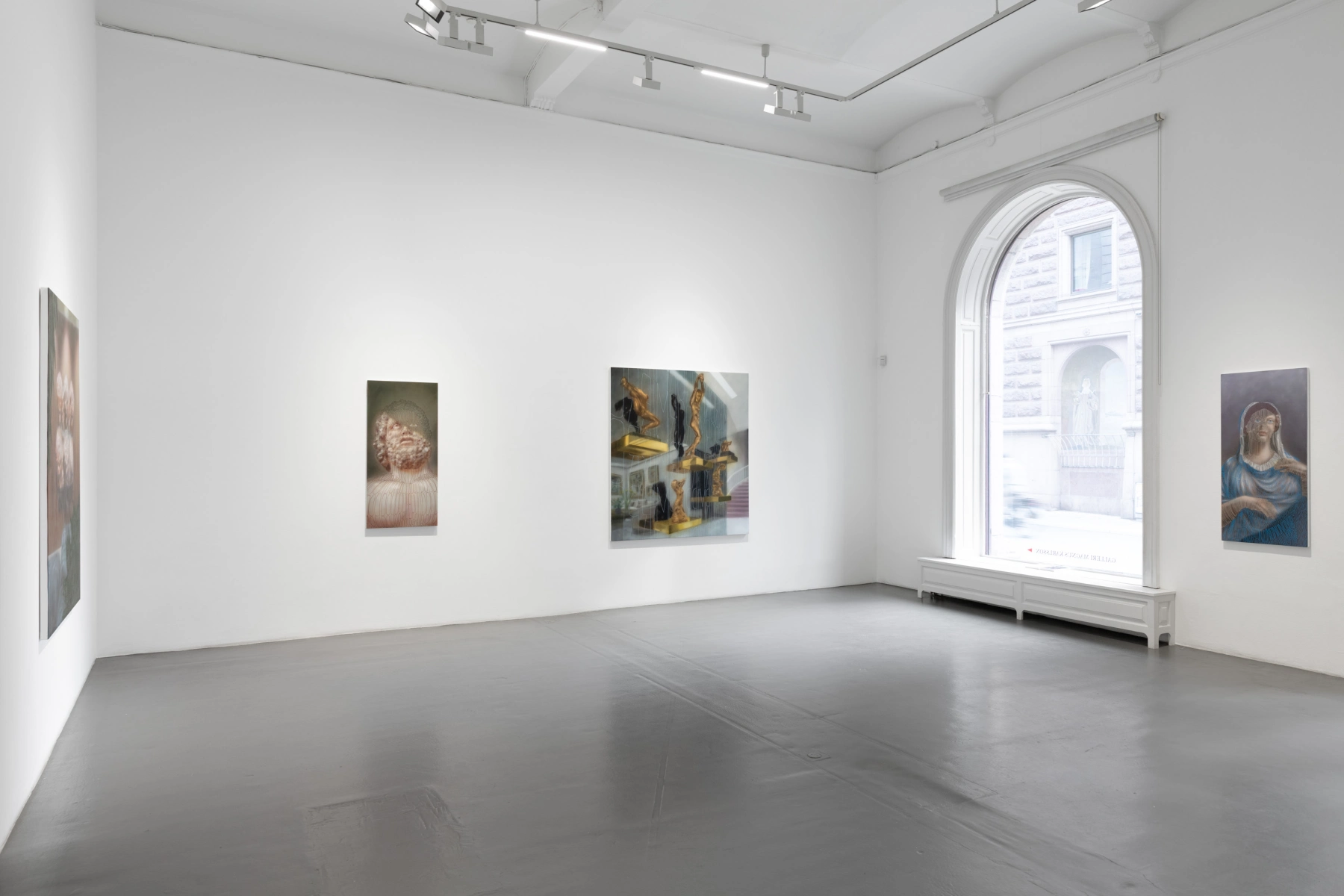
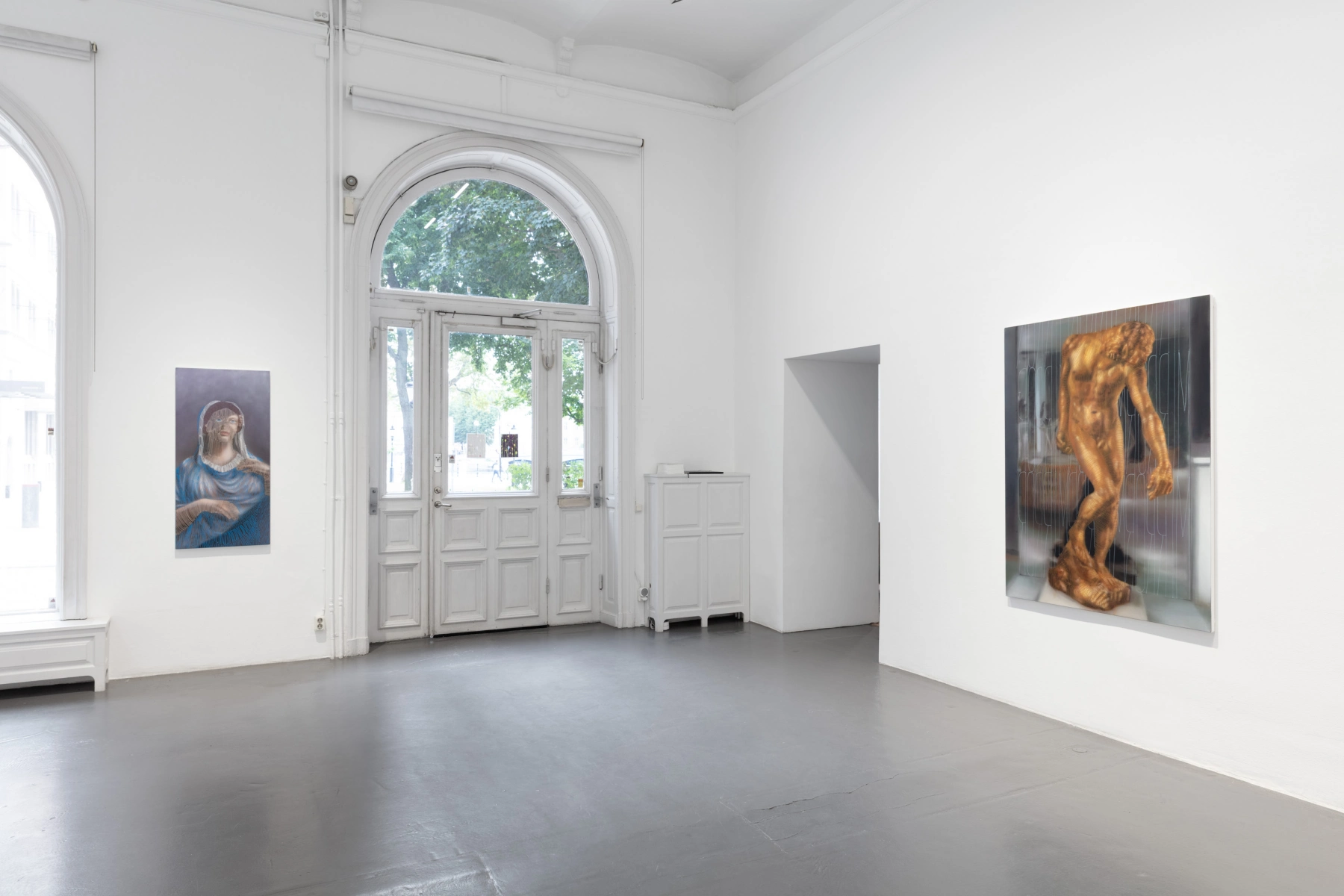
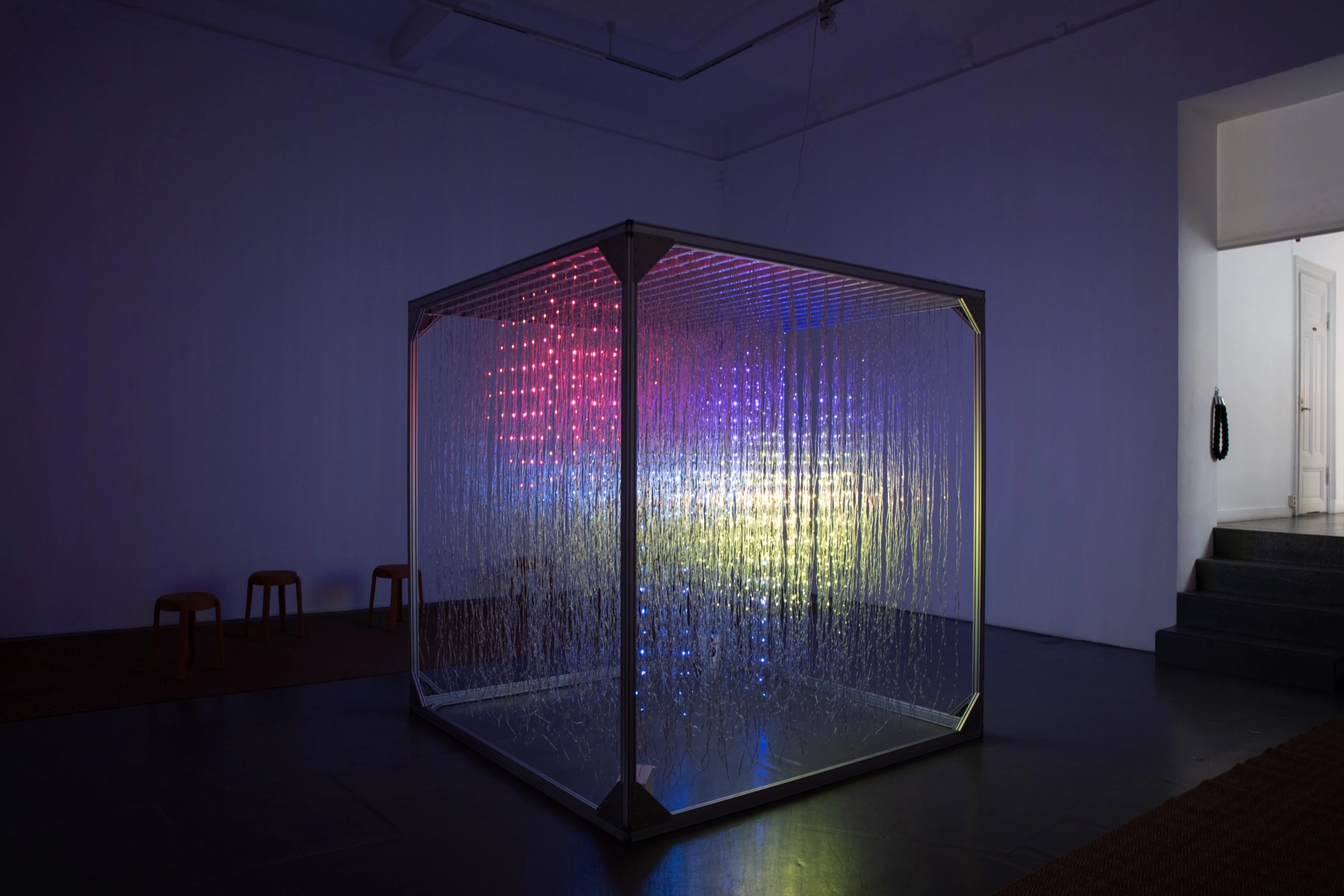
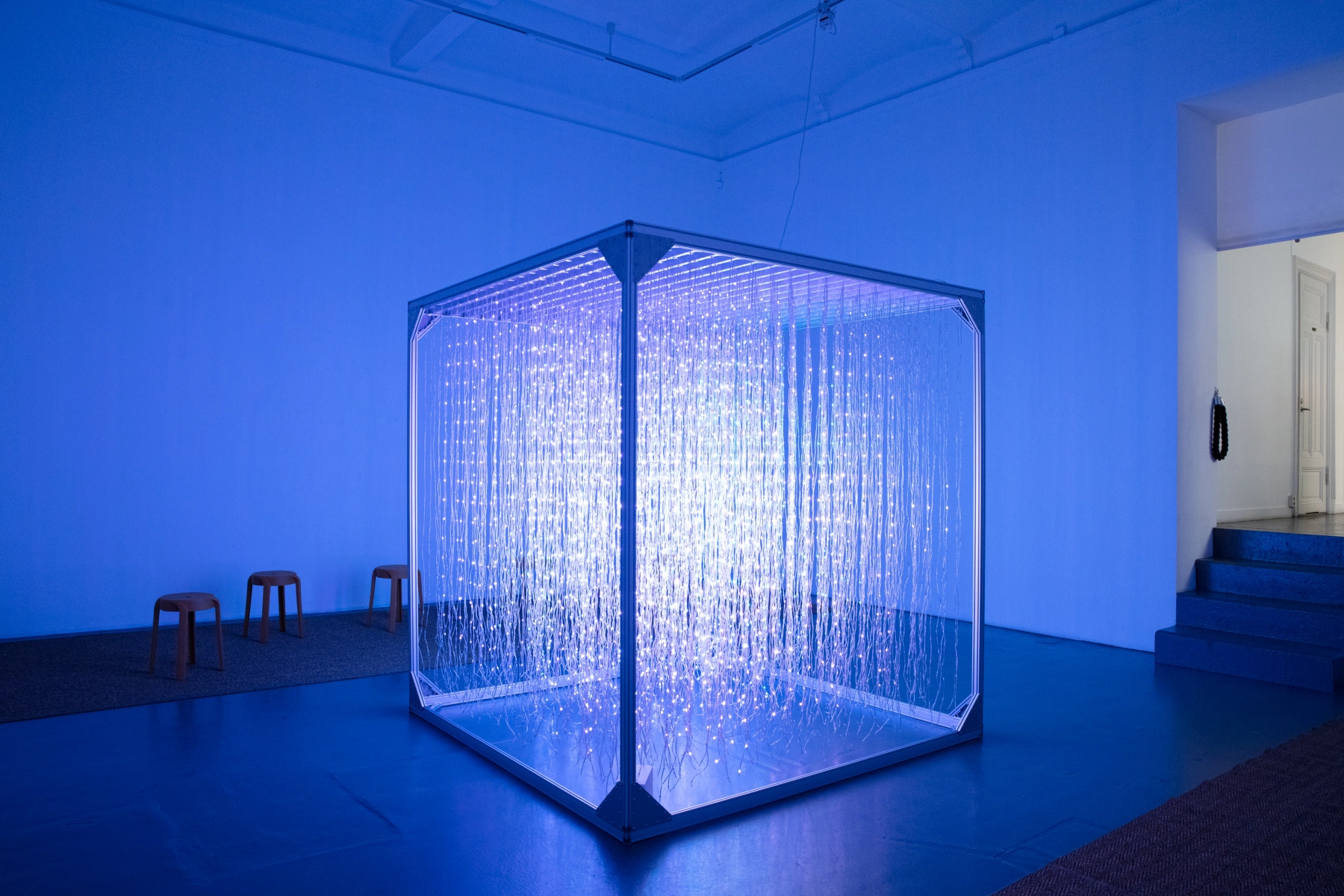
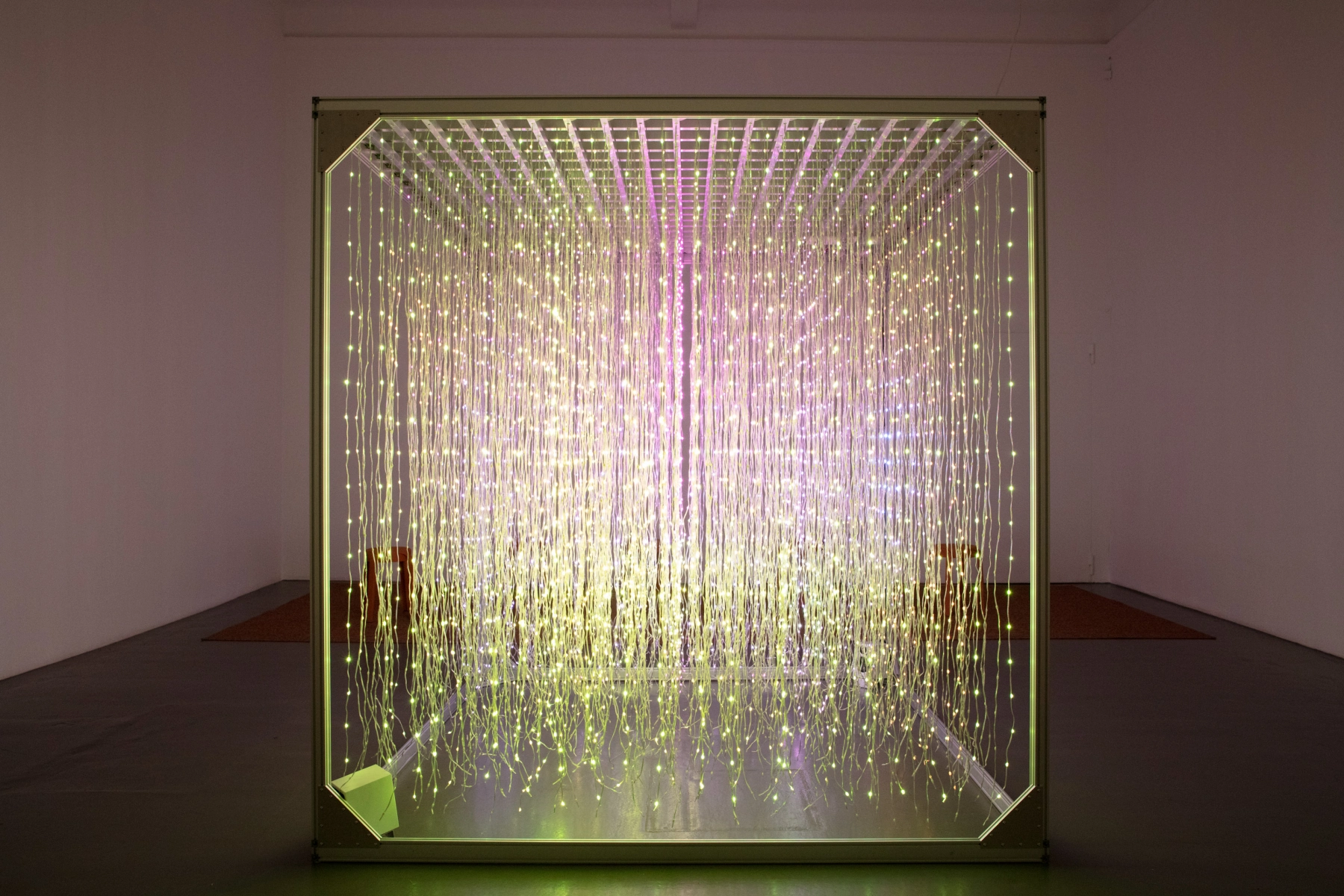
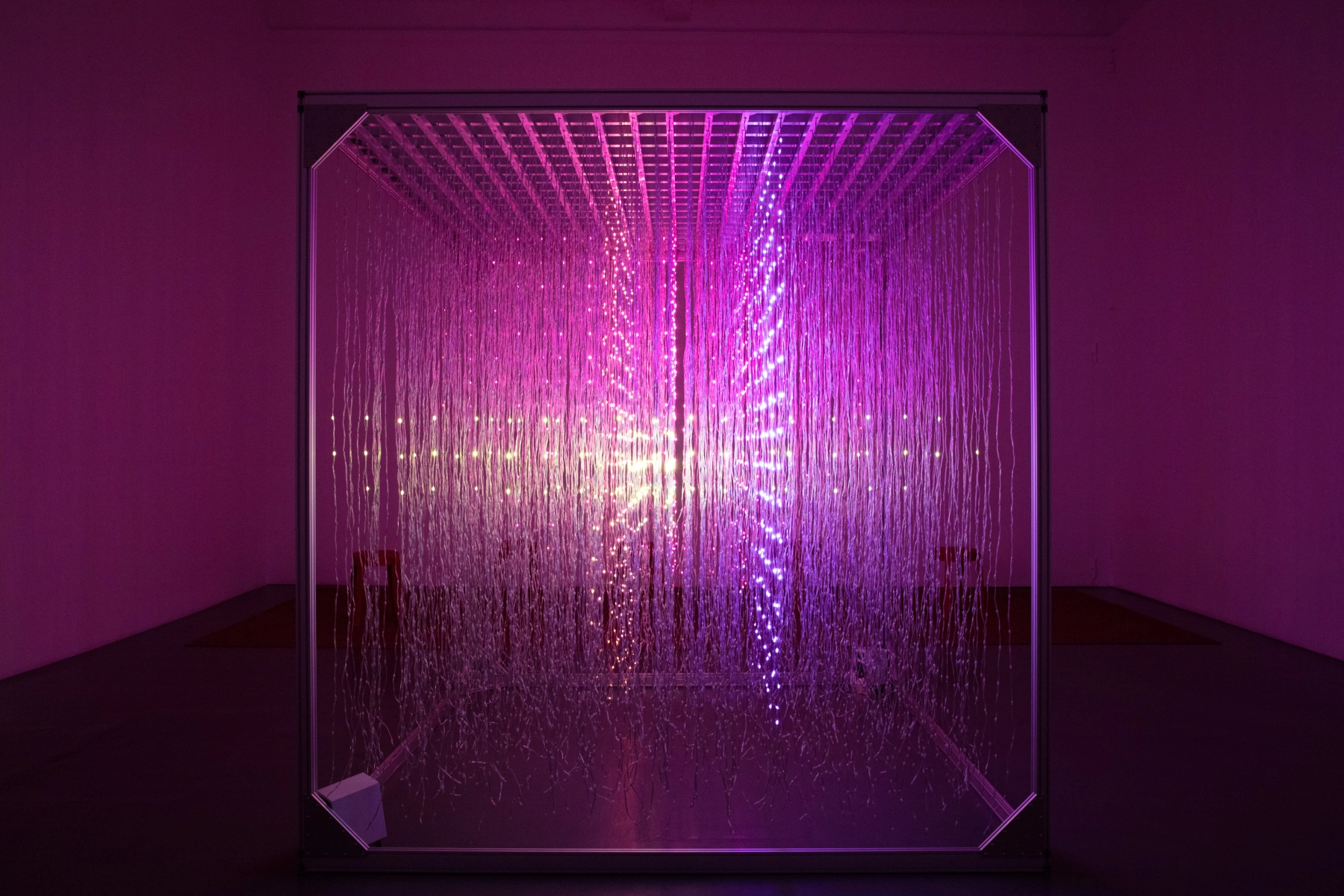
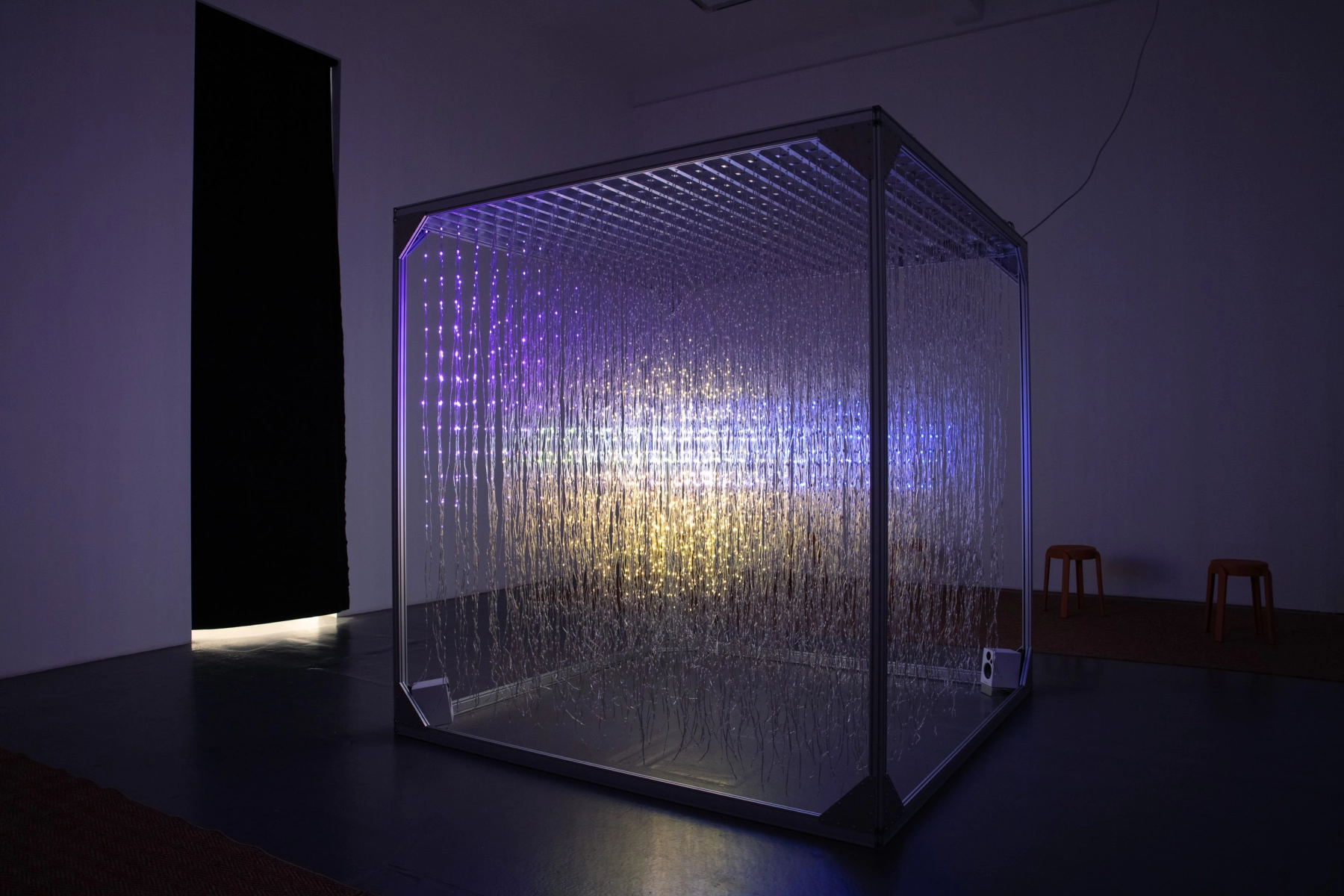
How are we to understand the relations between subject, autonomy and the world we create? At a time when human cognition, intention and meaning can be simulated, this fundamentally human question calls for new approaches. In the work PhoneticBody (2026), Thomas Broomé returns to the materials and themes that characterized his early artistic practice in order to explore some of the difficult challenges of our time. As early as Yasmine (2001) and HellHunt (2001), Thomas Broomé explored how language, technology and human imagination shape one another. Over the past decades, these questions have continued to run through artistic production that moves freely between installation, sculpture, painting and digital processes. In PhoneticBody, electromechanics, algorithms and artificial intelligence return, not as illustrations of technological progresses, but as materials for investigations into how meaning, presence and reality take shape in a time of accelerating change.
Thomas Broomé’s PhoneticBody can be experienced both as an object and as spatiality. Here we encounter slowly pulsating volumes of light together with a gentle voice. The work consists of a cube of light that produces poetry, creating lyrics about everyday objects and things found in our homes, such as dining tables, cloths and lamps. Words, rhythms and phonemes take form through different shapes and colors. Light materializes language, giving it a temporary body and making it part of the room. When the physical form embeds the viewer, it feels as though PhoneticBody is breathing. Form neither precedes nor follows language, but comes into being in the very moment sound, algorithm and space meet. As an object, PhoneticBody is meditative and soothing. But beyond the quiet encounter between the piece, the viewer and its placement in the gallery, there is another movement. Because PhoneticBody continues to create, also when no one is present. Words are spoken, sentences are formed and take on physical form regardless of whether anyone is listening. This strange autonomy is both comforting and unsettling. The large language models underlying the work allow for an infinite variation. Every poem becomes unique, even if the process of creation were to continue until the end of time. At the same time, language models operate within the coded structures that both enable and constrain what can be said. The work thus situates itself in the tension between freedom and limitation, between creativity and structure, between autonomy and control. Here questions arise about the conditions of artistic production. If an algorithm can generate an almost endless number of new poems, where does the unique emerge?
The exhibition False Idols also consists of paintings produced in a manner familiar from Thomas Broomé’s earlier production, including the works he created as a recipient of the Bergmangårdarna residency (2012), the exhibition The Eaters (2019), and the permanent artistic installation Room 350 (2026), which was recently inaugurated at the Stockholm School of Economics. Here, letters and words are used to form two- and three-dimensional objects. From a distance, the works appear as realistic representations, but as the viewer approaches, the image dissolves and reveals a linguistic structure. The letters do not describe the world from the outside, but build it from within and create it as we comprehend it. Taken as a whole, the exhibition can be understood as a reflection on surface, presence and inner content. It makes us consider what lies behind the objects, the images or the meanings generated by an AI that endlessly produces poems. Are they representations or interfaces to a world that cannot be perceived, or do they in fact constitute the real world, the one that comes into being anew each time we encounter it?
–Lotten Wiklund
Sign Up & Never Miss a Show