12 Brook’s Mews, W1K 4DG, London, United Kingdom
Open: Mon-Fri 11am-6pm, Sat 10.30am-2.30pm
Artists: Cecily Brown - Chris Ofili - Gary Hume - Glenn Brown - Hurvin Anderson - Peter Doig
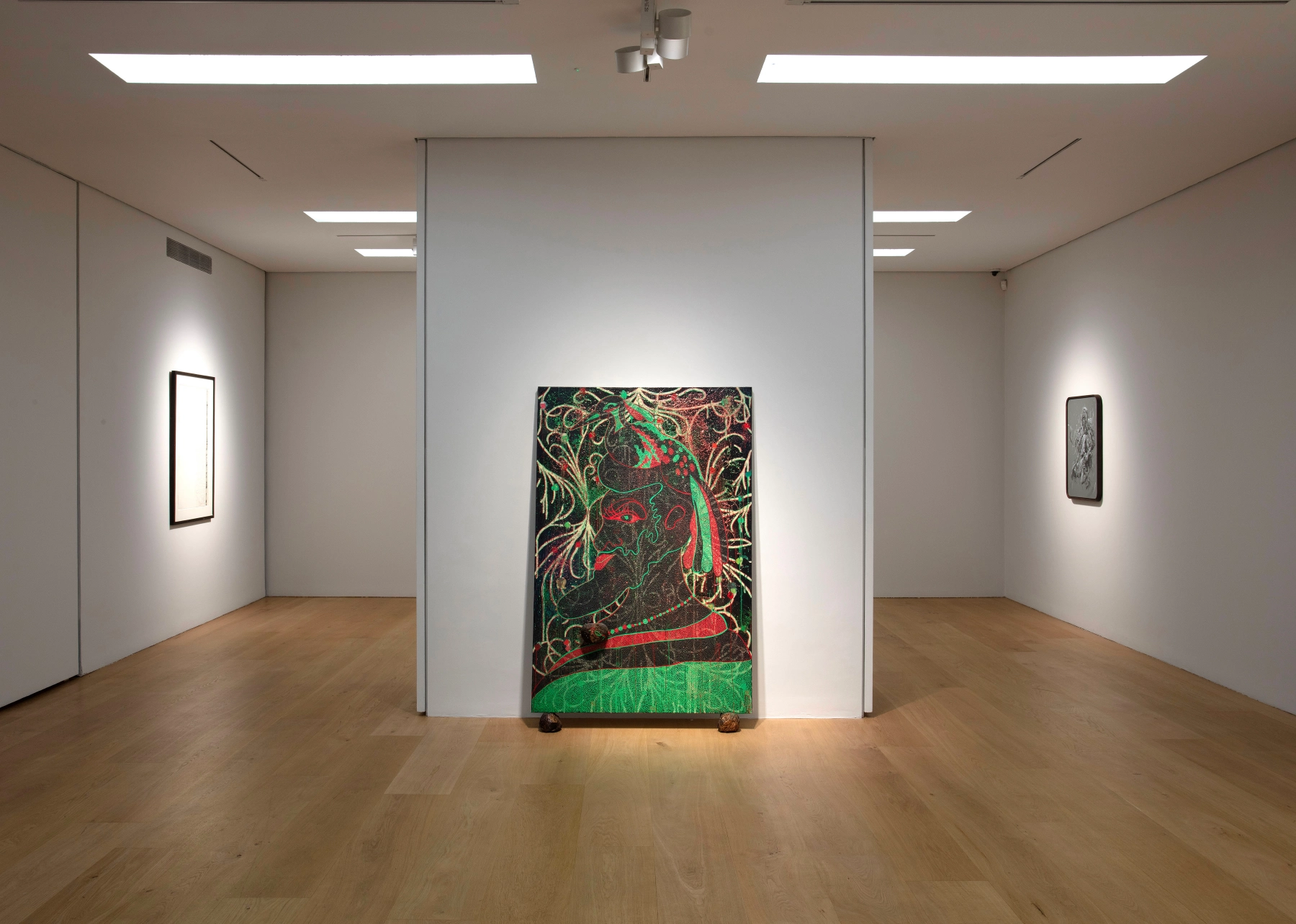
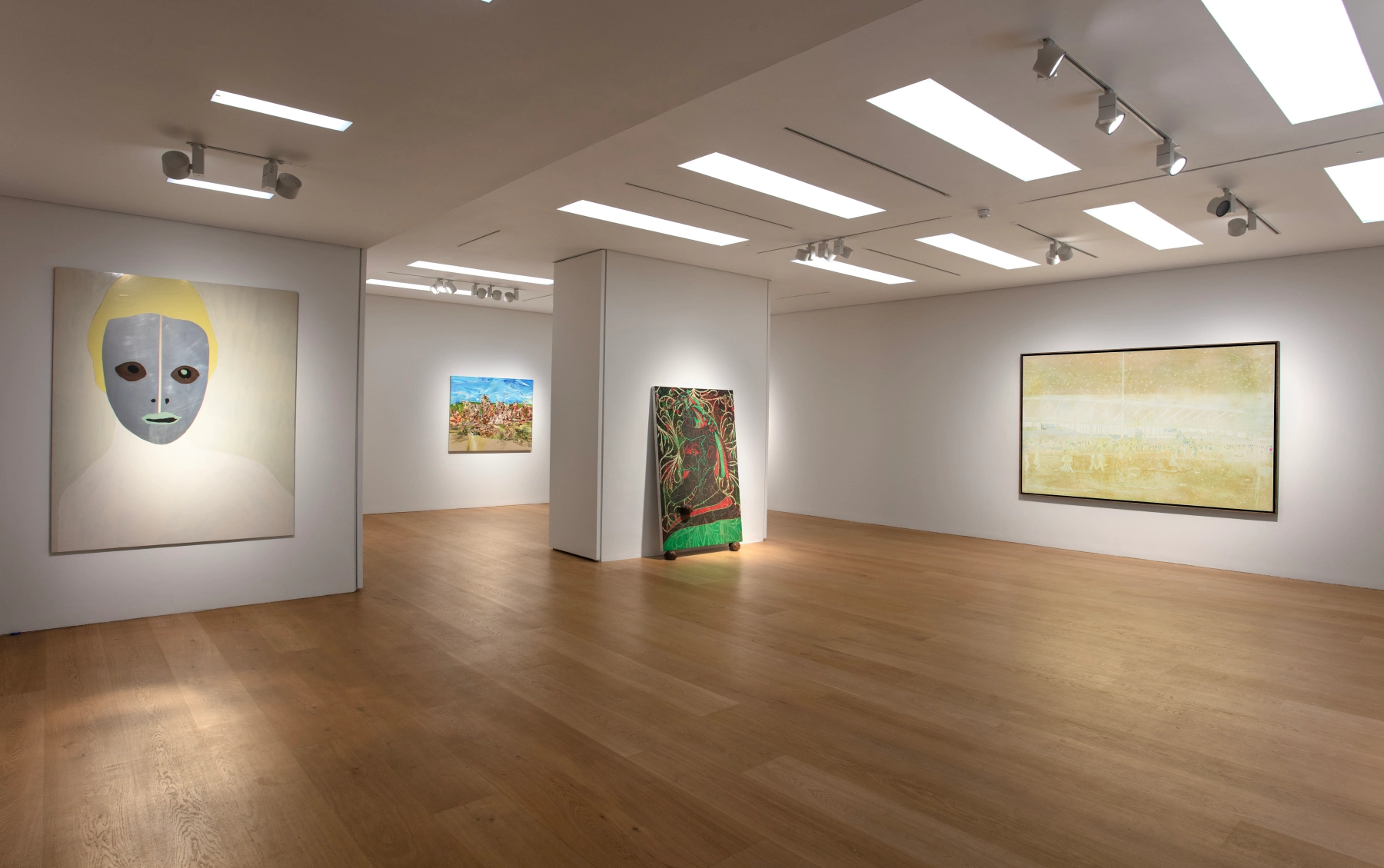
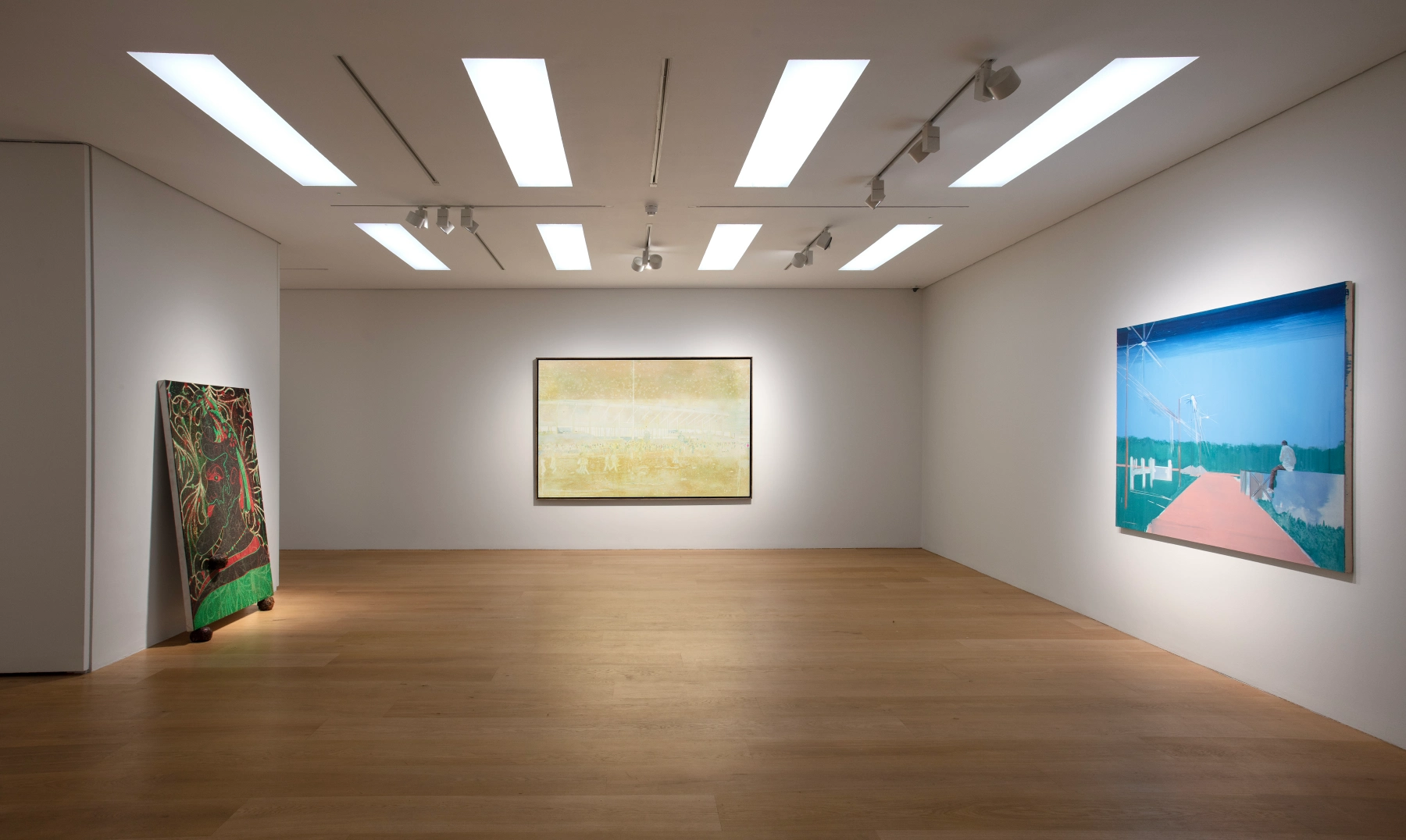
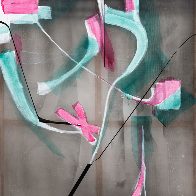
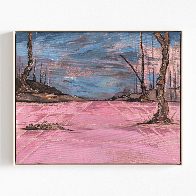
Ben Brown Fine Arts presents Surface Tension, an exhibition of paintings by British artists Peter Doig, Hurvin Anderson, Chris Ofili, Gary Hume, Cecily Brown and Glenn Brown, whose practices were forged in the London art world of the 1990s. Bringing together paintings, drawings and prints made between 1996 and the present, the exhibition traces the parallel history of that decade, telling the story of the painters who, against the prevailing weather, declared that painting remained a medium adequate to its moment.
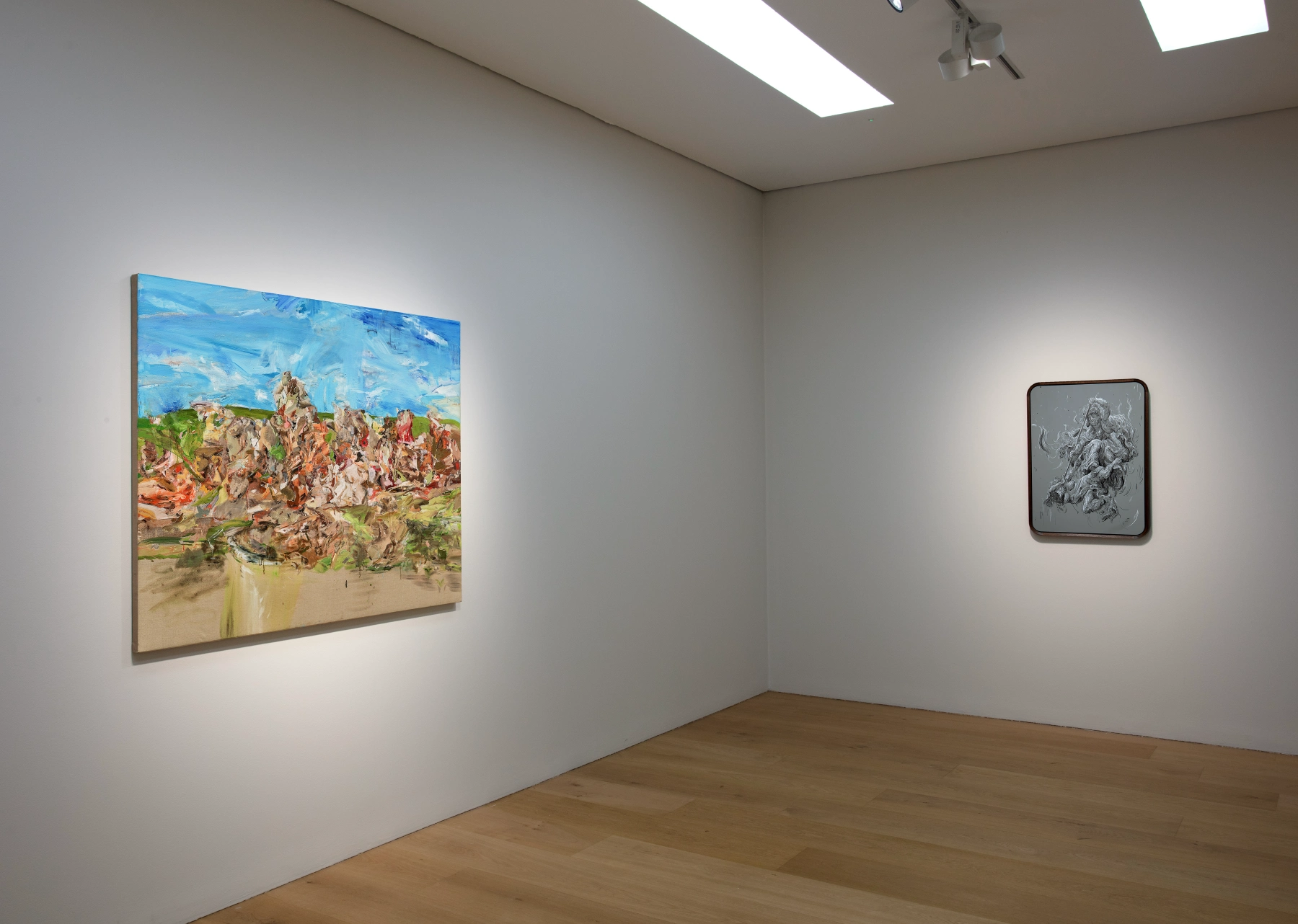
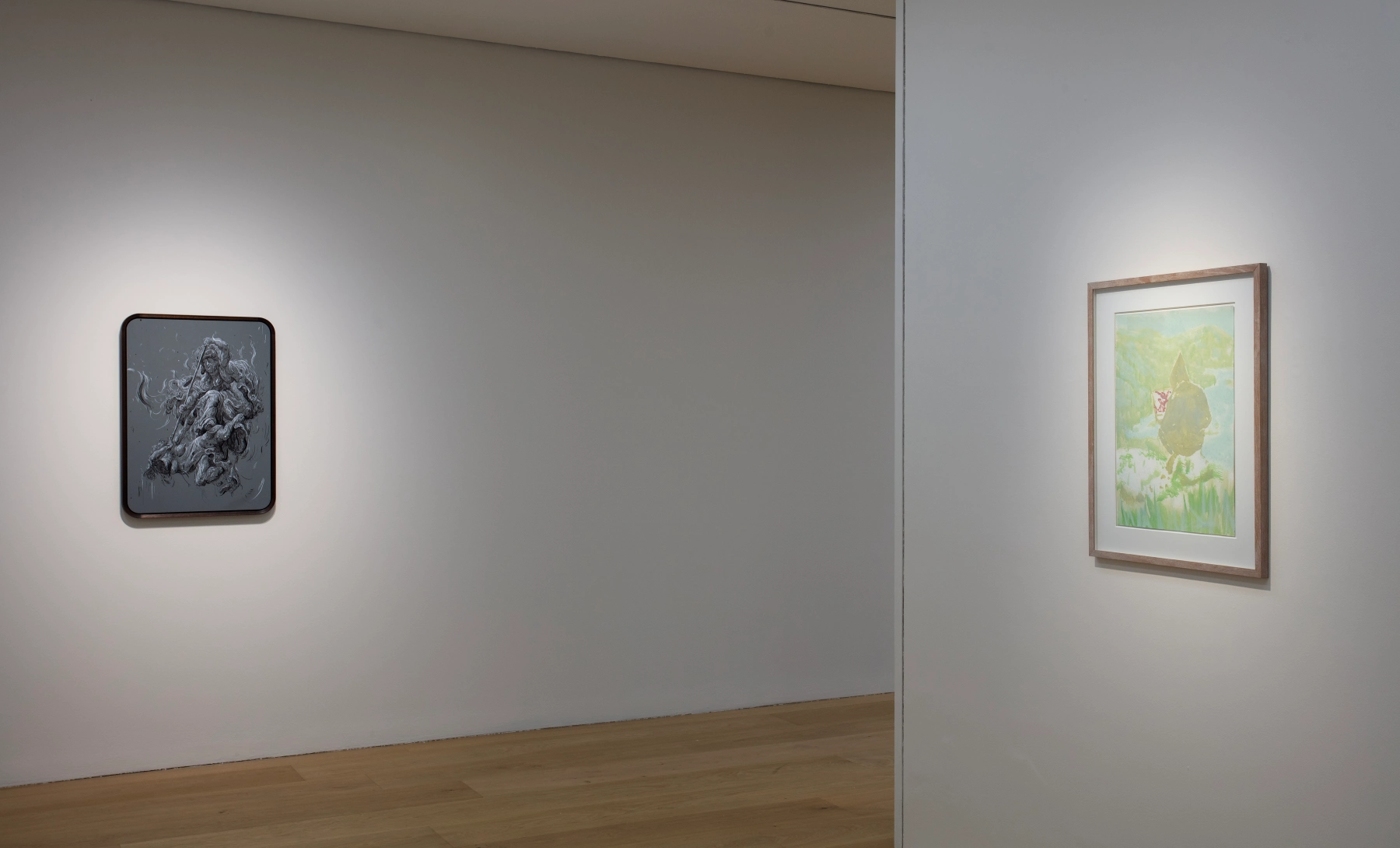
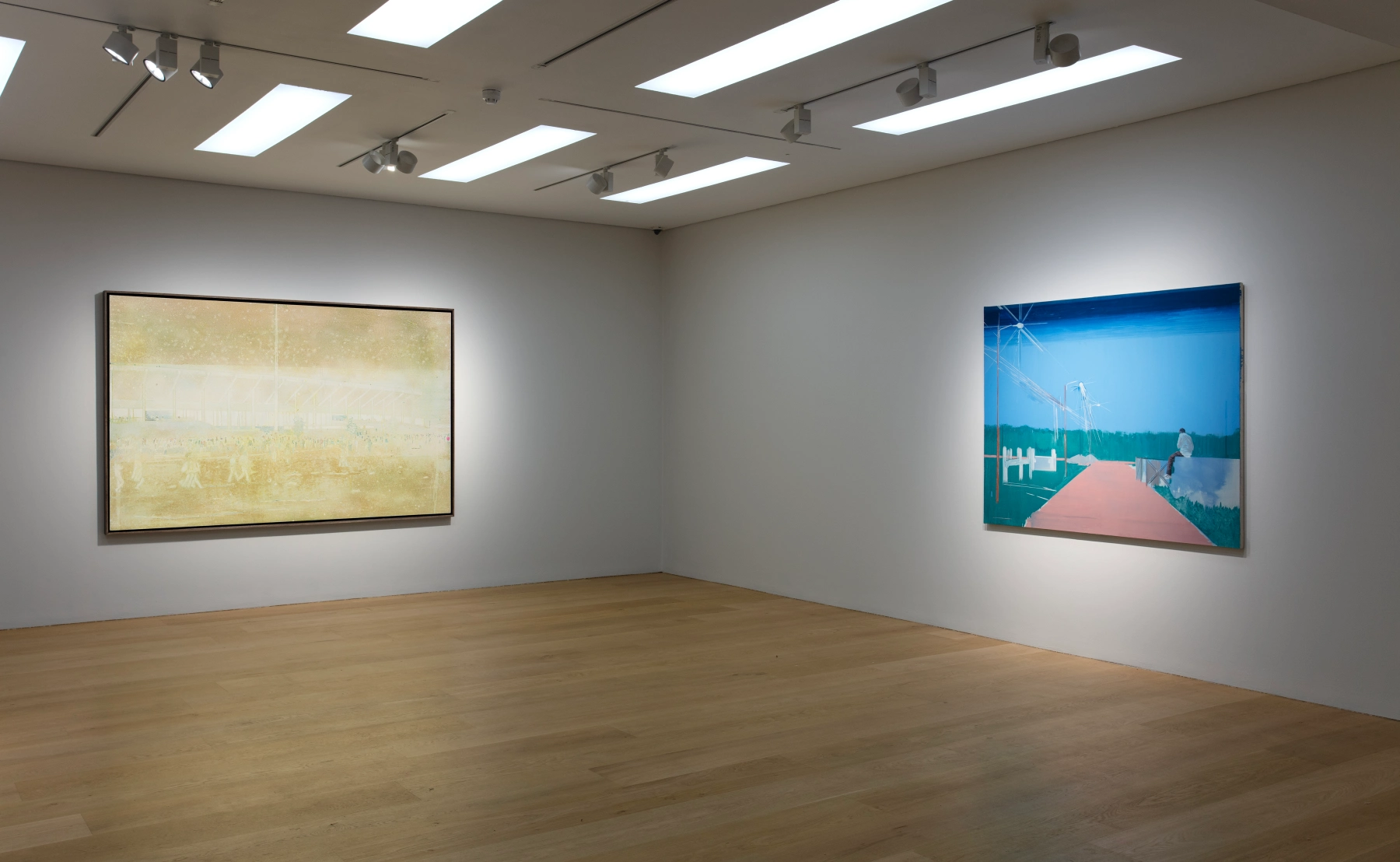
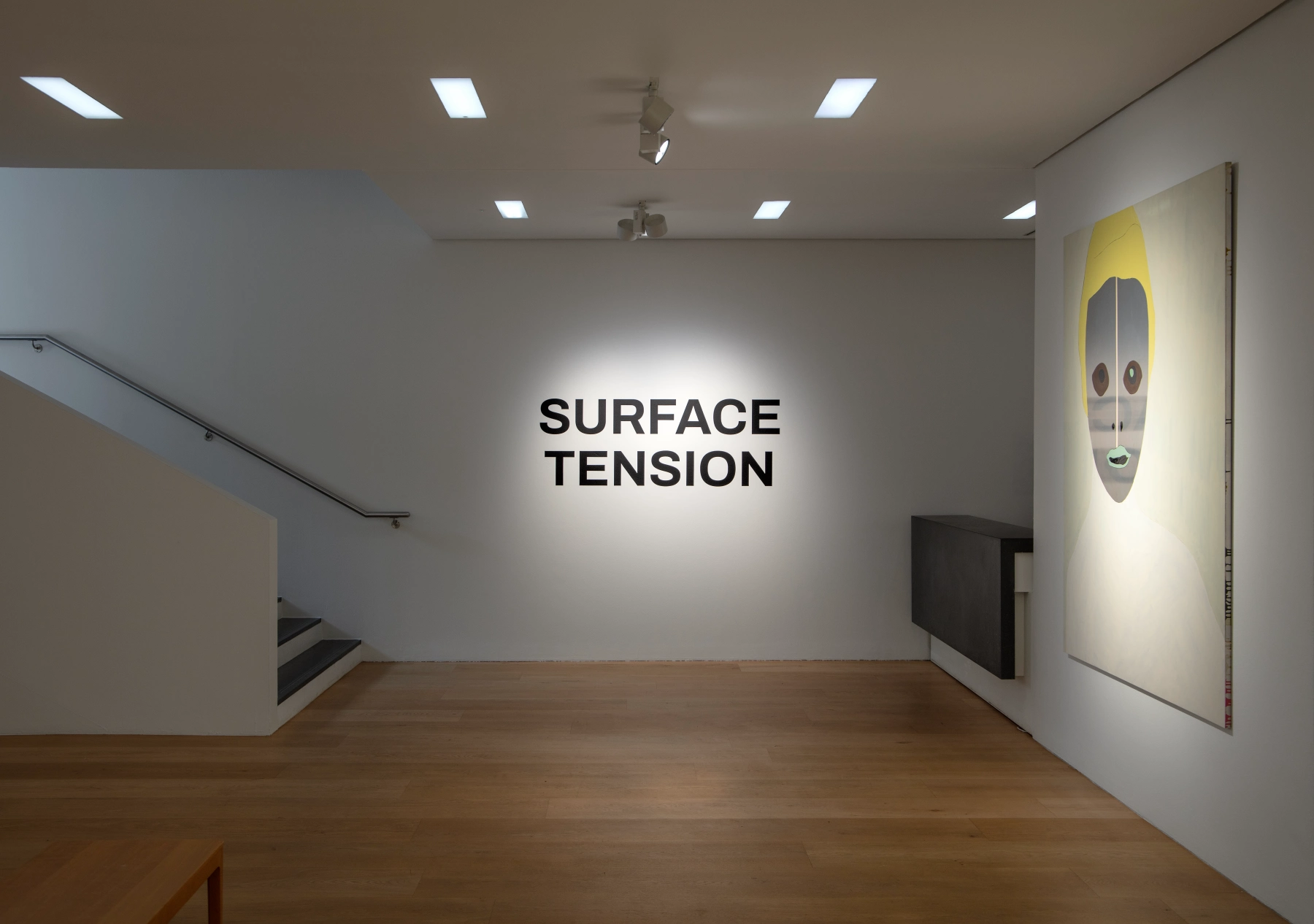
In ‘90s Britain the art world was dominated by the conceptual hegemony of the YBA movement. Damien Hirst, Tracey Emin, Rachel Whiteread, Sarah Lucas and their peers commanded tabloid headlines and museum surveys alike with their readymades, installations and vitrines. Freeze – the 1988 Docklands exhibition organised by Hirst that has come to serve as year zero for the whole scene – set the terms, and by the time of Sensation at the Royal Academy in 1997 the story had congealed. British art was, decidedly, no longer about paint.
The theoretical apparatus for painting’s obsolescence had been in place for some time. Douglas Crimp’s essay The End of Painting, published in October in 1981, argued that painting was being surpassed by the photographic image; Julian Stallabrass’s High Art Lite (Verso, 1999), still the standard scholarly account of the YBA moment, asserted that installation, video and the readymade were the forms the decade had chosen to think in.
Surface Tension shows how painting did not survive the 1990s by withdrawing from the period’s central questions but answered them on its own terms. A generation of British painters – some inside the Goldsmiths–Saatchi circle, some at deliberate distance from it – absorbed the conceptual moment’s lessons about authorship, the photographic image, appropriation and the readymade, and folded them back into paint itself. As Norman Rosenthal insisted: “No one looking at this exhibition could possibly claim that painting is dead. Whether figurative, ornamental or pure abstraction, contemporary painting is very much alive, and includes work on the grandest scale – paintings that show the human figure from new and extraordinary perspectives, and that mean to unsettle us as we look together with our chance neighbour in the gallery at things normally seen in private.”
Surface tension is a precise account of what each of these painters asks of paint. The picture's meaning does not sit behind the surface. It is the surface. What the works gathered here make plain is that the decade's boldest thinking was happening in paint as much as anywhere else – in how a painting could meet its viewer, how it could argue with the art that preceded it, and how it could absorb the era's new ideas and return them transformed.
Sign Up & Never Miss a Show