+82 2 794 5557
Open: Tue-Sat 12-6pm
Visit
Open: Tue-Sat 12-6pm
3-11, Samseong-ro 149-gil, Gangnam-gu, 06063, Seoul, South Korea
Open: Tue-Sat 12-6pm
Visit
Ruben Müller: In the Thick of Summer
LKIF Gallery, Seoul
Tue 18 Aug 2026 to Sat 19 Sep 2026
3-11, Samseong-ro 149-gil, Gangnam-gu, 06063 — Google NAVER
Tue-Sat 12-6pm
Artist: Ruben Müller
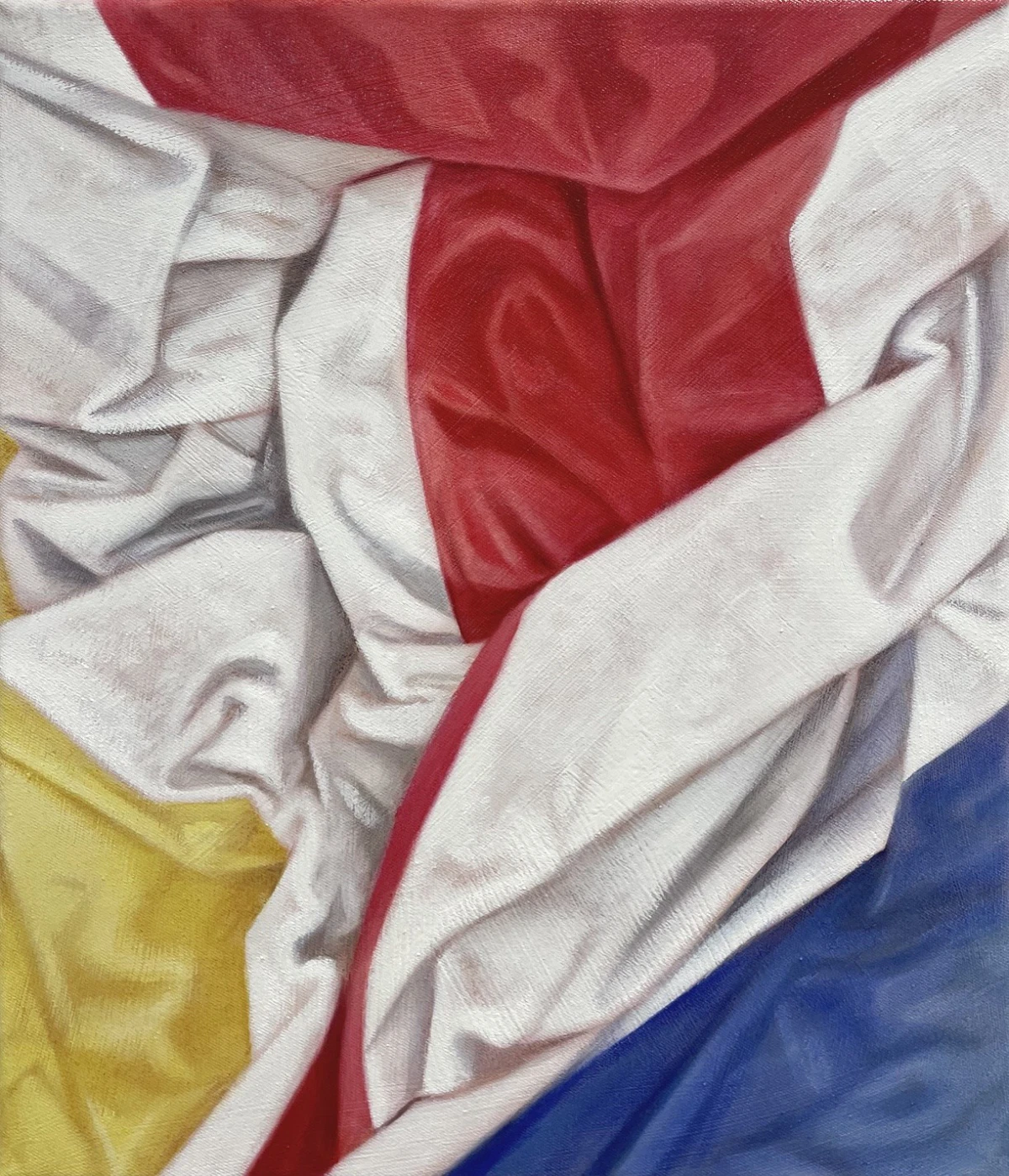
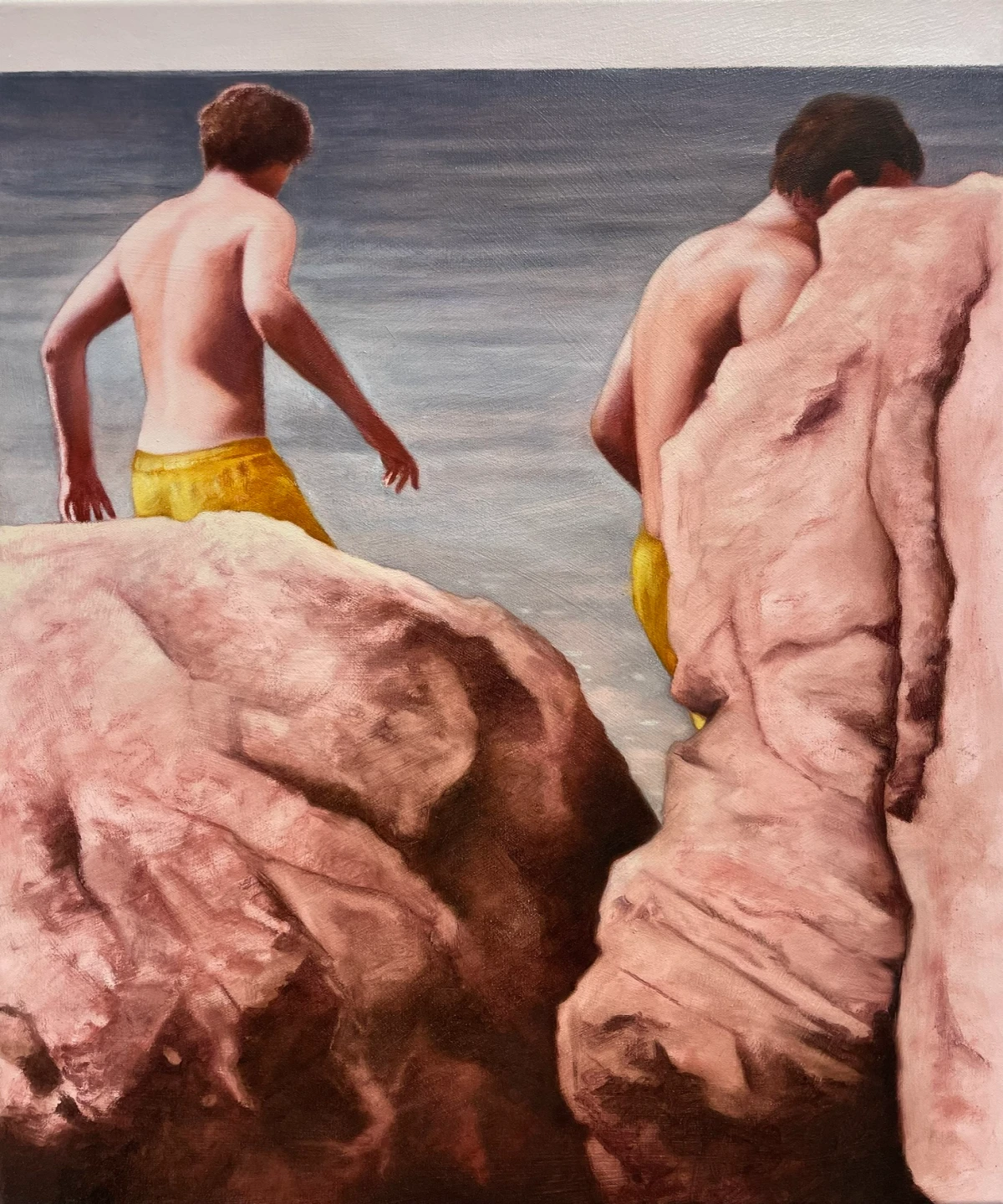
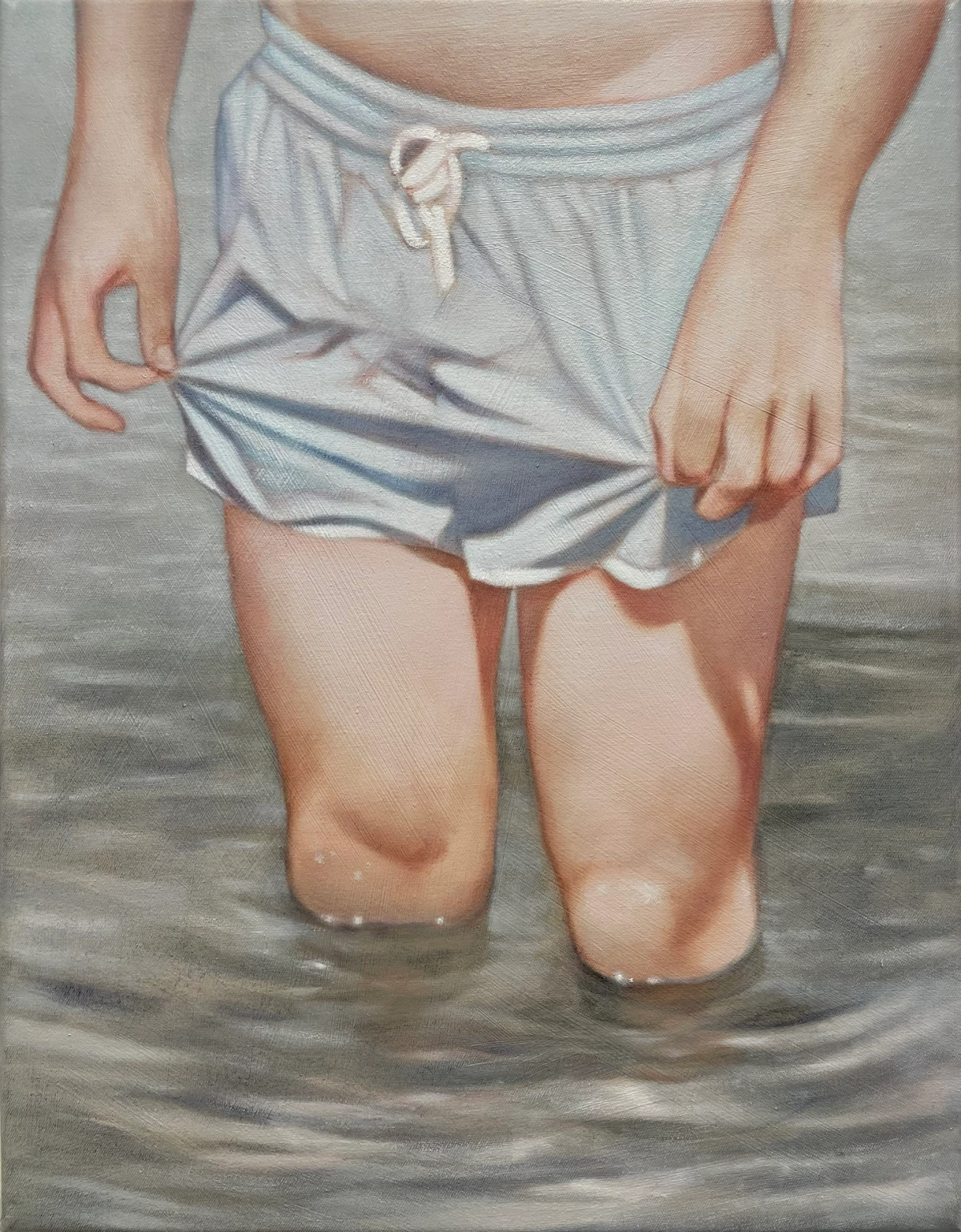
Curatorial Essay
LKIF Gallery
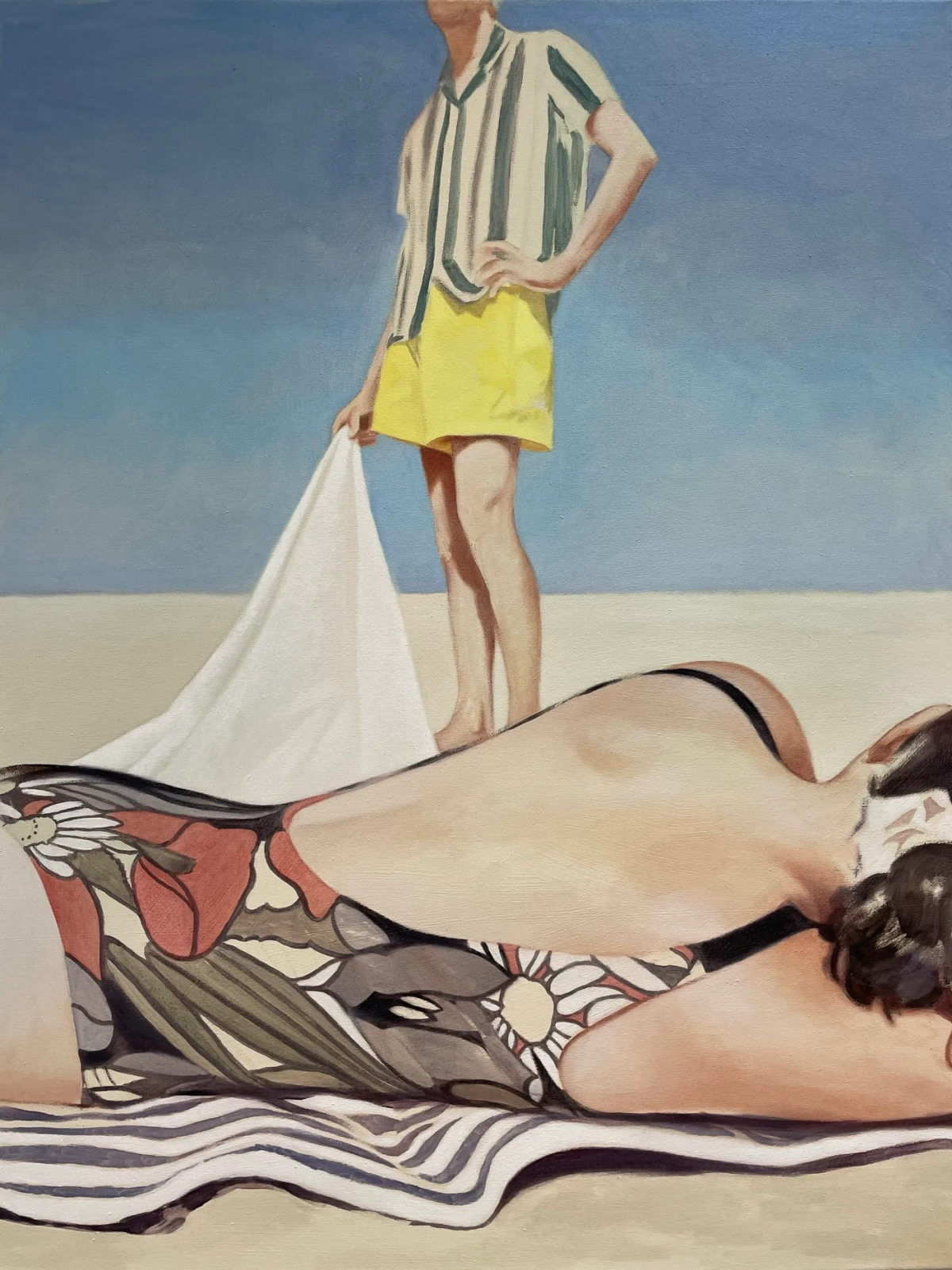
Ruben Müller's paintings begin with an act of attention.
His paintings do not ask us to search for dramatic events, symbolic narratives, or psychological portraits. Instead, they invite us to dwell within ordinary moments and simply look. What first appears as a simple scene gradually shifts into something more personal—not because we recognize the figures, but because we recognize what such moments feel like. Almost without noticing, observation gives way to recognition. And we find ourselves thinking, “I have lived this moment too.”
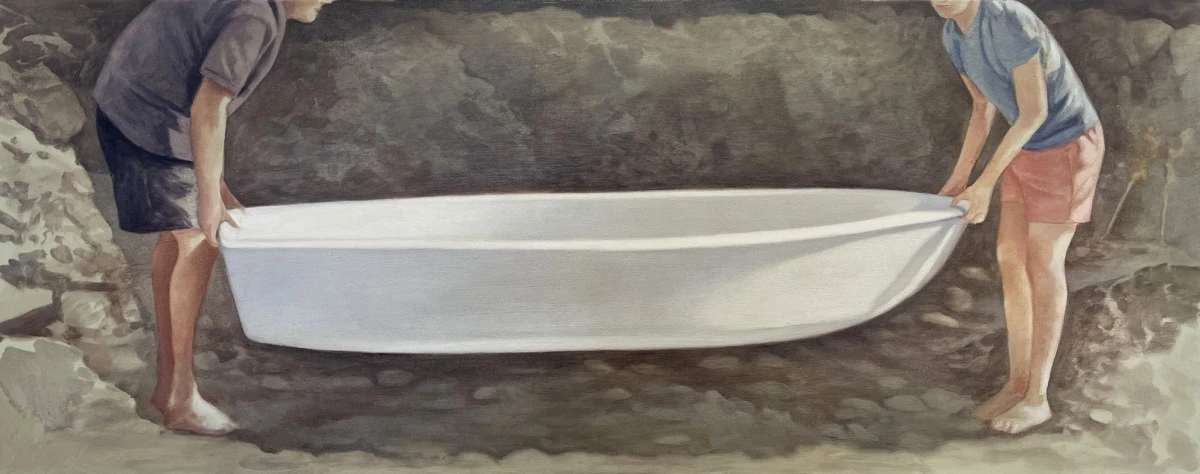
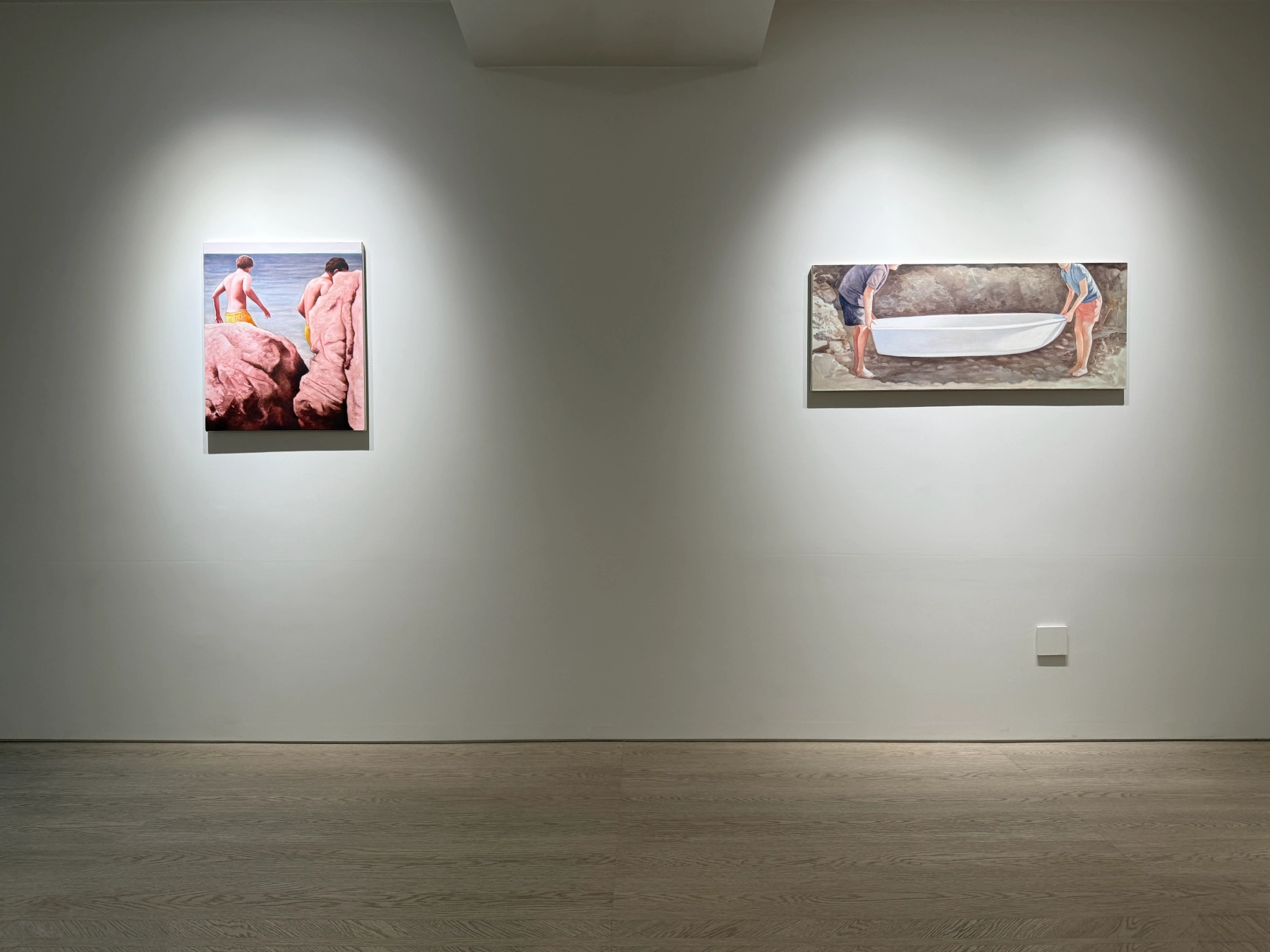
Figures carry a boat across the beach, emerge from the sea, dry themselves in the afternoon sun, or simply stand together in silence. Little appears to happen. Yet the longer we remain with these seemingly uneventful scenes, the more they begin to shift. This sustained attention lies at the heart of Müller's practice—not only in what he paints, but in how he paints.
For Müller, painting is not simply a means of representing the world, but a way of inhabiting it more fully. Drawn from lived experience, his images are carefully distilled through the slow process of painting. Unnecessary details fall away; identities remain deliberately undefined; gestures quietly take precedence over individual narratives. What remains is not an image that recreates a particular memory, but one that opens toward the diverse experiences of those who look at it.
The anonymity of Müller's figures plays an essential role in this process. Their faces rarely demand our attention. Instead, our gaze turns toward what they are doing.
In Dingi, the act of carrying a boat together becomes more than an isolated event. We begin to recognize not the action itself, but the experience it evokes. Looking at the scene, we see not simply the movement of lifting a boat, but memories of having shared something with another person—the quiet familiarity of having done something that could only be done together, and of inhabiting the same moment with someone else.
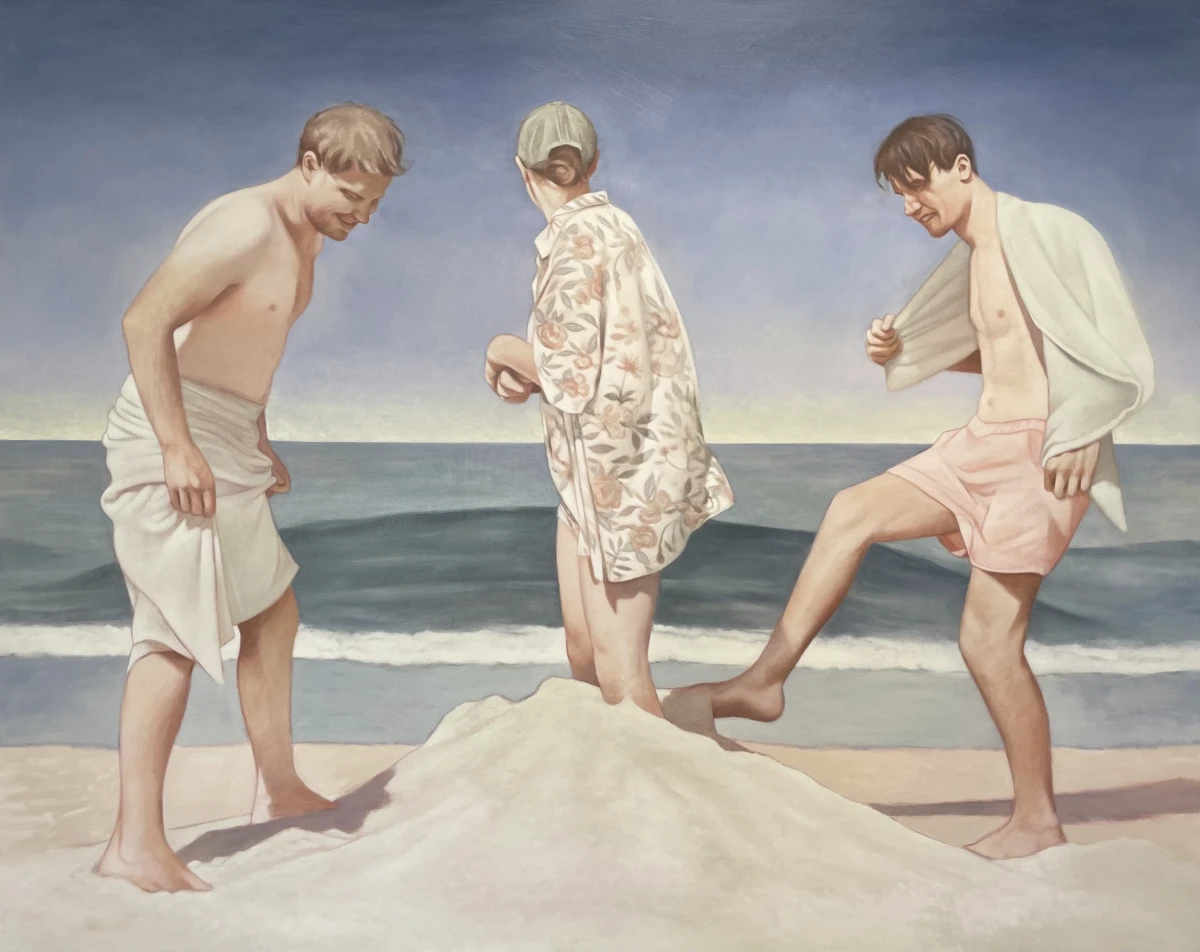
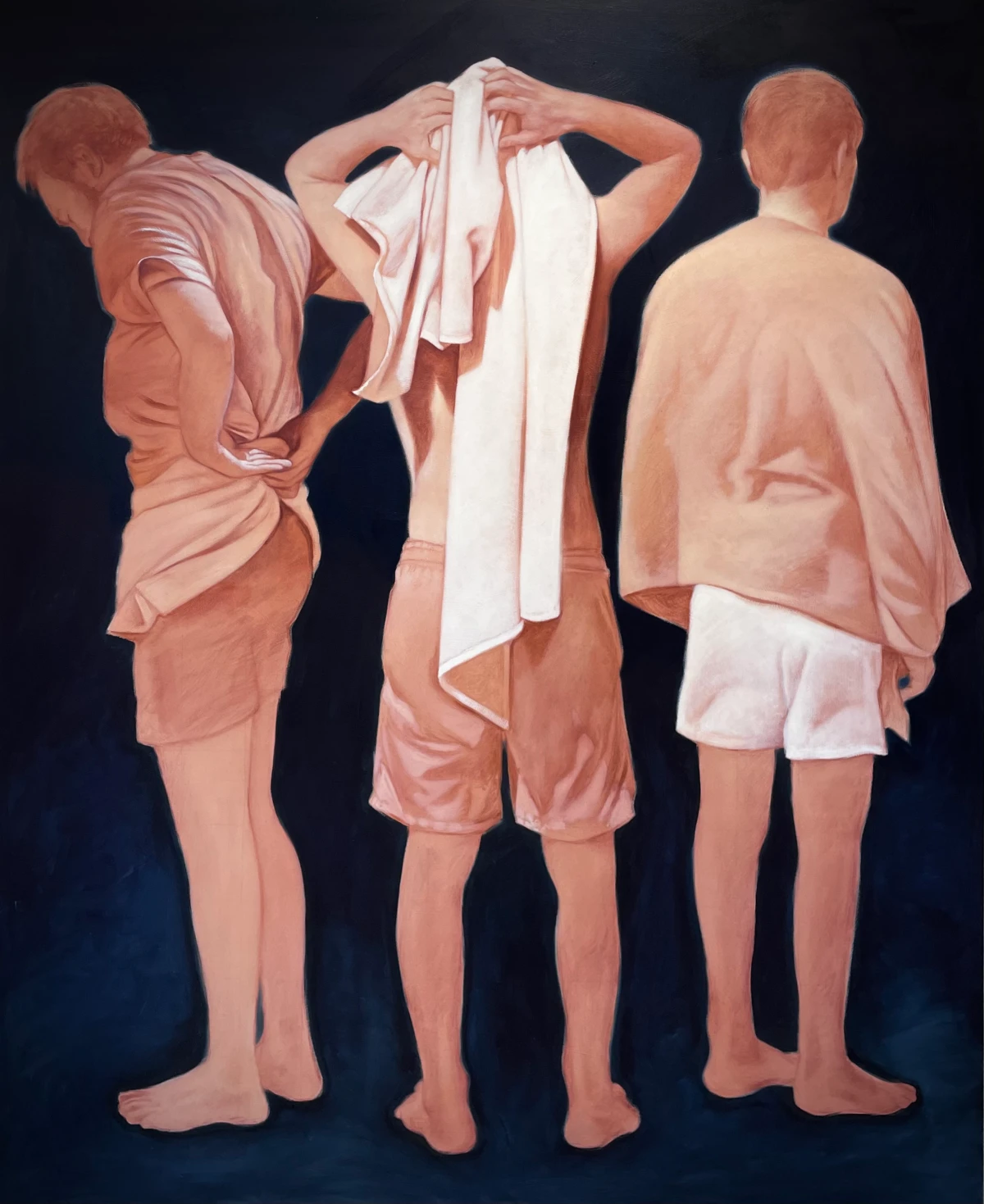
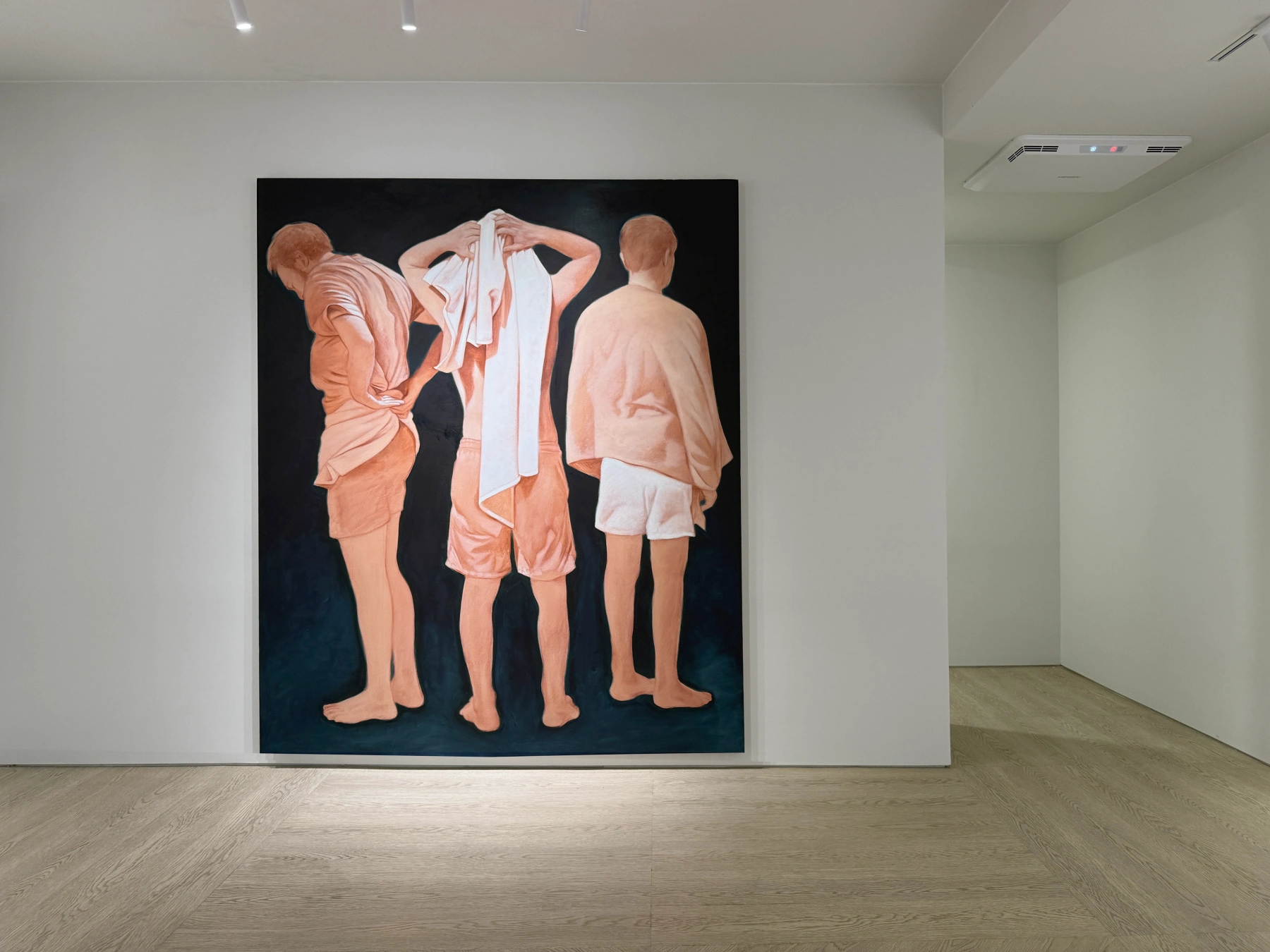
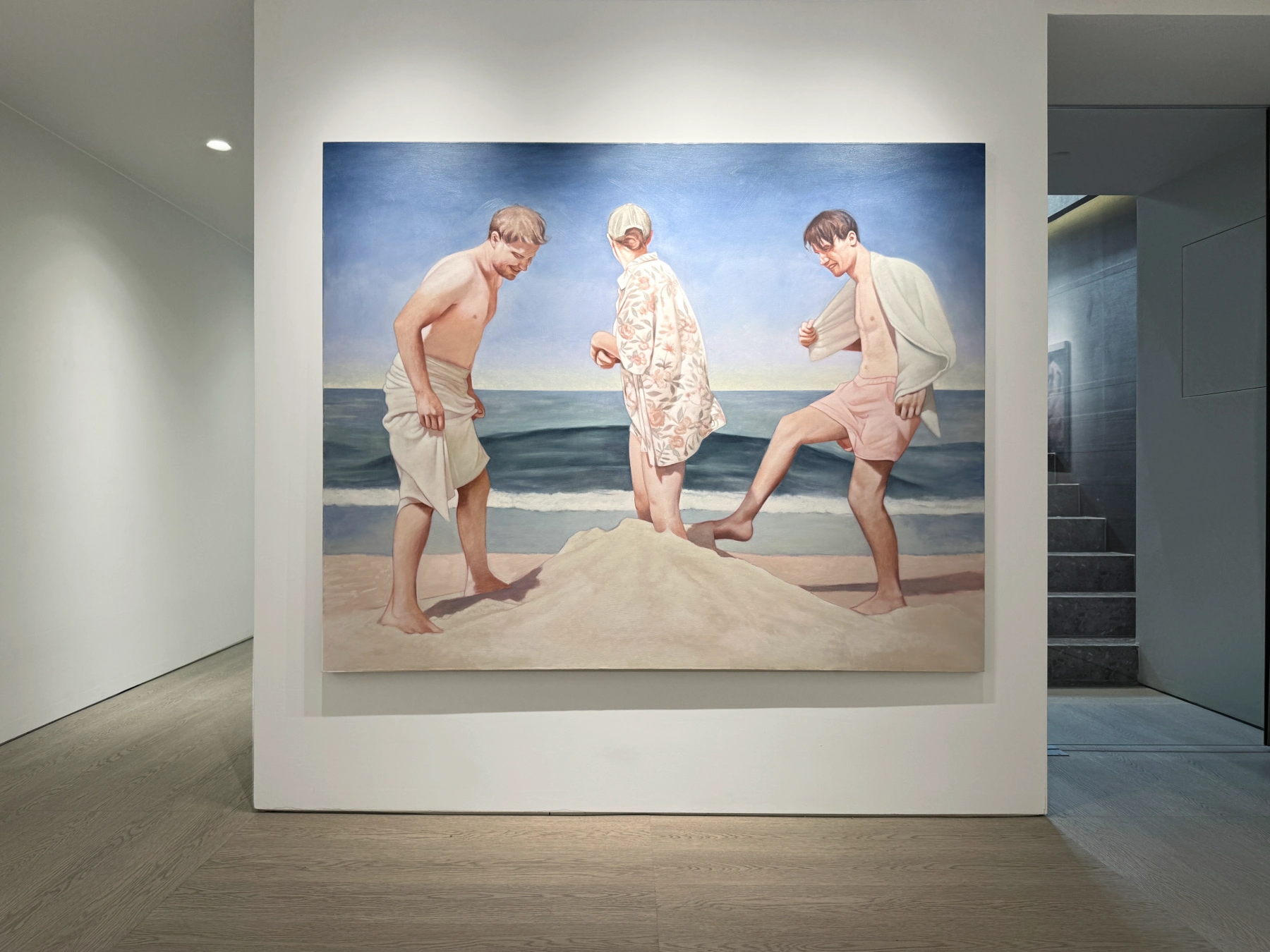
In Swimmers, a large painting of three figures drying themselves after swimming, the scene extends beyond the simple act of toweling off. We begin to recognize not the figures themselves, but the quiet familiarity of sharing such a moment with others. Standing side by side, the three bodies evoke a moment that feels at once deeply personal and strangely collective. Müller's paintings do not ask us to remember specific moments from the past. Rather, they invite a quiet recognition of experiences that continue to resonate within us.
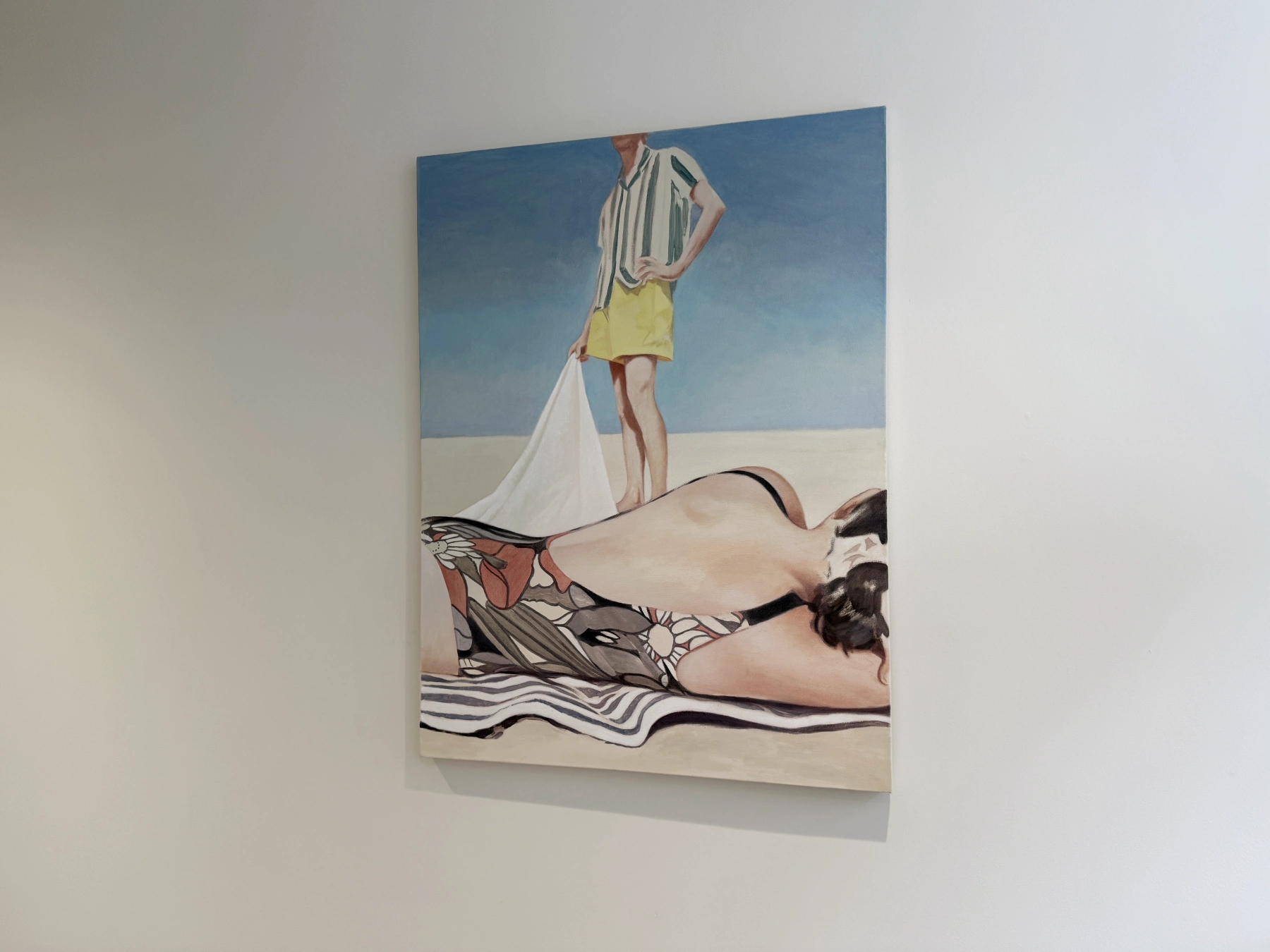
In this exhibition, this way of seeing unfolds through a new body of work set on the beach. The beach is not presented as an idealized landscape or a symbolic stage. It is simply the place from which these paintings emerge—a landscape shaped by the artist's own lived experience. Yet precisely because the setting remains so unforced, it opens toward broader associations.
Between land and sea, movement and stillness, arrival and departure, the beach becomes a space where different experiences of time quietly coexist. Summer, too, is not so much the subject of these paintings as a condition that slows the pace of perception. The prolonged afternoons, repeated rituals, and seemingly insignificant moments that shape the season become occasions for sustained attention.
This slowing, however, does not belong only to the scenes depicted. It also belongs to the act of painting itself. The patience through which Müller observes, edits, and distills lived experience becomes embedded within the paintings and is gradually passed on to the viewer.
Looking at these works requires no specialized knowledge, yet it asks for something increasingly rare: time. As our attention lingers, our experience of the paintings begins to change. Observation gives way to recognition, and recognition opens toward memory. We become less aware of what the figures are doing than of the quiet experiences their gestures allow us to inhabit.
In this sense, Müller's paintings are not simply images of everyday life. They are images of how everyday life comes to endure through attention. They remind us that meaning rarely resides in extraordinary events, but emerges through the ways we remain with ordinary ones.
Painting becomes a meeting point between different durations: the time once lived, the time spent making the work, and the time we devote to looking. When these different durations meet within a single painting, the work quietly unfolds.
The moments depicted in Müller's paintings have already passed. What slows is not time itself, but our encounter with it.
Artist’s Note
Ruben Müller
On the Beach
I remember various beaches.
On some of them, fragments of ancient ruins lie right next to the swimmers. Column bases, remnants of walls, and stones sit alongside beach umbrellas and plastic toys. They are neither a museum nor a backdrop. They simply lie there, sharing the same afternoon.
This creates a peculiar sense of simultaneity. History does not appear as something separate, but as another layer of the same present. The person wiping the salt from their arms after a swim today and the figure on a two-thousand-year-old vase are separated by little more than time itself. Both are being observed. Both become images.
The large painting with the three figures seen from behind takes up this connection. The bodies appear in warm monochromatic tones against a nearly black background. Without directly referencing ancient vase painting, their color scheme evokes those early depictions of human gestures.
It is not the historical aspect that takes center stage, but the continuity of seeing. As long as people create images, they illustrate their world with themselves.
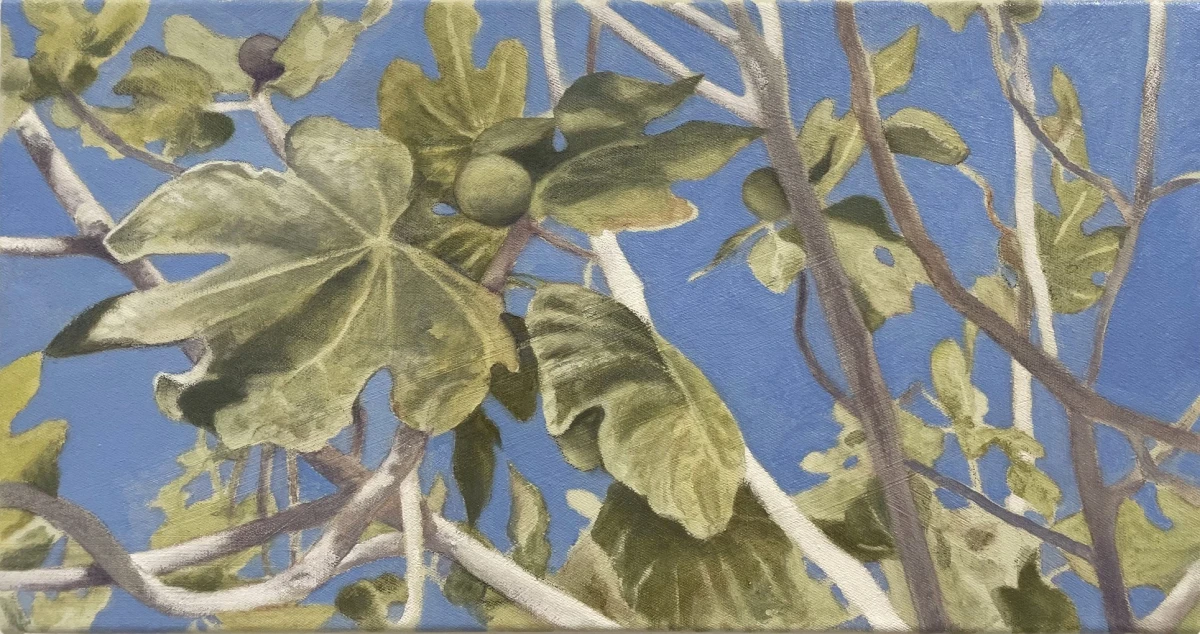
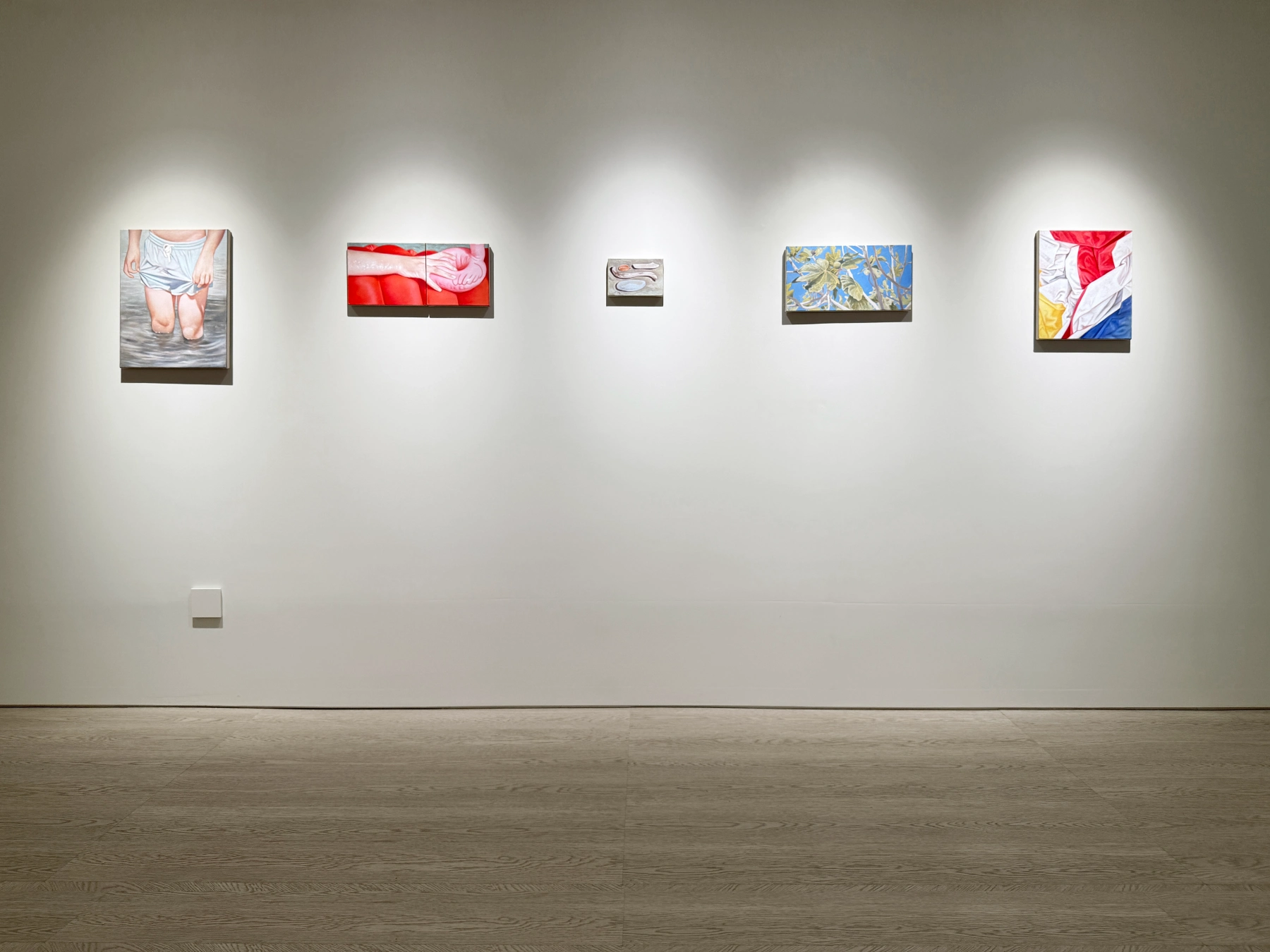
On long summer days, consciousness slows down from its usual pace and focuses on what is close at hand: light filtering through the leaves of a fig tree, the weight of wet fabrics, the sound of a boat being dragged across gravel. These casual moments come together to form an experience that only becomes apparent much later.
In the Thick of Summer conceives of the beach as a place where different times become visible simultaneously. Geological time, historical time, the span of a life, and the slow passage of a summer day overlap. The paintings do not attempt to tell the story of summer. They capture those moments in which time itself becomes visible for an instant.