+1 212 421 5390
Open: Mon-Fri 10am-6pm
Visit
Open: Mon-Fri 10am-6pm
32 East 57th Street, 2nd Floor, NY 10022, New York, United States
Open: Mon-Fri 10am-6pm
Visit
Ronnie Landfield: Monumental Works
Findlay Galleries, New York
Artist: Ronnie Landfield
Findlay Galleries presents Ronnie Landfield: Monumental Works, a focused exhibition of large-scale paintings by a leading figure of Lyrical Abstraction. Expansive fields of stained color, shifting horizons, and atmospheric depth reveal the immersive power of Landfield’s work at monumental scale.
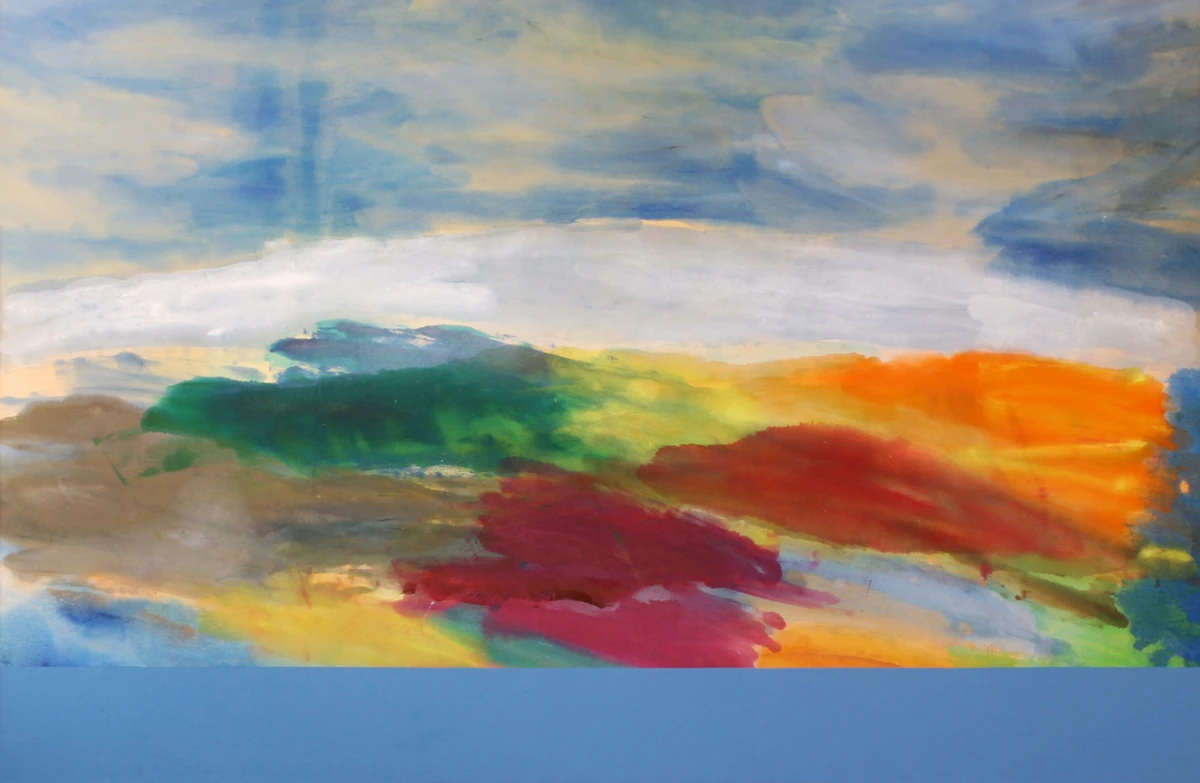
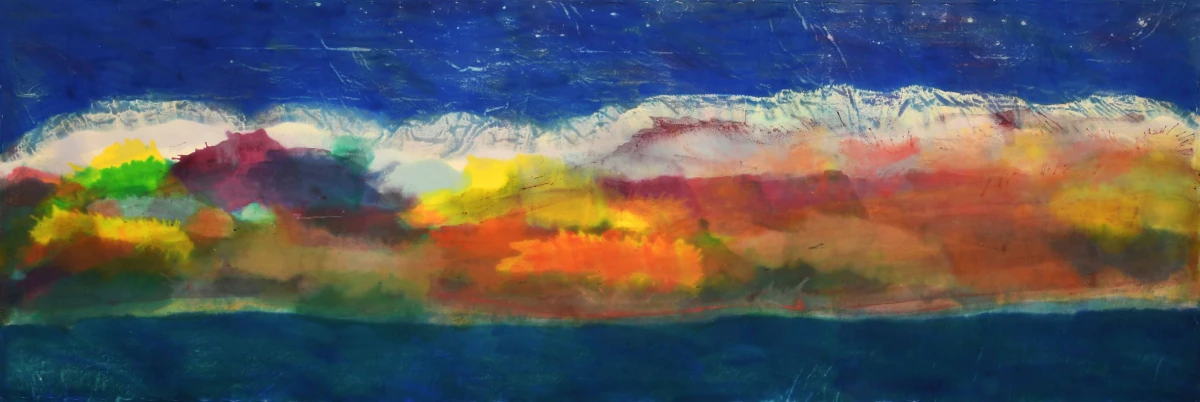
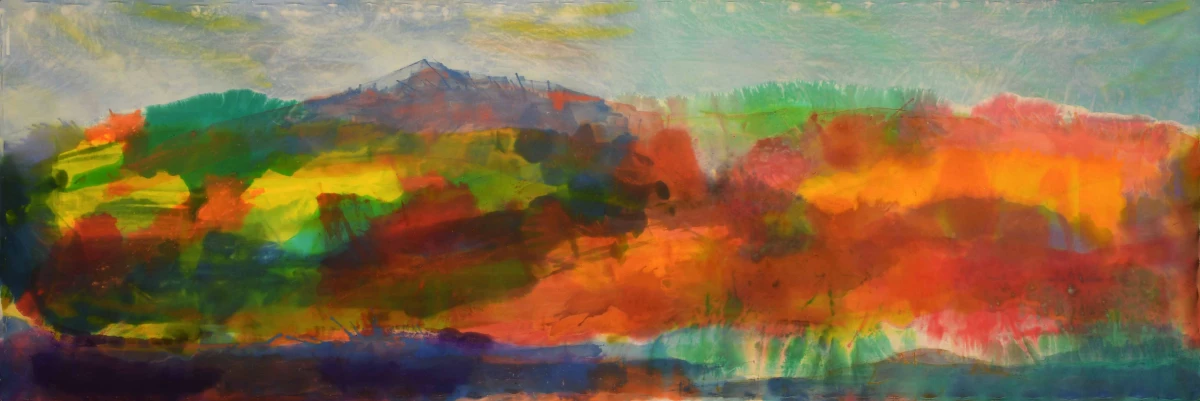
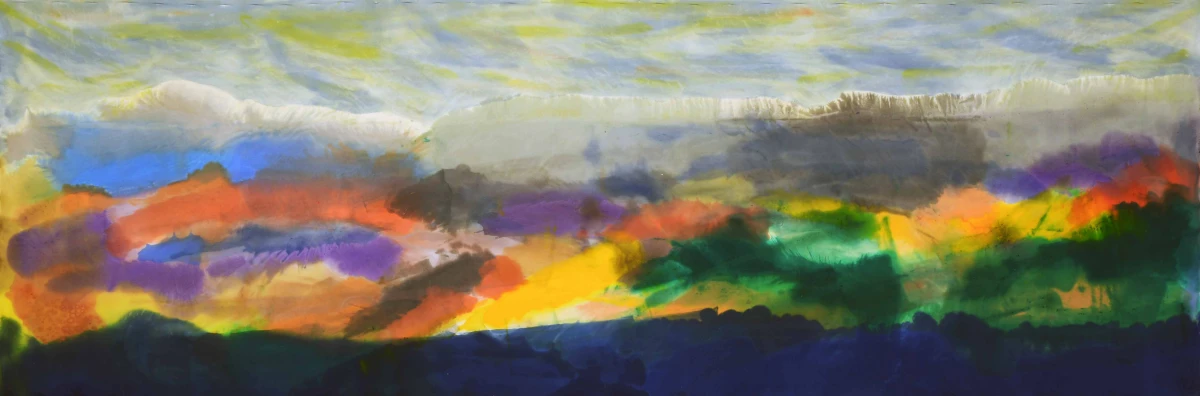
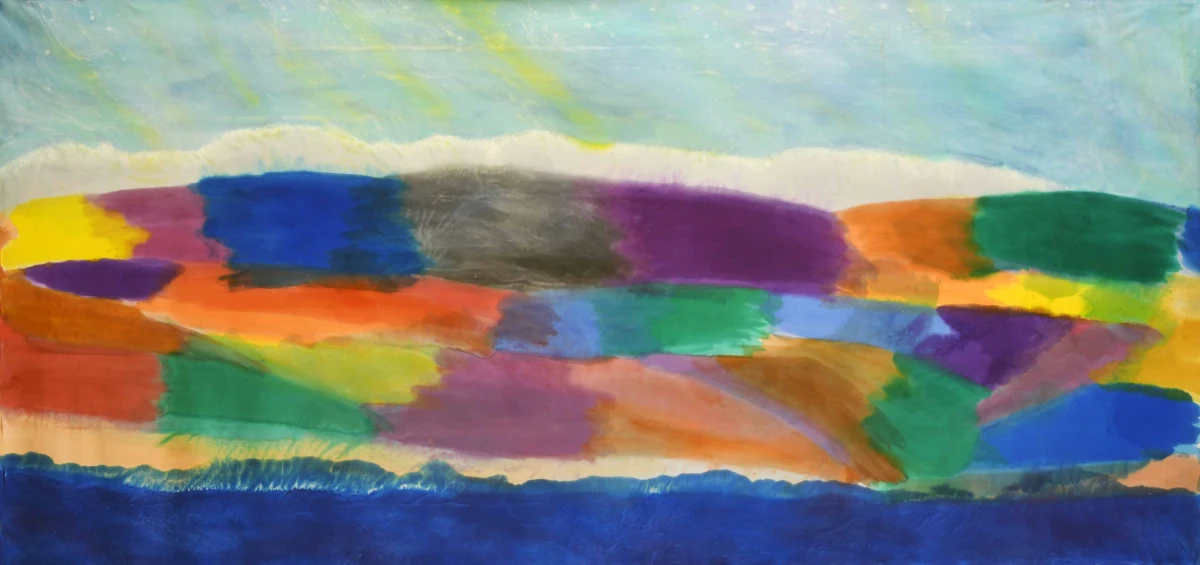
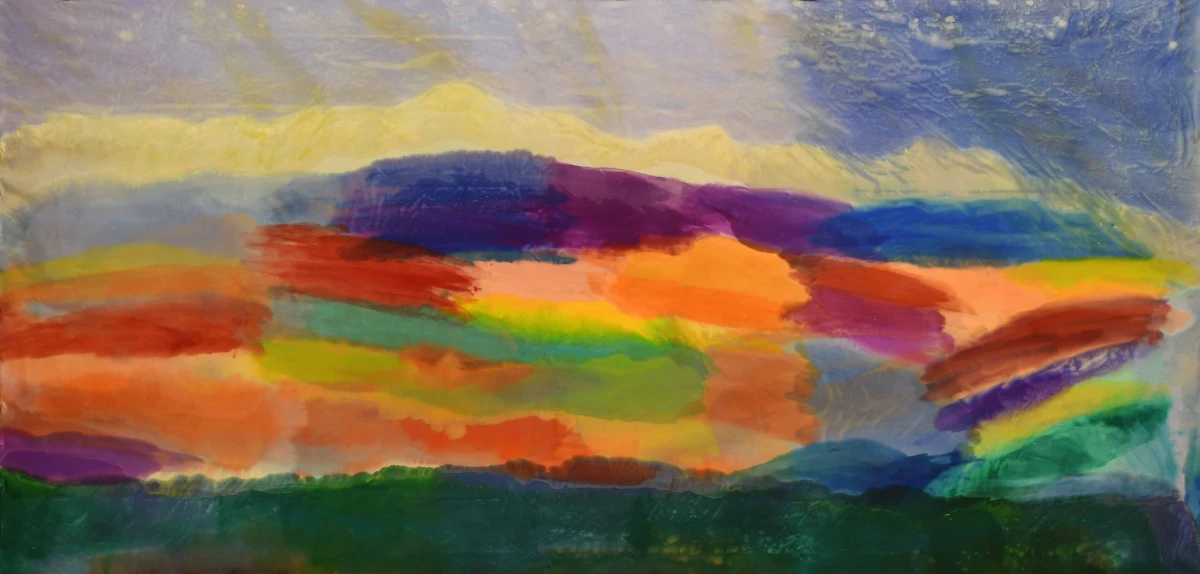
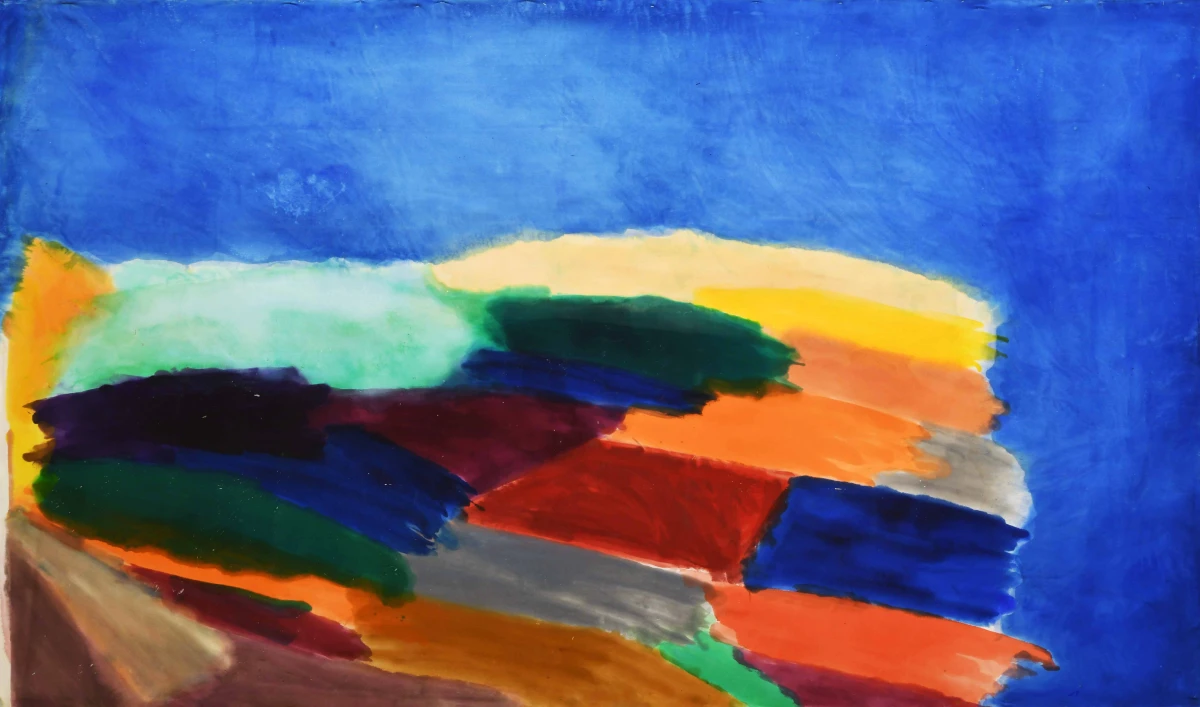
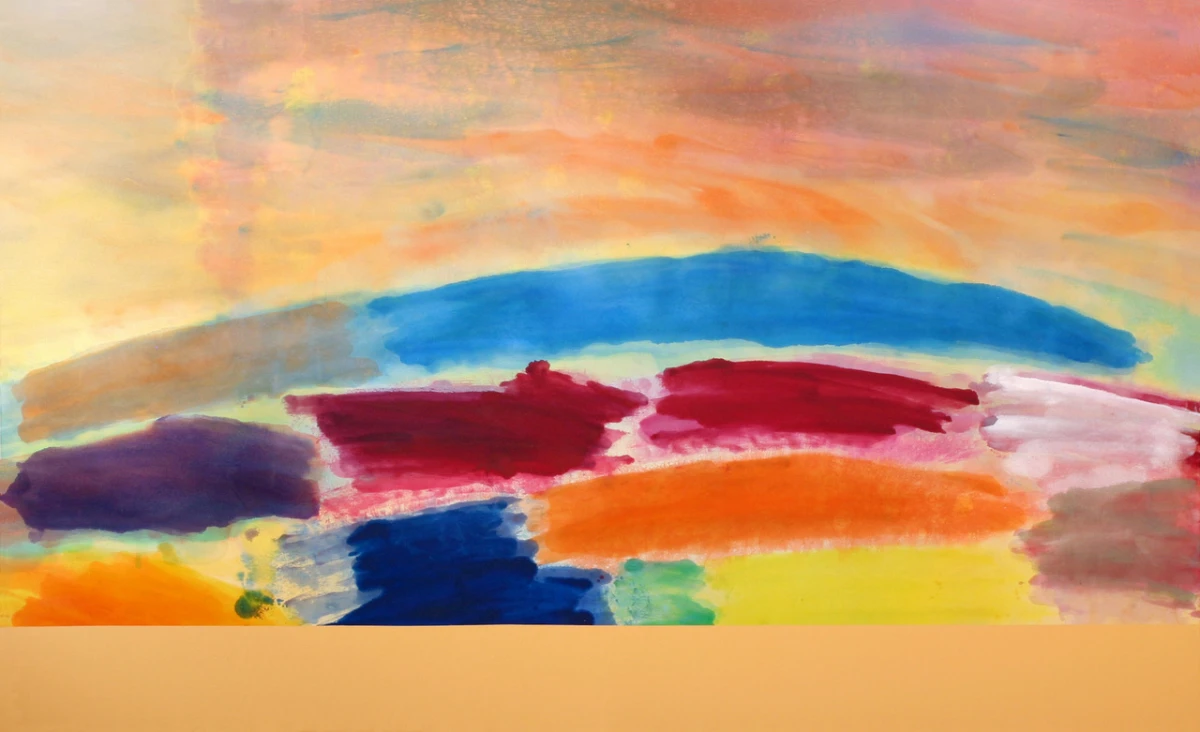
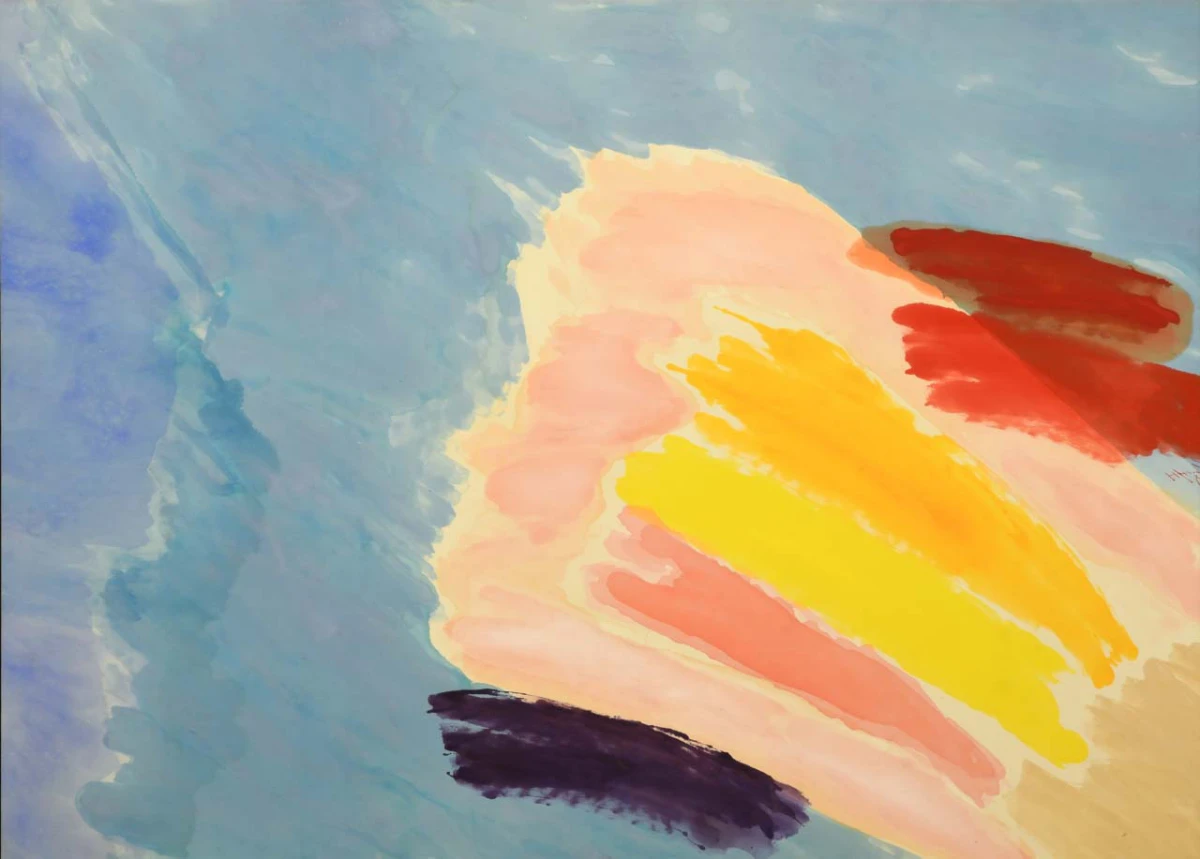
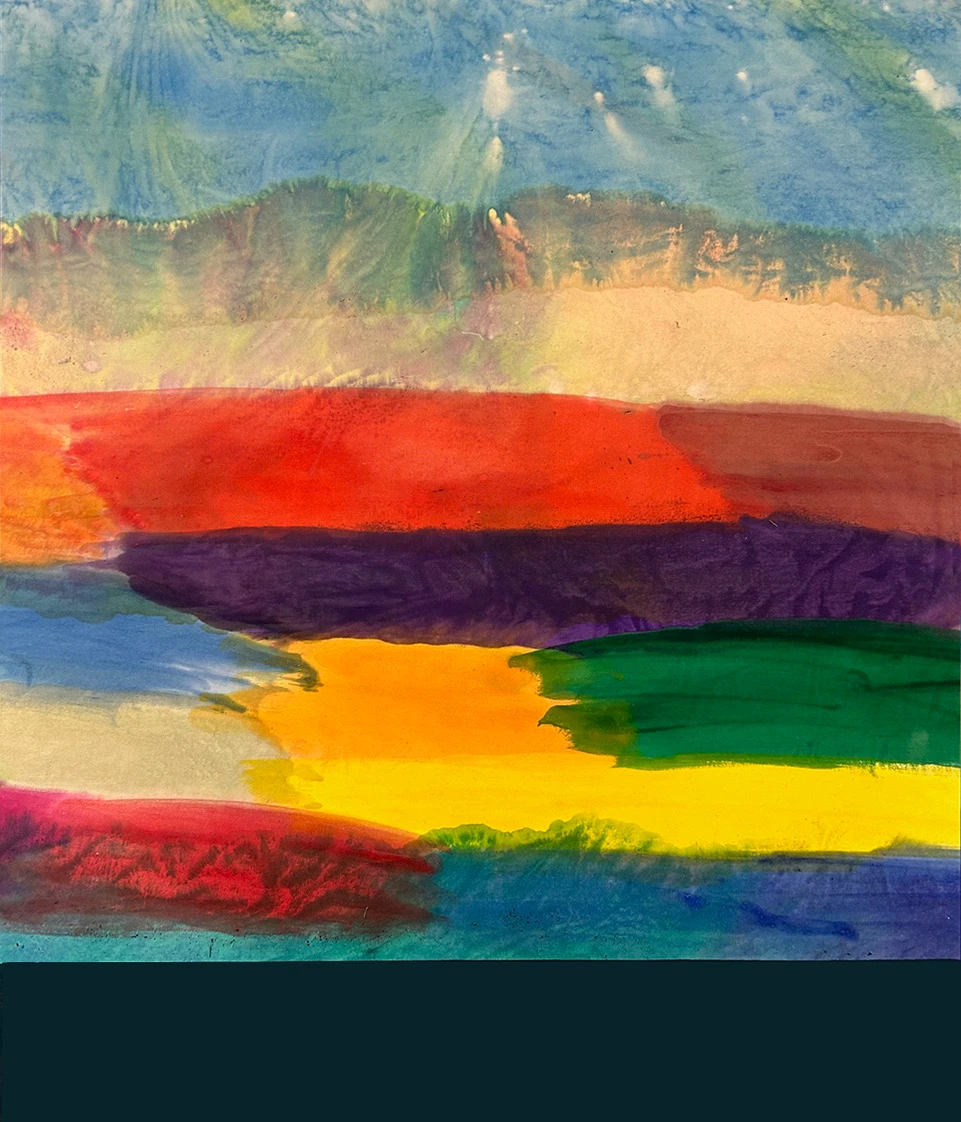
Across more than six decades, Ronnie Landfield has sustained one of the most distinctive investigations of color and landscape in postwar American painting. Emerging in New York in the late 1960s, he moved beyond the hard-edge geometry of his earliest work toward vast stained canvases charged with atmosphere, movement, and emotional intensity. These paintings helped define Lyrical Abstraction and established Landfield as one of its most original voices.
Landfield’s education began as much in the museums and galleries of New York as it did in the classroom. As a student at the High School of Art and Design, he regularly visited exhibitions across Manhattan, encountering firsthand the generation that had transformed American painting after the Second World War. He studied drawing and painting at the Art Students League and later attended the Kansas City Art Institute and the San Francisco Art Institute. Remarkably, he had already begun exhibiting his abstract paintings in New York while still in his teens. His early engagement with the work of Jackson Pollock, Willem de Kooning, Franz Kline, Mark Rothko, and Ad Reinhardt gave him an intimate understanding of Abstract Expressionism, even as his own generation began searching for ways beyond it.
By the end of the 1960s, Landfield had developed a language unmistakably his own. His work appeared in the Whitney Museum of American Art’s 1967 Annual Exhibition when he was only twenty, followed by the museum’s 1969 Annual and the 1973 Whitney Biennial. In 1969 he presented his first one-person exhibition at David Whitney Gallery in New York, and the following year his work was included in the Aldrich Museum’s influential exhibition Lyrical Abstraction. These early exhibitions placed Landfield at the forefront of a renewed, more sensuous abstraction that moved beyond the restraint of Minimalism and hard-edge painting toward an art grounded in atmosphere and the suggestion of landscape.
Landscape has remained fundamental to Landfield’s work, though rarely through direct representation. Rather than depicting a particular place, his paintings evoke the experience of the natural world through horizon, light, and distance. His interest in Chinese landscape painting offered another way of thinking about pictorial space: one in which the eye could move through a composition rather than toward a single fixed point. Broad fields of stained color may suggest mountains, weather, water, or sky while remaining entirely abstract. The boundary between what is seen and what is felt remains intentionally open. Across the decades, Landfield has continually reshaped this relationship without surrendering the essential character of his work. A horizontal division can imply a distant horizon. Elsewhere, transparent washes create depth, while sudden passages of saturated color give the surface physical weight. The natural world becomes less a subject to be described than a source of sensation.
Monumental Works brings this history decisively into the present. The paintings retain the breadth and immersive force that distinguished Landfield’s early stained canvases while revealing a mature command of how color is structured across the surface. At full scale, they become environments of their own: expansive fields in which color carries both physical presence and emotional resonance.