+852 2522 9600
Open: Tue-Sat 11am-7pm
Visit
Open: Tue-Sat 11am-7pm
201 The Factory, 1 Yip Fat Street, Wong Chuk Hang, Hong Kong, Hong Kong
Open: Tue-Sat 11am-7pm
Visit
Qi Lei: Echoes of Day and Night
Ben Brown Fine Arts, Hong Kong
Sat 12 Sep - Sat 31 Oct 2026
201 The Factory, 1 Yip Fat Street, Wong Chuk Hang — Google
Tue-Sat 11am-7pm
Artist: Qi Lei
Ben Brown Fine Arts presents Echoes of Day and Night, a solo exhibition of paintings by Qi Lei and the gallery’s first collaboration with the artist, who currently lives and works in Shanghai. The exhibition brings together thirteen paintings created between 2020 and 2026. It marks Qi Lei’s first solo exhibition in Hong Kong since his debut solo presentation in the city in 2014.
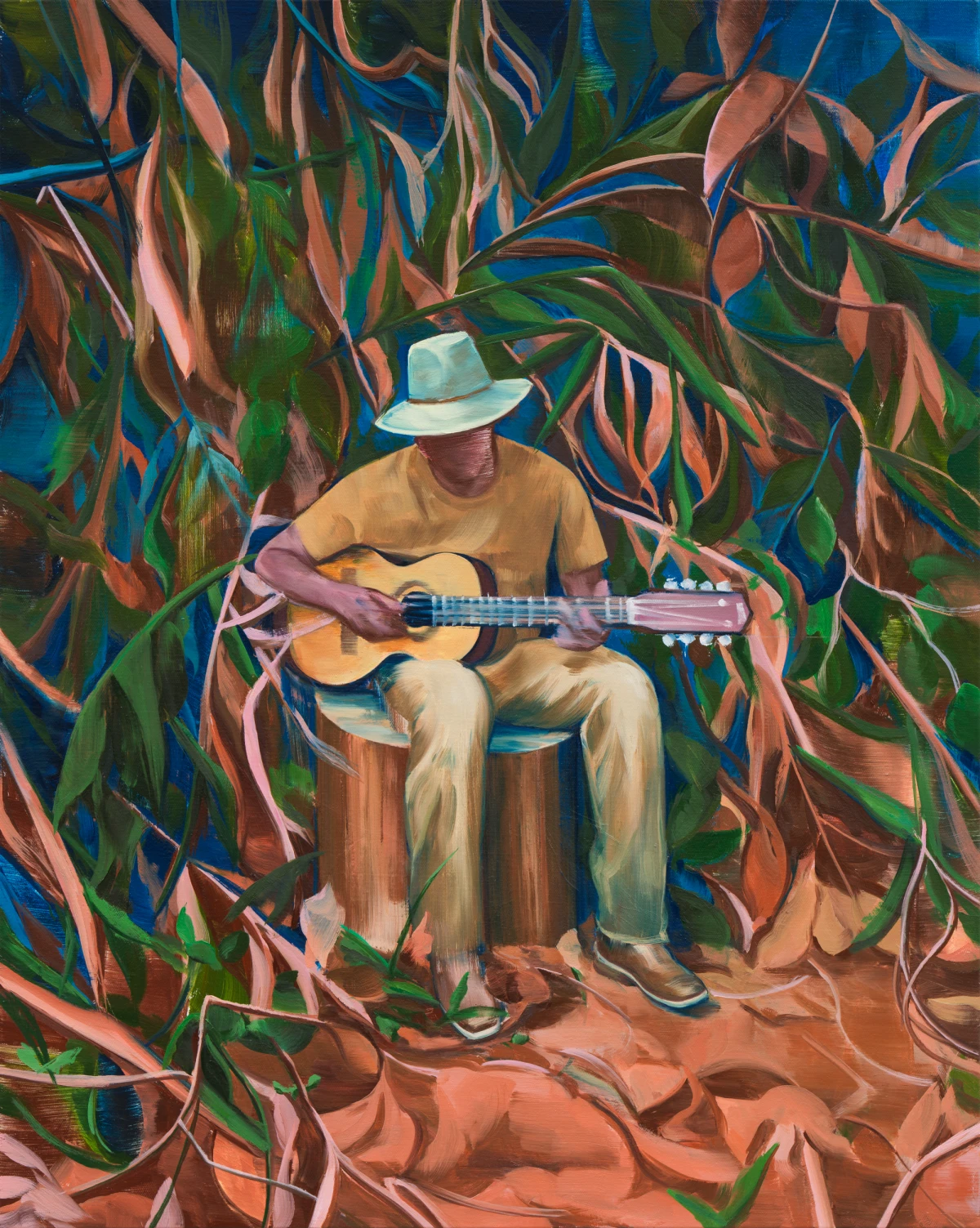
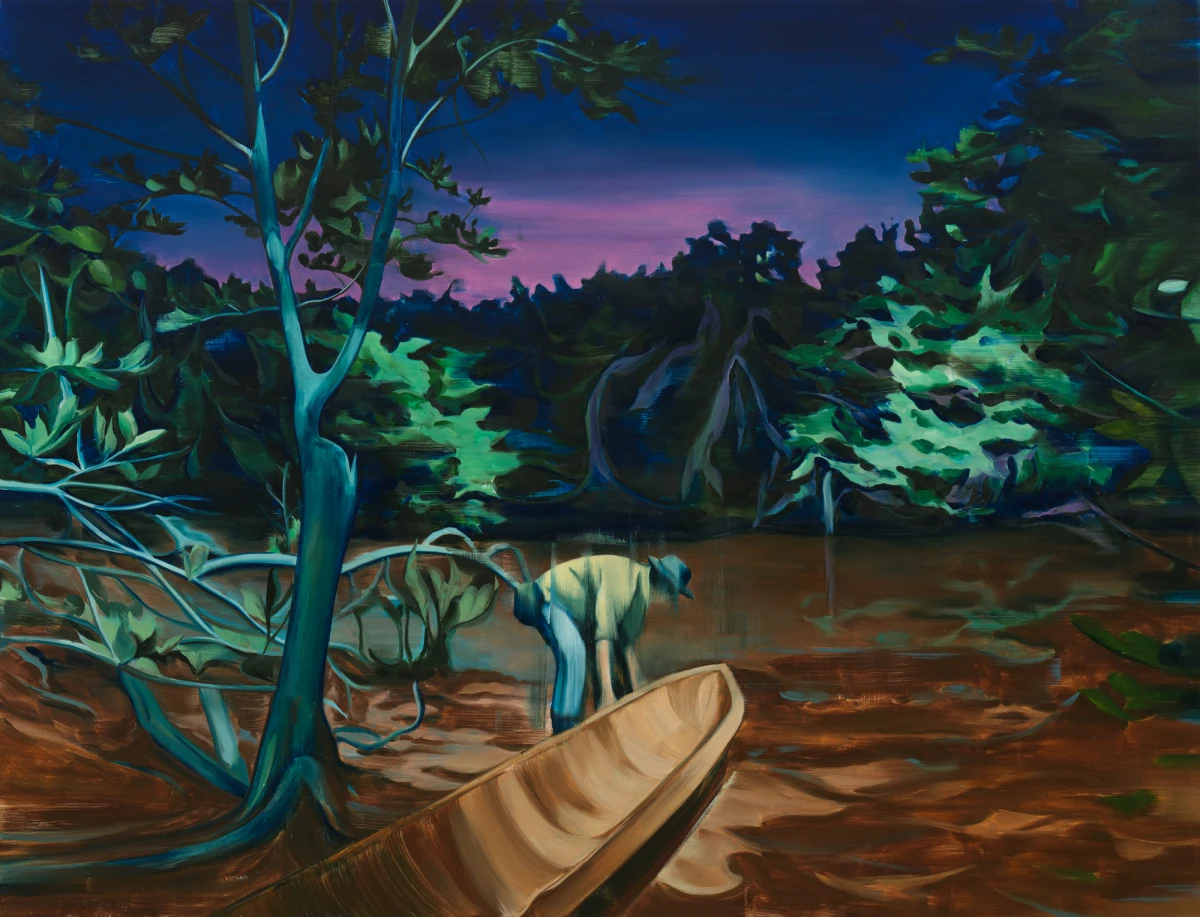
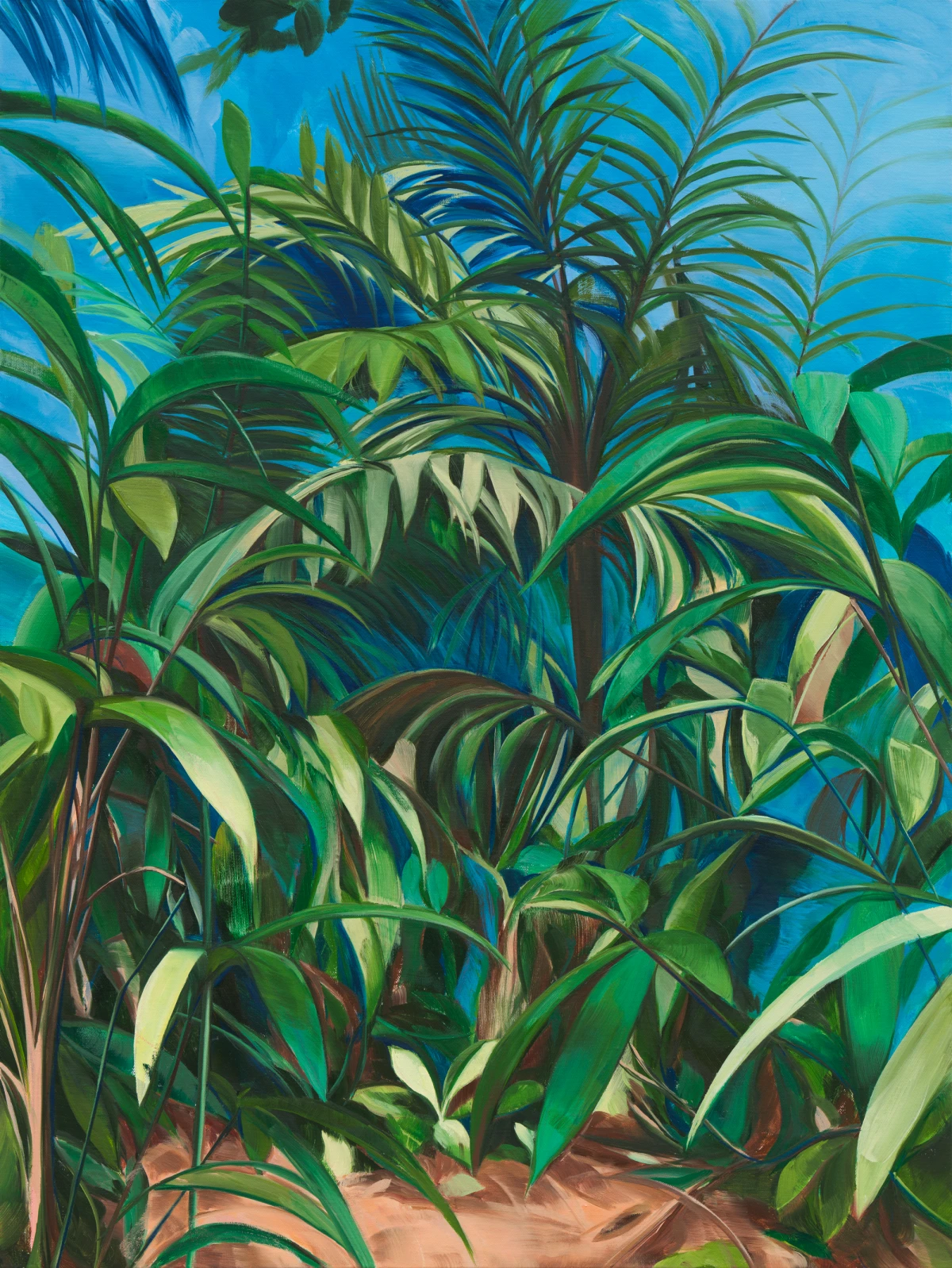
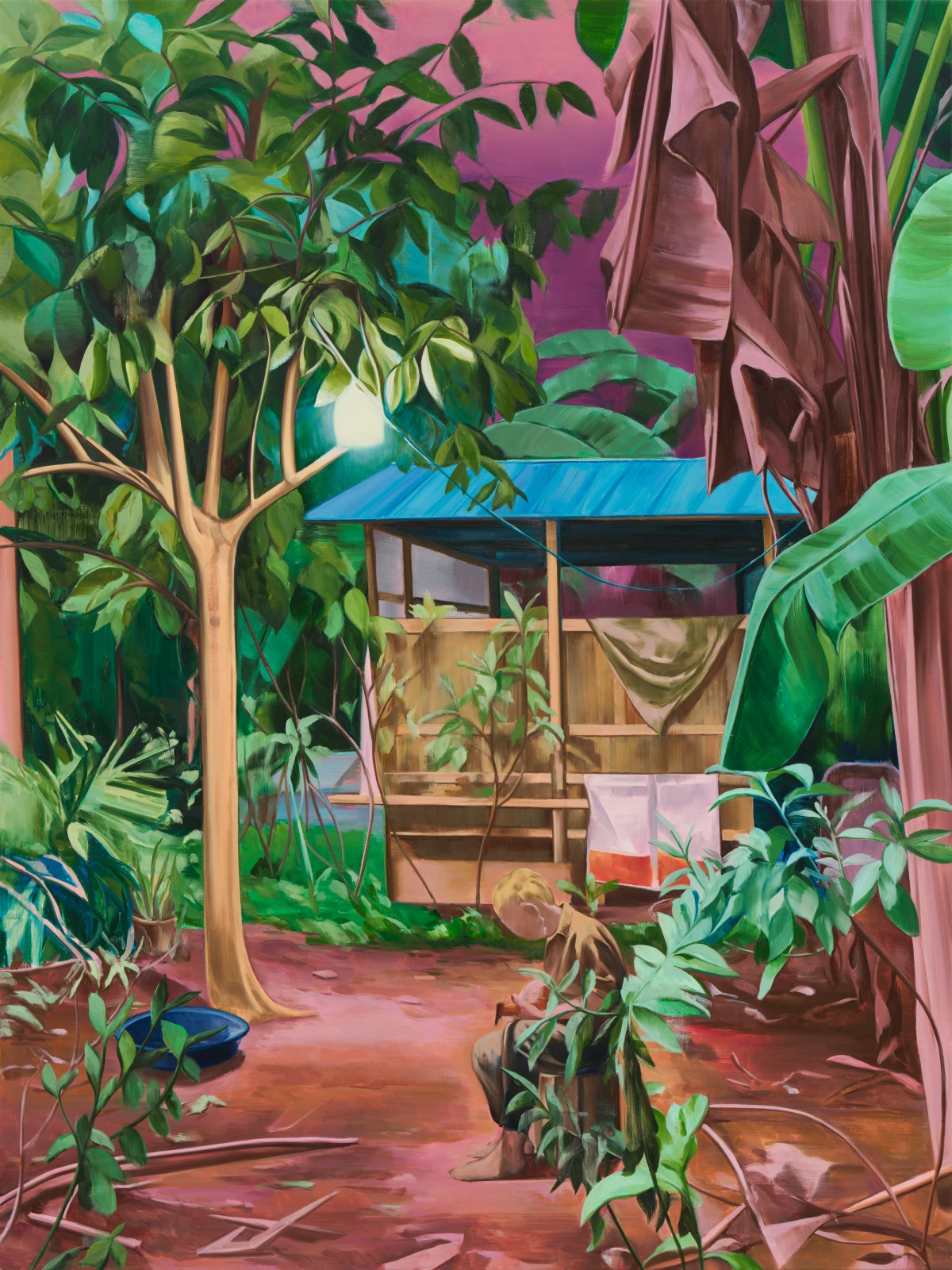
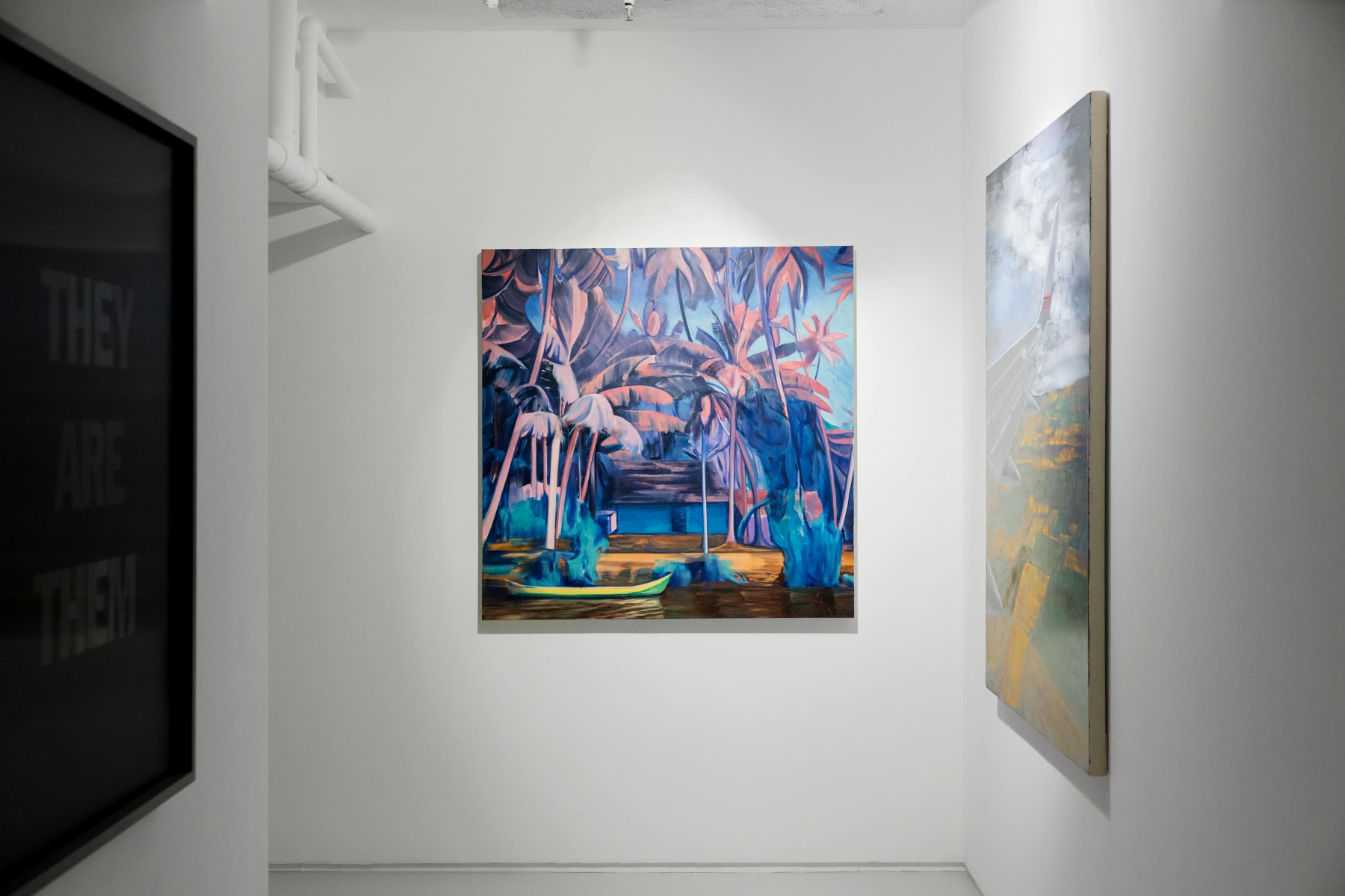
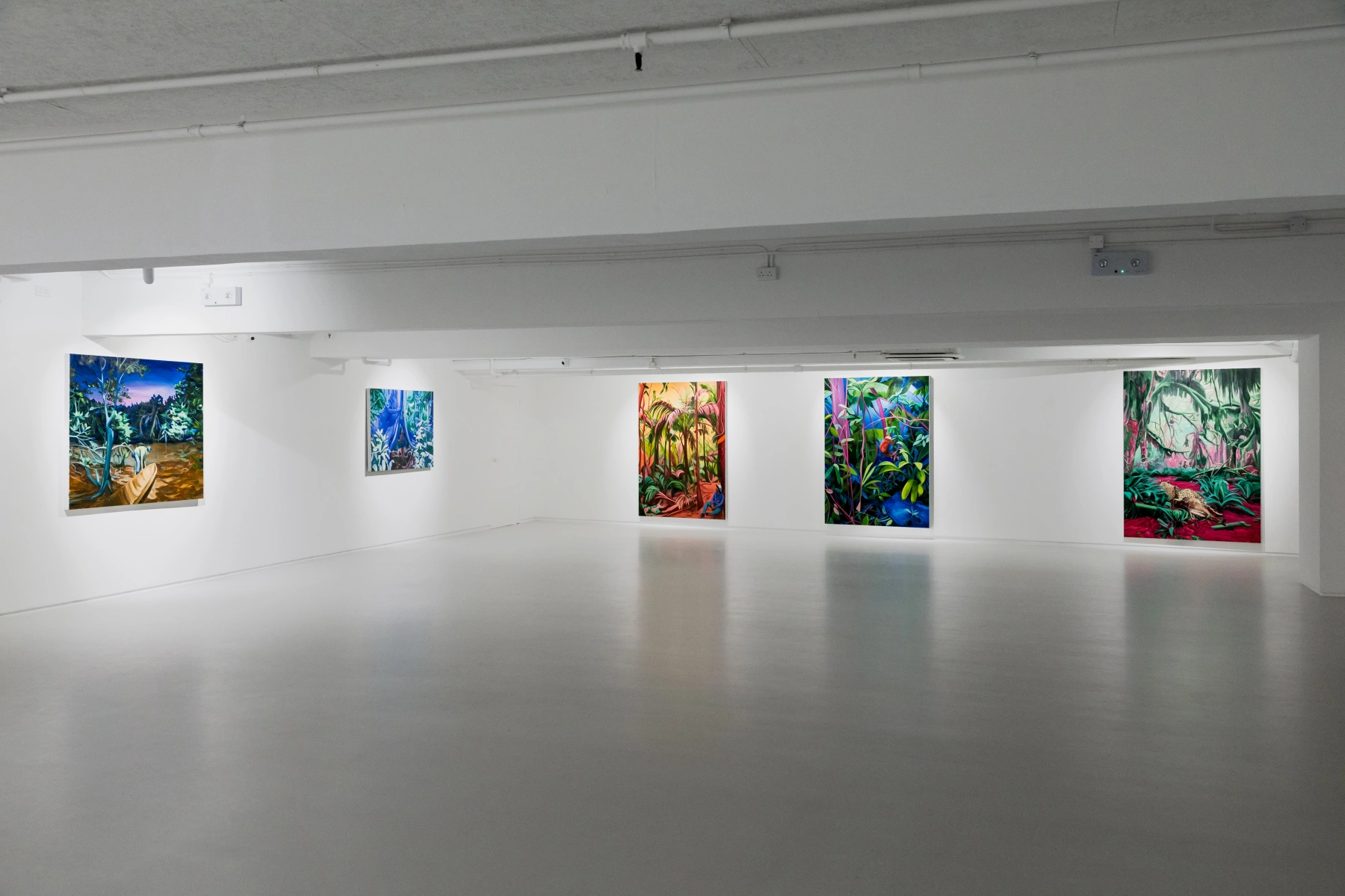
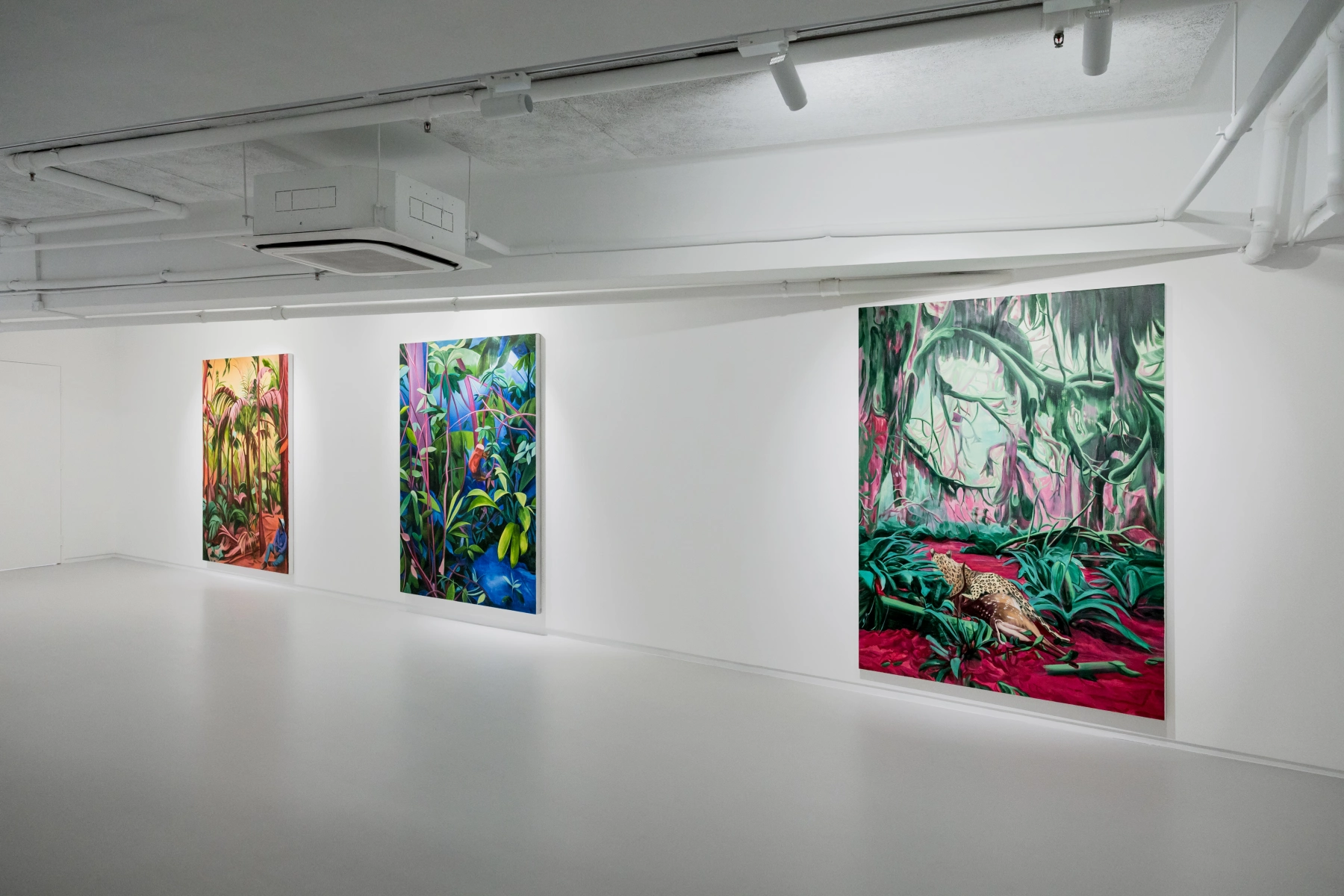
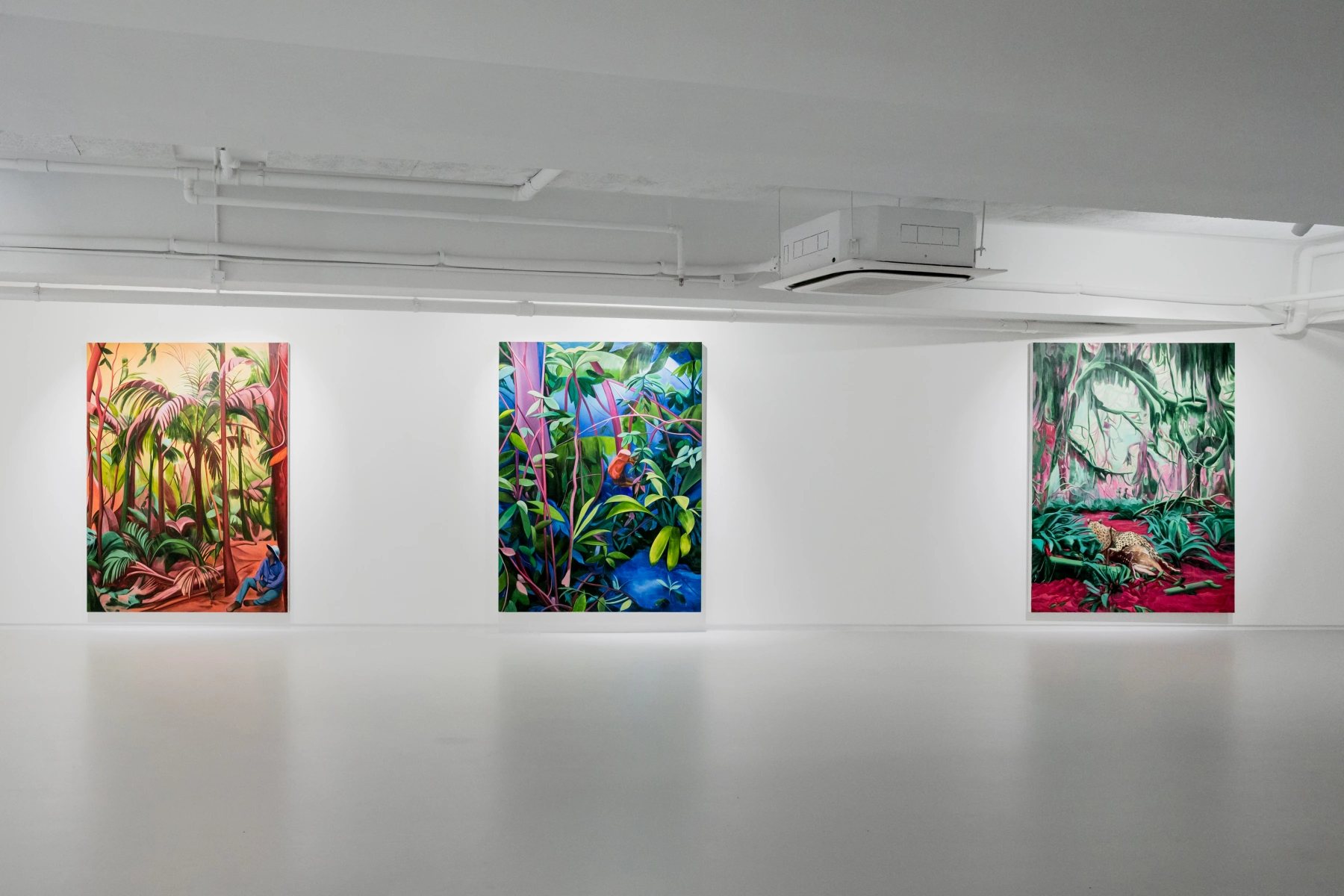
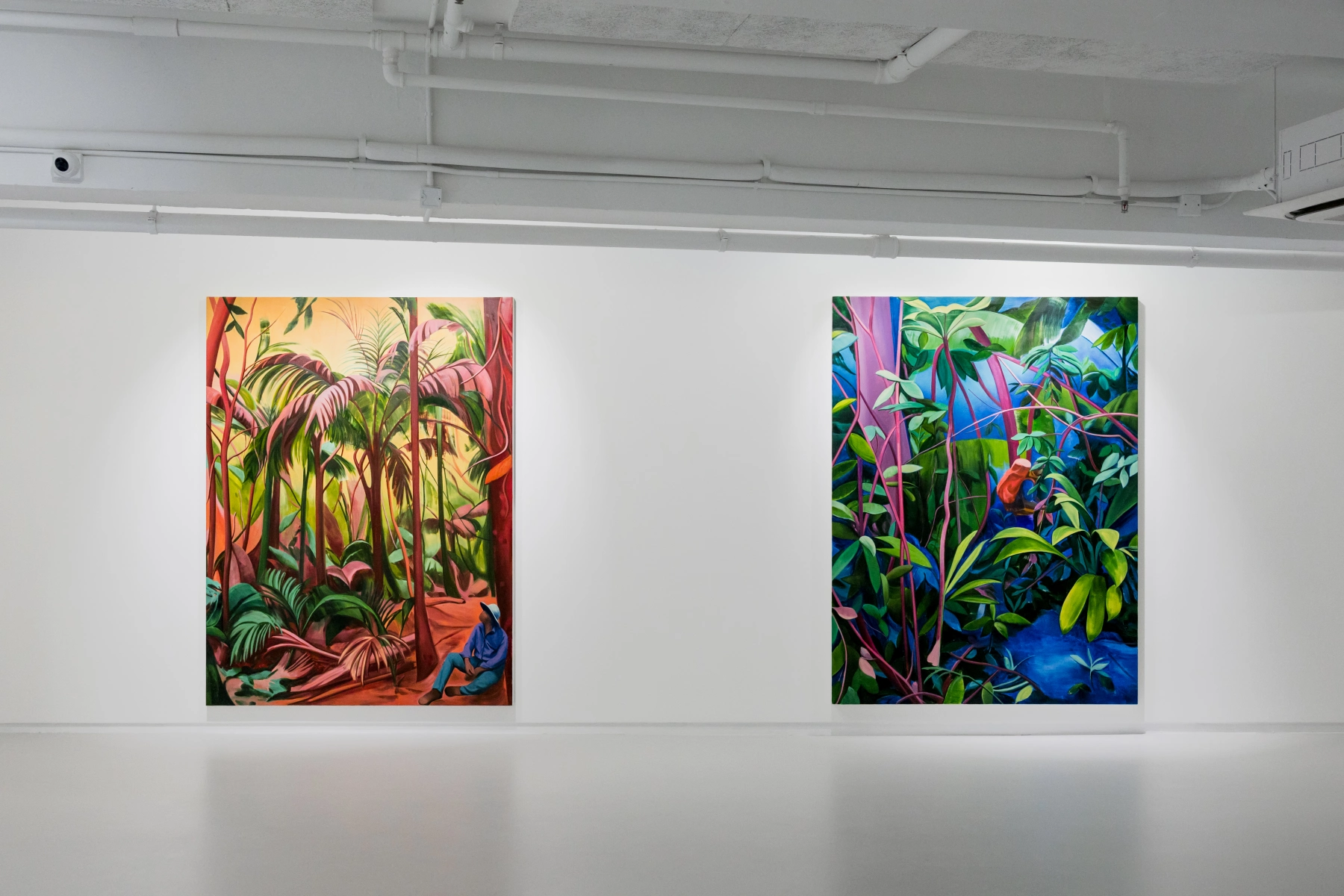
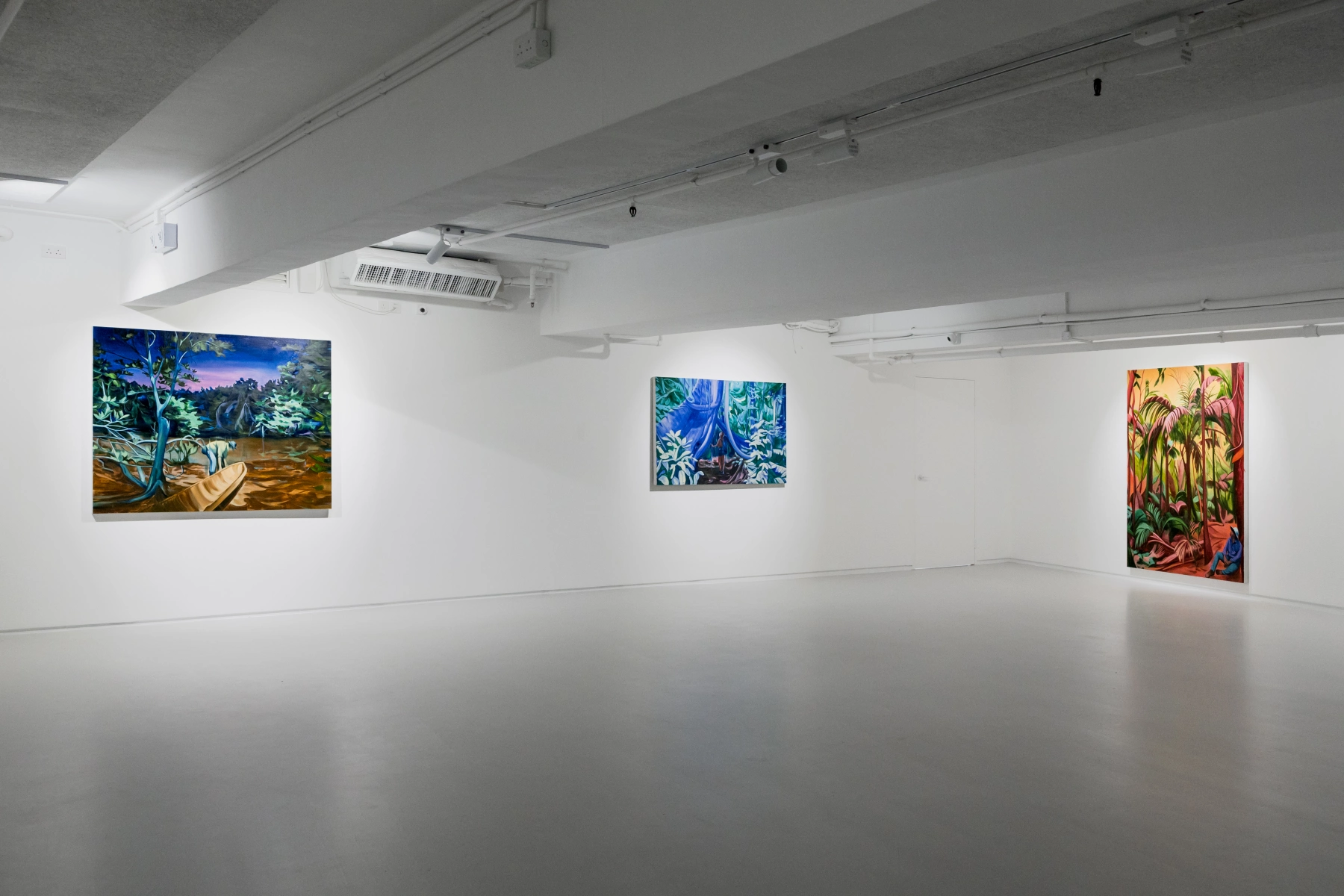
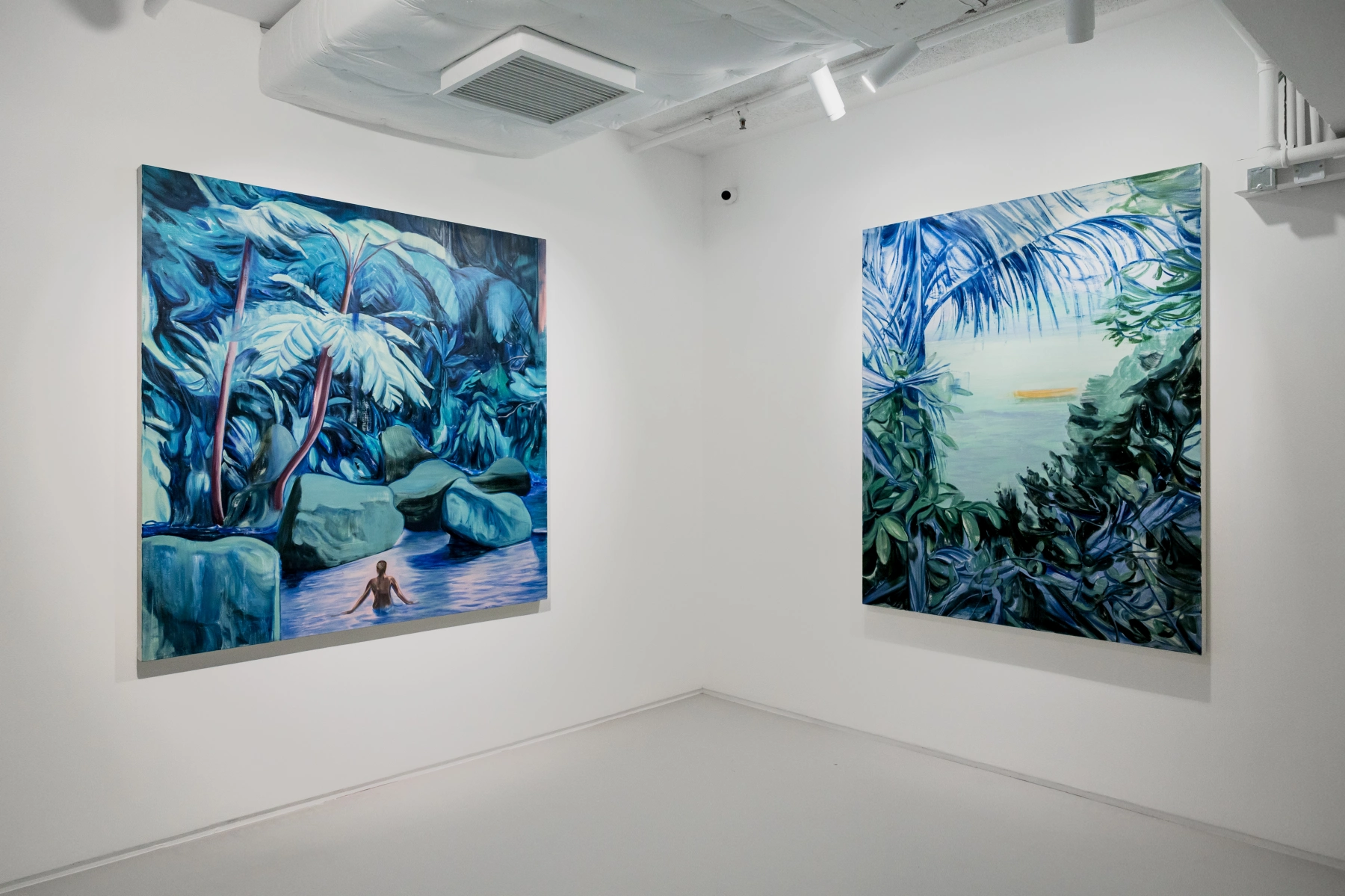
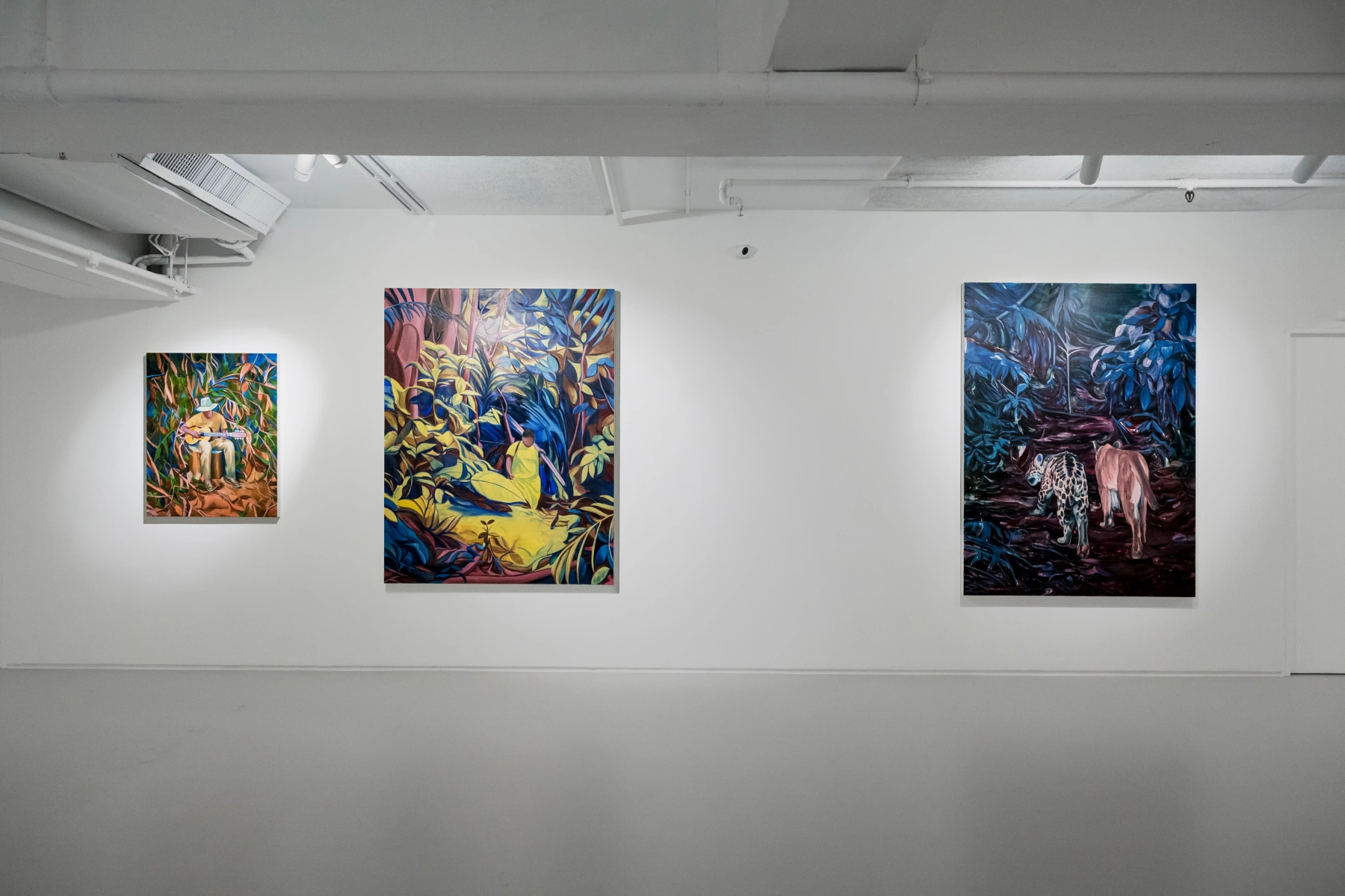
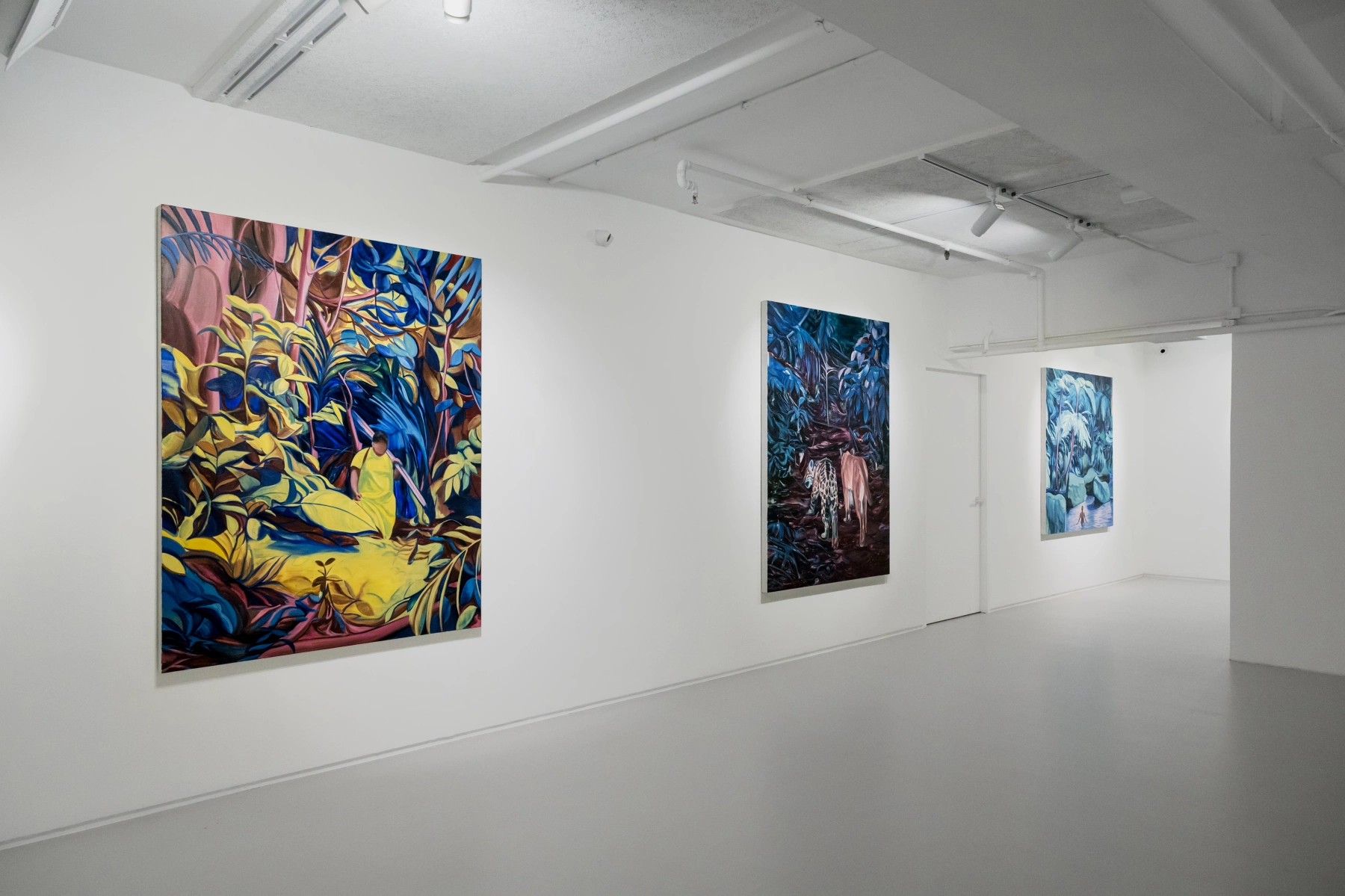
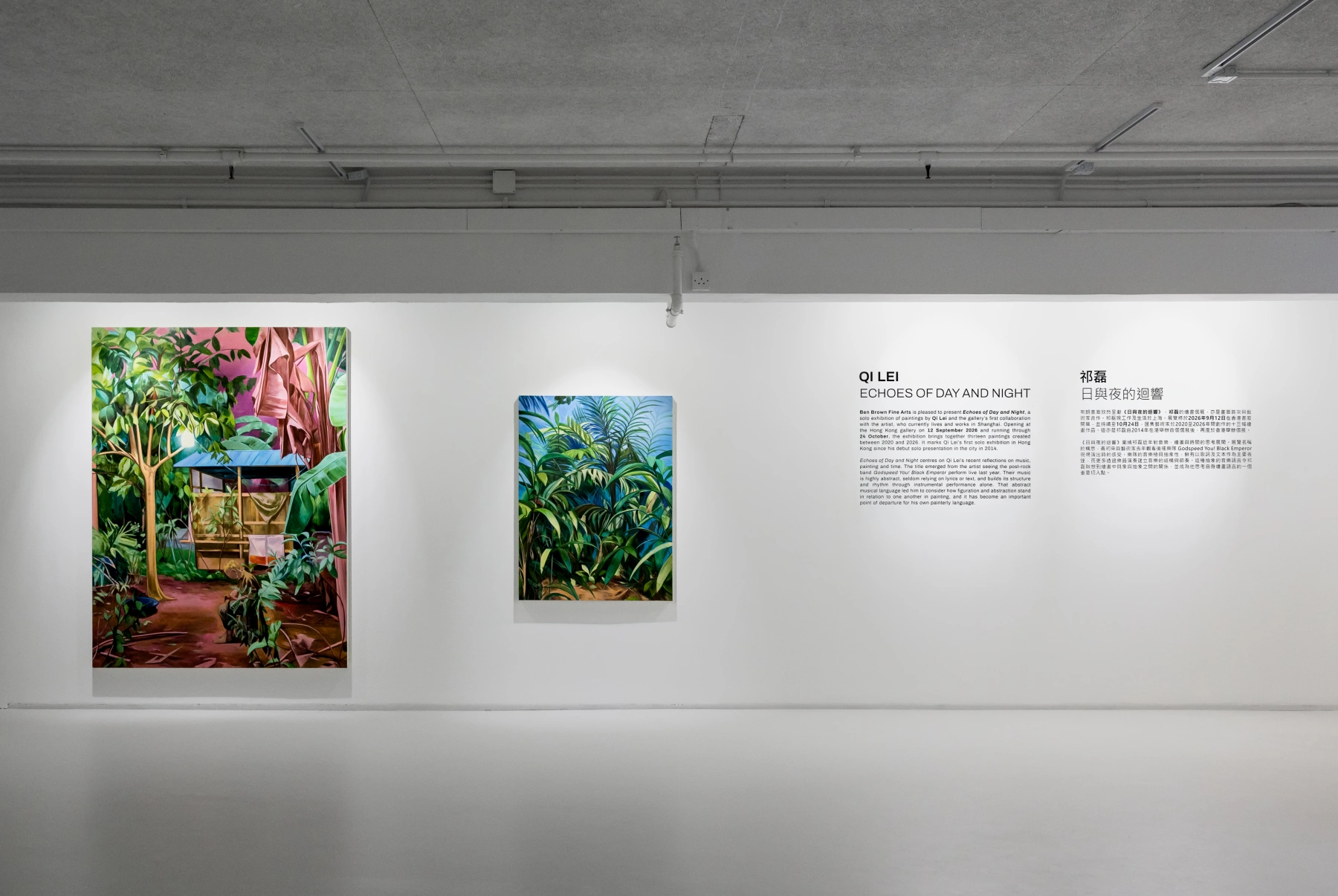
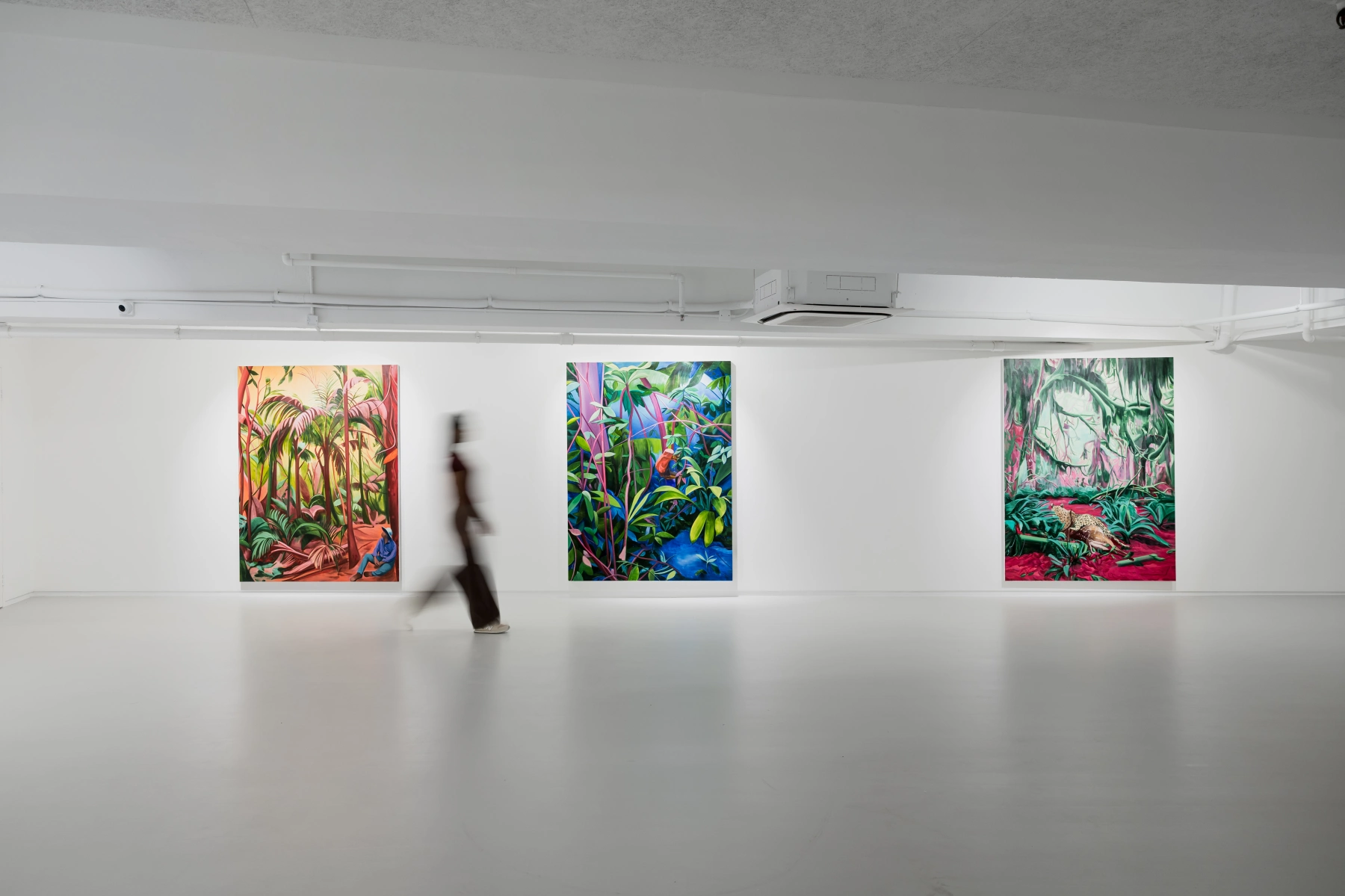
Echoes of Day and Night centres on Qi Lei’s recent reflections on music, painting and time. The title emerged from the artist seeing the post-rock band Godspeed You! Black Emperor perform live last year. Their music is highly abstract, seldom relying on lyrics or text, and builds its structure and rhythm through instrumental performance alone. That abstract musical language led him to consider how figuration and abstraction stand in relation to one another in painting, and it has become an important point of departure for his own painterly language.
For Qi Lei, Echoes of Day and Night points, on the one hand, to the relationship between figuration and abstraction in painting, and on the other, to the passage and transformation of time. Morning Mist Rises at Dusk (2026) carries the temporal idea in its title. ‘Morning mist’ and ‘dusk’ seem to belong to opposite ends of the day, yet with no clock to consult and only the eye to judge the changing light, dusk and dawn can be remarkably hard to tell apart, as can sunset and the moments before sunrise. These are the hard-to-place moments that interest Qi Lei, along with the transition from one state of time to the next.
The same concern runs through Qi Lei’s thinking about figurative and abstract languages in painting, which he sees not as separate things but as a balance to be sought again with every work. He paints primarily in a figurative language, and one question it keeps putting to him is how to handle an image that already exists – how to dissolve the conventions of a ready-made picture and draw it back into the rhythm of painting itself. The aim is not to reproduce an image but to reorganise it.
Musical rhythm offers Qi Lei a way of approaching this question. Post-rock, with its abstract language, and the more classically inflected scores of Ennio Morricone have both prompted him to think about how a painter controls rhythm, through composition, through the relationships between colours, through the way one part of a picture is coordinated with another. A painting keeps time much as music does. Qi Lei remains inclined towards traditional approaches to painting, beginning with composition and considering the rhythm of the picture, relationships between colours, and how its different elements work together. For him, what matters is not the use of software or artificial intelligence to generate an image in advance and subsequently create a virtual painterly language, but rather a return to painting itself and the negotiation of these relationships through the physical process of making a painting.
The influence of music on Qi Lei’s painting became particularly pronounced after 2020, and the exhibition includes a number of works begun during this period. He often listens to post-rock while working in the studio, and finds its abstract language feeding into the feel and movement of his brushwork; setting down the rhythm of a painting can resemble setting down notes.
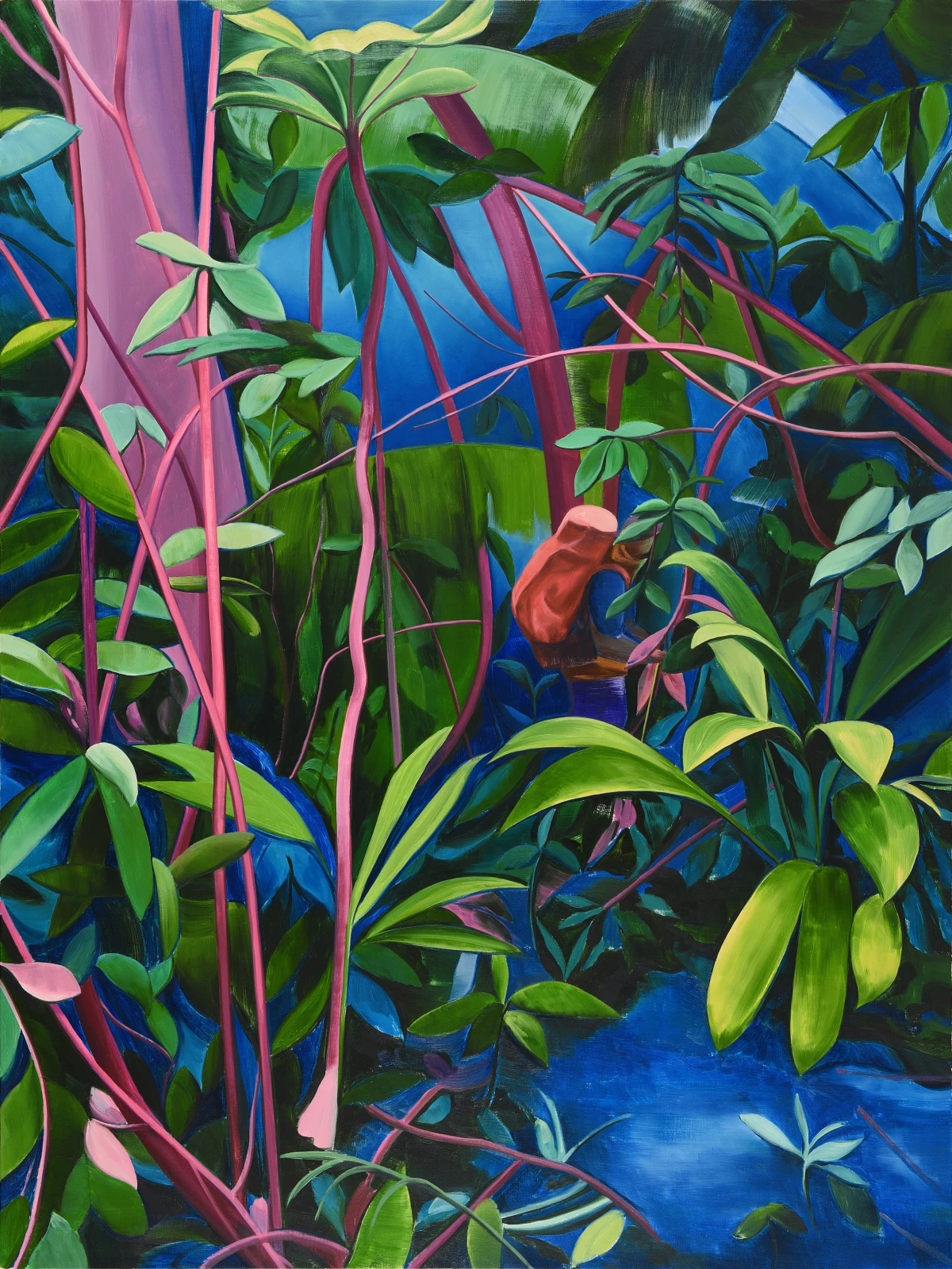
This concern is also reflected in the titles of the works. Jungle Echoes (2026), The Lonely Musician Before First Light (2026), Morning Mist Rises at Dusk (2026) and the earlier Blue Sonata (2020) all reach towards music or towards an hour of the day, and Blue Sonata borrows a musical form outright. The sense of brushwork and rhythm Qi Lei draws from abstract music is closely connected to the development of these works.
Time has become an increasingly important thread in his recent work, and one he gave less thought to in his earlier paintings. What draws him now are the fleeting, unstable moments in the course of a day – first light and its stillness, morning mist, the landscape before moonrise, the setting sun, dusk, and the onset of night before darkness has fully taken hold. These momentary changes fascinate him, and music has led him further still, to consider the whole progression from morning through to sunset.
The landscape subjects Qi Lei chooses belong to a long art-historical tradition. From the imagined forests of Henri Rousseau and Paul Gauguin’s Tahitian scenes to the more recent paintings of Peter Doig, landscape has been reinterpreted by artists in different ways. Caspar David Friedrich’s paintings likewise return frequently to night, to nocturnal seascapes and to dusk. These precedents resonate with Qi Lei’s own interest in dusk, night and the changing nature of time, situating his reflections on temporality within the broader tradition of landscape painting.
In Qi Lei’s paintings, facial expressions, hands and other parts of the body are often deliberately dissolved or obscured. He does not wish to overemphasise the identity of his figures, nor for skin colour or race to become the primary terms through which the works are discussed. These figures serve the painting first – skin, the body or the human form may be treated as a field of colour or a form within the picture, working alongside other painterly elements to construct the composition. His interest lies in how they function within the painting rather than in using them to articulate specific political or racial issues.
Alongside music and time, Qi Lei uses these recent works to reconsider landscape painting itself, a subject with a long history. Babette of the Jungle (2026) represents another direction in that exploration. Drawing on the way still-life painting handles composition and light, he approaches landscape as a kind of still life on a larger spatial scale: vegetation growing from the earth can be treated much as fruit, bread, food and other objects placed on a table – elements to be grouped, arranged and consciously reorganised by the painter. In Babette of the Jungle he deliberately controls the density and the spatial relationships between layers of foliage while simplifying the depth of the background, turning his thinking about composition and light in still life into another way of seeing and approaching landscape. The title is taken from Gabriel Axel’s 1987 film Babette’s Feast.
For Qi Lei, landscape, the figure and still life are all genres with long histories. How they might be reconsidered today and given new possibilities depends on an artist’s individual understanding and experience of images, emotion and other media, literature, music and film among them. Once those experiences enter the work they form the artist’s own painterly language – like a musical score written by the artist himself, one that only he can fully control.
Echoes of Day and Night gathers these concerns together – the abstract qualities of music, the rhythm of painting, the relationship between figuration and abstraction, and the transformation of time. Music moves between the figurative and the abstract, from recognisable text to purely instrumental performance, and that movement prompts Qi Lei to reconsider the same relationship in his own work; the hard-to-place hours between morning, dusk, sunset and night run through the paintings as a second thread. None of it resolves into a fixed answer. What Qi Lei continues to look for is that elusive yet precious space between figuration and abstraction.