19 East 64th Street, NY 10065, New York, United States
Open: Tue-Sat 10am-6pm
Artist: Pierre Soulages
Lévy Gorvy Dayan presents Pierre Soulages: Paintings on Paper, which features more than twenty of the French artist’s works on paper, the majority of which have never been exhibited before. The gallery collaborates on this presentation with the artist’s widow, Colette Soulages, to reveal the importance of the medium to Pierre Soulages’s groundbreaking oeuvre. Paintings on Paper marks the sixth solo exhibition of Soulages’s work presented by Dominique Lévy during her decades-long relationship with the artist and his estate.
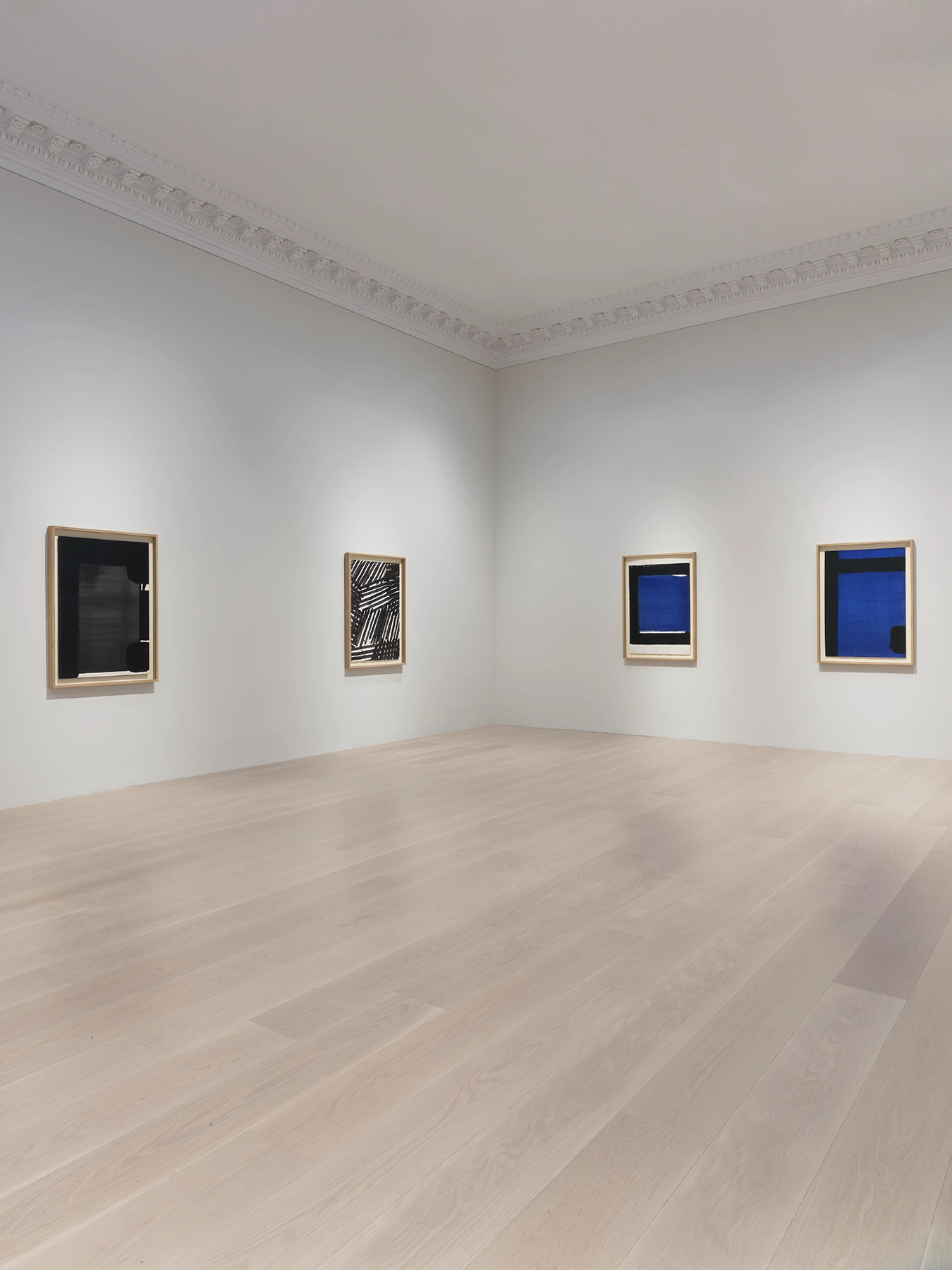
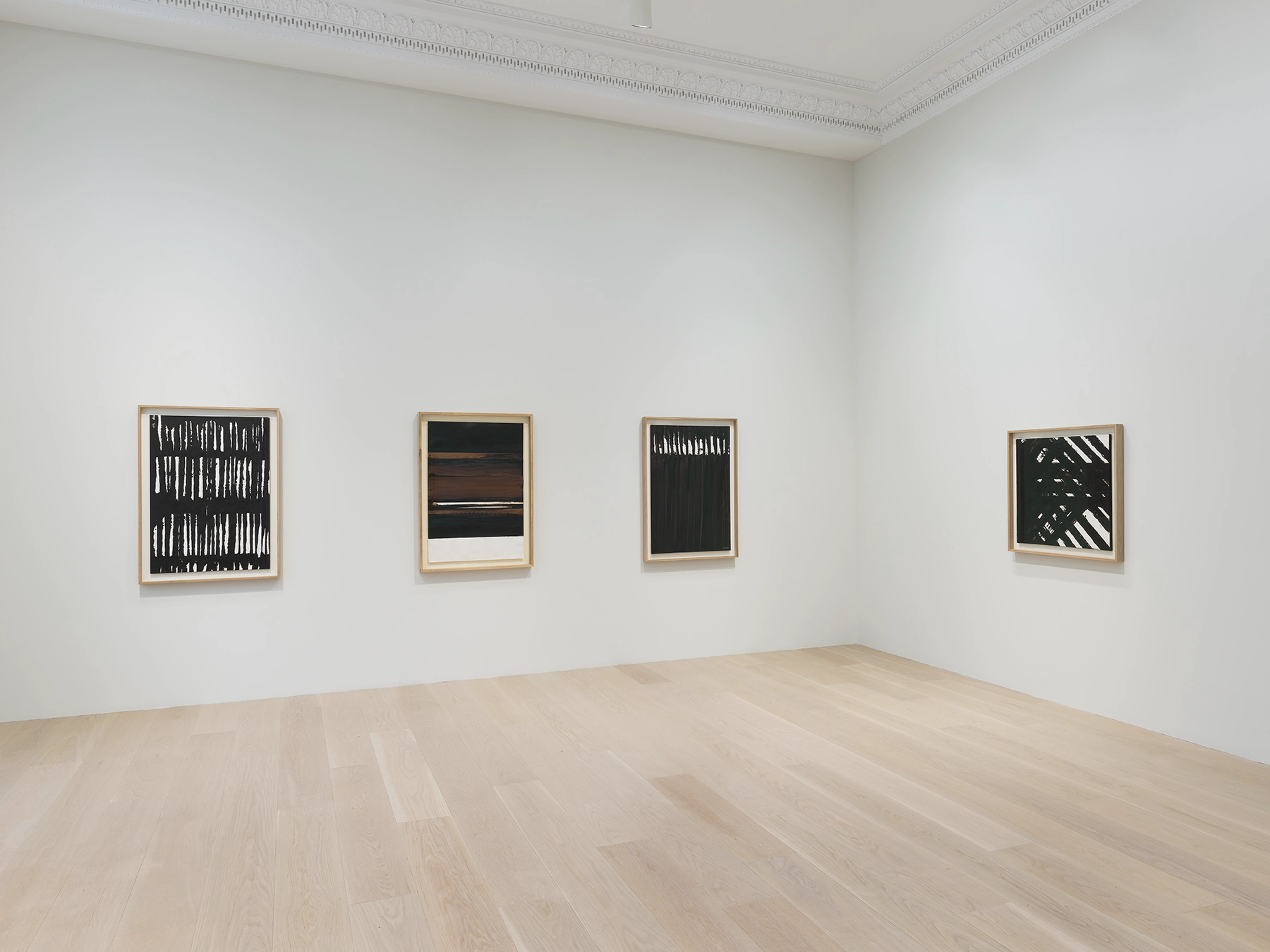
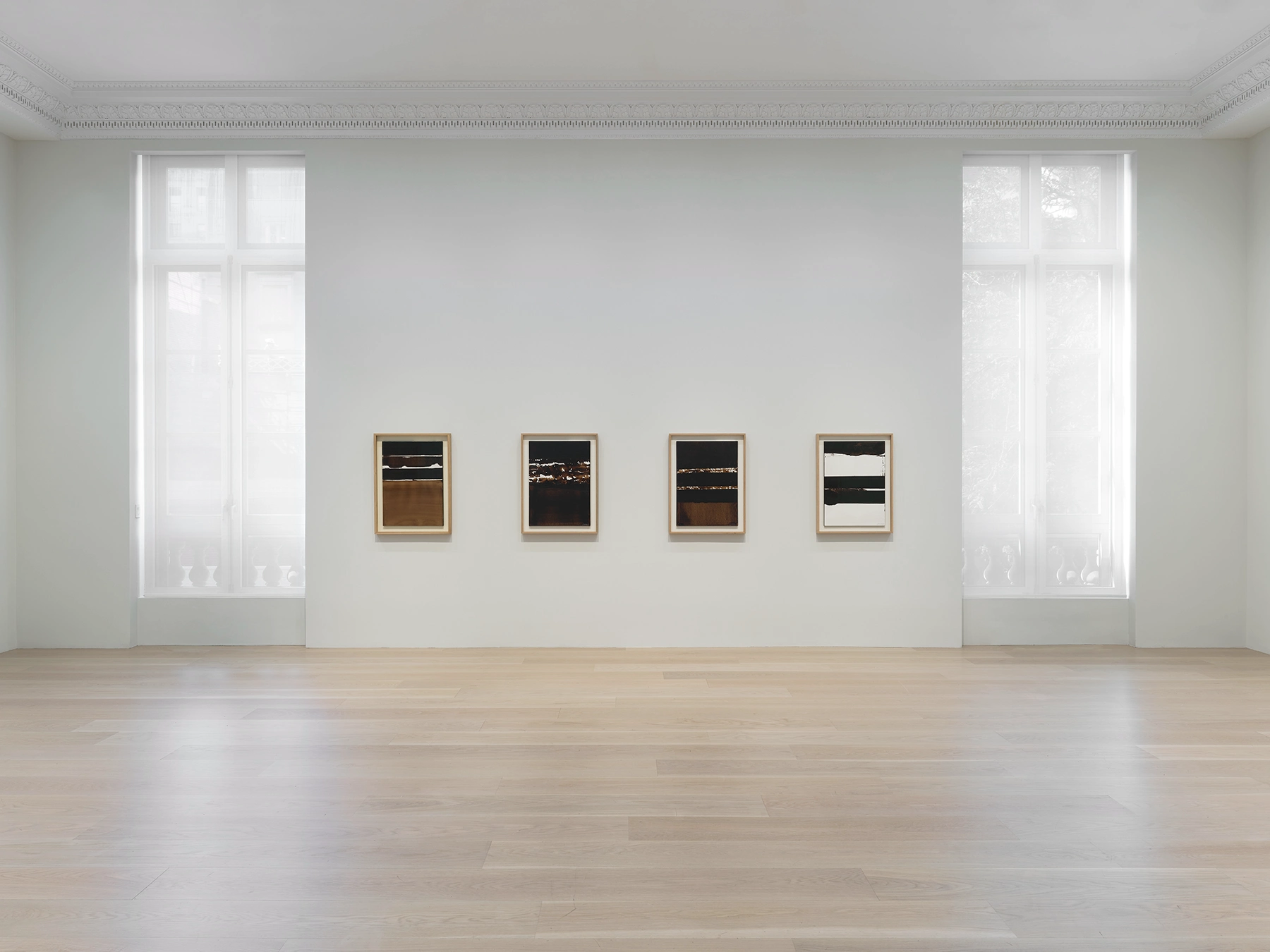
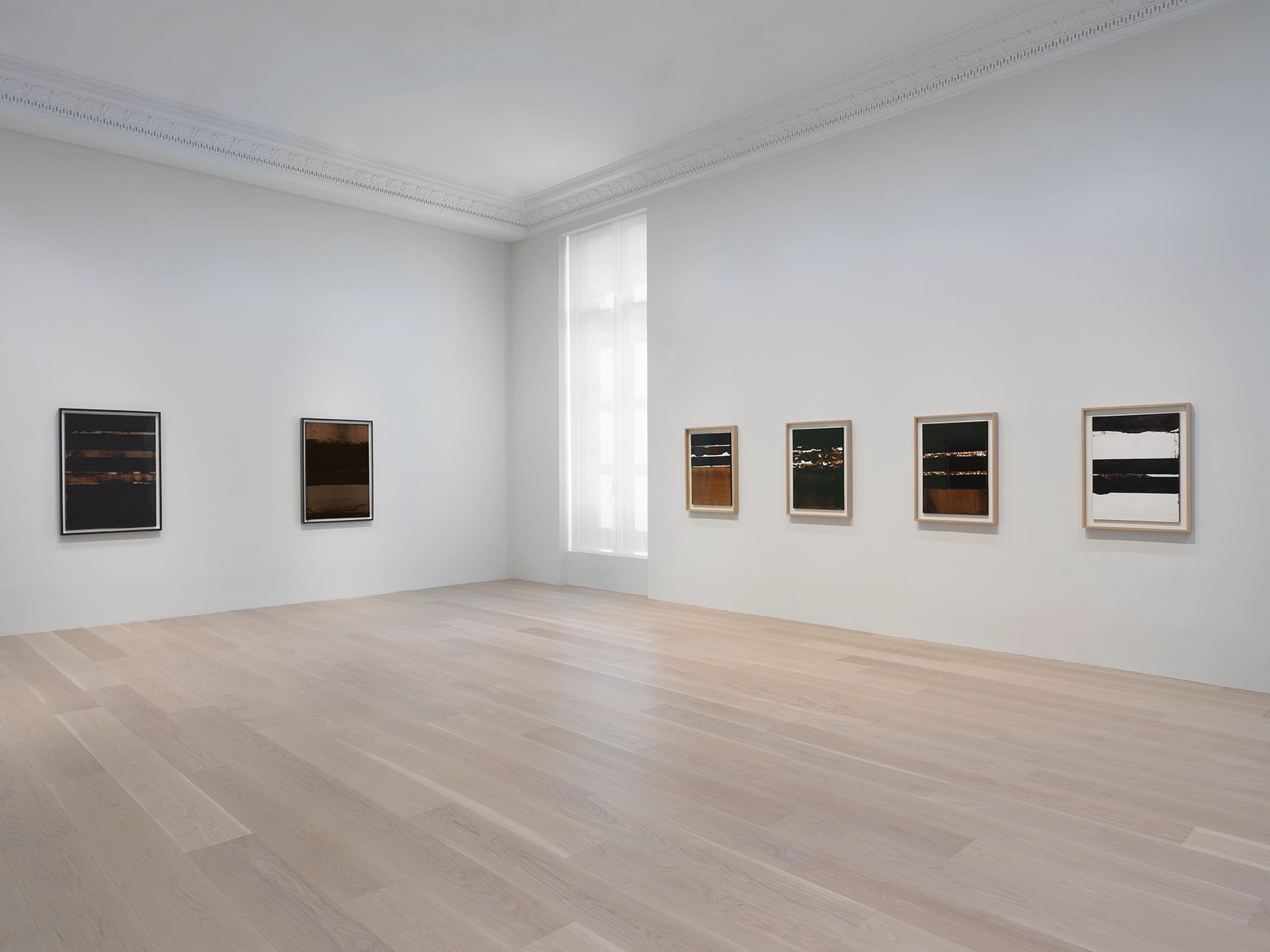
The medium of paper is foundational to Soulages’s artistic practice, dating back to the mid-1940s. Paper was his first support, and he evolved his body of paintings on paper alongside and independently to his canvases; the paper works often anticipating developments he would bring to his oil compositions. Arguably, the artist’s works on paper are the purest form of his painterly expression. Rendered in walnut stain, gouache, and ink, they express his unconstrained creativity. Unlike his canvases, Soulages did not need to determine the format of his paintings on paper in advance and wait for a stretcher to be prepared. Instead, on the paper support, he could immediately capture his, in his words, “inner imperative.” Further, Soulages gravitated to the swift rhythm of working on paper; the fluidity of his pigments and the absorptive nature of his support requiring rapid decision-making and denying opportunities for changes or corrections.
Importantly, as Pierre Encrevé, the author of Soulages’s catalogue raisonné, notes, the artist’s paintings on paper are autonomous and do not constitute studies for the canvases. He states, “Paper never functions as the place for making sketches that the canvas might then lead to completion; rather, it is a specific creative territory where freedom to experiment authorizes what sometimes appears, after the event, as genuine prefigurations of what the painter did on canvas only later.” He continues, “For Soulages, there has never been a hierarchy between works on canvas and works on paper.”
The earliest innovations that would determine the rest of Soulages’s storied career catalyzed on paper in 1947. Breaking with the figurative and colorful neo-Fauvist paintings of the School of Paris that were widely exhibited at the time, Soulages turned to walnut stain (brou de noix) on paper to create striking abstract compositions. He reflected, “It was with the walnut stain paintings that I was able to get myself together and obey a kind of inner imperative. The truth is that I felt restricted by oils. I’d used them before the war and I knew what the constraints were. One day, in a burst of impatience and temper, I grabbed some walnut stain and some housepainter’s brushes and unleashed myself on paper.” Traditionally used by artisans to dye wood, walnut stain represented a utilitarian, everyday material that the artist could control by way of concentrating or diluting the walnut powder. Its malleable fluidity and depth of hue—ranging from brown to black— created layered effects of transparency and opacity, especially when combined with the absorptive properties of paper.
Soulages sought similar flexible densities in his subsequent paintings on paper utilizing ink and gouache. These pigments allowed him to work with luminosity in different ways than in oil and acrylic on canvas. Across his paintings on paper, the white of the paper constitutes a compositional form. In these works, he seeks, as he described, an “[emerging] relationship with the ground: a painterly light sparked by contrast or the picture’s reflection of light.” Expanding his use of unconventional materials, Soulages took up scrapers, blades, sponges, and other tools of his own invention. He explained, “Not wanting to be tricked by the tools that were on offer and that didn’t suit me, because they were made for a kind of painting with a practice and an ideology that didn’t suit me, I made my own tools.” Soulages advanced his artistic experimentations with light on paper until 2004, creating a body of work featuring active and involved surfaces marked by an interplay of bold, saturated strokes and those seemingly illuminated in their transparency. While exhibited throughout the artist’s career, Soulages’s paintings on paper have been the subject of increased study, most recently through the donation of over one-hundred works in 2014 to the Musée Soulages, Rodez, France; a large-scale focused exhibition at the Musée du Luxembourg, Paris, from 2025 to 2026; and a forthcoming catalogue raisonné that will accompany that of the works on canvas.
Sign Up & Never Miss a Show