Open: Tue-Sat 11am-6pm
47 Yongfu Road, 200030, Shanghai, China
Open: Tue-Sat 11am-6pm
Visit
No One Is Looking at You
Jenxuan Gallery, Shanghai
Artists: Paul P. - Eikoh Hosoe - Jonathan Wateridge - Tom Wesselmann - Anthony Cudahy - Bernadette Kelly - Xuteng Chén - Lin Hongjing
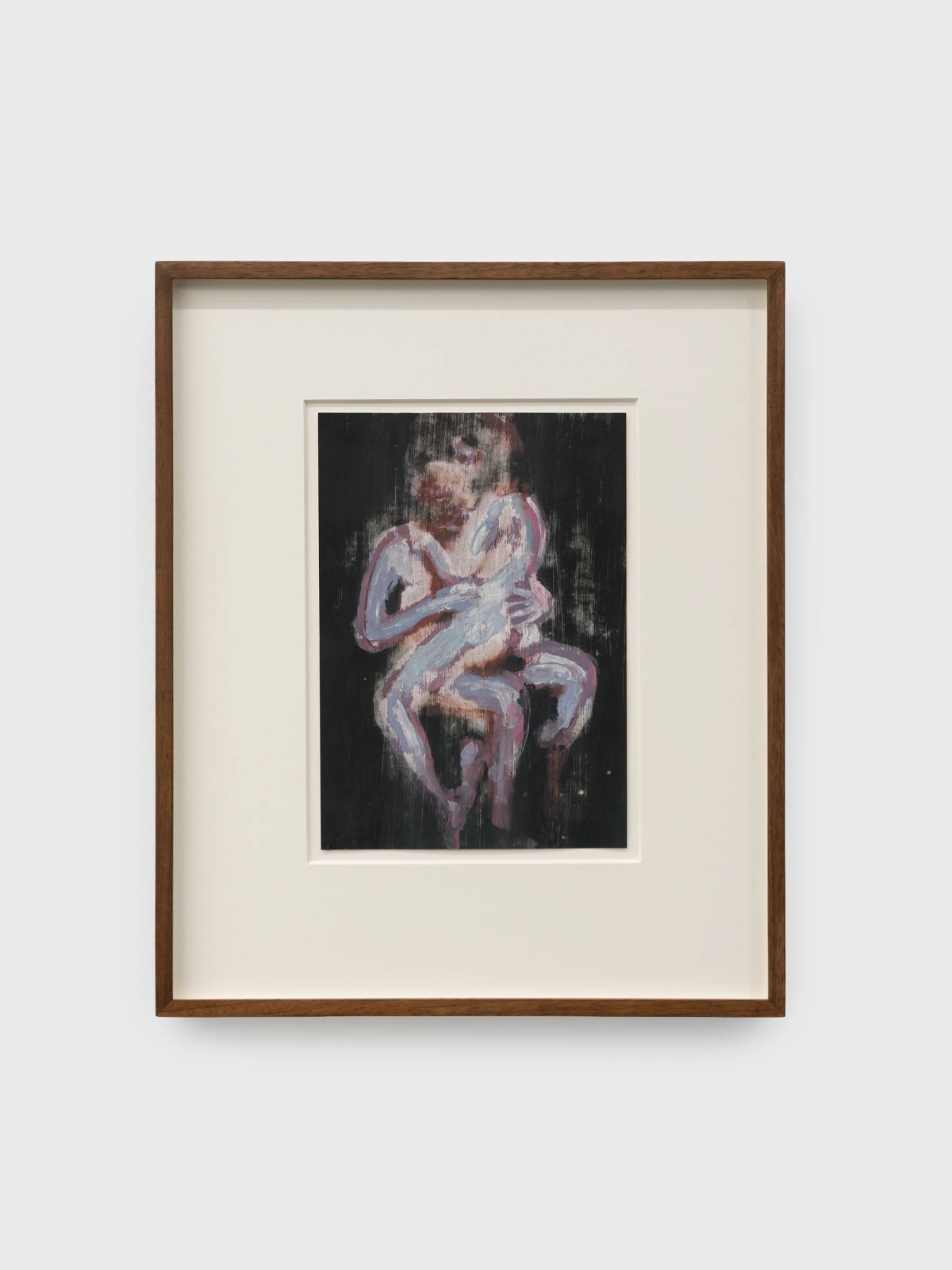
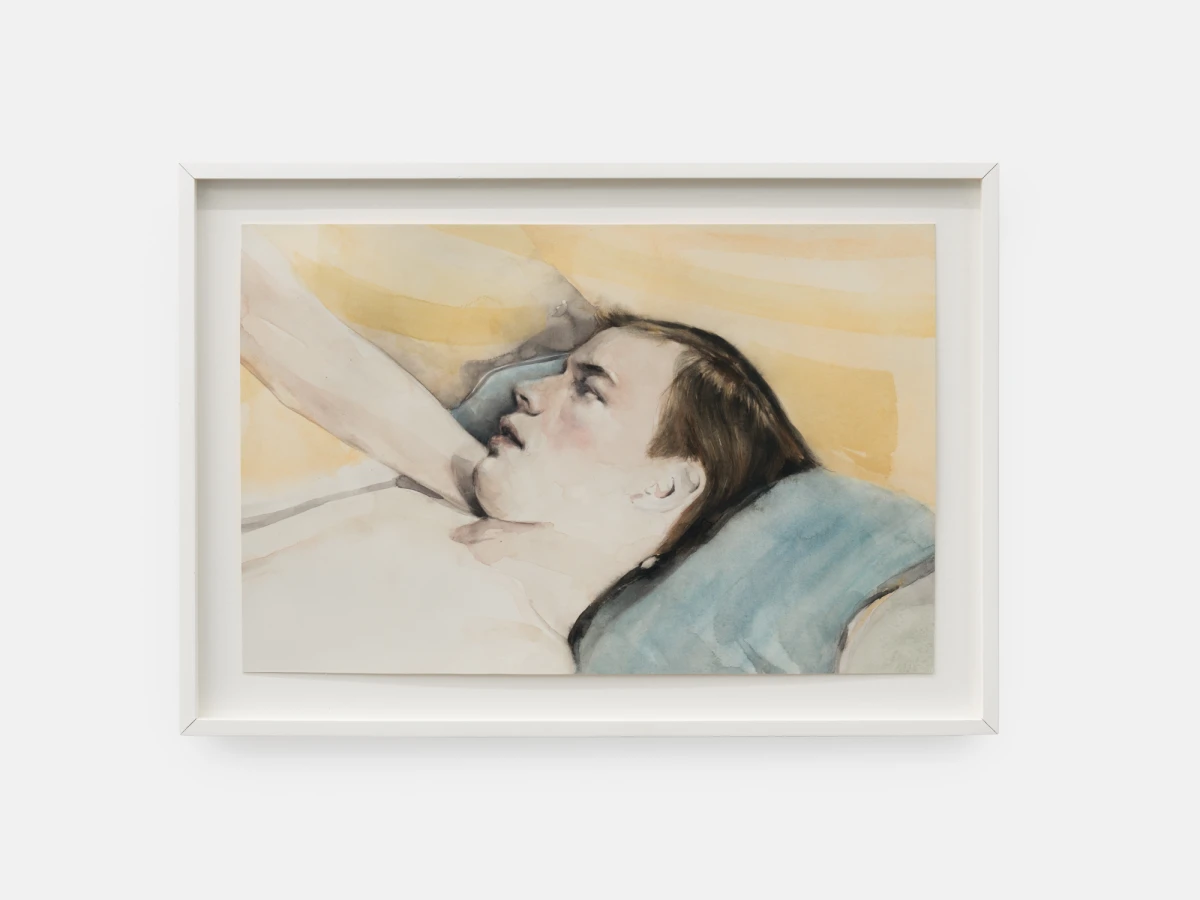
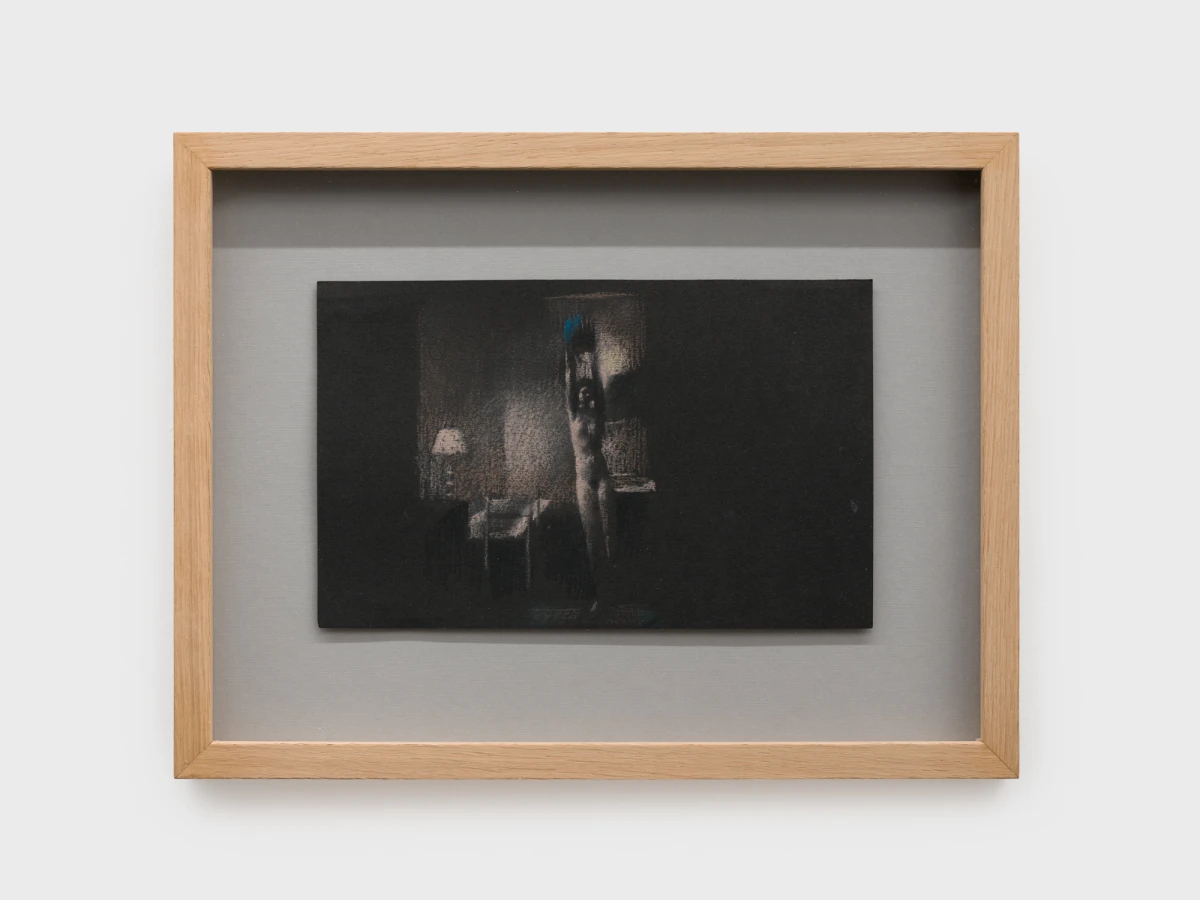
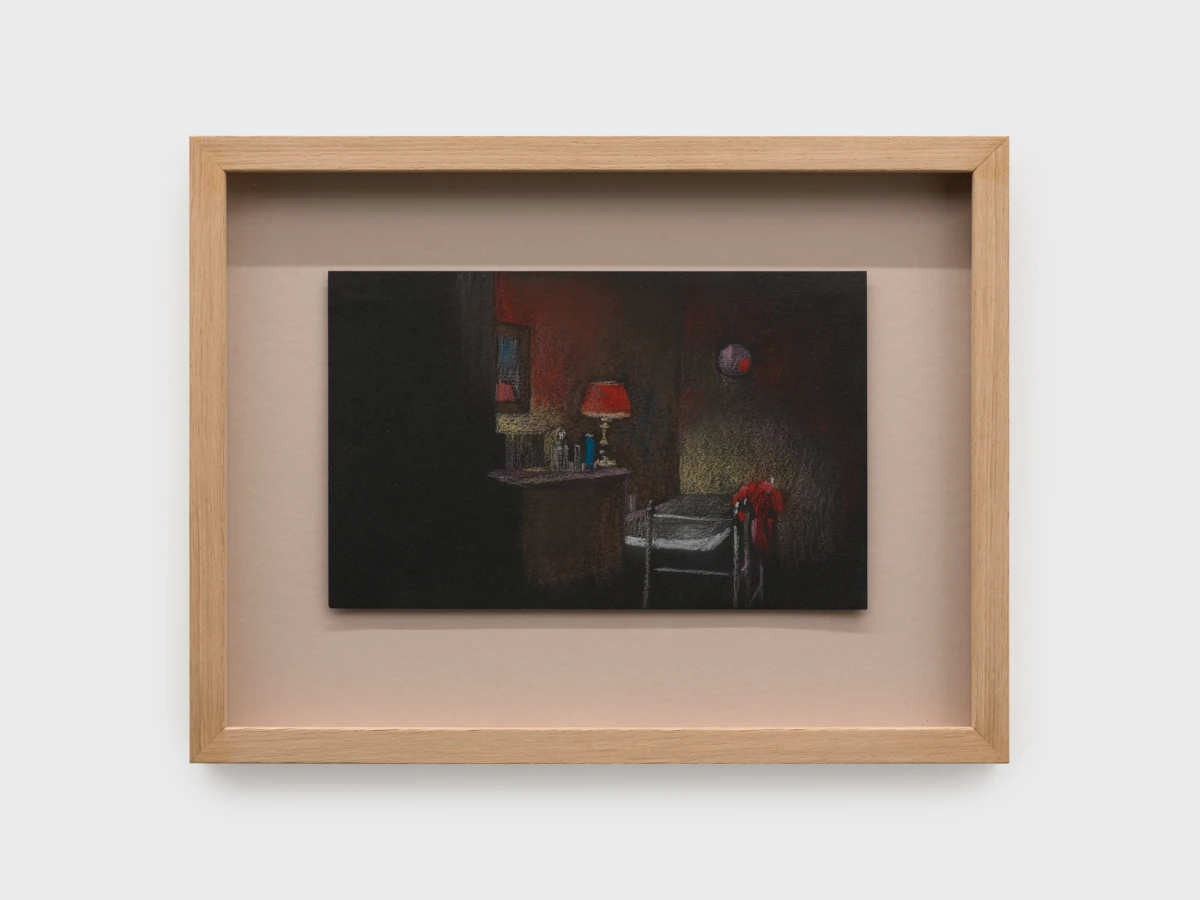
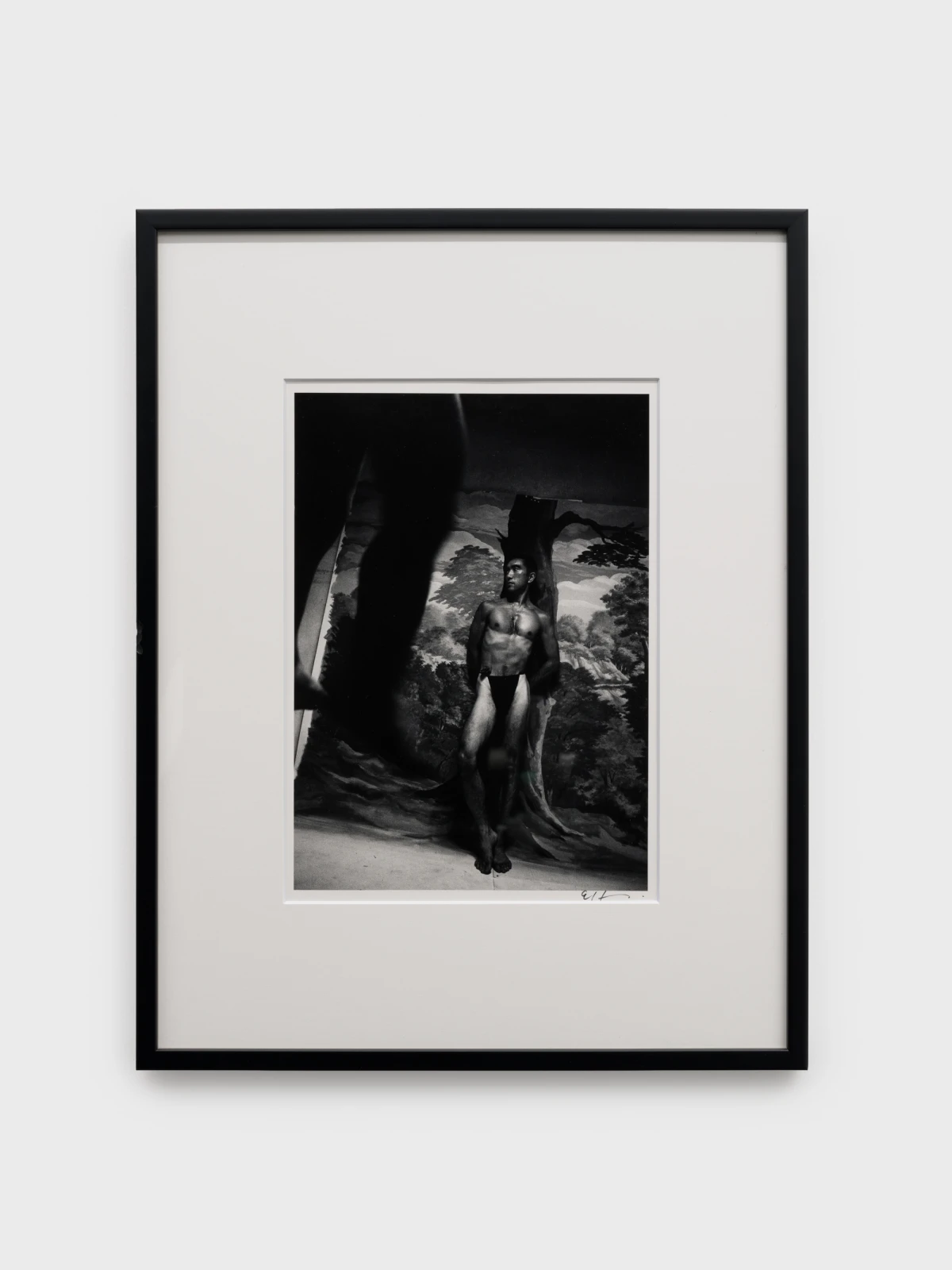
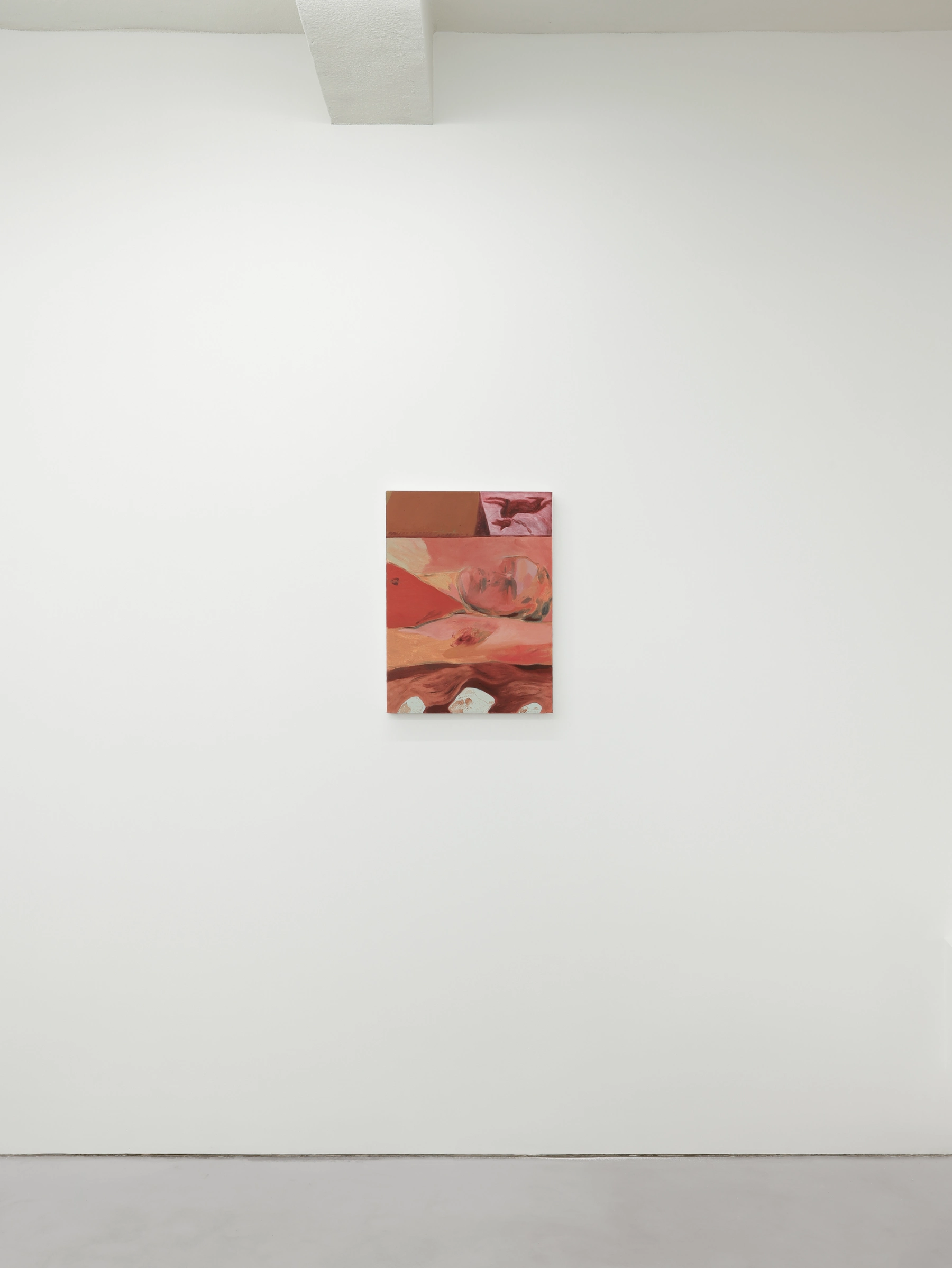
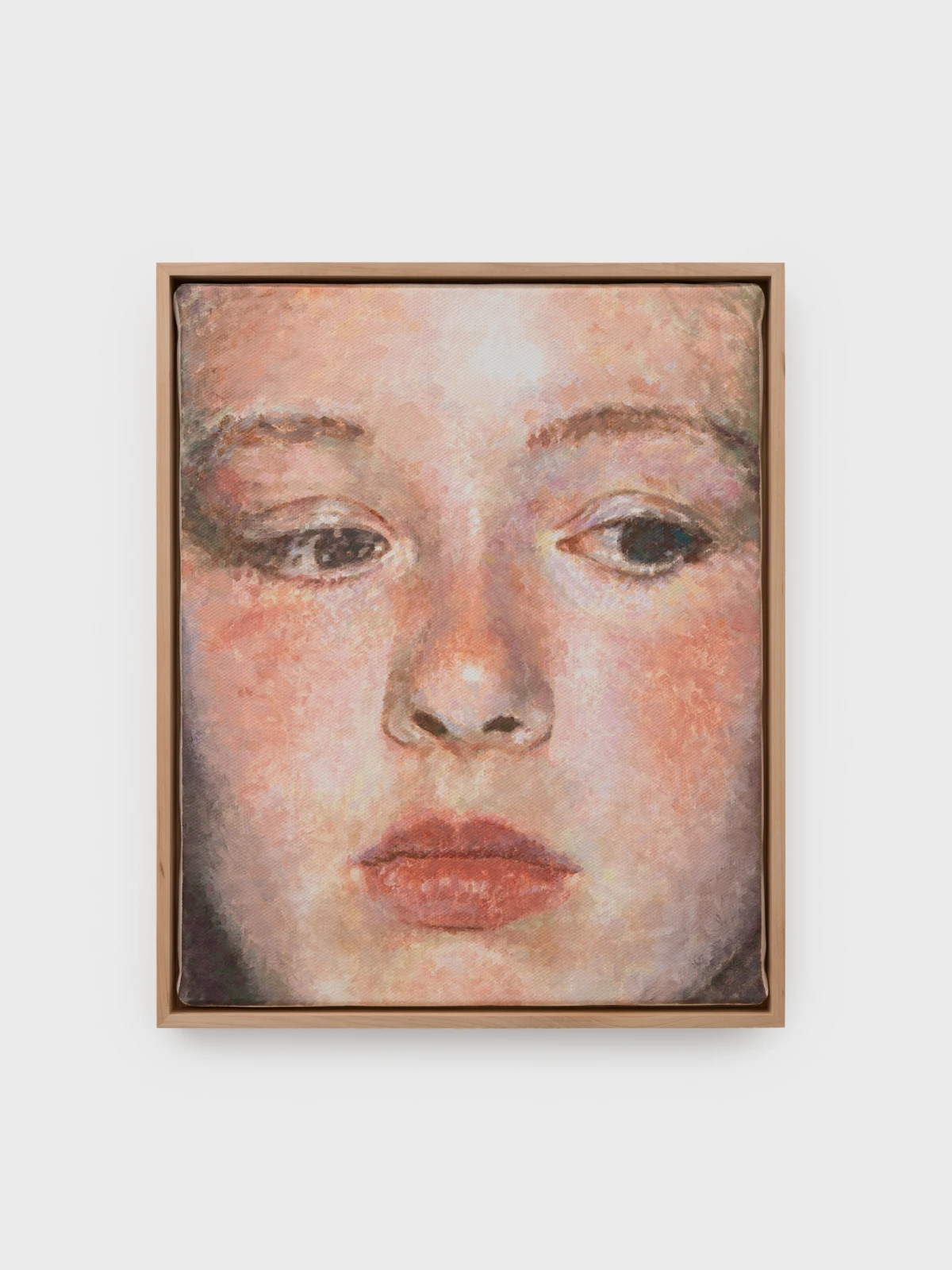
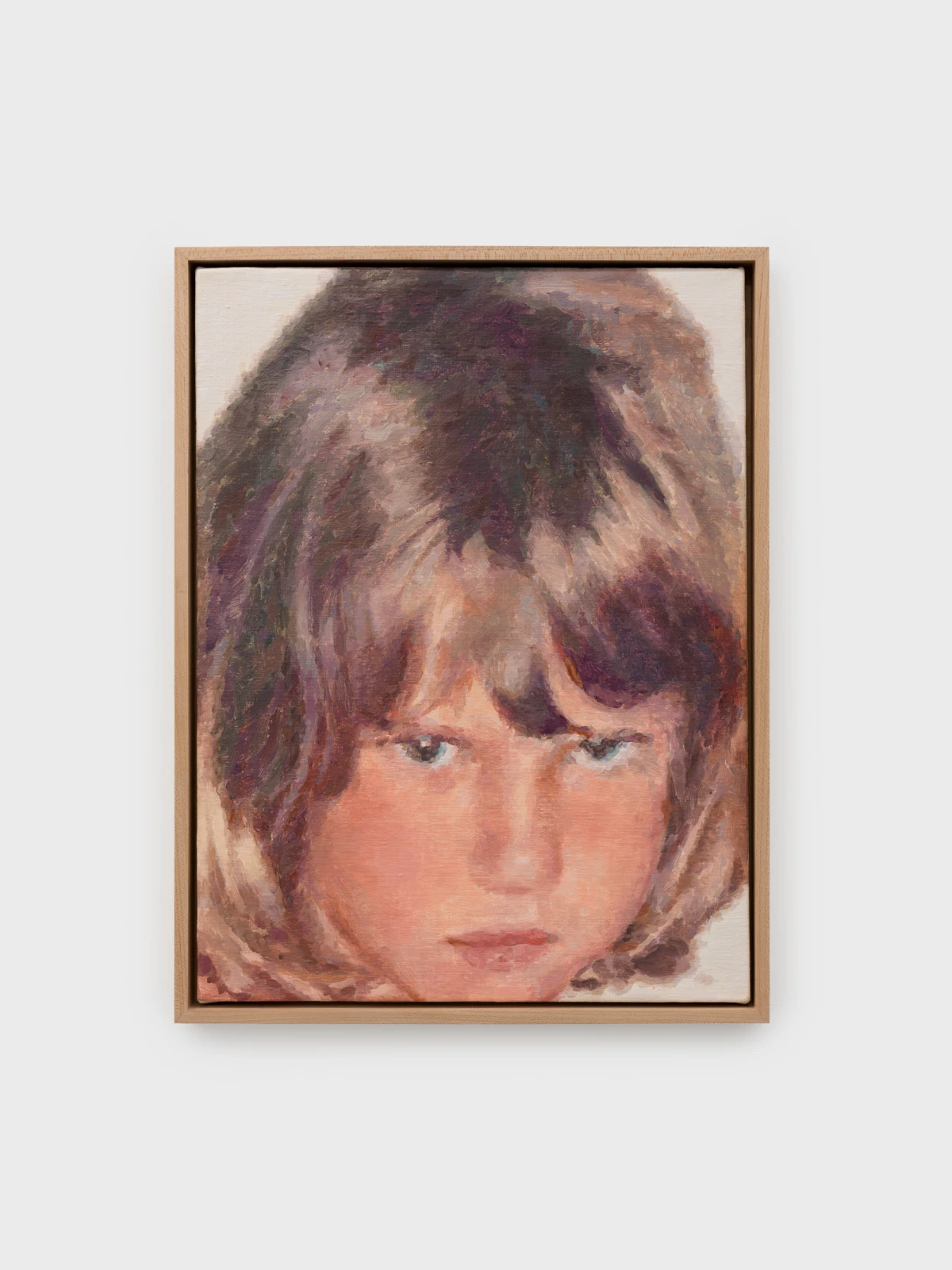
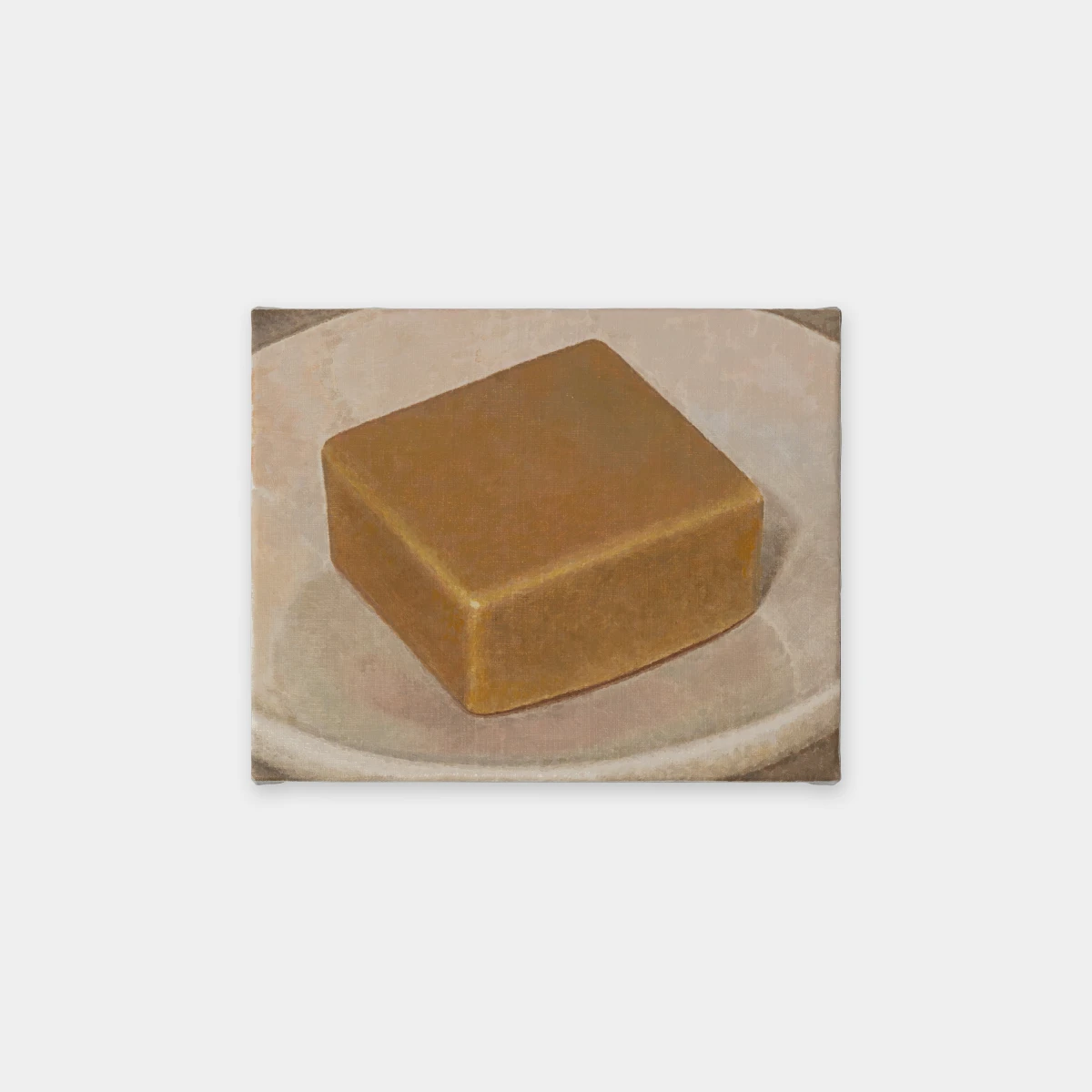
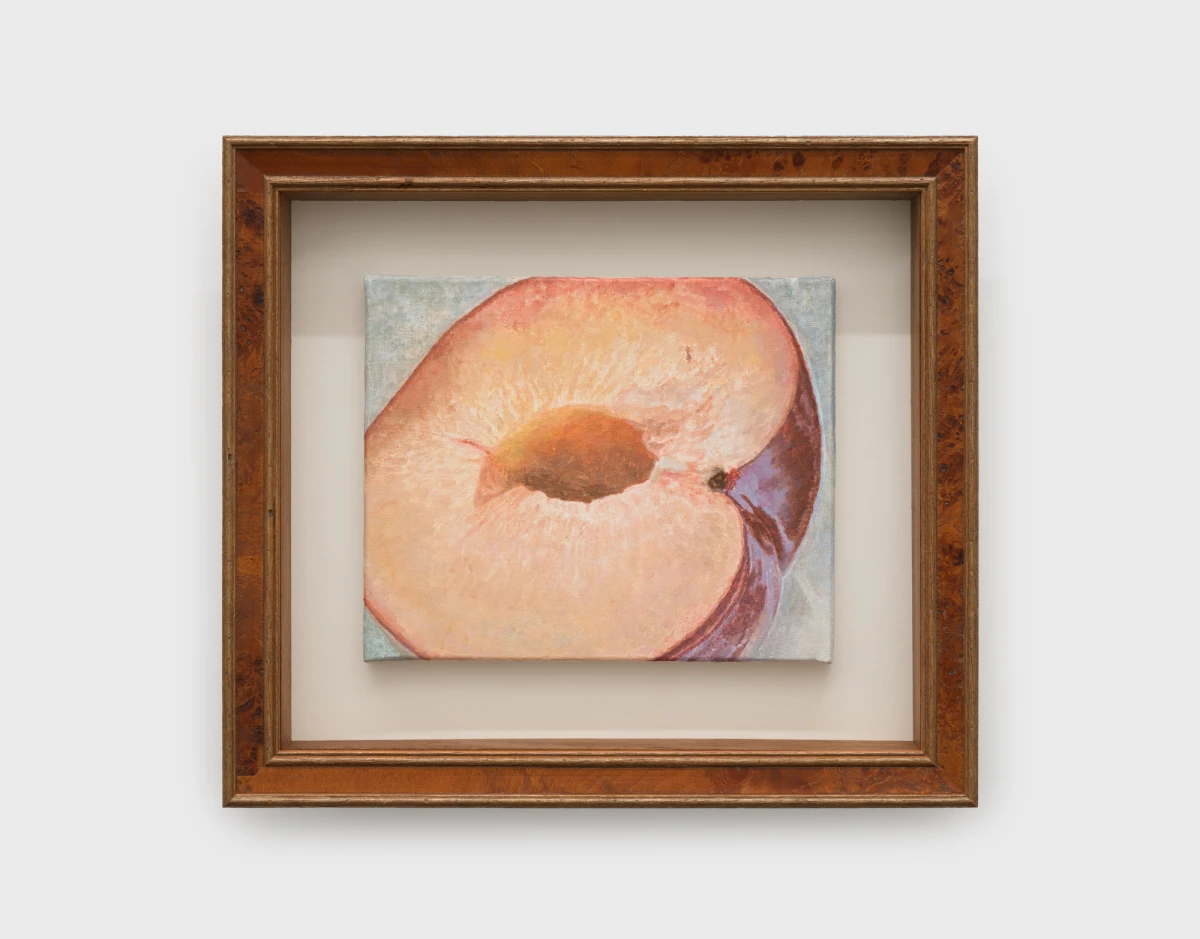
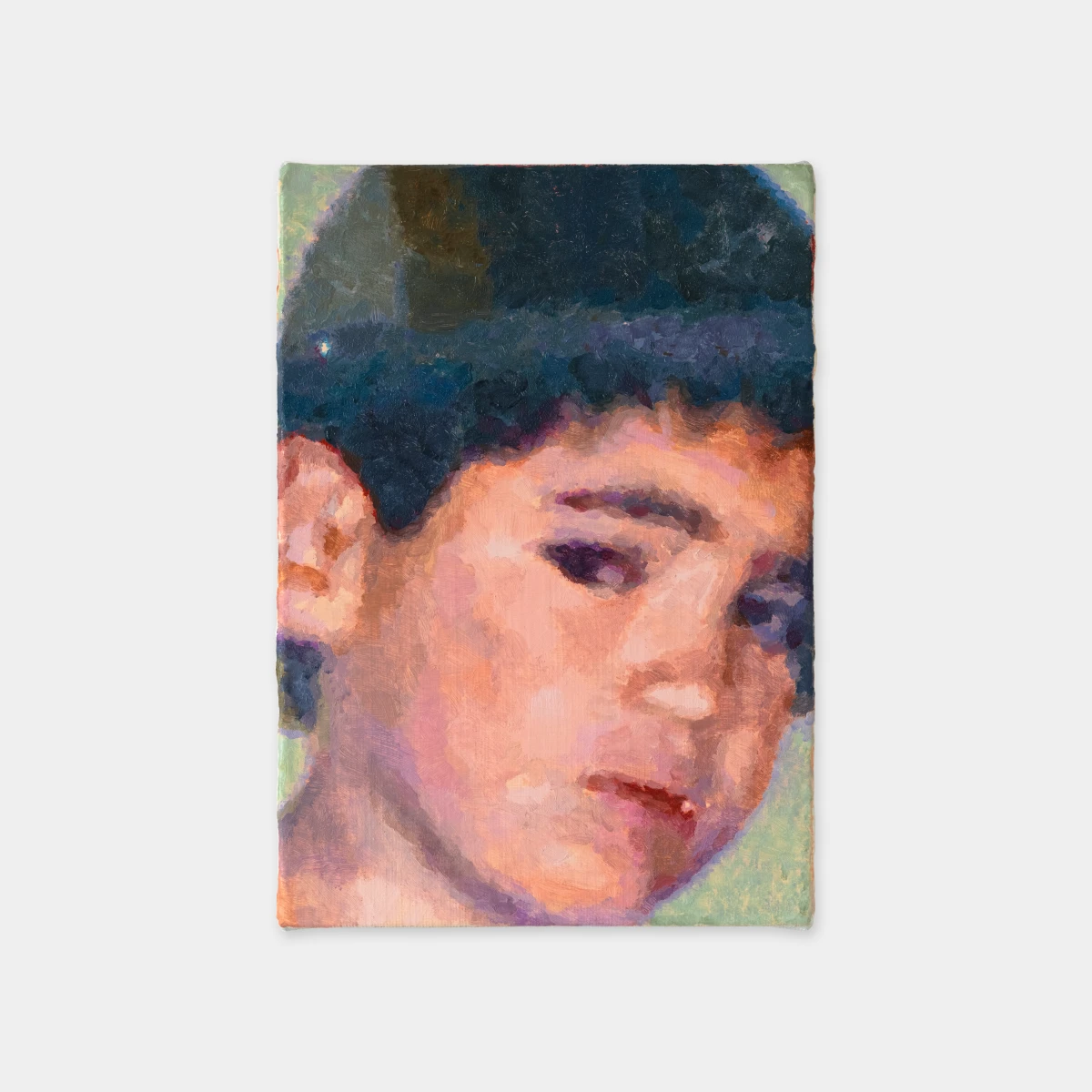
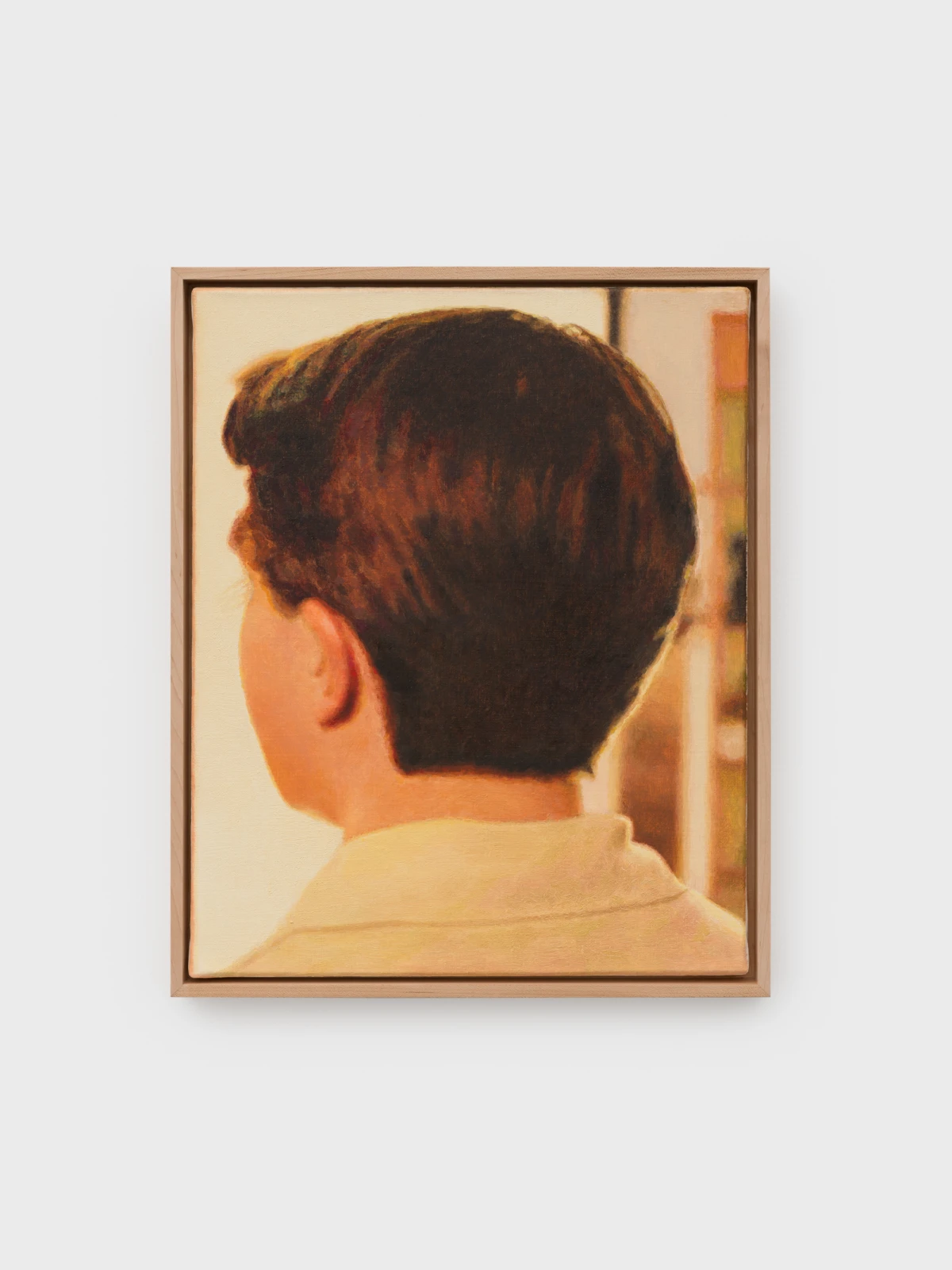
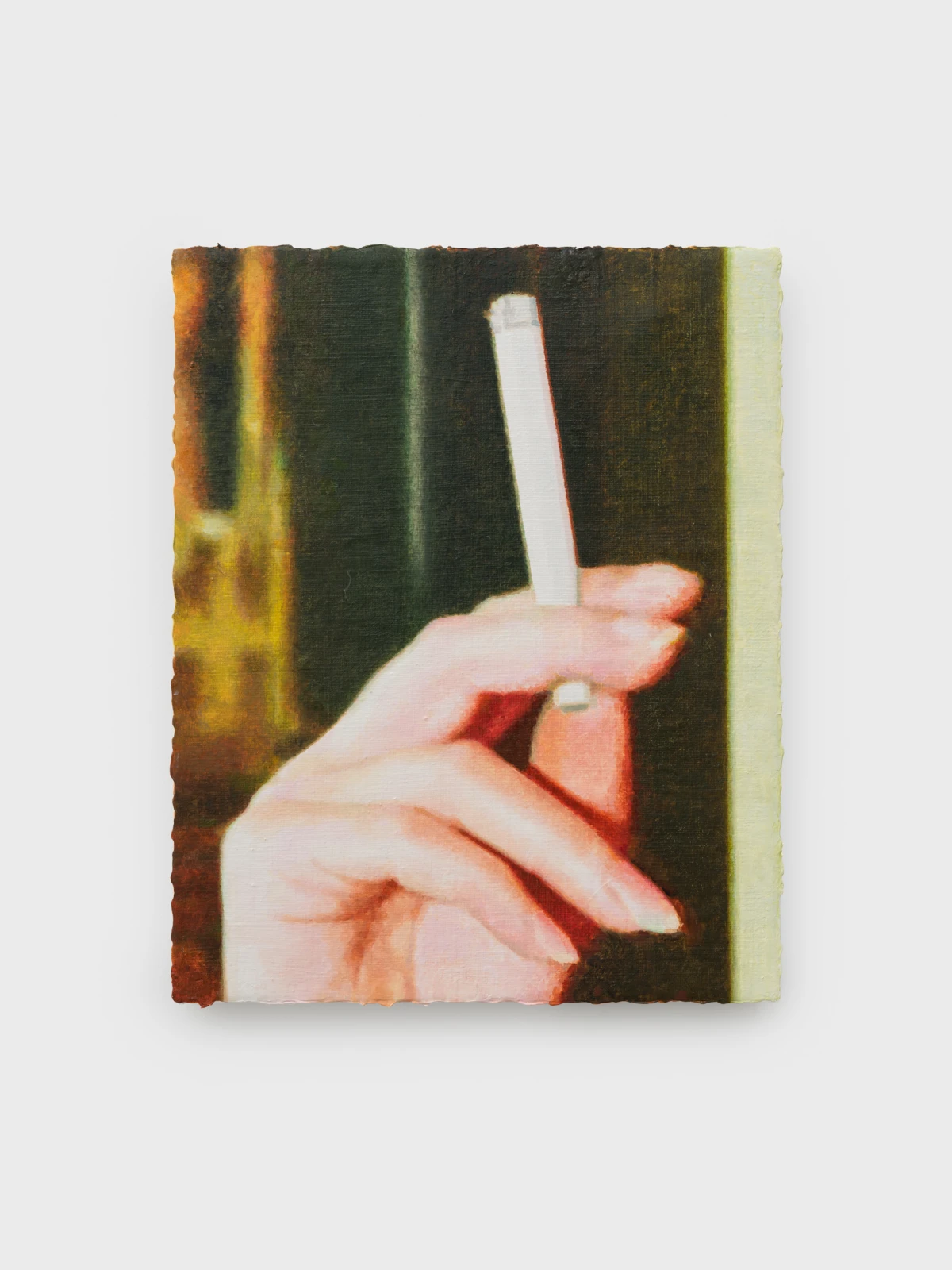
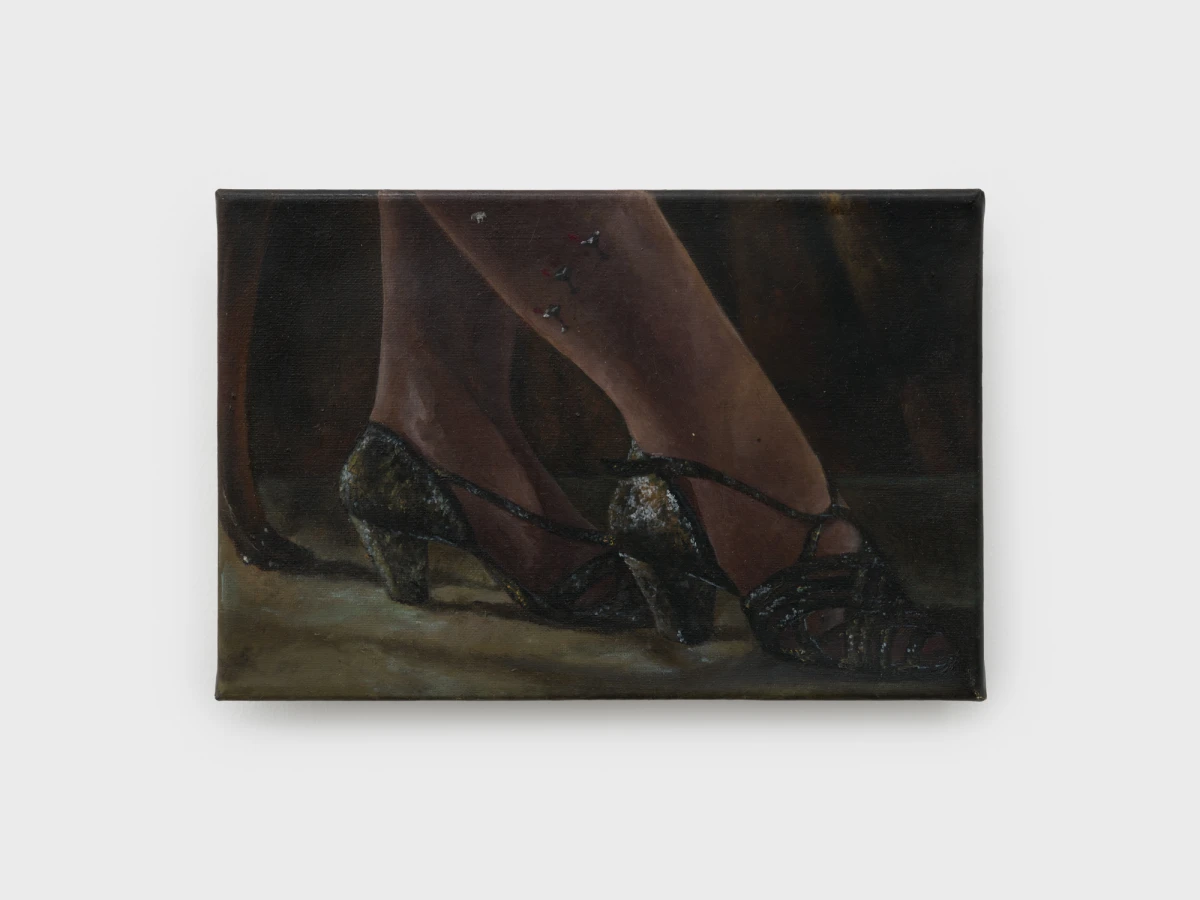
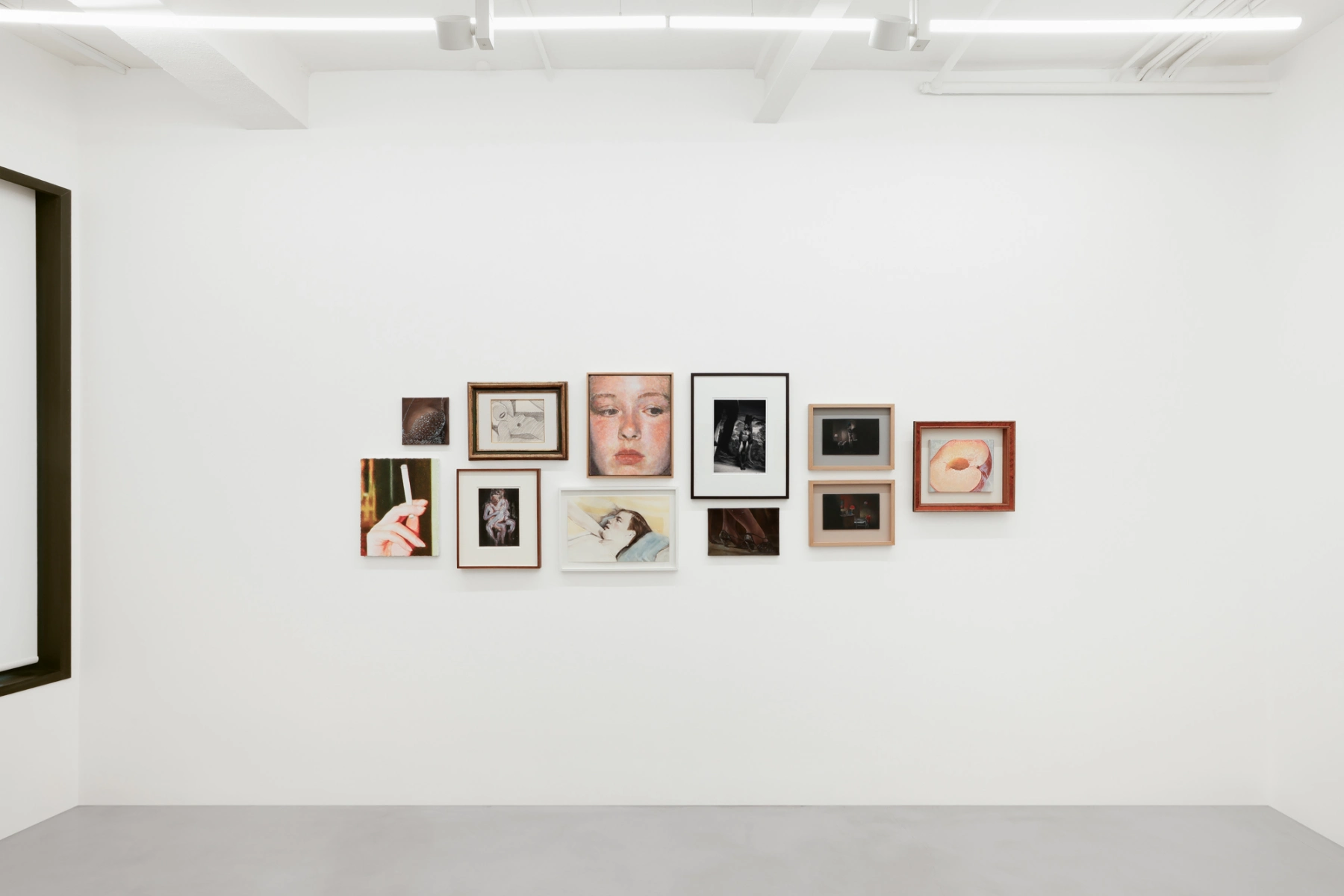
David Sedaris tells a truly absurd story of self-rescue in his essay collection Naked. To get over his shame about his own body, he spent a week at a nudist camp and discovered that when everyone is naked, no one looks twice at anyone. Taken to its extreme, exposure becomes a kind of invisibility.
No One Is Looking at You presents exactly this condition: the moment when the gaze from outside disappears, when being seen stops meaning anything, and a person slowly withdraws into the time spent with themselves. Unrehearsed gestures, wandering thoughts, and the feelings that surface only when no one is watching all find their place here.
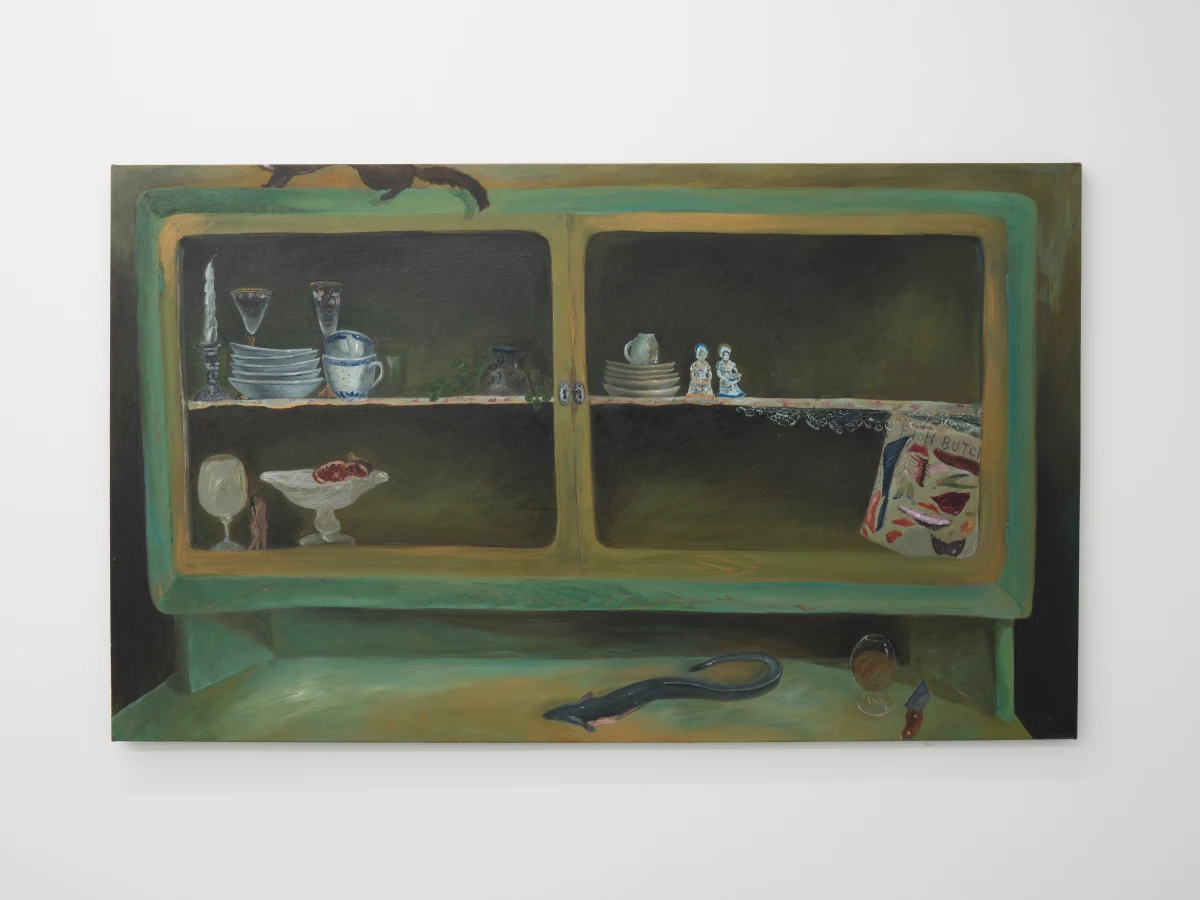
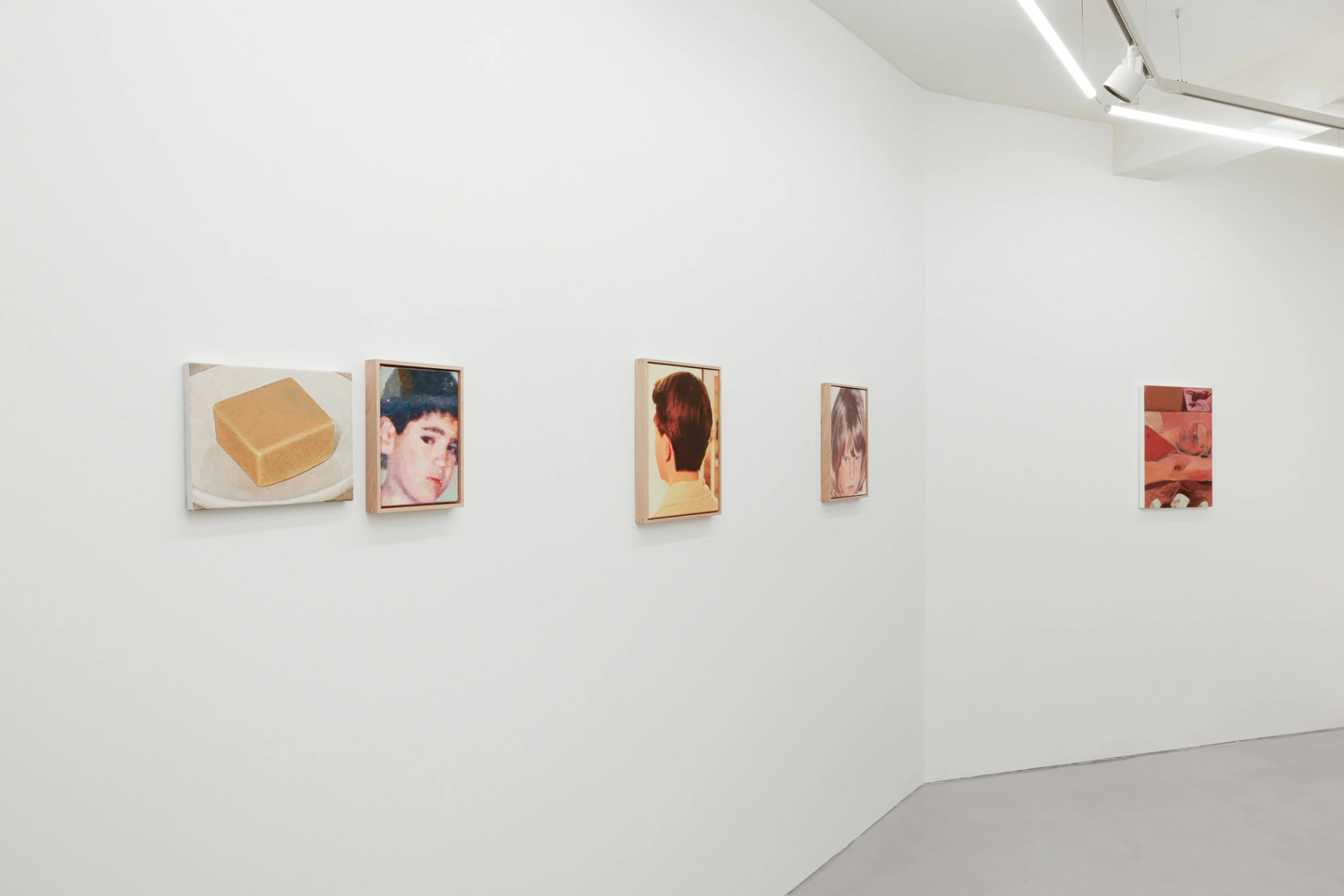
Hongjing Lin, who studied at the Accademia di Belle Arti di Venezia, paints a cupboard heavy with mystery in “Eel Blood”: stacked bowls and plates, glassware, a black eel wriggling on the counter. The scene feels like an extension of Bernadette Kelly's diptych “Nude” and “Interior”, and it brings to mind a line from Georges Perec’s Species of Spaces: “She lived surrounded by exceedingly gloomy furniture that she spent her time rubbing.” Objects handled and rehandled but never expecting to be shown to anyone, make up the most private part of a room. Or perhaps it recalls a line from Joan Didion's On Self-Respect: “One runs away to find oneself, and finds no one at home.” What the artists want to hold onto is precisely that private moment: the moment when no one is home.
The other side of privacy may be memory. Annie Ernaux opens The Years with the line: “All the images will disappear.” Elsewhere she describes a certain kind of moment, when fragments of a life float above other fragments, when present and past overlap without merging, when in an instant every form one has ever lived seems to return to the body at once. Looking back at the works in this exhibition drawn from personal memories and private archives, from Paul P. to Anthony Cudahy, the artists are doing the same thing: pressing a fleeting, disappearing memories into the canvas. What they depict is not only an image but also a state, a state resisting disappearance.
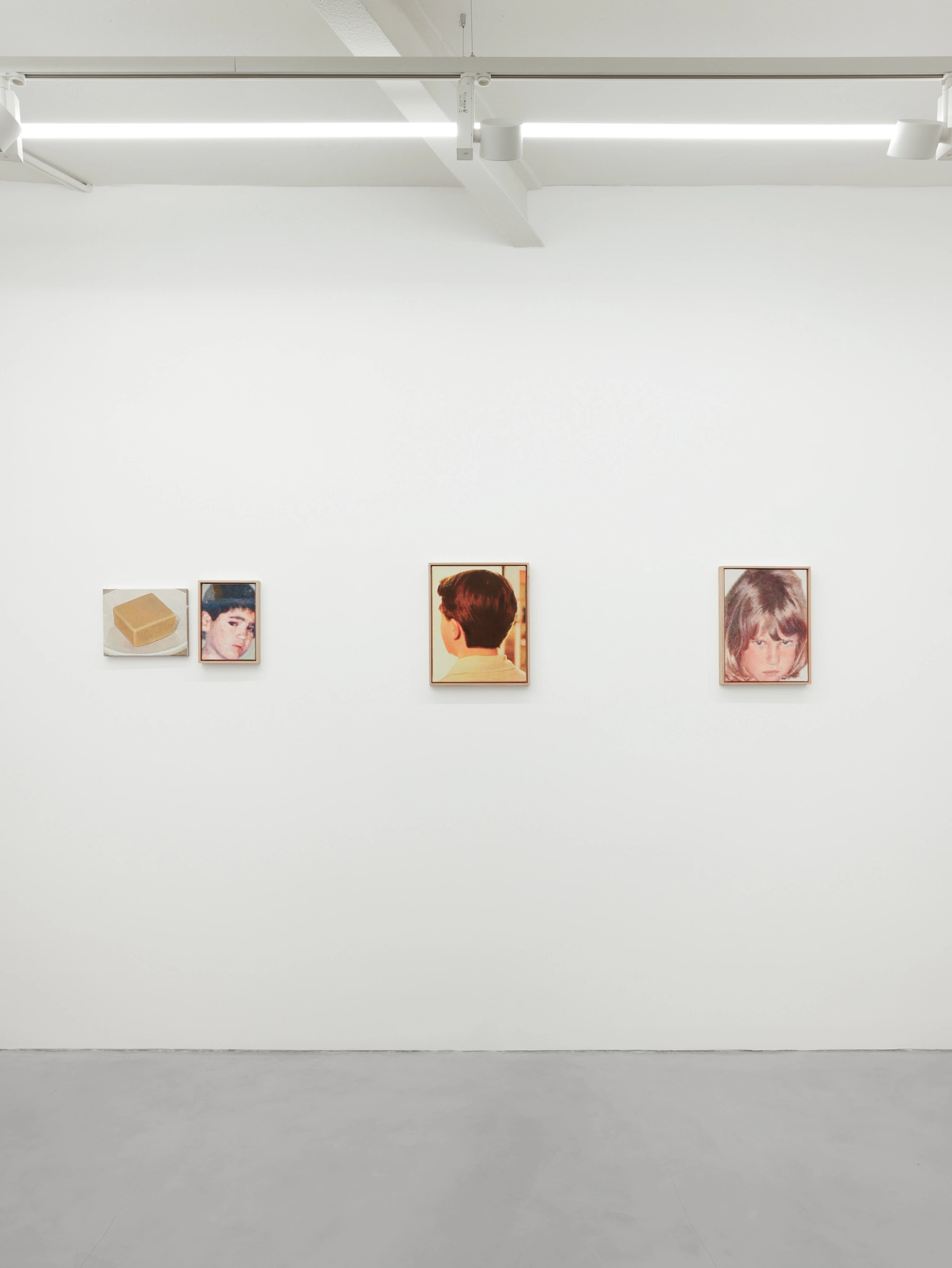
Xuteng Chén's paintings also begin with images drawn from social media and newspapers, and further, from film stills to personal photographs, images that flare up and are quickly replaced. He isolates a fragment, enlarges it, and strips it of its original context, so that what is familiar becomes strange again. An image moves from blurred pixels to small, pointillist brushstrokes, blending contemporary media with the techniques of classical painting, until it becomes a face that can be looked at for a long time.
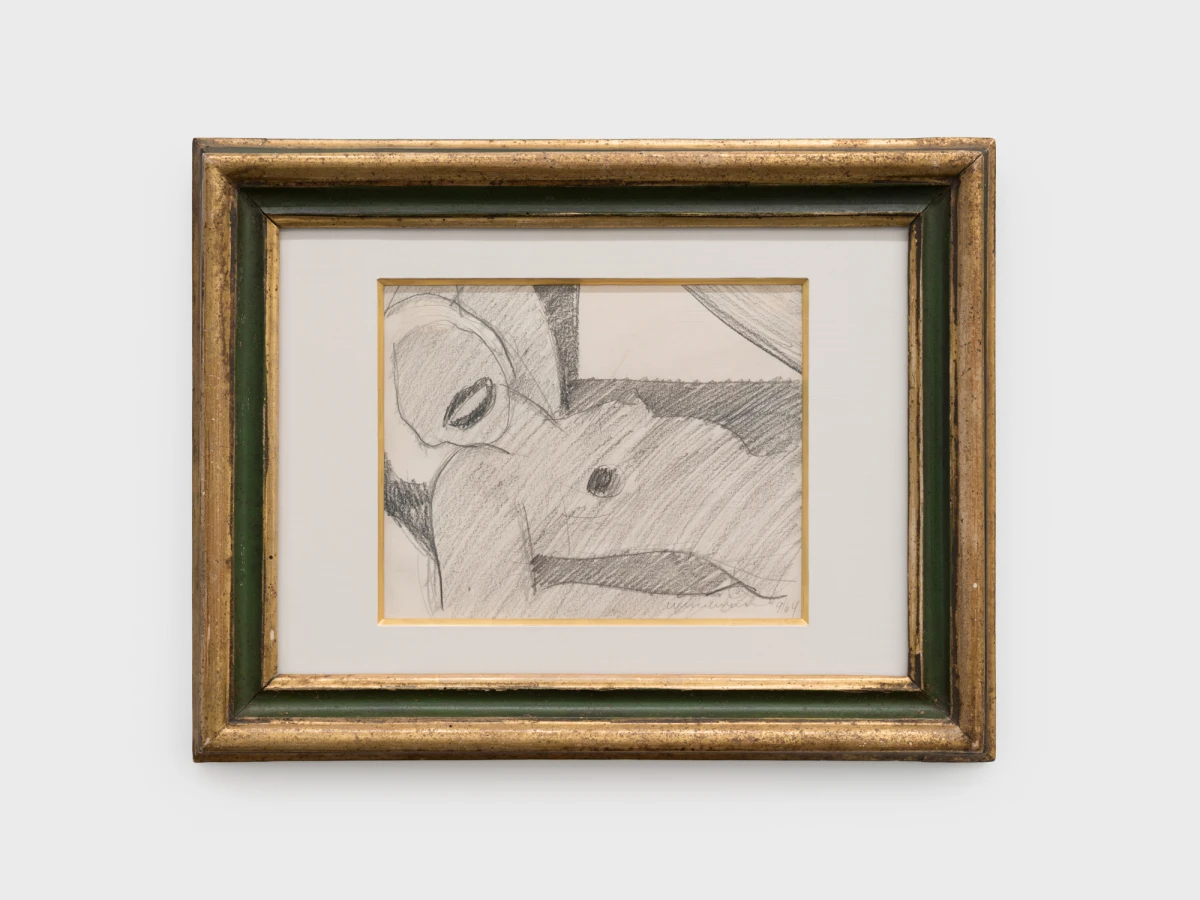
There is, of course, an erotic charge running through these works, and there's no need to look away from it. From Tom Wesselmann to Jonathan Wateridge, the suggestive poses and entangled bodies don't point directly at eroticism itself. It's closer to a feeling drawn out by the act of looking, something set off in that unspoken instant inside the viewer.
Each artist works in their own visual language to depict the delicate, hidden relationship between figure, body, and space. The people in these works avoid meeting the viewer's eye; they are absorbed in their own perception. Looking, here, becomes an accident rather than a purpose.