25 Savile Row, W1S 2ER, London, United Kingdom
Open: Tue-Fri 10am-6pm, Sat 11am-3pm
Artists: Germaine Richier - Alberto Giacometti - Richard Hamilton - Lucian Freud - Francis Bacon - William Turnbull - Eduardo Paolozzi - Jean Fautrier - Niki de Saint Phalle - Liliane Lijn - Marlow Moss - Graham Sutherland
Ordovas presents the first exhibition dedicated to celebrating Erica Brausen (1908-1992), a trailblazing gallerist of the post-war era, and founder of the legendary Hanover Gallery in Mayfair, London.
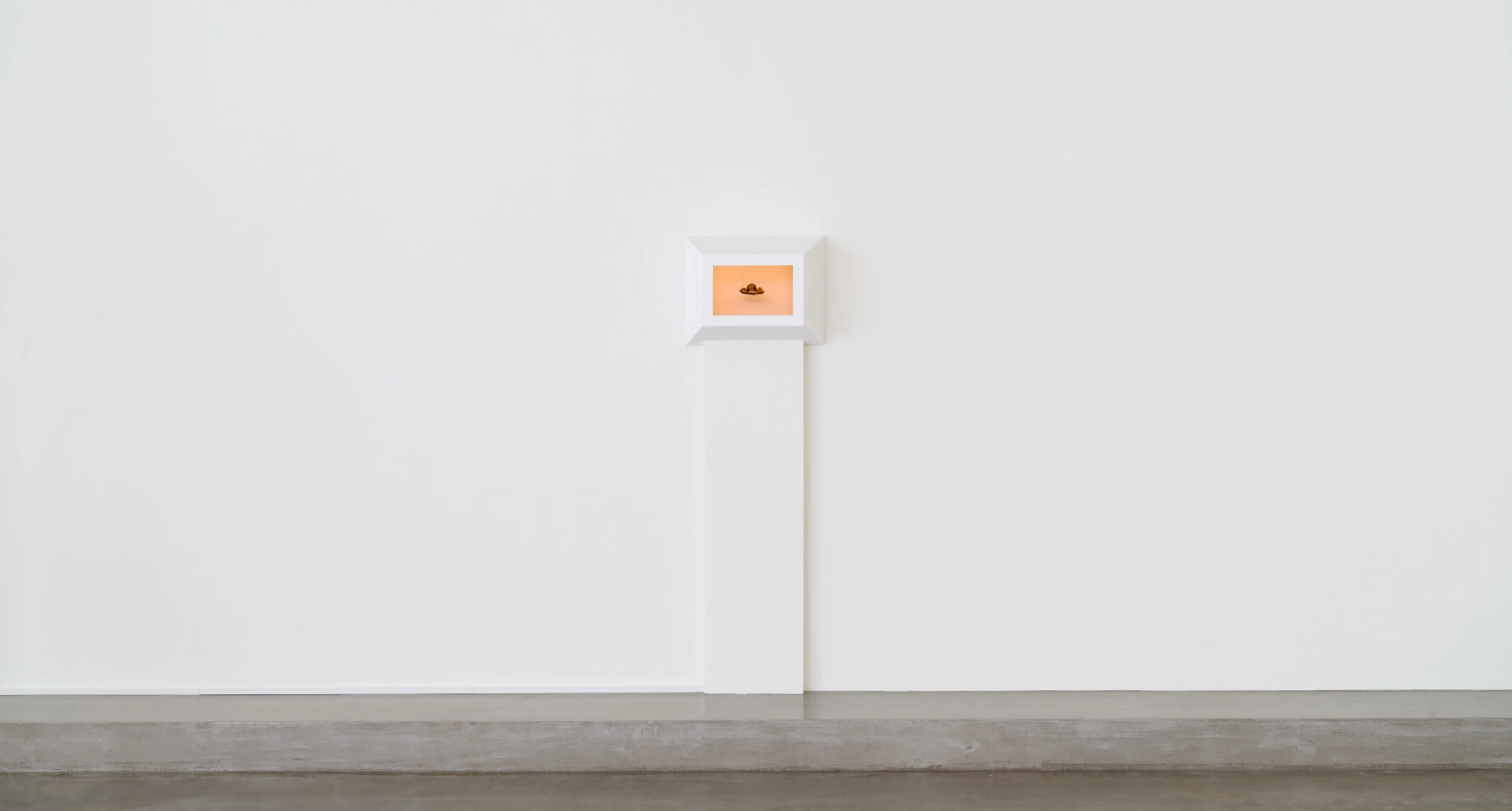
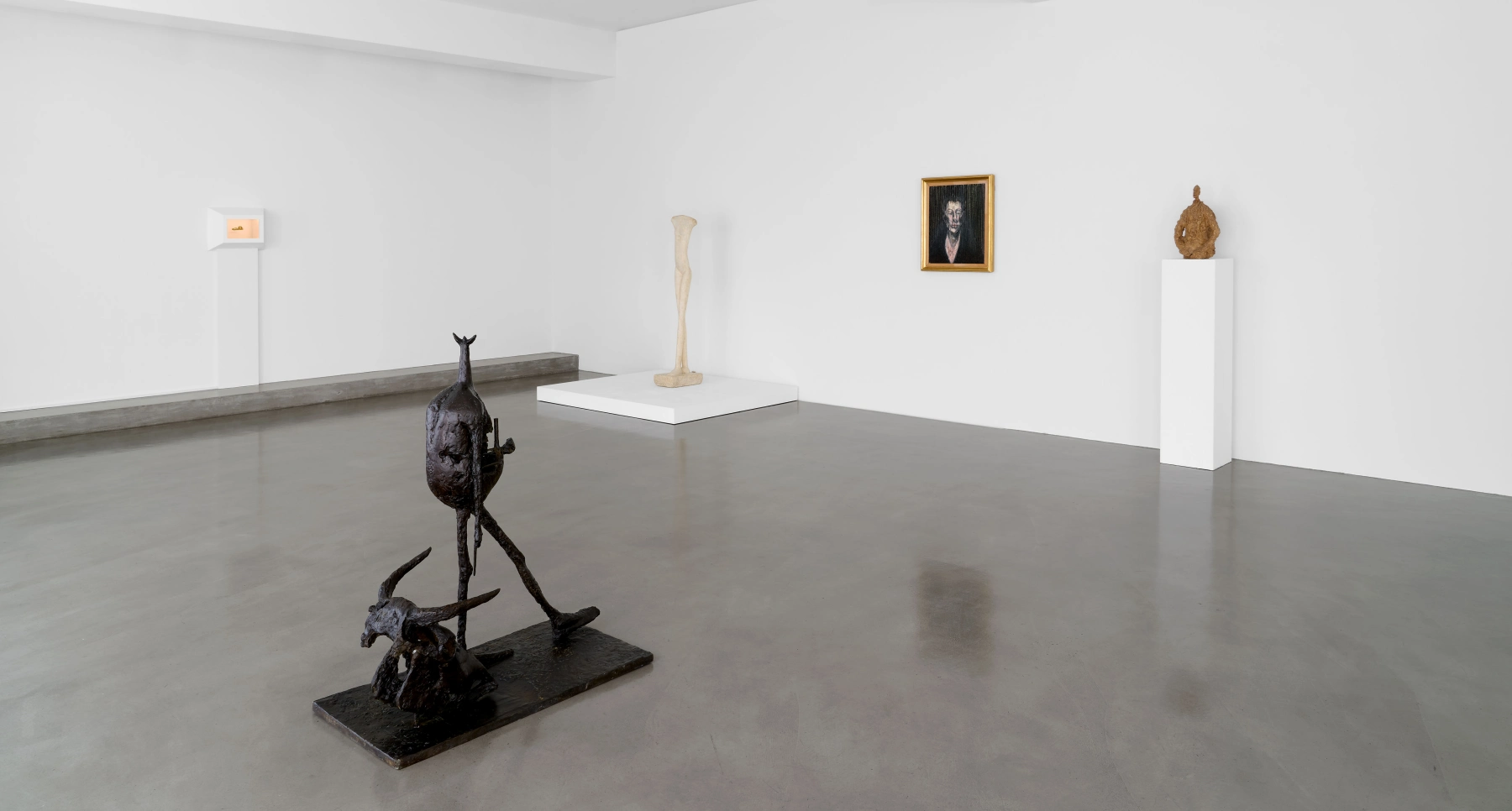
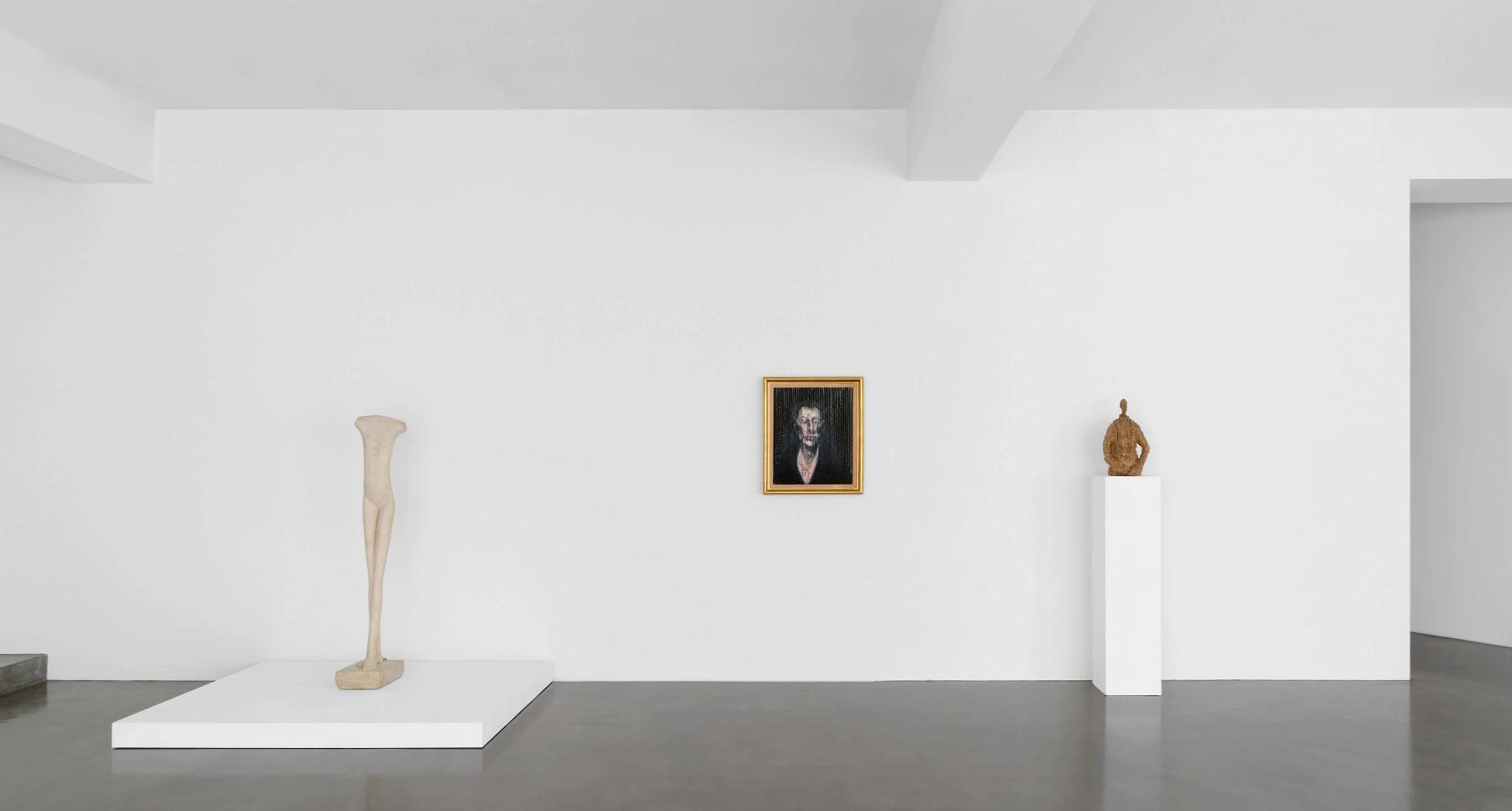
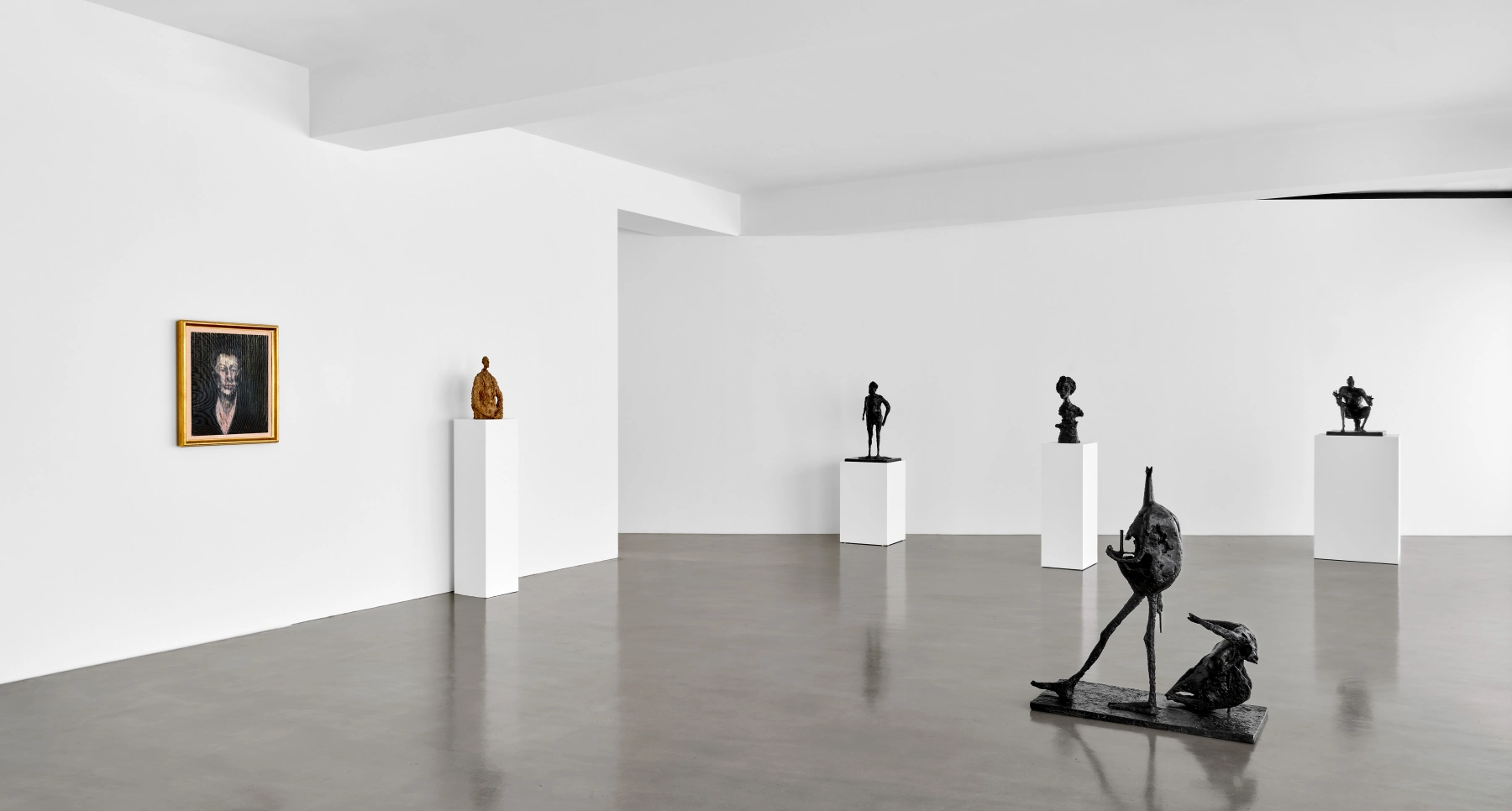
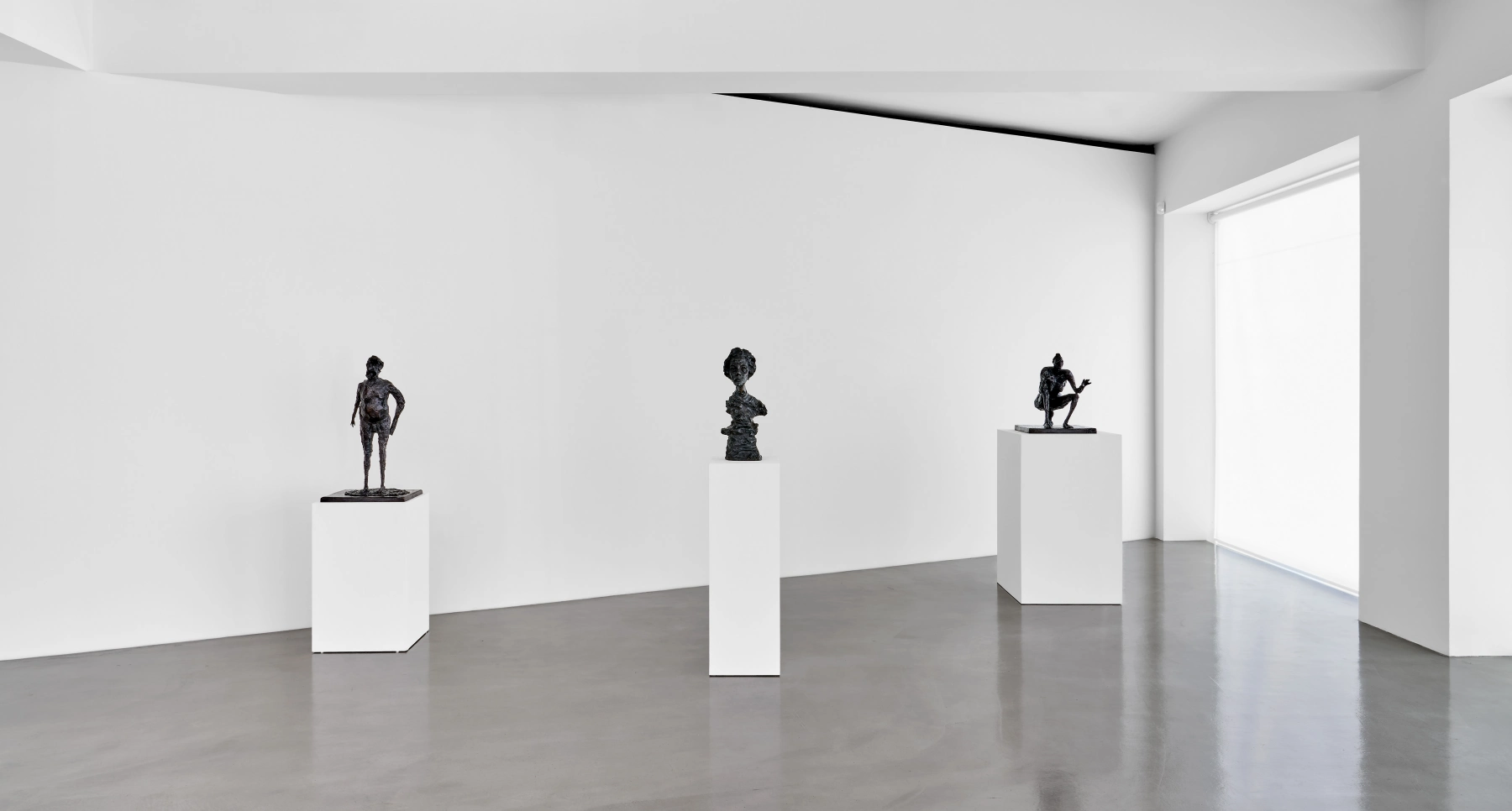
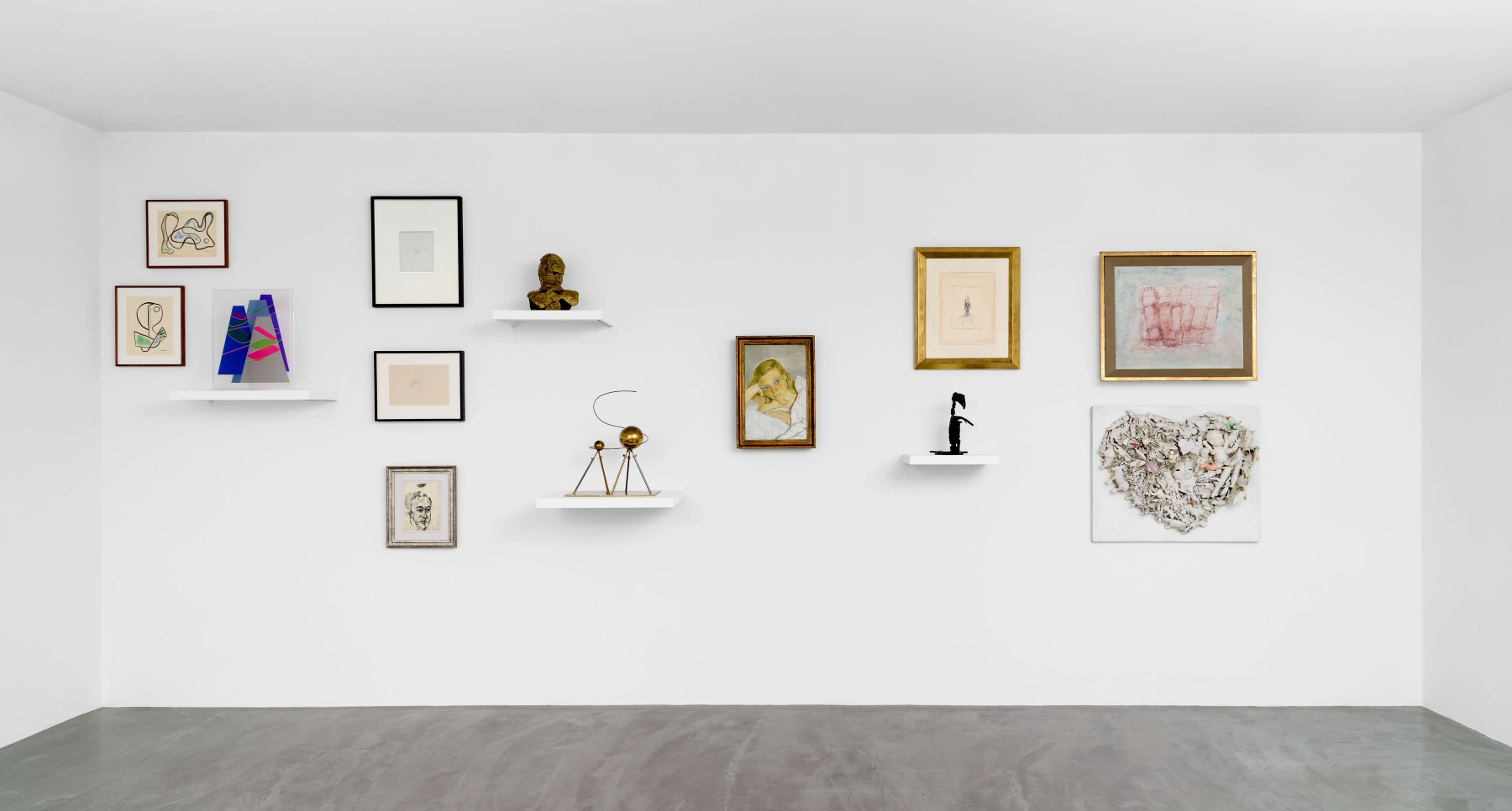
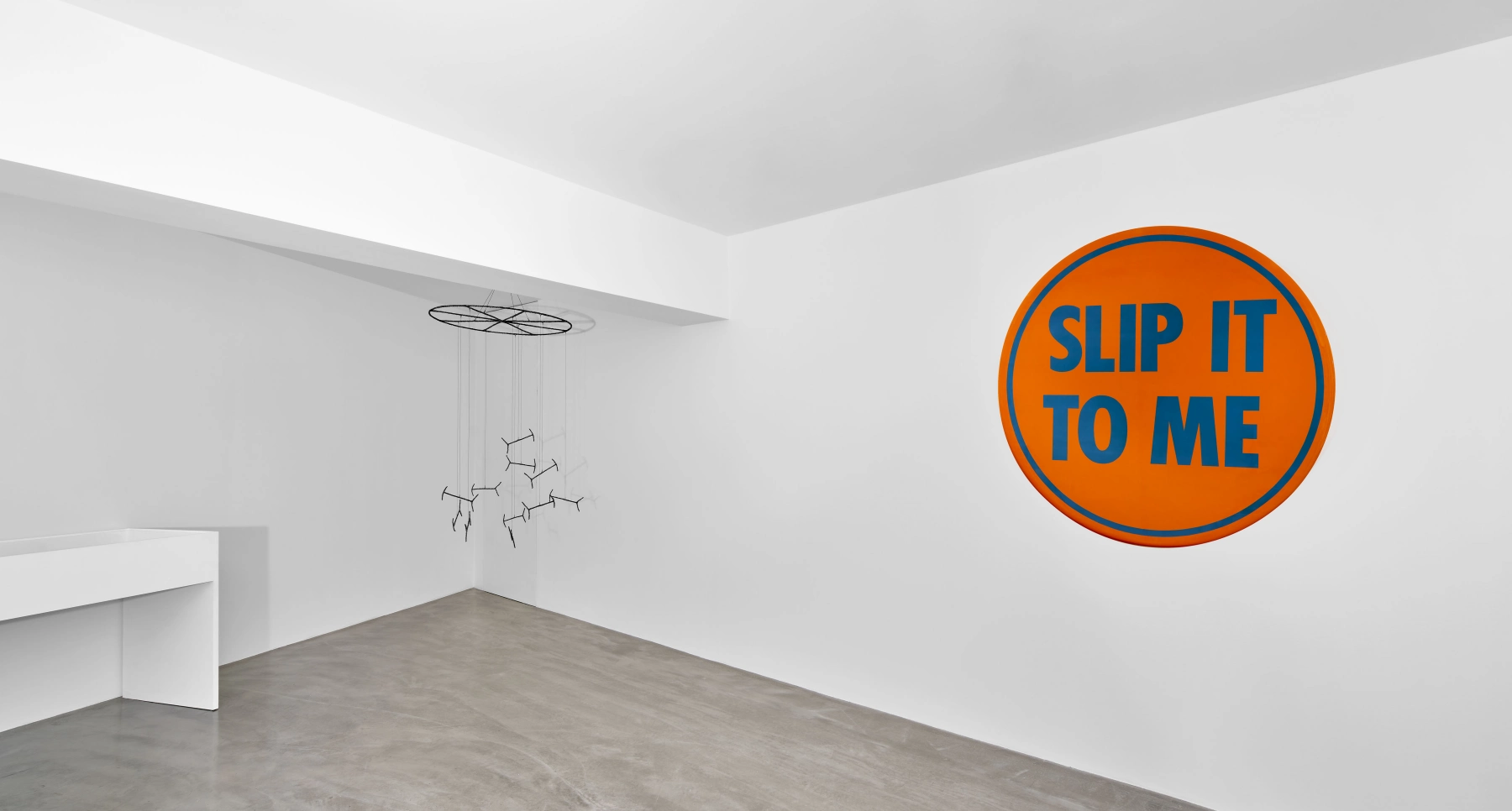
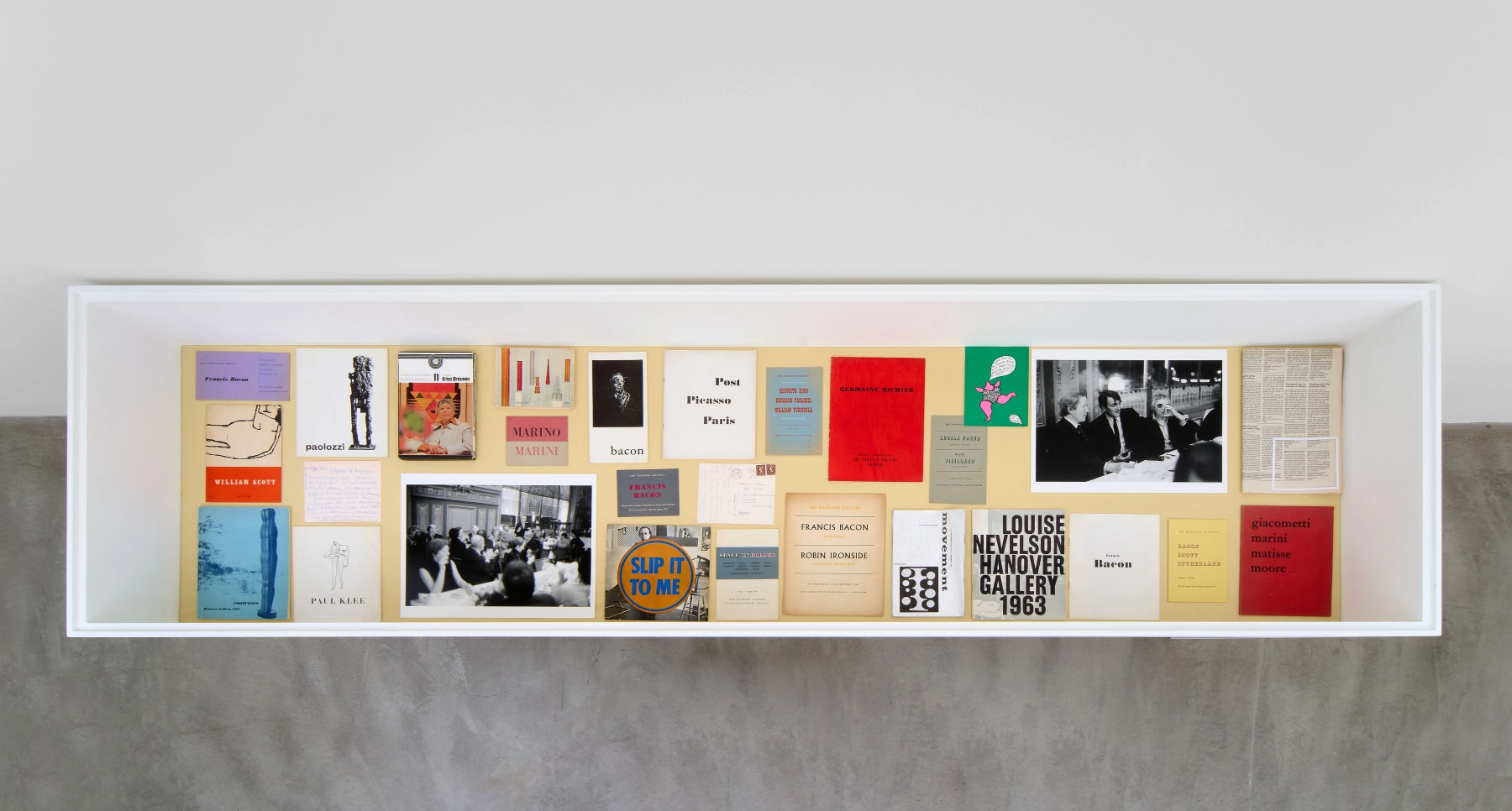
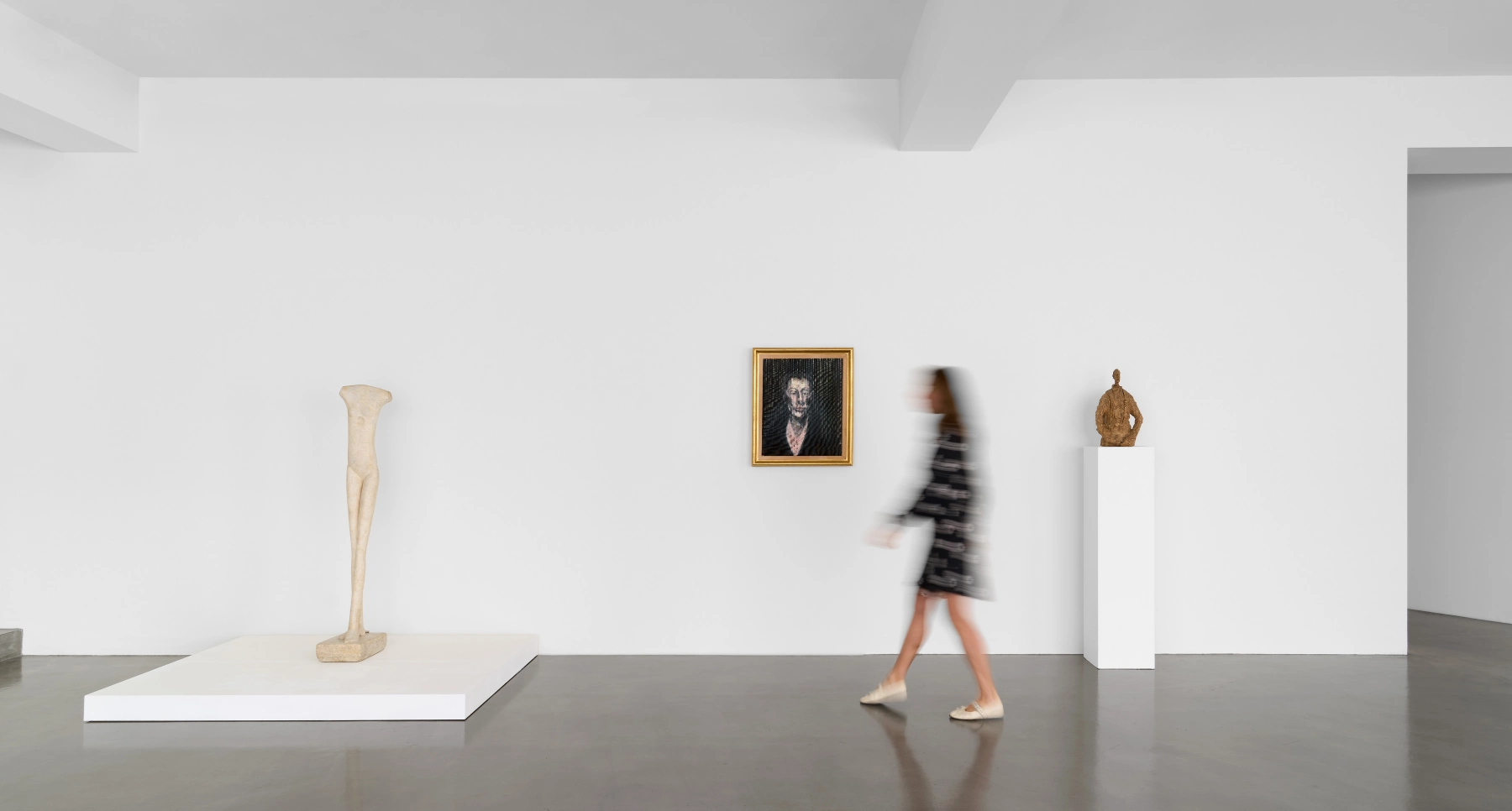
The first gallerist to establish the reputation of Francis Bacon, who said she had the best eye in the art world, Brausen built the Hanover Gallery into a pivotal force in the development of contemporary art in post-war London, championing both British and international artists including Lucian Freud, Richard Hamilton, Eduardo Paolozzi, Alberto Giacometti, Germaine Richier and Niki de Saint Phalle, among many others.
A native German who moved to Paris in the 1930s, becoming part of its thriving art scene, she fled to London in 1937, on the eve of World War II; in the decades that followed, she fundamentally transformed and invigorated the city’s cultural landscape, using her connections to bring major international artists to a British audience. As a gay migrant woman of German origin, she was naturally drawn to presenting the work of émigré, queer and female artists.
Hanover Gallery at Ordovas features loans from both major institutions and private collections, and includes important works handled by the gallerist alongside contextual and archive material. The upstairs gallery is dedicated to depictions of the human figure by Francis Bacon, Alberto Giacometti and Germaine Richier, while the downstairs space is devoted to presenting a wider cross-section of post-war artists Brausen featured. The exhibition is curated in collaboration with Jane Alison, formerly the Head of Visual Arts at Barbican and curator of their 2022 exhibition Postwar Modern: New Art in Britain 1945–1965, who has also authored an essay for the fully illustrated catalogue.
This is the second exhibition at Ordovas to focus on pioneering female gallerists of the post-war period following the success of Peggy Guggenheim and London, in 2019. This subject is currently being explored further at Peggy Guggenheim in London: The Making of a Collector which opened at the Guggenheim, Venice in April 2026, and will travel to the Royal Academy of Arts, London (21 November 2026–14 March 2027) and Guggenheim New York (16 April–12 September 2027).
Representing Brausen’s foundational role in launching the career of Francis Bacon (1909–1992) is Sketch for a Portrait of Lisa, 1955, exhibited at the Hanover Gallery in 1957 and on loan from the Sainsbury Centre at the University of East Anglia in Norwich. The earliest and finest of a group commissioned by Sir Robert and Lady Lisa Sainsbury, it followed their introduction to Bacon by Erica Brausen in 1953 when they became important early patrons. It is also the first time Bacon depicted a woman as the subject of a painting and, unusually, was painted from life rather than photographs.
Brausen became friends with Alberto Giacometti (1901–1966) in Paris in the early 1930s when they were neighbours in Montparnasse, and went on to act as his principal dealer in London, regularly including his work in annual group exhibitions and selling to international clients. Highlights include the plaster Diego au chandail, 1954, shown in Giacometti’s 1996–97 retrospective at the Royal Academy; the bronze Buste d’Annette IV, 1962, one of eight busts of his wife made between 1962 and 1965 which is on public display for the first time in almost 50 years; and Femme qui marche (I), executed in 1932 in plaster and loaned by Fondation Giacometti, Paris. Formerly in Brausen’s personal collection, it was cast in bronze under the artist’s supervision and donated by them to Tate in 1972. Brausen’s devotion to the artist extended to wearing a bracelet he designed for Elsa Schiaparelli from 1940 until her death; an identical piece is included on loan from Kunsthaus Zürich, alongside Buste d’homme, 1953, a two-sided pen-and-ink work formerly in her private collection.
Another key artist championed by Brausen was Germaine Richier (1902–1959), the most important female sculptor in Europe of the pre- and post-war period. Like Giacometti, Richier trained under Antoine Bourdelle in Paris in the 1920s and like him focused on raw structure and physical presence. The exhibition includes La Tauromachie, 1953, exhibited at the Hanover Gallery in 1954; La Sauterelle, moyenne, conceived in 1945 and cast under the artist’s instruction in 1960; L’Ogre, conceived in 1949 and cast in 1962; and L’Oiseau, c.1954, also loaned by the Sainsbury Centre. The institution has also loaned Petite Construction, 1957, by Jean Fautrier (1898–1964), purchased from Hanover in 1959 by Sir Robert Sainsbury.
Brausen was also an early champion of young British artists, including Lucian Freud (1922–2011), who held solo exhibitions at Hanover in 1950 and 1952. From this period comes Girl in Bed, 1953, a tender portrait of the Irish writer Caroline Blackwood in the Hôtel La Louisiane, where she and Freud stayed after eloping to Paris. Other artists include Richard Hamilton (1922–2011), who had major shows at Hanover in 1955 and 1964, the latter of which included Epiphany, 1964; William Turnbull (1922–2012), whose first major exhibition took place in 1950 and included Hanging Sculpture, 1949; and fellow Scot Eduardo Paolozzi (1924–2005), represented by Shattered Head, 1956, first shown at Hanover that year. The exhibition also includes Graham Sutherland’s (1903–1980) charcoal portrait of Arthur Jeffress, Hanover’s initial backer. Sutherland introduced Brausen to Bacon, and was the subject of the gallery’s inaugural exhibition.
Hanover Gallery was also an important platform for female, queer, and émigré artists in the post-war years. In 1953, it hosted the first solo exhibition of Marlow Moss (1889–1958), the cross-dressing lesbian artist who studied under Fernand Léger and whose works are now celebrated for their influential relationship with Piet Mondrian. The exhibition included Construction Spatial, 1953, shown here alongside four works on paper. Other female artists include Niki de Saint-Phalle (1930–2002), whose first UK exhibition took place at the gallery in 1964 and who is represented by Be My Frankenstein, 1964; and American Liliane Lijn (b. 1939), whose first UK solo show was held in 1970 and who is represented by Koancut, 1969, on loan from the artist.
Sign Up & Never Miss a Show