Laurierstraat 189, 1016 PL, Amsterdam, Netherlands
Open: Wed-Fri 10am-6pm, Sat 1-6pm
Artist: Erik van Lieshout
Annet Gelink Gallery presents Dit Licht Achter Mij (Light Behind Me), an exhibition by Erik van Lieshout. Dit Licht Achter Mij brings together works on paper, sculptures and a new video work. The exhibition’s title is drawn from a one-line poem by Wim Lemmens, a pig farmer from Ysselsteyn who stopped farming in 2025.
The exhibition is part of De Gloeiige (The Fen-fire), Van Lieshout’s ongoing investigation, begun in 2022, into the social and political tensions surrounding his birthplace, Deurne, located in De Peel region. Over the twentieth century, this former peatland was transformed into an area of intensive agriculture. Today, efforts to restore the wetlands and protect nature are reshaping the landscape once again, with profound consequences for the farmers who live and work there.
Government buyout schemes offer financial compensation to farmers who give up livestock farming, but the consequences extend far beyond financial considerations. For many farmers, giving up their livelihood also means leaving behind a way of life deeply connected to their identity, family history and sense of belonging. It is this existential experience of loss and uncertainty that lies at the heart of Dit Licht Achter Mij.
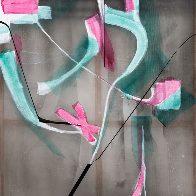
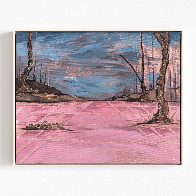
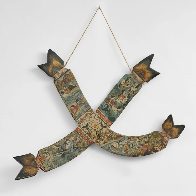
In the video Zes Varkenstallen (Six Piggeries, 2026), Van Lieshout enters the abandoned pig barns of former farmers Wim and Marion Lemmens, prior to their demolition. Against the backdrop of poems written by Wim Lemmens, Van Lieshout explores how art might accompany the farmers during this moment of transition by creating sand drawings and sculptures and staging short performances. The large works on paper, also part of the exhibition, draw on the story of former livestock farmers Astrid and Dirk Geboers from Liessel, whose land now lies within a buffer zone between intensive agriculture and protected nature.Without aligning himself with the agricultural industry, Van Lieshout seeks to give space to conflicting perspectives of his birthplace, exploring the psychological, ecological and political consequences of a changing landscape.
Sign Up & Never Miss a Show