27 Cork Street, W1S 3NG, London, United Kingdom
Open: Mon-Fri 9am-6pm
Artist: Clive Head
Alon Zakaim Fine Art presents an exhibition of new and recent works by contemporary British artist Clive Head. At its heart is a series of eight large-scale paintings, displayed across two floors alongside drawings, works from his Visionary Series, and complementary works from the gallery. Together, they offer an insight into Head’s evolving approach to painting, revealing the processes, themes and visual connections that underpin his work.
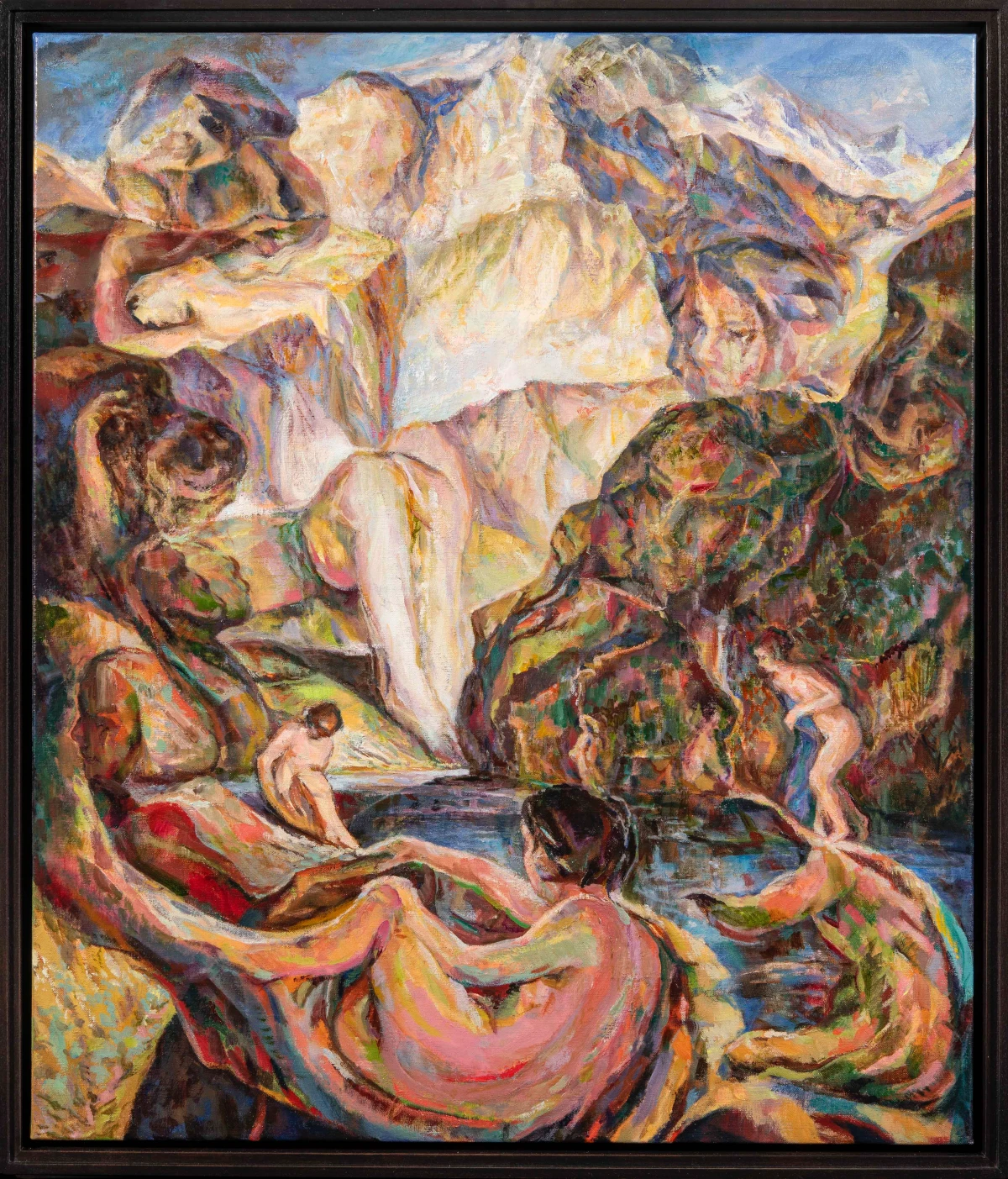
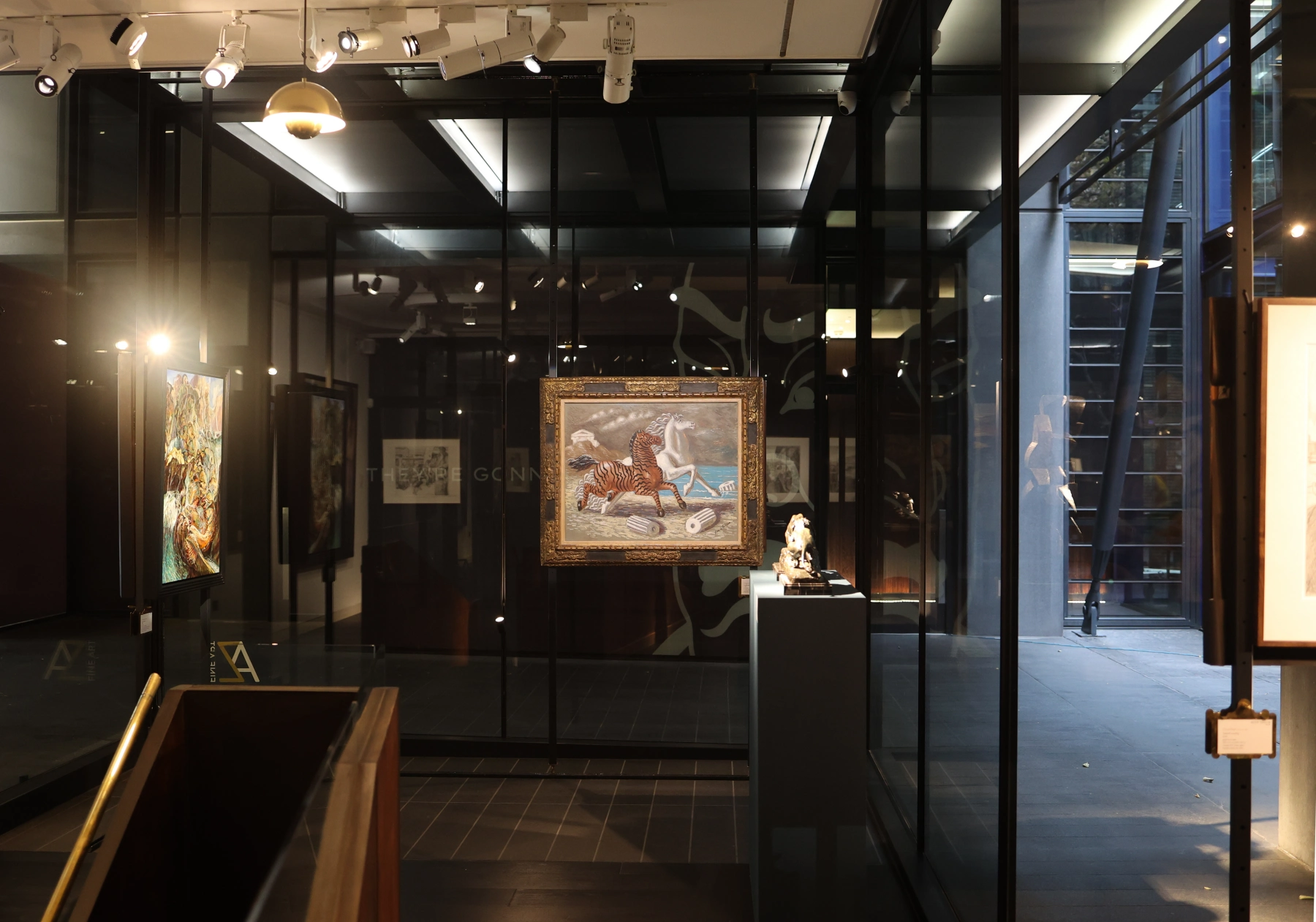
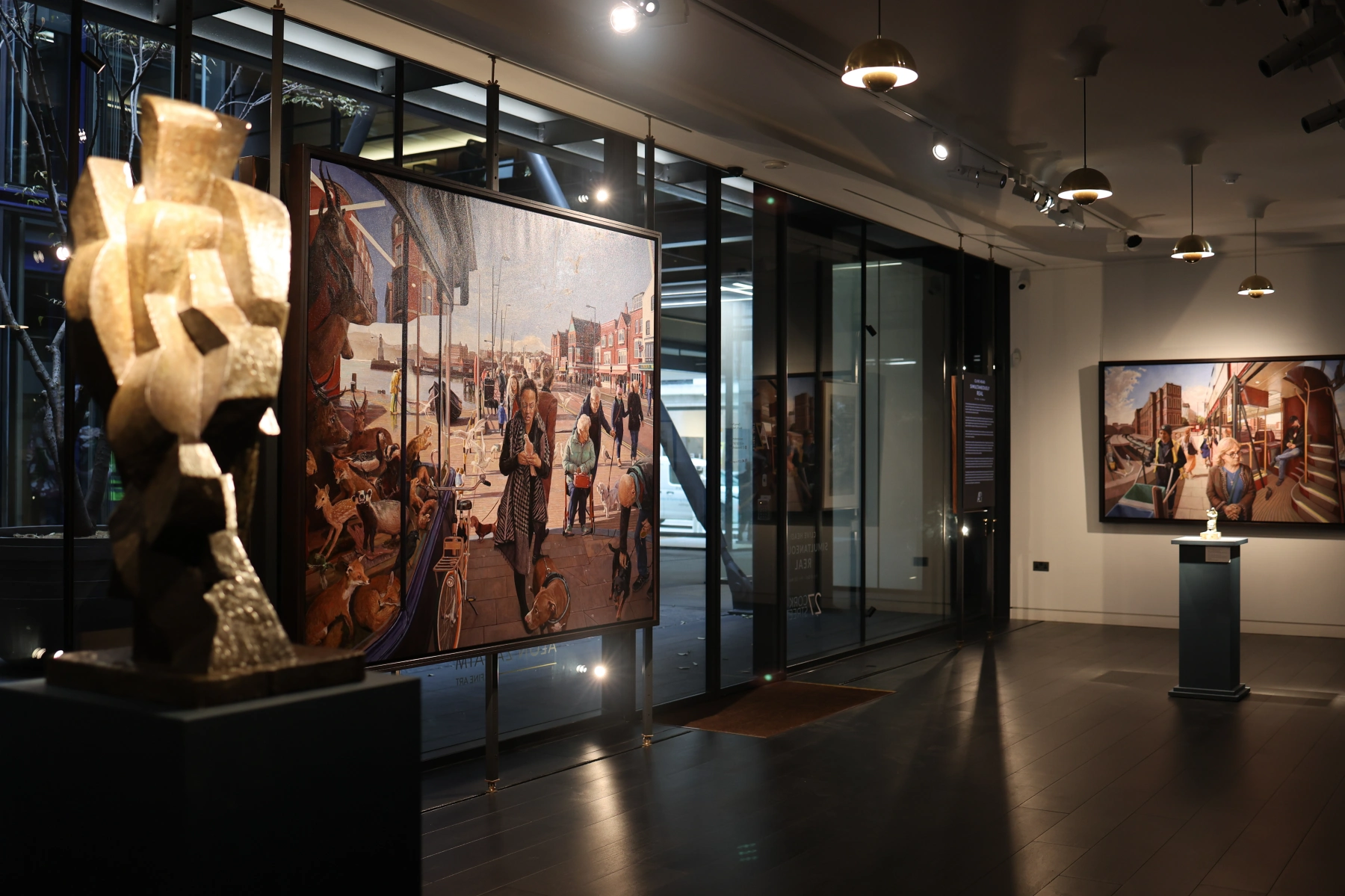
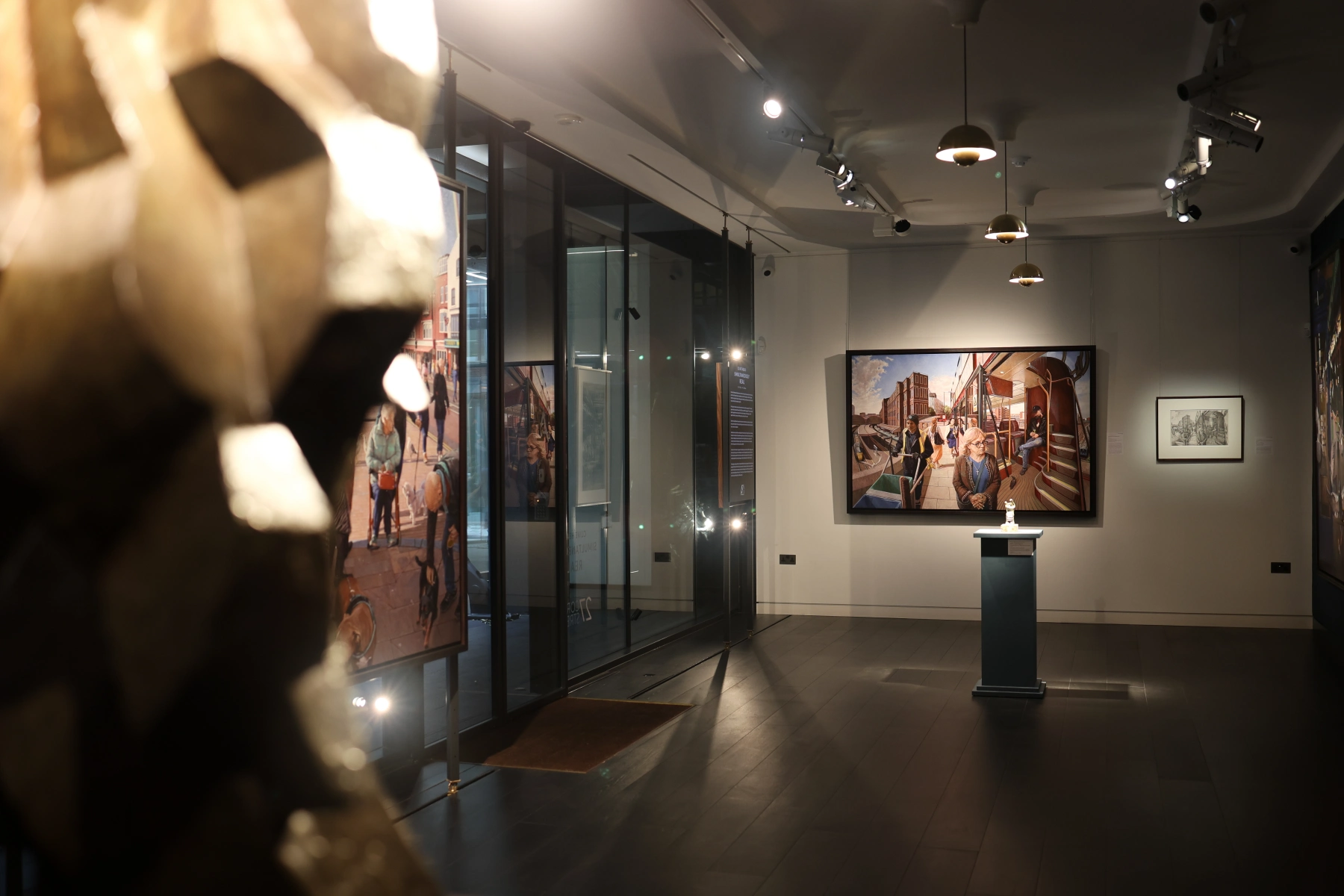
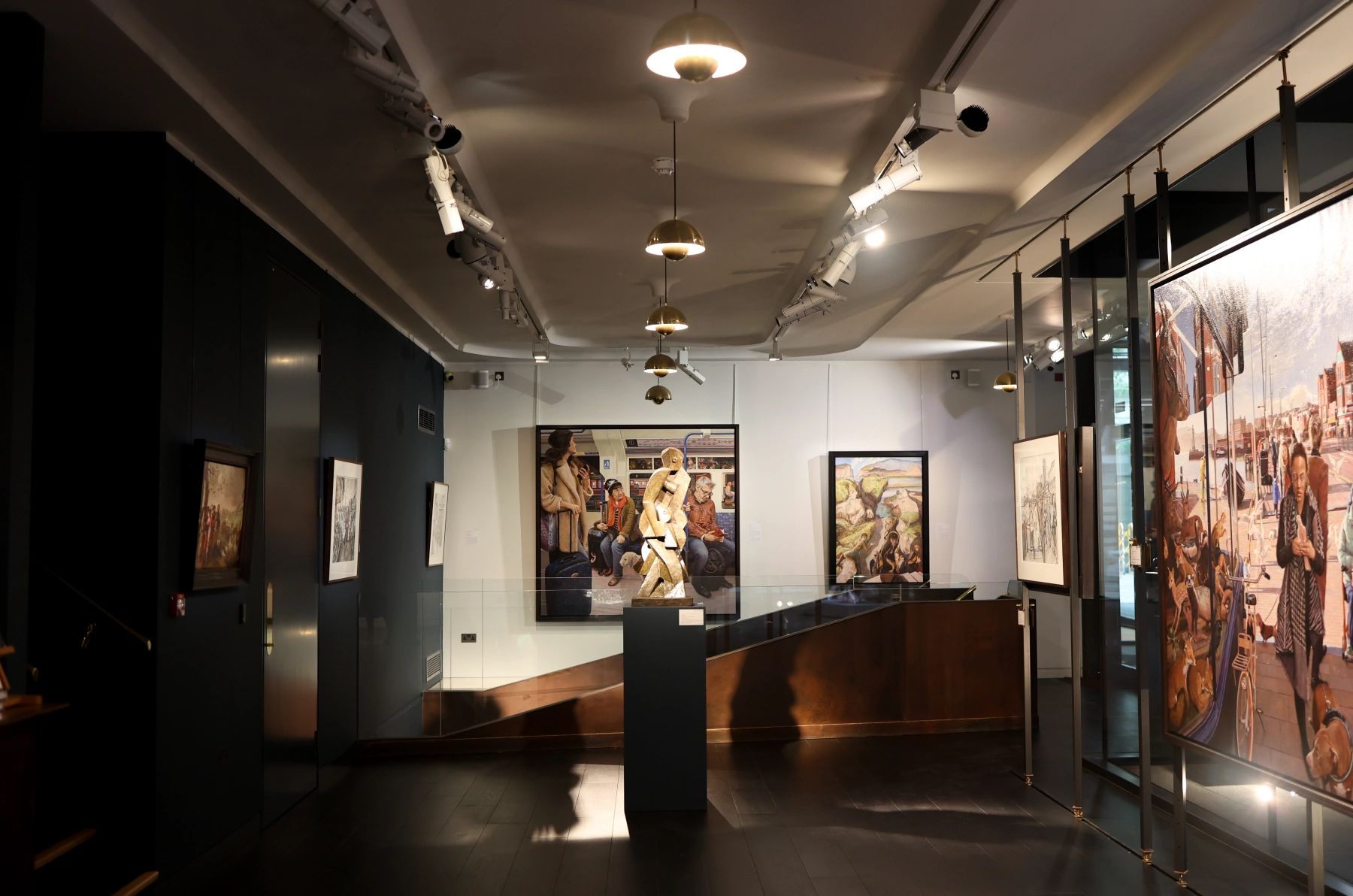
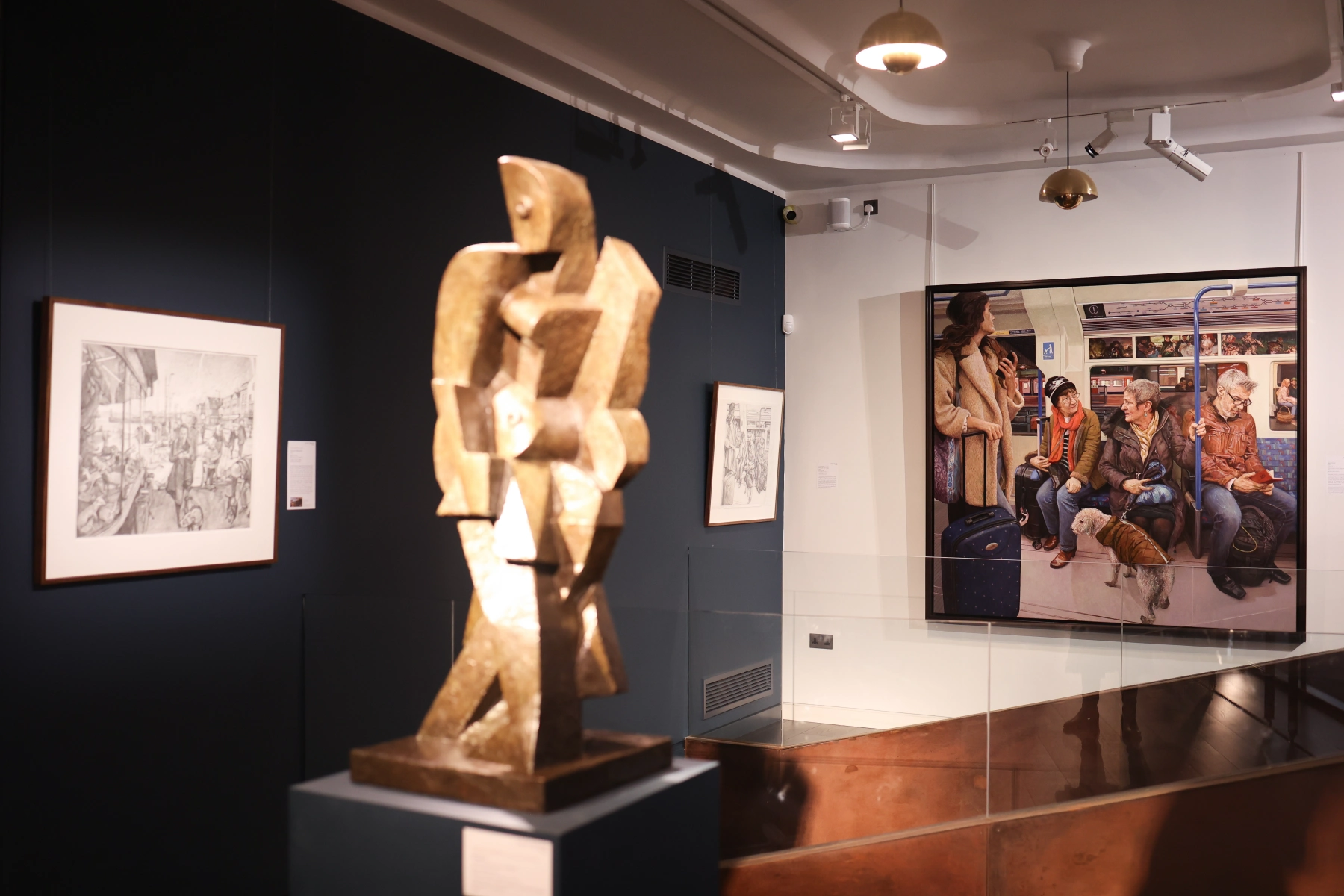
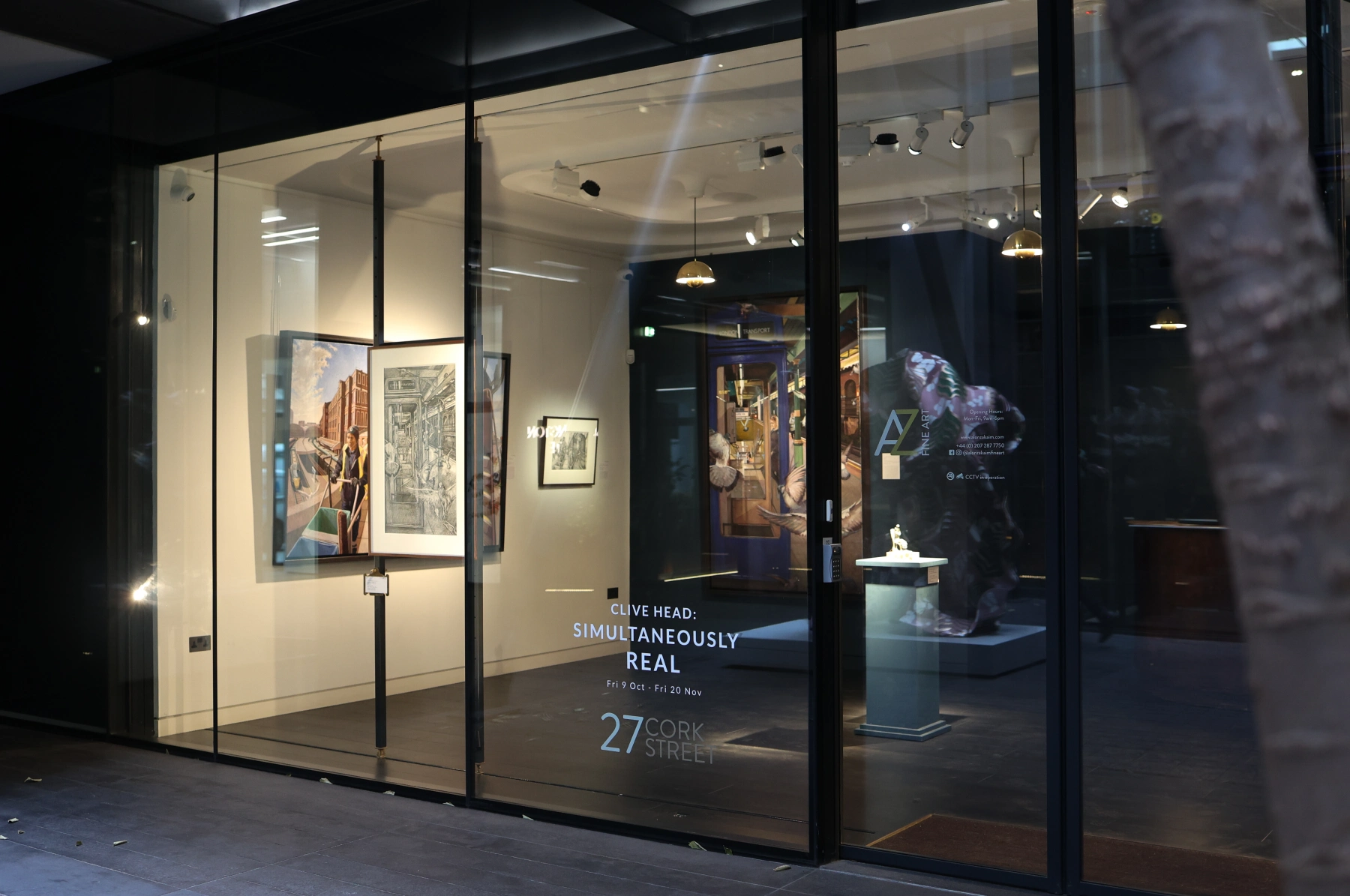
The show opens with Over Night Stop, a view of London at night juxtaposed with the interior of a hotel room, where a woman sleeps. The scene quickly intensifies as a shadow creeps into view. Henri Rousseau’s The Dream hangs above the bed, while the folds of the bedding add to the uneasiness of the moment. Across the gallery, these new works marry together Head’s experience as a realist painter with his more recent exploration of human narratives.
Head has always pushed the boundaries of realist painting. He first rose to prominence in the 1990s with his vast urban landscapes, culminating in Modern Perspectives, an exhibition at London’s National Gallery in 2010. The etchings, Arcade and Terminus, displayed here, demonstrate his enduring spatial inventiveness. To this, he now adds simultaneous imaging to his work, allowing multiple forms, moments and meanings to coexist.
Nothing is quite as it first appears. The ground floor is predominantly comprised of scenes of London and Scarborough, Head’s hometown, but beneath these familiar settings runs a biblical subtext, substantiated through symbolism and, more extraordinarily, through the morphing of one motif into another.
On the end wall hangs Routemaster over Great Western Lines. Its punning title describes the scene: an iconic London bus crosses a bridge beneath which railway lines radiate from Paddington Station. Here, Head alludes also to the profound role of Christian faith in the evolution of Western painting. An encounter with a pregnant woman in blue in the middle ground suggests an Annunciation. Elsewhere, forms transition into angels and biblical figures, adding further layers of meaning as Head seeks to understand painting as an act of faith. Moving beyond the real, Henry Moore’s Mother and Child: Petal Skirt also reinforces Head’s celebration of the sanctity of life.
On the opposite wall, a group of Underground passengers in Night Travellers echoes the flight of the Holy Family into Egypt, depicted in the frieze above their heads. The central woman’s hand, grasping a carrier bag, transforms into the head of an innocent lamb at rest on her lap, tormented by a ferocious canine that is shaped by the folds of her clothing. Head plans none of these transitions – they emerge as he paints. Adjacent to this painting hangs My Egyptian Flight, a ‘visionary’ work which he began in 2020. Throughout the exhibition, Head’s new paintings are paired with similar ‘visionary’ works. Many of these were begun during Covid, where he painted without an obvious source from the outside world, allowing imagery to develop intuitively.
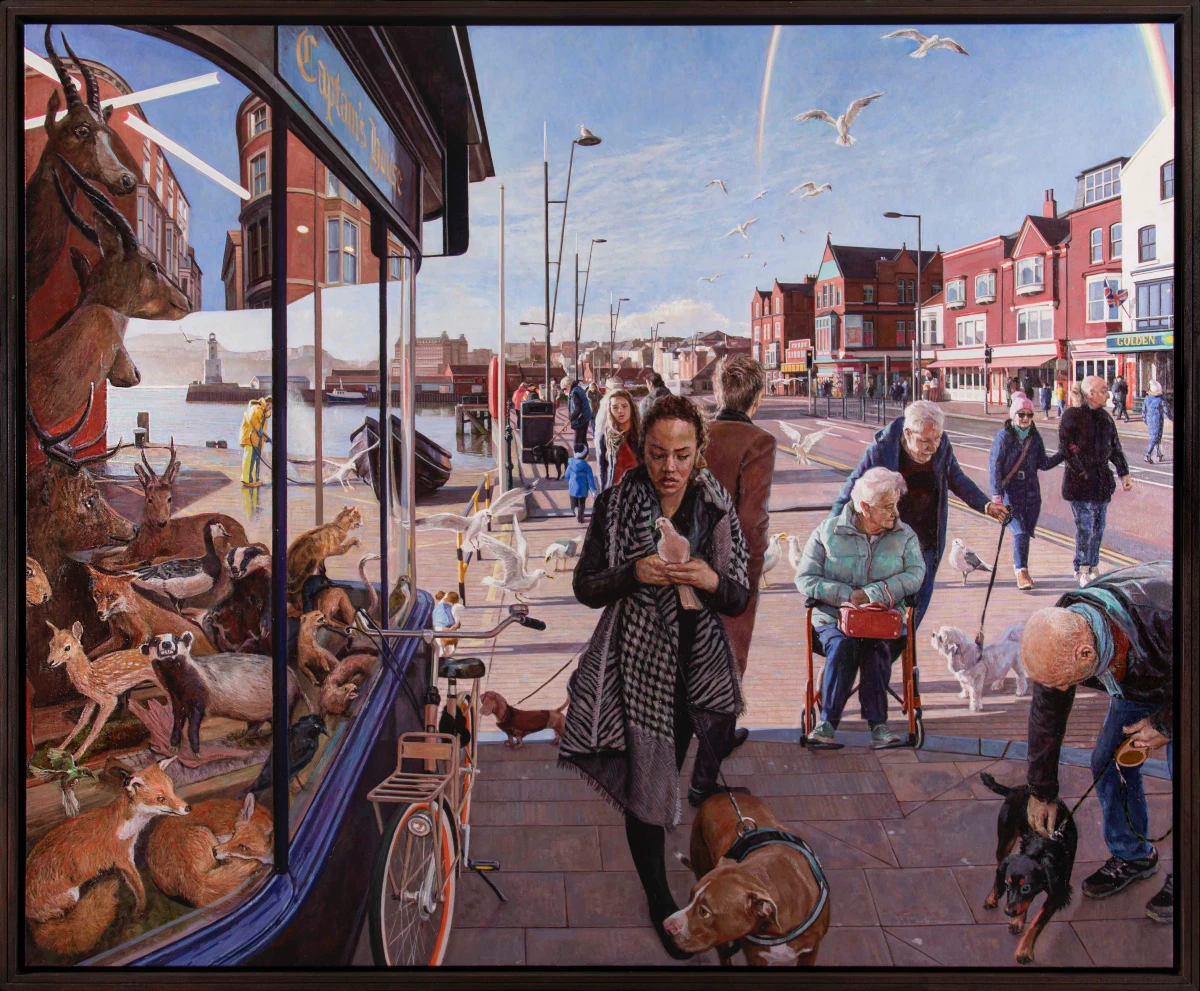
These works and his new series are populated by animals and birds as prominently as people. In Night Fox there is a disturbance of pigeons at South Kensington tube station. A cruciform bird in the foreground resonates with the Crucifixion depicted in a neighbouring work by Marc Chagall. In Rubens’ Arc, Head fuses the biblical story of Noah’s Ark with a reconfigured view of Scarborough. He imagines a taxidermist’s shop on the foreshore, whose shadow forms the shape of a boat, while a rainbow offers the animals in Head’s ark the sign of God’s covenant. The central figure holds a dove and above her, the clouds and distant buildings morph into the Lamb of God.
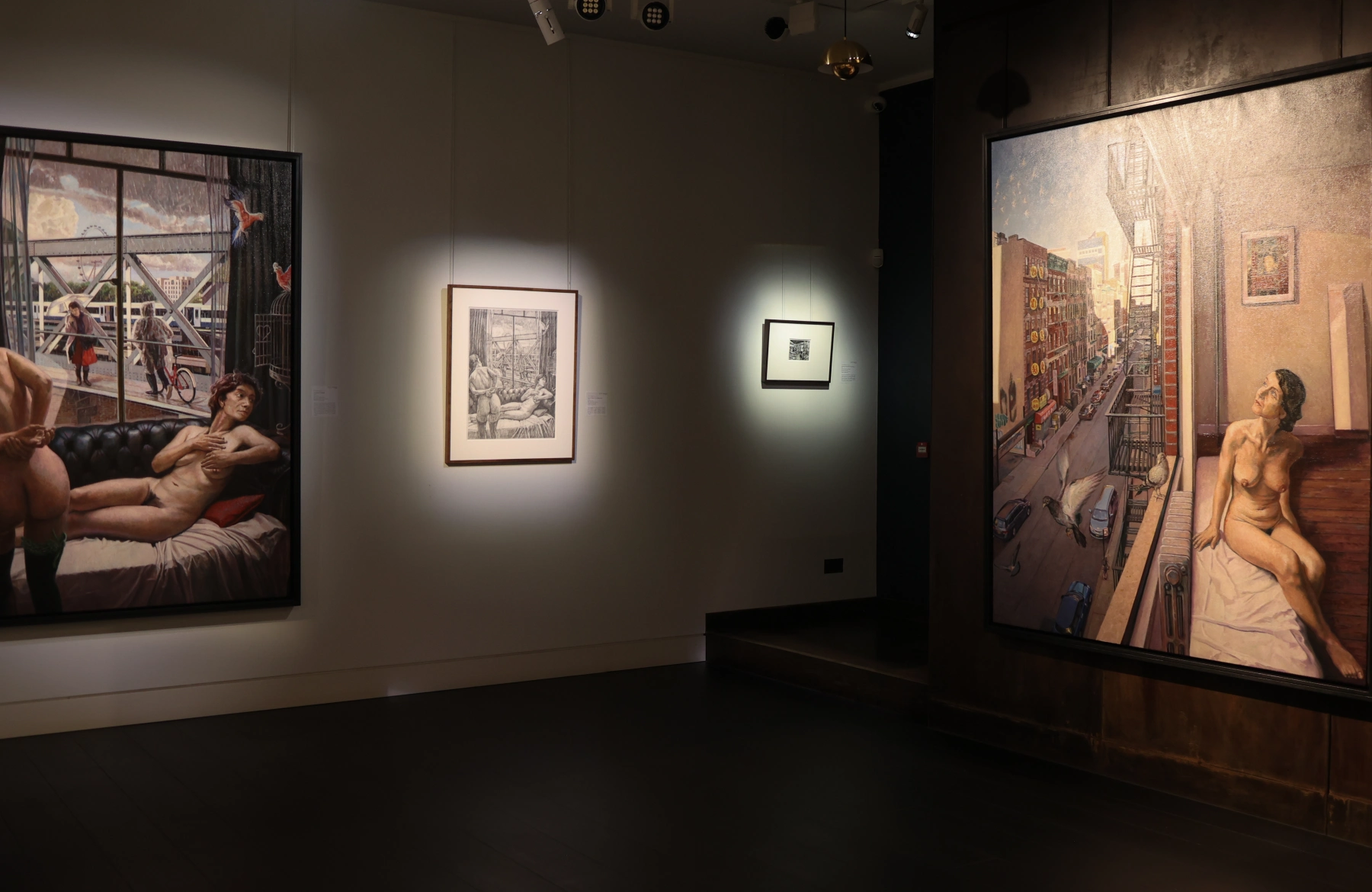
In the lower gallery, the first room focuses on Head’s fascination with the city and its inhabitants. Lily of the Lower East Side pairs a sparse interior with a sunlit view of New York. Lily sits nude on a small bed, gazing up at the birds. On the wall behind her hangs Philip Evergood’s Lily and the Sparrows, establishing a connection with the magic realist painting of the 1930s.
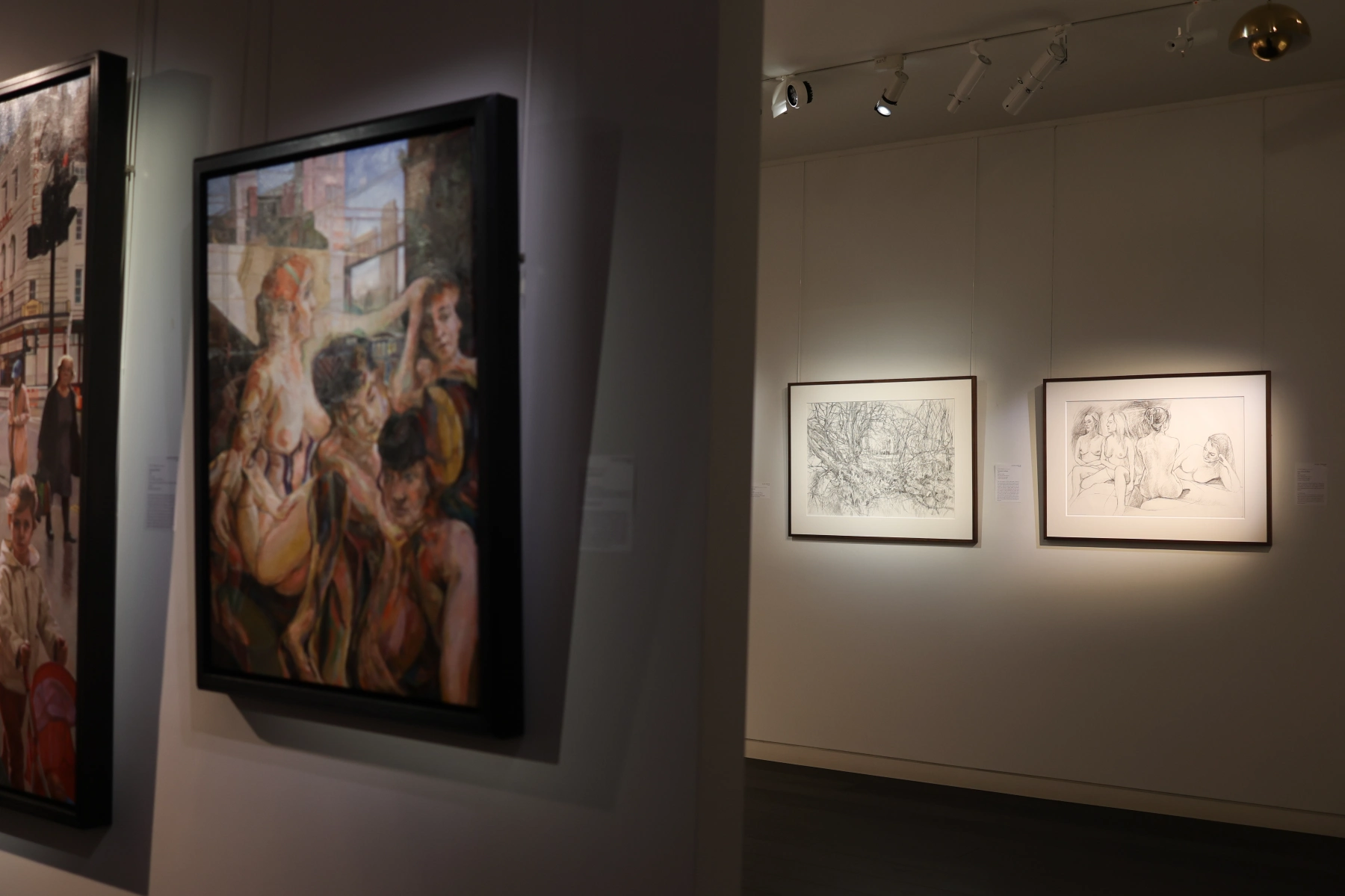
Lily’s sister painting, Lovebirds for Caillebotte, juxtaposes an encounter between strangers crossing the Thames on a drizzly day with an interior of nude women, a scene more reminiscent of the pages from an Émile Zola novel. Through these works, Head draws upon historic chapters of realist literature and painting to ask what realism could be today. He subtlety carries the richness of that history forward without allowing the work to regress into pastiche.
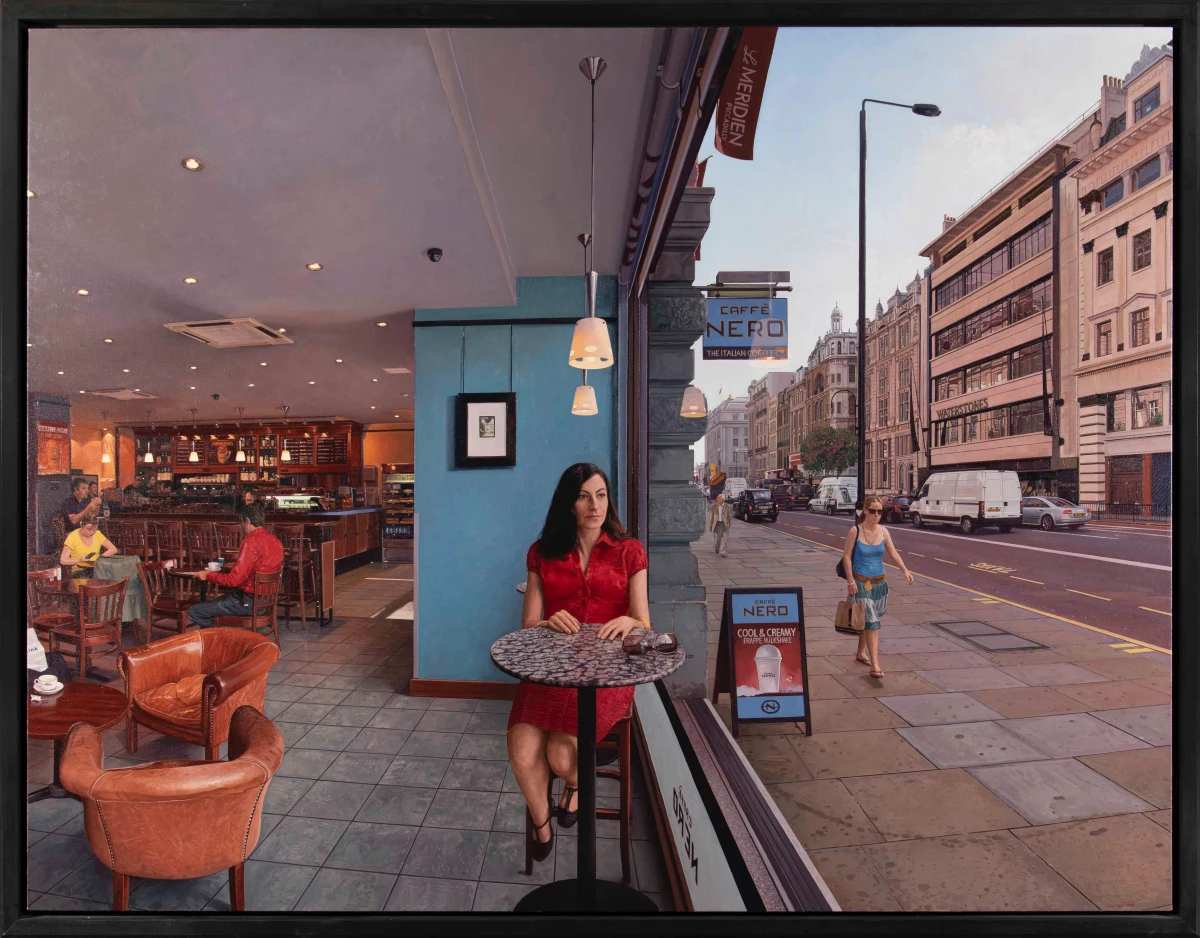
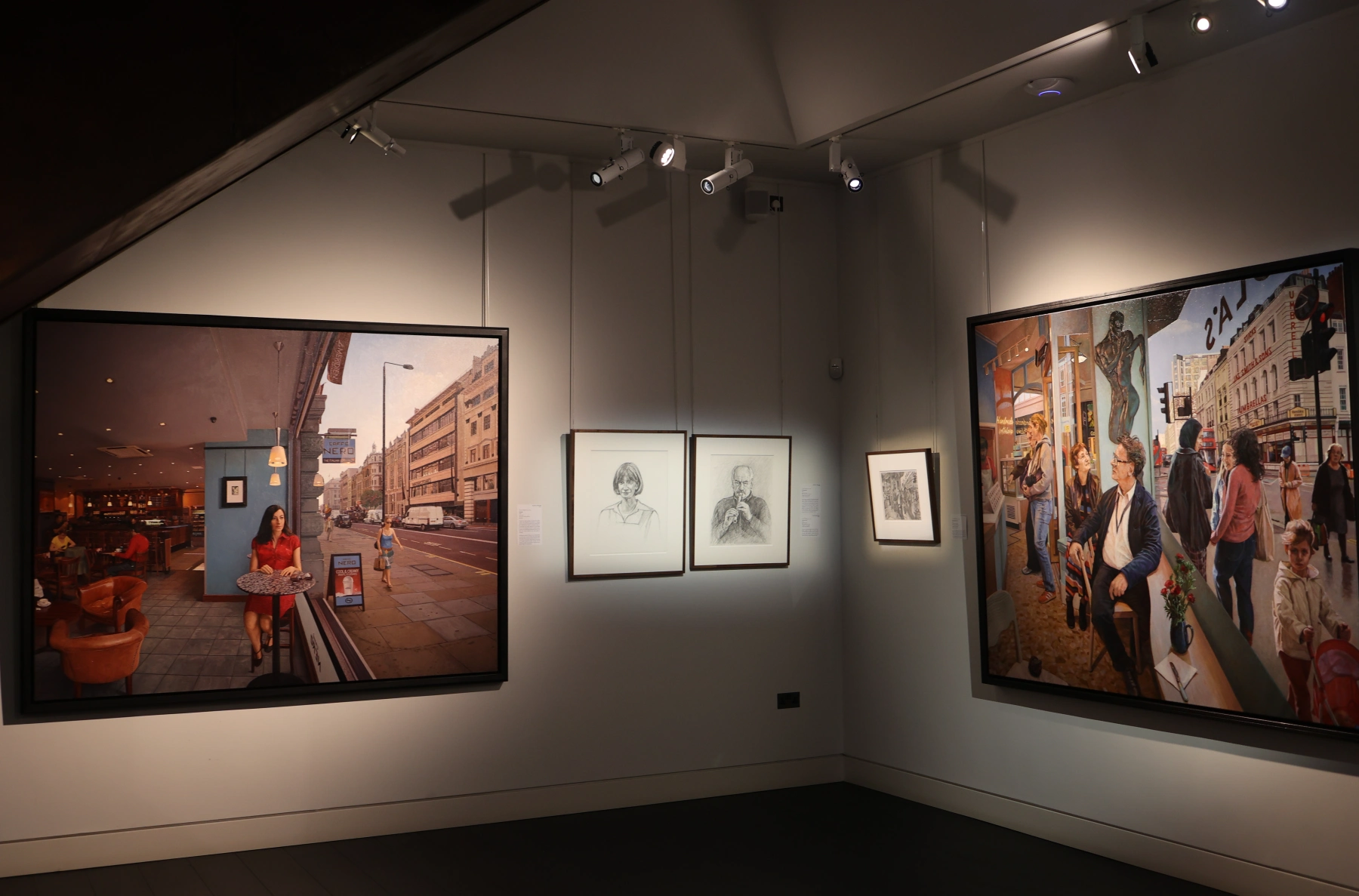
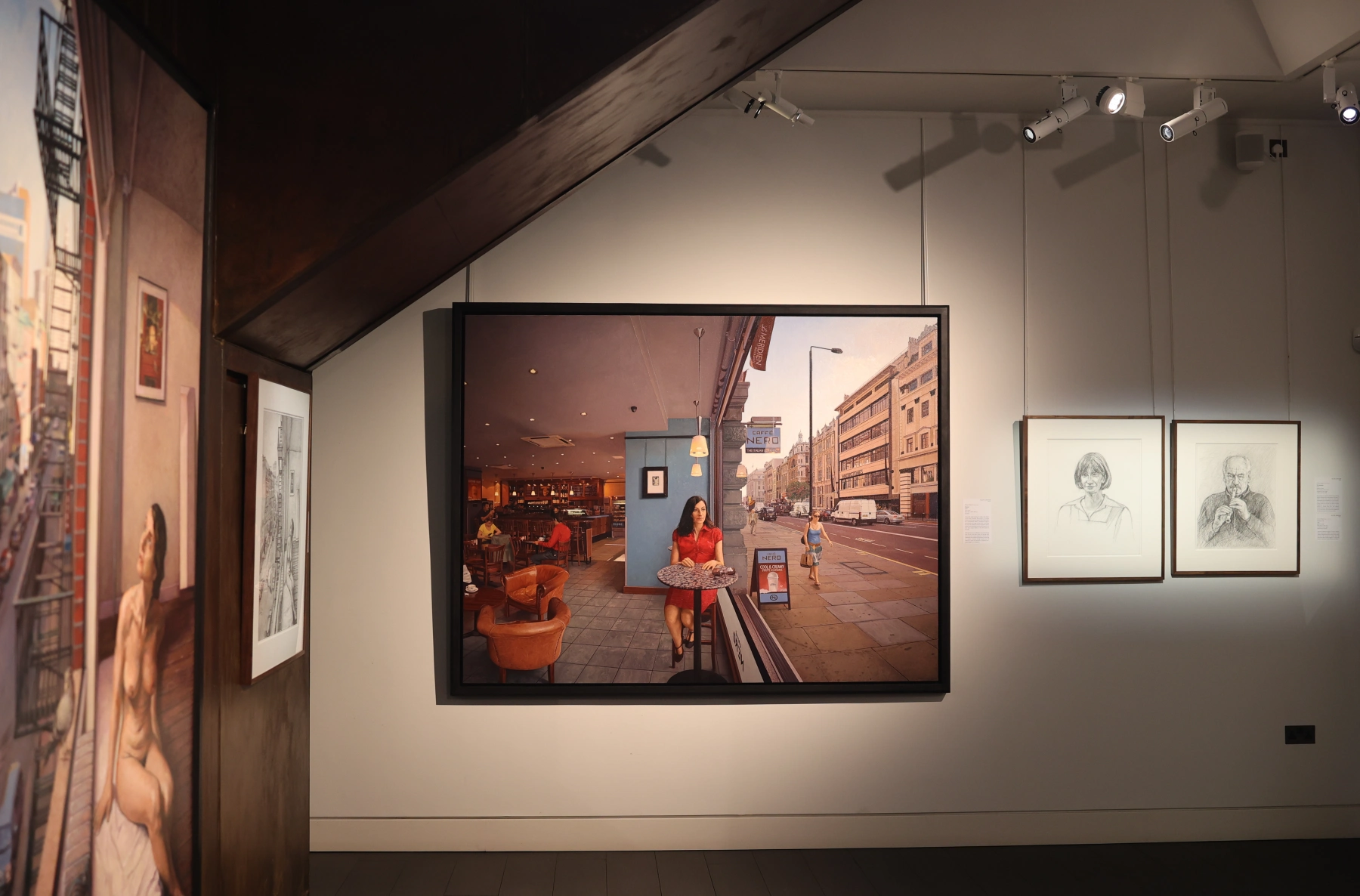
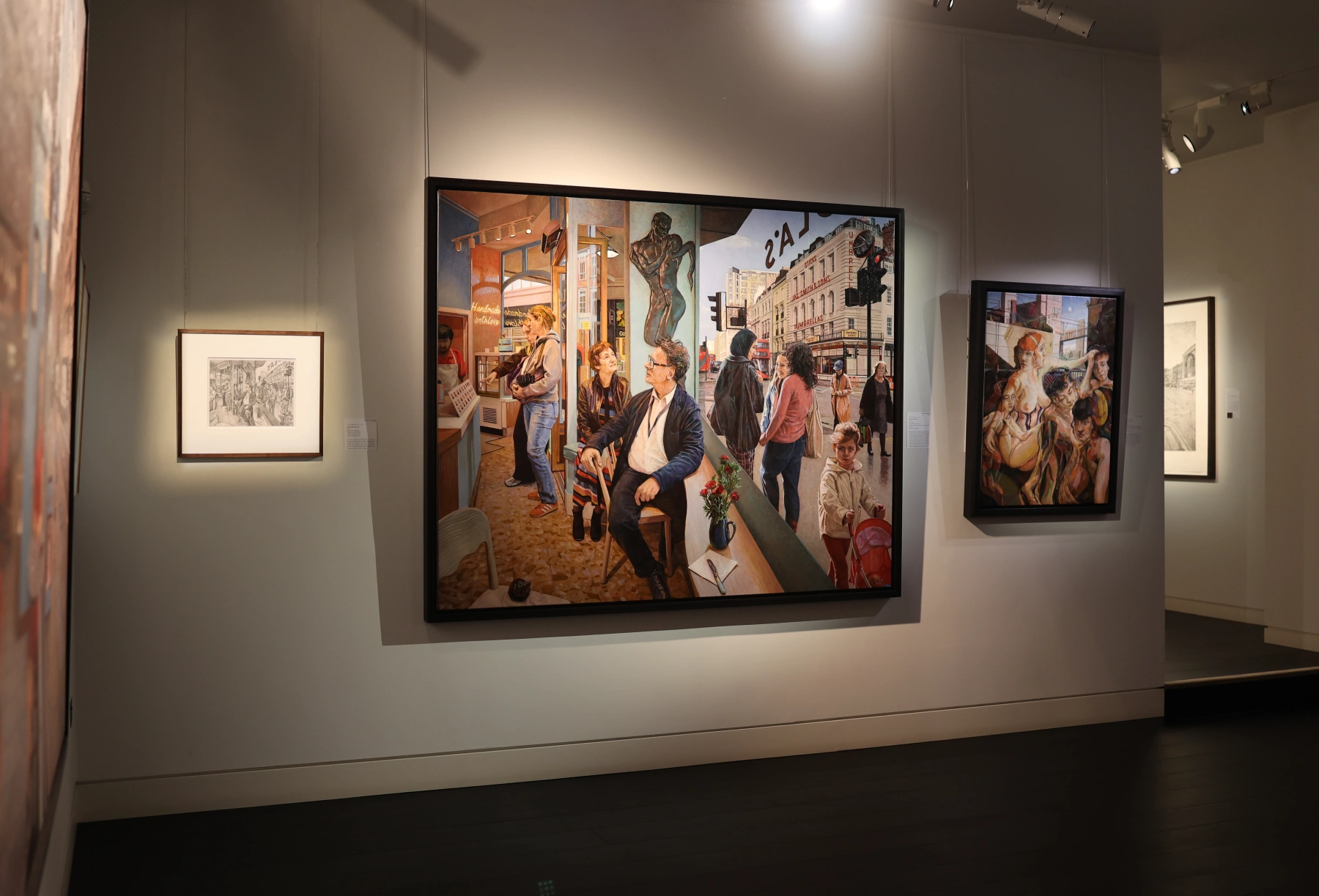
Head’s development as a painter over the past two decades can be chartered through numerous paintings of a single café in South Kensington, shown here in the drawing Thinking About Georges Braque. He now returns to this site again in Cupcake for Silenus, relocating and reimagining it in another part of London. Through morphological transitions, Head embellishes the narrative with mythic characters. This inventiveness, harnessed by a more active painterly surface and open-ended manipulation of paint, challenges the quasi-photorealism of his expansive Rebekah from 2008, which hangs adjacent.
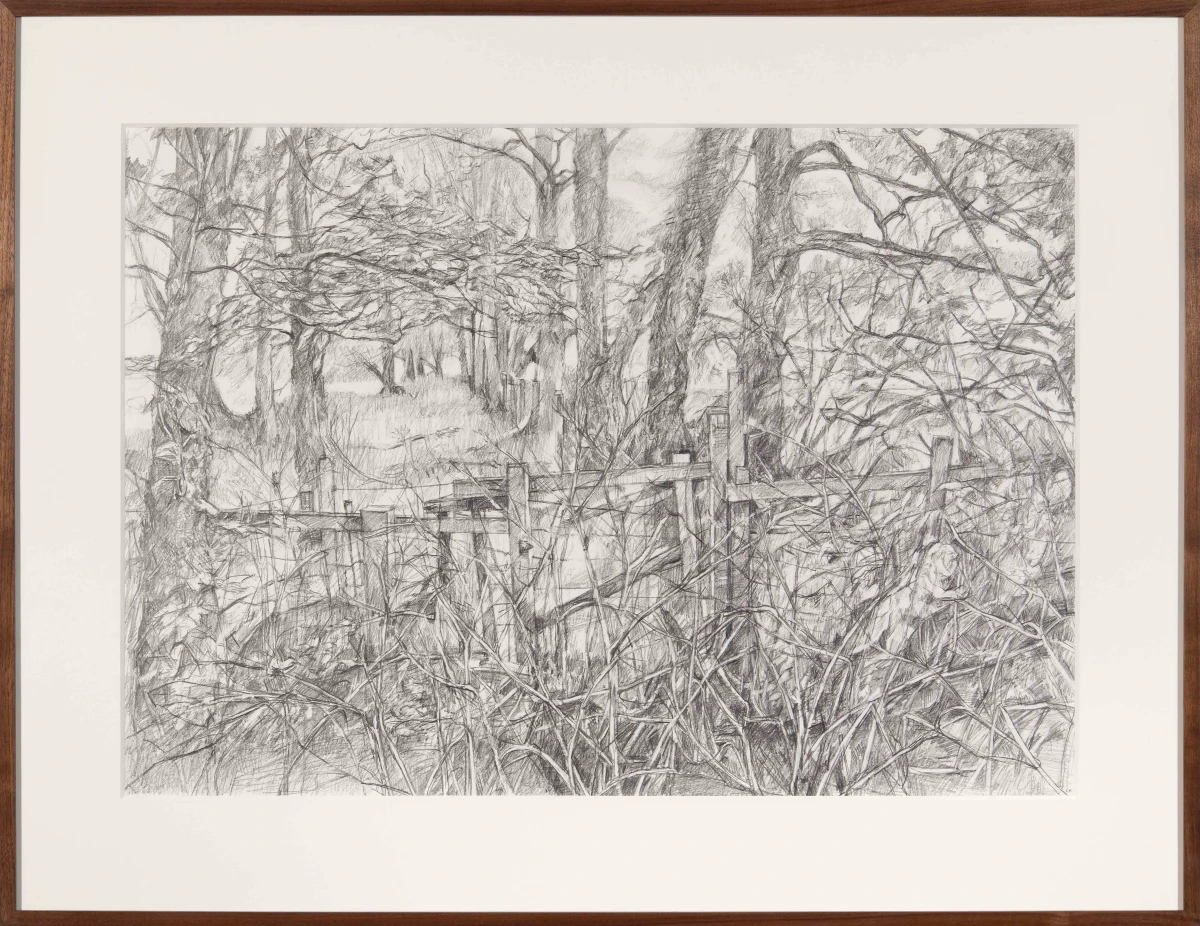
These new paintings place greater emphasis on the figure, underpinned by Head’s insistence on drawing in the studio, on location, and in the life room. Fifteen drawings on display reveal how drawing functions as a means of visual thinking. Through expansion and revision, Head invents spaces and events while also exploring people and the natural world with acute observation and accomplished draughtsmanship.
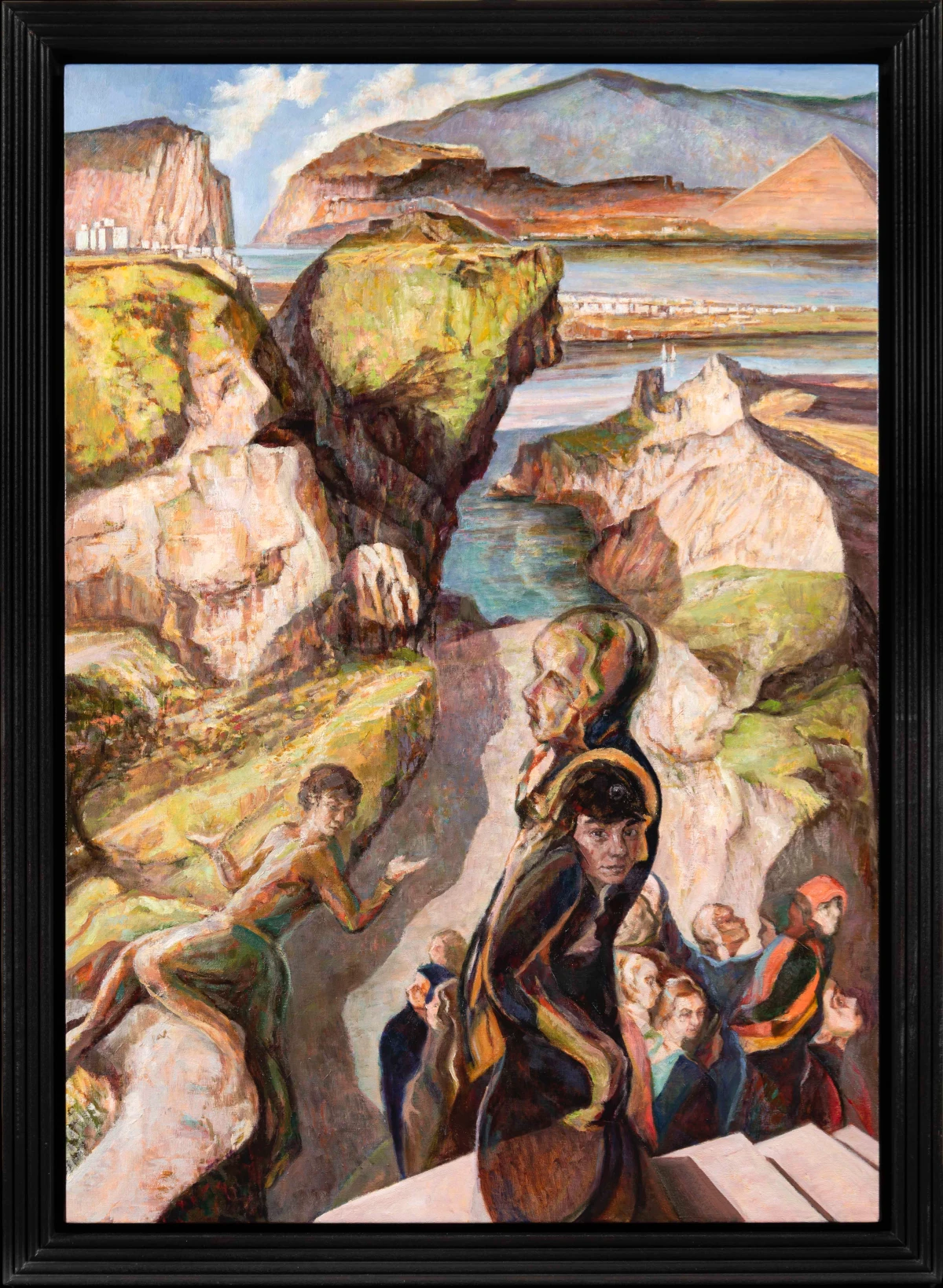
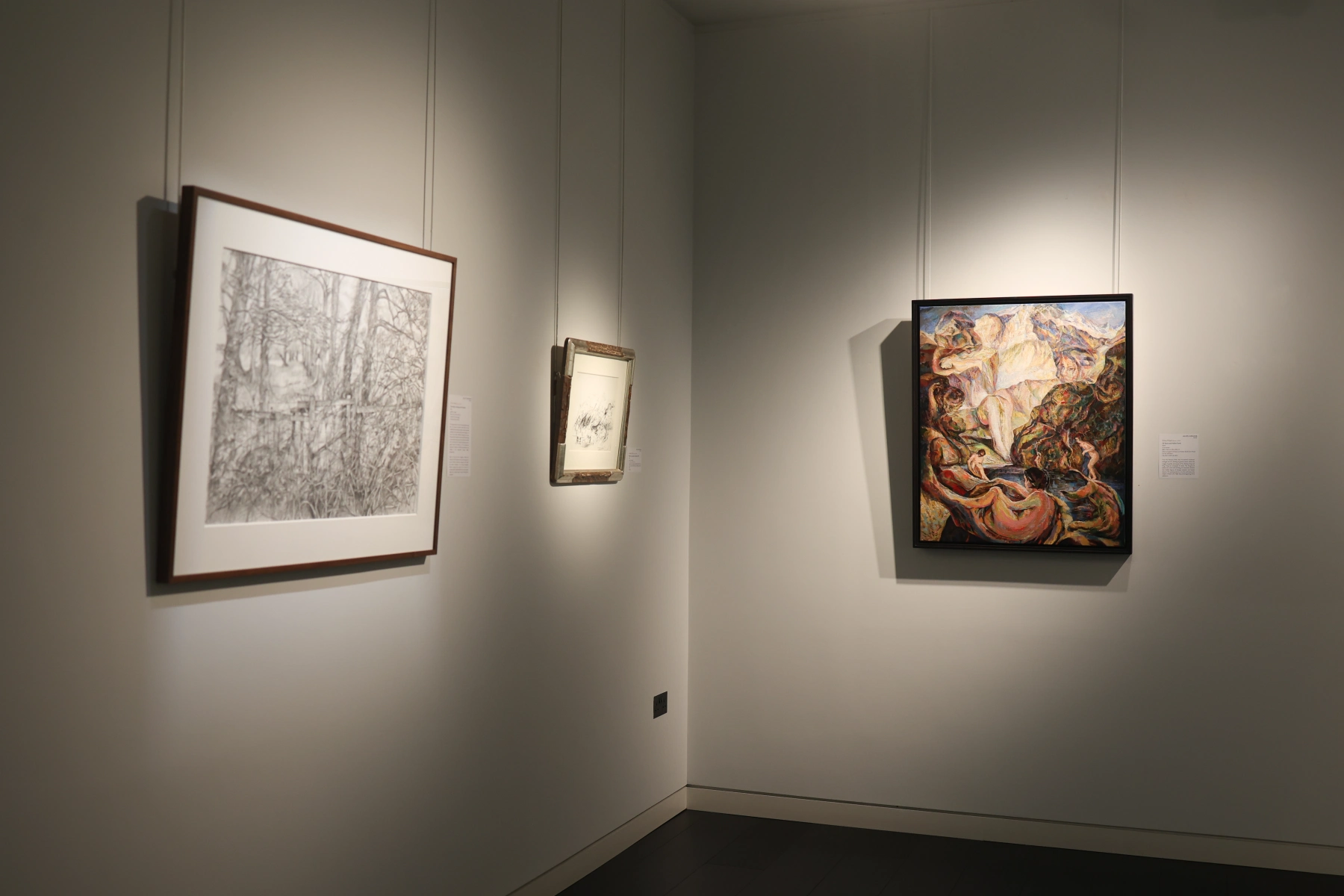
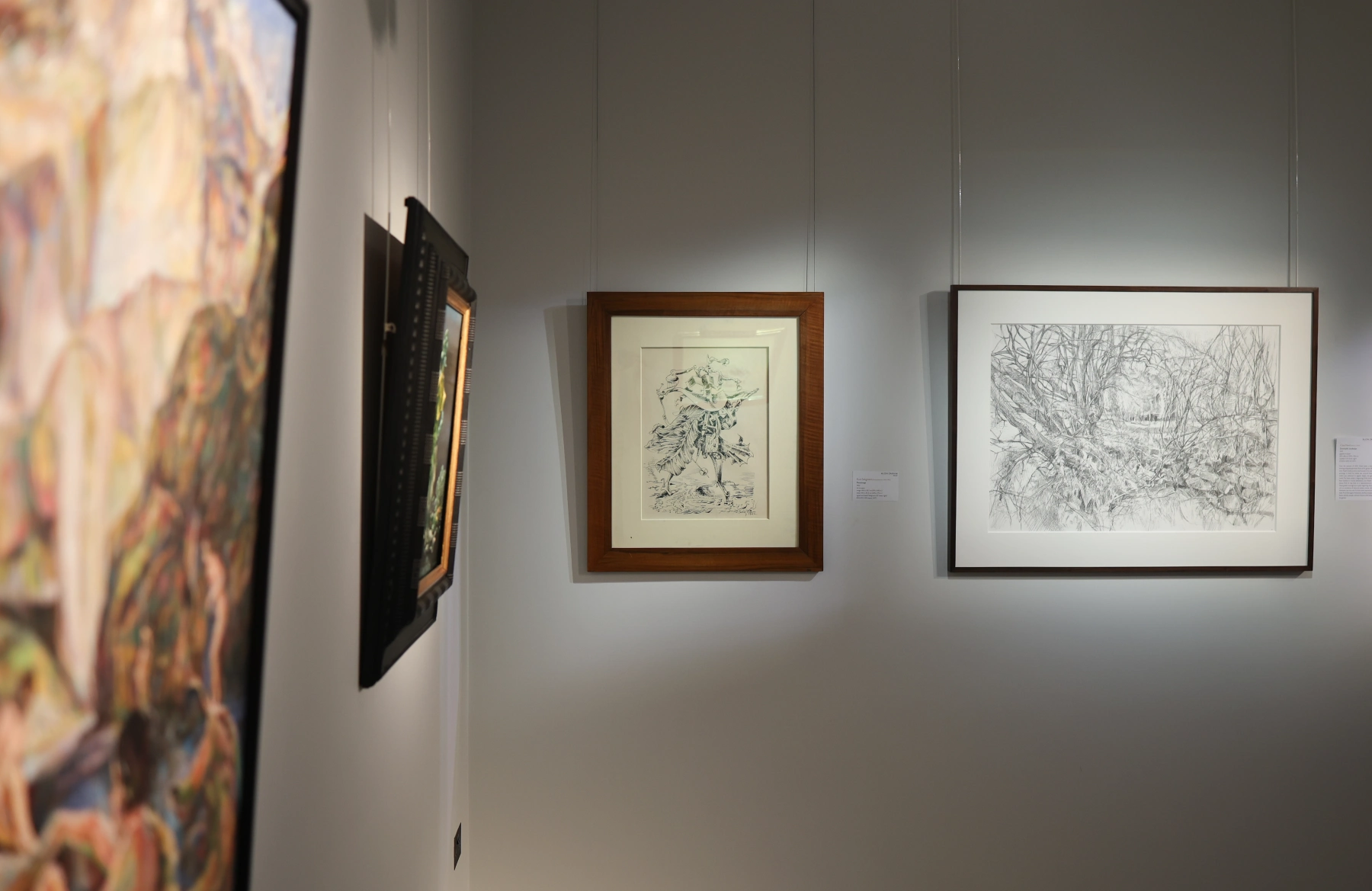
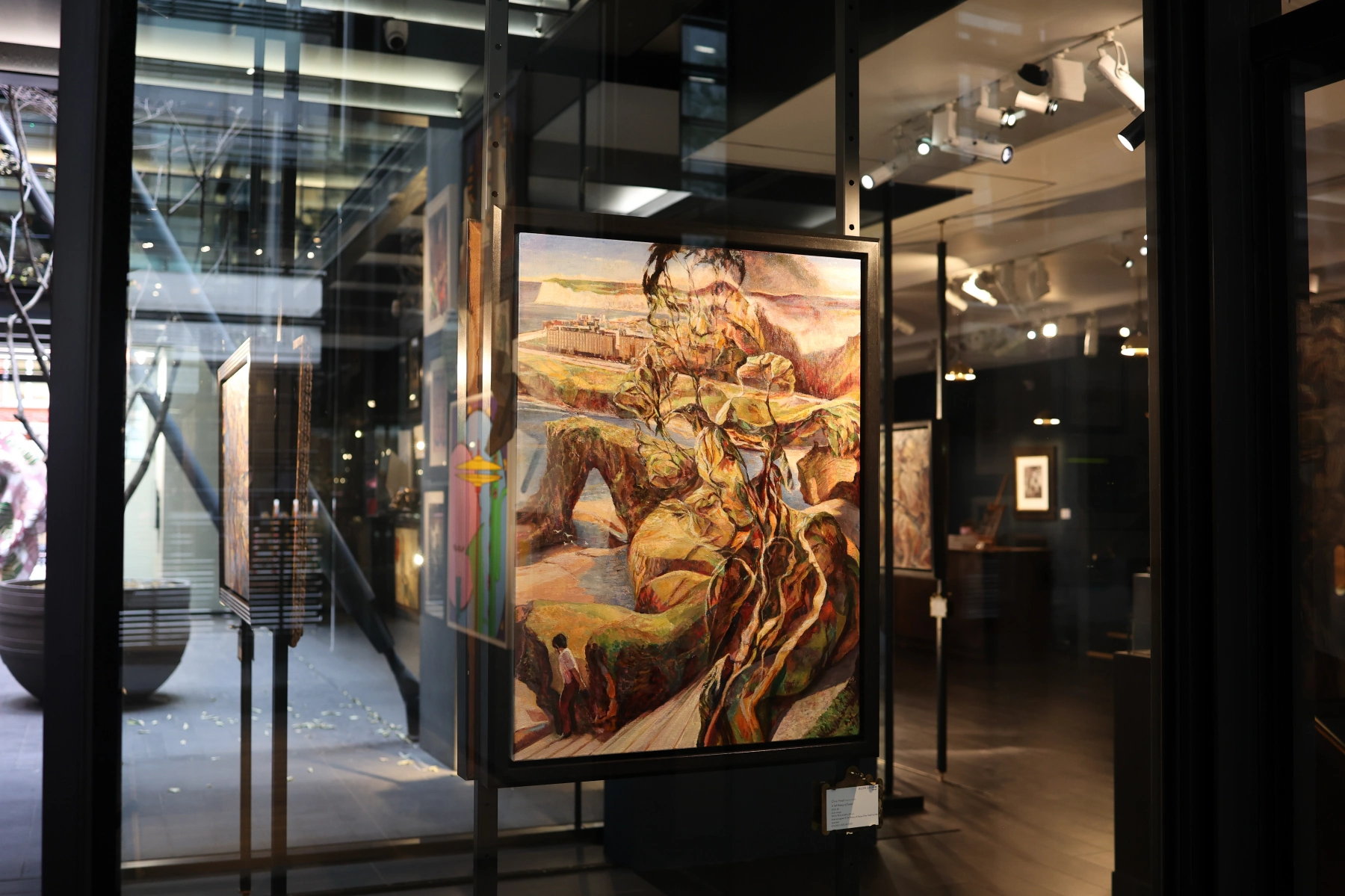
The final room sees Head turn directly to nature in his invention of wondrous landscapes. The Zoomorphic drawings were produced in his garden and developed from the organic shapes that he observed and mapped there. They provide perhaps the clearest indication of how his morphic imagery emerges. Works by Salvador Dalí and Kurt Seligmann connect Head’s immersive process to the freefall methods of Surrealism. Dalí’s paranoiac-critical paintings reveal multiple, often dark and unsettling images simultaneously. Head, by contrast, tends towards a more enlightened narrative. Darker thoughts occasionally surface, but his magic realism is ultimately animated with life, faith, and hope.
Sign Up & Never Miss a Show