+1 424 282 6288
Open: Tue-Sat 10am-6.30pm
Visit
Open: Tue-Sat 10am-6.30pm
1030 Manhattan Beach Blvd, CA 90266, Los Angeles, United States
Open: Tue-Sat 10am-6.30pm
Visit
Bryan Ida: Portrait Remix
Bluerider ART LA•Manhattan Beach, Los Angeles
Sat 19 Sep - Sat 21 Nov 2026
1030 Manhattan Beach Blvd, Manhattan Beach, CA 90266 — Google
Tue-Sat 10am-6.30pm
Artist: Bryan Ida
Bluerider ART LA • Manhattan Beach presents Bryan Ida: Portrait Remix, a 2026 solo exhibition by American artist Bryan Ida. This marks Ida’s return to Bluerider ART after several years — from Floating California (2014) and City Symphony (2016) to Portrait Remix today, a clear trajectory comes into focus: from urban landscape, to the ripple of natural water, and now, for the first time, his gaze narrows to the face — human and animal alike, held within a single unified logic of looking.
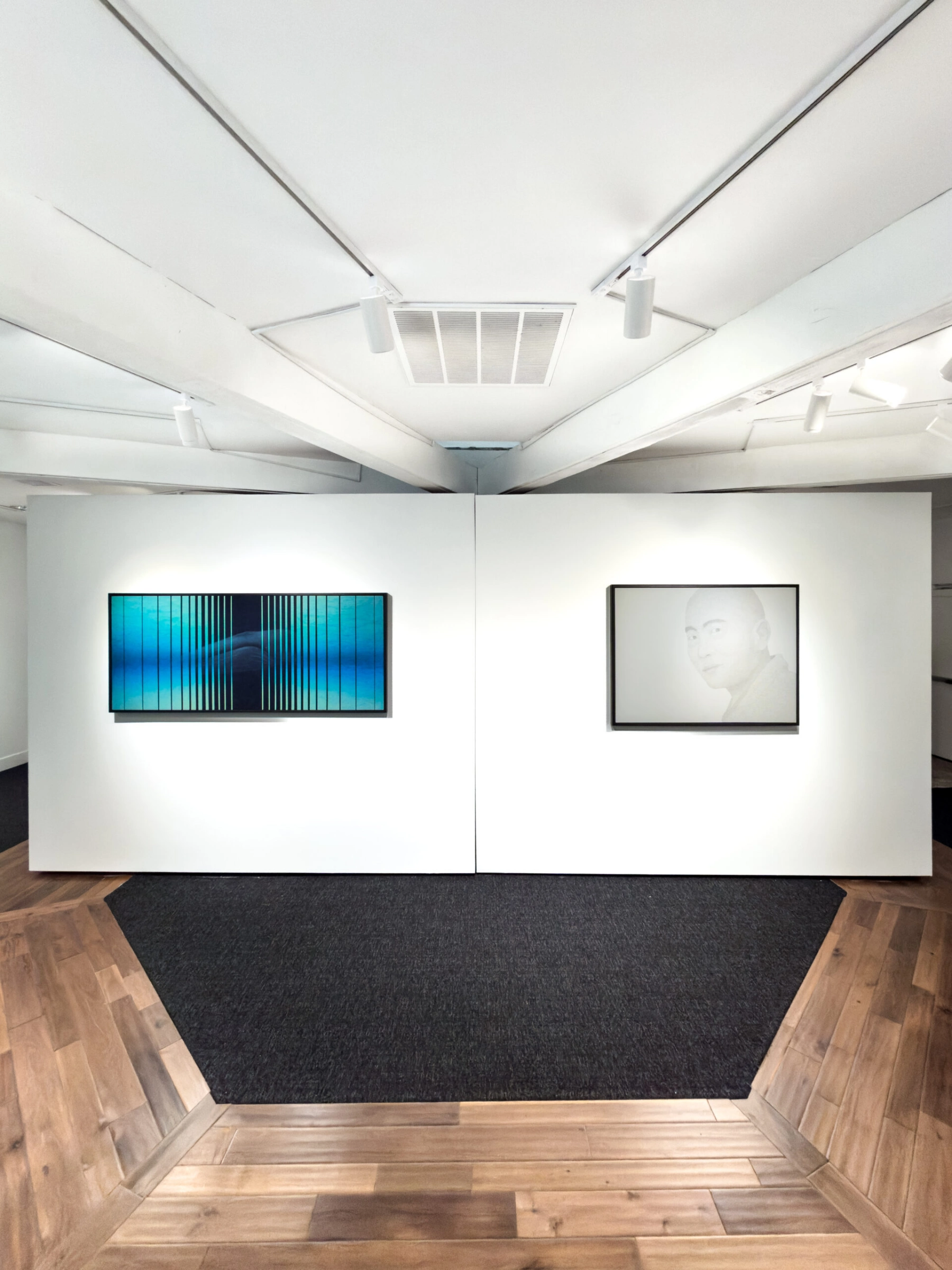
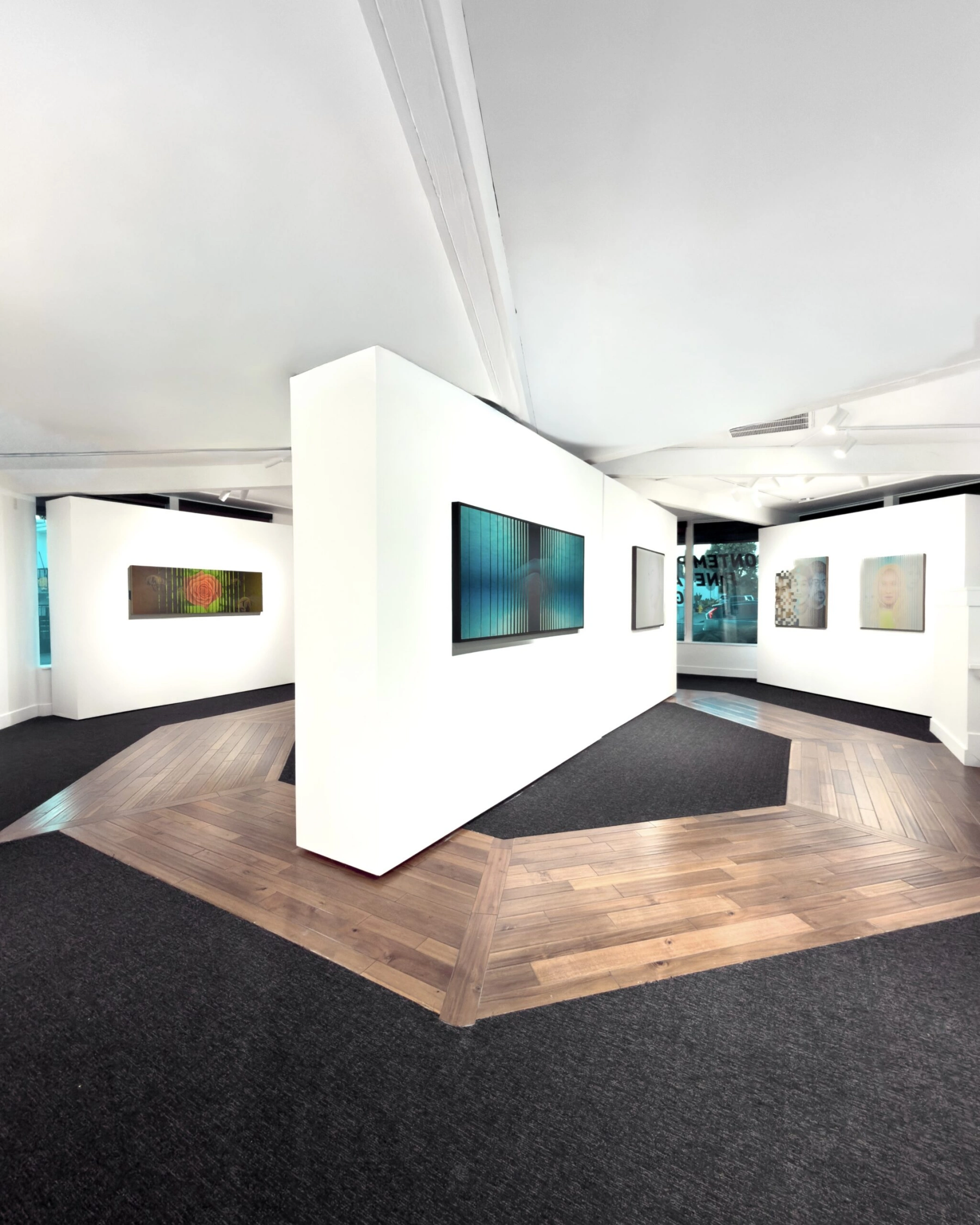
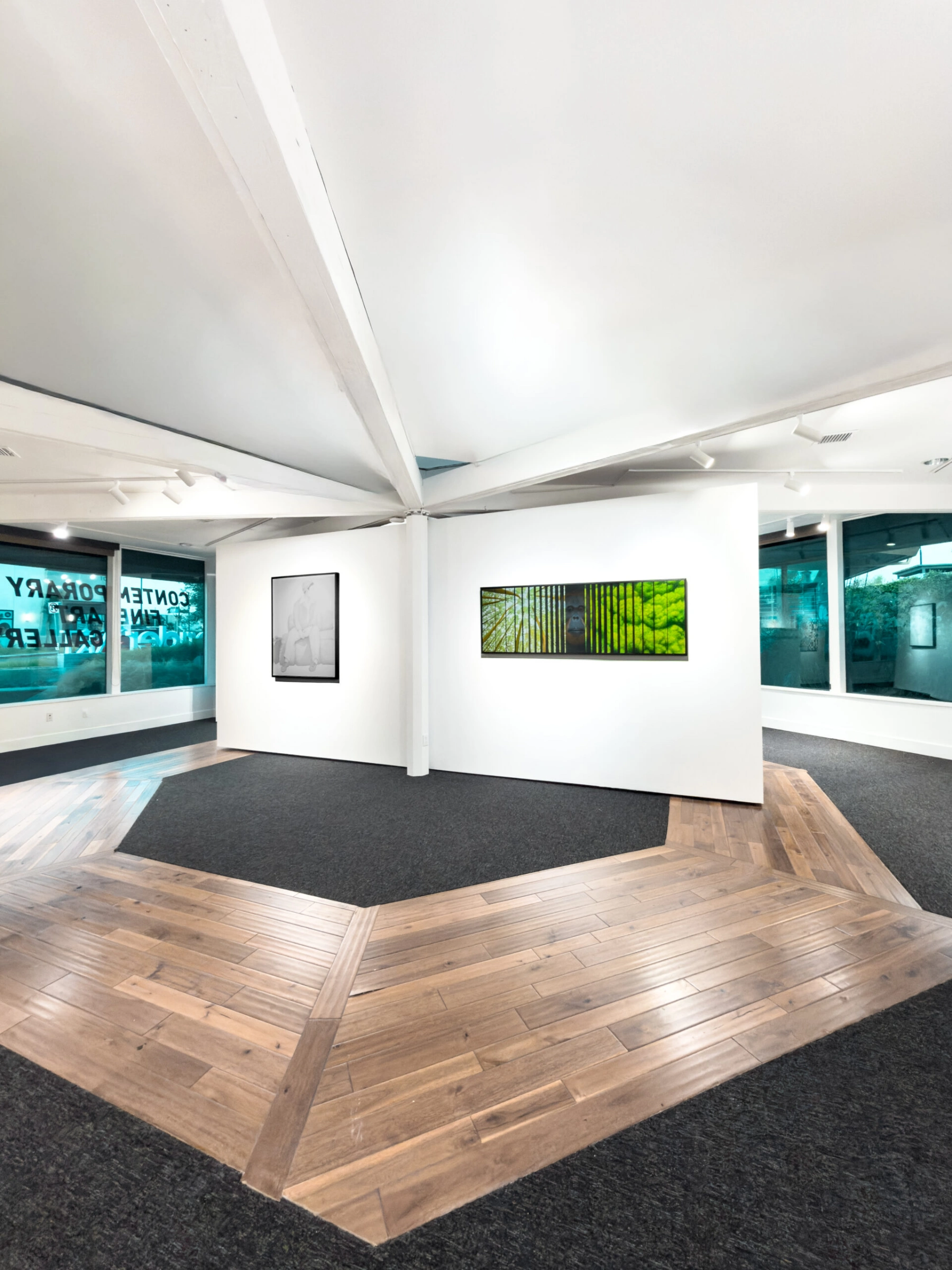
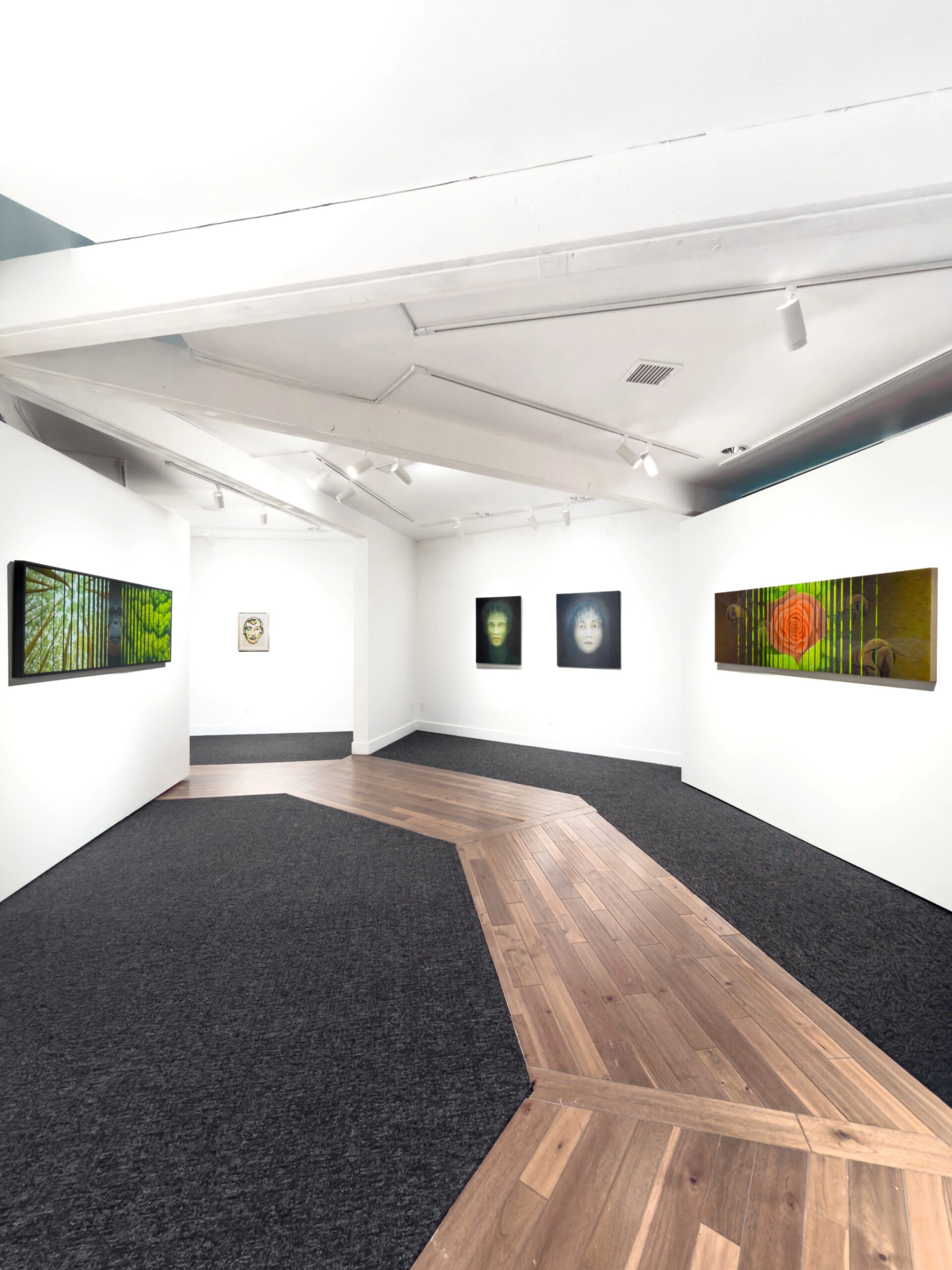
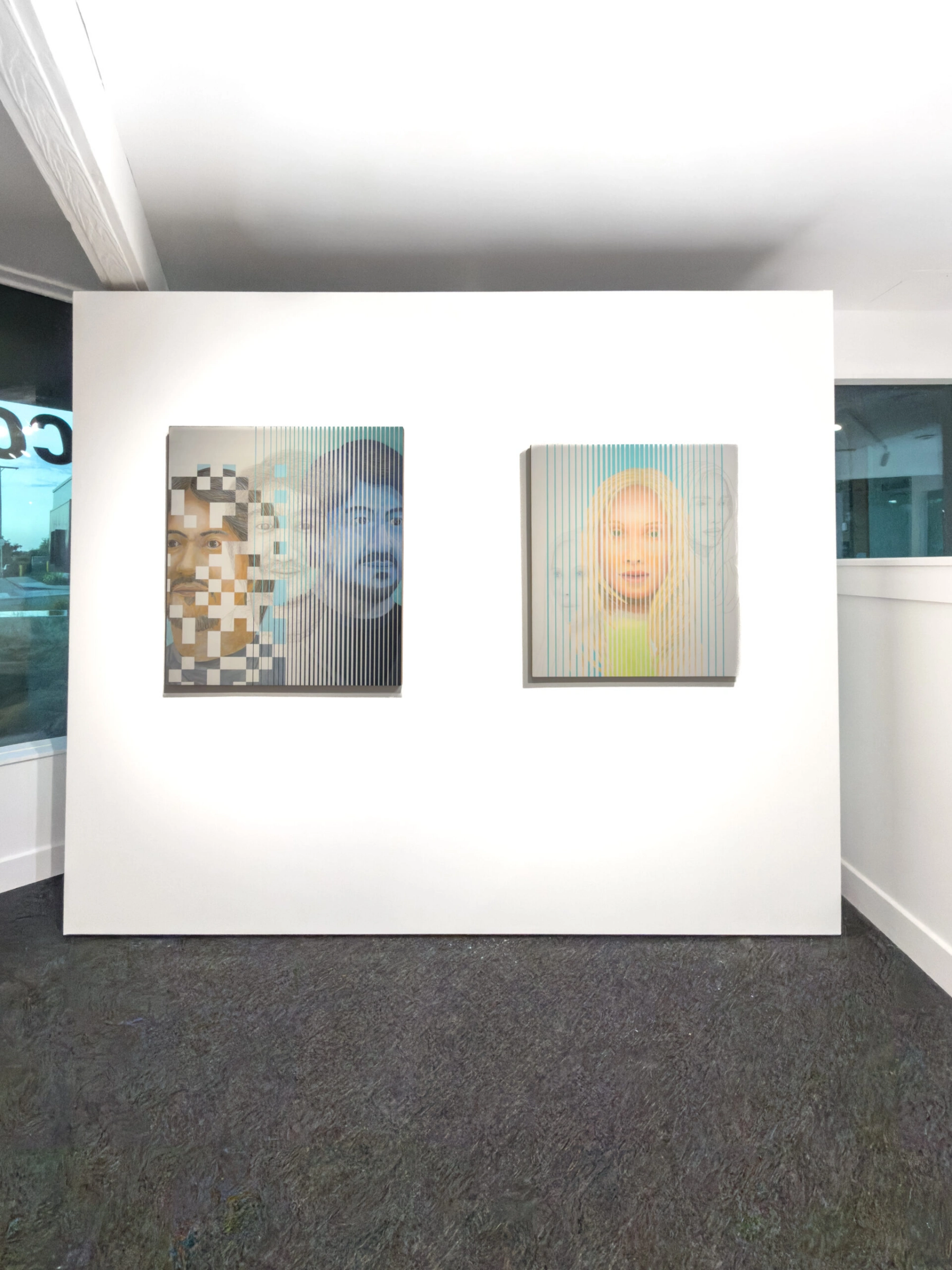
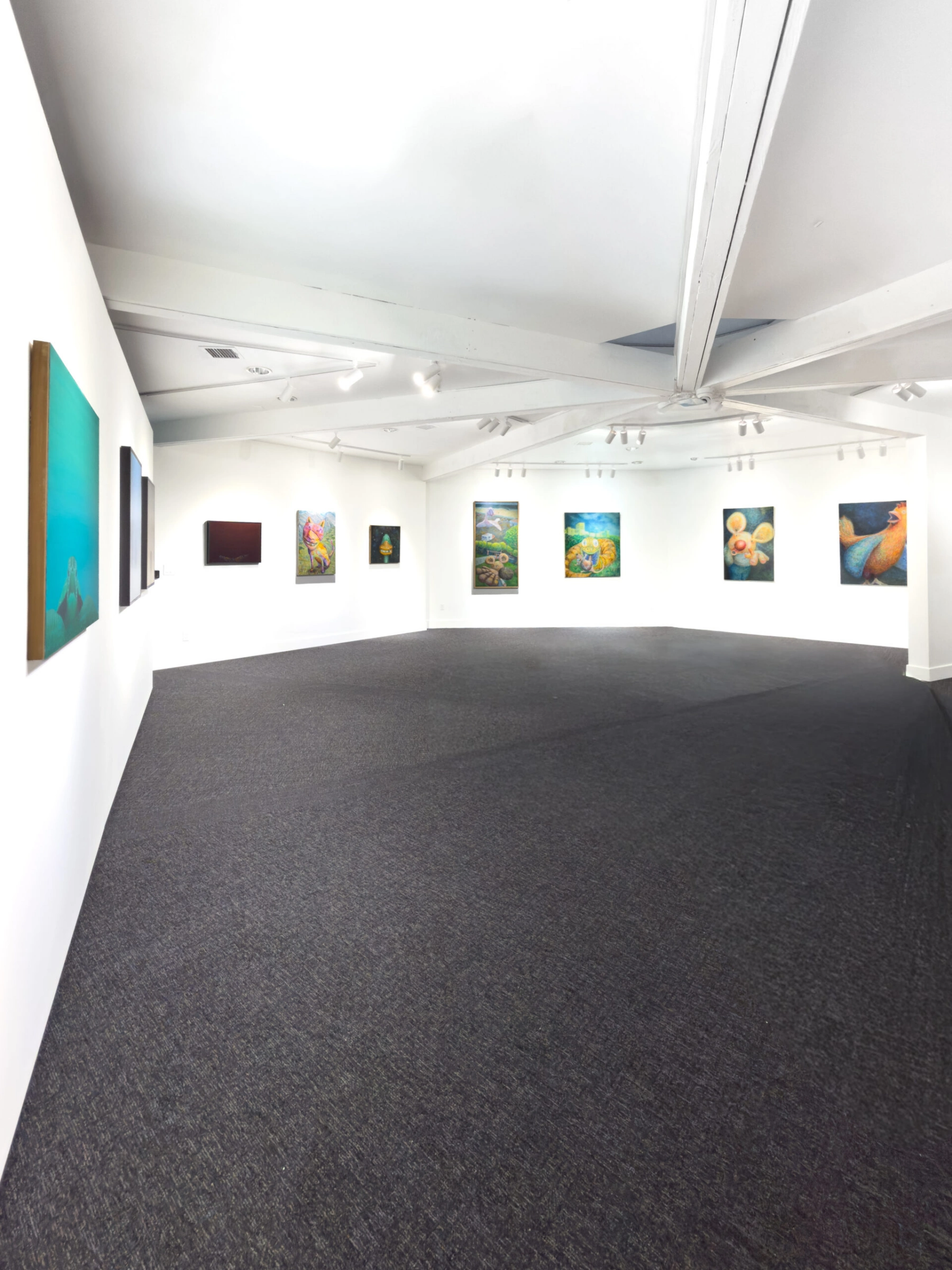
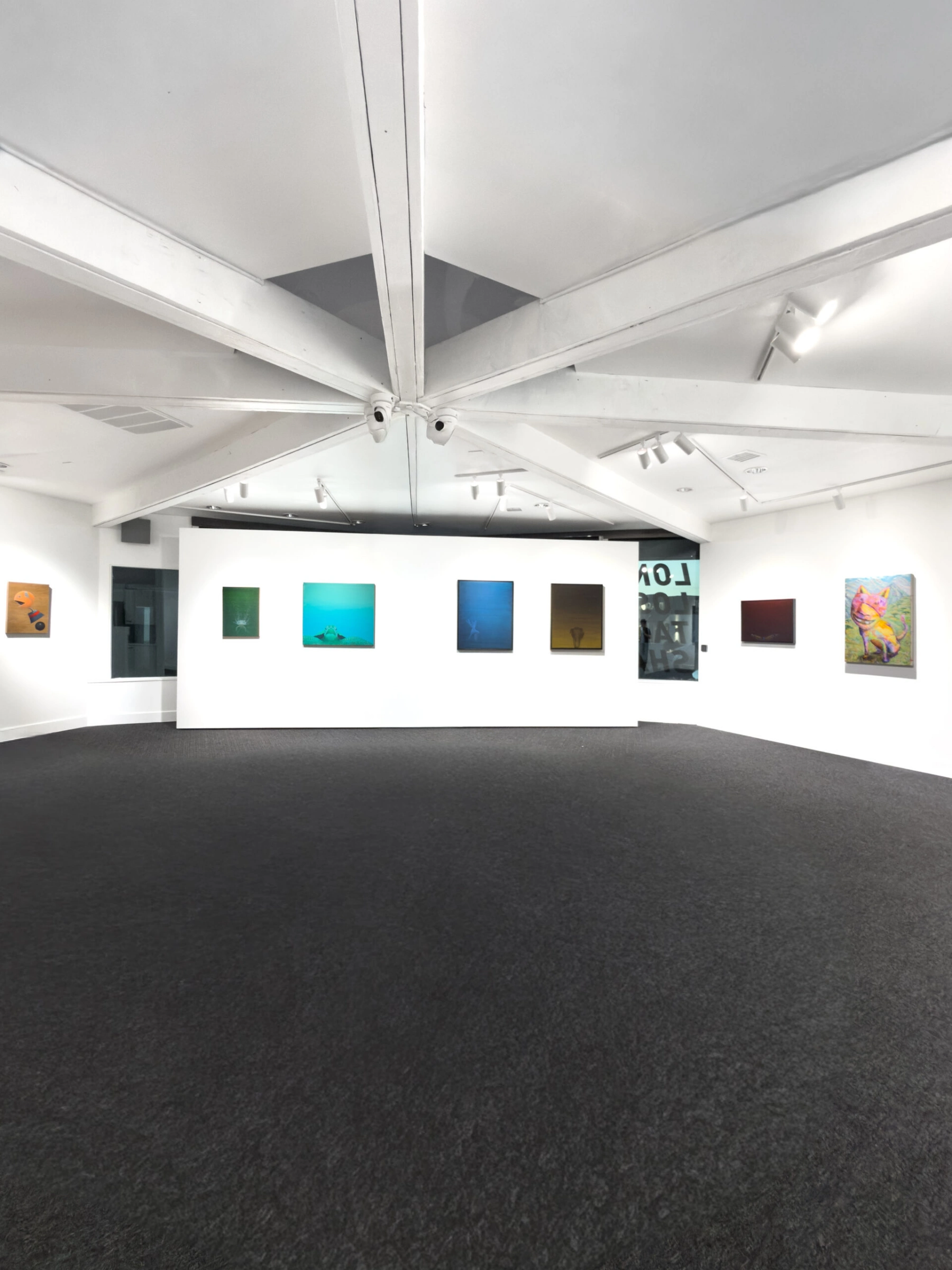
Bryan Ida (USA, b. 1963) A graduate of San José State University, where he majored in electronic music composition, currently lives and works in Los Angeles. Alongside his exuberant, expansive use of color, Ida folds in a sensibility drawn from music, developing a distinctive four-dimensional practice built from layered acrylic, epoxy, and polyester — a material dialogue with both city and nature. His work has been exhibited widely at major American institutions, including the Museum of Contemporary Art, Los Angeles, the Bakersfield Museum of Art, the de Saisset Museum, the Japanese American National Museum, and the Lancaster Museum of Art and History. His work is held in the permanent collections of the de Saisset Museum in California and Microsoft, among others.
At the core of Ida’s practice is the relationship between humanity and the natural world. His paintings consider the delicate balance between human existence and the fragile ecosystems that sustain it — reflecting, on one hand, on nature’s extraordinary beauty, and confronting, on the other, the consequences of humanity’s ongoing demand for energy, resources, and expansion. Through his mastery of epoxy, he builds three-dimensional depth out of a two-dimensional surface; through the light, translucent quality of polyester, he layers paint and fiber hundreds of times over, giving each surface an increasingly nuanced richness of content and detail. Moving between humor and gravity, his work sits at the intersection of personal history, institutional discrimination, environmental fragility, and the human condition — examining contemporary social realities while probing the long reach of historical events.
The history of portraiture is, at its core, a history of humanity continually redefining how it wishes to be seen. It begins with the mummy masks and pharaonic statues of ancient Egypt, dating back to 3000 BCE — an “identity-marking” portraiture that sought eternity rather than likeness. It was not until the 1st century CE, with the rise of the Fayum portraits, that faces were rendered in encaustic paint as they truly appeared in life, inaugurating the tradition of realist portraiture. Through the medieval period (roughly the 5th to 14th centuries), portraiture receded into the religious narrative of the icon; it was only with the Renaissance (14th–16th centuries) that it truly revived — da Vinci, van Eyck, and Dürer turned the portrait from a proof of identity into a window onto an inner world. In the 17th century, Rembrandt used light and shadow to probe self-scrutiny, while Velázquez, through his court portraits, interrogated power and the gaze. The invention of photography in the 19th century freed portraiture from the burden of “recording a likeness,” and Manet and Degas began to break from traditional composition and pose. By the 20th century, Picasso’s Cubism dismantled the single fixed viewpoint; Francis Bacon distorted the face to confront existential anxiety; Andy Warhol’s silkscreened celebrity faces questioned the relationship between portraiture, fame, and reproduction; and Cindy Sherman, through self-portraiture as performance, deconstructed the very premise that a portrait equals an identity. Portraiture has always oscillated between recording the real and constructing an identity — and it is precisely this ancient premise that Bryan Ida reopens in Portrait Remix, placing human and animal within a single, shared logic of the gaze.
The exhibition brings together several series of work. Nature fragments images of trees and the natural environment, breaking their original continuity through layering and reassembly — a visual metaphor for humanity’s responsibility to balance its growing demands against the needs of the natural world. Fading Light uses the fading of light as a metaphor for the threat of animal extinction; dusk evokes both the passage of time and the impermanence of life, while light itself suggests the possibility of change in the face of adversity. Funny Animal began with an accident in the studio — a rat clenching a cigar unexpectedly emerged from beneath the layers of an in-progress painting, and Ida chose to keep it, marking the start of the series. con.Text (2024) presents Ida’s self-portrait constructed from the text of the 1924 Immigration Act, situating personal and family history within the longer history of anti-Asian immigration policy in the United States.
From city to nature, from ripple to face, Ida’s creative trajectory ultimately converges on a question that is at once the oldest and the most contemporary: not merely a matter of material accumulation, but a present-day inquiry into how identity is constructed by time. Several hundred layers of resin stand in for the painter’s brush across millennia — offering, for portraiture’s oldest artistic question, a new answer for the age of the digital remix.