Tweede Laurierdwarsstraat 1-3, 1016 RA, Amsterdam, Netherlands
Open: Wed-Sat 1-6pm
Artist: Marjolein Rothman
In Blue Hour, Marjolein Rothman continues her exploration of light, perception and the way images appear. The title refers to the brief period of twilight just before sunrise or after sunset, when daylight takes on a deep blue hue and the world is momentarily suspended between light and darkness. It is a transitional moment, in which contours soften and what we see becomes less certain.
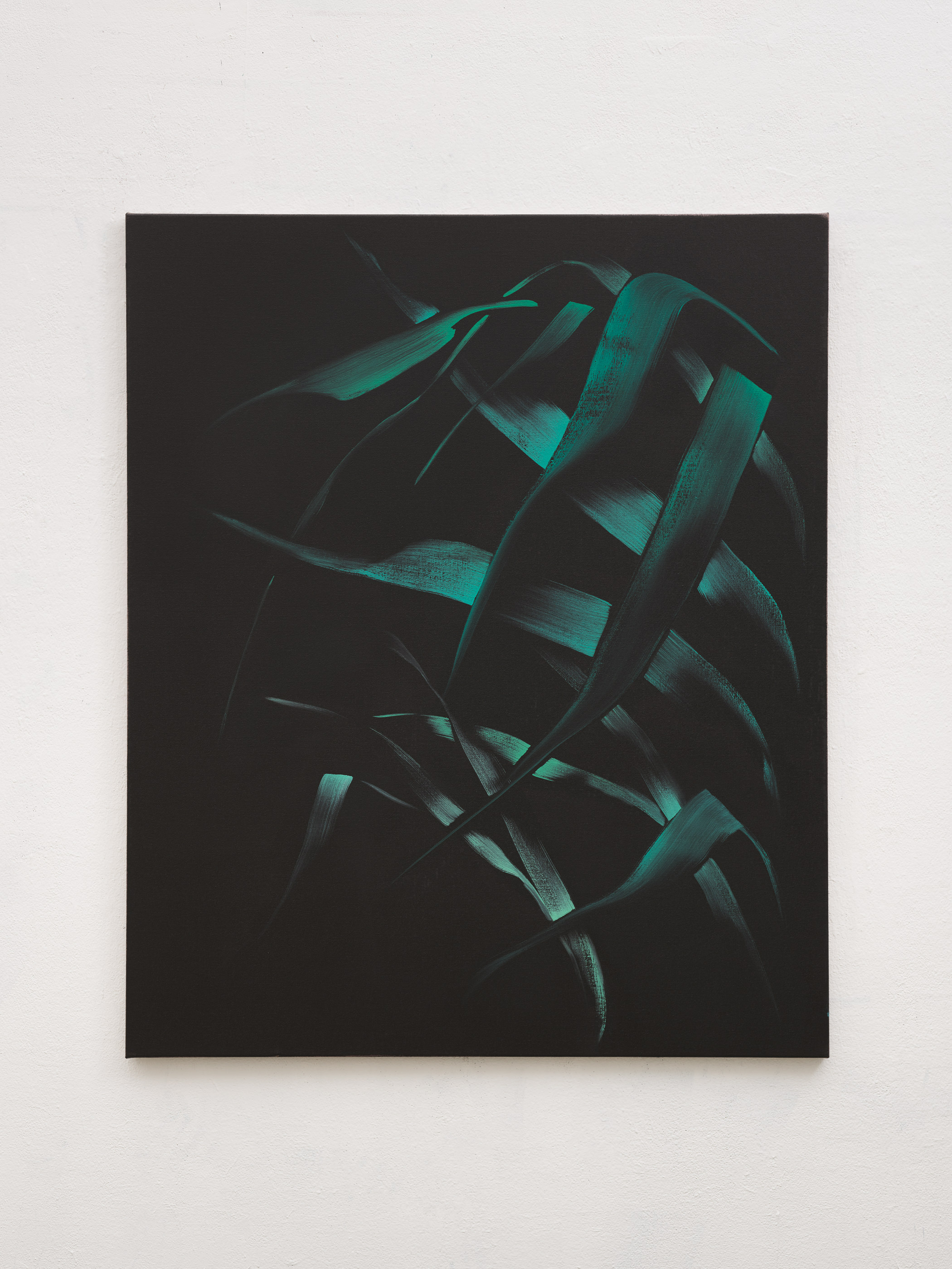
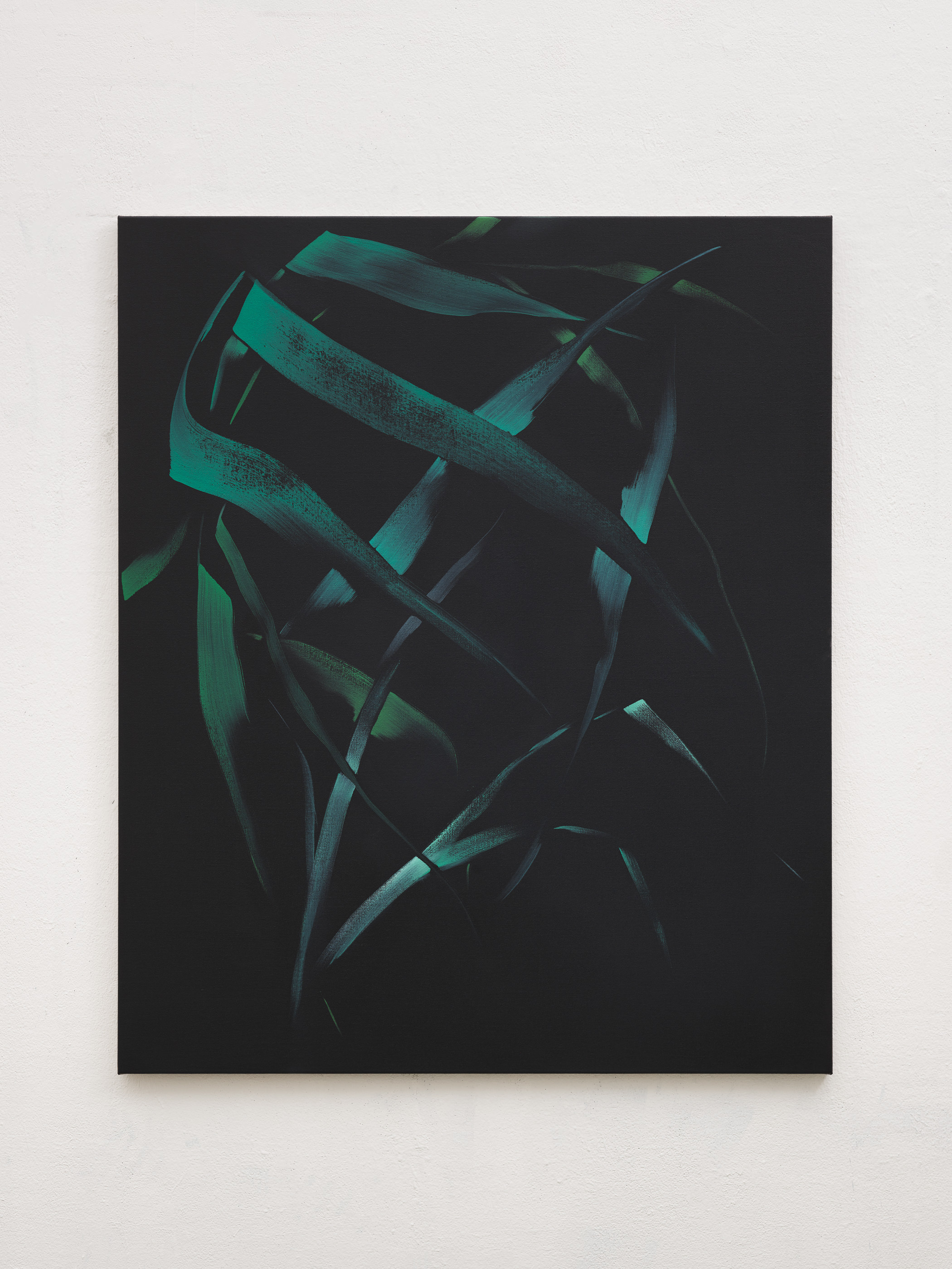
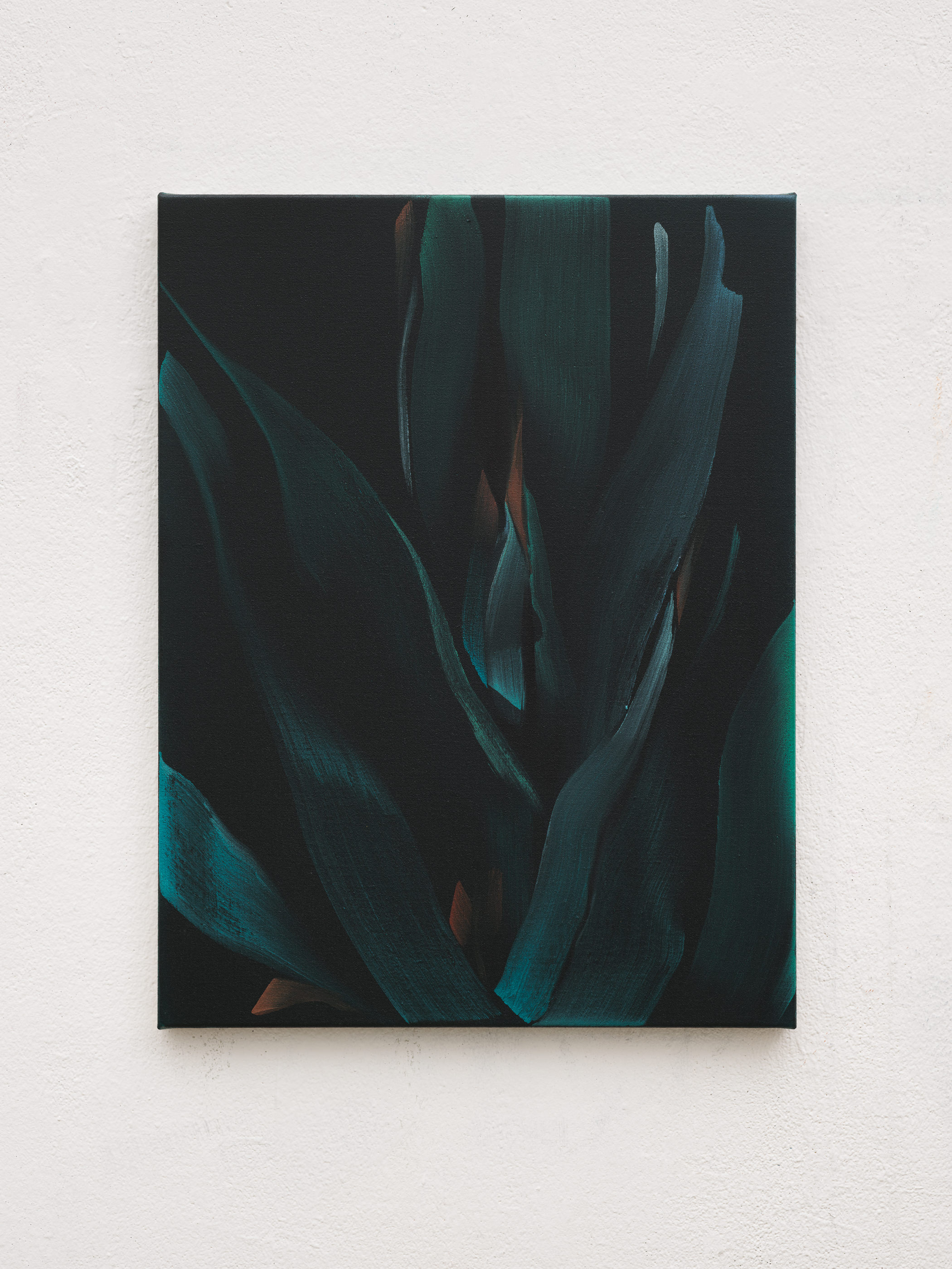
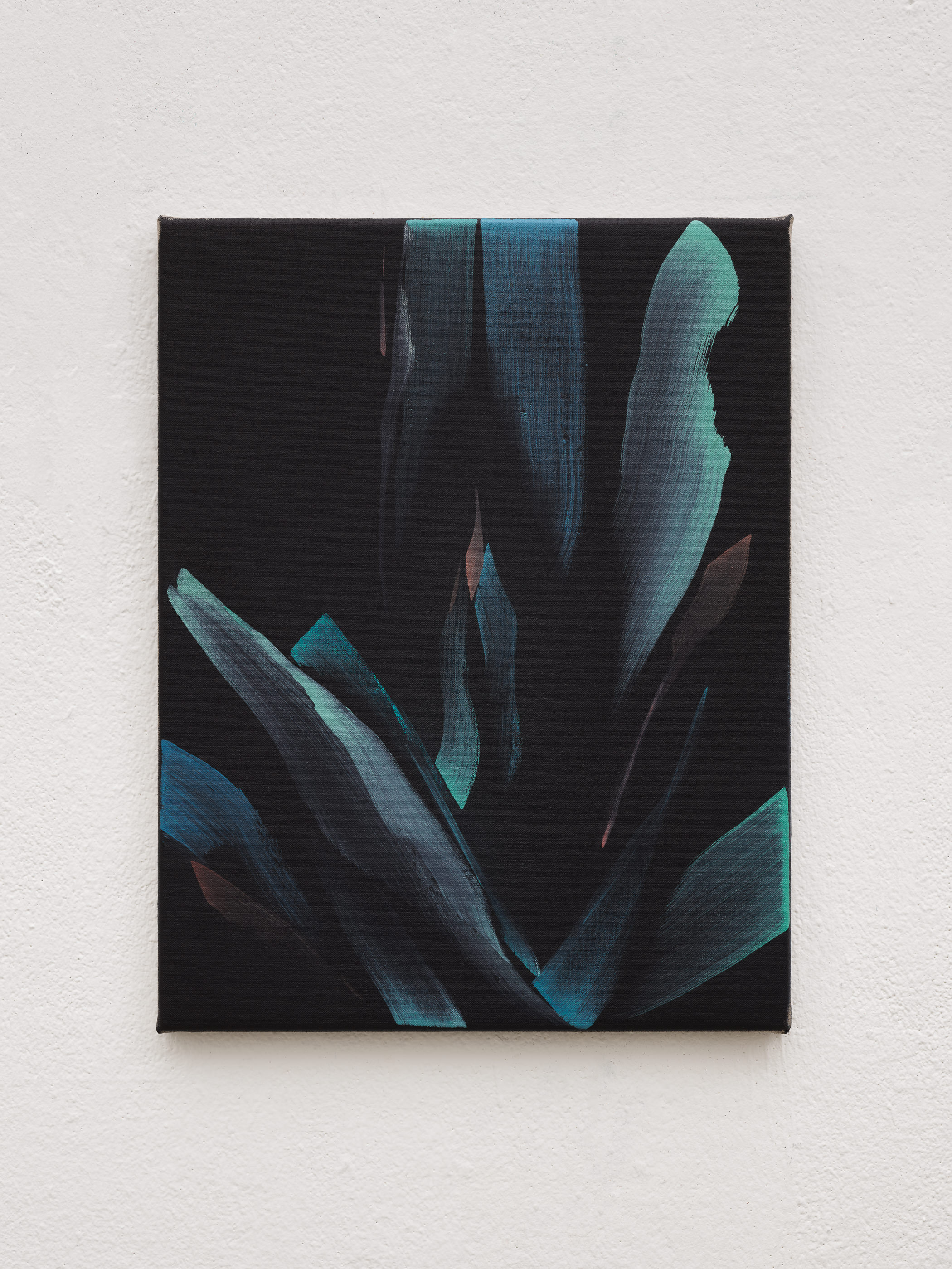
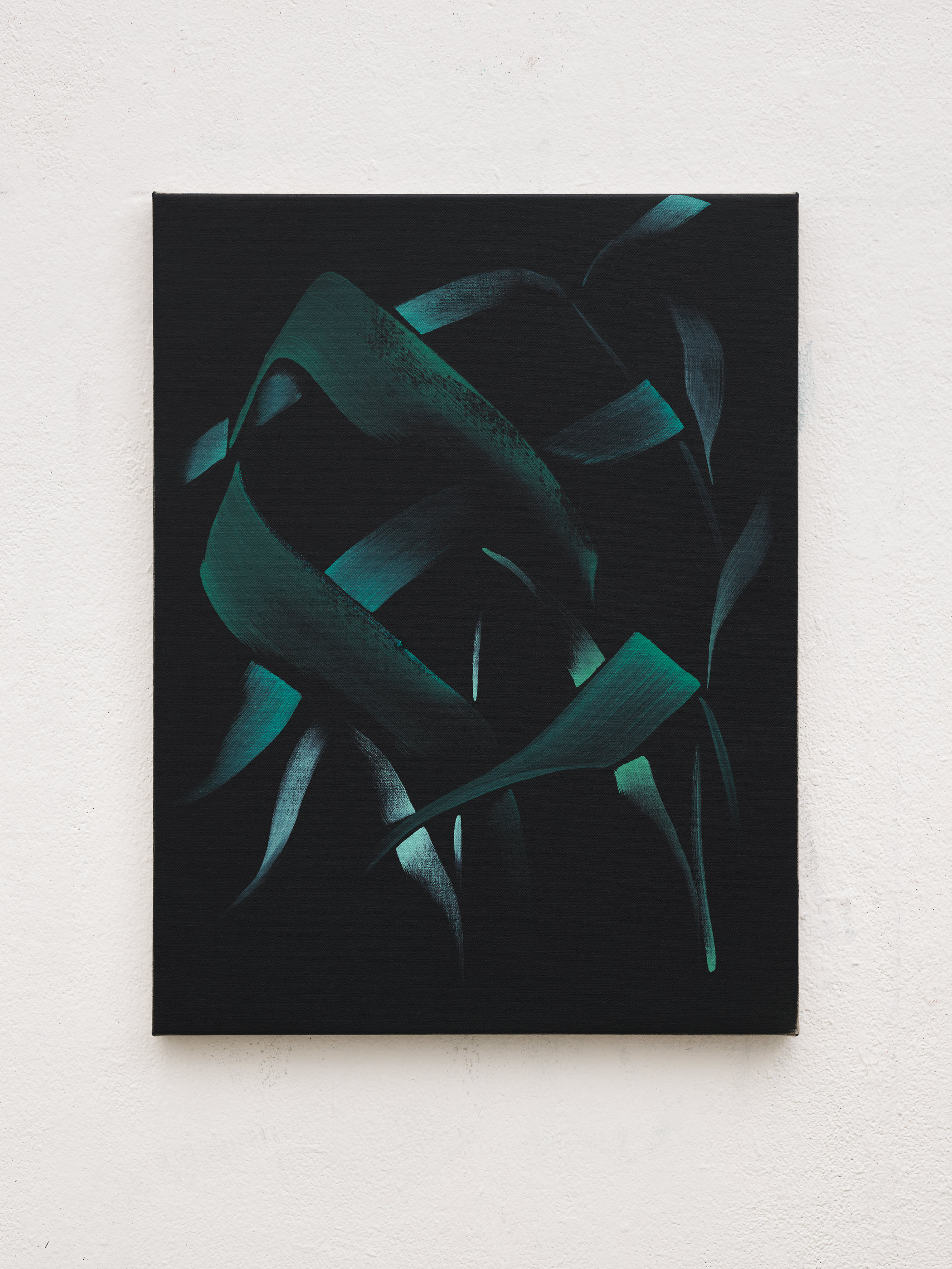
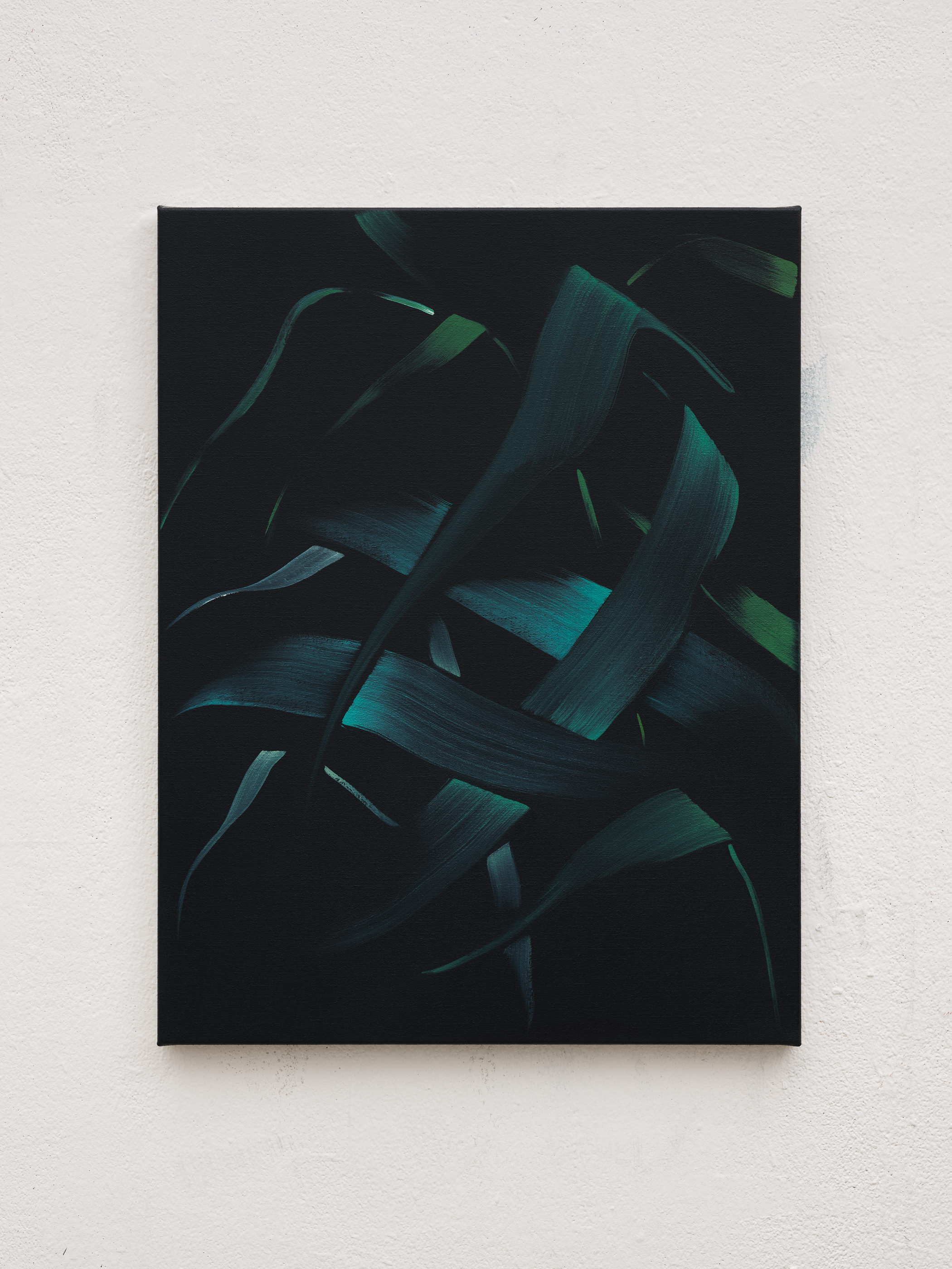
Light emerges from darkness and plays a central role in the construction of the image. Rothman’s paintings are at once gestural and evocative of photography, capturing a fleeting moment in which forms appear through light. Each painting is completed in a single session, using fluid brushstrokes and sweeping movements that leave the physical act of painting visible.
This physicality is also present in the imagery itself, giving the paintings a sensuous and bodily quality. The vegetation takes on an anthropomorphic character: leaves bend, fold and open, at times resembling hands or parts of a body. Forms shift between the botanical and the bodily, the recognizable and the abstract. What at first seems familiar can change through looking more closely, allowing other associations to emerge.
Photography remains an important point of reference, not only in the role of light but in the idea of an image as a moment caught in time. In painting, however, Rothman allows that moment to remain unresolved. The image is never fixed: what we see can become something else from one glance to the next.
This ambiguity extends beyond the image itself. In Blue Hour, the transitional space between light and darkness reflects both an inner emotional condition and the uncertain state of the world today. This uncertainty can evoke fear and danger, but it can also resist the urge to define things too quickly. At a time when images and meanings are increasingly presented as certain and unequivocal, Rothman is interested in what can remain open: the moment before an image, an idea or a perception becomes fixed.
To see things in this state is also to see their potential to become otherwise. Blue Hour lingers in that space, between recognition and uncertainty, what is and what might still be, leaving room for different ways of seeing and imagining new possibilities.
Sign Up & Never Miss a Show