Open: Wed-Sat 11am-6pm
91 Paul Street, EC2A 4NY, London, United Kingdom
Open: Wed-Sat 11am-6pm
Visit
Appau Jnr Boakye-Yiadom: Patent 3306x
NıCOLETTı, London
Artist: Appau Jnr Boakye-Yiadom
NıCOLETTı presents Patent 3306x, a solo exhibition by London-based artist Appau Jnr Boakye-Yiadom (b. 1984), as part of the official programme of Backyard Biennial: East, an 8-week summer arts festival initiated by Whitechapel Gallery in collaboration with more than 40 local partners across East London (14 July – 6 September 2026).
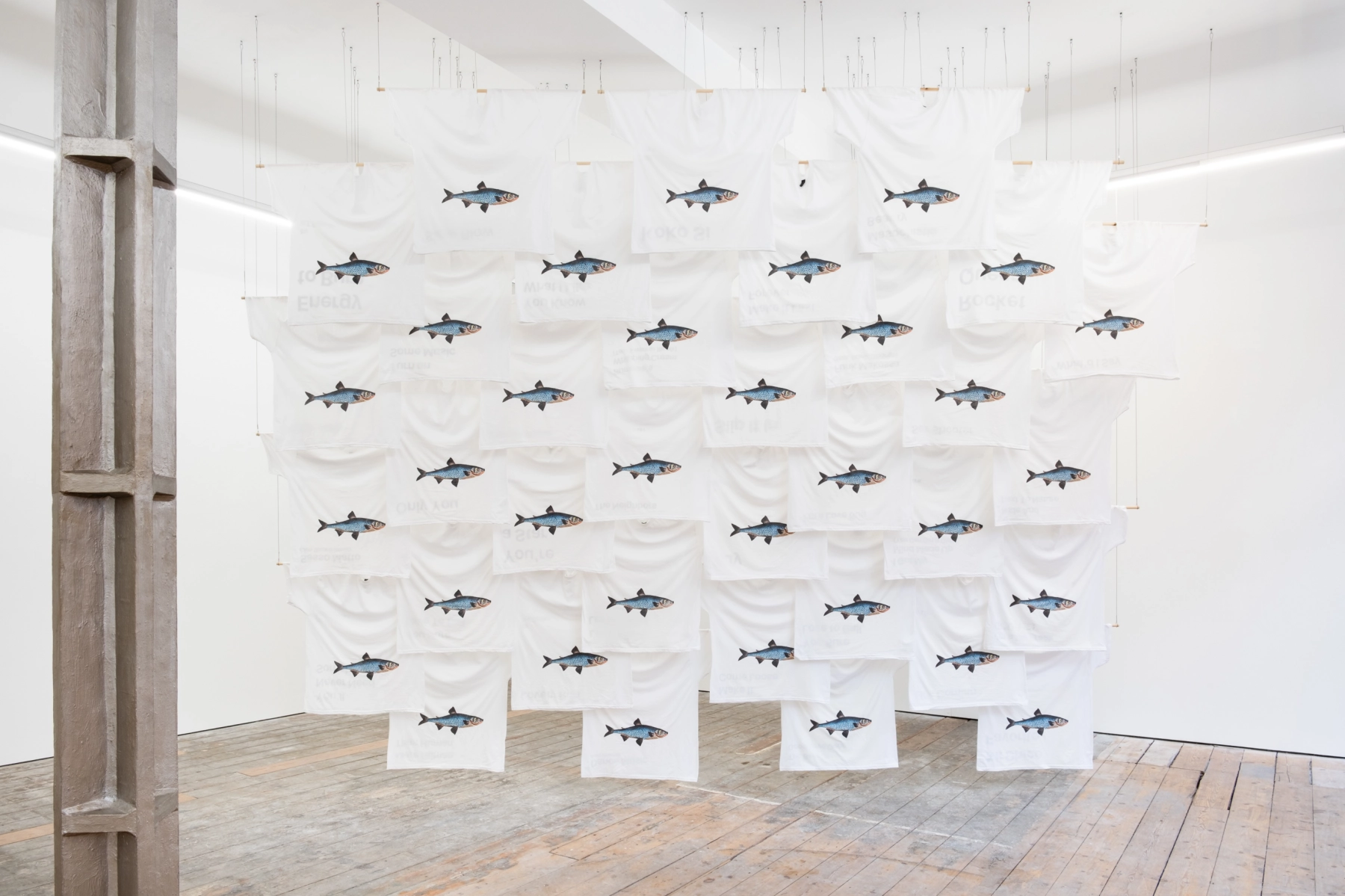
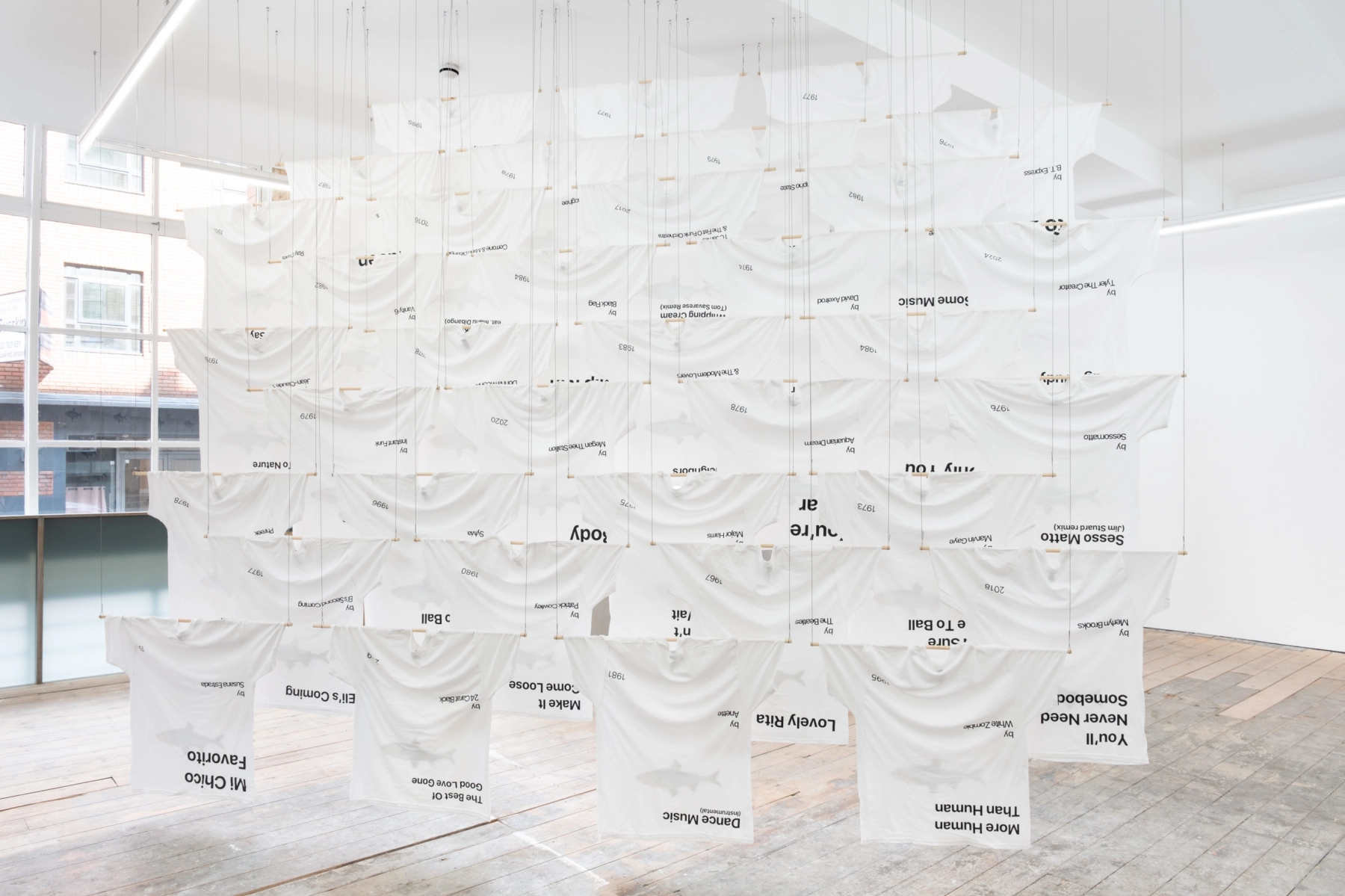
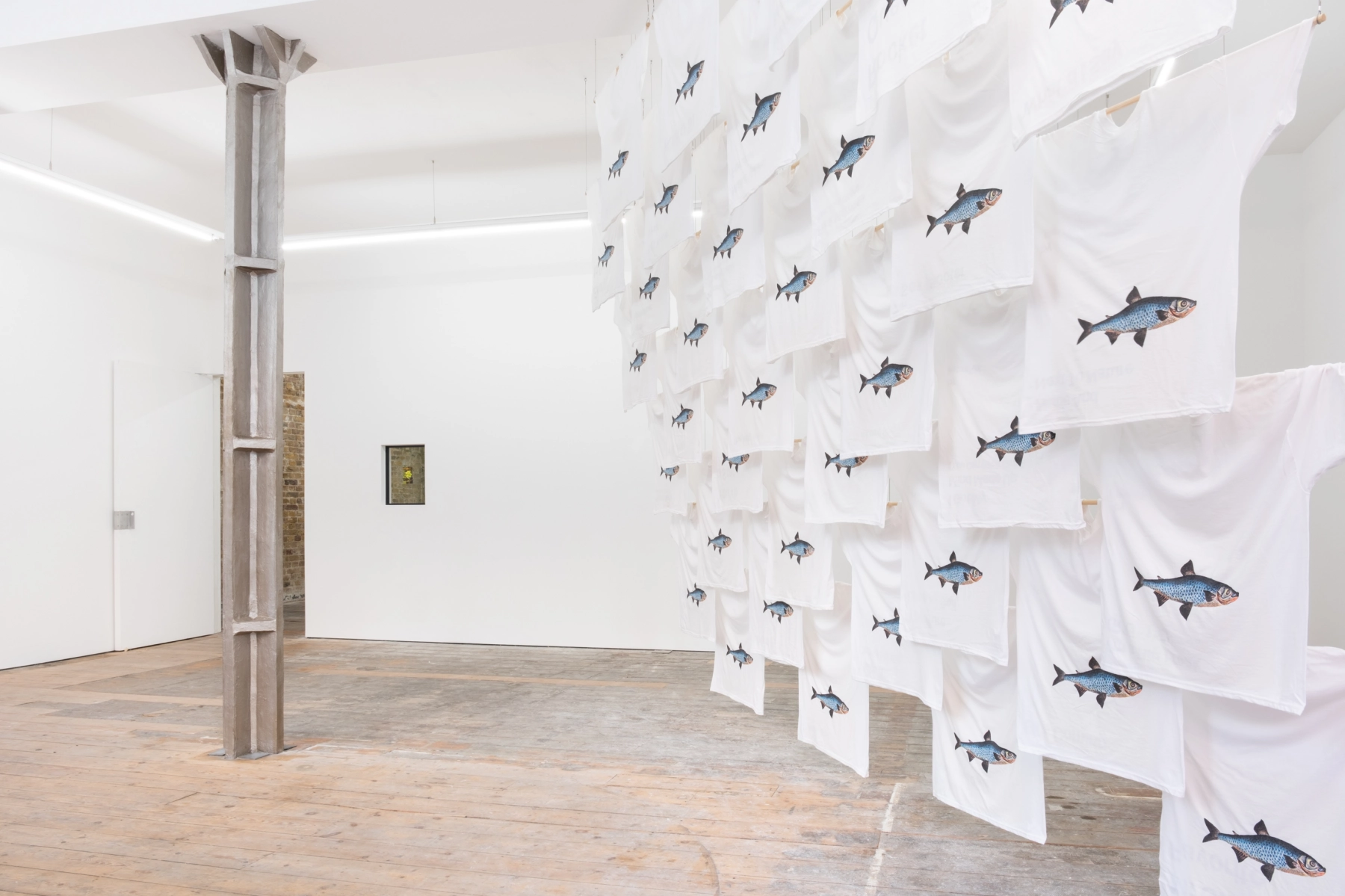
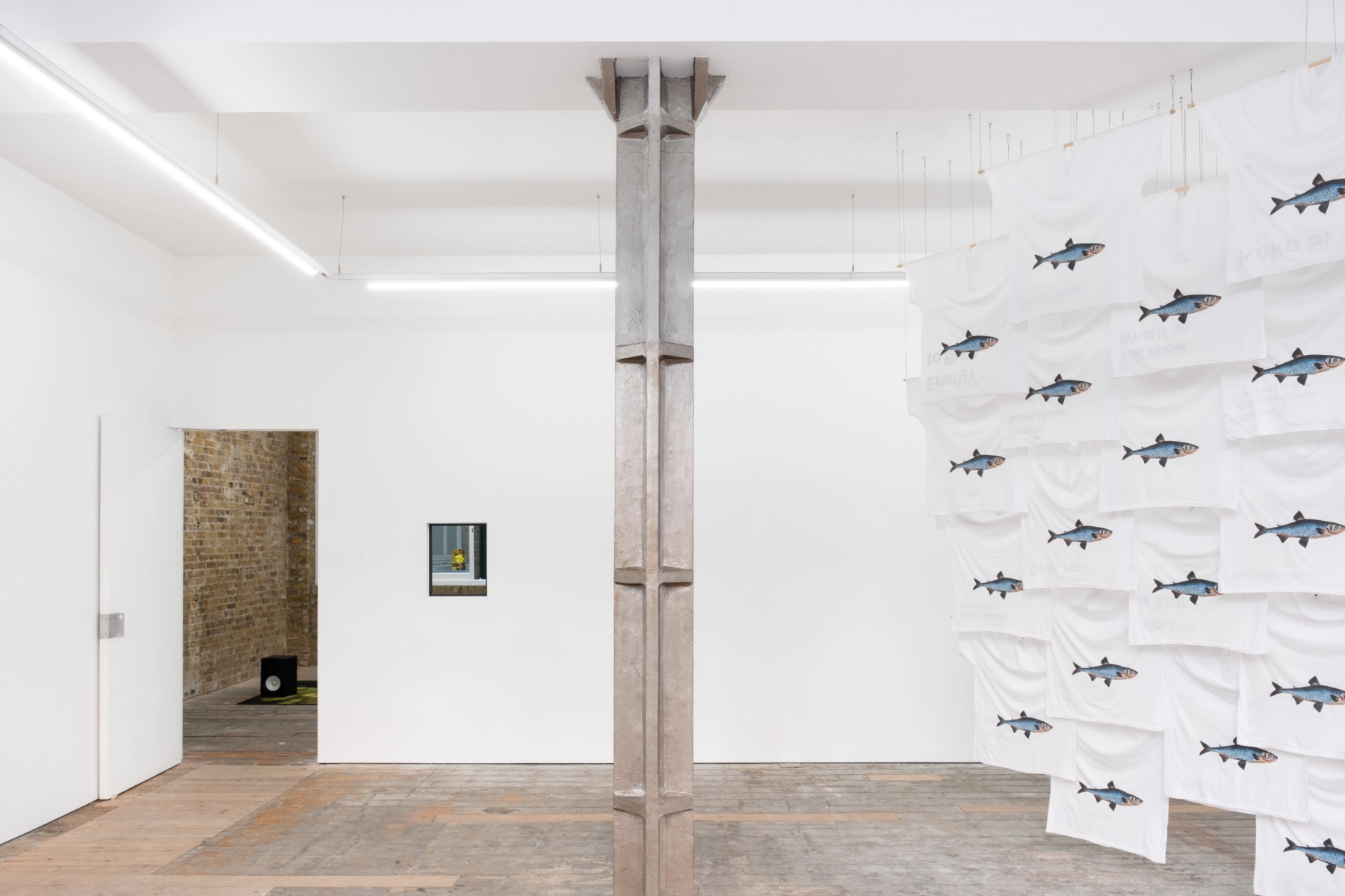
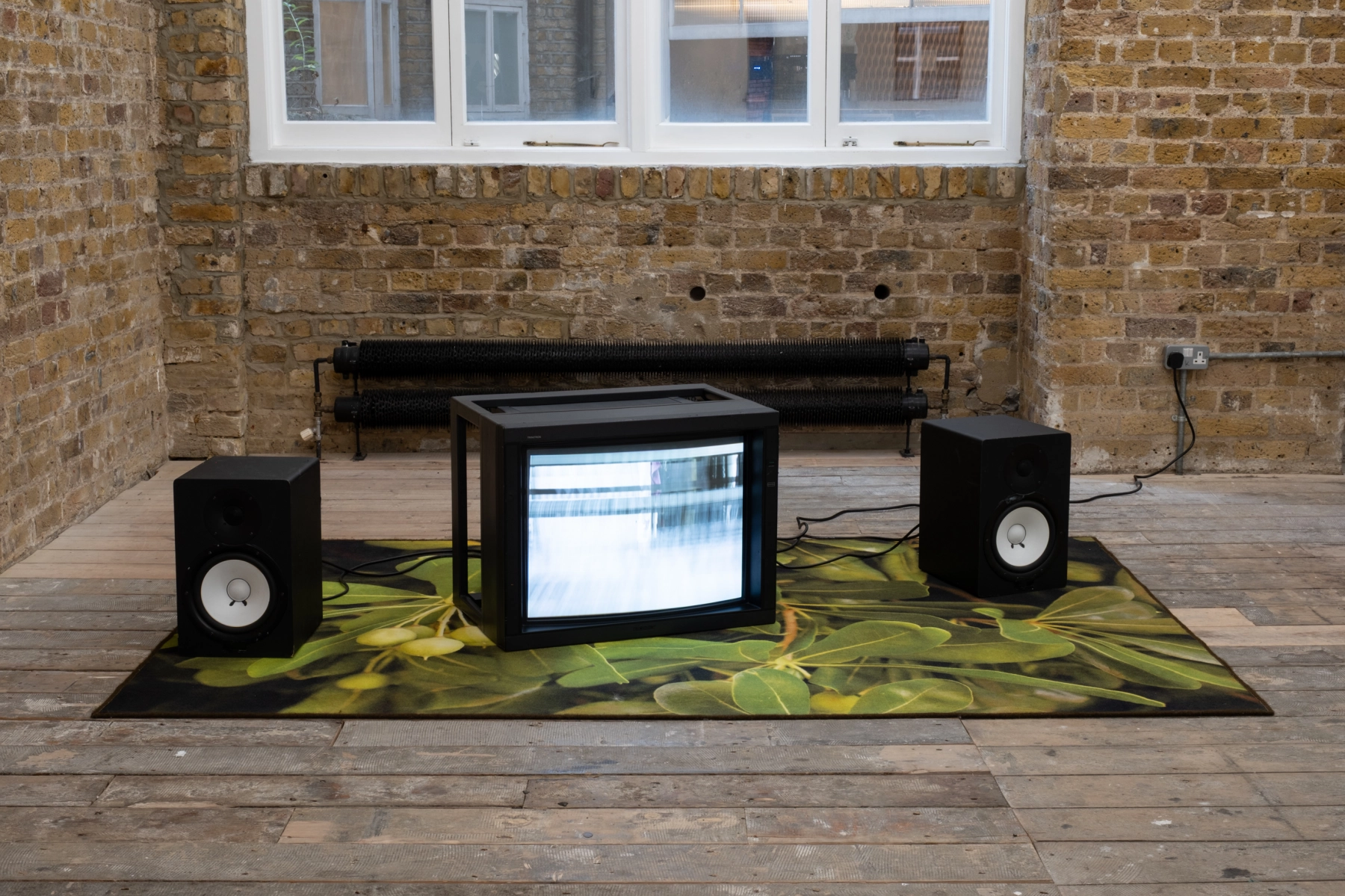
The exhibition expands on Boakye-Yiadom’s three-year research as the inaugural recipient of the Donna Lynas Residency (2023-26) – a partnership between Wysing Arts Centre, Modern Art Oxford, Somerset House and South London Gallery –, where he presented exhibitions exploring musical instruments held in the Bate Collection and the Pitt Rivers Museum. Modular Merger, his solo exhibition at Modern Art Oxford, is on view until 13 September 2026.
Working across installation, painting, video and photography, Boakye-Yiadom examines the systems through which objects, images and knowledge are classified, circulated and assigned value. Drawing equally from natural history, popular music, fashion and everyday technologies, his practice reveals classification not as a neutral act of description but as a cultural mechanism through which ownership, desire and authority are continually negotiated.
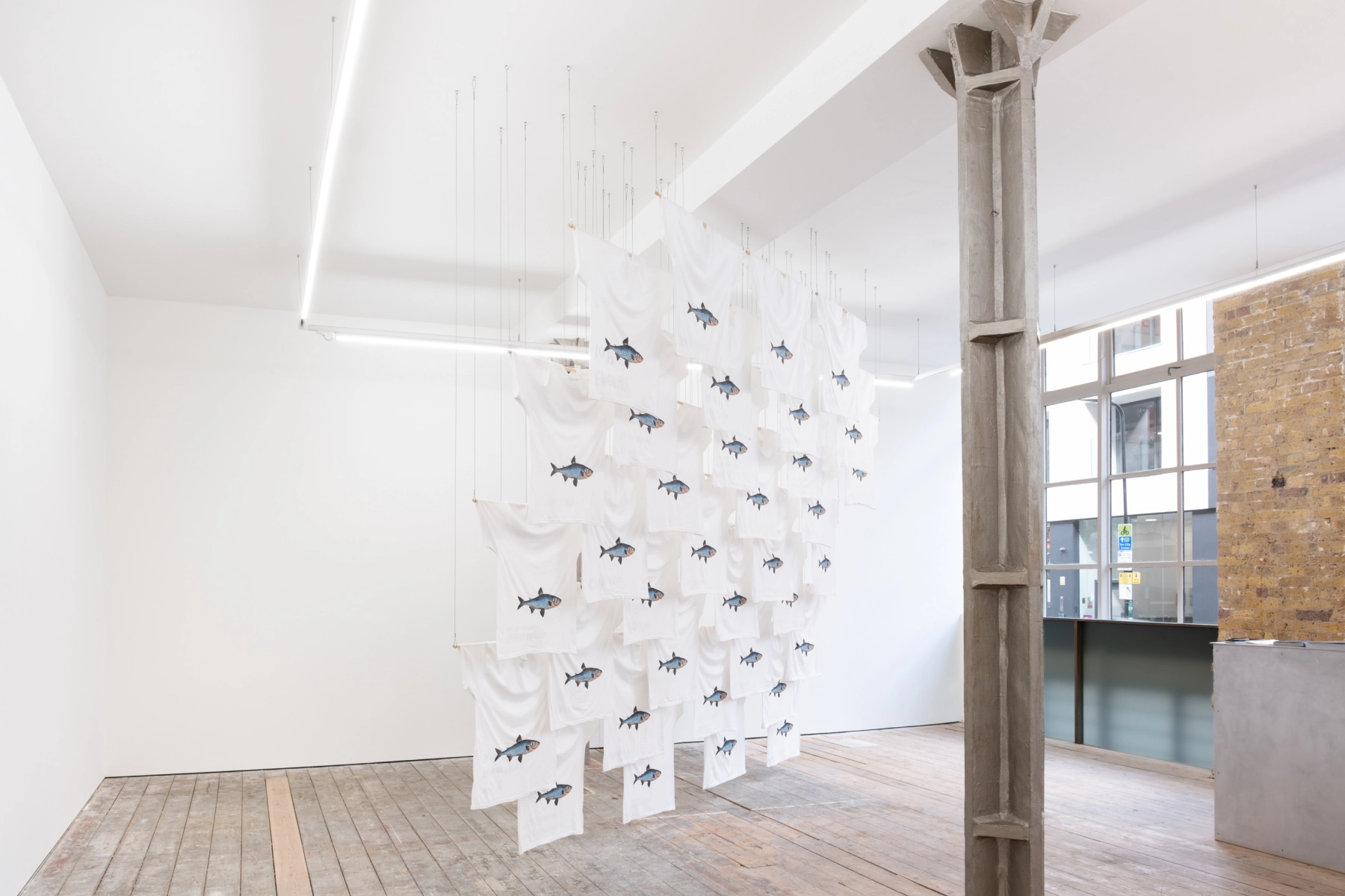
At the centre of Patent 3306x is a new installation of T-shirts bearing a painted fish copied from a nineteenth-century taxonomic illustration. Originally produced not as artworks but as scientific diagrams intended to record and distribute newly “discovered” species, these images embodied the classificatory ambitions of Victorian natural history and, more broadly, the colonial impulse to catalogue the world. Removed from their original context and reproduced on an everyday garment, the fish no longer functions as scientific evidence but as an unstable symbol of discovery, circulation and appropriation. Printed on porous cotton, the image inevitably fades and change over time, allowing the material itself to register the work’s continued life beyond the exhibition.