49 Dorset Street, W1U 7NF, London, United Kingdom
Open: Mon-Fri 10am-6pm, Sat 11am-5pm
Artist: Andreas Gefeller
Atlas Gallery presentss a new solo exhibition by Düsseldorf photographer Andreas Gefeller (b. 1970), bringing together significant new and recent works. The exhibition marks six years since Gefeller’s last solo exhibition at Atlas Gallery, Mapping Perception, in 2020.
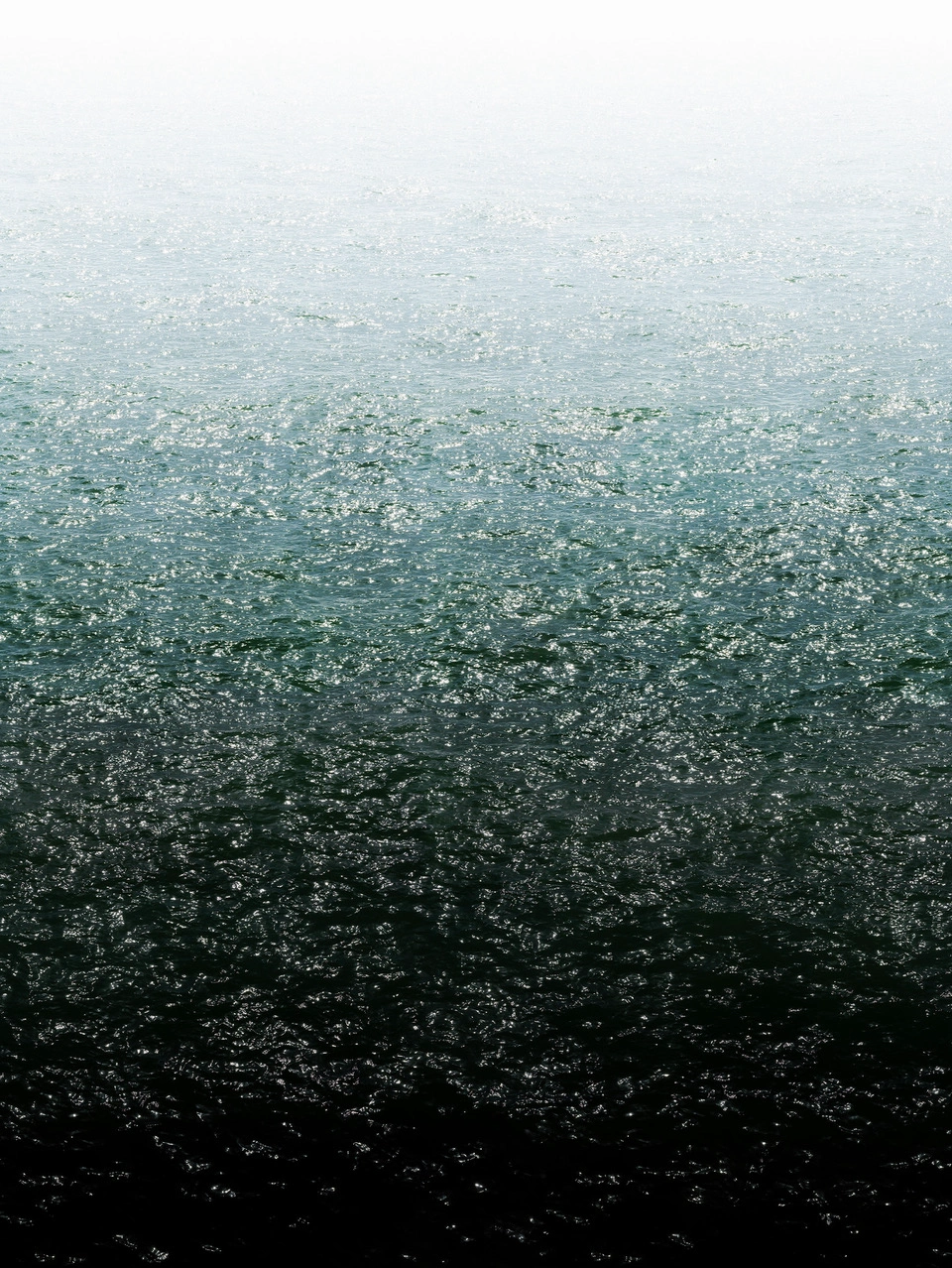
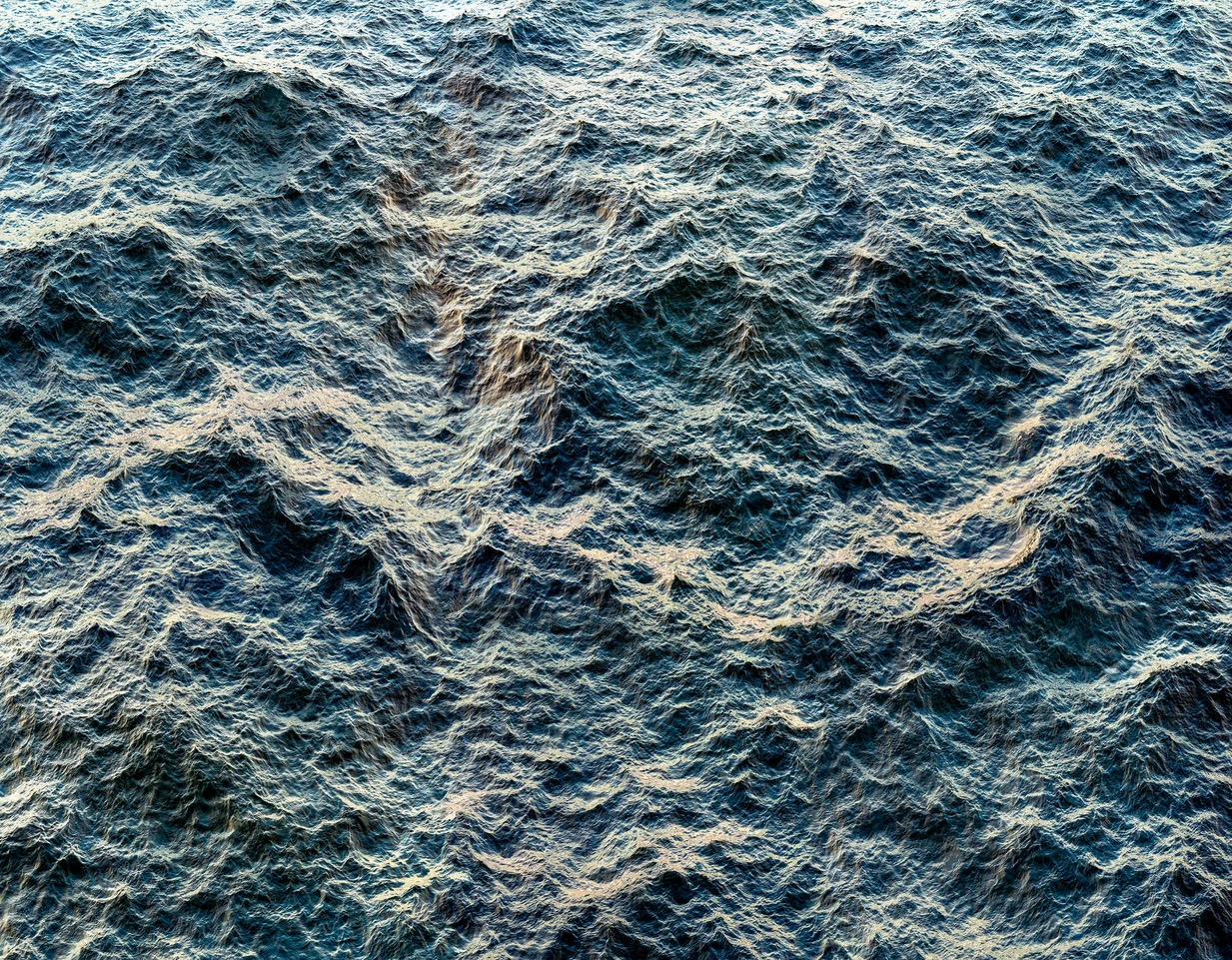
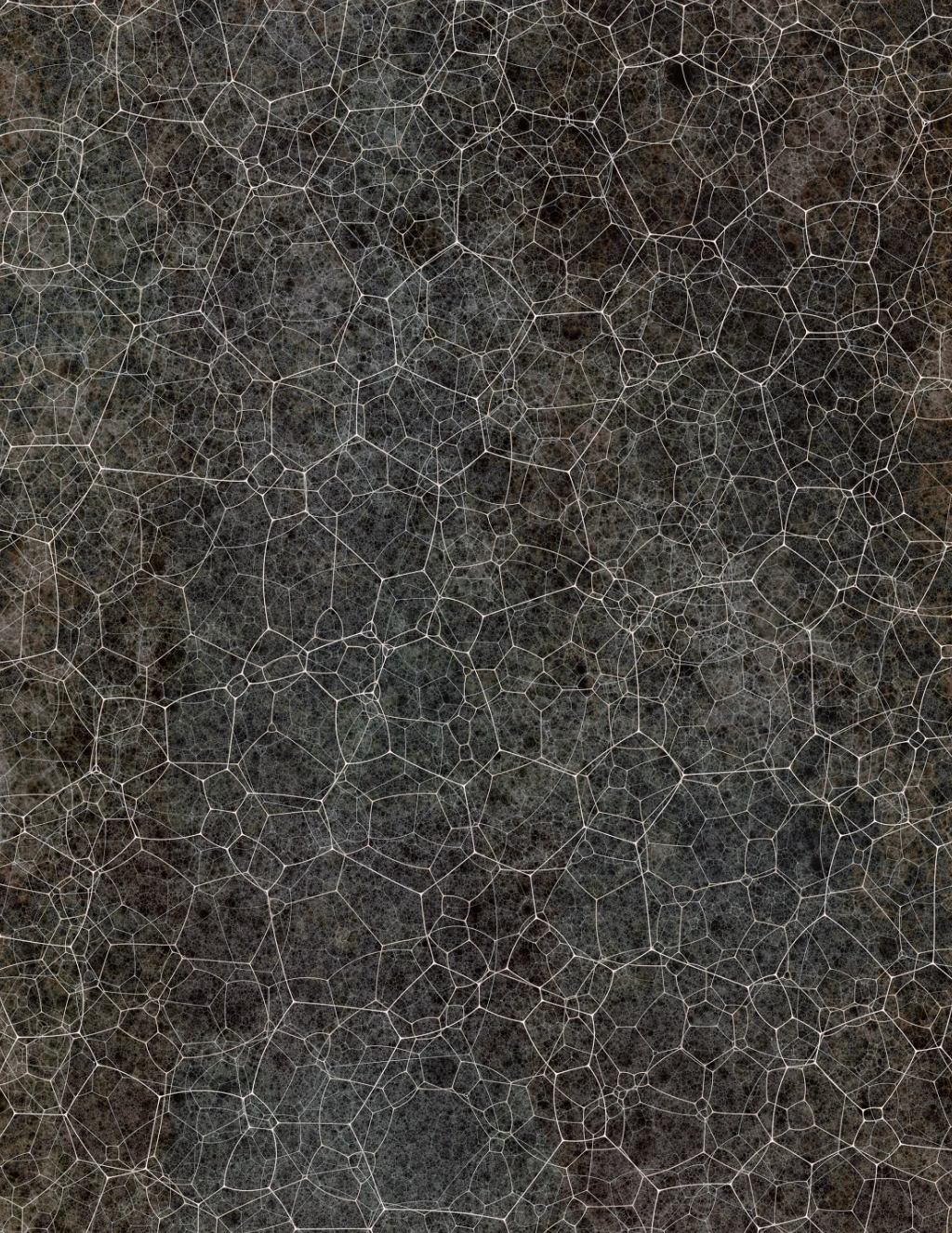
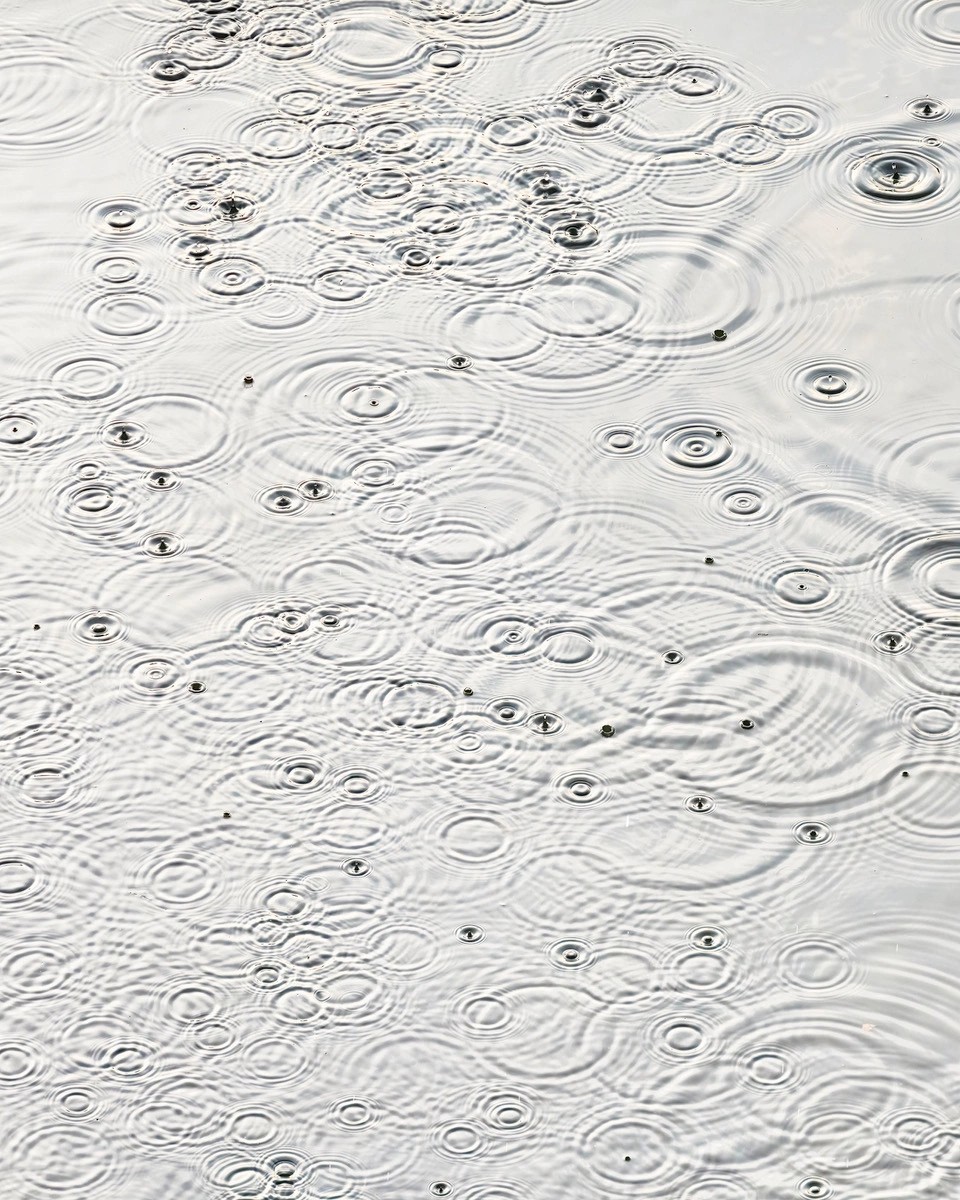
The exhibition brings together works from four significant bodies of work: The Other Side of Light (2016– ongoing), Clouds (2019–2021), Aurora Urbanis (2024) and Insight Out (2025–ongoing). Each of these different series explore a common question: how do we understand the world when what we see no longer tells us the whole story? Moving between natural phenomena, urban environments, water, light and the invisible systems of the digital world, Gefeller examines the shifting boundary between what is real and what is constructed, what is visible and what remains beyond our perception. The exhibition is both an exploration of photography and a reflection on our changing relationship with the world around us, a world increasingly shaped by technology, data and artificial intelligence, yet still grounded in the physical and natural environments we inhabit.
Born in Düsseldorf in 1970, Gefeller studied photography at the University of Essen, graduating with distinction under Bernhard Prinz in 2000. Gefeller was appointed to the Deutsche Fotografische Akademie in 2001. Over the past two decades, he has developed a distinctive photographic practice exploring perception, light, technology, architecture and the ways in which we understand the world around us. His work has been exhibited internationally and is held in numerous public and private collections, including Saatchi Gallery, London, Kunstmuseum Bonn, Bonn, National Gallery of Canada, Toronto, ING Collection, Amsterdam. He lives and works in Düsseldorf.
Gefeller’s photographs begin with the real world, but rarely present it as we would ordinarily see it. His practice is rooted in close observation and research, often beginning with a particular place, phenomenon or visual question. He works across a range of photographic processes, from multiple and long exposures to digital collage, and at times approaches a space as a “human scanner”, systematically recording the space piece by piece through hundreds of individual photographs.
In The Other Side of Light Gefeller explores how digital culture has changed our relationship with reality and vision. In a world increasingly shaped by algorithms, data and artificial intelligence, and by forces that remain largely invisible, what we see is no longer necessarily what we trust. In this blurred terrain between the real and the virtual, nature and technology, life and code, Gefeller seeks a visual language of transition. His meticulously composed photographs appear simultaneously organic and artificial, solid and transparent, real and simulated. By using overexposures, multiple exposures, digital collages and a lack of scale, they dissolve spatial orientation, creating images that seem suspended between microscopic and cosmic dimensions, challenging our sense of what is visible and what lies beyond it.
The exhibition will premiere several new works in which Gefeller turns his attention to water. These large- scale photographs capture different bodies of water, from the coasts of England to the banks of the Rhine in Germany. Created by digitally collaging hundreds of individual photographs, the works draw the viewer into the surface of the water, where sunlight and reflections shimmer across the image. At first glance, we recognise the sea, yet as we look closer, we notice that the familiar horizon line has been deliberately removed. Without this point of reference, our sense of distance and scale dissolves, leaving us suspended within the water itself.
The works are both visually spectacular and quietly disorientating. As with much of Gefeller’s practice, what appears to be a straightforward observation of the natural world is carefully constructed, allowing him to alter our perception without ever losing the physical reality of his subject. Water becomes at once a tangible landscape and an almost abstract field of light, bringing together the real and the imagined. In an increasingly digital world, where so much of our experience is mediated through screens and virtual spaces, these images return us to something elemental and physical.
Also premiering is a new work from Gefeller’s recent Insight Out (2025–ongoing) series, in which he moves further away from the openly visible world, turning his attention to processes that increasingly shape our lives but remain beyond our direct perception. Using photographically constructed images, he creates complex, abstract structures that suggest the invisible networks of data, algorithms and artificial intelligence operating beneath the surfaces of our digital lives. In works made from soap foam, Gefeller photographs and reconstructs its fragile, disappearing structures layer by layer, creating intricate landscapes of lines, threads and nodes. Organic yet otherworldly, the images sit between science and imagination, offering a visual metaphor for systems that promise order and understanding, yet become increasingly difficult to comprehend the deeper we look.
The exhibition will also showcase several works from his Aurora Urbanis (2024) and Clouds (2019-2021) series. In Aurora Urbanis (2024), Gefeller photographs cloudy night skies illuminated by artificial light from cities, industrial plants, stadiums and other sources. Through long exposures, colours that are normally invisible to the naked eye become visible, transforming the sky into a record of human activity. The glow of cities becomes an indicator of civilisation and, at the same time, a form of light pollution. The photographs reveal the presence of human life without showing it directly, much as a scientific trace can reveal something that cannot itself be seen.
In his series Clouds (2019–2021), Gefeller photographs steam emissions from the cooling towers of coal- fired power stations, creating images that are almost indistinguishable from natural clouds. The industrial and the natural become visually inseparable, quietly questioning our assumptions about what we see and where nature ends and human intervention begins. By removing the surrounding context, Gefeller turns an industrial by-product into something atmospheric and unfamiliar, reminding us that appearances can conceal the systems and processes behind them.
Across these bodies of work, Gefeller repeatedly asks us to reconsider how we see and understand the photographic image. His photographs introduce uncertainty, revealing how much of our perception depends on context, scale, technology and the assumptions we bring to an image. A cloud may be the product of an industrial cooling system; the night sky can reveal the invisible activity of an entire city; and a familiar body of water can become an immersive space without a horizon. By shifting perspective and revealing what normally remains hidden, Gefeller invites us to look again at the world around us.
Gefeller’s process is as important as what he photographs. His work combines extensive research, careful observation and a highly developed technical approach, transforming familiar subjects into images of remarkable precision, luminosity and visual complexity. The resulting photographs invite both close inspection and a more immediate, sensory response: they can be disorientating and thought-provoking, but also atmospheric, luminous and deeply immersive. Ultimately, Gefeller’s work reminds us that the world contains far more than we normally see, and that photography can make even the most familiar things appear strange, unexpected and newly beautiful.
Sign Up & Never Miss a Show