Fasanenstraße 30 & 31, 10719, Berlin, Germany
Open: Tue-Sat 11am-6pm
Artist: Alix Cléo Roubaud
Curated by Hélène Giannecchini
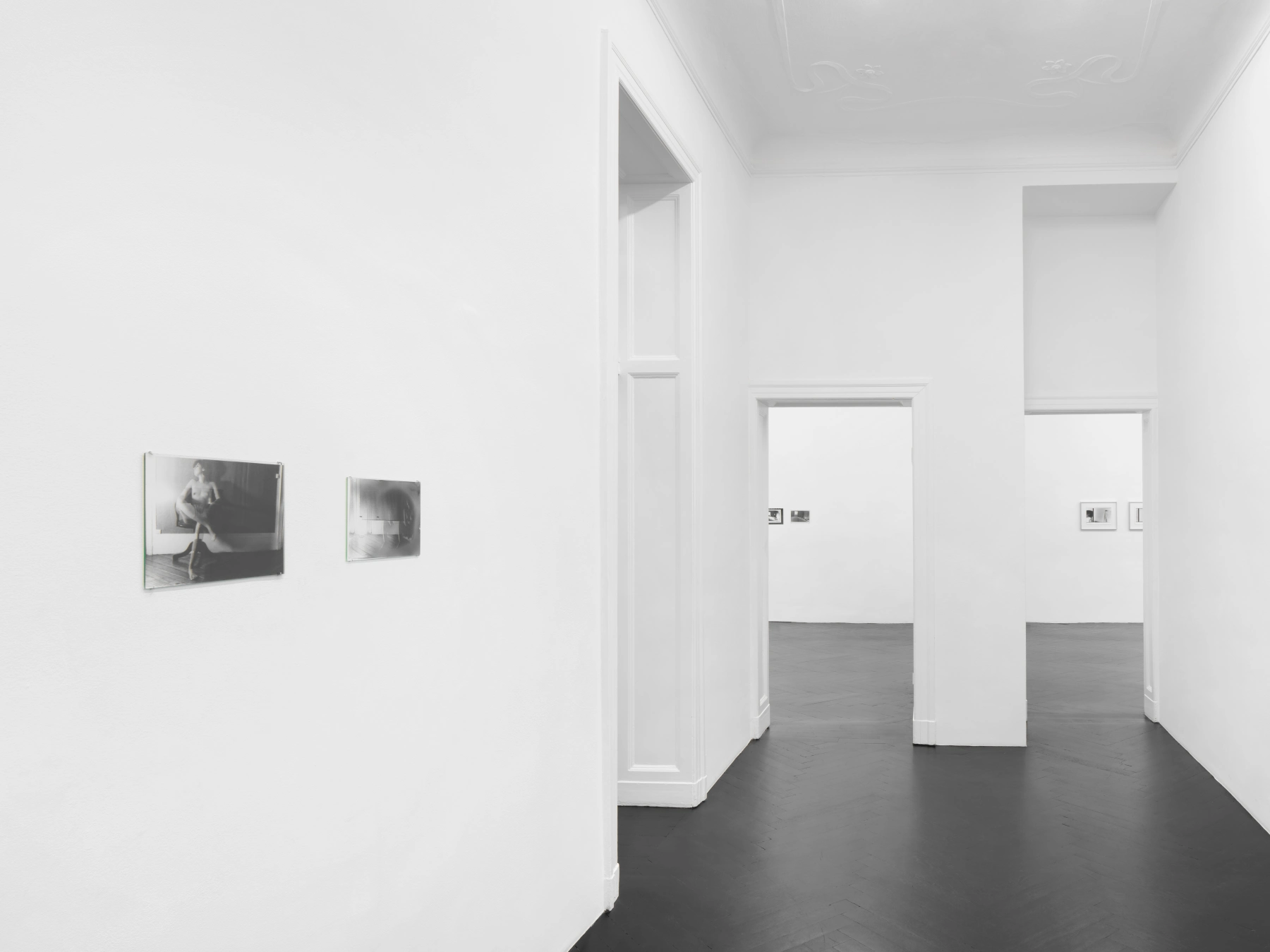
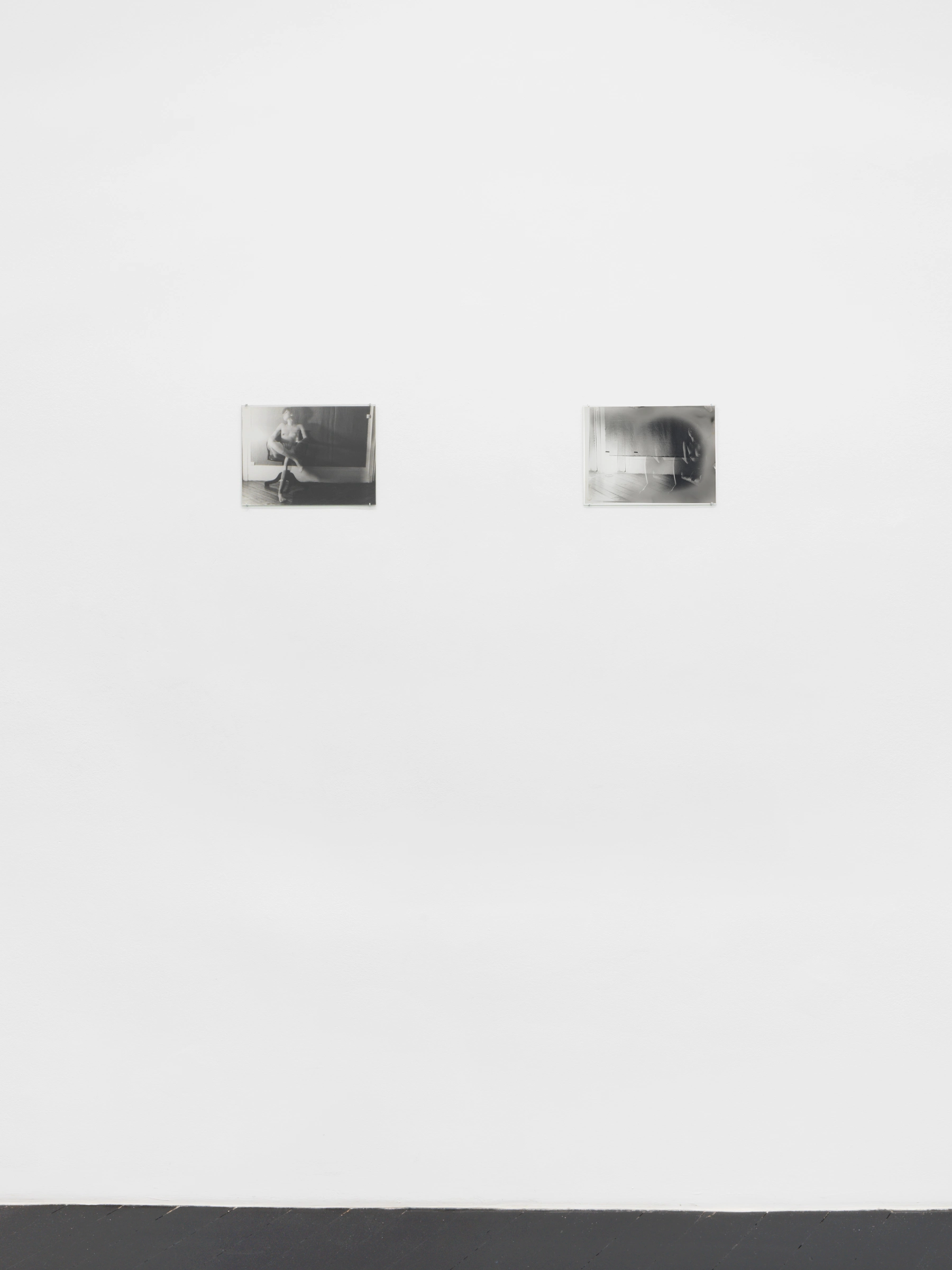
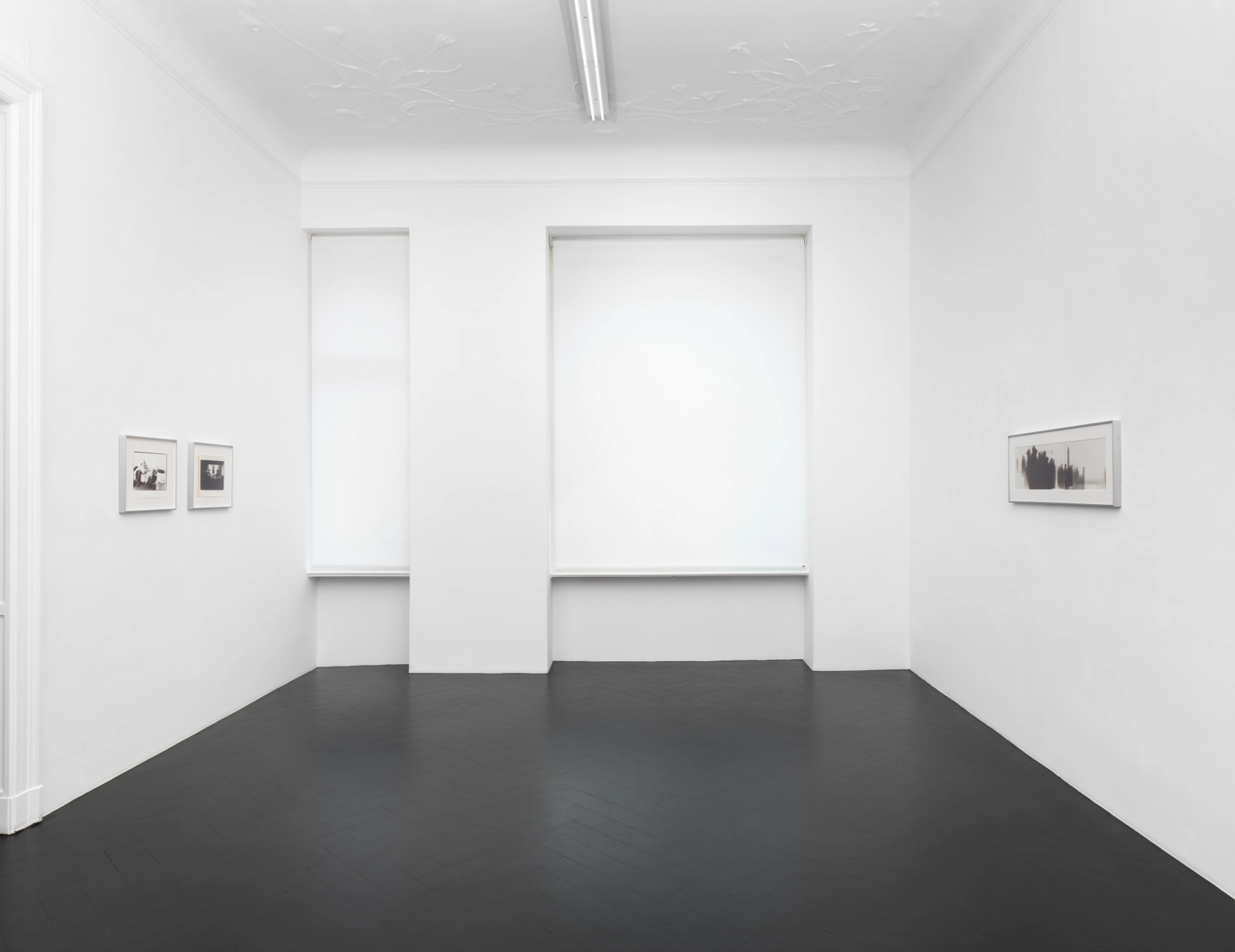
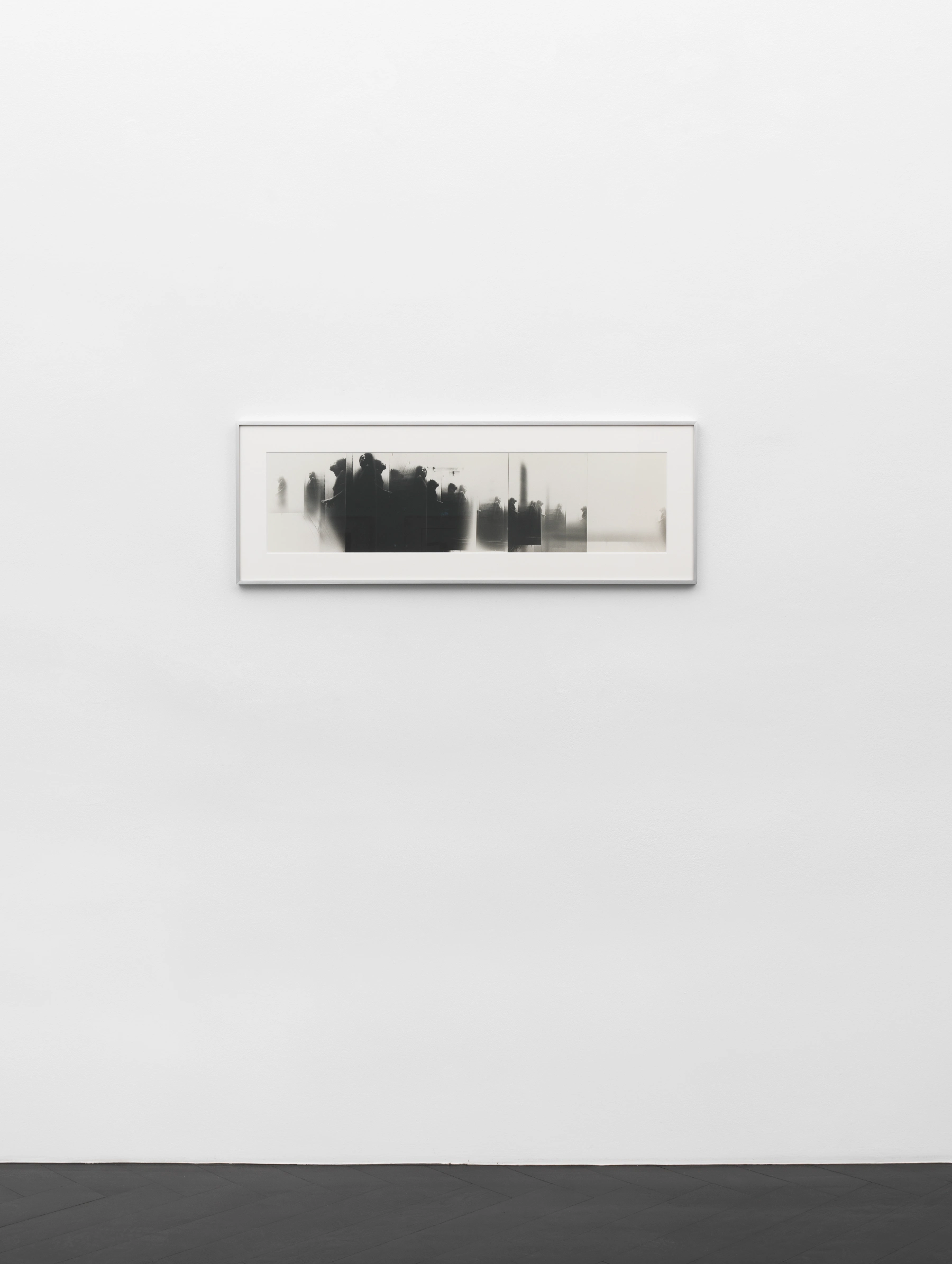
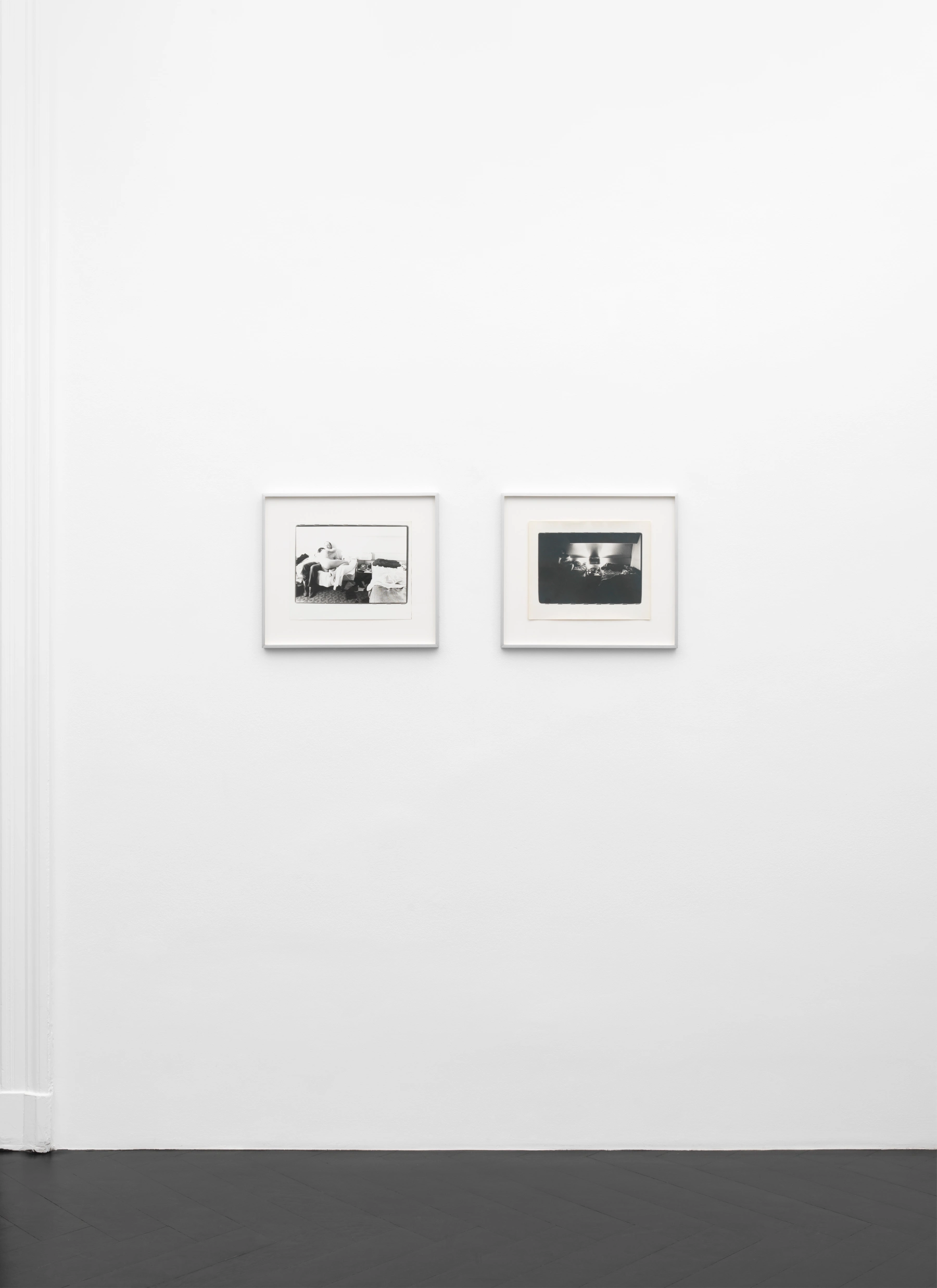
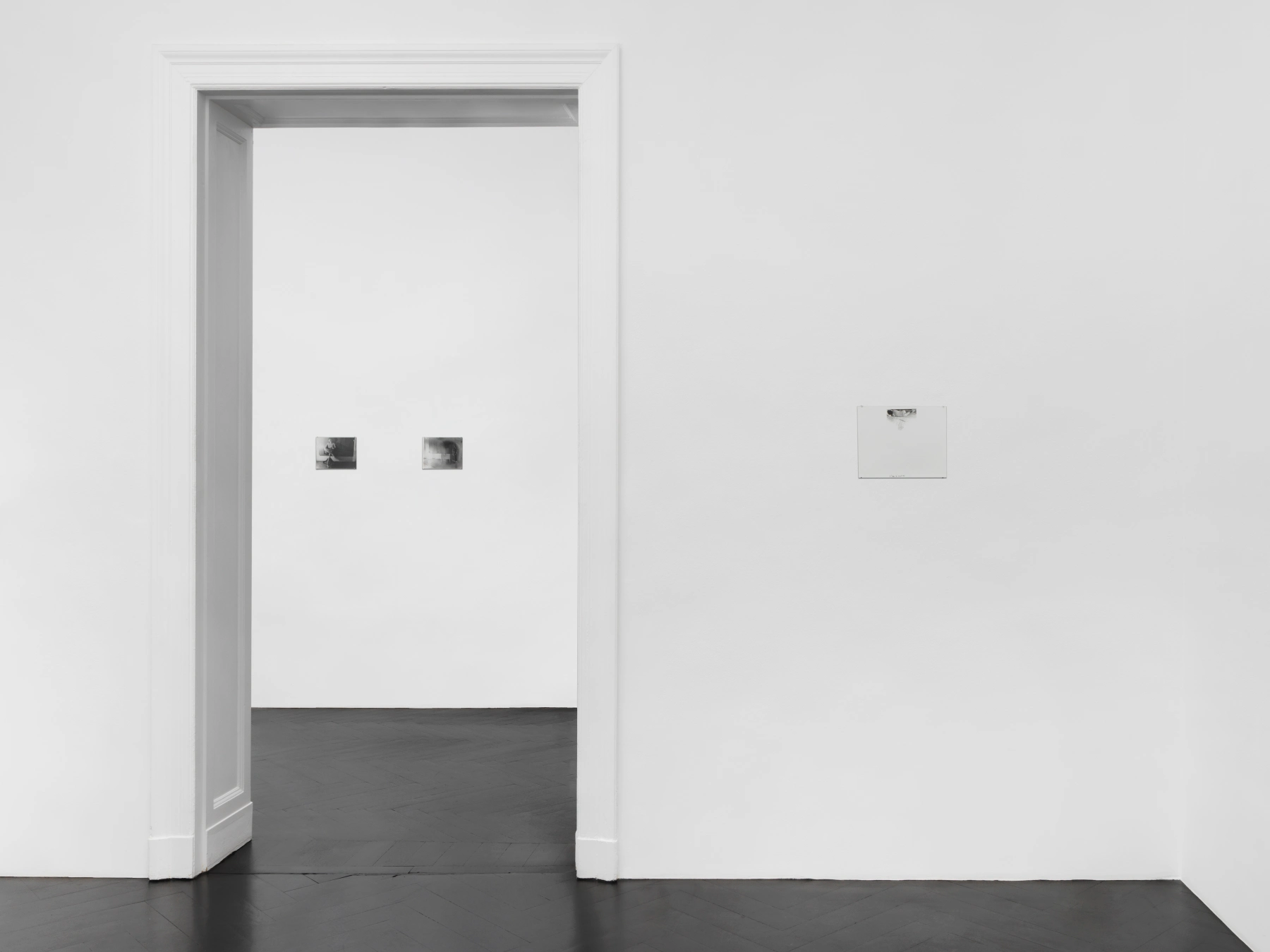
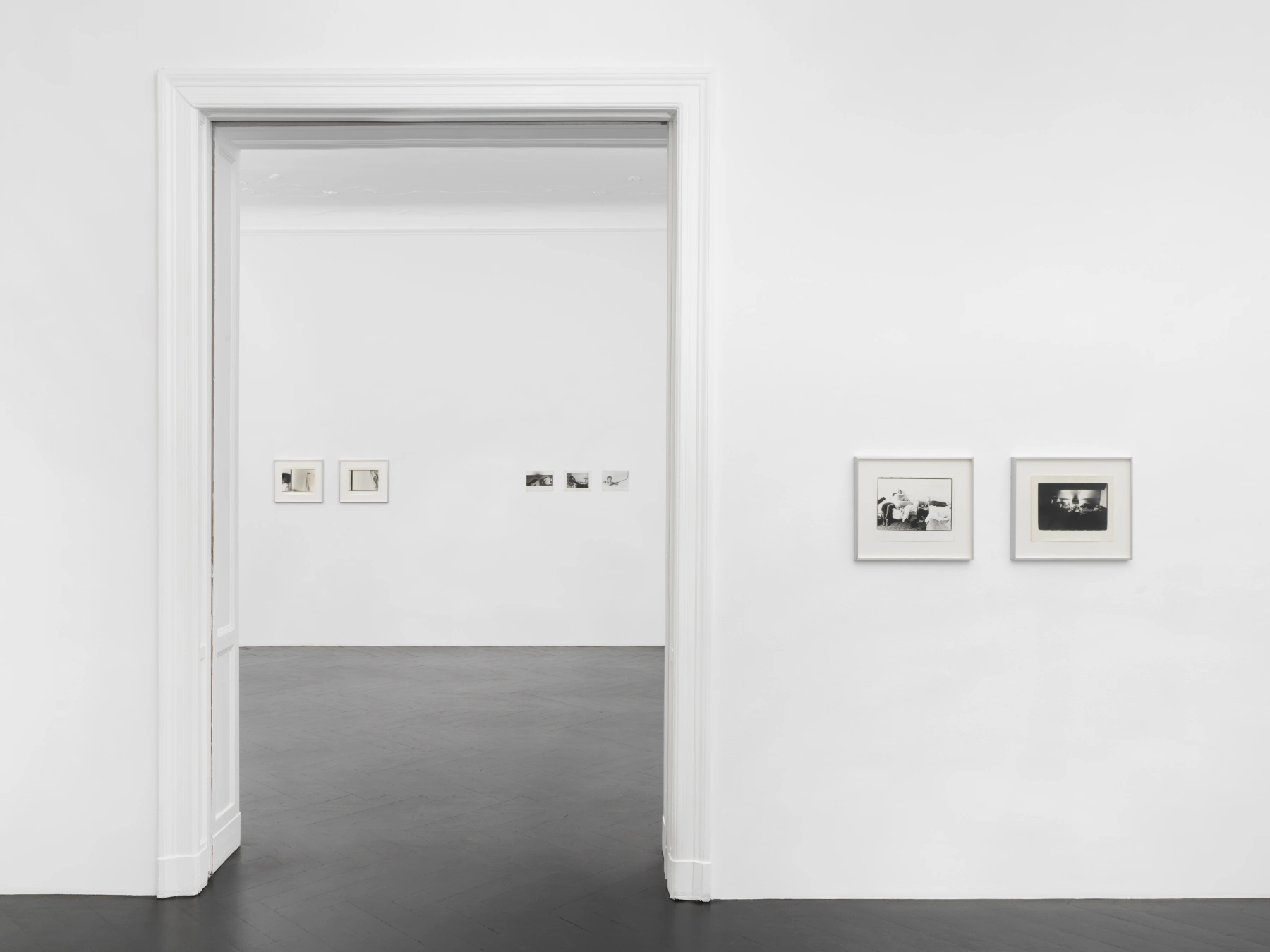
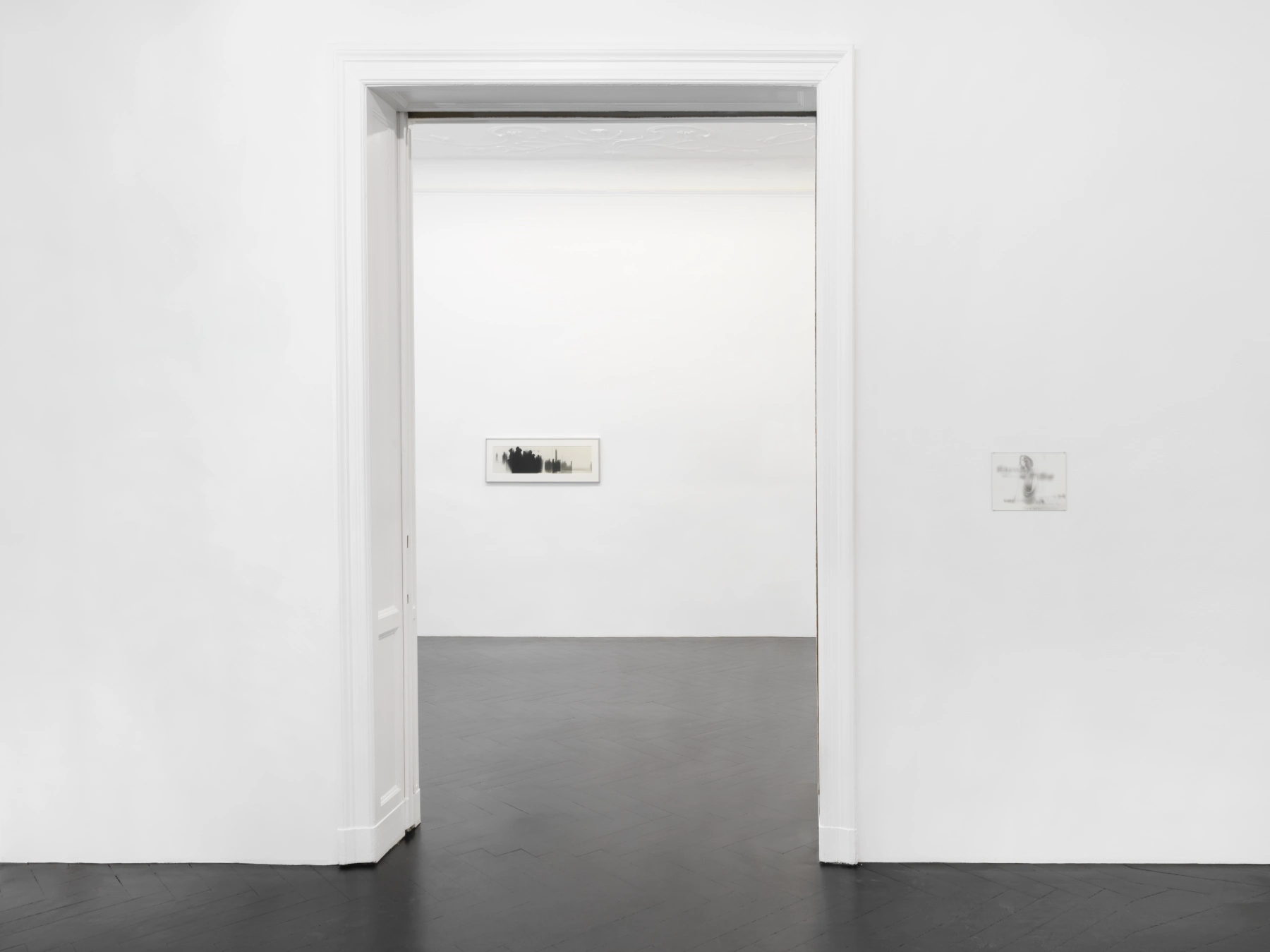
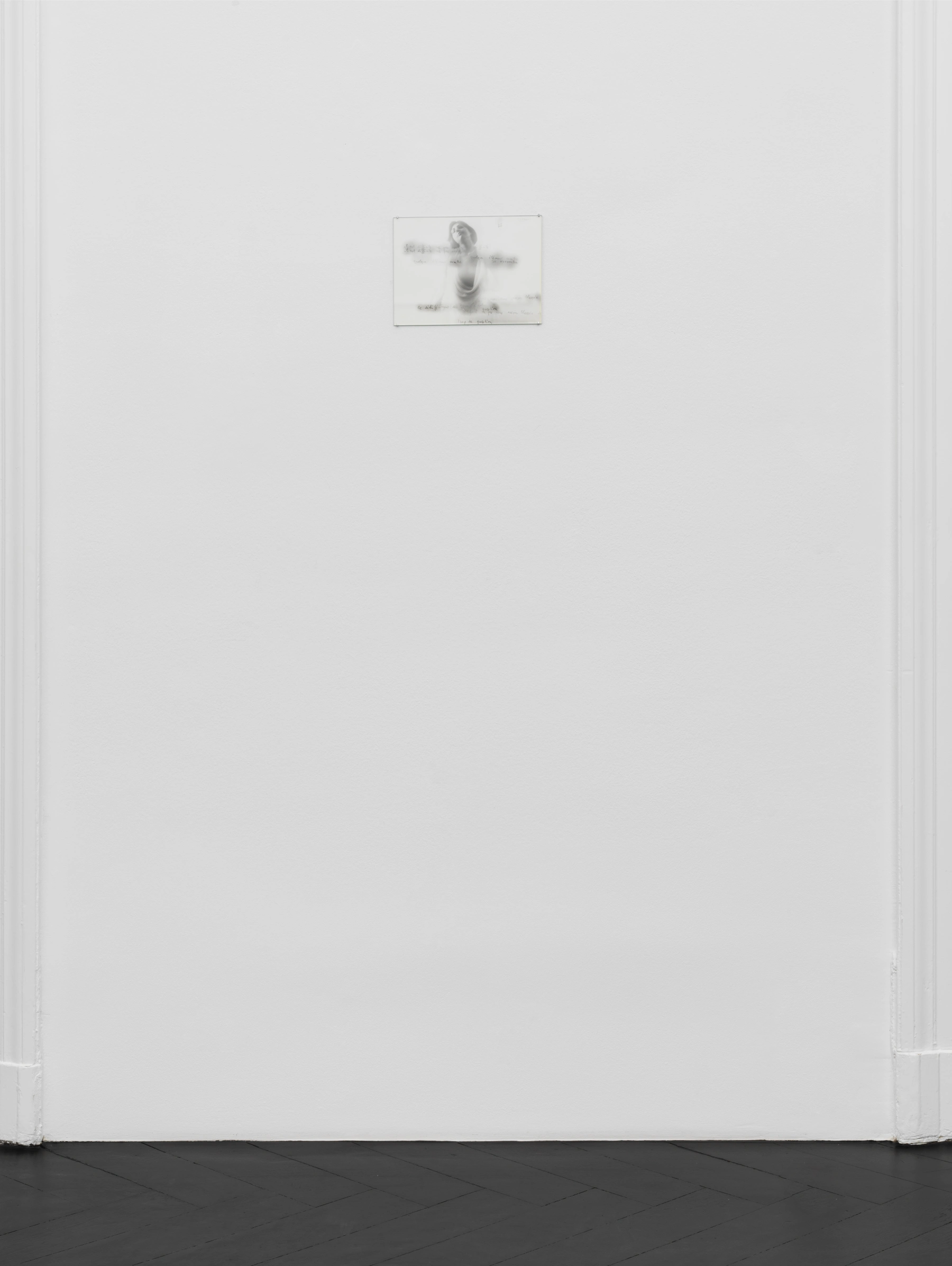
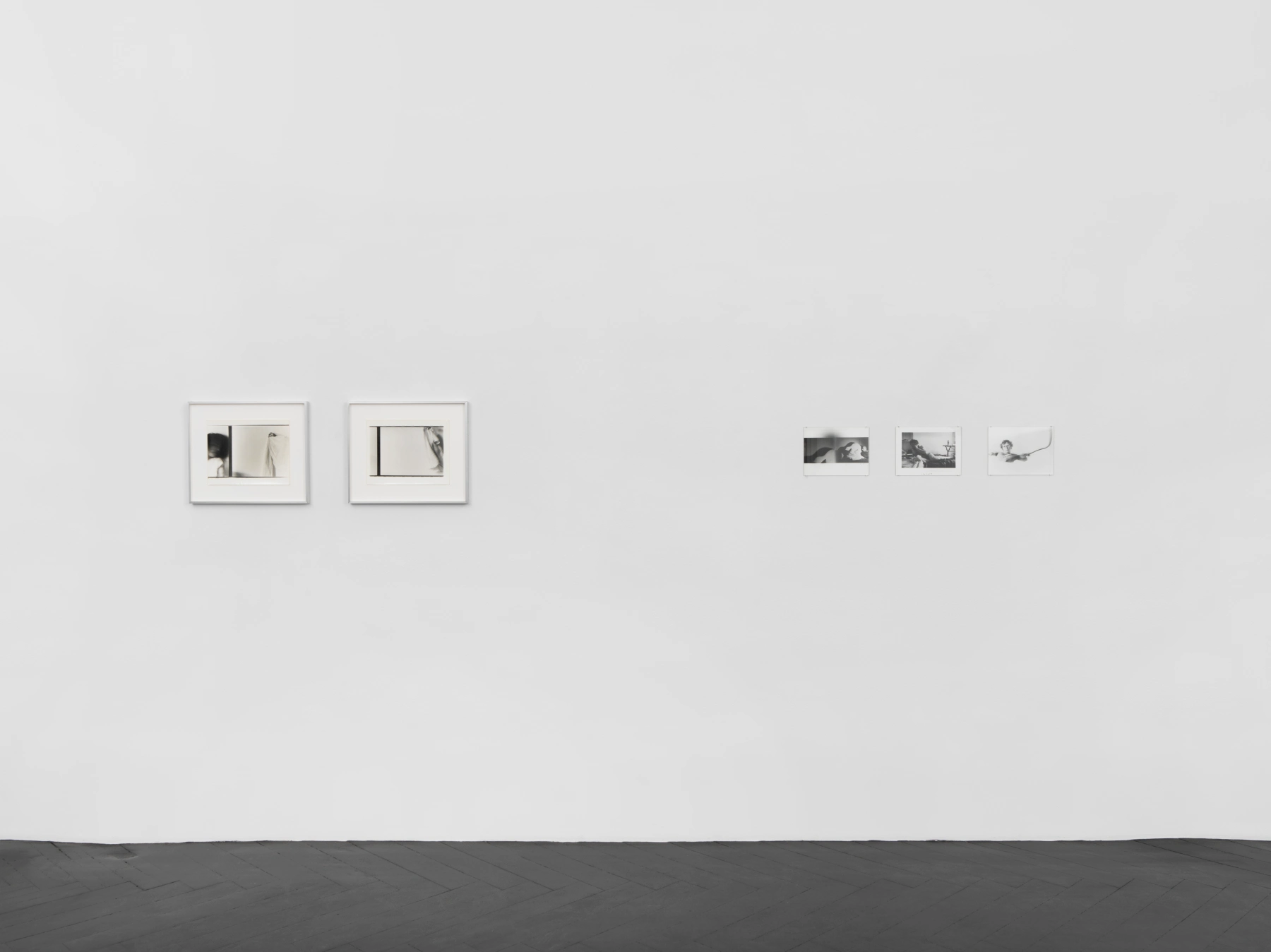
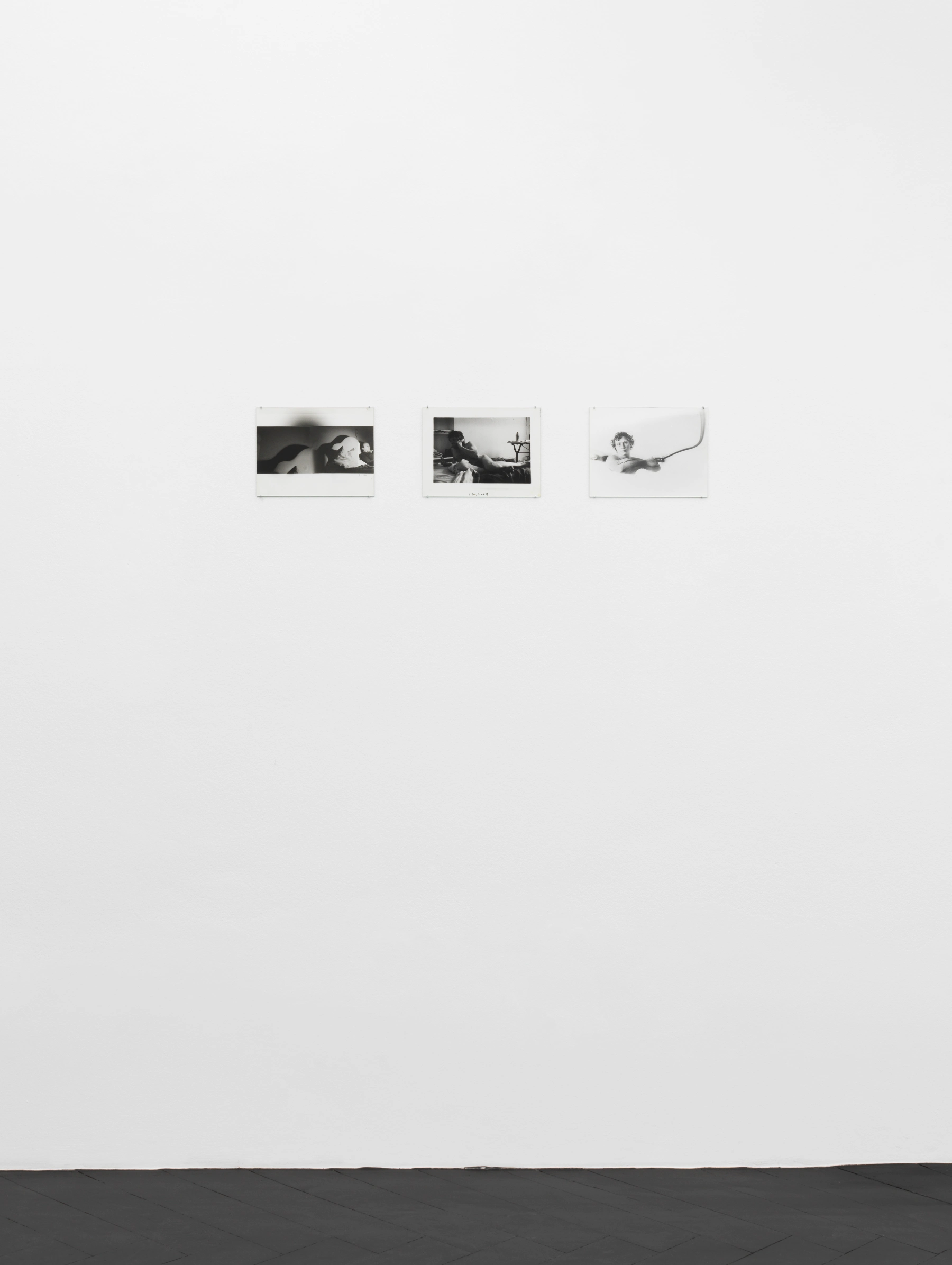
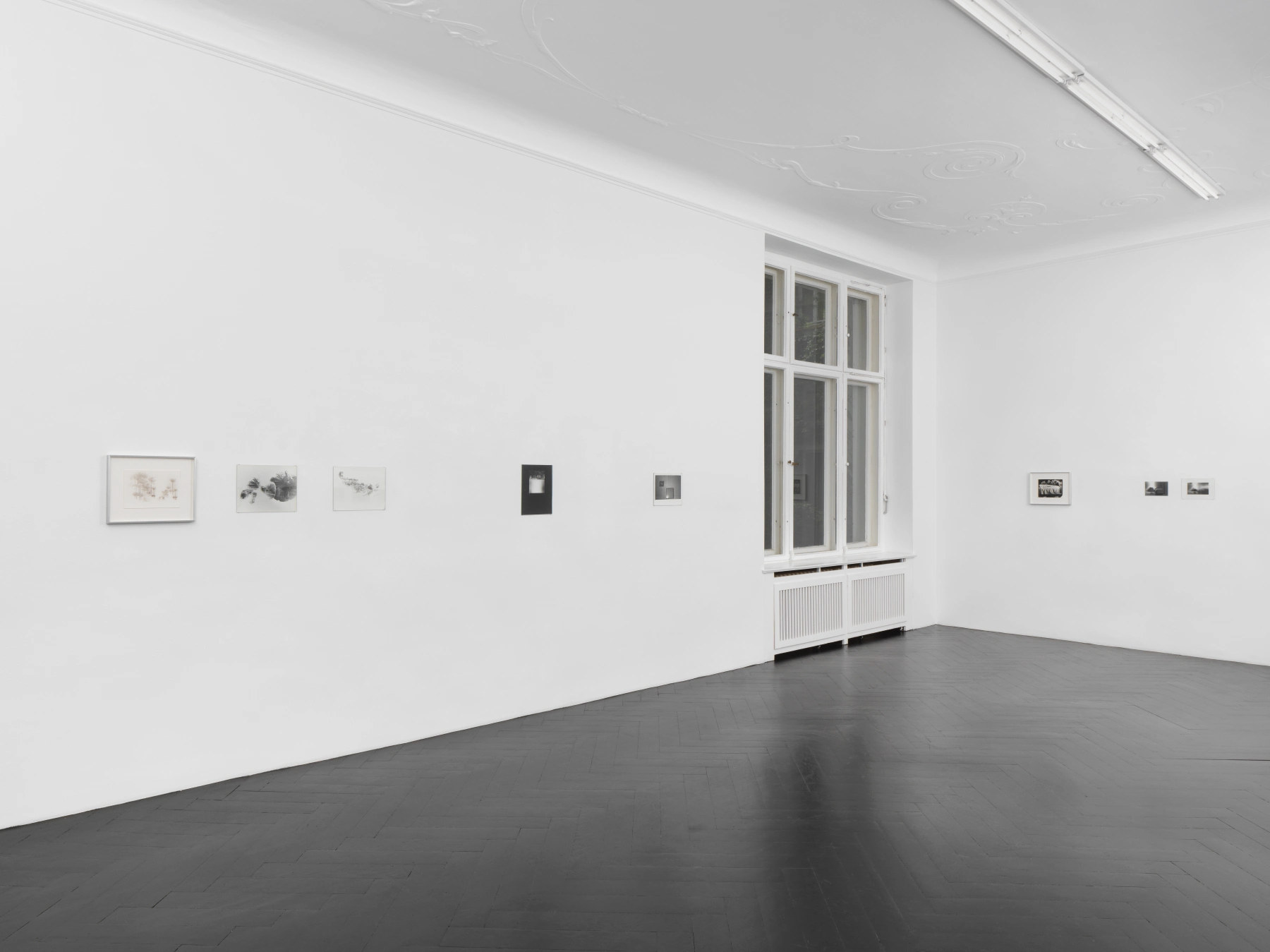
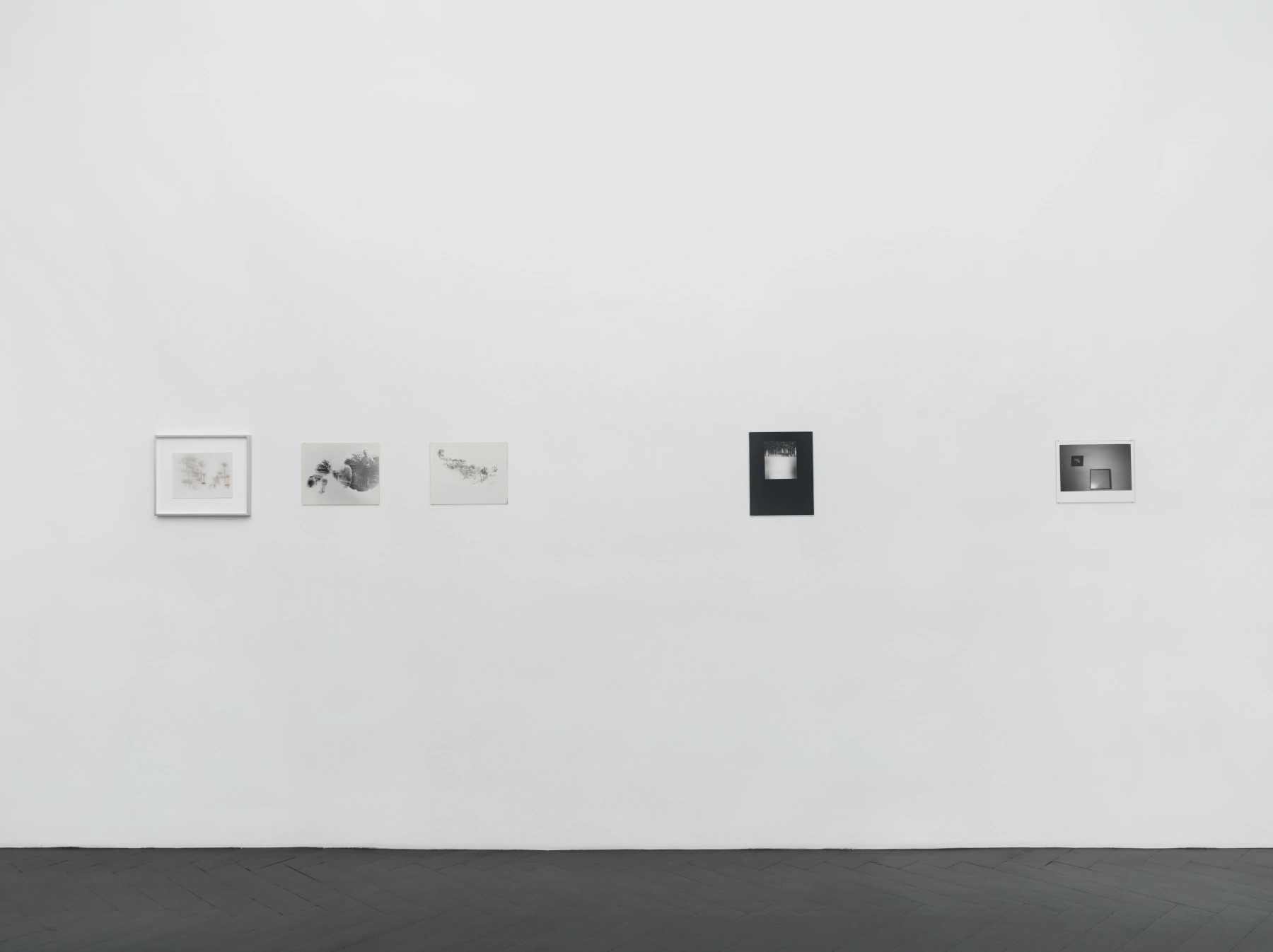
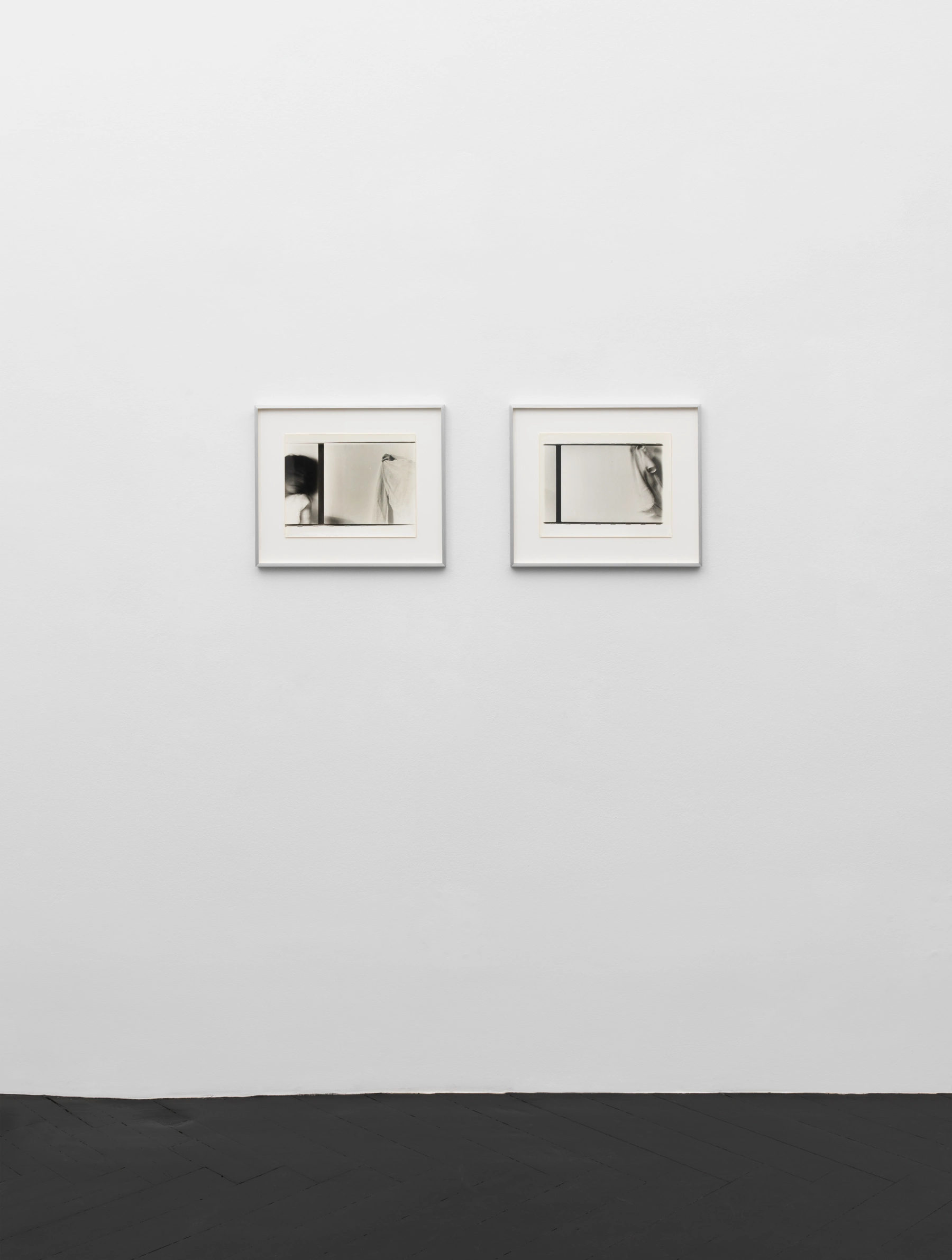
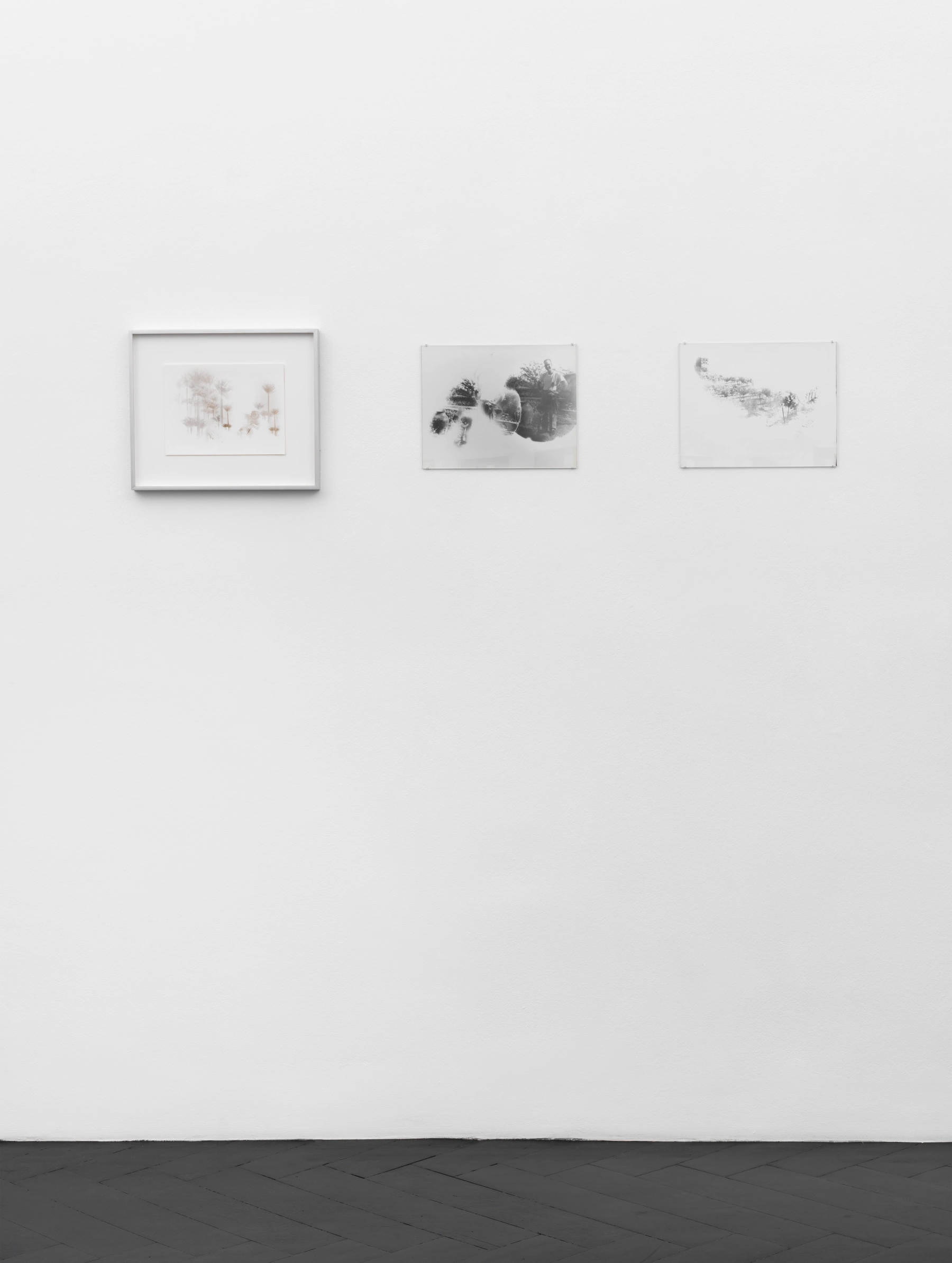
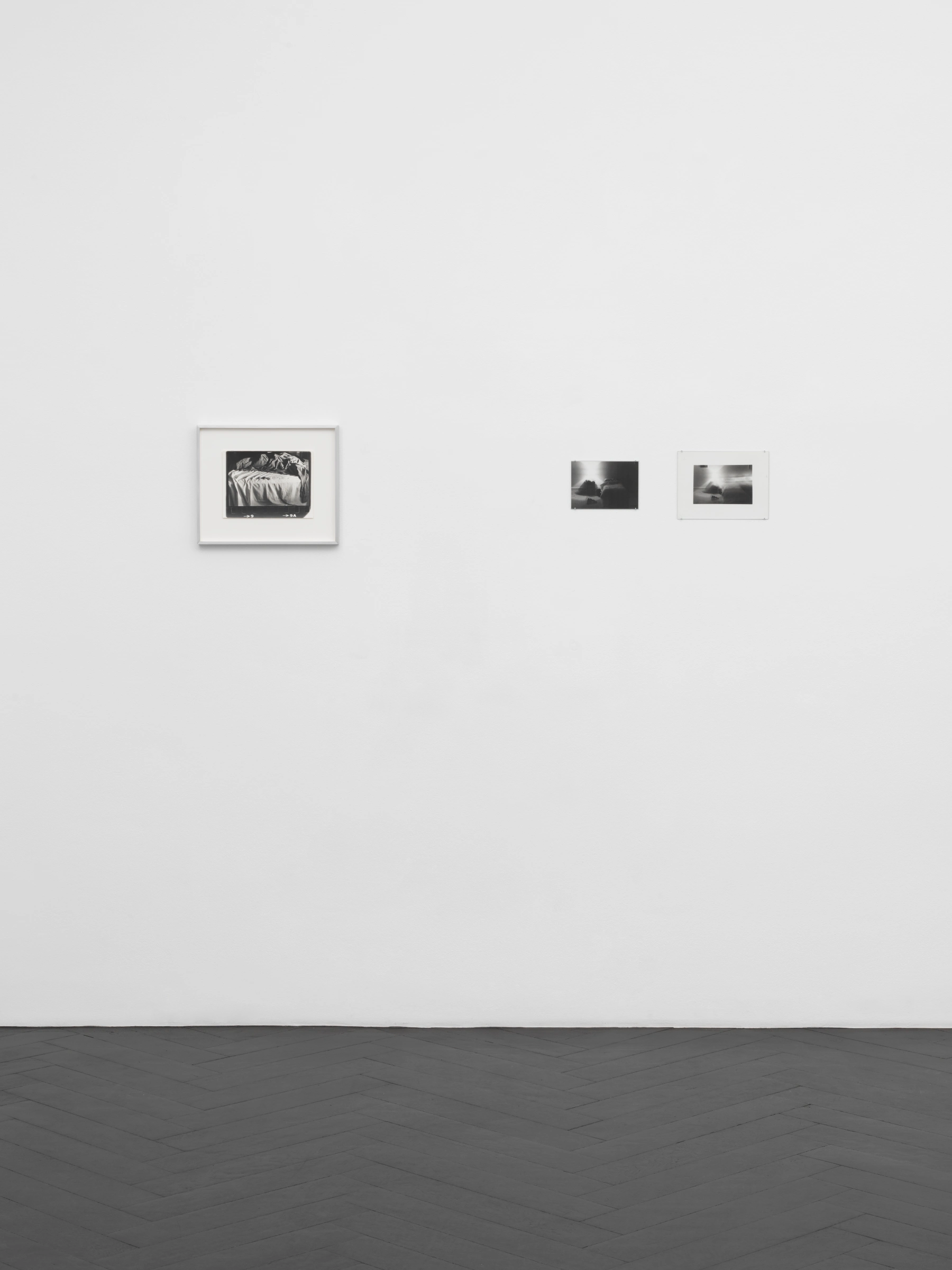
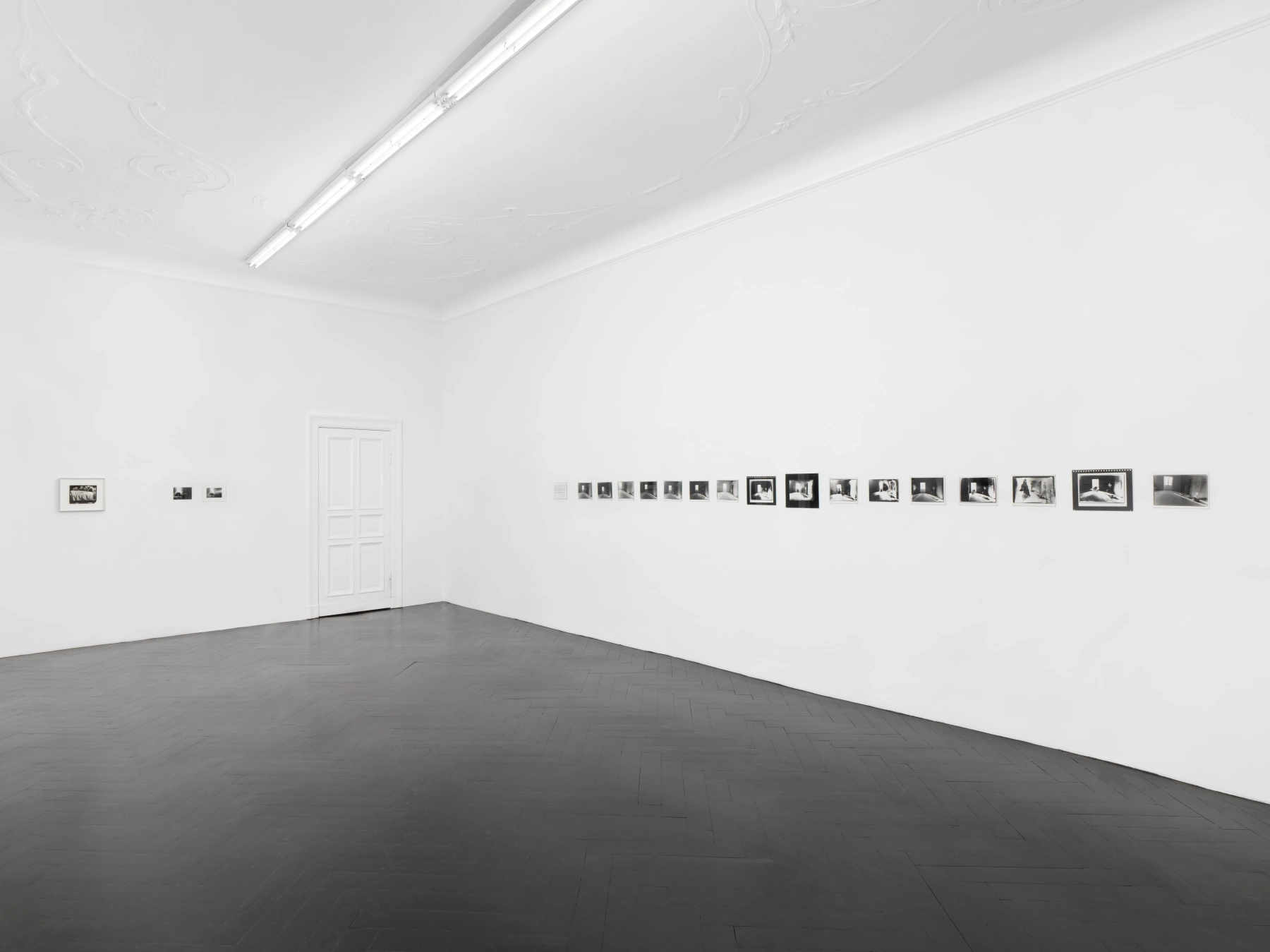
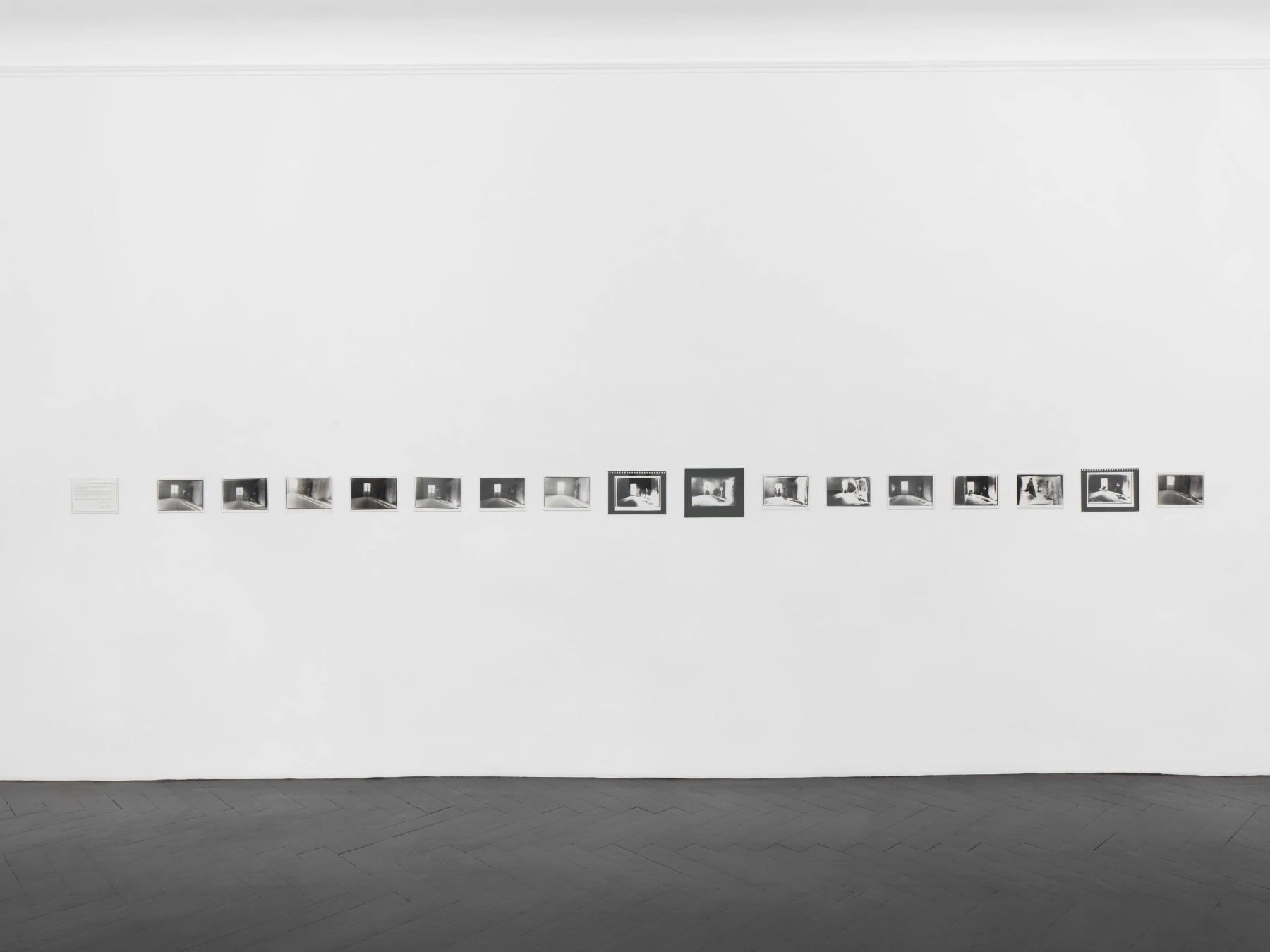
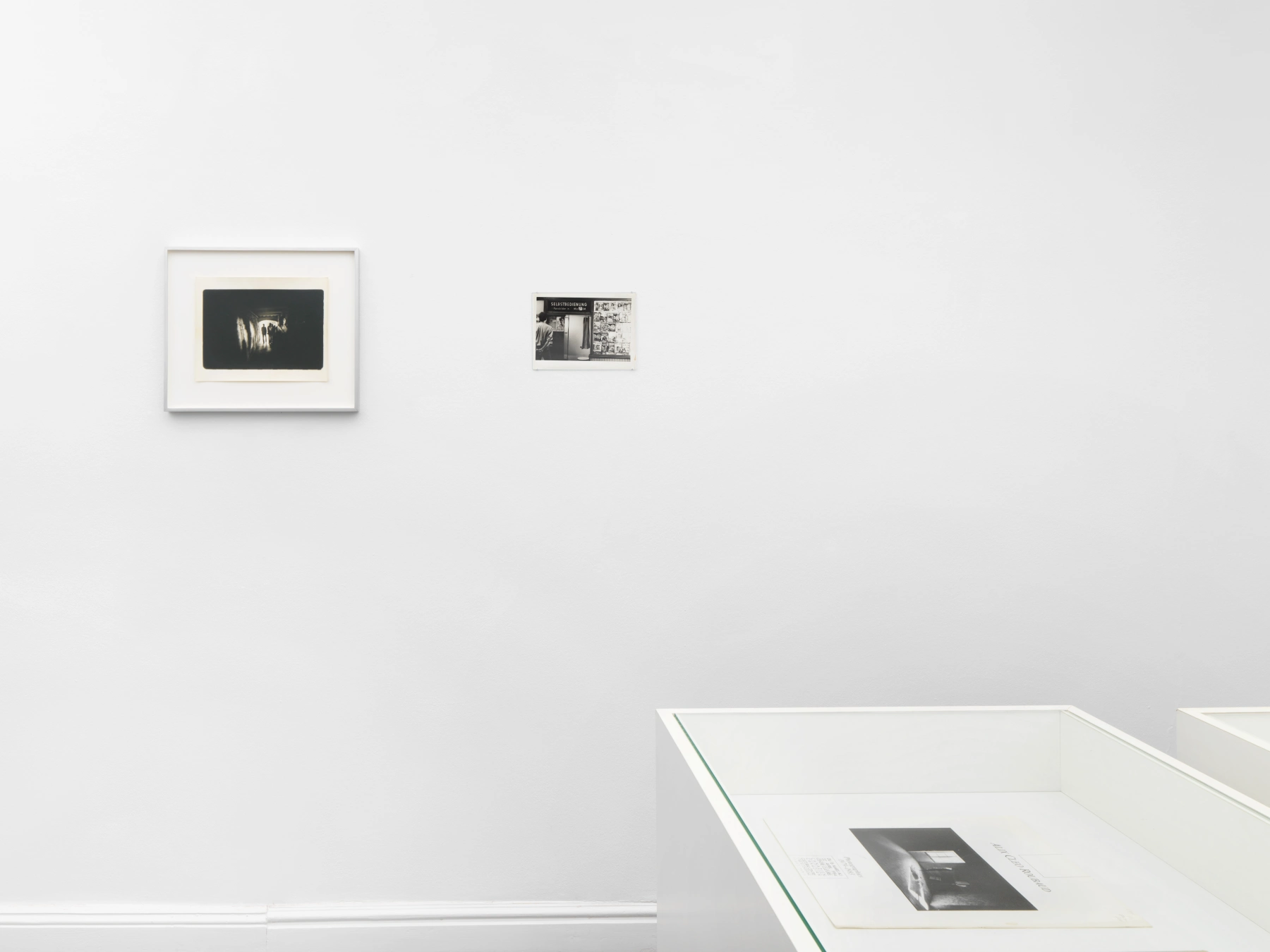
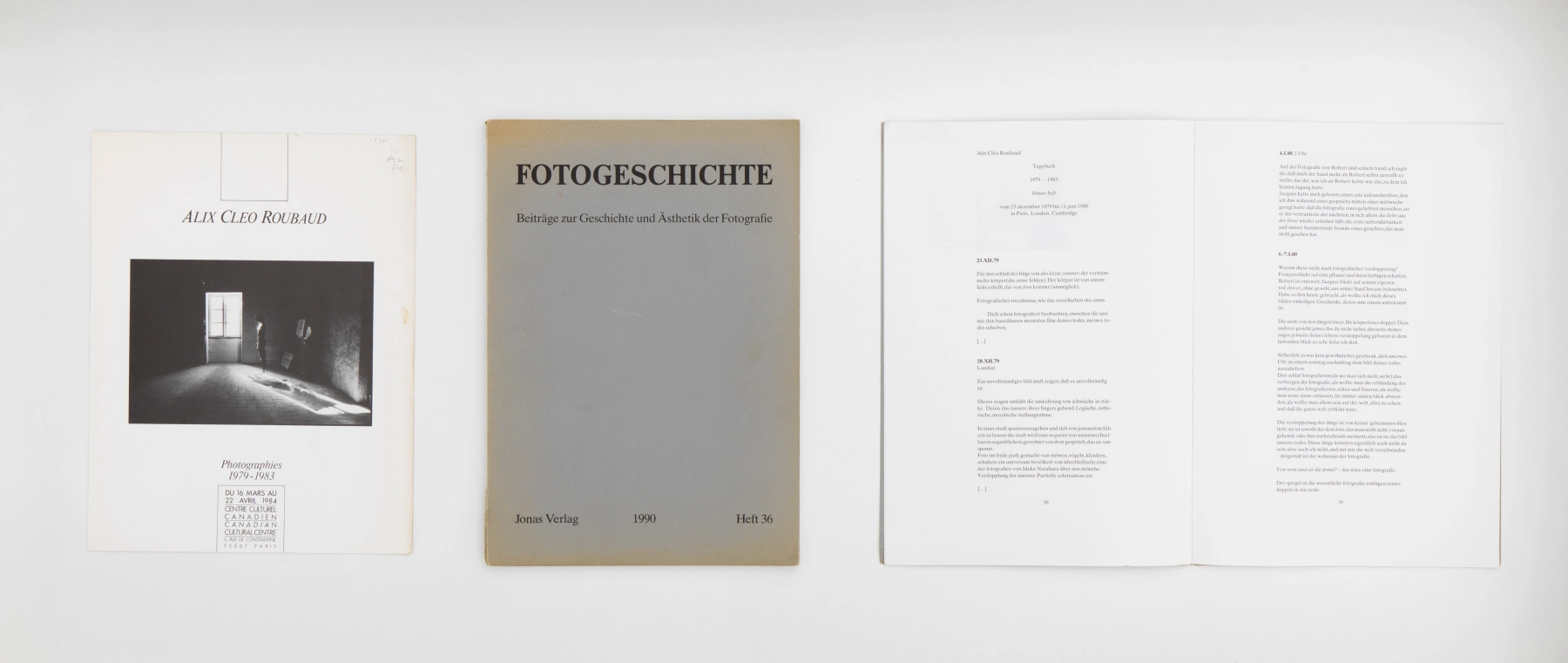
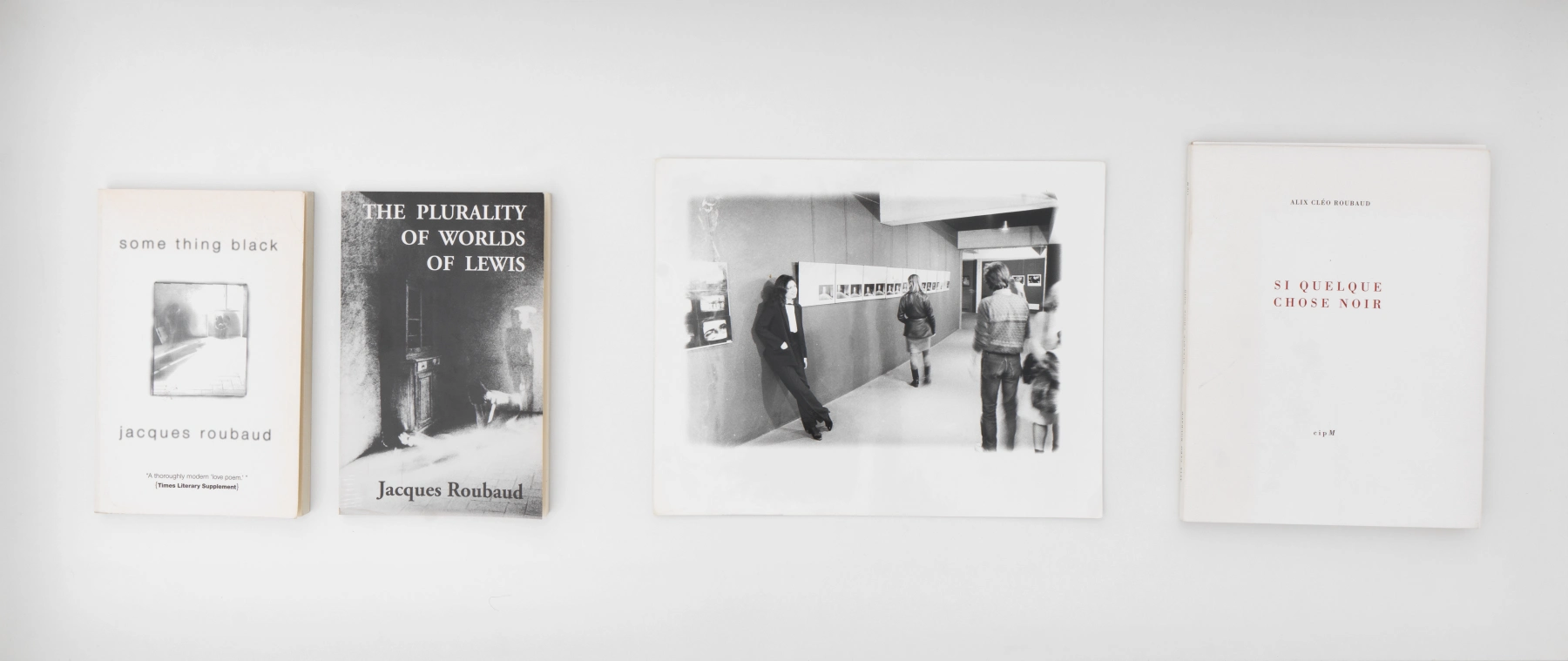
In the summer of 1980, Alix Cléo Roubaud spent her vacation in Saint-Félix, a village in southwestern France where her husband, the poet Jacques Roubaud, had a family home. Her brother-in-law, the painter Pierre Getzler, had set up a studio in a large room above the home’s main stonework, and allowed her to make use of it while he was away. Alix spent every day there during the month of August, working under the scorching midday sun. The room was almost entirely lit by a single window. She had several rolls of film with her, and wanted to experiment with a new way of photographing herself. She sought a form of asceticism, which she described in her diary: “the daily practice of photographing myself that must always begin again (1).”
For at least ten days, she devoted herself entirely to taking photographs. Her camera was mounted on a tripod; she marked the edges of the frame on the floor. Within this space, at once real and photographic, she performed completely naked. Her body multiplied. As she later wrote, it danced, too: she would stand in the light and lie down in a rectangle of sunlight delineated by the window. She drew within the image itself: “At the moment, I’m photographing myself in motion: I leave the camera open for 10, 20, 30 seconds and walk in front of it. Instead of previsualising my photographs, I do something a bit like what gestural painters do, but with my body. [...] I am my own paintbrush (2).”
After having taken her photographs, Alix Cléo Roubaud spent several months in the darkroom developing them. The images in this series are all unique: each one was meticulously worked on and intensely modified until the desired result was achieved. In this sense, the photographs in “Si quelque chose noir” (“If Something Black”) possess the same unique character as a painting; Alix approached photography as a painter would. If she was the paintbrush in the studio, the negatives themselves were then merely “the painter’s palette (3).” She thus decided to systematically destroy them, to the point where none remain.
In the series, Alix Cléo Roubaud likewise reflects on the fugacity of existence and the certainty of death: “that black thing” contained in the title, which she attempts to combat through the means of photography. Black is a symbol of despair and of mourning, but it also absorbs the light it receives. It is the abolition of the visible spectrum - the absence of light - but it is also the very substance of photography.
In one of the series’ images, she superimposes a portrait of herself as a child onto a print, to harrowing ends: “Myself as a laughing child in / front of my dead body (4).” Alix Cléo Roubaud as a little girl, her head cocked to one side, smiling and well-behaved, is seen seated beneath the studio window. Childhood emerges from within this dark lair. In the final image of the series, Alix Cléo Roubaud lies sprawled across the body of her husband, Jacques Roubaud. While the poet’s silhouette appears crisp, the artist’s body - exposed for a shorter period - is translucent, already half-vanished.
The series is undoubtedly one of the most accomplished bodies of work in her short career, but it also marked the beginning of her artistic recognition. It was first exhibited at the Maison des Arts in Créteil as part of the 1982 exhibition, “Une Autre photographie.” (5) Then, in Autumn that same year, Alix learned that she had been selected for the 1983 Rencontres d’Arles. She died six months before the opening of that exhibition, the title of which poignantly echoes her meteoric fate: “Les Gens de l’éphémère / People of Transience.” (6)
Hélène Giannecchini
(1) Alix Cléo Roubaud, “Journal”, Dalkey Archive Press 2010.
(2) Alix Cléo Roubaud, Undated Letter to Her Family, 1980–1981, Alix Cléo Roubaud Collection.
(3) Alix Cléo Roubaud, excerpts from “Journal d’Alix”, 1979, in Hélène Giannecchini, “Alix Cléo Roubaud: A Portrait in Fragments”, translated by Thea Petrou, Sylph Edition, 2024.
(4) Alix Cléo Roubaud, “Journal”, Dalkey Archive Press 2010.
(5) “Une Autre photographie”, organised by Christian Gattinoni, Jean-Pierre Boyer, Alin Avila, and the association “Pour l’Art,” Maison des Arts de Créteil, January 10–March 30, 1982.
(6) “Les Gens de l’éphémère / People of Transience”, Rencontres internationales de la photographie d’Arles, exhibition catalogue, 1983.
Sign Up & Never Miss a Show